

Waning effectiveness of the third dose of the BNT162b2 mRNA COVID-19 vaccine
Open accessPublished version of a preprint
The DOI matches its Crossref record; 24 of the 30 references it cites were found in a registry or an index; 11 of the 12 sources its claims cite were checked for support.
Abstract
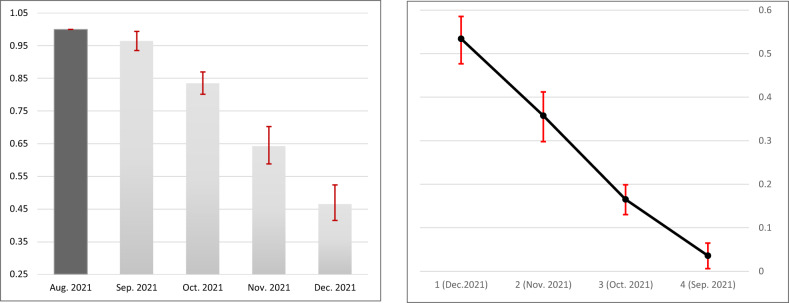
The duration of protection of the third (booster) dose of the BioNTech/Pfizer BNT162b2 mRNA Coronavirus Disease 2019 vaccine has been the subject of recent investigations, as global discussions around the necessity and effectiveness of a fourth dose are already underway. By conducting a retrospective study implementing a test-negative case-control design, analyzing 546,924 PCR tests performed throughout January 2022 by 389,265 persons who received at least two doses, we find that the effectiveness in each month-since-vaccination decreases significantly. Compared to those vaccinated five months prior to the outcome period, on August 2021, relative protection against infection waned from 53.4% a month after vaccination to 16.5% three months after vaccination. These results suggest that there is a significant waning of vaccine effectiveness against the Omicron variant of the third dose of the BNT162b2 vaccine within a few months after administration. Additional information could assist to comprehensively estimate the effectiveness of the three-dose-strategy.
Overview
CoChat Summary
TL;DR
In a retrospective test-negative case-control study in Maccabi Healthcare Services during the Omicron-dominant period in January 2022, third-dose BNT162b2 effectiveness against infection declined from 53.4% one month after vaccination to 16.5% three months after vaccination, relative to August 2021 booster recipients. Waning against severe disease was not statistically significant, with the authors noting small numbers.
Key findings
- Among 546,924 PCR tests by 389,265 eligible MHS members from January 1–21, 2022, adjusted third-dose VE against SARS-CoV-2 infection compared with August 2021 booster recipients was 53.4% (95% CI 47.7–58.6) for December 2021 vaccinees, 35.7% (29.8–41.2) for November 2021 vaccinees, 16.5% (13.0–19.9) for October 2021 vaccinees, and 3.6% (0.6–6.5) for September 2021 vaccinees.
- In the marginal-effectiveness analysis versus two-dose-only vaccinees, booster effectiveness against infection peaked at 59.4% (95% CI 54.9–63.5) one month after vaccination and declined to 16% (95% CI 12.3–19.5) five months after vaccination.
- For severe disease, the main analysis did not reach significance for decreasing VE against hospitalization or death as time since inoculation increased; the paper states the raw numbers were too small for a reliable conclusion. Marginal severe-disease VE declined from 72.2% (95% CI 37.8–87.6) at 3 months to 54.5% (95% CI 13.4–76.1) at 5 months, again with small numbers.
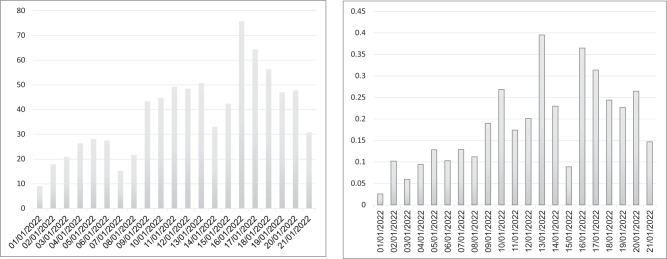
- During the Omicron period, 101,737 breakthrough infections and 482 breakthrough infections resulting in hospitalization or death were detected; among August 2021 booster recipients there were 30,870 infections, 208 hospitalizations, and 9 deaths, while among December 2021 booster recipients there were 1,082 infections, 4 hospitalizations, and zero deaths.
Methods
- Retrospective test-negative case-control study using Maccabi Healthcare Services data; included MHS members aged 16 or older who received at least two BNT162b2 doses by August 1, 2021, with outcomes evaluated January 1–21, 2022, an Omicron-dominant period in Israel.
- Cases were PCR-positive persons or persons with severe COVID-19 during follow-up; controls were PCR-negative persons; 1:1 matching was based on sex, age group, geographic statistical area, calendrical week of testing, and month of second-dose receipt; conditional logistic regression was adjusted for comorbidities, and VE was calculated as 100% × [1 − odds ratio].
- Additional analyses included an unmatched GEE logistic regression allowing multiple negative tests, inclusion of tests 0–6 days after a fourth dose, changing the reference group to two-dose-only vaccinees, inclusion of individuals with hybrid immunity, and assessment of control-group representativeness.
Limitations
- Stated in the paper: potential bias from healthcare-related testing behavior, especially with changing Israeli testing policies during the Omicron surge; the August 2021 comparison group was generally older and sicker; residual confounding by indication was considered less likely after matching/adjustment, though effect modification was seen for obesity; Omicron dominance meant waning against other strains could not be evaluated; and the database lacked reason for testing.
- Stated in the paper: severe-disease analyses were limited by small numbers of hospitalizations and deaths, preventing reliable conclusions about waning against severe outcomes.
- Evident from the text: the observational design cannot establish causation, and the fourth-dose exclusion/sensitivity analyses indicate that vaccination-status definitions and timing choices may affect estimates.
Model-written summary. Check it against the paper before relying on it.
Integrity signals
Registry
Cites
Statistics
Figures
Verification
Claims the paper makes
6 Valid · 0 Not valid · 1 Not checked · 27 Own results and interpretations
The cited sources support only part of this claim — read each source’s verdict below.
In the paper
“However, as by the outcome period of January 2022 most of Israel’s population had already received the booster, the reference group of those unvaccinated is admittedly prone to bias, as has been discussed in the previous papers11.”
§ Waning effectiveness of the third dose of the BNT162b2 mRNA COVID-19 vaccine > Methods > Design and statistical analysis
What the sources say
- Partly supportedcites [11] Patalon, T. et al. Odds of Testing Positive for SARS-CoV-2 Following Receipt of 3 vs 2 Doses of the BNT162b2 mRNA Vaccine. JAMA Intern Med. 182, 179–184 (2021). PMC8634151 34846533 sourceExperimental — accuracy not yet measured
The Limitations section acknowledges potential bias in the booster comparison, including differences in testing behavior and possible confounding because chronically ill patients were prioritized. It does not attribute bias to most Israelis having received a booster. The Data Collection and Study Population section says the analysis ended in October 2021, so the paper does not assess the claimed January 2022 outcome period. (LLM, conf=0.78)
plainstates a cause- Asserted: passes — The authors put it forward as true.
- Checkable: passes — It can be checked against evidence.
- Load-bearing: passes — The paper’s conclusions depend on it.
- Based: passes — The paper gives a reason why it holds.
- Partly supported
The cited sources support only part of this claim — read each source’s verdict below.
In the paper
“However, it seems that effectiveness could be declining faster than that of the second dose6,19.”
§ Waning effectiveness of the third dose of the BNT162b2 mRNA COVID-19 vaccine > Discussion
What the sources say
- Partly supportedcites [6] Chemaitelly H Waning of BNT162b2 Vaccine Protection against SARS-CoV-2 Infection in Qatar N. Engl. J. Med 2021 385 e83 10.1056/NEJMoa2114114 34614327 PMC8522799 sourceExperimental — accuracy not yet measured
The Results section reports that effectiveness against infection declined after the second dose, accelerating after the fourth month. It does not assess effectiveness after a third dose or compare the rates of decline, so it cannot support the claim that third-dose effectiveness may decline faster. (LLM, conf=0.85)
- Partly supportedcites [19] Goldberg Y Waning Immunity after the BNT162b2 Vaccine in Israel N. Engl. J. Med 2021 385 e85 10.1056/NEJMoa2114228 34706170 PMC8609604 sourceExperimental — accuracy not yet measured
The Results (Descriptive Analysis; page unavailable) and Discussion report waning immunity after the second dose. The Discussion mentions a third dose only as a booster approved in response to those findings; it does not assess third-dose effectiveness or compare its rate of decline with that after the second dose. (LLM, conf=0.86)
hedgedstates a possible cause- Asserted: passes — The authors put it forward as true.
- Checkable: passes — It can be checked against evidence.
- Load-bearing: passes — The paper’s conclusions depend on it.
- Based: passes — The paper gives a reason why it holds.
- Rests on an assumption not shown here.
- Partly supported
The cited sources support only part of this claim — read each source’s verdict below.
In the paper
“The faster decline might partly be explain by an escape of the Omicron variant from neutralizing antibody responses20, though further variant-specific evidence need to be established.”
§ Waning effectiveness of the third dose of the BNT162b2 mRNA COVID-19 vaccine > Discussion
What the sources say
- Partly supportedcites [20] Girard, B. et al. mRNA-1273 Vaccine-elicited Neutralization of SARS-CoV-2 Omicron in Adolescents and Children. medRxiv Prepr Serv Heal Sci. (2022). 10.1101/2022.01.24.22269666. sourceExperimental — accuracy not yet measured
The Results (page not provided) show substantially lower neutralizing titers against Omicron than against D614G four weeks after a second mRNA-1273 dose, supporting the antibody-escape part of the explanation. The Methods and Conclusions (pages not provided) make clear that this paper assessed two-dose responses and lacked effectiveness and longer-term data; it does not establish a faster decline in third-dose effectiveness or link that decline to antibody escape. (LLM, conf=0.88)
hedgedstates a possible cause- Asserted: passes — The authors put it forward as true.
- Checkable: passes — It can be checked against evidence.
- Load-bearing: unclear — It is unclear whether the paper’s conclusions depend on it.
- Based: passes — The paper gives a reason why it holds.
- Partly supported
A result the paper reports from its own data — it cites no other source for it, so there is none to check. The quote shows it is in the paper.
In the paper
“As for severe disease, we did not reach significance implying a decreasing VE against hospitalizations or death as a function of time-since-inoculation (Table 2 and S1).”
§ Waning effectiveness of the third dose of the BNT162b2 mRNA COVID-19 vaccine > Results > Main analysis–test-negative case-control design
hedged- Asserted: passes — The authors put it forward as true.
- Checkable: passes — It can be checked against evidence.
- Load-bearing: passes — The paper’s conclusions depend on it.
- Based: passes — The paper gives a reason why it holds.
A result the paper reports from its own data — it cites no other source for it, so there is none to check. The quote shows it is in the paper.
In the paper
“None of the comorbidities were significantly related to the odds of testing positive (Table S1).”
§ Waning effectiveness of the third dose of the BNT162b2 mRNA COVID-19 vaccine > Results > Main analysis–test-negative case-control design
plainn = 110,918- Asserted: passes — The authors put it forward as true.
- Checkable: passes — It can be checked against evidence.
- Load-bearing: unclear — It is unclear whether the paper’s conclusions depend on it.
- Based: passes — The paper gives a reason why it holds.
18 more claims
Create a free account to see all 34 claims and every source verdict.
- Probably not a substantial claim. 5
- It may state two separate claims as one. 6
Claims other papers make about this one
Each is checked against this paper’s own text: does it say what the citing paper says it does?
The cited source says what the claim attributes to it.
In the citing paper
“Notwithstanding these limitations, findings were consistent with those of other studies of vaccine effectiveness against omicron infection (BA.1 or BA.2 subvariants were not specified).27,32-36”
From Effects of Previous Infection and Vaccination on Symptomatic Omicron Infections (2022) · cites this paper as [34]
In the citing paper
“Observational data from Israel demonstrated waning of mRNA booster protection against infection.6”
Self-check
Percentages, sums and reported differences re-computed from the paper’s own numbers.
Each contradiction between two passages listed here was confirmed by an independent check.
Rated minor: it would not touch a result — a value no result rests on, a p-value that stays on the same side of the significance level, or a conflict that is clerical, resolved elsewhere in the paper, or outside its own findings.
In the paper
§ Waning effectiveness of the third dose of the BNT162b2 mRNA COVID-19 vaccine > Results > Main analysis–test-negative case-control design
“was 53.4% (95% Confidence Interval [CI], 47.7–8.6%) compared to those vaccinated early, in August.”
§ Waning effectiveness of the third dose of the BNT162b2 mRNA COVID-19 vaccine > Results > Main analysis–test-negative case-control design
“| Dec. 2021 (−1)‡ | 421 | 864 | 53.4(47.7, 58.6) |”
Rated minor: it would not touch a result — a value no result rests on, a p-value that stays on the same side of the significance level, or a conflict that is clerical, resolved elsewhere in the paper, or outside its own findings.
In the paper
§ Waning effectiveness of the third dose of the BNT162b2 mRNA COVID-19 vaccine > Results > Main analysis–test-negative case-control design
“The aOR represents the ratio between the odds of testing positive or having severe COVID-19 during the January 1-21, 2022 period among those vaccinated in August 2021 (the first month of eligibility to the booster shot) and the respective odds in each subsequent month of vaccination.”
§ Waning effectiveness of the third dose of the BNT162b2 mRNA COVID-19 vaccine > Methods > Design and statistical analysis
“The vaccine effectiveness (VE) of the booster in each month, compared to the first month of eligibility for the booster19 (August 2021) was calculated as 100%*[1-(Odds Ratio)] for each of the month-since-vaccination categories.”
Citations
Cites
Safety and Efficacy of the BNT162b2 mRNA Covid-19 Vaccine
Polack, F. P., Thomas, S. J., Kitchin, N., Absalon, J., Gurtman, A., Lockhart, S., Perez, J. L., Pérez Marc, G., Moreira, E. D., Zerbini, C., et al. (2020) · New England Journal of Medicine · doi:10.1056/nejmoa2034577 · Cited by 14,592
BNT162b2 mRNA Covid-19 Vaccine in a Nationwide Mass Vaccination Setting
Dagan, N., Barda, N., Kepten, E., Miron, O., Perchik, S., Katz, M. A., Hernán, M. A., Lipsitch, M., Reis, B., & Balicer, R. D. (2021) · New England Journal of Medicine · doi:10.1056/nejmoa2101765 · Cited by 2,527 · cited 1×
“The 7-day cutoff was chosen based on previous research the BNT162b2 vaccine effectivenesss.(1,11) The second outcome referred to a severe disease, defined as a COVID-19-related hospitalization or death occurring within the same time frame.”
MethodEffectiveness of COVID-19 vaccines against the Omicron (B.1.1.529) variant of concern
Andrews, N., Stowe, J., Kirsebom, F., Toffa, S., Rickeard, T., Gallagher, E., Gower, C., Kall, M., Groves, N., O’Connell, A.-M., et al. (2021) · doi:10.1101/2021.12.14.21267615 · Cited by 2,420
Perineuronal nets stabilize the grid cell network
Christensen, A. C., Lensjø, K. K., Lepperød, M. E., Dragly, S.-A., Sutterud, H., Blackstad, J. S., Fyhn, M., & Hafting, T. (2021) · Nature Communications · doi:10.1038/s41467-020-20241-w · Cited by 1,865
Waning Immune Humoral Response to BNT162b2 Covid-19 Vaccine over 6 Months
Levin, E. G., Lustig, Y., Cohen, C., Fluss, R., Indenbaum, V., Amit, S., Doolman, R., Asraf, K., Mendelson, E., Ziv, A., et al. (2021) · New England Journal of Medicine · doi:10.1056/nejmoa2114583 · Cited by 1,703
Using Generalized Estimating Equations for Longitudinal Data Analysis
Ballinger, G. A. (2004) · Organizational Research Methods · doi:10.1177/1094428104263672 · Cited by 1,567
Haas, E. J., Angulo, F. J., McLaughlin, J. M., Anis, E., Singer, S. R., Khan, F., Brooks, N., Smaja, M., Mircus, G., Pan, K., et al. (2021) · The Lancet · doi:10.1016/s0140-6736(21)00947-8 · Cited by 1,564
Protection of BNT162b2 Vaccine Booster against Covid-19 in Israel
Bar-On, Y. M., Goldberg, Y., Mandel, M., Bodenheimer, O., Freedman, L., Kalkstein, N., Mizrahi, B., Alroy-Preis, S., Ash, N., Milo, R., et al. (2021) · New England Journal of Medicine · doi:10.1056/nejmoa2114255 · Cited by 1,169 · cited 1×
“Studies have demonstrated that the third dose increases immunogenicity against SARS-CoV-2 as reflected by a rapid and broad immune response to the third BNT162b2 dose.(7,11) Our results suggested a time dependent response with a primary increase in VE followed by waning of effectiveness.”
BackgroundWaning Immunity after the BNT162b2 Vaccine in Israel
Goldberg, Y., Mandel, M., Bar-On, Y. M., Bodenheimer, O., Freedman, L., Haas, E. J., Milo, R., Alroy-Preis, S., Ash, N., & Huppert, A. (2021) · New England Journal of Medicine · doi:10.1056/nejmoa2114228 · Cited by 1,034 · cited 1×
“However, it seems that effectiveness could be declining faster than that of the second dose.(6,17) The faster decline might partly be explain by an escape of the Omicron variant from neutralizing antibody responses,(18) though further variant-specific evidence need to be established.”
BackgroundCoresh, J., Turin, T. C., Matsushita, K., Sang, Y., Ballew, S. H., Appel, L. J., Arima, H., Chadban, S. J., Cirillo, M., Djurdjev, O., et al. (2014) · JAMA · doi:10.1001/jama.2014.6634 · Cited by 988
Cited by
Effects of Previous Infection and Vaccination on Symptomatic Omicron Infections
Altarawneh, H. N., Chemaitelly, H., Ayoub, H. H., Tang, P., Hasan, M. R., Yassine, H. M., Al-Khatib, H. A., Smatti, M. K., Coyle, P., Al-Kanaani, Z., et al. (2022) · New England Journal of Medicine · doi:10.1056/nejmoa2203965 · Cited by 551
Duration of mRNA vaccine protection against SARS-CoV-2 Omicron BA.1 and BA.2 subvariants in Qatar
Chemaitelly, H., Ayoub, H. H., AlMukdad, S., Coyle, P., Tang, P., Yassine, H. M., Al-Khatib, H. A., Smatti, M. K., Hasan, M. R., Al-Kanaani, Z., et al. (2022) · Nature Communications · doi:10.1038/s41467-022-30895-3 · Cited by 228
Yu, W., Guo, Y., Zhang, S., Kong, Y., Shen, Z., & Zhang, J. (2022) · Journal of Medical Virology · doi:10.1002/jmv.28066 · Cited by 120
Evaluation of BNT162b2 Covid-19 Vaccine in Children Younger than 5 Years of Age
Muñoz, F. M., Sher, L., Sabharwal, C., Gurtman, A., Xu, X., Kitchin, N. R. E., Lockhart, S. P., Riesenberg, R. A., Sexter, J. M., Czajka, H., et al. (2023) · New England Journal of Medicine · doi:10.1056/nejmoa2211031 · Cited by 111
“Data are available that suggest waning effectiveness of a third BNT162b2 dose in older adolescents and adults within a few months after administration, yet administration of a fourth dose given at least 4 months after dose 3 to older adults increases protection against SARS-CoV-2 infection, symptomatic and severe Covi…”
BackgroundSeverity of the Omicron SARS‐CoV ‐2 variant compared with the previous lineages: A systematic review
Arabi, M., Al-Najjar, Y. A., Mhaimeed, N., Salameh, M. A., Paul, P., Alanni, J., Abdelati, A. A., Laswi, I., Khanjar, B., Al‐Ali, D., et al. (2023) · Journal of Cellular and Molecular Medicine · doi:10.1111/jcmm.17747 · Cited by 108
Gazit, S., Saciuk, Y., Perez, G., Peretz, A., Pitzer, V. E., & Patalon, T. (2022) · BMJ · doi:10.1136/bmj-2022-071113 · Cited by 87
Self-citationZelkoski, A. E., Lu, Z., Sukumar, G., Dalgard, C. L., Said, H., Alameh, M., Mitre, E. E. S., & Malloy, A. M. W. (2025) · npj Vaccines · doi:10.1038/s41541-025-01124-x · Cited by 132
“Despite demonstrated immunogenicity, durability is limited 3 – 8 .”
Ng, O. T., Marimuthu, K., Lim, N., Lim, Z. Q., Thevasagayam, N. M., Koh, V., Chiew, C. J., Ma, S., Koh, M., Low, P. Y., et al. (2022) · JAMA Network Open · doi:10.1001/jamanetworkopen.2022.28900 · Cited by 68
Paul, P., El-Naas, A., Hamad, O., Salameh, M. A., Mhaimeed, N., Laswi, I., Abdelati, A. A., Alanni, J., Khanjar, B., Al‐Ali, D., et al. (2023) · Human Vaccines & Immunotherapeutics · doi:10.1080/21645515.2023.2167410 · Cited by 66
“Patalon et al.29 noted that the odds of Omicronassociated hospitalization or death were not significantly affected by time from the 3rd dose, highlighting the relatively long-lasting protection against severe disease compared to protection against infection only.”
BackgroundInfluentialPérez‐Alós, L., Hansen, C. B., Armenteros, J. J. A., Madsen, J. R., Heftdal, L. D., Hasselbalch, R. B., Pries‐Heje, M. M., Bayarri‐Olmos, R., Jarlhelt, I., Hamm, S. R., et al. (2023) · Nature Communications · doi:10.1038/s41467-023-41342-2 · Cited by 59
“Immune responses after BNT162b2 boosting have been investigated; however, limitations including small study cohorts, lack of IgA data, time from vaccination being addressed as a categoricalvariable, orexclusionofindividualswith differentinfection statuses restrict the fi ndings 21 – 24 .”
Solante, R., Álvarez, C., Burhan, E., Chariyalertsak, S., Chiu, N., Chuenkitmongkol, S., Dung, D. V., Hwang, K., Ibarra, J. O., Kiertiburanakul, S., et al. (2022) · Expert Review of Vaccines · doi:10.1080/14760584.2023.2143347 · Cited by 54
“Importantly, the durability of VE was likely to be impacted by time from last inoculation [90], given that a faster decline was observed with a third dose than a second dose of vaccine [38,91,92], and that VE and duration of protection against Omicron significantly decreased at each month…”
BackgroundDiallo, B., Chasaide, C. N., Wong, T. Y., Schmitt, P., Lee, K. S., Weaver, K. L., Miller, O. A., Cooper, M., Jazayeri, S. D., Damron, F. H., et al. (2023) · npj Vaccines · doi:10.1038/s41541-023-00665-3 · Cited by 51
“In addition, there is rapid waning of the immunity in vaccinated individuals, with a signi fi cant decline in serum antibodies against the SARS-CoV-2 Spike protein a few months after vaccination 7 – 9 .”
BackgroundFavresse, J., Gillot, C., Bayart, J., David, C., Simon, G., Wauthier, L., Closset, M., Dogné, J., & Douxfils, J. (2022) · Journal of Medical Virology · doi:10.1002/jmv.28164 · Cited by 34
“1%).(7,30,33) Although protection against severe COVID‐ 19 remains higher, the Center for Disease Control and Prevention reported that after receiving both 2 and 3 doses, the VE was lower during the Omicron‐predominant than during the Delta‐ predominant period at all time points evaluated.”
BackgroundA comprehensive analysis of the efficacy and effectiveness of COVID-19 vaccines
He, X., Su, J., Ma, Y., Zhang, W., & Tang, S. (2022) · Frontiers in Immunology · doi:10.3389/fimmu.2022.945930 · Cited by 47
(2022) · doi:10.1101/2022.03.22.22272745 · Cited by 551
Mongin, D., Bürgisser, N., Laurie, G., Schimmel, G., Vu, D., Cullati, S., Covid-SMC Study Group, Mora, L. D. S., Després, L., Dudouit, R., et al. (2023) · Nature Communications · doi:10.1038/s41467-023-41109-9 · Cited by 42
“However, the immunity they confer wanes rapidly 10 – 12 and a roll-out of booster vaccinations has been implemented in high-income countries to maintain an immunity against SARS-CoV-2 13 – 15 .”
COVID-19: From emerging variants to vaccination
Senevirathne, T. H., Wekking, D., Swain, J. W. R., Solinas, C., & Silva, P. D. (2023) · Cytokine & Growth Factor Reviews · doi:10.1016/j.cytogfr.2023.11.005 · Cited by 52
Tan, N. H., Geers, D., Sablerolles, R. S. G., Rietdijk, W. J. R., Goorhuis, A., Postma, D. F., Visser, L. G., Bogers, S., van Dijk, L. L. A., Gommers, L., et al. (2023) · The Lancet Infectious Diseases · doi:10.1016/s1473-3099(23)00140-8 · Cited by 37
Wee, L. E., Pang, D., Chiew, C. J., Tan, J. S. H., Lee, V., Ong, B., Lye, D. C., & Tan, K. B. (2023) · Clinical Infectious Diseases · doi:10.1093/cid/ciad345 · Cited by 39
Canetti, M., Barda, N., Gilboa, M., Indenbaum, V., Mandelboim, M., Gonen, T., Asraf, K., Weiss-Ottolenghi, Y., Amit, S., Doolman, R., et al. (2022) · Nature Communications · doi:10.1038/s41467-022-35480-2 · Cited by 37
Cohen, D., Izak, M., Stoyanov, E., Mandelboim, M., Perlman, S., Amir, Y., Goren, S., Bialik, A., Kliker, L., Atari, N., et al. (2023) · International Journal of Infectious Diseases · doi:10.1016/j.ijid.2023.04.395 · Cited by 25
Self-citationAntonelli, M., Penfold, R., Canas, L. S., Sudre, C. H., Rjoob, K. W. Y., Murray, B., Molteni, E., Kerfoot, E., Cheetham, N. J., Pujol, J. C., et al. (2023) · Journal of Infection · doi:10.1016/j.jinf.2023.08.009 · Cited by 35
“19 The authors suggested that a further booster dose may be needed to restore immunity in older adults.”
Gazit, S., Saciuk, Y., Perez, G., Peretz, A., Ben‐Tov, A., Stuart, E. A., & Patalon, T. (2023) · The Lancet Microbe · doi:10.1016/s2666-5247(23)00103-9 · Cited by 31
Self-citationCOVID‐19: Clinical status of vaccine development to date
Kumar, S., Basu, M., Ghosh, P., Ansari, A., & Ghosh, M. K. (2022) · British Journal of Clinical Pharmacology · doi:10.1111/bcp.15552 · Cited by 36
“However, delivery of the vaccine should ideally be reliable, easy and requires no such special training in the pandemic situation of SARS-CoV-2.”
BackgroundInfluentialLaake, I., Skodvin, S. N., Blix, K., Caspersen, I. H., Gjessing, H. K., Juvet, L. K., Magnus, P. M., Mjaaland, S., Robertson, A. H., Starrfelt, J., et al. (2022) · The Journal of Infectious Diseases · doi:10.1093/infdis/jiac419 · Cited by 25
“In agreement with previous studies [25, 30, 33], we found substantial and rapid waning of the effectiveness against Omicron infection.”
ResultRahman, M. O., Kamigaki, T., Thandar, M. M., Haruyama, R., Yan, F., Shibamura-Fujiogi, M., Khin Maung Soe, J., Islam, M. R., Yoneoka, D., Miyahara, R., et al. (2023) · BMJ Open · doi:10.1136/bmjopen-2023-076892 · Cited by 29
Hannawi, S., Eldin, L. S., Abuquta, A., Alamadi, A., Mahmoud, S., Hassan, A., Liu, D., Yan, L., & Xie, L. (2022) · EBioMedicine · doi:10.1016/j.ebiom.2022.104386 · Cited by 28
Flury, B. B., Güsewell, S., Egger, T., Leal-Neto, O. B., Brucher, A., Lemmenmeier, E., Kleeb, D. M., Möller, J. C., Rieder, P., Ruetti, M., et al. (2022) · PLoS Medicine · doi:10.1371/journal.pmed.1004125 · Cited by 27
Andersson, N. W., Thiesson, E. M., Baum, U., Pihlström, N., Starrfelt, J., Faksová, K., Poukka, E., Lund, L. C., Hansen, C. H., Aakjær, M., et al. (2023) · BMJ · doi:10.1136/bmj-2022-074325 · Cited by 32
“Waning vaccine effectiveness of homologous booster schedules has been described previously, 27 28 but we are unaware of any studies reporting on waning of effectiveness estimates for heterologous booster schedules with the AZD1222, BNT162b2, and mRNA-1273 vaccines against severe covid-19 outcomes.”
BackgroundAilsworth, S. M., Keshavarz, B., Richards, N. E., Workman, L. J., Murphy, D. D., Nelson, M. R., Platts‐Mills, T. A. E., & Wilson, J. M. (2022) · Annals of Allergy Asthma & Immunology · doi:10.1016/j.anai.2022.10.003 · Cited by 26
Kumar, S., Ko, T., Chae, Y., Jang, Y., Lee, I., Lee, A., Shin, S. J., Nam, M., Kim, B. S., Jun, H. S., et al. (2023) · Biosensors · doi:10.3390/bios13060623 · Cited by 26
“We observed a gradual decline in antibody levels nearly six months post-vaccination, suggesting that vaccine efficacy declines over time and showing similar trends to previous studies [51].”
BackgroundResultCurlin, M. E., Bates, T. A., Guzman, G., Schoen, D., McBride, S. K., Carpenter, S. D., & Tafesse, F. (2022) · Med · doi:10.1016/j.medj.2022.09.001 · Cited by 23
Baseline gut microbiota and metabolome predict durable immunogenicity to SARS-CoV-2 vaccines
Peng, Y., Zhang, L., Mok, C. K. P., Ching, J. Y. L., Zhao, S., Wong, M. K. L., Zhu, J., Chen, C., Wang, S., Yan, S., et al. (2023) · Signal Transduction and Targeted Therapy · doi:10.1038/s41392-023-01629-8 · Cited by 26
Jangra, S., Landers, J. J., Laghlali, G., Rathnasinghe, R., Warang, P., Park, S., O’Konek, J. J., Singh, G., Janczak, K. W., García‐Sastre, A., et al. (2023) · npj Vaccines · doi:10.1038/s41541-023-00691-1 · Cited by 20
“Moreover, evidence demonstrating waning of immunity imparted by current mRNA and adenovirus vectored vaccines, particularly in elderly populations, highlights the need for vaccine strategies which impart broad and long-lasting immunity in both young and aged populations 5 – 8 .”
Chatzilena, A., Hyams, C. J., Challen, R., Marlow, R. D., King, J., Adegbite, D., Kinney, J., Clout, M., Maskell, N. A., Oliver, J., et al. (2022) · The Lancet Regional Health - Europe · doi:10.1016/j.lanepe.2022.100552 · Cited by 19
Nagao, M., Matsumura, Y., Yamamoto, M., Shinohara, K., Noguchi, T., Yukawa, S., Tsuchido, Y., Teraishi, H., Inoue, H., & Ikeda, T. (2023) · European Journal of Clinical Microbiology & Infectious Diseases · doi:10.1007/s10096-023-04625-6 · Cited by 15
Silva, T. C., Shah, S. A., Robertson, C., Sanchez, M. N., Katikireddi, S. V., Oliveira, V. D. A., Paixão, E. S., Rudan, I., Bertoldo, J., Penna, G. O., et al. (2022) · PLoS Medicine · doi:10.1371/journal.pmed.1004156 · Cited by 21
“The available, still limited, body of evidence indicates a rapid waning of protection against symptomatic infection offered by an mRNA booster after a homologous primary series [7,8,10,11].”
BackgroundEffectiveness of the second COVID-19 booster against Omicron: a large-scale cohort study in Chile
Jara, A., Cuadrado, C., Undurraga, E. A., García, C., Nájera, M., Bertoglia, M. P., Vergara, V., Fernández, J., García-Escorza, H., & Araos, R. (2023) · Nature Communications · doi:10.1038/s41467-023-41942-y · Cited by 17
“The model was strati fi ed by age, sex, region of residence, income, nation-ality, and whether the patient had underlying conditions that have been associated with severe COVID-19, based on strata shown in Supplementary Tables S1 – S5.”
Kawasuji, H., Morinaga, Y., Tani, H., Saga, Y., Yamada, H., Yoshida, Y., Takegoshi, Y., Kaneda, M., Murai, Y., Kimoto, K., et al. (2023) · Microbiology Spectrum · doi:10.1128/spectrum.05131-22 · Cited by 16
“within 3 months of administration in clinical settings (27, 28).”
BackgroundNealon, J., Mefsin, Y. M., McMenamin, M. E., Ainslie, K. E. C., & Cowling, B. J. (2024) · Vaccine X · doi:10.1016/j.jvacx.2024.100451 · Cited by 21
“…aligned with data from elsewhere showing 15 – 30 % reductions in mRNA VE against Omicron strains against mild, symptomatic disease within 10 weeks of vaccination [29]; and declining relative VE of booster vaccination against infection to < 20 %, three months after receipt of a booster dose [30].”
Impact of vaccination status on clinical outcomes of hospitalized COVID-19 patients
Jelodar, M. G., Mirzaei, S., Saghafi, F., Rafieian, S., Rezaei, S., Saatchi, A., Avare, Z. D., & Niri, M. D. (2024) · BMC Infectious Diseases · doi:10.1186/s12879-024-09139-w · Cited by 14
“As it was shown in a study that after the second dose, the effectiveness of the vaccine against Covid-19 decreased to 90% within 2 to 4 months and to 84% within 4 to 6 months [32], and studies have also shown that the third dose increases immunity against SARS-CoV-2 [33–35].”
BackgroundSukik, L., Chemaitelly, H. S., Ayoub, H. H., Coyle, P. V., Tang, P., Yassine, H. M., Thani, A. A. A., Hasan, M. R., Kanaani, Z. A., Al‐Kuwari, E., et al. (2024) · Vaccine · doi:10.1016/j.vaccine.2024.04.026 · Cited by 18
Barda, N., Canetti, M., Gilboa, M., Asraf, K., Indenboim, V., Weiss-Ottolenghi, Y., Amit, S., Zubli, D., Doolman, R., Mendelson, E., et al. (2022) · Clinical Infectious Diseases · doi:10.1093/cid/ciac886 · Cited by 16
Lee, C.-Y., Kuo, H.-W., Liu, Y., Chuang, J.-H., & Chou, J.-H. (2024) · Emerging infectious diseases · doi:10.3201/eid3003.230893 · Cited by 19
Increased vaccine sensitivity of an emerging SARS-CoV-2 variant
Lewnard, J. A., Hong, V. X., Kim, J. S., Shaw, S. F., Lewin, B. J., Takhar, H. S., Lipsitch, M., & Tartof, S. Y. (2023) · Nature Communications · doi:10.1038/s41467-023-39567-2 · Cited by 11
“…degrees of protection against XBB/XBB.1.5 infection than infection with other co-circulating lineages, the added bene fi ts of recent boosting 35 – 37 , including with bivalent vaccine doses 30 , may not differ appreciably for protection against XBB/XBB.1.5 as compared to co-circulating lineages.”
InfluentialMucosal delivery of nanovaccine strategy against COVID-19 and its variants
Lee, J., & Khang, D. (2022) · Acta Pharmaceutica Sinica B · doi:10.1016/j.apsb.2022.11.022 · Cited by 17
Immunogenicity of Omicron BA.1-adapted BNT162b2 vaccines: randomized trial, 3-month follow-up
Barda, N., Lustig, Y., Indenbaum, V., Zibly, D., Joseph, G., Asraf, K., Weiss-Ottolenghi, Y., Amit, S., Kliker, L., Elkader, B. A., et al. (2023) · Clinical Microbiology and Infection · doi:10.1016/j.cmi.2023.03.007 · Cited by 15
“Waning of the immune response after receipt of the original vaccine [7,8], correlated with decreased vaccine effectiveness over time [9,10], has been previously described.”
Long-term adaptive response in COVID-19 vaccine recipients and the effect of a booster dose
Perico, L., Todeschini, M., Casiraghi, F., Mister, M., Pezzotta, A., Peracchi, T., Tomasoni, S., Trionfini, P., Benigni, A., & Remuzzi, G. (2023) · Frontiers in Immunology · doi:10.3389/fimmu.2023.1123158 · Cited by 15
“However, when it comes to highly contagious variants, suchasOmicronandits subvariant(79), theriskofbreakthrough infections remains high even following a booster-induced upsurge of neutralizing IgGantibodies (80).”
BackgroundFabiani, M., Mateo‐Urdiales, A., Sacco, C., Rota, M. C., Petrone, D., Bressi, M., Manso, M. D., Siddu, A., Proietti, V., Battilomo, S., et al. (2022) · Vaccine · doi:10.1016/j.vaccine.2022.11.013 · Cited by 14
“529) variant, alongside evidence of waning effectiveness few months after a first booster dose of coronavirus disease 2019 (COVID-19) vaccine [1], led several countries to start a second booster vaccination campaign targeting the elderly population and other high-risk groups.”
BackgroundPetrie, J. G., King, J. P., McClure, D. L., Rolfes, M. A. R., Meece, J. K., Pattinson, D., Neumann, G., Kawaoka, Y., Belongia, E. A., & McLean, H. Q. (2023) · Influenza and Other Respiratory Viruses · doi:10.1111/irv.13104 · Cited by 16
Lewis, N. M., Murray, N. L., Adams, K., Surie, D., Gaglani, M., Ginde, A. A., McNeal, T., Ghamande, S. A., Douin, D. J., Talbot, H. K., et al. (2022) · Open Forum Infectious Diseases · doi:10.1093/ofid/ofac698 · Cited by 18
“Observations of waning effectiveness for first booster doses during the severe acute respiratory syndrome coronavirus 2 (SARS-CoV-2) Omicron-predominant period [9, 10] have prompted ongoing evaluation of the additional benefit of (1) a first booster compared with a primary series and, increasingly, (2) a second booste…”
BackgroundSARS-CoV-2 Seroprevalence among Canadian Blood Donors: The Advance of Omicron
O’Brien, S. F., Caffrey, N., Yi, Q., Pambrun, C., & Drews, S. J. (2022) · Viruses · doi:10.3390/v14112336 · Cited by 15
“Although significant anti-S neutralization was reported 6 months after a second dose of BNT162b2 vaccine [38], in a test-negative case–control study, vaccine effectiveness against the Omicron variant decreased within a few months of a third dose of the BNT162b2 vaccine [39].”
BackgroundFranco-Luiz, A. P. M., Fernandes, N. M. G. S., Silva, T. B. D. S., Bernardes, W. P. D. O. S., Westin, M. R., Santos, T. G., Fernandes, G. D. R., Simões, T. C., Silva, E. F. E., Gava, S. G., et al. (2023) · Frontiers in Immunology · doi:10.3389/fimmu.2023.1220600 · Cited by 13
“However, studies have shown a 325 significant decrease in the effectiveness of the vaccine against the Omicron variant within a few months 326 after administration (83).”
BackgroundSentís, A., Kislaya, I., Nicolay, N., Meijerink, H., Starrfelt, J., Martínez‐Baz, I., Castilla, J., Nielsen, K. F., Hansen, C. H., Emborg, H., et al. (2022) · Eurosurveillance · doi:10.2807/1560-7917.es.2022.27.30.2200551 · Cited by 15
“However, it may also represent waning protection soon after the booster dose, as reported by other studies [13,14].”
Yu, X., Yang, W. J., Li, W., Wan, N., Yan, G., Zhou, Z., Zhu, X. M., Su, W., Li, Y., Xing, C., et al. (2024) · hLife · doi:10.1016/j.hlife.2024.01.005 · Cited by 13
Tan, N. H., Sablerolles, R. S. G., Rietdijk, W. J. R., Goorhuis, A., Postma, D. F., Visser, L. G., Bogers, S., Geers, D., Zaeck, L. M., Koopmans, M., et al. (2022) · Frontiers in Immunology · doi:10.3389/fimmu.2022.1067749 · Cited by 7
Who is motivated to accept a booster and annual dose? A dimensional and person‐centered approach
Waterschoot, J., Oost, P. V., Vansteenkiste, M., Brisbois, M., Schmitz, M., Morbée, S., Klein, O., Luminet, O., den Bergh, O. V., Raemdonck, E., et al. (2023) · Applied Psychology Health and Well-Being · doi:10.1111/aphw.12437 · Cited by 11
Lau, C. S., Oh, M. L. H., Phua, S. K., Liang, Y.-L., & Aw, T. C. (2022) · Vaccines · doi:10.3390/vaccines10101703 · Cited by 13
“5% in just a matter of three months [34].”
BackgroundFerrara, P., Ponticelli, D., Magliuolo, R., Borrelli, M., Schiavone, B., & Mantovani, L. G. (2022) · Vaccines · doi:10.3390/vaccines10081353 · Cited by 11
“The 7-day lag from booster doses aligns with the breakthrough case definition provided by previous research on COVID-19 vaccine effectiveness [8,15,16].”
ResultAtanasov, V. A., Barreto, N., Whittle, J., Meurer, J., Weston, B. W., Luo, Q., Yuan, A. Y., Franchi, L., Zhang, R., & Black, B. S. (2023) · Vaccines · doi:10.3390/vaccines11050971 · Cited by 12
Cocchio, S., Zabeo, F., Tremolada, G., Facchin, G., Venturato, G., Marcon, T., Saïa, M., Tonon, M., Mongillo, M., Re, F. D., et al. (2022) · Vaccines · doi:10.3390/vaccines10081362 · Cited by 13
“Yet, protection afforded does not seem to last over time, as reported in the literature [53,54], and this behavior occurs regardless of age, with effectiveness after 5 weeks dropping to mild levels, as happened for primary cycles.”
BackgroundYan, V. K. C., Wan, E. Y. F., Ye, X., Mok, A. H. Y., Lai, F. T. T., Chui, C. S. L., Li, X., Wong, C. K. H., Li, P. H., Ma, T., et al. (2023) · Emerging Microbes & Infections · doi:10.1080/22221751.2023.2209201 · Cited by 10
“months since third dose vaccination during the Omicron wave [6], but the decline in VE against hospitalizations or deaths was not found to be significant because”
BackgroundOutcomes associated with SARS-CoV-2 reinfection in individuals with natural and hybrid immunity
Suleyman, G., Fadel, R. A., Patel, K., Shadid, A. M., Stuart, H. B. C., Kattula, M., Janis, A., Maki, M., Chao, S., Alangaden, G. J., et al. (2023) · Journal of Infection and Public Health · doi:10.1016/j.jiph.2023.06.003 · Cited by 11
Grassi, T., Lobreglio, G., Panìco, A., Rosato, C., Zizza, A., Lazzari, R., Chicone, M., Indino, F., & Bagordo, F. (2022) · Vaccines · doi:10.3390/vaccines10111948 · Cited by 10
“[33] showed that the BNT162b2 third dose effectiveness significantly decreased each month since vaccination.”
Liew, M. Y., Mathews, J., Li, A., Singh, R., Jaramillo, S. A., Weiss, Z., Bowman, K. A., Ankomah, P., Ghantous, F., Lewis, G. D., et al. (2023) · Open Forum Infectious Diseases · doi:10.1093/ofid/ofad369 · Cited by 9
Patalon, T., Saciuk, Y., Hadad, H. O., Perez, G., Peretz, A., Ben‐Tov, A., & Gazit, S. (2023) · The Journal of Pediatrics · doi:10.1016/j.jpeds.2023.02.016 · Cited by 13
“This could yield potential biases relating to test-taking and health care–seeking behaviors, a matter intricately discussed in previous studies, including the often-underdetected asymptomatic infections.(23,28,29,45) The test-negative design aims to somewhat mitigate this potential bias,(31) whereas those untested are…”
Self-citationVicic, N., Bogdanov, A., Zheng, Z., Ryan, T., Zeng, N., Joshi, K., Lu, T., Bonafede, M., Araujo, A. B., & Wilson, A. (2026) · Infectious Diseases and Therapy · doi:10.1007/s40121-025-01292-2 · Cited by 13
Cost-Effectiveness of the Second COVID-19 Booster Vaccination in the USA
Li, R., Lu, P., Fairley, C. K., Pagán, J. A., Hu, W., Yang, Q., Zhuang, G., Shen, M., Li, Y., & Zhang, L. (2023) · Applied Health Economics and Health Policy · doi:10.1007/s40258-023-00844-2 · Cited by 9
“The infected individuals first had to experience an incubation period and 31 % of them would spontaneously recover with no symptoms [22].”
Protection against Omicron BA.1/BA.2 severe disease 0–7 months after BNT162b2 booster
Amir, O., Goldberg, Y., Mandel, M., Bar‐On, Y. M., Bodenheimer, O., Freedman, L. S., Alroy‐Preis, S., Ash, N., Huppert, A., & Milo, R. (2023) · Communications Biology · doi:10.1038/s42003-023-04669-6 · Cited by 7
Kirk, B., Bush, C. A., Toyip, A., Mues, K. E., Beck, E. C., Li, L., Laurent, S. S., Georgieva, M. V., Marks, M. A., Sun, T., et al. (2024) · Vaccine · doi:10.1016/j.vaccine.2024.07.014 · Cited by 10
Fungal infections in patients after recovering from COVID-19: a systematic review
Ulloque‐Badaracco, J. R., Copaja-Corzo, C., Hernández-Bustamante, E. A., Cabrera-Guzmán, J. C., Huayta-Cortez, M. A., Carballo-Tello, X. L., Seminario-Amez, R. A., Hueda-Zavaleta, M., & Benites-Zapata, V. A. (2024) · Therapeutic Advances in Infectious Disease · doi:10.1177/20499361241242963 · Cited by 10
Wu, Y., Wu, N., Jia, X., Wu, Y., Zhang, X., Liu, Y., Hou, Y., Shen, Y., Li, E., Wang, W., et al. (2023) · MedComm · doi:10.1002/mco2.460 · Cited by 8
“36 As shown in Figure 1, antibody titers reached peak levels 1 or 2 weeks after the second vaccination and declined rapidly thereafter.”
BackgroundWilson, A., Bogdanov, A., Zheng, Z., Ryan, T., Zeng, N., Joshi, K., Lu, T., Bonafede, M., & de Araújo, A. B. (2025) · medRxiv · doi:10.1101/2025.03.27.25324770 · Cited by 7
Harries, M., Jaeger, V. K., Rodiah, I., Hassenstein, M. J., Ortmann, J., Dreier, M., von Holt, I., Brinkmann, M., Dulovic, A., Gornyk, D., et al. (2023) · International Journal of Infectious Diseases · doi:10.1016/j.ijid.2023.11.014 · Cited by 12
Shachor‐Meyouhas, Y., Dabaja‐Younis, H., Magid, A., Leiba, R., Szwarcwort‐Cohen, M., Almog, R., Mekel, M., Weissman, A., Hyams, G., Gepstein, V., et al. (2023) · Vaccines · doi:10.3390/vaccines11020283 · Cited by 7
“Waning i munity has been demonstrated in the literature in both the third vaccine dose and the fourth vaccine ose [2,13,16].”
BackgroundWimalawansa, S. J. (2024) · International Journal of Frontiers in Science and Technology Research · doi:10.53294/ijfstr.2024.6.2.0031 · Cited by 7
Vaccinating against a Novel Pathogen: A Critical Review of COVID-19 Vaccine Effectiveness Evidence
Black, B. S., & Thaw, D. B. (2023) · Microorganisms · doi:10.3390/microorganisms12010089 · Cited by 10
“However, the booster dose was itself subject to waning VE against infection by the Omicron variant [73].”
BackgroundA live attenuated SARS-CoV-2 vaccine constructed by dual inactivation of NSP16 and ORF3a
Ye, Z., Ong, C. P., Cao, H., Tang, K., Gray, V. S., Cheung, P. H., Wang, J., Li, W., Zhang, H., Luo, P., et al. (2025) · EBioMedicine · doi:10.1016/j.ebiom.2025.105662 · Cited by 7
“9,10 In contrast, infection-acquired immunity coupled with prior vaccination has shown superior transmission-blocking effect compared to vaccination alone.”
Exploring a COVID‐19 Endemic Scenario: High‐Resolution Agent‐Based Modeling of Multiple Variants
Truszkowska, A., Zino, L., Butail, S., Caroppo, E., Jiang, Z., Rizzo, A., & Porfiri, M. (2022) · Advanced Theory and Simulations · doi:10.1002/adts.202200481 · Cited by 8
Efficacy of the Second COVID-19 Vaccine Booster Dose in the Elderly
Mattiuzzi, C., & Lippi, G. (2023) · Vaccines · doi:10.3390/vaccines11020213 · Cited by 6
“Unlike this report, however, we also found that the efficacy of the second COVID-19 vaccine booster gradually declined over time, with a trend mirroring that already seen for primary vaccination and for the first vaccine booster [12].”
ResultEdelstein, M. L., Wiegler, K. B., Ben-Amram, H., Beer, N., Sussan, C., Batya, P., Zarka, S., & Jabal, K. A. (2023) · International Journal of Infectious Diseases · doi:10.1016/j.ijid.2023.08.009 · Cited by 7
The pattern from the first three rounds of vaccination: declining vaccination rates
Wu, J., Guo, X., Zhou, X., Wang, M., Gu, J., Miao, Y., Tarimo, C. S., He, Y., Xing, Y., & Ye, B. (2023) · Frontiers in Public Health · doi:10.3389/fpubh.2023.1124548 · Cited by 4
“Although most people receive the booster shots to strengthen the immunity, the vaccine effectiveness would wane overtime and decline because of virus variants such as omicron (7, 20, 21), and this decline was even more pronounced among elder people with chronic diseases such hypertension and diabetes (22).”
BackgroundTiruneh, Y. M., Choi, J., Cuccaro, P. M., Martinez, J., Xie, J., Owens, M., & Yamal, J. (2025) · Vaccine · doi:10.1016/j.vaccine.2025.127048 · Cited by 4
Meah, S., Shi, X., Fritsche, L. G., Salvatore, M., Wagner, A. L., Martin, E. T., & Mukherjee, B. (2023) · Science Advances · doi:10.1126/sciadv.adj3747 · Cited by 7
As the virus evolves, so too must we: a drug developer’s perspective
Fang, F. (2022) · Virology Journal · doi:10.1186/s12985-022-01887-y · Cited by 6
The nuts and bolts of recombination in the generation of SARS-CoV-2 variants; from XA to XBB
Karim, B., Barary, M., Fereydouni, Z., Sanjari, E., Hosseinzadeh, R., Salehi-Vaziri, ., & Maleki, A. (2024) · Letters in Applied Microbiology · doi:10.1093/lambio/ovae074 · Cited by 5
Wells, C. R., Pandey, A., Moghadas, S. M., Fitzpatrick, M. C., Singer, B. H., & Galvani, A. P. (2024) · Annals of Internal Medicine · doi:10.7326/m23-2451 · Cited by 4
Mahasing, C., Suphanchaimat, R., Teekasap, P., Nittayasoot, N., Wongsanuphat, S., & Thammawijaya, P. (2024) · PLoS ONE · doi:10.1371/journal.pone.0310427 · Cited by 4
Mostafavi, F., Bahardoust, M., Sera, F., Amirabadizadeh, A., Allahyari, S., Ssentongod, P., Karami, M., & Nazari, S. S. H. (2024) · Journal of Research in Health Sciences · doi:10.34172/jrhs.2024.161 · Cited by 6
“These results are in line with those of the study by Patalon et al, 45 showing that in the Omicron variant, the VE against infection decreased from 53.4% four weeks after vaccination to 16.5% twelve weeks after vaccination.”
ResultInfluentialAn analysis of the waning effect of COVID-19 vaccinations
Lee, B., Song, H., Apio, C., Han, K., Park, J., Liu, Z., Xuwen, H., & Park, T. (2023) · Genomics & Informatics · doi:10.5808/gi.23088 · Cited by 6
“Several studies provided robust evidence of the waning effect of vaccine immunity over time [7,62,63].”
BackgroundBennett, J. C., Luiten, K. G., O’Hanlon, J., Han, P. D., McDonald, D., Wright, T., Wolf, C. R., Lo, N. K., Acker, Z., Regelbrugge, L., et al. (2024) · Vaccine · doi:10.1016/j.vaccine.2024.01.080 · Cited by 5
Bieber, A., Brikman, S., Novack, L., Abuhasira, R., Fawaz, A., Abu‐Shakra, M., Zeller, L., Ling, E., Mader, R., & Sagy, I. (2023) · Rheumatology · doi:10.1093/rheumatology/kead064 · Cited by 6
Zheng, C., Yu, F.-Y., Chan, P. S.-F., Sun, F., Chen, X., Huang, Y., Wong, S. H., Fang, Y., & Wang, Z. J. (2024) · Epidemiology and Infection · doi:10.1017/s0950268824001687 · Cited by 4
Evolutionary dynamics of voluntary vaccination for imperfect multi-efficacy vaccines
Hu, S., Liu, Y., & Wu, B. (2024) · Proceedings of the Royal Society A Mathematical Physical and Engineering Sciences · doi:10.1098/rspa.2023.0743 · Cited by 5
Real-World COVID-19 Vaccine Protection Rates against Infection in the Delta and Omicron Eras
Zhu, Y., Gu, J., Qiu, Y., & Chen, S. X. (2023) · Research · doi:10.34133/research.0099 · Cited by 9
Antibody Response against Circulating Omicron Variants 8 Months after the Third Dose of mRNA Vaccine
Anichini, G., Terrosi, C., Savellini, G. G., Gandolfo, C., Barbagli, F., Carta, G. A., Fabrizi, S., Miceli, G. B., & Cusi, M. G. (2022) · Vaccines · doi:10.3390/vaccines10091512 · Cited by 4
Kuodi, P., Gorelik, Y., Zayyad, H., Wertheim, O., Wiegler, K. B., Jabal, K. A., Dror, A. A., Elsinga, J., Nazzal, S., Glikman, D., et al. (2023) · Scientific Reports · doi:10.1038/s41598-023-43058-1 · Cited by 6
Metadata
- Authors
- Patalon, T., Saciuk, Y., Peretz, A., Perez, G., Lurie, Y., Maor, Y., & Gazit, S.
- Affiliations
- Maccabi Healthcare Services (IL)
- Shaare Zedek Medical Center (IL)
- Corresponding author
- Patalon, Tal
- Venue
- Nature Communications
- Published
- 2022-06-09
- Volume
- 13
- Issue
- 1
- Pages
- 3203-3203
- ISSN
- 2041-1723 (ISSN-L)
- PMC
- PMC9184525
- OpenAlex
- W4281648214
- Cited by
- 143
- References
- 30
- Citations by year
- 2026: 4 · 2025: 15 · 2024: 25 · 2023: 56 · 2022: 43
- FWCI
- 16.96
- Type
- journal article
- Language
- en
- Open access
- gold
- doi.org
- Licence
- cc-by
- creativecommons.org/licenses/by/4.0 (tdm)
- creativecommons.org/licenses/by/4.0 (vor)
- Locations
- Nature Communications (publishedVersion, cc-by)
- medRxiv (acceptedVersion)
- PubMed Central (publishedVersion, cc-by)
- PubMed (publishedVersion)
- RePEc: Research Papers in Economics (submittedVersion)
- DOAJ (DOAJ: Directory of Open Access Journals) (submittedVersion)
- Topics
- Health Sciences › Medicine › Infectious Diseases › SARS-CoV-2 and COVID-19 Research
- Social Sciences › Health › Vaccine Coverage and Hesitancy
- Physical Sciences › Mathematics › Modeling and Simulation › COVID-19 epidemiological studies
- Keywords
- BNT162b2 mRNA vaccine, COVID-19 vaccines, booster vaccination, waning vaccine effectiveness, Omicron variant, COVID-19 pandemic, test-negative case-control, PCR testing, duration of protection
- MeSH terms
- COVID-19, SARS-CoV-2, COVID-19 Vaccines, BNT162 Vaccine, Humans, Retrospective Studies, RNA, Messenger
About these checks
Registry, retraction, Cites and statistics results are computed, not judged, with one exception: a printed reference that no index lists is read once by a model before it counts as a citation error. Claims are extracted by a model and kept only when their quote appears verbatim in the text; each cited source is then checked, with a model’s help, for whether it says what the claim relies on. Those verdicts can be wrong — read the claim’s quote and the cited source before relying on one.
The claim verdicts this report counts are experimental: their accuracy is not yet measured.
A language model drew the claims from the paper on 2026-10-10, under version 3 of the claim definition (model deepseek-v4.1-flash, prompt extract-v3).
A second model labelled each claim on 2026-10-10 (model jev-1.13-20260917, definition revision gold-guideline-v0.2).
Cited sources are checked with a language model’s help (gpt-6-sol).
Statistics and arithmetic are recomputed, not judged.
Confidence bands are shown only for fields calibrated on our annotated test set. None is calibrated yet, so no band is shown.
What counts as a claim ›How we measure confidence ›How we check this ›
Are you an author, or do you see a problem with this page? Request a review
Data sources
Bibliographic data: Semantic Scholar, OpenAlex, Crossref.
Contains information from the Semantic Scholar Academic Graph Datasets, made available under the ODC Attribution License (ODC-BY 1.0).
Semantic Scholar’s data is described in: Kinney, R., et al. (2023). The Semantic Scholar Open Data Platform. arXiv:2301.10140.
