

Modulating co-translational protein folding by rational design and ribosome engineering
Open accessThe DOI matches its Crossref record; 88 of the 88 references it cites were found in a registry or an index.
Abstract
Co-translational folding is a fundamental process for the efficient biosynthesis of nascent polypeptides that emerge through the ribosome exit tunnel. To understand how this process is modulated by the shape and surface of the narrow tunnel, we have rationally engineered three exit tunnel protein loops (uL22, uL23 and uL24) of the 70S ribosome by CRISPR/Cas9 gene editing, and studied the co-translational folding of an immunoglobulin-like filamin domain (FLN5). Our thermodynamics measurements employing 19 F/15 N/methyl-TROSY NMR spectroscopy together with cryo-EM and molecular dynamics simulations reveal how the variations in the lengths of the loops present across species exert their distinct effects on the free energy of FLN5 folding. A concerted interplay of the uL23 and uL24 loops is sufficient to alter co-translational folding energetics, which we highlight by the opposite folding outcomes resulting from their extensions. These subtle modulations occur through a combination of the steric effects relating to the shape of the tunnel, the dynamic interactions between the ribosome surface and the unfolded nascent chain, and its altered exit pathway within the vestibule. These results illustrate the role of the exit tunnel structure in co-translational folding, and provide principles for how to remodel it to elicit a desired folding outcome.
Overview
The claims and statistics of this paper haven’t been checked yet.
Free: it reads the open-access text and checks the first 5 claims that cite a source we can check. Create a free account to check every claim.
Integrity signals
Registry
Cites
Statistics
Figures
Verification
Claims the paper makes
The claims and statistics of this paper haven’t been checked yet.
Free: it reads the open-access text and checks the first 5 claims that cite a source we can check. Create a free account to check every claim.
Claims other papers make about this one
Each is checked against this paper’s own text: does it say what the citing paper says it does?
The source backs part of the claim, not all of it — or backs it for a different population, condition or comparison.
In the citing paper
“Aligning the structure of a translating E. coli 70S ribosome with a nascent peptide (PDB:7ZP8)23 to our structure of E. coli 70S ribosome bound to Doxycycline revealed that the three Doxycycline molecules completely occlude the NPET near the PTC and sterically clash with the nascent polypeptide chain”
From Dual site targeting of the bacterial 70S ribosome by tetracyclines (2026) · cites this paper as [23]
Experimental — accuracy not yet measured
Self-check
Percentages, sums and reported differences re-computed from the paper’s own numbers.
The self-check needs the paper’s full text.
Citations
Cites
VMD: visual molecular dynamics
Humphrey, W., Dalke, A., & Schulten, K. (1996) · Journal of Molecular Graphics · doi:10.1016/0263-7855(96)00018-5 · Cited by 66,952
UCSF Chimera—A visualization system for exploratory research and analysis
Pettersen, E. F., Goddard, T. D., Huang, C. C., Couch, G. S., Greenblatt, D. M., Meng, E. C., & Ferrin, T. E. (2004) · Journal of Computational Chemistry · doi:10.1002/jcc.20084 · Cited by 45,828
Coot : model-building tools for molecular graphics
Emsley, P., & Cowtan, K. (2004) · Acta Crystallographica Section D Biological Crystallography · doi:10.1107/s0907444904019158 · Cited by 30,571
PHENIX : a comprehensive Python-based system for macromolecular structure solution
Adams, P. D., Afonine, P. V., Bunkóczi, G., Chen, V. B., Davis, I. W., Echols, N., Headd, J. J., Hung, L.-W., Kapral, G. J., Grosse-Kunstleve, R. W., et al. (2010) · Acta Crystallographica Section D Biological Crystallography · doi:10.1107/s0907444909052925 · Cited by 23,716
NMRPipe: A multidimensional spectral processing system based on UNIX pipes
Delaglio, F., Grzesiek, S., Vuister, G., Zhu, G., Pfeifer, J., & Bax, A. (1995) · Journal of Biomolecular NMR · doi:10.1007/bf00197809 · Cited by 15,965
GROMACS 4: Algorithms for Highly Efficient, Load-Balanced, and Scalable Molecular Simulation
Hess, B., Kutzner, C., van der Spoel, D., & Lindahl, E. (2008) · Journal of Chemical Theory and Computation · doi:10.1021/ct700301q · Cited by 15,908
MolProbity : all-atom structure validation for macromolecular crystallography
Chen, V. B., Arendall, W. B., Headd, J. J., Keedy, D. A., Immormino, R. M., Kapral, G. J., Murray, L. W., Richardson, J. S., & Richardson, D. C. (2010) · Acta Crystallographica Section D Biological Crystallography · doi:10.1107/s0907444909042073 · Cited by 14,115
Jalview Version 2—a multiple sequence alignment editor and analysis workbench
Waterhouse, A. M., Procter, J. B., Martin, D. M. A., Clamp, M., & Barton, G. J. (2009) · Bioinformatics · doi:10.1093/bioinformatics/btp033 · Cited by 11,399
Circos: An information aesthetic for comparative genomics
Krzywinski, M., Schein, J., Birol, İ., Connors, J., Gascoyne, R., Horsman, D., Jones, S. J., & Marra, M. A. (2009) · Genome Research · doi:10.1101/gr.092759.109 · Cited by 10,964
MotionCor2: anisotropic correction of beam-induced motion for improved cryo-electron microscopy
Zheng, S. Q., Palovcak, E., Armache, J.-P., Verba, K. A., Cheng, Y., & Agard, D. A. (2017) · Nature Methods · doi:10.1038/nmeth.4193 · Cited by 7,777 · cited 1×
“DNA constructs of SecM-stalled RNCs of FLN5 with increasing linker lengths ( L ) of FLN6 ( L = 21, 31, 34, 37, 42, 45, 47 and 67, Supplementary Fig.”
BackgroundHMMER web server: interactive sequence similarity searching
Finn, R. D., Clements, J., & Eddy, S. R. (2011) · Nucleic Acids Research · doi:10.1093/nar/gkr367 · Cited by 5,952
CTFFIND4: Fast and accurate defocus estimation from electron micrographs
Rohou, A., & Grigorieff, N. (2015) · Journal of Structural Biology · doi:10.1016/j.jsb.2015.08.008 · Cited by 4,913
Protein folding and misfolding
Dobson, C. M. (2003) · Nature · doi:10.1038/nature02261 · Cited by 4,791
New tools for automated high-resolution cryo-EM structure determination in RELION-3
Zivanov, J., Nakane, T., Forsberg, B. O., Kimanius, D., Hagen, W. J., Lindahl, E., & Scheres, S. H. (2018) · eLife · doi:10.7554/elife.42166 · Cited by 4,621
MDAnalysis: A toolkit for the analysis of molecular dynamics simulations
Michaud‐Agrawal, N., Denning, E. J., Woolf, T. B., & Beckstein, O. (2011) · Journal of Computational Chemistry · doi:10.1002/jcc.21787 · Cited by 4,486
Comparative Protein Structure Modeling Using MODELLER
Webb, B., & Sali, A. (2016) · Current Protocols in Bioinformatics · doi:10.1002/cpbi.3 · Cited by 4,316
Fityk : a general-purpose peak fitting program
Wojdyr, M. (2010) · Journal of Applied Crystallography · doi:10.1107/s0021889810030499 · Cited by 2,804
CRISPOR: intuitive guide selection for CRISPR/Cas9 genome editing experiments and screens
Concordet, J.-P., & Haeussler, M. (2018) · Nucleic Acids Research · doi:10.1093/nar/gky354 · Cited by 2,655 · cited 1×
“A two-plasmid system was used: pCas vector encoding the temperature-sensitive Cas9 gene and λ red recombinase genes for homologous directed repair, and pTargetF vector encoding the single guide RNA (sgRNA) 30 . sgRNAs were designed using the web tool CRISPOR 58 (Supplementary Table 2).”
MethodThe Structural Basis of Ribosome Activity in Peptide Bond Synthesis
Nissen, P., Hansen, J., Ban, N., Moore, P. B., & Steitz, T. A. (2000) · Science · doi:10.1126/science.289.5481.920 · Cited by 2,269 · cited 2×
“1) 17,24 .”
PLUMED: A portable plugin for free-energy calculations with molecular dynamics
Bonomi, M., Branduardi, D., Bussi, G., Camilloni, C., Provasi, D., Raiteri, P., Donadio, D., Marinelli, F., Pietrucci, F., Broglia, R. A., et al. (2009) · Computer Physics Communications · doi:10.1016/j.cpc.2009.05.011 · Cited by 1,875 · cited 2×
“Simulations were analysed using Plumed 82 , MDAnalysis 83 and VMD 84 .”
MethodInfluentialStructures of the Bacterial Ribosome at 3.5 Å Resolution
Schuwirth, B. S., Borovinskaya, M. A., Hau, C. W., Zhang, W., Vila-Sanjurjo, A., Holton, J. M., & Cate, J. H. D. (2005) · Science · doi:10.1126/science.1117230 · Cited by 1,418 · cited 1×
“1a) 15 – 17 .”
Multigene editing in the Escherichia coli genome via the CRISPR-Cas9 system
Jiang, Y., Chen, B., Duan, C., Sun, B., Yang, J., & Yang, S. (2015) · Applied and Environmental Microbiology · doi:10.1128/aem.04023-14 · Cited by 1,362 · cited 4×
“CRISPR-Cas9 gene editing was performed in BL21-Gold (DE3) E. coli , using a procedure as described by Jiang et al. 30 with adaptations.”
MethodInfluentialStructure of the 70 S Ribosome Complexed with mRNA and tRNA
Selmer, M., Dunham, C. M., Murphy, F. V., Weixlbaumer, A., Petry, S., Kelley, A. C., Weir, J. R., & Ramakrishnan, V. (2006) · Science · doi:10.1126/science.1131127 · Cited by 1,283 · cited 1×
“We applied PBMetaD with multiple walkers (16), and ten collective variables (CVs) capturing the folding process: the ratio of the native contacts (Q), the radius of gyration and eight CVs describing the ratio of the native contacts but between each pair of strands: A-B, A’-G, B-E, C-F, C-C’, D-E, F-F’ and F-G.”
MethodSPHIRE-crYOLO is a fast and accurate fully automated particle picker for cryo-EM
Wagner, T., Merino, F., Stabrin, M., Moriya, T., Antoni, C., Apelbaum, A., Hagel, P., Sitsel, O., Raisch, T., Prumbaum, D., et al. (2019) · Communications Biology · doi:10.1038/s42003-019-0437-z · Cited by 1,282
Converging concepts of protein folding in vitro and in vivo
Hartl, F. U., & Hayer-Hartl, M. (2009) · Nature Structural & Molecular Biology · doi:10.1038/nsmb.1591 · Cited by 1,185 · cited 2×
“The co-translational folding (CTF) of nascent chains (NCs) is in fl uenced by several mechanisms ranging from interactions with the ribosome 4 – 8 to ribosome-associated auxiliary proteins such as molecular chaperones 9,10 .”
BackgroundAn Enhanced System for Unnatural Amino Acid Mutagenesis in E. coli
Young, T. S., Ahmad, I., Yin, J. A., & Schultz, P. G. (2010) · Journal of Molecular Biology · doi:10.1016/j.jmb.2009.10.030 · Cited by 637 · cited 1×
“…E. coli cells were co-transformed with the FLN5RNC (Y655Stop TAG ) vector, and also the arabinose-inducible pEVOL-pCNF-RS suppressor plasmid 62,63 which expresses the orthogonal tRNA/synthetase pair, to enable selective incorporation of the non-natural amino acid, 4-tri fl…”
MethodStructure of the Yeast Mitochondrial Large Ribosomal Subunit
Amunts, A., Brown, A., Bai, X.-C., Llácer, J. L., Hussain, T., Emsley, P., Long, F., Murshudov, G., Scheres, S. H. W., & Ramakrishnan, V. (2014) · Science · doi:10.1126/science.1249410 · Cited by 579
Protein length in eukaryotic and prokaryotic proteomes
Brocchieri, L. (2005) · Nucleic Acids Research · doi:10.1093/nar/gki615 · Cited by 414
Recombination of protein domains facilitated by co-translational folding in eukaryotes
Netzer, W. J., & Hartl, F. U. (1997) · Nature · doi:10.1038/41024 · Cited by 407 · cited 1×
“…+ L 24 Δ L ) indicates an evolutionary advantage of the eukaryotic ribosome ’ s tunnel in the manner in which it ushers NCs, which are typically larger in size and composed of >1 domain and thus have a greater requirement to fold co-translationally relative to those on the bacterial ribosome 48 .”
BackgroundMultiSeq: unifying sequence and structure data for evolutionary analysis
Roberts, E., Eargle, J., Wright, D., & Luthey-Schulten, Z. (2006) · BMC Bioinformatics · doi:10.1186/1471-2105-7-382 · Cited by 393
Yamada, K. D., Tomii, K., & Katoh, K. (2016) · Bioinformatics · doi:10.1093/bioinformatics/btw412 · Cited by 347
The Ribosome Modulates Nascent Protein Folding
Kaiser, C. M., Goldman, D. H., Chodera, J. D., Tinoco, I., & Bustamante, C. (2011) · Science · doi:10.1126/science.1209740 · Cited by 301
Cryo-EM structure of the ribosome-SecYE complex in the membrane environment.
Frauenfeld, J., Gumbart, J., Sluis, E. O. V. D., Funes, S., Gartmann, M., Beatrix, B., Mielke, T., Berninghausen, O., Becker, T., Schulten, K., et al. (2011) · Nature Structural & Molecular Biology · doi:10.1038/nsmb.2026 · Cited by 298 · cited 1×
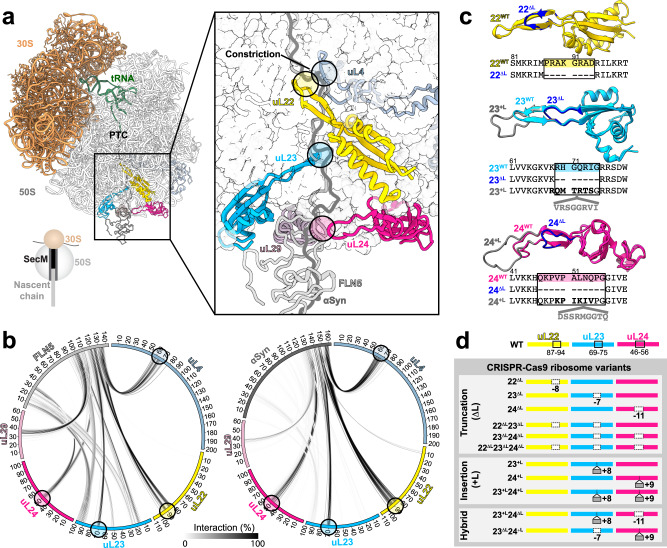
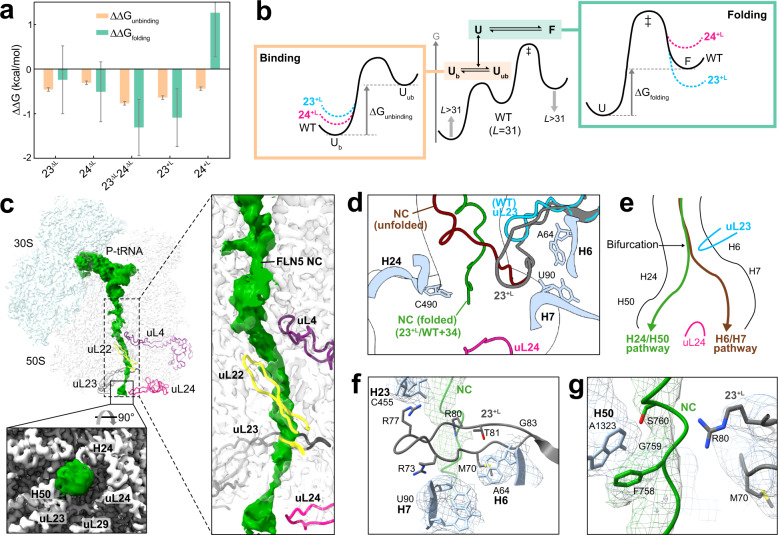
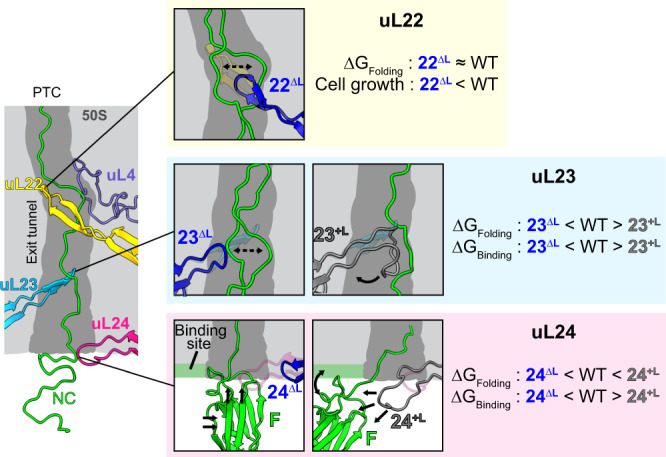
“Within the tunnel, the loops create an irregular trajectory for the NC by partially occluding the upper (uL4 and uL22 at the constriction) and lower (uL23 and uL24) parts of the tunnel, and thus force direct contacts to be made with emerging NCs 18 (Fig.”
Self-citationSMOG 2: A Versatile Software Package for Generating Structure-Based Models
Noel, J. K., Levi, M., Raghunathan, M., Lammert, H., Hayes, R. L., Onuchic, J. N., & Whitford, P. C. (2016) · PLOS Computational Biology · doi:10.1371/journal.pcbi.1004794 · Cited by 296 · cited 1×
“We used all-atom molecular dynamics (MD) simulations with the structure-based potential generated with SMOG 2.0 77 .”
MethodInfluentialHistory of the ribosome and the origin of translation
Petrov, A. S., Gulen, B., Norris, A. M., Kovacs, N. A., Bernier, C. R., Lanier, K. A., Fox, G. E., Harvey, S. C., Wartell, R. M., Hud, N. V., et al. (2015) · Proceedings of the National Academy of Sciences · doi:10.1073/pnas.1509761112 · Cited by 290
Tian, B., Tian, B., Smith, B., Scott, M. C., Lei, Q., Hua, R., Tian, Y., & Liu, Y. (2018) · Proceedings of the National Academy of Sciences · doi:10.1073/pnas.1800069115 · Cited by 267 · cited 3×
“DNA constructs of SecM-stalled RNCs of FLN5 with increasing linker lengths ( L ) of FLN6 ( L = 21, 31, 34, 37, 42, 45, 47 and 67, Supplementary Fig.”
BackgroundInfluentialCotranslational Protein Folding inside the Ribosome Exit Tunnel
Nilsson, O. B., Hedman, R., Marino, J., Wickles, S., Bischoff, L., Johansson, M., Müller-Lucks, A., Trovato, F., Puglisi, J. D., O’Brien, E. P., et al. (2015) · Cell Reports · doi:10.1016/j.celrep.2015.07.065 · Cited by 262 · cited 1×
“…con fi nes (10 – 28 Å in diameter and 100 Å in length) limit the formation of the persistent tertiary structure of the NC, but helices can form both in the upper and narrower part of the tunnel near the peptidyl transferase centre (PTC) and in the vicinity of the wider vestibule region 13,14 .”
BackgroundSelf-citationPOVME 3.0: Software for Mapping Binding Pocket Flexibility
Wagner, J. R., Sørensen, J., Hensley, N., Wong, C., Zhu, C., Perison, T., & Amaro, R. E. (2017) · Journal of Chemical Theory and Computation · doi:10.1021/acs.jctc.7b00500 · Cited by 260
Efficient Sampling of High-Dimensional Free-Energy Landscapes with Parallel Bias Metadynamics
Pfaendtner, J., & Bonomi, M. (2015) · Journal of Chemical Theory and Computation · doi:10.1021/acs.jctc.5b00846 · Cited by 238
Noel, J. K., Whitford, P. C., & Onuchic, J. N. (2012) · The Journal of Physical Chemistry B · doi:10.1021/jp300852d · Cited by 232 · cited 1×
“In addition, the NC native contacts used in structure-based potential were de fi ned based on the FLN5 crystal structure (PDB: 1QFH) and were modelled using Gaussian potential 79 .”
MethodProtein synthesis by ribosomes with tethered subunits
Orelle, C., Carlson, E. D., Szal, T., Florin, T., Jewett, M. C., & Mankin, A. S. (2015) · Nature · doi:10.1038/nature14862 · Cited by 231
An Evolved Aminoacyl-tRNA Synthetase with Atypical Polysubstrate Specificity,
Young, D. D., Young, T. S., Jahnz, M., Ahmad, I., Spraggon, G., & Schultz, P. G. (2011) · Biochemistry · doi:10.1021/bi101929e · Cited by 220 · cited 1×
“…E. coli cells were co-transformed with the FLN5RNC (Y655Stop TAG ) vector, and also the arabinose-inducible pEVOL-pCNF-RS suppressor plasmid 62,63 which expresses the orthogonal tRNA/synthetase pair, to enable selective incorporation of the non-natural amino acid, 4-tri fl…”
Methodα-Helical nascent polypeptide chains visualized within distinct regions of the ribosomal exit tunnel
Bhushan, S., Gartmann, M., Halic, M., Armache, J.-P., Jarasch, A., Mielke, T., Berninghausen, O., Wilson, D. N., & Beckmann, R. (2010) · Nature Structural & Molecular Biology · doi:10.1038/nsmb.1756 · Cited by 210 · cited 2×
“…con fi nes (10 – 28 Å in diameter and 100 Å in length) limit the formation of the persistent tertiary structure of the NC, but helices can form both in the upper and narrower part of the tunnel near the peptidyl transferase centre (PTC) and in the vicinity of the wider vestibule region 13,14 .”
BackgroundMethodSelf-citationSecretion Monitor, SecM, Undergoes Self-Translation Arrest in the Cytosol
Nakatogawa, H., & Ito, K. (2001) · Molecular Cell · doi:10.1016/s1097-2765(01)00166-6 · Cited by 199
Wilson, D. N., & Beckmann, R. (2011) · Current Opinion in Structural Biology · doi:10.1016/j.sbi.2011.01.007 · Cited by 197
Self-citationBornemann, T., Jöckel, J., Rodnina, M. V., & Wintermeyer, W. (2008) · Nature Structural & Molecular Biology · doi:10.1038/nsmb.1402 · Cited by 178 · cited 1×
“…possibility that uL23 might be capable of relaying NC folding information from within the ribosome to its surface, an additional role to that used in SRP-dependent membrane targeting, where the uL23 loop interacts with emerging NCs to modulate SRP recruitment at the surface of the exit port 43 .”
BackgroundIsmail, N., Hedman, R., Schiller, N., & von Heijne, G. (2012) · Nature Structural & Molecular Biology · doi:10.1038/nsmb.2376 · Cited by 169 · cited 2×
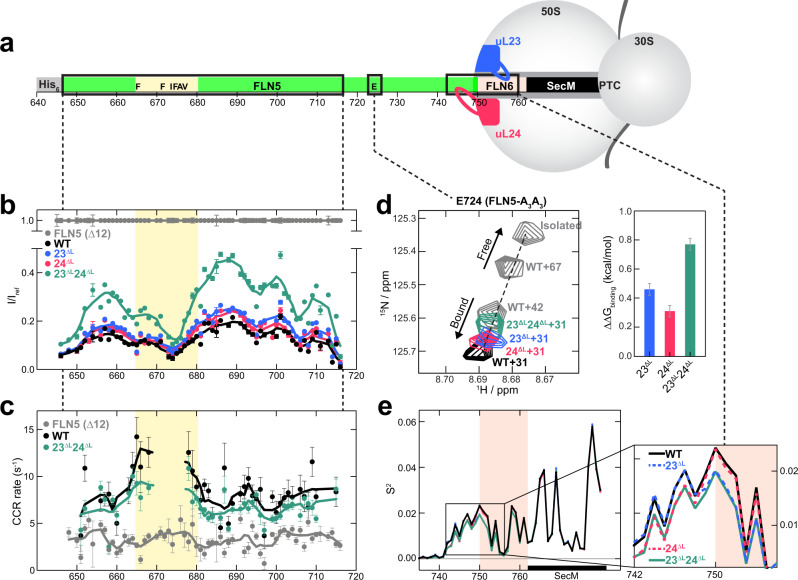
“Arrest-peptide force assays were performed on FLN5 RNCs as described in Ismail et al. 85 , using in-house prepared WT and mutant E. coli S30 extracts, and cell-free translation system 19 For these experiments, DNA constructs of FLN5 RNCs 6,59 , were modi fi ed to include fi ve methionine residues…”
MethodA structural ensemble of a ribosome–nascent chain complex during cotranslational protein folding
Cabrita, L. D., Cassaignau, A. M. E., Launay, H. M. M., Waudby, C. A., Wlodarski, T., Camilloni, C., Karyadi, M.-E., Robertson, A. L., Wang, X., Wentink, A. S., et al. (2016) · Nature Structural & Molecular Biology · doi:10.1038/nsmb.3182 · Cited by 165 · cited 11×
“All RNCs were puri fi ed to homogeneity using a three-step protocol involving sedimentation via a sucrose cushion, followed by metal af fi nity and hydrophobic interaction chromatographic steps, as previously described 6,64 .”
BackgroundMethodInfluentialSelf-citationMechanism of membrane-tethered mitochondrial protein synthesis
Itoh, Y., Andréll, J., Choi, A., Richter, U., Maiti, P., Best, R. B., Barrientos, A., Battersby, B. J., & Amunts, A. (2021) · Science · doi:10.1126/science.abe0763 · Cited by 162
SecM-Stalled Ribosomes Adopt an Altered Geometry at the Peptidyl Transferase Center
Bhushan, S., Hoffmann, T., Seidelt, B., Frauenfeld, J., Mielke, T., Berninghausen, O., Wilson, D. N., & Beckmann, R. (2011) · PLoS Biology · doi:10.1371/journal.pbio.1000581 · Cited by 154 · cited 1×
“…with isolated proteins and in fl uence their folding 45 ; this characteristic of the extensive rRNA scaffold, which makes up two-thirds of the ribosome ’ s composition, thus adds to its increasingly wider repertoire alongside translational arrest 41 and susceptibility to antibiotic targeting 46 .”
BackgroundSelf-citationNature and Regulation of Protein Folding on the Ribosome
Waudby, C. A., Dobson, C. M., & Christodoulou, J. (2019) · Trends in Biochemical Sciences · doi:10.1016/j.tibs.2019.06.008 · Cited by 150
Self-citationInteractions between nascent proteins translated by adjacent ribosomes drive homomer assembly
Bertolini, M., Fenzl, K., Kats, I., Wruck, F., Tippmann, F., Schmitt, J., Auburger, J. J., Tans, S., Bukau, B., & Kramer, G. (2021) · Science · doi:10.1126/science.abc7151 · Cited by 150 · cited 1×
“…with the rational ribosome engineering approaches presented here, offers the capacity to provide descriptions and applications of CTF on the ribosome, as well as other folding phenomena at the point of bio-synthesis, including the co-translational assembly of complexes 52 and misfolding 53 .”
BackgroundProtein folding on the ribosome
Cabrita, L. D., Dobson, C. M., & Christodoulou, J. (2010) · Current Opinion in Structural Biology · doi:10.1016/j.sbi.2010.01.005 · Cited by 141 · cited 1×
“The co-translational folding (CTF) of nascent chains (NCs) is in fl uenced by several mechanisms ranging from interactions with the ribosome 4 – 8 to ribosome-associated auxiliary proteins such as molecular chaperones 9,10 .”
BackgroundSelf-citationStructure and dynamics of a ribosome-bound nascent chain by NMR spectroscopy
Hsu, S.-T. D., Fucini, P., Cabrita, L. D., Launay, H., Dobson, C. M., & Christodoulou, J. (2007) · Proceedings of the National Academy of Sciences · doi:10.1073/pnas.0704664104 · Cited by 129 · cited 1×
“Isolated FLN5 variants were expressed and puri fi ed as previously described 61 .”
BackgroundSelf-citationTranslation Arrest Requires Two-Way Communication between a Nascent Polypeptide and the Ribosome
Woolhead, C. A., Johnson, A. E., & Bernstein, H. D. (2006) · Molecular Cell · doi:10.1016/j.molcel.2006.05.021 · Cited by 128 · cited 2×
“…on FLN5 RNCs as described in Ismail et al. 85 , using in-house prepared WT and mutant E. coli S30 extracts, and cell-free translation system 19 For these experiments, DNA constructs of FLN5 RNCs 6,59 , were modi fi ed to include fi ve methionine residues after the his-tag to increase the…”
New Scenarios of Protein Folding Can Occur on the Ribosome
O’Brien, E. P., Christodoulou, J., Vendruscolo, M., & Dobson, C. M. (2011) · Journal of the American Chemical Society · doi:10.1021/ja107863z · Cited by 105 · cited 1×
“…the uL23 loop, which is located further inside the tunnel, the uL24 loop occludes the wider vestibule where FLN5 folding can theoretically begin 33,39 , and thus its extension reduces the conformational entropy and the structure formation of the native state FLN5, likely by reducing the space…”
BackgroundSelf-citationZaman, S., Fitzpatrick, M., Lindahl, L., & Zengel, J. (2007) · Molecular Microbiology · doi:10.1111/j.1365-2958.2007.05975.x · Cited by 102
Protein Folding at the Exit Tunnel
Fedyukina, D. V., & Cavagnero, S. (2011) · Annual Review of Biophysics · doi:10.1146/annurev-biophys-042910-155338 · Cited by 98
Probing ribosome-nascent chain complexes produced in vivo by NMR spectroscopy
Cabrita, L. D., Hsu, S.-T. D., Launay, H., Dobson, C. M., & Christodoulou, J. (2009) · Proceedings of the National Academy of Sciences · doi:10.1073/pnas.0903750106 · Cited by 97 · cited 2×
“…using in-house prepared WT and mutant E. coli S30 extracts, and cell-free translation system 19 For these experiments, DNA constructs of FLN5 RNCs 6,59 , were modi fi ed to include fi ve methionine residues after the his-tag to increase the signal from 35 S methionine radiolabelling, and a…”
MethodSelf-citationSu, T., Cheng, J., Sohmen, D., Hedman, R., Berninghausen, O., von Heijne, G., Wilson, D. N., & Beckmann, R. (2017) · eLife · doi:10.7554/elife.25642 · Cited by 93
Self-citationMechanisms of ribosome stalling by SecM at multiple elongation steps
Zhang, J., Pan, X., Yan, K., Sun, S., Gao, N., & Sui, S.-F. (2015) · eLife · doi:10.7554/elife.09684 · Cited by 90
Differences in the path to exit the ribosome across the three domains of life
Dao Duc, K., Batra, S. S., Bhattacharya, N., Cate, J. H. D., & Song, Y. S. (2019) · Nucleic Acids Research · doi:10.1093/nar/gkz106 · Cited by 90
Erythromycin inhibits the assembly of the large ribosomal subunit in growing Escherichia coli cells
Chittum, H. S., & Champney, W. S. (1995) · Current Microbiology · doi:10.1007/bf00295501 · Cited by 88 · cited 3×
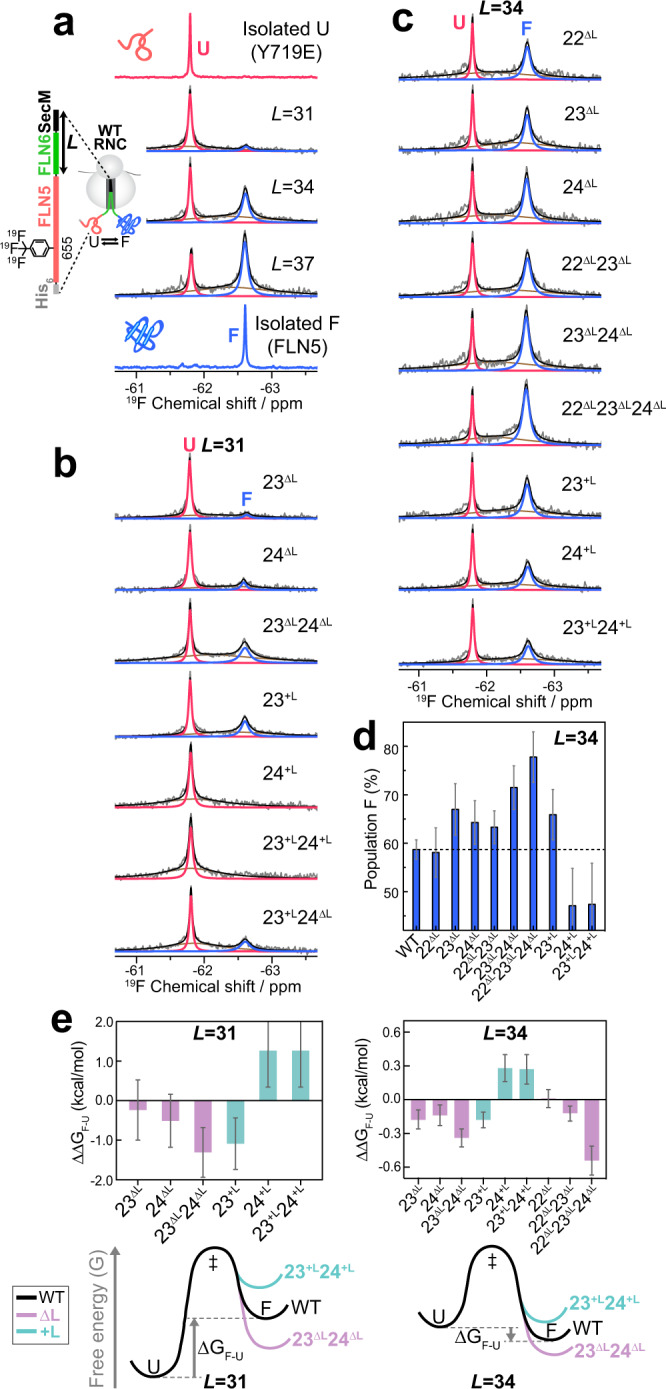
“FLN5 with linker lengths ( L ) of 31, 34 and 37 (Supplementary Fig.”
BackgroundStructure of the chloroplast ribosome with chl-RRF and hibernation-promoting factor
Perez-Boerema, A., Aibara, S., Paul, B., Tobiasson, V., Kimanius, D., Forsberg, B. O., Wallden, K., Lindahl, E. R., & Amunts, A. (2018) · Nature Plants · doi:10.1038/s41477-018-0129-6 · Cited by 86 · cited 1×
“Available chloroplastic ribosome structures share a short uL23 loop as is present in eukaryotes and archaea, but a long uL24 loop as seen in bacteria 25 .”
BackgroundHow Does the Ribosome Fold the Proteome?
Cassaignau, A. M. E., Cabrita, L. D., & Christodoulou, J. (2020) · Annual Review of Biochemistry · doi:10.1146/annurev-biochem-062917-012226 · Cited by 82 · cited 1×
“Such evolutionary variations suggest that the geometry of the exit tunnel has likely co-evolved alongside an organism ’ s proteome 24 to facilitate co-translational processes including protein folding 26 – 29 .”
BackgroundSelf-citationHow Messenger RNA and Nascent Chain Sequences Regulate Translation Elongation
Choi, J., Grosely, R., Prabhakar, A., Lapointe, C. P., Wang, J., & Puglisi, J. D. (2018) · Annual Review of Biochemistry · doi:10.1146/annurev-biochem-060815-014818 · Cited by 77 · cited 1×
“Such evolutionary variations suggest that the geometry of the exit tunnel has likely co-evolved alongside an organism ’ s proteome 24 to facilitate co-translational processes including protein folding 26 – 29 .”
BackgroundThe shape of the bacterial ribosome exit tunnel affects cotranslational protein folding
Kudva, R., Tian, P., Pardo-Avila, F., Carroni, M., Best, R. B., Bernstein, H. D., & von Heijne, G. (2018) · eLife · doi:10.7554/elife.36326 · Cited by 72 · cited 3×
“…studies have identi fi ed pertinent roles for individual loops in modulating translational arrest 19,20 , antibiotic resistance 20 – 22 and CTF 23 ; however, an understanding of the interplay between these loops in how they shape the geometry of the tunnel, their impact on the dynamics and…”
BackgroundInfluentialThe precious fluorine on the ring: fluorine NMR for biological systems
Boeszoermenyi, A., Ogórek, B., Jain, A., Arthanari, H., & Wagner, G. (2020) · Journal of Biomolecular NMR · doi:10.1007/s10858-020-00331-z · Cited by 61 · cited 1×
“The 19 F isotope provides an excellent probe in large biomolecules such as RNCs due to both its high sensitivity and lack of background endogenous 19 F signal in biological systems 32 .”
BackgroundCocozaki, A. I., Altman, R. B., Huang, J., Buurman, E. T., Kazmirski, S. L., Doig, P., Prince, D. B., Blanchard, S. C., Cate, J. H. D., & Ferguson, A. D. (2016) · Proceedings of the National Academy of Sciences · doi:10.1073/pnas.1605127113 · Cited by 56 · cited 1×
“…with isolated proteins and in fl uence their folding 45 ; this characteristic of the extensive rRNA scaffold, which makes up two-thirds of the ribosome ’ s composition, thus adds to its increasingly wider repertoire alongside translational arrest 41 and susceptibility to antibiotic targeting 46 .”
BackgroundThe ribosome stabilizes partially folded intermediates of a nascent multi-domain protein
Chan, S. H. S., Włodarski, T., Streit, J. O., Cassaignau, A. M. E., Woodburn, L. F., Ahn, M., von Sass, G. J. F., Waudby, C. A., Budiša, N., Cabrita, L. D., et al. (2022) · Nature Chemistry · doi:10.1038/s41557-022-01004-0 · Cited by 56 · cited 13×
“19 F RNCs were produced in WT and CRISPR-modi fi ed E. coli as described in Chan et al. Brie fl y, BL21(DE3) E. coli cells were co-transformed with the FLN5RNC (Y655Stop TAG ) vector, and also the arabinose-inducible pEVOL-pCNF-RS suppressor plasmid 62,63 which expresses the orthogonal tRNA/synthetase pair, to enable se…”
BackgroundMethodInfluentialSelf-citationRevisiting the mechanism of macrolide-antibiotic resistance mediated by ribosomal protein L22
Moore, S. D., & Sauer, R. T. (2008) · Proceedings of the National Academy of Sciences · doi:10.1073/pnas.0810357105 · Cited by 55 · cited 1×
“Mutational studies have identi fi ed pertinent roles for individual loops in modulating translational arrest 19,20 , antibiotic resistance 20 – 22 and CTF 23 ; however, an understanding of the interplay between these loops in how they shape the geometry of the tunnel, their impact on the dynamics…”
BackgroundCassaignau, A. M. E., Launay, H., Karyadi, M., Wang, X., Waudby, C. A., Deckert, A., Robertson, A. L., Christodoulou, J., & Cabrita, L. D. (2016) · Nature Protocols · doi:10.1038/nprot.2016.101 · Cited by 54 · cited 1×
“All RNCs were puri fi ed to homogeneity using a three-step protocol involving sedimentation via a sucrose cushion, followed by metal af fi nity and hydrophobic interaction chromatographic steps, as previously described 6,64 .”
MethodSelf-citationProtein Folding by Domain V of Escherichia coli 23S rRNA: Specificity of RNA-Protein Interactions
Samanta, D., Mukhopadhyay, D., Chowdhury, S., Ghosh, J., Pal, S. K., Basu, A., Bhattacharya, A., Das, A., Das, D., & DasGupta, C. K. (2008) · Journal of Bacteriology · doi:10.1128/jb.01800-07 · Cited by 50
Cysteine oxidation and disulfide formation in the ribosomal exit tunnel
Schulte, L., Mao, J., Reitz, J., Sreeramulu, S., Kudlinzki, D., Hodirnau, V.-V., Meier‐Credo, J., Saxena, K., Buhr, F., Langer, J. D., et al. (2020) · Nature Communications · doi:10.1038/s41467-020-19372-x · Cited by 50
Interactions between nascent proteins and the ribosome surface inhibit co-translational folding
Cassaignau, A. M. E., Włodarski, T., Chan, S. H. S., Woodburn, L. F., Bukvin, I. V., Streit, J. O., Cabrita, L. D., Waudby, C. A., & Christodoulou, J. (2021) · Nature Chemistry · doi:10.1038/s41557-021-00796-x · Cited by 50 · cited 2×
“The co-translational folding (CTF) of nascent chains (NCs) is in fl uenced by several mechanisms ranging from interactions with the ribosome 4 – 8 to ribosome-associated auxiliary proteins such as molecular chaperones 9,10 .”
BackgroundSelf-citationPlessa, E., Chu, L. P., Chan, S. H. S., Thomas, O. L., Cassaignau, A. M. E., Waudby, C. A., Christodoulou, J., & Cabrita, L. D. (2021) · Nature Communications · doi:10.1038/s41467-021-26531-1 · Cited by 50 · cited 1×
“…with the rational ribosome engineering approaches presented here, offers the capacity to provide descriptions and applications of CTF on the ribosome, as well as other folding phenomena at the point of bio-synthesis, including the co-translational assembly of complexes 52 and misfolding 53 .”
BackgroundSelf-citationCiliate mitoribosome illuminates evolutionary steps of mitochondrial translation
Tobiasson, V., & Amunts, A. (2020) · eLife · doi:10.7554/elife.59264 · Cited by 49
Rapid Distinction of Intracellular and Extracellular Proteins Using NMR Diffusion Measurements
Waudby, C. A., Mantle, M. D., Cabrita, L. D., Gladden, L. F., Dobson, C. M., & Christodoulou, J. (2012) · Journal of the American Chemical Society · doi:10.1021/ja304912c · Cited by 48 · cited 1×
“Understanding the role of the ribosome would allow the delineation of protein folding mechanisms as they take place within cells 11,12 and lead to the ability to manipulate such processes.”
BackgroundSelf-citationSystematic mapping of free energy landscapes of a growing filamin domain during biosynthesis
Waudby, C. A., Włodarski, T., Karyadi, M., Cassaignau, A. M. E., Chan, S. H. S., Wentink, A. S., Schmidt-Engler, J. M., Camilloni, C., Vendruscolo, M., Cabrita, L. D., et al. (2018) · Proceedings of the National Academy of Sciences · doi:10.1073/pnas.1716252115 · Cited by 47 · cited 2×
“These U and F states on the ribosome were in slow chemical exchange (k ex ≪ | δ U - δ F | = 380 s − 1 ), as observed previously for isolated FLN5 33 .”
BackgroundSelf-citationProtein folding on the ribosome studied using NMR spectroscopy
Waudby, C. A., Launay, H., Cabrita, L. D., & Christodoulou, J. (2013) · Progress in Nuclear Magnetic Resonance Spectroscopy · doi:10.1016/j.pnmrs.2013.07.003 · Cited by 41 · cited 1×
“Understanding the role of the ribosome would allow the delineation of protein folding mechanisms as they take place within cells 11,12 and lead to the ability to manipulate such processes.”
BackgroundSelf-citationLawrence, M. G., Shamsuzzaman, M., Kondopaka, M., Pascual, C., Zengel, J. M., & Lindahl, L. (2016) · Nucleic Acids Research · doi:10.1093/nar/gkw493 · Cited by 36 · cited 3×
“The exceptions were strains with ribosomes harbouring a uL22 truncation (22 Δ L , 22 Δ L 23 Δ L and 22 Δ L 23 Δ L 24 Δ L ): these exhibited slower growth kinetics, likely as a result of this mutation imposing a delay in 50S subunit assembly 20,31 .”
BackgroundKemp, G., Kudva, R., de la Rosa, A., & von HEIJNE, G. (2019) · Journal of Molecular Biology · doi:10.1016/j.jmb.2019.01.043 · Cited by 34
Common sequence motifs of nascent chains engage the ribosome surface and trigger factor
Deckert, A., Cassaignau, A. M. E., Wang, X., Włodarski, T., Chan, S. H. S., Waudby, C. A., Kirkpatrick, J., Vendruscolo, M., Cabrita, L. D., & Christodoulou, J. (2021) · Proceedings of the National Academy of Sciences · doi:10.1073/pnas.2103015118 · Cited by 34 · cited 2×
“The co-translational folding (CTF) of nascent chains (NCs) is in fl uenced by several mechanisms ranging from interactions with the ribosome 4 – 8 to ribosome-associated auxiliary proteins such as molecular chaperones 9,10 .”
BackgroundMethodSelf-citationUsing Scipion for stream image processing at Cryo-EM facilities
Gómez-Blanco, J., de la Rosa-Trevin, J. M., Marabini, R., del Caño, L., Jiménez, A., Martínez, M., Melero, R., Majtner, T., Maluenda, D., Mota, J., et al. (2018) · Journal of Structural Biology · doi:10.1016/j.jsb.2018.10.001 · Cited by 33
Burridge, C., Waudby, C. A., Włodarski, T., Cassaignau, A. M. E., Cabrita, L. D., & Christodoulou, J. (2021) · Chemical Science · doi:10.1039/d1sc04313g · Cited by 20
Self-citationAugustyniak, R., Ferrage, F., Damblon, C., Bodenhausen, G., & Pelupessy, P. (2012) · Chemical Communications · doi:10.1039/c2cc30578j · Cited by 11
Visualising nascent chain dynamics at the ribosome exit tunnel by cryo-electron microscopyPreprint
Javed, A., Włodarski, T., Cassaignau, A. M. E., Cabrita, L. D., Christodoulou, J., & Orlova, E. V. (2019) · bioRxiv (Cold Spring Harbor Laboratory) · doi:10.1101/722611 · Cited by 8 · cited 2×
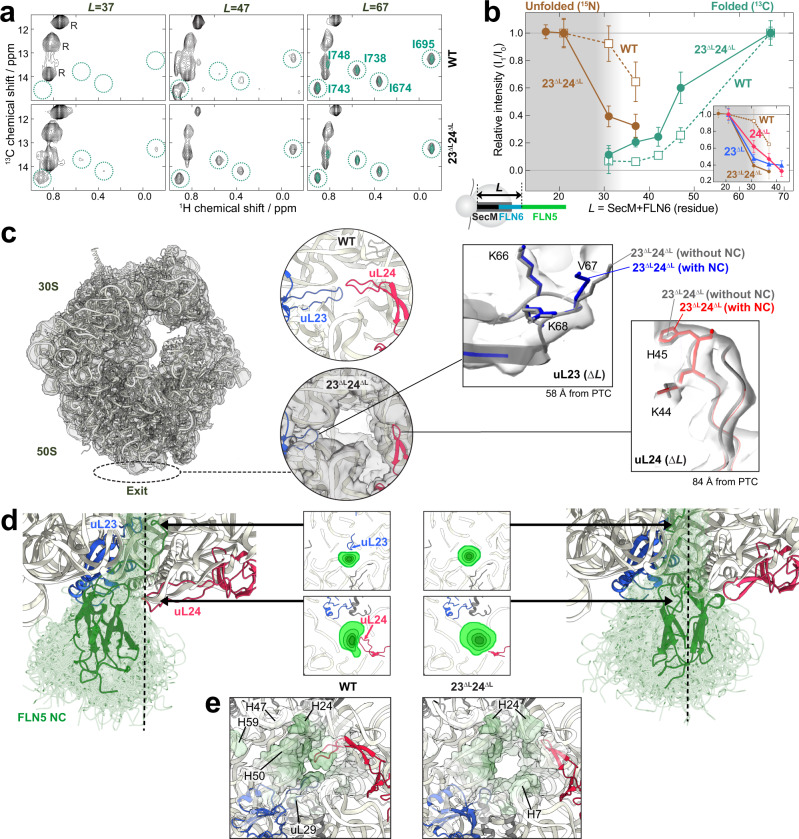
“3c) relative to the uL24 (local resolution >4 Å, at 1.8 σ ), which is decidedly more dynamic 36,37 .”
BackgroundInfluentialSelf-citationShamsuzzaman, M., Lindahl, L., Lawrence, M. G., et al. (2020) · Carolina Digital Repository (University of North Carolina at Chapel Hill) · doi:10.17615/t93n-bk07 · Cited by 4
Cited by
The ribosome lowers the entropic penalty of protein folding
Streit, J. O., Bukvin, I. V., Chan, S. H. S., Bashir, S., Woodburn, L. F., Włodarski, T., Figueiredo, A. M., Jurkeviciute, G., Sidhu, H. K., Hornby, C. R., et al. (2024) · Nature · doi:10.1038/s41586-024-07784-4 · Cited by 49
“There is increasing evidence of a direct role for the ribosome in regulating folding of the nascent chain 2–10 , with increasing clarity on how it interacts with the elongating nascent chain 7,11–13 , which is thought to contribute to alterations to nascent chain thermodynamic stability 6–10 and…”
Self-citationHow the ribosome shapes cotranslational protein folding
Samatova, E., Komar, A. A., & Rodnina, M. V. (2023) · Current Opinion in Structural Biology · doi:10.1016/j.sbi.2023.102740 · Cited by 47
The SecM arrest peptide traps a pre-peptide bond formation state of the ribosome
Gersteuer, F., Morici, M., Gabrielli, S., Fujiwara, K., Safdari, H. A., Paternoga, H., Bock, L. V., Chiba, S., & Wilson, D. N. (2024) · Nature Communications · doi:10.1038/s41467-024-46762-2 · Cited by 43
Chen, J., Gong, J., Su, C., Li, H., Xu, Z., & Shi, J. (2023) · Metabolic Engineering · doi:10.1016/j.ymben.2023.05.007 · Cited by 41
Resolving chaperone-assisted protein folding on the ribosome at the peptide level
Wales, T. E., Pajak, A., Roeselová, A., Shivakumaraswamy, S., Howell, S. A., Kjær, S., Hartl, F. U., Engen, J. R., & Balchin, D. (2024) · Nature Structural & Molecular Biology · doi:10.1038/s41594-024-01355-x · Cited by 42
“Other factors, such as interactions of the NC with the ribosome surface (Figure 6B-G), are also likely to play a role in modulating the stability of cotranslational folding intermediates (10, 66).”
Metadata
- Authors
- Ahn, M., Włodarski, T., Mitropoulou, A., Chan, S. H. S., Sidhu, H., Plessa, E., Becker, T. A., Budisa, N., Waudby, C. A., Beckmann, R., Cassaignau, A. M. E., Cabrita, L. D., & Christodoulou, J.
- Affiliations
- Institute of Structural and Molecular Biology (GB)
- Ludwig-Maximilians-Universität München (DE)
- University of London (GB)
- Corresponding author
- Cabrita, Lisa D.
- Christodoulou, John
- ORCID
- Venue
- Nature Communications
- Published
- 2022-07-22
- Volume
- 13
- Issue
- 1
- Pages
- 4243-4243
- ISSN
- 2041-1723 (ISSN-L)
- PMC
- PMC9307626
- OpenAlex
- W4286559954
- Semantic Scholar
- 86700d642b20ab97ac2e98a0366bd93b0f210457
- Cited by
- 45
- References
- 86
- Citations by year
- 2026: 8 · 2025: 14 · 2024: 14 · 2023: 8 · 2022: 1
- FWCI
- 3.02
- Type
- journal article
- Language
- en
- Update notices
- correction (2022-09-16)
- Open access
- gold
- doi.org
- Licence
- cc-by
- creativecommons.org/licenses/by/4.0 (tdm)
- creativecommons.org/licenses/by/4.0 (vor)
- Locations
- Nature Communications (publishedVersion, cc-by)
- PubMed Central (publishedVersion, cc-by)
- PubMed (publishedVersion)
- Explore Bristol Research (publishedVersion, cc-by)
- BIROn (Birkbeck, University of London) (acceptedVersion, other-oa)
- RePEc: Research Papers in Economics (submittedVersion)
- DOAJ (DOAJ: Directory of Open Access Journals) (submittedVersion, cc-by-sa)
- UCL Discovery (University College London) (submittedVersion)
- Bristol Research (University of Bristol) (submittedVersion, cc-by)
- Funders
- Wellcome Trust (206409/Z/17/Z)
- Topics
- Life Sciences › Biochemistry, Genetics and Molecular Biology › Molecular Biology › RNA and protein synthesis mechanisms
- Life Sciences › Biochemistry, Genetics and Molecular Biology › Molecular Biology › Protein Structure and Dynamics
- Life Sciences › Biochemistry, Genetics and Molecular Biology › Molecular Biology › Heat shock proteins research
- Keywords
- co-translational folding, ribosome exit tunnel, 70S ribosome, nascent polypeptide folding, folding free energy
- MeSH terms
- Proteins, Ribosomes, Thermodynamics, Protein Biosynthesis, Protein Folding, Molecular Dynamics Simulation
About these checks
Registry, retraction, Cites and statistics results are computed, not judged, with one exception: a printed reference that no index lists is read once by a model before it counts as a citation error. Claims are extracted by a model and kept only when their quote appears verbatim in the text; each cited source is then checked, with a model’s help, for whether it says what the claim relies on. Those verdicts can be wrong — read the claim’s quote and the cited source before relying on one.
Statistics and arithmetic are recomputed, not judged.
Confidence bands are shown only for fields calibrated on our annotated test set. None is calibrated yet, so no band is shown.
What counts as a claim ›How we measure confidence ›How we check this ›
Are you an author, or do you see a problem with this page? Request a review
Data sources
Bibliographic data: Semantic Scholar, OpenAlex, Crossref.
Contains information from the Semantic Scholar Academic Graph Datasets, made available under the ODC Attribution License (ODC-BY 1.0).
Semantic Scholar’s data is described in: Kinney, R., et al. (2023). The Semantic Scholar Open Data Platform. arXiv:2301.10140.
