

Cis-regulatory evolution of the recently expanded Ly49 gene family
Open accessThe DOI matches its Crossref record; 95 of the 95 references it cites were found in a registry or an index.
Abstract
Comparative genomics has revealed the rapid expansion of multiple gene families involved in immunity. Members within each gene family often evolved distinct roles in immunity. However, less is known about the evolution of their epigenome and cis-regulation. Here we systematically profile the epigenome of the recently expanded murine Ly49 gene family that mainly encode either inhibitory or activating surface receptors on natural killer cells. We identify a set of cis-regulatory elements (CREs) for activating Ly49 genes. In addition, we show that in mice, inhibitory and activating Ly49 genes are regulated by two separate sets of proximal CREs, likely resulting from lineage-specific losses of CRE activity. Furthermore, we find that some Ly49 genes are cross-regulated by the CREs of other Ly49 genes, suggesting that the Ly49 family has begun to evolve a concerted cis-regulatory mechanism. Collectively, we demonstrate the different modes of cis-regulatory evolution for a rapidly expanding gene family.
Overview
The claims and statistics of this paper haven’t been checked yet.
Free: it reads the open-access text and checks the first 5 claims that cite a source we can check. Create a free account to check every claim.
Integrity signals
Registry
Cites
Statistics
Figures
Verification
Claims the paper makes
The claims and statistics of this paper haven’t been checked yet.
Free: it reads the open-access text and checks the first 5 claims that cite a source we can check. Create a free account to check every claim.
Claims other papers make about this one
Each is checked against this paper’s own text: does it say what the citing paper says it does?
The source backs part of the claim, not all of it — or backs it for a different population, condition or comparison.
In the citing paper
“CD8 Treg-1, which did not express Foxp3, but highly expressed Ikzf2 (encoding IKZF2) and two inhibitory receptors, Klra7 (encoding LY49G) and Klra9 (encoding LY49I) [53, 54]”
From Single-cell transcriptome reveals the reprogramming of immune microenvironment during the transition from MASH to HCC (2025) · cites this paper as [54]
Experimental — accuracy not yet measuredThe source backs part of the claim, not all of it — or backs it for a different population, condition or comparison.
In the citing paper
“Although LY49I and LY49G are two inhibitory LY49 receptors mainly expressed in NKs [53, 54],”
From Single-cell transcriptome reveals the reprogramming of immune microenvironment during the transition from MASH to HCC (2025) · cites this paper as [54]
Experimental — accuracy not yet measuredThe cited source says what the claim attributes to it.
In the citing paper
“they also expressed in certain other immune cells [54], such as CD8+ T cells we discovered in the present study.”
From Single-cell transcriptome reveals the reprogramming of immune microenvironment during the transition from MASH to HCC (2025) · cites this paper as [54]
Self-check
Percentages, sums and reported differences re-computed from the paper’s own numbers.
The self-check needs the paper’s full text.
Citations
Cites
Moderated estimation of fold change and dispersion for RNA-seq data with DESeq2
Love, M. I., Huber, W., & Anders, S. (2014) · Genome Biology · doi:10.1186/s13059-014-0550-8 · Cited by 95,106
Fast gapped-read alignment with Bowtie 2
Langmead, B., & Salzberg, S. L. (2012) · Nature Methods · doi:10.1038/nmeth.1923 · Cited by 56,400
STAR: ultrafast universal RNA-seq aligner
Dobin, A., Davis, C. A., Schlesinger, F., Drenkow, J., Zaleski, C., Jha, S., Batut, P., Chaisson, M., & Gingeras, T. R. (2013) · Bioinformatics · doi:10.1093/bioinformatics/bts635 · Cited by 51,709
Robinson, M. D., McCarthy, D. J., & Smyth, G. K. (2010) · Bioinformatics · doi:10.1093/bioinformatics/btp616 · Cited by 41,364
Cutadapt removes adapter sequences from high-throughput sequencing reads
Martin, M. (2011) · EMBnet.journal · doi:10.14806/ej.17.1.200 · Cited by 33,889
fastp: an ultra-fast all-in-one FASTQ preprocessor
Chen, S., Zhou, Y., Chen, Y., & Gu, J. (2018) · Bioinformatics · doi:10.1093/bioinformatics/bty560 · Cited by 29,721
MrBayes 3.2: Efficient Bayesian Phylogenetic Inference and Model Choice Across a Large Model Space
Ronquist, F., Teslenko, M., van der Mark, P., Ayres, D. L., Darling, A., Höhna, S., Larget, B., Liu, L., Suchard, M. A., & Huelsenbeck, J. P. (2012) · Systematic Biology · doi:10.1093/sysbio/sys029 · Cited by 27,843
Model-based Analysis of ChIP-Seq (MACS)
Zhang, Y., Liu, T., Meyer, C. A., Eeckhoute, J., Johnson, D. S., Bernstein, B. E., Nusbaum, C., Myers, R. M., Brown, M., Li, W., et al. (2008) · Genome Biology · doi:10.1186/gb-2008-9-9-r137 · Cited by 18,386
MAFFT: a novel method for rapid multiple sequence alignment based on fast Fourier transform
Katoh, K. (2002) · Nucleic Acids Research · doi:10.1093/nar/gkf436 · Cited by 17,027
Integrated analysis of multimodal single-cell data
Hao, Y., Hao, S., Andersen-Nissen, E., Mauck, W. M., Zheng, S., Butler, A., Lee, M. J., Wilk, A. J., Darby, C., Zagar, M., et al. (2020) · doi:10.1101/2020.10.12.335331 · Cited by 15,508
Minimap2: Pairwise alignment for nucleotide sequences
Li, H. (2018) · Bioinformatics · doi:10.1093/bioinformatics/bty191 · Cited by 14,807
Complex heatmaps reveal patterns and correlations in multidimensional genomic data
Gu, Z., Eils, R., & Schlesner, M. (2016) · Bioinformatics · doi:10.1093/bioinformatics/btw313 · Cited by 10,034
deepTools2: a next generation web server for deep-sequencing data analysis
Ramírez, F., Ryan, D. P., Grüning, B., Bhardwaj, V., Kilpert, F., Richter, A. S., Heyne, S., Dündar, F., & Manke, T. (2016) · Nucleic Acids Research · doi:10.1093/nar/gkw257 · Cited by 8,096
Assembly of long, error-prone reads using repeat graphs
Kolmogorov, M., Yuan, J., Lin, Y., & Pevzner, P. A. (2019) · Nature Biotechnology · doi:10.1038/s41587-019-0072-8 · Cited by 5,986
Bismark: a flexible aligner and methylation caller for Bisulfite-Seq applications
Krueger, F., & Andrews, S. R. (2011) · Bioinformatics · doi:10.1093/bioinformatics/btr167 · Cited by 5,297
FIMO: scanning for occurrences of a given motif
Grant, C. E., Bailey, T. L., & Noble, W. S. (2011) · Bioinformatics · doi:10.1093/bioinformatics/btr064 · Cited by 4,247
Juicer Provides a One-Click System for Analyzing Loop-Resolution Hi-C Experiments
Durand, N. C., Shamim, M. S., Machol, I., Rao, S. S. P., Huntley, M. H., Lander, E. S., & Aiden, E. L. (2016) · Cell Systems · doi:10.1016/j.cels.2016.07.002 · Cited by 3,836 · cited 1×
“The following genes were excluded due to the absence or incompleteness of sequences at intron 1 and/or intron 2: 129.”
Preservation of Duplicate Genes by Complementary, Degenerative Mutations
Force, A., Lynch, M., Pickett, F. B., Amores, A., Yan, Y.-L., & Postlethwait, J. (1999) · Genetics · doi:10.1093/genetics/151.4.1531 · Cited by 3,529
VISTA: computational tools for comparative genomics
Frazer, K. A., Pachter, L., Poliakov, A., Rubin, E. M., & Dubchak, I. (2004) · Nucleic Acids Research · doi:10.1093/nar/gkh458 · Cited by 2,798
CRISPOR: intuitive guide selection for CRISPR/Cas9 genome editing experiments and screens
Concordet, J.-P., & Haeussler, M. (2018) · Nucleic Acids Research · doi:10.1093/nar/gky354 · Cited by 2,655
Smith, T., Heger, A., & Sudbery, I. (2017) · Genome Research · doi:10.1101/gr.209601.116 · Cited by 2,143
JASPAR 2022: the 9th release of the open-access database of transcription factor binding profiles
Castro-Mondragon, J. A., Riudavets-Puig, R., Rauluseviciute, I., Berhanu Lemma, R., Turchi, L., Blanc-Mathieu, R., Lucas, J., Boddie, P., Khan, A., Manosalva Pérez, N., et al. (2022) · Nucleic Acids Research · doi:10.1093/nar/gkab1113 · Cited by 1,935
ArchR is a scalable software package for integrative single-cell chromatin accessibility analysis
Granja, J. M., Corces, M. R., Pierce, S. E., Bagdatli, S. T., Choudhry, H., Chang, H. Y., & Greenleaf, W. J. (2021) · Nature Genetics · doi:10.1038/s41588-021-00790-6 · Cited by 1,392
Concerted and Birth-and-Death Evolution of Multigene Families
Nei, M., & Rooney, A. P. (2005) · Annual Review of Genetics · doi:10.1146/annurev.genet.39.073003.112240 · Cited by 1,298 · cited 1×
“Ly49m itself has become a pseudogene duetoaprematurestopcodoninexon3 42 ,suggestingthatinthebirth-and-death 48 process of gene duplication, the survival of CREs could be independent of the survival of its target gene, due to the cross-regulation among different paralogs.”
Direct Recognition of Cytomegalovirus by Activating and Inhibitory NK Cell Receptors
Arase, H., Mocarski, E. S., Campbell, A. E., Hill, A. B., & Lanier, L. L. (2002) · Science · doi:10.1126/science.1070884 · Cited by 1,230 · cited 1×
“the virus-encoded MHC-I like protein m157 and stimulates NK cell killing 9,10 .”
D-GENIES: dot plot large genomes in an interactive, efficient and simple way
Cabanettes, F., & Klopp, C. (2018) · PeerJ · doi:10.7717/peerj.4958 · Cited by 791
Sonnhammer, E. L. L., & Durbin, R. (1995) · Gene · doi:10.1016/0378-1119(95)00714-8 · Cited by 777
Recognition of a virus-encoded ligand by a natural killer cell activation receptor
Smith, H. R. C., Heusel, J. W., Mehta, I. K., Kim, S., Dorner, B. G., Naidenko, O. V., Iizuka, K., Furukawa, H., Beckman, D. L., Pingel, J. T., et al. (2002) · Proceedings of the National Academy of Sciences · doi:10.1073/pnas.092258599 · Cited by 767 · cited 3×
“Ly49h in murine viral defense 9 .”
Self-citationH3K4me3 breadth is linked to cell identity and transcriptional consistency
Benayoun, B. A., Pollina, E. A., Ucar, D., Mahmoudi, S., Karra, K., Wong, E. D., Devarajan, K., Daugherty, A. C., Kundaje, A. B., Mancini, E., et al. (2014) · Cell · doi:10.1016/j.cell.2014.06.027 · Cited by 536
Pende, D., Falco, M., Vitale, M., Cantoni, C., Vitale, C., Munari, E., Bertaina, A., Moretta, F., Del Zotto, G., Pietra, G., et al. (2019) · Frontiers in Immunology · doi:10.3389/fimmu.2019.01179 · Cited by 389 · cited 1×
“In humans, an unrelated gene family, known as KIR , has evolved to perform highly similar functions, forming a classic case of convergent evolution 13 .”
Chen, K., Chen, Z., Wu, D., Zhang, L., Lin, X., Su, J., Rodriguez, B., Xi, Y., Xia, Z., Chen, X., et al. (2015) · Nature Genetics · doi:10.1038/ng.3385 · Cited by 373 · cited 1×
“The total intensity of H3K4me3 correlated with Ly49 expression, suggesting its selective deposition at promoters of expressed alleles, and providing a potential mechanism for the maintenance of stable expression(SupplementaryFig.5c,d) 29,30 .”
Kanhere, A., Hertweck, A., Bhatia, U., Gökmen, M. R., Perucha, E., Jackson, I., Lord, G. M., & Jenner, R. G. (2012) · Nature Communications · doi:10.1038/ncomms2260 · Cited by 345
Developmental Acquisition of Regulomes Underlies Innate Lymphoid Cell Functionality
Shih, H.-Y., Sciumè, G., Mikami, Y., Guo, L., Sun, H.-W., Brooks, S. R., Urban, J. F., Davis, F. P., Kanno, Y., & O’Shea, J. J. (2016) · Cell · doi:10.1016/j.cell.2016.04.029 · Cited by 334 · cited 1×
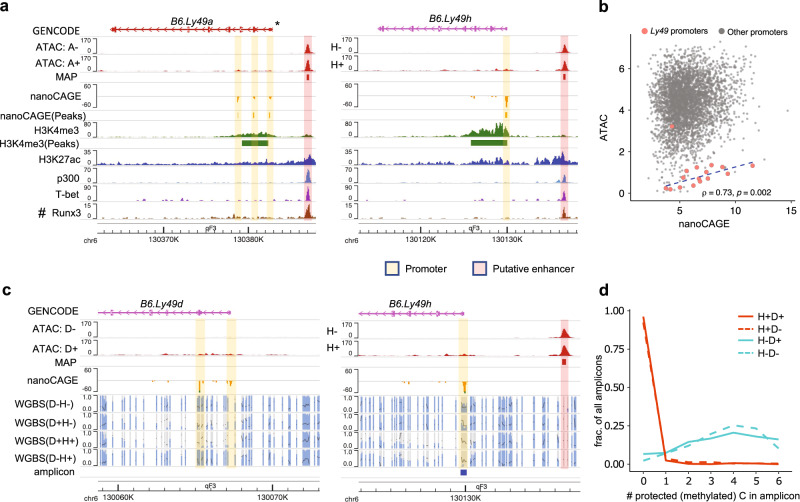
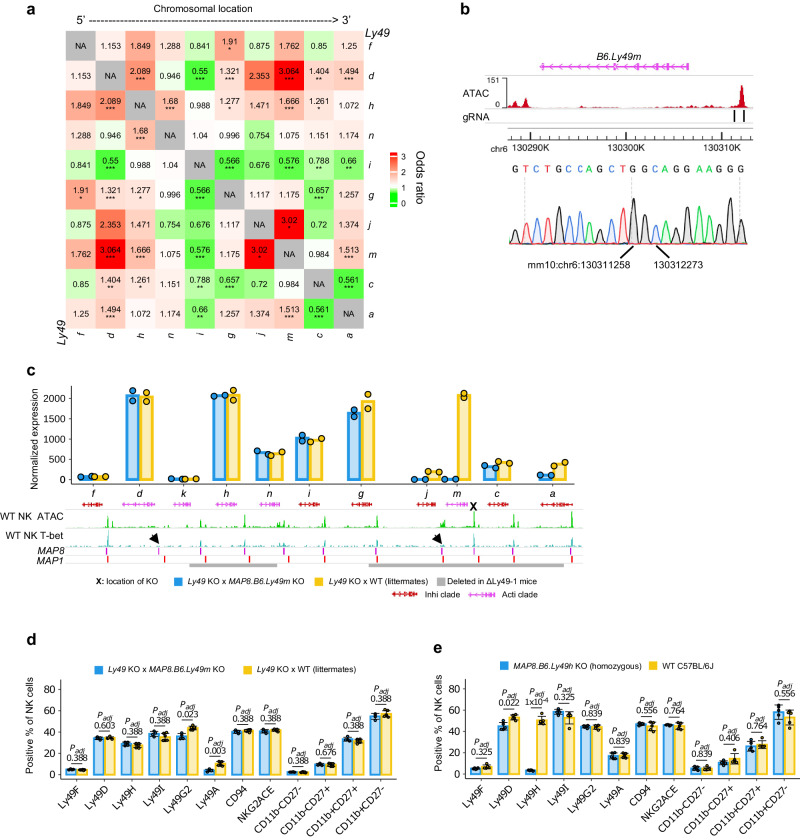
“On the other hand, they are clearlyenriched for enhancer marks H3K27ac 31 and p300 32 , and are bound by NK cell transcription factors T-bet 31 and Runx3 33 (Fig.”
LHX2- and LDB1-mediated trans interactions regulate olfactory receptor choice
Monahan, K., Horta, A., & Lomvardas, S. (2019) · Nature · doi:10.1038/s41586-018-0845-0 · Cited by 327 · cited 1×
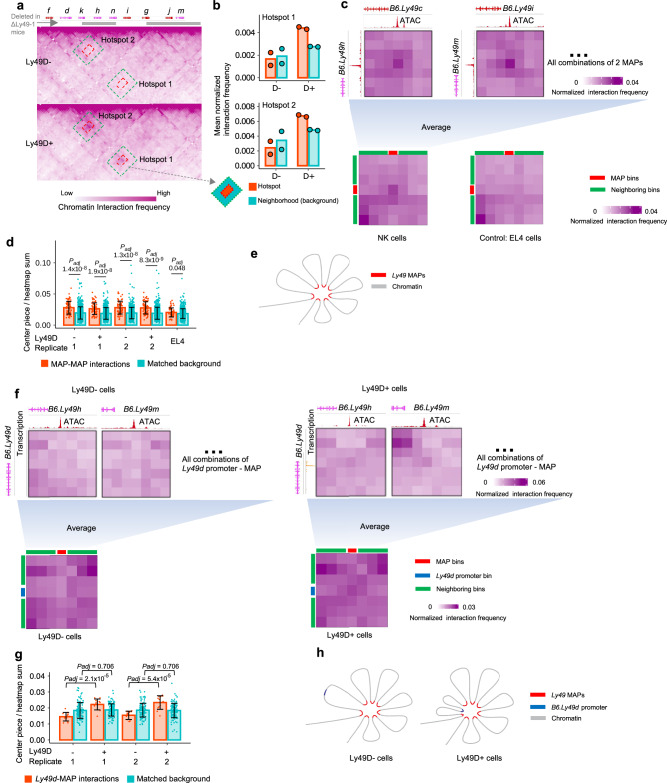
“Members of a gene family could form characteristic 3D chromatin interaction patterns associated with their expression status, as extensively studied in the olfactory receptor gene family 43,44 .”
The UCSC Genome Browser database: 2022 update
Lee, B. T., Barber, G. P., Benet-Pagès, A., Casper, J., Clawson, H., Diekhans, M., Fischer, C., Gonzalez, J. N., Hinrichs, A. S., Lee, C. M., et al. (2022) · Nucleic Acids Research · doi:10.1093/nar/gkab959 · Cited by 273
Iizuka, K., Naidenko, O. V., Plougastel, B. F. M., Fremont, D. H., & Yokoyama, W. M. (2003) · Nature Immunology · doi:10.1038/ni954 · Cited by 270 · cited 1×
“The Ly49 locus isa sub-regionof the Nkc complex, which contains 2 other families of NK receptors that are paralogous to the Ly49 family ( Nkrp1 and Nkg2 ) 35 .”
Self-citationWashU Epigenome Browser update 2019
Li, D., Hsu, S., Purushotham, D., Sears, R. L., & Wang, T. (2019) · Nucleic Acids Research · doi:10.1093/nar/gkz348 · Cited by 270 · cited 1×
“Ly49fr1 .”
Self-citationKern, C., Wang, Y., Xu, X., Pan, Z., Halstead, M., Chanthavixay, G., Saelao, P., Waters, S., Xiang, R., Chamberlain, A., et al. (2021) · Nature Communications · doi:10.1038/s41467-021-22100-8 · Cited by 255
CAGEr: precise TSS data retrieval and high-resolution promoterome mining for integrative analyses
Haberle, V., Forrest, A. R. R., Hayashizaki, Y., Carninci, P., & Lenhard, B. (2015) · Nucleic Acids Research · doi:10.1093/nar/gkv054 · Cited by 250
Abi-Rached, L., & Parham, P. (2005) · The Journal of Experimental Medicine · doi:10.1084/jem.20042558 · Cited by 211 · cited 1×
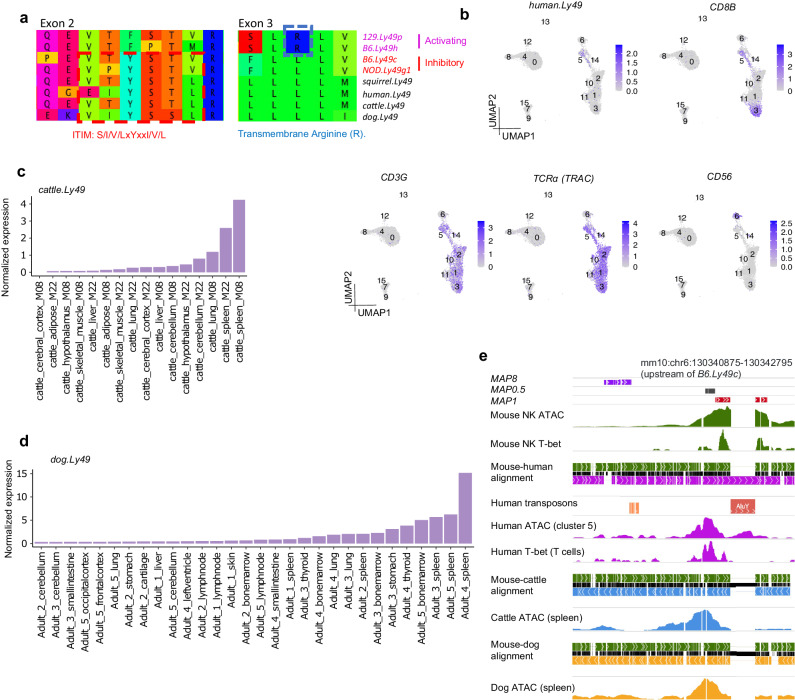
“In fact, such derivation of activating NK receptors from an inhibitory ancestor was fi rst observed in the human KIR family 40 , which is the human counterpart of the mouse Ly49 gene family.”
Coregulation of tandem duplicate genes slows evolution of subfunctionalization in mammals
Lan, X., & Pritchard, J. K. (2016) · Science · doi:10.1126/science.aad8411 · Cited by 195 · cited 1×
“Based on expression patterns, co-regulation has been reported as a general trend for tandem duplicate genes 46 .”
Subfunctionalization of Duplicated Zebrafish pax6 Genes by cis-Regulatory Divergence
Kleinjan, D. A., Bancewicz, R. M., Gautier, P., Dahm, R., Schonthaler, H. B., Damante, G., Seawright, A., Hever, A. M., Yeyati, P. L., van Heyningen, V., et al. (2008) · PLoS Genetics · doi:10.1371/journal.pgen.0040029 · Cited by 179
Ly-49 multigene family expressed by IL-2-activated NK cells.
Smith, H. R. C., Karlhofer, F. M., & Yokoyama, W. M. (1994) · The Journal of Immunology · doi:10.4049/jimmunol.153.3.1068 · Cited by 174
Self-citationKim, H.-J., Wang, X., Radfar, S., Sproule, T. J., Roopenian, D. C., & Cantor, H. (2011) · Proceedings of the National Academy of Sciences · doi:10.1073/pnas.1018974108 · Cited by 174
Acquisition of Ly49 Receptor Expression by Developing Natural Killer Cells
Dorfman, J. R., & Raulet, D. H. (1998) · The Journal of Experimental Medicine · doi:10.1084/jem.187.4.609 · Cited by 165 · cited 1×
“Once turned on, Ly49 expression is mitotically stable 15 .”
Linking promoters to functional transcripts in small samples with nanoCAGE and CAGEscan
Plessy, C., Bertin, N., Takahashi, H., Simone, R., Salimullah, M., Lassmann, T., Vitezic, M., Severin, J., Olivarius, S., Lazarevic, D., et al. (2010) · Nature Methods · doi:10.1038/nmeth.1470 · Cited by 156 · cited 1×
“2), and generated a base pair-level TSS pro fi le using nanoCAGE 28 (Methods, Supplementary Data 1).”
Cooperative interactions enable singular olfactory receptor expression in mouse olfactory neurons
Monahan, K., Schieren, I., Cheung, J., Mumbey-Wafula, A., Monuki, E. S., & Lomvardas, S. (2017) · eLife · doi:10.7554/elife.28620 · Cited by 148
Diversity of NK Cell Receptor Repertoire in Adult and Neonatal Mice
Kubota, A., Kubota, S., Lohwasser, S., Mager, D. L., & Takei, F. (1999) · The Journal of Immunology · doi:10.4049/jimmunol.163.1.212 · Cited by 137
Nonstochastic Coexpression of Activation Receptors on Murine Natural Killer Cells
Smith, H. R. C., Chuang, H. H., Wang, L. L., Salcedo, M., Heusel, J. W., & Yokoyama, W. M. (2000) · The Journal of Experimental Medicine · doi:10.1084/jem.191.8.1341 · Cited by 129 · cited 3×
“The expression choice of different Ly49 genes is considered as mostly independent, but exceptions have also been observed 11,14 .”
Self-citationKielczewska, A., Pyzik, M., Sun, T., Krmpotić, A., Lodoen, M. B., Munks, M. W., Babić, M., Hill, A. B., Koszinowski, U. H., Jonjić, S., et al. (2009) · The Journal of Experimental Medicine · doi:10.1084/jem.20080954 · Cited by 128
Identification of Probabilistic Transcriptional Switches in the Ly49 Gene Cluster
Saleh, A., Davies, G. E., Pascal, V., Wright, P. W., Hodge, D. L., Cho, E. H., Lockett, S., Abshari, M., & Anderson, S. K. (2004) · Immunity · doi:10.1016/j.immuni.2004.06.005 · Cited by 121
Combining MeDIP-seq and MRE-seq to investigate genome-wide CpG methylation
Li, D., Zhang, B., Xing, X., & Wang, T. (2015) · Methods · doi:10.1016/j.ymeth.2014.10.032 · Cited by 116
Self-citationIdentification of a human member of the Ly-49 multigene family
Westgaard, I. H., Berg, S. F., Ørstavik, S., Fossum, S., & Dissen, E. (1998) · European Journal of Immunology · doi:10.1002/(sici)1521-4141(199806)28:06<1839::aid-immu1839>3.0.co;2-e · Cited by 113 · cited 1×
“3a), suggesting that the inhibitory form is likely inherited from the Ly49 ancestor, whereas the activating form is an evolutionary innovation in rodents, consistent with previous observations 4,37 – 39 .”
Ly49 receptors: innate and adaptive immune paradigms
Rahim, M. M. A., Tu, M. M., Mahmoud, A. B., Wight, A., Abou-Samra, E., Lima, P. D. A., & Makrigiannis, A. P. (2014) · Frontiers in Immunology · doi:10.3389/fimmu.2014.00145 · Cited by 97
Wilhelm, B. T., Gagnier, L., & Mager, D. L. (2002) · Genomics · doi:10.1006/geno.2002.7004 · Cited by 94
Evolution of NK receptors: a single Ly49 and multiple KIR genes in the cow
McQueen, K. L., Wilhelm, B. T., Harden, K. D., & Mager, D. L. (2002) · European Journal of Immunology · doi:10.1002/1521-4141(200203)32:3<810::aid-immu810>3.0.co;2-p · Cited by 86
Nouailles, G., Adler, J. M., Pennitz, P., Peidli, S., Alves, L. G. T., Baumgardt, M., Bushe, J., Voß, A., Langenhagen, A. K., Langner, C., et al. (2023) · Nature Microbiology · doi:10.1038/s41564-023-01352-8 · Cited by 84
Complexity and Diversity of the NKR-P1:Clr (Klrb1:Clec2) Recognition Systems
Kirkham, C. L., & Carlyle, J. R. (2014) · Frontiers in Immunology · doi:10.3389/fimmu.2014.00214 · Cited by 82 · cited 1×
“Nkrp1 genes are also known to encode either inhibitory or activating NK receptors 36 .”
Lopes, N., Galluso, J., Escalière, B., Carpentier, S., Kerdiles, Y. M., & Vivier, É. (2022) · Cell Reports Medicine · doi:10.1016/j.xcrm.2022.100812 · Cited by 71
Pyzik, M., Charbonneau, B., Gendron-Pontbriand, E.-M., Babić, M., Krmpotić, A., Jonjić, S., & Vidal, S. M. (2011) · The Journal of Experimental Medicine · doi:10.1084/jem.20101831 · Cited by 69 · cited 1×
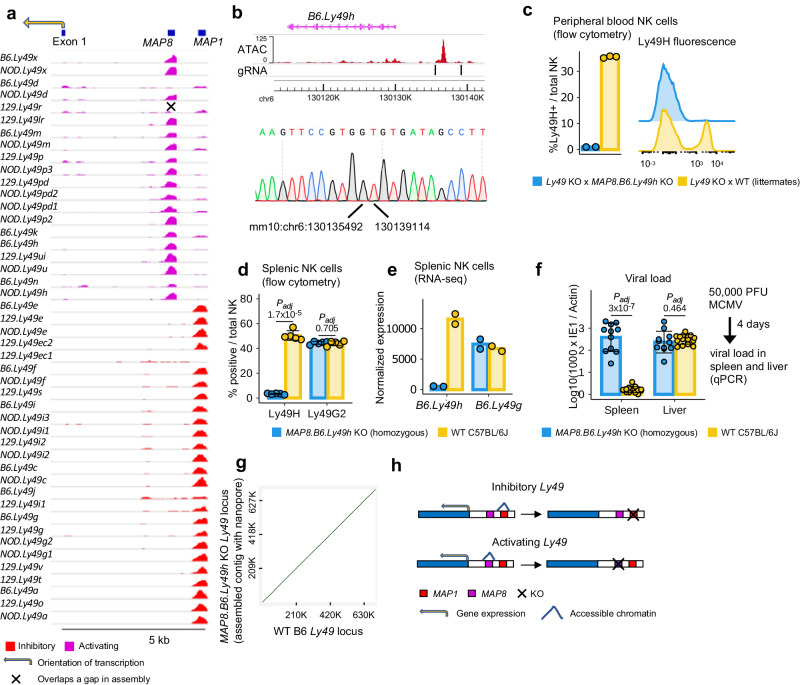
“7a, 8).”
Unraveling exhaustion in adaptive and conventional NK cells
Merino, A. M., Kim, H., Miller, J. S., & Cichocki, F. M. (2020) · Journal of Leukocyte Biology · doi:10.1002/jlb.4mr0620-091r · Cited by 69 · cited 1×
“Murine NK cells are short-lived 49 , and refractory to various transfection methods 50 .”
Runx3-mediated Transcriptional Program in Cytotoxic Lymphocytes
Lotem, J., Levanon, D., Negreanu, V., Leshkowitz, D., Friedlander, G., & Groner, Y. (2013) · PLoS ONE · doi:10.1371/journal.pone.0080467 · Cited by 68 · cited 4×
“10), consistent with Runx3 binding pro fi les (Supplementary Fig.”
InfluentialOpen-source ImmGen: mononuclear phagocytes
Benoist, C. O. (2016) · Nature Immunology · doi:10.1038/ni.3478 · Cited by 66 · cited 1×
“By contrast, the expression of activating Ly49 receptors is highly restricted to NK cells 11,12 .”
Sciumè, G., Mikami, Y., Jankovic, D. L., Nagashima, H., Villarino, A. V., Morrison, T. A., Yao, C., Signorella, S., Sun, H., Brooks, S. R., et al. (2020) · Immunity · doi:10.1016/j.immuni.2020.09.008 · Cited by 66 · cited 2×
“Ly49k, h , and n showed notable decrease in chromatin accessibility, accompanied by the loss of H3K27ac marks (Supplementary Fig.”
Ly49 genes in non-rodent mammals
Gagnier, L., Wilhelm, B. T., & Mager, D. L. (2003) · Immunogenetics · doi:10.1007/s00251-003-0558-9 · Cited by 62 · cited 1×
“3a), suggesting that the inhibitory form is likely inherited from the Ly49 ancestor, whereas the activating form is an evolutionary innovation in rodents, consistent with previous observations 4,37 – 39 .”
TagDust2: a generic method to extract reads from sequencing data
Lassmann, T. (2015) · BMC Bioinformatics · doi:10.1186/s12859-015-0454-y · Cited by 60
The genes and gene organization of the Ly49 region of the rat natural killer cell gene complex
Nylenna, Ø., Naper, C., Vaage, J. T., Woon, P. Y., Gauguier, D., Dissen, E., Ryan, J. C., & Fossum, S. (2004) · European Journal of Immunology · doi:10.1002/eji.200425429 · Cited by 57
Direct sequence comparison of two divergent class I MHC natural killer cell receptor haplotypes
Makrigiannis, A. P., Patel, D., Goulet, M.-L., Dewar, K., & Anderson, S. K. (2005) · Genes and Immunity · doi:10.1038/sj.gene.6364154 · Cited by 57
Ly49 receptors: evolution, genetic diversity, and impact on immunity
Rahim, M. M. A., & Makrigiannis, A. P. (2015) · Immunological Reviews · doi:10.1111/imr.12318 · Cited by 56 · cited 3×
“3a), suggesting that the inhibitory form is likely inherited from the Ly49 ancestor, whereas the activating form is an evolutionary innovation in rodents, consistent with previous observations 4,37 – 39 .”
Complete elucidation of a minimal class I MHC natural killer cell receptor haplotype
Anderson, S. K., Dewar, K., Goulet, M.-L., Leveque, G., & Makrigiannis, A. P. (2005) · Genes and Immunity · doi:10.1038/sj.gene.6364232 · Cited by 52
Identification of a Novel Ly49 Promoter That Is Active in Bone Marrow and Fetal Thymus
Saleh, A., Makrigiannis, A. P., Hodge, D. L., & Anderson, S. K. (2002) · The Journal of Immunology · doi:10.4049/jimmunol.168.10.5163 · Cited by 51
AIAP: A Quality Control and Integrative Analysis Package to Improve ATAC-Seq Data Analysis
Liu, S., Li, D., Lyu, C., Gontarz, P. M., Miao, B., Madden, P. A. F., Wang, T., & Zhang, B. (2021) · Genomics Proteomics & Bioinformatics · doi:10.1016/j.gpb.2020.06.025 · Cited by 50
Self-citationCumbie, J. S., Ivanchenko, M. G., & Megraw, M. S. (2015) · BMC Genomics · doi:10.1186/s12864-015-1670-6 · Cited by 49 · cited 1×
“For nanoCAGE views, bam fi les were further fi ltered to only retain reads with the cap signature (transcripts beginning with at least one unencoded G) 65 .”
BarkBase: Epigenomic Annotation of Canine Genomes
Megquier, K., Genereux, D. P., Hekman, J. P., Swofford, R., Turner-Maier, J., Johnson, J., Alonso, J., Li, X., Morrill, K. M., Anguish, L. J., et al. (2019) · Genes · doi:10.3390/genes10060433 · Cited by 49
Parikh, B. A., Piersma, S. J., Pak-Wittel, M. A., Yang, L., Schreiber, R. D., & Yokoyama, W. M. (2015) · PLoS Pathogens · doi:10.1371/journal.ppat.1005323 · Cited by 46 · cited 1×
“…’ ; reverse: 5 ’ - GGTGGGAATGGGTCAGAAG-3 ’ ; probe: 5 ’ -TTCAGGGTCAG- GATACCTCTCTTGCT-3 ’ ; IDTDNA)with plasmid standard curves using TAQman universal master mix II (Thermo Fisher, Cat# 4440048) on a StepOnePlus real time PCR system (Thermo Fisher Scienti fi c) as previously described 58 .”
Self-citationEvidence for Epigenetic Maintenance of Ly49a Monoallelic Gene Expression
ROUHI, A. M., Gagnier, L., Takei, F., & Mager, D. L. (2006) · The Journal of Immunology · doi:10.4049/jimmunol.176.5.2991 · Cited by 45 · cited 2×
“Ly49c 16 .”
Belanger, S., Tai, L., Anderson, S. K., & Makrigiannis, A. P. (2008) · Genes and Immunity · doi:10.1038/gene.2008.43 · Cited by 40 · cited 11×
“129 and NOD reads were aligned to custom-built genomes (Methods); PCR duplicates were removed according to UMI using UMI-tools (v1.”
InfluentialNanoCAGE: A Method for the Analysis of Coding and Noncoding 5′-Capped Transcriptomes
Poulain, S., Kato, S., Arnaud, O., Morlighem, J.-É. R. L., Suzuki, M., Plessy, C., & Harbers, M. (2017) · Methods in molecular biology · doi:10.1007/978-1-4939-6716-2_4 · Cited by 39
Tanamachi, D. M., Moniot, D. C., Cado, D., Liu, S. D., Hsia, J. K., & Raulet, D. H. (2004) · The Journal of Immunology · doi:10.4049/jimmunol.172.2.1074 · Cited by 37
CRISPR-Cas9 Ribonucleoprotein-Mediated Genomic Editing in Mature Primary Innate Immune Cells
Riggan, L., Hildreth, A. D., Rolot, M., Wong, Y.-Y., Satyadi, W., Sun, R., Huerta, C., & O’Sullivan, T. E. (2020) · Cell Reports · doi:10.1016/j.celrep.2020.107651 · Cited by 35
Lentiviral Gene Transduction in Human and Mouse NK Cell Lines
Savan, R., Chan, T., & Young, H. A. (2009) · Methods in molecular biology · doi:10.1007/978-1-60761-362-6_14 · Cited by 31
Structural variation of the mouse natural killer gene complex
Higuchi, D. A., Cahan, P., Gao, J., Ferris, S. T., Poursine‐Laurent, J., Graubert, T. A., & Yokoyama, W. M. (2010) · Genes and Immunity · doi:10.1038/gene.2010.48 · Cited by 29
Self-citationCoordination of two enhancers drives expression of olfactory trace amine-associated receptors
Fei, A., Wu, W., Tan, L., Tang, C., Xu, Z., Huo, X., Bao, H., Kong, Y., Johnson, M. A., Hartmann, G. G., et al. (2021) · Nature Communications · doi:10.1038/s41467-021-23823-4 · Cited by 29 · cited 1×
“Similarly, for olfactory trace amine-associated receptors, the entire cluster is regulated by two enhancers 47 .”
Control of Viral Infection by Natural Killer Cell Inhibitory Receptors
Parikh, B. A., Bern, M. D., Piersma, S. J., Yang, L., Beckman, D. L., Poursine‐Laurent, J., Plougastel-Douglas, B., & Yokoyama, W. M. (2020) · Cell Reports · doi:10.1016/j.celrep.2020.107969 · Cited by 28 · cited 3×
“17c), which produced 80 % fewer Ly49D + NK cells 42 , suggesting that 3D chromatin interactions might play a part in the regulation of B6.”
Self-citationComparative analysis of the promoter regions and transcriptional start sites of mouse Ly49 genes
Wilhelm, B. T., McQueen, K. L., Freeman, J., Takei, F., & Mager, D. L. (2001) · Immunogenetics · doi:10.1007/s002510100313 · Cited by 25 · cited 2×
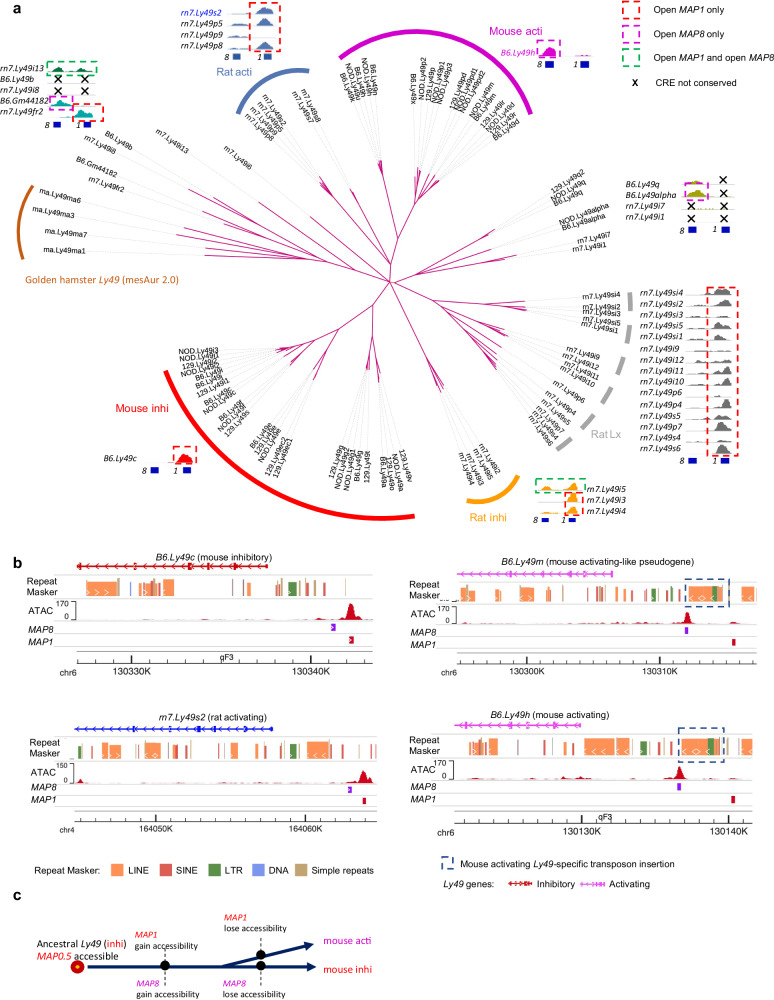
“Con fl icting prior results have indicated that Ly49 transcription could initiate from multiple putative CREs conserved across mouse Ly49 genes, including Pro1 , Pro2 , Pro3 , and transposon RMER5 17,18,25 – 27 .”
Hadzhiev, Y., Lang, M., Ertzer, R., Meyer, A., Strähle, U., & Müller, F. (2007) · Genome biology · doi:10.1186/gb-2007-8-6-r106 · Cited by 23
Piersma, S. J., Poursine‐Laurent, J., Yang, L., Barber, G. N., Parikh, B. A., & Yokoyama, W. M. (2020) · eLife · doi:10.7554/elife.56882 · Cited by 22 · cited 1×
“For virus studies,micewere infected i.p. with 5×10 4 PFU salivary gland WT1 MCMV as previouslydescribed 57 .”
Self-citationBinary outcomes of enhancer activity underlie stable random monoallelic expression
Kissiov, D. U., Ethell, A., Chen, S., Wolf, N. K., Zhang, C., Dang, S. M., Jo, Y., Madsen, K. N., Paranjpe, I., Lee, A. Y., et al. (2022) · eLife · doi:10.7554/elife.74204 · Cited by 20 · cited 7×
“Ly49m 20 , suggesting a complex, non-additive cooperation betweenproximalanddistalCREs.”
InfluentialGamache, A., Cronk, J. M., Nash, W., Puchalski, P., Gillespie, A., Wei, H., Gray, L. R., Hammarskjöld, M., Xu, W., & Brown, M. G. (2019) · Proceedings of the National Academy of Sciences · doi:10.1073/pnas.1913064117 · Cited by 17
McCullen, M. V. D., Li, H., Cam, M., Sen, S. K., McVicar, D. W., & Anderson, S. K. (2016) · Genes and Immunity · doi:10.1038/gene.2016.31 · Cited by 16 · cited 2×
“Con fl icting prior results have indicated that Ly49 transcription could initiate from multiple putative CREs conserved across mouse Ly49 genes, including Pro1 , Pro2 , Pro3 , and transposon RMER5 17,18,25 – 27 .”
Wu, J., Krchma, K., Lee, H. J., Prabhakar, S., Wang, X., Zhao, H., Xing, X., Seong, R. H., Fremont, D. H., Artyomov, M. N., et al. (2020) · Cell Reports · doi:10.1016/j.celrep.2020.108395 · Cited by 15 · cited 1×
“AllATAC-seqdataweregeneratedaccordingtothemethodsdescribed in our previous publication 66 .”
Self-citationZhuo, X., Hsu, S., Purushotham, D., Kuntala, P. K., Harrison, J. K., Du, A. Y., Chen, S., Li, D., & Wang, T. (2023) · Genome Research · doi:10.1101/gr.277550.122 · Cited by 15
Self-citationGays, F., Taha, S., & Brooks, C. G. (2015) · The Journal of Immunology · doi:10.4049/jimmunol.1401450 · Cited by 8
Cronk, J. M., Dziewulska, K. H., Puchalski, P., Crittenden, R. B., Hammarskjöld, M., & Brown, M. G. (2022) · The Journal of Immunology · doi:10.4049/jimmunol.2200441 · Cited by 2
ChangxuFan/Ly49evolution: Code release for publication
ChangxuFan, & fanc-WU (2024) · Zenodo (CERN European Organization for Nuclear Research) · doi:10.5281/zenodo.10998685 · Cited by 1
Cited by
Huang, Y., Xie, Y., Zhang, Y., Liu, Z., Jiang, W., Ye, Y., Tang, J., Li, Z., Yin, Z., & Lin, X.-J. (2025) · Molecular Cancer · doi:10.1186/s12943-025-02370-2 · Cited by 41
“CD8 Treg-1, which did not express Foxp3 , but highly expressed Ikzf2 (encoding IKZF2) and two inhibitory receptors, Klra7 (encoding LY49G) and Klra9 (encoding LY49I) [53, 54]; however, CD8 Treg-2 expressed Foxp3 and Ikzf2 (Fig.”
Li, C., Li, T., Wang, K., Liu, Y., Xie, F., Zhou, Y., Wang, H., Yao, Y., & Liu, H. (2025) · Advanced Functional Materials · doi:10.1002/adfm.202523946 · Cited by 9
Josyula, A., Fertil, D., Sharma, S., Horton, I., Hartigan, D. R., Rudy, P., Amosu, M., Ngo, T. B., Fashina, T., Maclean, E., et al. (2025) · bioRxiv (Cold Spring Harbor Laboratory) · doi:10.1101/2025.01.13.632166 · Cited by 2
Caractérisation d’une population de lymphocytes T CD8 mémoires innés exprimant les récepteurs Ly49
Laubreton, D. (2024) · theses.fr (ABES) · doi:10.70675/7419b98azb0dbz45aaz80bdz5458677d15f9
Zhou, Q., Hu, M., Wang, C., Zhang, C., Wang, Y., Li, H., & Chen, L. (2026) · Comparative Biochemistry and Physiology Part D Genomics and Proteomics · doi:10.1016/j.cbd.2026.101991
Metadata
- Authors
- Fan, C., Xing, X., Murphy, S. J. H., Poursine-Laurent, J., Schmidt, H., Parikh, B. A., Yoon, J., Choudhary, M. N. K., Saligrama, N., Piersma, S. J., Yokoyama, W. M., & Wang, T.
- Affiliations
- Washington University in St. Louis (US)
- Corresponding author
- Piersma, Sytse J.
- Yokoyama, Wayne M.
- Wang, Ting
- ORCID
- Venue
- Nature Communications
- Published
- 2024-06-06
- Volume
- 15
- Issue
- 1
- Pages
- 4839-4839
- ISSN
- 2041-1723 (ISSN-L)
- PMC
- PMC11156856
- OpenAlex
- W4399393610
- Semantic Scholar
- 30afdee484324d1a29db8c234efd57d6d0f93fd1
- Cited by
- 3
- References
- 95
- Citations by year
- 2026: 1 · 2025: 2
- FWCI
- 0.50
- Type
- journal article
- Language
- en
- Open access
- gold
- doi.org
- Licence
- cc-by
- creativecommons.org/licenses/by/4.0 (tdm)
- creativecommons.org/licenses/by/4.0 (vor)
- Locations
- Nature Communications (publishedVersion, cc-by)
- PubMed Central (publishedVersion, cc-by)
- PubMed (publishedVersion)
- Digital Commons@Becker (Washington University School of Medicine) (submittedVersion, cc-by)
- RePEc: Research Papers in Economics (submittedVersion)
- DOAJ (DOAJ: Directory of Open Access Journals) (submittedVersion, cc-by-sa)
- Funders
- U.S. Department of Health & Human Services | National Institutes of Health (R01HG007175, U24ES026699, U01HG009391, U41HG010972)
- Topics
- Life Sciences › Immunology and Microbiology › Immunology › Immune Cell Function and Interaction
- Life Sciences › Biochemistry, Genetics and Molecular Biology › Molecular Biology › Genomics and Chromatin Dynamics
- Life Sciences › Biochemistry, Genetics and Molecular Biology › Genetics › Chromosomal and Genetic Variations
- Keywords
- cis-regulatory elements, gene family expansion, epigenome, natural killer cells, inhibitory receptors, activating receptors, gene regulatory evolution, concerted evolution
- MeSH terms
- Animals, Gene Expression Regulation, Multigene Family, Killer Cells, Natural, Mice, Inbred C57BL, Regulatory Sequences, Nucleic Acid, Evolution, Molecular, Mice, NK Cell Lectin-Like Receptor Subfamily A
About these checks
Registry, retraction, Cites and statistics results are computed, not judged, with one exception: a printed reference that no index lists is read once by a model before it counts as a citation error. Claims are extracted by a model and kept only when their quote appears verbatim in the text; each cited source is then checked, with a model’s help, for whether it says what the claim relies on. Those verdicts can be wrong — read the claim’s quote and the cited source before relying on one.
Statistics and arithmetic are recomputed, not judged.
Confidence bands are shown only for fields calibrated on our annotated test set. None is calibrated yet, so no band is shown.
What counts as a claim ›How we measure confidence ›How we check this ›
Are you an author, or do you see a problem with this page? Request a review
Data sources
Bibliographic data: Semantic Scholar, OpenAlex, Crossref.
Contains information from the Semantic Scholar Academic Graph Datasets, made available under the ODC Attribution License (ODC-BY 1.0).
Semantic Scholar’s data is described in: Kinney, R., et al. (2023). The Semantic Scholar Open Data Platform. arXiv:2301.10140.
