

Acetylation-dependent regulation of core spliceosome modulates hepatocellular carcinoma cassette exons and sensitivity to PARP inhibitors
Open accessThe DOI matches its Crossref record; 75 of the 75 references it cites were found in a registry or an index.
Abstract
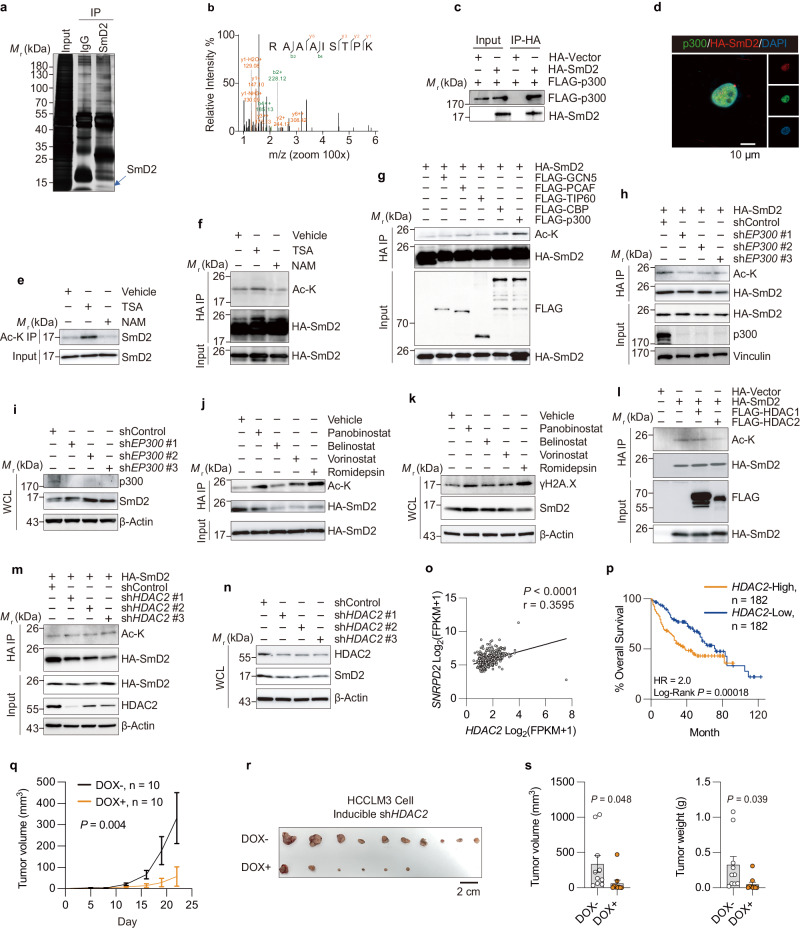
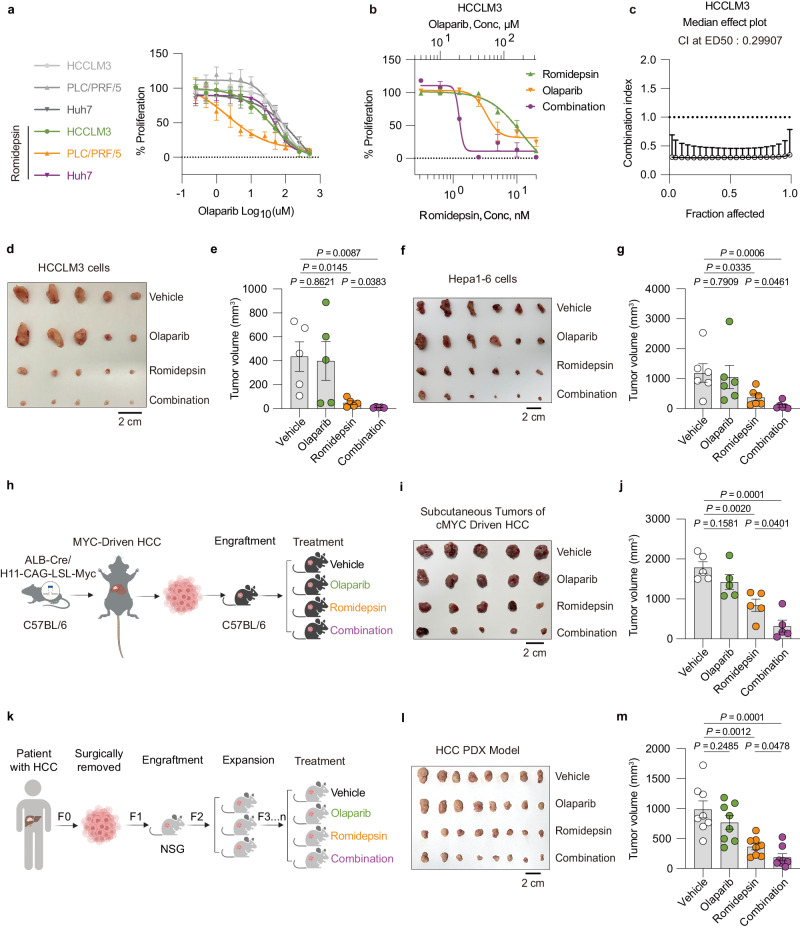
Despite the importance of spliceosome core components in cellular processes, their roles in cancer development, including hepatocellular carcinoma (HCC), remain poorly understood. In this study, we uncover a critical role for SmD2, a core component of the spliceosome machinery, in modulating DNA damage in HCC through its impact on BRCA1/FANC cassette exons and expression. Our findings reveal that SmD2 depletion sensitizes HCC cells to PARP inhibitors, expanding the potential therapeutic targets. We also demonstrate that SmD2 acetylation by p300 leads to its degradation, while HDAC2-mediated deacetylation stabilizes SmD2. Importantly, we show that the combination of Romidepsin and Olaparib exhibits significant therapeutic potential in multiple HCC models, highlighting the promise of targeting SmD2 acetylation and HDAC2 inhibition alongside PARP inhibitors for HCC treatment.
Overview
The claims and statistics of this paper haven’t been checked yet.
Free: it reads the open-access text and checks the first 5 claims that cite a source we can check. Create a free account to check every claim.
Integrity signals
Registry
Cites
Statistics
Figures
Verification
Claims the paper makes
The claims and statistics of this paper haven’t been checked yet.
Free: it reads the open-access text and checks the first 5 claims that cite a source we can check. Create a free account to check every claim.
Claims other papers make about this one
Each is checked against this paper’s own text: does it say what the citing paper says it does?
The source backs part of the claim, not all of it — or backs it for a different population, condition or comparison.
In the citing paper
“The connection between SmD2 and drug resistance is found in the data showing PARP inhibitors as ineffective against HCC on their own, but effective against i) SmD2 KO HCC cells and ii) when combined with HDAC2 inhibitor romidepsin [118].”
From Acetylation: a new target for protein degradation in cancer (2025) · cites this paper as [118]
Experimental — accuracy not yet measuredThe source backs part of the claim, not all of it — or backs it for a different population, condition or comparison.
In the citing paper
“The connection between SmD2 and drug resistance is found in the data showing PARP inhibitors as ineffective against HCC on their own, but effective against i) SmD2 KO HCC cells and ii) when combined with HDAC2 inhibitor romidepsin [118].”
From Acetylation: a new target for protein degradation in cancer (2025) · cites this paper as [118]
Experimental — accuracy not yet measuredThe cited source says what the claim attributes to it.
In the citing paper
“SmD2 becomes acetylated on K8 by p300, which contributes to an increase in ubiquitination and a decrease in stability (Figure 6D) [118].”
From Acetylation: a new target for protein degradation in cancer (2025) · cites this paper as [118]
The cited source says what the claim attributes to it.
In the citing paper
“The connection between SmD2 and drug resistance is found in the data showing PARP inhibitors as ineffective against HCC on their own, but effective against i) SmD2 KO HCC cells and ii) when combined with HDAC2 inhibitor romidepsin [118].”
From Acetylation: a new target for protein degradation in cancer (2025) · cites this paper as [118]
The cited source says what the claim attributes to it.
In the citing paper
“Romidepsin also enhanced the effectiveness of PARP inhibitors in HCC by modulating the acetylation-mediated degradation of spliceosome component SmD2 [118].”
From Acetylation: a new target for protein degradation in cancer (2025) · cites this paper as [118]
2 more claims about this paper
Create a free account to see every claim other papers make about this one.
Self-check
Percentages, sums and reported differences re-computed from the paper’s own numbers.
The self-check needs the paper’s full text.
Citations
Cites
Trimmomatic: a flexible trimmer for Illumina sequence data
Bolger, A. M., Lohse, M., & Usadel, B. (2014) · Bioinformatics · doi:10.1093/bioinformatics/btu170 · Cited by 65,548
Subramanian, A., Tamayo, P., Mootha, V. K., Mukherjee, S., Ebert, B. L., Gillette, M. A., Paulovich, A., Pomeroy, S. L., Golub, T. R., Lander, E. S., et al. (2005) · Proceedings of the National Academy of Sciences · doi:10.1073/pnas.0506580102 · Cited by 53,625
HISAT: a fast spliced aligner with low memory requirements
Kim, D., Langmead, B., & Salzberg, S. L. (2015) · Nature Methods · doi:10.1038/nmeth.3317 · Cited by 24,112 · cited 1×
“Then, the clean reads were mapped to the refer-encegenomeusing HISAT2 60 .”
HTSeq—a Python framework to work with high-throughput sequencing data
Anders, S., Pyl, P. T., & Huber, W. (2015) · Bioinformatics · doi:10.1093/bioinformatics/btu638 · Cited by 21,464 · cited 1×
“The fragments per kilobase of transcript per million mapped reads (FPKM) value of each gene was calculated using cuf fl inks 61 , and the read count of each gene was obtained with HTseq 62 .”
Siegel, R. L., Miller, K. D., Wagle, N. S., & Jemal, A. (2023) · CA: A Cancer Journal for Clinicians · doi:10.3322/caac.21763 · Cited by 16,303
Trapnell, C., Williams, B. A., Pertea, G., Mortazavi, A., Kwan, G., van Baren, M. J., Salzberg, S. L., Wold, B. J., & Pachter, L. (2010) · Nature Biotechnology · doi:10.1038/nbt.1621 · Cited by 15,556
Robinson, J. T., Thorvaldsdóttir, H., Winckler, W., Guttman, M., Lander, E. S., Getz, G., & Mesirov, J. P. (2011) · Nature Biotechnology · doi:10.1038/nbt.1754 · Cited by 15,390 · cited 8×
“Furthermore,ourdatashowthatthecombinedadministrationofOlaparib and Romidepsin, within the tested doses and duration, does not RNA-seq GO BP TOP10 (Down)”
InfluentialMolecular signatures database (MSigDB) 3.0
Liberzon, A., Subramanian, A., Pinchback, R., Thorvaldsdóttir, H., Tamayo, P., & Mesirov, J. P. (2011) · Bioinformatics · doi:10.1093/bioinformatics/btr260 · Cited by 7,111
KEGG for linking genomes to life and the environment
Kanehisa, M., Araki, M., Goto, S., Hattori, M., Hirakawa, M., Itoh, M., Katayama, T., Kawashima, S., Okuda, S., Tokimatsu, T., et al. (2007) · Nucleic Acids Research · doi:10.1093/nar/gkm882 · Cited by 6,782 · cited 1×
“GO term and KEGG pathway enrichment analyses of theDEGswereperformedusingR basedonthe hypergeometric distribution 63 .”
Targeting the DNA repair defect in BRCA mutant cells as a therapeutic strategy
Farmer, H., McCabe, N., Lord, C. J., Tutt, A. N. J., Johnson, D. A., Richardson, T. B., Santarosa, M., Dillon, K. J., Hickson, I., Knights, C., et al. (2005) · Nature · doi:10.1038/nature03445 · Cited by 6,683 · cited 1×
“PARPi impedes tumorigenesis by blocking PARP1 at the site of DNA lesions, inducing DNA-protein crosslinks that trigger replication fork collapse, and subsequently accumulate DSBs during S-phase in the cell cycle 15,25 – 27 .”
Drug combination studies and their synergy quantification using the Chou-Talalay method
Chou, T.-C. (2010) · Cancer Research · doi:10.1158/0008-5472.can-09-1947 · Cited by 5,739 · cited 2×
“We also tested for Olaparib synergy with Romidepsin in vitro, using the Chou-Talalay method 42 , and observed a Combination Index of 1, suggestive of a synergistic interaction between Olaparib synergy with Romidepsin (Fig.”
Specific killing of BRCA2-deficient tumours with inhibitors of poly(ADP-ribose) polymerase
Bryant, H. E., Schultz, N., Thomas, H. D., Parker, K. M., Flower, D., Lopez, E., Kyle, S., Meuth, M., Curtin, N. J., & Helleday, T. (2005) · Nature · doi:10.1038/nature03443 · Cited by 5,198
Lorenz, R., Bernhart, S. H., Höner zu Siederdissen, C., Tafer, H., Flamm, C., Stadler, P. F., & Hofacker, I. L. (2011) · Algorithms for Molecular Biology · doi:10.1186/1748-7188-6-26 · Cited by 5,098 · cited 1×
“Additionally, the interaction binding energy between U1 snRNA and 5 ’ ss was computed using the RNA-fold algorithm 69 , which is part of the ViennaRNA package v2.”
GEPIA2: an enhanced web server for large-scale expression profiling and interactive analysis
Tang, Z., Kang, B., Li, C., Chen, T., & Zhang, Z. (2019) · Nucleic Acids Research · doi:10.1093/nar/gkz430 · Cited by 5,083
PARP inhibitors: Synthetic lethality in the clinic
Lord, C. J., & Ashworth, A. (2017) · Science · doi:10.1126/science.aam7344 · Cited by 2,880 · cited 2×
“PARPi impedes tumorigenesis by blocking PARP1 at the site of DNA lesions, inducing DNA-protein crosslinks that trigger replication fork collapse, and subsequently accumulate DSBs during S-phase in the cell cycle 15,25 – 27 .”
Shen, S., Park, J. W., Lu, Z.-X., Lin, L., Henry, M. D., Wu, Y. N., Zhou, Q., & Xing, Y. (2014) · Proceedings of the National Academy of Sciences · doi:10.1073/pnas.1419161111 · Cited by 2,713
Trapping of PARP1 and PARP2 by Clinical PARP Inhibitors
Murai, J., Huang, S.-Y. N., Das, B. B., Renaud, A., Zhang, Y., Doroshow, J. H., Ji, J., Takeda, S., & Pommier, Y. (2012) · Cancer Research · doi:10.1158/0008-5472.can-12-2753 · Cited by 2,192
Maximum Entropy Modeling of Short Sequence Motifs with Applications to RNA Splicing Signals
Yeo, G., & Burge, C. B. (2004) · Journal of Computational Biology · doi:10.1089/1066527041410418 · Cited by 2,033
Frequent pathway mutations of splicing machinery in myelodysplasia
Yoshida, K., Sanada, M., Shiraishi, Y., Nowak, D., Nagata, Y., Yamamoto, R., Sato, Y., Sato-Otsubo, A., Kon, A., Nagasaki, M., et al. (2011) · Nature · doi:10.1038/nature10496 · Cited by 2,029
Spliceosome Structure and Function
Will, C. L., & Luhrmann, R. (2011) · Cold Spring Harbor Perspectives in Biology · doi:10.1101/cshperspect.a003707 · Cited by 1,829
Functions and mechanisms of non-histone protein acetylation
Narita, T., Weinert, B. T., & Choudhary, C. (2019) · Nature Reviews Molecular Cell Biology · doi:10.1038/s41580-018-0081-3 · Cited by 1,232
Nonsense-mediated mRNA decay: splicing, translation and mRNP dynamics
Maquat, L. E. (2004) · Nature Reviews Molecular Cell Biology · doi:10.1038/nrm1310 · Cited by 1,214 · cited 5×
“Pre-mRNA alternative splicing canregulate gene expression levels by coupling with nonsense-mediated mRNA decay (NMD) 33 .”
InfluentialSF3B1 and Other Novel Cancer Genes in Chronic Lymphocytic Leukemia
Wang, L., Lawrence, M. S., Wan, Y., Stojanov, P., Sougnez, C., Stevenson, K., Werner, L., Sivachenko, A., DeLuca, D. S., Zhang, L., et al. (2011) · New England Journal of Medicine · doi:10.1056/nejmoa1109016 · Cited by 1,080 · cited 2×
“Gene mutations encoding core or regulatory spliceosomal components 6 – 8 , along with speci fi c tumor-associated changes in RNA splicing factors 9 have been associated with this phenomenon.”
Self-citationContext-dependent control of alternative splicing by RNA-binding proteins
Fu, X.-D., & Ares, M. (2014) · Nature Reviews Genetics · doi:10.1038/nrg3778 · Cited by 1,044 · cited 1×
“The initiation of spliceosome assembly involves recognition and de fi nition of the 5 ’ SSs by the U1 snRNP, with competition between 5 ’ SSs and 3 ’ SSs during splicing complex assembly leading to alternative exon skipping in fi nal mRNA products 40 .”
ggseqlogo: a versatile R package for drawing sequence logos
Wagih, O. (2017) · Bioinformatics · doi:10.1093/bioinformatics/btx469 · Cited by 929 · cited 1×
“Sequence logo plots, summarizing the nucleotide consensus sequences for 5 splice sites, 3 splice sites and polypyrimidine tracts, were created by generating and illustrating position weight matrices using the ggseqlogo packages 72 .”
Ruiz de Galarreta, M., Bresnahan, E., Molina-Sánchez, P., Lindblad, K. E., Maier, B., Sia, D., Puigvehi, M., Miguela, V., Casanova-Acebes, M., Dhainaut, M., et al. (2019) · Cancer Discovery · doi:10.1158/2159-8290.cd-19-0074 · Cited by 912 · cited 2×
“To better reproduce the role of SNRPD2 in HCC, we used a previously reported model of spontaneous HCC tumorigenesis 22 .”
Stereospecific PARP Trapping by BMN 673 and Comparison with Olaparib and Rucaparib
Murai, J., Huang, S.-Y. N., Renaud, A., Zhang, Y., Ji, J., Takeda, S., Morris, J., Teicher, B., Doroshow, J. H., & Pommier, Y. (2014) · Molecular Cancer Therapeutics · doi:10.1158/1535-7163.mct-13-0803 · Cited by 756 · cited 1×
“…that PARPi (particularly the FDA-approved Olaparib, Rucaparib, Niraparib and Talazoparib) limit auto PARylation and PARP1 release from the site of damage, hindering with the catalytic cycle of PARP1 28 – 30 , we hypothesized that PARPi might synergize with SmD2 depletion to restrict HCC growth.”
Piekarz, R. L., Frye, R., Turner, M., Wright, J. J., Allen, S. L., Kirschbaum, M. H., Zain, J., Prince, H. M., Leonard, J. P., Geskin, L. J., et al. (2009) · Journal of Clinical Oncology · doi:10.1200/jco.2008.21.6150 · Cited by 740 · cited 1×
“In clinical trials, increases inserum enzymes with Romidepsin alone were usually temporary and minor, with rare needfordoseadjustments 55 .”
Laying a trap to kill cancer cells: PARP inhibitors and their mechanisms of action
Pommier, Y., O’Connor, M. J., & de Bono, J. (2016) · Science Translational Medicine · doi:10.1126/scitranslmed.aaf9246 · Cited by 739
Roles and mechanisms of alternative splicing in cancer — implications for care
Bonnal, S. C., López-Oreja, I., & Valcárcel, J. (2020) · Nature Reviews Clinical Oncology · doi:10.1038/s41571-020-0350-x · Cited by 731 · cited 1×
“Currently, clinical trials investigating PRMT5 inhibitors for treatment of advanced MDS/AML and advanced solid tumors/hematological malignancies are in progress 14 .”
PARP and PARG inhibitors in cancer treatment
Slade, D. (2020) · Genes & Development · doi:10.1101/gad.334516.119 · Cited by 667
Zhang, Z., Lotti, F., Dittmar, K., Younis, I., Wan, L., Kasim, M., & Dreyfuss, G. (2008) · Cell · doi:10.1016/j.cell.2008.03.031 · Cited by 617
Synonymous Mutations Frequently Act as Driver Mutations in Human Cancers
Supek, F., Miñana, B., Valcárcel, J., Gabaldón, T., & Lehner, B. (2014) · Cell · doi:10.1016/j.cell.2014.01.051 · Cited by 557
Understanding and overcoming resistance to PARP inhibitors in cancer therapy
Dias, M. P., Moser, S. C., Ganesan, S., & Jonkers, J. (2021) · Nature Reviews Clinical Oncology · doi:10.1038/s41571-021-00532-x · Cited by 505 · cited 1×
“PARPi impedes tumorigenesis by blocking PARP1 at the site of DNA lesions, inducing DNA-protein crosslinks that trigger replication fork collapse, and subsequently accumulate DSBs during S-phase in the cell cycle 15,25 – 27 .”
Anczuków, O., Rosenberg, A. Z., Akerman, M., Das, S., Zhan, L., Karni, R., Muthuswamy, S. K., & Krainer, A. R. (2012) · Nature Structural & Molecular Biology · doi:10.1038/nsmb.2207 · Cited by 447 · cited 1×
“Gene mutations encoding core or regulatory spliceosomal components 6 – 8 , along with speci fi c tumor-associated changes in RNA splicing factors 9 have been associated with this phenomenon.”
Jiang, W., Wang, S., Xiao, M., Lin, Y., Zhou, L., Lei, Q., Xiong, Y., Guan, K.-L., & Zhao, S. (2011) · Molecular Cell · doi:10.1016/j.molcel.2011.04.028 · Cited by 415
Control of Smad7 Stability by Competition between Acetylation and Ubiquitination
Grönroos, E., Hellman, U., Heldin, C.-H., & Ericsson, J. (2002) · Molecular Cell · doi:10.1016/s1097-2765(02)00639-1 · Cited by 383 · cited 1×
“Lysine acetylation of non-histone proteins can compete with ubiquitinationaswellasenhanceubiquitylation,ultimatelyin fl uencing protein stability 18,19 .”
Meister, G., Eggert, C., Bühler, D., Brahms, H., Kambach, C., & Fischer, U. (2001) · Current Biology · doi:10.1016/s0960-9822(01)00592-9 · Cited by 368 · cited 1×
“PRMT5-mediated methylation of SmB, D1 and D3 facilitates this process, which in fl uences the levels of snRNPs and, consequently, alternative splicing decisions 12,13 .”
Mutant p53 suppresses innate immune signaling to promote tumorigenesis
Ghosh, M., Saha, S., Bettke, J., Nagar, R., Parrales, A., Iwakuma, T., van der Velden, A. W. M., & Martinez, L. A. (2021) · Cancer Cell · doi:10.1016/j.ccell.2021.01.003 · Cited by 348
Intron retention is a widespread mechanism of tumor-suppressor inactivation
Jung, H., Lee, D., Lee, J., Park, D., Kim, Y. J., Park, W.-Y., Hong, D., Park, P. J., & Lee, E. (2015) · Nature Genetics · doi:10.1038/ng.3414 · Cited by 339
Du, Z., Song, J., Wang, Y., Zhao, Y., Guda, K., Yang, S., Kao, H.-Y., Xu, Y., Willis, J., Markowitz, S. D., et al. (2010) · Science Signaling · doi:10.1126/scisignal.2001462 · Cited by 338 · cited 1×
“Notably, TIP60-regulated acetylation of DNA (cytosine-5)-methyltransferase 1(DNMT1), mainly expressed in the nucleus, stimulates its ubiquitylation by E3 ubiquitin-protein ligase UHRF1, targeting DNMT1 for proteasomal degradation 20 .”
Domchek, S. M., Aghajanian, C., Shapira-Frommer, R., Schmutzler, R. K., Audeh, M. W., Friedlander, M., Balmaña, J., Mitchell, G., Fried, G., Stemmer, S. M., et al. (2016) · Gynecologic Oncology · doi:10.1016/j.ygyno.2015.12.020 · Cited by 297
Combination Olaparib and Temozolomide in Relapsed Small-Cell Lung Cancer
Farago, A. F., Yeap, B. Y., Stanzione, M., Hung, Y. P., Heist, R. S., Marcoux, J. P., Zhong, J., Rangachari, D., Barbie, D. A., Phat, S., et al. (2019) · Cancer Discovery · doi:10.1158/2159-8290.cd-19-0582 · Cited by 238 · cited 1×
“Thus, many investigations have been carried out to examine the potential of PARPi in combination with other therapeutic approaches in BRCA -WT tumors 16,17 .”
Genome-Wide Association between Branch Point Properties and Alternative Splicing
Corvelo, A., Hallegger, M., Smith, C. W. J., & Eyras, E. (2010) · PLoS Computational Biology · doi:10.1371/journal.pcbi.1001016 · Cited by 231 · cited 1×
“The analysis of poly-pyrimidine tracts was performed using the method developed by André Corvelo and colleagues 70 , available at https:// github.com/omiics/PPT_ fi nder10.”
Poly(ADP-Ribose) Polymerase Is Hyperactivated in Homologous Recombination–Defective Cells
Gottipati, P., Vischioni, B., Schultz, N., Solomons, J., Bryant, H. E., Djureinovic, T., Issaeva, N., Sleeth, K., Sharma, R. A., & Helleday, T. (2010) · Cancer Research · doi:10.1158/0008-5472.can-09-4716 · Cited by 227
Coordinated alterations in RNA splicing and epigenetic regulation drive leukaemogenesis
Yoshimi, A., Lin, K.-T., Wiseman, D. H., Rahman, M. A., Pastore, A., Wang, B., Lee, S. C.-W., Micol, J.-B., Zhang, X. J., de Botton, S., et al. (2019) · Nature · doi:10.1038/s41586-019-1618-0 · Cited by 220 · cited 1×
“The mRNA stability assay was carried out as described previously 58 .”
Genomic and Functional Fidelity of Small Cell Lung Cancer Patient-Derived Xenografts
Drapkin, B. J., George, J., Christensen, C. L., Mino-Kenudson, M., Dries, R., Sundaresan, T., Phat, S., Myers, D. T., Zhong, J., Igo, P., et al. (2018) · Cancer Discovery · doi:10.1158/2159-8290.cd-17-0935 · Cited by 210 · cited 1×
“PDXmodelgeneration wasasdescribedpreviously 74 .”
Regulation of alternative splicing by the core spliceosomal machinery
Saltzman, A. L., Pan, Q., & Blencowe, B. J. (2011) · Genes & Development · doi:10.1101/gad.2004811 · Cited by 206 · cited 1×
“Our investigation, consistent with prior research on SmB and SmD1 38 , disclosed that SmD2 silencing decreased Sm-class snRNAs rather than LSm-class snRNAs in various HCC cell lines (Fig.”
Etiology-dependent molecular mechanisms in human hepatocarcinogenesis
Schlaeger, C., Longerich, T., Schiller, C., Bewerunge, P., Mehrabi, A., Toedt, G., Kleeff, J., Ehemann, V., Eils, R., Lichter, P., et al. (2008) · Hepatology · doi:10.1002/hep.22033 · Cited by 203 · cited 1×
“Data are presented as mean values±SEM. cre double-positive mice that spontaneously develop HCC after 2 months due to abnormal and activated Myc 43 , which is frequently altered in HCC patients 44 .”
Raker, V. A., Hartmuth, K., Kastner, B., & Lührmann, R. (1999) · Molecular and Cellular Biology · doi:10.1128/mcb.19.10.6554 · Cited by 183
Identification of recurrent regulated alternative splicing events across human solid tumors
Danan-Gotthold, M., Golan‐Gerstl, R., Eisenberg, E., Meir, K., Karni, R., & Levanon, E. Y. (2015) · Nucleic Acids Research · doi:10.1093/nar/gkv210 · Cited by 165
Dysregulation and therapeutic targeting of RNA splicing in cancer
Stanley, R. F., & Abdel-Wahab, O. (2022) · Nature Cancer · doi:10.1038/s43018-022-00384-z · Cited by 161 · cited 6×
“Investigative efforts were undertaken to gain further insight into the molecular mechanisms governing SmD2 in HCC. Utilizing immuno-precipitation (IP) and liquid chromatography-tandem mass spectro-metry (LC-MS/MS), a plethora of proteins were identi fi ed as putative interactors with SmD2 (Supplementary Data 2), includ…”
InfluentialFunctional organization of the Sm core in the crystal structure of human U1 snRNP
Weber, G., Trowitzsch, S., Kastner, B., Lührmann, R., & Wahl, M. C. (2010) · The EMBO Journal · doi:10.1038/emboj.2010.295 · Cited by 158
Requirement for p62 acetylation in the aggregation of ubiquitylated proteins under nutrient stress
You, Z., Jiang, W.-X., Qin, L.-Y., Gong, Z., Wan, W., Li, J., Wang, Y., Zhang, H., Peng, C., Zhou, T., et al. (2019) · Nature Communications · doi:10.1038/s41467-019-13718-w · Cited by 158 · cited 1×
“For instance, acetylation at K420 and K435 enhances p62 ’ s af fi nity for ubiquitin by disrupting UBA dimerization 49 .”
Robert, C., & Rassool, F. V. (2012) · Advances in cancer research · doi:10.1016/b978-0-12-394387-3.00003-3 · Cited by 155 · cited 1×
“For instance, HDAC inhibitors can also facilitate DNA damage through the production of Reactive Oxygen Species(ROS) 50 ,effectively bridgingtheconnectiontothe DNA damage targeted by PARP inhibitors 51 .”
Two distinct arginine methyltransferases are required for biogenesis of Sm-class ribonucleoproteins
Gonsalvez, G. B., Tian, L., Ospina, J. K., Boisvert, F.-M., Lamond, A. I., & Matera, A. G. (2007) · The Journal of Cell Biology · doi:10.1083/jcb.200702147 · Cited by 149
Mutations in the RNA Splicing Factor SF3B1 Promote Tumorigenesis through MYC Stabilization
Liu, Z., Yoshimi, A., Wang, J., Cho, H., Chun-Wei Lee, S., Ki, M., Bitner, L., Chu, T., Shah, H., Liu, B., et al. (2020) · Cancer Discovery · doi:10.1158/2159-8290.cd-19-1330 · Cited by 118 · cited 1×
“Gene mutations encoding core or regulatory spliceosomal components 6 – 8 , along with speci fi c tumor-associated changes in RNA splicing factors 9 have been associated with this phenomenon.”
Self-citationNio, K., Yamashita, T., Okada, H., Kondo, M., Hayashi, T., Hara, Y., Nomura, Y., Zeng, S. S., Yoshida, M., Hayashi, T., et al. (2015) · Journal of Hepatology · doi:10.1016/j.jhep.2015.06.009 · Cited by 101
Jones, M. H., & Guthrie, C. (1990) · The EMBO Journal · doi:10.1002/j.1460-2075.1990.tb07436.x · Cited by 99
Alternative Splicing in Hepatocellular Carcinoma
Lee, S. E., Alcedo, K. P., Kim, H. J., & Snider, N. T. (2020) · Cellular and Molecular Gastroenterology and Hepatology · doi:10.1016/j.jcmgh.2020.04.018 · Cited by 85 · cited 1×
“Splicing factors have been the focus of most studies on splicing in HCC 45 , with limited attention given to the core spliceosomal machinery.”
Enhanced efficacy of combined HDAC and PARP targeting in glioblastoma
Rasmussen, R. D., Gajjar, M. K., Jensen, K. E., & Hamerlik, P. (2016) · Molecular Oncology · doi:10.1016/j.molonc.2015.12.014 · Cited by 79
EGFR and c-MET Cooperate to Enhance Resistance to PARP Inhibitors in Hepatocellular Carcinoma
Dong, Q., Du, Y., Li, H. Z., Liu, C., Wei, Y., Chen, M., Zhao, X., Chu, Y., Qiu, Y., Qin, L., et al. (2019) · Cancer Research · doi:10.1158/0008-5472.can-18-1273 · Cited by 73 · cited 1×
“However, our results suggest that PARPi alone might be insuf fi cient for treating HCC, consistent with previous studies 31,32 .”
Rational combination therapy for hepatocellular carcinoma with PARP1 and DNA-PK inhibitors
Wang, C., Tang, H., Geng, A., Dai, B., Zhang, H., Sun, X., Chen, Y., Qiao, Z., Zhu, H., Yang, J., et al. (2020) · Proceedings of the National Academy of Sciences · doi:10.1073/pnas.2002917117 · Cited by 71 · cited 1×
“Thus, many investigations have been carried out to examine the potential of PARPi in combination with other therapeutic approaches in BRCA -WT tumors 16,17 .”
Sauterer, R. A., Feeney, R. J., & Zieve, G. W. (1988) · Experimental Cell Research · doi:10.1016/0014-4827(88)90336-9 · Cited by 68
Frank, S. B., Schulz, V. V., & Miranti, C. K. (2017) · BMC Biotechnology · doi:10.1186/s12896-017-0341-x · Cited by 66
Wyatt, C. D. R., Pernaute, B., Gohr, A., Cuesta, M. M., Goyeneche, L., Rovira, Q., Salzer, M. C., Böke, E., Bogdanović, O., Bonnal, S., et al. (2022) · Science Advances · doi:10.1126/sciadv.abn4935 · Cited by 59
HEXEvent: a database of Human EXon splicing Events
Busch, A., & Hertel, K. J. (2012) · Nucleic Acids Research · doi:10.1093/nar/gks969 · Cited by 52 · cited 2×
“Referencealternativeexons, which are not regulated by SmD2, were determined by excluding exons affected by SmD2 based on data from HEXEvent.”
Gabrielson, A., Tesfaye, A. A., Marshall, J. L., Pishvaian, M. J., Smaglo, B., Jha, R., Dorsch-Vogel, K., Wang, H., & He, A. R. (2015) · Cancer Chemotherapy and Pharmacology · doi:10.1007/s00280-015-2852-2 · Cited by 42
't Hoen, P. A. C., Hirsch, M., Meijer, E. J. D., Menezes, R. X. D., van Ommen, G. J., & Dunnen, J. T. D. (2011) · Nucleic Acids Research · doi:10.1093/nar/gkq790 · Cited by 36 · cited 1×
“…degradation of these cassette exons by NMD, we measured the half-life of the exclusion isoform of BRCA1 and FANC genes in SmD2-de fi cient HCCLM3 cells transfected with either a control or anti-UPF1 shRNA – UPF1 is required for NMD following transcriptional shut-off induced by actinomycin D 34 .”
A Bifunctional PARP-HDAC Inhibitor with Activity in Ewing Sarcoma
Ramos, L., Truong, S., Zhai, B., Joshi, J., Ghaidi, F., Lizardo, M. M., Shyp, T., Kung, S. H. Y., Rezakhanlou, A. M., Oo, H. Z., et al. (2023) · Clinical Cancer Research · doi:10.1158/1078-0432.ccr-22-3897 · Cited by 36 · cited 1×
“Building on these insights, Louise Ramos et al. developed the dual-target inhibitor KT-3283, showcasing superior ef fi cacy over the combination of Olaparib and Vorinostat in Ewing sarcoma 54 .”
Warmoes, M. O., Jaspers, J. E., Pham, T. V., Piersma, S. R., Oudgenoeg, G., Massink, M. P. G., Waisfisz, Q., Rottenberg, S., Boven, E., Jonkers, J., et al. (2012) · Molecular & Cellular Proteomics · doi:10.1074/mcp.m111.013334 · Cited by 30
High-throughput RNAi screening reveals cancer-selective lethal targets in the RNA spliceosome
Blijlevens, M., van der Meulen‐Muileman, I. H., de Menezes, R. X., Smit, E. F., & van Beusechem, V. W. (2019) · Oncogene · doi:10.1038/s41388-019-0711-z · Cited by 29
Roithová, A., Klimešová, K., Pánek, J., Will, C. L., Lührmann, R., Staněk, D., & Girard, C. (2018) · Nucleic Acids Research · doi:10.1093/nar/gky070 · Cited by 23 · cited 1×
“This is due to the essential nature of the Sm-snRNA ring, comprising seven Sm proteins and U snRNA, in U snRNP maturation 21 .”
Kruglov, O., Wu, X., Hwang, S. T., & Akilov, O. E. (2020) · Blood Advances · doi:10.1182/bloodadvances.2020002049 · Cited by 19 · cited 1×
“Similarly, research in cutaneous T-cell lymphoma has highlighted how the combination of Talazoparib and Romidepsin can induce Blimp – 1 – mediated p53-dependent apoptosis 53 .”
A method to establish a c-Myc transgenic mouse model of hepatocellular carcinoma
Mei, Y., Zhou, C., Liang, C., Lu, G., Zeng, M., Wang, J., & Feng, G. (2020) · MethodsX · doi:10.1016/j.mex.2020.100921 · Cited by 15
Self-citation
Cited by
HDAC-driven mechanisms in anticancer resistance: epigenetics and beyond
Minisini, M., Mascaro, M., & Brancolini, C. (2024) · Cancer Drug Resistance · doi:10.20517/cdr.2024.103 · Cited by 26
Zhu, Z., Wu, X., Hu, Y., Bian, X., Wang, Y., & Zhu, Q. (2025) · MedComm · doi:10.1002/mco2.70545 · Cited by 23
“For instance, the HDAC2 inhibitor romidepsin effectively resensitizes hepatocellular carcinoma cells to PARP inhibitors by correcting pathological BRCA1 splicing through SmD2 hyperacetylation [ 348 ].”
Sadia, K., Castagna, A., Udali, S., Ambrosani, F., Pattini, P., Beri, R., Argentino, G., Masutti, M., Moruzzi, S., & Friso, S. (2025) · Cells · doi:10.3390/cells14171337 · Cited by 22
“A recent study on the combination therapy approach, involving the co-administration of Romidepsin with PARP inhibitor Olaparib, showed an efficient decrease in HCC growth both in vivo and in vitro [129].”
Acetylation: a new target for protein degradation in cancer
Crawford, C. E. W., & Burslem, G. M. (2025) · Trends in Cancer · doi:10.1016/j.trecan.2025.01.013 · Cited by 20
Zhao, D., Mo, Z., Zhang, T., Cai, X., Yang, Z., Chen, D., Zhao, J., Li, Y., Zhou, F., Li, Z., et al. (2026) · Science Advances · doi:10.1126/sciadv.ady5324 · Cited by 19
Self-citation
Metadata
- Authors
- Sun, L., Liu, Y., Guo, X., Cui, T., Wu, C., Tao, J., Cheng, C., Chu, Q., Ji, C., Li, X., Guo, H., Liang, S., Zhou, H., Zhou, S., Ma, K., Zhang, N., Wang, J., Liu, Y., & Liu, L.
- Affiliations
- University of Science and Technology of China (CN)
- Corresponding author
- Wang, Jiabei
- Venue
- Nature Communications
- Published
- 2024-06-18
- Volume
- 15
- Issue
- 1
- Pages
- 5209-5209
- ISSN
- 2041-1723 (ISSN-L)
- PMC
- PMC11189467
- OpenAlex
- W4399766604
- Cited by
- 18
- References
- 75
- Citations by year
- 2026: 7 · 2025: 9 · 2024: 2
- FWCI
- 2.44
- Type
- journal article
- Language
- en
- Open access
- gold
- doi.org
- Licence
- cc-by
- creativecommons.org/licenses/by/4.0 (tdm)
- creativecommons.org/licenses/by/4.0 (vor)
- Locations
- Nature Communications (publishedVersion, cc-by)
- PubMed Central (publishedVersion, cc-by-nc-nd)
- PubMed (publishedVersion)
- RePEc: Research Papers in Economics (submittedVersion)
- DOAJ (DOAJ: Directory of Open Access Journals) (submittedVersion, cc-by-sa)
- Funders
- National Natural Science Foundation of China (U19A2008)
- Topics
- Life Sciences › Biochemistry, Genetics and Molecular Biology › Molecular Biology › RNA Research and Splicing
- Health Sciences › Medicine › Oncology › PARP inhibition in cancer therapy
- Life Sciences › Biochemistry, Genetics and Molecular Biology › Cancer Research › Cancer-related molecular mechanisms research
- Keywords
- hepatocellular carcinoma, spliceosome, protein acetylation, P300, HDAC2, DNA damage response, PARP inhibitors, olaparib, romidepsin, protein stability, combination therapy
- MeSH terms
- Poly(ADP-ribose) Polymerase Inhibitors, Acetylation, Animals, DNA Damage, Exons, Carcinoma, Hepatocellular, Humans, Liver Neoplasms, Phthalazines, Piperazines, Gene Expression Regulation, Neoplastic, Spliceosomes, BRCA1 Protein, Cell Line, Tumor, Depsipeptides, Mice
About these checks
Registry, retraction, Cites and statistics results are computed, not judged, with one exception: a printed reference that no index lists is read once by a model before it counts as a citation error. Claims are extracted by a model and kept only when their quote appears verbatim in the text; each cited source is then checked, with a model’s help, for whether it says what the claim relies on. Those verdicts can be wrong — read the claim’s quote and the cited source before relying on one.
Statistics and arithmetic are recomputed, not judged.
Confidence bands are shown only for fields calibrated on our annotated test set. None is calibrated yet, so no band is shown.
What counts as a claim ›How we measure confidence ›How we check this ›
Are you an author, or do you see a problem with this page? Request a review
Data sources
Bibliographic data: Semantic Scholar, OpenAlex, Crossref.
Contains information from the Semantic Scholar Academic Graph Datasets, made available under the ODC Attribution License (ODC-BY 1.0).
Semantic Scholar’s data is described in: Kinney, R., et al. (2023). The Semantic Scholar Open Data Platform. arXiv:2301.10140.
