

Overview of lunar dust toxicity risk
Open accessThe DOI matches its Crossref record; 69 of the 70 references it cites were found in a registry or an index; 27 of the 75 sources its claims cite were checked for support.
Abstract
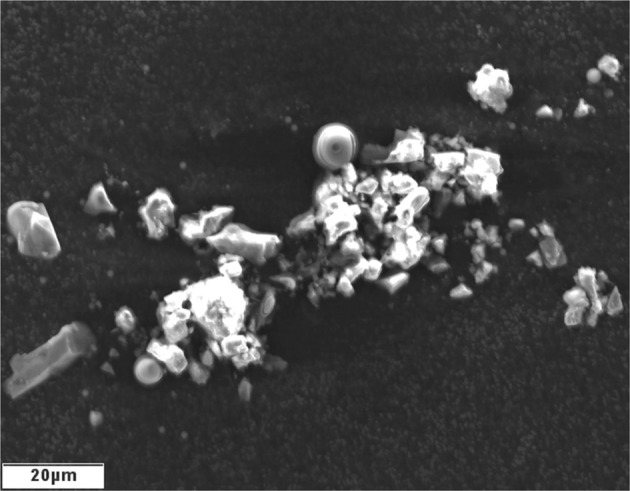
Lunar dust (LD), the component of lunar regolith with particle sizes less than 20 μm, covers the surface of the Moon. Due to its fineness, jagged edges, and electrostatic charge, LD adheres to and coats almost any surface it contacts. As a result, LD poses known risks to the proper functioning of electronic and mechanical equipment on the lunar surface. However, its mechanical irritancy and chemical reactivity may also pose serious health risks to humans by a number of mechanisms. While Apollo astronauts reported mild short-lived respiratory symptoms, the spectrum of health effects associated with high-dose acute exposure or chronic low-dose exposure are not yet well-understood. This paper explores known and potential human risks of exposure to LD which are thought to be important in planning upcoming lunar missions and planetary surface work.
Overview
CoChat Summary
TL;DR
This review summarizes known and potential human health risks from lunar dust (LD) exposure and the NASA LADTAG preliminary permissible exposure limit (PEL) of 0.3 mg/m³ for a 6-month lunar mission. It concludes that LD pulmonary toxicity appears less severe than quartz but that acute/chronic, ocular, dermal, immunologic, and other end-organ effects remain incompletely characterized.
Key findings
- LADTAG recommended a preliminary LD PEL of 0.3 mg/m³ for a 6-month mission with 8 h exposure 5 days/week, based on studies yielding safe exposure estimates from 0.2 to 0.7 mg/m³; NASA adopted it as a design standard. This is similar to crystalline quartz (PEL 0.1 mg/m³) and much lower than titanium dioxide (PEL 5 mg/m³).
- In rat studies, James et al. found ball-milled, jet-milled, and native unground LD toxicologically similar, with milling not increasing reactivity, and estimated safe exposure levels of 0.3–0.5 mg/m³. Lam et al. found no adverse effects at 6.8 mg/m³ (slight neutrophil increase considered adaptive) and only mild adverse effects at 20.8 mg/m³ (neutrophilic inflammation, lymphoid hyperplasia, granulomas, no fibrosis at 3 months), extrapolating to a 0.3 mg/m³ SEE. Scully et al. benchmark dose modeling gave SEEs of 0.7 and 0.2 mg/m³.
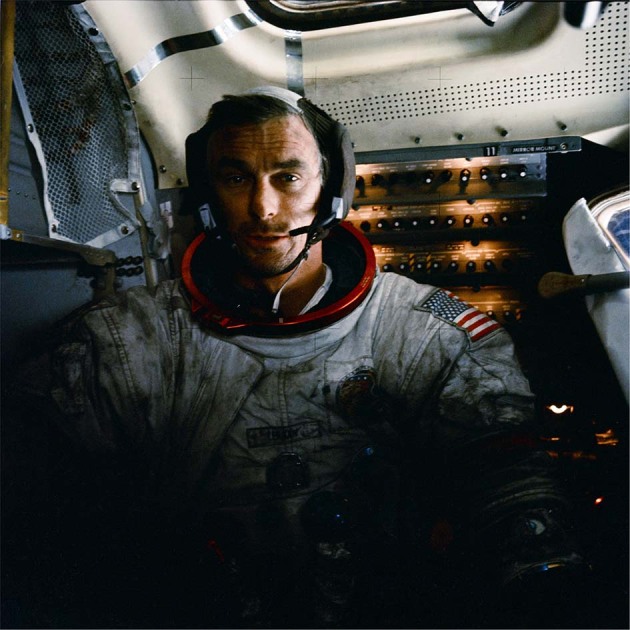
- Apollo astronauts reported transient ocular and respiratory symptoms after EVA that improved within 24 h; follow-up pulmonary function testing showed no long-term adverse respiratory effects, but cabin LD concentrations were never measured. Rabbit Draize testing with native LD showed minimal chemical/mechanical irritancy; 70 mg caused slight conjunctival erythema and edema resolving within 24 h, with no corneal abrasions.
- Other concerns include dermal abrasion (JSC-1A simulant had abrasive properties akin to commercial sandpaper), immune dysregulation and latent virus reactivation, and possible cardiovascular, gastrointestinal, neurological, renal, and reproductive/developmental toxicities, though many are not confirmed with native LD.
Methods
- Narrative review; references were collected from PubMed and Scopus using the keywords “lunar dust,” “lunar dust toxicity,” and “silicosis,” plus references previously known to the authors.
- Synthesizes Apollo mission medical reports, the NASA LADTAG final report and associated in vitro/in vivo studies, and subsequent literature on dust toxicity, monitoring, and countermeasures.
- No new primary data, systematic review protocol, or meta-analysis is reported.
Limitations
- The paper states that the spectrum of health effects from high-dose acute or chronic low-dose LD exposure is not well-understood; Apollo spacecraft LD concentrations after EVA were never measured; no comprehensive LD toxicity assessment was performed in the decades after Apollo; and sufficient native LD was unavailable for subsequent inhalational trials.
- The paper states that LD surface reactivity in situ is difficult to assess after sample return, whether ground lunar material represents actual lunar surface LD is unknown, and whether chemical reactivity translates to toxicity is unknown; applicability of LADTAG data to lunar regions with geology/conditions dissimilar to the Apollo 14 site is also unknown.
- Evident from the text: as a narrative overview, it relies on existing literature and does not present new experimental data; many proposed end-organ toxicities are hypotheses or extrapolated from terrestrial particulate matter or simulant studies rather than confirmed with native LD.
Model-written summary. Check it against the paper before relying on it.
Integrity signals
Registry
Cites
Statistics
Figures
Verification
Claims the paper makes
23 Valid · 1 Not valid · 35 Not checked · 25 Own results and interpretations
Every source the paper cites for this claim was checked and supports it.
In the paper
“Furthermore, reactivation of latent viruses, including herpesvirus, with associated viral shedding has been observed in astronauts during and after both shuttle and ISS missions.”
§ Overview of lunar dust toxicity risk > Topic review > Immunologic considerations
What the sources say
- Supportedcites [47] Rooney BV Crucian BE Pierson DL Laudenslager ML Mehta SK Herpes virus reactivation in astronauts during spaceflight and its application on earth Front. Microbiol. 2019 10 16 10.3389/fmicb.2019.00016 30792698 PMC6374706 source
The Introduction’s “Viral Reactivation” section reports reactivation and shedding of latent herpes viruses during shuttle and ISS missions, and says VZV and CMV shedding persisted after long-duration flights. The Abstract also reports post-flight shedding after both shuttle and ISS missions. (LLM, conf=0.95)
plainstates an association- Asserted: passes — The authors put it forward as true.
- Checkable: passes — It can be checked against evidence.
- Load-bearing: unclear — It is unclear whether the paper’s conclusions depend on it.
- Based: passes — The paper gives a reason why it holds.
- Supported
The cited sources support only part of this claim — read each source’s verdict below.
In the paper
“In vitro assay testing suggested LD possesses minimal chemical irritancy and reactivity.”
§ Overview of lunar dust toxicity risk > Topic review > Ocular toxicity
What the sources say
- Partly supportedcites [41] Meyers VE Garca HD Monds K Cooper BL James JT Ocular toxicity of authentic lunar dust BMC Ophthalmol. 2012 12 26 10.1186/1471-2415-12-26 22817808 PMC3484112 sourceExperimental — accuracy not yet measured
The Results and Discussion section (Chemical Irritancy of Lunar Dust; page unavailable) reports an in vitro ET-50 greater than 60 minutes and lists lunar dust’s irritancy as minimal. It does not conclude that the dust has minimal chemical reactivity: the Methods (Test Material; page unavailable) describe grinding it to increase surface reactivity before testing. (LLM, conf=0.84)
hedged- Asserted: passes — The authors put it forward as true.
- Checkable: passes — It can be checked against evidence.
- Load-bearing: passes — The paper’s conclusions depend on it.
- Based: passes — The paper gives a reason why it holds.
- Partly supported
The cited sources support only part of this claim — read each source’s verdict below.
In the paper
“Their large surface area and exposure to galactic and solar radiation likely increase the surface reactivity of the particles by creating large numbers of dangling chemical bonds and unsatisfied electron valences5.”
§ Overview of lunar dust toxicity risk > Introduction to lunar dust
What the sources say
- Partly supportedcites [5] Linnarsson D Toxicity of lunar dust Planet. Space Sci. 2012 74 57 71 10.1016/j.pss.2012.05.023 sourceExperimental — accuracy not yet measured
Section 3.1 (pp. 14–15) says lunar dust may have a very high surface area, that smaller particles may be more reactive, and that radiation and solar wind enrich particles in reactive sites. But it attributes dangling bonds and unsatisfied valencies specifically to mechanical impacts and abrasion, not to large surface area or radiation creating them. (LLM, conf=0.83)
hedgedstates a possible cause- Asserted: passes — The authors put it forward as true.
- Checkable: passes — It can be checked against evidence.
- Load-bearing: unclear — It is unclear whether the paper’s conclusions depend on it.
- Based: passes — The paper gives a reason why it holds.
- Partly supported
The cited sources support only part of this claim — read each source’s verdict below.
In the paper
“In all cases, these symptoms were transient and improved within 24 h of onset.”
§ Overview of lunar dust toxicity risk > Topic review > Historical exposures
What the sources say
- Partly supportedcites [14] Scheuring RA The Apollo Medical Operations Project: recommendations to improve crew health and performance for future exploration missions and lunar surface operations Acta Astronaut. 2008 63 980 987 10.1016/j.actaastro.2007.12.065 sourceExperimental — accuracy not yet measured
Section 37 reports that lunar-dust-related nasal and eye symptoms gradually subsided for most crewmembers during short lunar stays. It does not establish improvement within 24 hours in all cases: the Post-Summit Questionnaire Responses describe a reaction that worsened with repeated exposures. (LLM, conf=0.86)
plain- Asserted: passes — The authors put it forward as true.
- Checkable: passes — It can be checked against evidence.
- Load-bearing: unclear — It is unclear whether the paper’s conclusions depend on it.
- Based: passes — The paper gives a reason why it holds.
- Partly supported
The cited sources support only part of this claim — read each source’s verdict below.
In the paper
“In addition, iron in the Fe0 valence state (often referred to as nanophase iron) present in the particles may contribute to the formation of reactive oxygen species when in contact with human tissue, though the likelihood and severity of this possibility are unknown5–8.”
§ Overview of lunar dust toxicity risk > Introduction to lunar dust
What the sources say
- Partly supportedcites [5] Linnarsson D Toxicity of lunar dust Planet. Space Sci. 2012 74 57 71 10.1016/j.pss.2012.05.023 sourceExperimental — accuracy not yet measured
Section 3.1 (pp. 12, 16–17) identifies nanophase iron in lunar dust, says its surface might contact cells and tissues, and proposes that iron-containing material could produce reactive free radicals through a Fenton-like reaction. It also says direct contact with the body is uncertain. The copy describes the iron as being in a low oxidation state but does not establish the claim’s specific Fe0 valence state. (LLM, conf=0.82)
- Not checked — no full text of the sourcecites [6] Wallace WT Phillips CJ Jeevarajan AS Chen B Taylor LA Nanophase iron-enhanced chemical reactivity of ground lunar soil Earth Planet. Sci. Lett. 2010 295 571 577 10.1016/j.epsl.2010.04.042 source
- Not checked — no full text of the sourcecites [7] Pauluhn J Wiemann M Siderite (FeCO3) and magnetite (Fe3O4) overload-dependent pulmonary toxicity is determined by the poorly soluble particle not the iron content Inhal. Toxicol. 2011 23 763 783 10.3109/08958378.2011.606431 22035119 source
- Partly supportedcites [8] Vallyathan, V. In Environmental Health Perspectives Vol. 102, 111–115 (Public Health Services, US Dept of Health and Human Services, 1994). sourceExperimental — accuracy not yet measured
The Discussion (p. 4) reports that surface iron in occupational mineral dusts is related to their ability to generate hydroxyl radicals from hydrogen peroxide. It does not examine Fe0 or nanophase iron, lunar dust, or radical formation when those particles contact human tissue; the stated uncertainty about likelihood and severity is not assessed. (LLM, conf=0.86)
hedgedstates a possible cause- Asserted: passes — The authors put it forward as true.
- Checkable: passes — It can be checked against evidence.
- Load-bearing: unclear — It is unclear whether the paper’s conclusions depend on it.
- Based: passes — The paper gives a reason why it holds.
- Partly supported
36 more claims · 4 with their cited sources checked
Create a free account to see all 84 claims and every source verdict.
- It may state two separate claims as one. 37
- Probably not a substantial claim. 10
Citations
Cites
Nanotoxicology: An Emerging Discipline Evolving from Studies of Ultrafine Particles
Oberdörster, G., Oberdörster, E., & Oberdörster, J. (2005) · Environmental Health Perspectives · doi:10.1289/ehp.7339 · Cited by 7,891
Brook, R. D., Rajagopalan, S., Pope, C. A., Brook, J. R., Bhatnagar, A., Diez-Roux, A. V., Holguin, F., Hong, Y., Luepker, R. V., Mittleman, M. A., et al. (2010) · Circulation · doi:10.1161/cir.0b013e3181dbece1 · Cited by 6,548
Nanomaterials and nanoparticles: Sources and toxicity
Buzea, C., Pacheco, I. I., & Robbie, K. (2007) · Biointerphases · doi:10.1116/1.2815690 · Cited by 3,789
Leung, C. C., Yu, I. T. S., & Chen, W. (2012) · The Lancet · doi:10.1016/s0140-6736(12)60235-9 · Cited by 1,193
The NASA Twins Study: A multidimensional analysis of a year-long human spaceflight
Garrett-Bakelman, F. E., Darshi, M., Green, S. J., Gur, R. C., Lin, L., Macias, B. R., McKenna, M. J., Meydan, C., Mishra, T., Nasrini, J., et al. (2019) · Science · doi:10.1126/science.aau8650 · Cited by 1,128
Fubini, B., & Hubbard, A. (2003) · Free Radical Biology and Medicine · doi:10.1016/s0891-5849(03)00149-7 · Cited by 935
The respiratory health hazards of volcanic ash: a review for volcanic risk mitigation
Horwell, C. J., & Baxter, P. J. (2006) · Bulletin of Volcanology · doi:10.1007/s00445-006-0052-y · Cited by 587
Du, Y., Xu, X., Chu, M., Guo, Y., & Wang, J. (2016) · PubMed · doi:10.3978/j.issn.2072-1439.2015.11.37 · Cited by 525
Crucian, B. E., Choukèr, A., Simpson, R. J., Mehta, S., Marshall, G., Smith, S. M., Zwart, S. R., Heer, M., Ponomarev, S., Whitmire, A., et al. (2018) · Frontiers in Immunology · doi:10.3389/fimmu.2018.01437 · Cited by 421
Nanoparticle toxicity by the gastrointestinal route: evidence and knowledge gaps
Bergin, I. L., & Witzmann, F. A. (2013) · International Journal of Biomedical Nanoscience and Nanotechnology · doi:10.1504/ijbnn.2013.054515 · Cited by 412
Long-term exposure to traffic-related particulate matter impairs cognitive function in the elderly
Ranft, U., Schikowski, T., Sugiri, D., Krutmann, J., & Krämer, U. (2009) · Environmental Research · doi:10.1016/j.envres.2009.08.003 · Cited by 410
Nutritional iron turned inside out: intestinal stress from a gut microbial perspective
Kortman, G. A. M., Raffatellu, M., Swinkels, D. W., & Tjalsma, H. (2014) · FEMS Microbiology Reviews · doi:10.1111/1574-6976.12086 · Cited by 291
Neurological impacts from inhalation of pollutants and the nose–brain connection
Lucchini, R. G., Dorman, D. C., Elder, A., & Veronesi, B. (2012) · NeuroToxicology · doi:10.1016/j.neuro.2011.12.001 · Cited by 283
Coal Mine Dust Lung Disease. New Lessons from an Old Exposure
Petsonk, E. L., Rose, C., & Cohen, R. (2013) · American Journal of Respiratory and Critical Care Medicine · doi:10.1164/rccm.201301-0042ci · Cited by 259
Chemical aspects of the toxicity of inhaled mineral dusts
Fubini, B., & Otero Areán, C. (1999) · Chemical Society Reviews · doi:10.1039/a805639k · Cited by 224
Immune System Dysregulation Occurs During Short Duration Spaceflight On Board the Space Shuttle
Crucian, B., Stowe, R., Mehta, S., Uchakin, P., Quiriarte, H., Pierson, D., & Sams, C. (2013) · Journal of Clinical Immunology · doi:10.1007/s10875-012-9824-7 · Cited by 196
Mucociliary and long-term particle clearance in the airways of healthy nonsmoker subjects
Möller, W., Häußinger, K., Winkler-Heil, R., Stahlhofen, W., Meyer, T., Hofmann, W., & Heyder, J. (2004) · Journal of Applied Physiology · doi:10.1152/japplphysiol.00970.2003 · Cited by 189
PARTICLE TOXICOLOGY: FROM COAL MINING TO NANOTECHNOLOGY
Borm, P. J. A. (2002) · Inhalation Toxicology · doi:10.1080/08958370252809086 · Cited by 187
Constraints on the depth and variability of the lunar regolith
WILCOX, B. B., ROBINSON, M. S., THOMAS, P. C., & HAWKE, B. R. (2005) · Meteoritics & Planetary Science · doi:10.1111/j.1945-5100.2005.tb00974.x · Cited by 185
Herpes Virus Reactivation in Astronauts During Spaceflight and Its Application on Earth
Rooney, B. V., Crucian, B. E., Pierson, D. L., Laudenslager, M. L., & Mehta, S. K. (2019) · Frontiers in Microbiology · doi:10.3389/fmicb.2019.00016 · Cited by 174
Toxic Potential of Mineral Dusts
Fubini, B., & Fenoglio, I. (2007) · Elements · doi:10.2113/gselements.3.6.407 · Cited by 166
Ambient Air Pollution and Preterm Birth: A Time-series Analysis
Darrow, L. A., Klein, M., Flanders, W. D., Waller, L. A., Correa, A., Marcus, M., Mulholland, J. A., Russell, A. G., & Tolbert, P. E. (2009) · Epidemiology · doi:10.1097/ede.0b013e3181a7128f · Cited by 155
Ambient Air Pollution and Cardiovascular Malformations in Atlanta, Georgia, 1986-2003
Strickland, M. J., Klein, M., Correa, A., Reller, M. D., Mahle, W. T., Riehle-Colarusso, T. J., Botto, L. D., Flanders, W. D., Mulholland, J. A., Siffel, C., et al. (2009) · American Journal of Epidemiology · doi:10.1093/aje/kwp011 · Cited by 129
An Integrated Approach to the Study of the Interaction between Proteins and Nanoparticles
Turci, F., Ghibaudi, E., Colonna, M., Boscolo, B., Fenoglio, I., & Fubini, B. (2010) · Langmuir · doi:10.1021/la904758j · Cited by 118
Men and Women in Space: Bone Loss and Kidney Stone Risk After Long-Duration Spaceflight
Smith, S. M., Zwart, S. R., Heer, M., Hudson, E. K., Shackelford, L., & Morgan, J. L. (2014) · Journal of Bone and Mineral Research · doi:10.1002/jbmr.2185 · Cited by 102
Nakane, H. (2012) · Environmental Health and Preventive Medicine · doi:10.1007/s12199-011-0252-8 · Cited by 101
Scheuring, R. A., Jones, J. A., Novak, J. D., Polk, J. D., Gillis, D. B., Schmid, J., Duncan, J. M., & Davis, J. R. (2008) · Acta Astronautica · doi:10.1016/j.actaastro.2007.12.065 · Cited by 100
Production of hydrogen peroxide in Martian and lunar soils
Hurowitz, J. A., Tosca, N. J., McLennan, S. M., & Schoonen, M. A. A. (2007) · Earth and Planetary Science Letters · doi:10.1016/j.epsl.2006.12.004 · Cited by 98
Linnarsson, D., Carpenter, J., Fubini, B., Gerde, P., Karlsson, L. L., Loftus, D. J., Prisk, G. K., Staufer, U., Tranfield, E. M., & van Westrenen, W. (2012) · Planetary and Space Science · doi:10.1016/j.pss.2012.05.023 · Cited by 95
Self-citationRole of thoracic ultrasound in the assessment of pleural and pulmonary diseases
Sperandeo, M., Filabozzi, P., Varriale, A., Carnevale, V., Piattelli, M. L., Sperandeo, G., Brunetti, E., & Decuzzi, M. (2008) · Journal of Ultrasound · doi:10.1016/j.jus.2008.02.001 · Cited by 87
Validation of the portable Air-Smart Spirometer
Ramos Hernández, C., Núñez Fernández, M., Pallares Sanmartín, A., Mouronte Roibas, C., Cerdeira Domínguez, L., Botana Rial, M. I., Blanco Cid, N., & Fernández Villar, A. (2018) · PLOS ONE · doi:10.1371/journal.pone.0192789 · Cited by 82
Wang, X.-R., & Christiani, D. C. (2000) · Journal of Occupational and Environmental Medicine · doi:10.1097/00043764-200011000-00009 · Cited by 75
Emphysema and chronic obstructive pulmonary disease in coal miners
Santo Tomas, L. H. (2011) · Current Opinion in Pulmonary Medicine · doi:10.1097/mcp.0b013e3283431674 · Cited by 70
Generation of oxygen radicals by minerals and its correlation to cytotoxicity.
Vallyathan, V (1994) · Environmental Health Perspectives · doi:10.1289/ehp.94102s10111 · Cited by 66
Acute Silicosis Responding to Corticosteroid Therapy
Goodman, G. B., Kaplan, P. D., Stachura, I., Castranova, V., Pailes, W. H., & Lapp, N. L. (1992) · Chest · doi:10.1378/chest.101.2.366 · Cited by 61
Toxicity of lunar dust assessed in inhalation-exposed rats
Lam, C.-W., Scully, R. R., Zhang, Y., Renne, R. A., Hunter, R. L., McCluskey, R. A., Chen, B. T., Castranova, V., Driscoll, K. E., Gardner, D. E., et al. (2013) · Inhalation Toxicology · doi:10.3109/08958378.2013.833660 · Cited by 60
Treating Pulmonary Silicosis by Blocking Interleukin 1
Cavalli, G., Fallanca, F., Dinarello, C. A., & Dagna, L. (2015) · American Journal of Respiratory and Critical Care Medicine · doi:10.1164/rccm.201412-2150le · Cited by 56
An Approach to Deposition and Clearance Measurements in Human Airways
SCHEUCH, G., STAHLHOFEN, W., & HEYDER, J. (1996) · Journal of Aerosol Medicine · doi:10.1089/jam.1996.9.35 · Cited by 55
Deposition of inhaled particles in the human lung is more peripheral in lunar than in normal gravity
Darquenne, C., & Prisk, G. K. (2008) · European Journal of Applied Physiology · doi:10.1007/s00421-008-0766-y · Cited by 53
Self-citationBiomarkers: A potential prognostic tool for silicosis
Pandey, J., & Agarwal, D. (2012) · Indian Journal of Occupational and Environmental Medicine · doi:10.4103/0019-5278.111746 · Cited by 47
Caston, R., Luc, K., Hendrix, D., Hurowitz, J. A., & Demple, B. (2018) · GeoHealth · doi:10.1002/2017gh000125 · Cited by 45
Ultrasound: From Earth to Space
Law, J., & Macbeth, P. B. (2020) · McGill Journal of Medicine · doi:10.26443/mjm.v13i2.230 · Cited by 44
Chang, T. T., Spurlock, S. M., Candelario, T. L. T., Grenon, S. M., & Hughes‐Fulford, M. (2015) · The FASEB Journal · doi:10.1096/fj.15-275073 · Cited by 42
Ocular toxicity of authentic lunar dust
Meyers, V. E., Garcìa, H. D., Monds, K., Cooper, B. L., & James, J. T. (2012) · BMC Ophthalmology · doi:10.1186/1471-2415-12-26 · Cited by 41
Volcanic Ash Activates the NLRP3 Inflammasome in Murine and Human Macrophages
Damby, D. E., Horwell, C. J., Baxter, P. J., Kueppers, U., Schnurr, M., Dingwell, D. B., & Duewell, P. (2018) · Frontiers in Immunology · doi:10.3389/fimmu.2017.02000 · Cited by 41
Physicochemical properties of respirable-size lunar dust
McKay, D. S., Cooper, B. L., Taylor, L. A., James, J. T., Thomas-Keprta, K., Pieters, C. M., Wentworth, S. J., Wallace, W. T., & Lee, T. S. (2015) · Acta Astronautica · doi:10.1016/j.actaastro.2014.10.032 · Cited by 39
Krisanova, N., Kasatkina, L., Sivko, R., Borysov, A., Nazarova, A., Slenzka, K., & Borisova, T. (2013) · Astrobiology · doi:10.1089/ast.2012.0950 · Cited by 33
Nanophase iron-enhanced chemical reactivity of ground lunar soil
Wallace, W. T., Phillips, C. J., Jeevarajan, A. S., Chen, B., & Taylor, L. A. (2010) · Earth and Planetary Science Letters · doi:10.1016/j.epsl.2010.04.042 · Cited by 31
Souza, C. A., Marchiori, E., Gonçalves, L. P., Meirelles, G. D. S. P., Zanetti, G., Escuissato, D. L., Capobianco, J., & Souza, A. S. (2012) · European Journal of Radiology · doi:10.1016/j.ejrad.2010.12.012 · Cited by 30
The mammalian response to lunar particulates
Holland, J. M., & Simmonds, R. C. (1973) · Origins of Life and Evolution of Biospheres · doi:10.1007/bf02626346 · Cited by 29
Assessment of geographical variation in the respiratory toxicity of desert dust particles
Taylor, K., Foster, M. L., Law, J. M., Centeno, J. A., Fornero, E., Henderson, M. S., Trager, S. A., Stockelman, M. G., & Dorman, D. C. (2013) · Inhalation Toxicology · doi:10.3109/08958378.2013.797524 · Cited by 29
Serum CA125 and NSE: Biomarkers of disease severity in patients with silicosis
Fang, S.-C., Zhang, H.-T., Wang, C.-Y., & Zhang, Y.-M. (2014) · Clinica Chimica Acta · doi:10.1016/j.cca.2014.03.005 · Cited by 28
Generation and Evaluation of Lunar Dust Adhesion Mitigating Materials
Wohl, C. J., Lin, Y., Belcher, M. A., Palmieri, F. L., Atkins, B. M., & Connell, J. W. (2011) · AIAA Atmospheric and Space Environments Conference · doi:10.2514/6.2011-3676 · Cited by 27
Estimate of safe human exposure levels for lunar dust based on comparative benchmark dose modeling
James, J. T., Lam, C.-W., Santana, P. A., & Scully, R. R. (2013) · Inhalation Toxicology · doi:10.3109/08958378.2013.777821 · Cited by 26
Electrostatic Shield for Lunar Dust Entering Mechanical Seals of Lunar Exploration Equipment
Kawamoto, H. (2012) · Journal of Aerospace Engineering · doi:10.1061/(asce)as.1943-5525.0000272 · Cited by 26
Survival following lung transplantation for silicosis and other occupational lung diseases
Singer, J. P., Chen, H., Phelan, T., Kukreja, J., Golden, J. A., & Blanc, P. D. (2012) · Occupational Medicine · doi:10.1093/occmed/kqr171 · Cited by 26
Hayes, D., Hayes, K. T., Hayes, H. C., & Tobias, J. D. (2015) · Lung · doi:10.1007/s00408-015-9781-z · Cited by 22
Health effects from exposure to atmospheric mineral dust near Las Vegas, NV, USA
Keil, D. E., Buck, B., Goossens, D., Teng, Y., Pollard, J., McLaurin, B., Gerads, R., & DeWitt, J. (2016) · Toxicology Reports · doi:10.1016/j.toxrep.2016.09.009 · Cited by 22
Scully, R. R., Lam, C.-W., & James, J. T. (2013) · Inhalation Toxicology · doi:10.3109/08958378.2013.849315 · Cited by 21
Nugent, K. M., Dodson, R. F., Idell, S., & Devillier, J. R. (1989) · American Review of Respiratory Disease · doi:10.1164/ajrccm/140.5.1438 · Cited by 19
(2008) · PubMed · Cited by 19
Pauluhn, J., & Wiemann, M. (2011) · Inhalation Toxicology · doi:10.3109/08958378.2011.606431 · Cited by 16
Microgravity decreases and hypergravity increases exhaled nitric oxide
Karlsson, L. L., Kerckx, Y., Gustafsson, L. E., Hemmingsson, T. E., & Linnarsson, D. (2009) · Journal of Applied Physiology · doi:10.1152/japplphysiol.91081.2008 · Cited by 16
Acute silicosis with bilateral pneumothorax
Srivastava, G. N., Prasad, R., Meena, M., & Hussain, M. (2014) · BMJ Case Reports · doi:10.1136/bcr-2013-200089 · Cited by 15
Lunar Habitat Airlock/Suitlock
Griffin, B. N. (2008) · ASCE Earth and Space Conference: Engineering, Science, Construction, and Operations in Challenging Environments (Earth & Space) · doi:10.1061/40988(323)102 · Cited by 6
(2019) · PubMed · Cited by 3
Cardiovascular System in Space
Ramsdell, C. D., & Cohen, R. J. (2003) · Encyclopedia of Space Science and Technology · doi:10.1002/0471263869.sst074 · Cited by 2
(2008) · doi:10.1061/(asce)0893-1321(2008)21:4(272
(2008) · doi:10.1061/(asce)0893-1321(2008)21:4(266
Research works printed but not linked: 3
- Harrington, A. D. et al. Pulmonary inflammatory responses to acute meteorite dust exposures-implications for human space exploration. In Lunar and Planetary Science Conference (2017).
- Mohebbi I Abadi NA Booshehri B Zubeyri T Ghavam F Rapidly progressive silicosis Tanaffos 2007 6 73 76
- Park JS Liu Y Kihm KD Taylor LA Micro-morphology and toxicological effects of lunar dust Lunar Planet. Sci. XXXVII 2006 2193 13 15
Cited by
Biomonitoring and precision health in deep space supported by artificial intelligence
Scott, R. T., Sanders, L., Antonsen, E., Hastings, J. J. A., Park, S.-M., Mackintosh, G., Reynolds, R. J., Hoarfrost, A., Sawyer, A., Greene, C. S., et al. (2023) · Nature Machine Intelligence · doi:10.1038/s42256-023-00617-5 · Cited by 74
“Astronauts face unique hazards from spaceflight, including ionizing radiation, altered gravitational fields, altered day–night cycles, confined isolation, hostile closed environments, distance-duration from Earth 1 , planetary dust-regolith 2,3 and extreme temperatures and atmospheres 4,5 .”
BackgroundSelf-citationBiological research and self-driving labs in deep space supported by artificial intelligence
Sanders, L. M., Scott, R. T., Yang, J. H., Qutub, A. A., Garcia Martin, H., Berrios, D. C., Hastings, J. J. A., Rask, J., Mackintosh, G., Hoarfrost, A. L., et al. (2023) · Nature Machine Intelligence · doi:10.1038/s42256-023-00618-4 · Cited by 49
“Many types of scientific equipment have already been cleared for spaceflight and are currently in use on the ISS(165), but anticipated future challenges include but are not limited to: (1) known difficulties in microfluidic processing in microgravity(83), (2) enabling processes beyond LEO in higher radiation exposure…”
BackgroundMethodSelf-citationMiranda, S., Marchal, S., Cumps, L., Dierckx, J., Krüger, M., Grimm, D. G., Baatout, S., Tabury, K., & Baselet, B. (2023) · Biomedicines · doi:10.3390/biomedicines11071921 · Cited by 35
Dry eye disease in astronauts: a narrative review
Ax, T., Ganse, B., Fries, F. N., Szentmáry, N., de Paiva, C. S., de Ribot, F. M., Jensen, S. O., Seitz, B., & Millar, T. J. (2023) · Frontiers in Physiology · doi:10.3389/fphys.2023.1281327 · Cited by 30
“Lunar dust tends to be especially jagged due to the absence of weathering (James and Kahn-Mayberry, 2011; Pohlen et al., 2022; Mirandaetal., 2023).”
BackgroundRapid Fabrication of Antilunar Dust Aluminum Surface by Nanosecond Laser Etching
Wang, X., Shao, H., Zhang, G., Zhang, H., Yan, J., Zhu, Y., Zhang, J., Wang, W., Yang, Z. Y., & Tang, C. (2024) · ACS Applied Materials & Interfaces · doi:10.1021/acsami.4c08100 · Cited by 15
Metadata
- Authors
- Pohlen, M., Carroll, D., Prisk, G. K., & Sawyer, A. J.
- Affiliations
- Stanford University (US)
- Eastern Virginia Medical School (US)
- University of California San Diego (US)
- University of California, San Francisco (US)
- Corresponding author
- Sawyer, Aenor J.
- Venue
- npj Microgravity
- Published
- 2022-12-02
- Volume
- 8
- Issue
- 1
- Pages
- 55-55
- ISSN
- 2373-8065 (ISSN-L)
- PMC
- PMC9718825
- OpenAlex
- W4311191676
- Cited by
- 72
- References
- 70
- Citations by year
- 2026: 20 · 2025: 25 · 2024: 19 · 2023: 8
- FWCI
- 1.04
- Type
- journal article
- Language
- en
- Open access
- gold
- doi.org
- Licence
- cc-by
- creativecommons.org/licenses/by/4.0 (tdm)
- creativecommons.org/licenses/by/4.0 (vor)
- Locations
- npj Microgravity (publishedVersion, cc-by)
- PubMed Central (publishedVersion, cc-by)
- PubMed (publishedVersion)
- DOAJ (DOAJ: Directory of Open Access Journals) (submittedVersion, cc-by-sa)
- eScholarship (California Digital Library) (submittedVersion, cc-by)
- Funders
- National Aeronautics and Space Administration (NNX16AO69A)
- University of California, San Francisco
- Topics
- Physical Sciences › Engineering › Aerospace Engineering › Space Exploration and Technology
- Health Sciences › Medicine › Physiology (medical) › Spaceflight effects on biology
- Physical Sciences › Environmental Science › Health, Toxicology and Mutagenesis › Air Quality and Health Impacts
- Keywords
- lunar dust, lunar regolith, health risks, respiratory toxicity, chemical reactivity, Apollo astronauts, chronic low-dose exposure, acute exposure, lunar missions, equipment contamination
About these checks
Registry, retraction, Cites and statistics results are computed, not judged, with one exception: a printed reference that no index lists is read once by a model before it counts as a citation error. Claims are extracted by a model and kept only when their quote appears verbatim in the text; each cited source is then checked, with a model’s help, for whether it says what the claim relies on. Those verdicts can be wrong — read the claim’s quote and the cited source before relying on one.
The claim verdicts this report counts are experimental: their accuracy is not yet measured.
A language model drew the claims from the paper on 2026-10-10, under version 3 of the claim definition (model deepseek-v4.1-flash, prompt extract-v3).
A second model labelled each claim on 2026-10-10 (model jev-1.13-20260917, definition revision gold-guideline-v0.2).
Cited sources are checked with a language model’s help (gpt-6-sol).
Statistics and arithmetic are recomputed, not judged.
Confidence bands are shown only for fields calibrated on our annotated test set. None is calibrated yet, so no band is shown.
What counts as a claim ›How we measure confidence ›How we check this ›
Are you an author, or do you see a problem with this page? Request a review
Data sources
Bibliographic data: Semantic Scholar, OpenAlex, Crossref.
Contains information from the Semantic Scholar Academic Graph Datasets, made available under the ODC Attribution License (ODC-BY 1.0).
Semantic Scholar’s data is described in: Kinney, R., et al. (2023). The Semantic Scholar Open Data Platform. arXiv:2301.10140.
