

Incidence of Parkinson disease in North America
Open accessThe DOI matches its Crossref record; 79 of the 79 references it cites were found in a registry or an index.
Abstract
Parkinson disease (PD) is the second most common age-related neurodegenerative condition diagnosed in North America. We recently demonstrated, using multiple epidemiological data sources, that the prevalence of PD diagnoses was greater than previously reported and currently used for clinical, research, and policy decision-making. Prior PD incidence estimates have varied, for unclear reasons. There is a need for improved estimates of PD incidence, not only for care delivery planning and future policy but also for increasing our understanding of disease risk. The objective of this study was thus to investigate the incidence of Parkinson disease across five epidemiological cohorts in North America in a common year, 2012. The cohorts contained data on 6.7 million person-years of adults ages 45 and older, and 9.3 million person-years of adults ages 65 and older. Our estimates of age-sex-adjusted incidence of PD ranged from 108 to 212 per 100,000 among persons ages 65 and older, and from 47 to 77 per 100,00 among persons ages 45 and older. PD incidence increased with age and was higher among males. We also found persistent spatial clustering of incident PD diagnoses in the U.S. PD incidence estimates varied across our data sources, in part due to case ascertainment and diagnosis methods, but also possibly due to the influence of population factors (prevalence of genetic risk factors or protective markers) and geographic location (exposure to environmental toxins). Understanding the source of these variations will be important for health care policy, research, and care planning.
Overview
The claims and statistics of this paper haven’t been checked yet.
Free: it reads the open-access text and checks the first 5 claims that cite a source we can check. Create a free account to check every claim.
Integrity signals
Registry
Cites
Statistics
Figures
Verification
Claims the paper makes
The claims and statistics of this paper haven’t been checked yet.
Free: it reads the open-access text and checks the first 5 claims that cite a source we can check. Create a free account to check every claim.
Self-check
Percentages, sums and reported differences re-computed from the paper’s own numbers.
The self-check needs the paper’s full text.
Citations
Cites
Murray, C. J. L., Vos, T., Lozano, R., Naghavi, M., Flaxman, A. D., Michaud, C., Ezzati, M., Shibuya, K., Salomon, J. A., Abdalla, S., et al. (2012) · The Lancet · doi:10.1016/s0140-6736(12)61689-4 · Cited by 8,888
Self-citationEpidemiology of Parkinson's disease
de Lau, L. M., & Breteler, M. M. (2006) · The Lancet Neurology · doi:10.1016/s1474-4422(06)70471-9 · Cited by 4,110
The Neuroendocrinology of Stress: A Never Ending Story
Lightman, S. L. (2008) · Journal of Neuroendocrinology · doi:10.1111/j.1365-2826.2008.01711.x · Cited by 3,566
The Emerging Evidence of the Parkinson Pandemic
Dorsey, E. R., Sherer, T., Okun, M. S., & Bloem, B. R. (2018) · Journal of Parkinson’s Disease · doi:10.3233/jpd-181474 · Cited by 1,977 · cited 1×
“Parkinson disease is the second most common age-related neurodegenerative disease in the world and is responsible for signi fi cant disability and increased risks of dementia and mortality 11 – 14 .”
Prevalence of Dementia in the United States: The Aging, Demographics, and Memory Study
Plassman, B. L., Langa, K. M., Fisher, G. G., Heeringa, S. G., Weir, D. R., Ofstedal, M. B., Burke, J. R., Hurd, M. D., Potter, G. G., Rodgers, W. L., et al. (2007) · Neuroepidemiology · doi:10.1159/000109998 · Cited by 1,932 · cited 1×
“Symptomatic cognitive dysfunction or dementia, due to Alzheimer disease, vascular dementia, toxic or metabolic cognitive dysfunction, increases with age 52 and becomes very prevalent in the 8 th decade and beyond 12,53,54 .”
Incidence of Parkinson's Disease: Variation by Age, Gender, and Race/Ethnicity
Van Den Eeden, S. K. (2003) · American Journal of Epidemiology · doi:10.1093/aje/kwg068 · Cited by 1,747 · cited 3×
“Nevertheless, this contrasts sharply with the estimate of 40,000-60,000 new cases per annum that has been cited previously for PD incidence 6,10 .”
Healy, D. G., Falchi, M., O'Sullivan, S. S., Bonifati, V., Durr, A., Bressman, S., Brice, A., Aasly, J., Zabetian, C. P., Goldwurm, S., et al. (2008) · The Lancet Neurology · doi:10.1016/s1474-4422(08)70117-0 · Cited by 1,425
Self-citationMDS research criteria for prodromal Parkinson's disease
Berg, D., Postuma, R. B., Adler, C. H., Bloem, B. R., Chan, P., Dubois, B., Gasser, T., Goetz, C. G., Halliday, G., Joseph, L., et al. (2015) · Movement Disorders · doi:10.1002/mds.26431 · Cited by 1,309 · cited 1×
“This is especially true given the evidence that early diagnosis of parkinsonism secondary to PD associates with improved patient outcomes and clinician decision making 47 – 51 .”
Prevalence of Parkinson’s disease across North America
Marras, C., Beck, J. C., Bower, J. H., Roberts, E., Ritz, B., Ross, G. W., Abbott, R. D., Savica, R., Van Den Eeden, S. K., Willis, A. W., et al. (2018) · npj Parkinson's Disease · doi:10.1038/s41531-018-0058-0 · Cited by 968 · cited 1×
“Recently, we performed meta estimates of the 2010 prevalence of PD in North America, using multinational data from current and past epidemiology projects 4 .”
Self-citationAgeing and Parkinson's disease: Why is advancing age the biggest risk factor?
Reeve, A., Simcox, E., & Turnbull, D. (2014) · Ageing Research Reviews · doi:10.1016/j.arr.2014.01.004 · Cited by 947 · cited 1×
“Indeed, the single greatest risk factor for PD is advanced age 2,3 .”
Research works printed but not linked: 2
- Tinelli, M., Kanavos, P. & Grimaccia, F. the Value of Early Diagnosis and Treatment in Parkinson’s Disease: A Literature Review of the Potential Clinical and Socioeconomic Impact of Targeting Unmet Needs in Parkinson’s Disease (The London School of Economics and Political Science, 2016).
- Rukovets O Global burden of motor neuron disease is growing, signaling need for more specialists Neurol. Today 2019 19 16 18
Cited by
Tanner, C. M., & Ostrem, J. L. (2024) · New England Journal of Medicine · doi:10.1056/nejmra2401857 · Cited by 382
Self-citationParkinson’s Disease Is Predominantly an Environmental Disease
Dorsey, E. R., & Bloem, B. R. (2024) · Journal of Parkinson s Disease · doi:10.3233/jpd-230357 · Cited by 179
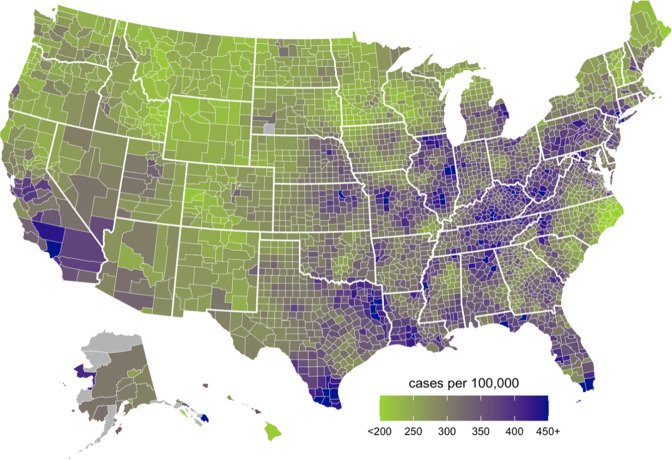
“Figures 2A and 2D depict the U.S. incidence of PD [49] and a map of particulate air pollution.”
BackgroundSex Differences in Parkinson’s Disease: A Narrative Review
Cattaneo, C., & Pagonabarraga, J. (2024) · Neurology and Therapy · doi:10.1007/s40120-024-00687-6 · Cited by 106
Role of glucagon-like peptide-1 receptor agonists in Alzheimer’s disease and Parkinson’s disease
Hong, C.-T., Chen, J.-H., & Hu, C.-J. (2024) · Journal of Biomedical Science · doi:10.1186/s12929-024-01090-x · Cited by 78
“Similar to AD, the prevalence of PD increases with age and is expected to increase with population aging [7].”
BackgroundAdams, J., Kangarloo, T., Gong, Y., Khachadourian, V., Tracey, B., Volfson, D., Latzman, R. D., Cosman, J. D., Edgerton, J. R., Anderson, D. E., et al. (2024) · npj Parkinson's Disease · doi:10.1038/s41531-024-00721-2 · Cited by 105
A review of machine learning and deep learning for Parkinson’s disease detection
Rabie, H., & Akhloufi, M. A. (2025) · Discover Artificial Intelligence · doi:10.1007/s44163-025-00241-9 · Cited by 109
“A recent research study [7] supported by the Parkinson’s Foundation [8] in 2022 indicates that approximately 90,000 individuals receive a diagnosis of PD annually in the United States.”
Epidemiology of Parkinson’s Disease: An Update
Deliz, J. R., Tanner, C. M., & González-Latapí, P. (2024) · Current Neurology and Neuroscience Reports · doi:10.1007/s11910-024-01339-w · Cited by 90
“Willis et al (2022) describe a clustering of counties with higher incidence in the Midwestern and Southern regions of the US, as well as southern California, southeastern Texas, central Pennsylvania, and Florida [26].”
Self-citationThe Brain–Gut Axis, an Important Player in Alzheimer and Parkinson Disease: A Narrative Review
Caradonna, E., Nemni, R., Bifone, A., Gandolfo, P., Costantino, L., Giordano, L., Mormone, E., Macula, A., Cuomo, M., Difruscolo, R., et al. (2024) · Journal of Clinical Medicine · doi:10.3390/jcm13144130 · Cited by 85
Artificial intelligence in Parkinson's disease: Early detection and diagnostic advancements
Reddy, A. P., Reddy, R. P., Roghani, A. K., Garcia, R. I., Khemka, S., Pattoor, V., Jacob, M., Reddy, P. H., & Sehar, U. (2024) · Ageing Research Reviews · doi:10.1016/j.arr.2024.102410 · Cited by 89
Neuroprotective effects of magnesium: implications for neuroinflammation and cognitive decline
Patel, V., Akimbekov, N. S., Grant, W. B., Dean, C., Fang, X., & Razzaque, M. S. (2024) · Frontiers in Endocrinology · doi:10.3389/fendo.2024.1406455 · Cited by 84
“Similarly, Parkinson ’ s disease, the second most common neurodegenerative disorder, affects 2-3% of the population aged ≥ 65 years (3, 4).”
BackgroundGut-to-Brain α-Synuclein Transmission in Parkinson’s Disease: Evidence for Prion-like Mechanisms
Chen, M., & Mor, D. E. (2023) · International Journal of Molecular Sciences · doi:10.3390/ijms24087205 · Cited by 76
“Even with an estimated 90,000 new PD cases each year among 65 and older individuals in the US [93], and assuming a 20-year prodromal period [61], 1.”
BackgroundPereira, G. M., dos Santos, D. T., Soares, N. M., Marconi, G. A., Friedrich, D. C., Awad, P. S., Santos‐Lobato, B. L., Brandão, P. R. D. P., Noyce, A. J., Marras, C., et al. (2024) · npj Parkinson s Disease · doi:10.1038/s41531-024-00779-y · Cited by 75
“Many publishedstudiesusingdatafromdevelopedcountriesemployspeci fi c and higher cutoff points, such as 50 years, which align with the disease prevalence, which is more common among older individuals 90,91 .”
Self-citationCare access and utilization among medicare beneficiaries living with Parkinson’s disease
Pearson, C. F., Hartzman, A., Munevar, D., Feeney, M. P., Dolhun, R., Todaro, V., Rosenfeld, S., Willis, A. W., & Beck, J. C. (2023) · npj Parkinson s Disease · doi:10.1038/s41531-023-00523-y · Cited by 65
Self-citationManganese-Induced Parkinsonism: Evidence from Epidemiological and Experimental Studies
Lucchini, R. G., & Tieu, K. (2023) · Biomolecules · doi:10.3390/biom13081190 · Cited by 60
“Incidence rates calculated from the same sources in 2012 were 47–77/100,00 among those aged ≥45, and 108–212/100,000 among those aged ≥65 [12].”
BackgroundUpdate: Descriptive epidemiology of Parkinson disease
Grotewold, N., & Albin, R. L. (2024) · Parkinsonism & Related Disorders · doi:10.1016/j.parkreldis.2024.106000 · Cited by 60
Zhao, Y., Lai, Y., Konijnenberg, H., Huerta, J. M., Vinagre‐Aragón, A., Sabin, J., Hansen, J., Petrova, D., Sacerdote, C., Zamora‐Ros, R., et al. (2024) · Neurology · doi:10.1212/wnl.0000000000209201 · Cited by 50
Dorsey, E. R., Miranda, B. R. D., Hussain, S., Bloem, B. R., Elbaz, A., Llibre‐Guerra, J. J., Lo, R. Y., Goldman, S. M., & Tanner, C. M. (2025) · The Lancet Neurology · doi:10.1016/s1474-4422(25)00287-x · Cited by 56
Self-citationGBA1-Associated Parkinson’s Disease Is a Distinct Entity
Skrahin, A., Horowitz, M., Istaiti, M., Skrahina, V., Lukáš, J., Yahalom, G., Cohen, M. E., Revel‐Vilk, S., Göker-Alpan, Ö., Becker‐Cohen, M., et al. (2024) · International Journal of Molecular Sciences · doi:10.3390/ijms25137102 · Cited by 48
“The economic burden of PD in the USA., including healthcare costs, social security payments, and lost income, is estimated at nearly $52 billion annually [73,74].”
BackgroundClearing the Smoke: What Protects Smokers from Parkinson's Disease?
Rose, K. N., Schwarzschild, M. A., & Gomperts, S. N. (2024) · Movement Disorders · doi:10.1002/mds.29707 · Cited by 53
“13,14”
Self-citationHayek, M. E., Lopes, J. L. M. L. J., LeLaurin, J. H., Gregory, M. E., Nehme, A. M. A., McCall-Junkin, P., Au, K. L. K., Okun, M. S., & Salloum, R. G. (2023) · JAMA Network Open · doi:10.1001/jamanetworkopen.2023.24860 · Cited by 42
Mahesh, T. R., Vinoth Kumar, V., Bhardwaj, R., Khan, S. B., Alkhaldi, N. A., Victor, N., & Verma, A. K. (2023) · Decision Analytics Journal · doi:10.1016/j.dajour.2023.100381 · Cited by 39
Insomnia in Parkinson’s Disease: Causes, Consequences, and Therapeutic Approaches
Duan, X., Liu, H., Hu, X., Yu, Q., Kuang, G., Liu, L., Zhang, S., Wang, X., Li, J., Yu, D., et al. (2024) · Molecular Neurobiology · doi:10.1007/s12035-024-04400-4 · Cited by 43
Newell, M. E., Babbrah, A., Aravindan, A., Rathnam, R., Kiernan, R., Driver, E. M., Bowes, D. A., & Halden, R. U. (2024) · The Science of The Total Environment · doi:10.1016/j.scitotenv.2024.172260 · Cited by 32
Jeong, S.-M., Kim, S., Lee, E. C., & Kim, H. (2024) · Sensors · doi:10.3390/s24144625 · Cited by 39
“In the United States, the annual cost attributed to PD is estimated at approximately USD 52 billion [2].”
BackgroundMethodRetinal Alterations Predict Early Prodromal Signs of Neurodegenerative Disease
Casciano, F., Zauli, E., Celeghini, C., Caruso, L., Gonelli, A., Zauli, G., & Pignatelli, A. (2024) · International Journal of Molecular Sciences · doi:10.3390/ijms25031689 · Cited by 38
Type II kinase inhibitors that target Parkinson’s disease–associated LRRK2
Raig, N. D., Surridge, K. J., Murillo, M. M. S., Dederer, V., Krämer, A., Schwalm, M. P., Lattal, N. M., Elson, L., Chatterjee, D., Mathea, S., et al. (2025) · Science Advances · doi:10.1126/sciadv.adt2050 · Cited by 33
Dysregulation of serotonergic neurotransmission in Parkinson disease: A key duet
Khowdiary, M. M., Al-Kuraishy, H. M., Al-Gareeb, A. I., Albuhadily, A. K., Elhenawy, A. A., Babalghith, A. O., Shokr, M. M., Alexiou, A. T., Papadakis, M., & Batiha, G. E. (2025) · European Journal of Pharmacology · doi:10.1016/j.ejphar.2025.177419 · Cited by 28
Torghabeh, F. A., Modaresnia, Y., & Hosseini, S. A. (2024) · Medicine in Novel Technology and Devices · doi:10.1016/j.medntd.2024.100297 · Cited by 28
Elasticnet-Based Vision Transformers for early detection of Parkinson’s disease
Özdemir, E. Y., & Özyurt, F. (2024) · Biomedical Signal Processing and Control · doi:10.1016/j.bspc.2024.107198 · Cited by 40
Vuu, Y. M., Shahib, A. K., & Rastegar, M. (2023) · Pharmaceuticals · doi:10.3390/ph16070914 · Cited by 36
González, D. A., Wang, D., Pollet, E., Velarde, A. G., Horn, S., Coss, P., Vaou, O., Wang, J., Li, C., Seshadri, S. S., et al. (2023) · Sleep Health · doi:10.1016/j.sleh.2023.11.012 · Cited by 29
An, J., Shin, M., Beak, G., Yoon, J., Kim, S., Cho, H., & Choi, J. (2024) · ACS Sensors · doi:10.1021/acssensors.4c00476 · Cited by 25
Advanced nanoparticle engineering for precision therapeutics of brain diseases
Ismail, M., Liu, J., Wang, N., Zhang, D., Qin, C., Shi, B., & Zheng, M. (2025) · Biomaterials · doi:10.1016/j.biomaterials.2025.123138 · Cited by 30
Diet quality and Parkinson’s disease: Potential strategies for non-motor symptom management
Kwon, D., Folle, A. D., Rosario, I. D., Zhang, K., Paul, K. C., Keener, A. M., Bronstein, J. M., & Ritz, B. R. (2023) · Parkinsonism & Related Disorders · doi:10.1016/j.parkreldis.2023.105816 · Cited by 31
Bishay, A. E., Hughes, N., Zargari, M., Paulo, D. L., Bishay, S., Lyons, A. T., Morkos, M. N., Ball, T., Englot, D. J., & Bick, S. K. B. (2024) · Stereotactic and Functional Neurosurgery · doi:10.1159/000538748 · Cited by 24
Virtual Group Music Therapy for Apathy in Parkinson’s Disease: A Pilot Study
Shah‐Zamora, D., Anderson, S., Barton, B. R., & Fleisher, J. E. (2023) · Journal of Geriatric Psychiatry and Neurology · doi:10.1177/08919887231176755 · Cited by 23
Kochmanski, J. J., Virani, M., Kuhn, N. C., Boyd, S., Becker, K., Adams, M., & Bernstein, A. I. (2024) · Toxicological Sciences · doi:10.1093/toxsci/kfae091 · Cited by 21
Ranaldi, E. D. L. R. M. C., Nuytemans, K., Martinez, A., Luca, C. C., Keane, R. W., & Vaccari, J. P. D. R. (2023) · Pharmaceuticals · doi:10.3390/ph16060883 · Cited by 23
“With an estimated incidence rate of nearly 90,000 cases of PD per year in individuals aged 65 years and older in North America [31], the importance of developing early detection mechanisms that can serve to diagnose patients before irreversible damage occurs is critical.”
BackgroundBoyd, S., Kuhn, N. C., Patterson, J. R., Stoll, A. C., Zimmerman, S. A., Kolanowski, M. R., Neubecker, J. J., Luk, K. C., Ramsson, E. S., Sortwell, C. E., et al. (2023) · Toxicological Sciences · doi:10.1093/toxsci/kfad086 · Cited by 19
“In addition, a recent study suggests that PD incidence in the United States is 50% higher than previously estimated, with 90000 diagnoses per year (Willis et al. , 2022).”
BackgroundSarallah, R., Jahani, S., Khaboushan, A. S., Moaveni, A. K., Amiri, M., & Zolbin, M. M. (2024) · Brain Behavior & Immunity - Health · doi:10.1016/j.bbih.2024.100932 · Cited by 24
Riaz, Z., Richardson, G. S., Jin, H., Zenitsky, G. D., Anantharam, V., Kanthasamy, A., & Kanthasamy, A. G. (2024) · Molecular Neurodegeneration · doi:10.1186/s13024-024-00774-0 · Cited by 29
Population fraction of Parkinson’s disease attributable to preventable risk factors
Payami, H., Cohen, G., Murchison, C., Sampson, T. R., Standaert, D. G., & Wallen, Z. D. (2023) · npj Parkinson s Disease · doi:10.1038/s41531-023-00603-z · Cited by 23
Riasi, A., Delrobaei, M., & Salari, M. (2024) · Scientific Reports · doi:10.1038/s41598-024-59179-0 · Cited by 27
Chen, Y., Kuo, C.-Y., Lu, C., Wang, Y., Chou, K., & Lin, W.-C. (2024) · Neurobiology of Aging · doi:10.1016/j.neurobiolaging.2024.05.003 · Cited by 21
Guarín, D. L., Wong, J. K., McFarland, N. R., Ramirez‐Zamora, A., & Vaillancourt, D. E. (2024) · Parkinsonism & Related Disorders · doi:10.1016/j.parkreldis.2024.107104 · Cited by 21
Aamodt, W. W., Sun, C., Dahodwala, N. A., Elser, H. C., Schneider, A. L. C., Farrar, J. T., Coe, N. B., & Willis, A. W. (2024) · Neurology · doi:10.1212/wnl.0000000000209925 · Cited by 19
Self-citationLi, H., Zecca, M., & Huang, J. (2025) · Journal of Medical Internet Research · doi:10.2196/69422 · Cited by 27
Paraquat, Parkinson's Disease, and Agnotology
Dorsey, E. R., & Ray, A. (2023) · Movement Disorders · doi:10.1002/mds.29371 · Cited by 17
“the United States, the incidence is likely increasing(17) and may be 50% more than previously estimated.(18) According to the Global Burden of Disease study, the three countries with the highest rates of Parkinson’s disease in the world are Canada, the United States, and Argentina.”
BackgroundBonacina, D., Tosatto, D., Ugolini, A., Rossi, F., Corno, I., Pellicciari, L., Perin, C., Colón-Semenza, C., & Piscitelli, D. (2024) · Clinical Biomechanics · doi:10.1016/j.clinbiomech.2024.106359 · Cited by 23
Disparities in the treatment of movement disorders using deep brain stimulation
Venkatraman, V., Futch, B. G., Padron, K. J. B., Yang, Z., Lee, H., Seas, A., Parente, B. A., Shofty, B., Lad, S. P., Williamson, T. L., et al. (2024) · Journal of neurosurgery · doi:10.3171/2023.11.jns23882 · Cited by 18
Caiado, M. J. D. C., Dolga, A. M., & den Dunnen, W. F. A. (2024) · Redox Biology · doi:10.1016/j.redox.2024.103478 · Cited by 21
Population-scale cross-disorder atlas of the human prefrontal cortex at single-cell resolution
Fullard, J. F., NM, P., Lee, D., Mathur, D., Therrien, K., Hong, A., Casey, C., Shao, Z., Alvia, M., Argyriou, S., et al. (2025) · Scientific Data · doi:10.1038/s41597-025-04687-5 · Cited by 23
The Role of Liquid Crystal Elastomers in Pioneering Biological Applications
Shiralipour, F., Akhtar, Y. N., Gilmor, A., Pegorin, G., Valerio-Aguilar, A., & Hegmann, E. (2024) · Crystals · doi:10.3390/cryst14100859 · Cited by 19
Pramoda, G., Verma, R. K., Kesharwani, P., & Shukla, R. (2025) · Journal of Molecular Liquids · doi:10.1016/j.molliq.2025.127938 · Cited by 15
Global Epidemiology of Movement Disorders: Rare or Underdiagnosed?
O’Shea, S. A., & Shih, L. C. (2023) · Seminars in Neurology · doi:10.1055/s-0043-1764140 · Cited by 20
How Parkinson’s Disease-Linked LRRK2 Mutations Affect Different CNS Cell Types
Bailey, H. M., & Cookson, M. (2024) · Journal of Parkinson s Disease · doi:10.3233/jpd-230432 · Cited by 22
Association between Perceived Dysphagia Symptoms and Swallowing Physiology in Parkinson's Disease
Rangwala, R., Bahia, M. M., Song, J., Bega, D., & Martin‐Harris, B. (2025) · Movement Disorders Clinical Practice · doi:10.1002/mdc3.70129 · Cited by 16
Productivity, Collaboration and Impact of Cuban Scientific Research on Parkinson's Disease in Scopus
Piñera-Castro, H. J., & Cubela, F. J. M. (2022) · Data & Metadata · doi:10.56294/dm20222 · Cited by 16
Perspectives of People At-Risk on Parkinson’s Prevention Research
Keavney, J. L., Mathur, S., Schroeder, K., Merrell, R., Castillo‐Torres, S. A., Gao, V., Crotty, G. F., Schwarzschild, M. A., & Poma, J. M. (2024) · Journal of Parkinson s Disease · doi:10.3233/jpd-230436 · Cited by 14
Self-citationKhot, K. B., Sandeep, D. S., Gopan, G., Shridhar Deshpande, N., Shastry, P., Bandiwadekar, A., & Jose, J. (2024) · Journal of Liposome Research · doi:10.1080/08982104.2024.2336549 · Cited by 19
Kasanga, E. A., Soto, I., Centner, A., McManus, R., Shifflet, M. K., Navarrete, W., Han, Y., Lisk, J. P., Ehrhardt, T., Wheeler, K., et al. (2024) · Experimental Neurology · doi:10.1016/j.expneurol.2024.114875 · Cited by 14
“Given that males are at higher risk for PD (Gillies et al., 2014; Crispino et al., 2021; Vaidya et al., 2021; Willis et al., 2022), it is tempting to speculate that females may have a greater recovery response to AE differences.”
Gharabaghi, A., Groppa, S., Navas-García, M., Schnitzler, A., Muñoz‐Delgado, L., Marshall, V. L., Karl, J. A., Zhang, L., Álvarez, R., Feldman, M. S., et al. (2025) · Communications Medicine · doi:10.1038/s43856-025-00744-7 · Cited by 18
“The need for frequent travel to optimize DBS poses challenges, particularly for older adults who face mobility challenges, such as walking dif-fi culties and an increased risk of falls, as seen in patients with Parkinson ’ s disease(PD), and theburdenoncaregiverswhoaccompany patients 5 – 7 .”
Zhao, J., Wu, Z., Cai, F., Yu, X., & Song, Z. (2025) · Frontiers in Aging Neuroscience · doi:10.3389/fnagi.2025.1529197 · Cited by 14
Neilson, L. E., Montaño, I., May, J., Sicard, S. J., Cho, Y., Iliff, J. J., Elliott, J. E., Lim, M. M., & Scott, G. D. (2025) · JAMA Neurology · doi:10.1001/jamaneurol.2025.4691 · Cited by 14
Meta‐analysis of Association between Newer Glucose‐Lowering Drugs and Risk of Parkinson's Disease
Tang, H., Lu, Y., Okun, M. S., Donahoo, W. T., Ramirez‐Zamora, A., Wang, F., Huang, Y., Chen, W., Virnig, B. A., Bian, J., et al. (2023) · Movement Disorders Clinical Practice · doi:10.1002/mdc3.13893 · Cited by 16
The role of nurses for patients with Parkinson’s disease at home: a scoping review
Fujita, T., Iwaki, M., & Hatono, Y. (2024) · BMC Nursing · doi:10.1186/s12912-024-01931-y · Cited by 18
“PD is more common in older people, and the risk increases over time [2–4].”
BackgroundNascimento, L. R., Boening, A., Rocha, R. J., do Carmo, W. A., & Ada, L. (2024) · Journal of physiotherapy · doi:10.1016/j.jphys.2024.06.004 · Cited by 20
Discovery and Optimization of N-Heteroaryl Indazole LRRK2 Inhibitors
Logan, K. M., Kaplan, W., Simov, V., Zhou, H., Li, D., Torres, L., Morriello, G. J., Acton, J. J., Pio, B. A., Chen, Y., et al. (2024) · Journal of Medicinal Chemistry · doi:10.1021/acs.jmedchem.4c01627 · Cited by 14
Moya‐Galé, G., Ahson, S., Gyawali, S., Lee, C. W., O'Riordan, C., & Rossi, L. (2024) · American Journal of Speech-Language Pathology · doi:10.1044/2024_ajslp-24-00246 · Cited by 17
Serag, I., Azzam, A. Y., Hassan, A. K., Diab, R. A., Diab, M., Hefnawy, M. T., Ali, M. A., & Negida, A. (2025) · BMC Medical Imaging · doi:10.1186/s12880-025-01620-5 · Cited by 13
“PD prevalence increases with age and affecting approximately 10 million patients worldwide and one million patients in America with new incidence estimated by 50,000 new cases annually [5, 6].”
FoG-Finder: Real-time Freezing of Gait Detection and Treatment
Koltermann, K., Jung, W., Blackwell, G. G., Pinney, A., Chen, M., Cloud, L. J., Pretzer‐Aboff, I., & Zhou, G. (2023) · IEEE/ACM Conference on Connected Health: Applications, Systems and Engineering Technologies · doi:10.1145/3580252.3586980 · Cited by 20
“Over 10 million people in the world have Parkinson’s Disease (PD) with an estimated 90,000 new diagnoses per year (up from 60,000) in the United States alone [51].”
BackgroundPractical Overview of 123 I-Ioflupane Imaging in Parkinsonian Syndromes
Mercer, M. K., Revels, J. W., Blacklock, L. C., Banks, K. P., Johnson, L. S., Lewis, D. H., Kuo, P. H., Wilson, S., & Elojeimy, S. N. (2024) · Radiographics · doi:10.1148/rg.230133 · Cited by 14
“In North America, estimated prevalence in those over 45 years of age is 572 per 100 000 (12), with an incidence of 47–77 per 100 000 in those aged 45 years and older and 108–212 per 100 000 in those aged 65 years and older (13).”
White, D. R., & Palmieri, P. A. (2024) · International Journal of Qualitative Studies on Health and Well-Being · doi:10.1080/17482631.2024.2341989 · Cited by 20
“People living with Parkinson’s disease are twice as likely to be men than women (Baldereschi et al., 2000; Willis et al., 2022), possibly linked to prior occupational chemical exposure (Cao et al., 2019), but women have a higher mortality rate and more rapid disease progression (Cerri et al., 2019).”
BackgroundParkinson’s disease models and death signaling: what do we know until now?
Pedrão, L. F. A. T., Medeiros, P., Leandro, E. C., & Falquetto, B. (2024) · Frontiers in Neuroanatomy · doi:10.3389/fnana.2024.1419108 · Cited by 16
Wearable Surface Electromyography System to Predict Freeze of Gait in Parkinson’s Disease Patients
Moore, A. V., Li, J., Contag, C. H., Currano, L. J., Pyles, C. O., Hinkle, D. A., & Patil, V. S. (2024) · Sensors · doi:10.3390/s24237853 · Cited by 17
Shahed, J. J., Malaty, I. A., Soileau, M. J., Yan, C. H., Kandukuri, L., Schinkel, J. K., Teigland, C. L., Shah, M. B., Kukreja, P., Hambrick, A., et al. (2025) · Parkinsonism & Related Disorders · doi:10.1016/j.parkreldis.2025.107322 · Cited by 11
Hanson, B. A., Dang, X., Jamshidi, P., Steffens, A., Copenhaver, K. M., Orban, Z. S., Bustos, B. I., Lubbe, S. J., Castellani, R. J., & Koralnik, I. J. (2025) · JCI Insight · doi:10.1172/jci.insight.189988 · Cited by 15
Differential impact of resilience on demoralization and depression in Parkinson disease
de Figueiredo, J. M., Zhu, B., Patel, A., Kohn, R., Koo, B. B., & Louis, E. D. (2023) · Frontiers in Psychiatry · doi:10.3389/fpsyt.2023.1207019 · Cited by 11
“With a prevalence of 1–2% and an incidence of 108 to 212 per 100,000 person-years, Parkinson disease (PD) is one of the most common neurodegenerative diseases in the United States and worldwide (1, 2).”
BackgroundDaadi, E. W., Daadi, E. S., Oh, T. T., Li, M., Kim, J., & Daadi, M. M. (2024) · Experimental Neurology · doi:10.1016/j.expneurol.2024.114694 · Cited by 15
Emerging Role of Environmental Epitranscriptomics and RNA Modifications in Parkinson’s Disease
Gionco, J. T., & Bernstein, A. I. (2024) · Journal of Parkinson s Disease · doi:10.3233/jpd-230457 · Cited by 12
Latham, A. S., Rocha, S. M., McDermott, C. P., Reigan, P., Slayden, R. A., & Tjalkens, R. B. (2024) · NeuroToxicology · doi:10.1016/j.neuro.2024.06.017 · Cited by 12
Sun, X., Badachhape, A., Bhandari, P., Chin, J., Annapragada, A., & Tanifum, E. A. (2024) · Frontiers in Neuroscience · doi:10.3389/fnins.2024.1428736 · Cited by 12
“Despite this pressing need, the pathophysiological mechanisms underlying disease initiation and progression that can lead to the development of disease-modifying therapies remain elusive (Dorsey et al., 2018; Ou et al., 2021; Willis et al., 2022).”
BackgroundConsiderations on How to Prevent Parkinson’s Disease Through Exercise
Oosterhof, T. H., Darweesh, S. K. L., Bloem, B. R., & de Vries, N. M. (2024) · Journal of Parkinson s Disease · doi:10.3233/jpd-240091 · Cited by 15
Nerrise, F., Zhao, Q., Poston, K. L., Pohl, K. M., & Adeli, E. (2023) · Lecture notes in computer science · doi:10.1007/978-3-031-43895-0_68 · Cited by 14
A PLAN to address the Parkinson pandemic
Dorsey, E. R., Okun, M. S., & Bloem, B. R. (2025) · Journal of Parkinson s Disease · doi:10.1177/1877718x251378115 · Cited by 14
“24 There is also a grave shortage of high quality data on PD incidence, which leads to debates on trends in the disease.”
Priyadharshini, S. P., Ramkumar, K., Narasimhan, K., Prasath, V. B. S., & Venkatesh, S. (2025) · Scientific Reports · doi:10.1038/s41598-025-22448-7 · Cited by 16
Sharma, R., Kour, A., & Dewangan, H. K. (2024) · Current Drug Targets · doi:10.2174/0113894501319817240919103802 · Cited by 10
Declining trends in the incidence of Parkinson's disease: A cohort study in Germany
Fink, A., Pavlou, M. A. S., Roomp, K., Doblhammer, G., & Schneider, J. G. (2024) · Journal of Parkinson s Disease · doi:10.1177/1877718x241306132 · Cited by 13
“17,27 Additionally, socio-economic factors may interact with genetic factors, considering for example that differences in LRRK2 mutations may contribute to variations across ethnic groups, even in sporadic PD. 28,29 This fact is further complicated by the occurrence of age-related conditions in…”
Zhu, H., He, H., Yang, M., Zhu, H., Hagiwara, A., Shu, L., Xu, J., Miao, Y., Han, X., & Wang, C. (2025) · iScience · doi:10.1016/j.isci.2025.114044 · Cited by 10
“2,3 These diseases are characterized by a progressive loss of neuronal structure and function, resulting in cognitive impairment, impaired motor function, and a dramatic decline in quality of life, 4 placing a heavy economic and social burden on families and healthcare systems.”
Ghosh, R., Dutta, S., Ganguly, A., Samanta, S., & Rajak, P. (2025) · Pesticide Biochemistry and Physiology · doi:10.1016/j.pestbp.2025.106838 · Cited by 9
Bridging global diversity gaps in Parkinson disease research
dos Santos, D. T., Tan, A. H., Okubadejo, N. U., Kalia, L. V., & Schuh, A. F. S. (2026) · Nature Reviews Neurology · doi:10.1038/s41582-026-01183-1 · Cited by 11
Aleknonytė‐Resch, M., Trinh, J., Leonard, H. L., Delcambre, S., Leitão, E., Lai, D., Smajić, S., Orr‐Urtreger, A., Thaler, A., Blauwendraat, C., et al. (2023) · npj Parkinson s Disease · doi:10.1038/s41531-023-00550-9 · Cited by 8
“There is a higher proportion of male PD cases across all centers in our study, which is expected as PD is more common in men with a sex ratio of around 2:1 (male:female) 30 .”
Akhtar, M., Farooqi, H. A., Nabi, R., Abbasi, S. U. A. M., Picker, S. M., & Ahmed, R. (2025) · Clinical Cardiology · doi:10.1002/clc.70079 · Cited by 7
Adrissi, J., Marre, A., Shramuk, M. E., Zivin, E., Williams, K., & Larson, D. (2025) · BMC Research Notes · doi:10.1186/s13104-025-07293-1 · Cited by 7
“The yearly incidence of PD is rising, with nearly 90,000 people aged 65 or older diagnosed in the country each year [1].”
Siu, A. C. W., Paudel, K. R., Singh, G., Gupta, G. K., Singh, S. K., Chellappan, D. K., Rubis, G. D., Pathak, S., Oliver, B. G. G., Dua, K., et al. (2025) · Molecular and Cellular Biochemistry · doi:10.1007/s11010-025-05428-3 · Cited by 13
Amadiaz, Y., Alfonso-Lizarazo, E. H., & Moh, A. N. S. (2025) · Array · doi:10.1016/j.array.2025.100575 · Cited by 11
Wattenbach, C., Ellrichmann, G., Feinkohl, I., Voß, S., & Brinks, R. (2024) · BMC Neurology · doi:10.1186/s12883-024-03739-4 · Cited by 10
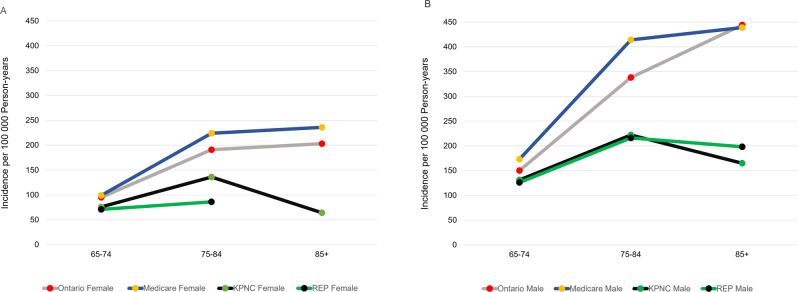
“Willis et al. [26] examined the incidence of PD in different populations in North America and reported that at 6,866,623 py in the population of people who were insured by Medicare, the incidence of PD was approximately 440 in men and approximately 240 per 100,000 py in women.”
BackgroundPorcu, M., Cocco, L., Marrosu, F., Cau, R., Puig, J., Suri, J. S., & Saba, L. (2024) · Neuroradiology · doi:10.1007/s00234-024-03436-6 · Cited by 7
Characteristics, Complications, and Outcomes of Critical Illness in Patients with Parkinson Disease
Lieberman, O. J., Douglas, V. C., & LaHue, S. C. (2024) · Neurocritical Care · doi:10.1007/s12028-024-02062-7 · Cited by 7
“Parkinson disease (PD) affects nearly one million Americans [1].”
Metta, V., Dhamija, R. K., Batzu, L., Kandadai, R. M., Kumar, N. S. S., Arunan, S., Falup‐Pecurariu, C., Rodríguez‐Blázquez, C., Goyal, V., Kukkle, P. L., et al. (2023) · Scientific Reports · doi:10.1038/s41598-023-46003-4 · Cited by 8
Metadata
- Authors
- Willis, A. W., Roberts, E., Beck, J. C., Fiske, B., Ross, W., Savica, R., Van Den Eeden, S. K., Tanner, C. M., Marras, C., on behalf of the Parkinson’s Foundation P4 Group, Alcalay, R., Schwarzschild, M., Racette, B., Chen, H., Church, T., Wilson, B., & Doria, J. M.
- Affiliations
- University of Pennsylvania (US)
- Verge Genomics (United States) (US)
- Parkinson's Foundation (US)
- Michael J. Fox Foundation (US)
- Pacific Health Research and Education Institute (US)
- Mayo Clinic (US)
- University of California, San Francisco (US)
- University of Toronto (CA)
- Corresponding author
- Willis, A. W.
- ORCID
- Venue
- npj Parkinson's Disease
- Published
- 2022-12-15
- Volume
- 8
- Issue
- 1
- Pages
- 170-170
- ISSN
- 2373-8057 (ISSN-L)
- PMC
- PMC9755252
- OpenAlex
- W4311763498
- Semantic Scholar
- 6b5e607075af1a16d6cbb9a7f142da4e0600ab00
- Cited by
- 341
- References
- 79
- Citations by year
- 2026: 81 · 2025: 114 · 2024: 108 · 2023: 37 · 2022: 1
- FWCI
- 34.13
- Type
- journal article
- Language
- en
- Open access
- gold
- doi.org
- Licence
- cc-by
- creativecommons.org/licenses/by/4.0 (tdm)
- creativecommons.org/licenses/by/4.0 (vor)
- Locations
- npj Parkinson s Disease (publishedVersion, cc-by)
- PubMed Central (publishedVersion, cc-by)
- PubMed (publishedVersion)
- DOAJ (DOAJ: Directory of Open Access Journals) (submittedVersion, cc-by-sa)
- eScholarship (California Digital Library) (submittedVersion, cc-by)
- Funders
- Parkinson’s Foundation
- Michael J. Fox Foundation for Parkinson’s Research
- Topics
- Health Sciences › Medicine › Clinical Neurology › Parkinson's Disease Mechanisms and Treatments
- Health Sciences › Medicine › Psychiatry and Mental health › Dementia and Cognitive Impairment Research
- Health Sciences › Medicine › Clinical Neurology › Deep Brain Stimulation and Movement Disorders
- Keywords
- Parkinson's disease, incidence, older adults, spatial clustering, case ascertainment, diagnostic methods, epidemiological cohort, North America, environmental toxins, genetic risk factors
About these checks
Registry, retraction, Cites and statistics results are computed, not judged, with one exception: a printed reference that no index lists is read once by a model before it counts as a citation error. Claims are extracted by a model and kept only when their quote appears verbatim in the text; each cited source is then checked, with a model’s help, for whether it says what the claim relies on. Those verdicts can be wrong — read the claim’s quote and the cited source before relying on one.
Statistics and arithmetic are recomputed, not judged.
Confidence bands are shown only for fields calibrated on our annotated test set. None is calibrated yet, so no band is shown.
What counts as a claim ›How we measure confidence ›How we check this ›
Are you an author, or do you see a problem with this page? Request a review
Data sources
Bibliographic data: Semantic Scholar, OpenAlex, Crossref.
Contains information from the Semantic Scholar Academic Graph Datasets, made available under the ODC Attribution License (ODC-BY 1.0).
Semantic Scholar’s data is described in: Kinney, R., et al. (2023). The Semantic Scholar Open Data Platform. arXiv:2301.10140.
