

Incidence of Parkinson disease in North America
Open accessThe DOI matches its Crossref record; 79 of the 79 references it cites were found in a registry or an index.
Abstract
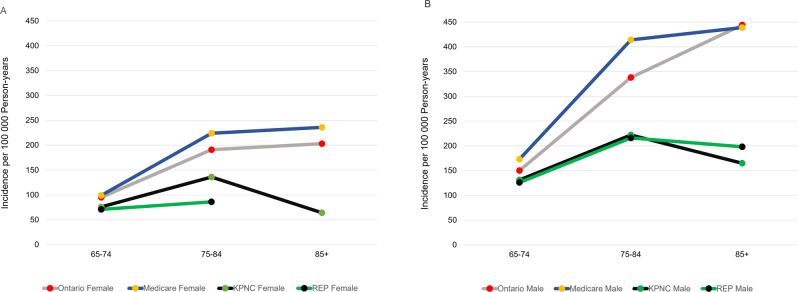
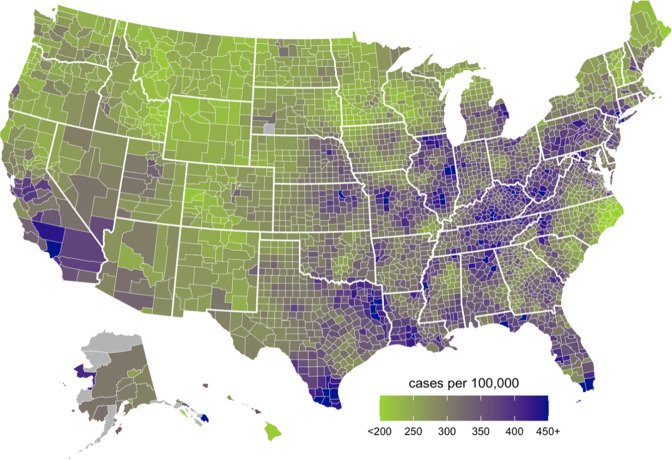
Parkinson disease (PD) is the second most common age-related neurodegenerative condition diagnosed in North America. We recently demonstrated, using multiple epidemiological data sources, that the prevalence of PD diagnoses was greater than previously reported and currently used for clinical, research, and policy decision-making. Prior PD incidence estimates have varied, for unclear reasons. There is a need for improved estimates of PD incidence, not only for care delivery planning and future policy but also for increasing our understanding of disease risk. The objective of this study was thus to investigate the incidence of Parkinson disease across five epidemiological cohorts in North America in a common year, 2012. The cohorts contained data on 6.7 million person-years of adults ages 45 and older, and 9.3 million person-years of adults ages 65 and older. Our estimates of age-sex-adjusted incidence of PD ranged from 108 to 212 per 100,000 among persons ages 65 and older, and from 47 to 77 per 100,00 among persons ages 45 and older. PD incidence increased with age and was higher among males. We also found persistent spatial clustering of incident PD diagnoses in the U.S. PD incidence estimates varied across our data sources, in part due to case ascertainment and diagnosis methods, but also possibly due to the influence of population factors (prevalence of genetic risk factors or protective markers) and geographic location (exposure to environmental toxins). Understanding the source of these variations will be important for health care policy, research, and care planning.
Overview
The claims and statistics of this paper haven’t been checked yet.
Free: it reads the open-access text and checks the first 5 claims that cite a source we can check. Create a free account to check every claim.
Integrity signals
Registry
Cites
Statistics
Figures
Verification
Claims the paper makes
The claims and statistics of this paper haven’t been checked yet.
Free: it reads the open-access text and checks the first 5 claims that cite a source we can check. Create a free account to check every claim.
Self-check
Percentages, sums and reported differences re-computed from the paper’s own numbers.
The self-check needs the paper’s full text.
Citations
Cites
Murray, C. J. L., Vos, T., Lozano, R., Naghavi, M., Flaxman, A. D., Michaud, C., Ezzati, M., Shibuya, K., Salomon, J. A., Abdalla, S., et al. (2012) · The Lancet · doi:10.1016/s0140-6736(12)61689-4 · Cited by 8,888
Self-citationEpidemiology of Parkinson's disease
de Lau, L. M., & Breteler, M. M. (2006) · The Lancet Neurology · doi:10.1016/s1474-4422(06)70471-9 · Cited by 4,110
The Neuroendocrinology of Stress: A Never Ending Story
Lightman, S. L. (2008) · Journal of Neuroendocrinology · doi:10.1111/j.1365-2826.2008.01711.x · Cited by 3,566
The Emerging Evidence of the Parkinson Pandemic
Dorsey, E. R., Sherer, T., Okun, M. S., & Bloem, B. R. (2018) · Journal of Parkinson’s Disease · doi:10.3233/jpd-181474 · Cited by 1,977 · cited 1×
“Parkinson disease is the second most common age-related neurodegenerative disease in the world and is responsible for signi fi cant disability and increased risks of dementia and mortality 11 – 14 .”
Prevalence of Dementia in the United States: The Aging, Demographics, and Memory Study
Plassman, B. L., Langa, K. M., Fisher, G. G., Heeringa, S. G., Weir, D. R., Ofstedal, M. B., Burke, J. R., Hurd, M. D., Potter, G. G., Rodgers, W. L., et al. (2007) · Neuroepidemiology · doi:10.1159/000109998 · Cited by 1,932 · cited 1×
“Symptomatic cognitive dysfunction or dementia, due to Alzheimer disease, vascular dementia, toxic or metabolic cognitive dysfunction, increases with age 52 and becomes very prevalent in the 8 th decade and beyond 12,53,54 .”
Incidence of Parkinson's Disease: Variation by Age, Gender, and Race/Ethnicity
Van Den Eeden, S. K. (2003) · American Journal of Epidemiology · doi:10.1093/aje/kwg068 · Cited by 1,747 · cited 3×
“Nevertheless, this contrasts sharply with the estimate of 40,000-60,000 new cases per annum that has been cited previously for PD incidence 6,10 .”
Healy, D. G., Falchi, M., O'Sullivan, S. S., Bonifati, V., Durr, A., Bressman, S., Brice, A., Aasly, J., Zabetian, C. P., Goldwurm, S., et al. (2008) · The Lancet Neurology · doi:10.1016/s1474-4422(08)70117-0 · Cited by 1,425
Self-citationMDS research criteria for prodromal Parkinson's disease
Berg, D., Postuma, R. B., Adler, C. H., Bloem, B. R., Chan, P., Dubois, B., Gasser, T., Goetz, C. G., Halliday, G., Joseph, L., et al. (2015) · Movement Disorders · doi:10.1002/mds.26431 · Cited by 1,309 · cited 1×
“This is especially true given the evidence that early diagnosis of parkinsonism secondary to PD associates with improved patient outcomes and clinician decision making 47 – 51 .”
Prevalence of Parkinson’s disease across North America
Marras, C., Beck, J. C., Bower, J. H., Roberts, E., Ritz, B., Ross, G. W., Abbott, R. D., Savica, R., Van Den Eeden, S. K., Willis, A. W., et al. (2018) · npj Parkinson's Disease · doi:10.1038/s41531-018-0058-0 · Cited by 968 · cited 1×
“Recently, we performed meta estimates of the 2010 prevalence of PD in North America, using multinational data from current and past epidemiology projects 4 .”
Self-citationAgeing and Parkinson's disease: Why is advancing age the biggest risk factor?
Reeve, A., Simcox, E., & Turnbull, D. (2014) · Ageing Research Reviews · doi:10.1016/j.arr.2014.01.004 · Cited by 947 · cited 1×
“Indeed, the single greatest risk factor for PD is advanced age 2,3 .”
Research works printed but not linked: 2
- Tinelli, M., Kanavos, P. & Grimaccia, F. the Value of Early Diagnosis and Treatment in Parkinson’s Disease: A Literature Review of the Potential Clinical and Socioeconomic Impact of Targeting Unmet Needs in Parkinson’s Disease (The London School of Economics and Political Science, 2016).
- Rukovets O Global burden of motor neuron disease is growing, signaling need for more specialists Neurol. Today 2019 19 16 18
Cited by
Items 101–200 of 341
Human Endogenous Retrovirus Expression is Dynamically Regulated in Parkinson’s DiseasePreprint
Gordevičius, J., Goralski, T. M., Bergsma, A. L., Parham, A., Kuhn, E., Meyerdirk, L. K., McDonald, M., Milčiūtė, M., van Putten, E. I., Marshall, L. L., et al. (2023) · bioRxiv (Cold Spring Harbor Laboratory) · doi:10.1101/2023.11.03.565438 · Cited by 10
“Parkinson’s disease (PD) is the most common neurodegenerative movement disorder, with an incidence rate of 108 to 212 per 100,000 among persons ages 65 and older 1 .”
BackgroundThe potential of distributed diagnostics for the early detection of Parkinson's disease
Khanna, A., Beck, J. C., Poston, K. L., Schwarzschild, M. A., & Jones, G. B. (2025) · Journal of Parkinson s Disease · doi:10.1177/1877718x251336118 · Cited by 7
Self-citationThe role of interleukin (IL)-2 cytokine family in Parkinson's disease
Goleij, P., Amini, A., Tabari, M. A. K., Hadipour, M., Sanaye, P. M., Alsharif, K. F., Daglia, M., Larsen, D. S., & Khan, H. Z. (2025) · Cytokine · doi:10.1016/j.cyto.2025.156954 · Cited by 11
Schindler, K. A., Torices, S., Schurhoff, N. A., Gallo, D. I., & Toborek, M. J. (2025) · Advanced Drug Delivery Reviews · doi:10.1016/j.addr.2025.115645 · Cited by 10
Utilization of Skin Punch Biopsy for the Diagnosis of α‐Synucleinopathy in Clinical Practice
Gummerson, C. E., Tinaz, S., Santini, V. E., & Zubair, A. S. (2025) · Movement Disorders Clinical Practice · doi:10.1002/mdc3.70272 · Cited by 6
“14,15 Notably, Hispanic patients were found to have the highest incidence rate of IPD among racial and ethnic patient groups in a Northern California cohort, highlighting the need for further research in this vein considering socioeconomic and environmental risk factors.”
Developing personalized treatment strategies for Parkinson’s disease based on disease subtypes
Hey, G. E., Eisinger, R. S., Guarín, D. L., Safarpour, D., Rodríguez‐Violante, M., & Ramirez‐Zamora, A. (2025) · Expert Review of Neurotherapeutics · doi:10.1080/14737175.2025.2552784 · Cited by 8
“With an incidence of 108 to 212 per 100,000 individuals in the United States alone, PD significantly impacts the lives of millions worldwide [2].”
Bianchi, O., Willey, M., Alvarado, C. X., Danek, B. P., Khani, M., Kuznetsov, N., Dadu, A., Shah, S. M. T., Koretsky, M. J., Makarious, M. B., et al. (2026) · The Lancet Digital Health · doi:10.1016/j.landig.2025.100943 · Cited by 17
Parkinson’s Disease: From Gene–Environment Risk to Precision Therapy
Arias-Carrión, Ó. (2026) · Medical Sciences · doi:10.3390/medsci14010072 · Cited by 11
“Population-based studies from North America report incidence rates ranging from 47 to 77 cases per 100,000 individuals aged 45 years and older, and from 108 to 212 cases per 100,000 individuals aged 65 years and older, underscoring the dominant influence of ageing on disease risk [2,29].”
Cao, Z., Song, S., Huang, X., Li, C., Luo, Z., D’Aloisio, A. A., Suárez, L., Hernandez, D. G., Singleton, A., Sandler, D. P., et al. (2023) · Journal of Parkinson s Disease · doi:10.3233/jpd-230053 · Cited by 6
Self-citationRamirez, S. P., Hernandez, I., Dorado, Z. N., Loyola, C. D., Roberson, D. A., & Joddar, B. (2024) · ACS Omega · doi:10.1021/acsomega.4c03952 · Cited by 9
Prevalence of pain phenotypes and co-morbidities of chronic pain in Parkinson’s Disease
Thomas, H. A., Goudman, L., DiMarzio, M. D., Barron, G., & Pilitsis, J. G. (2024) · Clinical Neurology and Neurosurgery · doi:10.1016/j.clineuro.2024.108563 · Cited by 5
Increased Survival in Contemporary Parkinson’s Disease: A 47-Year Autopsy Study
Noyes, E., Rajput, A. H., Kim, M.-Y., & Rajput, A. (2024) · Neuroepidemiology · doi:10.1159/000541420 · Cited by 6
“Most patients in our study were males (64%), which is similar to that described by other studies [8, 26, 37, 38].”
Yeh, J.-A., Lin, S., Liu, Y., Hsu, J.-Z., Huang, A. H., Munir, K. M., Peng, C. C., Loh, C., & Huang, H. (2025) · Diabetes Research and Clinical Practice · doi:10.1016/j.diabres.2025.112914 · Cited by 6
The dual role of striatal interneurons: circuit modulation and trophic support for the basal ganglia
Wegman, E., Wosiski‐Kuhn, M., & Luo, Y. (2023) · Neural Regeneration Research · doi:10.4103/1673-5374.382987 · Cited by 8
“PD is the most common chronic neurodegenerative movement disease worldwide, with recent estimates on incidence in North America as high as 212 cases per 100,000 among persons aged 65 and older (Ou et al., 2021; Willis et al., 2022).”
BackgroundRajagopalan, K., Rashid, N., & Doshi, D. (2023) · Journal of Comparative Effectiveness Research · doi:10.57264/cer-2023-0114 · Cited by 6
Kaur, M., & Gupta, M. (2025) · South African Journal of Botany · doi:10.1016/j.sajb.2025.04.022 · Cited by 5
Alshahrani, S. M., Al-Kuraishy, H. M., Al-Gareeb, A. I., Albuhadily, A. K., Fawzy, M. N., Kadasah, S. F., Alruwaili, M., Papadakis, M., Alexiou, A. T., & Batiha, G. E. (2025) · Neuropharmacology · doi:10.1016/j.neuropharm.2025.110555 · Cited by 6
Exposure to ambient air pollution and onset of Parkinson’s disease in a large cohort study
Jahanshahi, B., McVicar, D., & Rowland, N. E. (2025) · npj Parkinson s Disease · doi:10.1038/s41531-025-01156-z · Cited by 9
Simões, M., Peters, S., Huss, A., Darweesh, S. K. L., Bloem, B. R., & Vermeulen, R. C. H. (2026) · The Lancet Regional Health - Europe · doi:10.1016/j.lanepe.2025.101565 · Cited by 6
“When comparing internationally, incidence rates in the Netherlands were lower than those reported in other high-income countries: the UK (57 per 100,000 PYAR), 14 North-America (47–77 per 100,000 PYAR in those >45 years), 15 and Taiwan (36.6 per 100,000 PYAR in those >40 years).”
InfluentialTamoxifen in breast cancer and risk of Parkinson's disease: A meta-analysis
Tan, B. B. J.-W., Mai, A. S., Lee, S. J.-Y., & Tan, E. (2023) · The American Journal of the Medical Sciences · doi:10.1016/j.amjms.2023.11.003 · Cited by 6
Abioye, A. O., Akintade, D. D., Mitchell, J., Olorode, S., & Adejare, A. (2024) · Pharmaceutics · doi:10.3390/pharmaceutics16050609 · Cited by 7
“In the U.S., the Parkinson’s Foundation reported a steep 50% annual increase in PD prevalence from 60,000 diagnoses in 2021 to 90,000 diagnoses in 2022 [6].”
BackgroundEffect of hydrogen sulfide on alpha-synuclein aggregation and cell viability
Ostrakhovitch, E. A., Song, E.-S., Stegemann, J., McLeod, M., & Yamasaki, T. R. (2025) · Scientific Reports · doi:10.1038/s41598-025-99794-z · Cited by 8
Sierra-Fernández, C., Garnica-Geronimo, L. R., Huipe-Dimas, A., Ortega-Hernandez, J. A., Ruiz-Mafud, M. A., Cervantes‐Arriaga, A., Hernandez-Medrano, A. J., & Rodríguez‐Violante, M. (2024) · Frontiers in Cardiovascular Medicine · doi:10.3389/fcvm.2024.1265089 · Cited by 6
Das, A. K., & Biswas, S. C. (2024) · Biochimica et Biophysica Acta (BBA) - Molecular Cell Research · doi:10.1016/j.bbamcr.2024.119848 · Cited by 9
Kim, Y., Smith, B. M., Shigo, L. M., Shaikh, A. G., Loparo, K. A., & Ridgel, A. L. (2024) · Sensors · doi:10.3390/s24227364 · Cited by 8
“Parkinson’s disease (PD) is the second most common age-related neurological disorder [1] and is expected to double in prevalence over the next generation [2].”
PANDA: Parkinson's Assistance and Notification Driving Aid
Wen, T., Zhang, X., Wan, Z., Zhao, J., Zhu, Y., Su, N., Peng, X., Huang, J., Sun, W. G., Tian, F., et al. (2025) · CHI Conference on Human Factors in Computing Systems · doi:10.1145/3706598.3713920 · Cited by 5
“Some people may experience bradykinesia (slowness of movement), while others may exhibit resting tremors, which often appear on one side of the body in the early stages [4, 85].”
Yarreiphang, H., Vidyadhara, D. J., Nambisan, A. K., Raju, T. R., Sagar, B. C., & Alladi, P. A. (2023) · Molecular Neurobiology · doi:10.1007/s12035-023-03372-1 · Cited by 6
Sexually dimorphic mechanisms of VGLUT-mediated protection from dopaminergic neurodegenerationPreprint
Buck, S. A., Rubin, S. A., Kunkhyen, T., Treiber, C. D., Xue, X., Fenno, L. E., Mabry, S. J., Sundar, V. R., Yang, Z., Shah, D., et al. (2023) · bioRxiv (Cold Spring Harbor Laboratory) · doi:10.1101/2023.10.02.560584 · Cited by 10
A pilot dose-finding study of Terazosin in humansPreprint
Schultz, J. L., Gander, P. E., Workman, C. D., Ponto, L. L. B., Cross, S., Nance, C. S., Groth, C. L., Taylor, E. B., Ernst, S. E., Xu, J., et al. (2024) · medRxiv · doi:10.1101/2024.05.22.24307622 · Cited by 5
Perskaudas, R., Myers, C. E., Interian, A., Gluck, M. A., Herzallah, M. M., Baum, A., & Dobkin, R. D. (2023) · Journal of Geriatric Psychiatry and Neurology · doi:10.1177/08919887231218753 · Cited by 7
“1,2 While PD is de fi ned by the motor triad of tremor, rigidity, and bradykinesia, neuropsychiatric symptoms are also common and functionally relevant in individuals with PD.”
BackgroundQuantifying Device Type and Handedness Biases in a Remote Parkinson's Disease AI‐Powered Assessment
Tumpa, Z. N., Zawad, M. R. S., Sollis, L., Parab, S., Chen, I. Y., & Washington, P. (2025) · npj Digital Medicine · doi:10.1038/s41746-025-01934-2 · Cited by 4
Hamdalla, R. H., Bhaskar, V. B., & Tian, C. (2026) · Frontiers in Cell and Developmental Biology · doi:10.3389/fcell.2025.1710150 · Cited by 8
Ma, L., Reithofer, S., Pesch, V., Flores-Fernández, J. M., Sriraman, A., Duckering, C., Amidian, S., Özdüzenciler, P., Müller, L. D., Holger, W., et al. (2026) · Brain · doi:10.1093/brain/awag010 · Cited by 4
“28 A number of studies have indicated that between 30% and 50% of all cases of PD are of the body-first subtype.”
c-Jun in neurodegeneration: A key transcriptional regulator with therapeutic implications
Khan, F. A., Khan, H., Awan, U. A., Nurahmat, M., Nabijan, M., Abduwaki, M., & Dong, J. (2026) · Molecular Therapy — Nucleic Acids · doi:10.1016/j.omtn.2026.102874 · Cited by 6
“141,142 Its primary pathological hallmark is the progressive loss of dopaminergic neurons in the substantia nigra pars compacta, which leads to severe depletion of dopamine in the striatum and gives rise to the characteristic motor symptoms of PD. 145 The JNK cascade has emerged as a key…”
Kim, Y.-J., & Jung, Y. (2026) · International Journal of Molecular Sciences · doi:10.3390/ijms27135730 · Cited by 4
“AD and PD show a strong age-dependent increase in incidence, supporting the idea that aging-associated cellular changes are central to disease susceptibility [60–62].”
A dose-finding study shows terazosin enhanced energy metabolism in neurologically healthy adults
Schultz, J. L., Gander, P. E., Workman, C. D., Ponto, L. L. B., Cross, S., Nance, C. S., Groth, C. L., Taylor, E. B., Ernst, S. E., Xu, J., et al. (2025) · Journal of Parkinson s Disease · doi:10.1177/1877718x251356503 · Cited by 9
“1,2 Current treatments can reduce some PD symptoms but no therapies prevent progressive neurodegeneration.”
Pathophysiological mechanisms linking osteoarthritis and neurodegenerative disease risk
Prasoon, P., Nguyen, K. L., Fathi, P. A., Gupta, S., Arnab, S., Jones, E. C., Meyyappan, A., Stehle, E. J., & Bethea, J. R. (2025) · Osteoarthritis and Cartilage · doi:10.1016/j.joca.2025.10.009 · Cited by 4
Hoang, T.-H., Zallek, C. M., & Do, M. N. (2024) · IEEE Journal of Biomedical and Health Informatics · doi:10.1109/jbhi.2024.3439492 · Cited by 11
Martin, A. D., Nassif, J., Chaluvadi, L., Schammel, C. M. G., Newman‐Norlund, R., Bollmann, S., & Absher, J. R. (2024) · NeuroImage Clinical · doi:10.1016/j.nicl.2024.103724 · Cited by 4
Zhao, X., Yan, P., Zhang, H., Zhou, W., & Ding, J. (2025) · European Journal of Pharmaceutics and Biopharmaceutics · doi:10.1016/j.ejpb.2025.114633 · Cited by 6
Pathological Aging of Patients With Amyotrophic Lateral Sclerosis: A Preliminary Longitudinal Study
Mohammadi, S., Ghaderi, S., Fatehi, F., Kalra, S., & Batouli, S. A. H. (2025) · Brain and Behavior · doi:10.1002/brb3.70484 · Cited by 9
Ho, G.-R., Wei, C.-W., & Kuo, H. (2023) · Journal of Personalized Medicine · doi:10.3390/jpm13040693 · Cited by 4
Moya‐Galé, G., Hernández, J. D., Goudarzi, A., & Walsh, S. J. (2024) · Journal of Speech Language and Hearing Research · doi:10.1044/2023_jslhr-23-00379 · Cited by 5
Decoding the Role of Nuclear Sirtuins in Parkinson’s Pathogenesis
Patel, D., Soni, R., & Shah, J. (2024) · ACS Chemical Neuroscience · doi:10.1021/acschemneuro.4c00507 · Cited by 4
Maqsood, K., Fatima, M., Naveed, H., Afzal, W., Beg, Z. A., Alhussain, F., Abualait, T., & Bashir, S. (2025) · medRxiv · doi:10.1101/2025.10.22.25338533 · Cited by 4
“Aging, exposure to toxins, and genetics are prominent factors [22].”
Sarmadi, M., Rezaei, M., Poursadeghiyan, M., Soltaninejad, M., Moradi, S., Ahangarzadeh, M., Mahdiabadi, M. Z., & Rahimi, S. (2025) · Neurological Sciences · doi:10.1007/s10072-025-08206-7 · Cited by 5
Oral supplementation of fucoxanthin regulates gene expression in the brain of middle-aged rats
Park, H., Amjad, E. C., Burnett, G., Ferdous, K. A., Scott, M., Jansen, J., Bannerman, S., Scott, M., Correll, R. N., Ciesla, L. M., et al. (2025) · British Journal Of Nutrition · doi:10.1017/s0007114525104996 · Cited by 3
“Likewise, the risk of Parkinson ’ s disease increases with age, and the WHO estimates that the prevalence of Parkinson ’ s disease has doubled over the past two decades (3,4) .”
de Andrade, P. R. A., Motta, R. C., & Fonseca‐Santos, B. (2025) · International Journal of Pharmaceutics · doi:10.1016/j.ijpharm.2025.126173 · Cited by 5
Tran, N. L. K., van Blitterswijk, M., Springer, W., McLean, P. J., Peña, E. G. M., Savica, R., & Ross, O. A. (2025) · Med · doi:10.1016/j.medj.2025.100880 · Cited by 3
Self-citationYan, H.-L., & Li, M. (2025) · Geriatric Nursing · doi:10.1016/j.gerinurse.2025.103683 · Cited by 4
Siwecka, N., Rozpędek‐Kamińska, W., Golberg, M., Wiese, W., Galita, G., & Majsterek, I. (2025) · Frontiers in Molecular Neuroscience · doi:10.3389/fnmol.2025.1700897 · Cited by 5
“Its prevalence increases with age, peaking in individuals aged ≥ 65 years (108–201 cases per 100,000) (Dorsey et al., 2018; Willis et al., 2022).”
Sadabad, F. E., Honhar, P., Houshi, S., Nejati, S. F., Bagherieh, S., Brackett, A. L., Yazdanpanah, F., Çayır, S., Hosseini, M., Tagare, H. D., et al. (2026) · Neurological Sciences · doi:10.1007/s10072-025-08768-6 · Cited by 5
Zhang, T., & Wang, Y. (2026) · npj Parkinson's Disease · doi:10.1038/s41531-025-01250-2 · Cited by 4
Shoeb, M., Alman, B. L., Kaur, H., Han, M., Atif, F., Kim, W. W., Desai, S., Ruiz, P., & Zarus, G. M. (2026) · Genes · doi:10.3390/genes17020236 · Cited by 7
Paparella, L. R. (2023) · International Journal of Group Psychotherapy · doi:10.1080/00207284.2023.2204121 · Cited by 4
“An estimated one million people are living with Parkinson’s disease in the United States, and more than 10 million people are affected worldwide and nearly 90,000 people are newly diagnosed each year (Willis et al., 2022).”
BackgroundOral medicine considerations for the older patient
O’Gorman, C., & Willis, A. (2024) · BDJ · doi:10.1038/s41415-024-7060-1 · Cited by 3
“22 Management can be conservative or more invasive.”
Self-citationBlood-based therapies to combat neurodegenerative diseases
Jy, L., Lim, M. C. X., Koh, R. Y., Tsen, M. T., & Chye, S. M. (2024) · Metabolic Brain Disease · doi:10.1007/s11011-024-01368-x · Cited by 3
“Indeed, it has been established that age is the primary risk factor for PD (Reeve et al. 2014 ; Wil - lis et al. 2022 ); noteworthily, studies have reported that the prevalence of PD in men is higher than in women (Hirsch et al. 2016 ; Willis et al. 2022 ).”
From small to tall: breed-varied household pet dogs can be trained to detect Parkinson’s Disease
Holt, L., & Johnston, S. (2024) · bioRxiv · doi:10.1007/s10071-024-01902-5 · Cited by 3
“Comparing the sensitivity and specificity for first-time encounters with a novel PD sample and novel human control sample to the overall sensitivity and specificity for first-round encounters (with novel sample rounds removed) showed no significant difference (p = 0.95) as shown in Table 7.”
BackgroundResultInfluentialExercise Strategies for Parkinson Disease Management
Ingoglia, S., & Graves, B. S. (2025) · Strength and conditioning journal · doi:10.1519/ssc.0000000000000887 · Cited by 3
Identification of a circRNA-miRNA-mRNA interactome associated with Parkinson's disease progression
Shrestha, L., & Leier, A. (2025) · Journal of Parkinson s Disease · doi:10.1177/1877718x251331930 · Cited by 6
Nourelden, A. Z., Mamdouh, M., Kamal, I., Ahmed, O. K. A., Elwahab, A. R. A., Elkholy, M., Tawfik, A. G., Gamal, M. H., & Fathallah, A. H. (2025) · Acta Neurologica Belgica · doi:10.1007/s13760-025-02838-4 · Cited by 3
Sucralose Targets the Insulin Signaling Pathway in the SH-SY5Y Neuroblastoma Cell Line
Čović, M., Zjalić, M., Mihajlović, L., Pap, M., Wagner, J., Mandić, D., Debeljak, Ž., & Heffer, M. (2023) · Metabolites · doi:10.3390/metabo13070817 · Cited by 3
Modern Pharmacological Treatment of Parkinson's Disease : Reviving Known Drugs and New Perspectives
Lastovetskyi, I., Cytlau, B., Marczyk, Ł., Zdrojewska, K., Łach, A., Krupa, J. K., Lorkowska-Zawicka, B., & Bujak-Giżycka, B. (2024) · International Journal Of Pharmaceutical Research And Allied Sciences · doi:10.51847/twysubd6pp · Cited by 6
DoctorPupil: A Virtual Reality System for Parkinson's Diagnosis Through Task-Evoked Pupil Response
Zhang, X., Wan, Z., Zhao, J., Li, X., Liu, A., Fan, X., Sun, W. G., Tian, F., & Wang, D. (2025) · IEEE Journal of Biomedical and Health Informatics · doi:10.1109/jbhi.2025.3532695 · Cited by 3
“Although age is primarily associated with an increased risk of developing PD, it does not directly relate to the disease stage in every case [3], [4].”
InfluentialNussbaum, E. S. (2023) · Neuroscience and Neurological Surgery · doi:10.31579/2578-8868/267 · Cited by 3
The 6-OHDA Parkinson’s Disease Mouse Model Shows Deficits in Sensory BehaviorPreprint
Linen, S. R., Chang, N., Hess, E. J., Stanley, G. B., & Waiblinger, C. (2024) · bioRxiv (Cold Spring Harbor Laboratory) · doi:10.1101/2024.06.05.597339 · Cited by 3
Danna, R., Kondle, S., Amar, O., Mabourakh, M., Chen, G., Fadol, W. B., & Mohieldin, A. M. (2025) · Biology · doi:10.3390/biology14121787 · Cited by 2
“PD, the second most common neurodegenerative disease, follows a similar pattern to AD, albeit on a smaller scale [44].”
dos Santos, J. C. C., Ribeiro, H. L., Pires, J. F., Mano, G. B. C., Dias, F. D. F. E., Goes, J. V. C., Gusmão, C. T. P., Vianna, A. R. D. C. B., Carlo, E. J. F., Viana, T. N. D. L., et al. (2024) · LabMed discovery. · doi:10.1016/j.lmd.2024.100024 · Cited by 4
Bradford, T., Lima, B. D., Milauskas, K., Brooks, M., Neukam, S., & Neilson, L. E. (2025) · Clinical Parkinsonism & Related Disorders · doi:10.1016/j.prdoa.2025.100337 · Cited by 2
“The United States sees up to 90,000 new diagnoses of Parkinson ’ s disease (PD) annually, with the World Health Organization estimating a doubling in disease burden over the last 25 years [1].”
Mechanical Forces Guide Axon Growth through the Nigrostriatal Pathway in an Organotypic Model
Vincentiis, S. D., Capitanini, E., Kira, K., Dell’Amico, C., Takahashi, J., Onorati, M., Raudzus, F., & Raffa, V. (2025) · Advanced Science · doi:10.1002/advs.202500400 · Cited by 2
Goldman, C., Kareva, T., Sarrafha, L., Schuldt, B. R., Sahasrabudhe, A., Ahfeldt, T., & Blanchard, J. (2025) · iScience · doi:10.1016/j.isci.2025.112816 · Cited by 4
Gotfrit, R., Talarico, R., Gros, P., Kamińska, M., Mestre, T., & Kendzerska, T. (2025) · Neurology Clinical Practice · doi:10.1212/cpj.0000000000200511 · Cited by 2
Radžiūnas, A., Davidavičius, G., Reinytė, K., Pranckevičienė, A., Fedaravičius, A. P., Kučinskas, V., Laucius, O., Tamašauskas, A., Deltuva, V. P., & Saudargienė, A. (2025) · Journal of Imaging Informatics in Medicine · doi:10.1007/s10278-025-01616-1 · Cited by 2
Botulinum Toxin for the Treatment of Tremors
Bellows, S. T., & Jankovic, J. J. (2025) · Toxins · doi:10.3390/toxins17080401 · Cited by 2
“Parkinson’s disease (PD), another common cause of tremor, has an estimated prevalence of 1% in people over the age of 65 [2,3].”
An Interdisciplinary Approach to Assistive Technology for Parkinson’s Disease Dementia
Munzesheimer, S., Siu, T. W., Yacinthe, D., Garcia-Casals, M., Haq, I. U., & Shpiner, D. S. (2025) · Clinical Interventions in Aging · doi:10.2147/cia.s516786 · Cited by 2
Dušek, P., Subramanian, R. G., Serranová, T., Šonka, K., Růžička, E., & Kuta, J. (2025) · Journal of Parkinson s Disease · doi:10.1177/1877718x251367303 · Cited by 2
“21 Exposure of metals in vivo can be studied by measuring their concentration in body fl uids and tissues of which blood is the easiest to sample.”
From Bench to Brain: Translating EV and Nanocarrier Research into Parkinson’s Disease Therapies
Barathan, M., & Abdullah, N. A. H. (2025) · Biology · doi:10.3390/biology14101349 · Cited by 2
“In the United States, new PD diagnoses have increased annually from 60,000 to some 90,000, a 50% growth, highlighting national healthcare importance [9,10].”
McDaniels, B. W., Choi, H., Fricano, R., Kim, B. J., & Subramanian, I. (2025) · Parkinsonism & Related Disorders · doi:10.1016/j.parkreldis.2025.108074 · Cited by 2
Kidney Impairment and α-Synucleinopathy: Implications for Assessment and Treatment
Lepkowsky, C. M. (2025) · The American Journal of Geriatric Psychiatry Open Science Education and Practice · doi:10.1016/j.osep.2025.10.001 · Cited by 2
Temnik, M., Rudyk, M. P., Balakin, A., Gurin, S., Dovbynchuk, T., Byshovets, R., Dziubenko, N., Tolstanova, G. M., & Skivka, L. M. (2025) · Journal of Neuroimmune Pharmacology · doi:10.1007/s11481-025-10257-8 · Cited by 2
Extreme heat and hospitalization with Parkinson’s disease among older adults
Dinehart, C., Delaney, S., Mock, L., Racette, B. A., Miller, G. W., Kioumourtzoglou, M. A., Braun, D., Zanobetti, A., & Mork, D. (2026) · Journal of Exposure Science & Environmental Epidemiology · doi:10.1038/s41370-026-00882-7 · Cited by 3
“PD risk increases with age, with an estimated incidence rate of 108-212 per 100,000 adults age 65 years and older in the United States (U.S.) [2].”
Self-citationSerum cholesterol levels and Parkinson’s disease: a detailed investigation in Turkish population
Tur, E. K., & Arı, B. Ç. (2024) · Neurological Research · doi:10.1080/01616412.2024.2390193 · Cited by 2
“For many years, researchers have acknowledged that sex influences the morphology and function of the brain, thereby contributing to phenotypic variations, even in neurodegenerative diseases [23].”
XR-Based Serious Game for Assessing Bradykinesia in Patients with Parkinson’s Disease
Arpaïa, P., Benedetto, E. D., Rosa, A. D., Giglio, A., Pepino, A., Riccio, G., & Vallefuoco, E. (2024) · Lecture notes in computer science · doi:10.1007/978-3-031-71704-8_8 · Cited by 2
Narvaez-Bandera, I. Y., Suárez-Gómez, D., Rivera, C. C., Camasta-Beníquez, A., Durán-Quintana, M., Cabrera‐Ríos, M., & Isaza, C. E. (2024) · Scientific Reports · doi:10.1038/s41598-024-73535-0 · Cited by 2
“Most PD patients are males, and it is estimated that the number of males is 1.5–2 times the number of female patients 30 .”
BackgroundInfluentialParkinson's Disease Detection and Analysis Using Machine Learning
P, A. P. B., Bhatt, C., Mohd, N., Sharma, T., & Singh, M. (2024) · doi:10.1109/icait61638.2024.10690837 · Cited by 2
“Estimations of age-sex-adjusted PD prevalence reveal heterogeneity and emphasize the necessity of more accurate predictions for care planning and research [13, 14].”
BackgroundGarabedian, M., Keltz, A., Lerner, M. Z., Brackett, A. L., & Leydon, C. (2024) · Journal of Voice · doi:10.1016/j.jvoice.2024.09.034 · Cited by 2
Protecting Parkinson's Patients: Hospital Care Standards to Avoid Preventable Harm
Pronovost, P., Azmi, H., Okun, M. S., Walter, B. L., Brooks, A. A., & Rosenfeld, S. (2024) · The Joint Commission Journal on Quality and Patient Safety · doi:10.1016/j.jcjq.2024.08.004 · Cited by 2
Choudhury, S., Garg, A., Anand, L., Bharath, M. M. S., Yadav, R., & Alladi, P. A. (2024) · Current Topics in Medicinal Chemistry · doi:10.2174/0115680266314877241105051752 · Cited by 2
Epidemiology and risk factors of Parkinson's disease
Negida, A., Altamimi, F. Q., Abouelmagd, M. E., Ebuid, Y. R. I., Nabil, Y., Parker, M. O., & Barrett, M. J. (2024) · Elsevier eBooks · doi:10.1016/b978-0-443-15702-8.00014-2 · Cited by 4
Comprehensive review of in vitro gut-brain axis models in Parkinson’s disease research
Cauba, J. N., Woo, J., Wiggins, R. W., & Mito, S. (2025) · Brain Organoid and Systems Neuroscience Journal · doi:10.1016/j.bosn.2025.03.002 · Cited by 2
Comprehensive evaluation of early-phase FP-CIT PET as a substitute for brain FDG PET in parkinsonism
Son, H. J., Kim, C., & Choi, H. J. (2025) · Computers in Biology and Medicine · doi:10.1016/j.compbiomed.2025.110177 · Cited by 2
Incidence, prevalence and mortality of Parkinson’s disease in Greece
Makris, G., Samoli, E., CHLOUVERAKIS, G. I., & Spanaki, C. (2025) · Neurological Sciences · doi:10.1007/s10072-025-08297-2 · Cited by 3
“More recent large scale observational studies offered estimates for people over 45 years of age ranging from 57 to 140 cases per 100,000 person-years at risk in the UK, depending on the case definition used, and ranging from 47 to 77 per 100,000 person-years at risk in North America [13 , 14].”
Liu, T., Liu, C., Li, I., Chu, Y.-C., Hung, H.-Y., Chiu, C.-H., Chou, T.-K., Li, S.-Y., Wang, T.-A., & Shih, J. (2025) · Behavioral and Brain Functions · doi:10.1186/s12993-025-00289-8 · Cited by 3
Microneedle-Based Continuous Levodopa Monitoring in Patients with Parkinson’s Disease
Reynoso, M., Moonla, C., Longardner, K., Chaiya, N., Surace, S., Chang, A., Saha, T., Mahmood, U., Khan, M., Skipworth, M., et al. (2026) · ACS Sensors · doi:10.1021/acssensors.6c02083 · Cited by 3
Pharmacology of Psychiatric and Neurologic Drugs
Robbins, M. R. (2024) · Springer eBooks · doi:10.1007/978-3-031-53954-1_7 · Cited by 3
Hoffman, R. M., Trevarrow, M. P., Lew, B. J., Wilson, T. W., & Kurz, M. J. (2024) · Cerebral Cortex · doi:10.1093/cercor/bhae365 · Cited by 1
Novelty Seeking in Parkinson’s Disease: A Candidate Biomarker for Cognitive Changes
Paulk, K., & Neilson, L. E. (2024) · International Journal of Translational Medicine · doi:10.3390/ijtm4040042 · Cited by 2
Kaye, A. D., Perkinson, K. A., Spillers, N. J., Vega, A. J., Roberts, C. J., Downs, E., Sheth, M. M., McGregor, D., Ahmadzadeh, S., Mathew, J. S., et al. (2024) · Current Issues in Molecular Biology · doi:10.3390/cimb46110757 · Cited by 1
Exercise your graft – An important lesson for cell replacement therapy for Parkinson's disease
Daadi, M. M., & Snyder, E. Y. (2024) · Experimental Neurology · doi:10.1016/j.expneurol.2024.115085 · Cited by 1
Afshar, M., Sane, N., & Moradi, Y. (2024) · Acta Neurologica Belgica · doi:10.1007/s13760-024-02711-w · Cited by 2
Metadata
- Authors
- Willis, A. W., Roberts, E., Beck, J. C., Fiske, B., Ross, W., Savica, R., Van Den Eeden, S. K., Tanner, C. M., Marras, C., on behalf of the Parkinson’s Foundation P4 Group, Alcalay, R., Schwarzschild, M., Racette, B., Chen, H., Church, T., Wilson, B., & Doria, J. M.
- Affiliations
- University of Pennsylvania (US)
- Verge Genomics (United States) (US)
- Parkinson's Foundation (US)
- Michael J. Fox Foundation (US)
- Pacific Health Research and Education Institute (US)
- Mayo Clinic (US)
- University of California, San Francisco (US)
- University of Toronto (CA)
- Corresponding author
- Willis, A. W.
- ORCID
- Venue
- npj Parkinson's Disease
- Published
- 2022-12-15
- Volume
- 8
- Issue
- 1
- Pages
- 170-170
- ISSN
- 2373-8057 (ISSN-L)
- PMC
- PMC9755252
- OpenAlex
- W4311763498
- Semantic Scholar
- 6b5e607075af1a16d6cbb9a7f142da4e0600ab00
- Cited by
- 341
- References
- 79
- Citations by year
- 2026: 81 · 2025: 114 · 2024: 108 · 2023: 37 · 2022: 1
- FWCI
- 34.13
- Type
- journal article
- Language
- en
- Open access
- gold
- doi.org
- Licence
- cc-by
- creativecommons.org/licenses/by/4.0 (tdm)
- creativecommons.org/licenses/by/4.0 (vor)
- Locations
- npj Parkinson s Disease (publishedVersion, cc-by)
- PubMed Central (publishedVersion, cc-by)
- PubMed (publishedVersion)
- DOAJ (DOAJ: Directory of Open Access Journals) (submittedVersion, cc-by-sa)
- eScholarship (California Digital Library) (submittedVersion, cc-by)
- Funders
- Parkinson’s Foundation
- Michael J. Fox Foundation for Parkinson’s Research
- Topics
- Health Sciences › Medicine › Clinical Neurology › Parkinson's Disease Mechanisms and Treatments
- Health Sciences › Medicine › Psychiatry and Mental health › Dementia and Cognitive Impairment Research
- Health Sciences › Medicine › Clinical Neurology › Deep Brain Stimulation and Movement Disorders
- Keywords
- Parkinson's disease, incidence, older adults, spatial clustering, case ascertainment, diagnostic methods, epidemiological cohort, North America, environmental toxins, genetic risk factors
About these checks
Registry, retraction, Cites and statistics results are computed, not judged, with one exception: a printed reference that no index lists is read once by a model before it counts as a citation error. Claims are extracted by a model and kept only when their quote appears verbatim in the text; each cited source is then checked, with a model’s help, for whether it says what the claim relies on. Those verdicts can be wrong — read the claim’s quote and the cited source before relying on one.
Statistics and arithmetic are recomputed, not judged.
Confidence bands are shown only for fields calibrated on our annotated test set. None is calibrated yet, so no band is shown.
What counts as a claim ›How we measure confidence ›How we check this ›
Are you an author, or do you see a problem with this page? Request a review
Data sources
Bibliographic data: Semantic Scholar, OpenAlex, Crossref.
Contains information from the Semantic Scholar Academic Graph Datasets, made available under the ODC Attribution License (ODC-BY 1.0).
Semantic Scholar’s data is described in: Kinney, R., et al. (2023). The Semantic Scholar Open Data Platform. arXiv:2301.10140.
