

Incidence of Parkinson disease in North America
Open accessThe DOI matches its Crossref record; 79 of the 79 references it cites were found in a registry or an index.
Abstract
Parkinson disease (PD) is the second most common age-related neurodegenerative condition diagnosed in North America. We recently demonstrated, using multiple epidemiological data sources, that the prevalence of PD diagnoses was greater than previously reported and currently used for clinical, research, and policy decision-making. Prior PD incidence estimates have varied, for unclear reasons. There is a need for improved estimates of PD incidence, not only for care delivery planning and future policy but also for increasing our understanding of disease risk. The objective of this study was thus to investigate the incidence of Parkinson disease across five epidemiological cohorts in North America in a common year, 2012. The cohorts contained data on 6.7 million person-years of adults ages 45 and older, and 9.3 million person-years of adults ages 65 and older. Our estimates of age-sex-adjusted incidence of PD ranged from 108 to 212 per 100,000 among persons ages 65 and older, and from 47 to 77 per 100,00 among persons ages 45 and older. PD incidence increased with age and was higher among males. We also found persistent spatial clustering of incident PD diagnoses in the U.S. PD incidence estimates varied across our data sources, in part due to case ascertainment and diagnosis methods, but also possibly due to the influence of population factors (prevalence of genetic risk factors or protective markers) and geographic location (exposure to environmental toxins). Understanding the source of these variations will be important for health care policy, research, and care planning.
Overview
The claims and statistics of this paper haven’t been checked yet.
Free: it reads the open-access text and checks the first 5 claims that cite a source we can check. Create a free account to check every claim.
Integrity signals
Registry
Cites
Statistics
Figures
Verification
Claims the paper makes
The claims and statistics of this paper haven’t been checked yet.
Free: it reads the open-access text and checks the first 5 claims that cite a source we can check. Create a free account to check every claim.
Self-check
Percentages, sums and reported differences re-computed from the paper’s own numbers.
The self-check needs the paper’s full text.
Citations
Cites
Murray, C. J. L., Vos, T., Lozano, R., Naghavi, M., Flaxman, A. D., Michaud, C., Ezzati, M., Shibuya, K., Salomon, J. A., Abdalla, S., et al. (2012) · The Lancet · doi:10.1016/s0140-6736(12)61689-4 · Cited by 8,888
Self-citationEpidemiology of Parkinson's disease
de Lau, L. M., & Breteler, M. M. (2006) · The Lancet Neurology · doi:10.1016/s1474-4422(06)70471-9 · Cited by 4,110
The Neuroendocrinology of Stress: A Never Ending Story
Lightman, S. L. (2008) · Journal of Neuroendocrinology · doi:10.1111/j.1365-2826.2008.01711.x · Cited by 3,566
The Emerging Evidence of the Parkinson Pandemic
Dorsey, E. R., Sherer, T., Okun, M. S., & Bloem, B. R. (2018) · Journal of Parkinson’s Disease · doi:10.3233/jpd-181474 · Cited by 1,977 · cited 1×
“Parkinson disease is the second most common age-related neurodegenerative disease in the world and is responsible for signi fi cant disability and increased risks of dementia and mortality 11 – 14 .”
Prevalence of Dementia in the United States: The Aging, Demographics, and Memory Study
Plassman, B. L., Langa, K. M., Fisher, G. G., Heeringa, S. G., Weir, D. R., Ofstedal, M. B., Burke, J. R., Hurd, M. D., Potter, G. G., Rodgers, W. L., et al. (2007) · Neuroepidemiology · doi:10.1159/000109998 · Cited by 1,932 · cited 1×
“Symptomatic cognitive dysfunction or dementia, due to Alzheimer disease, vascular dementia, toxic or metabolic cognitive dysfunction, increases with age 52 and becomes very prevalent in the 8 th decade and beyond 12,53,54 .”
Incidence of Parkinson's Disease: Variation by Age, Gender, and Race/Ethnicity
Van Den Eeden, S. K. (2003) · American Journal of Epidemiology · doi:10.1093/aje/kwg068 · Cited by 1,747 · cited 3×
“Nevertheless, this contrasts sharply with the estimate of 40,000-60,000 new cases per annum that has been cited previously for PD incidence 6,10 .”
Healy, D. G., Falchi, M., O'Sullivan, S. S., Bonifati, V., Durr, A., Bressman, S., Brice, A., Aasly, J., Zabetian, C. P., Goldwurm, S., et al. (2008) · The Lancet Neurology · doi:10.1016/s1474-4422(08)70117-0 · Cited by 1,425
Self-citationMDS research criteria for prodromal Parkinson's disease
Berg, D., Postuma, R. B., Adler, C. H., Bloem, B. R., Chan, P., Dubois, B., Gasser, T., Goetz, C. G., Halliday, G., Joseph, L., et al. (2015) · Movement Disorders · doi:10.1002/mds.26431 · Cited by 1,309 · cited 1×
“This is especially true given the evidence that early diagnosis of parkinsonism secondary to PD associates with improved patient outcomes and clinician decision making 47 – 51 .”
Prevalence of Parkinson’s disease across North America
Marras, C., Beck, J. C., Bower, J. H., Roberts, E., Ritz, B., Ross, G. W., Abbott, R. D., Savica, R., Van Den Eeden, S. K., Willis, A. W., et al. (2018) · npj Parkinson's Disease · doi:10.1038/s41531-018-0058-0 · Cited by 968 · cited 1×
“Recently, we performed meta estimates of the 2010 prevalence of PD in North America, using multinational data from current and past epidemiology projects 4 .”
Self-citationAgeing and Parkinson's disease: Why is advancing age the biggest risk factor?
Reeve, A., Simcox, E., & Turnbull, D. (2014) · Ageing Research Reviews · doi:10.1016/j.arr.2014.01.004 · Cited by 947 · cited 1×
“Indeed, the single greatest risk factor for PD is advanced age 2,3 .”
Parkinson’s Disease in Women and Men: What’s the Difference?
Cerri, S., Mus, L., & Blandini, F. (2019) · Journal of Parkinson’s Disease · doi:10.3233/jpd-191683 · Cited by 800 · cited 1×
“Sporadic PD risk is positively correlated with age, as are the potential cumulative in fl uences of non-genetic risk markers that may differ by gender, including occupational, neuroendocrine, and hormonal exposures, lifestyle factors 67 – 69 .”
Update of the MDS research criteria for prodromal Parkinson's disease
Heinzel, S., Berg, D., Gasser, T., Chen, H., Yao, C., Postuma, R. B., & the MDS Task Force on the Definition of Parkinson's Disease (2019) · Movement Disorders · doi:10.1002/mds.27802 · Cited by 768 · cited 4×
“…to decreased prevalence of alleged protective factors (e.g., smoking), increased prevalence of risk markers 26 (e.g., diabetes, cognitive dysfunction, lack of physical activity, pesticides) 26,75 , or greater clinical recognition of PD symptoms, particularly among older adults with comorbidities.”
InfluentialSelf-citationGender differences in Parkinson's disease
Haaxma, C. A., Bloem, B. R., Borm, G. F., Oyen, W. J. G., Leenders, K. L., Eshuis, S., Booij, J., Dluzen, D. E., & Horstink, M. W. I. M. (2007) · Journal of Neurology, Neurosurgery & Psychiatry · doi:10.1136/jnnp.2006.103788 · Cited by 741
Ou, Z., Pan, J., Tang, S., Duan, D., Yu, D., Nong, H., & Wang, Z. (2021) · Frontiers in Public Health · doi:10.3389/fpubh.2021.776847 · Cited by 729 · cited 1×
“The reasons for a greater incidence as compared to prior studies, particularly those drawn from data prior to 2010 6,10,70 , remains to be explained, but could represent either improved ascertainment and clinical recognition of PD or re fl ect the impact of risk factors for PD.”
Are men at greater risk for Parkinson's disease than women?
Wooten, G. F. (2004) · Journal of Neurology, Neurosurgery & Psychiatry · doi:10.1136/jnnp.2003.020982 · Cited by 695
Current and projected future economic burden of Parkinson’s disease in the U.S.
Yang, W., Hamilton, J. L., Kopil, C., Beck, J. C., Tanner, C. M., Albin, R. L., Ray Dorsey, E., Dahodwala, N., Cintina, I., Hogan, P., et al. (2020) · npj Parkinson's Disease · doi:10.1038/s41531-020-0117-1 · Cited by 657 · cited 1×
“As the population in Western nations has shifted to include a greater proportion of older adults, the public health and economic burdens of age-associated neurodegenerative disease have increased with an estimated economic cost of $52B per year in the US alone 1 .”
Self-citationCognitive impairment in incident, untreated Parkinson disease: The Norwegian ParkWest Study
Aarsland, D., Brønnick, K., Larsen, J. P., Tysnes, O. B., & Alves, G. (2009) · Neurology · doi:10.1212/01.wnl.0000338632.00552.cb · Cited by 625 · cited 1×
“Although mild cognitive dysfunction at the time of PD diagnosis is common 55 , PD diagnostic criteria used in practice and in most of our studies required there to be no evidence of moderate or severe cognitive impairment at the time of or soon after motor symptom onset.”
Mutations in the Glucocerebrosidase Gene and Parkinson's Disease in Ashkenazi Jews
Aharon-Peretz, J., Rosenbaum, H., & Gershoni-Baruch, R. (2004) · New England Journal of Medicine · doi:10.1056/nejmoa033277 · Cited by 597 · cited 1×
“Potential reasons for the lower risk in Asians include lower prevalence of pathogenic genetic risk factors (e.g., LRRK2 or GBA mutations), differential exposure to risk, or resilience to PD-like neurodegeneration due to lifestyle or diet 44,45 .”
The Incidence of Parkinson's Disease: A Systematic Review and Meta-Analysis
Hirsch, L., Jette, N., Frolkis, A., Steeves, T., & Pringsheim, T. (2016) · Neuroepidemiology · doi:10.1159/000445751 · Cited by 571 · cited 2×
“Prior work has described the incidence of PD in limited populations such as isolated groups, cities, or lower population countries 5 – 10 .”
Efficient interval estimation for age-adjusted cancer rates
Tiwari, R. C., Clegg, L. X., & Zou, Z. (2006) · Statistical Methods in Medical Research · doi:10.1177/0962280206070621 · Cited by 566
Incidence and distribution of parkinsonism in Olmsted County, Minnesota, 1976–1990
Bower, J. H., Maraganore, D. M., McDonnell, S. K., & Rocca, W. A. (1999) · Neurology · doi:10.1212/wnl.52.6.1214 · Cited by 511
Does vigorous exercise have a neuroprotective effect in Parkinson disease?
Ahlskog, J. E. (2011) · Neurology · doi:10.1212/wnl.0b013e318225ab66 · Cited by 463 · cited 1×
“Exercise is a health behavior which may protect against developing PD and has been demonstrated to preserve function after diagnosis 32 – 35 .”
Wright Willis, A., Evanoff, B. A., Lian, M., Criswell, S. R., & Racette, B. A. (2010) · Neuroepidemiology · doi:10.1159/000275491 · Cited by 436 · cited 4×
“Potential reasons for the lower risk in Asians include lower prevalence of pathogenic genetic risk factors (e.g., LRRK2 or GBA mutations), differential exposure to risk, or resilience to PD-like neurodegeneration due to lifestyle or diet 44,45 .”
InfluentialSelf-citationClinical, imaging, and pathological heterogeneity of the Alzheimer's disease syndrome
Lam, B., Masellis, M., Freedman, M., Stuss, D. T., & Black, S. E. (2013) · Alzheimer's Research & Therapy · doi:10.1186/alzrt155 · Cited by 386
US Preventive Services Task Force, Owens, D. K., Davidson, K. W., Krist, A. H., Barry, M. J., Cabana, M., Caughey, A. B., Doubeni, C. A., Epling, J. W., Kubik, M., et al. (2020) · JAMA · doi:10.1001/jama.2020.0435 · Cited by 374 · cited 1×
“To ensure those with PD are diagnosed early, brief tools for parkinsonism screening in routine primary care clinical practice, such as those for dementia 46 , are needed.”
Pesticide Exposure and Self-reported Parkinson's Disease in the Agricultural Health Study
Kamel, F., Tanner, C., Umbach, D., Hoppin, J., Alavanja, M., Blair, A., Comyns, K., Goldman, S., Korell, M., Langston, J., et al. (2006) · American Journal of Epidemiology · doi:10.1093/aje/kwk024 · Cited by 339 · cited 2×
“…to decreased prevalence of alleged protective factors (e.g., smoking), increased prevalence of risk markers 26 (e.g., diabetes, cognitive dysfunction, lack of physical activity, pesticides) 26,75 , or greater clinical recognition of PD symptoms, particularly among older adults with comorbidities.”
Self-citationPhysical activities and future risk of Parkinson disease
Xu, Q., Park, Y., Huang, X., Hollenbeck, A., Blair, A., Schatzkin, A., & Chen, H. (2010) · Neurology · doi:10.1212/wnl.0b013e3181ea1597 · Cited by 328
Self-citationProfessional exposure to pesticides and Parkinson disease
Elbaz, A., Clavel, J., Rathouz, P. J., Moisan, F., Galanaud, J., Delemotte, B., Alpérovitch, A., & Tzourio, C. (2009) · Annals of Neurology · doi:10.1002/ana.21717 · Cited by 317
Increased risk of parkinsonism in women who underwent oophorectomy before menopause
Rocca, W. A., Bower, J. H., Maraganore, D. M., Ahlskog, J. E., Grossardt, B. R., de Andrade, M., & Melton, L. J. (2008) · Neurology · doi:10.1212/01.wnl.0000280573.30975.6a · Cited by 307 · cited 1×
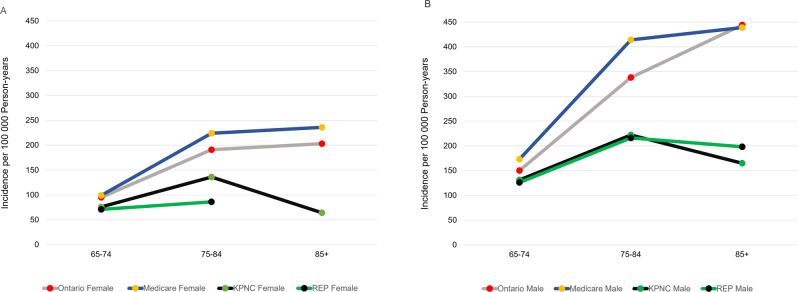
“The male: female ratio for incident PD increased with age in all epidemiological cohorts in our study, consistent with the previous data that supports the hypothesis that biological sex is an intrinsic risk factor for PD 61 – 65 .”
Incidence and remaining lifetime risk of Parkinson disease in advanced age
Driver, J. A., Logroscino, G., Gaziano, J. M., & Kurth, T. (2009) · Neurology · doi:10.1212/01.wnl.0000341769.50075.bb · Cited by 298 · cited 2×
“In a prospective cohort study of male physicians, PD incidence ranged from 134/100,000 person-years (among participants ages 65 – 69) to 614.7/100,000 person-years among participants 85 – 89 years old 9 .”
InfluentialHow might physical activity benefit patients with Parkinson disease?
Speelman, A. D., van de Warrenburg, B. P., van Nimwegen, M., Petzinger, G. M., Munneke, M., & Bloem, B. R. (2011) · Nature Reviews Neurology · doi:10.1038/nrneurol.2011.107 · Cited by 286 · cited 1×
“Exercise is a health behavior which may protect against developing PD and has been demonstrated to preserve function after diagnosis 32 – 35 .”
Prevalence of dementia disorders in the oldest-old: an autopsy study
Jellinger, K. A., & Attems, J. (2010) · Acta Neuropathologica · doi:10.1007/s00401-010-0654-5 · Cited by 276 · cited 1×
“Symptomatic cognitive dysfunction or dementia, due to Alzheimer disease, vascular dementia, toxic or metabolic cognitive dysfunction, increases with age 52 and becomes very prevalent in the 8 th decade and beyond 12,53,54 .”
Time Trends in the Incidence of Parkinson Disease
Savica, R., Grossardt, B. R., Bower, J. H., Ahlskog, J. E., & Rocca, W. A. (2016) · JAMA Neurology · doi:10.1001/jamaneurol.2016.0947 · Cited by 270 · cited 4×
“Nevertheless, this contrasts sharply with the estimate of 40,000-60,000 new cases per annum that has been cited previously for PD incidence 6,10 .”
InfluentialSelf-citationFoo, J. N., Chew, E. G. Y., Chung, S. J., Peng, R., Blauwendraat, C., Nalls, M. A., Mok, K. Y., Satake, W., Toda, T., Chao, Y., et al. (2020) · JAMA Neurology · doi:10.1001/jamaneurol.2020.0428 · Cited by 248
The Kaiser Permanente Northern California Adult Member Health Survey
Gordon, N., & Lin, T. (2016) · The Permanente Journal · doi:10.7812/tpp/15-225 · Cited by 247 · cited 1×
“Compared to the general Medicare population, Medicare-aged adults who purchase KPNC insurance have higher income and higher rates of college education 29 .”
Parkinson disease male-to-female ratios increase with age: French nationwide study and meta-analysis
Moisan, F., Kab, S., Mohamed, F., Canonico, M., Le Guern, M., Quintin, C., Carcaillon, L., Nicolau, J., Duport, N., Singh-Manoux, A., et al. (2016) · Journal of Neurology, Neurosurgery & Psychiatry · doi:10.1136/jnnp-2015-312283 · Cited by 244 · cited 2×
“…study of administrative claims, from the French National Health Insurance system ( Système National d ’ Information Inter-Régimes de l ’ Assurance Maladie ) found comparable incidence rates, ranging from 74 to 140 (ages 65 – 74), 210 – 277 (ages 75 – 84) and 299 (ages 85 – 89) per 100,000 28 .”
InfluentialDiabetes mellitus and Parkinson disease
Pagano, G., Polychronis, S., Wilson, H., Giordano, B., Ferrara, N., Niccolini, F., & Politis, M. (2018) · Neurology · doi:10.1212/wnl.0000000000005475 · Cited by 242 · cited 1×
“Exercise is also associated with a lower risk of diabetes 36,37 , which several studies have suggested is a risk marker for PD or PD progression 38 – 42 .”
Heterogeneity in male to female risk for Parkinson's disease
Taylor, K. S. M., Cook, J. A., & Counsell, C. E. (2007) · Journal of Neurology, Neurosurgery & Psychiatry · doi:10.1136/jnnp.2006.104695 · Cited by 238 · cited 1×
“The male: female ratio for incident PD increased with age in all epidemiological cohorts in our study, consistent with the previous data that supports the hypothesis that biological sex is an intrinsic risk factor for PD 61 – 65 .”
Ebly, E. M., Parhad, I. M., Hogan, D. B., & Fung, T. S. (1994) · Neurology · doi:10.1212/wnl.44.9.1593 · Cited by 230
Cruise, K. E., Bucks, R. S., Loftus, A. M., Newton, R. U., Pegoraro, R., & Thomas, M. G. (2011) · Acta Neurologica Scandinavica · doi:10.1111/j.1600-0404.2010.01338.x · Cited by 229
Incidence and Pathology of Synucleinopathies and Tauopathies Related to Parkinsonism
Savica, R., Grossardt, B. R., Bower, J. H., Ahlskog, J. E., & Rocca, W. A. (2013) · JAMA Neurology · doi:10.1001/jamaneurol.2013.114 · Cited by 197
Self-citationYue, X., Li, H., Yan, H., Zhang, P., Chang, L., & Li, T. (2016) · Medicine · doi:10.1097/md.0000000000003549 · Cited by 187 · cited 1×
“Exercise is also associated with a lower risk of diabetes 36,37 , which several studies have suggested is a risk marker for PD or PD progression 38 – 42 .”
Risk of Parkinson Disease Onset in Patients With Diabetes
Sun, Y., Chang, Y.-H., Chen, H.-F., Su, Y.-H., Su, H.-F., & Li, C.-Y. (2012) · Diabetes Care · doi:10.2337/dc11-1511 · Cited by 185
Self-citationPredictors of Survival in Patients With Parkinson Disease
Schootman, M. (2012) · Archives of Neurology · doi:10.1001/archneurol.2011.2370 · Cited by 175
Clinical features of Parkinson disease when onset of diabetes came first: A case-control study
Cereda, E., Barichella, M., Cassani, E., Caccialanza, R., & Pezzoli, G. (2012) · Neurology · doi:10.1212/wnl.0b013e3182553cc9 · Cited by 166
Young-onset Parkinson's disease: Its unique features and their impact on quality of life
Mehanna, R., & Jankovic, J. J. (2019) · Parkinsonism & Related Disorders · doi:10.1016/j.parkreldis.2019.06.001 · Cited by 166
Young Onset Parkinson’s Disease: A Modern and Tailored Approach
Post, B., van den Heuvel, L., van Prooije, T. H., van Ruissen, X., van de Warrenburg, B. P. C., & Nonnekes, J. H. (2020) · Journal of Parkinson s Disease · doi:10.3233/jpd-202135 · Cited by 145
Improving outcomes through early diagnosis of Parkinson's disease.
Pagán, F. (2012) · PubMed · Cited by 137
Majersik, J. J., Ahmed, A., Chen, I.-H. A., Shill, H., Hanes, G. P., Pelak, V. S., Hopp, J. L., Omuro, A., Kluger, B., & Leslie-Mazwi, T. (2021) · Neurology · doi:10.1212/wnl.0000000000012111 · Cited by 133
Diabetes is associated with postural instability and gait difficulty in Parkinson disease
Kotagal, V., Albin, R. L., Müller, M. L. T. M., Koeppe, R. A., Frey, K. A., & Bohnen, N. I. (2013) · Parkinsonism & Related Disorders · doi:10.1016/j.parkreldis.2013.01.016 · Cited by 128
Dementia in the oldest old: a multi-factorial and growing public health issue
Gardner, R. C., Valcour, V., & Yaffe, K. (2013) · Alzheimer's Research & Therapy · doi:10.1186/alzrt181 · Cited by 108 · cited 1×
“Symptomatic cognitive dysfunction or dementia, due to Alzheimer disease, vascular dementia, toxic or metabolic cognitive dysfunction, increases with age 52 and becomes very prevalent in the 8 th decade and beyond 12,53,54 .”
Exercise Dose and Insulin Sensitivity: Relevance for Diabetes Prevention
DUBÉ, J. J., ALLISON, K. F., ROUSSON, V., GOODPASTER, B. H., & AMATI, F. (2012) · Medicine & Science in Sports & Exercise · doi:10.1249/mss.0b013e31823f679f · Cited by 107 · cited 1×
“Exercise is also associated with a lower risk of diabetes 36,37 , which several studies have suggested is a risk marker for PD or PD progression 38 – 42 .”
Parkinson's disease in women: Mechanisms underlying sex differences
Vaidya, B., Dhamija, K., Guru, P., & Sharma, S. S. (2021) · European Journal of Pharmacology · doi:10.1016/j.ejphar.2021.173862 · Cited by 100 · cited 1×
“Sporadic PD risk is positively correlated with age, as are the potential cumulative in fl uences of non-genetic risk markers that may differ by gender, including occupational, neuroendocrine, and hormonal exposures, lifestyle factors 67 – 69 .”
Identification of sixteen novel candidate genes for late onset Parkinson’s disease
Gialluisi, A., Reccia, M. G., Modugno, N., Nutile, T., Lombardi, A., Di Giovannantonio, L. G., Pietracupa, S., Ruggiero, D., Scala, S., Gambardella, S., et al. (2021) · Molecular Neurodegeneration · doi:10.1186/s13024-021-00455-2 · Cited by 98
Self-citationThe economics of intense exercise
Meltzer, D. O., & Jena, A. B. (2010) · Journal of Health Economics · doi:10.1016/j.jhealeco.2010.03.005 · Cited by 84 · cited 1×
“These social determinants of health associate with higher quality health care and with exercise 30,31 .”
Alladi, P. A., Mahadevan, A., Yasha, T. C., Raju, T. R., Shankar, S. K., & Muthane, U. B. (2008) · Neuroscience · doi:10.1016/j.neuroscience.2008.11.051 · Cited by 78 · cited 2×
“Potential reasons for the lower risk in Asians include lower prevalence of pathogenic genetic risk factors (e.g., LRRK2 or GBA mutations), differential exposure to risk, or resilience to PD-like neurodegeneration due to lifestyle or diet 44,45 .”
Epidemiological studies of exercise in diabetes prevention
Hu, G., Lakka, T. A., Kilpeläinen, T. O., & Tuomilehto, J. (2007) · Applied Physiology, Nutrition, and Metabolism · doi:10.1139/h07-030 · Cited by 75 · cited 1×
“Exercise is also associated with a lower risk of diabetes 36,37 , which several studies have suggested is a risk marker for PD or PD progression 38 – 42 .”
Schirinzi, T., Di Lazzaro, G., Sancesario, G. M., Summa, S., Petrucci, S., Colona, V. L., Bernardini, S., Pierantozzi, M., Stefani, A., Mercuri, N. B., et al. (2020) · Neurobiology of Aging · doi:10.1016/j.neurobiolaging.2020.02.012 · Cited by 74
Investigation of Autosomal Genetic Sex Differences in Parkinson's Disease
Blauwendraat, C., Iwaki, H., Makarious, M. B., Bandres‐Ciga, S., Leonard, H. L., Grenn, F. P., Lake, J., Krohn, L., Tan, M., Kim, J. J., et al. (2021) · Annals of Neurology · doi:10.1002/ana.26090 · Cited by 65 · cited 1×
“Monogenic risk factors for PD are equally distributed in males and females 66 , and associate with earlier onset disease.”
Bhidayasiri, R., Wannachai, N., Limpabandhu, S., Choeytim, S., Suchonwanich, Y., Tananyakul, S., Tharathep, C., Panjapiyakul, P., Srismith, R., Chimabutra, K., et al. (2011) · Neuroepidemiology · doi:10.1159/000334440 · Cited by 54
Association of Parkinson’s disease with industry sectors: a French nationwide incidence study
Vlaar, T., Kab, S., Schwaab, Y., Fréry, N., Elbaz, A., & Moisan, F. (2018) · European Journal of Epidemiology · doi:10.1007/s10654-018-0399-3 · Cited by 54
The Growing Shortage of Vascular Neurologists in The Era of Health Reform
Leira, E. C. C., Kaskie, B. P., Froehler, M. T., & Adams, H. P. (2013) · Stroke · doi:10.1161/strokeaha.111.000466 · Cited by 51 · cited 1×
“The growth in those diagnosed and living with PD underscores the need for policy makers to confront an increasing strain on clinical services 71 – 74 as well as the need to provide additional funding for research that can lead to improved therapies if not an outright cure.”
Age at Onset of LRRK2 p. Gly2019Ser Is Related to Environmental and Lifestyle Factors
Lüth, T., König, I. R., Grünewald, A., Kasten, M., Klein, C., Hentati, F., Farrer, M. J., & Trinh, J. (2020) · Movement Disorders · doi:10.1002/mds.28238 · Cited by 49
Herbicide exposure modifies GSTP1 haplotype association to Parkinson onset age
Wilk, J. B., Tobin, J. E., Suchowersky, O., Shill, H. A., Klein, C., Wooten, G. F., Lew, M., Mark, M. H., Guttman, M., Watts, R. L., et al. (2006) · Neurology · doi:10.1212/01.wnl.0000249149.22407.d1 · Cited by 45
Self-citationDhiman, V., Menon, G., Kaur, S., Mishra, A., John, D., Vishnu, M. V. R., Tiwari, R., & Dhaliwal, U. S. (2021) · Neurology India · doi:10.4103/0028-3886.314588 · Cited by 40 · cited 1×
“Epidemiological data have reported lower PD incidence in Asian countries or among persons identi fi ed as Asian 27,43 .”
Murakami, K., Hashimoto, H., Lee, J., Kawakubo, K., Mori, K., & Akabayashi, A. (2011) · Social Science & Medicine · doi:10.1016/j.socscimed.2011.09.024 · Cited by 38 · cited 1×
“These social determinants of health associate with higher quality health care and with exercise 30,31 .”
Age at Onset in LRRK2-Associated PD is Modified by SNCA Variants
Botta‐Orfila, T., Ezquerra, M., Pástor, P., Fernández‐Santiago, R., Pont‐Sunyer, C., Compta, Y., Lorenzo‐Betancor, O., Samaranch, L., Martı́, M. J., Valldeoriola, F., et al. (2012) · Journal of Molecular Neuroscience · doi:10.1007/s12031-012-9820-7 · Cited by 37 · cited 1×
“PD patients from higher risk groups (due to genetic factors or occupational exposures) have been observed to present as early onset cases, another phenomenon that favors lower observed incidence with advancing age 56 – 60 .”
Increased Risk of Parkinson's Disease in Women after Bilateral Oophorectomy
Canonico, M., Pesce, G., Bonaventure, A., Noan‐Lainé, M. L., Bénatru, I., Ranoux, D., Moisan, F., & Elbaz, A. (2021) · Movement Disorders · doi:10.1002/mds.28563 · Cited by 34
Wang, Y., Zhang, X., Chen, F., Chen, L., Wang, J., & Xie, J. (2021) · Journal of Inflammation Research · doi:10.2147/jir.s301531 · Cited by 30
Clinical Study of 668 Indian Subjects with Juvenile, Young, and Early Onset Parkinson’s Disease
Kukkle, P. L., Goyal, V., Geetha, T. S., Kandadai, R. M., Kumar, H., Borgohain, R., Mukherjee, A., Wadia, P. M., Yadav, R., Desai, S., et al. (2021) · Canadian Journal of Neurological Sciences / Journal Canadien des Sciences Neurologiques · doi:10.1017/cjn.2021.40 · Cited by 26
Physical activity and cognition in young‐onset Parkinson’s disease
Biddiscombe, K. J., Ong, B., Kalinowski, P., & Pike, K. E. (2020) · Acta Neurologica Scandinavica · doi:10.1111/ane.13256 · Cited by 21
The Nigeria Parkinson Disease Registry: Process, Profile, and Prospects of a Collaborative Project
Ojo, O. O., Abubakar, S., Iwuozo, E. U., Nwazor, E. O., Ekenze, O. S., Farombi, T., Akinyemi, R., Williams, U. E., Bello, A. H., Wahab, K., et al. (2020) · Movement Disorders · doi:10.1002/mds.28123 · Cited by 20
Almallouhi, E., Kasab, S. A., Harvey, J., Simpson, K. N., Turner, N., Debenham, E., & Holmstedt, C. A. (2019) · Telemedicine Journal and e-Health · doi:10.1089/tmj.2018.0290 · Cited by 19 · cited 1×
“The growth in those diagnosed and living with PD underscores the need for policy makers to confront an increasing strain on clinical services 71 – 74 as well as the need to provide additional funding for research that can lead to improved therapies if not an outright cure.”
A glimpse of the genetics of young‐onset Parkinson’s disease in Central Asia
Kaiyrzhanov, R. B., Aitkulova, A. M., Vandrovcová, J., Murphy, D. P., Асановна, Ж. Н., Shashkin, C., Akhmetzhanov, V., Kaishibayeva, G., Karimova, A., Myrzayev, Z., et al. (2021) · Molecular Genetics & Genomic Medicine · doi:10.1002/mgg3.1671 · Cited by 13
Evaluation of Parkinson's Disease in entrants on the Nebraska State Parkinson's Disease Registry
Bertoni, J. M., Sprenkle, P. M., Strickland, D., & Noedel, N. (2006) · Movement Disorders · doi:10.1002/mds.21026 · Cited by 9 · cited 1×
“Although population-based PD registries would be ideal and have been tried in some areas 75 – 78 , setting up and maintaining a disease registry has proven to to be logistically dif fi cult and expensive.”
Genetic analysis of ATP10B for Parkinson's disease in Japan
Ishiguro, M., Yoshino, H., Li, Y., Ikeda, A., Funayama, M., Nishioka, K., & Hattori, N. (2021) · Parkinsonism & Related Disorders · doi:10.1016/j.parkreldis.2021.05.020 · Cited by 7
Pathogenetic insights into young-onset Parkinson disease
Schapira, A. H. V., & Morris, H. R. (2020) · Nature Reviews Neurology · doi:10.1038/s41582-020-0343-5 · Cited by 5
Cubo (2010) · ClinicoEconomics and Outcomes Research · doi:10.2147/ceor.s11996 · Cited by 4
Denisova, I. A., Chubarova, T. V., Bogatova, I., Vartanov, S., Kucheryanu, V. G., Polterovich, V. M., Turdyeva, N. A., & Владиславовна, Ш. М. (2020) · Population and Economics · doi:10.3897/popecon.4.e59949 · Cited by 3
Research works printed but not linked: 2
- Tinelli, M., Kanavos, P. & Grimaccia, F. the Value of Early Diagnosis and Treatment in Parkinson’s Disease: A Literature Review of the Potential Clinical and Socioeconomic Impact of Targeting Unmet Needs in Parkinson’s Disease (The London School of Economics and Political Science, 2016).
- Rukovets O Global burden of motor neuron disease is growing, signaling need for more specialists Neurol. Today 2019 19 16 18
Cited by
Tanner, C. M., & Ostrem, J. L. (2024) · New England Journal of Medicine · doi:10.1056/nejmra2401857 · Cited by 382
Self-citationParkinson’s Disease Is Predominantly an Environmental Disease
Dorsey, E. R., & Bloem, B. R. (2024) · Journal of Parkinson s Disease · doi:10.3233/jpd-230357 · Cited by 179
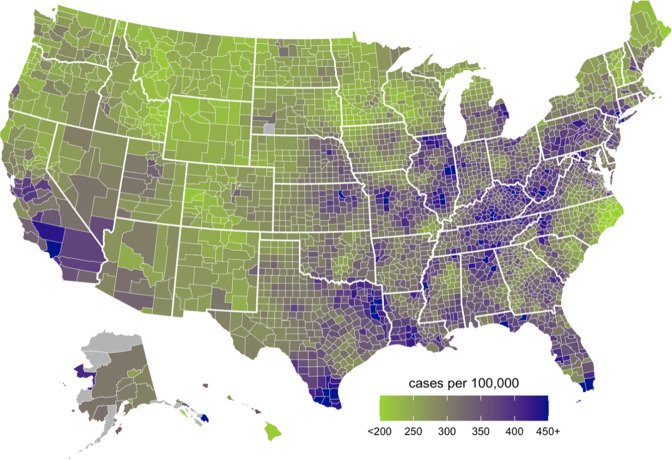
“Figures 2A and 2D depict the U.S. incidence of PD [49] and a map of particulate air pollution.”
BackgroundSex Differences in Parkinson’s Disease: A Narrative Review
Cattaneo, C., & Pagonabarraga, J. (2024) · Neurology and Therapy · doi:10.1007/s40120-024-00687-6 · Cited by 106
Role of glucagon-like peptide-1 receptor agonists in Alzheimer’s disease and Parkinson’s disease
Hong, C.-T., Chen, J.-H., & Hu, C.-J. (2024) · Journal of Biomedical Science · doi:10.1186/s12929-024-01090-x · Cited by 78
“Similar to AD, the prevalence of PD increases with age and is expected to increase with population aging [7].”
BackgroundAdams, J., Kangarloo, T., Gong, Y., Khachadourian, V., Tracey, B., Volfson, D., Latzman, R. D., Cosman, J. D., Edgerton, J. R., Anderson, D. E., et al. (2024) · npj Parkinson's Disease · doi:10.1038/s41531-024-00721-2 · Cited by 105
Metadata
- Authors
- Willis, A. W., Roberts, E., Beck, J. C., Fiske, B., Ross, W., Savica, R., Van Den Eeden, S. K., Tanner, C. M., Marras, C., on behalf of the Parkinson’s Foundation P4 Group, Alcalay, R., Schwarzschild, M., Racette, B., Chen, H., Church, T., Wilson, B., & Doria, J. M.
- Affiliations
- University of Pennsylvania (US)
- Verge Genomics (United States) (US)
- Parkinson's Foundation (US)
- Michael J. Fox Foundation (US)
- Pacific Health Research and Education Institute (US)
- Mayo Clinic (US)
- University of California, San Francisco (US)
- University of Toronto (CA)
- Corresponding author
- Willis, A. W.
- ORCID
- Venue
- npj Parkinson's Disease
- Published
- 2022-12-15
- Volume
- 8
- Issue
- 1
- Pages
- 170-170
- ISSN
- 2373-8057 (ISSN-L)
- PMC
- PMC9755252
- OpenAlex
- W4311763498
- Cited by
- 341
- References
- 79
- Citations by year
- 2026: 81 · 2025: 114 · 2024: 108 · 2023: 37 · 2022: 1
- FWCI
- 34.13
- Type
- journal article
- Language
- en
- Open access
- gold
- doi.org
- Licence
- cc-by
- creativecommons.org/licenses/by/4.0 (tdm)
- creativecommons.org/licenses/by/4.0 (vor)
- Locations
- npj Parkinson s Disease (publishedVersion, cc-by)
- PubMed Central (publishedVersion, cc-by)
- PubMed (publishedVersion)
- DOAJ (DOAJ: Directory of Open Access Journals) (submittedVersion, cc-by-sa)
- eScholarship (California Digital Library) (submittedVersion, cc-by)
- Funders
- Parkinson’s Foundation
- Michael J. Fox Foundation for Parkinson’s Research
- Topics
- Health Sciences › Medicine › Clinical Neurology › Parkinson's Disease Mechanisms and Treatments
- Health Sciences › Medicine › Psychiatry and Mental health › Dementia and Cognitive Impairment Research
- Health Sciences › Medicine › Clinical Neurology › Deep Brain Stimulation and Movement Disorders
- Keywords
- Parkinson's disease, incidence, older adults, spatial clustering, case ascertainment, diagnostic methods, epidemiological cohort, North America, environmental toxins, genetic risk factors
About these checks
Registry, retraction, Cites and statistics results are computed, not judged, with one exception: a printed reference that no index lists is read once by a model before it counts as a citation error. Claims are extracted by a model and kept only when their quote appears verbatim in the text; each cited source is then checked, with a model’s help, for whether it says what the claim relies on. Those verdicts can be wrong — read the claim’s quote and the cited source before relying on one.
Statistics and arithmetic are recomputed, not judged.
Confidence bands are shown only for fields calibrated on our annotated test set. None is calibrated yet, so no band is shown.
What counts as a claim ›How we measure confidence ›How we check this ›
Are you an author, or do you see a problem with this page? Request a review
Data sources
Bibliographic data: Semantic Scholar, OpenAlex, Crossref.
Contains information from the Semantic Scholar Academic Graph Datasets, made available under the ODC Attribution License (ODC-BY 1.0).
Semantic Scholar’s data is described in: Kinney, R., et al. (2023). The Semantic Scholar Open Data Platform. arXiv:2301.10140.
