

Incidence of Parkinson disease in North America
Open accessThe DOI matches its Crossref record; 79 of the 79 references it cites were found in a registry or an index.
Abstract
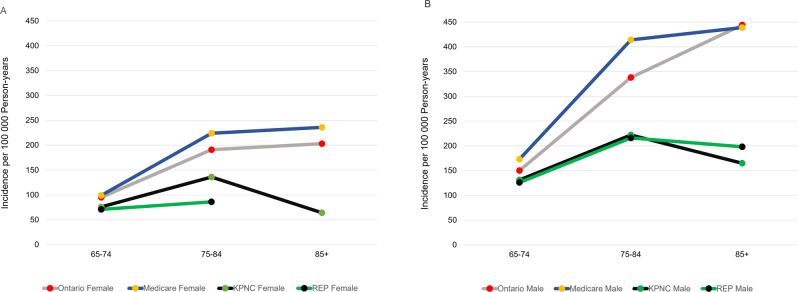
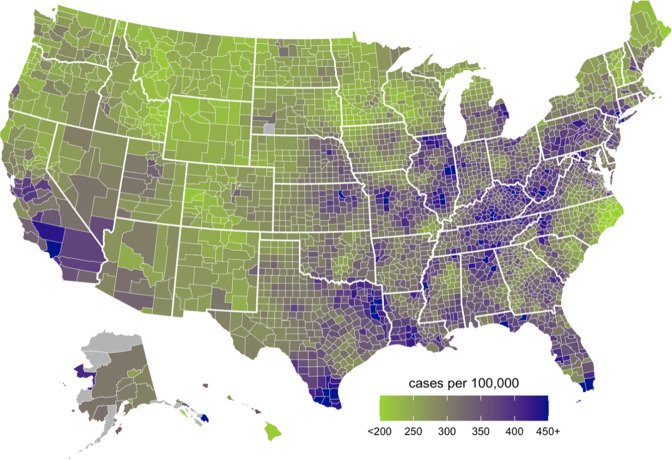
Parkinson disease (PD) is the second most common age-related neurodegenerative condition diagnosed in North America. We recently demonstrated, using multiple epidemiological data sources, that the prevalence of PD diagnoses was greater than previously reported and currently used for clinical, research, and policy decision-making. Prior PD incidence estimates have varied, for unclear reasons. There is a need for improved estimates of PD incidence, not only for care delivery planning and future policy but also for increasing our understanding of disease risk. The objective of this study was thus to investigate the incidence of Parkinson disease across five epidemiological cohorts in North America in a common year, 2012. The cohorts contained data on 6.7 million person-years of adults ages 45 and older, and 9.3 million person-years of adults ages 65 and older. Our estimates of age-sex-adjusted incidence of PD ranged from 108 to 212 per 100,000 among persons ages 65 and older, and from 47 to 77 per 100,00 among persons ages 45 and older. PD incidence increased with age and was higher among males. We also found persistent spatial clustering of incident PD diagnoses in the U.S. PD incidence estimates varied across our data sources, in part due to case ascertainment and diagnosis methods, but also possibly due to the influence of population factors (prevalence of genetic risk factors or protective markers) and geographic location (exposure to environmental toxins). Understanding the source of these variations will be important for health care policy, research, and care planning.
Overview
The claims and statistics of this paper haven’t been checked yet.
Free: it reads the open-access text and checks the first 5 claims that cite a source we can check. Create a free account to check every claim.
Integrity signals
Registry
Cites
Statistics
Figures
Verification
Claims the paper makes
The claims and statistics of this paper haven’t been checked yet.
Free: it reads the open-access text and checks the first 5 claims that cite a source we can check. Create a free account to check every claim.
Self-check
Percentages, sums and reported differences re-computed from the paper’s own numbers.
The self-check needs the paper’s full text.
Citations
Cites
Murray, C. J. L., Vos, T., Lozano, R., Naghavi, M., Flaxman, A. D., Michaud, C., Ezzati, M., Shibuya, K., Salomon, J. A., Abdalla, S., et al. (2012) · The Lancet · doi:10.1016/s0140-6736(12)61689-4 · Cited by 8,888
Self-citationEpidemiology of Parkinson's disease
de Lau, L. M., & Breteler, M. M. (2006) · The Lancet Neurology · doi:10.1016/s1474-4422(06)70471-9 · Cited by 4,110
The Neuroendocrinology of Stress: A Never Ending Story
Lightman, S. L. (2008) · Journal of Neuroendocrinology · doi:10.1111/j.1365-2826.2008.01711.x · Cited by 3,566
The Emerging Evidence of the Parkinson Pandemic
Dorsey, E. R., Sherer, T., Okun, M. S., & Bloem, B. R. (2018) · Journal of Parkinson’s Disease · doi:10.3233/jpd-181474 · Cited by 1,977 · cited 1×
“Parkinson disease is the second most common age-related neurodegenerative disease in the world and is responsible for signi fi cant disability and increased risks of dementia and mortality 11 – 14 .”
Prevalence of Dementia in the United States: The Aging, Demographics, and Memory Study
Plassman, B. L., Langa, K. M., Fisher, G. G., Heeringa, S. G., Weir, D. R., Ofstedal, M. B., Burke, J. R., Hurd, M. D., Potter, G. G., Rodgers, W. L., et al. (2007) · Neuroepidemiology · doi:10.1159/000109998 · Cited by 1,932 · cited 1×
“Symptomatic cognitive dysfunction or dementia, due to Alzheimer disease, vascular dementia, toxic or metabolic cognitive dysfunction, increases with age 52 and becomes very prevalent in the 8 th decade and beyond 12,53,54 .”
Incidence of Parkinson's Disease: Variation by Age, Gender, and Race/Ethnicity
Van Den Eeden, S. K. (2003) · American Journal of Epidemiology · doi:10.1093/aje/kwg068 · Cited by 1,747 · cited 3×
“Nevertheless, this contrasts sharply with the estimate of 40,000-60,000 new cases per annum that has been cited previously for PD incidence 6,10 .”
Healy, D. G., Falchi, M., O'Sullivan, S. S., Bonifati, V., Durr, A., Bressman, S., Brice, A., Aasly, J., Zabetian, C. P., Goldwurm, S., et al. (2008) · The Lancet Neurology · doi:10.1016/s1474-4422(08)70117-0 · Cited by 1,425
Self-citationMDS research criteria for prodromal Parkinson's disease
Berg, D., Postuma, R. B., Adler, C. H., Bloem, B. R., Chan, P., Dubois, B., Gasser, T., Goetz, C. G., Halliday, G., Joseph, L., et al. (2015) · Movement Disorders · doi:10.1002/mds.26431 · Cited by 1,309 · cited 1×
“This is especially true given the evidence that early diagnosis of parkinsonism secondary to PD associates with improved patient outcomes and clinician decision making 47 – 51 .”
Prevalence of Parkinson’s disease across North America
Marras, C., Beck, J. C., Bower, J. H., Roberts, E., Ritz, B., Ross, G. W., Abbott, R. D., Savica, R., Van Den Eeden, S. K., Willis, A. W., et al. (2018) · npj Parkinson's Disease · doi:10.1038/s41531-018-0058-0 · Cited by 968 · cited 1×
“Recently, we performed meta estimates of the 2010 prevalence of PD in North America, using multinational data from current and past epidemiology projects 4 .”
Self-citationAgeing and Parkinson's disease: Why is advancing age the biggest risk factor?
Reeve, A., Simcox, E., & Turnbull, D. (2014) · Ageing Research Reviews · doi:10.1016/j.arr.2014.01.004 · Cited by 947 · cited 1×
“Indeed, the single greatest risk factor for PD is advanced age 2,3 .”
Research works printed but not linked: 2
- Tinelli, M., Kanavos, P. & Grimaccia, F. the Value of Early Diagnosis and Treatment in Parkinson’s Disease: A Literature Review of the Potential Clinical and Socioeconomic Impact of Targeting Unmet Needs in Parkinson’s Disease (The London School of Economics and Political Science, 2016).
- Rukovets O Global burden of motor neuron disease is growing, signaling need for more specialists Neurol. Today 2019 19 16 18
Cited by
Items 201–300 of 341
Ries, J. D., Cupka, M., & Guccione, A. A. (2025) · Archives of Physiotherapy · doi:10.33393/aop.2025.3339 · Cited by 2
Li, R., Ling, Y., Pan, A., Cao, R., Lyu, J., & Bi, W. (2025) · Frontiers in Psychology · doi:10.3389/fpsyg.2025.1440199 · Cited by 1
Chen, Z., Huang, C., Liu, H., Wang, Z., Xu, L., Huang, S., Qu, M., & Xu, Z. (2025) · Colloids and Surfaces A Physicochemical and Engineering Aspects · doi:10.1016/j.colsurfa.2025.136916 · Cited by 1
Tien-Smith, A. Z., Absar, S., Rogowski, C. B. B., Phillips, V., Andersen, Z. J., Bredell, C., Fung, K. W., Hong, L., Szybka, M., Sharp, S. J., et al. (2026) · Environment International · doi:10.1016/j.envint.2026.110377 · Cited by 1
Begutachtung der „Wie-Berufskrankheit Parkinson“ – erste Empfehlungen
Hansen, H.-C., Widder, B., Erbguth, F. J., & Tegenthoff, M. (2025) · DGNeurologie · doi:10.1007/s42451-025-00761-9 · Cited by 1
Rotigotine Patch is Effective for Levodopa (L-Dopa)-Induced Dyspnea: A Case Report
Hayashi, K., Nakaya, Y., Kimura, K., Sato, M., Hayashi, H., Hayashi, K., & Kobayashi, Y. (2025) · Cureus · doi:10.7759/cureus.85258 · Cited by 1
Bhor, S. D., Chaudhari, V. S., Lade, S. N., Umekar, M. J., Burle, S. S., Unidirwade, D. S., Dakhole, M. R., Gupta, K. R., & Lohiya, R. T. (2025) · Biomedical Materials & Devices · doi:10.1007/s44174-025-00428-9 · Cited by 3
A Systematic Review of the Parkinson's Foundation Hospital Care Recommendations
Carpentier, A. V., Malaty, I. A., LeWitt, P. A., Azmi, H., Brooks, A. A., Pollak, E. I., Air, E. L., Simpson, H., Thomas, J., Thomas, F. P., et al. (2025) · Movement Disorders Clinical Practice · doi:10.1002/mdc3.70247 · Cited by 2
Chang, J. H., Uc, E. Y., Shaffer, C. L., & Rizzo, M. (2025) · Parkinsonism & Related Disorders · doi:10.1016/j.parkreldis.2025.108055 · Cited by 1
Chromosome 12 and Environmental Factors in Parkinson’s Disease: An All of Us Data Analysis
Abe, K., & Niemchick, K. (2025) · Genes · doi:10.3390/genes16101197 · Cited by 1
“In North America, the estimated prevalence range for those aged >65 is from 108 to 212 per 100,000 [6].”
Luo, Z., Xue, J., Zhang, Y., Chen, Y., Fan, A., Liu, R., Jia, W., Wu, X., Wang, Q., Lv, H., et al. (2025) · BMC Public Health · doi:10.1186/s12889-025-25146-1 · Cited by 1
“The PD-specific YLL also suggests the potential to enhance life expectancy through targeted therapeutic approaches and supportive care [39].”
Neuropalliative Care in Movement Disorders.
Kluger, B. M. (2025) · Continuum · doi:10.1212/cont.0000000000001640 · Cited by 1
A Machine Learning Framework for Parkinson’s Disease Detection Through Turning Metrics
Boucharas, D. G., Loukas, V. S., Tachos, N. S., Tsiknakis, M., Manis, G., & Fotiadis, D. I. (2025) · Annual International Conference of the IEEE Engineering in Medicine and Biology Society (EMBC) · doi:10.1109/embc58623.2025.11254208 · Cited by 1
“Parkinson’s disease (PD) is one of the most prevalent neurodegenerative disorders, affecting over 10 million people worldwide as of the 2020s, with its incidence rising due to aging populations [1].”
Detecting Parkinson’s Disease using Vocal Biomarkers based on Speech Foundation Models
Brueckner, R., Kwon, N., Subramanian, V., Blaylock, N., O’Connell, H., Sierra, L. A., Laganiere, S. E., Lanzaro, E., & Smith, K. M. (2025) · IEEE-EMBS International Conference on Biomedical and Health Informatics (BHI ...) · doi:10.1109/bhi67747.2025.11269484 · Cited by 3
“According to a recent study [2] approximately 900.000 new cases of PD are diagnosed every year in the United States and currently nearly one million people in the US live with PD, this number being expected to rise to approximately 1.2 million by 2023 [3].”
InfluentialWearable Gait Analysis Using IMU Sensors and Deep Learning for Parkinson’s Disease Detection
Tumbaco-Sellan, K., Tapia-Rosero, A., Loayza, F. R., Peláez, E., Navarro-Cadavid, A., Orozco, J., Salazar, N., Muñoz, B., Agila, W., Rubio-Roldán, A., et al. (2025) · IEEE Latin American Conference on Computational Intelligence (LA-CCI) · doi:10.1109/la-cci66231.2025.11270430 · Cited by 1
“Elderly people are prone to develop neurodegenerative diseases such as PD [2].”
Gardner, M., Phillips, G., Schoffer, K. L., Robertson, H. A., & Good, K. P. (2025) · Canadian Journal of Neurological Sciences / Journal Canadien des Sciences Neurologiques · doi:10.1017/cjn.2025.10485 · Cited by 2
Speech Acoustic Markers Can Detect Mild Cognitive Impairment in Parkinson’s Disease
Smith, K. M., Williamson, J. R., & Quatieri, T. F. (2025) · IEEE Journal of Selected Topics in Signal Processing · doi:10.1109/jstsp.2025.3620716 · Cited by 1
Xu, H., Yan, Z., Ye, Q., Lu, J., Chen, K., Fang, J., Li, Z., & Jiang, J. (2026) · Journal of Neurology · doi:10.1007/s00415-025-13597-w · Cited by 2
CDS-PD: a novel clinical decision support platform for Parkinson’s disease
Gupta, D. K., Golnari, P., Prantzalos, K., Zurlo, I., Iyer, V., Lobb, B. M., Zweber, C., Bulusu, M., Clarke, D., Boyd, J. T., et al. (2026) · Scientific Reports · doi:10.1038/s41598-026-37316-1 · Cited by 3
Moya‐Galé, G., González, X., & Escalada-Cebadero, L. (2026) · Topics in Language Disorders · doi:10.1097/tld.0000000000000378 · Cited by 2
Mukherjee, K., & Bhattacharyya, S. N. (2026) · Frontiers in Immunology · doi:10.3389/fimmu.2026.1708031 · Cited by 1
“Globally, the WHO estimates over 8.5 million people have PD, with numbers rising (63).”
InfluentialYue, J., Jones, B., Tran, K. H., Deen, M. C., Holicek, V., Cheng, W. H., Michalik, M. J., Power, S. C., Wellington, C. L., Watson, N. V., et al. (2026) · Journal of Parkinson s Disease · doi:10.1177/1877718x251410291 · Cited by 1
“1,2 Accordingly, there is interest in advancing new therapeutic strategies to address this disease.”
Artificial intelligence and multiomics integration for Parkinson’s disease drug development
Lee, S., Kim, J., Jung, H., Kim, D., Cho, E., Kim, Y.-J., Ji, Y. R., Go, Y., Song, P., Oh, Y., et al. (2026) · Molecules and Cells · doi:10.1016/j.mocell.2026.100343 · Cited by 2
Kumar, D., Kalpina, F., Shujaat, T., Ahmed, S. Z., Javeid, A., Javeid, J., Mishra, G. R., Haq, M. I. U., & Inam, S. H. A. (2026) · Archives of Gerontology and Geriatrics Plus · doi:10.1016/j.aggp.2026.100272 · Cited by 1
Liu, M., Ye, Y., Li, H., Guo, Y., Liang, P., Li, X., Yin, C., Yu, X., Dong, X., Yao, Y., et al. (2026) · Journal of NeuroEngineering and Rehabilitation · doi:10.1186/s12984-026-01979-8 · Cited by 1
“Among populations aged 65 and older, the incidence of PD is approximately 108 to 212 per 100,000 person-years [5].”
Yang, J. C., Situ, J., Troutman, R., Zhu, R., Black, M., Buri, H., Gutta, A., Tian, F., Kang, A., Aja, E., et al. (2026) · Human Molecular Genetics · doi:10.1093/hmg/ddag024 · Cited by 2
Reimagining the contribution of iron in Parkinson's disease
Serpa, R. O., Tufano, E., & Connor, J. R. (2026) · Neurobiology of Disease · doi:10.1016/j.nbd.2026.107434 · Cited by 1
“The average age of PD onset is approximately 60 years old (Willis et al., 2022).”
Jana, S., Nerella, S. G., Samanta, S. S., Liow, J., Raso, I., Santamaria, J. A. M., Zoghbi, S. S., Wu, S., Innis, R. B., Telu, S., et al. (2026) · ACS Omega · doi:10.1021/acsomega.6c01976 · Cited by 1
Inhibiting 15-PGDH restores redox homeostasis and confers neuroprotection in Parkinson's disease
Kim, Y.-K., Cha, Y. J., Park, S. E., Kim, H. K., Kwon, C., Kim, G. T., Oh, Y. R., Vázquez‐Rosa, E., Dahiya, U., Moinova, H., et al. (2026) · Redox Biology · doi:10.1016/j.redox.2026.104285 · Cited by 2
Implantable Neuromodulation Devices in Psychiatry: Human Fidelity and Implementation Challenges
Lázaro‐Muñoz, G., & Merner, A. R. (2026) · American Journal of Psychiatry · doi:10.1176/appi.ajp.20251187 · Cited by 1
Garofalo, A. W., Schonemann, M. D., Santoro, M., Zhao, J., Nichols, R. J., & Montine, T. J. (2026) · ACS Chemical Neuroscience · doi:10.1021/acschemneuro.6c00147 · Cited by 1
Mukim, R. D., Xu, Y., Evola, V., & Parmar, M. S. (2026) · Molecular Biology Reports · doi:10.1007/s11033-026-12549-5 · Cited by 1
“In the United States, PD ranks as the second most common neurodegenerative disorder after AD [33].”
Imlay, R. K., Alsayed, M., Starcher, M., Tager, A., & Griffith, J. (2024) · Cureus · doi:10.7759/cureus.64316 · Cited by 1
Lauro, F., Marcela, R., Alvarez-Ramirez, M., Aguilar-Sánchez, E., & Mateu-Armad, M. V. (2024) · Brazilian Journal of Science · doi:10.14295/bjs.v3i10.634 · Cited by 1
“Parkinson's disease is a progressive neurodegenerative disorder that leads to a decrease in motor functions such as bradykinesia, tremors, rigidity, and postural instability (Alexander, 2004; Willis et al., 2022; Blesa et al., 2022).”
BackgroundRastegarian, R., Moghadasi, M., Mosalanezhad, Z., & Zeinalebadi, R. (2024) · The Neuroscience Journal of Shefaye Khatam · doi:10.61186/shefa.12.4.10 · Cited by 1
Hwang, Y.-C., Lee, J., Kang, D., Lee, H., Kwon, S., Cho, S., Park, S.-U., Jung, W., Moon, S., Park, J., et al. (2025) · Integrative Medicine Research · doi:10.1016/j.imr.2025.101146 · Cited by 1
Young, S. G., Elwell, K., & Watts, C. R. (2025) · Clinical Parkinsonism & Related Disorders · doi:10.1016/j.prdoa.2025.100369 · Cited by 2
“The increasing prevalence and incidence rates have been attributed to multiple factors, including aging of the population, genetic predisposition, and lifetime environmental exposure to certain toxins [1,4].”
InfluentialRevisiting Parkinson’s Disease Treatment: Exploring Established Medications and Emerging Therapies
Brooks, D., Carter, A., Moore, E., & Grant, O. (2024) · Journal of Applied Pharmaceutical Technologies and Systems · doi:10.68159/i340840675 · Cited by 1
Fink, A., Pavlou, M. A. S., Roomp, K., Doblhammer, G., & Schneider, J. G. (2023) · medRxiv · doi:10.1101/2023.06.29.23291993 · Cited by 1
Sun, X., Badachhape, A., Chin, J., Annapragada, A., & Tanifum, E. A. (2023) · bioRxiv (Cold Spring Harbor Laboratory) · doi:10.1101/2023.07.25.550555
Foslevodopa-Foscarbidopa (Vyalev)
CADTH (2023) · Canadian Journal of Health Technologies · doi:10.51731/cjht.2023.737
Gu, A. T., Han, V. Z., & Jiang, Y. (2023) · bioRxiv (Cold Spring Harbor Laboratory) · doi:10.1101/2023.09.15.558003
Safety of opicapone use in Parkinson’s disease: review of literature and real-world safety data
Burakoti, A. K., Roy, R. K., & Dubey, H. (2023) · World Journal of Current Medical and Pharmaceutical Research · doi:10.37022/wjcmpr.v5i5.292 · Cited by 1
Gubler, F. (2024) · Research Publications (Maastricht University) · doi:10.26481/dis.20240112fg · Cited by 2
Javaid, S., Frasier, K. M., Vinagolu-Baur, J. R., Li, V., & Huisman, K. (2024) · Journal of Cancer Prevention & Current Research · doi:10.15406/jcpcr.2024.15.00541
Postmortem Protocols of Implantable Neurosurgical Devices: A Cross-Sectional Survey
Horak, V. J., Abdelmageed, S., Colliander, R., LoPresti, M. A., Wadhwani, N. R., Rosenow, J. M., & Raskin, J. S. (2024) · World Neurosurgery · doi:10.1016/j.wneu.2024.02.062
Mohammadnejad, F., Freeman, S., Klassen-Ross, T., Hemingway, D. E., & Banner, D. (2024) · International Journal of Environmental Research and Public Health · doi:10.3390/ijerph21060714
“Essential tremor, a neurological disorder characterized by involuntary and rhythmic shaking of the hands, head, or other body parts [1,2], is one of the most common movement disorders, affecting approximately 4% of the population over the age of 40 [3].”
BackgroundTryptamine, ADAS and microbiome in Parkinson's disease
Paley, E. L. (2024) · Elsevier eBooks · doi:10.1016/b978-0-443-28830-2.00016-6
Song, Y., Xu, J., & Agbele, A. T. (2024) · Journal of Radiation Research and Applied Sciences · doi:10.1016/j.jrras.2024.101015 · Cited by 3
Goldman, C., Kareva, T., Sarrafha, L., Schuldt, B. R., Sahasrabudhe, A., Ahfeldt, T., & Blanchard, J. (2024) · SSRN Electronic Journal · doi:10.2139/ssrn.4886465
Diagnosis Parkinson’s Disease Using Neural Network and EEG Signals
Nguyen, T., Vo, H. T. T., & Huynh, T. V. (2024) · Lecture notes in networks and systems · doi:10.1007/978-981-97-5504-2_20
dos Santos, J. C. C., Pires, J. F., Mano, G. B. C., Goes, J. V. C., Gusmão, C. T. P., Vianna, A. R. D. C. B., Carlo, E. J. F., Viana, T. N. D. L., Lins, C. D. A., Stangherlin, L., et al. (2024) · Research Square · doi:10.21203/rs.3.rs-4601028/v1
Working memory circuits and rhythms in cognition in Parkinson's disease
Spicer, M. M., Yeager, B. E., Kim, Y.-C., & Narayanan, N. (2024) · Elsevier eBooks · doi:10.1016/b978-0-443-15754-7.00043-2
A new seed amplification assay to diagnose multiple system atrophy
Wiseman, J. A., Halliday, G. M., & Dieriks, B. V. (2024) · The Lancet Neurology · doi:10.1016/s1474-4422(24)00428-9
Automated Acoustic Analysis in Parkinson’s Disease Using a Smartphone*
Acevedo, G., Pappas, M. C., Wolfe, J. G., Wong, J. K., Ramirez‐Zamora, A., Zeilman, P., & Guarín, D. L. (2024) · Annual International Conference of the IEEE Engineering in Medicine and Biology Society (EMBC) · doi:10.1109/embc53108.2024.10782673
“Parkinson’s Disease (PD) is a neurological disorder that affects nearly 2% of adults over age 65 in the United States [1].”
Microglial Signaling in Health and Disease
Oppenheimer, M. R., Singh, S., Antoine, D., Truitt, B., & Roy, S. (2024) · Springer eBooks · doi:10.1007/978-3-031-68237-7_8
Letter to the Editor. Radiographic abnormalities in PD-DBS: study limitations and future research
Huang, M. (2025) · Journal of neurosurgery · doi:10.3171/2024.10.jns242454
Neuroimaging of Parkinsonism and Related Disorders
Neilson, L. E., Block, K. L., & Starkey, J. (2025) · Contemporary Diagnostic Radiology · doi:10.1097/01.cdr.0001097840.75112.6d
Sendel, S., Landoulsi, Z., Lohmann, K., Laabs, B., Kasten, M., Vollstedt, E., Usnich, T., Balck, A., Berg, D., Bobbili, D. R., et al. (2026) · npj Parkinson s Disease · doi:10.1101/2025.02.28.25323076
Psychological Challenges of Parkinson’s Disease: Unraveling Catastrophizing, Anxiety, and Depression
Rider, J. V. (2024) · Springer eBooks · doi:10.1007/978-3-031-32046-0_48-1
Dudley, N., Butzlaff, A., & Adelman, T. (2025) · Journal of Hospice and Palliative Nursing · doi:10.1097/njh.0000000000001128
Kelly, J. P., & Filley, C. M. (2025) · Elsevier eBooks · doi:10.1016/b978-0-323-95702-1.00360-2
Zhang, J., Zheng, X., Wang, H., Cai, J., & Liu, Y. (2025) · Lecture notes of the Institute for Computer Sciences, Social Informatics and Telecommunications Engineering · doi:10.1007/978-3-031-85572-6_16
Leukoaraiosis does not impact motor outcomes in Parkinson’s patients post deep brain stimulation
Martin, H. A., Ali, R., Sriram, A., Coleman, R. R., Ruether, E., Boyce, H. M. K., Maley, M. L., & Khan, M. (2025) · Clinical Parkinsonism & Related Disorders · doi:10.1016/j.prdoa.2025.100348 · Cited by 1
“Parkinson disease (PD) is a common neurodegenerative disorder with a high incidence of 150 – 200 per 100,000 in individuals 65 years and older [1].”
Choate, L. A., Hoffman, F., Newman, J. H., Runke, C., Webley, M. R., Hoppman, N. L., & Thorland, E. C. (2025) · Genes · doi:10.3390/genes16060630 · Cited by 1
Upper body instability in people with Parkinson’s disease: A kinematic study
Daniali, S., Ashtiani, M. N., & Kahrizi, S. (2025) · Proceedings of the Institution of Mechanical Engineers Part H Journal of Engineering in Medicine · doi:10.1177/09544119251343284
Gong, Y., Gong, Y., 王子扬, Li, X., & Gu, Y. (2025) · PeerJ · doi:10.7717/peerj.19519 · Cited by 3
“The overall prevalence rate of PD is 572 cases per 100,000 among individuals aged 45 and above, and over 93 cases per 100,000 among individuals aged 65 and older ( Willis et al., 2022 ).”
Perfil clínico de pacientes com Doença de Parkinson em Cascavel, Paraná, Brasil
Ito, N. M., Bernardi, M. F., Iachinski, R. E., & Gomes, E. C. Z. (2025) · Cuadernos de Educación y Desarrollo · doi:10.55905/cuadv17n6-066
Vidal, Á. S., Baña, R. M. Y., Labandeira, C. M., Hernando, M. I. C., Cabo, I., González, J. M. P., Losada, M. G. A., & Santos‐García, D. (2025) · Brain Sciences · doi:10.3390/brainsci15070666 · Cited by 1
“Parkinson’s disease (PD) is the second most common neurodegenerative disorder, following Alzheimer’s disease [1], and is characterized by the degenerative loss of dopaminergic neurons in the substantia nigra [2].”
InfluentialGDNF Gene Therapy for Parkinson’s Disease
Kells, A. P., Laar, A. D. V., & Bankiewicz, K. S. (2025) · Springer eBooks · doi:10.1007/978-3-031-89307-0_5
Dopaminergic-Induced Pluripotent Stem Cells for Parkinson’s Disease
Boehringer, A. V., & Kordower, J. H. (2025) · Springer eBooks · doi:10.1007/978-3-031-89307-0_13
Epigenetic effects of AtreMorine in Parkinson’s disease
Naidoo, V., Martínez-Iglesias, O. A., & Cacabelos, R. (2025) · Elsevier eBooks · doi:10.1016/b978-0-443-18722-3.00009-8
Brandt, F., Simone, G., Krey, C., Lee, P., & Groppa, S. (2025) · International Journal of Healthcare Management · doi:10.1080/20479700.2025.2545231
“The high average age of Parkinson’s patients is consistent with the corresponding literature, which speaks of Parkinson’s disease as an age-related disease [22,23].”
Introduction to Parkinson’s Disease
Palmese, C. A., Wyman‐Chick, K. A., & York, M. K. (2025) · Oxford University Press eBooks · doi:10.1093/9780197689264.003.0005
Farrer, M. J. (2024) · The Conversation · doi:10.64628/aai.xvwaeggf3
Exploring deep brain stimulation willingness in Black individuals with Parkinson’s disease
Onuigbo, C. C., & Branson, C. O. (2025) · Equity Neuroscience · doi:10.1016/j.neuros.2025.100012
“Parkinson’s disease (PD) is a progressive neurodegenerative condition, with an estimated 60,000 to 95,000 new diagnoses each year [1].”
Psychological Challenges of Parkinson’s Disease: Unraveling Catastrophizing, Anxiety, and Depression
Rider, J. V. (2025) · Springer eBooks · doi:10.1007/978-3-031-73363-5_48 · Cited by 1
Self-Care in Minor Ailments and Chronic Diseases
Khanipour-Kencha, A. (2025) · Springer eBooks · doi:10.1007/978-981-96-9021-3_7 · Cited by 1
Are different populations fairly represented in single-cell omic atlases?
Yang, C., Saravanan, K., Saharan, A., & Huang, K.-L. (2026) · Cell Genomics · doi:10.1016/j.xgen.2026.101300 · Cited by 1
Chao, L. L., Stiep, T., & Zuzuárregui, J. R. P. (2025) · Journal of Occupational and Environmental Medicine · doi:10.1097/jom.0000000000003576
Dybala, A., Pils, M., Bannach, O., Tamgüney, G., & Riesner, D. (2025) · Biotechnology and Applied Biochemistry · doi:10.1002/bab.70083
“AD is marked by the aggregation of amyloid beta (A β ) peptides and tau proteins, whereas the aggregation of α -synuclein is a hallmark of Parkinson’s disease (PD), the second most common neurodegenerative disorder [3– 8].”
Targeting Poly (ADP‐Ribose) Polymerase‐1 for the Treatment of Neurodegenerative Diseases
Polk, S., Rassaeikashuk, M., Thilagavathi, R., & Selvam, C. (2025) · Chemical Biology & Drug Design · doi:10.1111/cbdd.70189
Sabourin, S., Modi, K., Williams, J., Singh, R., Akhtar, K., Groom, E., Utturkar, S., Feustel, P. J., Molho, E., & Shin, D. S.-H. (2025) · Experimental Neurology · doi:10.1016/j.expneurol.2025.115579
A qualitative approach to extract diagnostic patterns of cognitive impairment in Parkinson’s disease
Eubank, A. J., Thatikala, A., Garza, M. Y., Khan, H., Virmani, T., Dhall, R., Talburt, J. R., Larson‐Prior, L. J., & Prior, F. (2026) · Scientific Reports · doi:10.1038/s41598-026-62469-4
An Exploratory Analysis of Essential Tremor and Associated Phenotypes
Gharibian, D., Medeiros, M., Dion, P. A., & Rouleau, G. A. (2026) · Tremor and Other Hyperkinetic Movements · doi:10.5334/tohm.1168
Sarmadi, E. B., Same, S. M., Abolghasemi-Dehaqani, M., Bahrami, A., Abolghasemi-Dehaqani, M.-R., & Yousefi‐Koma, A. (2024) · RSI International Conference on Robotics and Mechatronics (ICRoM) · doi:10.1109/icrom64545.2024.10903599
Buchman, A. S., Yu, L., Oveisgharan, S., Tickotsky, N., Lopes, K. D. P., Zammit, A. R., VanderHorst, V., Klein, H.-U., Nag, S., & Bennett, D. A. (2025) · Acta Neuropathologica · doi:10.1007/s00401-025-02971-7 · Cited by 1
Pallidal Spectral and Phase-Amplitude Coupling Differences in Parkinson’s Disease Locomotor StatesPreprint
Wallner, J., Druck, N., Shah, H. P., Cloud, L. J., Holloway, K. L., & Krusienski, D. J. (2025) · bioRxiv (Cold Spring Harbor Laboratory) · doi:10.64898/2025.12.28.696435
Vyas, J., Jamenis, A. S., Kaku, K., Shah, Y. V., Miner, K. M., Bhatia, T. N., Kim, R. E., Bai, R., Hamel, E., Leak, R. K., et al. (2026) · Bioorganic & Medicinal Chemistry Letters · doi:10.1016/j.bmcl.2026.130536
“2D) ATP site with the pyrimido [4,5-b]indole scaffold engaged in hydrogen bond interactions with Asp307, Glu203 and Lys188.”
Labajová, N., Polak, A., Cehlár, O., Križan, P., Hritz, J., Kolísek, M., Škorvánek, M., Škrabana, R., Kováčech, B., & Žilka, N. (2026) · Molecular Neurobiology · doi:10.1007/s12035-025-05600-2
“PD is the most prevalent synucleinopathy and the second most prevalent neurodegenerative disorder after Alzheimer’s disease (AD) [20, 21].”
Torghabeh, F. A., Moghadam, E. A., Hosseini, S. A., & Houshmand, M. (2026) · Network Modeling Analysis in Health Informatics and Bioinformatics · doi:10.1007/s13721-025-00720-0
“Additionally, PD has a higher occurrence in males and tends to increase with age (Willis et al. 2022).”
Joswig, H., Oreizi-Esfahani, S., Medack, S., Träger, U., & Staudt, M. D. (2026) · World Neurosurgery · doi:10.1016/j.wneu.2026.124816
Metta, V., Kandadai, R. M., Hosurkar, G., Wadia, P. M., Sankhla, C. S., Agarwal, P. A., Gurram, S., Garg, D., Mehta, S., Kumar, H., et al. (2026) · Journal of Neural Transmission · doi:10.1007/s00702-026-03106-2
Bertola, L., Rupp, C., & Lucke-Wold, B. P. (2026) · Neurosurgery · doi:10.1227/neu.0000000000003950
Moya‐Galé, G., Fernández, I. F., González, X., Manosalvas, K., & Agin‐Liebes, J. (2026) · American Journal of Speech-Language Pathology · doi:10.1044/2025_ajslp-25-00053 · Cited by 2
Peltz, Z., Wiblin, R., Kattunga, V. M., Pai, C., Andersen, J. K., & Chinta, S. J. (2026) · Metabolic Brain Disease · doi:10.1007/s11011-026-01801-3
“According to the Parkinson’s Foundation, around one million Americans are living with PD, and approximately 90,000 are diagnosed each year (Willis et al. 2022).”
Diseases of the Nervous System
Brenner, D. (2026) · Springer eBooks · doi:10.1007/978-3-031-90919-1_34-1
Choi, B., Ha, S., Kang, S., Kwon, S. J., Son, J., Jeong, S. Y., Lee, S.-W., Choe, Y. S., Kim, D., & Hong, C. M. (2026) · British Journal of Radiology · doi:10.1093/bjr/tqag045
Smith, B. E., Shigo, L. M., Huyck, J. J., & Ridgel, A. L. (2026) · Frontiers in Human Neuroscience · doi:10.3389/fnhum.2026.1755116
“In the United States alone, approximately 90,000 individuals aged 65 and older are diagnosed each year (Willis et al., 2022).”
Lee, J. Y., Lim, L. W. C., Wong, C.-Y., Koh, R. Y., Lim, C. L., Kok, Y.-Y., & Chye, S. M. (2026) · CNS & Neurological Disorders - Drug Targets · doi:10.2174/0118715273403412251202093934 · Cited by 1
Metadata
- Authors
- Willis, A. W., Roberts, E., Beck, J. C., Fiske, B., Ross, W., Savica, R., Van Den Eeden, S. K., Tanner, C. M., Marras, C., on behalf of the Parkinson’s Foundation P4 Group, Alcalay, R., Schwarzschild, M., Racette, B., Chen, H., Church, T., Wilson, B., & Doria, J. M.
- Affiliations
- University of Pennsylvania (US)
- Verge Genomics (United States) (US)
- Parkinson's Foundation (US)
- Michael J. Fox Foundation (US)
- Pacific Health Research and Education Institute (US)
- Mayo Clinic (US)
- University of California, San Francisco (US)
- University of Toronto (CA)
- Corresponding author
- Willis, A. W.
- ORCID
- Venue
- npj Parkinson's Disease
- Published
- 2022-12-15
- Volume
- 8
- Issue
- 1
- Pages
- 170-170
- ISSN
- 2373-8057 (ISSN-L)
- PMC
- PMC9755252
- OpenAlex
- W4311763498
- Semantic Scholar
- 6b5e607075af1a16d6cbb9a7f142da4e0600ab00
- Cited by
- 341
- References
- 79
- Citations by year
- 2026: 81 · 2025: 114 · 2024: 108 · 2023: 37 · 2022: 1
- FWCI
- 34.13
- Type
- journal article
- Language
- en
- Open access
- gold
- doi.org
- Licence
- cc-by
- creativecommons.org/licenses/by/4.0 (tdm)
- creativecommons.org/licenses/by/4.0 (vor)
- Locations
- npj Parkinson s Disease (publishedVersion, cc-by)
- PubMed Central (publishedVersion, cc-by)
- PubMed (publishedVersion)
- DOAJ (DOAJ: Directory of Open Access Journals) (submittedVersion, cc-by-sa)
- eScholarship (California Digital Library) (submittedVersion, cc-by)
- Funders
- Parkinson’s Foundation
- Michael J. Fox Foundation for Parkinson’s Research
- Topics
- Health Sciences › Medicine › Clinical Neurology › Parkinson's Disease Mechanisms and Treatments
- Health Sciences › Medicine › Psychiatry and Mental health › Dementia and Cognitive Impairment Research
- Health Sciences › Medicine › Clinical Neurology › Deep Brain Stimulation and Movement Disorders
- Keywords
- Parkinson's disease, incidence, older adults, spatial clustering, case ascertainment, diagnostic methods, epidemiological cohort, North America, environmental toxins, genetic risk factors
About these checks
Registry, retraction, Cites and statistics results are computed, not judged, with one exception: a printed reference that no index lists is read once by a model before it counts as a citation error. Claims are extracted by a model and kept only when their quote appears verbatim in the text; each cited source is then checked, with a model’s help, for whether it says what the claim relies on. Those verdicts can be wrong — read the claim’s quote and the cited source before relying on one.
Statistics and arithmetic are recomputed, not judged.
Confidence bands are shown only for fields calibrated on our annotated test set. None is calibrated yet, so no band is shown.
What counts as a claim ›How we measure confidence ›How we check this ›
Are you an author, or do you see a problem with this page? Request a review
Data sources
Bibliographic data: Semantic Scholar, OpenAlex, Crossref.
Contains information from the Semantic Scholar Academic Graph Datasets, made available under the ODC Attribution License (ODC-BY 1.0).
Semantic Scholar’s data is described in: Kinney, R., et al. (2023). The Semantic Scholar Open Data Platform. arXiv:2301.10140.
