

Scale up manufacturing approach for production of human induced pluripotent stem cell-derived islets using Vertical Wheel® bioreactors
Open accessThe DOI matches its Crossref record; 72 of the 72 references it cites were found in a registry or an index; 2 of the 76 sources its claims cite were checked for support.
Abstract
Advanced protocols show potential for human stem cells (SC)-derived islets generation under planar (2D) alone or three-dimensional (3D) cultures, but show challenges in scalability, cell loss, and batch-to-batch consistency. This study explores Vertical Wheel (VW)® bioreactor suspension technology to differentiate islets from human induced pluripotent stem cells, achieving uniform, transcriptionally mature, and functional SC-islets. A 5x increase in scale from 0.1 L to 0.5 L reactors resulted in a 12-fold (15,005–183,002) increase in islet equivalent count (IEQ) without compromising islet structure. SC-islets show enriched β-cell composition (~63% CPPT + NKX6.1 + ISL1 + ), glucose responsive insulin release (3.9–6.1-fold increase), and reversed diabetes in STZ-treated mice. Single cell RNA sequencing and flowcytometry analysis confirmed transcriptional maturity and functional identity, similar to adult islets. Lastly, harvested SC-islet grafts demonstrate improved islet functionality and mature transcriptomic signatures. Overall, scale-up in VW® bioreactor technology enhances IEQ yield with minimal variability and reduced cell loss, offering a pathway for clinical-grade SC-islet production.
Overview
CoChat Summary
TL;DR
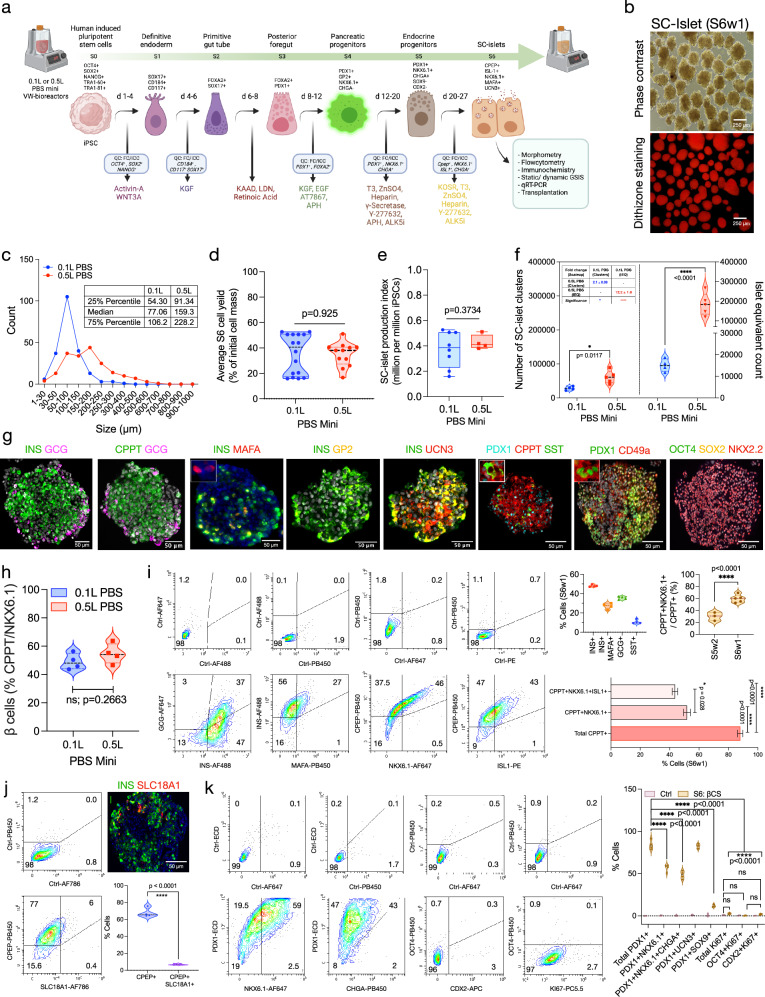
A modified 27-day, full-suspension differentiation protocol using Vertical Wheel® bioreactors generated human iPSC-derived islets that were transcriptionally and functionally islet-like and reversed diabetes in mice. A 5× vessel scale-up from 0.1 L to 0.5 L increased islet equivalent yield 12-fold without compromising islet structure.
Key findings
- Scale-up from 0.1 L to 0.5 L VW® bioreactors gave a 2.1 ± 0.09-fold increase in SC-islet clusters and a 12.2 ± 1.6-fold increase in IEQ (15,005 IEQ in 0.1 L vs 183,002 IEQ in 0.5 L), with linear S6 cell production (0.39 vs 0.41 million S6 cells per million iPSCs).
- S6w1 islets showed endocrine composition: 88.1 ± 1.8% CPPT+, 51.8 ± 2.3% CPPT+NKX6.1+, 43.6 ± 1.8% CPPT+ISL1+, 48.06 ± 0.6% INS+, 35.53 ± 0.8% GCG+, and 10.39 ± 1% SST+ cells; off-target Ki67+ was 2.23 ± 0.5%, Oct4+/Ki67+ 0.33 ± 0.1%, and CDX2+/Ki67+ 1.9 ± 0.3%.
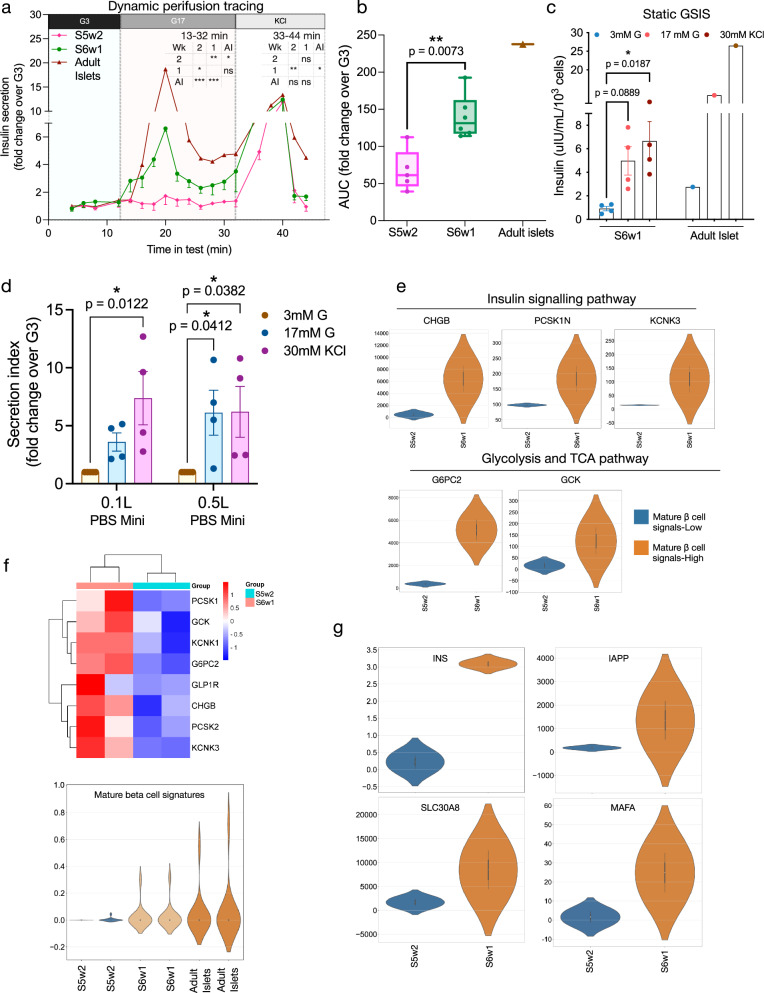
- S6w1 islets were glucose-responsive in vitro, with a 3.9–6.1-fold increase in insulin release and static secretion of 4.9 ± 1.2 µIU/ml at high glucose vs 0.9 ± 0.2 µIU/ml at low glucose per 1000 cells; dynamic perifusion showed a peak of 6.6 ± 0.2-fold over G3.
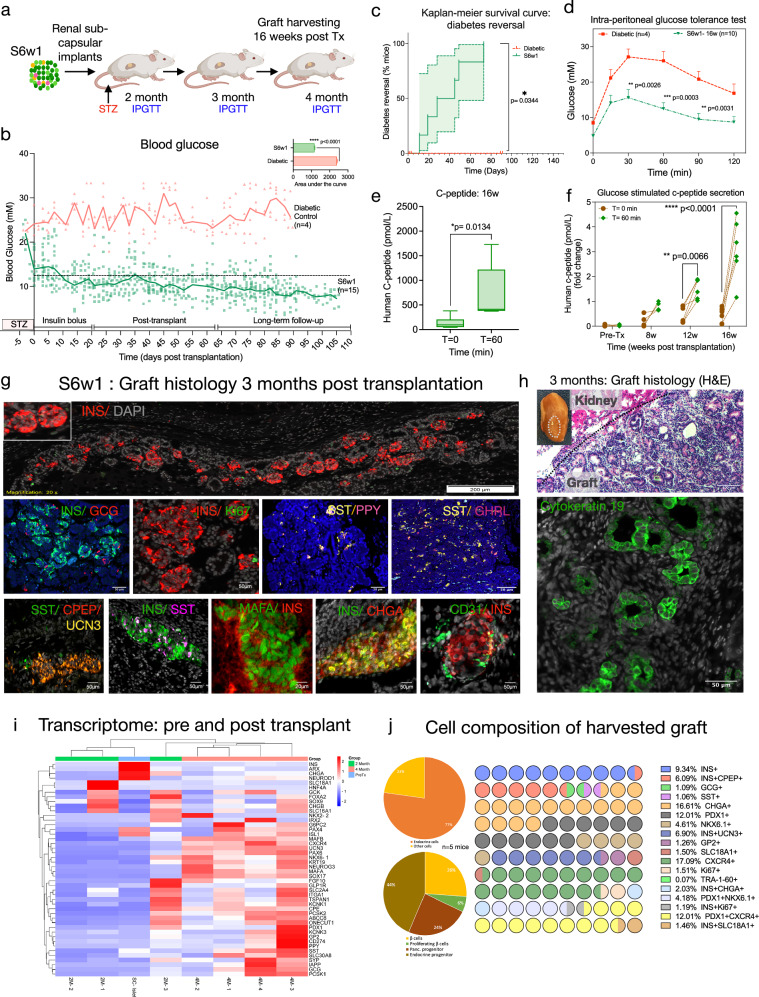
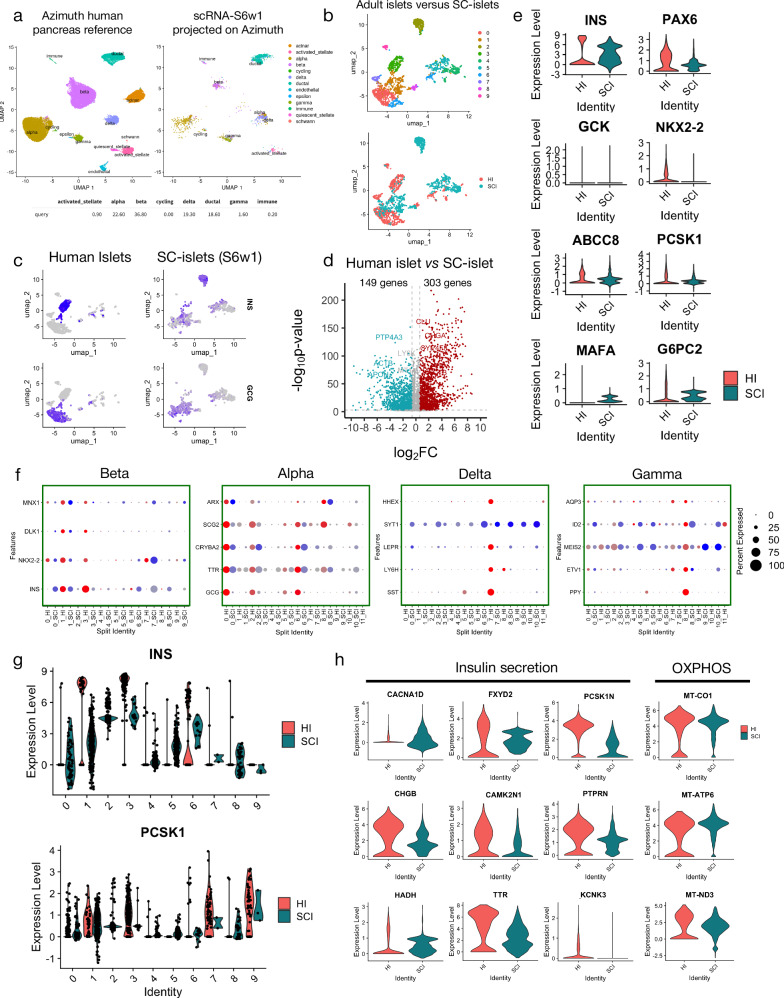
- In STZ-diabetic SCID-beige mice, >50% of transplanted mice achieved euglycemia within 30 days and all 15 transplanted mice showed diabetes reversal by 60 days; stimulated human C-peptide increased from 0.8 ± 0.08-fold at 8 weeks to 3.10 ± 0.49-fold at 16 weeks. scRNAseq showed islet-like populations comparable to adult islets but with a fetal-like maturation phenotype.
Methods
- Three human iPSC lines from healthy, total pancreatectomy, and type 1 diabetes donors were expanded and differentiated in 0.1 L or 0.5 L PBS mini-Vertical Wheel® bioreactors using a six-stage, 27-day suspension protocol modified from Sui et al., with aphidicolin added during Stage 6.
- Characterization included brightfield/dithizone imaging, immunohistochemistry, flow cytometry, dynamic and static GSIS, TaqMan low-density array gene expression, and scRNA-seq with Seurat/Azimuth projection against human pancreas and donor islet datasets.
- In vivo testing transplanted 2500 IEQ S6w1 SC-islets under the kidney capsule of STZ-induced diabetic immunodeficient SCID-beige mice; grafts were assessed by blood glucose, IPGTT, human C-peptide, histology, flow cytometry, and gene expression up to 16 weeks.
Limitations
- The paper states that S6w1 islets remain immature with a fetal-like phenotype, show lower in vitro insulin release than adult islets, and require months of in vivo maturation; the protocol was equivalent but not superior to published protocols for in vitro functionality and maturation.
- The paper notes that aphidicolin may inhibit DNA polymerases and impair DNA repair, potentially affecting genomic stability, and suggests exploring less toxic cell-cycle inhibitors such as PD166167 and ZM426012.
- Evident from the text: randomization was not performed, although analysis was blinded; some animal groups were small (e.g., n = 4 diabetic controls, n = 15 transplanted), and long-term human clinical safety/efficacy is not established.
Model-written summary. Check it against the paper before relying on it.
Integrity signals
Registry
Cites
Statistics
Figures
Verification
Claims the paper makes
1 Valid · 0 Not valid · 39 Not checked · 208 Own results and interpretations
The cited sources support only part of this claim — read each source’s verdict below.
In the paper
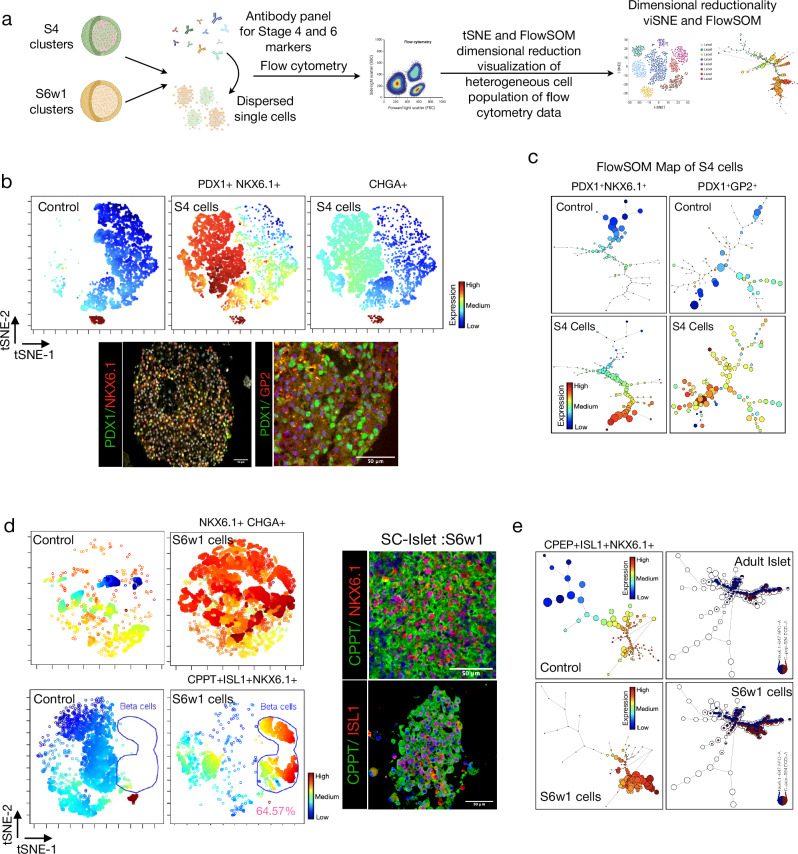
“S4 cells also retained pancreatic progenitor marker expression with 86.4 ± 5.1% GP2+ (p < 0.0001; n = 7) (Supplementary Fig. 1e), as reported previously by Nostro et al.23,41.”
§ Scale up manufacturing approach for production of human induced pluripotent stem cell-derived islets using Vertical Wheel® bioreactors > Results > Bioreactor developed SC-islets attain endocrine cell composition
What the sources say
- Partly supportedcites [23] Aghazadeh, Y. et al. GP2-enriched pancreatic progenitors give rise to functional beta cells in vivo and eliminate the risk of teratoma formation. Stem Cell Rep. 17, 964–978 (2022). PMC9023812 35364010 sourceExperimental — accuracy not yet measured
Our copy confirms the qualitative part of the attribution: at the end of stage 4 GP2 expression was quantified by flow cytometry and the H1-derived GP2-enriched population reached 88% purity (n = 6), with ~76% for H9 (n = 3) and ~67% retained in NS/FT fractions (Results, 'GP2 enrichment of hESC-derived PPs'; Figure 1I–1J, S4F). However, no passage states 86.4 ± 5.1% GP2+ at n = 7 with p < 0.0001; the n = 7 flow-cytometry experiments in this paper concern SOX2/CDX2 (Figure 3D–3G) and KI67 (Figure 4G–4H), not the GP2 percentage, and GP2 quantification in Figure S4F is reported only as quality control without that value. So the specific magnitude, sample size and significance level attributed to Nostro et al. are not supported by our copy. (LLM, conf=0.70)
- Supportedcites [41] Cogger, K. F. et al. Glycoprotein 2 is a specific cell surface marker of human pancreatic progenitors. Nat. Commun. 8, 331 (2017). 28835709 PMC5569081 source
The citing sentence reports its own value (86.4 ± 5.1% GP2+, n = 7, Supplementary Fig. 1e) and cites Nostro et al. only for the prior demonstration that stage-4/day-13 pancreatic progenitor cultures express GP2. Our copy supports that directly: the Results section 'GP2 is a marker of hESC-derived PPs' states that at day 13 'less than 20% of the PH cells expressed GP2, compared to 95.7% ± 1.9% in PP cultures', and that in H1 day-13 cultures 'the percentage of GP2+ cells decreased from 85% (Fig. 2b) to 70%' after fixation, with the majority PDX1+/NKX6-1+; the Fig. 4 legend gives ****p < 0.0001 (One-way ANOVA) for the day-13 GP2 fractions, and BJ-iPSC1 day-13 cultures comprised 76% GP2+ cells. The specific 86.4 ± 5.1% figure is not this paper's, but the sentence does not attribute it to Nostro et al. (LLM, conf=0.85)
plainn = 7- Asserted: passes — The authors put it forward as true.
- Checkable: passes — It can be checked against evidence.
- Load-bearing: unclear — It is unclear whether the paper’s conclusions depend on it.
- Based: passes — The paper gives a reason why it holds.
- Partly supported
A result the paper reports from its own data — it cites no other source for it, so there is none to check. The quote shows it is in the paper.
In the paper
“S6w1 grafts demonstrated the presence of mature all islet cell types within the engrafted tissues. These include the presence of- β-like (INS), α-like (GCG), δ-like (SST), and Ghrelin-like (GHRL) cells (Fig. 3g).”
§ Scale up manufacturing approach for production of human induced pluripotent stem cell-derived islets using Vertical Wheel® bioreactors > Results > Suspension SC-islets reverse diabetes after in vivo maturation
boostedSingle case- Asserted: passes — The authors put it forward as true.
- Checkable: passes — It can be checked against evidence.
- Load-bearing: passes — The paper’s conclusions depend on it.
- Based: passes — The paper gives a reason why it holds.
A result the paper reports from its own data — it cites no other source for it, so there is none to check. The quote shows it is in the paper.
In the paper
“The improved full-suspension, six-stages (S1 through S6) differentiation process efficiently produced islet-like clusters from each of the three tested iPSC lines in small (0.1 L) to scale-up (0.5 L) vessel (Supplementary Fig. 1a).”
§ Scale up manufacturing approach for production of human induced pluripotent stem cell-derived islets using Vertical Wheel® bioreactors > Results > Vertical-Wheel® suspension bioreactors promote islet cell differentiation and offers scale up capacity of human SC-islets
plainstates a cause- Asserted: passes — The authors put it forward as true.
- Checkable: passes — It can be checked against evidence.
- Load-bearing: passes — The paper’s conclusions depend on it.
- Based: passes — The paper gives a reason why it holds.
A result the paper reports from its own data — it cites no other source for it, so there is none to check. The quote shows it is in the paper.
In the paper
“Immunohistochemical staining demonstrated survival and engraftment of residual pancreatic progenitor cells that gradually developed into ductal or microcystic structures, possibly from contaminating non-endocrine cells (Fig. 3h).”
§ Scale up manufacturing approach for production of human induced pluripotent stem cell-derived islets using Vertical Wheel® bioreactors > Results > Suspension SC-islets reverse diabetes after in vivo maturation
boostedstates a causeSingle case- Asserted: passes — The authors put it forward as true.
- Checkable: passes — It can be checked against evidence.
- Load-bearing: unclear — It is unclear whether the paper’s conclusions depend on it.
- Based: passes — The paper gives a reason why it holds.
A result the paper reports from its own data — it cites no other source for it, so there is none to check. The quote shows it is in the paper.
In the paper
“Non-transplanted STZ-induced diabetic control mice (red) exhibited elevated glucose levels >20 mM over 90 days (Fig. 3b).”
§ Scale up manufacturing approach for production of human induced pluripotent stem cell-derived islets using Vertical Wheel® bioreactors > Results > Suspension SC-islets reverse diabetes after in vivo maturation
plain- Asserted: passes — The authors put it forward as true.
- Checkable: passes — It can be checked against evidence.
- Load-bearing: passes — The paper’s conclusions depend on it.
- Based: passes — The paper gives a reason why it holds.
114 more claims
Create a free account to see all 248 claims and to verify the 69 references still open.
- It may state two separate claims as one. 104
- Probably not a substantial claim. 37
- The quote only partly states this claim. 2
Self-check
Percentages, sums and reported differences re-computed from the paper’s own numbers.
Each contradiction between two passages listed here was confirmed by an independent check.
Rated major: it would touch a result — a value a result rests on, reported and recomputed p-values on opposite sides of the significance level, two passages that conflict with no sign which is right, or a cited work retracted before this paper was published.
In the paper
§ Scale up manufacturing approach for production of human induced pluripotent stem cell-derived islets using Vertical Wheel® bioreactors > Discussion
“The approach is reproducible and scalable, capable of generating high numbers and IEQs of SC-islets without alteration in morphology, size, or off-target heterogeneity (Fig. 1c).”
§ Scale up manufacturing approach for production of human induced pluripotent stem cell-derived islets using Vertical Wheel® bioreactors > Results > Vertical-Wheel® suspension bioreactors promote islet cell differentiation and offers scale up capacity of human SC-islets
“This protocol generated SC-islet clusters of median size 77.06 µm (IQR: 54.30-106.2 µm; n = 210) in a 0.1 L vessel and 159.3 µm (IQR: 91.34–228.2 µm; n = 193) in a 0.5 L bioreactor vessel (Fig. 1c).”
Rated major: it would touch a result — a value a result rests on, reported and recomputed p-values on opposite sides of the significance level, two passages that conflict with no sign which is right, or a cited work retracted before this paper was published.
In the paper
§ Scale up manufacturing approach for production of human induced pluripotent stem cell-derived islets using Vertical Wheel® bioreactors > Results > Suspension SC-islets show in vitro functional potential and glucose-responsive insulin release
“Additionally, static incubation of S6w1 islets with low, high glucose, and KCl displayed a significant increase in insulin secretion. A thousand S6w1 cells produced a total of 4.9 ± 1.2 µIU insulin/ml in high glucose compared to 0.9 ± 0.2 µIU insulin/ml in low glucose (p = 0.0889; n = 4)”
§ Scale up manufacturing approach for production of human induced pluripotent stem cell-derived islets using Vertical Wheel® bioreactors > Results > Suspension SC-islets show in vitro functional potential and glucose-responsive insulin release
“*p < 0.05, **p < 0.001, and ****p < 0.00001.”
Rated minor: it would not touch a result — a value no result rests on, a p-value that stays on the same side of the significance level, or a conflict that is clerical, resolved elsewhere in the paper, or outside its own findings.
In the paper
§ Scale up manufacturing approach for production of human induced pluripotent stem cell-derived islets using Vertical Wheel® bioreactors > Methods > Evaluation of SC-islet graft function
“SC-islet grafts were retrieved by total nephrectomy three and/or 6 months after transplantation.”
§ Scale up manufacturing approach for production of human induced pluripotent stem cell-derived islets using Vertical Wheel® bioreactors > Results > Suspension SC-islets reverse diabetes after in vivo maturation
“We explanted grafts from 3 mice at 2-months (green) and 4 mice at 4-months (pink) post-transplantation”
Rated minor: it would not touch a result — a value no result rests on, a p-value that stays on the same side of the significance level, or a conflict that is clerical, resolved elsewhere in the paper, or outside its own findings.
In the paper
§ Scale up manufacturing approach for production of human induced pluripotent stem cell-derived islets using Vertical Wheel® bioreactors > Results > SC-islets exhibit single cell heterogeneity resembling to adult donor islets
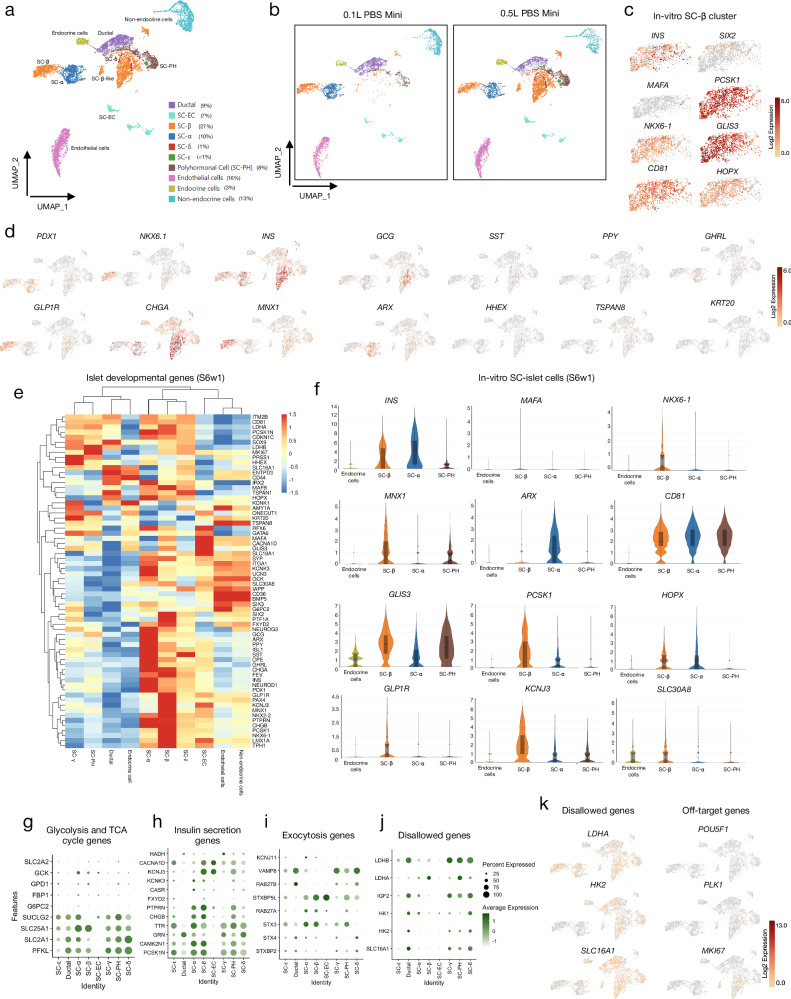
“a total of 9 distinct clusters were identified on a UMAP projection”
§ Scale up manufacturing approach for production of human induced pluripotent stem cell-derived islets using Vertical Wheel® bioreactors > Results > SC-islets exhibit single cell heterogeneity resembling to adult donor islets
“S6w1 cells were majorly clustered in 0, 1, 2, 4, and 5 clusters, whereas donor islets clustered in 0, 3, 4, 6, 7, 9, and 8.”
Rated minor: it would not touch a result — a value no result rests on, a p-value that stays on the same side of the significance level, or a conflict that is clerical, resolved elsewhere in the paper, or outside its own findings.
In the paper
§ Scale up manufacturing approach for production of human induced pluripotent stem cell-derived islets using Vertical Wheel® bioreactors > Results > Vertical-Wheel® suspension bioreactors promote islet cell differentiation and offers scale up capacity of human SC-islets
“The islet size distribution curve indicates that maximum clusters are generated within optimal islet diameter (<150 µm), and the frequency of large clusters is minimal across both scaling formats”
§ Scale up manufacturing approach for production of human induced pluripotent stem cell-derived islets using Vertical Wheel® bioreactors > Results > Vertical-Wheel® suspension bioreactors promote islet cell differentiation and offers scale up capacity of human SC-islets
“159.3 µm (IQR: 91.34–228.2 µm; n = 193) in a 0.5 L bioreactor vessel”
Citations
Cites
Integrated analysis of multimodal single-cell data
Hao, Y., Hao, S., Andersen-Nissen, E., Mauck, W. M., Zheng, S., Butler, A., Lee, M. J., Wilk, A. J., Darby, C., Zagar, M., et al. (2020) · doi:10.1101/2020.10.12.335331 · Cited by 15,508
Comprehensive Integration of Single-Cell Data
Stuart, T., Butler, A., Hoffman, P., Hafemeister, C., Papalexi, E., Mauck, W. M., Hao, Y., Stoeckius, M., Smibert, P., & Satija, R. (2019) · Cell · doi:10.1016/j.cell.2019.05.031 · Cited by 15,453
Integrating single-cell transcriptomic data across different conditions, technologies, and species
Butler, A., Hoffman, P., Smibert, P., Papalexi, E., & Satija, R. (2018) · Nature Biotechnology · doi:10.1038/nbt.4096 · Cited by 13,174 · cited 1×
“3.2 using packages Seurat disk, Seurat data, and tidy verse 72 .”
InfluentialQuPath: Open source software for digital pathology image analysis
Bankhead, P., Loughrey, M. B., Fernández, J. A., Dombrowski, Y., McArt, D. G., Dunne, P. D., McQuaid, S., Gray, R. T., Murray, L. J., Coleman, H. G., et al. (2017) · Scientific Reports · doi:10.1038/s41598-017-17204-5 · Cited by 8,908
Bendall, S. C., Simonds, E. F., Qiu, P., Amir, E.-A. D., Krutzik, P. O., Finck, R., Bruggner, R. V., Melamed, R., Trejo, A., Ornatsky, O. I., et al. (2011) · Science · doi:10.1126/science.1198704 · Cited by 2,279
Generation of Functional Human Pancreatic β Cells In Vitro
Pagliuca, F. W., Millman, J. R., Gürtler, M., Segel, M., Van Dervort, A., Ryu, J. H., Peterson, Q. P., Greiner, D., & Melton, D. A. (2014) · Cell · doi:10.1016/j.cell.2014.09.040 · Cited by 2,025
Reversal of diabetes with insulin-producing cells derived in vitro from human pluripotent stem cells
Rezania, A., Bruin, J. E., Arora, P., Rubin, A., Batushansky, I., Asadi, A., O'Dwyer, S., Quiskamp, N., Mojibian, M., Albrecht, T., et al. (2014) · Nature Biotechnology · doi:10.1038/nbt.3033 · Cited by 1,575
Single-Cell Transcriptome Profiling of Human Pancreatic Islets in Health and Type 2 Diabetes
Segerstolpe, Å., Palasantza, A., Eliasson, P., Andersson, E.-M., Andréasson, A.-C., Sun, X., Picelli, S., Sabirsh, A., Clausen, M., Bjursell, M. K., et al. (2016) · Cell Metabolism · doi:10.1016/j.cmet.2016.08.020 · Cited by 1,550
Baron, M., Veres, A., Wolock, S. L., Faust, A. L., Gaujoux, R., Vetere, A., Ryu, J. H., Wagner, B. K., Shen-Orr, S. S., Klein, A. M., et al. (2016) · Cell Systems · doi:10.1016/j.cels.2016.08.011 · Cited by 1,508
A Single-Cell Transcriptome Atlas of the Human Pancreas
Muraro, M. J., Dharmadhikari, G., Grün, D., Groen, N., Dielen, T., Jansen, E., van Gurp, L., Engelse, M. A., Carlotti, F., de Koning, E. J. P., et al. (2016) · Cell Systems · doi:10.1016/j.cels.2016.09.002 · Cited by 1,321
De Novo Prediction of Stem Cell Identity using Single-Cell Transcriptome Data
Grün, D., Muraro, M. J., Boisset, J.-C., Wiebrands, K., Lyubimova, A., Dharmadhikari, G., van den Born, M., van Es, J., Jansen, E., Clevers, H., et al. (2016) · Cell Stem Cell · doi:10.1016/j.stem.2016.05.010 · Cited by 586
Lawlor, N., George, J., Bolisetty, M., Kursawe, R., Sun, L., Sivakamasundari, V., Kycia, I., Robson, P., & Stitzel, M. L. (2017) · Genome Research · doi:10.1101/gr.212720.116 · Cited by 562
Charting cellular identity during human in vitro β-cell differentiation
Veres, A., Faust, A. L., Bushnell, H. L., Engquist, E. N., Kenty, J. H.-R., Harb, G., Poh, Y.-C., Sintov, E., Gürtler, M., Pagliuca, F. W., et al. (2019) · Nature · doi:10.1038/s41586-019-1168-5 · Cited by 552
Multiplexed mass cytometry profiling of cellular states perturbed by small-molecule regulators
Bodenmiller, B., Zunder, E. R., Finck, R., Chen, T. J., Savig, E. S., Bruggner, R. V., Simonds, E. F., Bendall, S. C., Sachs, K., Krutzik, P. O., et al. (2012) · Nature Biotechnology · doi:10.1038/nbt.2317 · Cited by 546
Web‐Based Analysis and Publication of Flow Cytometry Experiments
Kotecha, N., Krutzik, P. O., & Irish, J. M. (2010) · Current Protocols in Cytometry · doi:10.1002/0471142956.cy1017s53 · Cited by 511
Nair, G. G., Liu, J. S., Russ, H. A., Tran, S., Saxton, M. S., Chen, R., Juang, C., Li, M.-L., Nguyen, V. Q., Giacometti, S., et al. (2019) · Nature Cell Biology · doi:10.1038/s41556-018-0271-4 · Cited by 472
Balboa, D., Barsby, T., Lithovius, V., Saarimäki-Vire, J., Omar-Hmeadi, M., Dyachok, O., Montaser, H., Lund, P.-E., Yang, M., Ibrahim, H., et al. (2022) · Nature Biotechnology · doi:10.1038/s41587-022-01219-z · Cited by 433
Acquisition of Dynamic Function in Human Stem Cell-Derived β Cells
Velazco-Cruz, L., Song, J., Maxwell, K. G., Goedegebuure, M. M., Augsornworawat, P., Hogrebe, N. J., & Millman, J. R. (2019) · Stem Cell Reports · doi:10.1016/j.stemcr.2018.12.012 · Cited by 399
A prevascularized subcutaneous device-less site for islet and cellular transplantation
Pepper, A. R., Gala-Lopez, B., Pawlick, R., Merani, S., Kin, T., & Shapiro, A. M. J. (2015) · Nature Biotechnology · doi:10.1038/nbt.3211 · Cited by 381
Self-citationTargeting the cytoskeleton to direct pancreatic differentiation of human pluripotent stem cells
Hogrebe, N. J., Augsornworawat, P., Maxwell, K. G., Velazco-Cruz, L., & Millman, J. R. (2020) · Nature Biotechnology · doi:10.1038/s41587-020-0430-6 · Cited by 373 · cited 6×
“These fi ndings are consistent with the SC-islet phenotype previously discussed in prominent published protocols utilizing ESCs in both planar 11,12,39,55,63 and suspension conditions 14,28 – 30 .”
InfluentialKelly, O. G., Chan, M. Y., Martinson, L. A., Kadoya, K., Ostertag, T. M., Ross, K. G., Richardson, M., Carpenter, M. K., D'Amour, K. A., Kroon, E., et al. (2011) · Nature Biotechnology · doi:10.1038/nbt.1931 · Cited by 348
Ramzy, A., Thompson, D. M., Ward-Hartstonge, K. A., Ivison, S., Cook, L., Garcia, R. V., Loyal, J., Kim, P. T. W., Warnock, G. L., Levings, M. K., et al. (2021) · Cell Stem Cell · doi:10.1016/j.stem.2021.10.003 · Cited by 342
Shapiro, A. M. J., Thompson, D., Donner, T. W., Bellin, M. D., Hsueh, W., Pettus, J., Wilensky, J., Daniels, M., Wang, R. M., Brandon, E. P., et al. (2021) · Cell Reports Medicine · doi:10.1016/j.xcrm.2021.100466 · Cited by 313
Self-citationWang, S., Du, Y., Zhang, B., Meng, G., Liu, Z., Liew, S. Y., Liang, R., Zhang, Z., Cai, X., Wu, S., et al. (2024) · Cell · doi:10.1016/j.cell.2024.09.004 · Cited by 281
Generation of insulin-producing pancreatic β cells from multiple human stem cell lines
Hogrebe, N. J., Maxwell, K. G., Augsornworawat, P., & Millman, J. R. (2021) · Nature Protocols · doi:10.1038/s41596-021-00560-y · Cited by 211
Marfil-Garza, B. A., Imes, S., Verhoeff, K., Hefler, J., Lam, A., Dajani, K., Anderson, B., O'Gorman, D., Kin, T., Bigam, D., et al. (2022) · The Lancet Diabetes & Endocrinology · doi:10.1016/s2213-8587(22)00114-0 · Cited by 205 · cited 2×
“Transplantationofhumancadavericisletshasbeenshowntobehighly effective for patients with T1D complicated by labile glycemic control, and 20-yearoutcomesfromtheEdmontonProtocolandothervariantscontinue toshowpromise 19 .”
Self-citationAugsornworawat, P., Maxwell, K. G., Velazco-Cruz, L., & Millman, J. R. (2020) · Cell Reports · doi:10.1016/j.celrep.2020.108067 · Cited by 200
Identification of genes selectively disallowed in the pancreatic islet
Pullen, T. J., Khan, A. M., Barton, G., Butcher, S. A., Sun, G., & Rutter, G. A. (2010) · Islets · doi:10.4161/isl.2.2.11025 · Cited by 168
Human pluripotent stem-cell-derived islets ameliorate diabetes in non-human primates
Du, Y., Liang, Z., Wang, S., Sun, D., Wang, X., Liew, S. Y., Lu, S., Wu, S., Jiang, Y., Wang, Y., et al. (2022) · Nature Medicine · doi:10.1038/s41591-021-01645-7 · Cited by 155
Glycoprotein 2 is a specific cell surface marker of human pancreatic progenitors
Cogger, K. F., Sinha, A., Sarangi, F., McGaugh, E. C., Saunders, D., Dorrell, C., Mejia-Guerrero, S., Aghazadeh, Y., Rourke, J. L., Screaton, R. A., et al. (2017) · Nature Communications · doi:10.1038/s41467-017-00561-0 · Cited by 145
Emerging routes to the generation of functional β-cells for diabetes mellitus cell therapy
Nair, G. G., Tzanakakis, E. S., & Hebrok, M. (2020) · Nature Reviews Endocrinology · doi:10.1038/s41574-020-0375-3 · Cited by 134
Applications of iPSC-derived beta cells from patients with diabetes
Maxwell, K. G., & Millman, J. R. (2021) · Cell Reports Medicine · doi:10.1016/j.xcrm.2021.100238 · Cited by 113
Wu, J., Li, T., Guo, M., Ji, J., Meng, X., Fu, T., Nie, T., Wei, T., Zhou, Y., Dong, W., et al. (2024) · Cell Discovery · doi:10.1038/s41421-024-00662-3 · Cited by 101
Conformal Coating of Stem Cell-Derived Islets for β Cell Replacement in Type 1 Diabetes
Stock, A. A., Manzoli, V., De Toni, T., Abreu, M. M., Poh, Y.-C., Ye, L., Roose, A., Pagliuca, F. W., Thanos, C., Ricordi, C., et al. (2020) · Stem Cell Reports · doi:10.1016/j.stemcr.2019.11.004 · Cited by 96
The promise of stem cell-derived islet replacement therapy
Melton, D. (2021) · Diabetologia · doi:10.1007/s00125-020-05367-2 · Cited by 96
Borys, B. S., Dang, T., So, T., Rohani, L., Revay, T., Walsh, T., Thompson, M., Argiropoulos, B., Rancourt, D. E., Jung, S., et al. (2021) · Stem Cell Research & Therapy · doi:10.1186/s13287-020-02109-4 · Cited by 95
Augsornworawat, P., Hogrebe, N. J., Ishahak, M., Schmidt, M. D., Marquez, E., Maestas, M. M., Veronese-Paniagua, D. A., Gale, S. E., Miller, J. R., Velazco-Cruz, L., et al. (2023) · Nature Cell Biology · doi:10.1038/s41556-023-01150-8 · Cited by 95
Clusters of Conserved Beta Cell Marker Genes for Assessment of Beta Cell Phenotype
Martens, G. A., Jiang, L., Hellemans, K. H., Stangé, G., Heimberg, H., Nielsen, F. C., Sand, O., Van Helden, J., Gorus, F. K., & Pipeleers, D. G. (2011) · PLoS ONE · doi:10.1371/journal.pone.0024134 · Cited by 93
Aphidicolin inhibits repair of DNA in UV-irradiated human fibroblasts
Snyder, R. D., & Regan, J. D. (1981) · Biochemical and Biophysical Research Communications · doi:10.1016/0006-291x(81)90730-0 · Cited by 83
Differentiating functional human islet-like aggregates from pluripotent stem cells
Barsby, T., Ibrahim, H., Lithovius, V., Montaser, H., Balboa, D., Vähäkangas, E., Chandra, V., Saarimäki-Vire, J., & Otonkoski, T. (2022) · STAR Protocols · doi:10.1016/j.xpro.2022.101711 · Cited by 71
Borys, B. S., So, T., Colter, J., Dang, T., Roberts, E. L., Revay, T., Larijani, L., Krawetz, R., Lewis, I., Argiropoulos, B., et al. (2020) · Stem Cells Translational Medicine · doi:10.1002/sctm.19-0406 · Cited by 69
Aghazadeh, Y., Sarangi, F., Poon, F., Nkennor, B., McGaugh, E. C., Nunes, S. S., & Nostro, M. C. (2022) · Stem Cell Reports · doi:10.1016/j.stemcr.2022.03.004 · Cited by 62
Kang, R. B., Li, Y., Rosselot, C., Zhang, T., Siddiq, M., Rajbhandari, P., Stewart, A. F., Scott, D. K., Garcia-Ocana, A., & Lu, G. (2023) · Genome Medicine · doi:10.1186/s13073-023-01179-2 · Cited by 62
The Flaws and Future of Islet Volume Measurements
Huang, H.-H., Harrington, S., & Stehno‐Bittel, L. (2018) · Cell Transplantation · doi:10.1177/0963689718779898 · Cited by 61
Stomach-derived human insulin-secreting organoids restore glucose homeostasis
Huang, X., Gu, W. Y., Zhang, J., Lan, Y., Colarusso, J. L., Li, S., Pertl, C., Lü, J., Kim, H., Zhu, J., et al. (2023) · Nature Cell Biology · doi:10.1038/s41556-023-01130-y · Cited by 58
Aphidicolin: an inhibitor of DNA repair in human fibroblasts
Waters, R. (1981) · Carcinogenesis · doi:10.1093/carcin/2.8.795 · Cited by 56
Reduced replication fork speed promotes pancreatic endocrine differentiation and controls graft size
Sui, L., Xin, Y., Du, Q., Georgieva, D., Diedenhofen, G., Haataja, L., Su, Q., Zuccaro, M. V., Kim, J., Fu, J., et al. (2021) · JCI Insight · doi:10.1172/jci.insight.141553 · Cited by 48
Suspension culture improves iPSC expansion and pluripotency phenotype
Cuesta-Gomez, N., Verhoeff, K., Dadheech, N., Dang, T., Jasra, I. T., de Leon, M. B., Pawlick, R., Marfil-Garza, B., Anwar, P., Razavy, H., et al. (2023) · Stem Cell Research & Therapy · doi:10.1186/s13287-023-03382-9 · Cited by 48
Self-citationLee, B., Jung, S., Hashimura, Y., Lee, M., Borys, B. S., Dang, T., Kallos, M. S., Rodrigues, C. A. V., Silva, T. P., & Cabral, J. M. S. (2022) · Bioengineering · doi:10.3390/bioengineering9030092 · Cited by 45
GraphBio: A shiny web app to easily perform popular visualization analysis for omics data
Zhao, T., & Wang, Z. (2022) · Frontiers in Genetics · doi:10.3389/fgene.2022.957317 · Cited by 45
Characterization of stem-cell-derived islets during differentiation and after implantation
Cuesta-Gomez, N., Verhoeff, K., Jasra, I. T., Pawlick, R., Dadheech, N., & Shapiro, A. M. J. (2022) · Cell Reports · doi:10.1016/j.celrep.2022.111238 · Cited by 41
Self-citationStrategies to Improve the Safety of iPSC-Derived β Cells for β Cell Replacement in Diabetes
Pellegrini, S., Zamarian, V., & Sordi, V. (2022) · Transplant International · doi:10.3389/ti.2022.10575 · Cited by 38
Iworima, D. G., Baker, R. K., Ellis, C., Sherwood, C., Zhan, L., Rezania, A., Piret, J. M., & Kieffer, T. J. (2024) · Stem Cell Research & Therapy · doi:10.1186/s13287-023-03574-3 · Cited by 36
A spectacular year for islet and stem cell transplantation
Shapiro, A. M. J., & Verhoeff, K. (2023) · Nature Reviews Endocrinology · doi:10.1038/s41574-022-00790-4 · Cited by 34
Self-citationA Century-long Journey From the Discovery of Insulin to the Implantation of Stem Cell–derived Islets
Ramzy, A., Belmonte, P. J., Braam, M. J. S., Ida, S., Wilts, E. M., Levings, M. K., Rezania, A., & Kieffer, T. J. (2023) · Endocrine Reviews · doi:10.1210/endrev/bnac021 · Cited by 34
Schmidt, M. D., Ishahak, M., Augsornworawat, P., & Millman, J. R. (2024) · BMC Genomics · doi:10.1186/s12864-024-10013-x · Cited by 34
Pancreatic Beta Cell Differentiation From Human Pluripotent Stem Cells
Sui, L., Leibel, R. L., & Egli, D. (2018) · Current Protocols in Human Genetics · doi:10.1002/cphg.68 · Cited by 29
Hiyoshi, H., Sakuma, K., Tsubooka-Yamazoe, N., Asano, S., Mochida, T., Yamaura, J., Konagaya, S., Fujii, R., Matsumoto, H., Ito, R., et al. (2022) · Scientific Reports · doi:10.1038/s41598-022-08753-5 · Cited by 22
Braam, M. J. S., Zhao, J., Liang, S., Ida, S., Kloostra, N. K., Iworima, D. G., Tang, M., Baker, R. K., Quiskamp, N., Piret, J. M., et al. (2023) · Scientific Reports · doi:10.1038/s41598-023-35716-1 · Cited by 22
Diekmann, U., Wolling, H., Dettmer, R., Niwolik, I., Naujok, O., & Buettner, F. F. R. (2019) · Scientific Reports · doi:10.1038/s41598-018-37650-z · Cited by 21
Pollock, S. D., Galicia-Silva, I. M., Liu, M., Gruskin, Z. L., & Alvarez-Dominguez, J. R. (2023) · STAR Protocols · doi:10.1016/j.xpro.2023.102580 · Cited by 20
Iworima, D. G., Rieck, S., & Kieffer, T. J. (2021) · Stem Cells Translational Medicine · doi:10.1002/sctm.21-0161 · Cited by 18
Augsornworawat, P., Maxwell, K. G., Velazco-Cruz, L., & Millman, J. R. (2021) · Cell Reports · doi:10.1016/j.celrep.2021.108850 · Cited by 17
Verhoeff, K., Cuesta-Gomez, N., Maghera, J., Dadheech, N., Pawlick, R., Smith, N., O’Gorman, D., Razavy, H., Marfil-Garza, B., Young, L. G., et al. (2025) · Transplantation · doi:10.1097/tp.0000000000005108 · Cited by 16 · cited 1×
“Various methods, including small to mid-size planar or suspension culture formats like ultra-low attachment or microwell plates, andspinner fl asks,havebeenexploredtoscaleSC-isletsproduction 10,14,28 – 30 , 59 .”
Self-citationStarczewska, E., Beyaert, M., Michaux, L., Vekemans, M., Saussoy, P., Bol, V., Echarri, A. A., Smal, C., Neste, E. V. D., & Bontemps, F. (2016) · Oncotarget · doi:10.18632/oncotarget.9525 · Cited by 15
Bogacheva, M. S., Harjumäki, R., Flander, E., Taalas, A., Bystriakova, M. A., Yliperttula, M. L., Xiang, X., Leung, A. W., & Lou, Y. (2021) · Frontiers in Cell and Developmental Biology · doi:10.3389/fcell.2021.726499 · Cited by 15
Single-cell RNA Sequencing and Analysis of Human Pancreatic Islets
Xin, Y., Adler, C., Kim, J., Ding, Y., Ni, M., Wei, Y., Macdonald, L., & Okamoto, H. (2019) · Journal of Visualized Experiments · doi:10.3791/59866 · Cited by 14
Jensen, N. K., Ingvorsen, C., Petersen, D. R., Pereira, M. J., Lu, T. T. H., Alsted, T. J., Kirkegaard, J. S., & Keane, K. A. (2021) · Toxicologic Pathology · doi:10.1177/01926233211036395 · Cited by 13
CDK8/19 inhibition plays an important role in pancreatic β-cell induction from human iPSCs
Sakuma, K., Tsubooka-Yamazoe, N., Hashimoto, K., Sakai, N., Asano, S., Watanabe-Matsumoto, S., Watanabe, T., Saito, B., Matsumoto, H., Ueno, H., et al. (2023) · Stem Cell Research & Therapy · doi:10.1186/s13287-022-03220-4 · Cited by 12
AT7867 promotes pancreatic progenitor differentiation of human iPSCs
Cuesta-Gomez, N., Verhoeff, K., Dadheech, N., Pawlick, R., Marfil-Garza, B., Razavy, H., & Shapiro, A. M. J. (2023) · Stem Cell Reports · doi:10.1016/j.stemcr.2023.10.005 · Cited by 8
Self-citationDadheech, N., Cuesta-Gomez, N., Jasra, I. T., Verhoeff, K., Garza, B. M., Mouhammed, O., & Shapiro, A. M. J. (2022) · Journal of Immunology and Regenerative Medicine · doi:10.1016/j.regen.2022.100064 · Cited by 5
Self-citationChallenges in stem cell-derived islet replacement therapy can be overcome
Abdulreda, M. H., & Berggren, P.-O. (2021) · Cell Transplantation · doi:10.1177/09636897211045320 · Cited by 2
Cited by
Engineering hypoimmune stem cell-derived beta cells
Licht, B. J. M., Duffy, G. P., & Levey, R. E. (2025) · Stem Cell Research & Therapy · doi:10.1186/s13287-025-04745-0 · Cited by 8
Hossain, M. K., & Kim, H.-R. (2026) · International Journal of Molecular Sciences · doi:10.3390/ijms27031280 · Cited by 5
Overview of the major clinical trials investigating stem cells–based therapies for diabetes
Lin, T.-M., Lin, C.-H., Lin, C.-S., & Lin, C.-S. (2026) · Diabetes & Metabolism · doi:10.1016/j.diabet.2026.101738 · Cited by 6
Ruchko, E., Maria, C., Sokolov, V., Starinnov, Z. R., Sabirov, M. S., & Vasiliev, A. (2026) · Frontiers in Cell and Developmental Biology · doi:10.3389/fcell.2025.1698296 · Cited by 4
Strakosch, T., & Forbes, S. (2026) · Diabetic Medicine · doi:10.1111/dme.70230 · Cited by 3
Metadata
- Authors
- Dadheech, N., Bermúdez de León, M., Czarnecka, Z., Cuesta-Gomez, N., Jasra, I. T., Pawlick, R., Marfil-Garza, B., Sapkota, S., Verhoeff, K., Razavy, H., Anwar, P., Singh, A., Ray, N., O’ Gorman, D., Jickling, G., Lyon, J., MacDonald, P., & Shapiro, A. M. J.
- Affiliations
- University of Alberta (CA)
- Corresponding author
- Dadheech, Nidheesh
- Shapiro, A. M. James
- ORCID
- Venue
- npj Regenerative Medicine
- Published
- 2025-05-29
- Volume
- 10
- Issue
- 1
- Pages
- 24-24
- ISSN
- 2057-3995 (ISSN-L)
- PMC
- PMC12122946
- OpenAlex
- W4410851544
- Semantic Scholar
- 0a932a0d904867fd59d9398ded9ae9cd859b2b9e
- Cited by
- 23
- References
- 72
- Citations by year
- 2026: 20 · 2025: 3
- FWCI
- 11.66
- Type
- journal article
- Language
- en
- Open access
- gold
- doi.org
- Licence
- cc-by-nc-nd
- creativecommons.org/licenses/by-nc-nd/4.0 (tdm)
- creativecommons.org/licenses/by-nc-nd/4.0 (vor)
- Locations
- npj Regenerative Medicine (publishedVersion, cc-by-nc-nd)
- PubMed (publishedVersion)
- PubMed Central (publishedVersion, cc-by-nc-nd)
- DOAJ (DOAJ: Directory of Open Access Journals) (submittedVersion, cc-by-sa)
- Funders
- Juvenile Diabetes Research Foundation Canada
- Topics
- Health Sciences › Medicine › Endocrinology, Diabetes and Metabolism › Pancreatic function and diabetes
- Life Sciences › Biochemistry, Genetics and Molecular Biology › Molecular Biology › Pluripotent Stem Cells Research
- Life Sciences › Biochemistry, Genetics and Molecular Biology › Genetics › Diabetes and associated disorders
- Keywords
- human induced pluripotent stem cells, stem cell-derived islets, vertical-wheel bioreactor, bioreactor scale-up, beta cell differentiation, glucose-dependent insulin secretion, islet transplantation, streptozotocin-induced diabetes, islet graft function, islet transcriptome
About these checks
Registry, retraction, Cites and statistics results are computed, not judged, with one exception: a printed reference that no index lists is read once by a model before it counts as a citation error. Claims are extracted by a model and kept only when their quote appears verbatim in the text; each cited source is then checked, with a model’s help, for whether it says what the claim relies on. Those verdicts can be wrong — read the claim’s quote and the cited source before relying on one.
The claim verdicts this report counts are experimental: their accuracy is not yet measured.
A language model drew the claims from the paper on 2026-11-16, under version 3 of the claim definition (model deepseek-v4.1-flash, prompt extract-v3).
A second model labelled each claim on 2026-11-16 (model jev-1.13-20260917, definition revision gold-guideline-v0.2).
Cited sources are checked with a language model’s help (qwen3.8-omni-flash).
Statistics and arithmetic are recomputed, not judged.
Confidence bands are shown only for fields calibrated on our annotated test set. None is calibrated yet, so no band is shown.
What counts as a claim ›How we measure confidence ›How we check this ›
Are you an author, or do you see a problem with this page? Request a review
Data sources
Bibliographic data: Semantic Scholar, OpenAlex, Crossref.
Contains information from the Semantic Scholar Academic Graph Datasets, made available under the ODC Attribution License (ODC-BY 1.0).
Semantic Scholar’s data is described in: Kinney, R., et al. (2023). The Semantic Scholar Open Data Platform. arXiv:2301.10140.
