

The neurobiology of treatment-resistant schizophrenia: paths to antipsychotic resistance and a roadmap for future research
Open accessThe DOI matches its Crossref record; 100 of the 100 references it cites were found in a registry or an index.
Abstract
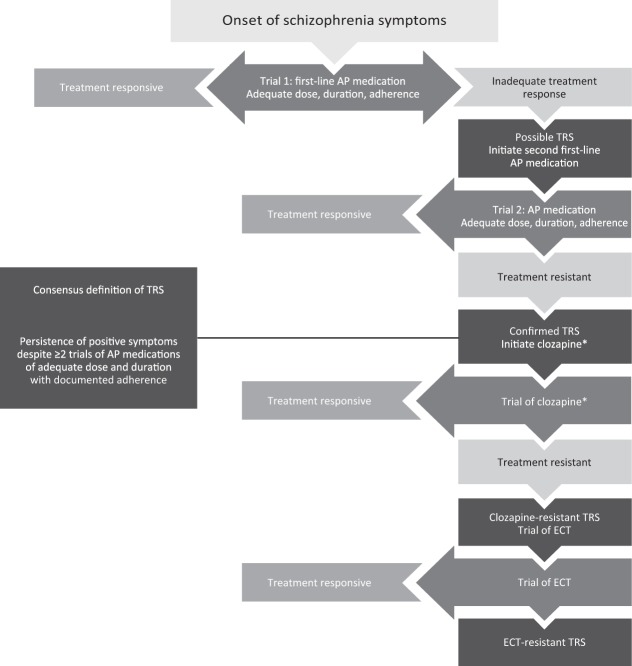
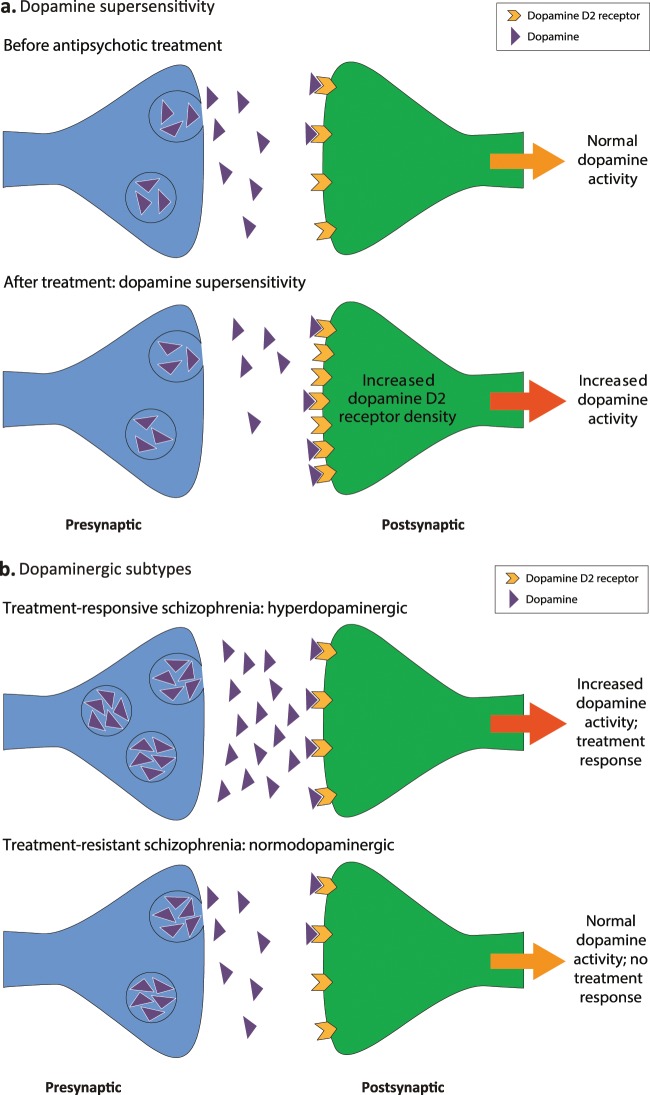
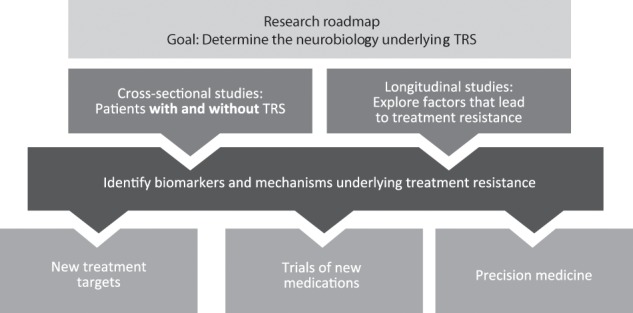
Treatment-resistant schizophrenia (TRS), the persistence of positive symptoms despite ≥2 trials of adequate dose and duration of antipsychotic medication with documented adherence, is a serious clinical problem with heterogeneous presentations. TRS can vary in its onset (at the first episode of psychosis or upon relapse), in its severity, and in the response to subsequent therapeutic interventions (i.e., clozapine, electroconvulsive therapy). The heterogeneity of TRS indicates that the underlying neurobiology of TRS may differ not only from treatment-responsive schizophrenia but also among patients with TRS. Several hypotheses have been proposed for the neurobiological mechanisms underlying TRS, including dopamine supersensitivity, hyperdopaminergic and normodopaminergic subtypes, glutamate dysregulation, inflammation and oxidative stress, and serotonin dysregulation. Research supporting these hypotheses is limited in part by variations in the criteria used to define TRS, as well as by the biological and clinical heterogeneity of TRS. Clinical trial designs for new treatments should be informed by this heterogeneity, and further clinical research is needed to more clearly understand the underlying neurobiology of TRS and to optimize treatment for patients with TRS.
Overview
The claims and statistics of this paper haven’t been checked yet.
Free: it reads the open-access text and checks the first 5 claims that cite a source we can check. Create a free account to check every claim.
Integrity signals
Registry
Cites
Statistics
Figures
Verification
Claims the paper makes
The claims and statistics of this paper haven’t been checked yet.
Free: it reads the open-access text and checks the first 5 claims that cite a source we can check. Create a free account to check every claim.
Claims other papers make about this one
Each is checked against this paper’s own text: does it say what the citing paper says it does?
The source backs part of the claim, not all of it — or backs it for a different population, condition or comparison.
In the citing paper
“There are three broad disease models proposed by the literature to explain treatment resistance, summarised in Figure 5 (see eAppendix 3 for search details). 48–51”
From Treatment resistance in psychiatry: state of the art and new directions (2022) · cites this paper as [48]
Experimental — accuracy not yet measured
Self-check
Percentages, sums and reported differences re-computed from the paper’s own numbers.
The self-check needs the paper’s full text.
Citations
Cites
Meta-Analysis of Cytokine Alterations in Schizophrenia: Clinical Status and Antipsychotic Effects
Miller, B. J., Buckley, P., Seabolt, W., Mellor, A., & Kirkpatrick, B. (2011) · Biological Psychiatry · doi:10.1016/j.biopsych.2011.04.013 · Cited by 1,742 · cited 1×
“Candidate serological biomarkers for TRS associated with schizophrenia treatment response could include decreased brain-derived neurotrophic factor (BDNF) and levels of soluble interleukin (IL)–2 receptor (sIL-2R), IL-6, and IL-1 receptor antagonist (IL-1RA).(81,91,92) Other candidate biomarkers could include normal s…”
BackgroundAntipsychotic drug doses and neuroleptic/dopamine receptors
SEEMAN, P., LEE, T., CHAU-WONG, M., & WONG, K. (1976) · Nature · doi:10.1038/261717a0 · Cited by 1,622
Discovering the Neural Basis of Human Social Anxiety: A Diagnostic and Therapeutic Imperative
Charney, D. S. (2004) · American Journal of Psychiatry · doi:10.1176/appi.ajp.161.1.1 · Cited by 1,428
Meltzer, H. Y., Matsubara, S., & Lee, J. C. (1989) · The Journal of Pharmacology and Experimental Therapeutics · doi:10.1016/s0022-3565(25)20710-8 · Cited by 1,349
Howes, O. D., McCutcheon, R., Agid, O., de Bartolomeis, A., van Beveren, N. J. M., Birnbaum, M. L., Bloomfield, M. A. P., Bressan, R. A., Buchanan, R. W., Carpenter, W. T., et al. (2017) · American Journal of Psychiatry · doi:10.1176/appi.ajp.2016.16050503 · Cited by 1,132
Self-citationHowes, O. D., Kambeitz, J., Kim, E., Stahl, D., Slifstein, M., Abi-Dargham, A., & Kapur, S. (2012) · Archives of General Psychiatry · doi:10.1001/archgenpsychiatry.2012.169 · Cited by 967 · cited 1×
“Increased striatal dopamine synthesis and release capacity in vivo are linked to psychotic relapse and the development of the first psychotic episode, with large effect size elevations on metaanalysis.(54) However, it has been proposed that not all patients with schizophrenia display striatal hyperdopaminergic activit…”
BackgroundSelf-citationLeucht, S., Tardy, M., Komossa, K., Heres, S., Kissling, W., Salanti, G., & Davis, J. M. (2012) · The Lancet · doi:10.1016/s0140-6736(12)60239-6 · Cited by 931 · cited 1×
“However, a meta-analysis failed to find differences in relapse rates between patients gradually or abruptly discontinuing antipsychotic medications.(47) A recent study found that relapse rates were higher in patients withdrawn from long-acting injectable paliperidone palmitate (i.”
Practice Guideline for the Treatment of Patients With Schizophrenia Second Edition
(2007) · APA Practice Guidelines for the Treatment of Psychiatric Disorders: Comprehensive Guidelines and Guideline Watches · doi:10.1176/appi.books.9780890423363.45859 · Cited by 737
Glutamate and dopamine in schizophrenia: An update for the 21 st century
Howes, O., McCutcheon, R., & Stone, J. (2015) · Journal of Psychopharmacology · doi:10.1177/0269881114563634 · Cited by 702 · cited 2×
“The most prominent hypothesis for the involvement of other neurotransmitter systems in the neurobiology of schizophrenia is the glutamate hypothesis, which suggests that dopamine hyperactivity is downstream of GABA and glutamate dysregulation.(26) According to the glutamate hypothesis, NMDA receptor dysfunction on GAB…”
BackgroundSelf-citationPharmacologic mechanisms of serotonergic regulation of dopamine neurotransmission
Alex, K. D., & Pehek, E. A. (2007) · Pharmacology & Therapeutics · doi:10.1016/j.pharmthera.2006.08.004 · Cited by 658 · cited 1×
“Serotonin plays a complex role in modification of dopamine neurotransmission and is thought to contribute to the neurobiology of schizophrenia.(85,86) There is evidence of lower levels of serotonin 2A receptors (and higher levels of serotonin 1A receptors) postmortem with moderate to large effect sizes in schizophreni…”
Background
Cited by
Treatment resistance in psychiatry: state of the art and new directions
Howes, O. D., Thase, M. E., & Pillinger, T. (2022) · Molecular Psychiatry · doi:10.1038/s41380-021-01200-3 · Cited by 413
Self-citationDopamine Receptor Subtypes, Physiology and Pharmacology: New Ligands and Concepts in Schizophrenia
Martel, J. C., & Gatti McArthur, S. (2020) · Frontiers in Pharmacology · doi:10.3389/fphar.2020.01003 · Cited by 229
Howes, O. D., Whitehurst, T., Shatalina, E., Townsend, L., Onwordi, E. C., Mak, T. L. A., Arumuham, A., O’Brien, O., Lobo, M., Vano, L., et al. (2021) · World Psychiatry · doi:10.1002/wps.20822 · Cited by 243
Self-citationSchizophrenia: from neurochemistry to circuits, symptoms and treatments
Howes, O. D., Bukala, B. R., & Beck, K. (2024) · Nature Reviews Neurology · doi:10.1038/s41582-023-00904-0 · Cited by 192
“One proposal is that treatment resistance to D2/3 receptor blockers is associated with a specific subtype characterized by more marked glutamatergic elevations and no alterations in striatal dopamine synthesis and release capacity 7 .”
Self-citationAntipsychotic Polypharmacy for the Management of Schizophrenia: Evidence and Recommendations
Lähteenvuo, M., & Tiihonen, J. (2021) · Drugs · doi:10.1007/s40265-021-01556-4 · Cited by 222
“However, it does not diminish the fact that there currently exists a large pool (up to 20%) of patients with insufficient treatment response from antipsychotic monotherapy (APM) [8].”
BackgroundInfluentialCorrell, C. U., Agid, O., Crespo-Facorro, B., de Bartolomeis, A., Fagiolini, A., Seppälä, N., & Howes, O. D. (2022) · CNS Drugs · doi:10.1007/s40263-022-00932-2 · Cited by 162
“Several lines of evidence indicate that it has a different neurobiology to schizophrenia that responds to dopamine D2 receptor blockers [11, 12].”
BackgroundSelf-citationNegative symptoms in schizophrenia: Newly emerging measurements, pathways, and treatments
Marder, S. R., & Umbricht, D. (2023) · Schizophrenia Research · doi:10.1016/j.schres.2023.07.010 · Cited by 154
Self-citationWada, M., Noda, Y., Iwata, Y., Tsugawa, S., Yoshida, K., Tani, H., Hirano, Y., Koike, S., Sasabayashi, D., Katayama, H., et al. (2022) · Molecular Psychiatry · doi:10.1038/s41380-022-01572-0 · Cited by 118
“These changes result in exaggerated symptoms that are no longer effectively treated by the initial dose of antipsychotics [50, 51].”
BackgroundDedic, N., Dworak, H., Zeni, C. M., Rutigliano, G., & Howes, O. D. (2021) · International Journal of Molecular Sciences · doi:10.3390/ijms222413185 · Cited by 106
“treatment-resistant schizophrenia (non-response to ≥2 medications) occurs in up to 34% of patients [57].”
BackgroundSelf-citationFernández‐Aranda, F., Treasure, J., Paslakis, G., Agüera, Z., Giménez, M., Granero, R., Sánchez, I., Serrano‐Troncoso, E., Gorwood, P., Herpertz‐Dahlmann, B., et al. (2021) · European Eating Disorders Review · doi:10.1002/erv.2822 · Cited by 99
Lobo, M. C., Whitehurst, T., Kaar, S. J., & Howes, O. D. (2021) · Neuroscience & Biobehavioral Reviews · doi:10.1016/j.neubiorev.2021.11.032 · Cited by 102
Self-citationSex differences in the blood–brain barrier: Implications for mental health
Dion‐Albert, L., Binder, L. B., Daigle, B., Hong-Minh, A., Lebel, M., & Ménard, C. (2022) · Frontiers in Neuroendocrinology · doi:10.1016/j.yfrne.2022.100989 · Cited by 107
“…unresponsive or respond poorly to currently available drugs with treatment resistance or symptom recurrence estimated at 30–50% (Fava and Davidson, 1996; Krishnan and Nestler, 2008), 50% (Hui Poon et al., 2015; Perlis et al., 2006) and 34% (Potkin et al., 2020), for MDD, BD and SZ, respectively.”
de Bartolomeis, A., Vellucci, L., Barone, A., Manchia, M., Luca, V. D., Iasevoli, F., & Correll, C. U. (2022) · Pharmacology & Therapeutics · doi:10.1016/j.pharmthera.2022.108236 · Cited by 99
Self-citationRawani, N. S., Chan, A. W., Dursun, S. M., & Baker, G. B. (2024) · Antioxidants · doi:10.3390/antiox13060709 · Cited by 113
“…more longitudinal investigations that take into account factors such as number and sex of subjects, presence of drug treatments, lifestyle and other risk factors, co-occurrence of other disorders, age of onset, prevalence of positive and negative symptoms, and nutritional status [71,168,175,176].”
BackgroundVoineskos, A. N., Hawco, C. S., Neufeld, N. H., Turner, J. A., Ameis, S. H., Anticevic, A., Buchanan, R. W., Cadenhead, K. S., Dazzan, P., Dickie, E. W., et al. (2024) · World Psychiatry · doi:10.1002/wps.21159 · Cited by 94
“A wide array of evidence is consistent with the hypothesis that there are two functional subtypes of schizophrenia with respect to treatment response: the hyperdopaminergic and normodopaminergic 250-252 .”
BackgroundOxidative-Antioxidant Imbalance and Impaired Glucose Metabolism in Schizophrenia
Bryll, A., Skrzypek, J., Krzyściak, W., Szelągowska, M., Śmierciak, N., Kozicz, T., & Popiela, T. (2020) · Biomolecules · doi:10.3390/biom10030384 · Cited by 73
Notter, T. (2021) · Brain and Neuroscience Advances · doi:10.1177/23982128211009148 · Cited by 81
“Upon full manifestation of SZ, patients are typically assigned to long-term pharmacological treatments, which are, however, estimated to be effective in only ~66% of the patients, whereas the remaining ~34% are treatment resistant (Patel et al., 2014; Potkin et al., 2020).”
BackgroundMore than a biomarker: could language be a biosocial marker of psychosis?
Palaniyappan, L. K. (2021) · Schizophrenia · doi:10.1038/s41537-021-00172-1 · Cited by 96
Spark, D. L., Fornito, A., Langmead, C. J., & Stewart, G. D. (2022) · Translational Psychiatry · doi:10.1038/s41398-022-01904-2 · Cited by 75
“It has been proposed that maladaptations may be present at other levels of the dopaminergic system, including increased expression of D2 receptors and increased sensitivity of D2 receptors to dopamine [115, 116].”
BackgroundBen‐Azu, B., Adebayo, O. G., Jarikre, T. A., Oyovwi, M. O., Edje, K. E., Omogbiya, I. A., Eduviere, A. T., Moke, E. G., Chijioke, B. S., Odili, O. S., et al. (2022) · Metabolic Brain Disease · doi:10.1007/s11011-022-01075-5 · Cited by 69
Alonso-Sánchez, M. F., Ford, S. D., Mackinley, M., Silva, A., Limongi, R., & Palaniyappan, L. K. (2022) · Schizophrenia · doi:10.1038/s41537-022-00246-8 · Cited by 73
Chauhan, P., Garg, S., Tikka, S. K., & Khattri, S. (2021) · The Cerebellum · doi:10.1007/s12311-020-01193-9 · Cited by 57
Millgate, E., Hide, O., Lawrie, S. M., Murray, R. M., MacCabe, J. H., & Kravariti, E. (2021) · Psychological Medicine · doi:10.1017/s0033291721004128 · Cited by 62
“Forty to 70% of TRS patients respond partially or poorly even to clozapine (Farooq, Choudry, Cohen, Naeem, & Ayub, 2019; Potkin et al., 2020; Siskind, Siskind, & Kisely, 2017) and are termed ultra-resistant.”
Backgroundde Bartolomeis, A., Simone, G. D., Prisco, M. D., Barone, A., Napoli, R., Bèguinot, F., Billeci, M., & Fornaro, M. (2023) · Molecular Psychiatry · doi:10.1038/s41380-023-02065-4 · Cited by 66
“The upregulation of striatal D2R has been identi fi ed as a speci fi c feature of supersensitivity psychosis, accounting for the relapse of psychotic symptoms and the development of a resistance condition by hindering effective blockade of D2Rs [164].”
BackgroundIncreased Risk of Parkinson's Disease in Patients With Schizophrenia Spectrum Disorders
Kuusimäki, T., Al‐Abdulrasul, H., Kurki, S. H., Hietala, J. A., Hartikainen, S. A., Koponen, M., Tolppanen, A., & Kaasinen, V. (2021) · Movement Disorders · doi:10.1002/mds.28484 · Cited by 63
“It has been proposed that some of these patients are “normodopaminergic” and may not have a dysregulated DA system in the first place but rather an imbalance of glutamate/GABAergic systems.(15) It is possible that some of the patients treated with clozapine in our PD cohorts are putative normodopaminergic SCZ patients…”
BackgroundSystematic Review of Functional MRI Applications for Psychiatric Disease Subtyping
Miranda, L., Paul, R., Pütz, B., Koutsouleris, N., & Müller‐Myhsok, B. (2021) · Frontiers in Psychiatry · doi:10.3389/fpsyt.2021.665536 · Cited by 66
New Drug Treatments for Schizophrenia: A Review of Approaches to Target Circuit Dysfunction
Howes, O. D., Dawkins, E., Lobo, M. C., Kaar, S. J., & Beck, K. (2024) · Biological Psychiatry · doi:10.1016/j.biopsych.2024.05.014 · Cited by 57
“Finally, schizophrenia resistant to antipsychotic treatment (69) is seen in around 30% of patients (70 – 72) and could develop due to the consequences of long-term D 2 /D 3 receptor blockade in some patients (73).”
BackgroundSelf-citationKomatsu, H., Onoguchi, G., Jerotić, S., Kanahara, N., Kakuto, Y., Ono, T., Funakoshi, S., Yabana, T., Nakazawa, T., & Tomita, H. (2022) · Molecular Psychiatry · doi:10.1038/s41380-022-01591-x · Cited by 58
“Schizophrenia is resistant to treatment in approximately 30% of patients [123].”
Brain stimulation effects on serum BDNF, VEGF, and TNFα in treatment‐resistant psychiatric disorders
Valiulienė, G., Valiulis, V., Dapšys, K., Vitkevičienė, A., Gerulskis, G., Navakauskienė, R., & Germanavičius, A. (2021) · European Journal of Neuroscience · doi:10.1111/ejn.15232 · Cited by 53
Mishra, B. R., Agrawal, K., Biswas, T., Mohapatra, D., Nath, S., & Maiti, R. (2022) · Schizophrenia Bulletin · doi:10.1093/schbul/sbac027 · Cited by 80
Leboyer, M., Godin, O., Terro, E., Boukouaci, W., Lu, C.-L., André, M., Aouizerate, B., Berna, F. S., Barau, C., Capdevielle, D., et al. (2021) · Schizophrenia Bulletin Open · doi:10.1093/schizbullopen/sgab012 · Cited by 55
Drăgoi, A. M., Rădulescu, I. D., Pop, A. L., Năsui, B. A., Varlas, V. N., & Trifu, S. C. (2020) · Brain Sciences · doi:10.3390/brainsci10110840 · Cited by 51
“There are clinical situations that prove pseudo resistance to clozapine [58].”
BackgroundInvolvement of Gut Microbiota in Schizophrenia and Treatment Resistance to Antipsychotics
Manchia, M., Fontana, A., Panebianco, C., Paribello, P., Arzedi, C., Cossu, E., Garzilli, M., Montis, M. A., Mura, A., Pisanu, C., et al. (2021) · Biomedicines · doi:10.3390/biomedicines9080875 · Cited by 51
The Impact of Mental Illness on Postoperative Adverse Outcomes After Outpatient Joint Surgery
Kamalapathy, P. N., Kurker, K. P., Althoff, A. D., Browne, J. A., & Werner, B. C. (2021) · The Journal of Arthroplasty · doi:10.1016/j.arth.2021.04.002 · Cited by 44
Schneider‐Thoma, J., Hamza, T., Chalkou, K., Siafis, S., Dong, S., Bighelli, I., Hansen, W., Scheuring, E., Davis, J. M., Priller, J., et al. (2025) · The Lancet Psychiatry · doi:10.1016/s2215-0366(25)00001-x · Cited by 49
D-Serine: A Cross Species Review of Safety
Meftah, A. M., Hasegawa, H., & Kantrowitz, J. T. (2021) · Frontiers in Psychiatry · doi:10.3389/fpsyt.2021.726365 · Cited by 45
de Bartolomeis, A., Vellucci, L., Austin, M. C., Simone, G. D., & Barone, A. (2022) · Biomolecules · doi:10.3390/biom12070909 · Cited by 45
“In this framework, there is a significant need for novel pharmacological strategies that take into account preclinical and clinical findings in a direct and reverse translational fashion [15,16].”
BackgroundAgid, O., Crespo‐Facorro, B., de Bartolomeis, A., Fagiolini, A. M., Howes, O. D., Seppälä, N., & Correll, C. U. (2024) · European Neuropsychopharmacology · doi:10.1016/j.euroneuro.2024.04.012 · Cited by 47
Self-citationCytokine Imbalance as a Biomarker of Treatment-Resistant Schizophrenia
Shnayder, N. A., Khasanova, A. K., Strelnik, A., Al-Zamil, M., Otmakhov, A., Незнанов, Н. Г., Shipulin, G. A., Петрова, М. М., Garganeeva, N. P., & Nasyrova, R. F. (2022) · International Journal of Molecular Sciences · doi:10.3390/ijms231911324 · Cited by 44
Zhan, Z., Wang, J., & Shen, T. (2025) · Frontiers in Psychiatry · doi:10.3389/fpsyt.2025.1629032 · Cited by 51
Okada, M., Fukuyama, K., Shiroyama, T., & Murata, M. (2020) · International Journal of Molecular Sciences · doi:10.3390/ijms21197019 · Cited by 39
“seizures [92]; however, CLZ did not affect the neuronal resting membrane potential [93].”
BackgroundAn international research agenda for clozapine-resistant schizophrenia
Luykx, J. J., González-Díaz, J. M., Guu, T., van der Horst, M. Z., van Dellen, E., Boks, M. P., Gülöksüz, S., DeLisi, L. E., Sommer, I. E., Cummins, R., et al. (2023) · The Lancet Psychiatry · doi:10.1016/s2215-0366(23)00109-8 · Cited by 40
“34 There are multiple unmet needs when considering the diagnostic investigations of clozapine-resistant schizophrenia (eg, what diagnostic tests are helpful to improve outcomes?)”
BackgroundSelf-citationUpdate on novel antipsychotics and pharmacological strategies for treatment-resistant schizophrenia
de Bartolomeis, A., Ciccarelli, M., Vellucci, L., Fornaro, M., Iasevoli, F., & Barone, A. (2022) · Expert Opinion on Pharmacotherapy · doi:10.1080/14656566.2022.2145884 · Cited by 39
“glutamatergic/GABA neurotransmission, could be implicated [11].”
BackgroundInfluentialSchneider, K. L., Leinweber, K., Jamalabadi, H., Teutenberg, L., Brosch, K., Pfarr, J., Thomas‐Odenthal, F., Usemann, P. L., Wroblewski, A., Straube, B., et al. (2023) · Schizophrenia · doi:10.1038/s41537-023-00359-8 · Cited by 47
Okubo, R., Okada, M., & Motomura, E. (2024) · Biomolecules · doi:10.3390/biom14091128 · Cited by 41
“In primary TRS, the antipsychotic-resistant pathology already exists at the first episode of schizophrenia, and the pathophysiology of secondary TRS is augmented by persistent adequate antipsychotic medications [155–157].”
BackgroundAntipsychotic Drug Development: From Historical Evidence to Fresh Perspectives
Weston–Green, K. (2022) · Frontiers in Psychiatry · doi:10.3389/fpsyt.2022.903156 · Cited by 41
Pharmaco-EEG of antipsychotic treatment response: a systematic review
Pieri, M. D., Rochas, V., Sabé, M., Michel, C. M., & Kaiser, S. (2023) · Schizophrenia · doi:10.1038/s41537-023-00419-z · Cited by 42
Melzer-Ribeiro, D. L., Napolitano, I. C., Leite, S. A., de Souza, J. A. A., Vizzotto, A. D. B., Sarno, E. S. D., Fortes, M. A. H. Z., Gomes, M. L., de Oliveira, G. M., Avrichir, B. S., et al. (2023) · Schizophrenia Research · doi:10.1016/j.schres.2023.11.009 · Cited by 36
Self-citationTendilla‐Beltrán, H., Sanchez-Islas, N. D. C., Marina-Ramos, M., Leza, J. C., & Flores, G. (2020) · Progress in Neurobiology · doi:10.1016/j.pneurobio.2020.101967 · Cited by 37
Effect of child abuse and neglect on schizophrenia and other psychotic disorders
Chaiyachati, B. H., & Gur, R. E. (2021) · Pharmacology Biochemistry and Behavior · doi:10.1016/j.pbb.2021.173195 · Cited by 42
“Overall optimized outcomes for TRS include active and recurrent awareness to risks of TRS and differentiation from pseudo-resistance (Potkin, Kane et al. 2020).”
BackgroundNair, P. C., Miners, J. O., McKinnon, R. A., Langmead, C. J., Gregory, K. J., Copolov, D., Chan, S. K. W., & Bastiampillai, T. J. (2021) · Molecular Psychiatry · doi:10.1038/s41380-021-01250-7 · Cited by 36
Cognitive control network connectivity differentially disrupted in treatment resistant schizophrenia
Horne, C. M., Vanes, L. D., Verneuil, T., Mouchlianitis, E. D., Szentgyorgyi, T., Averbeck, B. B., Leech, R., Moran, R., & Shergill, S. S. (2021) · NeuroImage Clinical · doi:10.1016/j.nicl.2021.102631 · Cited by 38
“Clozapine’s mechanism of action in the brain is unclear but likely targets other mechanisms beyond D2 receptor antagonism in the striatum (Potkin et al., 2020).”
BackgroundEratne, D., Janelidze, S., Malpas, C. B., Loi, S. M., Walterfang, M., Merritt, A. H., Diouf, I., Blennow, K., Zetterberg, H., Cilia, B.-J., et al. (2021) · Australian & New Zealand Journal of Psychiatry · doi:10.1177/00048674211058684 · Cited by 33
“Fourth, there is significant heterogeneity in clinically diagnosed schizophrenia and TRS (Potkin et al., 2020), and likely differences in underlying genetic, environmental and other aetiological and pathophysiological mechanisms.”
BackgroundMorphological characteristics of spoken language in schizophrenia patients – an exploratory study
Ziv, I., Baram, H., Bar, K., Zilberstein, V., Itzikowitz, S., Harel, E. V., & Dershowitz, N. (2021) · Scandinavian Journal of Psychology · doi:10.1111/sjop.12790 · Cited by 39
Second to none: rationale, timing, and clinical management of clozapine use in schizophrenia
Qubad, M., & Bittner, R. A. (2023) · Therapeutic Advances in Psychopharmacology · doi:10.1177/20451253231158152 · Cited by 35
The burden of schizophrenia in the Middle East and North Africa region, 1990–2019
Safiri, S., Noori, M., Nejadghaderi, S. A., Shamekh, A., Sullman, M. J. M., Collins, G. S., & Kolahi, A. (2024) · Scientific Reports · doi:10.1038/s41598-024-59905-8 · Cited by 35
“Furthermore, some patients may develop resistance to conventional therapies, as their condition exacerbates with more frequent relapses 20 .”
Ying, J., Chew, Q. H., McIntyre, R. S., & Sim, K. (2023) · Genes · doi:10.3390/genes14030689 · Cited by 32
“serotoninergic dysregulation with inter-relationships with glutamatergic abnormality [8].”
BackgroundReal-world clinical and cost-effectiveness of community clozapine initiation: mirror cohort study
Butler, E., Pillinger, T., Brown, K., Borgan, F., Bowen, A. M., Beck, K., D’Ambrosio, E., Donaldson, L., Jauhar, S., Kaar, S. J., et al. (2022) · The British Journal of Psychiatry · doi:10.1192/bjp.2022.47 · Cited by 31
Self-citationLimongi, R., Mackinley, M., Dempster, K., KHAN, A. R., Gati, J. S., & Palaniyappan, L. K. (2020) · European Archives of Psychiatry and Clinical Neuroscience · doi:10.1007/s00406-020-01163-6 · Cited by 29
Godlewska, B. R., Minichino, A., Emir, U. E., Angelescu, I., Lennox, B., Micunovic, M., Howes, O. D., & Cowen, P. J. (2021) · Translational Psychiatry · doi:10.1038/s41398-021-01477-6 · Cited by 30
Self-citationWhy Is Clozapine Uniquely Effective in Treatment-Resistant Schizophrenia? A Review and Proposal
Murray, R. M., Egerton, A., Gao, Y., Grace, A. A., Howes, O. D., Jauhar, S., Leucht, S., Chen, E. Y. H., MacCabe, J. H., McCutcheon, R. A., et al. (2025) · Biological Psychiatry · doi:10.1016/j.biopsych.2025.06.011 · Cited by 35
Self-citationBahlinger, K., Lincoln, T. M., & Clamor, A. (2021) · Cognitive Therapy and Research · doi:10.1007/s10608-021-10253-1 · Cited by 26
Partridge, O., Maguire, T., & Newman‐Taylor, K. (2021) · Psychology and Psychotherapy Theory Research and Practice · doi:10.1111/papt.12371 · Cited by 27
Casas, B. S., Vitória, G., Prieto, C. P., Casas, M., Chacón, C., Uhrig, M., Ezquer, F. E., Ezquer, M., Rehen, S. K., & Palma, V. (2022) · Molecular Psychiatry · doi:10.1038/s41380-022-01653-0 · Cited by 29
“Current pharmacological treatments are only partially efficacious with about 30% of patients describing little to no improvement after treatment [2].”
BackgroundBarone, A., Prisco, M. D., Altavilla, B., Avagliano, C., Balletta, R., Buonaguro, E. F., Ciccarelli, M., D’Ambrosio, L., Giordano, S., Latte, G., et al. (2022) · Journal of Psychiatric Research · doi:10.1016/j.jpsychires.2022.09.044 · Cited by 25
Language disorder as a marker for schizophrenia
Hartopo, D., & Kalalo, R. T. (2021) · Asia-Pacific Psychiatry · doi:10.1111/appy.12485 · Cited by 29
Jiao, S., Cao, T., & Cai, H. (2022) · Frontiers in Pharmacology · doi:10.3389/fphar.2022.1005702 · Cited by 29
“As for the neurobiological mechanisms underlying TRS, several hypotheses are proposed including dopamine hypersensitivity, high dopaminergic and normal dopaminergic subtypes, glutamate/GABAergic disorders, serotonin disorders, inflammation and stress (Potkin et al., 2020).”
BackgroundEpigenetic Targets in Schizophrenia Development and Therapy
Wawrzczak‐Bargieła, A., Bilecki, W., & Maćkowiak, M. (2023) · Brain Sciences · doi:10.3390/brainsci13030426 · Cited by 29
Borkent, J., Ioannou, M., Neijzen, D., Haarman, B. C. M., & Sommer, I. E. (2024) · Schizophrenia Bulletin · doi:10.1093/schbul/sbae188 · Cited by 28
Dissociative Model in Patients With Resistant Schizophrenia
Panov, G. (2022) · Frontiers in Psychiatry · doi:10.3389/fpsyt.2022.845493 · Cited by 26
Neurostructural changes in schizophrenia and treatment-resistance: a narrative review
Paul, T., See, J. W., Vijayakumar, V., Njideaka-Kevin, T., Loh, H., Lee, V. J. Q., & Doğrul, B. N. (2024) · Psychoradiology · doi:10.1093/psyrad/kkae015 · Cited by 27
Tiihonen, J., Tanskanen, A. J., Mittendorfer‐Rutz, E., Howes, O. D., Correll, C. U., Siskind, D. J., & Taipale, H. T. (2025) · World Psychiatry · doi:10.1002/wps.21316 · Cited by 25
“It has been proposed that some cases of treatment-resistant schizo phre nia are due to D2 receptor supersensitivity secondary to long-term treatment with D2 antagonists, and that D2 partial agonism might counteract this effect 38 .”
Self-citationRelationship between grammar and schizophrenia: a systematic review and meta-analysis
Elleuch, D., Chen, Y., Luo, Q., & Palaniyappan, L. K. (2025) · Communications Medicine · doi:10.1038/s43856-025-00944-1 · Cited by 26
Smucny, J., Shi, G., Lesh, T. A., Carter, C. S., & Davidson, I. A. K. (2022) · NeuroImage Clinical · doi:10.1016/j.nicl.2022.103214 · Cited by 28
Cariprazine: Patients with Treatment-Resistant Schizophrenia
Aubel, T. (2021) · Neuropsychiatric Disease and Treatment · doi:10.2147/ndt.s315653 · Cited by 22
Bittner, R. A., Reif, A., & Qubad, M. (2023) · Current Opinion in Psychiatry · doi:10.1097/yco.0000000000000871 · Cited by 23
“Although clozapine can confer important benefits to non-TRS patients, its most important indication remains TRS, which encompasses approximately a third of all patients [22,23].”
BackgroundIntegrating neuropsychological research on autism and psychosis to improve clinical outcomes
Schalbroeck, R., Foss‐Feig, J. H., Jutla, A., & Ziermans, T. B. (2023) · Nature Reviews Psychology · doi:10.1038/s44159-023-00251-3 · Cited by 23
“For instance, the recognition of autistic features in a patient presenting with psychotic disorder could guide the early introduction of clozapine, which can be an effective medicine in treatment-resistant psychosis 211 .”
BackgroundVasiliu, O., Budeanu, B., & Cătănescu, M.-Ș. (2024) · Pharmaceuticals · doi:10.3390/ph17050610 · Cited by 25
Hatzimanolis, A., Foteli, S., Xenaki, L., Selaković, M., Dimitrakopoulos, S., Vlachos, I. I., Kosteletos, I., Soldatos, R. F., Gazouli, M., Chatzipanagiotou, S., et al. (2024) · Schizophrenia · doi:10.1038/s41537-024-00483-z · Cited by 23
“Interestingly, a recent study found increased peripheral kynurenine (KYN) levels in patients with treatment-resistant schizophrenia (TRS) compared to non-TRS patients, and a positive correlation between KYNA and severity of psychopathology 43 .”
BackgroundInfluentialThe drug treatment deadlock in psychiatry and the route forward
Howes, O. D., & Baxter, L. (2023) · World Psychiatry · doi:10.1002/wps.21059 · Cited by 26
Self-citationTaipale, H. T., Tanskanen, A. J., Luykx, J. J., Solmi, M., Leucht, S., Correll, C. U., & Tiihonen, J. (2022) · Schizophrenia Bulletin · doi:10.1093/schbul/sbac039 · Cited by 22
Self-citationLencz, T., Moyett, A., Árgyelán, M., Barber, A. D., Cholewa, J., Birnbaum, M. L., Gallego, J. A., John, M., Szeszko, P. R., Robinson, D. G., et al. (2022) · Neuropsychopharmacology · doi:10.1038/s41386-022-01470-7 · Cited by 21
“About one-third of patients with schizophrenia are ultimately resistant to treatment with antipsychotic medications [2], and more than half of these lack even minimal response (20% reduction of positive symptoms) in the first episode of illness [3, 4].”
BackgroundForce, R. B., Riddle, J., Jarskog, L. F., & Frӧhlich, F. (2021) · Brain stimulation · doi:10.1016/j.brs.2021.01.014 · Cited by 22
Weiner, L., Guidi, A., Doignon‐Camus, N., Giersch, A., Bertschy, G., & Vanello, N. (2021) · Translational Psychiatry · doi:10.1038/s41398-021-01535-z · Cited by 22
Choudhary, A., Peles, D., Nayak, R., Mizrahi, L., & Stern, S. (2022) · Schizophrenia Research · doi:10.1016/j.schres.2022.11.001 · Cited by 21
Zhang, R., Ren, J., & Zhang, C. (2023) · Journal of Psychiatric Research · doi:10.1016/j.jpsychires.2023.10.021 · Cited by 21
Dean, B. (2024) · Pharmacological Research · doi:10.1016/j.phrs.2024.107510 · Cited by 21
Lu, A. K.-M., Lin, J., Tseng, H., Wang, X., Jang, F.-L., Chen, P.-S., Huang, C. J., Hsieh, S., & Lin, S.-H. (2022) · Journal of Psychiatric Research · doi:10.1016/j.jpsychires.2022.11.008 · Cited by 21
Increased Metabolic Potential, Efficacy, and Safety of Emerging Treatments in Schizophrenia
Meyer, J., & Correll, C. (2023) · CNS Drugs · doi:10.1007/s40263-023-01022-7 · Cited by 15
“Moreover, current antipsychotics provide only modest improvements in negative symptoms and cognitive function [45, 46].”
BackgroundSelf-citationSun, Y., Hasbi, A., & George, S. R. (2025) · The Annual Review of Pharmacology and Toxicology · doi:10.1146/annurev-pharmtox-061724-080727 · Cited by 18
Blood‑brain barrier dysfunction in schizophrenia: Mechanisms and implications (Review)
Lv, S., & Luo, C. (2025) · International Journal of Molecular Medicine · doi:10.3892/ijmm.2025.5594 · Cited by 20
“Ultimately, integrating BBB stabilization strategies with stan‑ dard pharmacological treatments may lead to more effective, biologically grounded interventions for schizophrenia and related neuropsychiatric disorders (85,160,161).”
Zahid, U., McCutcheon, R. A., Borgan, F., Jauhar, S., Pepper, F., Nour, M. M., Rogdaki, M., Osugo, M., Murray, G. K., Hathway, P., et al. (2022) · Frontiers in Psychiatry · doi:10.3389/fpsyt.2022.967941 · Cited by 19
Self-citationYang, H., Zhang, J., Yang, M. L., Xu, L., Chen, W., Sun, Y., & Zhang, X. (2022) · Asian Journal of Psychiatry · doi:10.1016/j.ajp.2022.103400 · Cited by 20
Shamabadi, A., Noor, S. F., Fallahpour, B., Basti, F. A., Ardakani, M. R. K., & Akhondzadeh, S. (2023) · Psychopharmacology · doi:10.1007/s00213-023-06458-9 · Cited by 20
“Moreover, up to 34% of patients with schizophrenia have poor or no response to antipsychotics, even in positive symptoms (Potkin et al. 2020).”
BackgroundThe Role of Neuroglia in the Development and Progression of Schizophrenia
Rawani, N. S., Chan, A. W., Todd, K. G., Baker, G. B., & Dursun, S. M. (2024) · Biomolecules · doi:10.3390/biom15010010 · Cited by 21
Yang, K., Liao, Y., Yang, Y. K., Lin, S., Liang, C., & Bai, Y. (2021) · CNS Drugs · doi:10.1007/s40263-021-00838-5 · Cited by 21
Mishra, A., Reeta, K. H., Sarangi, S. C., Maiti, R., & Sood, M. (2022) · Psychopharmacology · doi:10.1007/s00213-022-06225-2 · Cited by 22
“Most of the time, these dysfunctional pathways converge to express refractoriness to antipsychotics (Potkin et al. 2020).”
BackgroundZhuo, C., Xiao, B., Chen, C., Jiang, D., Li, G., Ma, X., Li, R., Wang, L., Xu, Y. J., Zhou, C., et al. (2020) · Brain and Behavior · doi:10.1002/brb3.1611 · Cited by 18
“Schizophrenia patients with the co-occurrence of VHs and AHs demonstrate functional connectivity-related disturbances in the mesolimbic pathway (Rolland et al., 2015).”
BackgroundSamara, M. T., Lappas, A. S., Pinioti, E., Glarou, E., Fober, I., Christogiannis, C., Siafis, S., Christodoulou, G. N., Helfer, B., Mavridis, D., et al. (2025) · EClinicalMedicine · doi:10.1016/j.eclinm.2025.103291 · Cited by 18
“…pharmacological interventions for TRS as it is managed in real-world clinical practice, where treatment resistance exists on a spectrum, and patients often become increasingly resistant as the disease progresses, 97 but this decision also introduced complexity in the interpretation of the results.”
Tegtmeyer, M., Liyanage, D., Han, Y., Hebert, K. B., Pei, R., Way, G. P., Ryder, P. V., Hawes, D., Tromans‐Coia, C., Cimini, B. A., et al. (2025) · Nature Communications · doi:10.1038/s41467-025-61547-x · Cited by 21
“However, these treatments do not adequately addressthe needs of allpatients, withmore than half ofpeople with schizophrenia and bipolar disorder continuing to experience debilitating functional impairments 3 – 6 .”
Metadata
- Authors
- Potkin, S. G., Kane, J. M., Correll, C. U., Lindenmayer, J.-P., Agid, O., Marder, S. R., Olfson, M., & Howes, O. D.
- Affiliations
- University of California, Irvine (US)
- Feinstein Institute for Medical Research (US)
- NYU Langone Health (US)
- Centre for Addiction and Mental Health (CA)
- University of California, Los Angeles (US)
- Columbia University Irving Medical Center (US)
- King's College London (GB)
- Corresponding author
- Howes, Oliver D.
- ORCID
- Venue
- npj Schizophrenia
- Published
- 2020-01-07
- Volume
- 6
- Issue
- 1
- Pages
- 1-1
- ISSN
- 2334-265X (ISSN-L)
- PMC
- PMC6946650
- OpenAlex
- W2999966539
- Semantic Scholar
- 3bedfa2c5d60d9485bffa6488446b67df462d941
- Cited by
- 359
- References
- 100
- Citations by year
- 2026: 42 · 2025: 62 · 2024: 65 · 2023: 61 · 2022: 55 · 2021: 53 · 2020: 21
- FWCI
- 7.90
- Type
- journal article
- Language
- en
- Open access
- gold
- doi.org
- Licence
- cc-by
- creativecommons.org/licenses/by/4.0 (tdm)
- creativecommons.org/licenses/by/4.0 (vor)
- Locations
- Schizophrenia (publishedVersion, cc-by)
- Europe PMC (PubMed Central) (publishedVersion, cc-by)
- PubMed Central (publishedVersion, cc-by)
- PubMed (publishedVersion)
- DOAJ (DOAJ: Directory of Open Access Journals) (submittedVersion)
- eScholarship (California Digital Library) (submittedVersion)
- eScholarship (California Digital Library) (submittedVersion, cc-by)
- Research Portal (King's College London) (submittedVersion, cc-by)
- Funders
- Lundbeck
- Topics
- Health Sciences › Medicine › Psychiatry and Mental health › Schizophrenia research and treatment
- Life Sciences › Neuroscience › Cellular and Molecular Neuroscience › Neurotransmitter Receptor Influence on Behavior
- Health Sciences › Medicine › Pharmacology (medical) › Treatment of Major Depression
- Keywords
- treatment-resistant schizophrenia, antipsychotic resistance, neurobiology, dopamine supersensitivity, glutamate dysregulation, inflammation, oxidative stress, serotonin dysregulation, clozapine, electroconvulsive therapy, first-episode psychosis, relapse, treatment effect heterogeneity
About these checks
Registry, retraction, Cites and statistics results are computed, not judged, with one exception: a printed reference that no index lists is read once by a model before it counts as a citation error. Claims are extracted by a model and kept only when their quote appears verbatim in the text; each cited source is then checked, with a model’s help, for whether it says what the claim relies on. Those verdicts can be wrong — read the claim’s quote and the cited source before relying on one.
Statistics and arithmetic are recomputed, not judged.
Confidence bands are shown only for fields calibrated on our annotated test set. None is calibrated yet, so no band is shown.
What counts as a claim ›How we measure confidence ›How we check this ›
Are you an author, or do you see a problem with this page? Request a review
Data sources
Bibliographic data: Semantic Scholar, OpenAlex, Crossref.
Contains information from the Semantic Scholar Academic Graph Datasets, made available under the ODC Attribution License (ODC-BY 1.0).
Semantic Scholar’s data is described in: Kinney, R., et al. (2023). The Semantic Scholar Open Data Platform. arXiv:2301.10140.
