

The neurobiology of treatment-resistant schizophrenia: paths to antipsychotic resistance and a roadmap for future research
Open accessThe DOI matches its Crossref record; 100 of the 100 references it cites were found in a registry or an index.
Abstract
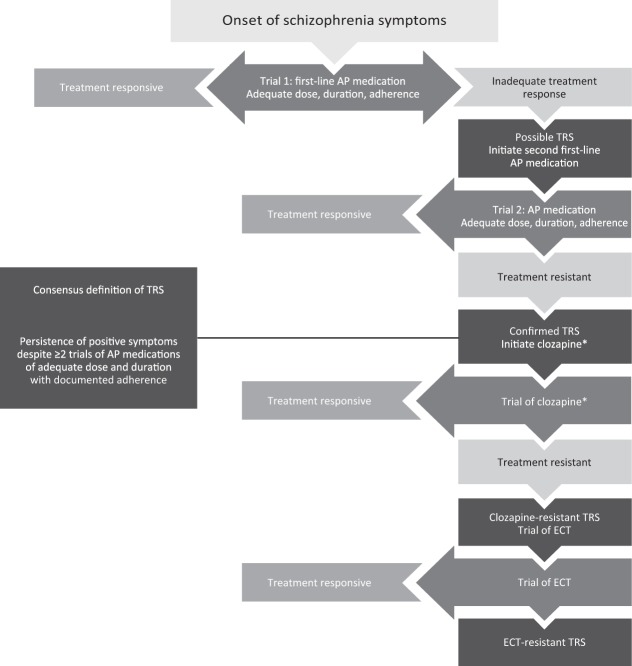
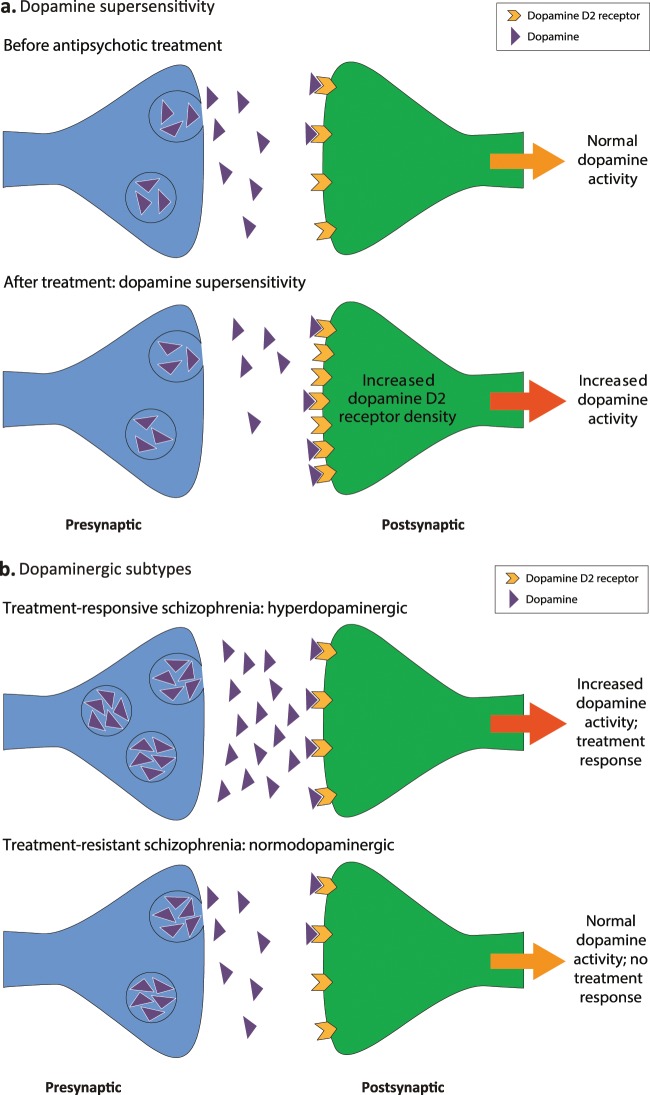
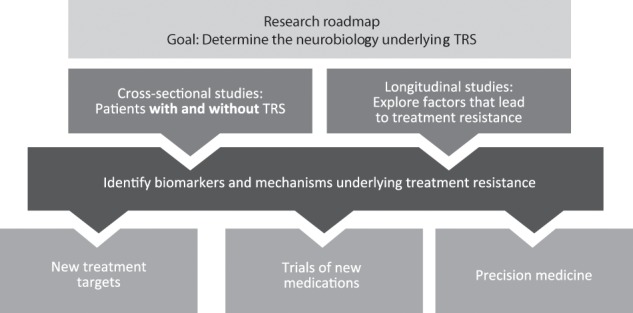
Treatment-resistant schizophrenia (TRS), the persistence of positive symptoms despite ≥2 trials of adequate dose and duration of antipsychotic medication with documented adherence, is a serious clinical problem with heterogeneous presentations. TRS can vary in its onset (at the first episode of psychosis or upon relapse), in its severity, and in the response to subsequent therapeutic interventions (i.e., clozapine, electroconvulsive therapy). The heterogeneity of TRS indicates that the underlying neurobiology of TRS may differ not only from treatment-responsive schizophrenia but also among patients with TRS. Several hypotheses have been proposed for the neurobiological mechanisms underlying TRS, including dopamine supersensitivity, hyperdopaminergic and normodopaminergic subtypes, glutamate dysregulation, inflammation and oxidative stress, and serotonin dysregulation. Research supporting these hypotheses is limited in part by variations in the criteria used to define TRS, as well as by the biological and clinical heterogeneity of TRS. Clinical trial designs for new treatments should be informed by this heterogeneity, and further clinical research is needed to more clearly understand the underlying neurobiology of TRS and to optimize treatment for patients with TRS.
Overview
The claims and statistics of this paper haven’t been checked yet.
Free: it reads the open-access text and checks the first 5 claims that cite a source we can check. Create a free account to check every claim.
Integrity signals
Registry
Cites
Statistics
Figures
Verification
Claims the paper makes
The claims and statistics of this paper haven’t been checked yet.
Free: it reads the open-access text and checks the first 5 claims that cite a source we can check. Create a free account to check every claim.
Claims other papers make about this one
Each is checked against this paper’s own text: does it say what the citing paper says it does?
The source backs part of the claim, not all of it — or backs it for a different population, condition or comparison.
In the citing paper
“There are three broad disease models proposed by the literature to explain treatment resistance, summarised in Figure 5 (see eAppendix 3 for search details). 48–51”
From Treatment resistance in psychiatry: state of the art and new directions (2022) · cites this paper as [48]
Experimental — accuracy not yet measured
Self-check
Percentages, sums and reported differences re-computed from the paper’s own numbers.
The self-check needs the paper’s full text.
Citations
Cites
Meta-Analysis of Cytokine Alterations in Schizophrenia: Clinical Status and Antipsychotic Effects
Miller, B. J., Buckley, P., Seabolt, W., Mellor, A., & Kirkpatrick, B. (2011) · Biological Psychiatry · doi:10.1016/j.biopsych.2011.04.013 · Cited by 1,742 · cited 1×
“Candidate serological biomarkers for TRS associated with schizophrenia treatment response could include decreased brain-derived neurotrophic factor (BDNF) and levels of soluble interleukin (IL)–2 receptor (sIL-2R), IL-6, and IL-1 receptor antagonist (IL-1RA).(81,91,92) Other candidate biomarkers could include normal s…”
BackgroundAntipsychotic drug doses and neuroleptic/dopamine receptors
SEEMAN, P., LEE, T., CHAU-WONG, M., & WONG, K. (1976) · Nature · doi:10.1038/261717a0 · Cited by 1,622
Discovering the Neural Basis of Human Social Anxiety: A Diagnostic and Therapeutic Imperative
Charney, D. S. (2004) · American Journal of Psychiatry · doi:10.1176/appi.ajp.161.1.1 · Cited by 1,428
Meltzer, H. Y., Matsubara, S., & Lee, J. C. (1989) · The Journal of Pharmacology and Experimental Therapeutics · doi:10.1016/s0022-3565(25)20710-8 · Cited by 1,349
Howes, O. D., McCutcheon, R., Agid, O., de Bartolomeis, A., van Beveren, N. J. M., Birnbaum, M. L., Bloomfield, M. A. P., Bressan, R. A., Buchanan, R. W., Carpenter, W. T., et al. (2017) · American Journal of Psychiatry · doi:10.1176/appi.ajp.2016.16050503 · Cited by 1,132
Self-citationHowes, O. D., Kambeitz, J., Kim, E., Stahl, D., Slifstein, M., Abi-Dargham, A., & Kapur, S. (2012) · Archives of General Psychiatry · doi:10.1001/archgenpsychiatry.2012.169 · Cited by 967 · cited 1×
“Increased striatal dopamine synthesis and release capacity in vivo are linked to psychotic relapse and the development of the first psychotic episode, with large effect size elevations on metaanalysis.(54) However, it has been proposed that not all patients with schizophrenia display striatal hyperdopaminergic activit…”
BackgroundSelf-citationLeucht, S., Tardy, M., Komossa, K., Heres, S., Kissling, W., Salanti, G., & Davis, J. M. (2012) · The Lancet · doi:10.1016/s0140-6736(12)60239-6 · Cited by 931 · cited 1×
“However, a meta-analysis failed to find differences in relapse rates between patients gradually or abruptly discontinuing antipsychotic medications.(47) A recent study found that relapse rates were higher in patients withdrawn from long-acting injectable paliperidone palmitate (i.”
Practice Guideline for the Treatment of Patients With Schizophrenia Second Edition
(2007) · APA Practice Guidelines for the Treatment of Psychiatric Disorders: Comprehensive Guidelines and Guideline Watches · doi:10.1176/appi.books.9780890423363.45859 · Cited by 737
Glutamate and dopamine in schizophrenia: An update for the 21 st century
Howes, O., McCutcheon, R., & Stone, J. (2015) · Journal of Psychopharmacology · doi:10.1177/0269881114563634 · Cited by 702 · cited 2×
“The most prominent hypothesis for the involvement of other neurotransmitter systems in the neurobiology of schizophrenia is the glutamate hypothesis, which suggests that dopamine hyperactivity is downstream of GABA and glutamate dysregulation.(26) According to the glutamate hypothesis, NMDA receptor dysfunction on GAB…”
BackgroundSelf-citationPharmacologic mechanisms of serotonergic regulation of dopamine neurotransmission
Alex, K. D., & Pehek, E. A. (2007) · Pharmacology & Therapeutics · doi:10.1016/j.pharmthera.2006.08.004 · Cited by 658 · cited 1×
“Serotonin plays a complex role in modification of dopamine neurotransmission and is thought to contribute to the neurobiology of schizophrenia.(85,86) There is evidence of lower levels of serotonin 2A receptors (and higher levels of serotonin 1A receptors) postmortem with moderate to large effect sizes in schizophreni…”
Background
Cited by
Items 101–200 of 381
MiRNA Differences Related to Treatment-Resistant Schizophrenia
Pérez-Rodríguez, D., Penedo, M. A., Baltanás, T. R., Centeno, T. P., Burkhardt, S., Fischer, A., Prieto-González, J. M., Olivares, J. M., López-Fernández, H., & Agís‐Balboa, R. C. (2023) · International Journal of Molecular Sciences · doi:10.3390/ijms24031891 · Cited by 18
Iasevoli, F., D’Ambrosio, L., Ciccarelli, M., Barone, A., Gaudieri, V., Cocozza, S., Pontillo, G., Brunetti, A., Cuocolo, A., de Bartolomeis, A., et al. (2022) · Schizophrenia Bulletin · doi:10.1093/schbul/sbac147 · Cited by 21
Immunological Biomarkers as Predictors of Treatment Response in Psychotic Disorders
Orbe, E. B., & Benros, M. E. (2023) · Journal of Personalized Medicine · doi:10.3390/jpm13091382 · Cited by 19
“There are two leading theories of TRS: one is normal dopamine function, but with the dysregulation of the serotonin, glutamate or inflammatory pathways, while the second theory proposes that dopaminergic supersensitivity leads to TRS over time [3].”
BackgroundEvenamide: A Potential Pharmacotherapeutic Alternative for Treatment-Resistant Schizophrenia
Singh, R., Hahn, M., Bansal, Y., Agarwal, S. M., & Remington, G. J. (2024) · The International Journal of Neuropsychopharmacology · doi:10.1093/ijnp/pyae005 · Cited by 17
“Electroconvulsive therapy (ECT) has been beneficial as an augmentation strategy in clozapine-resistant SCZ, while evidence related to the addition of other antipsychotic agents remains equivocal (Potkin et al., 2020).”
BackgroundThe hypothesis of biologically based subtypes of schizophrenia: a 10‐year update
Howes, O. D., Bukala, B. R., Jauhar, S., & McCutcheon, R. A. (2025) · World Psychiatry · doi:10.1002/wps.21265 · Cited by 16
Self-citationKimura, H., Kanahara, N., & Iyo, M. (2021) · Behavioural Brain Research · doi:10.1016/j.bbr.2021.113126 · Cited by 17
Brunelin, J., Mondino, M., Haesebaert, J., Attal, J., Benoît, M., Chupin, M., Dollfus, S., El‐Hage, W., Galvão, F., Jardri, R., et al. (2021) · Trials · doi:10.1186/s13063-021-05928-9 · Cited by 16
“Despite some advances in psychopharmacology, up to 30% of individuals with schizophrenia still report auditory hallucinations and negative symptoms, even during treatment with adequate dose and duration of antipsychotic medication [7].”
BackgroundCai, H., Zeng, C., Zhang, X., Liu, Y., Wu, R., Guo, W., Wang, J., Wu, H., Tang, H., Ge, X., et al. (2022) · Psychiatry Research · doi:10.1016/j.psychres.2022.114762 · Cited by 17
The implication of a diversity of non-neuronal cells in disorders affecting brain networks
Carrier, M., Dolhan, K., Bobotis, B. C., Desjardins, M., & Tremblay, M. (2022) · Frontiers in Cellular Neuroscience · doi:10.3389/fncel.2022.1015556 · Cited by 17
“This may be particularly true for patients who show treatment-resistance to the current neuron-focused therapies, a prevalent issue, as an estimated 30% of patients being treated for MDD, and 34% of those being treated for SCZ demonstrate treatment-resistance (Rush et al., 2006; Al-Harbi, 2012; Potkin et al., 2020).”
BackgroundPłaza, O., Gałecki, P., Orzechowska, A., Gałecka, M., Sobolewska-Nowak, J., & Szulc, A. (2022) · Biomedicines · doi:10.3390/biomedicines10123165 · Cited by 18
“Statistics regarding the efficacy of treatment remain inconsistent, with reports for remission rates for first-episode schizophrenia ranging from 17% to 78% and for multipleepisode patients from 16% to 62% [21], However, 34% of patients meet the criteria of treatment-resistant schizophrenia, meaning that symptoms pers…”
BackgroundJoo, S. W., Kim, H., Jo, Y. T., Ahn, S., Choi, Y. J., Choi, W., Park, S., & Lee, J. S. (2022) · European Neuropsychopharmacology · doi:10.1016/j.euroneuro.2022.03.010 · Cited by 16
A New Treatment Paradigm: Targeting Trace Amine-Associated Receptor 1 (TAAR1) in Schizophrenia
Kane, J. M. (2022) · Journal of Clinical Psychopharmacology · doi:10.1097/jcp.0000000000001596 · Cited by 15
“Such hypotheses are not mutually exclusive; treatment resistance may be caused by different mechanisms in different patients.(10,30) Currently, clozapine is the only evidence-based therapy for treatment-resistant schizophrenia that is approved by the Food and Drug Administration (FDA).”
BackgroundInfluentialSelf-citationZhang, Z., Han, W., Jiang, Q. Y., Meng, T., Zhou, W., Xu, Z., Chen, M., Li, W., Cheng, Y., & Ding, L. (2023) · Journal of Hazardous Materials · doi:10.1016/j.jhazmat.2023.133189 · Cited by 15
Zinellu, A., Tommasi, S., Carru, C., Sotgia, S., & Mangoni, A. A. (2024) · Translational Psychiatry · doi:10.1038/s41398-024-03157-7 · Cited by 16
“Treatment resistance reduces the quality of life and imposes a signi fi cant fi nancial and public health burden in this group [3].”
BackgroundZheng, P., Semancik, S., & Barman, I. (2025) · Nano Letters · doi:10.1021/acs.nanolett.5c00391 · Cited by 16
Polypharmacy Management of Antipsychotics in Patients with Schizophrenia
Kamei, H. (2022) · Medicina · doi:10.3390/medicina58111584 · Cited by 18
Biomarkers of treatment-resistant schizophrenia: A systematic review
Pisanu, C., Severino, G., Minelli, A., Dierssen, M., Potier, M., Fabbri, C., Serretti, A., Gennarelli, M., Baune, B. T., & Squassina, A. (2024) · Neuroscience Applied · doi:10.1016/j.nsa.2024.104059 · Cited by 17
“…which the definition of TRS is only based on clozapine prescription, also include patients with pseudo resistance, i.e. a condition in which the lack of clinical response is due to e.g. lack of adherence, insufficient plasma levels, inadequate dosage or duration of treatment (Potkin et al., 2020).”
Campana, M., Yakimov, V., Moussiopoulou, J., Maurus, I., Löhrs, L., Raabe, F. J., Jäger, I. M., Mortazavi, M., Benros, M. E., Jeppesen, R., et al. (2024) · Brain Behavior and Immunity · doi:10.1016/j.bbi.2024.04.011 · Cited by 16
“These findings could inform prospective studies assessing the predictive power of such alterations for the development of TRS.”
InfluentialCorrell, C. U., Tusconi, M., Carta, M. G., & Dursun, S. M. (2024) · Biomolecules · doi:10.3390/biom14080906 · Cited by 14
Self-citationWold, K. F., Kreis, I. V., Åsbø, G., Flaaten, C. B., Widing, L. H., Engen, M. J., Lyngstad, S. H., Johnsen, E., Ueland, T., Simonsen, C., et al. (2024) · Schizophrenia · doi:10.1038/s41537-024-00489-7 · Cited by 17
Liu, C., Kim, W., Shen, J., Tsogt, U., Kang, N., Lee, K., & Chung, Y. (2022) · Frontiers in Psychiatry · doi:10.3389/fpsyt.2022.802025 · Cited by 17
Smucny, J., Carter, C. S., & Maddock, R. J. (2023) · Biological Psychiatry Cognitive Neuroscience and Neuroimaging · doi:10.1016/j.bpsc.2023.10.008 · Cited by 17
Tendilla‐Beltrán, H., & Flores, G. (2021) · General Hospital Psychiatry · doi:10.1016/j.genhosppsych.2021.05.005 · Cited by 14
Kanahara, N., Kimura, H., Oda, Y., Ito, F., & Iyo, M. (2021) · Current Neuropharmacology · doi:10.2174/1570159x19666210125152815 · Cited by 13
“Based on these findings, some researchers concluded that patients with DSP or late-onset TRS are simply a minor subtype of TRS patients [33].”
Consenso argentino sobre diagnóstico y tratamiento de la esquizofrenia resistente al tratamiento
Corral, R. M. (2021) · Vertex Revista Argentina de Psiquiatría · doi:10.53680/vertex.v32i154.119 · Cited by 18
Moreno-Sancho, L., Juncal‐Ruíz, M., Vázquez-Bourgón, J., de la Foz, V. O., Son, J. M.-V., Tordesillas‐Gutiérrez, D., Setién‐Suero, E., Ayesa‐Arriola, R., & Crespo‐Facorro, B. (2022) · Journal of Psychiatric Research · doi:10.1016/j.jpsychires.2022.07.015 · Cited by 13
Casetta, C., Santosh, P., Bayley, R., Bisson, J. I., Byford, S., Dixon, C., Drake, R., Elvins, R., Emsley, R., Fung, N., et al. (2024) · BMC Psychiatry · doi:10.1186/s12888-023-05397-1 · Cited by 15
“The mechanisms underlying the efficacy of clozapine in TRS are not well understood [28].”
BackgroundSelf-citationBlack, T., Jenkins, B. W., Laprairie, R. B., & Howland, J. G. (2024) · Neuroscience & Biobehavioral Reviews · doi:10.1016/j.neubiorev.2024.105681 · Cited by 21
Pantović-Stefanović, M., Velimirović, M., Jurišić, V., Puric, M., Gostiljac, M., Dodić, S., Minic, I., Nesic, M. J., Nikolić, T., Petronijević, N., et al. (2024) · Scientific Reports · doi:10.1038/s41598-024-73937-0 · Cited by 20
“…disorder excluding personality disorders, (b) > 8 mood episodes within the previous 12 months for BD, (c) previous history of treatment resistance 36,37 , (d) medical conditions associated with changes in inflammatory response 38 , and (e) sociodemographic characteristics previously associated…”
BackgroundKronick, J., Sabesan, P., Burhan, A. M., & Palaniyappan, L. K. (2021) · Schizophrenia Research · doi:10.1016/j.schres.2021.06.009 · Cited by 13
Treatment‐resistant schizophrenia in patients with 3q29 deletion: A case series of four patients
Nawa, Y., Kushima, I., Aleksić, B., Yamamoto, M., Kimura, H., Banno, M., Hashimoto, R., & Ozaki, N. (2022) · Psychiatry and Clinical Neurosciences · doi:10.1111/pcn.13361 · Cited by 13
Early identification of treatment non-response in first-episode psychosis
Wold, K. F., Berg, A. O., Flaaten, C. B., Johnsen, E., Lagerberg, T. V., Romm, K. L., Simonsen, C., Ueland, T., Widing, L. H., Åsbø, G., et al. (2023) · European Psychiatry · doi:10.1192/j.eurpsy.2023.15 · Cited by 14
Rubio, J. M., Guinart, D., Kane, J. M., & Correll, C. U. (2023) · CNS Drugs · doi:10.1007/s40263-023-01009-4 · Cited by 13
“Furthermore, the development of early antipsychotic non-response and differential response to subsequent interventions, including clozapine, could also be studied along with neurobiological biomarkers [5, 6] to optimize the accuracy of predictions of treatment response and resistance in schizophrenia [39].”
BackgroundSelf-citationThe effect of clozapine on immune-related biomarkers in schizophrenia patients
Shao, L., Yu, L., Yuan, Z., Guo, X., Zeng, G., & Liu, J. (2024) · Brain Research Bulletin · doi:10.1016/j.brainresbull.2024.111104 · Cited by 15
“The underlying neurobiology of schizophrenia is unknown, but there are several theories explaining the condition (Potkin et al., 2020).”
BackgroundHigh dose antipsychotic polypharmacy and dopamine partial agonists - time to rethink guidelines?
Reynolds, G. P. (2021) · Journal of Psychopharmacology · doi:10.1177/02698811211026456 · Cited by 14
“Such treatment-resistant schizophrenia may have a distinct pathophysiology involving a range of neurobiological pathways (Potkin et al., 2020).”
BackgroundNationwide study on antipsychotic polypharmacy among forensic psychiatric patients
Lassen, S., Heintz, T., Pedersen, T., Jentz, C., Nathanielsen, N., Heilmann, P., & Sørensen, L. U. (2023) · International Journal of Circumpolar Health · doi:10.1080/22423982.2023.2218654 · Cited by 13
Sutera, N. (2024) · Journal of Managed Care & Specialty Pharmacy · doi:10.18553/jmcp.2024.30.6.629 · Cited by 15
Pharmacotherapy of schizophrenia: immunological aspects and potential role of immunotherapy
Chauhan, P., Kaur, G., Prasad, R., & Singh, H. (2021) · Expert Review of Neurotherapeutics · doi:10.1080/14737175.2021.1994857 · Cited by 15
Potassium channel modulators and schizophrenia: an overview of investigational drugs
Musselman, M. A., Huynh, E., Kelshikar, R., Lee, E., Malik, M., & Faden, J. (2023) · Expert Opinion on Investigational Drugs · doi:10.1080/13543784.2023.2219385 · Cited by 12
“Currently available treatment options are of limited efficacy, and up to 34% of cases are treatment-resistant [6].”
BackgroundDavidson, M., & Carpenter, W. T. (2023) · Schizophrenia Bulletin · doi:10.1093/schbul/sbad145 · Cited by 15
“…113 those who can maintain long periods of symptom stability in the absence of maintenance treatment, and those who do not respond to treatment, 114,115 it is possible that up to half of the individuals on maintenance therapy are exposed to the adverse effects of antipsychotics with only marginal…”
BackgroundImproving outcome of treatment-resistant schizophrenia: effects of cognitive remediation therapy
Martini, F., Spangaro, M., Bechi, M., Agostoni, G., Buonocore, M., Sapienza, J., Nocera, D., Ave, C., Cocchi, F., Cavallaro, R., et al. (2023) · European Archives of Psychiatry and Clinical Neuroscience · doi:10.1007/s00406-023-01731-6 · Cited by 12
“While the majority of patients respond adequately to typical and atypical non-clozapine antipsychotics, approximately one-third of subjects exhibit persistent psychotic symptoms despite adequate antipsychotic treatment, a condition defined as Treatment-Resistant Schizophrenia (TRS) [28, 31, 47].”
Cieślik, P., & Wierońska, J. M. (2020) · International Journal of Molecular Sciences · doi:10.3390/ijms21228811 · Cited by 12
“Many different hypotheses have been proposed to explain why some individuals respond better than others to treatment, but the exact mechanisms of these discrepancies are not known [66,67].”
BackgroundPeripheral inflammation is associated with brain SPECT perfusion changes in schizophrenia
Fond, G. B., Garosi, A., Faugère, M., Campion, J., Lançon, C., Boyer, L., Richieri, R. M., & Guedj, É. (2021) · European Journal of Nuclear Medicine and Molecular Imaging · doi:10.1007/s00259-021-05529-3 · Cited by 15
Shorter Chain Triglycerides Are Negatively Associated with Symptom Improvement in Schizophrenia
Tkachev, A., Stekolshchikova, E., Anikanov, N., Zozulya, S., Barkhatova, A., Klyushnik, T., & Petrova, D. (2021) · Biomolecules · doi:10.3390/biom11050720 · Cited by 11
“While antipsychotics, among other possible additional treatments, are typically used as medication aimed to reduce symptoms of schizophrenia, treatment efficacy varies between individuals [1], and it is estimated that up to 34% of SCZ patients exhibit resistance to two or more antipsychotic medications [2].”
Lenk, H. Ç., Koch, E. M., O’Connell, K. S., Smith, R. L., Akkouh, I. A., Djurovic, S., Andreassen, O. A., & Molden, E. (2024) · Human Genomics · doi:10.1186/s40246-024-00673-x · Cited by 12
“MSNs of the striatum are involved in dopaminergic and glutamatergic signalling pathways [44], which have been indicated in the pathophysiology of schizophrenia and treatment-resistance [45].”
BackgroundShukla, R. P., Rapier, C. E., Glassman, M., Liu, F., Kelly, D. L., & Ben‐Yoav, H. (2020) · Electrochemistry Communications · doi:10.1016/j.elecom.2020.106850 · Cited by 11
Jůza, R., Vojtěchová, I., Štefková, K., Dehaen, W., Petrásek, T., Prchal, L., Kobrlová, T., Janoušek, J., Vlček, P., Mezeiová, E., et al. (2022) · European Journal of Medicinal Chemistry · doi:10.1016/j.ejmech.2022.114193 · Cited by 12
Benrimoh, D. A., Sheldon, A. D., Sibarium, E., & Powers, A. R. (2021) · Frontiers in Psychiatry · doi:10.3389/fpsyt.2021.685390 · Cited by 12
Stacey, D., Gaziano, L., Eldi, P., Toben, C. G., Benyamin, B., Lee, S., & Hyppönen, E. (2025) · American Journal of Medical Genetics Part B Neuropsychiatric Genetics · doi:10.1002/ajmg.b.33028 · Cited by 10
“Moreover, approximately 30% of patients are resistant to currently available antipsychotics (Potkin et al. 2020), which underscores the need to identify novel drug targets.”
Falkai, P., Dombi, Z. B., Acsai, K., Barabássy, Á., Schmitt, A., & Németh, G. (2021) · CNS Spectrums · doi:10.1017/s1092852921000997 · Cited by 10
Hudon, A., Lammatteo, V., Rodrigues‐Coutlée, S., Dellazizzo, L., Giguère, S., Phraxayavong, K., Potvin, S., & Dumais, A. (2023) · BMC Psychiatry · doi:10.1186/s12888-023-04861-2 · Cited by 14
Mølgaard, S. N., Nielsen, M. Ø., Roed, K., & Nielsen, J. (2024) · BMC Psychiatry · doi:10.1186/s12888-024-05699-y · Cited by 10
“With one in three patients possibly experiencing persistent symptoms despite antipsychotic treatment [3], the beneficial effect of long-term antipsychotic maintenance treatment for people with schizophrenia has been questioned [4, 5].”
BackgroundVan, L., Heung, T., Reyes, N. G. D., Boot, E., Chow, E. W. C., Corral, M. R., & Bassett, A. S. (2024) · The Canadian Journal of Psychiatry · doi:10.1177/07067437241293983 · Cited by 10
“45”
Progress in mechanistically novel treatments for schizophrenia
Neef, J., & Palacios, D. S. (2021) · RSC Medicinal Chemistry · doi:10.1039/d1md00096a · Cited by 10
Oxytocin in the Treatment of Psychiatric Disorders
Kağızman, S. Ç., & Hocaoğlu, Ç. (2023) · Medeniyet Medical Journal · doi:10.4274/mmj.galenos.2023.13707 · Cited by 12
Dean, B. (2023) · Expert Opinion on Investigational Drugs · doi:10.1080/13543784.2023.2288074 · Cited by 11
“This focused pharmacology could be why some people with schizophrenia are resistant to treatment with available antipsychotic drugs [6] and many do not show an optimal therapeutic response [7].”
BackgroundUndetectable or subtherapeutic serum levels of antipsychotic drugs preceding switch to clozapine
Kyllesø, L., Smith, R. L., Karlstad, Ø., Andreassen, O. A., & Molden, E. (2020) · Schizophrenia · doi:10.1038/s41537-020-0107-7 · Cited by 12
Li, Q., Gong, Y., Cui, Y., Chen, C., Wang, Y., Huang, G., Gu, W., Meng, B., Wang, M., Wu, D., et al. (2023) · Psychiatry Research · doi:10.1016/j.psychres.2023.115255 · Cited by 9
Eisenberg, D. P., Blackman, R. K., Tietcheu, M. G., Kohn, P. D., Bettina, J. S., Kolachana, B. S., Gregory, M. D., & Berman, K. F. (2024) · Molecular Psychiatry · doi:10.1038/s41380-024-02873-2 · Cited by 10
Sanahan, R., Sreeraj, V. S., Suhas, S., Kumar, V., Thirthalli, J., & Venkatasubramanian, G. (2024) · Schizophrenia Research · doi:10.1016/j.schres.2024.12.015 · Cited by 9
Underuse of recommended treatments among people living with treatment-resistant psychosis
Lappin, J., Davies, K., O׳Donnell, M., & Walpola, I. C. (2022) · Frontiers in Psychiatry · doi:10.3389/fpsyt.2022.987468 · Cited by 11
Haaf, M., Ćurić, S., Rauh, J., Steinmann, S., Mulert, C., & Leicht, G. (2023) · International Journal of Molecular Sciences · doi:10.3390/ijms24031913 · Cited by 11
“While these antipsychotics show satisfactory effects on positive symptoms, such as delusions, hallucinations, and thought disorders, in the majority of patients, many patients continue to be affected by treatment resistance and relapse [1,3].”
Functional Nutrition as Integrated Intervention for In- and Outpatient with Schizophrenia
Matrisciano, F. (2023) · Current Neuropharmacology · doi:10.2174/1570159x21666230322160259 · Cited by 9
“Chronic low-grade systemic inflammation and consequent activation of neuroinflammatory processes through reactive microglia in the brain represent a well-known pathogenetic mechanism for schizophrenia [53-55].”
BackgroundD3 Receptor-Targeted Cariprazine: Insights from Lab to Bedside
Barabássy, Á., Dombi, Z. B., & Németh, G. (2024) · International Journal of Molecular Sciences · doi:10.3390/ijms25115682 · Cited by 8
“However, approximately 30% of individuals diagnosed with schizophrenia experience symptoms that do not respond well to antipsychotic medications or only show minimal improvement [23,24].”
BackgroundThe paradox of clozapine in Black people with treatment-resistant schizophrenia
Whiskey, E., Bachmann, C., Dzahini, O., Taylor, D. M., & Oloyede, E. (2025) · Nature Mental Health · doi:10.1038/s44220-025-00411-9 · Cited by 8
“For example, current understanding is that a subset of patients develop treatment resistance related to dopamine super-sensitivity after non-compliance with conventional antipsychotic treatment 66 .”
Fukuyama, K., Motomura, E., & Okada, M. (2023) · Biomolecules · doi:10.3390/biom13091288 · Cited by 9
“…between primary and secondary TRS: primary TRS already presents with antipsychotic-resistant clinical features at the onset of the schizophrenia spectrum, whereas secondary TRS develops at later stages of the schizophrenia spectrum after an initial adequate response to antipsychotics [82–84].”
Lin, C., Huang, C., Lin, T.-C., Chan, H., & Chen, J. (2023) · Psychiatry Research · doi:10.1016/j.psychres.2023.115575 · Cited by 8
Zhao, V., Gong, Y., Thomas, N., & Das, S. (2024) · Medicina · doi:10.3390/medicina60122016 · Cited by 12
Disparities in accelerated brain aging in recent-onset and chronic schizophrenia
Joo, S. W., Lee, J., Han, J., Kim, M., Kim, Y., Lee, H., Jo, Y. T., Shin, J., Lee, J. S., & Lee, W. H. (2025) · Psychological Medicine · doi:10.1017/s0033291725000285 · Cited by 8
“This difference may be attributed to structural brain abnormalities in treatment-resistant schizophrenia being compounded by the effects of disease progression (e.g. illness duration) and distinct biological characteristics specific to treatment-resistant schizophrenia (Potkin et al., 2020).”
Tibrewal, P., Nair, P. C., Gregory, K. J., LANGMEAD, C. J., Chan, S. K. W., & Bastiampillai, T. J. (2023) · Molecular Psychiatry · doi:10.1038/s41380-023-02026-x · Cited by 9
Tendilla‐Beltrán, H., Garcés‐Ramírez, L., Martínez-Vásquez, E., Bernal, A. N., Gómez-Villalobos, M. D. J., & Flores, G. (2023) · Neurochemical Research · doi:10.1007/s11064-023-04074-9 · Cited by 8
“However, genetic factors are not only related to the etiology and neuropathology of the disease but also to the response to medication therapy, and treatment resistance in schizophrenia is commonly observed [8].”
Clinical correlates of early onset antipsychotic treatment resistance
de Freitas, D. F., Agbedjro, D., Kadra-Scalzo, G., Francis, E., Ridler, I., Pritchard, M., Shetty, H., Segev, A., Casetta, C., Smart, S. E., et al. (2022) · Journal of Psychopharmacology · doi:10.1177/02698811221132537 · Cited by 8
“The observed heterogeneity in TRS raises questions about the aetiology of treatment resistance and there is evidence to support multiple neurobiological pathways to TRS (Potkin et al., 2020).”
BackgroundInfluentialKrzystanek, M., Asman, M., Witecka, J., Pałasz, A., & Wiaderkiewicz, R. (2020) · Pharmacological Reports · doi:10.1007/s43440-020-00165-4 · Cited by 9
Nøstdal, A., Hilker, R. W., Nielsen, J., & Nielsen, M. Ø. (2024) · Psychiatric Services · doi:10.1176/appi.ps.20230641 · Cited by 7
Novel pharmaceutical treatment approaches for schizophrenia: a systematic literature review
Jarab, A. S., Al-Qerem, W. A., Khdour, A., Awadallah, H. B., Mimi, Y., & Khdour, M. R. (2025) · European Journal of Clinical Pharmacology · doi:10.1007/s00228-025-03809-7 · Cited by 8
“This discrepancy highlights the complexity of the drug’s action and suggests that bitopertin may be more beneficial as an adjunctive treatment rather than as a first-line therapy [57].”
Schizophrenia: Genetics, neurological mechanisms, and therapeutic approaches
Lim, D. X. E., Yeo, S. Y., Chia, Z. Y. A., Fernandis, A. Z., Lee, J., & Chua, J. J. E. (2025) · Neural Regeneration Research · doi:10.4103/nrr.nrr-d-24-01375 · Cited by 15
Diagnostic digital phenotyping in schizophrenia-spectrum disorders: a systematic review
Vecchio, I., Mifsud, L., Almeida, S. C. E., & Passecker, J. (2025) · npj Digital Medicine · doi:10.1038/s41746-025-02194-w · Cited by 12
“Consequently, treatment selection and management in SSD present a signi fi cant ongoing challenge 8 , with treatment resistance being a major issue 9 .”
Cilia, B.-J., Eratne, D., Wannan, C., Malpas, C. B., Janelidze, S., Hansson, O., Everall, I., Bousman, C., Thomas, N., Santillo, A. F., et al. (2025) · Australian & New Zealand Journal of Psychiatry · doi:10.1177/00048674241307906 · Cited by 9
“Second, heterogeneity in schizophrenia and even TRS is well-documented (Kahn et al., 2015; Picardi et al., 2012; Potkin et al., 2020).”
Risperidone In Situ Microparticles: A Review in Schizophrenia
Syed, Y. Y. (2025) · Drugs · doi:10.1007/s40265-024-02140-2 · Cited by 9
Huang, H., Wang, X., Qin, X., Xu, R., Xiong, Y., Chen, C., Wan, Q., Liu, H., Shu, C., Yuan, W., et al. (2025) · Neuropsychopharmacology · doi:10.1038/s41386-025-02135-x · Cited by 10
“Such a heterogeneity is also inherent to TRS, partly explaining the lack of consistent localization of spatial changes as highlighted by Potkin and colleagues [23].”
Barone, A., Vellucci, L., Ciccarelli, M., Matrone, M., Simone, G. D., Iannotta, F., Iasevoli, F., & de Bartolomeis, A. (2025) · International Journal of Molecular Sciences · doi:10.3390/ijms26178598 · Cited by 10
“However, this explanation does not hold for all patients, raising the question of whether a different biological mechanism might be at play [21].”
Balcıoğlu, Y. H. (2023) · Dusunen Adam The Journal of Psychiatry and Neurological Sciences · doi:10.14744/dajpns.2023.00210 · Cited by 7
“Despite the significant variability in inclusion criteria for defining treatment-resistant patients, previous studies have focused on identifying biomarkers of TRS to aid in early prediction, enhance our understanding of the biological basis of TRS, and inform the development of future treatments (4).”
BackgroundFeng, S., Huang, Y., Lu, H., Li, H., Zhou, S., Lu, H., Feng, Y., Ning, Y., Han, W., Chang, Q., et al. (2024) · Journal of Psychiatric Research · doi:10.1016/j.jpsychires.2024.03.007 · Cited by 7
Yang, H., Sun, W., Yang, M. L., Li, J., Zhang, J., & Zhang, X. (2024) · Schizophrenia · doi:10.1038/s41537-024-00468-y · Cited by 7
“OS is thought to be associated with imbalances in speci fi c neurotransmitter systems, which may exacerbate psychotic symptoms and reduce treatment responsiveness in patients with TRS 7,14 .”
BackgroundLights and shadows of clozapine on the immune system in schizophrenia: a narrative literature review
Li, J., Zhao, W., & Wang, Y. (2025) · Metabolic Brain Disease · doi:10.1007/s11011-025-01558-1 · Cited by 7
“The underlying neurobiology of schizophrenia is unknown, but there are several theories explaining the condition, from dopamine hypersensitivity and glutamate dysregulation to neuroinflammation and immune dysregu - lation (Chouinard et al. 1978; Potkin et al. 2020; Zahid et al. 2023).”
Karlović, D., Silić, A., Crnković, D., & Peitl, V. (2020) · Human Psychopharmacology Clinical and Experimental · doi:10.1002/hup.2763 · Cited by 9
Shortening Duration of Treatment Resistance: The Next Step in the Treatment of Schizophrenia
Sutterland, A. L., van der Pluijm, M., Becker, H. E., van de Giessen, E., & de Haan, L. (2020) · Schizophrenia Bulletin Open · doi:10.1093/schizbullopen/sgaa030 · Cited by 7
Asch, N., Rahamim, N., Morozov, A., Werner-Reiss, U., Israel, Z. H., Paz, R., & Bergman, H. (2025) · Nature Communications · doi:10.1038/s41467-025-60044-5 · Cited by 7
“Schizophrenia affects an estimated 21 million people worldwide (0.3 – 0.5% of adults) 67 , with up to 34% being treatment-resistant 68 and having limited options after fi rst-line therapies fail.”
InfluentialStanovaya, V. V., Guseynova, Z. T., Ivanov, M. V., & Bigday, E. V. (2023) · V M BEKHTEREV REVIEW OF PSYCHIATRY AND MEDICAL PSYCHOLOGY · doi:10.31363/2313-7053-2023-893 · Cited by 10
Xu, L., Yu, P., Yang, H., Huang, C., Sun, W.-X., Zhang, X., & Tang, X. (2025) · BMC Psychiatry · doi:10.1186/s12888-025-06691-w · Cited by 9
Infant rat ultrasonic vocalizations in the neurodevelopmental model of schizophrenia
Potasiewicz, A., Mincikiewicz, Z., Popik, P., & Nikiforuk, A. (2025) · Scientific Reports · doi:10.1038/s41598-025-08412-5 · Cited by 6
Shi, H., Xu, J., Lang, X., Wu, H. E., Xiu, M. H., & Zhang, X. (2022) · Frontiers in Pharmacology · doi:10.3389/fphar.2022.863588 · Cited by 9
Matsuzaka, Y., Noguchi, M., Kanamura, S., Maeda, K., Hisano, T., Tanaka, D., Ando, Y., Yamamoto, T., Morimoto, Y., Ozawa, H., et al. (2022) · Neurocase · doi:10.1080/13554794.2022.2114838 · Cited by 7
“Intermittent antipsychotic dosing regimens, long-acting injectable antipsychotics (LAI), and modified electroconvulsive therapy are proposed as treatment option for DSP (Chouinard et al., 2017; Potkin et al., 2020).”
BackgroundSkouras, S., Kleinert, M.-L., Lee, E. H. M., Hui, C. L. M., Suen, Y. N., Camchong, J., Chong, C. S. Y., Chang, W. C., Chan, S. K. W., Lo, W. T.-L., et al. (2024) · Brain Communications · doi:10.1093/braincomms/fcae094 · Cited by 7
“34 The current results contribute to disentangling the intricate neural patterns of treatment resistance in order to elucidate key predictors of TRS. Integrating functional magnetic resonance imaging in the assessment of psychotic patients at the time of their first episode, in order to decide on a…”
Xavier, G., Mauer, J., Ota, V., Santoro, M. L., & Belangero, S. I. (2024) · Journal of Psychiatric Research · doi:10.1016/j.jpsychires.2024.06.010 · Cited by 6
Zhu, M., Ferrara, M., Tan, W., Shang, X., Syed, S. U., Zhang, L., Qin, Q., Hu, X., Rohrbaugh, R. M., Srihari, V. H., et al. (2020) · Early Intervention in Psychiatry · doi:10.1111/eip.13046 · Cited by 6
“Clozapine is recommended for treatment-resistant schizophrenia, defined as the persistence of symptoms despite ≥2 trials of antipsychotics of adequate dose and duration with documented adherence (Potkin et al., 2020).”
BackgroundYamasaki, F., Kanahara, N., Nakata, Y., Koyoshi, S., Yanagisawa, Y., Saito, T., Oiwa, T., Kogure, M., Sasaki, T. G., Yoshida, T., et al. (2023) · Journal of Psychopharmacology · doi:10.1177/02698811231177268 · Cited by 6
“In patients with TRS with multiple pathophysiologies other than that involving the dopamine system (Kane et al., 2019; Potkin et al., 2020), switching from high-dose antipsychotic(s) with sedating effects to BREX, a nonsedating agent, might have made it easier for the core symptom domain (i.e.,…”
BackgroundClozapine and Constipation: A Review of Clinical Considerations and Treatment Options
Edinoff, A. N., Sauce, E., Ochoa, C. O., Cross, J., Cogburn, M., Cornett, E. M., Kaye, A. M., Pham, A. D., & Kaye, A. D. (2021) · Psychiatry International · doi:10.3390/psychiatryint2030026 · Cited by 6
“Treatment-resistant schizophrenia is defined as the persistence of symptoms despite more than two trials of antipsychotic medications of adequate dose and duration with documented adherence [9].”
BackgroundMatrisciano, F. (2023) · Pharmacology Biochemistry and Behavior · doi:10.1016/j.pbb.2023.173589 · Cited by 6
Lu, C., Zhai, Z., Zhuo, K., Xiang, Q., Xue, J., Zhao, Y., Lang, L., Shao, C., Chen, L., & Liu, D. (2024) · BMC Psychiatry · doi:10.1186/s12888-024-06318-6 · Cited by 5
“The prevailing hypothesis for TRS pathogenesis is the excitation-inhibition (E-I) imbalance: irregular glutamate/gamma-aminobutyric acid (GABA) originating from hippocampus lead to downstream dopamine (DA) hyperactivity [12, 13].”
Metadata
- Authors
- Potkin, S. G., Kane, J. M., Correll, C. U., Lindenmayer, J.-P., Agid, O., Marder, S. R., Olfson, M., & Howes, O. D.
- Affiliations
- University of California, Irvine (US)
- Feinstein Institute for Medical Research (US)
- NYU Langone Health (US)
- Centre for Addiction and Mental Health (CA)
- University of California, Los Angeles (US)
- Columbia University Irving Medical Center (US)
- King's College London (GB)
- Corresponding author
- Howes, Oliver D.
- ORCID
- Venue
- npj Schizophrenia
- Published
- 2020-01-07
- Volume
- 6
- Issue
- 1
- Pages
- 1-1
- ISSN
- 2334-265X (ISSN-L)
- PMC
- PMC6946650
- OpenAlex
- W2999966539
- Semantic Scholar
- 3bedfa2c5d60d9485bffa6488446b67df462d941
- Cited by
- 359
- References
- 100
- Citations by year
- 2026: 42 · 2025: 62 · 2024: 65 · 2023: 61 · 2022: 55 · 2021: 53 · 2020: 21
- FWCI
- 7.90
- Type
- journal article
- Language
- en
- Open access
- gold
- doi.org
- Licence
- cc-by
- creativecommons.org/licenses/by/4.0 (tdm)
- creativecommons.org/licenses/by/4.0 (vor)
- Locations
- Schizophrenia (publishedVersion, cc-by)
- Europe PMC (PubMed Central) (publishedVersion, cc-by)
- PubMed Central (publishedVersion, cc-by)
- PubMed (publishedVersion)
- DOAJ (DOAJ: Directory of Open Access Journals) (submittedVersion)
- eScholarship (California Digital Library) (submittedVersion)
- eScholarship (California Digital Library) (submittedVersion, cc-by)
- Research Portal (King's College London) (submittedVersion, cc-by)
- Funders
- Lundbeck
- Topics
- Health Sciences › Medicine › Psychiatry and Mental health › Schizophrenia research and treatment
- Life Sciences › Neuroscience › Cellular and Molecular Neuroscience › Neurotransmitter Receptor Influence on Behavior
- Health Sciences › Medicine › Pharmacology (medical) › Treatment of Major Depression
- Keywords
- treatment-resistant schizophrenia, antipsychotic resistance, neurobiology, dopamine supersensitivity, glutamate dysregulation, inflammation, oxidative stress, serotonin dysregulation, clozapine, electroconvulsive therapy, first-episode psychosis, relapse, treatment effect heterogeneity
About these checks
Registry, retraction, Cites and statistics results are computed, not judged, with one exception: a printed reference that no index lists is read once by a model before it counts as a citation error. Claims are extracted by a model and kept only when their quote appears verbatim in the text; each cited source is then checked, with a model’s help, for whether it says what the claim relies on. Those verdicts can be wrong — read the claim’s quote and the cited source before relying on one.
Statistics and arithmetic are recomputed, not judged.
Confidence bands are shown only for fields calibrated on our annotated test set. None is calibrated yet, so no band is shown.
What counts as a claim ›How we measure confidence ›How we check this ›
Are you an author, or do you see a problem with this page? Request a review
Data sources
Bibliographic data: Semantic Scholar, OpenAlex, Crossref.
Contains information from the Semantic Scholar Academic Graph Datasets, made available under the ODC Attribution License (ODC-BY 1.0).
Semantic Scholar’s data is described in: Kinney, R., et al. (2023). The Semantic Scholar Open Data Platform. arXiv:2301.10140.
