

The neurobiology of treatment-resistant schizophrenia: paths to antipsychotic resistance and a roadmap for future research
Open accessThe DOI matches its Crossref record; 100 of the 100 references it cites were found in a registry or an index.
Abstract
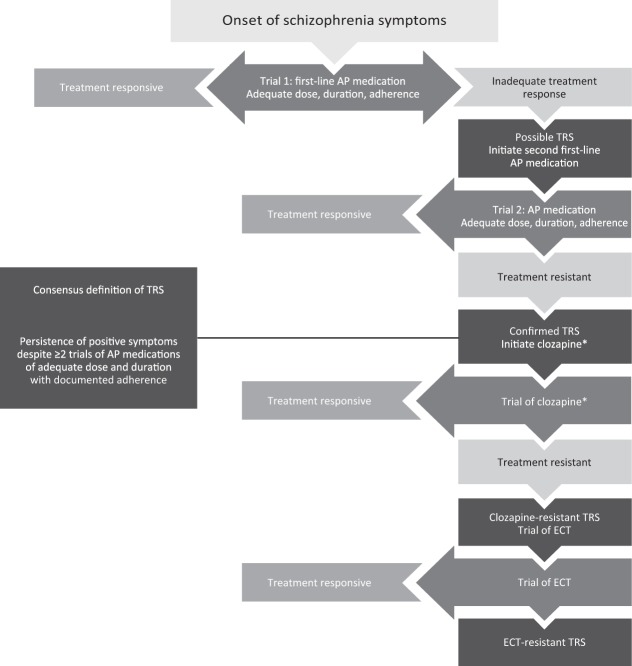
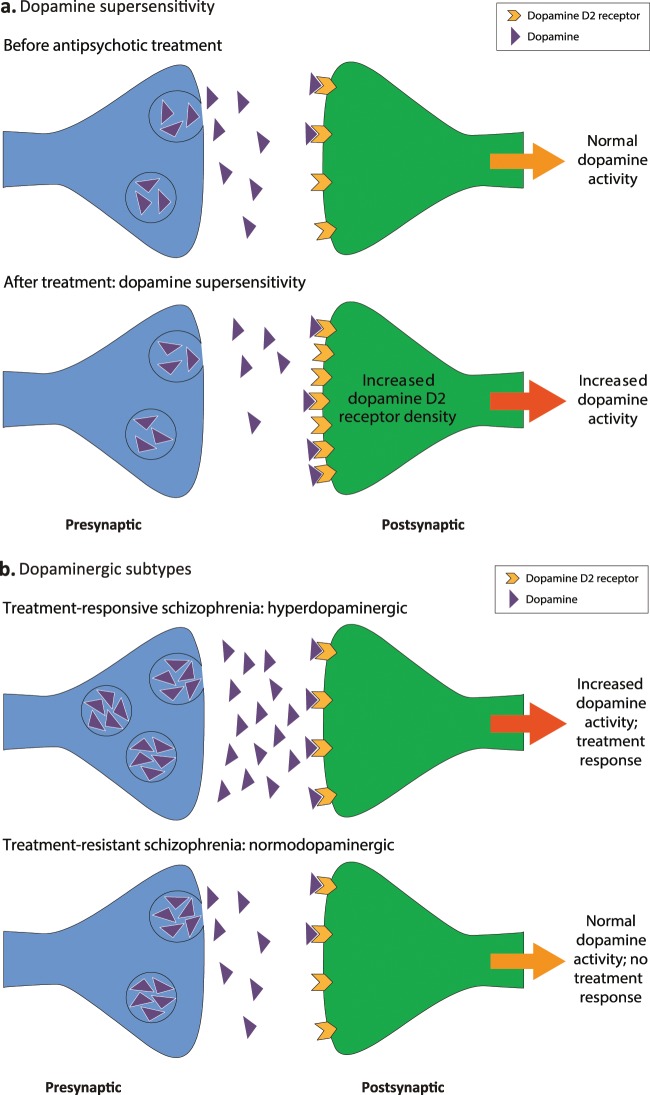
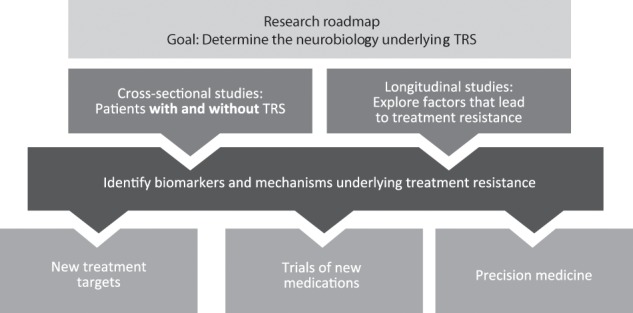
Treatment-resistant schizophrenia (TRS), the persistence of positive symptoms despite ≥2 trials of adequate dose and duration of antipsychotic medication with documented adherence, is a serious clinical problem with heterogeneous presentations. TRS can vary in its onset (at the first episode of psychosis or upon relapse), in its severity, and in the response to subsequent therapeutic interventions (i.e., clozapine, electroconvulsive therapy). The heterogeneity of TRS indicates that the underlying neurobiology of TRS may differ not only from treatment-responsive schizophrenia but also among patients with TRS. Several hypotheses have been proposed for the neurobiological mechanisms underlying TRS, including dopamine supersensitivity, hyperdopaminergic and normodopaminergic subtypes, glutamate dysregulation, inflammation and oxidative stress, and serotonin dysregulation. Research supporting these hypotheses is limited in part by variations in the criteria used to define TRS, as well as by the biological and clinical heterogeneity of TRS. Clinical trial designs for new treatments should be informed by this heterogeneity, and further clinical research is needed to more clearly understand the underlying neurobiology of TRS and to optimize treatment for patients with TRS.
Overview
The claims and statistics of this paper haven’t been checked yet.
Free: it reads the open-access text and checks the first 5 claims that cite a source we can check. Create a free account to check every claim.
Integrity signals
Registry
Cites
Statistics
Figures
Verification
Claims the paper makes
The claims and statistics of this paper haven’t been checked yet.
Free: it reads the open-access text and checks the first 5 claims that cite a source we can check. Create a free account to check every claim.
Claims other papers make about this one
Each is checked against this paper’s own text: does it say what the citing paper says it does?
The source backs part of the claim, not all of it — or backs it for a different population, condition or comparison.
In the citing paper
“There are three broad disease models proposed by the literature to explain treatment resistance, summarised in Figure 5 (see eAppendix 3 for search details). 48–51”
From Treatment resistance in psychiatry: state of the art and new directions (2022) · cites this paper as [48]
Experimental — accuracy not yet measured
Self-check
Percentages, sums and reported differences re-computed from the paper’s own numbers.
The self-check needs the paper’s full text.
Citations
Cites
Meta-Analysis of Cytokine Alterations in Schizophrenia: Clinical Status and Antipsychotic Effects
Miller, B. J., Buckley, P., Seabolt, W., Mellor, A., & Kirkpatrick, B. (2011) · Biological Psychiatry · doi:10.1016/j.biopsych.2011.04.013 · Cited by 1,742 · cited 1×
“Candidate serological biomarkers for TRS associated with schizophrenia treatment response could include decreased brain-derived neurotrophic factor (BDNF) and levels of soluble interleukin (IL)–2 receptor (sIL-2R), IL-6, and IL-1 receptor antagonist (IL-1RA).(81,91,92) Other candidate biomarkers could include normal s…”
BackgroundAntipsychotic drug doses and neuroleptic/dopamine receptors
SEEMAN, P., LEE, T., CHAU-WONG, M., & WONG, K. (1976) · Nature · doi:10.1038/261717a0 · Cited by 1,622
Discovering the Neural Basis of Human Social Anxiety: A Diagnostic and Therapeutic Imperative
Charney, D. S. (2004) · American Journal of Psychiatry · doi:10.1176/appi.ajp.161.1.1 · Cited by 1,428
Meltzer, H. Y., Matsubara, S., & Lee, J. C. (1989) · The Journal of Pharmacology and Experimental Therapeutics · doi:10.1016/s0022-3565(25)20710-8 · Cited by 1,349
Howes, O. D., McCutcheon, R., Agid, O., de Bartolomeis, A., van Beveren, N. J. M., Birnbaum, M. L., Bloomfield, M. A. P., Bressan, R. A., Buchanan, R. W., Carpenter, W. T., et al. (2017) · American Journal of Psychiatry · doi:10.1176/appi.ajp.2016.16050503 · Cited by 1,132
Self-citationHowes, O. D., Kambeitz, J., Kim, E., Stahl, D., Slifstein, M., Abi-Dargham, A., & Kapur, S. (2012) · Archives of General Psychiatry · doi:10.1001/archgenpsychiatry.2012.169 · Cited by 967 · cited 1×
“Increased striatal dopamine synthesis and release capacity in vivo are linked to psychotic relapse and the development of the first psychotic episode, with large effect size elevations on metaanalysis.(54) However, it has been proposed that not all patients with schizophrenia display striatal hyperdopaminergic activit…”
BackgroundSelf-citationLeucht, S., Tardy, M., Komossa, K., Heres, S., Kissling, W., Salanti, G., & Davis, J. M. (2012) · The Lancet · doi:10.1016/s0140-6736(12)60239-6 · Cited by 931 · cited 1×
“However, a meta-analysis failed to find differences in relapse rates between patients gradually or abruptly discontinuing antipsychotic medications.(47) A recent study found that relapse rates were higher in patients withdrawn from long-acting injectable paliperidone palmitate (i.”
Practice Guideline for the Treatment of Patients With Schizophrenia Second Edition
(2007) · APA Practice Guidelines for the Treatment of Psychiatric Disorders: Comprehensive Guidelines and Guideline Watches · doi:10.1176/appi.books.9780890423363.45859 · Cited by 737
Glutamate and dopamine in schizophrenia: An update for the 21 st century
Howes, O., McCutcheon, R., & Stone, J. (2015) · Journal of Psychopharmacology · doi:10.1177/0269881114563634 · Cited by 702 · cited 2×
“The most prominent hypothesis for the involvement of other neurotransmitter systems in the neurobiology of schizophrenia is the glutamate hypothesis, which suggests that dopamine hyperactivity is downstream of GABA and glutamate dysregulation.(26) According to the glutamate hypothesis, NMDA receptor dysfunction on GAB…”
BackgroundSelf-citationPharmacologic mechanisms of serotonergic regulation of dopamine neurotransmission
Alex, K. D., & Pehek, E. A. (2007) · Pharmacology & Therapeutics · doi:10.1016/j.pharmthera.2006.08.004 · Cited by 658 · cited 1×
“Serotonin plays a complex role in modification of dopamine neurotransmission and is thought to contribute to the neurobiology of schizophrenia.(85,86) There is evidence of lower levels of serotonin 2A receptors (and higher levels of serotonin 1A receptors) postmortem with moderate to large effect sizes in schizophreni…”
Background
Cited by
Items 201–300 of 381
Sun, J., Lu, Z., Kang, Z., Zhang, Y., Sun, Y., Zhao, G., Bo, Q., Li, W., Yi, Z., Chen, B., et al. (2025) · Signal Transduction and Targeted Therapy · doi:10.1038/s41392-025-02431-4 · Cited by 7
Immune alterations in schizophrenia and the effects of a therapeutic antibody: a neuroimaging study
Mizuno, Y., Figueiredo, I., Pillinger, T., Hindley, G., Baxter, L., Parmar, S., Lobo, M. C., Donocik, J. G., Rosenzweig, I., Gupta, A. K., et al. (2025) · Brain · doi:10.1093/brain/awaf455 · Cited by 6
Self-citationMatrisciano, F., & Pinna, G. (2023) · Advances in experimental medicine and biology · doi:10.1007/978-981-19-7376-5_22 · Cited by 6
Torres‐Carmona, E., Ueno, F., Iwata, Y., Nakajima, S., Song, J., Mar, W., Abdolizadeh, A., Agarwal, S. M., Luca, V. D., Remington, G. J., et al. (2024) · Schizophrenia Research · doi:10.1016/j.schres.2024.05.002 · Cited by 6
Najar, D., Dichev, J., & Stoyanov, D. (2024) · Journal of Clinical Medicine · doi:10.3390/jcm13154363 · Cited by 5
“A science-based approach is needed in finding a strategy for treatment-resistant forms managing of both disorders [4,5].”
BackgroundSamara, M. T., Alevizopoulos, G. A., Bozikas, V. P., Chatzimanolis, I., Dikeos, D. G., Mougiakos, T., Nikolaou, A., Sakellariou, D., Touloumis, C., Tsopelas, C., et al. (2025) · Expert Review of Neurotherapeutics · doi:10.1080/14737175.2025.2484434 · Cited by 7
“Misdiagnosis or failure to address these issues can lead to prolonged ineffective treatment and delay the initiation of appropriate therapeutic interventions [32].”
Self-citationClozapine-Induced Refractory Colonic Pseudo-Obstruction
Siriwardena, D., Gauci, C. M., Mohtashami, A., Badiani, S., & Kabir, S. (2024) · Cureus · doi:10.7759/cureus.53377 · Cited by 5
“Furthermore, colonic obstruction and dilatation increase the propensity for bacterial translocation, and where present, endotoxins perpetuate disruption of mucosal tight junctions facilitating further translocation, increasing systemic bacterial load and overall risk of intraabdominal sepsis [6].”
BackgroundMillgate, E., Kravariti, E., Egerton, A., Howes, O. D., Murray, R. M., Kassoumeri, L., Donocik, J. G., Lewis, S. W., Drake, R., Lawrie, S. M., et al. (2021) · BMJ Open · doi:10.1136/bmjopen-2021-054160 · Cited by 5
Self-citationWhitehouse, C. A., He, Y., Brownlees, J., & Corbett, N. J. (2023) · Journal of Visualized Experiments · doi:10.3791/65856 · Cited by 7
Dissociation and recovery in psychosis – an overview of the literature
Calciu, C., Macpherson, R., Chen, S. Y., Zlate, M., King, R., Rees, K. J., Soponaru, C., & Webb, J. (2024) · Frontiers in Psychiatry · doi:10.3389/fpsyt.2024.1327783 · Cited by 4
Tepper, Á., Núñez, J. V., Dellarossa, C. D., Ramírez-Mahaluf, J. P., Aguirre, J. M., Barbagelata, D., Aceituno, D., Undurraga, J. P., Nachar, R., Mena, C., et al. (2025) · Schizophrenia · doi:10.1038/s41537-025-00653-7 · Cited by 5
Yakimov, V., Neuwinger, L., Weber, M. M., Brantl, M., Maurus, I., Sautner, J., John, M., Karslı, B., Hasanaj, G., Bungard, A., et al. (2025) · European Archives of Psychiatry and Clinical Neuroscience · doi:10.1007/s00406-025-02100-1 · Cited by 4
“Such heterogeneity in biological underpinnings has been suggested to contribute to the interindividual variability in pharmacological treatment resistance, which occurs in up to one-third of affected individuals [ 5, 6].”
Clozapine in Older Adults: Benefits and Challenges
Moster, R. L., Bera, S., Awatramani, P., & Alexopoulos, G. S. (2026) · American Journal of Geriatric Psychiatry · doi:10.1016/j.jagp.2025.08.002 · Cited by 4
Prohens, L., Rodríguez, N., Segura, À. G., Martínez-Pinteño, A., Olivares-Berjaga, D., Martínez, I., González, A., Mezquida, G., Parellada, M., Cuesta, M. J., et al. (2024) · Psychiatry Research · doi:10.1016/j.psychres.2024.115722 · Cited by 4
“However, this hypothesis is not supported by clinical data (Potkin et al., 2020).”
InfluentialIDENTIFYING DRUG TARGETS FOR SCHIZOPHRENIA THROUGH GENE PRIORITIZATION
Heilbron, K., Kraft, J., Braun, A., Awasthi, S., Panagiotaropoulou, G., Schipper, M., Bell, N. Y., Posthuma, D., Pardiñas, A. F., & Ripke, S. (2024) · Translational Psychiatry · doi:10.1016/j.euroneuro.2024.08.036 · Cited by 4
Schneider, K. L., Alexander, N., Jansen, A., Nenadić, I., Straube, B., Teutenberg, L., Thomas‐Odenthal, F., Usemann, P. L., Dannlowski, U., Kircher, T. T. J., et al. (2024) · Schizophrenia · doi:10.1038/s41537-024-00517-6 · Cited by 4
Michel, C., Osman, N., Rinaldi, G., SCHIMMELMANN, B. G., Kindler, J., & Schultze‐Lutter, F. (2025) · Epidemiology and Psychiatric Sciences · doi:10.1017/s2045796024000891 · Cited by 4
Amisulpride Augmentation of Clozapine in Clozapine-Resistant Schizophrenia: A Case Series
Poonia, S., Sharaf, M., Procyshyn, R. M., White, R., & Rafizadeh, R. (2022) · The Canadian Journal of Hospital Pharmacy · doi:10.4212/cjhp.3178 · Cited by 4
Clozapine use at a specialised psychiatric hospital in Johannesburg
Ord, K. L., & Marais, B. (2023) · South African Journal of Psychiatry · doi:10.4102/sajpsychiatry.v29i0.1999 · Cited by 4
Renemane, L., & Rancāns, E. (2023) · Frontiers in Psychiatry · doi:10.3389/fpsyt.2023.1209077 · Cited by 4
Barone, A., Senerchia, G., Simone, G. D., Manzo, M., Ciccarelli, M., Tozza, S., Iuzzolino, V. V., Spisto, M., Dubbioso, R., Iasevoli, F., et al. (2025) · Schizophrenia · doi:10.1038/s41537-025-00634-w · Cited by 6
“This aligns with prior fi ndings 41 , emphasizing the signi fi cant role of glutamatergic 5,6,42 and GABAergic 10,11 system abnormalities in TRS, alongside dopamine dysregulation.”
Towards personalized pharmacology: Antipsychotics and schizophrenia
Carton, L., Bordet, R., Montastruc, F., & Guilhaumou, R. (2020) · Therapies · doi:10.1016/j.therap.2020.12.010 · Cited by 5
Treatment resistance is a myth!
Nasrallah, H. A. (2021) · Current Psychiatry · doi:10.12788/cp.0105 · Cited by 5
Park, H., & Kang, J. (2021) · Frontiers in Computational Neuroscience · doi:10.3389/fncom.2021.590019 · Cited by 5
“…action can be found with neurological or antipsychotic medication (Abbott, 2010) showing drug resistance in most brain disease such as schizophrenia (Potkin et al., 2020), depression (Bennabi et al., 2019), Parkinson’s diseases (Vorovenci et al., 2016), and epilepsy (Lee et al., 2017).”
BackgroundBosia, M., Spangaro, M., Cocchi, F., Sapienza, J., Tonet, L., Martini, F., Fregna, L., Passani, C., & Cavallaro, R. (2022) · Springer eBooks · doi:10.1007/978-3-031-07715-9_4 · Cited by 5
Chen, E. Y. H., Wong, S. M. Y., Tang, E. Y. H., Lei, K. S., Suen, Y. N., & Hui, C. L. M. (2023) · Brain Sciences · doi:10.3390/brainsci13071069 · Cited by 6
“The roles of possible non-dopaminergic mechanisms in relapse and refractory psychosis have been intensively studied, but understanding of the underlying pathways remains limited [26,27].”
BackgroundHudon, A., Phraxayavong, K., Potvin, S., & Dumais, A. (2023) · Machine Learning and Knowledge Extraction · doi:10.3390/make5030057 · Cited by 4
“Despite receiving regular medical treatments, over 25% of individuals still have positive symptoms [6,7].”
BackgroundEnsemble Methods to Optimize Automated Text Classification in Avatar Therapy
Hudon, A., Phraxayavong, K., Potvin, S., & Dumais, A. (2024) · BioMedInformatics · doi:10.3390/biomedinformatics4010024 · Cited by 4
Neuromelanin-Sensitive MRI: A Biomarker for Treatment-Resistant Schizophrenia?
Vano, L. J., Veronese, M., McCutcheon, R. A., & Howes, O. D. (2024) · American Journal of Psychiatry · doi:10.1176/appi.ajp.20240278 · Cited by 4
Self-citationFischer, L. E., Gottschalk, M. G., Reitz, L. U. G., Moussiopoulou, J., Koutsouleris, N., Yakimov, V., Boudriot, E., Seeburger, S., Jiang, T., Weiske, J., et al. (2025) · medRxiv · doi:10.1101/2025.05.14.25327624 · Cited by 4
Crisp, C., Sahni, A., Pang, S. W., Vanes, L. D., Szentgyorgyi, T., Averbeck, B. B., Moran, R., & Shergill, S. S. (2024) · Scientific Reports · doi:10.1038/s41598-024-63474-1 · Cited by 3
Hu, Y., Su, J., Xu, X., Li, J., Zhang, S., & Chen, X. (2024) · Medicine · doi:10.1097/md.0000000000039629 · Cited by 5
“[17,18] While controversial, APP’s potential benefits in efficacy enhancement and adverse reaction mitigation, exemplified by aripiprazole’s impact on prolactin levels, are noted.”
BackgroundDeclines and pronounced state-level variation in clozapine use among Medicare patients
Cavanah, L. R., Tian, M. Y., Goldhirsh, J. L., Huey, L. Y., & Piper, B. J. (2025) · PLoS ONE · doi:10.1371/journal.pone.0328495 · Cited by 3
Li, W., Zhang, Q., Ungvari, G. S., Park, S., Chen, L., Chee, K. Y., Kallivayalil, R. A., Sim, K., He, Y., Sartorius, N., et al. (2025) · Asia-Pacific Psychiatry · doi:10.1111/appy.70005 · Cited by 4
“For instance, 10%–60% of patients with schizophrenia do not respond sufficiently to second-generation antipsychotic monotherapy (APM) despite receiving an adequate dose and treatment duration (Hatta et al. 2019; Potkin et al. 2020).”
The Ketogenic Diet: An Anti-Inflammatory Treatment for Schizophrenia?
Hung, A., Krycer, J. R., Sarnyai, Z., Palmer, C., & Navarro, S. (2025) · Journal of Inflammation Research · doi:10.2147/jir.s540859 · Cited by 3
Role of Gut Microbiota in Psychiatric Disorders: From Mechanistic Insights to Therapeutic Strategies
Kim, Y. S., Woo, S., Ha, E., Ahn, S., Kim, E., Kim, S. I., Lim, W., & Kim, S. (2026) · Journal of Korean Medical Science · doi:10.3346/jkms.2026.41.e78 · Cited by 3
Chan, M. S.-P., Tang, P.-Y., Chua, Z.-K., Cheong, W.-L., & Mok, S.-Y. (2026) · Psychiatry Research Neuroimaging · doi:10.1016/j.pscychresns.2026.112175 · Cited by 3
Wakefield, S. M., & McPherson, P. (2021) · Journal of Pediatric Neuropsychology · doi:10.1007/s40817-021-00116-8 · Cited by 3
Early Treatment-Resistance in First Episode Psychosis
Fernando, P., Strauß, J., Wagner, E. M., Löhrs, L., Campana, M., Falkai, P., Hasan, A., & Papazova, I. (2024) · Pharmacopsychiatry · doi:10.1055/a-2421-2411 · Cited by 3
Radin, D. P., Cerne, R., Smith, J. L., Witkin, J. M., & LIPPA, A. S. (2025) · Journal of Psychiatric Research · doi:10.1016/j.jpsychires.2025.04.019 · Cited by 3
García-Cerro, S., Gómez-Garrido, A., Soria, F. N., Loucera, C., & Crespo‐Facorro, B. (2025) · Neuropsychopharmacology · doi:10.1038/s41386-025-02210-3 · Cited by 4
“However, CLZ is known to interact with a diverse array of neuroreceptors, including dopamine, serotonin, muscarinic, and histamine receptors [31], contributing to both its therapeutic bene fi ts and side effects [32].”
Damiano, R. F., Avrichir, B. S., Melzer-Ribeiro, D. L., Sallet, P. C., & Elkis, H. (2021) · Psychiatry Research · doi:10.1016/j.psychres.2021.114248 · Cited by 3
The burgeoning role of speech and language assessment in schizophrenia spectrum disorders
DeSouza, D. D., Tang, S. X., & Danilewitz, M. (2022) · Psychological Medicine · doi:10.1017/s0033291722001325 · Cited by 3
“In particular, underlying biological differences may differ between patients with TRS compared to other SSD subtypes (Potkin et al., 2020) that can be informed by speech.”
BackgroundEstimation of Olanzapine and Samidorphan in bulk and Pharmaceutical Dosage Form Using RP-HPL
Syed, I. B., & Nannapaneni, M. (2022) · International Journal Of Pharmaceutical Research And Allied Sciences · doi:10.51847/zqd8wfwa6y · Cited by 4
Habiba, U., Malik, A., Raja, G. K., Memon, M. R., Nizami, A. T., Ishaq, R., Ilyas, M., Valadi, H., Nawaz, M., & Shaiq, P. A. (2023) · Brain Sciences · doi:10.3390/brainsci13030407 · Cited by 3
“Clozapine, though, holds the threat of agranulocytosis and is used in stringent hematological control directives [29].”
Samoud, S., Mtiraoui, A., Zamali, I., Galaï, Y., Hannachi, N., Manoubi, W., Nakhli, J., Louzir, H., & Kissi, Y. E. (2025) · International Journal of Molecular Sciences · doi:10.3390/ijms26010385 · Cited by 4
“Although not all studies yielded the same conclusions, it has been suggested that alterations in the immune system might be more pronounced in treatment-resistant schizophrenia patients [27,35,36].”
Early Repolarization Pattern is Associated with Schizophrenia: A Single Center Experience in JapanPreprint
Kameyama, H., Sugimoto, K., Inamura, K., Itoh, K., Kodaka, F., Matsuda, Y., Nukariya, K., Kato, T., & Shigeta, M. (2020) · medRxiv · doi:10.1101/2020.07.16.20155838 · Cited by 4
Kogure, M., Kanahara, N., Miyazawa, A., Shiko, Y., Otsuka, I., Matsuyama, K., Takase, M., Kimura, M., Kimura, H., Ota, K., et al. (2024) · Frontiers in Psychiatry · doi:10.3389/fpsyt.2023.1334335 · Cited by 3
Network analysis of clinical features in patients with treatment-resistant schizophrenia
Li, W., Zhao, J., Hu, N., & Zhang, W. (2025) · Frontiers in Psychiatry · doi:10.3389/fpsyt.2025.1537418 · Cited by 3
Xue, J., Zhai, Z., Li, X., Zhu, Y., Gan, H., Xiang, Q., Zhuo, K., & Liu, D. (2025) · Psychiatry Research · doi:10.1016/j.psychres.2025.116756 · Cited by 2
Lin, C., & Lane, H. (2025) · European Neuropsychopharmacology · doi:10.1016/j.euroneuro.2025.11.010 · Cited by 3
Maio, A. D., Bassareo, V., Simone, G. D., HASSAN, A., Bertolino, A., Errico, F., Rampino, A., de Bartolomeis, A., & Usiello, A. (2026) · Schizophrenia · doi:10.1038/s41537-025-00722-x · Cited by 2
Ben-Azu, L., Onyeukwu, O. B., Chijioke, B. S., Oboh, M., Esuku, D. T., Adeleke, P. A., Onuelu, J. E., & Ben-Azu, B. (2026) · Journal of Psychiatric Research · doi:10.1016/j.jpsychires.2026.02.055 · Cited by 3
Llorca-Bofí, V., Bioque, M., Pàmpols-Pérez, S., Buil-Reiné, E., Adrados-Pérez, M., Nicolau-Subires, E., Ibarra-Pertusa, L., Albert-Porcar, C., Jiménez-Mayoral, A., Resa-Pérez, B., et al. (2026) · Revista de Psiquiatría y Salud Mental · doi:10.1016/j.sjpmh.2026.02.006 · Cited by 2
Molecular Modeling of the Pathogenetic Mechanisms of Neuropsychiatric Disorders
Abdurazakov, A., Abashkin, D. A., Semina, E. V., Chaika, Y. A., & Golimbet, V. E. (2026) · International Journal of Molecular Sciences · doi:10.3390/ijms27083563 · Cited by 2
Gautam, M., Sivananthan, M., Cotes, R. O., & Beach, S. R. (2022) · Harvard Review of Psychiatry · doi:10.1097/hrp.0000000000000334 · Cited by 2
Chafee, M. V. (2022) · Current topics in behavioral neurosciences · doi:10.1007/7854_2022_407 · Cited by 2
Teal, L. B., Ingram, S., Bubser, M., McClure, E. W., & Jones, C. K. (2023) · Advances in neurobiology · doi:10.1007/978-3-031-21054-9_3 · Cited by 2
Dance/Movement Therapy as an Adjunct in the Treatment of Patients Suffering from Schizophrenia
Boratkar, A., Gupta, M. A. P., & Pandey, M. K. (2023) · International Journal of Psychology and Counseling · doi:10.37622/ijpc/13.1.2023.1-11 · Cited by 8
Natural molecules in the treatment of schizophrenia
Munawar, N., Ahsan, K., & Ahmad, A. (2024) · Elsevier eBooks · doi:10.1016/b978-0-443-23763-8.00011-7 · Cited by 2
Current advances in pharmacotherapy for schizophrenia
Kim, S., & Kim, E. (2024) · Journal of Korean Medical Association · doi:10.5124/jkma.2024.67.2.96 · Cited by 3
A mouse model of schizophrenia induced by autoantibodies against SFT2D2
Liu, D., Zhu, C., Wei, H., & Xu, Q. (2024) · Neuroscience · doi:10.1016/j.neuroscience.2024.07.033 · Cited by 2
Pengobatan Resistensi Antipsikotik Pada Pasien Skizofrenia
Zulaikha, A., & Furqani, M. H. (2023) · Usada Nusantara Jurnal Kesehatan Tradisional · doi:10.47861/usd.v2i1.647 · Cited by 2
“Treatment-resistant schizophrenia (TRS) didefinisikan sebagai persisten dari gejala meskipun mendapatkan lebih dari 2 terapi obat antipsikotik dengan dosis dan durasi yang adekuat dengan adanya bukti kepatuhan pasien terhadap pengobatan (Potkin et al., 2020).”
BackgroundInfluentialClinical and psychopathological features of treatment-resistant schizophrenia
Kaydan, M. A., & Bravve, L. V. (2025) · S S Korsakov Journal of Neurology and Psychiatry · doi:10.17116/jnevro202512502143 · Cited by 2
Lima, T. U., Zuelli, F. M. D. G. C., de Souza, A. P., Colodete, D. A. E., da Silva, N. R., Verza, F. A., Deakin, J. F. W., Del-Bel, E. A., Louzada‐Júnior, P., Del‐Ben, C. M., et al. (2025) · Schizophrenia Research · doi:10.1016/j.schres.2025.07.022 · Cited by 2
Kang, J., Eo, J., Lee, D. M., & Park, H. (2021) · NeuroImage · doi:10.1016/j.neuroimage.2021.117805 · Cited by 3
Making the case for pharmacogenomics in the management of mental health conditions
Berrou, I., Ramsunder, A., & Palmer, R. (2023) · Pharmaceutical journal/The pharmaceutical journal · doi:10.1211/pj.2023.1.171747 · Cited by 3
Siafis, S., Schneider‐Thoma, J., Hamza, T., Bighelli, I., Dong, S., Hansen, W., Davis, J. M., Salanti, G., & Leucht, S. (2023) · BMJ Open · doi:10.1136/bmjopen-2022-064504 · Cited by 2
Yeşilkaya, Ü. H. (2023) · Dusunen Adam The Journal of Psychiatry and Neurological Sciences · doi:10.14744/dajpns.2023.00219 · Cited by 2
Prohens, L., Rodríguez, N., Segura, À. G., Martínez-Pinteño, A., Olivares-Berjaga, D., Martínez, I., Mezquida, G., Santas-Martín, J. A., Morentín, B., Meana, J. J., et al. (2025) · Translational Psychiatry · doi:10.1038/s41398-025-03658-z · Cited by 2
“Several fi ndings from a diverse range of research fi elds support the existence of distinct biological subtypes of schizophrenia, with TRS being one of them [8, 9].”
Pseudo-Resistant Schizophrenia: Non-Adherence to Treatment
Kim, H., & Lee, S. J. (2020) · Korean Journal of Schizophrenia Research · doi:10.16946/kjsr.2020.23.2.51 · Cited by 1
Treatment-Resistant Schizophrenia
Rakitzi, S., & Georgila, P. (2024) · Springer eBooks · doi:10.1007/978-3-031-64623-2_3 · Cited by 1
Conejeros‐Pavez, J., Núñez, J. V., Díaz, C., Mena, C., Undurraga, J. P., González‐Valderrama, A., Claro, S., Undurraga, E. A., & Crossley, N. A. (2025) · Psychological Medicine · doi:10.1017/s0033291725101062 · Cited by 1
“Research into the premorbid characteristics of individuals who develop treatment-resistant schizophrenia can provide insights into its pathological mechanisms and allow for their early identification (Potkin et al., 2020).”
Quantitative semiology: harnessing AI-generated teaching signals in psychiatry
Palaniyappan, L. K., & Sabesan, P. (2025) · Journal of Psychiatry and Neuroscience · doi:10.1139/jpn-25-0142 · Cited by 1
Treatment-Resistant Neuropsychiatric Symptoms in Dementia: Development of a Conceptual Framework
O'Hara‐Veintimilla, K., Borda, M. G., Olivera, J., Sánchez-Pérez, M., Vik‐Mo, A. O., & Hui, D. (2026) · Journal of the American Medical Directors Association · doi:10.1016/j.jamda.2025.106074 · Cited by 1
Bellanca, C. M., Squassina, A., Manchia, M., Paribello, P., Fadda, P., Bernardini, R., Cantarella, G., & Pisanu, C. (2026) · Expert Opinion on Drug Metabolism & Toxicology · doi:10.1080/17425255.2026.2639520 · Cited by 1
The role of 5-HT3 receptors in schizophrenia and associated depressive and addictive comorbidities
Jůza, R., Więckowska, A., Vojtěchová, I., Kuča, K., Soukup, O., Korábečný, J., & Petrásek, T. (2026) · Progress in Neuro-Psychopharmacology and Biological Psychiatry · doi:10.1016/j.pnpbp.2026.111663 · Cited by 1
A systematic review and meta-analysis of clozapine response rates in schizophrenia
Samara, M. T., Glarou, E., Pinioti, E., Nikolakopoulou, A., Siafis, S., Christodoulou, N., Leucht, S., & Lappas, A. S. (2026) · Nature Mental Health · doi:10.1038/s44220-026-00604-w · Cited by 3
Adult psychiatrists’ views on clozapine prescribing for schizophrenia in Germany—an online survey
Qubad, M., Ehret, I. M., Bachmann, C., & Bittner, R. A. (2026) · Therapeutic Advances in Psychopharmacology · doi:10.1177/20451253261434380 · Cited by 1
Beckett, H. T., McClure, A., & Nasrallah, H. A. (2026) · Psychiatry Research Neuroimaging · doi:10.1016/j.pscychresns.2026.112272 · Cited by 1
Prevalence and frequency of haematological testing in patients initiating clozapine in the USA
Bykov, K., Mahesri, M., Huybrechts, K. F., Moran, L. V., Hwang, C. S., Wang, J., Lii, J., Toyserkani, G. A., Zhou, E. H., LaCivita, C., et al. (2026) · BMJ Mental Health · doi:10.1136/bmjment-2026-302578 · Cited by 1
Hartley, A., Greenage, M. P., White, J., & Criss, T. W. (2026) · Case Reports in Psychiatry · doi:10.1155/crps/6269931 · Cited by 1
Torres‐Carmona, E., Graff-Guerrero, M., Nakajima, S., Iwata, Y., Ueno, F., Koizumi, T., Honda, S., Tsugawa, S., Homma, S., Ogyu, K., et al. (2026) · Biological Psychiatry · doi:10.1016/j.biopsych.2026.08.009 · Cited by 1
COVID ‐19 and clozapine use in an early intervention for psychosis service
Jafry, R., & Kelbrick, M. (2022) · Progress in Neurology and Psychiatry · doi:10.1002/pnp.737 · Cited by 1
Zhilyaeva, T. V., Shvachkina, D. S., Piatoikina, A. S., Zhukova, E. S., Kostina, O. V., Shcherbatyuk, T. G., & Mazo, G. E. (2022) · Neurology neuropsychiatry Psychosomatics · doi:10.14412/2074-2711-2022-2-18-25 · Cited by 1
Hudak, R., & Gannon, J. M. (2022) · Current clinical practice · doi:10.1007/978-3-030-98709-1_4 · Cited by 1
Zheng, Y., Meyerowitz‐Katz, G., Bramwell, S., Jayaballa, R., Assur, Y., Vasani, D., Ganapathy, R., MABERLY, G. F., & Brakoulias, V. (2022) · The Journal of Nervous and Mental Disease · doi:10.1097/nmd.0000000000001590 · Cited by 1
Elnaem, M. H. (2022) · Malaysian Journal of Medicine and Health Sciences · doi:10.47836/mjmhs.18.s19.28 · Cited by 1
Nagano, M., Susuta, Y., Masui, H., Watanabe, Y., & Watanabe, K. (2024) · Journal of Clinical Psychopharmacology · doi:10.1097/jcp.0000000000001811 · Cited by 1
Lee, T. Y., Kim, N. S., & Im, A. (2024) · Asian Journal of Psychiatry · doi:10.1016/j.ajp.2024.104006 · Cited by 1
Oral Microbiome and Treatment Resistance Status in Schizophrenia: A Cross-sectional Study
Sankaranarayanan, A., Ramanathan, P., Zakrzewski, M., Vasani, D., Ganapathy, R., Brakoulias, V., & Douglas, M. W. (2024) · Indian Journal of Psychological Medicine · doi:10.1177/02537176241255725 · Cited by 1
Filho, J. D. L. D. C., Furlaneti, V. M. M., Monteiro, N. K., Naumann, C. H. M., Macedo, D. B., & Moro, M. B. P. F. (2024) · International Journal of Health Management Review · doi:10.47172/ijhmreview.v10i1.346 · Cited by 2
Alarabi, M., Burton, L., Powell, V., Isinger, T., Agarwal, S. M., & Remington, G. (2024) · The Canadian Journal of Psychiatry · doi:10.1177/07067437241293985 · Cited by 2
“…of FTDs may be predictive of treatment-resistant schizophrenia (TRS) 12 – 14 TRS describes a subgroup of patients with schizophrenia who continue to suffer from positive symptoms after 2 or more trials of antipsychotic medications, 15 and has been proposed as a distinct subtype of schizophrenia.”
Therapieresistente Schizophrenie
Wagner, E. M., & Hasan, A. (2024) · PSYCH up2date · doi:10.1055/a-2299-0927 · Cited by 1
Pei, J.-C., Chang, C.-Y., Liu, Y., Chen, C., Liu, C.-Y., Hsieh, M. H., Liu, C., & Lai, W. (2025) · Schizophrenia Bulletin · doi:10.1093/schbul/sbaf070 · Cited by 1
Neuroinflamation Treatment Options in Resistant Schizophrenia—State of the Art
de Sá, Z. C., Buinho, A., de Oliveira, T. M., Soares, F. R., Rema, J., & Novais, F. (2025) · Current Treatment Options in Psychiatry · doi:10.1007/s40501-025-00356-x · Cited by 2
Progress in Schizophrenia Research and Treatment
(2020) · FOCUS The Journal of Lifelong Learning in Psychiatry · doi:10.1176/appi.focus.18310 · Cited by 1
Movement disorders in psychiatry as symptom, as side effect, and as risk factor
Willems, A. E. (2023) · Research Publications (Maastricht University) · doi:10.26481/dis.20231109aw · Cited by 2
Insight and the Capacity to Refuse Treatment with Electroconvulsive TherapyPreprint
Scott, R. J., & Prowacki, S. (2025) · SSRN Electronic Journal · doi:10.2139/ssrn.5385957 · Cited by 1
Smucny, J., & Carter, C. S. (2024) · Neuropsychopharmacology · doi:10.1038/s41386-024-01932-0 · Cited by 1
Metadata
- Authors
- Potkin, S. G., Kane, J. M., Correll, C. U., Lindenmayer, J.-P., Agid, O., Marder, S. R., Olfson, M., & Howes, O. D.
- Affiliations
- University of California, Irvine (US)
- Feinstein Institute for Medical Research (US)
- NYU Langone Health (US)
- Centre for Addiction and Mental Health (CA)
- University of California, Los Angeles (US)
- Columbia University Irving Medical Center (US)
- King's College London (GB)
- Corresponding author
- Howes, Oliver D.
- ORCID
- Venue
- npj Schizophrenia
- Published
- 2020-01-07
- Volume
- 6
- Issue
- 1
- Pages
- 1-1
- ISSN
- 2334-265X (ISSN-L)
- PMC
- PMC6946650
- OpenAlex
- W2999966539
- Semantic Scholar
- 3bedfa2c5d60d9485bffa6488446b67df462d941
- Cited by
- 359
- References
- 100
- Citations by year
- 2026: 42 · 2025: 62 · 2024: 65 · 2023: 61 · 2022: 55 · 2021: 53 · 2020: 21
- FWCI
- 7.90
- Type
- journal article
- Language
- en
- Open access
- gold
- doi.org
- Licence
- cc-by
- creativecommons.org/licenses/by/4.0 (tdm)
- creativecommons.org/licenses/by/4.0 (vor)
- Locations
- Schizophrenia (publishedVersion, cc-by)
- Europe PMC (PubMed Central) (publishedVersion, cc-by)
- PubMed Central (publishedVersion, cc-by)
- PubMed (publishedVersion)
- DOAJ (DOAJ: Directory of Open Access Journals) (submittedVersion)
- eScholarship (California Digital Library) (submittedVersion)
- eScholarship (California Digital Library) (submittedVersion, cc-by)
- Research Portal (King's College London) (submittedVersion, cc-by)
- Funders
- Lundbeck
- Topics
- Health Sciences › Medicine › Psychiatry and Mental health › Schizophrenia research and treatment
- Life Sciences › Neuroscience › Cellular and Molecular Neuroscience › Neurotransmitter Receptor Influence on Behavior
- Health Sciences › Medicine › Pharmacology (medical) › Treatment of Major Depression
- Keywords
- treatment-resistant schizophrenia, antipsychotic resistance, neurobiology, dopamine supersensitivity, glutamate dysregulation, inflammation, oxidative stress, serotonin dysregulation, clozapine, electroconvulsive therapy, first-episode psychosis, relapse, treatment effect heterogeneity
About these checks
Registry, retraction, Cites and statistics results are computed, not judged, with one exception: a printed reference that no index lists is read once by a model before it counts as a citation error. Claims are extracted by a model and kept only when their quote appears verbatim in the text; each cited source is then checked, with a model’s help, for whether it says what the claim relies on. Those verdicts can be wrong — read the claim’s quote and the cited source before relying on one.
Statistics and arithmetic are recomputed, not judged.
Confidence bands are shown only for fields calibrated on our annotated test set. None is calibrated yet, so no band is shown.
What counts as a claim ›How we measure confidence ›How we check this ›
Are you an author, or do you see a problem with this page? Request a review
Data sources
Bibliographic data: Semantic Scholar, OpenAlex, Crossref.
Contains information from the Semantic Scholar Academic Graph Datasets, made available under the ODC Attribution License (ODC-BY 1.0).
Semantic Scholar’s data is described in: Kinney, R., et al. (2023). The Semantic Scholar Open Data Platform. arXiv:2301.10140.
