

Turning the corner on therapeutic cancer vaccines
Open accessThe DOI matches its Crossref record; 165 of the 165 references it cites were found in a registry or an index.
Abstract
Recent advances in several areas are rekindling interest and enabling progress in the development of therapeutic cancer vaccines. These advances have been made in target selection, vaccine technology, and methods for reversing the immunosuppressive mechanisms exploited by cancers. Studies testing different tumor antigens have revealed target properties that yield high tumor versus normal cell specificity and adequate immunogenicity to affect clinical efficacy. A few tumor-associated antigens, normal host proteins that are abnormally expressed in cancer cells, have been demonstrated to serve as good targets for immunotherapies, although many do not possess the needed specificity or immunogenicity. Neoantigens, which arise from mutated proteins in cancer cells, are truly cancer-specific and can be highly immunogenic, though the vast majority are unique to each patient’s cancer and thus require development of personalized therapies. Lessons from previous cancer vaccine expeditions are teaching us the type and magnitude of immune responses needed, as well as vaccine technologies that can achieve these responses. For example, we are learning which vaccine approaches elicit the potent, balanced, and durable CD4 plus CD8 T cell expansion necessary for clinical efficacy. Exploration of interactions between the immune system and cancer has elucidated the adaptations that enable cancer cells to suppress and evade immune attack. This has led to breakthroughs in the development of new drugs, and, subsequently, to opportunities to combine these with cancer vaccines and dramatically increase patient responses. Here we review this recent progress, highlighting key steps that are bringing the promise of therapeutic cancer vaccines within reach.
Overview
The claims and statistics of this paper haven’t been checked yet.
Free: it reads the open-access text and checks the first 5 claims that cite a source we can check. Create a free account to check every claim.
Integrity signals
Registry
Cites
Statistics
Figures
Verification
Claims the paper makes
The claims and statistics of this paper haven’t been checked yet.
Free: it reads the open-access text and checks the first 5 claims that cite a source we can check. Create a free account to check every claim.
Claims other papers make about this one
Each is checked against this paper’s own text: does it say what the citing paper says it does?
In the citing paper
“although ICIs are the most widely used, they are not the only FDA-approved immunotherapies.”
From Immune Checkpoint Inhibitors for the Treatment of Cancer: Clinical Impact and Mechanisms of Response and Resistance (2021) · cites this paper as [176]
In the citing paper
“A DC vaccine for the treatment of advanced prostate cancer and chimeric antigen receptor T cells for the treatment of several hematological malignancies are among other immunotherapies that have also received FDA approval (176, 177).”
From Immune Checkpoint Inhibitors for the Treatment of Cancer: Clinical Impact and Mechanisms of Response and Resistance (2021) · cites this paper as [176]
Self-check
Percentages, sums and reported differences re-computed from the paper’s own numbers.
The self-check needs the paper’s full text.
Citations
Cites
PD-1 and PD-L1 Immune Checkpoint Blockade to Treat Breast Cancer
Hartkopf, A. D., Taran, F.-A., Wallwiener, M., Walter, C. B., Krämer, B., Grischke, E.-M., & Brucker, S. Y. (2016) · Breast Care · doi:10.1159/000453569 · Cited by 30,845
Adverse Renal Effects of Immune Checkpoint Inhibitors: A Narrative Review
Wanchoo, R., Karam, S., Uppal, N. N., Barta, V. S., Deray, G., Devoe, C., Launay-Vacher, V., Jhaveri, K. D., & on behalf of Cancer and Kidney International Network Workgroup on Immune Checkpoint Inhibitors (2017) · American Journal of Nephrology · doi:10.1159/000455014 · Cited by 15,256
Improved Survival with Ipilimumab in Patients with Metastatic Melanoma
Hodi, F. S., O'Day, S. J., McDermott, D. F., Weber, R. W., Sosman, J. A., Haanen, J. B., Gonzalez, R., Robert, C., Schadendorf, D., Hassel, J. C., et al. (2010) · New England Journal of Medicine · doi:10.1056/nejmoa1003466 · Cited by 15,155
Safety, activity, and immune correlates of anti–PD-1 antibody in cancer
Topalian, S. L., Hodi, F. S., Brahmer, J. R., Gettinger, S. N., Smith, D. C., McDermott, D. F., Powderly, J. D., Carvajal, R. D., Sosman, J. A., Atkins, M. B., et al. (2012) · New England Journal of Medicine · doi:10.1056/nejmoa1200690 · Cited by 12,628
Mutational landscape determines sensitivity to PD-1 blockade in non–small cell lung cancer
Rizvi, N. A., Hellmann, M. D., Snyder, A., Kvistborg, P., Makarov, V., Havel, J. J., Lee, W., Yuan, J., Wong, P., Ho, T. S., et al. (2015) · Science · doi:10.1126/science.aaa1348 · Cited by 7,802
Pembrolizumab plus chemotherapy in metastatic non–small-cell lung cancer
Gandhi, L., Rodríguez-Abreu, D., Gadgeel, S., Esteban, E., Felip, E., De Angelis, F., Domine, M., Clingan, P., Hochmair, M. J., Powell, S. F., et al. (2018) · New England Journal of Medicine · doi:10.1056/nejmoa1801005 · Cited by 6,607
Sipuleucel-T Immunotherapy for Castration-Resistant Prostate Cancer
Kantoff, P. W., Higano, C. S., Shore, N. D., Berger, E. R., Small, E. J., Penson, D. F., Redfern, C. H., Ferrari, A. C., Dreicer, R., Sims, R. B., et al. (2010) · New England Journal of Medicine · doi:10.1056/nejmoa1001294 · Cited by 5,572
The future of immune checkpoint therapy
Sharma, P., & Allison, J. P. (2015) · Science · doi:10.1126/science.aaa8172 · Cited by 4,878
Genetic Basis for Clinical Response to CTLA-4 Blockade in Melanoma
Snyder, A., Makarov, V., Merghoub, T., Yuan, J., Zaretsky, J. M., Desrichard, A., Walsh, L. A., Postow, M. A., Wong, P., Ho, T. S., et al. (2014) · New England Journal of Medicine · doi:10.1056/nejmoa1406498 · Cited by 4,286
Molecular and genetic properties of tumors associated with local immune cytolytic activity
Rooney, M. S., Shukla, S. A., Wu, C. J., Getz, G., & Hacohen, N. (2015) · Cell · doi:10.1016/j.cell.2014.12.033 · Cited by 3,825
Research works printed but not linked: 7
- Carreno BM Cancer immunotherapy. A dendritic cell vaccine increases the breadth and diversity of melanoma neoantigen-specific T cells Science 2015 348 803 808 10.1126/science.aaa3828 25837513 PMC4549796 · DOI · Paper page
- Higano, C. et al. A phase III trial of GVAX immunotherapy for prostate cancer versus docetaxel plus prednisone in asymptomatic, castration-resistant prostate cancer (CRPC). Genitourinary Cancers Symposium, LBA150 (2009).
- Small, E. et al. A phase III trial of GVAX immunotherapy for prostate cancer in combination with docetaxel versus docetaxel plus prednisone in symptomatic, castration-resistant prostate cancer (CRPC). Genitourinary Cancers Symposium, a07 (2009).
- Santos PM Butterfield LH Dendritic cell-based cancer vaccines J. Immunol. 2018 200 443 449 10.4049/jimmunol.1701024 29311386 PMC5880540 · DOI · Paper page
- Aduro press release. http://investors.aduro.com/phoenix.zhtml?c=242043&p=irol-newsArticle&ID=2322291.
- Overwijk WW Cancer vaccines in the era of checkpoint blockade: the magic is in the adjuvant Curr. Opin. Immunol. 2017 47 103 109 10.1016/j.coi.2017.07.015 28806603 · DOI
- Trimble CL Safety, efficacy, and immunogenicity of VGX-3100, a therapeutic synthetic DNA vaccine targeting human papillomavirus 16 and 18 E6 and E7 proteins for cervical intraepithelial neoplasia 2/3: a randomised, double-blind, placebo-controlled phase 2b trial Lancet 2015 386 2078 2088 10.1016/S0140-6736(15)00239-1 26386540 PMC4888059 · DOI · Paper page
Cited by
Items 301–400 of 722
Shebbo, S., Binothman, N., Darwaish, M., Niaz, H. A., Abdulal, R. H., Borjac, J., Hashem, A. M., & Mahmoud, A. B. (2024) · Frontiers in Immunology · doi:10.3389/fimmu.2024.1350208 · Cited by 23
“Studies have reported a higher immunogenicity of tumor antigens encoded by viral vectors than of antigens administered with adjuvants (60, 61).”
BackgroundNeoantigen Identification and Dendritic Cell-Based Vaccines for Lung Cancer Immunotherapy
Kumari, K., Singh, A., Chaudhary, A., Singh, R. K., Shanker, A., Kumar, V., & Haque, R. (2024) · Vaccines · doi:10.3390/vaccines12050498 · Cited by 27
“This strategy involves delivering a cancer antigen through one viral vector initially, then administrating a boost using a second viral vector, and then administrating a boost using a second viral vector or vector type (e.g., DNA plasmid) conveying the same TA [33].”
MethodCancer vaccines: an update on recent achievements and prospects for cancer therapy
Chekaoui, A., Garofalo, M., Gad, B., Staniszewska, M., Chiaro, J., Pancer, K. W., Gryciuk, A., Cerullo, V., Salmaso, S., Caliceti, P., et al. (2024) · Clinical and Experimental Medicine · doi:10.1007/s10238-024-01541-7 · Cited by 23
“Because TAAs are self-antigens, many populations of T cells that recognize them are eliminated during negative selection at the primary and secondary lymphoid organs [46].”
Seitz, C., Rückert, M., Deloch, L., Weiss, E., Utz, S. G., Izydor, M., Ebel, N., Schlücker, E., Fietkau, R., Gaipl, U. S., et al. (2019) · Frontiers in Oncology · doi:10.3389/fonc.2019.00805 · Cited by 23
“Since the specific T cell numbers needed for an efficient cancer vaccine are unknown to date and do vary between tumor type, antigens and T cell receptor affinity (31), we here focused on analyses of number and quality of tumor-infiltrating immune cells following vaccination, RTx and combination of vaccination and RTx.”
BackgroundInfluentialDendritic Cell-Based and Other Vaccination Strategies for Pediatric Cancer
de Bruijn, S., Anguille, S., Verlooy, J., Smits, E., Tendeloo, V. F. V., Laere, M. D., Norga, K., Berneman, Z. N., & Lion, E. (2019) · Cancers · doi:10.3390/cancers11091396 · Cited by 22
Rossi, S. M., Murray, T. E., McDonough, L., & Kelly, H. M. (2020) · Expert Opinion on Drug Delivery · doi:10.1080/17425247.2021.1856074 · Cited by 24
Stay on Target: Reengaging Cancer Vaccines in Combination Immunotherapy
Wolfson, B., Franks, S. E., & Hodge, J. W. (2021) · Vaccines · doi:10.3390/vaccines9050509 · Cited by 22
Zhang, H., & Xia, X. (2021) · Human Vaccines & Immunotherapeutics · doi:10.1080/21645515.2021.1921524 · Cited by 23
“other cells in the tumor tissue to form an immunosuppressive microenvironment facilitating immune escape.(19) Thus, it would be more challenging for cancer vaccines to reverse immune suppression and induce cancer-specific immunity.”
BackgroundOvercoming Resistance to Immunotherapy in Advanced Cutaneous Squamous Cell Carcinoma
García‐Sancha, N., Corchado‐Cobos, R., Bellido-Hernández, L., Román‐Curto, C., Álvarez, E. C., Pérez‐Losada, J., Órfão, A., & Cañueto, J. (2021) · Cancers · doi:10.3390/cancers13205134 · Cited by 23
A View on Drug Development for Cancer Prevention
Reynolds, A. R., Moschetta, M., Yohannes, A. R., Walcott, F. L., Ashford, M. B., Szűcs, Z., Sarbajna, T., Hadfield, J., Harrison, E., Challis, B., et al. (2023) · Cancer Discovery · doi:10.1158/2159-8290.cd-22-0776 · Cited by 21
Huldani, H., Malviya, J., Rodrigues, P., Hjazi, A. M., Deorari, M. M., Al‐Hetty, H. R. A. K., Qasim, Q. A., Alasheqi, M. Q., & Ihsan, A. (2024) · Cell Biochemistry and Function · doi:10.1002/cbf.3934 · Cited by 24
“98 Combining vaccines with metabolic modulators can improve their efficacy by promoting immune cell activation and antigen presentation.”
BackgroundTadic, S., & Martínez, A. (2024) · Frontiers in Immunology · doi:10.3389/fimmu.2024.1433185 · Cited by 23
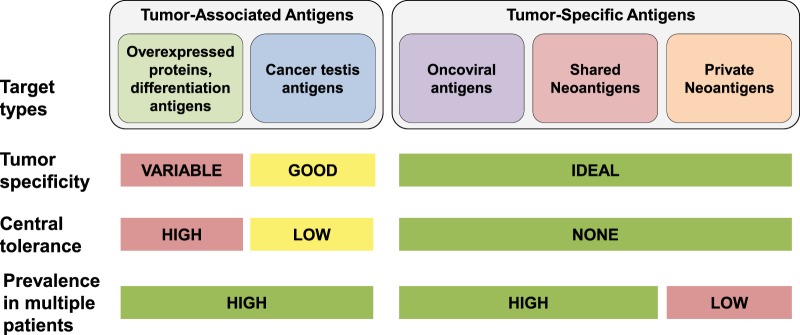
“These antigens feature low tumor speci fi city, low immunogenicity and high central immune tolerance (53).”
Emerging and Biological Concepts in Pediatric High-Grade Gliomas
Yoel, A., Adjumain, S., Liang, Y., Daniel, P. M., Firestein, R., & Tsui, V. (2024) · Cells · doi:10.3390/cells13171492 · Cited by 24
“Advances in tumor immunology, alongside technical improvements in vaccine development, have renewed interest in using vaccination as a cancer therapy [160,161].”
BackgroundDeronic, A., Nilsson, A., Thagesson, M., Werchau, D., Smith, K. E., & Ellmark, P. (2021) · Cancer Immunology Immunotherapy · doi:10.1007/s00262-021-02932-5 · Cited by 24
“Cancer vaccines are means to provide cancer antigens [25]; however, the resulting T cell responses will not be sufficient to eradicate tumors without effective cross-presentation by DC [12].”
BackgroundRecent Progress on Therapeutic Vaccines for Breast Cancer
Zhang, L., Xipeng, Z., Sha, H., Xie, L., & Liu, B. (2022) · Frontiers in Oncology · doi:10.3389/fonc.2022.905832 · Cited by 28
“Therapeutic tumor antigens are divided into two main categories: tumor-associated antigens (TAAs) and tumor-specific antigens (TSAs) (9) (Figure 1).”
BackgroundCampbell, K., Young, V. L., Donaldson, B., Woodall, M. J., Shields, N. J., Walker, G. F., Ward, V. K., & Young, S. L. (2021) · Vaccines · doi:10.3390/vaccines9050463 · Cited by 22
Santiago-Sánchez, G. S., Hodge, J. W., & Fabian, K. P. (2022) · Frontiers in Immunology · doi:10.3389/fimmu.2022.993624 · Cited by 21
Nanotechnology-Based Nucleic Acid Vaccines for Treatment of Ovarian Cancer
Gildiz, S., & Minko, T. (2022) · Pharmaceutical Research · doi:10.1007/s11095-022-03434-4 · Cited by 22
Neoantigen sequestrated autophagosomes as therapeutic cancer vaccines
Zhang, J., Cao, J., Wang, L., Li, S., Meng, F., Liang, X., Jiang, H., Luo, R., Zhu, D., Zhang, F., et al. (2024) · Journal of Controlled Release · doi:10.1016/j.jconrel.2024.10.019 · Cited by 20
Exosomes as a Therapeutic Strategy in Cancer: Potential Roles as Drug Carriers and Immune Modulators
Abedi, A., Moghaddam, M. M., Kachuei, R., & Fooladi, A. A. I. (2024) · Biochimica et Biophysica Acta (BBA) - Reviews on Cancer · doi:10.1016/j.bbcan.2024.189238 · Cited by 22
The Race of CAR Therapies: CAR-NK Cells for Fighting B-Cell Hematological Cancers
Herrera, L., Santos, S., Vesga, M. Á., Carrascosa, T., García‐Ruiz, J. C., Pérez‐Martínez, A., Juan, M., & Eguizábal, C. (2021) · Cancers · doi:10.3390/cancers13215418 · Cited by 21
Irradiation conditioning of adjuvanted, autologous cancer cell membrane nanoparticle vaccines
Tuo, Z., He, Q., Zhang, Z., Wang, Y., Sun, J., Wei, Q., Hu, Y., Lovell, J. F., Jin, H., & Yang, K. (2021) · Chemical Engineering Journal · doi:10.1016/j.cej.2021.134437 · Cited by 20
Treatment Options for Hepatocellular Carcinoma Using Immunotherapy: Present and Future
Wei, H., Dong, C., & Li, X. (2024) · Journal of Clinical and Translational Hepatology · doi:10.14218/jcth.2023.00462 · Cited by 21
Revolutionizing cancer treatment: the rise of personalized immunotherapies
Fayyaz, A., Haqqi, A., Khan, R., Irfan, M., Khan, K., Reiner, Ž., Sharifi‐Rad, J., & Călina, D. C. (2024) · Discover Oncology · doi:10.1007/s12672-024-01638-1 · Cited by 22
Clinical Data on Immunotherapy in Breast Cancer
Radosa, J. C., Stotz, L., Müller, C., Kaya, A. C., Solomayer, E., & Radosa, M. P. (2020) · Breast Care · doi:10.1159/000511788 · Cited by 20
Nanovaccines silencing IL-10 production at priming phase for boosting immune responses to melanoma
Phung, C. D., Tran, T. H., Nguyen, H. T., Nguyen, T. T., Jeong, J., Ku, S., Yong, C. S., Choi, H., & Kim, J. O. (2021) · Journal of Controlled Release · doi:10.1016/j.jconrel.2021.08.031 · Cited by 19
Immunotherapeutic approaches in Hepatocellular carcinoma: Building blocks of hope in near future
Minaei, N., Ramezankhani, R., Tamimi, A., Piryaei, A., Zarrabi, A., Aref, A. R., Mostafavi, E., & Vosough, M. (2022) · European Journal of Cell Biology · doi:10.1016/j.ejcb.2022.151284 · Cited by 19
Induced pluripotent stem cells as a novel cancer vaccine
Wang, L., Pegram, M. D., & Wu, J. C. (2019) · Expert Opinion on Biological Therapy · doi:10.1080/14712598.2019.1650909 · Cited by 19
Integrating immunopeptidome analysis for the design and development of cancer vaccines
Feola, S., Chiaro, J., & Cerullo, V. (2023) · Seminars in Immunology · doi:10.1016/j.smim.2023.101750 · Cited by 19
Chen, H., Huang, Z., Li, J., Dong, S., Xu, Y., Ma, S., Zhao, J., Liu, L., Sun, T., Song, W., et al. (2024) · 中国科学通报:英文版 · doi:10.1016/j.scib.2024.01.039 · Cited by 18
Domínguez‐Romero, A. N., Martínez‐Cortés, F., Munguía, M. E., Odales, J., Gevorkian, G., & Manoutcharian, K. (2020) · Immunology · doi:10.1111/imm.13233 · Cited by 18
Asín, A., García‐Martin, F., Busto, J. H., Avenoza, A., Peregrina, J. M., & Corzana, F. (2021) · Current Medicinal Chemistry · doi:10.2174/0929867328666210810152917 · Cited by 18
Pooter, D. D., Gulck, E. R. V., Chen, A., Evans, C. F., Neefs, J., Horton, H., & Boden, D. (2021) · Vaccines · doi:10.3390/vaccines9090969 · Cited by 19
“They have recently received increased attention due to evidence of efficacy for certain cancers in human clinical trials [17,18].”
BackgroundMathematical model of a personalized neoantigen cancer vaccine and the human immune system
Messan, M. R., Yogurtcu, O. N., McGill, J. R., Nukala, U., Sauna, Z. E., & Yang, H. (2021) · PLoS Computational Biology · doi:10.1371/journal.pcbi.1009318 · Cited by 21
“, checkpoint inhibitors) are among the most promising therapeutic options for many human cancers [1, 2].”
BackgroundThoreau, F., & Chudasama, V. (2022) · RSC Chemical Biology · doi:10.1039/d1cb00082a · Cited by 18
Vaccines in Gastrointestinal Malignancies: From Prevention to Treatment
Chudasama, R., Phung, Q. H., Hsu, A., & Almhanna, K. (2021) · Vaccines · doi:10.3390/vaccines9060647 · Cited by 18
Dehghan-Manshadi, M., Nikpoor, A. R., Hadinedoushan, H., Zare, F., Sankian, M., Fesahat, F., & Rafatpanah, H. (2021) · International Immunopharmacology · doi:10.1016/j.intimp.2021.107414 · Cited by 17
Fueling Cancer Vaccines to Improve T Cell-Mediated Antitumor Immunity
Hernandez, R., & Malek, T. R. (2022) · Frontiers in Oncology · doi:10.3389/fonc.2022.878377 · Cited by 18
“Various other mutational events can give rise to neoantigens (10, 49).”
BackgroundRecent advancements in skin cancer treatment: a critical review
Goyal, R., Husain, S., Wilson, K., Chopra, H., Pahwa, R., Fahrni, M. L., & Sharma, R. (2023) · Exploration of Medicine · doi:10.37349/emed.2023.00178 · Cited by 18
Nanobody-liposomes as novel cancer vaccine platform to efficiently stimulate T cell immunity
Bouma, R. G., Twilhaar, M. K. N., Brink, H. J., Affandi, A. J., Mesquita, B. S., Olesek, K., van Dommelen, J. M. A., Heukers, R., de Haas, A. M., Kalay, H., et al. (2024) · International Journal of Pharmaceutics · doi:10.1016/j.ijpharm.2024.124254 · Cited by 18
Chen, J., Su, M., Xu, C., Cao, Z., Yang, X., & Wang, J. (2024) · Nano Today · doi:10.1016/j.nantod.2024.102335 · Cited by 18
Breaking barriers: Smart vaccine platforms for cancer immunomodulation
Gomari, M. M., Ghantabpour, T., Pourgholam, N., Rostami, N., Hatfield, S. M., Namazifar, F., Abkhiz, S., Eslami, S. S., Ramezanpour, M., Darestanifarahani, M., et al. (2025) · 癌症:英文版 · doi:10.1002/cac2.70002 · Cited by 17
“Abbreviations: CD4 + T cell, cluster of differentiation 4 + T cell; CD8 + T cell, cluster of differentiation 8 + T cell; MHC, major histocompatibility complex; mRNA, messenger ribonucleic acid. lasting immunologic memory that could enable cancer eradication after vaccination [61].”
Li, D., Lan, X., Xu, L., Zhou, S., Luo, H., Zhang, X., Yu, W., Yang, Y., & Fang, X. (2025) · Frontiers in Immunology · doi:10.3389/fimmu.2025.1552010 · Cited by 20
“Cancer vaccines targeting cells use non-replicating cancer cells or antigen-presenting cells (APCs) carrying cancer antigens (78).”
Fabian, K. P., Malamas, A. S., Padget, M. R., Solocinski, K., Wolfson, B., Fujii, R., Sater, H. A., Schlom, J., & Hodge, J. W. (2020) · Cancer Immunology Research · doi:10.1158/2326-6066.cir-20-0638 · Cited by 17
“T-cell activation requires inflammatory stimulus; hence, cytokines such as IL15 have the potential to augment cancer vaccine effects (3, 4).”
BackgroundHensler, M., Raková, J., Kašíková, L., Láníčková, T., Pasulka, J., Holíček, P., Hraska, M., Hrnčiarová, T., Kadlecová, P., Schoenenberger, A., et al. (2022) · OncoImmunology · doi:10.1080/2162402x.2022.2101596 · Cited by 17
“Thus, strategies to induce anticancer immune responses in patients with limited responses to ICIs as well as biomarkers that improve the decision making with respect to the (immuno)therapeutic approach in solid malignancies are eagerly awaited.(7,35) DCs are a diverse group of specialized antigen-presenting cells with…”
BackgroundTargeting Cross-Presentation as a Route to Improve the Efficiency of Peptide-Based Cancer Vaccines
Wylie, B., Ong, F., Belhoul-Fakir, H., Priebatsch, K., Bogdawa, H., Stirnweiss, A., Watt, P., Cunningham, P., Stone, S. R., & Waithman, J. (2021) · Cancers · doi:10.3390/cancers13246189 · Cited by 16
Therapeutic applications of RNA nanostructures
Yip, T., Qi, X., Yan, H., & Chang, Y. (2024) · RSC Advances · doi:10.1039/d4ra03823a · Cited by 17
Zhao, Z., Ledezma, D. K., de Oliveira, J. F. A., Omole, A. O., & Steinmetz, N. F. (2025) · Nature Communications · doi:10.1038/s41467-025-60239-w · Cited by 16
“Some tumor-speci fi c antigens (TSAs) are also known, such as human papillomavirus (HPV) E6/E7 for HPV + cancer 18,19 .”
Wu, Y., Sun, G., Ren, W., Yang, G., Wang, C., Ye, X., Chen, Y., Pang, X., Zhang, Q., Wang, Z. J., et al. (2025) · Journal of Nanobiotechnology · doi:10.1186/s12951-025-03681-8 · Cited by 16
“Compared with tumor-associated antigens (TAAs) and tumor-specific antigens (TSAs) [18–20], personalized neoantigens demonstrate unique advantages in yielding robust tumor-specific T-cell responses while minimizing off-target effects.”
Zhao, X., Han, Y., Sun, Y., Feng, W., Liu, J., Li, D., & Wang, T. (2020) · Materials & Design · doi:10.1016/j.matdes.2020.109311 · Cited by 16
ROS Cocktails as an Adjuvant for Personalized Antitumor Vaccination?
Clemen, R., & Bekeschus, S. (2021) · Vaccines · doi:10.3390/vaccines9050527 · Cited by 16
“The personalized antigen vaccines have recently come to the fore [10] because”
BackgroundWhat’s next in cancer immunotherapy? - The promise and challenges of neoantigen vaccination
Redwood, A., Dick, I. M., Creaney, J., & Robinson, B. W. S. (2022) · OncoImmunology · doi:10.1080/2162402x.2022.2038403 · Cited by 19
Sabbieti, M. G., Marchegiani, A., Sufianov, A. A., Gabai, V. L., Shneider, A. M., & Agas, D. (2022) · Life · doi:10.3390/life12040539 · Cited by 17
“In addition, it could be intriguing to study the combined anti-tumor action of a p62 DNA plasmid with immunotherapeutics, anti-cancer vaccines and checkpoint inhibitors, such as anti-CTLA-4 and anti-PD-1 [69] in humans and animals.”
BackgroundZhang, Z., Zhou, H., Liu, Y., Ren, J. L., Wang, J., Sang, Q., Lan, Y., Wu, Y., Yuan, H., Ni, W., et al. (2021) · International Immunopharmacology · doi:10.1016/j.intimp.2021.108173 · Cited by 15
Perrinjaquet, M., & Schlegel, C. R. (2023) · Drug Discovery Today · doi:10.1016/j.drudis.2023.103773 · Cited by 15
Che, J., Liu, Y., Liu, Y., Song, J., Cui, H., Feng, D., Tian, A., Zhang, Z., & Xu, Y. (2025) · Frontiers in Immunology · doi:10.3389/fimmu.2025.1544882 · Cited by 15
“TSAs are exclusively expressed in particular tumors and are absent on the surface of normal cells (29, 30).”
Huang, F., Pan, N., Wei, Y., Zhao, J., Aldarouish, M., Wang, X., Sun, X., Wen, Z., Chen, Y., & Wang, L. (2021) · Frontiers in Immunology · doi:10.3389/fimmu.2021.707298 · Cited by 15
“However, cancer vaccines have not yet achieved the expected clinical benefit in breast cancer patients mainly due to the failure to obtain sufficient tumor-associated antigens (TAAs) and initiate an efficient antigen presentation of TAAs (5, 6).”
BackgroundInfluentialYin, L., Zhou, Y., Hong, S., Ding, F., & Cai, H. (2023) · ChemBioChem · doi:10.1002/cbic.202200805 · Cited by 16
Unlocking Dendritic Cell-Based Vaccine Efficacy through Genetic Modulation—How Soon Is Now?
Elwakeel, A., Bridgewater, H. E., & Bennett, J. (2023) · Genes · doi:10.3390/genes14122118 · Cited by 17
“Three types of vaccine platforms or formulations have been developed for cancer therapy: cellular vaccines, vector-based vaccines, and molecular vaccines (DNA, RNA, peptides, and proteins) [37,38].”
BackgroundExploring Essential Issues for Improving Therapeutic Cancer Vaccine Trial Design
Baxevanis, C. N., Fortis, S. P., Ardavanis, A. S., & Perez, S. A. (2020) · Cancers · doi:10.3390/cancers12102908 · Cited by 17
Emerging Therapeutic Approaches to Pancreatic Adenocarcinoma: Advances and Future Directions
Peng, C., & Oberstein, P. E. (2025) · Current Treatment Options in Oncology · doi:10.1007/s11864-025-01352-2 · Cited by 14
“Of interest, an ADC targeting tis - sue factor and conjugated to MMAE, MRG004A, recently demonstrated 4/5 PRs in PDAC in a phase I/II trial [ 142]. is a Claudin 18.2 and CD3 bispecific that was reported to have an ORR of 30.4% in refractory PDAC [ 138].”
InfluentialKiessling, A., Ramanathan, K., Nilsson, O. B., Notari, L., Renken, S., Kiessling, R. W., Grönlund, H., & Wickström, S. L. (2022) · Frontiers in Oncology · doi:10.3389/fonc.2022.866763 · Cited by 15
“Central and peripheral tolerance against the chosen TAA or loss of antigen presentation on the tumor cell surface likely account for the low clinical efficacy (6).”
BackgroundThe bright side of chemistry: Exploring synthetic peptide‐based anticancer vaccines
D’Aniello, A., Bene, A. D., Mottola, S., Mazzarella, V., Cutolo, R., Campagna, E., Maro, S. D., & Messere, A. (2024) · Journal of Peptide Science · doi:10.1002/psc.3596 · Cited by 15
“36,105,106 6 .1 | The melanoma peptide vaccine Melan-A/MART-1 is broadly expressed in the majority of benign and malignant melanocytic lesions.”
BackgroundHou, Y., Li, Y., Zhang, Y., Zhang, J., & Wu, D. (2024) · Frontiers in Immunology · doi:10.3389/fimmu.2024.1423212 · Cited by 14
Developing an erythrocyte‒MHC-I conjugate for cancer treatment
Liu, Y., Nie, X., Yao, X., Shou, H., Yuan, Y., Ge, Y., Tong, X., Lee, H., & Gao, X. (2024) · Cell Discovery · doi:10.1038/s41421-024-00713-9 · Cited by 15
“ELISA tests showed approximately 61.7 μ g of MHC-I molecules per 10 10 erythrocytes, estimating 5 × 10 4 MHC-I molecules on each erythrocyte (Fig.”
BackgroundInfluentialBarcellini, L., Nardin, S., Sacco, G., Ferrante, M., Rossi, G., Barletta, G., Bennicelli, E., Dellepiane, C., Tagliamento, M., Pollone, B. R., et al. (2025) · Cancers · doi:10.3390/cancers17040652 · Cited by 14
“They could be cellular, viral vector, or molecular (e.g., peptide, DNA, or RNA) [84].”
Multivalent display of chemical signals on self‐assembled peptide scaffolds
Distaffen, H. E., Jones, C. W., Abraham, B. L., & Nilsson, B. L. (2021) · Peptide Science · doi:10.1002/pep2.24224 · Cited by 14
Immunotherapy for Breast Cancer Treatment: Current Evidence and Therapeutic Options
Singh, K., Yadav, D., Jain, M., Singh, P. K., & Jin, J. (2021) · Endocrine Metabolic & Immune Disorders - Drug Targets · doi:10.2174/1871530321666210426125904 · Cited by 16
Identification of Shared Neoantigens in BRCA1-Related Breast Cancer
Ruangapirom, L., Sutivijit, N., Teerapakpinyo, C., Mutirangura, A., & Doungkamchan, C. (2022) · Vaccines · doi:10.3390/vaccines10101597 · Cited by 15
“Antigen targets for cancer vaccines are (1) over-expressed selfantigens known as tumor-associated antigens (TAAs); (2) cancer/testis antigens, which are exclusively expressed in reproductive tissues; and (3) neoantigens, which are exclusively expressed in tumors [2,3].”
BackgroundAdvancing Cancer Treatment Through Nanotechnology Driven Immunotherapy for Pancreatic Cancer
Nair, S. T., Kamalasanan, K., Sneha, S., Pavithran, K., & Harb, H. (2023) · ACS Applied Nano Materials · doi:10.1021/acsanm.3c03454 · Cited by 14
Oral Administration of Cancer Vaccines: Challenges and Future Perspectives
Gambirasi, M., Safa, A., Vruzhaj, I., Giacomin, A., Sartor, F., & Toffoli, G. (2023) · Vaccines · doi:10.3390/vaccines12010026 · Cited by 14
“For this reason, TAAs should be sufficiently immunogenic to break immune tolerance and allow the development of a specific immune response [4].”
BackgroundHe, X., Gong, G., Chen, M., Zhang, H., Zhang, Y., Richardson, J. J., Chan, W. Y., He, Y., & Guo, J. (2024) · Angewandte Chemie · doi:10.1002/ange.202314501 · Cited by 14
Monophosphoryl Lipid A-Rhamnose Conjugates as a New Class of Vaccine Adjuvants
Rohokale, R., Guo, J., & Guo, Z. (2024) · Journal of Medicinal Chemistry · doi:10.1021/acs.jmedchem.3c02385 · Cited by 14
Heterologous prime-boost immunization co-targeting dual antigens inhibit tumor growth and relapse
Guo, Q., Wang, L., Xu, P., Geng, F., Guo, J., Dong, L., Bao, X., Zhou, Y., Feng, M., Wu, J., et al. (2020) · OncoImmunology · doi:10.1080/2162402x.2020.1841392 · Cited by 17
“Cancer vaccines take preponderance because they induce specific anti-tumor immunity for evasive tumors that generally escape immunosurveillance.(9,10) Numerous types of cancer vaccines, such as PROVENGE,(11) an FDA-approved dendritic cell vaccine for prostate cancer, have been developed.”
BackgroundBiomimetic Cell Membrane-coated Nanovaccines in Anti-tumor Immunotherapy
Chen, Y., Zhang, W., & Huang, X. (2026) · Theranostics · doi:10.7150/thno.128136 · Cited by 14
“Another essential component is the vaccine formulation, which includes adjuvants and delivery vesicles (Figure 2) [34].”
Zelba, H., McQueeney, A., Rabsteyn, A., Bartsch, O., Kyzirakos, C., Kayser, S., Harter, J., Latzer, P., Hadaschik, D., Battke, F., et al. (2022) · Vaccines · doi:10.3390/vaccines10111882 · Cited by 13
“Neoantigens can be administered in different formats including peptides, recombinant viruses, DNA and RNA, or preloaded in vitro on dendritic cells [19,20].”
BackgroundGFPBW1, a β-glucan from Grifola frondosa as vaccine adjuvant: APCs activation and maturation
He, X., Lu, J.-L., Liao, W., Long, Y., Zhang, X., Zhu, Q., Lu, H., Hao, G.-Y., Ding, K., Sun, J., et al. (2024) · Acta Pharmacologica Sinica · doi:10.1038/s41401-024-01330-8 · Cited by 13
“The development of therapeutic cancer vaccines faces three major challenges: (1) low immunogenicity; (2) an established disease burden; and (3) an immunosuppressive tumor microenvironment [1, 34].”
Ahmed, S., Mazhar, M. S., & Shabbir, M. F. (2024) · Targeted Cancer Therapy Connect · doi:10.69709/ciconnect.2024.194763 · Cited by 18
Pati, S. S., Dhal, S., Pattnaik, R., Tripathy, S., & Kumar, S. (2025) · Current Medical Science · doi:10.1007/s11596-025-00112-5 · Cited by 14
“The results revealed a strong association between the expression of genes linked to T-cell cytotoxic activity and the quantity of neoantigens in each tumor [34, 35].”
Mimicking Pathogens to Augment the Potency of Liposomal Cancer Vaccines
Twilhaar, M. K. N., Czentner, L., van Nostrum, C. F., Storm, G., & den Haan, J. M. M. (2021) · Pharmaceutics · doi:10.3390/pharmaceutics13070954 · Cited by 14
Potential association factors for developing effective peptide-based cancer vaccines
Jiang, C., Li, J., Zhang, W., Zhuang, Z., Liu, G., Hong, W., Li, B., Zhang, X., & Chao, C. (2022) · Frontiers in Immunology · doi:10.3389/fimmu.2022.931612 · Cited by 13
Shen, Y., Yu, L., Xu, X., Yu, S., & Yu, Z. (2022) · Cancer Innovation · doi:10.1002/cai2.26 · Cited by 13
“TAA ‐ specific T cells are prone to central and/or peripheral resistance; hence, early therapeutic vaccination approaches based on self ‐ antigens, namely TAAs, were mostly ineffective in eliciting clinically effective anticancer immune responses [105].”
BackgroundHyperbranched Polymer‐Based Vaccines for Cancer Immunotherapy
Wang, Z., Guo, Y., Shen, M., Wang, Y., & Shi, X. (2023) · Macromolecular Bioscience · doi:10.1002/mabi.202300188 · Cited by 13
Peptide-Based Therapeutic HPV Cancer Vaccine Synthesized via Bacterial Outer Membrane Vesicles
Chen, H., Zheng, X. W., Li, L., Huang, L., Huang, W., & Ma, Y. (2023) · International Journal of Nanomedicine · doi:10.2147/ijn.s416706 · Cited by 13
“Cancer vaccines mainly use general tumor antigens, however, as a result of tumor heterogeneity, they often have poor efficacy.(32) Personalized tumor vaccines can address individual differences.”
BackgroundOncoprotein GT198 vaccination delays tumor growth in MMTV-PyMT mice
Achyut, B. R., Zhang, H., Angara, K., Mivechi, N. F., Arbab, A. S., & Ko, L. (2020) · Cancer Letters · doi:10.1016/j.canlet.2020.02.005 · Cited by 13
Demystifying particle-based oral vaccines
Gonzalez‐Cruz, P., & Gill, H. S. (2021) · Expert Opinion on Drug Delivery · doi:10.1080/17425247.2021.1946511 · Cited by 14
Therapeutic Cancer Vaccines for Nonmelanoma Skin Cancer
Wu, S., Chen, Y., Hung, C., & Yang, B.-H. (2023) · Current Treatment Options in Oncology · doi:10.1007/s11864-023-01074-3 · Cited by 12
The immune microenvironment of cancer of the uterine cervix.
Mastrogeorgiou, M., Chatzikalil, E., Theocharis, S. E., Papoudou‐Bai, A., Péoc’h, M., Mobarki, M., & Karpathiou, G. (2024) · PubMed · doi:10.14670/hh-18-727 · Cited by 15
Schineis, P., Kotkowska, Z. K., Vogel‐Kindgen, S., Friess, M. C., Theisen, M., Schwyter, D., Hausammann, L., Subedi, S., Varypataki, E. M., Waeckerle‐Men, Y., et al. (2021) · Journal of Controlled Release · doi:10.1016/j.jconrel.2021.02.014 · Cited by 13
Research and application of hydrostatic high pressure in tumor vaccines (Review)
Yan, S., Liu, K., Mu, L., Liu, J., Tang, W., & Liu, B. (2021) · Oncology Reports · doi:10.3892/or.2021.8026 · Cited by 12
Alexander, C. A., & Yang, Y. Y. (2021) · Nanomedicine Nanotechnology Biology and Medicine · doi:10.1016/j.nano.2021.102492 · Cited by 12
Amphiphilic Cyclodextrin‐Based Nanoparticulate Vaccines Can Trigger T‐Cell Immune Responses
Geisshüsler, S., Schineis, P., Langer, L., Waeckerle‐Men, Y., Leroux, J., Halin, C., Vogel‐Kindgen, S., Johansen, P., & Gander, B. A. (2021) · Advanced NanoBiomed Research · doi:10.1002/anbr.202100082 · Cited by 12
Neoantigens and NK Cells: “Trick or Treat” the Cancers?
Lv, D., Khawar, M. B., Liang, Z., Gao, Y. M., & Sun, H. (2022) · Frontiers in Immunology · doi:10.3389/fimmu.2022.931862 · Cited by 12
“Unlike traditional cancer therapeutic vaccines, which mainly focus on tumor-associated antigens (TAAs) that are abnormally expressed in tumor cells but can also be detected in normal tissues, neoantigen-based cancer vaccines have the capacity to amplify endogenous repertoire of T-cell responses specifically targeting…”
BackgroundMougel, A., Méjean, F., Tran, T., Adimi, Y., Galy–Fauroux, I., Kaboré, C., Mercier, E., Urquia, P., Terme, M., Tartour, É., et al. (2022) · OncoImmunology · doi:10.1080/2162402x.2022.2110218 · Cited by 12
Delivery of Immunostimulatory Cargos in Nanocarriers Enhances Anti-Tumoral Nanovaccine Efficacy
Schunke, J., Mailänder, V., Landfester, K., & Fichter, M. (2023) · International Journal of Molecular Sciences · doi:10.3390/ijms241512174 · Cited by 12
Dailey, G. P., Rabiola, C. A., Lei, G., Wei, J.-P., Yang, X., Wang, T., Liu, C.-X., Gajda, M., Hobeika, A. C., Summers, A. N., et al. (2024) · Human Vaccines & Immunotherapeutics · doi:10.1080/21645515.2024.2309693 · Cited by 15
“16–28–31 Strategies to overcome these limitations will be critical in extending the therapeutic efficacy of these types of cancer vaccines.”
BackgroundDendrimers—Novel Therapeutic Approaches for Alzheimer’s Disease
Mroziak, M., Kozłowski, G., Kołodziejczyk, W., Pszczołowska, M., Walczak, K., Beszłej, J. A., & Leszek, J. (2024) · Biomedicines · doi:10.3390/biomedicines12081899 · Cited by 12
“Various cancer therapies have been proposed, such as cytokine-based immunotherapies [92], cancer vaccines [93], and monoclonal antibodies for targeted therapy [94].”
BackgroundVaccination against Cancer or Infectious Agents during Checkpoint Inhibitor Therapy
Nasti, T. H., & Eberhardt, C. S. (2021) · Vaccines · doi:10.3390/vaccines9121396 · Cited by 12
Antimesothelioma Immunotherapy by CTLA-4 Blockade Depends on Active PD1-Based TWIST1 Vaccination
Tan, Z., Chiu, M. S., Yan, C. W., Wong, Y. C., Huang, H., Man, K., & Chen, Z. (2020) · Molecular Therapy — Oncolytics · doi:10.1016/j.omto.2020.01.009 · Cited by 12
“Emerging studies suggested that combinational treatments using DC-based vaccination together with other cancer therapies to reverse immunosuppression may unleash fully the potential of DC-based cancer vaccines and improve patient survival.(1,3,13)”
BackgroundZhu, H., & Liu, X. (2021) · Frontiers in Oncology · doi:10.3389/fonc.2021.666340 · Cited by 12
Metadata
- Authors
- Hollingsworth, R. E., & Jansen, K.
- Affiliations
- Pfizer (United States) (US)
- Corresponding author
- Jansen, Kathrin
- Venue
- npj Vaccines
- Published
- 2019-02-08
- Volume
- 4
- Issue
- 1
- Pages
- 7-7
- ISSN
- 2059-0105 (ISSN-L)
- PMC
- PMC6368616
- OpenAlex
- W2913400417
- Cited by
- 689
- References
- 165
- Citations by year
- 2026: 30 · 2025: 71 · 2024: 100 · 2023: 83 · 2022: 120 · 2021: 161 · 2020: 101 · 2019: 23
- FWCI
- 8.73
- Type
- journal article
- Language
- en
- Open access
- gold
- doi.org
- Licence
- cc-by
- creativecommons.org/licenses/by/4.0 (tdm)
- creativecommons.org/licenses/by/4.0 (vor)
- Locations
- npj Vaccines (publishedVersion, cc-by)
- Europe PMC (PubMed Central) (publishedVersion, cc-by)
- PubMed Central (publishedVersion, cc-by)
- PubMed (publishedVersion)
- DOAJ (DOAJ: Directory of Open Access Journals) (submittedVersion)
- Topics
- Life Sciences › Immunology and Microbiology › Immunology › Immunotherapy and Immune Responses
- Health Sciences › Medicine › Oncology › Cancer Immunotherapy and Biomarkers
- Life Sciences › Immunology and Microbiology › Immunology › T-cell and B-cell Immunology
- Keywords
- therapeutic cancer vaccines, tumor antigens, tumor-associated antigens, neoantigens, personalized cancer immunotherapy, vaccine immunogenicity, tumor specificity, tumor immunosuppression, tumor immune evasion, combination immunotherapy
About these checks
Registry, retraction, Cites and statistics results are computed, not judged, with one exception: a printed reference that no index lists is read once by a model before it counts as a citation error. Claims are extracted by a model and kept only when their quote appears verbatim in the text; each cited source is then checked, with a model’s help, for whether it says what the claim relies on. Those verdicts can be wrong — read the claim’s quote and the cited source before relying on one.
Statistics and arithmetic are recomputed, not judged.
Confidence bands are shown only for fields calibrated on our annotated test set. None is calibrated yet, so no band is shown.
What counts as a claim ›How we measure confidence ›How we check this ›
Are you an author, or do you see a problem with this page? Request a review
Data sources
Bibliographic data: Semantic Scholar, OpenAlex, Crossref.
Contains information from the Semantic Scholar Academic Graph Datasets, made available under the ODC Attribution License (ODC-BY 1.0).
Semantic Scholar’s data is described in: Kinney, R., et al. (2023). The Semantic Scholar Open Data Platform. arXiv:2301.10140.
