

Turning the corner on therapeutic cancer vaccines
Open accessThe DOI matches its Crossref record; 165 of the 165 references it cites were found in a registry or an index.
Abstract
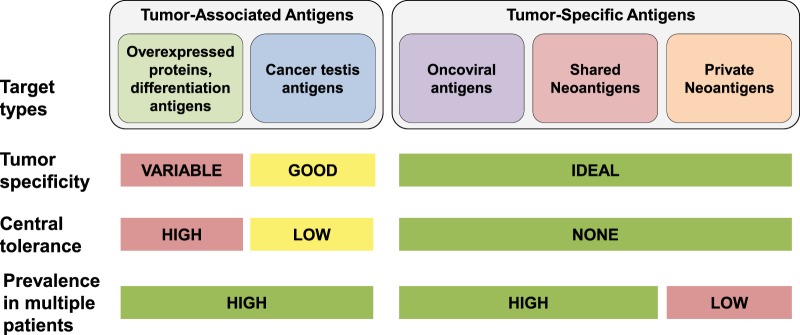
Recent advances in several areas are rekindling interest and enabling progress in the development of therapeutic cancer vaccines. These advances have been made in target selection, vaccine technology, and methods for reversing the immunosuppressive mechanisms exploited by cancers. Studies testing different tumor antigens have revealed target properties that yield high tumor versus normal cell specificity and adequate immunogenicity to affect clinical efficacy. A few tumor-associated antigens, normal host proteins that are abnormally expressed in cancer cells, have been demonstrated to serve as good targets for immunotherapies, although many do not possess the needed specificity or immunogenicity. Neoantigens, which arise from mutated proteins in cancer cells, are truly cancer-specific and can be highly immunogenic, though the vast majority are unique to each patient’s cancer and thus require development of personalized therapies. Lessons from previous cancer vaccine expeditions are teaching us the type and magnitude of immune responses needed, as well as vaccine technologies that can achieve these responses. For example, we are learning which vaccine approaches elicit the potent, balanced, and durable CD4 plus CD8 T cell expansion necessary for clinical efficacy. Exploration of interactions between the immune system and cancer has elucidated the adaptations that enable cancer cells to suppress and evade immune attack. This has led to breakthroughs in the development of new drugs, and, subsequently, to opportunities to combine these with cancer vaccines and dramatically increase patient responses. Here we review this recent progress, highlighting key steps that are bringing the promise of therapeutic cancer vaccines within reach.
Overview
The claims and statistics of this paper haven’t been checked yet.
Free: it reads the open-access text and checks the first 5 claims that cite a source we can check. Create a free account to check every claim.
Integrity signals
Registry
Cites
Statistics
Figures
Verification
Claims the paper makes
The claims and statistics of this paper haven’t been checked yet.
Free: it reads the open-access text and checks the first 5 claims that cite a source we can check. Create a free account to check every claim.
Claims other papers make about this one
Each is checked against this paper’s own text: does it say what the citing paper says it does?
In the citing paper
“although ICIs are the most widely used, they are not the only FDA-approved immunotherapies.”
From Immune Checkpoint Inhibitors for the Treatment of Cancer: Clinical Impact and Mechanisms of Response and Resistance (2021) · cites this paper as [176]
In the citing paper
“A DC vaccine for the treatment of advanced prostate cancer and chimeric antigen receptor T cells for the treatment of several hematological malignancies are among other immunotherapies that have also received FDA approval (176, 177).”
From Immune Checkpoint Inhibitors for the Treatment of Cancer: Clinical Impact and Mechanisms of Response and Resistance (2021) · cites this paper as [176]
Self-check
Percentages, sums and reported differences re-computed from the paper’s own numbers.
The self-check needs the paper’s full text.
Citations
Cites
PD-1 and PD-L1 Immune Checkpoint Blockade to Treat Breast Cancer
Hartkopf, A. D., Taran, F.-A., Wallwiener, M., Walter, C. B., Krämer, B., Grischke, E.-M., & Brucker, S. Y. (2016) · Breast Care · doi:10.1159/000453569 · Cited by 30,845
Adverse Renal Effects of Immune Checkpoint Inhibitors: A Narrative Review
Wanchoo, R., Karam, S., Uppal, N. N., Barta, V. S., Deray, G., Devoe, C., Launay-Vacher, V., Jhaveri, K. D., & on behalf of Cancer and Kidney International Network Workgroup on Immune Checkpoint Inhibitors (2017) · American Journal of Nephrology · doi:10.1159/000455014 · Cited by 15,256
Improved Survival with Ipilimumab in Patients with Metastatic Melanoma
Hodi, F. S., O'Day, S. J., McDermott, D. F., Weber, R. W., Sosman, J. A., Haanen, J. B., Gonzalez, R., Robert, C., Schadendorf, D., Hassel, J. C., et al. (2010) · New England Journal of Medicine · doi:10.1056/nejmoa1003466 · Cited by 15,155
Safety, activity, and immune correlates of anti–PD-1 antibody in cancer
Topalian, S. L., Hodi, F. S., Brahmer, J. R., Gettinger, S. N., Smith, D. C., McDermott, D. F., Powderly, J. D., Carvajal, R. D., Sosman, J. A., Atkins, M. B., et al. (2012) · New England Journal of Medicine · doi:10.1056/nejmoa1200690 · Cited by 12,628
Mutational landscape determines sensitivity to PD-1 blockade in non–small cell lung cancer
Rizvi, N. A., Hellmann, M. D., Snyder, A., Kvistborg, P., Makarov, V., Havel, J. J., Lee, W., Yuan, J., Wong, P., Ho, T. S., et al. (2015) · Science · doi:10.1126/science.aaa1348 · Cited by 7,802
Pembrolizumab plus chemotherapy in metastatic non–small-cell lung cancer
Gandhi, L., Rodríguez-Abreu, D., Gadgeel, S., Esteban, E., Felip, E., De Angelis, F., Domine, M., Clingan, P., Hochmair, M. J., Powell, S. F., et al. (2018) · New England Journal of Medicine · doi:10.1056/nejmoa1801005 · Cited by 6,607
Sipuleucel-T Immunotherapy for Castration-Resistant Prostate Cancer
Kantoff, P. W., Higano, C. S., Shore, N. D., Berger, E. R., Small, E. J., Penson, D. F., Redfern, C. H., Ferrari, A. C., Dreicer, R., Sims, R. B., et al. (2010) · New England Journal of Medicine · doi:10.1056/nejmoa1001294 · Cited by 5,572
The future of immune checkpoint therapy
Sharma, P., & Allison, J. P. (2015) · Science · doi:10.1126/science.aaa8172 · Cited by 4,878
Genetic Basis for Clinical Response to CTLA-4 Blockade in Melanoma
Snyder, A., Makarov, V., Merghoub, T., Yuan, J., Zaretsky, J. M., Desrichard, A., Walsh, L. A., Postow, M. A., Wong, P., Ho, T. S., et al. (2014) · New England Journal of Medicine · doi:10.1056/nejmoa1406498 · Cited by 4,286
Molecular and genetic properties of tumors associated with local immune cytolytic activity
Rooney, M. S., Shukla, S. A., Wu, C. J., Getz, G., & Hacohen, N. (2015) · Cell · doi:10.1016/j.cell.2014.12.033 · Cited by 3,825
Research works printed but not linked: 7
- Carreno BM Cancer immunotherapy. A dendritic cell vaccine increases the breadth and diversity of melanoma neoantigen-specific T cells Science 2015 348 803 808 10.1126/science.aaa3828 25837513 PMC4549796 · DOI · Paper page
- Higano, C. et al. A phase III trial of GVAX immunotherapy for prostate cancer versus docetaxel plus prednisone in asymptomatic, castration-resistant prostate cancer (CRPC). Genitourinary Cancers Symposium, LBA150 (2009).
- Small, E. et al. A phase III trial of GVAX immunotherapy for prostate cancer in combination with docetaxel versus docetaxel plus prednisone in symptomatic, castration-resistant prostate cancer (CRPC). Genitourinary Cancers Symposium, a07 (2009).
- Santos PM Butterfield LH Dendritic cell-based cancer vaccines J. Immunol. 2018 200 443 449 10.4049/jimmunol.1701024 29311386 PMC5880540 · DOI · Paper page
- Aduro press release. http://investors.aduro.com/phoenix.zhtml?c=242043&p=irol-newsArticle&ID=2322291.
- Overwijk WW Cancer vaccines in the era of checkpoint blockade: the magic is in the adjuvant Curr. Opin. Immunol. 2017 47 103 109 10.1016/j.coi.2017.07.015 28806603 · DOI
- Trimble CL Safety, efficacy, and immunogenicity of VGX-3100, a therapeutic synthetic DNA vaccine targeting human papillomavirus 16 and 18 E6 and E7 proteins for cervical intraepithelial neoplasia 2/3: a randomised, double-blind, placebo-controlled phase 2b trial Lancet 2015 386 2078 2088 10.1016/S0140-6736(15)00239-1 26386540 PMC4888059 · DOI · Paper page
Cited by
Items 501–600 of 722
Tan, X., Sheng, R., & Ge, L. (2025) · Chemical Engineering Journal · doi:10.1016/j.cej.2025.161208 · Cited by 5
Trends in biomaterials for three-dimensional cancer modeling
Caballero, D., Reis, R. L., & Kundu, S. C. (2020) · Elsevier eBooks · doi:10.1016/b978-0-12-818128-7.00001-0 · Cited by 6
Boosting effect of pre-existing immunity on anti-cancer immunotherapies
Conti, M. (2021) · Frontiers in Drug Chemistry and Clinical Research · doi:10.15761/fdccr.1000155 · Cited by 5
Adoptive Cell Transfer and Vaccines in Melanoma: The Horizon Comes Into View
Warner, A. B., Sullivan, R. J., & Sarnaik, A. A. (2022) · American Society of Clinical Oncology Educational Book · doi:10.1200/edbk_351114 · Cited by 5
Nanovesicles for tumor-targeted drug delivery
Karpuz, M., İlhan, M., Gültekin, H. E., Özgenç, E., Şenyiğit, Z. A., & Gündoğdu, E. (2022) · Elsevier eBooks · doi:10.1016/b978-0-323-91865-7.00017-1 · Cited by 6
Kim, S., Park, J.-H., Lee, S.-J., Lee, H.-S., Jung, J., Lee, Y.-R., Cho, H.-I., Kim, J.-K., Kim, K., Park, C., et al. (2022) · Immune Network · doi:10.4110/in.2022.22.e42 · Cited by 5
“Tumor Ags are classified into two general categories, tumor-associated Ags (TAAs) and tumor-specific Ags (TSAs) (6).”
BackgroundCross-competition shapes CD8+ T cell hierarchies and differentiation after RNA vaccinationPreprint
McCarron, M. J., Hornburg, M., Wu, T. D., Tong, A.-J., Tähtinen, S., Darwish, M., Freund, E. C., Feng, Y., Eisel, D., Balança, C.-C., et al. (2025) · bioRxiv (Cold Spring Harbor Laboratory) · doi:10.1101/2025.10.26.684631 · Cited by 6
Bioinspired Membrane‐Based Cancer Vaccines for Immunotherapy: Progress and Perspectives
Miao, Y., Ge, J., Zheng, L., & Liu, G. (2025) · Small · doi:10.1002/smll.202412679 · Cited by 4
Development of mRNA Cancer Vaccines: Delivery Strategies and Immunogenicity Optimization
Ali, A. (2025) · Current Medical Science · doi:10.1007/s11596-025-00127-y · Cited by 5
“Cytokines, including IFN-α, IL-1, and IL-12, further reinforce T-cell activation [45].”
Therapeutic targeting of the HPV E7 oncoprotein: Current advances and emerging strategies
Gholami, S., Aghbash, P. S., Ravanlo, Z. Z., Rahimi, S. B., & Baghi, H. B. (2026) · International Immunopharmacology · doi:10.1016/j.intimp.2026.116193 · Cited by 4
Disrupting PDGFRA-driven immune evasion in glioma: vaccine-based strategies on the horizon
Zhang, X., Li, X., Cui, R., Yu, X., Zhang, Z., Luo, Z., Chen, G., & Lin, S. H. (2026) · Frontiers in Oncology · doi:10.3389/fonc.2026.1666612 · Cited by 5
“Ideal tumor vaccines require highly immunogenic antigens that are exclusively expressed in tumor cells and essential for their survival (87).”
Programming regulated cell death to engineer whole-tumor-cell vaccines for cancer immunotherapy
Guan, Y., Bai, D., Bu, N., Hao, W., & Maimaitiyiming, Y. (2026) · Biochimica et Biophysica Acta (BBA) - Reviews on Cancer · doi:10.1016/j.bbcan.2026.189640 · Cited by 4
Reichl, V., Kienzl, M., Kaufmann, A., Stoecklinger, A., Tockner, B., Kitzmueller, S., Zaborsky, N., Steiner, M., Brachtl, G., Trattner, L., et al. (2021) · Journal for ImmunoTherapy of Cancer · doi:10.1136/jitc-2020-002170 · Cited by 4
Ray, S. K., & Mukherjee, S. (2022) · Recent Patents on Anti-Cancer Drug Discovery · doi:10.2174/1574892817666220414110335 · Cited by 4
Nanomedicine – Immune System Interactions: Limitations and Opportunities for the Treatment of Cancer
Elsafy, S., Metselaar, J. M., & Lammers, T. (2023) · Handbook of experimental pharmacology · doi:10.1007/164_2023_685 · Cited by 4
Advances, opportunities and challenges in developing therapeutic cancer vaccines
Duan, Z., Yang, D., Yuan, P., Dai, X., Chen, G., & Wu, D. (2023) · Critical Reviews in Oncology/Hematology · doi:10.1016/j.critrevonc.2023.104198 · Cited by 4
mRNA vaccines in gastric cancer: How close are we?
Portillo‐Miño, J. D., Bettin-Gonzalez, D., & Coral, F. A. M. (2024) · Vacunas (English Edition) · doi:10.1016/j.vacune.2024.02.012 · Cited by 4
mRNA vaccines in the treatment of cancer
Galant, N., Krzyżanowska, N., & Krawczyk, P. A. (2025) · Oncology in Clinical Practice · doi:10.5603/ocp.101582 · Cited by 5
Regulatory Aspects of Cancer Immunotherapy
Ganeshpurkar, A., Ganeshpurkar, A., Prajapati, H., Saxena, N., Jain, S., & Dubey, N. (2024) · Springer eBooks · doi:10.1007/978-981-97-7022-9_17 · Cited by 7
Bioengineering tools for probing intracellular events in T lymphocytes
Zhang, X., Mariano, C. F., Ando, Y., & Shen, K. (2020) · WIREs Mechanisms of Disease · doi:10.1002/wsbm.1510 · Cited by 4
“…and immunomodulation and personalized immunotherapies for cancer and autoimmune diseases (Crooke, Ovsyannikova, Poland, & Kennedy, 2019; Hollingsworth & Jansen, 2019; Rosenberg & Restifo, 2015; Rosenblum, Gratz, Paw, & Abbas, 2012; Ryba-Stanisławowska, Sakowska, Zieliński, Ławrynowicz,…”
Regulating innovation in the early development of cell therapies
Exley, A., & McBlane, J. W. (2020) · Immunotherapy Advances · doi:10.1093/immadv/ltaa011 · Cited by 5
“Specific T cell responses can be driven by cancer vaccines incorporating TAAs or neoantigens [34, 35], or by ex vivo stimulation with peptides of interest [36].”
BackgroundTherapeutic tumor vaccines — a rising star to benefit cancer patients
Wei, Q., Fang, Z., Zhang, Z., & Zhang, T. (2021) · WArtificial Intelligence in Cancer · doi:10.35713/aic.v2.i3.25 · Cited by 4
Active Humoral Response Reverts Tumorigenicity through Disruption of Key Signaling Pathway
Yong, T., Chang, K., Wang, Y., & Ma, C. (2022) · Vaccines · doi:10.3390/vaccines10020163 · Cited by 4
Jungbluth, S., Depraetere, H., Slezak, M., Christensen, D., Stockhofe, N., & Belœil, L. (2022) · Biologicals · doi:10.1016/j.biologicals.2022.02.003 · Cited by 5
Reinvigorating therapeutic cancer vaccines
Robles-Oteíza, C., & Wu, C. J. (2022) · Current Opinion in Immunology · doi:10.1016/j.coi.2022.102176 · Cited by 5
“Interim analysis of a clinical trial of a DNA vaccine targeting HPV E6 and E7, which reported that vaccination combined with pembrolizumab had a 42% overall response rate in patients with recurrent or advanced cervical cancer.”
InfluentialJiang, J., Qiu, X., Zhu, W., & Deng, C. (2024) · Applied Nanoscience · doi:10.1007/s13204-023-02989-x · Cited by 4
“Currently, the primary methods for treating tumors in clinical practice, including surgery, radiotherapy, chemotherapy, and immunotherapy (Hollingsworth and Jansen 2019; Morad et al. 2022).”
Chatterjee, S., Dey, S., Nandy, A., & Basak, S. C. (2020) · Topics in medicinal chemistry · doi:10.1007/7355_2020_108 · Cited by 5
Programmed nanoparticle-loaded microparticles for effective antigen/adjuvant delivery
Xu, R., Dong, Y., Zhang, Y., Wang, X., Zhang, C., & Jiang, Y. (2021) · Particuology · doi:10.1016/j.partic.2021.02.007 · Cited by 4
Innate and adaptive immunity in cancer
Doshi, A. S., & Asrani, K. H. (2021) · Elsevier eBooks · doi:10.1016/b978-0-12-823397-9.00025-9 · Cited by 4
Finding a role for cancer vaccines in pancreatic cancer: a model of resilience
King, G. G., GREEN, S. M., & Chiorean, E. G. (2021) · HepatoBiliary Surgery and Nutrition · doi:10.21037/hbsn-2021-26 · Cited by 4
“21037/hbsn-2021-26 Several TAAs and neoantigens have been undergoing clinical investigation, including KRAS mutations, survivin, MUC1 and mesothelin, to name a few (6,13).”
BackgroundGuo, J., Rohokale, R., Kundu, S., & Guo, Z. (2025) · JACS Au · doi:10.1021/jacsau.5c00187 · Cited by 3
Personalizing DNA Cancer Vaccines
Wu, A. A., Peng, K., Vukovich, M., Zhu, M., Lin, Y., Bagga, A., Wu, T. ‐., & Hung, C. (2025) · Journal of Personalized Medicine · doi:10.3390/jpm15100474 · Cited by 4
“TAAs are typically present at elevated levels in cancer cells relative to normal tissue, while TSAs are uniquely expressed by malignant cells [9].”
The landscape of genitourinary cancer vaccines: clinical advances and future opportunities
Zheng, R., Cai, Y., Ding, W., Yang, F., Xu, K., & Gao, Y. (2025) · Journal of Advanced Research · doi:10.1016/j.jare.2025.11.049 · Cited by 3
“Effective adjuvants, co-stimulators, and vaccination repeatedly have been attempted to boost the immunogenicity [26–28].”
Opportunities and challenges for cancer immunotherapy based on antigen cross-presentation
Liu, P., Zhou, Z., Su, X., Xu, Y., & Li, J. (2026) · Annals of Medicine · doi:10.1080/07853890.2026.2635774 · Cited by 3
Discovery of tumor antigens in renal cell carcinoma and prospects for clinical application
Марсельевна, К. Э., Enikeeva, K., Mukhamadeev, R. R., Динаровна, А. Д., Вакилевна, Ш. Ю., Shmelkova, P., Gainullina, D. K., Trifonova, D., Gattinger, P., Docena, G. H., et al. (2026) · Frontiers in Immunology · doi:10.3389/fimmu.2026.1771006 · Cited by 4
“TSAs are typically neoantigens generated by nonsynonymous mutations in the genome of tumor cells, which gives them high tumor speci fi city, strong immunogenicity, and there is weak central tolerance (21, 23).”
A minimal model of T cell avidity may identify subtherapeutic vaccine schedules
Kumbhari, A., Rose, D., Lee, P. P., & Kim, P. (2020) · Mathematical Biosciences · doi:10.1016/j.mbs.2021.108556 · Cited by 3
Noscapine as Anticancer Agent & Its Role in Ovarian Cancer
Chandra, R. (2019) · Organic and Medicinal Chemistry International Journal · doi:10.19080/omcij.2019.09.555757 · Cited by 6
“to treat prostate cancer which can no longer be treated by hormone therapy [14].”
BackgroundHe, C., He, P., Tang, X., Bai, S., Qin, M., Zhang, Y., Guo, Z., Du, G., & Sun, X. (2024) · Nano Research · doi:10.26599/nr.2025.94907010 · Cited by 3
Vaccins antigéniques dans le mélanome : vers un nouveau paradigme thérapeutique
Svabek, C., Maiezza, S., Desmedt, E., Mortier, L., & Boileau, M. (2025) · Bulletin du Cancer · doi:10.1016/j.bulcan.2025.02.012 · Cited by 3
Sandstad, V. B. B., Modvig, S., & Holmström, M. O. (2025) · Cancer Immunology Immunotherapy · doi:10.1007/s00262-025-04107-y · Cited by 3
“[ 34] General challenges for the development of neo-antigen specific therapeutic cancer vaccines are the heterogeneous inter-patient mutational spectrum and the differences in HLA-types.”
Designing Personalized and Innovative Novel Drug Therapies for Cancer Treatment
Aggarwal, V., Sak, K., Aggarwal, D., Parashar, G., Parashar, N. C., Sood, S., Tuorkey, M. J., Kaur, J., Buttar, H. S., & Tuli, H. S. (2020) · Springer eBooks · doi:10.1007/978-981-15-7586-0_11 · Cited by 3
The role of immunogenic cell death in gastrointestinal cancer immunotherapy (Review)
Songjang, W., Nensat, C., Pongcharoen, S., & Jiraviriyakul, A. (2021) · Biomedical Reports · doi:10.3892/br.2021.1462 · Cited by 3
Recent trends of viral nanotechnology
Shah, S., Sahoo, C. R., & Padhy, R. N. (2023) · Elsevier eBooks · doi:10.1016/b978-0-443-15457-7.00012-5 · Cited by 3
Current Trends in Vaccine Development for Hereditary Colorectal Cancer Syndromes
Bowen, C. M., Sinha, K. M., & Vilar, E. (2023) · Clinics in Colon and Rectal Surgery · doi:10.1055/s-0043-1770383 · Cited by 4
“…targeting TAAs would elicit robust antitumor cytotoxicity, the results from clinical trials have been subpar with no evident clinical bene fi t. 7,8 Despite the early failures in the 90s, advancements in tumor immunology and next-generation sequencing (NGS) have greatly improved TAA-based…”
BackgroundRecent applications of RNA therapeutic in clinics
Thi, H. T. H., & Than, V. T. (2024) · Progress in molecular biology and translational science · doi:10.1016/bs.pmbts.2023.12.015 · Cited by 3
Vaccines and Oncolytic Virus for the Treatment of Lung Cancer
Dhar, A. K., Palei, N. N., & Kandula, D. R. (2024) · Springer eBooks · doi:10.1007/978-981-99-7141-1_12 · Cited by 3
Rational design of adjuvants boosts cancer vaccines
Li, X., Yamazaki, T., Ebara, M., Shirahata, N., & Hanagata, N. (2024) · Progress in molecular biology and translational science · doi:10.1016/bs.pmbts.2024.03.001 · Cited by 3
Al-Janabi, I. I. (2024) · Al-Rafidain Journal of Medical Sciences · doi:10.54133/ajms.v6i2.726 · Cited by 3
Kawakita, S., Shen, A., Chao, C., Wang, Z., Cheng, S., Li, B., & Jiang, C. (2024) · Antibody Therapeutics · doi:10.1093/abt/tbae011 · Cited by 3
“With the recent scientific advances such as the discovery of new immune-checkpoint blockades to enhance the efficacy of cancer vaccines [9], there has been rekindling and increasing interest in developing peptide-based, therapeutic immunotherapies [10].”
BackgroundVaccine a promising immunotherapy option for head and neck cancer patients
Mohsin, S. F. (2024) · Pakistan Journal of Medical Sciences · doi:10.12669/pjms.40.7.8791 · Cited by 3
“16,17 An effective vaccine peptide should be explicitly expressed within cancer cells, have high immunogenicity and be functionally dependent upon cancer cells.”
BackgroundMessenger ribonucleic acids (mRNA) technology for future applications in cancer treatment
Adebanjo, E. A., Bakare, K. M., Oseni, V. E., & Matthew, U. O. (2024) · Diagnostics and Therapeutics · doi:10.55976/dt.32024127820-31 · Cited by 3
“At the site of vaccination, DCs absorb mRNA, which they then translate, process and display on the cell surface as antigen-histocompatibility complex (MHC I/II) multiuse building [45].”
BackgroundKaushik, M., Guptha, P. M., Vanangamudi, M., Surendran, V., Ashique, S., Islam, A., Mojgani, N., & Hussain, A. (2024) · Advances in immunology · doi:10.1016/bs.ai.2024.10.008 · Cited by 3
Recent advancements in the cancer vaccines: A review
Kawish, S. M., Hilles, A. R., Sharma, S., Alam, M., Alimujiang, K., Iqbal, Z., Beg, S., Mahmood, S., & Mirza, M. A. (2024) · Journal of Drug Delivery Science and Technology · doi:10.1016/j.jddst.2024.106422 · Cited by 3
RNA-loaded dendritic cells: more than a tour de force in cancer therapeutics
Joshi, A., Tandel, N., Tyagi, P., Dalai, S. K., Bisen, P. S., & Tyagi, R. K. (2019) · Immunotherapy · doi:10.2217/imt-2019-0058 · Cited by 3
Update Breast Cancer 2022 Part 1 – Early Stage Breast Cancer
Welslau, M., Müller, V., Lüftner, D., Schütz, F., Stickeler, E., Fasching, P. A., Janni, W., Thomssen, C., Witzel, I., Fehm, T. N., et al. (2022) · Geburtshilfe und Frauenheilkunde · doi:10.1055/a-1811-6106 · Cited by 3
“The platforms used for this purpose were initially developed, among other things, for the rapid production of cancer vaccines [31 – 33].”
Ghaedi, M., Golsaz‐Shirazi, F., Bahadori, T., Khoshnoodi, J., Mortezagholi, S., Jeddi‐Tehrani, M., Amiri, M. M., & Shokri, F. (2022) · Journal of Cancer Research and Clinical Oncology · doi:10.1007/s00432-022-04084-0 · Cited by 3
“2018; Hollingsworth and Jansen 2019; Cuzzubbo, Mangsbo et al.”
BackgroundHigh hopes and high honours for cancer immunotherapy
Häfner, S. J. (2019) · Biomedical Journal · doi:10.1016/j.bj.2019.10.001 · Cited by 3
“therapeutic cancer vaccines has lately experienced a regain in interest [3].”
BackgroundCancer Vaccines: Another Aspect to Immunotherapy
Al-Janabi, I. I. (2024) · Al-Rafidain Journal of Medical Sciences · doi:10.54133/ajms.v7i1.1057 · Cited by 2
Using the Cancer Epitope Database and Analysis Resource (CEDAR)
Koşaloğlu‐Yalçın, Z., Vita, R., Blazeska, N., Peters, B., & Sette, A. (2025) · Methods in molecular biology · doi:10.1007/978-1-0716-4566-6_3 · Cited by 2
Autologous Cancer Vaccines: A Precision Immunotherapy Strategy for Veterinary Cancer Patients
Greenberg, C. B., Suckow, M. A., Clauson, R. M., Kalinauskas, A. E., & Lucroy, M. D. (2025) · Anticancer Research · doi:10.21873/anticanres.17766 · Cited by 3
“TSA are comprised o f mutated, novel, proteins that have no central tolerance and are o f ten highly immunogenic (5).”
InfluentialMohammed, A., Ibrahim, N. A., & Basher, N. S. (2025) · Biochemical and Biophysical Research Communications · doi:10.1016/j.bbrc.2025.152947 · Cited by 2
Paediatric Solid Tumour Vaccines: Current Processes, Prevailing Challenges and Future Perspectives
Liu, S., Yang, M., Xi, B., Wang, Y., Zhang, A., Liu, A., & Jin, H. (2026) · Immunology · doi:10.1111/imm.70105 · Cited by 2
“…solid tumour vaccines include issues similar to those counterparts in adult vaccines, such as antigen and vector identification, optimal antigen presentation through APCs, modification of the tumour immunosuppressive microenvironment, and designing effective combination therapy programs [184].”
Li, S., Huang, M., Jia, L., Liu, S., Sun, X., Cai, D., Su, Y., Chen, M., Lu, C., Huang, J., et al. (2026) · BMC Cancer · doi:10.1186/s12885-026-15765-1 · Cited by 2
“Previous studies have shown that the clinical efficacy of vaccines targeting these TAAs is limited [18, 19], probably because TAA specific T cells are subject to central or peripheral tolerance [20].”
Neoantigen-based T cell vaccines design strategies, therapeutic barriers, and clinical advances
Shi, J., Wang, J., 罗红梅, Zhao, Q., Yao, Z., Wu, G., Li, Z., Wang, H., Chen, G. D., & Wu, D. (2026) · Vaccine · doi:10.1016/j.vaccine.2026.128659 · Cited by 2
Simmons, A. J., Nikonova, A. S., Jonas, C. D., Pniewski, K. A., Upreti, D., Perez, M. I., & Adhikari, S. (2026) · Frontiers in Immunology · doi:10.3389/fimmu.2026.1810178 · Cited by 2
“…be mutated forms of a protein that is likely to be recognized as a foreign antigen (neoantigen) by immune cells; 2) antigen(s) should be shared among a group of patients (shared neoantigen) in order to be a cost effective target; and 3) antigen(s) should only be expressed in cancer cells (28 – 30).”
Identification of tumor-associated antigens with multi-cancer therapeutic potential
Wickland, D. P., Jessen, E., Nair, A., Necela, B. M., Lauer, K., Mangalaparthi, K. K., Balaya, R. D. A., Pandey, A., Mansfield, A. S., Knutson, K. L., et al. (2026) · Frontiers in Immunology · doi:10.3389/fimmu.2026.1839980 · Cited by 2
Targeting cancer-associated fibroblasts in immunotherapy
Kim, D., Wu, Y., & Oh, Y. (2021) · Elsevier eBooks · doi:10.1016/b978-0-323-85781-9.00007-5 · Cited by 3
Wu, X., Ye, J., DeLaitsch, A. T., Rashidijahanabad, Z., Lang, S., Kakeshpour, T., Zhao, Y., Ramadan, S., Saavedra, P. V., Yuzbasiyan‐Gurkan, V., et al. (2021) · Angewandte Chemie · doi:10.1002/ange.202108610 · Cited by 2
Harnessing transposable elements for cancer therapy
Liu, Y., & Han, L. (2023) · Trends in cancer · doi:10.1016/j.trecan.2023.05.005 · Cited by 2
mRNA vaccines in gastric cancer: How close are we?
Portillo‐Miño, J. D., Bettin-Gonzalez, D., & Coral, F. A. M. (2023) · Vacunas · doi:10.1016/j.vacun.2023.10.006 · Cited by 2
Sylvanus, B., Adebanjo, E. A., Fatai, L. O., Muojekwu, E. E., Bakare, K. M., Oseni, V. E., & Matthew, U. O. (2025) · IGI Global eBooks · doi:10.4018/979-8-3693-5400-1.ch008 · Cited by 2
Optimizing the Efficacy of Vaccine-Induced Immunotherapy in Melanomas
Chamseddine, I. M., Kambara, M., Bhatt, P. R., Pilon‐Thomas, S., & Rejniak, K. A. (2025) · Bulletin of Mathematical Biology · doi:10.1007/s11538-025-01462-w · Cited by 2
“Oneofsuchmethodsisadministeringtherapeuticcancervaccinesdesigned toeradicatecancercellsbystrengtheningapatient’sownimmunesystembyeither inducingneworamplifyingexistingimmuneresponses(Huetal.2018;Hollingsworth andJansen2019;TerbuchandLopez2018;Saxenaetal.2021).”
Ma, S., Hu, R., Xue, X., Qu, M., & Sun, G. (2025) · Oncology Letters · doi:10.3892/ol.2025.15170 · Cited by 2
Roman, S. A., Holt, S. L., & Schüler, J. B. (2020) · Future Drug Discovery · doi:10.4155/fdd-2019-0035 · Cited by 2
Stratégies de vaccination thérapeutique dans le glioblastome
Dietrich, P., & Dutoit, V. (2020) · médecine/sciences · doi:10.1051/medsci/2020047 · Cited by 2
Recondo, G., & Mezquita, L. (2020) · Future Oncology · doi:10.2217/fon-2020-0707 · Cited by 2
Cancer research driven by cutting-edge multi-disciplinary technologies
Lyu, Q., Feng, Y., Shi, R., Wu, J., & Han, W. (2020) · Chinese Science Bulletin (Chinese Version) · doi:10.1360/tb-2020-0638 · Cited by 2
Rodríguez, A. M., Bergado, G., Lago, E. A., Goñi, A. L., Gámez, D. B., Morales, D. F., Fernández, D. R. H., Ramírez, B. S., Barreda, A. P., & Parada, Á. C. (2021) · Immunopharmacology and Immunotoxicology · doi:10.1080/08923973.2021.1900232 · Cited by 2
“tumor-associated antigens have been demonstrated to serve as good targets for immunotherapies, although many do not possess the needed specificity or immunogenicity [1].”
BackgroundA Brief Overview of Cancer, Its Mechanisms, and Prevention Methods
Sanches-Silva, A. T., Nabavi, S. M., & Jafari, S. M. (2021) · Food bioactive ingredients · doi:10.1007/978-3-030-74035-1_1 · Cited by 2
Canine Melanoma and Osteosarcoma Immunotherapy by Means of In Vivo DNA Electroporation
Tarone, L., Buracco, P., Cavallo, F., & Riccardo, F. (2021) · Springer eBooks · doi:10.1007/978-3-030-80668-2_12 · Cited by 3
Mechanisms of Antitumor Immunity and Immunosurveillance
Mohindroo, C., & Ünver, N. (2022) · Methods in molecular biology · doi:10.1007/978-1-0716-2014-4_1 · Cited by 2
Putting into Perspective the Future of Cancer Vaccines: Targeted Immunotherapy
Makhoul, I., & Kieber‐Emmons, T. (2020) · European Medical Journal · doi:10.33590/emj/19-00191 · Cited by 2
Protein Informatics and Vaccine Development: Cancer Case Study
Verma, S. K., Masand, N., Cheke, R. S., & Patil, V. M. (2022) · Current Topics in Medicinal Chemistry · doi:10.2174/1568026623666221107160636 · Cited by 2
Update Breast Cancer 2022 Part 5 – Early Stage Breast Cancer
Fehm, T. N., Welslau, M., Müller, V., Lüftner, D., Schütz, F., Fasching, P. A., Janni, W., Thomssen, C., Witzel, I., Beierlein, M., et al. (2023) · Geburtshilfe und Frauenheilkunde · doi:10.1055/a-2018-9053 · Cited by 2
“Before the pandemic, some efforts had been made to use these platforms for the rapid manufacture of cancer vaccines [2 – 4], in order to develop, for example, vaccines against possible neoanti-gens, for therapeutic or preventive purposes [5 – 7].”
Vacunas basadas en neoantígenos y control del cáncer: perspectivas
Moreno, R. H. M. (2020) · Revista Colombiana de Cancerología · doi:10.35509/01239015.195 · Cited by 1
Therapeutic dendritic cell cancer vaccines in hematologic malignancies
Bindal, P., Rosenblatt, J. M., & Avigan, D. (2021) · ImmunoMedicine · doi:10.1002/imed.1022 · Cited by 1
Polyplexes-based delivery systems for cancer vaccine delivery
Kawish, S. M., Rahman, M., Beg, S., Alhakamy, N. A., Choudhry, H., & Ahmad, F. J. (2022) · Elsevier eBooks · doi:10.1016/b978-0-12-823686-4.00009-4 · Cited by 1
Adjuvants for improving cancer vaccines
Hawthorne, J., Shirwan, H., & Yolcu, E. S. (2022) · Elsevier eBooks · doi:10.1016/b978-0-12-823901-8.00005-4 · Cited by 1
Therapeutic Cancer Vaccines; Past, Present, and Future Aspects
Ejaz, M., & Syed, M. A. (2023) · Springer eBooks · doi:10.1007/978-3-030-80962-1_207-1 · Cited by 3
Therapeutic Vaccines for Follicular Lymphoma: A Systematic Review
Suponin, A., Zhelnov, P., Potanin, A. A., Chekalov, A., Lomazov, A., Vladimirova, K., Lepik, K. V., & Muslimov, A. R. (2024) · Pharmaceuticals · doi:10.3390/ph17030272 · Cited by 1
“Most tumor-associated antigens are also expressed on normal human cells, and, normally, the immune cells that are able to recognize them are a target of immune tolerance mechanisms [22].”
BackgroundA new frontier in cancer therapy: The intersection of cancer vaccines and metabolomics
Sukareh, F. A., Al-Nemi, R., Karagiannis, P., Asfour, H. N., Verma, A., Jaremko, M., & Emwas, A.-H. M. (2024) · Elsevier eBooks · doi:10.1016/b978-0-443-15526-0.00009-3 · Cited by 1
Zhang, W., Park, H., Yadav, D., An, E., Kim, S.-J., Ryu, D.-Y., Agrawal, R., Ryu, J., Kwak, M., Lee, P. C.-W., et al. (2024) · International Journal of Biological Macromolecules · doi:10.1016/j.ijbiomac.2024.137061 · Cited by 1
Production of therapeutic vaccines, antibiotics, and hormones
Kumar, S., Singh, R., & Katiyar, H. (2024) · Elsevier eBooks · doi:10.1016/b978-0-443-22264-1.00013-x · Cited by 3
Genetically Modified Viral Vectors for Vaccine Delivery
Arora, D., Taneja, Y., Gulati, D., Kumar, M., Pareek, A., & Gautam, R. K. (2025) · Wiley eBooks · doi:10.1002/9781394271566.ch6 · Cited by 1
Cancer Vaccines: A Promising Therapeutic Strategy in Advanced Solid Tumors
Caridi, S., Maccauro, V., Cerrito, L., Ianiro, G., Pallozzi, M., Stella, L., Gasbarrini, A., & Ponziani, F. R. (2025) · Vaccines · doi:10.3390/vaccines13060591 · Cited by 2
Immunogenicity of neoantigens: From CAR-T cell to various vaccines
Davodabadi, F., Arabpour, J., Goleij, P., Mohammadi, E., Taheri, M., Sethi, G., Dua, K., & Sarhadi, M. (2025) · International Journal of Pharmaceutics · doi:10.1016/j.ijpharm.2025.125924 · Cited by 1
Aljabali, A. A. A., Gammoh, O., Obeid, M. A., Qnais, E. Y., Alqudah, A. M., El‐Tanani, M., & Hatahet, T. (2025) · Current Cancer Drug Targets · doi:10.2174/0115680096381121250628142857 · Cited by 1
“However, recent advancements in various scientific fields have reignited interest and progress in the development of therapeutic cancer vaccines, offering hope for improved treatment strategies [76].”
Zhao, S., Guo, Y., & Yin, Y. (2025) · Journal of Controlled Release · doi:10.1016/j.jconrel.2025.114464 · Cited by 1
Flagellin fusion proteins as self-adjuvanting vaccines for viral infections and cancer
Erridge, C. (2026) · Exploration of Immunology · doi:10.37349/ei.2026.1003234 · Cited by 1
Nyame, D. K., Baye, V., Kamara, I. J., & Zhou, X. (2026) · Exploration of Drug Science · doi:10.37349/eds.2026.1008141 · Cited by 1
Metadata
- Authors
- Hollingsworth, R. E., & Jansen, K.
- Affiliations
- Pfizer (United States) (US)
- Corresponding author
- Jansen, Kathrin
- Venue
- npj Vaccines
- Published
- 2019-02-08
- Volume
- 4
- Issue
- 1
- Pages
- 7-7
- ISSN
- 2059-0105 (ISSN-L)
- PMC
- PMC6368616
- OpenAlex
- W2913400417
- Cited by
- 689
- References
- 165
- Citations by year
- 2026: 30 · 2025: 71 · 2024: 100 · 2023: 83 · 2022: 120 · 2021: 161 · 2020: 101 · 2019: 23
- FWCI
- 8.73
- Type
- journal article
- Language
- en
- Open access
- gold
- doi.org
- Licence
- cc-by
- creativecommons.org/licenses/by/4.0 (tdm)
- creativecommons.org/licenses/by/4.0 (vor)
- Locations
- npj Vaccines (publishedVersion, cc-by)
- Europe PMC (PubMed Central) (publishedVersion, cc-by)
- PubMed Central (publishedVersion, cc-by)
- PubMed (publishedVersion)
- DOAJ (DOAJ: Directory of Open Access Journals) (submittedVersion)
- Topics
- Life Sciences › Immunology and Microbiology › Immunology › Immunotherapy and Immune Responses
- Health Sciences › Medicine › Oncology › Cancer Immunotherapy and Biomarkers
- Life Sciences › Immunology and Microbiology › Immunology › T-cell and B-cell Immunology
- Keywords
- therapeutic cancer vaccines, tumor antigens, tumor-associated antigens, neoantigens, personalized cancer immunotherapy, vaccine immunogenicity, tumor specificity, tumor immunosuppression, tumor immune evasion, combination immunotherapy
About these checks
Registry, retraction, Cites and statistics results are computed, not judged, with one exception: a printed reference that no index lists is read once by a model before it counts as a citation error. Claims are extracted by a model and kept only when their quote appears verbatim in the text; each cited source is then checked, with a model’s help, for whether it says what the claim relies on. Those verdicts can be wrong — read the claim’s quote and the cited source before relying on one.
Statistics and arithmetic are recomputed, not judged.
Confidence bands are shown only for fields calibrated on our annotated test set. None is calibrated yet, so no band is shown.
What counts as a claim ›How we measure confidence ›How we check this ›
Are you an author, or do you see a problem with this page? Request a review
Data sources
Bibliographic data: Semantic Scholar, OpenAlex, Crossref.
Contains information from the Semantic Scholar Academic Graph Datasets, made available under the ODC Attribution License (ODC-BY 1.0).
Semantic Scholar’s data is described in: Kinney, R., et al. (2023). The Semantic Scholar Open Data Platform. arXiv:2301.10140.
