

Turning the corner on therapeutic cancer vaccines
Open accessThe DOI matches its Crossref record; 165 of the 165 references it cites were found in a registry or an index.
Abstract
Recent advances in several areas are rekindling interest and enabling progress in the development of therapeutic cancer vaccines. These advances have been made in target selection, vaccine technology, and methods for reversing the immunosuppressive mechanisms exploited by cancers. Studies testing different tumor antigens have revealed target properties that yield high tumor versus normal cell specificity and adequate immunogenicity to affect clinical efficacy. A few tumor-associated antigens, normal host proteins that are abnormally expressed in cancer cells, have been demonstrated to serve as good targets for immunotherapies, although many do not possess the needed specificity or immunogenicity. Neoantigens, which arise from mutated proteins in cancer cells, are truly cancer-specific and can be highly immunogenic, though the vast majority are unique to each patient’s cancer and thus require development of personalized therapies. Lessons from previous cancer vaccine expeditions are teaching us the type and magnitude of immune responses needed, as well as vaccine technologies that can achieve these responses. For example, we are learning which vaccine approaches elicit the potent, balanced, and durable CD4 plus CD8 T cell expansion necessary for clinical efficacy. Exploration of interactions between the immune system and cancer has elucidated the adaptations that enable cancer cells to suppress and evade immune attack. This has led to breakthroughs in the development of new drugs, and, subsequently, to opportunities to combine these with cancer vaccines and dramatically increase patient responses. Here we review this recent progress, highlighting key steps that are bringing the promise of therapeutic cancer vaccines within reach.
Overview
The claims and statistics of this paper haven’t been checked yet.
Free: it reads the open-access text and checks the first 5 claims that cite a source we can check. Create a free account to check every claim.
Integrity signals
Registry
Cites
Statistics
Figures
Verification
Claims the paper makes
The claims and statistics of this paper haven’t been checked yet.
Free: it reads the open-access text and checks the first 5 claims that cite a source we can check. Create a free account to check every claim.
Claims other papers make about this one
Each is checked against this paper’s own text: does it say what the citing paper says it does?
In the citing paper
“although ICIs are the most widely used, they are not the only FDA-approved immunotherapies.”
From Immune Checkpoint Inhibitors for the Treatment of Cancer: Clinical Impact and Mechanisms of Response and Resistance (2021) · cites this paper as [176]
In the citing paper
“A DC vaccine for the treatment of advanced prostate cancer and chimeric antigen receptor T cells for the treatment of several hematological malignancies are among other immunotherapies that have also received FDA approval (176, 177).”
From Immune Checkpoint Inhibitors for the Treatment of Cancer: Clinical Impact and Mechanisms of Response and Resistance (2021) · cites this paper as [176]
Self-check
Percentages, sums and reported differences re-computed from the paper’s own numbers.
The self-check needs the paper’s full text.
Citations
Cites
PD-1 and PD-L1 Immune Checkpoint Blockade to Treat Breast Cancer
Hartkopf, A. D., Taran, F.-A., Wallwiener, M., Walter, C. B., Krämer, B., Grischke, E.-M., & Brucker, S. Y. (2016) · Breast Care · doi:10.1159/000453569 · Cited by 30,845
Adverse Renal Effects of Immune Checkpoint Inhibitors: A Narrative Review
Wanchoo, R., Karam, S., Uppal, N. N., Barta, V. S., Deray, G., Devoe, C., Launay-Vacher, V., Jhaveri, K. D., & on behalf of Cancer and Kidney International Network Workgroup on Immune Checkpoint Inhibitors (2017) · American Journal of Nephrology · doi:10.1159/000455014 · Cited by 15,256
Improved Survival with Ipilimumab in Patients with Metastatic Melanoma
Hodi, F. S., O'Day, S. J., McDermott, D. F., Weber, R. W., Sosman, J. A., Haanen, J. B., Gonzalez, R., Robert, C., Schadendorf, D., Hassel, J. C., et al. (2010) · New England Journal of Medicine · doi:10.1056/nejmoa1003466 · Cited by 15,155
Safety, activity, and immune correlates of anti–PD-1 antibody in cancer
Topalian, S. L., Hodi, F. S., Brahmer, J. R., Gettinger, S. N., Smith, D. C., McDermott, D. F., Powderly, J. D., Carvajal, R. D., Sosman, J. A., Atkins, M. B., et al. (2012) · New England Journal of Medicine · doi:10.1056/nejmoa1200690 · Cited by 12,628
Mutational landscape determines sensitivity to PD-1 blockade in non–small cell lung cancer
Rizvi, N. A., Hellmann, M. D., Snyder, A., Kvistborg, P., Makarov, V., Havel, J. J., Lee, W., Yuan, J., Wong, P., Ho, T. S., et al. (2015) · Science · doi:10.1126/science.aaa1348 · Cited by 7,802
Pembrolizumab plus chemotherapy in metastatic non–small-cell lung cancer
Gandhi, L., Rodríguez-Abreu, D., Gadgeel, S., Esteban, E., Felip, E., De Angelis, F., Domine, M., Clingan, P., Hochmair, M. J., Powell, S. F., et al. (2018) · New England Journal of Medicine · doi:10.1056/nejmoa1801005 · Cited by 6,607
Sipuleucel-T Immunotherapy for Castration-Resistant Prostate Cancer
Kantoff, P. W., Higano, C. S., Shore, N. D., Berger, E. R., Small, E. J., Penson, D. F., Redfern, C. H., Ferrari, A. C., Dreicer, R., Sims, R. B., et al. (2010) · New England Journal of Medicine · doi:10.1056/nejmoa1001294 · Cited by 5,572
The future of immune checkpoint therapy
Sharma, P., & Allison, J. P. (2015) · Science · doi:10.1126/science.aaa8172 · Cited by 4,878
Genetic Basis for Clinical Response to CTLA-4 Blockade in Melanoma
Snyder, A., Makarov, V., Merghoub, T., Yuan, J., Zaretsky, J. M., Desrichard, A., Walsh, L. A., Postow, M. A., Wong, P., Ho, T. S., et al. (2014) · New England Journal of Medicine · doi:10.1056/nejmoa1406498 · Cited by 4,286
Molecular and genetic properties of tumors associated with local immune cytolytic activity
Rooney, M. S., Shukla, S. A., Wu, C. J., Getz, G., & Hacohen, N. (2015) · Cell · doi:10.1016/j.cell.2014.12.033 · Cited by 3,825
Research works printed but not linked: 7
- Carreno BM Cancer immunotherapy. A dendritic cell vaccine increases the breadth and diversity of melanoma neoantigen-specific T cells Science 2015 348 803 808 10.1126/science.aaa3828 25837513 PMC4549796 · DOI · Paper page
- Higano, C. et al. A phase III trial of GVAX immunotherapy for prostate cancer versus docetaxel plus prednisone in asymptomatic, castration-resistant prostate cancer (CRPC). Genitourinary Cancers Symposium, LBA150 (2009).
- Small, E. et al. A phase III trial of GVAX immunotherapy for prostate cancer in combination with docetaxel versus docetaxel plus prednisone in symptomatic, castration-resistant prostate cancer (CRPC). Genitourinary Cancers Symposium, a07 (2009).
- Santos PM Butterfield LH Dendritic cell-based cancer vaccines J. Immunol. 2018 200 443 449 10.4049/jimmunol.1701024 29311386 PMC5880540 · DOI · Paper page
- Aduro press release. http://investors.aduro.com/phoenix.zhtml?c=242043&p=irol-newsArticle&ID=2322291.
- Overwijk WW Cancer vaccines in the era of checkpoint blockade: the magic is in the adjuvant Curr. Opin. Immunol. 2017 47 103 109 10.1016/j.coi.2017.07.015 28806603 · DOI
- Trimble CL Safety, efficacy, and immunogenicity of VGX-3100, a therapeutic synthetic DNA vaccine targeting human papillomavirus 16 and 18 E6 and E7 proteins for cervical intraepithelial neoplasia 2/3: a randomised, double-blind, placebo-controlled phase 2b trial Lancet 2015 386 2078 2088 10.1016/S0140-6736(15)00239-1 26386540 PMC4888059 · DOI · Paper page
Cited by
Items 401–500 of 722
Vaccine-Based Immunotherapy for Oropharyngeal and Nasopharyngeal Cancers
Filippini, D. M., Broseghini, E., Liberale, C., Gallerani, G., SIEPE, G., Nobili, E., Ferracin, M., & Molteni, G. (2025) · Journal of Clinical Medicine · doi:10.3390/jcm14041170 · Cited by 11
“DC vaccines use autologous patient-derived DCs that are loaded with peptide antigens or transfected with antigen genes, usually delivered with adjuvant molecules [28,38,39].”
The Bright Future of mRNA as a Therapeutic Molecule
Vélez, D. E., Torres, B. L., & Hernández, G. (2025) · Genes · doi:10.3390/genes16040376 · Cited by 11
“Subsequently, activated T cells move toward the tumor, where they in fi ltrate the tissue by chemokine action to amplify the antitumor response of their secreted e ff ectors [103,168,169].”
Vaccine therapies for glioma: clinical frontiers and potential breakthrough
Xing, Y., Liu, C., Feng, Y., Li, S., & Chen, Y. (2025) · Frontiers in Oncology · doi:10.3389/fonc.2025.1613332 · Cited by 11
Applications of artificial intelligence and nanotechnology in vaccine development
Bahrami, Y., Bolideei, M., Mohammadzadeh, S., Gahrouei, R. B., Mohebbi, E., Haider, K. H., Barzigar, R., & Mehran, M. J. (2025) · International Journal of Pharmaceutics · doi:10.1016/j.ijpharm.2025.126096 · Cited by 13
Shin, H., & Na, K. (2020) · ACS Biomaterials Science & Engineering · doi:10.1021/acsbiomaterials.0c00379 · Cited by 9
Phang, R., & Lin, C. (2022) · Frontiers in Immunology · doi:10.3389/fimmu.2022.858894 · Cited by 11
Pan, W., Wang, Y., Tian, S., Ma, X., & Min, Y. (2024) · Advanced Functional Materials · doi:10.1002/adfm.202405773 · Cited by 11
Rockinger, G. A., Guillaume, P., Cachot, A., Saillard, M., Speiser, D. E., Coukos, G., Harari, A., Romero, P. J., Schmidt, J., & Jandus, C. (2020) · Journal for ImmunoTherapy of Cancer · doi:10.1136/jitc-2019-000435 · Cited by 11
Activated B lymphocytes and tumor cell lysate as an effective cellular cancer vaccine
Oxley, K. L., Hanson, B. M., Zani, A., & Bishop, G. A. (2021) · Cancer Immunology Immunotherapy · doi:10.1007/s00262-021-02914-7 · Cited by 13
Jiménez-Chávez, Á. D. J., Nava-García, B. K., Bustos‐Jaimes, I., & Moreno‐Fierros, L. (2021) · Immunology Letters · doi:10.1016/j.imlet.2021.09.002 · Cited by 11
A Method to Evaluate In Vivo CD8+ T Cell Cytotoxicity in a Murine Model
Stark, F. C., Dudani, R., Agbayani, G., & McCluskie, M. J. (2020) · Methods in molecular biology · doi:10.1007/978-1-0716-0795-4_32 · Cited by 11
Fibrolytic vaccination against ADAM12 reduces desmoplasia in preclinical pancreatic adenocarcinomas
Chen, J., Sobecki, M., Krzywińska, E., Thierry, K., Masmoudi, M., Nagarajan, S., Fan, Z., He, J., Ferapontova, I., Nelius, E., et al. (2024) · EMBO Molecular Medicine · doi:10.1038/s44321-024-00157-4 · Cited by 10
“We pursued a lentiviral vector-based immunization to surmount certain limitations of peptide vaccines, such as MHC class I restriction (Facciponte et al, 2014; Hollingsworth and Jansen, 2019).”
Li, C., Ke, F., Mao, S., Montemayor, Z., Traore, M. D. M., Balsa, A., Djibo, M., Karekar, N., Hu, H., Wen, H., et al. (2025) · ACS Nano · doi:10.1021/acsnano.4c15113 · Cited by 10
Strategies for neoantigen screening and immunogenicity validation in cancer immunotherapy (Review)
Feng, H., Jin, Y., & Wu, B. (2025) · International Journal of Oncology · doi:10.3892/ijo.2025.5749 · Cited by 10
Magoola, M., & Niazi, S. K. (2025) · Vaccines · doi:10.3390/vaccines13090970 · Cited by 11
“Shared TAA vaccines struggle with tolerance and limited efficacy in pretreated patients [10].”
Emerging strategies in colorectal cancer immunotherapy: enhancing efficacy and survival
Zhang, Y., Guan, H., Feng, X., Liu, M., Shao, J., Liu, M., He, J., Jin, Y., Zhu, J., & Zheng, C. (2025) · Frontiers in Immunology · doi:10.3389/fimmu.2025.1616414 · Cited by 13
“Conventional vaccines targeting Tumor-Associated Antigens (TAAs) face inherent limitations due to shared expression in normal tissues, raising risks of autoimmune sequelae (134).”
Alrumaihi, F., Alromaihi, R. A., Kumar, V., & Anwar, S. (2025) · Current Issues in Molecular Biology · doi:10.3390/cimb47121056 · Cited by 11
Breast cancer vaccination: Latest advances with an analytical focus on clinical trials
Vajari, M. K., Sanaei, M., Salari, S., Rezvani, A., Ravari, M. S., & Bashash, D. (2023) · International Immunopharmacology · doi:10.1016/j.intimp.2023.110696 · Cited by 10
The dawn of a new Era: mRNA vaccines in colorectal cancer immunotherapy
Song, J., Zhang, Y., Zhou, C., Zhan, J., Cheng, X., Huang, H., Mao, S., & Zong, Z. (2024) · International Immunopharmacology · doi:10.1016/j.intimp.2024.112037 · Cited by 11
Gastric Cancer, Immunotherapy, and Nutrition: The Role of Microbiota
Raoul, P. C., Gaetano, V. D., Sciaraffia, G., Ormea, G., Cintoni, M., Pozzo, C., Strippoli, A., Gasbarrini, A., Mele, M. C., & Rinninella, E. (2024) · Pathogens · doi:10.3390/pathogens13050357 · Cited by 11
“Cancer vaccines could be cellular vaccines, protein/peptide vaccines, or genetic vaccines [81].”
Decar, S. G. V., Carpenter, E. L., Adams, A. M., Chick, R. C., Clifton, G. T., Stojadinovic, A., Vreeland, T. J., Valdera, F. A., Tiwari, A., O’Shea, A. E., et al. (2024) · Cancer Treatment and Research Communications · doi:10.1016/j.ctarc.2024.100843 · Cited by 12
Nano-bio-encapsulation of phyto-vaccines: a breakthrough in targeted cancer immunotherapy
Ayyadurai, P., & Ragavendran, C. (2024) · Molecular Biology Reports · doi:10.1007/s11033-024-10164-w · Cited by 11
“Developing vaccines for cancer-specific cells has been focused on these specific antigens such as; MAGE-A1, NY-ESO-1 and MAGE-A3 which exhibit targeted delivery [84].”
The Landmark Series: Cancer Vaccines for Solid Tumors
Ninmer, E. K., Xu, F., & Slingluff, C. L. (2024) · Annals of Surgical Oncology · doi:10.1245/s10434-024-16712-9 · Cited by 10
Ali, S., Arshad, M., Summer, M., Zulfiqar, M., Noor, S., Nazakat, L., & Javed, M. A. (2025) · Journal of Oncology Pharmacy Practice · doi:10.1177/10781552251324896 · Cited by 12
The magic bullet as cancer therapeutic—has nanotechnology failed to find its mark?
Xiong, G. M., Venkatraman, K., & Venkatraman, S. S. (2020) · Progress in Biomedical Engineering · doi:10.1088/2516-1091/abb008 · Cited by 10
Immunomodulatory nanomedicine for colorectal cancer treatment: a landscape to be explored?
Silveira, M. J., Castro, F., Oliveira, M. J., & Sarmento, B. F. C. C. (2021) · Biomaterials Science · doi:10.1039/d1bm00137j · Cited by 13
Donkor, M., & Jones, H. P. (2021) · Frontiers in Nanotechnology · doi:10.3389/fnano.2021.635194 · Cited by 10
Batool, S., Bin-T-Abid, D., Batool, H., Shahid, S., Saleem, M., Khan, A. U., Hamid, A., Mahmood, M. S., & Ashraf, N. M. (2021) · Expert Opinion on Biological Therapy · doi:10.1080/14712598.2021.1981285 · Cited by 10
“Current problems in the field of epitope-based vaccine design and development include the selection of appropriate candidate antigens followed by the screening of immunogenic epitopes from these antigens [6].”
BackgroundAntigenic Essence: Upgrade of Cellular Cancer Vaccines
Lokhov, P. G., & Balashova, E. E. (2021) · Cancers · doi:10.3390/cancers13040774 · Cited by 10
“A wide variety of TAAs have been tested [17,18].”
Stimulation and Suppression of the Innate Immune System through Nanotechnology
da Silva, M. C., Rocha, C. V., Bañobre‐López, M., & Gallo, J. (2021) · ACS Applied Nano Materials · doi:10.1021/acsanm.0c03424 · Cited by 11
Vaccines for Non-Viral Cancer Prevention
Bayó, C., Jung, G., Español‐Rego, M., Balaguer, F., & Benítez‐Ribas, D. (2021) · International Journal of Molecular Sciences · doi:10.3390/ijms222010900 · Cited by 11
“Although there are promising synergetic data from multiple trials (reviewed in [11]), the clinical effectiveness of cancer treatment vaccines still remains low [12].”
BackgroundEpigenetic Regulation of the Non-Coding Genome: Opportunities for Immuno-Oncology
Barrero, M. J. (2020) · Epigenomes · doi:10.3390/epigenomes4030022 · Cited by 10
Lathwal, A., Kumar, R., & Raghava, G. P. S. (2021) · Computers in Biology and Medicine · doi:10.1016/j.compbiomed.2021.104215 · Cited by 10
Emerging roles of hyaluronic acid hydrogels in cancer treatment and wound healing: A review
Wu, G., Zhong, C., Tian, X., Zha, L., Hou, L., & Feng, X. (2025) · International Journal of Biological Macromolecules · doi:10.1016/j.ijbiomac.2025.140442 · Cited by 10
Extracellular Vesicle-Based Strategies for Tumor Immunotherapy
Jiramonai, L., Liang, X.-J., & Zhu, M. (2025) · Pharmaceutics · doi:10.3390/pharmaceutics17020257 · Cited by 9
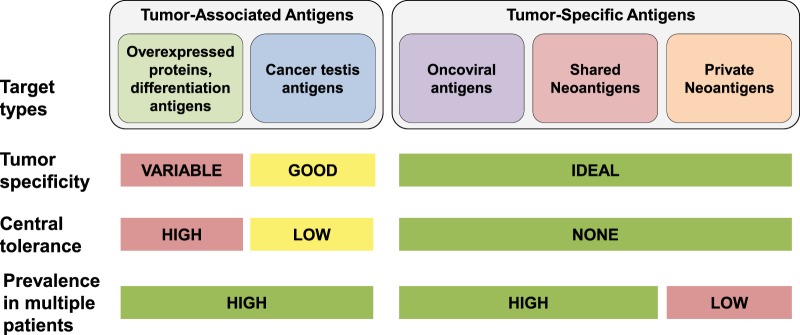
“Tumor cells contain specific antigens, which can be classified into two types, tumor-associated antigens (TAAs) and tumor-specific antigens (TSAs) (Figure 3) [64].”
Roznovan, C. N., Marutescu, L. G., & Pîrcălăbioru, G. G. (2025) · International Journal of Molecular Sciences · doi:10.3390/ijms26136177 · Cited by 14
“…major categories of antigens are considered promising candidates: (1) tumor-associated antigens (TAAs) which are abnormally expressed self-proteins [54] including surface onco-genes (HER2) [55], cell lineage differentiation antigens (PSA) [56], or other mutations (BCR-ABL1) [57]; and (2) oncogenic…”
Strategic Advances in Targeted Delivery Carriers for Therapeutic Cancer Vaccines
Wu, J., Liang, J., Zhang, Y., Dong, C., Tan, D., Wang, H., Zheng, Y., & He, Q. (2025) · International Journal of Molecular Sciences · doi:10.3390/ijms26146879 · Cited by 11
Designing nucleic acid-based therapeutics for cancer treatment: Updates on the state of the art
Peng, B., Jayasinghe, M. K., Le, A. H., Tran, N. M., & Le, M. T. N. (2025) · Molecular Therapy · doi:10.1016/j.ymthe.2025.09.041 · Cited by 12
“23 More recently, personalized neoantigen-based cancer vaccines have been investigated as a more targeted strategy.”
Vaccine approaches to treat urothelial cancer
Giudice, G. C., & Sonpavde, G. (2024) · Human Vaccines & Immunotherapeutics · doi:10.1080/21645515.2024.2379086 · Cited by 13
“94 In addition, the TME inhibitory pathways may limit efficacy; hence various strategies have been proposed.”
BackgroundInfluentialNoordam, L., Ge, Z., Özturk, H., Doukas, M., Mancham, S., Boor, P. P. C., Carrascosa, L. C., Zhou, G., van den Bosch, T. P. P., Pan, Q., et al. (2021) · Cancers · doi:10.3390/cancers13102499 · Cited by 9
“Most therapeutic cancer vaccination studies targeting CTAs have been performed in advanced cancer patients with high tumor load in which an immunosuppressive tumor microenvironment has been established, and showed modest clinical results [26].”
BackgroundNakagawa, T., Tanino, T., Onishi, M., Tofukuji, S., Kanazawa, T., Ishioka, Y., Itoh, T., Kugimiya, A., Katayama, K., Yamamoto, T., et al. (2021) · Frontiers in Immunology · doi:10.3389/fimmu.2021.803090 · Cited by 9
“specific antigens, and neoantigens important for interactions between tumor cells and immune responses (2).”
BackgroundCharneau, J., Suzuki, T., Shimomura, M., Fujinami, N., Mishima, Y., Hiranuka, K., Watanabe, N., Yamada, T., Nakamura, N., & Nakatsura, T. (2022) · Cancer Science · doi:10.1111/cas.15291 · Cited by 10
Greenberg, C. B., Javsicas, L. H., Clauson, R. M., Suckow, M. A., Kalinauskas, A. E., & Lucroy, M. D. (2022) · Journal of Equine Veterinary Science · doi:10.1016/j.jevs.2022.103948 · Cited by 9
Izmirly, A. M., Pelletier, A., Connors, J. R., Taramangalam, B., Alturki, S. O., Gordon, E. A., Alturki, S. O., Mell, J. C., Swaminathan, G., Karthik, V., et al. (2022) · PLoS Pathogens · doi:10.1371/journal.ppat.1009903 · Cited by 11
Ritter, A. R., Koirala, N., Wieland, A., Kaumaya, P. T. P., & Mitchell, D. (2022) · JAMA Otolaryngology–Head & Neck Surgery · doi:10.1001/jamaoto.2022.4264 · Cited by 10
Lekshmy, M., Dhanya, C. R., Satheeshkumar, S. J., Sindhurani, J. A., Vandanamthadathil, J. J., Veettil, J. T., Anila, L., Vishnu, S. K., Nayar, A. M., & Madhavan, M. (2023) · Pharmaceuticals · doi:10.3390/ph16071054 · Cited by 11
“So, administration of cancer vaccine as a prophylactic measure in individuals at high risk of cancer or premalignant conditions will enhance the clinical efficacy [152].”
BackgroundYang, W., Cao, J., Di, S., Chen, W., Cheng, H., Ren, H., Xie, Y., Chen, L., Yu, M., Chen, Y., et al. (2024) · Advanced Materials · doi:10.1002/adma.202402580 · Cited by 9
Biomaterials for Mimicking and Modelling Tumor Microenvironment
Das, R., & Fernandez, J. G. (2022) · Advances in experimental medicine and biology · doi:10.1007/978-3-031-04039-9_6 · Cited by 9
Sjaastad, F. V., Huggins, M. A., Lucas, E. D., Skon-Hegg, C., Swanson, W. L., Martin, M. D., Salgado, O. C., Xu, J., Pierson, M. J., Dileepan, T., et al. (2022) · The Journal of Immunology · doi:10.4049/jimmunol.2200324 · Cited by 9
Yamada, K., Masuda, K., Ida, S., Tada, H., Bando, M., Abe, K., Tatematsu, K., Sezutsu, H., Oyama, T., Chikamatsu, K., et al. (2021) · Journal of Materials Science Materials in Medicine · doi:10.1007/s10856-021-06526-6 · Cited by 9
“Several reports are available for peptide antigens that exactly correspond to the epitope [22, 23].”
BackgroundKim, H. Y., Cho, S., Kim, S. B., Song, E. C., Jung, W., Shin, Y., Suh, J. H., Choi, J., Yoon, I., Kim, U., et al. (2024) · Molecular Therapy · doi:10.1016/j.ymthe.2024.07.014 · Cited by 9
A Review on Advancements in Lipid-Based Nanoparticles for Vaccine Adjuvant and Antigen Delivery
Gulati, P., Chandila, V., Parashar, A. K., & Sethi, V. A. (2024) · International Journal of Newgen Research in Pharmacy & Healthcare · doi:10.61554/ijnrph.v2i2.2024.128 · Cited by 8
Zhang, Y., Liu, J., Chang, X., Yang, X., Zhang, X., & Xiao, W. (2025) · Current Treatment Options in Oncology · doi:10.1007/s11864-025-01340-6 · Cited by 9
“Currently, melanoma therapeutic vaccines can be categorized into four types based on preparation techniques: cell-based vaccines, peptide-based vaccines, nucleic acid vaccines, and viral vaccines [35].”
Kah, G., & Abrahamse, H. (2025) · Frontiers in Immunology · doi:10.3389/fimmu.2025.1633953 · Cited by 9
“Besides, fi rst-generation immunotherapy-based cancer vaccines have had poor outcomes in clinical trials (167, 168).”
Biological mechanism and immune response of MHC-II expression in tumor cells
Zhou, M., Pan, S., Zhang, Y., Hu, C., & Xu, Z. (2025) · Cancer Biology and Medicine · doi:10.20892/j.issn.2095-3941.2025.0248 · Cited by 14
“Moreover, TAAs are often expressed in normal tissues, thereby increasing the risk of autoimmune toxicity following vaccination 117 .”
A Review of Clinical Trials of Cancer and Its Treatment as a Vaccine
Chandarana, C. V., & Tiwari, A. (2023) · Reviews on Recent Clinical Trials · doi:10.2174/0115748871260733231031081921 · Cited by 8
Nanotechnology Assisted Strategies to Tackle COVID and Long-COVID
Aadil, K. R., Bhange, K., Mishra, G., Sahu, A., Sharma, S., Pandey, N., Mishra, Y. K., Kaushik, A. K., & Kumar, R. (2025) · BioNanoScience · doi:10.1007/s12668-025-01812-x · Cited by 9
“A synthetic DNA multi-neoantigen vaccination was utilized in a recent preclinical study to induce a therapeutic antitumor response in mice tumor models, mainly by triggering CD8 + T-cell responses [202].”
Breast cancer immunotherapy: a comprehensive review
Keshavarz, S., Wall, J. R., Keshavarz, S., Vojoudi, E., & Jafari-Shakib, R. (2023) · Clinical and Experimental Medicine · doi:10.1007/s10238-023-01177-z · Cited by 9
“An issue in vaccine production is the selection of a suitable tumor-associated antigens (TAA) [77].”
Liu, K., Tao, Y., Wang, L., Lei, J., Liu, J., & Liu, Q. (2021) · Chemical Engineering Journal · doi:10.1016/j.cej.2021.130867 · Cited by 8
Cho, H., Binder, J., Weeratna, R. D., Dermyer, M. R., Dai, S., Boccia, A., Li, W., Li, S., Jooss, K. U., Merson, J. R., et al. (2022) · Cancer Immunology Immunotherapy · doi:10.1007/s00262-022-03245-x · Cited by 8
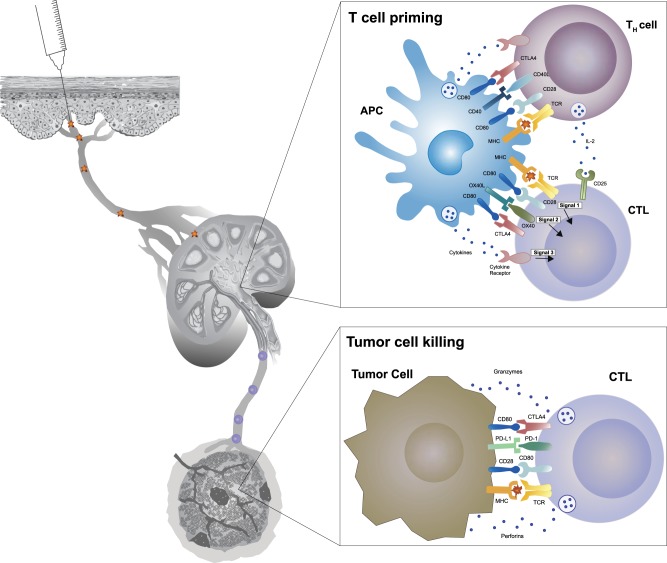
“Potent T cell priming and expansion are essential for efficacy of a therapeutic cancer vaccine [1].”
BackgroundInfluentialSelf-citationmRNA—From COVID-19 Treatment to Cancer Immunotherapy
Kŕause, W. (2023) · Biomedicines · doi:10.3390/biomedicines11020308 · Cited by 8
“or only at very reduced levels in normal tissue, and it should be essential for cancer cell survival [130].”
Hallam, H. J., Lokugamage, N., & Ikegami, T. (2019) · PLoS neglected tropical diseases · doi:10.1371/journal.pntd.0007904 · Cited by 8
Chen, Y., Tran, N. M., & Vining, K. H. (2025) · Advanced Therapeutics · doi:10.1002/adtp.202500067 · Cited by 7
Li, F., Wang, D., Gao, Y., & Cui, Y. (2025) · Frontiers in Immunology · doi:10.3389/fimmu.2025.1648698 · Cited by 7
“To circumvent this issue, sequential administration of distinct viral vectors expressing the same tumor antigen has been proposed (126).”
Tumorvakzinierung –Strategien und Timing
Maringer, Y., & Walz, J. S. (2021) · Der Internist · doi:10.1007/s00108-021-01138-2 · Cited by 7
Novel vaccines against lung cancer
Baka, S., Iraklis, G., & Papadopoulou, E. (2024) · Current Opinion in Oncology · doi:10.1097/cco.0000000000001102 · Cited by 7
Shin, A.-R., Lee, S.-E., Choi, H., Sohn, H., Cho, H.-I., & Kim, T. (2020) · British Journal of Cancer · doi:10.1038/s41416-020-0955-y · Cited by 7
Tursi, N. J., Xu, Z., Helble, M., Walker, S. N., Liaw, K., Chokkalingam, N., Kannan, T., Wu, Y., Tello‐Ruiz, E., Park, D. H., et al. (2023) · Frontiers in Immunology · doi:10.3389/fimmu.2023.1072810 · Cited by 7
“Other immune interventions, such as the administration of cytokines and cancer vaccines, have also been explored in both preclinical and clinical studies and have shown efficacy to varying degrees (6, 7).”
BackgroundThe Genomic Landscape of Antigenic Targets for T Cell-Based Leukemia Immunotherapy
Hardy, M., Vincent, K., & Perreault, C. (2019) · Frontiers in Immunology · doi:10.3389/fimmu.2019.02934 · Cited by 9
“Accordingly, several different platforms using enhanced vaccine technologies and improved co-stimulatory agents (adjuvants, superantigens, mature dendritic cells) are currently being tested for multiple tumor types including leukemia and lymphoma (28, 77, 80, 81).”
BackgroundThe Immunogenic Potential of Recurrent Cancer Drug Resistance Mutations: An In Silico Study
Punta, M., Jennings, V. A., Melcher, A. A., & Lise, S. (2020) · Frontiers in Immunology · doi:10.3389/fimmu.2020.524968 · Cited by 8
“Although the clinical development of vaccination strategies against TAAs continues, they are now generally regarded as less-than-ideal and often weak effectors, primarily because of incomplete tumor specificity and partial central tolerance (13, 19).”
BackgroundRadial porous SiO2 nanoflowers potentiate the effect of antigen/adjuvant in antitumor immunotherapy
Zhang, C., Dong, Y., Gao, J. Y., Wang, X., & Jiang, Y. (2021) · Frontiers of Chemical Science and Engineering · doi:10.1007/s11705-020-2034-6 · Cited by 7
“In particular, one of the research hotspots in cancer immunotherapy is the therapeutic cancer vaccine, which contains one or multiple tumor-associated antigens [4,5].”
BackgroundImplications of Antigen Selection on T Cell-Based Immunotherapy
Camp, F. A., & Slansky, J. E. (2021) · Pharmaceuticals · doi:10.3390/ph14100993 · Cited by 8
“These novel epitopes are introduced into the immunopeptidome from either virally encoded proteins (such as oncoproteins and human endogenous retroviruses, HERVs) or from accumulated mutations within the cancer cells genome (neoantigens) [13].”
BackgroundVaccines as Priming Tools for T Cell Therapy for Epithelial Cancers
Kandalaft, L. E., & Harari, A. (2021) · Cancers · doi:10.3390/cancers13225819 · Cited by 7
Shi, W., Chen, S., Chi, F., Qiu, Q., Zhong, Y., Bian, X., Zhang, H., Xi, J., & Qian, H. (2022) · Advanced Therapeutics · doi:10.1002/adtp.202200239 · Cited by 10
Effective pressure and treatment duration of high hydrostatic pressure to prepare melanoma vaccines
Liu, K., Yan, S., Ma, Z., & Liu, B. (2020) · Oncology Letters · doi:10.3892/ol.2020.11657 · Cited by 7
“Moreover, several additional methods have been developed to overcome these limitations, such as the addition of adjuvants, repeated vaccinations or co‐stimulators (39).”
MethodTargeted Therapies in Cancer Treatment
Cavalcanti, I. D. L., & Soares, J. C. S. (2021) · Springer eBooks · doi:10.1007/978-3-030-68334-4_5 · Cited by 7
Cancer immunotherapy of Wilms tumor: a narrative review
He, Y. L., Liu, J. Y., Almgrami, R. T., Fan, Y. Z., & Zhang, Y. (2024) · Future Oncology · doi:10.1080/14796694.2024.2386929 · Cited by 6
Lipid nanoparticle mediated mRNA delivery in cancer immunotherapy
Asthana, G. S., Bhattacharjee, S., Kumar, J., Sayyed, S., Jindal, A., Kumar, P., Chinchane, A., Bhattacharyya, A., Jaiswal, R., Kulkarni, S., et al. (2025) · Advances in immunology · doi:10.1016/bs.ai.2025.02.001 · Cited by 9
Tumor immunotherapy: past, present, and future
Huang, Y., Ge, H., Zhang, Z., Liu, X., Zhong, K., Tong, A., Li, G., & Zhou, L. (2025) · International Journal of Surgery · doi:10.1097/js9.0000000000002919 · Cited by 7
“In the initial phase of investigation, peptide-based vaccines were unable to demonstrate efficacy in clinical trials, potentially due to the inadequate immunogenicity of short peptides [ 21 ] .”
Towards customized cancer vaccines: a promising filed in personalized cancer medicine
Xu, X., Zhou, Z., Li, H., & Fan, Y. (2021) · Expert Review of Vaccines · doi:10.1080/14760584.2021.1909479 · Cited by 6
Wang, Z., Shan, J., Zhou, X., Wang, J., Yu, G., Dong, W., Huai, F., Sun, Q., Lu, G., Ma, Z., et al. (2023) · Journal of Gastrointestinal Oncology · doi:10.21037/jgo-23-84 · Cited by 6
Sanaei, M., Pourbagheri‐Sigaroodi, A., Rezvani, A., Zaboli, E., Salari, S., Masjedi, M. R., & Bashash, D. (2024) · Life Sciences · doi:10.1016/j.lfs.2024.122652 · Cited by 7
Li, X., Ebara, M., Shirahata, N., Yamazaki, T., & Hanagata, N. (2024) · Vaccines · doi:10.3390/vaccines12060649 · Cited by 6
Luo, Y., Zhou, S., Song, Y., Huang, W., Wilding, G. E., Jablonski, J., Quinn, B., & Lovell, J. F. (2025) · Bioactive Materials · doi:10.1016/j.bioactmat.2025.01.028 · Cited by 6
Wolfson, B., & Hodge, J. W. (2021) · ImmunoMedicine · doi:10.1002/imed.1020 · Cited by 6
Sezen, D., Verma, V., He, K., Abana, C. O., Barsoumian, H., Ning, M. S., Tang, C. Z., Hürmüz, P., Puebla‐Osorio, N., Chen, D., et al. (2021) · Seminars in Radiation Oncology · doi:10.1016/j.semradonc.2021.02.005 · Cited by 6
Precision immunointerception of EGFR-driven tumorigenesis for lung cancer prevention
Pan, J., Xiong, D., Zhang, Q., Palen, K. A., Shoemaker, R. H., Johnson, B. D., Sei, S., Wang, Y., & You, M. (2023) · Frontiers in Immunology · doi:10.3389/fimmu.2023.1036563 · Cited by 8
“Personalized vaccines have also been developed against multiple neo-Ags, however, most have focused on specific MHC I epitopes (12, 14, 38, 39).”
BackgroundZhang, Y., Zhou, Y., Gong, M., Zhang, Q., Zheng, Q., Shen, Y., Lu, W., & Jiang, S. (2023) · Advanced Therapeutics · doi:10.1002/adtp.202300253 · Cited by 6
Engineered T cells for Colorectal Cancer
Bakarurraini, N. A. A. R., Kamarudin, A. A., Jamal, R., & Abu, N. (2024) · Immunotherapy · doi:10.1080/1750743x.2024.2391733 · Cited by 8
Le, Q., Kim, D., Lee, J., Shim, G., & Oh, Y. (2021) · Advanced Therapeutics · doi:10.1002/adtp.202000288 · Cited by 7
Recent developments in cancer vaccines
Mukherjee, B., Hoque, A. A., Chakraborty, A., Chakraborty, S., Dutta, L., Dutta, D., Banerjee, S., Dhara, M., & Deepa, R. M. (2022) · Elsevier eBooks · doi:10.1016/b978-0-12-823686-4.00018-5 · Cited by 7
Cancer vaccine strategies for the treatment of diffusely infiltrating gliomas
Jucht, A., Dumont, S. D., Pooley, C. S., & Castro, L. N. G. (2023) · Therapeutic Advances in Vaccines and Immunotherapy · doi:10.1177/25151355231206163 · Cited by 6
Nanodevices for cancer vaccination
Li, H., & Gu, Z. (2021) · Nature Materials · doi:10.1038/s41563-021-00941-4 · Cited by 6
Lung cancer vaccine strategies: exploring the spectrum from traditional to RNA-based platforms
Pazoki, A., Dadfar, S., Alirezaee, A., Oksenych, V., & Haghmorad, D. (2025) · Frontiers in Bioengineering and Biotechnology · doi:10.3389/fbioe.2025.1617352 · Cited by 5
Advancing glioblastoma immunotherapy: Molecular pathways and innovative therapeutic strategies
Tang, M., Xu, P., & Zhang, X. (2025) · Pathology - Research and Practice · doi:10.1016/j.prp.2025.156326 · Cited by 6
Peptide-Based Cancer Vaccines: Engineering Immune Precision Against Tumor Evolution
Mehnath, S. (2025) · International Journal of Peptide Research and Therapeutics · doi:10.1007/s10989-025-10796-x · Cited by 6
“Most of the cancer peptide vaccines were discussed below (Yarchoan et al. 2017; Hollingsworth and Jansen 2019).”
Dang, G. C., Loeurng, V., Pa, P., Seng, C. Y., Lee, S. E., & Rhee, J. H. (2026) · npj Vaccines · doi:10.1038/s41541-026-01376-1 · Cited by 6
“This study demonstrates that FB exerts signi fi cantly enhanced adju-vanticity for TCVs in a preclinical mouse TC-1 tumor model, leading to signi fi canttumorregressionandsustainedprotectiveimmunememory.”
InfluentialTherapeutic Strategies for Hepatocellular Carcinoma: Current Advances and Future Perspectives
Muthukutty, P., Heo, J., & Yoo, S. Y. (2026) · Vaccines · doi:10.3390/vaccines14020189 · Cited by 5
“As our understanding of tumor biology and the immune system’s role in cancer progression continues to advance, the development of increasingly efficient and personalized cancer vaccines is becoming more feasible [230,231].”
Biology, Significance and Immune Signaling of Mucin 1 in Hepatocellular Carcinoma
Nath, L. R., Kumar, A. R., Devan, A. R., Nair, B., & Nair, R. R. (2022) · Current Cancer Drug Targets · doi:10.2174/1568009622666220317090552 · Cited by 5
Immunotherapy targeting tumor‐associated antigen in a mouse model of head and neck cancer
Kono, M., Wakisaka, R., Komatsuda, H., Hayashi, R., Kumai, T., Yamaki, H., Sato, R., Nagato, T., Ohkuri, T., Kosaka, A., et al. (2024) · Head & Neck · doi:10.1002/hed.27703 · Cited by 5
“35 Accordingly, the goal of TAA-targeted cancer vaccines is to activate low-or moderate-affinity T cells.”
Background
Metadata
- Authors
- Hollingsworth, R. E., & Jansen, K.
- Affiliations
- Pfizer (United States) (US)
- Corresponding author
- Jansen, Kathrin
- Venue
- npj Vaccines
- Published
- 2019-02-08
- Volume
- 4
- Issue
- 1
- Pages
- 7-7
- ISSN
- 2059-0105 (ISSN-L)
- PMC
- PMC6368616
- OpenAlex
- W2913400417
- Cited by
- 689
- References
- 165
- Citations by year
- 2026: 30 · 2025: 71 · 2024: 100 · 2023: 83 · 2022: 120 · 2021: 161 · 2020: 101 · 2019: 23
- FWCI
- 8.73
- Type
- journal article
- Language
- en
- Open access
- gold
- doi.org
- Licence
- cc-by
- creativecommons.org/licenses/by/4.0 (tdm)
- creativecommons.org/licenses/by/4.0 (vor)
- Locations
- npj Vaccines (publishedVersion, cc-by)
- Europe PMC (PubMed Central) (publishedVersion, cc-by)
- PubMed Central (publishedVersion, cc-by)
- PubMed (publishedVersion)
- DOAJ (DOAJ: Directory of Open Access Journals) (submittedVersion)
- Topics
- Life Sciences › Immunology and Microbiology › Immunology › Immunotherapy and Immune Responses
- Health Sciences › Medicine › Oncology › Cancer Immunotherapy and Biomarkers
- Life Sciences › Immunology and Microbiology › Immunology › T-cell and B-cell Immunology
- Keywords
- therapeutic cancer vaccines, tumor antigens, tumor-associated antigens, neoantigens, personalized cancer immunotherapy, vaccine immunogenicity, tumor specificity, tumor immunosuppression, tumor immune evasion, combination immunotherapy
About these checks
Registry, retraction, Cites and statistics results are computed, not judged, with one exception: a printed reference that no index lists is read once by a model before it counts as a citation error. Claims are extracted by a model and kept only when their quote appears verbatim in the text; each cited source is then checked, with a model’s help, for whether it says what the claim relies on. Those verdicts can be wrong — read the claim’s quote and the cited source before relying on one.
Statistics and arithmetic are recomputed, not judged.
Confidence bands are shown only for fields calibrated on our annotated test set. None is calibrated yet, so no band is shown.
What counts as a claim ›How we measure confidence ›How we check this ›
Are you an author, or do you see a problem with this page? Request a review
Data sources
Bibliographic data: Semantic Scholar, OpenAlex, Crossref.
Contains information from the Semantic Scholar Academic Graph Datasets, made available under the ODC Attribution License (ODC-BY 1.0).
Semantic Scholar’s data is described in: Kinney, R., et al. (2023). The Semantic Scholar Open Data Platform. arXiv:2301.10140.
