

Turning the corner on therapeutic cancer vaccines
Open accessThe DOI matches its Crossref record; 165 of the 165 references it cites were found in a registry or an index.
Abstract
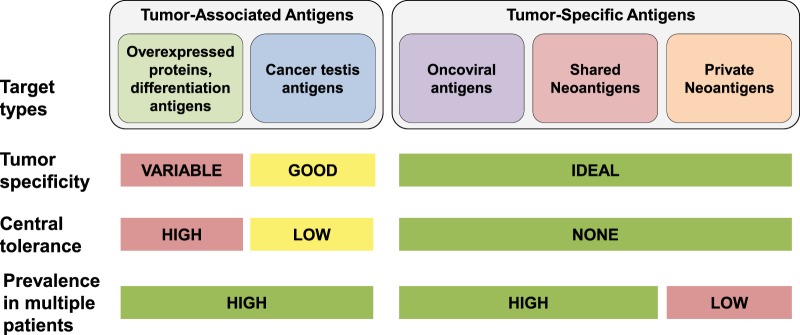
Recent advances in several areas are rekindling interest and enabling progress in the development of therapeutic cancer vaccines. These advances have been made in target selection, vaccine technology, and methods for reversing the immunosuppressive mechanisms exploited by cancers. Studies testing different tumor antigens have revealed target properties that yield high tumor versus normal cell specificity and adequate immunogenicity to affect clinical efficacy. A few tumor-associated antigens, normal host proteins that are abnormally expressed in cancer cells, have been demonstrated to serve as good targets for immunotherapies, although many do not possess the needed specificity or immunogenicity. Neoantigens, which arise from mutated proteins in cancer cells, are truly cancer-specific and can be highly immunogenic, though the vast majority are unique to each patient’s cancer and thus require development of personalized therapies. Lessons from previous cancer vaccine expeditions are teaching us the type and magnitude of immune responses needed, as well as vaccine technologies that can achieve these responses. For example, we are learning which vaccine approaches elicit the potent, balanced, and durable CD4 plus CD8 T cell expansion necessary for clinical efficacy. Exploration of interactions between the immune system and cancer has elucidated the adaptations that enable cancer cells to suppress and evade immune attack. This has led to breakthroughs in the development of new drugs, and, subsequently, to opportunities to combine these with cancer vaccines and dramatically increase patient responses. Here we review this recent progress, highlighting key steps that are bringing the promise of therapeutic cancer vaccines within reach.
Overview
The claims and statistics of this paper haven’t been checked yet.
Free: it reads the open-access text and checks the first 5 claims that cite a source we can check. Create a free account to check every claim.
Integrity signals
Registry
Cites
Statistics
Figures
Verification
Claims the paper makes
The claims and statistics of this paper haven’t been checked yet.
Free: it reads the open-access text and checks the first 5 claims that cite a source we can check. Create a free account to check every claim.
Claims other papers make about this one
Each is checked against this paper’s own text: does it say what the citing paper says it does?
In the citing paper
“although ICIs are the most widely used, they are not the only FDA-approved immunotherapies.”
From Immune Checkpoint Inhibitors for the Treatment of Cancer: Clinical Impact and Mechanisms of Response and Resistance (2021) · cites this paper as [176]
In the citing paper
“A DC vaccine for the treatment of advanced prostate cancer and chimeric antigen receptor T cells for the treatment of several hematological malignancies are among other immunotherapies that have also received FDA approval (176, 177).”
From Immune Checkpoint Inhibitors for the Treatment of Cancer: Clinical Impact and Mechanisms of Response and Resistance (2021) · cites this paper as [176]
Self-check
Percentages, sums and reported differences re-computed from the paper’s own numbers.
The self-check needs the paper’s full text.
Citations
Cites
PD-1 and PD-L1 Immune Checkpoint Blockade to Treat Breast Cancer
Hartkopf, A. D., Taran, F.-A., Wallwiener, M., Walter, C. B., Krämer, B., Grischke, E.-M., & Brucker, S. Y. (2016) · Breast Care · doi:10.1159/000453569 · Cited by 30,845
Adverse Renal Effects of Immune Checkpoint Inhibitors: A Narrative Review
Wanchoo, R., Karam, S., Uppal, N. N., Barta, V. S., Deray, G., Devoe, C., Launay-Vacher, V., Jhaveri, K. D., & on behalf of Cancer and Kidney International Network Workgroup on Immune Checkpoint Inhibitors (2017) · American Journal of Nephrology · doi:10.1159/000455014 · Cited by 15,256
Improved Survival with Ipilimumab in Patients with Metastatic Melanoma
Hodi, F. S., O'Day, S. J., McDermott, D. F., Weber, R. W., Sosman, J. A., Haanen, J. B., Gonzalez, R., Robert, C., Schadendorf, D., Hassel, J. C., et al. (2010) · New England Journal of Medicine · doi:10.1056/nejmoa1003466 · Cited by 15,155
Safety, activity, and immune correlates of anti–PD-1 antibody in cancer
Topalian, S. L., Hodi, F. S., Brahmer, J. R., Gettinger, S. N., Smith, D. C., McDermott, D. F., Powderly, J. D., Carvajal, R. D., Sosman, J. A., Atkins, M. B., et al. (2012) · New England Journal of Medicine · doi:10.1056/nejmoa1200690 · Cited by 12,628
Mutational landscape determines sensitivity to PD-1 blockade in non–small cell lung cancer
Rizvi, N. A., Hellmann, M. D., Snyder, A., Kvistborg, P., Makarov, V., Havel, J. J., Lee, W., Yuan, J., Wong, P., Ho, T. S., et al. (2015) · Science · doi:10.1126/science.aaa1348 · Cited by 7,802
Pembrolizumab plus chemotherapy in metastatic non–small-cell lung cancer
Gandhi, L., Rodríguez-Abreu, D., Gadgeel, S., Esteban, E., Felip, E., De Angelis, F., Domine, M., Clingan, P., Hochmair, M. J., Powell, S. F., et al. (2018) · New England Journal of Medicine · doi:10.1056/nejmoa1801005 · Cited by 6,607
Sipuleucel-T Immunotherapy for Castration-Resistant Prostate Cancer
Kantoff, P. W., Higano, C. S., Shore, N. D., Berger, E. R., Small, E. J., Penson, D. F., Redfern, C. H., Ferrari, A. C., Dreicer, R., Sims, R. B., et al. (2010) · New England Journal of Medicine · doi:10.1056/nejmoa1001294 · Cited by 5,572
The future of immune checkpoint therapy
Sharma, P., & Allison, J. P. (2015) · Science · doi:10.1126/science.aaa8172 · Cited by 4,878
Genetic Basis for Clinical Response to CTLA-4 Blockade in Melanoma
Snyder, A., Makarov, V., Merghoub, T., Yuan, J., Zaretsky, J. M., Desrichard, A., Walsh, L. A., Postow, M. A., Wong, P., Ho, T. S., et al. (2014) · New England Journal of Medicine · doi:10.1056/nejmoa1406498 · Cited by 4,286
Molecular and genetic properties of tumors associated with local immune cytolytic activity
Rooney, M. S., Shukla, S. A., Wu, C. J., Getz, G., & Hacohen, N. (2015) · Cell · doi:10.1016/j.cell.2014.12.033 · Cited by 3,825
Research works printed but not linked: 7
- Carreno BM Cancer immunotherapy. A dendritic cell vaccine increases the breadth and diversity of melanoma neoantigen-specific T cells Science 2015 348 803 808 10.1126/science.aaa3828 25837513 PMC4549796 · DOI · Paper page
- Higano, C. et al. A phase III trial of GVAX immunotherapy for prostate cancer versus docetaxel plus prednisone in asymptomatic, castration-resistant prostate cancer (CRPC). Genitourinary Cancers Symposium, LBA150 (2009).
- Small, E. et al. A phase III trial of GVAX immunotherapy for prostate cancer in combination with docetaxel versus docetaxel plus prednisone in symptomatic, castration-resistant prostate cancer (CRPC). Genitourinary Cancers Symposium, a07 (2009).
- Santos PM Butterfield LH Dendritic cell-based cancer vaccines J. Immunol. 2018 200 443 449 10.4049/jimmunol.1701024 29311386 PMC5880540 · DOI · Paper page
- Aduro press release. http://investors.aduro.com/phoenix.zhtml?c=242043&p=irol-newsArticle&ID=2322291.
- Overwijk WW Cancer vaccines in the era of checkpoint blockade: the magic is in the adjuvant Curr. Opin. Immunol. 2017 47 103 109 10.1016/j.coi.2017.07.015 28806603 · DOI
- Trimble CL Safety, efficacy, and immunogenicity of VGX-3100, a therapeutic synthetic DNA vaccine targeting human papillomavirus 16 and 18 E6 and E7 proteins for cervical intraepithelial neoplasia 2/3: a randomised, double-blind, placebo-controlled phase 2b trial Lancet 2015 386 2078 2088 10.1016/S0140-6736(15)00239-1 26386540 PMC4888059 · DOI · Paper page
Cited by
Items 701–722 of 722
Role of cancer vaccines in cancer immunotherapy
Kottarath, S. K., Singh, J., Pandey, A., & Srivastava, Y. (2026) · Elsevier eBooks · doi:10.1016/b978-0-443-41551-7.00009-6
Wang, T., Mei, Y., Liu, S., Wang, H., Chen, M., & Han, Z. (2026) · Frontiers in Immunology · doi:10.3389/fimmu.2026.1778522
“TAAs are antigenic molecules found on both tumor cells and normal cells, including embryonic proteins, glycoprotein antigens, squamous cell antigens, among others (113).”
Spatial Omics Revisits Cancer Immunity and Reshapes Immunotherapy
Chu, H., Shi, Y., Tian, Z., Ma, J. Y., Bian, X. W., & ZHU, B. (2026) · Fundamental Research · doi:10.1016/j.fmre.2026.04.033 · Cited by 1
Sayyad, M., Hashemi, M., Siasi, E., Jebali, A., & Entezari, M. (2026) · Archives of Advances in Biosciences · doi:10.22037/aab.v16i1.52005
van den Brekel, T., Kruijssen, L. J. W., Olesek, K., Nardini, E., Koningstein, G. M., van Elk, J., Jong, W. S. P., Duinkerken, S., Luirink, S., & van Kooyk, Y. (2026) · Frontiers in Immunology · doi:10.3389/fimmu.2026.1840895
“In many models, this is overcome by repeated dosing or by combining vaccination with checkpoint blockade to sustain effector T cells in the tumor microenvironment (26, 41, 42).”
Lim, C., Park, C., Song, E. C., Shin, Y., Kim, W. K., Park, Y. J., Youn, H., Ham, C., Kim, S. B., & Cho, S. (2026) · International Journal of Biological Sciences · doi:10.7150/ijbs.132948
“Cancer vaccines represent a powerful immunotherapeutic approach, aiming to generate antigen-specific immune responses that precisely target tumor-associated antigens [1-4].”
Transforming cancer treatment through immunotherapy innovations
Mukherjee, S., Pramanick, A., & Bariar, V. (2026) · Elsevier eBooks · doi:10.1016/b978-0-443-44181-3.00013-8
Immunogenicity remodeling in hepatocellular carcinoma: mechanisms and translational strategies
Li, Y., Yan, Y., Ma, J. H., Liao, L., Liu, J., Ma, J. H., Qi, Y., Han, Z., & Chen, H. (2026) · Therapeutic Advances in Medical Oncology · doi:10.1177/17588359261461753
“13 Tumor mutational burden (TMB) refers to the total number of somatic mutations—including point mutations and”
Har-Noy, M. (2026) · Vaccines · doi:10.3390/vaccines14070619
“Accordingly, attempting to vaccinate against TAAs often yields low-affinity immune responses and carries a persistent risk of off-target autoimmunity [8].”
Irradiation-based development of tumor vaccines: Mechanistic insights and translational exploration
Tian, J., Feng, X., Yu, B., Zhang, J., Jing, J., & Jin, X. (2026) · Critical Reviews in Oncology/Hematology · doi:10.1016/j.critrevonc.2026.105516
Cibler le cancer du sein métastatique triple négatif avec un vaccin autologue à cellules cancéreuses
Niavarani, S.-R. (2022) · Knowledge UdeS (Institutional Deposit of the University of Sherbrooke)
Identification of Peptides for a MUC13 Cancer Vaccine
Gomez, A. O. (2026) · ScholarWorks @ UTRGV (The University of Texas Rio Grande Valley)
Tykocki, T. (2026) · Frontiers in Oncology · doi:10.3389/fonc.2026.1932372
“Vaccine-based immunotherapy trials consistently report near-zero rates of severe neurotoxicity, a fi nding reproduced in independent reviews of pediatric cancer vaccines (47, 48).”
Noninvasive Transdermal Vaccine Platform Using Deep Eutectic Solvents for Cancer Immunotherapy
Fujita, N., Toyofuku, K., Wakabayashi, R., Kawaguchi, Y., Kamiya, N., & Goto, M. (2026) · ACS Applied Bio Materials · doi:10.1021/acsabm.6c00559
Antigen prioritization and selection for vaccine design and development: A comprehensive pipeline
Chelan, E. M., Pourseif, M. M., Zarebkohan, A., Moghaddam, H. G., Kiani, J., Tohidkia, M., Almasian, B., Parhizkar, A., & Omidi, Y. (2026) · Biotechnology Advances · doi:10.1016/j.biotechadv.2026.109063
Investigating the role of Teneurin-4 in cancer
Peppino, G. (n.d.) · Institutional Research Information System University of Turin (University of Turin)
Lerksuthirat, T., Chiangjong, W., Hongeng, S., & Chutipongtanate, S. (2026) · npj Vaccines · doi:10.1038/s41541-026-01593-8
Programmable mRNA vaccine materials for temporal control of antitumour immunity
Jeong, S. D., Tang, C., Wang, X., Szeglowski, A., Kim, Y., Kim, B., Sharma, P., Moon, J. J., Jiang, W., & Kim, B. Y. S. (2026) · Nature Reviews Materials · doi:10.1038/s41578-026-00974-8
Tabibzadeh, S., Meng, F., Asghariazar, V., Safarzadeh, E., Esmaeili, A., ten Hagen, T. L. M., Farhoudi, L., & Cai, Y. (2026) · International Journal of Nanomedicine · doi:10.2147/ijn.s645776
Sharma, S., Sarfaraz, S., Tran, N., Ngo, A. N., Uddin, M. N., & Shah, S. (2026) · Pharmaceuticals · doi:10.3390/ph19111792
Metadata
- Authors
- Hollingsworth, R. E., & Jansen, K.
- Affiliations
- Pfizer (United States) (US)
- Corresponding author
- Jansen, Kathrin
- Venue
- npj Vaccines
- Published
- 2019-02-08
- Volume
- 4
- Issue
- 1
- Pages
- 7-7
- ISSN
- 2059-0105 (ISSN-L)
- PMC
- PMC6368616
- OpenAlex
- W2913400417
- Cited by
- 689
- References
- 165
- Citations by year
- 2026: 30 · 2025: 71 · 2024: 100 · 2023: 83 · 2022: 120 · 2021: 161 · 2020: 101 · 2019: 23
- FWCI
- 8.73
- Type
- journal article
- Language
- en
- Open access
- gold
- doi.org
- Licence
- cc-by
- creativecommons.org/licenses/by/4.0 (tdm)
- creativecommons.org/licenses/by/4.0 (vor)
- Locations
- npj Vaccines (publishedVersion, cc-by)
- Europe PMC (PubMed Central) (publishedVersion, cc-by)
- PubMed Central (publishedVersion, cc-by)
- PubMed (publishedVersion)
- DOAJ (DOAJ: Directory of Open Access Journals) (submittedVersion)
- Topics
- Life Sciences › Immunology and Microbiology › Immunology › Immunotherapy and Immune Responses
- Health Sciences › Medicine › Oncology › Cancer Immunotherapy and Biomarkers
- Life Sciences › Immunology and Microbiology › Immunology › T-cell and B-cell Immunology
- Keywords
- therapeutic cancer vaccines, tumor antigens, tumor-associated antigens, neoantigens, personalized cancer immunotherapy, vaccine immunogenicity, tumor specificity, tumor immunosuppression, tumor immune evasion, combination immunotherapy
About these checks
Registry, retraction, Cites and statistics results are computed, not judged, with one exception: a printed reference that no index lists is read once by a model before it counts as a citation error. Claims are extracted by a model and kept only when their quote appears verbatim in the text; each cited source is then checked, with a model’s help, for whether it says what the claim relies on. Those verdicts can be wrong — read the claim’s quote and the cited source before relying on one.
Statistics and arithmetic are recomputed, not judged.
Confidence bands are shown only for fields calibrated on our annotated test set. None is calibrated yet, so no band is shown.
What counts as a claim ›How we measure confidence ›How we check this ›
Are you an author, or do you see a problem with this page? Request a review
Data sources
Bibliographic data: Semantic Scholar, OpenAlex, Crossref.
Contains information from the Semantic Scholar Academic Graph Datasets, made available under the ODC Attribution License (ODC-BY 1.0).
Semantic Scholar’s data is described in: Kinney, R., et al. (2023). The Semantic Scholar Open Data Platform. arXiv:2301.10140.
