

Turning the corner on therapeutic cancer vaccines
Open accessThe DOI matches its Crossref record; 165 of the 165 references it cites were found in a registry or an index.
Abstract
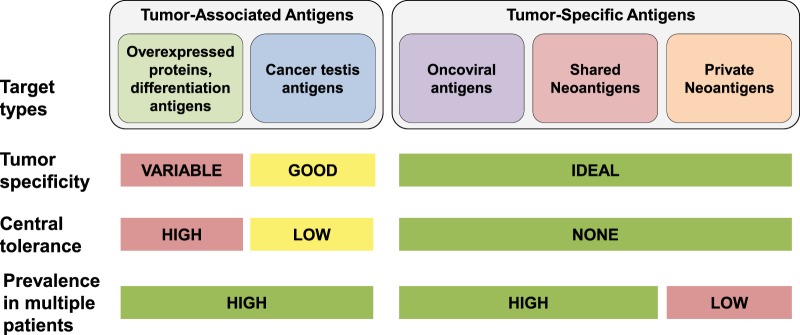
Recent advances in several areas are rekindling interest and enabling progress in the development of therapeutic cancer vaccines. These advances have been made in target selection, vaccine technology, and methods for reversing the immunosuppressive mechanisms exploited by cancers. Studies testing different tumor antigens have revealed target properties that yield high tumor versus normal cell specificity and adequate immunogenicity to affect clinical efficacy. A few tumor-associated antigens, normal host proteins that are abnormally expressed in cancer cells, have been demonstrated to serve as good targets for immunotherapies, although many do not possess the needed specificity or immunogenicity. Neoantigens, which arise from mutated proteins in cancer cells, are truly cancer-specific and can be highly immunogenic, though the vast majority are unique to each patient’s cancer and thus require development of personalized therapies. Lessons from previous cancer vaccine expeditions are teaching us the type and magnitude of immune responses needed, as well as vaccine technologies that can achieve these responses. For example, we are learning which vaccine approaches elicit the potent, balanced, and durable CD4 plus CD8 T cell expansion necessary for clinical efficacy. Exploration of interactions between the immune system and cancer has elucidated the adaptations that enable cancer cells to suppress and evade immune attack. This has led to breakthroughs in the development of new drugs, and, subsequently, to opportunities to combine these with cancer vaccines and dramatically increase patient responses. Here we review this recent progress, highlighting key steps that are bringing the promise of therapeutic cancer vaccines within reach.
Overview
The claims and statistics of this paper haven’t been checked yet.
Free: it reads the open-access text and checks the first 5 claims that cite a source we can check. Create a free account to check every claim.
Integrity signals
Registry
Cites
Statistics
Figures
Verification
Claims the paper makes
The claims and statistics of this paper haven’t been checked yet.
Free: it reads the open-access text and checks the first 5 claims that cite a source we can check. Create a free account to check every claim.
Claims other papers make about this one
Each is checked against this paper’s own text: does it say what the citing paper says it does?
In the citing paper
“although ICIs are the most widely used, they are not the only FDA-approved immunotherapies.”
From Immune Checkpoint Inhibitors for the Treatment of Cancer: Clinical Impact and Mechanisms of Response and Resistance (2021) · cites this paper as [176]
In the citing paper
“A DC vaccine for the treatment of advanced prostate cancer and chimeric antigen receptor T cells for the treatment of several hematological malignancies are among other immunotherapies that have also received FDA approval (176, 177).”
From Immune Checkpoint Inhibitors for the Treatment of Cancer: Clinical Impact and Mechanisms of Response and Resistance (2021) · cites this paper as [176]
Self-check
Percentages, sums and reported differences re-computed from the paper’s own numbers.
The self-check needs the paper’s full text.
Citations
Cites
PD-1 and PD-L1 Immune Checkpoint Blockade to Treat Breast Cancer
Hartkopf, A. D., Taran, F.-A., Wallwiener, M., Walter, C. B., Krämer, B., Grischke, E.-M., & Brucker, S. Y. (2016) · Breast Care · doi:10.1159/000453569 · Cited by 30,845
Adverse Renal Effects of Immune Checkpoint Inhibitors: A Narrative Review
Wanchoo, R., Karam, S., Uppal, N. N., Barta, V. S., Deray, G., Devoe, C., Launay-Vacher, V., Jhaveri, K. D., & on behalf of Cancer and Kidney International Network Workgroup on Immune Checkpoint Inhibitors (2017) · American Journal of Nephrology · doi:10.1159/000455014 · Cited by 15,256
Improved Survival with Ipilimumab in Patients with Metastatic Melanoma
Hodi, F. S., O'Day, S. J., McDermott, D. F., Weber, R. W., Sosman, J. A., Haanen, J. B., Gonzalez, R., Robert, C., Schadendorf, D., Hassel, J. C., et al. (2010) · New England Journal of Medicine · doi:10.1056/nejmoa1003466 · Cited by 15,155
Safety, activity, and immune correlates of anti–PD-1 antibody in cancer
Topalian, S. L., Hodi, F. S., Brahmer, J. R., Gettinger, S. N., Smith, D. C., McDermott, D. F., Powderly, J. D., Carvajal, R. D., Sosman, J. A., Atkins, M. B., et al. (2012) · New England Journal of Medicine · doi:10.1056/nejmoa1200690 · Cited by 12,628
Mutational landscape determines sensitivity to PD-1 blockade in non–small cell lung cancer
Rizvi, N. A., Hellmann, M. D., Snyder, A., Kvistborg, P., Makarov, V., Havel, J. J., Lee, W., Yuan, J., Wong, P., Ho, T. S., et al. (2015) · Science · doi:10.1126/science.aaa1348 · Cited by 7,802
Pembrolizumab plus chemotherapy in metastatic non–small-cell lung cancer
Gandhi, L., Rodríguez-Abreu, D., Gadgeel, S., Esteban, E., Felip, E., De Angelis, F., Domine, M., Clingan, P., Hochmair, M. J., Powell, S. F., et al. (2018) · New England Journal of Medicine · doi:10.1056/nejmoa1801005 · Cited by 6,607
Sipuleucel-T Immunotherapy for Castration-Resistant Prostate Cancer
Kantoff, P. W., Higano, C. S., Shore, N. D., Berger, E. R., Small, E. J., Penson, D. F., Redfern, C. H., Ferrari, A. C., Dreicer, R., Sims, R. B., et al. (2010) · New England Journal of Medicine · doi:10.1056/nejmoa1001294 · Cited by 5,572
The future of immune checkpoint therapy
Sharma, P., & Allison, J. P. (2015) · Science · doi:10.1126/science.aaa8172 · Cited by 4,878
Genetic Basis for Clinical Response to CTLA-4 Blockade in Melanoma
Snyder, A., Makarov, V., Merghoub, T., Yuan, J., Zaretsky, J. M., Desrichard, A., Walsh, L. A., Postow, M. A., Wong, P., Ho, T. S., et al. (2014) · New England Journal of Medicine · doi:10.1056/nejmoa1406498 · Cited by 4,286
Molecular and genetic properties of tumors associated with local immune cytolytic activity
Rooney, M. S., Shukla, S. A., Wu, C. J., Getz, G., & Hacohen, N. (2015) · Cell · doi:10.1016/j.cell.2014.12.033 · Cited by 3,825
Research works printed but not linked: 7
- Carreno BM Cancer immunotherapy. A dendritic cell vaccine increases the breadth and diversity of melanoma neoantigen-specific T cells Science 2015 348 803 808 10.1126/science.aaa3828 25837513 PMC4549796 · DOI · Paper page
- Higano, C. et al. A phase III trial of GVAX immunotherapy for prostate cancer versus docetaxel plus prednisone in asymptomatic, castration-resistant prostate cancer (CRPC). Genitourinary Cancers Symposium, LBA150 (2009).
- Small, E. et al. A phase III trial of GVAX immunotherapy for prostate cancer in combination with docetaxel versus docetaxel plus prednisone in symptomatic, castration-resistant prostate cancer (CRPC). Genitourinary Cancers Symposium, a07 (2009).
- Santos PM Butterfield LH Dendritic cell-based cancer vaccines J. Immunol. 2018 200 443 449 10.4049/jimmunol.1701024 29311386 PMC5880540 · DOI · Paper page
- Aduro press release. http://investors.aduro.com/phoenix.zhtml?c=242043&p=irol-newsArticle&ID=2322291.
- Overwijk WW Cancer vaccines in the era of checkpoint blockade: the magic is in the adjuvant Curr. Opin. Immunol. 2017 47 103 109 10.1016/j.coi.2017.07.015 28806603 · DOI
- Trimble CL Safety, efficacy, and immunogenicity of VGX-3100, a therapeutic synthetic DNA vaccine targeting human papillomavirus 16 and 18 E6 and E7 proteins for cervical intraepithelial neoplasia 2/3: a randomised, double-blind, placebo-controlled phase 2b trial Lancet 2015 386 2078 2088 10.1016/S0140-6736(15)00239-1 26386540 PMC4888059 · DOI · Paper page
Cited by
Items 201–300 of 722
Immunotherapy for non-small cell lung cancer (NSCLC), as a stand-alone and in combination therapy
Kaur, J., Elms, J., Munn, A. L., Good, D. M., & Wei, M. Q. (2021) · Critical Reviews in Oncology/Hematology · doi:10.1016/j.critrevonc.2021.103417 · Cited by 44
Cancer Vaccines for Triple-Negative Breast Cancer: A Systematic Review
Hosseini, M., Seyedpour, S., Khodaei, B., Loghman, A. H., Seyedpour, N., Yazdi, M. H., & Rezaei, N. (2023) · Vaccines · doi:10.3390/vaccines11010146 · Cited by 46
“The Ags should be selected so that they cover three main criteria: cancer cell-specific, highly immunogenic, and crucial for the survival of tumor cells; and able to be delivered through a number of platforms, including as peptides mixed with adjuvants, as Ag-presenting cells (APCs), or as nucleic acids [14].”
BackgroundYang, S., Sun, I., Hwang, H. S., Shim, M. K., Yoon, H. Y., & Kim, K. (2021) · Journal of Materials Chemistry B · doi:10.1039/d1tb00397f · Cited by 40
Nanotherapeutics for Immuno-Oncology: A Crossroad for New Paradigms
Song, W., Das, M., & Chen, X. (2020) · Trends in cancer · doi:10.1016/j.trecan.2020.01.011 · Cited by 41
Cancer Associated Endogenous Retroviruses: Ideal Immune Targets for Adenovirus-Based Immunotherapy
Bermejo, A. V., Ragonnaud, E., Daradoumis, J., & Holst, P. J. (2020) · International Journal of Molecular Sciences · doi:10.3390/ijms21144843 · Cited by 42
Nanovaccines for cancer immunotherapy: Focusing on complex formation between adjuvant and antigen
Goradel, N. H., Nemati, M., Bakhshandeh, A., Arashkia, A., & Negahdari, B. (2023) · International Immunopharmacology · doi:10.1016/j.intimp.2023.109887 · Cited by 39
Synthetic Biology in the Engineering of CAR-T and CAR-NK Cell Therapies: Facts and Hopes
Clubb, J. D., Gao, T. A., & Chen, Y. Y. (2022) · Clinical Cancer Research · doi:10.1158/1078-0432.ccr-22-1491 · Cited by 43
Discovery through clinical sequencing in oncology
Donoghue, M. T. A., Schram, A. M., Hyman, D. M., & Taylor, B. S. (2020) · Nature Cancer · doi:10.1038/s43018-020-0100-0 · Cited by 42
Olsen, H. E., Lynn, G. M., Valdes, P. A., Cerecedo-Lopez, C. D., Ishizuka, A. S., Arnaout, O. M., Bi, W. L., Peruzzi, P. P., Chiocca, E. A., Friedman, G. K., et al. (2021) · Neuro-Oncology Advances · doi:10.1093/noajnl/vdab027 · Cited by 41
Mummareddy, S., Pradhan, S., Narasimhan, A. K., & Natarajan, A. (2021) · Biosensors · doi:10.3390/bios11120500 · Cited by 40
“[13].”
BackgroundSmith, R., Wafa, E. I., Geary, S. M., Ebeid, K., Alhaj-Suliman, S. O., & Salem, A. K. (2022) · Science Advances · doi:10.1126/sciadv.abk3150 · Cited by 38
“Numerous strategies have been tested in preclinical studies in an attempt to improve the potency of TAA-based and model TSA-based cancer vaccines ( 2 , 20 , 21 ).”
InfluentialThe mRNA Vaccine Technology Era and the Future Control of Parasitic Infections
You, H., Jones, M. K., Gordon, C. A., Arganda, A. E., Cai, P., Al-Wassiti, H., Pouton, C. W., & McManus, D. P. (2023) · Clinical Microbiology Reviews · doi:10.1128/cmr.00241-21 · Cited by 46
Biomimetic Cell-Derived Nanoparticles: Emerging Platforms for Cancer Immunotherapy
Hu, T., Huang, Y., Liu, J., Shen, C., Wu, F., & He, Z. (2023) · Pharmaceutics · doi:10.3390/pharmaceutics15071821 · Cited by 39
Nanoparticle-Mediated Synergistic Chemoimmunotherapy for Cancer Treatment
Lang, X., Wang, X., Han, M., & Guo, Y. (2024) · International Journal of Nanomedicine · doi:10.2147/ijn.s455213 · Cited by 38
Interaction between Immunotherapy and Antiangiogenic Therapy for Cancer
Furukawa, K., Nagano, T., TACHIHARA, M. Y., Yamamoto, M., & Nishimura, Y. (2020) · Molecules · doi:10.3390/molecules25173900 · Cited by 40
Recent progress in cancer immunotherapy approaches based on nanoparticle delivery devices
Gupta, B., & Kim, J. O. (2021) · Journal of Pharmaceutical Investigation · doi:10.1007/s40005-021-00527-x · Cited by 37
Cancer vaccine strategies using self-replicating RNA viral platforms
Dailey, G. P., Crosby, E. J., & Hartman, Z. C. (2022) · Cancer Gene Therapy · doi:10.1038/s41417-022-00499-6 · Cited by 40
“However, there have been few cancer vaccine approvals to date, with almost all larger trials of anti-cancer vaccines being ended due to a lack of observable effect [7].”
BackgroundImmunotherapy for Peritoneal Carcinomatosis: Challenges and Prospective Outcomes
Ornella, M. S. C., Badrinath, N., Kim, K.-A., Kim, J. H., Cho, E., Hwang, T.-H., & Kim, J.-J. (2023) · Cancers · doi:10.3390/cancers15082383 · Cited by 37
Multi-disciplinary approaches paving the way for clinically effective peptide vaccines for cancer
Shah, B. A., Holden, J. A., Lenzo, J. C., Hadjigol, S., & O’brien-simpson, N. M. (2025) · npj Vaccines · doi:10.1038/s41541-025-01118-9 · Cited by 38
“However, targeting TAAs is challenging, as high-af fi nityself-reactiveTcellsareeliminatedduringthedevelopmentalstageof the immune system, leaving only low-af fi nity T cells in the periphery 10 .”
Lipid nanoparticles: a promising tool for nucleic acid delivery in cancer immunotherapy
Abaza, T., Mohamed, E., & Zaky, M. Y. (2025) · Medical Oncology · doi:10.1007/s12032-025-02939-3 · Cited by 39
“Immunization against HBV has led to a notable decrease in the prevalence of HCC [139].”
Therapeutic Vaccines for Cancer Immunotherapy
Wang, J., Mamuti, M., & Wang, H. (2020) · ACS Biomaterials Science & Engineering · doi:10.1021/acsbiomaterials.0c01201 · Cited by 36
Factors influencing the re-emergence of plague in Madagascar
Alderson, J., Quastel, M. N., Wilson, E., & Bellamy, D. G. (2020) · Emerging Topics in Life Sciences · doi:10.1042/etls20200334 · Cited by 36
Development of neoantigens: from identification in cancer cells to application in cancer vaccines
Ebrahimi, N., Akbari, M., Ghanaatian, M., moghaddam, P. R., Adelian, S., Boroujeni, M. B., Yazdani, E., Ahmadi, A., & Hamblin, M. R. (2021) · Expert Review of Vaccines · doi:10.1080/14760584.2021.1951246 · Cited by 38
“Traditional tumor therapy approaches, such as radiotherapy, chemotherapy, and even photodynamic therapy (PDT) can improve the effectiveness of neoantigen vaccines [14,130].”
BackgroundFobian, S., Cheng, Z., & ten Hagen, T. L. M. (2021) · Pharmaceutics · doi:10.3390/pharmaceutics14010026 · Cited by 40
Nanomedicine for advanced cancer immunotherapy
Diep, Y. N., Kim, T. J., Cho, H., & Lee, L. P. (2022) · Journal of Controlled Release · doi:10.1016/j.jconrel.2022.10.004 · Cited by 36
Advances in Cancer Vaccine Research
Liu, N., Xiao, X., Zhang, Z.-Q., Mao, C., Wan, M., & Shen, J. (2023) · ACS Biomaterials Science & Engineering · doi:10.1021/acsbiomaterials.3c01154 · Cited by 37
Endogenous TLR2 ligand embedded in the catalytic region of human cysteinyl-tRNA synthetase 1
Cho, S., Kim, S. B., Lee, Y., Song, E. C., Kim, U., Kim, H. Y., Suh, J. H., Goughnour, P. C., Kim, Y., Yoon, I., et al. (2020) · Journal for ImmunoTherapy of Cancer · doi:10.1136/jitc-2019-000277 · Cited by 38
Grabowska, J. A., Affandi, A. J., van Dinther, D., Twilhaar, M. K. N., Olesek, K., Hoogterp, L., Ambrosini, M., Heijnen, D. A. M., Klaase, L., Hidalgo, A., et al. (2021) · Journal of Controlled Release · doi:10.1016/j.jconrel.2021.01.029 · Cited by 36
“Currently, a multitude of liposome-based vaccine vectors that display different characteristics are being tested as anti-cancer therapeutics [8,72].”
BackgroundReview on Canine Oral Melanoma: An Undervalued Authentic Genetic Model of Human Oral Melanoma?
Palma, S. D., McConnell, A., Verganti, S., & Starkey, M. (2021) · Veterinary Pathology · doi:10.1177/0300985821996658 · Cited by 40
Peptide-Based Vaccines for Hepatocellular Carcinoma: A Review of Recent Advances
Charneau, J., Suzuki, T., Shimomura, M., Fujinami, N., & Nakatsura, T. (2021) · Journal of Hepatocellular Carcinoma · doi:10.2147/jhc.s291558 · Cited by 36
“A great variety of approaches have been developed to overcome these issues.(66) Peptide vaccines are one of the”
BackgroundNeoantigen-directed therapeutics in the clinic: where are we?
Lybaert, L., Thielemans, K., Feldman, S. A., van der Burg, S. H., Bogaert, C., & Ott, P. A. (2023) · Trends in cancer · doi:10.1016/j.trecan.2023.02.004 · Cited by 36
Viral gene delivery vectors: the next generation medicines for immune-related diseases
De Haan, P., Van Diemen, F. R., & Toscano, M. G. (2021) · Human Vaccines & Immunotherapeutics · doi:10.1080/21645515.2020.1757989 · Cited by 34
“Apparently, these vaccines are not potent enough to break the immune tolerance to tumor antigens.(47,48)”
BackgroundGlycoconjugation: An approach to cancer therapeutics
Molejon, M. I., Weiz, G., Breccia, J. D., & Molejon, M. I. (2020) · World Journal of Clinical Oncology · doi:10.5306/wjco.v11.i3.110 · Cited by 38
Moradi, A., Pourseif, M. M., Jafari, B., Parvizpour, S., & Omidi, Y. (2020) · Pharmacological Research · doi:10.1016/j.phrs.2020.104790 · Cited by 37
Emerging Trends for Radio-Immunotherapy in Rectal Cancer
Corrò, C., Dutoit, V., & Koessler, T. (2021) · Cancers · doi:10.3390/cancers13061374 · Cited by 36
“Cancer immunotherapies include therapeutic vaccines, chimeric antigen receptor (CAR) T cell infusions [75,76], immune modulators (e.”
BackgroundAdvances in Nanotechnology for Cancer Immunoprevention and Immunotherapy: A Review
Koyande, N. P., Srivastava, R., Padmakumar, A., & Rengan, A. K. (2022) · Vaccines · doi:10.3390/vaccines10101727 · Cited by 35
Patel, B. K., Wang, C., Llorens, B. J., Levine, A. D., Steinmetz, N. F., & Shukla, S. (2020) · ACS Applied Bio Materials · doi:10.1021/acsabm.0c00259 · Cited by 33
4-1BBL as a Mediator of Cross-Talk between Innate, Adaptive, and Regulatory Immunity against Cancer
Martínez-Pérez, A. G., Perez‐Trujillo, J. J., Garza-Morales, R., Loera‐Arias, M. D. J., Cárdenas, O. S., García‐García, A., Rodríguez‐Rocha, H., & Montes‐de‐Oca‐Luna, R. (2021) · International Journal of Molecular Sciences · doi:10.3390/ijms22126210 · Cited by 35
“Cytolytic T lymphocytes recognize this antigen, which marked a guideline in specific immunotherapy against cancer [9,10].”
BackgroundPeptide vaccine targeting mutated GNAS: a potential novel treatment for pseudomyxoma peritonei
Flatmark, K., Torgunrud, A., Fleten, K. G., Davidson, B., Juul, H. V., Mensali, N., Lund‐Andersen, C., & Inderberg, E. M. (2021) · Journal for ImmunoTherapy of Cancer · doi:10.1136/jitc-2021-003109 · Cited by 33
“33 In this context, identification of the Gs α mutations as highly immunogenic points to an opportunity for patients with PMP to potentially benefit from immunotherapy in a combination treatment approach.”
BackgroundKonu, Y. R., Gbeasor‐Komlanvi, F. A., Yerima, M., Sadio, A. J., Tchankoni, M. K., Zida-Compaore, W. I. C., Nayo-Apetsianyi, J., Afanvi, K. A., Agoro, S., Salou, M., et al. (2021) · Archives of Public Health · doi:10.1186/s13690-021-00741-x · Cited by 33
Albershardt, T. C., Leleux, J. A., Parsons, A. J., Krull, J. E., Berglund, P., & ter Meulen, J. (2020) · npj Vaccines · doi:10.1038/s41541-020-0201-x · Cited by 34
Optimization of Liposomes for Antigen Targeting to Splenic CD169+ Macrophages
Twilhaar, M. K. N., Czentner, L., Grabowska, J. A., Affandi, A. J., Lau, C. Y. J., Olesek, K., Kalay, H., van Nostrum, C. F., van Kooyk, Y., Storm, G., et al. (2020) · Pharmaceutics · doi:10.3390/pharmaceutics12121138 · Cited by 32
Lipid/polymer-based nanocomplexes in nucleic acid delivery as cancer vaccines
Beg, S., Almalki, W. H., Khatoon, F., Alharbi, K. S., Alghamdi, S. A., Akhter, M. H., Khalilullah, H., Baothman, A. A., Hafeez, A., Rahman, M., et al. (2021) · Drug Discovery Today · doi:10.1016/j.drudis.2021.02.013 · Cited by 36
Eriau, E., Paillet, J., Kroemer, G., & Pol, J. G. (2021) · Cancers · doi:10.3390/cancers13061260 · Cited by 33
Clinical translation of immunomodulatory therapeutics
Nash, A., Aghlara-Fotovat, S., Hernández, A., Scull, C. M., & Veiseh, O. (2021) · Advanced Drug Delivery Reviews · doi:10.1016/j.addr.2021.113896 · Cited by 32
Localized delivery of immunotherapeutics: A rising trend in the field
Wang, J., Zhang, Y., Pi, J., Xing, D., & Wang, C. (2021) · Journal of Controlled Release · doi:10.1016/j.jconrel.2021.10.013 · Cited by 33
Harnessing the Immune System with Cancer Vaccines: From Prevention to Therapeutics
Le, I., Dhandayuthapani, S., Chacon, J. A., Eiring, A. M., & Gadad, S. S. (2022) · Vaccines · doi:10.3390/vaccines10050816 · Cited by 35
“Previous studies indicated a small but significant increase in the survival of patients with acute myeloid leukemia utilizing this approach [67,72].”
BackgroundResultInfluentialCurrent Trends in Neoantigen-Based Cancer Vaccines
Ho, S.-Y., Chang, C., Liao, H.-N., Chou, W., Guo, C., Yen, Y., Nakamura, Y., & Chang, W. (2023) · Pharmaceuticals · doi:10.3390/ph16030392 · Cited by 35
“First, most of the cancer vaccine developments mainly focus on tumor-associated antigens (TAAs), which are self-antigens overexpressed by tumor cells; yet, T cells with high affinity for self-antigens ar eliminated during T-cell development, which makes the vaccines less effective [50].”
BackgroundAntitumor Mechanisms of Molecules Secreted by Trypanosoma cruzi in Colon and Breast Cancer: A Review
Sadr, S., Ghiassi, S., Lotfalizadeh, N., Simab, P. A., Hajjafari, A., & Borji, H. (2023) · Anti-Cancer Agents in Medicinal Chemistry · doi:10.2174/1871520623666230529141544 · Cited by 33
Krotova, K. Y., Day, A., & Aslanidi, G. (2019) · Molecular Therapy — Oncolytics · doi:10.1016/j.omto.2019.10.001 · Cited by 32
Maine, C. J., Richard, G., Spasova, D. S., Miyake-Stoner, S. J., Sparks, J., Moise, L., Sullivan, R. P., Garijo, O., Choz, M., Crouse, J. M., et al. (2020) · Molecular Therapy · doi:10.1016/j.ymthe.2020.11.027 · Cited by 33
Feeney, O. M., Gracia, G., Brundel, D. H. S., Trevaskis, N. L., Cao, E., Kaminskas, L. M., & Porter, C. J. H. (2020) · Advanced Drug Delivery Reviews · doi:10.1016/j.addr.2020.10.002 · Cited by 31
Bonilla, W. V., Kirchhammer, N., Marx, A., Kallert, S. M., Krzyzaniak, M. A., Lu, M., Darbre, S., Schmidt, S., Raguz, J., Berka, U., et al. (2021) · Cell Reports Medicine · doi:10.1016/j.xcrm.2021.100209 · Cited by 31
mRNA Vaccines: Current Applications and Future Directions
Li, J., Liu, Y., Dai, J., Li, Y., Xiong, F., Xia, J., Jin, J., Wu, Y., & Peng, X. (2025) · MedComm · doi:10.1002/mco2.70434 · Cited by 40
Orzetti, S., Tommasi, F., Bertola, A., Bortolin, G., Caccin, E., Cecco, S., Ferrarin, E., Giacomin, E., & Baldo, P. (2022) · International Journal of Molecular Sciences · doi:10.3390/ijms23063012 · Cited by 34
Targeting anticancer immunity in oral cancer: Drugs, products, and nanoparticles
Qin, L., & Wu, J. (2023) · Environmental Research · doi:10.1016/j.envres.2023.116751 · Cited by 30
Wang, Y., Sun, D., Laney, V. E. A., Wang, H., Wang, L., & Lu, Z. (2025) · Advanced Drug Delivery Reviews · doi:10.1016/j.addr.2025.115675 · Cited by 32
Ding, Q., Chen, S., Hua, S., Yoo, J., Yoon, C., Li, Z., Zhao, E., Kim, J. S., & Gu, M. (2025) · Chemical Society Reviews · doi:10.1039/d5cs00608b · Cited by 32
Nipate, A. S., Jadhav, C. K., Chate, A. V., Deshmukh, T. R., Sarkate, A. P., & Gill, C. H. (2021) · ChemistrySelect · doi:10.1002/slct.202101035 · Cited by 29
Recent advance in nanomaterials for cancer immunotherapy
Hou, Y., Liu, Y., Tang, C., Tan, Y., Zheng, X., Deng, Y., He, N., & Li, S. (2021) · Chemical Engineering Journal · doi:10.1016/j.cej.2021.134145 · Cited by 29
Immunology of Oral Squamous Cell Carcinoma—A Comprehensive Insight with Recent Concepts
Venkatesiah, S. S., Augustine, D., Mishra, D., Gujjar, N., Haragannavar, V. C., Awan, K. H., & Patil, S. (2022) · Life · doi:10.3390/life12111807 · Cited by 29
Peng, X., Li, Y., Yuan, P., & Ding, X. (2024) · Advanced Healthcare Materials · doi:10.1002/adhm.202304477 · Cited by 30
Li, C., Clauson, R. M., Bugada, L. F., Ke, F., He, B., Yu, Z., Chen, H., Jacobovitz, B., Hu, H., Chuikov, P., et al. (2024) · ACS Nano · doi:10.1021/acsnano.3c13038 · Cited by 28
Aberrant cytoplasmic expression of UHRF1 restrains the MHC-I-mediated anti-tumor immune response
Tan, L., Yin, T., Xiang, H., Wang, L., Mudgal, P., Chen, J., Ding, Y., Wang, G., Lim, B. J. W., Huang, Y., et al. (2024) · Nature Communications · doi:10.1038/s41467-024-52902-5 · Cited by 28
“In the context of T cell-based therapies, targeting low-af fi nity antigens by evoking endogenous T cells has stimulated interest in TAAs as therapeutic targets 86 .”
Chi, W.-Y., Hu, Y., Huang, H., Kuo, H., Lin, S., Kuo, C.-T. J., Tao, J., Fan, D., Huang, Y.-M., Wu, A. A., et al. (2024) · Journal of Biomedical Science · doi:10.1186/s12929-024-01082-x · Cited by 31
“These properties make TAAs and TSAs potent targets for immunotherapeutic strategies [12].”
BackgroundImmune Modulation in Lung Cancer: Current Concepts and Future Strategies
Gaissmaier, L., & Christopoulos, P. (2020) · Respiration · doi:10.1159/000510385 · Cited by 30
Eeckhout, B. V. D., Huyghe, L., Lint, S. V., Burg, E., Plaisance, S., Peelman, F., Cauwels, A., Uzé, G., Kley, N., Gerlo, S., et al. (2021) · Journal for ImmunoTherapy of Cancer · doi:10.1136/jitc-2021-003293 · Cited by 30
“12 17 Recently, Lee et al. demonstrated that repeated delivery of wild-type (WT) IL-1 β in mice with established B16 melanomas improves the antitumor effect of ATCT by enhancing the formation of tumor-associated antigen (TAA)- specific effector CD8 + T cells and their peripheral trafficking and…”
Immunotherapy of cancer in single-cell RNA sequencing era: A precision medicine perspective
Erfanian, N., Derakhshani, A., Nasseri, S., Fereidouni, M., Baradaran, B., Tabrizi, N. J., Brunetti, O., Bernardini, R., Silvestris, N., & Safarpour, H. (2021) · Biomedicine & Pharmacotherapy · doi:10.1016/j.biopha.2021.112558 · Cited by 29
RNA in Cancer Immunotherapy: Unlocking the Potential of the Immune System
de Mey, W., Esprit, A., Thielemans, K., Breckpot, K., & Franceschini, L. (2022) · Clinical Cancer Research · doi:10.1158/1078-0432.ccr-21-3304 · Cited by 28
“It is now thought that neoantigens generated by somatic alterations could be differentially recognized by the immune system as these proteins/peptides would be unique to the tumor and the T-cell repertoire recognizing such neoantigens would not have been subjected to central tolerance mechanisms, as is the case for ca…”
BackgroundPuth, S., Verma, V., Hong, S. H., Tan, W., Lee, S. E., & Rhee, J. H. (2022) · Biomaterials · doi:10.1016/j.biomaterials.2022.121542 · Cited by 29
Targeting Driver Oncogenes and Other Public Neoantigens Using T Cell Receptor–Based Cellular Therapy
Martinov, T., & Greenberg, P. D. (2023) · Annual Review of Cancer Biology · doi:10.1146/annurev-cancerbio-061521-082114 · Cited by 31
Tumor antigen-loaded AAV vaccine drives protective immunity in a melanoma animal model
Krotova, K. Y., Kuoch, H., Caine, C., & Aslanidi, G. (2023) · Molecular Therapy — Methods & Clinical Development · doi:10.1016/j.omtm.2023.01.006 · Cited by 31
Vaccinating against cancer: getting to prime time
Chang, R., Gulley, J. L., & Fong, L. H. (2023) · Journal for ImmunoTherapy of Cancer · doi:10.1136/jitc-2022-006628 · Cited by 29
Steering and controlling evolution — from bioengineering to fighting pathogens
Lässig, M., Mustonen, V., & Nourmohammad, A. (2023) · Nature Reviews Genetics · doi:10.1038/s41576-023-00623-8 · Cited by 32
“Collateral effects include autoimmune reactions caused by spurious binding to peptides presented by healthy cells 37 .”
BackgroundDang, X. T. T., Phung, C. D., Lim, C. M. H., Jayasinghe, M. K., Ang, J., Tran, T., Schwarz, H., & Le, M. T. N. (2024) · Cell Proliferation · doi:10.1111/cpr.13622 · Cited by 27
“4 To date, all of the existing cancer vaccines aim to trigger a specific antitumor immune response through dendritic cell (DC) activity.”
BackgroundAdvancing Cancer Immunotherapy: The Potential of mRNA Vaccines As a Promising Therapeutic Approach
Goyal, F., Chattopadhyay, A., Navik, U., Jain, A., Reddy, P. H., Bhatti, G. K., & Bhatti, J. S. (2023) · Advanced Therapeutics · doi:10.1002/adtp.202300255 · Cited by 29
Zeng, F., Pan, Y., Wu, M. M., Lu, Q., Qin, S., Gao, Y., Luan, X., Chen, R., He, G., Wang, Y., et al. (2024) · ACS Nano · doi:10.1021/acsnano.3c09871 · Cited by 27
Bauzá‐Martinez, J., Heck, A. J. R., & Wu, W. (2021) · Communications Biology · doi:10.1038/s42003-021-02364-y · Cited by 27
Beyond Sequencing: Prioritizing and Delivering Neoantigens for Cancer Vaccines
Roesler, A. S., & Anderson, K. S. (2021) · Methods in molecular biology · doi:10.1007/978-1-0716-1884-4_35 · Cited by 27
Cryo-Shocked Cancer Cells as an Oncolytic Adenovirus Reservoir for Glioblastoma Immunotherapy
Liu, X., Xu, J., Yao, T., Ding, J., Li, S., Su, R., Zhang, H., Li, H., Yue, Q., & Gao, X. (2022) · ACS Applied Materials & Interfaces · doi:10.1021/acsami.2c16806 · Cited by 26
State-Of-The-Art Advancements on Cancer Vaccines and Biomarkers
Strum, S. W., Andersen, M. H., Svane, I. M., Siu, L. L., & Weber, J. S. (2024) · American Society of Clinical Oncology Educational Book · doi:10.1200/edbk_438592 · Cited by 28
Fang, Z., Yan, Z., Li, Z., Yan, C., Jia, S., Qiu, X., Wang, Q., Hou, H., Wu, Y., Du, F., et al. (2024) · International Journal of Biological Macromolecules · doi:10.1016/j.ijbiomac.2024.132177 · Cited by 28
Jambhrunkar, M., Yang, Y., Yu, M., Zhang, M., Abbaraju, P. L., Ghosh, T., Kalantari, M., Wang, Y., McMillan, N. A. J., & Yu, C. (2020) · Materials Today Advances · doi:10.1016/j.mtadv.2020.100069 · Cited by 26
A New Generation of Vaccines in the Age of Immunotherapy
Addeo, A., Friedlaender, A., Giovannetti, E., Russo, A., de Miguel‐Pérez, D., Arrieta, O. G., Cardona, A. F., & Rolfo, C. D. (2021) · Current Oncology Reports · doi:10.1007/s11912-021-01130-x · Cited by 25
Anderson, K. S., Erick, T. K., Chen, M., Daley, H., Campbell, M., Colson, Y. L., Mihm, M. C., Zakka, L. R., Hopper, M., Barry, W. T., et al. (2022) · Breast Cancer Research and Treatment · doi:10.1007/s10549-022-06562-y · Cited by 25
“1 3 potential source of neoantigens [2].”
Vaccine Therapy in Non-Small Cell Lung Cancer
García-Pardo, M., Gorría, T., Malenica, I., Corgnac, S., Teixidó, C., & Mezquita, L. (2022) · Vaccines · doi:10.3390/vaccines10050740 · Cited by 28
Nanotheranostic Strategies for Cancer Immunotherapy
Nguyen, A., Kumar, S., & Kulkarni, A. A. (2022) · Small Methods · doi:10.1002/smtd.202200718 · Cited by 25
Pifferi, C., Aguinagalde, L., Ruiz‐de‐Angulo, A., Sacristán, N., Baschirotto, P. T., Poveda, A. M., Jiménez‐Barbero, J., Anguíta, J., & Fernández‐Tejada, A. (2023) · Chemical Science · doi:10.1039/d2sc05639a · Cited by 25
mRNA delivery technologies: Toward clinical translation
Gómez-Aguado, I., Rodríguez-Castejón, J., Beraza-Millor, M., Rodríguez‐Gascón, A., del Pozo‐Rodríguez, A., & Solinís, M. Á. (2022) · International review of cytology · doi:10.1016/bs.ircmb.2022.04.010 · Cited by 25
Immunotherapy in colorectal cancer: Statuses and strategies
Li, Y., Cheng, Z., Li, S., & Zhang, J. (2024) · Heliyon · doi:10.1016/j.heliyon.2024.e41354 · Cited by 27
Integrase-Defective Lentiviral Vector Is an Efficient Vaccine Platform for Cancer Immunotherapy
Morante, V., Borghi, M., Farina, I., Michelini, Z., Grasso, F., Gallinaro, A., Cecchetti, S., Virgilio, A. D., Canitano, A., Pirillo, M. F., et al. (2021) · Viruses · doi:10.3390/v13020355 · Cited by 23
“Several groups have investigated and progressively improved different immunotherapeutic strategies, to induce high-quality and heterogenic immune responses able to eradicate pre-existing tumor mass as well as to avoid their progression or possible relapses [36,37].”
BackgroundEntezari, A. A., Snook, A. E., & Waldman, S. A. (2021) · Expert Opinion on Therapeutic Targets · doi:10.1080/14728222.2021.1937124 · Cited by 23
“Cancer vaccines are a promising therapeutic strategy to prevent disease recurrence and improve survival in patients with minimal residual disease [107].”
BackgroundRecent advances in nano-drug delivery systems for synergistic antitumor immunotherapy
Zhao, B., Li, X., Kong, Y., Wang, W., Wen, T., Zhang, Y., Deng, Z., Chen, Y., & Zheng, X. (2022) · Frontiers in Bioengineering and Biotechnology · doi:10.3389/fbioe.2022.1010724 · Cited by 25
“they can be divided into two types: preventive vaccines (HBV, HPV) and personalized therapeutic vaccines (mRNA vaccine, DC vaccine) (Hollingsworth and Jansen, 2019).”
BackgroundEmergence of mRNA vaccines in the management of cancer
Razif, M. I. M., Nizar, N., Abidin, N. H. Z., Ali, S. N. M., Zarimi, W. N. N. W., Khotib, J., Darnis, D. S., Jailani, M. T. M., & Taher, M. (2023) · Expert Review of Vaccines · doi:10.1080/14760584.2023.2232450 · Cited by 24
“TSAs are made up of neoantigens encoded by cancer mutations and antigens released by oncoviruses that are genuinely tumor-specific, allowing high-affinity T cells to exist and be highly stimulated by these antigens [40].”
BackgroundUtility of cell-based vaccines as cancer therapy: Systematic review and meta-analysis
Tiwari, A., Alcover, K. C., Carpenter, E. L., Thomas, K., Krum, J., Nissen, A. P., Decar, S. G. V., Smolinsky, T. R., Valdera, F. A., Vreeland, T. J., et al. (2024) · Human Vaccines & Immunotherapeutics · doi:10.1080/21645515.2024.2323256 · Cited by 23
Recent Findings on Therapeutic Cancer Vaccines: An Updated Review
Sheikhlary, S., Lopez, D. H., Moghimi, S., & Sun, B. (2024) · Biomolecules · doi:10.3390/biom14040503 · Cited by 26
“…NCT04369937, NCT02865135, NCT03821272, NCT04445064) Gastric Cancer: Bladder Cancer: Liver Cancer: Colorectal Cancer: Melanoma Cancer: Limited expression of viral transgene due to lysis of the target cell [363,416] Pancreatic Cancer: • Phase I (NCT03329248, NCT03136406, NCT03953235, NCT05076760),”
BackgroundYang, J., Zhu, Y., Chen, Z., Tian, Z., Lin, H., & Shi, J. (2025) · Journal of the American Chemical Society · doi:10.1021/jacs.5c06776 · Cited by 24
Bellato, F., Feola, S., Verde, G. D., Bellio, G., Pirazzini, M., Salmaso, S., Caliceti, P., Cerullo, V., & Mastrotto, F. (2022) · Biomacromolecules · doi:10.1021/acs.biomac.2c00993 · Cited by 25
Personalized Bacteria Loaded with Autoantigens for the Enhancement of Tumor Immunotherapy
Wu, C., He, W., Chen, Y., Cai, J., Zeng, F., Lu, Z.-D., & Wang, J. (2023) · Advanced Healthcare Materials · doi:10.1002/adhm.202203026 · Cited by 22
Novel Immunotherapeutic Approaches to Treating HPV-Related Head and Neck Cancer
Saba, N. F., Pamulapati, S. V., Patel, B., Mody, M. D., Strojan, P., Takes, R. P., Mäkitie, A. A., Cohen, O. M., Pace‐Asciak, P., Vermorken, J. B., et al. (2023) · Cancers · doi:10.3390/cancers15071959 · Cited by 30
“There are various vaccination platforms, including DNA, RNA, and peptide vaccines [96].”
Background
Metadata
- Authors
- Hollingsworth, R. E., & Jansen, K.
- Affiliations
- Pfizer (United States) (US)
- Corresponding author
- Jansen, Kathrin
- Venue
- npj Vaccines
- Published
- 2019-02-08
- Volume
- 4
- Issue
- 1
- Pages
- 7-7
- ISSN
- 2059-0105 (ISSN-L)
- PMC
- PMC6368616
- OpenAlex
- W2913400417
- Cited by
- 689
- References
- 165
- Citations by year
- 2026: 30 · 2025: 71 · 2024: 100 · 2023: 83 · 2022: 120 · 2021: 161 · 2020: 101 · 2019: 23
- FWCI
- 8.73
- Type
- journal article
- Language
- en
- Open access
- gold
- doi.org
- Licence
- cc-by
- creativecommons.org/licenses/by/4.0 (tdm)
- creativecommons.org/licenses/by/4.0 (vor)
- Locations
- npj Vaccines (publishedVersion, cc-by)
- Europe PMC (PubMed Central) (publishedVersion, cc-by)
- PubMed Central (publishedVersion, cc-by)
- PubMed (publishedVersion)
- DOAJ (DOAJ: Directory of Open Access Journals) (submittedVersion)
- Topics
- Life Sciences › Immunology and Microbiology › Immunology › Immunotherapy and Immune Responses
- Health Sciences › Medicine › Oncology › Cancer Immunotherapy and Biomarkers
- Life Sciences › Immunology and Microbiology › Immunology › T-cell and B-cell Immunology
- Keywords
- therapeutic cancer vaccines, tumor antigens, tumor-associated antigens, neoantigens, personalized cancer immunotherapy, vaccine immunogenicity, tumor specificity, tumor immunosuppression, tumor immune evasion, combination immunotherapy
About these checks
Registry, retraction, Cites and statistics results are computed, not judged, with one exception: a printed reference that no index lists is read once by a model before it counts as a citation error. Claims are extracted by a model and kept only when their quote appears verbatim in the text; each cited source is then checked, with a model’s help, for whether it says what the claim relies on. Those verdicts can be wrong — read the claim’s quote and the cited source before relying on one.
Statistics and arithmetic are recomputed, not judged.
Confidence bands are shown only for fields calibrated on our annotated test set. None is calibrated yet, so no band is shown.
What counts as a claim ›How we measure confidence ›How we check this ›
Are you an author, or do you see a problem with this page? Request a review
Data sources
Bibliographic data: Semantic Scholar, OpenAlex, Crossref.
Contains information from the Semantic Scholar Academic Graph Datasets, made available under the ODC Attribution License (ODC-BY 1.0).
Semantic Scholar’s data is described in: Kinney, R., et al. (2023). The Semantic Scholar Open Data Platform. arXiv:2301.10140.
