

Turning the corner on therapeutic cancer vaccines
Open accessThe DOI matches its Crossref record; 165 of the 165 references it cites were found in a registry or an index.
Abstract
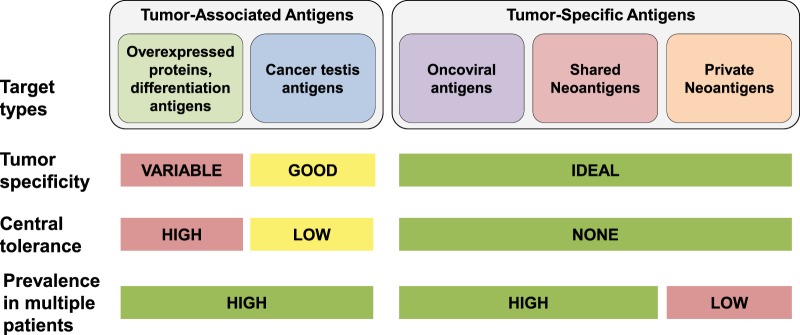
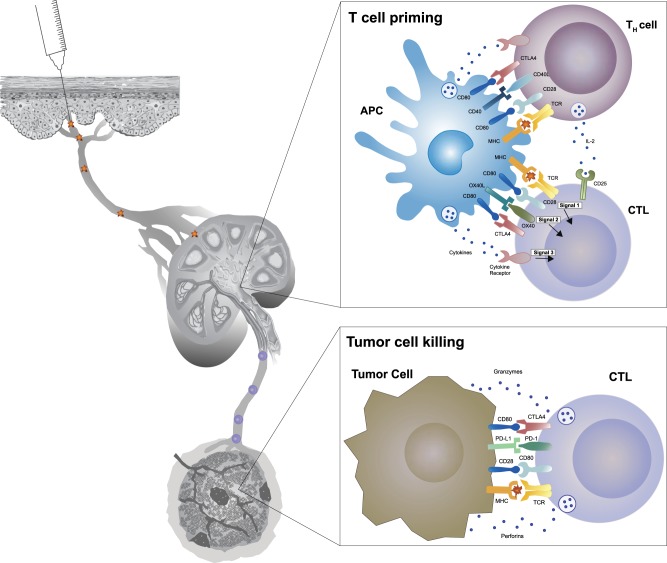
Recent advances in several areas are rekindling interest and enabling progress in the development of therapeutic cancer vaccines. These advances have been made in target selection, vaccine technology, and methods for reversing the immunosuppressive mechanisms exploited by cancers. Studies testing different tumor antigens have revealed target properties that yield high tumor versus normal cell specificity and adequate immunogenicity to affect clinical efficacy. A few tumor-associated antigens, normal host proteins that are abnormally expressed in cancer cells, have been demonstrated to serve as good targets for immunotherapies, although many do not possess the needed specificity or immunogenicity. Neoantigens, which arise from mutated proteins in cancer cells, are truly cancer-specific and can be highly immunogenic, though the vast majority are unique to each patient’s cancer and thus require development of personalized therapies. Lessons from previous cancer vaccine expeditions are teaching us the type and magnitude of immune responses needed, as well as vaccine technologies that can achieve these responses. For example, we are learning which vaccine approaches elicit the potent, balanced, and durable CD4 plus CD8 T cell expansion necessary for clinical efficacy. Exploration of interactions between the immune system and cancer has elucidated the adaptations that enable cancer cells to suppress and evade immune attack. This has led to breakthroughs in the development of new drugs, and, subsequently, to opportunities to combine these with cancer vaccines and dramatically increase patient responses. Here we review this recent progress, highlighting key steps that are bringing the promise of therapeutic cancer vaccines within reach.
Overview
The claims and statistics of this paper haven’t been checked yet.
Free: it reads the open-access text and checks the first 5 claims that cite a source we can check. Create a free account to check every claim.
Integrity signals
Registry
Cites
Statistics
Figures
Verification
Claims the paper makes
The claims and statistics of this paper haven’t been checked yet.
Free: it reads the open-access text and checks the first 5 claims that cite a source we can check. Create a free account to check every claim.
Claims other papers make about this one
Each is checked against this paper’s own text: does it say what the citing paper says it does?
In the citing paper
“although ICIs are the most widely used, they are not the only FDA-approved immunotherapies.”
From Immune Checkpoint Inhibitors for the Treatment of Cancer: Clinical Impact and Mechanisms of Response and Resistance (2021) · cites this paper as [176]
In the citing paper
“A DC vaccine for the treatment of advanced prostate cancer and chimeric antigen receptor T cells for the treatment of several hematological malignancies are among other immunotherapies that have also received FDA approval (176, 177).”
From Immune Checkpoint Inhibitors for the Treatment of Cancer: Clinical Impact and Mechanisms of Response and Resistance (2021) · cites this paper as [176]
Self-check
Percentages, sums and reported differences re-computed from the paper’s own numbers.
The self-check needs the paper’s full text.
Citations
Cites
PD-1 and PD-L1 Immune Checkpoint Blockade to Treat Breast Cancer
Hartkopf, A. D., Taran, F.-A., Wallwiener, M., Walter, C. B., Krämer, B., Grischke, E.-M., & Brucker, S. Y. (2016) · Breast Care · doi:10.1159/000453569 · Cited by 30,845
Adverse Renal Effects of Immune Checkpoint Inhibitors: A Narrative Review
Wanchoo, R., Karam, S., Uppal, N. N., Barta, V. S., Deray, G., Devoe, C., Launay-Vacher, V., Jhaveri, K. D., & on behalf of Cancer and Kidney International Network Workgroup on Immune Checkpoint Inhibitors (2017) · American Journal of Nephrology · doi:10.1159/000455014 · Cited by 15,256
Improved Survival with Ipilimumab in Patients with Metastatic Melanoma
Hodi, F. S., O'Day, S. J., McDermott, D. F., Weber, R. W., Sosman, J. A., Haanen, J. B., Gonzalez, R., Robert, C., Schadendorf, D., Hassel, J. C., et al. (2010) · New England Journal of Medicine · doi:10.1056/nejmoa1003466 · Cited by 15,155
Safety, activity, and immune correlates of anti–PD-1 antibody in cancer
Topalian, S. L., Hodi, F. S., Brahmer, J. R., Gettinger, S. N., Smith, D. C., McDermott, D. F., Powderly, J. D., Carvajal, R. D., Sosman, J. A., Atkins, M. B., et al. (2012) · New England Journal of Medicine · doi:10.1056/nejmoa1200690 · Cited by 12,628
Mutational landscape determines sensitivity to PD-1 blockade in non–small cell lung cancer
Rizvi, N. A., Hellmann, M. D., Snyder, A., Kvistborg, P., Makarov, V., Havel, J. J., Lee, W., Yuan, J., Wong, P., Ho, T. S., et al. (2015) · Science · doi:10.1126/science.aaa1348 · Cited by 7,802
Pembrolizumab plus chemotherapy in metastatic non–small-cell lung cancer
Gandhi, L., Rodríguez-Abreu, D., Gadgeel, S., Esteban, E., Felip, E., De Angelis, F., Domine, M., Clingan, P., Hochmair, M. J., Powell, S. F., et al. (2018) · New England Journal of Medicine · doi:10.1056/nejmoa1801005 · Cited by 6,607
Sipuleucel-T Immunotherapy for Castration-Resistant Prostate Cancer
Kantoff, P. W., Higano, C. S., Shore, N. D., Berger, E. R., Small, E. J., Penson, D. F., Redfern, C. H., Ferrari, A. C., Dreicer, R., Sims, R. B., et al. (2010) · New England Journal of Medicine · doi:10.1056/nejmoa1001294 · Cited by 5,572
The future of immune checkpoint therapy
Sharma, P., & Allison, J. P. (2015) · Science · doi:10.1126/science.aaa8172 · Cited by 4,878
Genetic Basis for Clinical Response to CTLA-4 Blockade in Melanoma
Snyder, A., Makarov, V., Merghoub, T., Yuan, J., Zaretsky, J. M., Desrichard, A., Walsh, L. A., Postow, M. A., Wong, P., Ho, T. S., et al. (2014) · New England Journal of Medicine · doi:10.1056/nejmoa1406498 · Cited by 4,286
Molecular and genetic properties of tumors associated with local immune cytolytic activity
Rooney, M. S., Shukla, S. A., Wu, C. J., Getz, G., & Hacohen, N. (2015) · Cell · doi:10.1016/j.cell.2014.12.033 · Cited by 3,825
Research works printed but not linked: 7
- Carreno BM Cancer immunotherapy. A dendritic cell vaccine increases the breadth and diversity of melanoma neoantigen-specific T cells Science 2015 348 803 808 10.1126/science.aaa3828 25837513 PMC4549796 · DOI · Paper page
- Higano, C. et al. A phase III trial of GVAX immunotherapy for prostate cancer versus docetaxel plus prednisone in asymptomatic, castration-resistant prostate cancer (CRPC). Genitourinary Cancers Symposium, LBA150 (2009).
- Small, E. et al. A phase III trial of GVAX immunotherapy for prostate cancer in combination with docetaxel versus docetaxel plus prednisone in symptomatic, castration-resistant prostate cancer (CRPC). Genitourinary Cancers Symposium, a07 (2009).
- Santos PM Butterfield LH Dendritic cell-based cancer vaccines J. Immunol. 2018 200 443 449 10.4049/jimmunol.1701024 29311386 PMC5880540 · DOI · Paper page
- Aduro press release. http://investors.aduro.com/phoenix.zhtml?c=242043&p=irol-newsArticle&ID=2322291.
- Overwijk WW Cancer vaccines in the era of checkpoint blockade: the magic is in the adjuvant Curr. Opin. Immunol. 2017 47 103 109 10.1016/j.coi.2017.07.015 28806603 · DOI
- Trimble CL Safety, efficacy, and immunogenicity of VGX-3100, a therapeutic synthetic DNA vaccine targeting human papillomavirus 16 and 18 E6 and E7 proteins for cervical intraepithelial neoplasia 2/3: a randomised, double-blind, placebo-controlled phase 2b trial Lancet 2015 386 2078 2088 10.1016/S0140-6736(15)00239-1 26386540 PMC4888059 · DOI · Paper page
Cited by
Bagchi, S., Yuan, R., & Engleman, E. G. (2021) · Annual Review of Pathology: Mechanisms of Disease · doi:10.1146/annurev-pathol-042020-042741 · Cited by 2,189
Translational Applications of Hydrogels
Correa, S., Grosskopf, A. K., Lopez Hernandez, H., Chan, D., Yu, A. C., Stapleton, L. M., & Appel, E. A. (2021) · Chemical Reviews · doi:10.1021/acs.chemrev.0c01177 · Cited by 1,143
Advances in the development of personalized neoantigen-based therapeutic cancer vaccines
Blass, E., & Ott, P. A. (2021) · Nature Reviews Clinical Oncology · doi:10.1038/s41571-020-00460-2 · Cited by 1,042
Harnessing innate immunity in cancer therapy
Demaria, O., Cornen, S., Daëron, M., Morel, Y., Medzhitov, R., & Vivier, E. (2019) · Nature · doi:10.1038/s41586-019-1593-5 · Cited by 957
Cancer vaccines as promising immuno-therapeutics: platforms and current progress
Liu, J., Fu, M., Wang, M., Wan, D., Wei, Y., & Wei, X. (2022) · Journal of Hematology & Oncology · doi:10.1186/s13045-022-01247-x · Cited by 715
“Heterogeneous priming and enhancement strategies mean using one viral vector to deliver the antigen and then using different types of viral vectors to deliver the same tumor antigen for enhancement [15].”
BackgroundMethodT cell receptor (TCR) signaling in health and disease
Shah, K., Al-Haidari, A., Sun, J., & Kazi, J. U. (2021) · Signal Transduction and Targeted Therapy · doi:10.1038/s41392-021-00823-w · Cited by 604
“Unlike TAAs, neoantigens are exclusively expressed by cancer cells with high immunogenicity without being negatively subjected to central or peripheral tolerance, and therefore they elicit specific tumor T cell immune response and prevent “off-target” that can damage the healthy tissues.(495) Moreover, the advancement…”
BackgroundInterferon-γ: teammate or opponent in the tumour microenvironment?
Gocher, A. M., Workman, C. J., & Vignali, D. A. A. (2022) · Nature Reviews Immunology · doi:10.1038/s41577-021-00566-3 · Cited by 582
Identification of neoantigens for individualized therapeutic cancer vaccines
Lang, F., Schrörs, B., Löwer, M., Türeci, Ö., & Sahin, U. (2022) · Nature Reviews Drug Discovery · doi:10.1038/s41573-021-00387-y · Cited by 534
“Downstream, there are further crucial challenges to get such a vaccine into clinical development and on a sustainable path suitable for potential registration and implementation into clinical practice (reviewed in ReFS 18,215–217 ).”
BackgroundInfluentialClinical advances and ongoing trials of mRNA vaccines for cancer treatment
Lorentzen, C. L., Haanen, J. B., Met, Ö., & Svane, I. M. (2022) · The Lancet Oncology · doi:10.1016/s1470-2045(22)00372-2 · Cited by 522
mRNA vaccines manufacturing: challenges and bottlenecks
Rosa, S. S., Prazeres, D. M. F., Azevedo, A. M., & Marques, M. P. C. (2021) · Vaccine · doi:10.1016/j.vaccine.2021.03.038 · Cited by 545
“Technology advances coupled with progress in target selection and understanding of the immunosuppressive mechanisms have led to the development of therapeutic cancer vaccines [10].”
BackgroundMyeloid-Derived Suppressor Cells as a Therapeutic Target for Cancer
Law, A. M. K., Valdes-Mora, F., & Gallego-Ortega, D. (2020) · Cells · doi:10.3390/cells9030561 · Cited by 455
“Dampening the immune response through expansion of immunosuppressive cells, expression of inhibitory cytokines and proteins, and angiogenesis have all contributed to the disappointing clinical result [14,15].”
BackgroundImmunotherapy for glioblastoma: current state, challenges, and future perspectives
Liu, Y., Zhou, F., Ali, H., Lathia, J. D., & Chen, P. (2024) · Cellular & Molecular Immunology · doi:10.1038/s41423-024-01226-x · Cited by 336
“Cancer vaccines can increase antitumor immunity by increasing immunogenicity and activating peripheral T cells, which is important for increasing the antitumor ef fi cacy of ICIs [236].”
Current approaches of nanomedicines in the market and various stage of clinical translation
Shan, X., Gong, X., Li, J., Wen, J., Li, Y., & Zhang, Z. (2022) · Acta Pharmaceutica Sinica B · doi:10.1016/j.apsb.2022.02.025 · Cited by 335
mRNA-based therapeutics: looking beyond COVID-19 vaccines
Parhiz, H., Atochina-Vasserman, E. N., & Weissman, D. (2024) · The Lancet · doi:10.1016/s0140-6736(23)02444-3 · Cited by 279
Immunotherapy, Inflammation and Colorectal Cancer
Lichtenstern, C. R., Ngu, R. K., Shalapour, S., & Karin, M. (2020) · Cells · doi:10.3390/cells9030618 · Cited by 294
Neoantigen: A New Breakthrough in Tumor Immunotherapy
Zhang, Z., Lu, M., Qin, Y., Gao, W., Tao, L., Su, W., & Zhong, J. (2021) · Frontiers in Immunology · doi:10.3389/fimmu.2021.672356 · Cited by 284
“Cancer vaccines aim to elicit immune responses against tumor-specific or tumor-associated antigens, thereby facilitating the immune system to attack cancer cells carrying these antigens (30, 31).”
BackgroundJi, H., Hu, C., Yang, X., Liu, Y., Ji, G., Ge, S., Wang, X., & Wang, M. (2023) · Signal Transduction and Targeted Therapy · doi:10.1038/s41392-023-01576-4 · Cited by 250
“Ideal antigens are those that can direct immune cells to generate a robust adaptive response sufficient to target cancer stem cells and prevent recurrence while avoiding any off-target damage to healthy cells.(384) Tailored vaccine design efforts seek to optimize professional antigen-presenting cell-mediated T cell ac…”
BackgroundTurning up the heat on non-immunoreactive tumours: opportunities for clinical development
Ochoa de Olza, M., Navarro Rodrigo, B., Zimmermann, S., & Coukos, G. (2020) · The Lancet Oncology · doi:10.1016/s1470-2045(20)30234-5 · Cited by 256
Delfi, M., Sartorius, R., Ashrafizadeh, M., Sharifi, E., Zhang, Y., De Berardinis, P., Zarrabi, A., Varma, R. S., Tay, F. R., Smith, B. R., et al. (2021) · Nano Today · doi:10.1016/j.nantod.2021.101119 · Cited by 253
Human immunology and immunotherapy: main achievements and challenges
Varadé, J., Magadán, S., & González-Fernández, Á. (2021) · Cellular & Molecular Immunology · doi:10.1038/s41423-020-00530-6 · Cited by 216
Interleukin-1 as Innate Mediator of T Cell Immunity
Van Den Eeckhout, B., Tavernier, J., & Gerlo, S. (2021) · Frontiers in Immunology · doi:10.3389/fimmu.2020.621931 · Cited by 213
Vaccine Therapies for Cancer: Then and Now
Morse, M. A., Gwin, W. R., & Mitchell, D. A. (2021) · Targeted Oncology · doi:10.1007/s11523-020-00788-w · Cited by 215
“Several phase 3 studies investigating early peptide-based vaccines have not demonstrated clinical benefit despite demonstrating some induction of immune responses against TAAs or TSAs (Table 1) [11].”
BackgroundMethodInfluentialYe, L., Park, J. J., Peng, L., Yang, Q., Chow, R. D., Dong, M. B., Lam, S. Z., Guo, J., Tang, E., Zhang, Y., et al. (2022) · Cell Metabolism · doi:10.1016/j.cmet.2022.02.009 · Cited by 201
“, 2019), neoantigen cancer vaccines based on T cell recognition of peptide-major histocompatibility complexes (MHCs) (Hollingsworth and Jansen, 2019), direct adoptive transfer of tumor infiltrating lymphocytes (TILs) (Rosenberg and Restifo, 2015), and chimeric antigen receptor (CAR)-T cells (June et al.”
BackgroundThe Changing Landscape of Therapeutic Cancer Vaccines—Novel Platforms and Neoantigen Identification
Jou, J., Harrington, K. J., Zocca, M.-B., Ehrnrooth, E., & Cohen, E. E. W. (2021) · Clinical Cancer Research · doi:10.1158/1078-0432.ccr-20-0245 · Cited by 203
“Several strategies have been investigated to overcome immunosuppressive mechanisms of the TME and counteract tumor escape, including improving antigen selection, refining immunotherapy delivery platforms, and combination therapies (1).”
BackgroundImmunotherapy for glioblastoma: the promise of combination strategies
Bausart, M., Préat, V., & Malfanti, A. (2022) · Journal of Experimental & Clinical Cancer Research · doi:10.1186/s13046-022-02251-2 · Cited by 201
“Current immunotherapy strategies used to treat cancers are mainly based on immune checkpoint blockade (ICB) agents [14, 15], but also therapeutic vaccines [16, 17], adoptive cell therapy [18, 19], monoclonal antibodies (mAbs) [20] and oncolytic viruses [21].”
BackgroundmRNA vaccines for cancer immunotherapy
Vishweshwaraiah, Y. L., & Dokholyan, N. V. (2022) · Frontiers in Immunology · doi:10.3389/fimmu.2022.1029069 · Cited by 177
“The most common viral vaccine vectors are from adenoviruses, poxviruses, and alphaviruses (24, 25).”
BackgroundDevelopment of Peptide-Based Vaccines for Cancer
Abd-Aziz, N., & Poh, C. L. (2022) · Journal of Oncology · doi:10.1155/2022/9749363 · Cited by 152
“TSAs include antigens from oncoviruses and neoantigens encoded by mutated cancer genes [35].”
BackgroundRemon, J., Passiglia, F., Ahn, M.-J., Barlesi, F., Forde, P. M., Garon, E. B., Gettinger, S., Goldberg, S. B., Herbst, R. S., Horn, L., et al. (2020) · Journal of Thoracic Oncology · doi:10.1016/j.jtho.2020.03.006 · Cited by 169
“sine) limiting T-cell activity and therefore reducing immune-tolerance.(283,284) Several drugs are in development with encouraging results, mainly in combination with ICIs.”
BackgroundBystander T cells in cancer immunology and therapy
Meier, S. L., Satpathy, A. T., & Wells, D. K. (2022) · Nature Cancer · doi:10.1038/s43018-022-00335-8 · Cited by 172
“TILs recognize antigens from cancer-unrelated sources and from cancer cells, because viral or bacterial antigens are present in the tumor (5), they have”
BackgroundmRNA vaccine in cancer therapy: Current advance and future outlook
Li, Y., Wang, M., Peng, X., Yang, Y., Chen, Q., Liu, J., She, Q., Tan, J., Lou, C., Liao, Z., et al. (2023) · Clinical and Translational Medicine · doi:10.1002/ctm2.1384 · Cited by 176
mRNA cancer vaccines: Advances, trends and challenges
He, Q., Gao, H., Tan, D., Zhang, H., & Wang, J.-Z. (2022) · Acta Pharmaceutica Sinica B · doi:10.1016/j.apsb.2022.03.011 · Cited by 165
“Additionally, IL-2 secreted by CD4 þ T cells can promote amplification of CD8 þ T cells 65 .”
InfluentialSoluble PD-1: Predictive, Prognostic, and Therapeutic Value for Cancer Immunotherapy
Khan, M., Zhao, Z., Arooj, S., Fu, Y., & Liao, G. (2020) · Frontiers in Immunology · doi:10.3389/fimmu.2020.587460 · Cited by 158
Bioinspired and Biomimetic Delivery Platforms for Cancer Vaccines
Liu, J., Liew, S. S., Wang, J., & Pu, K. (2022) · Advanced Materials · doi:10.1002/adma.202103790 · Cited by 159
Antigen Dominance Hierarchies Shape TCF1+ Progenitor CD8 T Cell Phenotypes in Tumors
Burger, M. L., Cruz, A. M., Crossland, G. E., Gaglia, G., Ritch, C. C., Blatt, S. E., Bhutkar, A. J., Canner, D. A., Kienka, T., Tavana, S. Z., et al. (2021) · Cell · doi:10.1016/j.cell.2021.08.020 · Cited by 167
TCR signal strength defines distinct mechanisms of T cell dysfunction and cancer evasion
Shakiba, M., Zumbo, P., Espinosa-Carrasco, G., Menocal, L., Dündar, F., Carson, S. E., Bruno, E. M., Rivera, F. J. S., Lowe, S. W., Camara, S., et al. (2021) · The Journal of Experimental Medicine · doi:10.1084/jem.20201966 · Cited by 168
“The TCR affinity of T cells specific to tumor self-antigens is generally low (McMahan et al., 2006; Buhrman and Slansky, 2013; Hollingsworth and Jansen, 2019; Hoffmann and Slansky, 2020), and efforts to isolate higher-affinity T cell clones or engineer affinity-enhanced TCR have improved antitumor efficacy, albeit wit…”
BackgroundQin, L., Cao, J., Shao, K., Tong, F., Yang, Z., Lei, T., Wang, Y., Hu, C., Umeshappa, C. S., Gao, H., et al. (2020) · Science Advances · doi:10.1126/sciadv.abb3116 · Cited by 159
“Unfortunately, most DDSs that co-deliver antigens and adjuvants have shown disappointing results in clinical trials due to either low RD or RI, directly leading to low RM and further reduplicative administrations, off-target–induced immunotoxicity, immune tolerance, and high costs (10, 21, 22).”
BackgroundThe use of RNA-based treatments in the field of cancer immunotherapy
Chehelgerdi, M., & Chehelgerdi, M. (2023) · Molecular Cancer · doi:10.1186/s12943-023-01807-w · Cited by 168
Chatzikleanthous, D., O’Hagan, D. T., & Adamo, R. (2021) · Molecular Pharmaceutics · doi:10.1021/acs.molpharmaceut.1c00447 · Cited by 144
Radiation therapy-induced remodeling of the tumor immune microenvironment
Charpentier, M., Spada, S., Nest, S. J. V., & Demaria, S. (2022) · Seminars in Cancer Biology · doi:10.1016/j.semcancer.2022.04.003 · Cited by 159
Selecting Target Antigens for Cancer Vaccine Development
Buonaguro, L., & Tagliamonte, M. (2020) · Vaccines · doi:10.3390/vaccines8040615 · Cited by 142
“In particular, TSAs are considered more effective than TAAs in cancer immunotherapy because they are the only cancer-specific targets unique to cancer cells, deriving either from viral antigens or from tumor-specific genomic mutations [17].”
BackgroundNanotechnology approaches in the current therapy of skin cancer
Borgheti-Cardoso, L. N., Viegas, J. S. R., Silvestrini, A. V. P., Caron, A. L., Praça, F. S. G., Kravicz, M., & Bentley, M. V. L. B. (2020) · Advanced Drug Delivery Reviews · doi:10.1016/j.addr.2020.02.005 · Cited by 148
“These TAAs may be overexpressed tumorself-antigens or neoantigens generated by a tumor-specific mutation, but they are not present in healthy tissues [186,223].”
BackgroundHarane, S. E., Zidi, B., Harane, N. E., Krause, K., Matthes, T., & Preynat‐Seauve, O. (2023) · Cells · doi:10.3390/cells12071001 · Cited by 156
“They include bacterial vectors, viral vectors, immunogenic peptides, immune cells, dead cancer cells, and oncolytic viruses, all reviewed recently by Hollingsworth [200].”
BackgroundNew Approaches on Cancer Immunotherapy
Cha, J., Chan, L.-C., Song, M. S., & Hung, M. (2019) · Cold Spring Harbor Perspectives in Medicine · doi:10.1101/cshperspect.a036863 · Cited by 148
“The recognition of abnormal or transformed cells by immune cells is a key step in cancer immunosurveillance (Hollingsworth and Jansen 2019).”
BackgroundInfluentialRecent advances in microneedles-based drug delivery device in the diagnosis and treatment of cancer
Singh, V., & Kesharwani, P. (2021) · Journal of Controlled Release · doi:10.1016/j.jconrel.2021.08.054 · Cited by 137
Barbosa, J. R., Freitas, M. M. D. S., Martins, L. H. D. S., & de Carvalho, R. N. (2019) · Carbohydrate Polymers · doi:10.1016/j.carbpol.2019.115550 · Cited by 134
mRNA delivery systems for cancer immunotherapy: Lipid nanoparticles and beyond
Sentí, M. E., del Valle, L. G., & Schiffelers, R. M. (2024) · Advanced Drug Delivery Reviews · doi:10.1016/j.addr.2024.115190 · Cited by 137
New viral vectors for infectious diseases and cancer
Sasso, E., D’Alise, A. M., Zambrano, N., Scarselli, E., Folgori, A., & Nicosia, A. (2020) · Seminars in Immunology · doi:10.1016/j.smim.2020.101430 · Cited by 134
“formulations were adjuvanted by antigen presenting cells (APCs) or stimulating cytokines [202].”
BackgroundGuo, J., May, H. D., Franco, S., Noureddine, A., Tang, L., Brinker, C. J., Kusewitt, D. F., Adams, S. F., & Serda, R. E. (2021) · Nature Biomedical Engineering · doi:10.1038/s41551-021-00795-w · Cited by 127
Klingler, J., Weiß, S., Itri, V., Liu, X., Oguntuyo, K. Y., Stevens, C. S., Ikegame, S., Hung, C.-T., Enyindah-Asonye, G. M., Amanat, F., et al. (2020) · The Journal of Infectious Diseases · doi:10.1093/infdis/jiaa784 · Cited by 133
Tumor-Targeted Nanomedicine for Immunotherapy
Cabral, H., Kinoh, H., & Kataoka, K. (2020) · Accounts of Chemical Research · doi:10.1021/acs.accounts.0c00518 · Cited by 123
Soluble ligands as drug targets
Attwood, M. M., Jonsson, J., Rask‐Andersen, M., & Schiöth, H. B. (2020) · Nature Reviews Drug Discovery · doi:10.1038/s41573-020-0078-4 · Cited by 120
In silico vaccine design: A tutorial in immunoinformatics
Martinelli, D. D. (2022) · Healthcare Analytics · doi:10.1016/j.health.2022.100044 · Cited by 132
Qin, L., Zhang, H., Zhou, Y., Umeshappa, C. S., & Gao, H. (2021) · Small · doi:10.1002/smll.202006000 · Cited by 115
Mukherjee, S., Mukherjee, S., Abourehab, M. A. S., Sahebkar, A., & Kesharwani, P. (2022) · European Polymer Journal · doi:10.1016/j.eurpolymj.2022.111471 · Cited by 118
Peptide-based vaccine for cancer therapies
Buonaguro, L., & Tagliamonte, M. (2023) · Frontiers in Immunology · doi:10.3389/fimmu.2023.1210044 · Cited by 110
Present and future of cancer nano-immunotherapy: opportunities, obstacles and challenges
Wang, M., Yu, F., & Zhang, Y. (2025) · Molecular Cancer · doi:10.1186/s12943-024-02214-5 · Cited by 127
Liu, S., Zhang, Y., Liu, Y., Wang, W., Gao, S., Yuan, W., Sun, Z., Liu, L., & Wang, C. (2022) · British Journal of Cancer · doi:10.1038/s41416-022-02076-y · Cited by 111
“Cancer vaccines work primarily by processing tumour-associated antigens (TAAs) or tumourspecific antigens (TSAs) through APCs to activate effector cells [126].”
BackgroundRole of Tumor-Mediated Dendritic Cell Tolerization in Immune Evasion
DeVito, N. C., Plebanek, M. P., Theivanthiran, B., & Hanks, B. A. (2019) · Frontiers in Immunology · doi:10.3389/fimmu.2019.02876 · Cited by 100
Peptides for Vaccine Development
Hamley, I. W. (2022) · ACS Applied Bio Materials · doi:10.1021/acsabm.1c01238 · Cited by 104
Therapeutic cancer vaccines: From biological mechanisms and engineering to ongoing clinical trials
Sobhani, N., Scaggiante, B., Morris, R. M., Chai, D., Catalano, M., Tardiel-Cyril, D. R., Neeli, P. K., Roviello, G., Mondani, G., & Li, Y. (2022) · Cancer Treatment Reviews · doi:10.1016/j.ctrv.2022.102429 · Cited by 107
“The immune system readily mounts a CD4+ and CD8+ T cell response to foreign proteins but tolerates self-proteins retained by cancer [6].”
Lipid nanoparticle-based mRNA delivery systems for cancer immunotherapy
Han, J., Lim, J., Wang, C. J., Han, J., Shin, H. E., Kim, S.-N., Jeong, D., Lee, S. H., Chun, B.-H., Park, C. G., et al. (2023) · Nano Convergence · doi:10.1186/s40580-023-00385-3 · Cited by 106
Hypoxia within the glioblastoma tumor microenvironment: a master saboteur of novel treatments
Feldman, L. A. (2024) · Frontiers in Immunology · doi:10.3389/fimmu.2024.1384249 · Cited by 103
“Immunotherapeutic strategies cover a wide range of treatments and include vaccines (62), adoptive cell therapy (63), monoclonal antibodies (64), oncolytic viruses (65, 66), and immune checkpoint blockers (67, 68).”
BackgroundRecent developments of RNA-based vaccines in cancer immunotherapy
Faghfuri, E., Pourfarzi, F., Faghfouri, A. H., Shadbad, M. A., Hajiasgharzadeh, K., & Baradaran, B. (2020) · Expert Opinion on Biological Therapy · doi:10.1080/14712598.2020.1815704 · Cited by 105
Imaging of tumour response to immunotherapy
Dromain, C., Beigelman‐Aubry, C., Pozzessere, C., Durán, R., & Digklia, A. (2020) · European Radiology Experimental · doi:10.1186/s41747-019-0134-1 · Cited by 103
Recent progress in mRNA cancer vaccines
Yao, R., Xie, C., & Xia, X. (2024) · Human Vaccines & Immunotherapeutics · doi:10.1080/21645515.2024.2307187 · Cited by 104
“121 Additionally, TAA expression in normal cells might cause collateral damage.”
BackgroundBreast Cancer Vaccines: Disappointing or Promising?
Zhu, S., & Yu, K. (2022) · Frontiers in Immunology · doi:10.3389/fimmu.2022.828386 · Cited by 111
“Tumor antigens can be divided into tumor-specific antigens (TSAs) and tumor-associated antigens (TAAs) (25).”
BackgroundPromising approaches in cancer immunotherapy
Taefehshokr, N., Baradaran, B., Baghbanzadeh, A., & Taefehshokr, S. (2019) · Immunobiology · doi:10.1016/j.imbio.2019.11.010 · Cited by 105
Alghamri, M. S., McClellan, B. L., Hartlage, C. S., Haase, S., Faisal, S. M., Thalla, R., Dabaja, A. A., Banerjee, K., Carney, S. V., Mujeeb, A., et al. (2021) · Frontiers in Pharmacology · doi:10.3389/fphar.2021.680021 · Cited by 99
Spyridopoulou, K., Aindelis, G., Pappa, A., & Chlichlia, K. (2021) · Cancers · doi:10.3390/cancers13215335 · Cited by 101
Recent progress of dendritic cell-derived exosomes (Dex) as an anti-cancer nanovaccine
Xia, J., Miao, Y., Wang, X., Huang, X., & Dai, J. (2022) · Biomedicine & Pharmacotherapy · doi:10.1016/j.biopha.2022.113250 · Cited by 95
Cancer Vaccines, Treatment of the Future: With Emphasis on HER2-Positive Breast Cancer
Pallerla, S., Abdul, A. U. R. M., Comeau, J. M., & Jois, S. D. S. (2021) · International Journal of Molecular Sciences · doi:10.3390/ijms22020779 · Cited by 102
Development of therapeutic vaccines for the treatment of diseases
Tian, Y., Hu, D., Li, Y., & Li, Y. (2022) · Molecular Biomedicine · doi:10.1186/s43556-022-00098-9 · Cited by 96
“This may be due to the low affinity between TAA-specific T cells and antigens due to central and/or peripheral tolerance, the loss of tumor antigen expression, a suppressive TME and collateral damage caused by the expression of some TAAs in nonmalignant tissues [21].”
BackgroundDesigns of Antigen Structure and Composition for Improved Protein-Based Vaccine Efficacy
Saylor, K., Gillam, F., Lohneis, T., & Zhang, C. (2020) · Frontiers in Immunology · doi:10.3389/fimmu.2020.00283 · Cited by 89
“Additionally, since TAAs are generally endogenous, it is typical for the immune system to have already established a degree of central and peripheral tolerance toward them, making epitope-specific immunostimulation more difficult (211).”
BackgroundXu, Y., Ma, S., Zhao, J., Chen, H., Si, X., Huang, Z., Yu, Z., Song, W., Tang, Z., & Chen, X. (2022) · Biomaterials · doi:10.1016/j.biomaterials.2022.121489 · Cited by 93
Ying, X., Chen, Q., Yang, Y., Wu, Z., Zeng, W., Miao, C., Huang, Q., & Ai, K. (2024) · Molecular Cancer · doi:10.1186/s12943-024-02186-6 · Cited by 94
A Genetic Vaccine Encoding Shared Cancer Neoantigens to Treat Tumors with Microsatellite Instability
Leoni, G., D'Alise, A. M., Cotugno, G., Langone, F., Garzia, I., De Lucia, M., Fichera, I., Vitale, R., Bignone, V., Tucci, F. G., et al. (2020) · Cancer Research · doi:10.1158/0008-5472.can-20-1072 · Cited by 84
“Nicosia reports being the inventor and two patent applications related to the manuscripts (1) “Non Human Great Apes Adenovirus Nucleic Acid- and Amino Acid-Sequences, Vectors Containing Same, AndUses Thereof,”WO2019/008111 and (2) “AUniversal Vaccine Based on Shared TumorNeoantigens for Prevention andTreatment ofMicro”
BackgroundPérez-Baños, A., Gleisner, M. A., Flores, I., Pereda, C., Navarrete, M., Araya, J. P., Navarro, G., Quezada-Monrás, C., Tittarelli, A., & Salazar‐Onfray, F. (2023) · British Journal of Cancer · doi:10.1038/s41416-023-02327-6 · Cited by 101
“Tumours are heterogeneous tissues, so targeting a specific Ag can lead to selecting Ag-negative tumour cells, promoting tumour resistance to the administered treatment, and leading to therapy failure [66].”
BackgroundThe Tumor Microenvironment and Immunotherapy in Prostate and Bladder Cancer
Nair, S. S., Weil, R., Dovey, Z. S., Davis, A., & Tewari, A. K. (2020) · Urologic Clinics of North America · doi:10.1016/j.ucl.2020.10.005 · Cited by 98
Cancer Nanovaccines: Nanomaterials and Clinical Perspectives
Desai, N., Chavda, V. P., Singh, T. R. R., Thorat, N. D., & Vora, L. K. (2024) · Small · doi:10.1002/smll.202401631 · Cited by 91
Immunocompetent cancer-on-chip models to assess immuno-oncology therapy
Maulana, T. I., Kromidas, E., Wallstabe, L., Cipriano, M., Alb, M., Zaupa, C., Hudecek, M., Fogal, B., & Loskill, P. (2021) · Advanced Drug Delivery Reviews · doi:10.1016/j.addr.2021.03.015 · Cited by 93
Nanoparticles to Improve the Efficacy of Peptide-Based Cancer Vaccines
Tornesello, A. L., Tagliamonte, M., Tornesello, M. L., Buonaguro, F. M., & Buonaguro, L. (2020) · Cancers · doi:10.3390/cancers12041049 · Cited by 83
Uncovering the Tumor Antigen Landscape: What to Know about the Discovery Process
Feola, S., Chiaro, J., Martins, B., & Cerullo, V. (2020) · Cancers · doi:10.3390/cancers12061660 · Cited by 94
“Today, based on the expression of the parental gene, tumor antigens can be classified into the general categories of tumor-associated antigens (TAAs) and tumor-specific antigens (TSAs) [30] (Figure 1).”
BackgroundInfluentialCurrent Status and Future Perspective of Immunotherapy in Gastrointestinal Cancers
Lü, Z., Peng, Z., Liu, C. X., Wang, Z., Wang, Y., Jiao, X., Li, J., & Shen, L. (2020) · The Innovation · doi:10.1016/j.xinn.2020.100041 · Cited by 91
“Several investigations are ongoing, including better co-stimulatory components, multi-antigen vaccines, and viral vector prime-boost approaches.(48) Furthermore, whether combining the vaccinewith immunemodulators or conventional chemotherapy/radiation could further enhance clinical efficacy will require considerable e…”
BackgroundRibeiro, R., Carvalho, M. J., Gonçalves, J., & Moreira, J. N. (2022) · Frontiers in Molecular Biosciences · doi:10.3389/fmolb.2022.903065 · Cited by 90
“Therefore, some therapeutic vaccines have demonstrated efficacy, long-term immune memory, and safety in a variety of tumors (Hollingsworth and Jansen, 2019).”
BackgroundNanovaccine-based strategies for lymph node targeted delivery and imaging in tumor immunotherapy
He, A., Li, X., Dai, Z., Li, Q., Zhang, Y., Ding, M., Wen, Z., Mou, Y., & Dong, H. (2023) · Journal of Nanobiotechnology · doi:10.1186/s12951-023-01989-x · Cited by 87
“However, the clinical implementation of tumor vaccines is still limited mainly due to inadequate targeted delivery of vaccine components to lymph nodes (LNs) [3, 6, 7].”
BackgroundNear Infrared Light Triggered Photo/Immuno-Therapy Toward Cancers
Xu, X., Lu, H., & Lee, R. (2020) · Frontiers in Bioengineering and Biotechnology · doi:10.3389/fbioe.2020.00488 · Cited by 87
Ho, M., Patel, A. S., Goh, C. Y., Moscvin, M., Zhang, L., & Bianchi, G. (2020) · Leukemia · doi:10.1038/s41375-020-01051-x · Cited by 88
“However, recent advances in target selection, vaccine technology, and immunomodulation have led to renewed interest and progress in the development of therapeutic cancer vaccines for hematological malignancies [89].”
BackgroundNatural Polysaccharides and Their Derivates: A Promising Natural Adjuvant for Tumor Immunotherapy
Ye, L., Wang, X., Ma, X., Liu, C., Wu, J., & Sun, C. (2021) · Frontiers in Pharmacology · doi:10.3389/fphar.2021.621813 · Cited by 98
Penetrable Nanoplatform for “Cold” Tumor Immune Microenvironment Reeducation
Chen, Q., He, Y., Wang, Y., Li, C., Zhang, Y., Guo, Q., Zhang, Y., Chu, Y., Liu, P., Chen, H., et al. (2020) · Advanced Science · doi:10.1002/advs.202000411 · Cited by 83
Cell surface sphingomyelin: key role in cancer initiation, progression, and immune evasion
Tallima, H., Azzazy, H. M. E., & Ridi, R. E. (2021) · Lipids in Health and Disease · doi:10.1186/s12944-021-01581-y · Cited by 81
Updates on systemic therapy for cervical cancer
Gopu, P., Antony, F., Cyriac, S. L., Karakasis, K., & Oza, A. M. (2021) · The Indian Journal of Medical Research · doi:10.4103/ijmr.ijmr_4454_20 · Cited by 81
Emerging Trends in Immunotherapy for Cancer
Mishra, A. K., Ali, A., Dutta, S., Banday, S., & Malonia, S. K. (2022) · Diseases · doi:10.3390/diseases10030060 · Cited by 88
Nanovaccines: An effective therapeutic approach for cancer therapy
Gurunathan, S., Pratheep, T., Wang, L., Cao, Q., & Kim, J. (2023) · Biomedicine & Pharmacotherapy · doi:10.1016/j.biopha.2023.115992 · Cited by 89
Revitalizing T cells: breakthroughs and challenges in overcoming T cell exhaustion
Wu, Y., Wu, Y., Gao, Z., Yu, W., Zhang, L., & Zhou, F. (2026) · Signal Transduction and Targeted Therapy · doi:10.1038/s41392-025-02327-3 · Cited by 89
“452 Moreover, TAA expression in noncancerous tissues highlights the potential for autoimmune toxicity following vaccination.”
Desmoplastic Small Round Cell Tumor: A Review of Main Molecular Abnormalities and Emerging Therapy
de Mello, C. A. L., Campos, F. A. B., Santos, T. G., Silva, M. L. G., Torrezan, G. T., Costa, F. D., Formiga, M. N., Nicolau, U. R., Nascimento, A. G., Silva, C., et al. (2021) · Cancers · doi:10.3390/cancers13030498 · Cited by 85
Combining Cancer Vaccines with Immunotherapy: Establishing a New Immunological Approach
Kim, C.-G., Sang, Y. B., Lee, J. H., & Chon, H. J. (2021) · International Journal of Molecular Sciences · doi:10.3390/ijms22158035 · Cited by 83
“Traditionally, tumor‐associated antigens (TAAs) have been regarded as targets for therapeutic cancer vaccines (Table 1) [22].”
BackgroundInnovation in cancer therapeutics and regulatory perspectives
Sharma, P., Jhawat, V., Mathur, P., & Dutt, R. (2022) · Medical Oncology · doi:10.1007/s12032-022-01677-0 · Cited by 79
“The first cancer vaccine to achieve FDA approval was sipuleucelT for metastatic prostate cancer [13, 14, 25].”
BackgroundBiomaterials to enhance antigen-specific T cell expansion for cancer immunotherapy
Isser, A., Livingston, N. K., & Schneck, J. P. (2020) · Biomaterials · doi:10.1016/j.biomaterials.2020.120584 · Cited by 79
“As for in vivo expansion technologies, cancer vaccines are the most well studied platform in the clinic, with more than a dozen active clinical trials[208,209].”
BackgroundDendritic Cell-Based Immunotherapy in Lung Cancer
Stevens, D., Ingels, J., Lint, S. V., Vandekerckhove, B., & Vermaelen, K. Y. (2021) · Frontiers in Immunology · doi:10.3389/fimmu.2020.620374 · Cited by 81
“Ideally, the antigen should meet different criteria: tumor-specific (expressed by cancer cells only), highly immunogenic, and necessary for cancer survival (97).”
BackgroundClinical Experience and Recent Advances in the Development of Listeria-Based Tumor Immunotherapies
Oladejo, M., Paterson, Y. Y. W., & Wood, L. M. (2021) · Frontiers in Immunology · doi:10.3389/fimmu.2021.642316 · Cited by 83
“Due to the challenge of overcoming tolerance within the tumor microenvironment, considerable effort has been directed towards stimulating the immune system to mount a robust response against these cells by targeting tumor-associated antigens (TAAs) and tumor-specific antigens (TSAs) (2).”
BackgroundInfluential
Metadata
- Authors
- Hollingsworth, R. E., & Jansen, K.
- Affiliations
- Pfizer (United States) (US)
- Corresponding author
- Jansen, Kathrin
- Venue
- npj Vaccines
- Published
- 2019-02-08
- Volume
- 4
- Issue
- 1
- Pages
- 7-7
- ISSN
- 2059-0105 (ISSN-L)
- PMC
- PMC6368616
- OpenAlex
- W2913400417
- Cited by
- 689
- References
- 165
- Citations by year
- 2026: 30 · 2025: 71 · 2024: 100 · 2023: 83 · 2022: 120 · 2021: 161 · 2020: 101 · 2019: 23
- FWCI
- 8.73
- Type
- journal article
- Language
- en
- Open access
- gold
- doi.org
- Licence
- cc-by
- creativecommons.org/licenses/by/4.0 (tdm)
- creativecommons.org/licenses/by/4.0 (vor)
- Locations
- npj Vaccines (publishedVersion, cc-by)
- Europe PMC (PubMed Central) (publishedVersion, cc-by)
- PubMed Central (publishedVersion, cc-by)
- PubMed (publishedVersion)
- DOAJ (DOAJ: Directory of Open Access Journals) (submittedVersion)
- Topics
- Life Sciences › Immunology and Microbiology › Immunology › Immunotherapy and Immune Responses
- Health Sciences › Medicine › Oncology › Cancer Immunotherapy and Biomarkers
- Life Sciences › Immunology and Microbiology › Immunology › T-cell and B-cell Immunology
- Keywords
- therapeutic cancer vaccines, tumor antigens, tumor-associated antigens, neoantigens, personalized cancer immunotherapy, vaccine immunogenicity, tumor specificity, tumor immunosuppression, tumor immune evasion, combination immunotherapy
About these checks
Registry, retraction, Cites and statistics results are computed, not judged, with one exception: a printed reference that no index lists is read once by a model before it counts as a citation error. Claims are extracted by a model and kept only when their quote appears verbatim in the text; each cited source is then checked, with a model’s help, for whether it says what the claim relies on. Those verdicts can be wrong — read the claim’s quote and the cited source before relying on one.
Statistics and arithmetic are recomputed, not judged.
Confidence bands are shown only for fields calibrated on our annotated test set. None is calibrated yet, so no band is shown.
What counts as a claim ›How we measure confidence ›How we check this ›
Are you an author, or do you see a problem with this page? Request a review
Data sources
Bibliographic data: Semantic Scholar, OpenAlex, Crossref.
Contains information from the Semantic Scholar Academic Graph Datasets, made available under the ODC Attribution License (ODC-BY 1.0).
Semantic Scholar’s data is described in: Kinney, R., et al. (2023). The Semantic Scholar Open Data Platform. arXiv:2301.10140.
