

Turning the corner on therapeutic cancer vaccines
Open accessThe DOI matches its Crossref record; 165 of the 165 references it cites were found in a registry or an index.
Abstract
Recent advances in several areas are rekindling interest and enabling progress in the development of therapeutic cancer vaccines. These advances have been made in target selection, vaccine technology, and methods for reversing the immunosuppressive mechanisms exploited by cancers. Studies testing different tumor antigens have revealed target properties that yield high tumor versus normal cell specificity and adequate immunogenicity to affect clinical efficacy. A few tumor-associated antigens, normal host proteins that are abnormally expressed in cancer cells, have been demonstrated to serve as good targets for immunotherapies, although many do not possess the needed specificity or immunogenicity. Neoantigens, which arise from mutated proteins in cancer cells, are truly cancer-specific and can be highly immunogenic, though the vast majority are unique to each patient’s cancer and thus require development of personalized therapies. Lessons from previous cancer vaccine expeditions are teaching us the type and magnitude of immune responses needed, as well as vaccine technologies that can achieve these responses. For example, we are learning which vaccine approaches elicit the potent, balanced, and durable CD4 plus CD8 T cell expansion necessary for clinical efficacy. Exploration of interactions between the immune system and cancer has elucidated the adaptations that enable cancer cells to suppress and evade immune attack. This has led to breakthroughs in the development of new drugs, and, subsequently, to opportunities to combine these with cancer vaccines and dramatically increase patient responses. Here we review this recent progress, highlighting key steps that are bringing the promise of therapeutic cancer vaccines within reach.
Overview
The claims and statistics of this paper haven’t been checked yet.
Free: it reads the open-access text and checks the first 5 claims that cite a source we can check. Create a free account to check every claim.
Integrity signals
Registry
Cites
Statistics
Figures
Verification
Claims the paper makes
The claims and statistics of this paper haven’t been checked yet.
Free: it reads the open-access text and checks the first 5 claims that cite a source we can check. Create a free account to check every claim.
Claims other papers make about this one
Each is checked against this paper’s own text: does it say what the citing paper says it does?
In the citing paper
“although ICIs are the most widely used, they are not the only FDA-approved immunotherapies.”
From Immune Checkpoint Inhibitors for the Treatment of Cancer: Clinical Impact and Mechanisms of Response and Resistance (2021) · cites this paper as [176]
In the citing paper
“A DC vaccine for the treatment of advanced prostate cancer and chimeric antigen receptor T cells for the treatment of several hematological malignancies are among other immunotherapies that have also received FDA approval (176, 177).”
From Immune Checkpoint Inhibitors for the Treatment of Cancer: Clinical Impact and Mechanisms of Response and Resistance (2021) · cites this paper as [176]
Self-check
Percentages, sums and reported differences re-computed from the paper’s own numbers.
The self-check needs the paper’s full text.
Citations
Cites
PD-1 and PD-L1 Immune Checkpoint Blockade to Treat Breast Cancer
Hartkopf, A. D., Taran, F.-A., Wallwiener, M., Walter, C. B., Krämer, B., Grischke, E.-M., & Brucker, S. Y. (2016) · Breast Care · doi:10.1159/000453569 · Cited by 30,845
Adverse Renal Effects of Immune Checkpoint Inhibitors: A Narrative Review
Wanchoo, R., Karam, S., Uppal, N. N., Barta, V. S., Deray, G., Devoe, C., Launay-Vacher, V., Jhaveri, K. D., & on behalf of Cancer and Kidney International Network Workgroup on Immune Checkpoint Inhibitors (2017) · American Journal of Nephrology · doi:10.1159/000455014 · Cited by 15,256
Improved Survival with Ipilimumab in Patients with Metastatic Melanoma
Hodi, F. S., O'Day, S. J., McDermott, D. F., Weber, R. W., Sosman, J. A., Haanen, J. B., Gonzalez, R., Robert, C., Schadendorf, D., Hassel, J. C., et al. (2010) · New England Journal of Medicine · doi:10.1056/nejmoa1003466 · Cited by 15,155
Safety, activity, and immune correlates of anti–PD-1 antibody in cancer
Topalian, S. L., Hodi, F. S., Brahmer, J. R., Gettinger, S. N., Smith, D. C., McDermott, D. F., Powderly, J. D., Carvajal, R. D., Sosman, J. A., Atkins, M. B., et al. (2012) · New England Journal of Medicine · doi:10.1056/nejmoa1200690 · Cited by 12,628
Mutational landscape determines sensitivity to PD-1 blockade in non–small cell lung cancer
Rizvi, N. A., Hellmann, M. D., Snyder, A., Kvistborg, P., Makarov, V., Havel, J. J., Lee, W., Yuan, J., Wong, P., Ho, T. S., et al. (2015) · Science · doi:10.1126/science.aaa1348 · Cited by 7,802
Pembrolizumab plus chemotherapy in metastatic non–small-cell lung cancer
Gandhi, L., Rodríguez-Abreu, D., Gadgeel, S., Esteban, E., Felip, E., De Angelis, F., Domine, M., Clingan, P., Hochmair, M. J., Powell, S. F., et al. (2018) · New England Journal of Medicine · doi:10.1056/nejmoa1801005 · Cited by 6,607
Sipuleucel-T Immunotherapy for Castration-Resistant Prostate Cancer
Kantoff, P. W., Higano, C. S., Shore, N. D., Berger, E. R., Small, E. J., Penson, D. F., Redfern, C. H., Ferrari, A. C., Dreicer, R., Sims, R. B., et al. (2010) · New England Journal of Medicine · doi:10.1056/nejmoa1001294 · Cited by 5,572
The future of immune checkpoint therapy
Sharma, P., & Allison, J. P. (2015) · Science · doi:10.1126/science.aaa8172 · Cited by 4,878
Genetic Basis for Clinical Response to CTLA-4 Blockade in Melanoma
Snyder, A., Makarov, V., Merghoub, T., Yuan, J., Zaretsky, J. M., Desrichard, A., Walsh, L. A., Postow, M. A., Wong, P., Ho, T. S., et al. (2014) · New England Journal of Medicine · doi:10.1056/nejmoa1406498 · Cited by 4,286
Molecular and genetic properties of tumors associated with local immune cytolytic activity
Rooney, M. S., Shukla, S. A., Wu, C. J., Getz, G., & Hacohen, N. (2015) · Cell · doi:10.1016/j.cell.2014.12.033 · Cited by 3,825
Research works printed but not linked: 7
- Carreno BM Cancer immunotherapy. A dendritic cell vaccine increases the breadth and diversity of melanoma neoantigen-specific T cells Science 2015 348 803 808 10.1126/science.aaa3828 25837513 PMC4549796 · DOI · Paper page
- Higano, C. et al. A phase III trial of GVAX immunotherapy for prostate cancer versus docetaxel plus prednisone in asymptomatic, castration-resistant prostate cancer (CRPC). Genitourinary Cancers Symposium, LBA150 (2009).
- Small, E. et al. A phase III trial of GVAX immunotherapy for prostate cancer in combination with docetaxel versus docetaxel plus prednisone in symptomatic, castration-resistant prostate cancer (CRPC). Genitourinary Cancers Symposium, a07 (2009).
- Santos PM Butterfield LH Dendritic cell-based cancer vaccines J. Immunol. 2018 200 443 449 10.4049/jimmunol.1701024 29311386 PMC5880540 · DOI · Paper page
- Aduro press release. http://investors.aduro.com/phoenix.zhtml?c=242043&p=irol-newsArticle&ID=2322291.
- Overwijk WW Cancer vaccines in the era of checkpoint blockade: the magic is in the adjuvant Curr. Opin. Immunol. 2017 47 103 109 10.1016/j.coi.2017.07.015 28806603 · DOI
- Trimble CL Safety, efficacy, and immunogenicity of VGX-3100, a therapeutic synthetic DNA vaccine targeting human papillomavirus 16 and 18 E6 and E7 proteins for cervical intraepithelial neoplasia 2/3: a randomised, double-blind, placebo-controlled phase 2b trial Lancet 2015 386 2078 2088 10.1016/S0140-6736(15)00239-1 26386540 PMC4888059 · DOI · Paper page
Cited by
Items 101–200 of 722
Cancer Vaccines: Promising Therapeutics or an Unattainable Dream
Donninger, H., Li, C., Eaton, J. W., & Yaddanapudi, K. (2021) · Vaccines · doi:10.3390/vaccines9060668 · Cited by 80
The Cancer Epitope Database and Analysis Resource (CEDAR)
Koşaloğlu-Yalçın, Z., Blazeska, N., Vita, R., Carter, H., Nielsen, M., Schoenberger, S., Sette, A., & Peters, B. (2023) · Nucleic Acids Research · doi:10.1093/nar/gkac902 · Cited by 70
“These responses can be naturally occurring or induced/amplified by deliberate therapeutic immunization (1,2).”
BackgroundThe combination of artificial intelligence and systems biology for intelligent vaccine design
Russo, G., Reche, P., Pennisi, M., & Pappalardo, F. (2020) · Expert Opinion on Drug Discovery · doi:10.1080/17460441.2020.1791076 · Cited by 71
Plasmid DNA for Therapeutic Applications in Cancer
Martínez-Puente, D. H., Perez‐Trujillo, J. J., Zavala-Flores, L. M., García‐García, A., Villanueva-Olivo, A., Rodríguez‐Rocha, H., Valdés, J., Cárdenas, O. S., Montes‐de‐Oca‐Luna, R., & Loera‐Arias, M. D. J. (2022) · Pharmaceutics · doi:10.3390/pharmaceutics14091861 · Cited by 80
“These are molecules present in tumor cells of different origins, which by synthesizing them as a therapeutic transgene, will help increase the number of epitopes necessary for the activation and stimulation of an antigen-specific immune response [58].”
BackgroundBiological Therapies in the Treatment of Cancer—Update and New Directions
Papiez, M. A., & Krzyściak, W. (2021) · International Journal of Molecular Sciences · doi:10.3390/ijms222111694 · Cited by 81
“TLR agonists are adjuvants that strongly stimulate DC cells in clinical trials [145,163].”
BackgroundStickdorn, J., Stein, L., Arnold-Schild, D., Hahlbrock, J., Medina‐Montano, C., Bartneck, J., Ziß, T., Montermann, E., Kappel, C., Hobernik, D., et al. (2022) · ACS Nano · doi:10.1021/acsnano.1c10709 · Cited by 73
Wang, H., Mu, J.-K., Chen, Y., Liu, Y., Li, X., Li, H., & Cao, P. (2024) · Advanced Science · doi:10.1002/advs.202308235 · Cited by 75
Polyomavirus‐driven Merkel cell carcinoma: Prospects for therapeutic vaccine development
Tabachnick‐Cherny, S., Pulliam, T., Church, C. D., Koelle, D. M., & Nghiem, P. (2020) · Molecular Carcinogenesis · doi:10.1002/mc.23190 · Cited by 71
“In general, tumor antigens can be divided into cancer‐associated antigens and cancer‐specific antigens.(49) Cancer‐associated antigens such as cancer‐testis”
BackgroundHe, X., Gong, G., Chen, M., Zhang, H., Zhang, Y., Richardson, J. J., Chan, W. Y., He, Y., & Guo, J. (2024) · Angewandte Chemie International Edition · doi:10.1002/anie.202314501 · Cited by 79
Lau, S. P., Klaase, L., Vink, M., Dumas, J., Bezemer, K., van Krimpen, A., van der Breggen, R., Wismans, L. V., Doukas, M., de Koning, W., et al. (2022) · European Journal of Cancer · doi:10.1016/j.ejca.2022.03.015 · Cited by 69
Innate immune cells in tumor microenvironment: A new frontier in cancer immunotherapy
Li, C., Yu, X., Han, X., Chen, L., Wang, Z., Shao, S., Shao, F., Wang, H., Ma, S., & Liu, J. (2024) · iScience · doi:10.1016/j.isci.2024.110750 · Cited by 83
mRNA-Based Therapeutics in Cancer Treatment
Sun, H., Zhang, Y., Wang, G., Yang, W., & Xu, Y. (2023) · Pharmaceutics · doi:10.3390/pharmaceutics15020622 · Cited by 69
Prophylactic Cancer Vaccines Engineered to Elicit Specific Adaptive Immune Response
Crews, D. W., Dombroski, J. A., & King, M. R. (2021) · Frontiers in Oncology · doi:10.3389/fonc.2021.626463 · Cited by 73
Therapeutic cancer vaccines revamping: technology advancements and pitfalls
Antonarelli, G., Corti, C., Tarantino, P., Ascione, L., Cortés, J., Romero, P. J., Mittendorf, E., Disis, M. L., & Curigliano, G. (2021) · Annals of Oncology · doi:10.1016/j.annonc.2021.08.2153 · Cited by 66
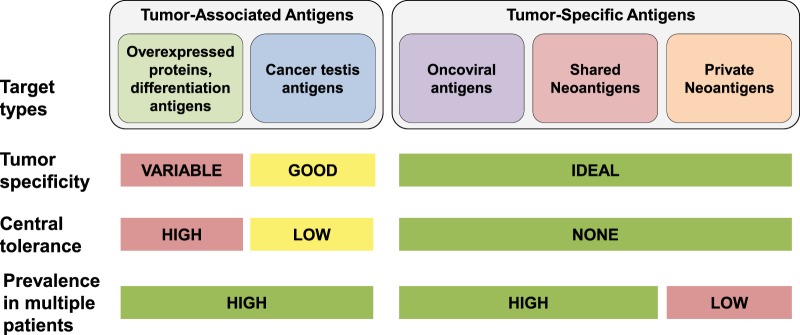
“Central tolerance ‘high’ (antigen physiologically expressed in healthy tissues), ‘low’ (central tolerance present but antigens restricted to immune-privileged sites), or ‘none’ (no evidence of immunological tolerance).(18,22) G.”
Naser, R., Dilabazian, H., Bahr, H., Barakat, A., & El‐Sibai, M. (2022) · Oncology Reports · doi:10.3892/or.2022.8405 · Cited by 65
Tumor response assessment on imaging following immunotherapy
Berz, A. M., Dromain, C., Violi, N. V., Boughdad, S., & Durán, R. (2022) · Frontiers in Oncology · doi:10.3389/fonc.2022.982983 · Cited by 68
The quest for nanoparticle-powered vaccines in cancer immunotherapy
Sun, Z., Zhao, H., Ma, L., Shi, Y., Ji, M., Sun, X., Ma, D., Zhou, W., Huang, T., & Zhang, D. (2024) · Journal of Nanobiotechnology · doi:10.1186/s12951-024-02311-z · Cited by 72
Messenger RNA vaccines for cancer immunotherapy: progress promotes promise
Huff, A. L., Jaffee, E. M., & Zaidi, N. (2022) · Journal of Clinical Investigation · doi:10.1172/jci156211 · Cited by 66
“Nota-bly, 27% of patients with stage III or stage IV melanoma who were immunized using dendritic cells loaded with mRNA encoding the melanoma-associated antigens MAGE-A3, MAGE-C2, tyrosinase, gp100, and TriMix showed tumor regressions (179).”
Catanzaro, E., Féron, O., Skirtach, A. G., & Krysko, D. V. (2022) · Frontiers in Immunology · doi:10.3389/fimmu.2022.925290 · Cited by 63
“At the two extremes, tolerogenic phagocytosis leads to act ive immunosuppression, while immunogenic phagocytosis promotes immunostimulatory clearance of cancer cell corpses (107).”
BackgroundRole of the tumor microenvironment in cancer hallmarks and targeted therapy (Review)
Naser, R., Fakhoury, I., El‑Fouani, A., Abi‑Habib, R., & El‑Sibai, M. (2022) · International Journal of Oncology · doi:10.3892/ijo.2022.5471 · Cited by 61
Backlund, C. M., Holden, R. L., Moynihan, K. D., Garafola, D., Farquhar, C., Mehta, N. K., Maiorino, L., Pham, S., Iorgulescu, J. B., Reardon, D. A., et al. (2022) · Proceedings of the National Academy of Sciences · doi:10.1073/pnas.2204078119 · Cited by 61
Silk Particles as Carriers of Therapeutic Molecules for Cancer Treatment
Florczak, A., Grzechowiak, I., Deptuch, T., Kucharczyk, K., Kamińska, A., & Dams‐Kozlowska, H. (2020) · Materials · doi:10.3390/ma13214946 · Cited by 63
“It stimulates the patient’s immune system to form a cellular response against the tumor antigens to eliminate cancer cells eventually [126].”
BackgroundBiosynthetic neoantigen displayed on bacteria derived vesicles elicit systemic antitumour immunity
Meng, F., Li, L., Zhang, Z., Lin, Z., Zhang, J., Song, X., Xue, T., Xing, C., Liang, X., & Zhang, X. (2022) · Journal of Extracellular Vesicles · doi:10.1002/jev2.12289 · Cited by 67
Turbitt, W. J., Rosean, C. B., Weber, K. S., & Norian, L. A. (2020) · Immunological Reviews · doi:10.1111/imr.12849 · Cited by 62
Overcoming physiological barriers by nanoparticles for intravenous drug delivery to the lymph nodes
Trac, N. T., & Chung, E. J. (2021) · Experimental Biology and Medicine · doi:10.1177/15353702211010762 · Cited by 64
Huemer, F., Leisch, M., Geisberger, R., Melchardt, T., Rinnerthaler, G., Zaborsky, N., & Greil, R. (2020) · International Journal of Molecular Sciences · doi:10.3390/ijms21082856 · Cited by 62
“Neoantigens arising from mutations or oncogenic viral antigens may represent more specific and more efficient targets for vaccination strategies [67].”
BackgroundSharma, P., & Otto, M. (2023) · Bioactive Materials · doi:10.1016/j.bioactmat.2023.08.022 · Cited by 67
The paradigm shift in treatment from Covid-19 to oncology with mRNA vaccines
Wei, J., & Hui, A.-M. (2022) · Cancer Treatment Reviews · doi:10.1016/j.ctrv.2022.102405 · Cited by 57
“Furthermore, unlike DNA, which must overcome the second barrier, the nuclear membrane, to reach the nucleus, RNA just needs to enter the cytoplasm [21].”
InfluentialTumor antigens heterogeneity and immune response-targeting neoantigens in breast cancer
Benvenuto, M., Focaccetti, C., Izzi, V., Masuelli, L., Modesti, A., & Bei, R. (2019) · Seminars in Cancer Biology · doi:10.1016/j.semcancer.2019.10.023 · Cited by 64
“In fact, an updated and detailed description of the entirety of the antigens comprising a tumor mass was given by Hollingsworth and Jansen [23] and J ur n l P re -p ro of divides the molecules into two main categories: tumor-associated antigens (TAAs) and tumorspecific antigens (TSAs) (Fig.”
BackgroundBreast cancer vaccines: Heeding the lessons of the past to guide a path forward
Solinas, C., Aiello, M. M., Migliori, E., Willard-Gallo, K. E., & Emens, L. A. (2019) · Cancer Treatment Reviews · doi:10.1016/j.ctrv.2019.101947 · Cited by 57
“, chemotherapy and targeted therapies) [26,27]; and (5) mechanisms of immune escape, including alterations in Ag processing machinery [28–30], the loss of Human Leukocyte Ag class I (HLA-I) expression [31], and the down-regulation of tumor Ag expression [32,33].”
BackgroundRosenbaum, P., Artaud, C., Bay, S., Ganneau, C., Campone, M., Delaloge, S., Gourmelon, C., Loirat, D., Médioni, J., Pein, F. J. L., et al. (2020) · Cancer Immunology Immunotherapy · doi:10.1007/s00262-020-02503-0 · Cited by 62
Nanomedicine at the crossroads – A quick guide for IVIVC
Mast, M.-P., Modh, H., Champanhac, C., Wang, J., Storm, G., Krämer, J., Mailänder, V., Pastorin, G., & Wacker, M. G. (2021) · Advanced Drug Delivery Reviews · doi:10.1016/j.addr.2021.113829 · Cited by 60
Screening Cancer Immunotherapy: When Engineering Approaches Meet Artificial Intelligence
Zhou, X., Qu, M., Tebon, P. J., Jiang, X., Wang, C., Xue, Y., Zhu, J., Zhang, S., Öklü, R., Sengupta, S., et al. (2020) · Advanced Science · doi:10.1002/advs.202001447 · Cited by 60
Nano-immunotherapy for each stage of cancer cellular immunity: which, why, and what?
Zuo, S., Song, J., Zhang, J., He, Z., Sun, B., & Sun, J. (2021) · Theranostics · doi:10.7150/thno.59953 · Cited by 57
“First, “signal barriers”, such as over-expression of immunosuppressive signals, or lack of recruiting cytokines, restrict the homing of CD8+ T cells to the tumor [60].”
BackgroundmRNA vaccines in the prevention and treatment of diseases
Gu, Y., Duan, J., Yang, N., Yang, Y., & Zhao, X. (2022) · MedComm · doi:10.1002/mco2.167 · Cited by 58
Engineered Cancer Nanovaccines: A New Frontier in Cancer Therapy
Wang, Y., Liu, C., Fang, C., Peng, Q., Qin, W., Yan, X., & Zhang, K. (2024) · Nano-Micro Letters · doi:10.1007/s40820-024-01533-y · Cited by 64
“The advancement of cancer nanovaccines is mainly dependent on antigen-presenting cells, like DCs, to stimulate T-cell immune reactions for the eradication of tumors [23, 222, 223].”
InfluentialAdenovirus and Immunotherapy: Advancing Cancer Treatment by Combination
Sato‐Dahlman, M., LaRocca, C. J., Yanagiba, C., & Yamamoto, M. (2020) · Cancers · doi:10.3390/cancers12051295 · Cited by 57
“To overcome these issues, a number of combination approaches, such as administration of multiple types of viral vaccinations or using cancer vaccines in combination with immune checkpoint inhibitors, have been tested in both preclinical and clinical trials in the cancer vaccine field [30].”
BackgroundIn Situ Tumor Vaccine for Lymph Nodes Delivery and Cancer Therapy Based on Small Size Nanoadjuvant
Zhang, H., Zhang, Y., Hu, H., Yang, W., Xia, X., Lei, L., Lin, R., Li, J., Li, Y., & Gao, H. (2023) · Small · doi:10.1002/smll.202301041 · Cited by 57
McGray, A. R., Huang, R.-Y., Battaglia, S., Eppolito, C., Miliotto, A. J., Stephenson, K. B., Lugade, A. A., Webster, G., Lichty, B. D., Seshadri, M., et al. (2019) · Journal for ImmunoTherapy of Cancer · doi:10.1186/s40425-019-0641-x · Cited by 60
Personalized cancer vaccination in head and neck cancer
Shibata, H., Zhou, L., Xu, N., Egloff, A. M., & Uppaluri, R. (2021) · Cancer Science · doi:10.1111/cas.14784 · Cited by 58
Nanomaterial-based delivery vehicles for therapeutic cancer vaccine development
Liang, J., & Zhao, X. (2021) · Cancer Biology and Medicine · doi:10.20892/j.issn.2095-3941.2021.0004 · Cited by 56
Therapeutic Vaccination for HPV-Mediated Cancers
Yan, F., Cowell, L. G., Tomkies, A., & Day, A. T. (2023) · Current Otorhinolaryngology Reports · doi:10.1007/s40136-023-00443-8 · Cited by 56
Hsu, C., Pallathadka, H., Jasim, S. A., Rizaev, J. A., Bokov, D. O., Hjazi, A. M., Mahajan, S., Mustafa, Y. F., Husseen, B., & Jawad, M. A. (2024) · Critical Reviews in Oncology/Hematology · doi:10.1016/j.critrevonc.2024.104588 · Cited by 59
Firdessa-Fite, R., & Creusot, R. J. (2020) · Molecular Therapy - Methods & Clinical Development · doi:10.1016/j.omtm.2019.10.015 · Cited by 53
Natural Compounds with Potential to Modulate Cancer Therapies and Self-Reactive Immune Cells
Moody, R., Wilson, K., Jaworowski, A., & Plebanski, M. (2020) · Cancers · doi:10.3390/cancers12030673 · Cited by 58
“Mostly, these revolve around the facts that cancer antigens are not well defined, or derived from self-antigens, and the cancer TME is highly suppressive towards activating an immune response which requires potent adjuvant systems or cellular therapy to overcome this [22,73].”
BackgroundMicrofluidic technologies for immunotherapy studies on solid tumours
Paterson, K., Zanivan, S. R., Glasspool, R. M., Coffelt, S. B., & Zagnoni, M. (2021) · Lab on a Chip · doi:10.1039/d0lc01305f · Cited by 54
Polymeric Micelles in Cancer Immunotherapy
Wan, Z., Zheng, R., Moharil, P., Liu, Y., Chen, J., Sun, R., Song, X., & Ao, Q. (2021) · Molecules · doi:10.3390/molecules26051220 · Cited by 56
Emerging advances in synthetic cancer nano-vaccines: opportunities and challenges
Ahmad, M. Z., Ahmad, J., Haque, A., Alasmary, M. Y., Abdel‐Wahab, B. A., & Akhter, S. (2020) · Expert Review of Vaccines · doi:10.1080/14760584.2020.1858058 · Cited by 52
“It includes MAGE expressed on germinal cells (e.g., MAGE-A1, MAGE-A3, and NY-ESO-1) [10], Trp1/Trp2 (melanoma), prostate-specific antigen (PSA), Her2/neu (expressed on breast cancer), MUC1 (lung cancer), hTERT, tyrosinase, mesothelin gp100, MART-1 and so on [11].”
Rawding, P. A., Bu, J., Wang, J., Kim, D., Drelich, A. J., Kim, Y. S., & Hong, S. (2021) · Wiley Interdisciplinary Reviews Nanomedicine and Nanobiotechnology · doi:10.1002/wnan.1752 · Cited by 52
Elastic Nanovaccine Enhances Dendritic Cell‐Mediated Tumor Immunotherapy
Li, Q., Teng, Z., Tao, J., Shi, W., Yang, G., Zhang, Y., Su, X., Chen, L., Xiu, W., Yuwen, L., et al. (2022) · Small · doi:10.1002/smll.202201108 · Cited by 52
Fischer, R. J., Purushotham, J. N., van Doremalen, N., Sebastian, S., Meade-White, K. D., Cordova, K., Letko, M. C., Matson, M. J., Feldmann, F., Haddock, E., et al. (2021) · npj Vaccines · doi:10.1038/s41541-021-00291-x · Cited by 54
Hou, J., He, Z., Liu, T., Chen, D., Wang, B., Wen, Q., & Zheng, X. (2022) · Frontiers in Oncology · doi:10.3389/fonc.2022.755053 · Cited by 59
“Tumor-specific antigens (TSAs) are strictly specific to tumors, which often arise from mutated neoantigens (131, 132).”
BackgroundNext-generation therapies for pancreatic cancer
Buckley, C. W., & O'Reilly, E. M. (2024) · Expert Review of Gastroenterology & Hepatology · doi:10.1080/17474124.2024.2322648 · Cited by 54
“The GVAX (granulocyte-macrophage colony-stimulating factor vaccine) is long-studied in PDAC and is currently under investigation in combination with urelumab (an anti-CD137 agonist) and nivolumab in patients with resectable PDAC (NCT02451982) [145,146].”
BackgroundEmery, A., Moore, S. E., Turner, J. E., & Campbell, J. P. (2022) · Frontiers in Oncology · doi:10.3389/fonc.2022.788113 · Cited by 54
“, cancer-germline antigens and cell lineage differentiation antigens) (44, 45).”
BackgroundSrivastava, A. K., Guadagnin, G., Cappello, P., & Novelli, F. (2022) · Cancers · doi:10.3390/cancers15010138 · Cited by 52
“These vaccines typically involve exogenous administration of selected tumor antigens combined with adjuvants that activate dendritic cells (DCs) as antigen presenting cells, or even DCs themselves previously loaded with the tumor antigen [23].”
Immunology‐Guided Biomaterial Design for Mucosal Cancer Vaccines
Ferber, S., Gonzalez, R. J., Cryer, A. M., von Andrian, U. H., & Artzi, N. (2019) · Advanced Materials · doi:10.1002/adma.201903847 · Cited by 50
T‐cell receptor affinity in the age of cancer immunotherapy
Hoffmann, M. M., & Slansky, J. E. (2020) · Molecular Carcinogenesis · doi:10.1002/mc.23212 · Cited by 52
Therapeutic Liposomal Vaccines for Dendritic Cell Activation or Tolerance
Nagy, N. A., de Haas, A. M., Geijtenbeek, T. B. H., van Ree, R., Tas, S. W., van Kooyk, Y., & de Jong, E. C. (2021) · Frontiers in Immunology · doi:10.3389/fimmu.2021.674048 · Cited by 52
“The prophylactic and therapeutic effect of OVA mRNA-loaded nanoparticles as vaccine against OVA expressing lymphoma in an in vivo mouse model is increased when R848 is added, and results in increased TAA presentation and antigen specific CD8+ T cell populations (123).”
BackgroundInfluentialWell‐Defined Mannosylated Polymer for Peptide Vaccine Delivery with Enhanced Antitumor Immunity
Lv, S., Song, K., Yen, A., Peeler, D. J., Nguyen, D. C., Olshefsky, A., Sylvestre, M., Srinivasan, S., Stayton, P. S., & Pun, S. H. (2021) · Advanced Healthcare Materials · doi:10.1002/adhm.202101651 · Cited by 49
Poly-γ-glutamic acid nanoparticles as adjuvant and antigen carrier system for cancer vaccination
Mohammadzadeh, V., Rahiman, N., Cabral, H., Quader, S., Zirak, M. R., Yazdi, M. E. T., Jaafari, M. R., & Alavizadeh, S. H. (2023) · Journal of Controlled Release · doi:10.1016/j.jconrel.2023.08.049 · Cited by 50
Zhao, Q., Zong, H., Zhu, P., Su, C., Tang, W., Chen, Z., & Jin, S. (2024) · Experimental Hematology and Oncology · doi:10.1186/s40164-024-00474-x · Cited by 50
“With the rise of tumor immunotherapy represented by ICIs and CAR-T cells, the research on tumor vaccines has ushered in a revival [251].”
BackgroundBouzid, R., Peppelenbosch, M. P., & Buschow, S. I. (2020) · Cancers · doi:10.3390/cancers12051121 · Cited by 52
“Short peptides (<15 amino acids (AA)) are convenient because of their ability to directly bind MHC, but short peptides are MHC subtype restricted and may also induce tolerance or on-target off- tumor toxicity by binding to MHC on non-professional APCs [38,51,100].”
BackgroundInfluentialThe State-of-the-Art of Phase II/III Clinical Trials for Targeted Pancreatic Cancer Therapies
García-Sampedro, A., Gaggia, G., Ney, A., Mahamed, I., & Acedo, P. (2021) · Journal of Clinical Medicine · doi:10.3390/jcm10040566 · Cited by 51
Cationic Nanoparticle-Based Cancer Vaccines
Heuts, J., Jiskoot, W., OSSENDORP, F. A., & van der Maaden, K. (2021) · Pharmaceutics · doi:10.3390/pharmaceutics13050596 · Cited by 48
He, R., Lao, Y., Yu, W., Zhang, X., Jiang, M., & Zhu, C. (2021) · Frontiers in Oncology · doi:10.3389/fonc.2021.764618 · Cited by 48
Engineered mRNA Delivery Systems for Biomedical Applications
Wang, J., Zhu, H., Gan, J., Liang, G., Li, L., & Zhao, Y. (2024) · Advanced Materials · doi:10.1002/adma.202308029 · Cited by 50
Monoclonal Antibody-Based Immunotherapy and Its Role in the Development of Cardiac Toxicity
Kumar, M., Thangavel, C., Becker, R. C., & Sadayappan, S. (2020) · Cancers · doi:10.3390/cancers13010086 · Cited by 48
“Cancer vaccines [14] allow the immune system to identify tumorous threats according to their specific antigens and then mount the proper response.”
BackgroundPreclinical models and technologies to advance nanovaccine development
Peres, C., Matos, A. I., Moura, L. I. F., Acúrcio, R. C., Carreira, B., Pozzi, S., Vaskovich‐Koubi, D., Kleiner, R., Satchi‐Fainaro, R., & Florindo, H. F. (2021) · Advanced Drug Delivery Reviews · doi:10.1016/j.addr.2021.03.001 · Cited by 48
Tumor-derived systems as novel biomedical tools—turning the enemy into an ally
Desai, N., Katare, P., Makwana, V., Salave, S., Vora, L. K., & Giri, J. (2023) · Biomaterials Research · doi:10.1186/s40824-023-00445-z · Cited by 48
Therapeutic synthetic and natural materials for immunoengineering
Slezak, A., Chang, K., Hossainy, S., Mansurov, A., Rowan, S. J., Hubbell, J. A., & Guler, M. O. (2024) · Chemical Society Reviews · doi:10.1039/d3cs00805c · Cited by 46
Immunotherapies for pediatric cancer: current landscape and future perspectives
Hutzen, B., Paudel, S. N., Naeimi Kararoudi, M., Cassady, K. A., Lee, D. A., & Cripe, T. P. (2019) · Cancer and Metastasis Reviews · doi:10.1007/s10555-019-09819-z · Cited by 44
“Regardless of what form they take, cancer vaccines present tumor-associated antigens complexed withMHCmolecules to B and T lymphocytes, setting off a cascade of events that ultimately promote an antitumor immune response [125].”
BackgroundAdvanced nano-based strategies for mRNA tumor vaccine
Qu, Y., Xu, J., Zhang, T., Chen, Q., Sun, T., & Jiang, C. (2023) · Acta Pharmaceutica Sinica B · doi:10.1016/j.apsb.2023.07.025 · Cited by 46
“In this process, achieving successful transfection and escaping lysosomal degradation are key points, which decide the amount of antigen that can be ultimately expressed and the intensity of cellular immune response 63 .”
BackgroundEmerging Immunotherapy Approaches for Treating Prostate Cancer
Meng, L., Yang, Y., Mortazavi, A., & Zhang, J. (2023) · International Journal of Molecular Sciences · doi:10.3390/ijms241814347 · Cited by 44
“Numerous peptide vaccines targeting prostate cancer antigens have embarked on early-phase clinical trials, with some rendering promising preliminary outcomes [151].”
Repurposing Infectious Diseases Vaccines Against Cancer
Vandeborne, L., Pantziarka, P., Nuffel, A. M. T. V., & Bouche, G. (2021) · Frontiers in Oncology · doi:10.3389/fonc.2021.688755 · Cited by 45
“However, BCG has been the exception rather than the rule and the lack of tumor-specific effects of this approach has led cancer vaccine researchers to explore alternative approaches, including the use of existing vaccines as initial vectors to develop tumor-specific vaccines (8).”
BackgroundMethodThe promise and perils of immunotherapy
Lesch, S., & Gill, S. I. (2021) · Blood Advances · doi:10.1182/bloodadvances.2021004453c · Cited by 48
Liang, J., Cheng, K., Li, Y., Xu, J., Chen, Y., Ma, N., Feng, Q., Zhu, F., Ma, X., Zhang, T., et al. (2021) · Fundamental Research · doi:10.1016/j.fmre.2021.11.032 · Cited by 44
The role of RHAMM in cancer: Exposing novel therapeutic vulnerabilities
Hinneh, J. A., Gillis, J. L., Moore, N. L. T., Butler, L. M., & Centenera, M. M. (2022) · Frontiers in Oncology · doi:10.3389/fonc.2022.982231 · Cited by 45
Liu, T., Si, X., Liu, L., Ma, S., Huang, Z., Zhang, Y. X., Song, W., Zhang, Y., & Chen, X. (2024) · ACS Nano · doi:10.1021/acsnano.3c08376 · Cited by 43
Hansen, S. B., Unal, B., Kuzu, O. F., & Saatcioglu, F. (2024) · Theranostics · doi:10.7150/thno.100555 · Cited by 45
“Several detailed reviews have been published in recent years that incorporate advances in cancer vaccine strategies with a discussion of antigen selection for maximizing benefit in the clinic [50, 51].”
BackgroundEpigenomics and immunotherapeutic advances in pediatric brain tumors
Abedalthagafi, M., Mobark, N. A., Alrashed, M. M., & Alharbi, M. (2021) · npj Precision Oncology · doi:10.1038/s41698-021-00173-4 · Cited by 45
Extracellular Vesicles and Their Current Role in Cancer Immunotherapy
Giacobino, C., Canta, M., Fornaguera, C., Borrós, S., & Cauda, V. (2021) · Cancers · doi:10.3390/cancers13092280 · Cited by 49
Wu, X., Ye, J., DeLaitsch, A. T., Rashidijahanabad, Z., Lang, S., Kakeshpour, T., Zhao, Y., Ramadan, S., Saavedra, P. V., Yuzbasiyan‐Gurkan, V., et al. (2021) · Angewandte Chemie International Edition · doi:10.1002/anie.202108610 · Cited by 43
A novel immunopeptidomic-based pipeline for the generation of personalized oncolytic cancer vaccines
Feola, S., Chiaro, J., Martins, B., Russo, S., Fusciello, M., Ylösmäki, E. O., Bonini, C., Ruggiero, E., Hamdan, F., Feodoroff, M., et al. (2022) · eLife · doi:10.7554/elife.71156 · Cited by 47
Lipid Nanoparticles for mRNA Delivery to Enhance Cancer Immunotherapy
Wang, H., Wang, Z.-G., & Liu, S. (2022) · Molecules · doi:10.3390/molecules27175607 · Cited by 47
“Early therapeutic vaccination strategies focused on self-antigens that are aberrantly expressed or overexpressed in tumors, called tumor-associated antigens (TAAs)—but TAA-specific T cells are affected by central and/or peripheral tolerance—lack tumor specificity and have poor immunogenicity [63].”
BackgroundNanotechnology for next-generation cancer immunotherapy: State of the art and future perspectives
Chen, Y. (2023) · Journal of Controlled Release · doi:10.1016/j.jconrel.2023.02.016 · Cited by 46
Cancer immunotherapies: A hope for the uncurable?
Hamdan, F., & Cerullo, V. (2023) · Frontiers in Molecular Medicine · doi:10.3389/fmmed.2023.1140977 · Cited by 45
“The main mode of action was shown to be attributed to the activation of DCs and increased antigen presentation.”
BackgroundWang, X., Zhang, Y., Chung, Y., Tu, C. R., Zhang, W., Mu, X., Wang, M., Chan, G., Leung, W. H., Lau, Y., et al. (2023) · Journal of Extracellular Vesicles · doi:10.1002/jev2.12360 · Cited by 44
Recent progress in cancer vaccines and nanovaccines
Poudel, K., Vithiananthan, T., Kim, J. O., & Tsao, H. (2024) · Biomaterials · doi:10.1016/j.biomaterials.2024.122856 · Cited by 43
The Current Lung Cancer Neoantigen Landscape and Implications for Therapy
Ye, L., Creaney, J., Redwood, A., & Robinson, B. W. S. (2021) · Journal of Thoracic Oncology · doi:10.1016/j.jtho.2021.01.1624 · Cited by 44
Aamdal, E., Inderberg, E. M., Ellingsen, E. B., Rasch, W., Brunsvig, P. F., Aamdal, S., Heintz, K., Vodák, D., Nakken, S., Hovig, E. J., et al. (2021) · Frontiers in Immunology · doi:10.3389/fimmu.2021.663865 · Cited by 46
“Hence, priming anti-tumor immune responses by therapeutic cancer vaccines with tumor-related antigens before or during treatment may improve outcomes with checkpoint inhibitors (6).”
BackgroundTherapeutic Vaccines Targeting Neoantigens to Induce T-Cell Immunity against Cancers
Pao, S.-C., Chu, M.-T., & Chung, W. (2022) · Pharmaceutics · doi:10.3390/pharmaceutics14040867 · Cited by 52
“Cancer vaccines have been rapidly developed as a practical method to boost target-specific humoral and cellular immunity and induce long-lasting immune protection [7].”
Molecular targeted therapy: A new avenue in glioblastoma treatment (Review)
Atat, O. E., Naser, R., Abdelkhalek, M., Abi‐Habib, R. J., & El‐Sibai, M. (2022) · Oncology Letters · doi:10.3892/ol.2022.13632 · Cited by 52
Combining therapeutic vaccines with chemo- and immunotherapies in the treatment of cancer
Kerr, M. D., McBride, D. A., Chumber, A. K., & Shah, N. J. (2020) · Expert Opinion on Drug Discovery · doi:10.1080/17460441.2020.1811673 · Cited by 44
Immunotherapy approaches for the treatment of diffuse midline gliomas
Bernstock, J. D., Hoffman, S. E., Kappel, A. D., Valdes, P. A., Essayed, W. I., Klinger, N. V., Kang, K., Totsch, S. K., Olsen, H. E., Schlappi, C., et al. (2022) · OncoImmunology · doi:10.1080/2162402x.2022.2124058 · Cited by 44
Cancer Vaccines in the Immunotherapy Era: Promise and Potential
Verma, C., Pawar, V. A., Srivastava, S., Tyagi, A., Kaushik, G., Shukla, S. K., & Kumar, V. (2023) · Vaccines · doi:10.3390/vaccines11121783 · Cited by 44
“One of the first clinical studies for vaccine development was established from patient’s tumor cells.”
BackgroundSafety evaluation of the canine osteosarcoma vaccine, live Listeria vector
Musser, M. L., Berger, E. P., Tripp, C. D., Clifford, C. A., Bergman, P. J., & Johannes, C. M. (2020) · Veterinary and Comparative Oncology · doi:10.1111/vco.12642 · Cited by 41
“20 Listeria is a gram-positive bacterium that typically infects epithelial cells of the small intestine.”
Vaccination-based immunotherapy to target profibrotic cells in liver and lung
Sobecki, M., Chen, J., Krzywińska, E., Nagarajan, S., Fan, Z., Nelius, E., Rodríguez, J. M. M., Seehusen, F., Hussein, A., Moschini, G., et al. (2022) · Cell stem cell · doi:10.1016/j.stem.2022.08.012 · Cited by 42
Natural polysaccharides exert anti-tumor effects as dendritic cell immune enhancers
Xiong, H., Han, X., Cai, L., & Zheng, H. (2023) · Frontiers in Oncology · doi:10.3389/fonc.2023.1274048 · Cited by 42
“Cancer vaccines have been shown to trigger T cell-mediated anti-tumor immune responses using tumor-associated antigens (TAAs) (5).”
BackgroundKaumaya, P. T. P. (2020) · Future Oncology · doi:10.2217/fon-2020-0224 · Cited by 43
“An excellent review by Hollingsworth and Jansen [10] summarizes the recent advances in the field of therapeutic vaccines.”
Varshney, D., Qiu, S. Y., Graf, T. P., & McHugh, K. J. (2021) · The AAPS Journal · doi:10.1208/s12248-021-00620-x · Cited by 48
Metadata
- Authors
- Hollingsworth, R. E., & Jansen, K.
- Affiliations
- Pfizer (United States) (US)
- Corresponding author
- Jansen, Kathrin
- Venue
- npj Vaccines
- Published
- 2019-02-08
- Volume
- 4
- Issue
- 1
- Pages
- 7-7
- ISSN
- 2059-0105 (ISSN-L)
- PMC
- PMC6368616
- OpenAlex
- W2913400417
- Cited by
- 689
- References
- 165
- Citations by year
- 2026: 30 · 2025: 71 · 2024: 100 · 2023: 83 · 2022: 120 · 2021: 161 · 2020: 101 · 2019: 23
- FWCI
- 8.73
- Type
- journal article
- Language
- en
- Open access
- gold
- doi.org
- Licence
- cc-by
- creativecommons.org/licenses/by/4.0 (tdm)
- creativecommons.org/licenses/by/4.0 (vor)
- Locations
- npj Vaccines (publishedVersion, cc-by)
- Europe PMC (PubMed Central) (publishedVersion, cc-by)
- PubMed Central (publishedVersion, cc-by)
- PubMed (publishedVersion)
- DOAJ (DOAJ: Directory of Open Access Journals) (submittedVersion)
- Topics
- Life Sciences › Immunology and Microbiology › Immunology › Immunotherapy and Immune Responses
- Health Sciences › Medicine › Oncology › Cancer Immunotherapy and Biomarkers
- Life Sciences › Immunology and Microbiology › Immunology › T-cell and B-cell Immunology
- Keywords
- therapeutic cancer vaccines, tumor antigens, tumor-associated antigens, neoantigens, personalized cancer immunotherapy, vaccine immunogenicity, tumor specificity, tumor immunosuppression, tumor immune evasion, combination immunotherapy
About these checks
Registry, retraction, Cites and statistics results are computed, not judged, with one exception: a printed reference that no index lists is read once by a model before it counts as a citation error. Claims are extracted by a model and kept only when their quote appears verbatim in the text; each cited source is then checked, with a model’s help, for whether it says what the claim relies on. Those verdicts can be wrong — read the claim’s quote and the cited source before relying on one.
Statistics and arithmetic are recomputed, not judged.
Confidence bands are shown only for fields calibrated on our annotated test set. None is calibrated yet, so no band is shown.
What counts as a claim ›How we measure confidence ›How we check this ›
Are you an author, or do you see a problem with this page? Request a review
Data sources
Bibliographic data: Semantic Scholar, OpenAlex, Crossref.
Contains information from the Semantic Scholar Academic Graph Datasets, made available under the ODC Attribution License (ODC-BY 1.0).
Semantic Scholar’s data is described in: Kinney, R., et al. (2023). The Semantic Scholar Open Data Platform. arXiv:2301.10140.
