

The DOI matches its Crossref record; 68 of the 68 references it cites were found in a registry or an index.
The promise of mRNA vaccines: a biotech and industrial perspective
Open accessAbstract
mRNA technologies have the potential to transform areas of medicine, including the prophylaxis of infectious diseases. The advantages for vaccines range from the acceleration of immunogen discovery to rapid response and multiple disease target manufacturing. A greater understanding of quality attributes that dictate translation efficiency, as well as a comprehensive appreciation of the importance of mRNA delivery, are influencing a new era of investment in development activities. The application of translational sciences and growing early-phase clinical experience continue to inform candidate vaccine selection. Here we review the state of the art for the prevention of infectious diseases by using mRNA and pertinent topics to the biotechnology and pharmaceutical industries.
Overview
The claims and statistics of this paper haven’t been checked yet.
Run the check — free, no account needed. It reads the open-access text and checks the sources it cites.
Integrity signals
Registry
Cites
Statistics
Figures
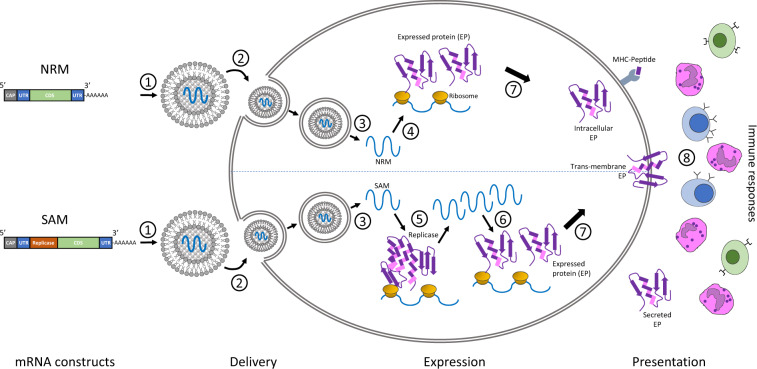
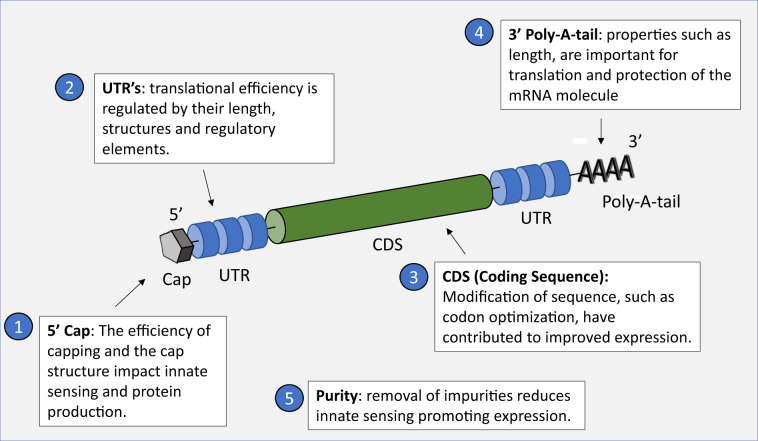
Verification
Claims the paper makes
The claims and statistics of this paper haven’t been checked yet.
Run the check — free, no account needed. It reads the open-access text and checks the sources it cites.
Claims other papers make about this one
Each is checked against this paper’s own text: does it say what the citing paper says it does?
The source backs part of the claim, not all of it — or backs it for a different population, condition or comparison.
In the citing paper
“Messenger RNA (mRNA)-based therapy recently emerged as an effective platform for treatment of infectious diseases and cancer (Jackson et al., 2020; Mascola and Fauci, 2020).”
From A thermostable mRNA vaccine against COVID-19 (2020) · cites this paper as Jackson et al., 2020
Experimental — accuracy not yet measuredThe source backs part of the claim, not all of it — or backs it for a different population, condition or comparison.
In the citing paper
“mRNA vaccines still suffer from decreased efficacy due to poor RNA stability in solution and in vivo and to limited expression of the payload mRNA; these are all pivotal issues that need to be carefully optimized for preclinical and clinical applications3–6.”
From Combinatorial optimization of mRNA structure, stability, and translation for RNA-based therapeutics (2022) · cites this paper as [4]
Experimental — accuracy not yet measured
Self-check
Percentages, sums and reported differences re-computed from the paper’s own numbers.
The self-check needs the paper’s full text.
Citations
Cites
mRNA vaccines — a new era in vaccinology
Pardi, N., Hogan, M. J., Porter, F. W., & Weissman, D. (2018) · Nature Reviews Drug Discovery · doi:10.1038/nrd.2017.243 · Cited by 4,667 · cited 1×
“3 SAM differs with the inclusion of genetic replication machinery derived from positive-stranded mRNA viruses, most commonly from alphaviruses such as Sindbis and Semliki-Forest viruses.”
BackgroundOligoribonucleotide synthesis using T7 RNA polymerase and synthetic DNA templates.
Milligan, J., Groebe, D., Witherell, G. W., & Uhlenbeck, O. (1987) · Nucleic Acids Research · doi:10.1093/nar/15.21.8783 · Cited by 1,971 · cited 1×
“First, the purity of the mRNA is a crucial determinant of yields, and it is known that the DNA-dependent RNA polymerases yield smaller oligoribonucleotide impurities as a result of abortive initiation events, 11 as well as double-stranded (ds) RNA generated by self-complementary 3′ extension, 12 which can result in ty…”
BackgroundThe Many Pathways of RNA Degradation
Houseley, J. M., & Tollervey, D. W. (2009) · Cell · doi:10.1016/j.cell.2009.01.019 · Cited by 1,220 · cited 1×
“32, 33 This has been an intense area of research in the field, for which lipid nanoparticle (LNP) formulations are currently emerging as a leading category.”
BackgroundDelivering the Messenger: Advances in Technologies for Therapeutic mRNA Delivery
Kowalski, P. S., Rudra, A., Miao, L., & Anderson, D. G. (2019) · Molecular Therapy · doi:10.1016/j.ymthe.2019.02.012 · Cited by 1,127
Codon Optimality Is a Major Determinant of mRNA Stability
Presnyak, V., Alhusaini, N., Chen, Y.-H., Martin, S., Morris, N., Kline, N., Olson, S., Weinberg, D., Baker, K. E., Graveley, B. R., et al. (2015) · Cell · doi:10.1016/j.cell.2015.02.029 · Cited by 1,078 · cited 1×
“49, 50 Additional sites within the mRNA construct are available for optimization as well.”
BackgroundFunctional 5′ UTR mRNA structures in eukaryotic translation regulation and how to find them
Leppek, K., Das, R., & Barna, M. (2018) · Nature Reviews Molecular Cell Biology · doi:10.1038/nrm.2017.103 · Cited by 949
Karikó, K., Muramatsu, H., Ludwig, J., & Weissman, D. (2011) · Nucleic Acids Research · doi:10.1093/nar/gkr695 · Cited by 898
Zika virus protection by a single low-dose nucleoside-modified mRNA vaccination
Pardi, N., Hogan, M. J., Pelc, R. S., Muramatsu, H., Andersen, H., DeMaso, C. R., Dowd, K. A., Sutherland, L. L., Scearce, R. M., Parks, R., et al. (2017) · Nature · doi:10.1038/nature21428 · Cited by 884 · cited 1×
“[41] [42] [43] [44] Much of the focus of the continued development of such LNP carrier systems involves optimization of the ionizable lipid component, with particular focus on the acid dissociation constant (pKa) and fusogenic properties (both of the ionizable component as well as helper lipid[s]), which have been dem…”
BackgroundSabnis, S., Kumarasinghe, E. S., Salerno, T., Mihai, C., Ketova, T., Senn, J. J., Lynn, A., Bulychev, A., McFadyen, I., Chan, J., et al. (2018) · Molecular Therapy · doi:10.1016/j.ymthe.2018.03.010 · Cited by 820 · cited 1×
“[45] [46] [47] [48] Next-generation LNPs may include specific targeting motifs for homing and uptake by professional antigen-presenting cells, such as dendritic cells (DC).”
BackgroundZüst, R., Cervantes-Barragan, L., Habjan, M., Maier, R., Neuman, B. W., Ziebuhr, J., Szretter, K. J., Baker, S. C., Barchet, W., Diamond, M. S., et al. (2011) · Nature Immunology · doi:10.1038/ni.1979 · Cited by 811 · cited 1×
“20 Manufacturers of mRNA vaccines pay careful attention to the choice of enzyme and reaction conditions, in order to catalyze the highest percentage of cap formation.”
Background
Research works printed but not linked: 1
- Wu, M. et al. Effect of mRNA modifications on translational fidelity. in Proc. Poster presented at 6th International mRNA (INTERPLAN Congress, Boston, MA, 2018).
Cited by
Sorted by citations
Items 101–200 of 499
Gau, B. C., Dawdy, A., Wang, H. L., Bare, B., Castaneda, C. H., Friese, O. V., Thompson, M. S., Lerch, T. F., Cirelli, D. J., & Rouse, J. C. (2023) · Scientific Reports · doi:10.1038/s41598-023-36193-2 · Cited by 46
Biomimetic Nanomaterial Strategies for Virus Targeting: Antiviral Therapies and Vaccines
Jackman, J. A., Yoon, B. K., Ouyang, L., Wang, N., Ferhan, A. R., Kim, J., Majima, T., & Cho, N. (2020) · Advanced Functional Materials · doi:10.1002/adfm.202008352 · Cited by 46
Build a Sustainable Vaccines Industry with Synthetic Biology
Kitney, R., Bell, J., & Philp, J. (2021) · Trends in Biotechnology · doi:10.1016/j.tibtech.2020.12.006 · Cited by 36
“The design and manufacture of mRNA vaccines also offers the critical advantage of being a fully synthetic platform process [16] for multiple targets [12].”
InfluentialmRNA Vaccines against Flaviviruses
Wollner, C. J., & Richner, J. M. (2021) · Vaccines · doi:10.3390/vaccines9020148 · Cited by 44
“The mRNA‐LNP platform has several advantages over other vaccination strategies; it can be repeatedly administered without inducing immunologic memory to the delivery vector, has no chance of incorporating into potential oncogenic sites within the genome, is relatively inexpensive to synthesize large quantities compare…”
BackgroundProfiles of current COVID-19 vaccines
Heinz, F. X., & Stiasny, K. (2021) · Wiener klinische Wochenschrift · doi:10.1007/s00508-021-01835-w · Cited by 45
SARS-CoV-2 Vaccines: Where Are We Now?
Flanagan, K. L., MacIntyre, C. R., McIntyre, P. B., & Nelson, M. R. (2021) · The Journal of Allergy and Clinical Immunology In Practice · doi:10.1016/j.jaip.2021.07.016 · Cited by 44
“The mRNA vaccines, in development for over a decade, transport RNA packaged in nanoparticles into the cellular cytoplasm where it takes over the host machinery to make the encoded protein target.(4,5) They can either be nonreplicating or self-amplifying, the latter of which carry the genetic code to allow intracellula…”
Alwani, S., Wasan, E. K., & Badea, I. (2024) · Molecular Pharmaceutics · doi:10.1021/acs.molpharmaceut.4c00128 · Cited by 43
An mRNA-based rabies vaccine induces strong protective immune responses in mice and dogs
Li, J., Liu, Q., Liu, J., Wu, X., Lei, Y., Li, S., Zhao, D., Li, Z., Luo, L., Peng, S., et al. (2022) · Virology Journal · doi:10.1186/s12985-022-01919-7 · Cited by 46
“mRNA, or messenger RNA, technology is a recent advent in the treatment of infectious diseases and cancer [23, 24].”
BackgroundLipid nanoparticle-based mRNA vaccines: a new frontier in precision oncology
Jacob, E. M., Huang, J., & Chen, M. (2024) · Precision Clinical Medicine · doi:10.1093/pcmedi/pbae017 · Cited by 48
Ishaqat, A., & Herrmann, A. (2021) · Journal of the American Chemical Society · doi:10.1021/jacs.1c08484 · Cited by 42
Miller, M. G., Alvizo, O., Baskerville, S., Chintala, A., Chng, C., Dassie, J. P., Dorigatti, J. D., Huisman, G. W., Jenne, S., Kadam, S., et al. (2024) · Faraday Discussions · doi:10.1039/d4fd00023d · Cited by 42
The Development of mRNA Vaccines for Infectious Diseases: Recent Updates
Nitika, Wei, J., & Hui, A. (2021) · Infection and Drug Resistance · doi:10.2147/idr.s341694 · Cited by 42
“Antigen selection is a crucial step for vaccine design.(62)”
BackgroundRecent advances in nanotechnology-based COVID-19 vaccines and therapeutic antibodies
Du, L., Yang, Y., Zhang, X., & Li, F. (2021) · Nanoscale · doi:10.1039/d1nr03831a · Cited by 43
Safety and Efficacy of the Common Vaccines against COVID-19
Liu, Y., & Ye, Q. (2022) · Vaccines · doi:10.3390/vaccines10040513 · Cited by 44
Vaccination-Associated Myocarditis and Myocardial Injury
Altman, N. L., Berning, A. A., Mann, S., Quaife, R. A., Gill, E. A., Auerbach, S. R., Campbell, T., & Bristow, M. R. (2023) · Circulation Research · doi:10.1161/circresaha.122.321881 · Cited by 42
Advanced Materials for SARS‐CoV‐2 Vaccines
Mabrouk, M. T., Huang, W., Martínez‐Sobrido, L., & Lovell, J. F. (2021) · Advanced Materials · doi:10.1002/adma.202107781 · Cited by 38
SARS-CoV-2 Vaccine Development: An Overview and Perspectives
Liu, Y., Wang, K., Massoud, T. F., & Paulmurugan, R. (2020) · ACS Pharmacology & Translational Science · doi:10.1021/acsptsci.0c00109 · Cited by 40
Patel, N., Davis, Z., Hofmann, C., Vlasak, J., Loughney, J. W., DePhillips, P. A., & Mukherjee, M. (2023) · Vaccines · doi:10.3390/vaccines11071224 · Cited by 42
“Relative to common vaccine modalities, often attenuated or inactivated pathogens or subunit vaccines, mRNA vaccines offer the potential for a flexible platform, with rapid, scalable and cell-free production processes, and the ability to accommodate almost any immunogen, and potentially multiple immunogens [1,2].”
Lee, P., Kim, C.-U., Seo, S. H., & Kim, D. (2021) · Immune Network · doi:10.4110/in.2021.21.e4 · Cited by 40
“Before COVID-19 outbreak, mRNA vaccines targeting infectious viruses, including influenza virus, Zika virus and HIV, have been investigated in clinical stages (36,37).”
BackgroundmRNA-Based Vaccine for COVID-19: They Are New but Not Unknown!
Chavda, V. P., Jogi, G., Dave, S., Patel, B. M., Nalla, L. V., & Koradia, K. D. (2023) · Vaccines · doi:10.3390/vaccines11030507 · Cited by 39
SFTSV Gn‐Head mRNA vaccine confers efficient protection against lethal viral challenge
Kim, D.-K., Lai, C., Cha, I., Kang, S., Yang, W., Choi, Y., & Jung, J. U. (2023) · Journal of Medical Virology · doi:10.1002/jmv.29203 · Cited by 39
“36,37 mRNA ‐ 1273 and BNT162b2, developed under “ Project Lightspeed, ” were swiftly distributed, significantly reducing hospitalizations and fatalities caused by SARS ‐ CoV ‐ 2.”
BackgroundProphylactic and therapeutic vaccine development: advancements and challenges
Weerarathna, I. N., Doelakeh, E. S., Kiwanuka, L., Kumar, P., & Arora, S. (2024) · Molecular Biomedicine · doi:10.1186/s43556-024-00222-x · Cited by 47
Bhattacharya, M., Sharma, A. R., Ghosh, P., Patra, P., Patra, B. C., Lee, S., & Chakraborty, C. (2022) · Molecular Biotechnology · doi:10.1007/s12033-021-00432-6 · Cited by 36
“The novel goal of mRNA vaccine modeling is to deliver the transcript of interest, encoding one or more antigens or immunogens, into the host cell cytoplasm to generate a sufficient quantity of the encoded immunogen to boost the immune system [16].”
BackgroundTowards the controlled enzymatic synthesis of LNA containing oligonucleotides
Sabat, N., Katkevica, D., Pajuste, K., Flamme, M., Stämpfli, A., Katkevičs, M., Hanlon, S. P., Bisagni, S., Püntener, K., Sladojevich, F., et al. (2023) · Frontiers in Chemistry · doi:10.3389/fchem.2023.1161462 · Cited by 36
“, 2022), and the development of mRNA vaccines (Jackson et al., 2020; Chaudhary et al., 2021).”
BackgroundImmunogenicity of stabilized HIV-1 Env trimers delivered by self-amplifying mRNA
Aldon, Y., McKay, P. F., Herrero, J. M., Vogel, A. B., Lévai, R. F., Maisonnasse, P., Dereuddre‐Bosquet, N., Haas, H., Fábián, K., Grand, R. L., et al. (2021) · Molecular Therapy — Nucleic Acids · doi:10.1016/j.omtn.2021.06.008 · Cited by 34
iVaccine-Deep: Prediction of COVID-19 mRNA vaccine degradation using deep learning
Muneer, A., Fati, S. M., Akbar, N. A., Agustriawan, D., & Wahyudi, S. T. (2021) · Journal of King Saud University - Computer and Information Sciences · doi:10.1016/j.jksuci.2021.10.001 · Cited by 36
“The development of these RNA sequences is comparatively less costly and time-consuming because it avoids the challenging purification processes of proteins (Jackson et al., 2020).”
Oluwagbemi, O. O., Oladipo, E. K., Kolawole, O. M., Oloke, J. K., Adelusi, T. I., Irewolede, B. A., Dairo, E. O., Ayeni, A. E., Kolapo, K. T., Akindiya, O. E., et al. (2022) · Computation · doi:10.3390/computation10070117 · Cited by 34
The mRNA Vaccine Technology Era and the Future Control of Parasitic Infections
You, H., Jones, M. K., Gordon, C. A., Arganda, A. E., Cai, P., Al-Wassiti, H., Pouton, C. W., & McManus, D. P. (2023) · Clinical Microbiology Reviews · doi:10.1128/cmr.00241-21 · Cited by 39
Pfeiffer, M., Ribar, A., & Nidetzky, B. (2023) · Nature Communications · doi:10.1038/s41467-023-37942-7 · Cited by 36
CodonBERT: Large Language Models for mRNA design and optimizationPreprint
Li, S., Moayedpour, S., Li, R., Bailey, M., Riahi, S., Kogler-Anele, L., Miladi, M., Miner, J. C., Zheng, D., Wang, J., et al. (2023) · bioRxiv (Cold Spring Harbor Laboratory) · doi:10.1101/2023.09.09.556981 · Cited by 36
Nanovaccines against Animal Pathogens: The Latest Findings
Celis-Giraldo, C. T., López‐Abán, J., Muro, A., Patarroyo, M. A., & Manzano-Román, R. (2021) · Vaccines · doi:10.3390/vaccines9090988 · Cited by 35
Sohi, A. N., Kiani, J., Arefian, E., Khosrojerdi, A., Fekrirad, Z., Ghaemi, S., Zim, M. K., Jalili, A., Bostanshirin, N., & Soleimani, M. (2021) · Vaccines · doi:10.3390/vaccines9091007 · Cited by 32
Features of Inflammatory Heart Reactions Following mRNA COVID‐19 Vaccination at a Global Level
Chouchana, L., Blet, A., Al-Khalaf, M. H., Kafil, T. S., Nair, G. M., Robblee, J. A., Drici, M., Valnet‐Rabier, M., Micallef, J., Salvo, F., et al. (2021) · Clinical Pharmacology & Therapeutics · doi:10.1002/cpt.2499 · Cited by 33
Pilkington, C. P., Seddon, J. M., & Elani, Y. (2021) · Physical Chemistry Chemical Physics · doi:10.1039/d0cp06226j · Cited by 32
Hsu, F., Liang, K.-H., Kumari, M., Wy, C., Lin, H.-T., Cheng, C., Tao, M., & Wu, H. (2022) · International Journal of Pharmaceutics · doi:10.1016/j.ijpharm.2022.122256 · Cited by 35
Vaccine development for mosquito-borne viral diseases
Huang, Z., Zhang, Y., Li, H., Zhu, J., Song, W., Chen, K., Zhang, Y., & Lou, Y. (2023) · Frontiers in Immunology · doi:10.3389/fimmu.2023.1161149 · Cited by 31
Feng, Y., Qiu, M., Liu, L., Zou, S., Li, Y., Luo, K., Guo, Q., Han, N., Sun, Y., Wang, K., et al. (2020) · bioRxiv (Cold Spring Harbor Laboratory) · doi:10.1101/2020.03.03.962332 · Cited by 32
Effectiveness of COVID‑19 vaccines and their challenges (Review)
Marfè, G., Perna, S., & Shukla, A. K. (2021) · Experimental and Therapeutic Medicine · doi:10.3892/etm.2021.10843 · Cited by 32
Gastrointestinal Delivery of an mRNA Vaccine Using Immunostimulatory Polymeric Nanoparticles
Kim, H., Kirtane, A. R., Kim, N. Y., Rajesh, N. U., Tang, C., Ishida, K., Hayward, A. M., Langer, R., & Traverso, G. (2023) · The AAPS Journal · doi:10.1208/s12248-023-00844-z · Cited by 31
“Compared to attenuated and live vaccines, the manufacturing of mRNA vaccines is relatively quick and convenient as a diverse set of antigens can be produced with relatively similar fabrication techniques (37).”
BackgroundWarmiński, M., Kowalska, J., Nowak, E., Kubacka, D., Tibble, R. W., Kasprzyk, R., Sikorski, P. J., Gross, J. D., Nowotny, M., & Jemielity, J. (2021) · ACS Chemical Biology · doi:10.1021/acschembio.0c00864 · Cited by 31
Rapid Development of Analytical Methods for Evaluating Pandemic Vaccines: A Covid-19 Perspective
Baldwin, J., Piplani, S., Sakala, I. G., Honda‐Okubo, Y., Li, L., & Petrovsky, N. (2021) · Bioanalysis · doi:10.4155/bio-2021-0096 · Cited by 33
Development of mRNA Vaccines/Therapeutics and Their Delivery System
Son, S., & Lee, K. (2023) · Molecules and Cells · doi:10.14348/molcells.2023.2165 · Cited by 31
“RNA-based drugs have recently received significant attention mainly because of the great success of developing mRNA vaccines to cope with the coronavirus disease 2019 (COVID-19) pandemic (Jackson et al., 2020; Kwon et al., 2018; Wang et al., 2020).”
Path towards mRNA delivery for cancer immunotherapy from bench to bedside
Chen, W., Zhu, Y., He, J., & Sun, X. (2023) · Theranostics · doi:10.7150/thno.89247 · Cited by 33
“Efficient in vivo delivery of mRNA is crucial for achieving desired therapeutic responses [42, 43].”
BackgroundRNA Nanomedicine: Delivery Strategies and Applications
Byun, J., Wu, Y., Park, J.-W., Kim, J. S., Li, Q., Choi, J., Shin, N., Lan, M., Cai, Y., Lee, J., et al. (2023) · The AAPS Journal · doi:10.1208/s12248-023-00860-z · Cited by 32
“In general, crafting RNA-based therapeutics involves a complex, multi-step process necessitating precise reaction condition control and meticulous purification (115, 116).”
BackgroundInhalable Dry Powders for Lung mRNA Delivery
Gordon, A. G. R., Li, B., Witten, J. J., Nguyen, H. Q., & Anderson, D. G. (2024) · Advanced Healthcare Materials · doi:10.1002/adhm.202400509 · Cited by 36
SV-AUC as a stability-indicating method for the characterization of mRNA-LNPs
Thaller, A., Schmauder, L., Frieß, W., Winter, G., Menzen, T., Hawe, A., & Richter, K. (2022) · European Journal of Pharmaceutics and Biopharmaceutics · doi:10.1016/j.ejpb.2022.11.014 · Cited by 30
“In case of new virus strains [7] the mRNA sequence can be adapted, whereas the LNP strategy and the production process remain the same [4].”
Pressure‐dependent fouling behavior during sterile filtration of mRNA‐containing lipid nanoparticles
Messerian, K. O., Зверев, А. И., Kramarczyk, J. F., & Zydney, A. L. (2022) · Biotechnology and Bioengineering · doi:10.1002/bit.28200 · Cited by 28
“Although several studies have described the sterile filtration of liposomes (Folmsbee & Moussourakis, 2012; Johnson et al., 2021; Singh et al., 2018; Toh & Chiu, 2013; Zourna et al., 2021), there do not appear to be any published data on the sterile filtration of mRNA‐LNPs or any other LNPs.”
BackgroundNaveed, M., Makhdoom, S. I., Ali, U., Jabeen, K., Aziz, T., Khan, A., Jamil, S., Shahzad, M., Alharbi, M., & Alshammari, A. (2022) · Vaccines · doi:10.3390/vaccines10101732 · Cited by 33
“B-cells were once the only source for vaccine development; however, computational biology now focuses on histocompatibility complex (MHC) T-cells with the most interacting human leukocyte antigen (HLA) scheme in a new clinical research field called computational biology [44].”
BackgroundMukhtar, M., Wajeeha, A. W., Zaidi, N. U. S. S., & Bibi, N. (2022) · International Journal of Molecular Sciences · doi:10.3390/ijms232213911 · Cited by 31
“To rovide effici nt protection from degr dation by nuclease activity, nature’s fleeting molecule, mRNA, is ack i lipid nanoparticle (LNP) formulations [58].”
BackgroundWan, J., Yang, J., Wang, Z., Shen, R., Zhang, C., Wu, Y., Zhou, M., Chen, H., Fu, Z. F., Sun, H., et al. (2023) · Emerging Microbes & Infections · doi:10.1080/22221751.2023.2270081 · Cited by 29
Leveraging mRNAs sequences to express SARS-CoV-2 antigens in vivoPreprint
Zeng, C., Hou, X., Yan, J., Zhang, C., Li, W., Zhao, W., Du, S., & Dong, Y. (2020) · bioRxiv (Cold Spring Harbor Laboratory) · doi:10.1101/2020.04.01.019877 · Cited by 29
“Therefore, systematic explorations of UTRs may provide broad applicability for mRNA vaccines in response to emerging pathogens such as SARS-CoV-2.”
BackgroundMulti-Epitope Vaccine Design Using an Immunoinformatic Approach for SARS-CoV-2
Feng, Y., Jiang, H., Qiu, M., Liu, L., Zou, S., Li, Y., Guo, Q., Han, N., Sun, Y., Wang, K., et al. (2021) · Pathogens · doi:10.3390/pathogens10060737 · Cited by 28
“Pathogens 2021, 10, 737. https://doi.org/10.3390/pathogens10060737 https://www.mdpi.com/journal/pathogens Pathogens 2021, 10, 737 2 of 16 Up until now, several therapeutics and vaccines have been used under Emergency Use Authorization for COVID-19 [8].”
BackgroundInfluentialAdvances in mRNA-based drug discovery in cancer immunotherapy
Trani, C. A. D., Fernández-Sendin, M., Cirella, A., Segués, A., Olivera, I., Bolaños, E., Melero, I., & Berraondo, P. (2021) · Expert Opinion on Drug Discovery · doi:10.1080/17460441.2021.1978972 · Cited by 28
“and cost-effectively produced on a large scale [103].”
BackgroundDeich, C., Cash, B., Sato, W., Sharon, J., Aufdembrink, L. M., Gaut, N. J., Heili, J. M., Stokes, K., Engelhart, A. E., & Adamala, K. P. (2023) · Journal of Biological Engineering · doi:10.1186/s13036-023-00323-1 · Cited by 28
“Our hope is this technology will enable further improvements in both transcription and in vitro protein expression to result in better biomedical, biotechnological, and synthetic cell engineering applications [44, 45].”
MethodAhmed, S., & Herschhorn, A. (2024) · Clinical Microbiology Reviews · doi:10.1128/cmr.00041-24 · Cited by 29
Research progress and challenges to coronavirus vaccine development
Zhou, P., Li, Z., Xie, L., An, D., Fan, Y., Wang, X., Li, Y., Liu, X., Wu, J., Li, G., et al. (2020) · Journal of Medical Virology · doi:10.1002/jmv.26517 · Cited by 27
“In addition, because there is no mRNA vaccine product in the market, there is no ready‐made experience for mass production and production process of the mRNA vaccine, and large‐scale industrial production also needs to be further explored.(93)”
BackgroundIonizable drug delivery systems for efficient and selective gene therapy
Zhang, Y., Guo, R., Chen, Y., Li, T., Du, W.-Z., Xiang, R., Guan, J., Li, Y., Huang, Y., Yu, Z., et al. (2023) · Military Medical Research · doi:10.1186/s40779-023-00445-z · Cited by 27
“However, safe and efficient delivery systems, optimized design and preparation process meeting commercial production standards are still the main factors affecting its clinical application and industrial development for a long time [4].”
BackgroundCurrent Status of Porcine Reproductive and Respiratory Syndrome Vaccines
Wang, H., & Feng, W.-H. (2024) · Vaccines · doi:10.3390/vaccines12121387 · Cited by 26
Nucleic acid functionalized extracellular vesicles as promising therapeutic systems for nanomedicine
Liu, C., He, D., Cen, H., Chen, H., Li, L., Nie, G., Zhong, Z., He, Q., Yang, X., Guo, S., et al. (2022) · Extracellular Vesicles and Circulating Nucleic Acids · doi:10.20517/evcna.2021.21 · Cited by 26
Application of mRNA Technology in Cancer Therapeutics
Eralp, Y. (2022) · Vaccines · doi:10.3390/vaccines10081262 · Cited by 27
Roles of RNA-binding proteins in neurological disorders, COVID-19, and cancer
Sanya, D. R. A., Cava, C., & Onésime, D. (2022) · Human Cell · doi:10.1007/s13577-022-00843-w · Cited by 26
Proteoid biodynamers for safe mRNA transfection via pH-responsive nanorods enabling endosomal escape
Lee, S., Nasr, S. S., Rasheed, S., Liu, Y., Hartwig, O., Kaya, C., Boese, A. S., Koch, M., Herrmann, J. E., Müller, R., et al. (2022) · Journal of Controlled Release · doi:10.1016/j.jconrel.2022.12.018 · Cited by 26
Optimizing Messenger RNA Analysis Using Ultra-Wide Pore Size Exclusion Chromatography Columns
D’Atri, V., Lardeux, H., Goyon, A., Imiołek, M., Fekete, S., Lauber, M. A., Zhang, K., & Guillarme, D. (2024) · International Journal of Molecular Sciences · doi:10.3390/ijms25116254 · Cited by 25
“The production process is cell-free and scalable [6]. mRNA drugs and vaccines are now being widely evaluated for the treatment of rare genetic diseases, several types of cancers, and respiratory and infectious diseases, and they are expected to soon become one of the major class of therapeutic…”
BackgroundmRNA Vaccine: How to Meet the Challenge of SARS-CoV-2
Jin, Y., Hou, C., Li, Y., Zheng, K., & Wang, C. (2022) · Frontiers in Immunology · doi:10.3389/fimmu.2021.821538 · Cited by 24
RNA Therapeutics: A Healthcare Paradigm Shift
Niazi, S. K. (2023) · Biomedicines · doi:10.3390/biomedicines11051275 · Cited by 25
“Typical DNA, pre-mRNA, and mRNA sequences are shown in Figure 3 [34,35].”
BackgroundSafety and efficacy assessment of an mRNA rabies vaccine in dogs, rodents, and cynomolgus macaques
Li, J., Yu, P., Liu, Q., Xu, L., Chen, Y., Li, Y., Zhang, F., Zhu, W., & Peng, Y. (2024) · npj Vaccines · doi:10.1038/s41541-024-00925-w · Cited by 24
“Through a lipid-based delivery system, mRNAvaccine-encodingimmunogensaredeliveredtotargetcellsandelicit vaccine-speci fi c responses 14 . mRNA vaccines are quick and cost-ef fi cient to produce,and have fl exibility in immunogen design 17 – 19 .”
BackgroundRacing to immunity: Journey to a COVID‐19 vaccine and lessons for the future
Fernández, E. C., & Zhu, L. Y. (2020) · British Journal of Clinical Pharmacology · doi:10.1111/bcp.14686 · Cited by 24
In the Era of mRNA Vaccines, Is There Any Hope for HIV Functional Cure?
Esteban, I., Pastor-Quiñones, C., Usero, L., Plana, M., García, F., & Leal, L. (2021) · Viruses · doi:10.3390/v13030501 · Cited by 26
“In studies using unmodified mRNA, the optimization of the coding sequence and mRNA purification has been linked to improved protein production, decreased unwanted inflammatory responses, and enhanced adaptive immune responses [27,35].”
BackgroundCan mRNA Vaccines Turn the Tables During the COVID-19 Pandemic? Current Status and Challenges
Anthony, D. P. S., Sivakumar, K., Venugopal, P., Sriram, D. K., & George, M. (2021) · Clinical Drug Investigation · doi:10.1007/s40261-021-01022-9 · Cited by 23
“The main function of mRNA vaccines is to deliver the gene of interest, encoding the specific target antigen into the host cytoplasm for the production of proteins (including membrane, secretory, or intracellular) [14].”
BackgroundVaccines against SARS-CoV-2 variants and future pandemics
Park, T., Hwang, H., Moon, S., Kang, S. G., Song, S., Kim, Y. H., Kim, H., Ko, E., Yoon, S., Kang, S., et al. (2022) · Expert Review of Vaccines · doi:10.1080/14760584.2022.2110075 · Cited by 23
“pseudouridine and 1-methylpseudouridine [61], allows mRNA molecules to escape the intracellular signaling triggers (TLR7/ 8) [62], resulting in enhanced mRNA translation, antigen expression, and adaptive immune responses [63].”
BackgroundShahrear, S., & Islam, A. B. M. M. K. (2022) · Molecular Diversity · doi:10.1007/s11030-022-10515-4 · Cited by 24
Review: N1-methyl-pseudouridine (m1Ψ): Friend or foe of cancer?
Rubio‐Casillas, A., Cowley, D., Raszek, M., Uversky, V. N., & Redwan, E. M. M. M. (2024) · International Journal of Biological Macromolecules · doi:10.1016/j.ijbiomac.2024.131427 · Cited by 27
Demelenne, A., Servais, A., Crommen, J., & Fillet, M. (2021) · Journal of Chromatography A · doi:10.1016/j.chroma.2021.462283 · Cited by 25
Rethinking Protein Drug Design with Highly Accurate Structure Prediction of Anti-CRISPR Proteins
Park, H.-M., Park, Y., Vankerschaver, J., Messem, A. V., Neve, W. D., & Shim, H. (2022) · Pharmaceuticals · doi:10.3390/ph15030310 · Cited by 21
Distinct dynamics of mRNA LNPs in mice and nonhuman primates revealed by in vivo imaging
Lemdani, K., Marlin, R., Mayet, C., Perkov, V., Pascal, Q., Ripoll, M., Relouzat, F., Dhooge, N., Bossevot, L., Dereuddre‐Bosquet, N., et al. (2024) · npj Vaccines · doi:10.1038/s41541-024-00900-5 · Cited by 25
“LNPs are typically composed of ionizable cationic lipids, phospholipids, cholesterol, and polyethylene glycol (PEG) 5,6 .”
BackgroundTang, Z., Su, T., Jiang, T., Hu, J., Chen, D., Li, X., Lü, J., Lin, J., & Shen, T. (2025) · Journal of Controlled Release · doi:10.1016/j.jconrel.2025.114263 · Cited by 23
Co-Delivery of mRNA and pDNA Using Thermally Stabilized Coacervate-Based Core-Shell Nanosystems
Nasr, S. S., Lee, S., Thiyagarajan, D., Boese, A. S., Loretz, B., & Lehr, C. (2021) · Pharmaceutics · doi:10.3390/pharmaceutics13111924 · Cited by 22
“Many ongoing clinical trials investigate mRNA-based vaccines for rabies, influenza H7N9, influenza H10N8, cytomegalovirus, human metapneumovirus, parainfluenza virus 3, respiratory syncytial virus, and Zika, among others [3].”
BackgroundStudying the Key Intermediate of RNA Autohydrolysis by Cryogenic Gas‐Phase Infrared Spectroscopy
Greis, K., Kirschbaum, C., Taccone, M. I., Götze, M., Gewinner, S., Schöllkopf, W., Meijer, G., von Helden, G., & Pagel, K. (2022) · Angewandte Chemie International Edition · doi:10.1002/anie.202115481 · Cited by 22
Bajoria, S., Kaur, K., Kumru, O. S., Slyke, G. V., Doering, J., Novak, H., Rodriguez‐Aponte, S. A., Dalvie, N. C., Naranjo, C. A., Johnston, R. S., et al. (2022) · Human Vaccines & Immunotherapeutics · doi:10.1080/21645515.2022.2079346 · Cited by 22
mRNA-Based Approaches to Treating Liver Diseases
Cacicedo, M. L., Limeres, M. J., & Gehring, S. (2022) · Cells · doi:10.3390/cells11203328 · Cited by 23
“Recent studies have focused on the development of novel, biocompatible lipid formulations that facilitate cellular uptake, endosomal release, and mRNA expression [34,37].”
BackgroundFiolet, T., Kherabi, Y., MacDonald, C. J., Ghosn, J., & Peiffer‐Smadja, N. (2021) · OSF Preprints (OSF Preprints) · doi:10.31219/osf.io/z4x7t · Cited by 22
Peletta, A., Lemoine, C., Courant, T., Collin, N., & Borchard, G. (2023) · Pharmacological Research · doi:10.1016/j.phrs.2023.106699 · Cited by 21
Advances in the study of LNPs for mRNA delivery and clinical applications
Wang, B., Shen, B., Xiang, W., & Shen, H. (2024) · Virus Genes · doi:10.1007/s11262-024-02102-6 · Cited by 22
“(3) Short development cycle: The mRNA encoding the antigenic protein can be designed as soon as the pathogen's genome sequence is determined [7, 8].”
Cui, T., Fakhfakh, K., Turney, H. N., Güler-Gane, G., Toloczko, A. D., Hulley, M. E., & Turner, R. (2022) · Biotechnology Progress · doi:10.1002/btpr.3301 · Cited by 22
“Increasing attention has been paid to novel mRNA vaccines owing to their high potency, capacity for rapid development as well as their simplified manufacturing procedures and safe administration.(6,7) While two COVID19 mRNA vaccines have been approved from Pfizer-BioNTech and Moderna, many others are in clinical and p…”
BackgroundmRNA Vaccine - A New Cancer Treatment Strategy
Tan, T., Deng, S., Wu, B.-H., Yang, Q., Wu, M., Wu, H., Cao, C., & Xu, C. S. (2023) · Current Cancer Drug Targets · doi:10.2174/1568009623666230222124424 · Cited by 22
The Safety and Effectiveness of mRNA Vaccines Against SARS-CoV-2
Jamous, Y. F., & Alhomoud, D. A. (2023) · Cureus · doi:10.7759/cureus.45602 · Cited by 24
“These steps enable Good Manufacturing Practice (GMP) facilities to produce a new vaccine in a short period of time [19].”
BackgroundKeikha, R., Hashemi-Shahri, S. M., & Jebali, A. (2021) · Scientific Reports · doi:10.1038/s41598-021-00830-5 · Cited by 19
Medjmedj, A., Genon, H., Hezili, D., Loth, A. N., Clemençon, R., Guimpied, C., Mollet, L., Bigot, A., Wien, F., Hamacek, J., et al. (2025) · Molecular Therapy Nucleic Acids · doi:10.1016/j.omtn.2025.102648 · Cited by 19
“1,2 Synthetic mRNA has the same primary structure as mature mRNA molecules, typically consisting of five elements (from 5 ′ to 3 ′ ): a cap structure, a 5 ′ untranslated region (5 ′ UTR), a coding sequence, a 3 ′ UTR, and the poly(A) tail.”
Nanotechnology-Based Nucleic Acid Vaccines for Treatment of Ovarian Cancer
Gildiz, S., & Minko, T. (2022) · Pharmaceutical Research · doi:10.1007/s11095-022-03434-4 · Cited by 19
Nourafkan, E., Kenyon, C., Nair, A., Loveday, K. A., Welbourne, E. N., Tao, M., Ahmed, M., Middleton, J., Dickman, M. J., Brown, S., et al. (2024) · Biotechnology Journal · doi:10.1002/biot.202400473 · Cited by 18
“Establishing a product-and indication-agnostic manufacturing process is highly advantageous [2, 5].”
Antisense oligonucleotide: A promising therapeutic option to beat COVID ‐19
Quéméner, A. M., & Galibert, M. (2021) · Wiley Interdisciplinary Reviews - RNA · doi:10.1002/wrna.1703 · Cited by 18
Physical and chemical advances of synthetic delivery vehicles to enhance mRNA vaccine efficacy
Kim, H. J., Seo, S. K., & Park, H. Y. (2022) · Journal of Controlled Release · doi:10.1016/j.jconrel.2022.03.029 · Cited by 18
Hybrid Lipid Nanocapsules: A Robust Platform for mRNA Delivery
Yadava, S. K., Reddy, B. P. K., Prausnitz, M. R., & Cicerone, M. T. (2024) · ACS Applied Materials & Interfaces · doi:10.1021/acsami.4c00992 · Cited by 18
Roozen, G. V. T., Prins, M. L. M., van Binnendijk, R. S., den Hartog, G., Kuiper, V. P., Prins, C., Janse, J. J., Kruithof, A. C., Feltkamp, M. C. W., Kuijer, M., et al. (2021) · medRxiv · doi:10.1101/2021.07.27.21261116 · Cited by 18
Kremsner, P. G., Guerrero, R. A. A., Arana, E., Aroca Martinez, G. J., Bonten, M. J. M., Chandler, R., Corral, G., De Block, E. J. L., Ecker, L., Gabor, J. J., et al. (2021) · doi:10.2139/ssrn.3911826 · Cited by 17
CircRNA: Unlocking new frontiers in therapeutic and vaccine development
Bahrulolum, H., Rouzbahani, F. N., Hoseini, Z. S., Chaharmahali, M., & Hosseini, S. M. (2025) · Molecular Therapy · doi:10.1016/j.ymthe.2025.10.038 · Cited by 19
Allen, J. D., & Ross, T. M. (2024) · Frontiers in Immunology · doi:10.3389/fimmu.2024.1334670 · Cited by 19
“…antigen design methodology for producing broadly reactive antigens, like COBRA, which utilizes sequence information from in fl uenza surveillance centers to generate antigens that provide immune protection against a broader spectrum of viruses than traditional wild-type vaccine antigens (18, 59).”
BackgroundmRNA vaccine development and applications: A special focus on tumors (Review)
Chen, B., Yang, Y., Wang, X., Yang, W., Lu, Y., Wang, D., Zhuo, E., Tang, Y., Su, J., Tang, G., et al. (2024) · International Journal of Oncology · doi:10.3892/ijo.2024.5669 · Cited by 17
“In vitro transcription (IVT) synthesis eliminates the need for cells and the regulatory barriers that go along with them, making mRNA production unquestionably easier, faster and cleaner than large‑scale protein production and purification (48,49), in contrast to conventional vaccination approaches.”
BackgroundRatner, L. (2022) · Frontiers in Immunology · doi:10.3389/fimmu.2022.953650 · Cited by 17
Photosynthetic Bacteria‐Hitchhiking 2D iMXene‐mRNA Vaccine to Enable Photo‐Immunogene Cancer Therapy
Zhang, S., Yu, J., Liu, Y., Xiong, B., Fang, Y., Zhu, Y., Li, S., Sun, L., Zhou, B., Sun, Y., et al. (2024) · Advanced Science · doi:10.1002/advs.202307225 · Cited by 16
Metadata
- Authors
- Jackson, N. A. C., Kester, K. E., Casimiro, D., Gurunathan, S., & DeRosa, F.
- Affiliations
- Coalition for Epidemic Preparedness Innovations (US)
- Sanofi (United States) (US)
- Translate Bio (United States) (US)
- Corresponding author
- Jackson, Nicholas A. C.
- Venue
- npj Vaccines
- Published
- 2020-02-04
- Volume
- 5
- Issue
- 1
- Pages
- 11-11
- ISSN
- 2059-0105 (ISSN-L)
- PMC
- PMC7000814
- OpenAlex
- W3004539389
- Cited by
- 498
- References
- 68
- Citations by year
- 2026: 39 · 2025: 54 · 2024: 70 · 2023: 76 · 2022: 110 · 2021: 121 · 2020: 28
- FWCI
- 8.02
- Type
- journal article
- Language
- en
- Open access
- gold
- doi.org
- Locations
- npj Vaccines (publishedVersion, cc-by)
- PubMed Central (publishedVersion, cc-by)
- PubMed (publishedVersion)
- DOAJ (DOAJ: Directory of Open Access Journals) (submittedVersion)
- Topics
- Life Sciences › Biochemistry, Genetics and Molecular Biology › Molecular Biology › RNA Interference and Gene Delivery
- Health Sciences › Medicine › Infectious Diseases › SARS-CoV-2 and COVID-19 Research
- Life Sciences › Immunology and Microbiology › Immunology › Immunotherapy and Immune Responses
- Keywords
- mRNA vaccines, infectious disease prevention, mRNA delivery, vaccine production, translation efficiency, vaccine development, biotechnology industry, pharmaceutical industry
About these checks
Registry, retraction, Cites and statistics results are computed, not judged, with one exception: a printed reference that no index lists is read once by a model before it counts as a citation error. Claims are extracted by a model and kept only when their quote appears verbatim in the text; each cited source is then checked, with a model’s help, for whether it says what the claim relies on. Those verdicts can be wrong — read the claim’s quote and the cited source before relying on one.
Statistics and arithmetic are recomputed, not judged.
Confidence bands are shown only for fields calibrated on our annotated test set. None is calibrated yet, so no band is shown.
What counts as a claim ›How we measure confidence ›How we check this ›
Are you an author, or do you see a problem with this page? Request a review
