

The DOI matches its Crossref record; 68 of the 68 references it cites were found in a registry or an index.
The promise of mRNA vaccines: a biotech and industrial perspective
Open accessAbstract
mRNA technologies have the potential to transform areas of medicine, including the prophylaxis of infectious diseases. The advantages for vaccines range from the acceleration of immunogen discovery to rapid response and multiple disease target manufacturing. A greater understanding of quality attributes that dictate translation efficiency, as well as a comprehensive appreciation of the importance of mRNA delivery, are influencing a new era of investment in development activities. The application of translational sciences and growing early-phase clinical experience continue to inform candidate vaccine selection. Here we review the state of the art for the prevention of infectious diseases by using mRNA and pertinent topics to the biotechnology and pharmaceutical industries.
Overview
The claims and statistics of this paper haven’t been checked yet.
Run the check — free, no account needed. It reads the open-access text and checks the sources it cites.
Integrity signals
Registry
Cites
Statistics
Figures
Verification
Claims the paper makes
The claims and statistics of this paper haven’t been checked yet.
Run the check — free, no account needed. It reads the open-access text and checks the sources it cites.
Claims other papers make about this one
Each is checked against this paper’s own text: does it say what the citing paper says it does?
The source backs part of the claim, not all of it — or backs it for a different population, condition or comparison.
In the citing paper
“Messenger RNA (mRNA)-based therapy recently emerged as an effective platform for treatment of infectious diseases and cancer (Jackson et al., 2020; Mascola and Fauci, 2020).”
From A thermostable mRNA vaccine against COVID-19 (2020) · cites this paper as Jackson et al., 2020
Experimental — accuracy not yet measuredThe source backs part of the claim, not all of it — or backs it for a different population, condition or comparison.
In the citing paper
“mRNA vaccines still suffer from decreased efficacy due to poor RNA stability in solution and in vivo and to limited expression of the payload mRNA; these are all pivotal issues that need to be carefully optimized for preclinical and clinical applications3–6.”
From Combinatorial optimization of mRNA structure, stability, and translation for RNA-based therapeutics (2022) · cites this paper as [4]
Experimental — accuracy not yet measured
Self-check
Percentages, sums and reported differences re-computed from the paper’s own numbers.
The self-check needs the paper’s full text.
Citations
Cites
mRNA vaccines — a new era in vaccinology
Pardi, N., Hogan, M. J., Porter, F. W., & Weissman, D. (2018) · Nature Reviews Drug Discovery · doi:10.1038/nrd.2017.243 · Cited by 4,667 · cited 1×
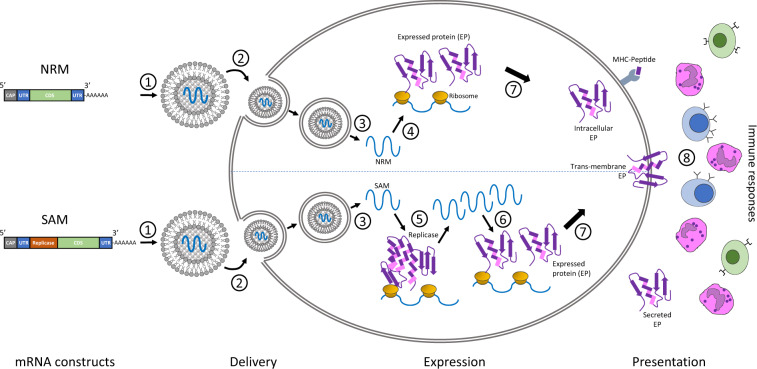
“3 SAM differs with the inclusion of genetic replication machinery derived from positive-stranded mRNA viruses, most commonly from alphaviruses such as Sindbis and Semliki-Forest viruses.”
BackgroundOligoribonucleotide synthesis using T7 RNA polymerase and synthetic DNA templates.
Milligan, J., Groebe, D., Witherell, G. W., & Uhlenbeck, O. (1987) · Nucleic Acids Research · doi:10.1093/nar/15.21.8783 · Cited by 1,971 · cited 1×
“First, the purity of the mRNA is a crucial determinant of yields, and it is known that the DNA-dependent RNA polymerases yield smaller oligoribonucleotide impurities as a result of abortive initiation events, 11 as well as double-stranded (ds) RNA generated by self-complementary 3′ extension, 12 which can result in ty…”
BackgroundThe Many Pathways of RNA Degradation
Houseley, J. M., & Tollervey, D. W. (2009) · Cell · doi:10.1016/j.cell.2009.01.019 · Cited by 1,220 · cited 1×
“32, 33 This has been an intense area of research in the field, for which lipid nanoparticle (LNP) formulations are currently emerging as a leading category.”
BackgroundDelivering the Messenger: Advances in Technologies for Therapeutic mRNA Delivery
Kowalski, P. S., Rudra, A., Miao, L., & Anderson, D. G. (2019) · Molecular Therapy · doi:10.1016/j.ymthe.2019.02.012 · Cited by 1,127
Codon Optimality Is a Major Determinant of mRNA Stability
Presnyak, V., Alhusaini, N., Chen, Y.-H., Martin, S., Morris, N., Kline, N., Olson, S., Weinberg, D., Baker, K. E., Graveley, B. R., et al. (2015) · Cell · doi:10.1016/j.cell.2015.02.029 · Cited by 1,078 · cited 1×
“49, 50 Additional sites within the mRNA construct are available for optimization as well.”
BackgroundFunctional 5′ UTR mRNA structures in eukaryotic translation regulation and how to find them
Leppek, K., Das, R., & Barna, M. (2018) · Nature Reviews Molecular Cell Biology · doi:10.1038/nrm.2017.103 · Cited by 949
Karikó, K., Muramatsu, H., Ludwig, J., & Weissman, D. (2011) · Nucleic Acids Research · doi:10.1093/nar/gkr695 · Cited by 898
Zika virus protection by a single low-dose nucleoside-modified mRNA vaccination
Pardi, N., Hogan, M. J., Pelc, R. S., Muramatsu, H., Andersen, H., DeMaso, C. R., Dowd, K. A., Sutherland, L. L., Scearce, R. M., Parks, R., et al. (2017) · Nature · doi:10.1038/nature21428 · Cited by 884 · cited 1×
“[41] [42] [43] [44] Much of the focus of the continued development of such LNP carrier systems involves optimization of the ionizable lipid component, with particular focus on the acid dissociation constant (pKa) and fusogenic properties (both of the ionizable component as well as helper lipid[s]), which have been dem…”
BackgroundSabnis, S., Kumarasinghe, E. S., Salerno, T., Mihai, C., Ketova, T., Senn, J. J., Lynn, A., Bulychev, A., McFadyen, I., Chan, J., et al. (2018) · Molecular Therapy · doi:10.1016/j.ymthe.2018.03.010 · Cited by 820 · cited 1×
“[45] [46] [47] [48] Next-generation LNPs may include specific targeting motifs for homing and uptake by professional antigen-presenting cells, such as dendritic cells (DC).”
BackgroundZüst, R., Cervantes-Barragan, L., Habjan, M., Maier, R., Neuman, B. W., Ziebuhr, J., Szretter, K. J., Baker, S. C., Barchet, W., Diamond, M. S., et al. (2011) · Nature Immunology · doi:10.1038/ni.1979 · Cited by 811 · cited 1×
“20 Manufacturers of mRNA vaccines pay careful attention to the choice of enzyme and reaction conditions, in order to catalyze the highest percentage of cap formation.”
Background
Research works printed but not linked: 1
- Wu, M. et al. Effect of mRNA modifications on translational fidelity. in Proc. Poster presented at 6th International mRNA (INTERPLAN Congress, Boston, MA, 2018).
Cited by
Sorted by citations
Items 201–300 of 499
mRNA-LM: full-length integrated SLM for mRNA analysis
Li, S., Noroozizadeh, S., Moayedpour, S., Kogler-Anele, L., Xue, Z., Zheng, D., Montoya, F. U., Agarwal, V., Bar‐Joseph, Z., & Jäger, S. (2025) · Nucleic Acids Research · doi:10.1093/nar/gkaf044 · Cited by 18
Fernandes, R. S., Burle-Caldas, G. D. A., Sérgio, S. A. R., Bráz, A. F., Leite, N. P. D. S., Pereira, M. C. A., Silva, J. D. O., Hojo-Souza, N. S., de Oliveira, B., Fernandes, A. P., et al. (2025) · Journal of Nanobiotechnology · doi:10.1186/s12951-025-03201-8 · Cited by 20
Emerging roles of alternative cleavage and polyadenylation (APA) in human disease
Dharmalingam, P., Mahalingam, R., Yalamanchili, H. K., Weng, T., Karmouty‐Quintana, H., Guha, A., & Thandavarayan, R. A. (2021) · Journal of Cellular Physiology · doi:10.1002/jcp.30549 · Cited by 18
“Notably, insights into the functioning of C/P machinery mediating APA mechanisms during different cellular conditions can also be useful in designing 3′‐UTRs of mRNAs in vaccine designing platforms (Jackson et al., 2020).”
BackgroundAn update on novel approaches for diagnosis and treatment of SARS-CoV-2 infection
Safarchi, A., Fatima, S., Ayati, Z., & Vafaee, F. (2021) · Cell & Bioscience · doi:10.1186/s13578-021-00674-6 · Cited by 16
BiTE secretion from in situ-programmed myeloid cells results in tumor-retained pharmacology
Hao, S., Inamdar, V. V., Sigmund, E. C., Zhang, F., Stephan, S. B., Watson, C., Weaver, S., Nielsen, U. B., & Stephan, M. T. (2021) · Journal of Controlled Release · doi:10.1016/j.jconrel.2021.12.029 · Cited by 15
“Synthetic mRNA molecules can be quickly designed, manipulated and mass-produced relatively cost-effectively [18].”
Guo, X., Liu, D., Huang, Y., Deng, Y., Wang, Y., Mao, J., Zhou, Y., Xiong, Y., & Gao, X. (2023) · Virology Journal · doi:10.1186/s12985-023-02023-0 · Cited by 19
“This region is associated with the mRNA stability and translation [24, 25].”
BackgroundYuan, X., Wu, Z., Guo, J., Luo, D., Li, T., Cao, Q., Ren, X., Fang, H., Xu, D., & Cao, Y. (2023) · Advanced Materials · doi:10.1002/adma.202303321 · Cited by 13
Di, Y., Zhang, C., Ren, Z., Jiang, R., Tang, J., Yang, S., Wang, Z., Yu, T., Zhang, T., Yu, Z., et al. (2024) · Frontiers in Immunology · doi:10.3389/fimmu.2024.1483720 · Cited by 17
RNA Engineering for Public Health: Innovations in RNA-Based Diagnostics and Therapeutics
Thavarajah, W., Hertz, L. M., Bushhouse, D. Z., Archuleta, C. M., & Lucks, J. B. (2021) · Annual Review of Chemical and Biomolecular Engineering · doi:10.1146/annurev-chembioeng-101420-014055 · Cited by 15
Nanotechnology-based approaches in the fight against SARS-CoV-2
Albaz, A. A., Rafeeq, M. M., Sain, Z. M., Almutairi, W. A., Alamri, A. S., Aloufi, A. H., Almalki, W. H., & Tarique, M. (2021) · AIMS Microbiology · doi:10.3934/microbiol.2021023 · Cited by 15
Mohammadi, G., Koranni, Z. S., & Jebali, A. (2021) · International Immunopharmacology · doi:10.1016/j.intimp.2021.108231 · Cited by 15
“The production of saRNA vaccines is not very complicated and can be easily integrated into a production line [13].”
A global survey in the developmental landscape of possible vaccination strategies for COVID-19
Gasmi, A., Srinath, S., Dadar, M., Pivina, L. M., Menzel, A., Benahmed, A. G., Chirumbolo, S., & Bjørklund, G. (2022) · Clinical Immunology · doi:10.1016/j.clim.2022.108958 · Cited by 16
“Bio, Sanofi is developing an mRNA vaccine that produces a potent antibody response in monkeys and mice, which they followed up Phase 1/2 trial in March 2021 [79,90].”
Advances in the Application of Nanomaterials to the Treatment of Melanoma
Wang, Z., Yu, Y., Wang, C., Li, J., & Pang, Y. (2022) · Pharmaceutics · doi:10.3390/pharmaceutics14102090 · Cited by 14
Huespe, I. A., Ferraris, A., Lalueza, A., Valdez, P. R., Peroni, M. L., Cayetti, L. A., Mirofsky, M., Boietti, B. R., Gómez‐Huelgas, R., Rojo, J. M. C., et al. (2023) · Journal of Medical Virology · doi:10.1002/jmv.28786 · Cited by 14
“mRNA vaccines offer several advantages over DNA‐based vaccines, such as faster and easier manufacturing, higher biosafety, and a safer vector as they carry a short sequence to be translated.(34)”
BackgroundRecent Advances in Messenger Ribonucleic Acid (mRNA) Vaccines and Their Delivery Systems: A Review
Belay, W. Y., Nibret, G., & Aschale, Y. (2023) · Clinical Pharmacology Advances and Applications · doi:10.2147/cpaa.s418314 · Cited by 16
“Purification of IVT mRNA Abortive initiation products and double-stranded RNA produced by DNA-dependent RNA polymerases can trigger the production of type I IFN and inflammatory cytokines when PRRs bind to them.(133) DNase treatment can easily remove pDNA, however, several chromatographic methods are available to get…”
BackgroundGao, A., Chen, Y., Liang, H., Cui, X., Zhang, A., & Cui, D. (2023) · Theranostics · doi:10.7150/thno.83390 · Cited by 14
mRNA and Synthesis-Based Therapeutic Proteins: A Non-Recombinant Affordable Option
Niazi, S. K., & Magoola, M. (2023) · Biologics · doi:10.3390/biologics3040020 · Cited by 13
Immune Responses to Respiratory Syncytial Virus Vaccines: Advances and Challenges
da Silva, G. S., Borges, S. G., Pozzebon, B. R., & de Souza, A. P. D. (2024) · Microorganisms · doi:10.3390/microorganisms12112305 · Cited by 14
“A key advantage of this technology is its rapid antigen design and scalable production, eliminating several steps of production and purification [104,105 Titer results are expressed as median reciprocal log2 values (with IQRs), determined for all participants in each group.”
Wommer, L., Meiers, P., Kockler, I., Ulber, R., & Kampeis, P. (2021) · Engineering in Life Sciences · doi:10.1002/elsc.202000120 · Cited by 14
Semi-enzymatic synthesis of pseudouridine
Riley, A. T., Sanford, T. C., Woodard, A. M., Clerc, E. P., & Sumita, M. (2021) · Bioorganic & Medicinal Chemistry Letters · doi:10.1016/j.bmcl.2021.128105 · Cited by 14
Cutting-Edge Delivery Systems and Adjuvants in Tolerogenic Vaccines: A Review
Puricelli, C., Boggio, E. M., Gigliotti, C. L., Stoppa, I., Sutti, S., Rolla, R., & Dianzani, U. (2022) · Pharmaceutics · doi:10.3390/pharmaceutics14091782 · Cited by 15
“Moreover, with mRNA-based vaccines, antigen expression can be further enhanced by manipulating the mRNA molecule to include additional replicative sequences, most commonly from positive-stranded mRNA viruses, such as alphaviruses, which mediate mRNA auto-amplification and not only simple translation, thus obtaining a…”
BackgroundAlimohammadi, R., Porgoo, M., Eftekhary, M., Kiaie, S. H., Dezfouli, E. A., Dehghani, M., Nasrollahi, K., Malekshahabi, T., Heidari, M., Pouya, S., et al. (2022) · npj Vaccines · doi:10.1038/s41541-022-00528-3 · Cited by 13
Couture‐Senécal, J., Tilstra, G., & Khan, O. F. (2024) · bioRxiv (Cold Spring Harbor Laboratory) · doi:10.1101/2024.08.02.606386 · Cited by 16
“13 Unlike conventional vaccines such as inactivated viruses or protein subunits, mRNA vaccines do not require the co-administration of adjuvants.”
BackgroundImmunogenicity, effectiveness, safety and psychological impact of COVID-19 mRNA vaccines
Alesci, A., Gitto, M., Kotańska, M., Cascio, P. L., Miller, A., Nicosia, N., Fumia, A., & Pergolizzi, S. (2022) · Human Immunology · doi:10.1016/j.humimm.2022.08.004 · Cited by 14
“First of all, mRNA vaccines provide a transcript capable of coding for a specific target antigen, whatever it is [39].”
Huang, X., Zhu, X., Yang, H., Li, Q., Gai, L., Sui, X., Lü, H., & Feng, J. (2024) · Molecules · doi:10.3390/molecules29071462 · Cited by 14
“…of RNA vaccines are that they do not insert into the host genome [32], avoid potential safety issues and allow for targeting multiple targets [33], have intrinsic adjuvant properties [34], and only need to be presented to the immune system through entry into the host cytoplasm, where their…”
BackgroundParveen, A., & Elkordy, A. (2024) · Pathogens · doi:10.3390/pathogens13060500 · Cited by 13
“MHC class II antigen presentation complex (steps 5b, 6b, and 7) to present the antigen to immune cells, including T and B cells [27].”
BackgroundJeon, J.-H., & Kim, E. Y. (2025) · Vaccines · doi:10.3390/vaccines13010056 · Cited by 15
Li, D., Wang, X., Li, G., Zhou, J., Bian, L., Zhao, X., Xing, L., Zeng, J., Cui, J., Cui, L., et al. (2025) · npj Vaccines · doi:10.1038/s41541-025-01098-w · Cited by 13
“…post-exposure prophylaxis, remains limited due to their slow and low immune response. mRNA technology, accompanied by the introduction of modi fi ed nucleotides and lipid nanoparticle (LNP) carriers, has been rapidly advancing in the fi eld of vaccines against tumors and infectious diseases 29,30 .”
Advancements in viral vaccine development: from traditional to modern approaches
Kumar, A., Ahmad, F., Sah, B. K., Aljabali, A. A. A., Mishra, Y., & Mishra, V. K. (2025) · Exploration of Immunology · doi:10.37349/ei.2025.1003203 · Cited by 14
Review of Ribosome Interactions with SARS-CoV-2 and COVID-19 mRNA Vaccine
Wei, J., & Hui, A. (2022) · Life · doi:10.3390/life12010057 · Cited by 13
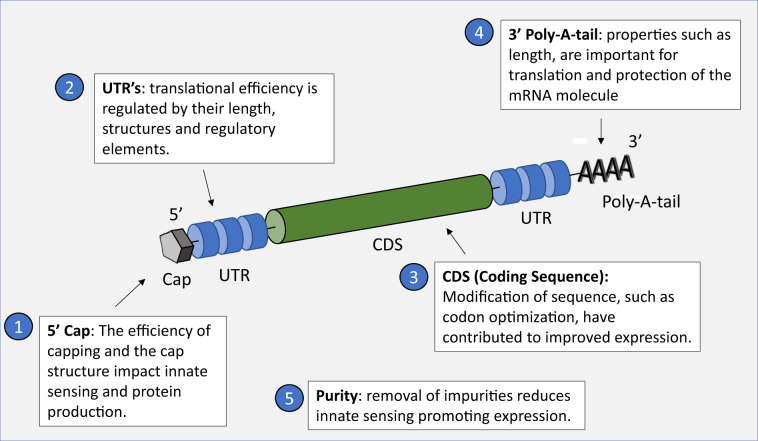
“Therefore, the molecular design nd optimization of the UTR are critical for mRNA vaccine to ensure fficient antig n production and immune responses [72].”
BackgroundBayat, M., Asemani, Y., & Najafi, S. (2021) · International Immunopharmacology · doi:10.1016/j.intimp.2021.107679 · Cited by 15
Impfempfehlungen der Ständigen Impfkommission (STIKO)
Bogdan, C. (2021) · Der Hautarzt · doi:10.1007/s00105-021-04761-0 · Cited by 14
A Review of UK-Registered and Candidate Vaccines for Bovine Respiratory Disease
Lemon, J. L., & McMenamy, M. J. (2021) · Vaccines · doi:10.3390/vaccines9121403 · Cited by 12
Perrinjaquet, M., & Schlegel, C. R. (2023) · Drug Discovery Today · doi:10.1016/j.drudis.2023.103773 · Cited by 13
Nasr-Eldahan, S., Shreadah, M. A., Maher, A. M., Ali, T. E.-S., & Nabil-Adam, A. (2024) · Scientific Reports · doi:10.1038/s41598-024-67198-0 · Cited by 12
Liposome Assisted Drug Delivery-An Updated Review
Agarwal, K. (2022) · Indian Journal of Pharmaceutical Sciences · doi:10.36468/pharmaceutical-sciences.975 · Cited by 12
Relationship between blood clots and COVID-19 vaccines: A literature review
Atyabi, S. M. H., Rommasi, F., Ramezani, M. H., Ezabadi, M. F. G., Arani, M. A., Sadeghi, M. H., Ahmed, M. M., Rajabi, A., Dehghan, N., Sohrabi, A., et al. (2022) · Open Life Sciences · doi:10.1515/biol-2022-0035 · Cited by 12
Alburquerque-González, B., López-Abellán, M. D., Luengo‐Gil, G., Montoro‐García, S., & Conesa‐Zamora, P. (2022) · Methods in molecular biology · doi:10.1007/978-1-0716-2573-6_7 · Cited by 11
Rapid Identity and Quantity CQA Test for Multivalent mRNA Drug Product Formulations
Gao, R. Y., Riley, C. M., Toth, E., Blair, R. H., Gerold, M. N., McCormick, C., Taylor, A. W., Hu, T., Rowlen, K. L., & Dawson, E. D. (2022) · Vaccines · doi:10.3390/vaccines10101704 · Cited by 12
Yoon, S., Widyasari, K., Jang, J., Lee, S. J., Kang, T., & Kim, S. (2023) · BMC Infectious Diseases · doi:10.1186/s12879-023-08728-5 · Cited by 9
“In contrast, the host’s immune response will recognize this antigen or immunogen [7, 8].”
BackgroundAdvantages of Broad-Spectrum Influenza mRNA Vaccines and Their Impact on Pulmonary Influenza
Cheng, Z., Ma, J., & Zhao, C. (2024) · Vaccines · doi:10.3390/vaccines12121382 · Cited by 11
“By directly encoding viral antigens, mRNA vaccines can be quickly updated to reflect changes in viral strains, ensuring broader protection against diverse influenza variants and enhancing global management and response strategies for influenza [15–17].”
mRNA-based COVID-19 Vaccines Booster Dose: Benefits, Risks and Coverage.
Nashwan, A. J., Yassin, M. A., Soliman, A. T., Sanctis, V. D., & Ibrahim, M. (2022) · Acta bio-medica dell'Ateneo parmense/Acta biomedica · doi:10.23750/abm.v93i3.13103 · Cited by 11
“carry a short sequence to be translated (3).”
BackgroundVaccine Development for Coronavirus (SARS-CoV2) Disease (Covid-19); Lipid Nanoparticles
Malabadi, R. B., Kolkar, K. P., Meti, N. T., & CHALANNAVAR, R. K. (2021) · International journal of research and scientific innovation · doi:10.51244/ijrsi.2021.8312 · Cited by 14
“(Wang et al., 2020; Pardi et al., 2015, 2018; Jackson et al., 2020; Shin et al., 2020; Maruggi et al., 2019).”
BackgroundMethodInfluentialVaccines on demand, part II: future reality
Geall, A. J., Kis, Z., & Ulmer, J. B. (2023) · Expert Opinion on Drug Discovery · doi:10.1080/17460441.2022.2147501 · Cited by 10
“outbreak, as has been chronicled elsewhere [2,7].”
Inflammatory mediators of mRNA vaccine-induced adverse reactions in mice
Honda, K., Karaki, T., Kunishima, Y., Kawaguchi, Y., Takemura, N., Matsuzaki, T., Fukada, S., Saitoh, T., Hirai, T., & Yoshioka, Y. (2026) · Molecular Therapy · doi:10.1016/j.ymthe.2026.01.022 · Cited by 10
Küfeoğlu, S. (2022) · Sustainable development goals series · doi:10.1007/978-3-031-07127-0_2 · Cited by 14
Transcriptomic analysis of genes: expression and regulation
Horta, M. A. C., Pimenta, R. J. G., Almeida, D. A., Rosolen, R. R., Aono, A. H., Filho, J. A. F., de Oliveira, F. A., Niederauer, G. F., Ferreira, R. C. U., Bajay, S. K., et al. (2022) · Elsevier eBooks · doi:10.1016/b978-0-323-91810-7.00017-0 · Cited by 10
Scalable Cell‐Free Production of Active T7 RNA Polymerase
Rezvani, R. N., Aw, R., Chan, W., Satish, K., Chen, H., Lavy, A., Rimal, S., Patel, D. A., Rao, G., Swartz, J. R., et al. (2025) · Biotechnology and Bioengineering · doi:10.1002/bit.28993 · Cited by 10
“support the pharmaceutical industry (Jackson et al. 2020).”
Transfection Technologies for Next-Generation Therapies
Simkhada, D., Teo, S. H. C., Deorkar, N., & Vemuri, M. C. (2025) · Journal of Clinical Medicine · doi:10.3390/jcm14155515 · Cited by 9
“Delivering mRNA to target cells is challenging due to its susceptibility to degradation and the need for suitable carriers to facilitate intracellular uptake [60,65].”
Time and cost of administering COVID-19 mRNA vaccines in the United States
Yarnoff, B., Bodhaine, S., Cohen, E., & Buck, P. O. (2021) · Human Vaccines & Immunotherapeutics · doi:10.1080/21645515.2021.1974289 · Cited by 10
“mRNA vaccines offer several potential advantages over conventional whole virus or recombinant protein-based vaccines, including ease and speed of manufacturing, scalability, reliability, and flexibility of antigen design.(6) However, these vaccines have important workflow requirements, including storage at very low an…”
BackgroundVlach, M., Coppens-Exandier, H., Jamin, A., Berchel, M., Scaviner, J., Chesné, C., Montier, T., Jaffrès, P., Corlu, A., & Loyer, P. (2022) · Cells · doi:10.3390/cells11233904 · Cited by 10
“This highly efficient lipid-based delivery of mRNA [63] along with the largescale production of mRNA lipid nanoparticles by microfluidics [64] offered a therapeutic answer to the covid-19 pandemic by providing the first mRNA vaccine in humans used worldwide [65].”
BackgroundThe Epidemiology of COVID-19 Vaccine-Induced Myocarditis
Costa, C., & Moniati, F. (2024) · Advances in Medicine · doi:10.1155/2024/4470326 · Cited by 10
“Tis process generates an adaptive immune response, fostering antibody and cell-mediated immunity against SARS-CoV-2 spike proteins [32, 33].”
BackgroundWommer, L., Soerjawinata, W., Ulber, R., & Kampeis, P. (2021) · Engineering in Life Sciences · doi:10.1002/elsc.202000112 · Cited by 10
COVID-19 vaccine capacity: Challenges and mitigation – The DCVMN perspective
Hayman, B., Suri, R. K., & Prasad, S. D. (2021) · Vaccine · doi:10.1016/j.vaccine.2021.07.007 · Cited by 9
“Messenger RNA (mRNA) technologies provide advantages of accelerated immunogen discovery and response times [8].”
BackgroundZhang, X., Zhang, Y., Zhao, L., Wang, J., Li, J., Wang, X., Zhang, M., & Hu, X. (2022) · Frontiers in Immunology · doi:10.3389/fimmu.2022.1014638 · Cited by 10
Faizal, N. D. F. M., & Amin, M. C. I. M. (2022) · International Journal of Pharmaceutics · doi:10.1016/j.ijpharm.2022.122421 · Cited by 10
Advantages and disadvantages of RNA therapeutics
Huy, B. L., Phuong, H. B. T., & Xuan, H. L. (2024) · Progress in molecular biology and translational science · doi:10.1016/bs.pmbts.2023.12.016 · Cited by 10
Ikrar, T., Muchsin, W., & Sophian, A. (2026) · Journal of Controlled Release · doi:10.1016/j.jconrel.2026.115019 · Cited by 10
Nasr, S. S., Paul, P., Loretz, B., & Lehr, C. (2024) · Drug Delivery and Translational Research · doi:10.1007/s13346-024-01668-w · Cited by 9
“In particular major impact is expected in the fields of infectious diseases [9, 10]] and cancer [11–17], but shall also encompass hereditary and other chronic or acute health issues [8, 18, 19].”
Proteomics Exploration of Brucella melitensis to Design an Innovative Multi-Epitope mRNA Vaccine
Asadinezhad, M., Pakzad, I., Asadollahi, P., Ghafourian, S., & Kalani, B. S. (2024) · Bioinformatics and Biology Insights · doi:10.1177/11779322241272404 · Cited by 9
Rinaldi, A. C. (2020) · EMBO Reports · doi:10.15252/embr.202051013 · Cited by 9
Thiel, N., Selwyn, C., Murphy, G. A. V., Simpson, S., & Chakrabarti, A. C. (2021) · npj Vaccines · doi:10.1038/s41541-021-00325-4 · Cited by 9
Quercetin Supplementation and COVID-19
Boretti, A. A. (2021) · Natural Product Communications · doi:10.1177/1934578x211042763 · Cited by 9
Arjunan, P., Mahalingam, G., Sankar, P., Kathirvelu, D., Suresh, S., Rani, S., Mohankumar, K. M., Thangavel, S., & Marepally, S. K. (2024) · Biomaterials Science · doi:10.1039/d4bm00909f · Cited by 8
The role of mRNA vaccines in infectious diseases: a new era of immunization
Batisani, K. (2025) · Tropical Diseases Travel Medicine and Vaccines · doi:10.1186/s40794-025-00246-3 · Cited by 10
“Collaboration through international partnerships and initiatives aimed at improving vaccine manufacturing and distribution capabilities in resource-limited settings is essential for overcoming these obstacles and closing existing health disparities [24].”
Poly(beta-amino esters): applications in immunology
Bayraktutan, H., Kopiasz, R. J., Elsherbeny, A., Gurnani, P., & Alexander, C. (2025) · Chemical Science · doi:10.1039/d5sc05951h · Cited by 9
Current Perspectives and Future Prospects of mRNA Vaccines against Viral Diseases: A Brief Review.
Vasavi, K., Poloju, D., Puvvala, B., Madineni, K., Balaji, S. N., Sheela, C. M. P., Manchikanti, S. S. C., & Moon, S. M. (2022) · PubMed Central · doi:10.22088/ijmcm.bums.11.3.260 · Cited by 12
Nanomedicine approaches against SARS-CoV-2 and variants
Zhang, H., Liu, Y., & Liu, Z. (2023) · Journal of Controlled Release · doi:10.1016/j.jconrel.2023.11.004 · Cited by 8
mRNA vaccines against infectious diseases and future direction
Aleem, M. T., Munir, F., Shakoor, A., & Gao, F. (2024) · International Immunopharmacology · doi:10.1016/j.intimp.2024.112320 · Cited by 10
Strategic deactivation of mRNA COVID‐19 vaccines: New applications for siRNA therapy and RIBOTACs
Hulscher, N., McCullough, P. A., & Marotta, D. E. (2024) · The Journal of Gene Medicine · doi:10.1002/jgm.3733 · Cited by 9
“19 Both the mRNA-1273 and BNT162b2 mRNA vaccines encode a SARS-CoV-2 prefusion full-length Spike (S) glycoprotein and include stabilizing substitutions at the K986 and V987 positions.”
Gerold, M. N., Toth, E., Blair, R. H., Gao, R. Y., Nadkarni, D. V., Barua, S., Woods, J., Rowlen, K. L., & Dawson, E. D. (2024) · Vaccines · doi:10.3390/vaccines12101144 · Cited by 8
“…(HA) [14,16] proteins and neuraminidase (NA) proteins [16,17], and combination seasonal influenza/COVID-19 vaccine targets [14,16]. mRNA comprises (5 ′ to 3 ′ ) a 5 ′ cap, a 5 ′ untranslated region (UTR), the coding sequence for the antigen of interest, a 3 ′ UTR, and a 3 ′ polyA tail [18,19].”
BackgroundMethodInfluentialHawksbee, L., McKee, M., & KING, L. P. (2022) · BMJ · doi:10.1136/bmj-2021-067367 · Cited by 8
COVID-19 Vaccine: Review of the Mechanism of Action of Different Types of Vaccine
Wong, L.-A., Yap, C. G., Jahan, N. K., & Pillai, N. (2022) · OALib · doi:10.4236/oalib.1108624 · Cited by 8
“Conventional (non-replicating) mRNA-based vaccines encode the antigen of interest whereas the latter encodes both the antigen, as well as the viral replication machinery for intracellular mRNA amplification [60] [61].”
BackgroundLessons learned from COVID-19 pandemic: Vaccine platform is a key player
Alhashemi, S. H., Ahmadi, F., & Dehshahri, A. (2022) · Process Biochemistry · doi:10.1016/j.procbio.2022.12.002 · Cited by 11
“The chemical synthesis instead of biological production of a vaccine can be considered a significant achievement in industrial production [65,66].”
mRNA—From COVID-19 Treatment to Cancer Immunotherapy
Kŕause, W. (2023) · Biomedicines · doi:10.3390/biomedicines11020308 · Cited by 8
“Vaccine mRNA manufacturing is rapid and cheap by using an IVT from a DNA template with T7 RNA polymerase [60,61].”
Updated Considerations for the Immunopharmacological Aspects of the “Talented mRNA Vaccines”
Perrotta, C., Fenizia, C., Carnovale, C., Pozzi, M., Trabattoni, D., Cervia, D., & Clementi, E. (2023) · Vaccines · doi:10.3390/vaccines11091481 · Cited by 9
“…advantages over the DNA-based ones. mRNA can be easily synthetized to encode for any kind of protein antigen and the mRNA enclosed within mRNA-based vaccines can be adapted to a vast plethora of pathologies, including emerging epidemics and cancers, exploiting the same manipulable platforms [93].”
BackgroundRETRACTED ARTICLE: An overview on mRNA-based vaccines to prevent monkeypox infection
Natami, M., Gorgzadeh, A., Gholipour, A., Fatemi, S. N., Firouzeh, N., Zokaei, M., Ali, S. H. M., Kheradjoo, H., Sedighi, S., Gholizadeh, O., et al. (2024) · Journal of Nanobiotechnology · doi:10.1186/s12951-024-02355-1 · Cited by 10
“Adaptive and innate immune responses identify the target protein [108]. mRNA treatments provide many advantages in terms of reduced risk of pre-existing or anti-vector immunity, enhanced safety, precise dosage control, and the potential for multiple administrations.”
BackgroundRetractedDo RNA vaccines obviate the need for genotoxicity studies?
Cimolai, N. (2020) · Mutagenesis · doi:10.1093/mutage/geaa028 · Cited by 8
Harnessing Computational Strategies to Overcome Challenges in mRNA Vaccines
Zhao, S., Chen, J., Dai, T., Li, G., Huang, L., Xin, J., Zhang, Y., Chen, Y., He, X., Huang, H., et al. (2025) · Physiology · doi:10.1152/physiol.00047.2024 · Cited by 7
Development of an in situ CAR-T cell protocol through optical and PSMA-targeted PET imaging
Zhang, N., Seo, J. W., Robinson, E. R., Rivera‐Rodriguez, A., Wang, J., Guo, Y., Czerwinski, D. K., Kim, H. R., Tumbale, S. K., Raie, M. N., et al. (2025) · Proceedings of the National Academy of Sciences · doi:10.1073/pnas.2504950122 · Cited by 8
“T cell generation, nonviral vectors, such as LNPs encapsulating mRNA (LNP - mRNA) technology ( 21 , 22 ), offer a scalable alternative to viral vectors, such as lentiviral vectors (LVs), which are often limited by safety concerns and production complexities.”
Quintana, V. M., Caillava, J., Byk, L. A., Mondotte, J. A., Battini, L., Tarte, P., Samsa, M. M., Filomatori, C. V., & Alvarez, D. E. (2025) · Journal of Biological Chemistry · doi:10.1016/j.jbc.2025.110487 · Cited by 7
“The most usual design follows the organization of alphavirus genomes, preserving viral 5 ′ and 3 ′ UTRs (6).”
Um, H., Kim, S., Hwang, J., Lee, Y., Wang, S. X., & Lee, J. (2025) · BioChip Journal · doi:10.1007/s13206-025-00244-9 · Cited by 7
“These mRNA vaccines enable rapid vaccine development against newly emerging viruses or their variants, closely matching the speed of their emergence [7, 8].”
Expanding global access to mRNA vaccines
Eshaghi, B., Langer, R., & Jaklenec, A. (2026) · Nature Reviews Bioengineering · doi:10.1038/s44222-026-00424-8 · Cited by 8
“Purification must remove residual DNA, enzymes, unincorporated nucleotide triphosphates, truncated transcripts and dsRNA 50,76,77 .”
Mura, M., Simon, F., de Santi, V. P., Tangy, F., & Tournier, J. (2022) · Vaccines · doi:10.3390/vaccines10091555 · Cited by 7
“The great winner of the world vaccine race was undoubtedly the mRNA vaccine technology [4,5].”
BackgroundA comparative study of the COVID-19 vaccine efficacy among cancer patients: mRNA versus non-mRNA
Rachman, A., Iriani, A., Sukrisman, L., Rajabto, W., Mulansari, N. A., Lubis, A. M., Cahyanur, R., Prasetyawaty, F., Priantono, D., Rumondor, B. B., et al. (2023) · PLoS ONE · doi:10.1371/journal.pone.0281907 · Cited by 8
Wang, Y., Wang, S., Huang, L., Mao, W., Li, F., Lin, A., Zhao, W., Zeng, X., Zhang, Y., Yang, D., et al. (2024) · Molecular Therapy · doi:10.1016/j.ymthe.2024.12.041 · Cited by 7
Vosoughi, P., Naghib, S. M., Rahmanian, M., & Mozafari, M. R. (2025) · Current Topics in Medicinal Chemistry · doi:10.2174/0115680266325847241121034100 · Cited by 7
Li, J., Long, H., Chen, S., Zhang, Z., Li, S., Liu, Q., Liu, J., Cai, J., Luo, L., & Peng, Y. (2025) · Vaccines · doi:10.3390/vaccines13010052 · Cited by 7
Cardoso, S., de Sousa, F. P., Filho, P. D. A. P., & Azzoni, A. R. (2022) · Molecular Biology Reports · doi:10.1007/s11033-022-07239-x · Cited by 7
“The optimization of the purification strategy is seen as one of the main achievements leading to the reduction of innate sensing and increasing the efficiency of the mRNA vaccine prototypes [13].”
BackgroundNucleic Acid-Based COVID-19 Therapy Targeting Cytokine Storms: Strategies to Quell the Storm
Abusalah, M. A. H., Khalifa, M., Al-Hatamleh, M. A. I., Jarrar, M., Mohamud, R., & Yean, C. Y. (2022) · Journal of Personalized Medicine · doi:10.3390/jpm12030386 · Cited by 6
“Therefore, mRNA vaccines offer scalable, rapid manufacturing with little platform altering [227], and a fast-responding strategy to overcome the current pandemic dilemma [228].”
BackgroundVaccine production and supply need a paradigm change
Kritharis, A., Tamer, I. M., & Yadav, V. G. (2022) · The Canadian Journal of Chemical Engineering · doi:10.1002/cjce.24399 · Cited by 7
Recent and advanced nano-technological strategies for COVID-19 vaccine development
Nwagwu, C. S., Ugwu, C. N., Ogbonna, J. D., Onugwu, A. L., Agbo, C. P., Echezona, A. C., Ezeibe, E. N., Uzondu, S. W., Kenechukwu, F. C., Akpa, P. A., et al. (2022) · Methods in microbiology · doi:10.1016/bs.mim.2022.03.001 · Cited by 7
Ayad, C., Yavuz, A., Salvi, J.-P., Libeau, P., Exposito, J., Ginet, V., Monge, C., Verrier, B., & Arruda, D. C. (2022) · Pharmaceutics · doi:10.3390/pharmaceutics14061297 · Cited by 7
mRNA as a medicine in nephrology: the future is now
Granata, S., Stallone, G., & Zaza, G. (2023) · Clinical Kidney Journal · doi:10.1093/ckj/sfad196 · Cited by 7
“…nucleotide is 2 (cid:2) O-methylated to form a Cap 1 structure ( m7 GpppN 2 (cid:2) Om N ) , and, in ∼ 50% of transcripts, the second cap-proximal nucleotide is 2 (cid:2) O-methylated to form a Cap 2 structure ( m7 GpppN 2 (cid:2) Om N 2 (cid:2) Om ) , which reduces mRNA immunogenicity [ 14 , 15 ].”
BackgroundOuranidis, A., Choli‐Papadopoulou, T., Papachristou, E., Papi, R. M., & Kostomitsopoulos, N. G. (2021) · Vaccines · doi:10.3390/vaccines9080890 · Cited by 7
“In addition, IVT mRNA does not require the cumbersome handling of eukaryotic cultures, presents uniform quality, while the autologous translation pathway ameliorates the risk of any inappropriate post-translational modifications in a biomimetic fashion [20].”
BackgroundRNA-Based Therapies in Kidney Diseases
Hu, L., Jin, T., Zhang, N., Ding, J. J., & Li, L. (2025) · Journal of Inflammation Research · doi:10.2147/jir.s505252 · Cited by 6
Sakers, S. H., Fiduccia, G., Byrne, K. E., Reddy, B. P. K., Dahlman, J. E., & Prausnitz, M. R. (2025) · European Journal of Pharmaceutics and Biopharmaceutics · doi:10.1016/j.ejpb.2025.114819 · Cited by 6
Pawar, S., Pingale, P., Garkal, A., Osmani, R. A. M., Gajbhiye, K. R., Kulkarni, M., Pardeshi, K., Mehta, T. A., & Rajput, A. (2024) · International Journal of Biological Macromolecules · doi:10.1016/j.ijbiomac.2024.131139 · Cited by 6
Glänzer, D., Pfeiffer, M., Ribar, A., Zeindl, R., Tollinger, M., Nidetzky, B., & Kreutz, C. (2024) · Chemistry - A European Journal · doi:10.1002/chem.202401193 · Cited by 6
Purification of plasmid DNA using a novel two stage chromatography process
Yu, M., Yu, M., & Qian, F. (2024) · Journal of Chromatography B · doi:10.1016/j.jchromb.2024.124381 · Cited by 6
Metadata
- Authors
- Jackson, N. A. C., Kester, K. E., Casimiro, D., Gurunathan, S., & DeRosa, F.
- Affiliations
- Coalition for Epidemic Preparedness Innovations (US)
- Sanofi (United States) (US)
- Translate Bio (United States) (US)
- Corresponding author
- Jackson, Nicholas A. C.
- Venue
- npj Vaccines
- Published
- 2020-02-04
- Volume
- 5
- Issue
- 1
- Pages
- 11-11
- ISSN
- 2059-0105 (ISSN-L)
- PMC
- PMC7000814
- OpenAlex
- W3004539389
- Cited by
- 498
- References
- 68
- Citations by year
- 2026: 39 · 2025: 54 · 2024: 70 · 2023: 76 · 2022: 110 · 2021: 121 · 2020: 28
- FWCI
- 8.02
- Type
- journal article
- Language
- en
- Open access
- gold
- doi.org
- Locations
- npj Vaccines (publishedVersion, cc-by)
- PubMed Central (publishedVersion, cc-by)
- PubMed (publishedVersion)
- DOAJ (DOAJ: Directory of Open Access Journals) (submittedVersion)
- Topics
- Life Sciences › Biochemistry, Genetics and Molecular Biology › Molecular Biology › RNA Interference and Gene Delivery
- Health Sciences › Medicine › Infectious Diseases › SARS-CoV-2 and COVID-19 Research
- Life Sciences › Immunology and Microbiology › Immunology › Immunotherapy and Immune Responses
- Keywords
- mRNA vaccines, infectious disease prevention, mRNA delivery, vaccine production, translation efficiency, vaccine development, biotechnology industry, pharmaceutical industry
About these checks
Registry, retraction, Cites and statistics results are computed, not judged, with one exception: a printed reference that no index lists is read once by a model before it counts as a citation error. Claims are extracted by a model and kept only when their quote appears verbatim in the text; each cited source is then checked, with a model’s help, for whether it says what the claim relies on. Those verdicts can be wrong — read the claim’s quote and the cited source before relying on one.
Statistics and arithmetic are recomputed, not judged.
Confidence bands are shown only for fields calibrated on our annotated test set. None is calibrated yet, so no band is shown.
What counts as a claim ›How we measure confidence ›How we check this ›
Are you an author, or do you see a problem with this page? Request a review
