

A global database of COVID-19 vaccinations
Open accessPublished version of a preprint
The DOI matches its Crossref record; 19 of the 19 references it cites were found in a registry or an index.
Abstract
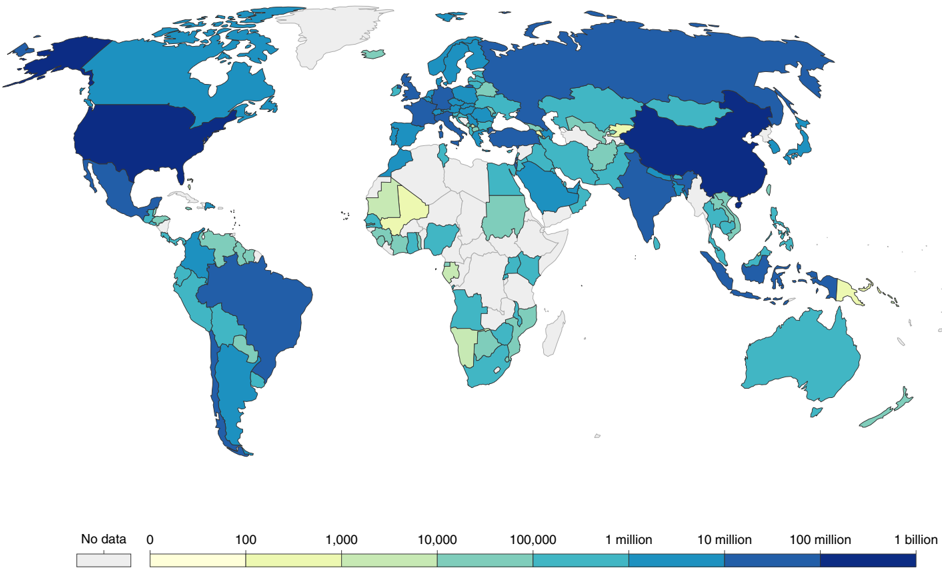
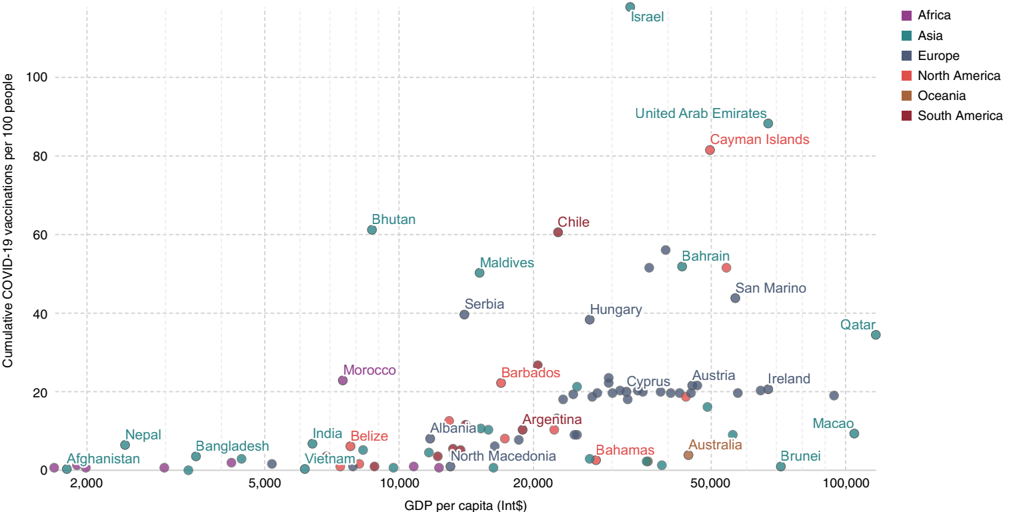
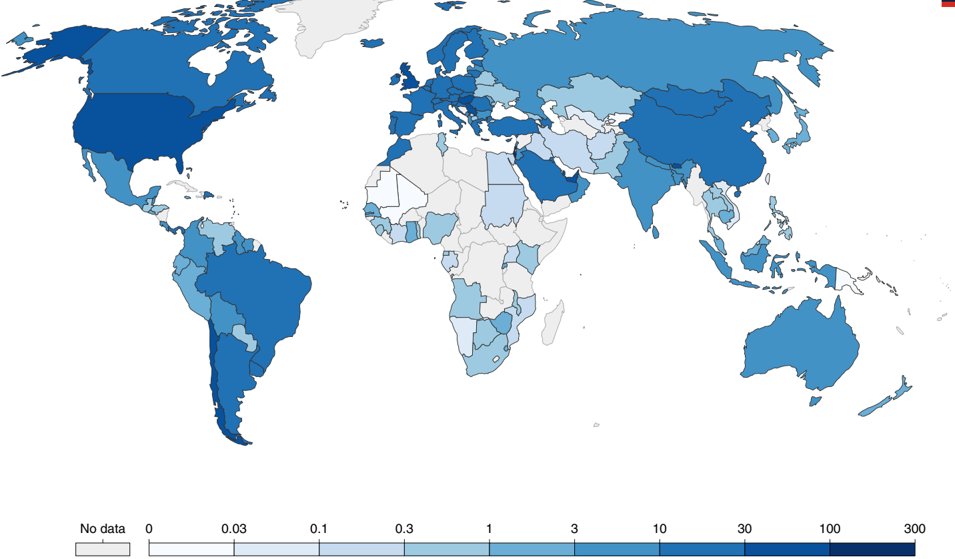
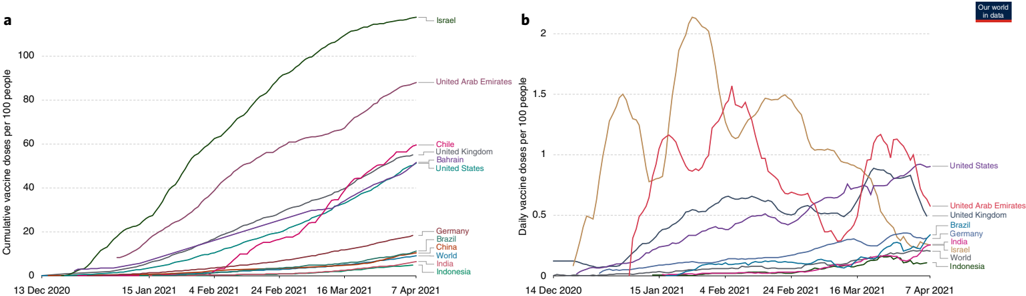
An effective rollout of vaccinations against COVID-19 offers the most promising prospect of bringing the pandemic to an end. We present the Our World in Data COVID-19 vaccination dataset, a global public dataset that tracks the scale and rate of the vaccine rollout across the world. This dataset is updated regularly and includes data on the total number of vaccinations administered, first and second doses administered, daily vaccination rates and population-adjusted coverage for all countries for which data are available (169 countries as of 7 April 2021). It will be maintained as the global vaccination campaign continues to progress. This resource aids policymakers and researchers in understanding the rate of current and potential vaccine rollout; the interactions with non-vaccination policy responses; the potential impact of vaccinations on pandemic outcomes such as transmission, morbidity and mortality; and global inequalities in vaccine access. The Our World in Data COVID-19 vaccination tracker charts the scale and rate of global vaccinations against COVID-19, making the data available to scientists, policymakers and the general public
Overview
The claims and statistics of this paper haven’t been checked yet.
Free: it reads the open-access text and checks the first 5 claims that cite a source we can check. Create a free account to check every claim.
Integrity signals
Registry
Cites
Statistics
Figures

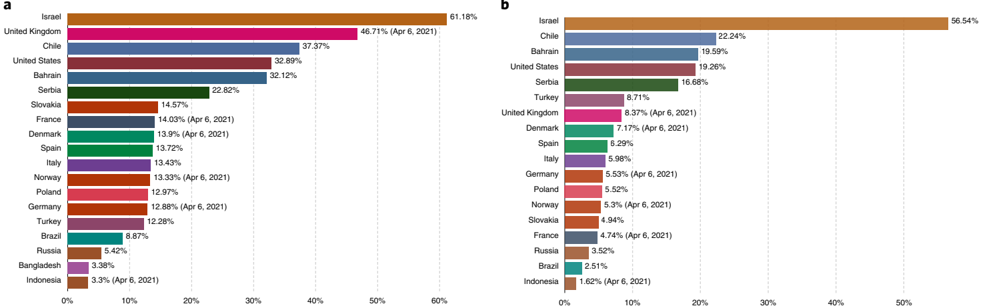
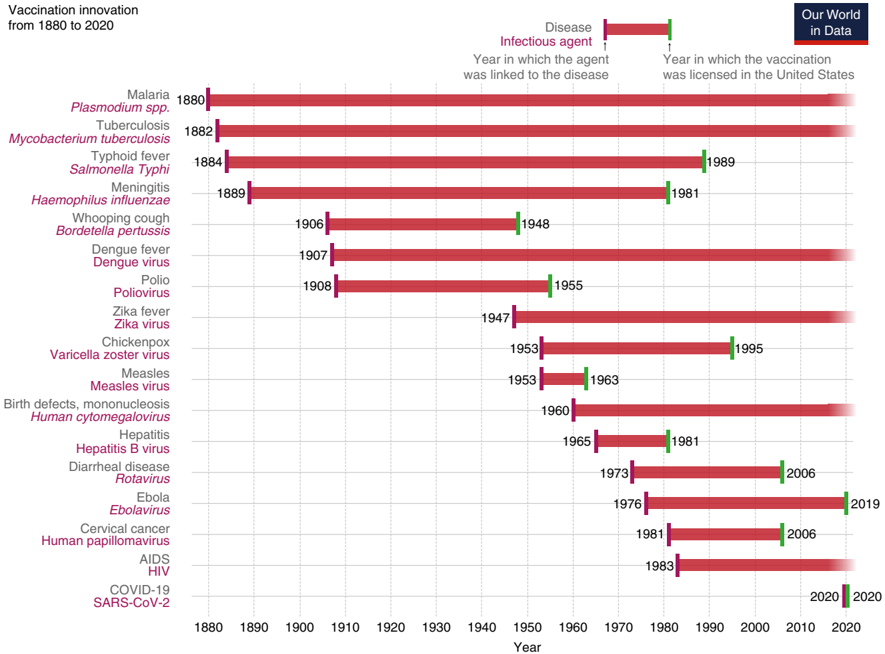
Verification
Claims the paper makes
The claims and statistics of this paper haven’t been checked yet.
Free: it reads the open-access text and checks the first 5 claims that cite a source we can check. Create a free account to check every claim.
Claims other papers make about this one
Each is checked against this paper’s own text: does it say what the citing paper says it does?
The source backs part of the claim, not all of it — or backs it for a different population, condition or comparison.
In the citing paper
“Yet, this pandemic has become a race between effective vaccines and the new variants.”
From Waves and variants of SARS-CoV-2: understanding the causes and effect of the COVID-19 catastrophe (2022) · cites this paper as [2]
Experimental — accuracy not yet measuredThe source backs part of the claim, not all of it — or backs it for a different population, condition or comparison.
In the citing paper
“Accessibility to effective COVID-19 vaccines, particularly mRNA vaccines, remains very limited in many LMICs 17 , and the main goal of ChulaCov19 development is to be part of the solution to this problem.”
From Safety and immunogenicity of a prefusion non-stabilized spike protein mRNA COVID-19 vaccine: a phase I trial (2022) · cites this paper as [17]
Experimental — accuracy not yet measuredIn the citing paper
“By the end of 2021, Australia, Cambodia, China, Hong Kong SAR, New Zealand, Singapore, and Viet Nam had all achieved full vaccination rates of adult populations of more than 60%.”
From The Lancet Commission on lessons for the future from the COVID-19 pandemic (2022) · cites this paper as [157]
Self-check
Percentages, sums and reported differences re-computed from the paper’s own numbers.
The self-check needs the paper’s full text.
Citations
Cites
An interactive web-based dashboard to track COVID-19 in real time
Dong, E., Du, H., & Gardner, L. (2020) · The Lancet Infectious Diseases · doi:10.1016/s1473-3099(20)30120-1 · Cited by 10,048
A global panel database of pandemic policies (Oxford COVID-19 Government Response Tracker)
Hale, T., Angrist, N., Goldszmidt, R., Kira, B., Petherick, A., Phillips, T., Webster, S., Cameron-Blake, E., Hallas, L., Majumdar, S., et al. (2021) · Nature Human Behaviour · doi:10.1038/s41562-021-01079-8 · Cited by 4,578
BNT162b2 mRNA Covid-19 Vaccine in a Nationwide Mass Vaccination Setting
Dagan, N., Barda, N., Kepten, E., Miron, O., Perchik, S., Katz, M. A., Hernán, M. A., Lipsitch, M., Reis, B., & Balicer, R. D. (2021) · New England Journal of Medicine · doi:10.1056/nejmoa2101765 · Cited by 2,527 · cited 1×
“Integrating it with 93 other epidemiological data can help researchers evaluate these outcomes.(16,17) Evidence of 94 positive impacts of vaccination on transmission and mortality can also in turn help to 95 strengthen public trust.”
BackgroundSherman, S. M., Smith, L. E., Sim, J., Amlôt, R., Cutts, M., Dasch, H., Rubin, G. J., & Sevdalis, N. (2021) · Human Vaccines & Immunotherapeutics · doi:10.1080/21645515.2020.1846397 · Cited by 758
Factors Associated With US Adults’ Likelihood of Accepting COVID-19 Vaccination
Kreps, S., Prasad, S., Brownstein, J. S., Hswen, Y., Garibaldi, B. T., Zhang, B., & Kriner, D. L. (2020) · JAMA Network Open · doi:10.1001/jamanetworkopen.2020.25594 · Cited by 732
A cross-country database of COVID-19 testing
Hasell, J., Mathieu, E., Beltekian, D., Macdonald, B., Giattino, C., Ortiz-Ospina, E., Roser, M., & Ritchie, H. (2020) · Scientific Data · doi:10.1038/s41597-020-00688-8 · Cited by 662
Self-citationLooking beyond COVID-19 vaccine phase 3 trials
Kim, J. H., Marks, F., & Clemens, J. D. (2021) · Nature Medicine · doi:10.1038/s41591-021-01230-y · Cited by 585
Israel’s rapid rollout of vaccinations for COVID-19
Rosen, B., Waitzberg, R., & Israeli, A. (2021) · Israel Journal of Health Policy Research · doi:10.1186/s13584-021-00440-6 · Cited by 271
Restoring confidence in vaccines in the COVID-19 era
Verger, P., & Dubé, E. (2020) · Expert Review of Vaccines · doi:10.1080/14760584.2020.1825945 · Cited by 221
An interactive website tracking COVID-19 vaccine development
Shrotri, M., Swinnen, T., Kampmann, B., & Parker, E. P. K. (2021) · The Lancet Global Health · doi:10.1016/s2214-109x(21)00043-7 · Cited by 138 · cited 1×
“Other research groups have combined it with vaccine development data to provide a 86 complete overview of the global vaccine landscape.(14) It has been used by researchers 87 looking at the role of vaccine hesitancy, and how to design public messaging based on these 88 concerns.”
Background
Cited by
Items 501–600 of 1,002
Online Media Use and COVID-19 Vaccination in Real-World Personal Networks: Quantitative Study
Oană, I., Hâncean, M.-G., Perc, M., Lerner, J., Mihăilă, B.-E., Geantă, M., Molina, J. L., Tincă, I., & Espina, C. (2024) · Journal of Medical Internet Research · doi:10.2196/58257 · Cited by 17
“The latest data recorded by Our World in Data on June 10, 2022, showed that 41.27% of Romania’s population was fully vaccinated [65].”
InfluentialVaccine failure mode determines population-level impact of vaccination campaigns during epidemics
Lee, D., Nande, A., Anderson, T. L., Levy, M. Z., & Hill, A. L. (2025) · Journal of The Royal Society Interface · doi:10.1098/rsif.2024.0689 · Cited by 15
“…data on vaccine coverage (defined here as % of individuals who received at least one dose of vaccine), case incidence (daily reported cases per million individuals in the population, 7 day rolling average, right aligned), and real-time effective reproduction number from Our World In Data [3,4].”
InfluentialZhang, D., Hua, W., Sun, F., Wen, C., Cheong, L. Y., Xie, R., Chan, K. H., Chan, S. C. W., Li, X., Ye, S., et al. (2025) · Journal of Translational Autoimmunity · doi:10.1016/j.jtauto.2025.100289 · Cited by 17
“The vaccination rate is defined as the number of individuals who have received at least one vaccine dose per 100 people [18].”
Talmy, T., Cohen, B., Nitzan, I., & Michael, Y. B. (2021) · Journal of Community Health · doi:10.1007/s10900-021-01002-2 · Cited by 14
Fake COVID-19 vaccination in India: an emerging dilemma?
Mukherjee, D., Maskey, U., Ishak, A., Sarfraz, Z., Sarfraz, A., & Jaiswal, V. (2021) · Postgraduate Medical Journal · doi:10.1136/postgradmedj-2021-141003 · Cited by 14
COVID-19 Risk Assessment for the Tokyo Olympic Games
Zhu, W., Feng, J., Li, C., Wang, H., Zhong, Y., Zhou, L. J., Zhang, X., & Zhang, T. (2021) · Frontiers in Public Health · doi:10.3389/fpubh.2021.730611 · Cited by 15
“6% of the total population was partly vaccinated against COVID-19 (73).”
BackgroundFactors associated with side effects of COVID-19 vaccine in Indonesia
Wibowo, J., Heriyanto, R. S., Wijovi, F., Halim, D. A., Jodhinata, C., Marcella, E., Susanto, B., Indrawan, M., Heryadi, N. K., Imanuelly, M., et al. (2022) · Clinical and Experimental Vaccine Research · doi:10.7774/cevr.2022.11.1.89 · Cited by 17
“4 billion doses of the COVID-19 vaccine have been administered globally with approximately 29 million doses being administered each day [7].”
BackgroundCOVID-19 vaccination challenges: A mini-review
Afshar, Z. M., Barary, M., Hosseinzadeh, R., Karim, B., Ebrahimpour, S., Nazary, K., Sio, T. T. W., Sullman, M. J. M., Carson‐Chahhoud, K., Moudi, E., et al. (2022) · Human Vaccines & Immunotherapeutics · doi:10.1080/21645515.2022.2066425 · Cited by 15
“leading to less morbidity and mortality and decreasing the burden on healthcare personnel.(34,35)”
BackgroundIguacel, I., Álvarez-Najar, J. P., Vásquez, P. D. C., Alarcón, J., Orte, M. Á., Samatán, E., & Martínez‐Jarreta, B. (2022) · Vaccines · doi:10.3390/vaccines10050781 · Cited by 16
Chakraborty, C., Sharma, A. R., Bhattacharya, M., Agoramoorthy, G., & Lee, S. (2022) · Aging and Disease · doi:10.14336/ad.2021.1117 · Cited by 14
“We have used different webservers and databases (e.g. Nextstrain SARS-CoV-2 resources, Pango lineages, GitHub, COVID-3D, WHO, CDC, Web of Science, PubMed, and Google Scholar) in this study.”
MethodInfluentialMullin, S., Wyk, B. V., Asher, J. L., Compton, S. R., Allore, H. G., & Zeiss, C. J. (2022) · PNAS Nexus · doi:10.1093/pnasnexus/pgac096 · Cited by 16
“We modeled both 1- and 2-dose vaccination strategies using estimates obtained from SARS CoV-2 vaccination reports in humans (37, 38).”
BackgroundMethodNguyen, S., Bastien, E., Chrétien, B., Sassier, M., Defer, G. L., Nehme, A., Lelong‐Boulouard, V., Alexandre, J., Fédrizzi, S., & Morice, P. (2022) · Annals of Neurology · doi:10.1002/ana.26494 · Cited by 15
“41 billion doses were administered, but these numbers are only available for some countries (including the United States and the European Union).(39) Using the estimated rate of 0.”
BackgroundFreire‐Neto, F. P., Teixeira, D. G., da Cunha, D. C. S., Morais, I. C., Tavares, C. P. M., Gurgel, G. P., Medeiros, S. D. D. N., Santos, D. C., Sales, A. D. O., & Jerônimo, S. M. B. (2022) · PLoS neglected tropical diseases · doi:10.1371/journal.pntd.0010337 · Cited by 14
“However, despite the high immunization coverage, with over 79% of the population receiving at least one dose of the vaccine [18], there was sustained number of cases throughout 2021, and some COVID-19 reinfection cases were reported among fully vaccinated people [10].”
BackgroundMathematical modeling the dynamics of SARS-CoV-2 infection with antibody-dependent enhancement
Song, H., Yuan, Z., Liu, S., Jin, Z., & Sun, G. (2022) · Nonlinear Dynamics · doi:10.1007/s11071-022-07939-w · Cited by 14
“6% of theworld’s populationhave received at least onedose of the COVID-19 vaccine and 57% are fully vaccinated [4].”
BackgroundYang, B., Huang, X., Gao, H., Leung, N., Tsang, T. K., & Cowling, B. J. (2022) · BMC Medicine · doi:10.1186/s12916-022-02600-0 · Cited by 14
“7% of people in lower-income countries had received at least one vaccine dose as of 16 May 2022 [3].”
BackgroundSpacey, A., & Porter, S. (2022) · Palliative Medicine · doi:10.1177/02692163221137103 · Cited by 18
Prioritization preferences for COVID-19 vaccination are consistent across five countries
Munzert, S., Ramirez-Ruiz, S., Çalı, B., Stoetzer, L. F., Gohdes, A., & Lowe, W. (2022) · Humanities and Social Sciences Communications · doi:10.1057/s41599-022-01392-1 · Cited by 15
“…end of 2021, a majority of countries had approved the use of at least one vaccine, and around seven billion doses had been administered globally (Mathieu et al., 2021).1 The distribution of these doses, however, remains concentrated in a privileged set of countries, ensuring that global access…”
BackgroundPolyzos, E., Fotiadis, A., & Huan, T.-C. T. C. (2023) · Technology in Society · doi:10.1016/j.techsoc.2023.102198 · Cited by 14
“[64]; with the Oxford COVID-19 Government Response Tracker of Hale et al.”
The language of vaccination campaigns during COVID-19
Vilar-Lluch, S., McClaughlin, E., Knight, D., Adolphs, S., & Nichele, E. (2023) · Medical Humanities · doi:10.1136/medhum-2022-012583 · Cited by 15
Morgan, A. K., Aziire, M. A., Cobbold, J., Agbobada, A. A., & Kudzawu, S. K. (2023) · Human Vaccines & Immunotherapeutics · doi:10.1080/21645515.2023.2211495 · Cited by 16
Trémeaux, P., Latour, J., Ranger, N., Ferrer, V., Harter, A., Carcenac, R., Boyer, P., Demmou, S., Nicot, F., Raymond, S., et al. (2023) · Microbiology Spectrum · doi:10.1128/spectrum.00493-23 · Cited by 14
Yang, L., Wang, Z., Wang, L., Vrancken, B., Wang, R., Wei, Y., Rader, B. M., Wu, C., Chen, Y., Wu, P., et al. (2023) · Proceedings of the National Academy of Sciences · doi:10.1073/pnas.2305403120 · Cited by 14
“First, we collected daily fulldose (defined as all doses prescribed by the initial vaccination protocol) and booster vaccine coverages for the countries from the global COVID19 vaccinations database (53) on October 6, 2022, and calculated vaccination coverage rates for each country per month.”
MethodFrom Movement Control to National Recovery Plan: Malaysia’s Strategy to Live with COVID-19
Tang, K. H. D. (2021) · International Journal of Science and Healthcare Research · doi:10.52403/ijshr.20211040 · Cited by 14
Distributing Summer Meals during a Pandemic: Challenges and Innovations
Bennett, B. L., Gans, K. M., Burkholder, K., Esposito, J., Warykas, S. W., & Schwartz, M. B. (2022) · International Journal of Environmental Research and Public Health · doi:10.3390/ijerph19063167 · Cited by 14
“1% had received at least one dose [12].”
BackgroundKeestra, S., Rodgers, F., Osborne, R., & Wimmer, S. (2022) · Global Public Health · doi:10.1080/17441692.2022.2049842 · Cited by 14
“…health equity and public value for all members of the global society, despite evident conflicts between incentivising innovation through exclusive intellectual property (IP) and global health priorities (Keestra, 2021; Mathieu et al., 2021; MSF, 2021; Thambisetty et al., 2021; UCL-IIPP, 2018).”
BackgroundMishra, A., Sutermaster, S., Smittenaar, P., Stewart, N., & Sgaier, S. K. (2021) · medRxiv · doi:10.1101/2021.06.17.21259116 · Cited by 14
Semenzato, L., Botton, J., Baricault, B., Deloumeaux, J., Joachim, C., Sylvestre, E., Dray-Spira, R., Weill, A., & Zureik, M. (2022) · PLOS ONE · doi:10.1371/journal.pone.0274309 · Cited by 13
“However, other overseas territories benefit from high vaccination coverage, such as most of the British Overseas Territories, with some of the highest global vaccination rates [16], or Puerto Rico since the decision of strict vaccine mandates guided by accurate scientific results in the real world on its population [1…”
BackgroundReadiness of Bystander Cardiopulmonary Resuscitation (BCPR) during the COVID-19 Pandemic: A Review
Fazel, M. F., Mohamad, M. H. N., Sahar, M. A., Juliana, N., Abu, I. F., & Das, S. (2022) · International Journal of Environmental Research and Public Health · doi:10.3390/ijerph191710968 · Cited by 13
“89 million, with 133 million cases of confirmed infection globally [53], which is certainly lower in comparison.”
BackgroundImpact of the COVID-19 pandemic on Ukrainian mortality, 2020–2021
Mehta, N. K., Honchar, I., Doroshenko, O., Pak, K., Daniuk, M., & Polikarchuk, P. (2023) · PLoS ONE · doi:10.1371/journal.pone.0285950 · Cited by 13
“Vaccine uptake in Ukraine as a whole was low compared to other European countries [7, 8].”
BackgroundResultOluwatobi, A. N., Lawrence, M. O., & Ogedebe, P. M. (2023) · Journal of Electrical Systems and Information Technology · doi:10.1186/s43067-023-00118-w · Cited by 13
“According to COVID-19 vaccination data made available by Mathieu et al. [13], a total number of 5,395,581 total vaccinations were carried out in Nigeria within its 1st month of lease (March 15, 2021–April 5, 2021).”
MethodCOVID-19 vaccination hesitancy among Malawians: a scoping review
Nkambule, E. S., & Mbakaya, B. C. (2024) · Systematic Reviews · doi:10.1186/s13643-024-02499-z · Cited by 13
“Currently, 26.8% of the SSA population is fully vaccinated against COVID-19, compared to more than 50% in the Global North [4].”
BackgroundInfluentialBest practices for government agencies to publish data: lessons from COVID-19
Herre, B., Rodés-Guirao, L., Mathieu, E., Ritchie, H., Giattino, C., Hasell, J., Dattani, S., Ortiz-Ospina, E., & Roser, M. (2024) · The Lancet Public Health · doi:10.1016/s2468-2667(24)00073-2 · Cited by 13
Self-citationComplications After Exosome Treatment for Aesthetic Skin Rejuvenation
Nahm, W. J., Thunga, S., & Yoo, J. Y. (2024) · Dermatological Reviews · doi:10.1002/der2.242 · Cited by 13
“As of May 26, 2023, the overall vaccination rate (at least one dose) for COVID ‐ 19 in South Korea and the United States was 86.4% and 81.4%, respectively [58, 59].”
InfluentialQuantifying the impact of a broadly protective sarbecovirus vaccine in a future SARS-X pandemic
Whittaker, C., Barnsley, G., Mesa, D. O., Cox, V., Laydon, D. J., Tan, C. W., Zhu, F., Johnson, R., Doohan, P., Whittles, L. K., et al. (2025) · Nature Communications · doi:10.1038/s41467-025-63399-x · Cited by 13
“We assume a rate of BPSV and VSV vaccination equal to the median vaccination rate observed in UMICs during the COVID-19 pandemic (derived from data from Our World In Data 33 ).”
InfluentialA Vaccination Simulator for COVID-19: Effective and Sterilizing Immunization Cases
Karabay, A., Kuzdeuov, A., Ospanova, S., Lewis, M., & Varol, H. A. (2021) · IEEE Journal of Biomedical and Health Informatics · doi:10.1109/jbhi.2021.3114180 · Cited by 14
“For example, the vaccination is being implemented at highest rates in Israel, United Arab Emirates, Chile, United Kingdom and United States (θ = 11, 8, 5, 5 and 4, respectively), whereas other countries have rates less than one [28].”
BackgroundMethodModeling the Transmission of the SARS-CoV-2 Delta Variant in a Partially Vaccinated Population
de León, U. A.-P., Avila-Vales, E. J., & Huang, K. (2022) · Viruses · doi:10.3390/v14010158 · Cited by 13
Falco, A., Girardi, D., CARLO, A. D., Arcucci, E., & Corso, L. D. (2022) · Sustainability · doi:10.3390/su14021037 · Cited by 13
Ah-Thiane, L., Ferrer, L., Maucherat, B., Fleury, V., Thiec, M. L., Rusu, D., & Rousseau, C. (2022) · Clinical Nuclear Medicine · doi:10.1097/rlu.0000000000004190 · Cited by 14
Xu, C., Wang, A., Honnen, W. J., Pinter, A., Weston, W., Harness, J. A., Narayanan, A., & Chang, T. L.-Y. (2022) · PubMed · Cited by 15
Transmission of B.1.617.2 Delta variant between vaccinated healthcare workers
Kemp, S. A., Cheng, M. T. K., Hamilton, W. L., Kamelian, K., Chauhan, H., Dikid, T., Gogia, H., Lall, H., Ponnusamy, K., Verma, K., et al. (2022) · Scientific Reports · doi:10.1038/s41598-022-14411-7 · Cited by 13
Zhuo, R., Charlton, C. L., Plitt, S. S., Thompson, L. A., Braun, S., Day, J., Osiowy, C., Tipples, G. A., & Kanji, J. N. (2022) · Journal of Clinical Virology · doi:10.1016/j.jcv.2022.105292 · Cited by 13
Nikoubin, A., Mahnam, M., & Moslehi, G. (2022) · Applied Soft Computing · doi:10.1016/j.asoc.2022.109862 · Cited by 13
Minchella, P. A., Chanda, D. M., Hines, J. Z., Fwoloshi, S., Itoh, M., Kampamba, D., Chirwa, R., Sivile, S., Zyambo, K., Agolory, S. G., et al. (2022) · JAMA Network Open · doi:10.1001/jamanetworkopen.2022.46152 · Cited by 14
Wang, H., Li, Y., Hutch, M. R., Kline, A. S., Otero, S., Mithal, L. B., Miller, E. S., Naidech, A. M., & Luo, Y. (2023) · Journal of the American Medical Informatics Association · doi:10.1093/jamia/ocad029 · Cited by 13
Getachew, T., Negash, A., Degefa, M., Lami, M., Balis, B., Debella, A., Gemechu, K., Shiferaw, K., Nigussie, K., Bekele, H., et al. (2023) · BMJ Open · doi:10.1136/bmjopen-2022-070551 · Cited by 13
Mediation analysis of conspiratorial thinking and anti-expert sentiments on vaccine willingness.
Blackburn, A. M., Han, H., Gelpí, R., Stöckli, S., Jeftić, A., Ch’ng, B., Koszałkowska, K., Lacko, D., Milfont, T. L., Lee, Y., et al. (2023) · Health Psychology · doi:10.1037/hea0001268 · Cited by 13
Complement-Mediated Thrombotic Microangiopathy Related to COVID-19 or SARS-CoV-2 Vaccination
Aigner, C., Gaggl, M., Schmidt, S., Kain, R., Kozakowski, N., Oszwald, A., Prohászka, Z., Sunder‐Plaßmann, R., Schmidt, A., & Sunder–Plassmann, G. (2023) · Kidney International Reports · doi:10.1016/j.ekir.2023.05.010 · Cited by 13
“Considering the approximately 13 billion doses of SARS-CoV2 vaccines that have been administered to date, aHUS/ cTMA indeed is a very rare potentially adverse event following vaccination.(33) A case series in patients with immune-mediated thrombotic thrombocytopenic purpura showed a risk of relapse after administratio…”
BackgroundCancer trends and risk factors in China over the past 30 years (1990-2019)
Wu, W., Zhang, R., Jin, Y., Lü, Y., Lu, Z., Li, T., Ye, L., Le, L., & Wei, Y. (2023) · Journal of Cancer · doi:10.7150/jca.83162 · Cited by 14
“This database is intended to address major issues occurring around the world, including major public concerns about cardiovascular diseases, cancer, air pollution, water pollution, dietary hygiene, and the recent coronavirus disease 2019 (COVID-19) pandemic [10].”
BackgroundChen, S. X., Ye, F. T.-F., Cheng, K. L., Ng, J. C. K., Lam, B. C. P., Hui, B. P. H., Au, A. K. Y., Wu, W. C. H., Gu, D., & Zeng, Y. (2023) · PNAS Nexus · doi:10.1093/pnasnexus/pgad318 · Cited by 13
“Excess mortality is considered a more accurate count of mortality than the confirmed COVID-19 death count alone, as excess mortality captures unreported/misdiagnosed COVID-19 deaths and deaths attributable to conditions caused by the crisis (40).”
BackgroundUusküla, A., Pisarev, H., Tisler, A., Meister, T., Suija, K., Huik, K., Abroi, A., Kalda, R., Kolde, R., & Fischer, K. (2023) · Scientific Reports · doi:10.1038/s41598-023-47043-6 · Cited by 15
“Introduction Despite the large-scale vaccination programs against coronavirus SARS-CoV-2 deployed by governments and health authorities, COVID-19 is continuing to spread.[1] Seroprevalence surveys suggest that more than half of the global population had been infected with SARSCoV-2 by 2022.”
BackgroundMiyamoto, S., & Suzuki, T. (2024) · Vaccine · doi:10.1016/j.vaccine.2024.01.088 · Cited by 14
Preferences for COVID-19 Vaccines: Systematic Literature Review of Discrete Choice Experiments
Huang, Y., Feng, S., Zhao, Y., Wang, H., & Jiang, H. (2024) · JMIR Public Health and Surveillance · doi:10.2196/56546 · Cited by 13
“The diversity in COVID-19 vaccine preferences may be attributed to disparities in vaccine development and production, vaccination scheduling and management, public trust and uptake, as well as vaccine prioritization strategies across various countries and regions [25].”
Backgroundde Oliveira, A. M. B., Binner, J. M., Mandal, A., Kelly, L., & Power, G. J. (2021) · BMC Public Health · doi:10.1186/s12889-021-11891-6 · Cited by 13
“To access the link for the global database of COVID-19 vaccinations, see [56].”
BackgroundMethodInfluentialHolistic Resilience Index: measuring the expected country resilience to pandemic
Pileggi, S. F. (2022) · Quality & Quantity · doi:10.1007/s11135-021-01296-3 · Cited by 13
Liu, F., Zhao, Z., Ma, C., Nie, X., Wu, A., & Li, X. (2022) · Epidemiology and Infection · doi:10.1017/s0950268822000139 · Cited by 13
“This study was driven by epidemic data collected from the dashboard [17] of the Center for Systems Science and Engineering (CSSE) at Johns Hopkins University and the official website of Our World in Data [18].”
Assessing the therapeutic potential of agomelatine, ramelteon, and melatonin against SARS-CoV-2
Yadalam, P. K., Balaji, T. M., Varadarajan, S., Alzahrani, K. J., Al‐Ghamdi, M. S., Baeshen, H. A., Alfarhan, M. F. A., Khurshid, Z., Bhandi, S., Jagannathan, R., et al. (2022) · Saudi Journal of Biological Sciences · doi:10.1016/j.sjbs.2022.01.049 · Cited by 13
Neutralizing Effect of Synthetic Peptides toward SARS-CoV-2
Souza, P. F. N., van Tilburg, M. F., Mesquita, F. P., Amaral, J. L., Lima, L. B., Montenegro, R. C., Lopes, F. E. S., Martins, R. X., Vieira, L., Farias, D. F., et al. (2022) · ACS Omega · doi:10.1021/acsomega.2c02203 · Cited by 18
The global inequality boomerang
Kanbur, R., Ortiz-Juárez, E., & Sumner, A. (2022) · Working Paper Series · doi:10.35188/unu-wider/2022/158-7 · Cited by 13
Wang, W., Chai, Z., Cooper, M. E., Zimmet, P., Guo, H., Ding, J., Yang, F., Chen, X., Lin, X., Zhang, K., et al. (2021) · Frontiers in Endocrinology · doi:10.3389/fendo.2021.791476 · Cited by 12
“Nevertheless, at least 13 different COVID-19 vaccines have been registered by the WHO, and an estimated 11% of the world population has received at least one dose of the COVID-19 vaccine (43, 44).”
BackgroundAvelino-Silva, V. I., & Filho, M. T. L. D. B. (2021) · Einstein (São Paulo) · doi:10.31744/einstein_journal/2021ed6840 · Cited by 12
“(43) The United States, Canada, United Kingdom, and Israel, were the first countries to reserve large batches of vaccines, taking advantage of their higher purchasing and negotiation capacity.(43,45) According to this market-based system, low-income countries have had access to a reduced number of COVID-19 vaccine bat…”
BackgroundAn Exemplary National COVID-19 Vaccination: Lessons from Bhutan
Phuntsho, S., Tshokey, T., Gurung, M. S., Wangdi, S., Wangdi, S., & Wangchuk, S. (2022) · Tropical Medicine and Infectious Disease · doi:10.3390/tropicalmed7070131 · Cited by 12
Trepanowski, R., & Drążkowski, D. (2024) · SAGE Open · doi:10.1177/21582440241253326 · Cited by 14
“There is indeed substantial variation in COVID-19 vaccination rates between countries, ranging from 2.13 to 98.99 people per hundred in Yemen and the United Arab Emirates, respectively (Mathieu et al., 2020, 2021).”
InfluentialPiñana, J. L., Vázquez, L., Heras, I. D. L., Aiello, T. F., López‐Corral, L., Arroyo, I., Soler‐Espejo, E., García‐Cadenas, I., García‐Gutiérrez, V., Aroca, C., et al. (2024) · Frontiers in Oncology · doi:10.3389/fonc.2024.1389345 · Cited by 12
Schnetzinger, F., Clénet, D., Gilbert, P., Guzzi, A., Paludi, M., Weusten, J. J. A. M., & Hesselink, R. (2024) · Vaccines · doi:10.3390/vaccines12091000 · Cited by 12
“Of the over 13.6 billion doses of COVID-19 vaccines delivered, 39% have been administered in LIC+LMIC regions and 61% in HIC+UMIC regions [10] (official data collated by Our World in Data—processed by Our World in Data.”
BackgroundInfluentialMeng, X., Fan, Y., Qiao, Y., Lin, J., Cai, Z., & Si, S. (2025) · Risk Analysis · doi:10.1111/risa.17699 · Cited by 12
“Our data come from the Our World in Data (Hasell et al., 2020; Mathieu et al., 2021).”
COVID-19 vaccine hesitancy in India
Dani, M. T., Singh, A. G., & Chaturvedi, P. (2021) · Cancer Research Statistics and Treatment · doi:10.4103/crst.crst_219_21 · Cited by 14
New year, new SARS-CoV-2 variant: Resolutions on genomic surveillance protocols to face Omicron
Oróstica, K., Contreras, S., Sanchez–Daza, A., Fernández, J., Priesemann, V., & Olivera‐Nappa, Á. (2022) · The Lancet Regional Health - Americas · doi:10.1016/j.lana.2022.100203 · Cited by 12
Roshdy, W. H., Khalifa, M. K., San, J. E., Tegally, H., Wilkinson, E., Showky, S., Martin, D. P., Moir, M., Naguib, A. M., Elguindy, N., et al. (2022) · Viruses · doi:10.3390/v14091878 · Cited by 12
COVID-19 Outbreak Forecasting Based on Vaccine Rates and Tweets Classification
Didi, Y., Walha, A., Halima, M. B., & Wali, A. (2022) · Computational Intelligence and Neuroscience · doi:10.1155/2022/4535541 · Cited by 12
“(3) *e COVID-19 vaccination data used in this study were extracted from an open-source freely available GitHub [51] collected by Mathieu et al.”
MethodSuccess of nano-vaccines against COVID-19: a transformation in nanomedicine
Sarangi, M. K., Padhi, S. K., Rath, G., Nanda, S. S., & Yi, D. K. (2022) · Expert Review of Vaccines · doi:10.1080/14760584.2022.2148659 · Cited by 13
“Most COVID-19 vaccines contain full or partial S protein or its encoding nucleic acid [3], resulting”
BackgroundBenatto, V. G., de Jesus, J. P. A., de Castro, A. A., de Assis, L. C., Ramalho, T. C., & Porta, F. A. L. (2022) · Materials Today Communications · doi:10.1016/j.mtcomm.2022.105192 · Cited by 12
“Therefore, from this perspective, the development of more efficient personal protective masks that can be reused is important to help stop this advance, particularly while most of the world population has not yet been vaccinated with the first dose [15].”
BackgroundMaietti, E., Reno, C., Sanmarchi, F., Montalti, M., Fantini, M. P., & Gori, D. (2022) · Human Vaccines & Immunotherapeutics · doi:10.1080/21645515.2022.2157622 · Cited by 13
“VH for COVID-19 has been much studied during the pandemic, especially in light of the uneven uptake rates achieved globally.(31,32) According to a recent review and meta-analysis, the specific uptake and acceptance rates for COVID-19 varied among countries, ranging from 35.”
BackgroundVaccinEU: COVID-19 Vaccine Conversations on Twitter in French, German and Italian
Giovanni, M. D., Pierri, F., Torres-Lugo, C., & Brambilla, M. (2022) · Proceedings of the International AAAI Conference on Web and Social Media · doi:10.1609/icwsm.v16i1.19374 · Cited by 25
A cross-national study of multilevel determinants on public fully vaccination against COVID-19
Hao, F. (2022) · Health & Place · doi:10.1016/j.healthplace.2022.102963 · Cited by 12
Al-Ghuraibi, M., Dighriri, I. M., Elrggal, M. E., & Obaid, N. A. (2023) · Frontiers in Public Health · doi:10.3389/fpubh.2022.1026252 · Cited by 12
“By the end of 2020, two vaccines had been approved for use in the United States, and vaccines were administered to frontline health professionals; in Europe, one vaccine had been approved, and the United Kingdom had begun to administer it to their population (6, 7); and in Saudi Arabia, one vaccine had been approved,…”
BackgroundTwice evasions of Omicron variants explain the temporal patterns in six Asian and Oceanic countries
Chen, B., Zhao, Y., Jin, Z., He, D., & Li, H. (2023) · BMC Infectious Diseases · doi:10.1186/s12879-023-07984-9 · Cited by 14
Predictors of SARS-CoV-2 Vaccine Uptake among Health Professionals: A Cross-Sectional Study in Ghana
Mohammed, A.-S., Asumah, M. N., Padhi, B. K., Sinha, A., Mohammed, I., Jamil, S., Boasiako, O. A., Leman, N., & Kabir, R. (2023) · Vaccines · doi:10.3390/vaccines11010190 · Cited by 12
Abegaz, K. H., & Etikan, İ. (2023) · Diagnostics · doi:10.3390/diagnostics13040658 · Cited by 12
Green Tea Consumption and the COVID-19 Omicron Pandemic Era: Pharmacology and Epidemiology
Storozhuk, M., Lee, S., Lee, J. I., & Park, J. (2023) · Life · doi:10.3390/life13030852 · Cited by 12
Wang, Z., Mo, Y., & Cui, M. (2023) · Journal of Bionic Engineering · doi:10.1007/s42235-023-00391-5 · Cited by 12
“COVID-19 was an unprecedented human pandemic in recent decades [1, 2].”
BackgroundOutcomes Following Lung Transplant for COVID-19–Related Complications in the US
Tasoudis, P., Lobo, L. J., Coakley, R. D., Agala, C. B., Egan, T. M., Haithcock, B. E., Mody, G. N., & Long, J. M. (2023) · JAMA Surgery · doi:10.1001/jamasurg.2023.3489 · Cited by 14
Rakshit, S., Babji, S., Parthiban, C., Madhavan, R., Adiga, V., Sharon Eveline, J., Kumar, N. C., Ahmed, A., Shivalingaiah, S., Shashikumar, N., et al. (2023) · npj Vaccines · doi:10.1038/s41541-023-00731-w · Cited by 12
“However, COVID-19 death toll was mitigated signi fi cantly by the early global roll out of several SARS-CoV-2 vaccines starting as early as December 2020 2,3 , many of which demonstrated remarkable effectiveness in reducing disease severity 4,5 .”
BackgroundThe role of perceived minority-group status in the conspiracy beliefs of factual majority groups
Gundersen, A. B., van der Linden, S., Piksa, M., Morzy, M., Piasecki, J., Ryguła, R., Gwiaździński, P., Noworyta, K., & Kunst, J. R. (2023) · Royal Society Open Science · doi:10.1098/rsos.221036 · Cited by 12
“These countries differ in quality of democracy [32], freedom of the press [33], government response stringency [34], COVID-19 vaccine uptake [35] and trust in institutions [36].”
COVID-19 vaccine hesitancy in Turkey: A systematic review and meta-analysis
Gülle, B. T., Ören, M. M., & Dal, T. (2023) · Epidemiology and Infection · doi:10.1017/s0950268823001875 · Cited by 13
“Vaccination has emerged as the most promising prospect of controlling the pandemic since the development of effective vaccines [4].”
BackgroundCOVID-19 Vaccine Hesitancy Among People Living with HIV: A Systematic Review and Meta-Analysis
Liu, X., Wu, Y., Huo, Z., Zhang, L., Jing, S., Dai, Z., Huang, Y., Si, M., Xin, Y., Qu, Y., et al. (2024) · AIDS and Behavior · doi:10.1007/s10461-024-04344-9 · Cited by 12
“According to the studies, the COVID-19 vaccine can effectively pre - vent COVID-19 infection, reduce serious illness, and significantly decrease mortality [ 3, 4].”
Darbandi, A., Koupaei, M., Kiani, P., Ghanavati, R., Najafi, P., Hosseini, J., Shokouhamiri, M. R., Parsapour, R., & Asadi, A. (2024) · Immunity Inflammation and Disease · doi:10.1002/iid3.70076 · Cited by 14
“Conversely, Canada had low vaccine hesitancy, but its vaccinated population was only 3.3% as of May 2021, indicating a very low percentage [103].”
InfluentialCOVID‐19 vaccination timing and kidney transplant waitlist management: An international perspective
Çalışkan, Y., Axelrod, D. A., Guenette, A., Lam, N. N., Kute, V. B., Alhamad, T., Schnitzler, M. A., & Lentine, K. L. (2021) · Transplant Infectious Disease · doi:10.1111/tid.13763 · Cited by 13
“These practice differences may be impacted by lower COVID-19 vaccination rates compared to United States in the participant countries and differences in access to supportive care in the event that a patient contracts COVID-19 after transplantation.(13)”
BackgroundPerach, R., & Limbu, M. (2022) · British Journal of Social Psychology · doi:10.1111/bjso.12521 · Cited by 13
Burger, M. N., Mayer, M., & Steimanis, I. (2022) · PLoS ONE · doi:10.1371/journal.pone.0270666 · Cited by 14
Systematic lupus erythematous patients following COVID-19 vaccination: Its flares up and precautions
Khatri, G., Priya, Shaikh, S., Aashish, A., Rai, A., Cheema, H. A., & Essar, M. Y. (2022) · Annals of Medicine and Surgery · doi:10.1016/j.amsu.2022.104282 · Cited by 12
“Globally, 11.45 billion dosages have been administered, with 11.79 million doses being administered daily [14].”
InfluentialSteinert, J., Sternberg, H., Veltri, G., & Büthe, T. (2022) · eLife · doi:10.7554/elife.79819 · Cited by 12
Friehs, M., Kotzur, P. F., Kraus, C., Schemmerling, M., Herzig, J. A., Stanciu, A., Dilly, S., Hellert-Khattab, L., Hübner, D., Rückwardt, A., et al. (2022) · Scientific Reports · doi:10.1038/s41598-022-25228-9 · Cited by 15
“We combined responses into one vaccination behavior indicator with three levels: Not vaccinated (0), partially vaccinated (1), and fully vaccinated (2).”
MethodIrure‐Ventura, J., Belmar, L., Fernández-Fresnedo, G., González-López, E., Castro‐Hernández, C., Rodrigo, E., Heras-Vicario, M., Ruiz, J. C., & López‐Hoyos, M. (2022) · iScience · doi:10.1016/j.isci.2022.104847 · Cited by 11
“Mass vaccination against SARS-CoV-2 has been the most effective strategy to combat against SARS-CoV-2 infection, conferring a 95% protection against COVID-19 and reducing hospitalization and mortality (Mathieu et al., 2021).”
Man, S. S., Wen, H., Zhao, L., & So, B. C. L. (2023) · Healthcare · doi:10.3390/healthcare11182589 · Cited by 11
“Vaccination rates vary widely across countries both at the start of campaigns and over time [12].”
Deep learning infused SIRVD model for COVID-19 prediction: XGBoost-SIRVD-LSTM approach
Alkhalefah, H., Preethi, D., Khare, N., Abidi, M. H., & Umer, U. (2024) · Frontiers in Medicine · doi:10.3389/fmed.2024.1427239 · Cited by 11
COVID-19 vaccination and unemployment risk: lessons from the Italian crisis
Pieroni, V., Facchini, A., & Riccaboni, M. (2021) · Scientific Reports · doi:10.1038/s41598-021-97462-6 · Cited by 11
Zhao, Z., Li, X., Liu, F., Jin, R., Ma, C., Huang, B., Wu, A., & Nie, X. (2021) · Healthcare · doi:10.3390/healthcare9101292 · Cited by 13
Enhanced Vaccine Recommender System to prevent COVID-19 based on Clustering and Classification
Adday, B. N., Shaban, F. A. J., Jawad, M. R., Jaleel, R. A., & Zahra, M. M. A. (2021) · International Conference on Engineering and Emerging Technologies (ICEET) · doi:10.1109/iceet53442.2021.9659629 · Cited by 11
Aijaz, J., Hussain, S., Naseer, F., Kanani, F., Anis, S., Sarfaraz, S., Saeed, S., Farooq, H., & Jamal, S. (2022) · Vaccines · doi:10.3390/vaccines10050692 · Cited by 11
“of March 2022, only 45% of the population has been fully vaccinated with the two-dose vaccine protocol (Figure S1) [1,5].”
BackgroundCOVID-19 Lessons and Post-pandemic Recovery: A Case of Latvia
Šteinbuka, I., Austers, A., Barānovs, O., & Malnačs, N. (2022) · Frontiers in Public Health · doi:10.3389/fpubh.2022.866639 · Cited by 11
Metadata
- Authors
- Mathieu, E., Ritchie, H., Ortiz-Ospina, E., Roser, M., Hasell, J., Appel, C., Giattino, C., & Rodés-Guirao, L.
- Affiliations
- University of Oxford (GB)
- Corresponding author
- Ritchie, Hannah
- ORCID
- Venue
- Nature Human Behaviour
- Published
- 2021-05-10
- Volume
- 5
- Issue
- 7
- Pages
- 947-953
- ISSN
- 2397-3374 (ISSN-L)
- OpenAlex
- W3160918102
- Cited by
- 1,974
- References
- 19
- Citations by year
- 2026: 72 · 2025: 134 · 2024: 306 · 2023: 598 · 2022: 668 · 2021: 194
- FWCI
- 244.05
- Type
- journal article
- Language
- en
- Update notices
- correction (2021-06-17)
- Open access
- hybrid
- doi.org
- Licence
- cc-by
- www.springernature.com/gp/researchers/text-and-data-mining (tdm)
- www.springernature.com/gp/researchers/text-and-data-mining (vor)
- Locations
- Nature Human Behaviour (publishedVersion, cc-by)
- PubMed (publishedVersion)
- Queen Mary Research Online (Queen Mary University of London) (submittedVersion)
- Funders
- Bill and Melinda Gates Foundation (INV-008629)
- Department of Health and Social Care
- University of Oxford
- Topics
- Social Sciences › Health › Vaccine Coverage and Hesitancy
- Physical Sciences › Mathematics › Modeling and Simulation › COVID-19 epidemiological studies
- Health Sciences › Medicine › Infectious Diseases › SARS-CoV-2 and COVID-19 Research
- Keywords
- COVID-19 vaccination, vaccine rollout, vaccination coverage, global health disparities, vaccine access, pandemic outcomes, Our World in Data
- MeSH terms
- Vaccination Coverage, COVID-19, COVID-19 Vaccines, Humans, Immunization Schedule, Vaccination, Global Health, Immunization Programs
About these checks
Registry, retraction, Cites and statistics results are computed, not judged, with one exception: a printed reference that no index lists is read once by a model before it counts as a citation error. Claims are extracted by a model and kept only when their quote appears verbatim in the text; each cited source is then checked, with a model’s help, for whether it says what the claim relies on. Those verdicts can be wrong — read the claim’s quote and the cited source before relying on one.
Statistics and arithmetic are recomputed, not judged.
Confidence bands are shown only for fields calibrated on our annotated test set. None is calibrated yet, so no band is shown.
What counts as a claim ›How we measure confidence ›How we check this ›
Are you an author, or do you see a problem with this page? Request a review
Data sources
Bibliographic data: Semantic Scholar, OpenAlex, Crossref.
Contains information from the Semantic Scholar Academic Graph Datasets, made available under the ODC Attribution License (ODC-BY 1.0).
Semantic Scholar’s data is described in: Kinney, R., et al. (2023). The Semantic Scholar Open Data Platform. arXiv:2301.10140.
