

The DOI matches its Crossref record; 64 of the 64 references it cites were found in a registry or an index.
Global reference mapping of human transcription factor footprints
Open accessPublished version of a preprint
Abstract
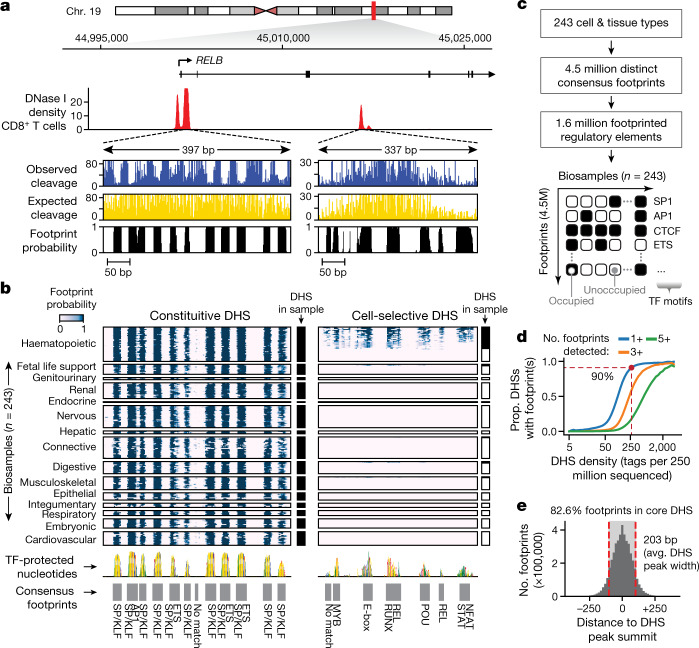
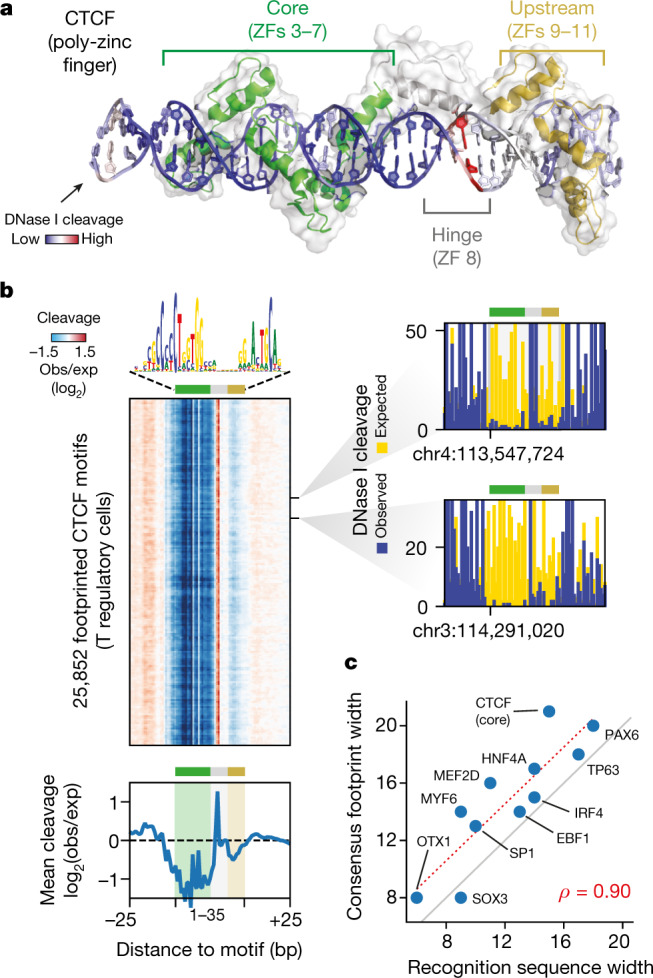
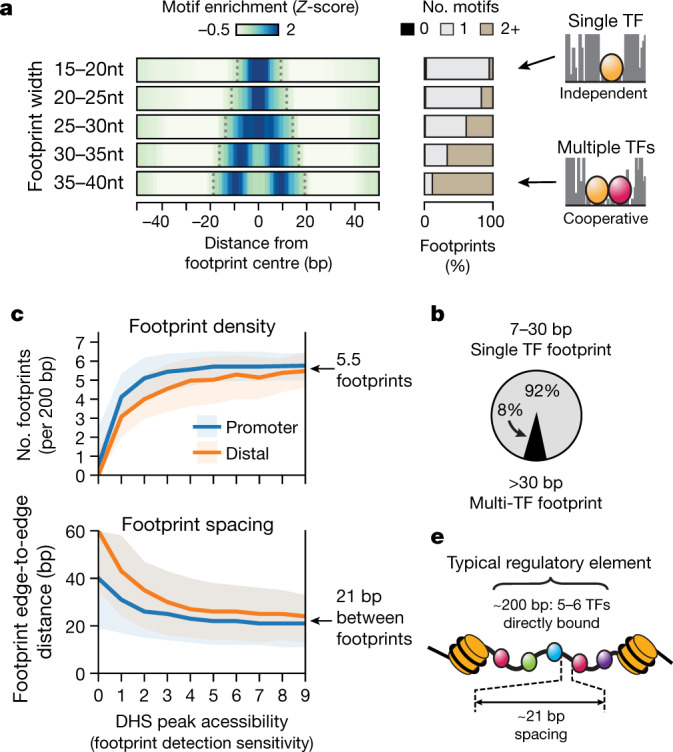
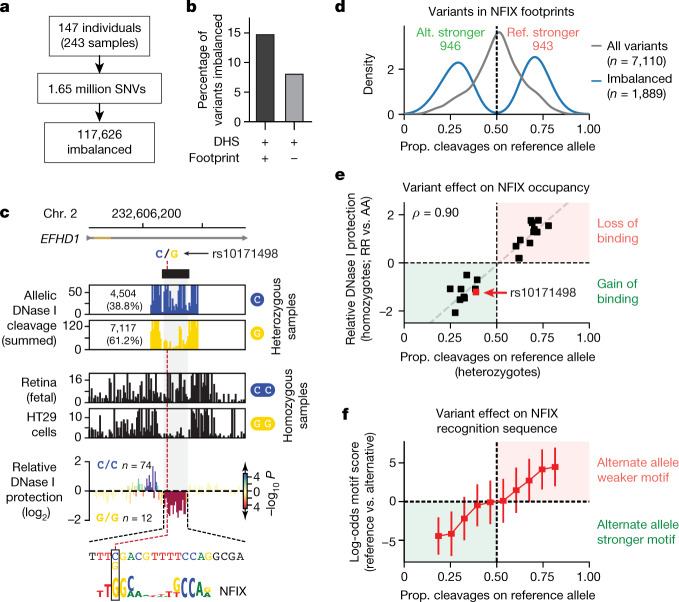
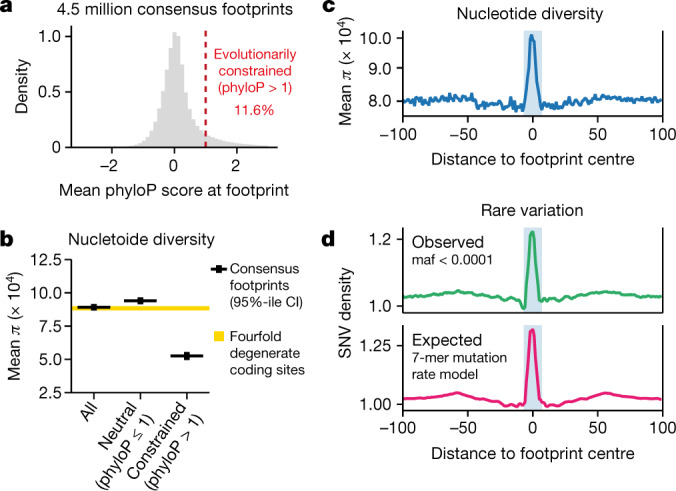
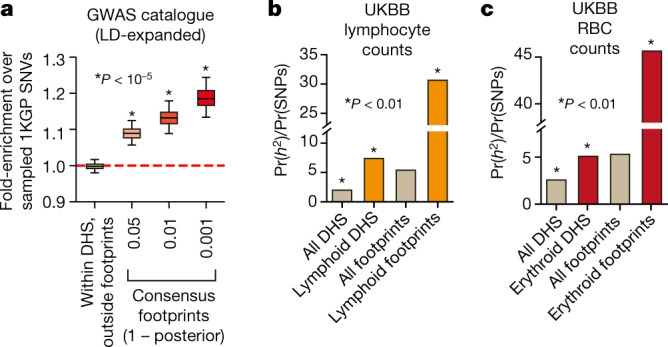
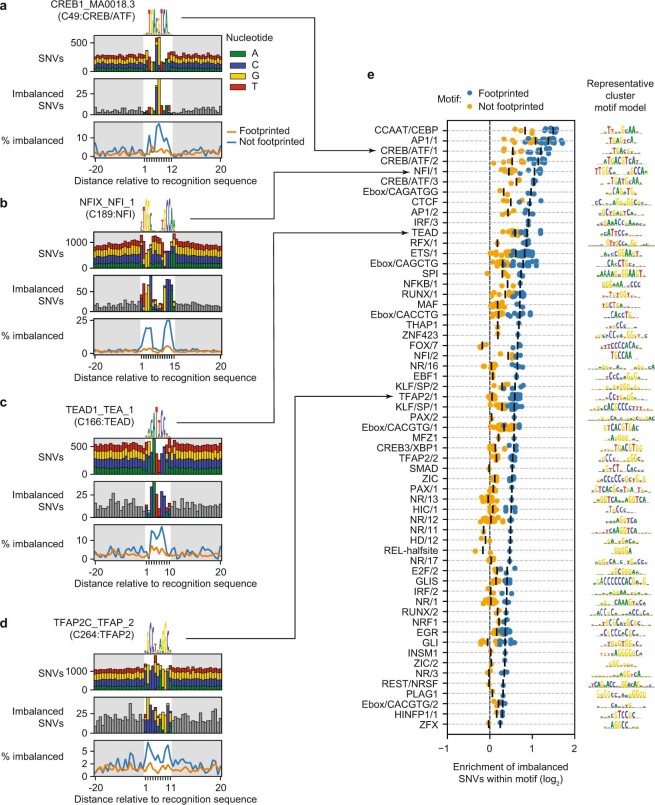
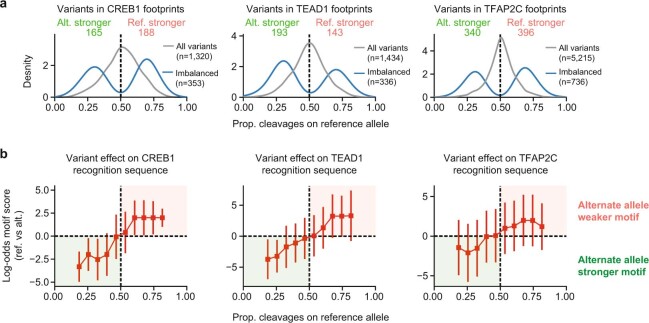
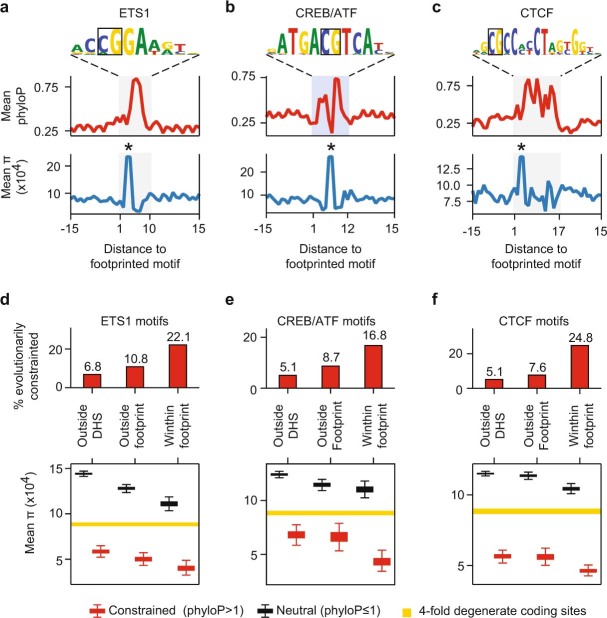
Abstract Combinatorial binding of transcription factors to regulatory DNA underpins gene regulation in all organisms. Genetic variation in regulatory regions has been connected with diseases and diverse phenotypic traits 1 , yet it remains challenging to distinguish variants that impact regulatory function 2 . Genomic DNase I footprinting enables quantitative, nucleotide-resolution delineation of sites of transcription factor occupancy within native chromatin 3–5 . However, to date only a small fraction of such sites have been precisely resolved on the human genome sequence 5 . To enable comprehensive mapping of transcription factor footprints, we produced high-density DNase I cleavage maps from 243 human cell and tissue types and states and integrated these data to delineate at nucleotide resolution ~4.5 million compact genomic elements encoding transcription factor occupancy. We map the fine-scale structure of ~1.6 million DHS and show that the overwhelming majority is populated by well-spaced sites of single transcription factor:DNA interaction. Cell context-dependent cis-regulation is chiefly executed by wholesale actuation of accessibility at regulatory DNA versus by differential transcription factor occupancy within accessible elements. We show further that the well-described enrichment of disease- and phenotypic trait-associated genetic variants in regulatory regions 1,6 is almost entirely attributable to variants localizing within footprints, and that functional variants impacting transcription factor occupancy are nearly evenly partitioned between loss- and gain-of-function alleles. Unexpectedly, we find that the global density of human genetic variation is markedly increased within transcription factor footprints, revealing an unappreciated driver of cis-regulatory evolution. Our results provide a new framework for both global and nucleotide-precision analyses of gene regulatory mechanisms and functional genetic variation.
Overview
The claims and statistics of this paper haven’t been checked yet.
Run the check — free, no account needed. It reads the open-access text and checks the sources it cites.
Integrity signals
Registry
Cites
Statistics
Figures
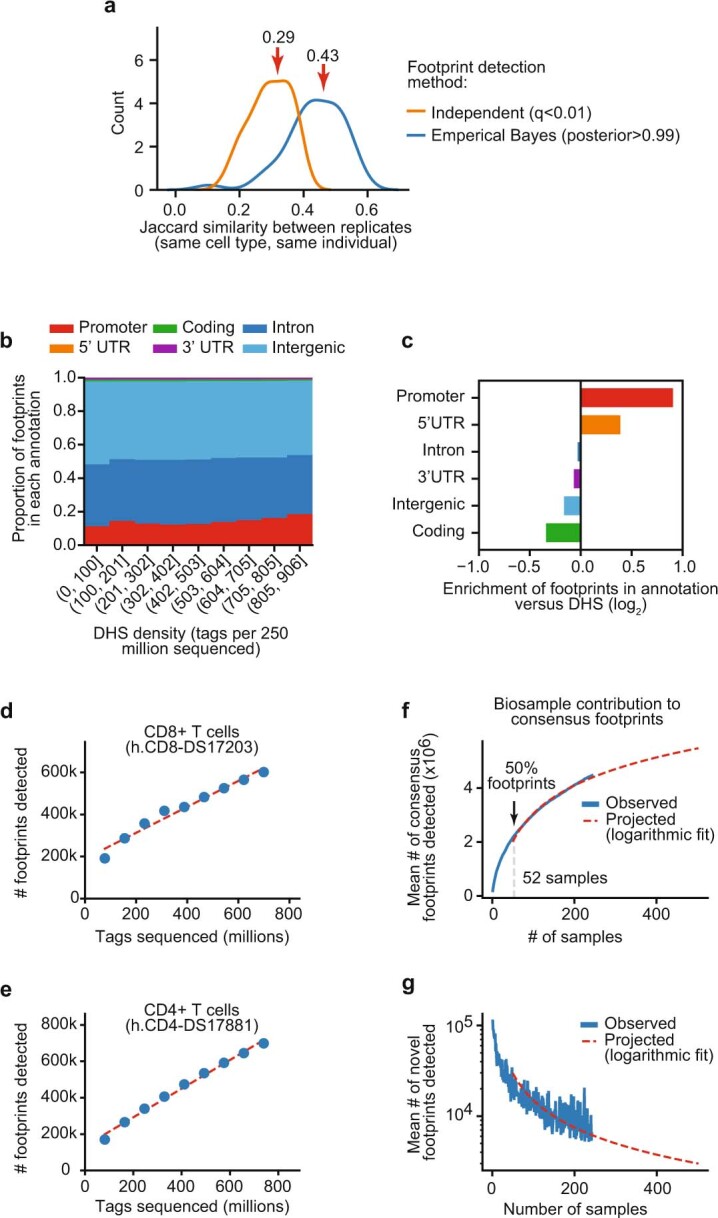
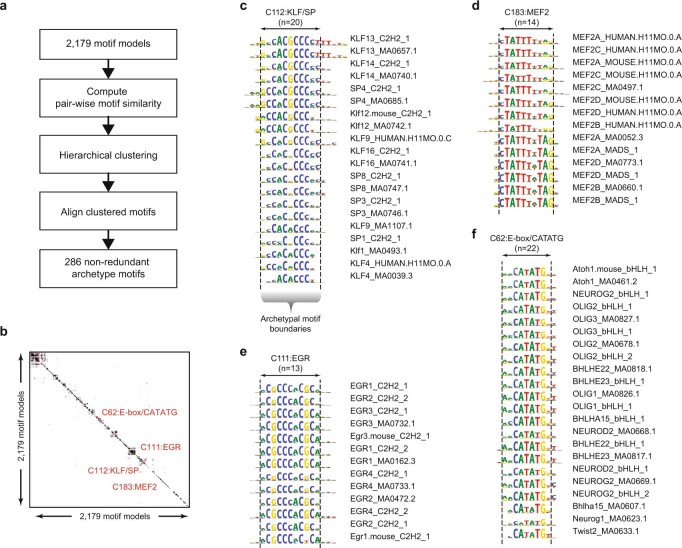
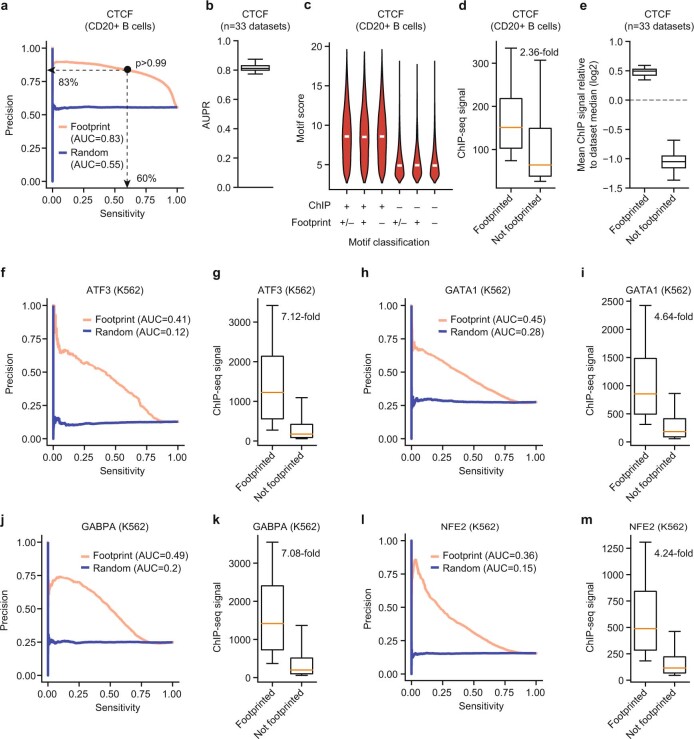
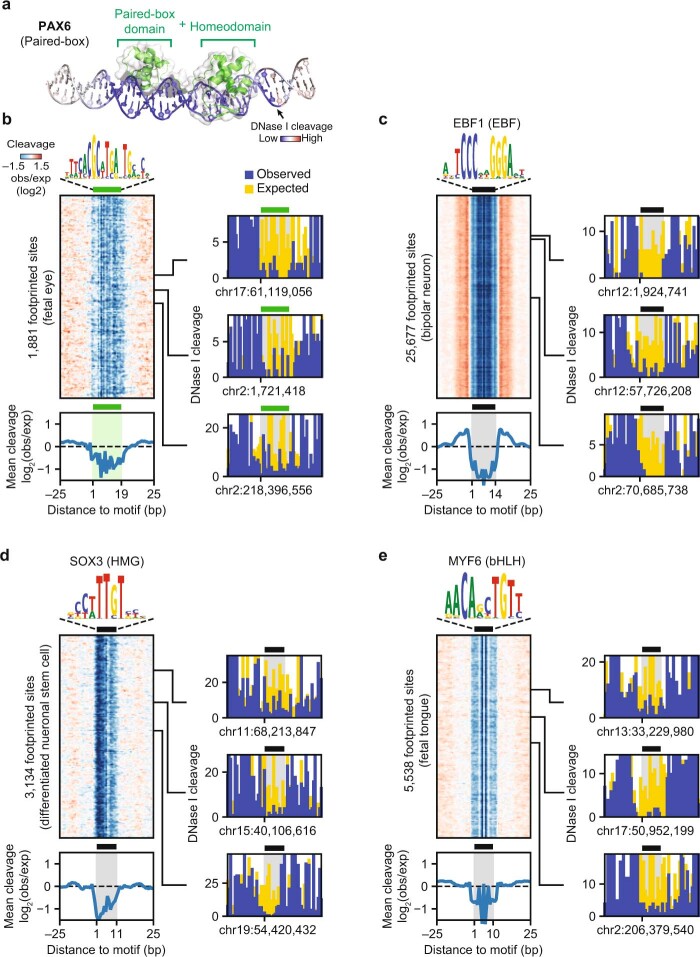
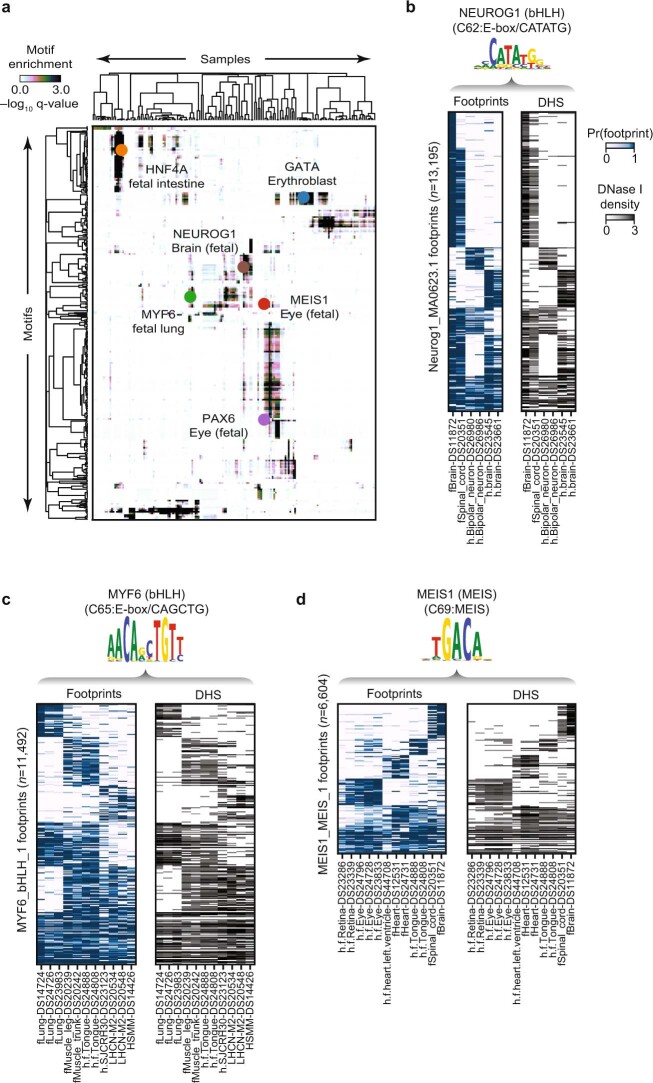
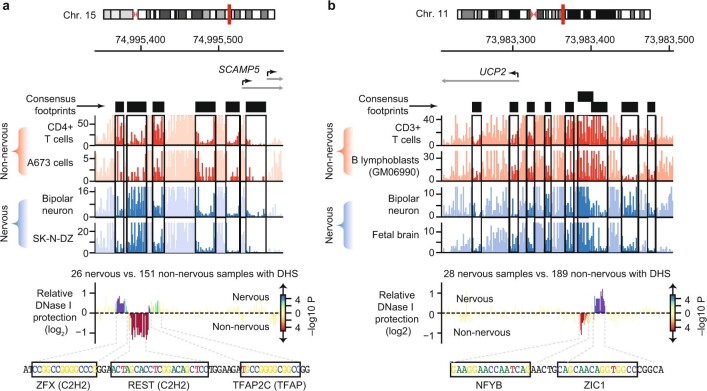
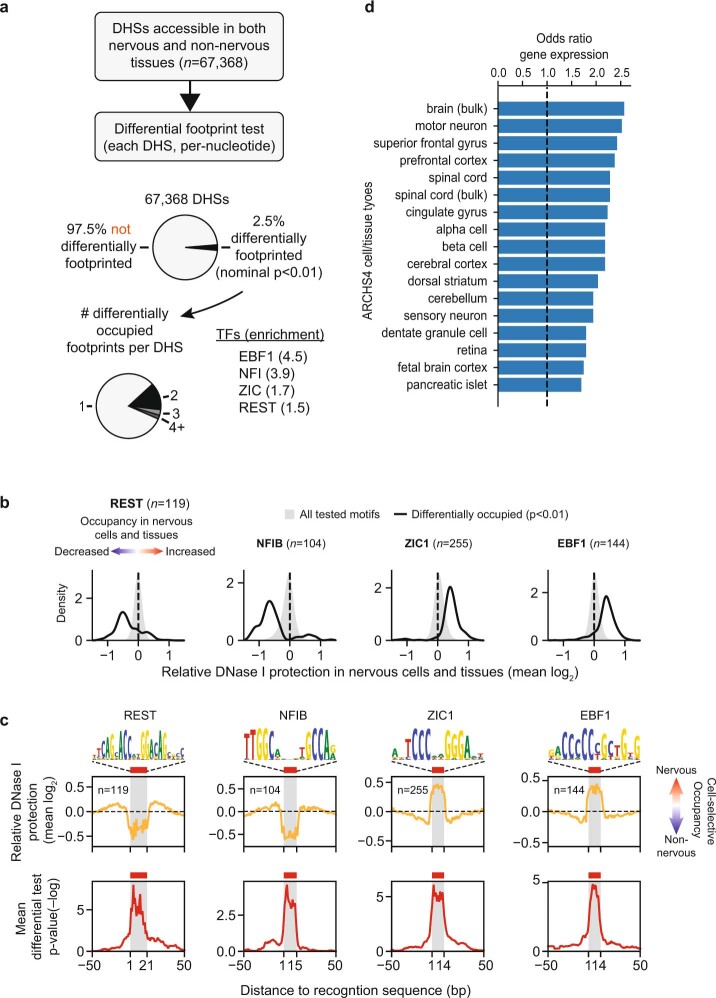
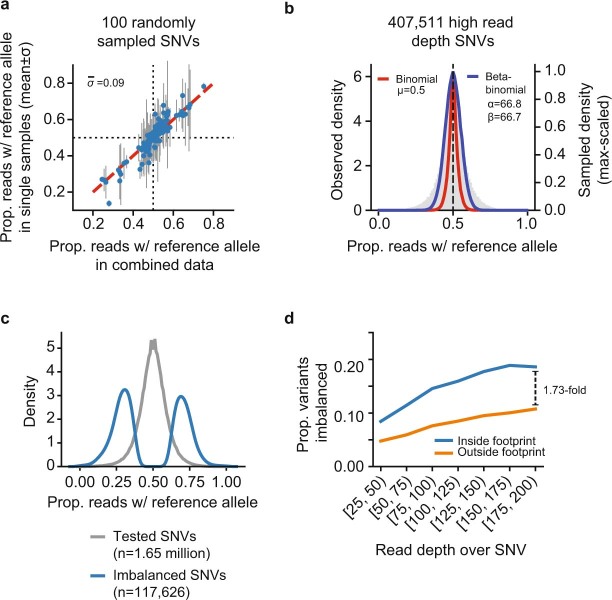
Verification
Claims the paper makes
The claims and statistics of this paper haven’t been checked yet.
Run the check — free, no account needed. It reads the open-access text and checks the sources it cites.
Claims other papers make about this one
Each is checked against this paper’s own text: does it say what the citing paper says it does?
The source backs part of the claim, not all of it — or backs it for a different population, condition or comparison.
In the citing paper
“In some cases, we found statistically weak evidence for stronger correlations with other factors from the same motif family,45 e.g., the activity of enhancers with Gfi1 sites was correlated with the expression of Gfi1b (Figure S3C).”
From Design principles of cell-state-specific enhancers in hematopoiesis (2025) · cites this paper as [45]
Experimental — accuracy not yet measured
Self-check
Percentages, sums and reported differences re-computed from the paper’s own numbers.
The self-check needs the paper’s full text.
Citations
Cites
A global reference for human genetic variation
The 1000 Genomes Project Consortium, authors, C., Auton, A., Abecasis, G. R., Steering committee, Altshuler, D. M., Durbin, R. M., Abecasis, G. R., Bentley, D. R., Chakravarti, A., et al. (2015) · Nature · doi:10.1038/nature15393 · Cited by 18,247
An integrated encyclopedia of DNA elements in the human genome
The ENCODE Project Consortium (2012) · Nature · doi:10.1038/nature11247 · Cited by 18,072
A map of human genome variation from population-scale sequencing.
The 1000 Genomes Project Consortium (2010) · Nature · doi:10.1038/nature09534 · Cited by 7,877
Integrative analysis of 111 reference human epigenomes
Roadmap Epigenomics Consortium, Kundaje, A., Meuleman, W., Ernst, J., Bilenky, M., Yen, A., Heravi-Moussavi, A., Kheradpour, P., Zhang, Z., Wang, J., et al. (2015) · Nature · doi:10.1038/nature14248 · Cited by 6,368
LD Score regression distinguishes confounding from polygenicity in genome-wide association studies
Schizophrenia Working Group of the Psychiatric Genomics Consortium, Bulik-Sullivan, B. K., Loh, P.-R., Finucane, H. K., Ripke, S., Yang, J., Patterson, N., Daly, M. J., Price, A. L., & Neale, B. M. (2015) · Nature Genetics · doi:10.1038/ng.3211 · Cited by 5,559
Buniello, A., MacArthur, J. A. L., Cerezo, M., Harris, L. W., Hayhurst, J., Malangone, C., McMahon, A., Morales, J., Mountjoy, E., Sollis, E., et al. (2019) · Nucleic Acids Research · doi:10.1093/nar/gky1120 · Cited by 4,000
Systematic Localization of Common Disease-Associated Variation in Regulatory DNA
Maurano, M. T., Humbert, R., Rynes, E., Thurman, R. E., Haugen, E., Wang, H., Reynolds, A. P., Sandstrom, R., Qu, H., Brody, J., et al. (2012) · Science · doi:10.1126/science.1222794 · Cited by 3,716
Self-citationThe Human Transcription Factors
Lambert, S. A., Jolma, A., Campitelli, L. F., Das, P. K., Yin, Y., Albu, M., Chen, X., Taipale, J., Hughes, T. R., & Weirauch, M. T. (2018) · Cell · doi:10.1016/j.cell.2018.01.029 · Cited by 3,399
The accessible chromatin landscape of the human genome
Thurman, R. E., Rynes, E., Humbert, R., Vierstra, J., Maurano, M. T., Haugen, E., Sheffield, N. C., Stergachis, A. B., Wang, H., Vernot, B., et al. (2012) · Nature · doi:10.1038/nature11232 · Cited by 2,679
Self-citationPartitioning heritability by functional annotation using genome-wide association summary statistics
ReproGen Consortium, Finucane, H. K., Schizophrenia Working Group of the Psychiatric Genomics Consortium, The RACI Consortium, Bulik-Sullivan, B., Gusev, A., Trynka, G., Reshef, Y., Loh, P.-R., Anttila, V., et al. (2015) · Nature Genetics · doi:10.1038/ng.3404 · Cited by 2,604
Cited by
Sorted by citations
Expanded encyclopaedias of DNA elements in the human and mouse genomes
The ENCODE Project Consortium, Abascal, F., Acosta, R., Addleman, N. J., Adrian, J., Afzal, V., Ai, R., Aken, B., Akiyama, J. A., Jammal, O. A., et al. (2020) · Nature · doi:10.1038/s41586-020-2493-4 · Cited by 2,378
JASPAR 2022: the 9th release of the open-access database of transcription factor binding profiles
Castro-Mondragon, J. A., Riudavets-Puig, R., Rauluseviciute, I., Berhanu Lemma, R., Turchi, L., Blanc-Mathieu, R., Lucas, J., Boddie, P., Khan, A., Manosalva Pérez, N., et al. (2022) · Nucleic Acids Research · doi:10.1093/nar/gkab1113 · Cited by 1,935
Haplotype-resolved diverse human genomes and integrated analysis of structural variation
Ebert, P., Audano, P. A., Zhu, Q., Rodriguez-Martin, B., Porubsky, D., Bonder, M. J., Sulovari, A., Ebler, J., Zhou, W., Serra Mari, R., et al. (2021) · Science · doi:10.1126/science.abf7117 · Cited by 702
Genome-wide enhancer maps link risk variants to disease genes
Nasser, J., Bergman, D. T., Fulco, C. P., Guckelberger, P., Doughty, B. R., Patwardhan, T. A., Jones, T. R., Nguyen, T. H., Ulirsch, J. C., Lekschas, F., et al. (2021) · Nature · doi:10.1038/s41586-021-03446-x · Cited by 669
“This is because, although the larger region is important for counting reads in H3K27ac ChIP–seq, which occur on flanking nucleosomes, DNA sequences important for enhancer function—such as transcription factor footprints—are most often found in the central nucleosome-free region 49 .”
BackgroundTrevino, A. E., Müller, F., Andersen, J., Sundaram, L., Kathiria, A., Shcherbina, A., Farh, K., Chang, H. Y., Pașca, A. M., Kundaje, A., et al. (2021) · Cell · doi:10.1016/j.cell.2021.07.039 · Cited by 478
A single-cell atlas of chromatin accessibility in the human genome
Zhang, K., Hocker, J. D., Miller, M., Hou, X., Chiou, J., Poirion, O. B., Qiu, Y., Li, Y. E., Gaulton, K. J., Wang, A., et al. (2021) · Cell · doi:10.1016/j.cell.2021.10.024 · Cited by 502
“Only themost enriched TFmotif in each of the previously identifiedmotif archetypes (Vierstra et al., 2020) was selected as the representative and the top 5 motifs were selected for each group.”
InfluentialRegulatory genomic circuitry of human disease loci by integrative epigenomics
Boix, C. A., James, B. T., Park, Y., Meuleman, W. R. A., & Kellis, M. (2021) · Nature · doi:10.1038/s41586-020-03145-z · Cited by 387
Index and biological spectrum of human DNase I hypersensitive sites
Meuleman, W., Muratov, A., Rynes, E., Halow, J., Lee, K., Bates, D., Diegel, M., Dunn, D., Neri, F., Teodosiadis, A., et al. (2020) · Nature · doi:10.1038/s41586-020-2559-3 · Cited by 331
Self-citationBecker, W. R., Nevins, S. A., Chen, D. C., Chiu, R., Horning, A. M., Guha, T. K., Laquindanum, R., Mills, M. A., Chaı̈b, H., Ladabaum, U., et al. (2022) · Nature Genetics · doi:10.1038/s41588-022-01088-x · Cited by 333
“Following clustering of the differential peaks into ten groups, hypergeometric enrichment of clustered TF motifs 58 (which were downloaded from https://jeffgranja.s3.amazonaws.com/ArchR/Annotations/ Vierstra-Human-Motifs.rds) within those ten groups was calculated using the ArchR function…”
Organization of the human intestine at single-cell resolution
Hickey, J. W., Becker, W. R., Nevins, S. A., Horning, A. M., Espín-Pérez, A., Zhu, C., Zhu, B., Wei, B., Chiu, R., Chen, D. C., et al. (2023) · Nature · doi:10.1038/s41586-023-05915-x · Cited by 330
“We next identified the TFs with the highest correlation between their gene expression and the chromatin-accessibility activity level of their putative DNA-binding motifs 43 to nominate TFs that directly drive accessibility changes.”
DeepSTARR predicts enhancer activity from DNA sequence and enables the de novo design of enhancers
de Almeida, B. P., Reiter, F., Pagani, M., & Stark, A. (2021) · doi:10.1101/2021.10.05.463203 · Cited by 284
de Almeida, B. P., Reiter, F., Pagani, M., & Stark, A. (2022) · Nature Genetics · doi:10.1038/s41588-022-01048-5 · Cited by 283
“Interestingly, DNase I footprinting data from a related colon cancer cell line (RKO 82 ) suggest that the AP-1 instance with low importance was not bound endogenously, in contrast to the three important AP-1 instances (Fig.”
BackgroundEvolutionary constraint and innovation across hundreds of placental mammals
Christmas, M. J., Kaplow, I. M., Genereux, D. P., Dong, M. X., Hughes, G. M., Li, X., Sullivan, P. F., Hindle, A. G., Andrews, G., Armstrong, J. C., et al. (2023) · Science · doi:10.1126/science.abn3943 · Cited by 292
Functional inference of gene regulation using single-cell multi-omics
Kartha, V. K., Duarte, F. M., Hu, Y., Ma, S., Chew, J. G., Lareau, C. A., Earl, A., Burkett, Z. D., Kohlway, A. S., Lebofsky, R., et al. (2022) · Cell Genomics · doi:10.1016/j.xgen.2022.100166 · Cited by 224
“Higher-coverage multi-omics measurements may enable use of TF footprinting, 74,75 providing a direct measurement of TF-peak interactions.”
MethodHerring, C. A., Simmons, R. K., Freytag, S., Poppe, D., Moffet, J. J. D., Pflueger, J., Buckberry, S., Vargas-Landín, D. B., Clément, O., Goñi, E., et al. (2022) · Cell · doi:10.1016/j.cell.2022.09.039 · Cited by 242
Abascal, F., Acosta, R., Addleman, N. J., Adrian, J., Afzal, V., Aken, B. L., Ai, R., Akiyama, J. A., Jammal, O. A., Amrhein, H., et al. (2020) · Nature · doi:10.1038/s41586-020-2449-8 · Cited by 225
Chromatin accessibility profiling methods
Minnoye, L., Marinov, G. K., Krausgruber, T., Pan, L., Marand, A. P., Secchia, S., Greenleaf, W. J., Furlong, E. E. M., Zhao, K., Schmitz, R. J., et al. (2021) · Nature Reviews Methods Primers · doi:10.1038/s43586-020-00008-9 · Cited by 206
Multiple causal variants underlie genetic associations in humans
Abell, N. S., DeGorter, M. K., Gloudemans, M. J., Greenwald, E., Smith, K. S., He, Z., & Montgomery, S. B. (2022) · Science · doi:10.1126/science.abj5117 · Cited by 180
scPerturb: harmonized single-cell perturbation data
Peidli, S., Green, T. D., Shen, C., Gross, T., Min, J., Garda, S., Yuan, B., Schumacher, L. J., Taylor-King, J. P., Marks, D. S., et al. (2024) · Nature Methods · doi:10.1038/s41592-023-02144-y · Cited by 194
“60; and marker-peaks per perturbation target, which quantifies the differential regulation of highly variable peaks for each type of perturbation.”
Sequence-based modeling of three-dimensional genome architecture from kilobase to chromosome scale
Zhou, J. (2022) · Nature Genetics · doi:10.1038/s41588-022-01065-4 · Cited by 177
Molecular Co-occupancy Identifies Transcription Factor Binding Cooperativity In Vivo
Sönmezer, C., Kleinendorst, R., Imanci, D., Barzaghi, G., Villacorta, L., Schübeler, D., Benes, V., Molina, N., & Krebs, A. R. (2021) · Molecular Cell · doi:10.1016/j.molcel.2020.11.015 · Cited by 162
Pierce, S. E., Granja, J. M., & Greenleaf, W. J. (2021) · Nature Communications · doi:10.1038/s41467-021-23213-w · Cited by 146
The ENCODE Uniform Analysis PipelinesPreprint
Hitz, B. C., Lee, J.-W., Jolanki, O., Kagda, M. S., Graham, K., Sud, P., Gabdank, I., Strattan, J. S., Sloan, C. A., Dreszer, T. R., et al. (2023) · bioRxiv (Cold Spring Harbor Laboratory) · doi:10.1101/2023.04.04.535623 · Cited by 149
“For details on the statistics of the footprinting algorithm see the Supplementary Methods of Vierstra et al. 37 Alignment and trimming metrics are calculated by samtools and cutadapt, while other utilities measure the extent of read duplication and fragment size distribution.”
MethodPampari, A., Shcherbina, A., Kvon, E. Z., Kosicki, M., Nair, S., Kundu, S., Kathiria, A. S., Risca, V. I., Kuningas, K., Alasoo, K., et al. (2024) · bioRxiv (Cold Spring Harbor Laboratory) · doi:10.1101/2024.12.25.630221 · Cited by 183
Cardiac cell type–specific gene regulatory programs and disease risk association
Hocker, J. D., Poirion, O., Zhu, F., Buchanan, J., Zhang, K., Chiou, J., Wang, T., Zhang, Q., Hou, X., Li, Y. E., et al. (2021) · Science Advances · doi:10.1126/sciadv.abf1444 · Cited by 136
Large-scale mapping and mutagenesis of human transcriptional effector domains
DelRosso, N., Tycko, J., Suzuki, P., Andrews, C., Aradhana, Mukund, A., Liongson, I., Ludwig, C., Spees, K., Fordyce, P., et al. (2023) · Nature · doi:10.1038/s41586-023-05906-y · Cited by 130
Core transcription programs controlling injury-induced neurodegeneration of retinal ganglion cells
Tian, F., Cheng, Y., Zhou, S., Wang, Q., Monavarfeshani, A., Gao, K., Jiang, W., Kawaguchi, R., Wang, Q., Tang, M., et al. (2022) · Neuron · doi:10.1016/j.neuron.2022.06.003 · Cited by 127
A foundation model of transcription across human cell types
(2025) · doi:10.1038/s41586-024-08391-z · Cited by 130
“As the availability of ATAC-seq and multiome data continues to grow, more comprehensive reference peak sets, such as the ENCODE DHS index 13 and cPeaks 65 , will further facilitate the adaptation of the GET model to an even broader range of cell types and experimental conditions.”
InfluentialMammalian evolution of human cis-regulatory elements and transcription factor binding sites
Andrews, G., Fan, K., Pratt, H. E., Phalke, N. N., Karlsson, E. K., Lindblad‐Toh, K., Gazal, S., Moore, J. E., Weng, Z., Andrews, G., et al. (2023) · Science · doi:10.1126/science.abn7930 · Cited by 110
Massively parallel discovery of human-specific substitutions that alter enhancer activity
Uebbing, S., Gockley, J., Reilly, S. K., Kocher, A. A., Geller, E. T., Gandotra, N., Scharfe, C., Cotney, J. L., & Noonan, J. P. (2020) · Proceedings of the National Academy of Sciences · doi:10.1073/pnas.2007049118 · Cited by 113
“…corresponding factors in vivo, we repeated this analysis on TFBSs within regions of accessible chromatin in human neural stem cells and cortical organoids (assay for transposase-accessible chromatin using sequencing [ATAC-seq] data generated in this study and data from previous studies) (23, 26).”
Qiu, J., Xu, B., Ye, D., Ren, D., Wang, S., Benci, J. L., Xu, Y., Ishwaran, H., Beltra, J., Wherry, E. J., et al. (2023) · Nature Cancer · doi:10.1038/s43018-022-00490-y · Cited by 117
Identification of constrained sequence elements across 239 primate genomes
Kuderna, L. F. K., Ulirsch, J. C., Rashid, S., Ameen, M., Sundaram, L., Hickey, G., Cox, A. J., Gao, H., Kumar, A., Aguet, F., et al. (2024) · Nature · doi:10.1038/s41586-023-06798-8 · Cited by 129
“After stratifying human genes by selective constraint quantified by loss-of-function observed/ expected upper bound fraction (LOEUF) scores 38 , we found that variants affecting the expression of highly constrained genes tended to be enriched at more deeply constrained DHS elements and footprints…”
InfluentialSolid-phase capture and profiling of open chromatin by spatial ATAC
Llorens-Bobadilla, E., Zamboni, M., Marklund, M., Bhalla, N., Chen, X., Hartman, J., Frisén, J., & Ståhl, P. L. (2023) · Nature Biotechnology · doi:10.1038/s41587-022-01603-9 · Cited by 108
Hold out the genome: a roadmap to solving the cis-regulatory code
de Boer, C. G., & Taipale, J. (2024) · Nature · doi:10.1038/s41586-023-06661-w · Cited by 107
UniBind: maps of high-confidence direct TF-DNA interactions across nine species
Puig, R. R., Boddie, P., Khan, A., Castro-Mondragon, J. A., & Mathelier, A. (2021) · BMC Genomics · doi:10.1186/s12864-021-07760-6 · Cited by 102
Gao, P., Lyu, Q., Ghanam, A. R., Lazzarotto, C. R., Newby, G. A., Zhang, W., Choi, M., Slivano, O. J., Holden, K., Walker, J. A., et al. (2021) · Genome biology · doi:10.1186/s13059-021-02304-3 · Cited by 96
Tremblay, F., Xiong, Q., Shah, S. S., Ko, C., Kelly, K., Morrison, M. S., Giancarlo, C., Ramírez, R. N., Hildebrand, E. M., Voytek, S. B., et al. (2025) · Nature Medicine · doi:10.1038/s41591-025-03508-x · Cited by 116
Xu, Q., Γεωργίου, Γ., Frölich, S., van der Sande, M., Veenstra, G. J. C., Zhou, H., & van Heeringen, S. J. (2021) · Nucleic Acids Research · doi:10.1093/nar/gkab598 · Cited by 89
Cooperative binding between distant transcription factors is a hallmark of active enhancers
Rao, S., Ahmad, K., & Ramachandran, S. (2021) · Molecular Cell · doi:10.1016/j.molcel.2021.02.014 · Cited by 82
BANP opens chromatin and activates CpG-island-regulated genes
Grand, R. S., Burger, L., Gräwe, C., Michael, A. K., Isbel, L., Heß, D., Hoerner, L., Iešmantavičius, V., Durdu, S., Pregnolato, M., et al. (2021) · Nature · doi:10.1038/s41586-021-03689-8 · Cited by 95
DNA-guided transcription factor cooperativity shapes face and limb mesenchyme
Kim, S., Morgunova, E. Y., Naqvi, S., Goovaerts, S., Bader, M., Koska, M., Popov, A. N., Luong, C., Pogson, A. N., Swigut, T., et al. (2024) · Cell · doi:10.1016/j.cell.2023.12.032 · Cited by 83
“102 Motifs clusters from https://www.vierstra.org/ resources/motif_clustering 127 were used, with one manually added cluster for the Coordinator motif, into which the TWIST1 motifs from HOCOMOCO were moved.”
MethodRUNX2 promotes fibrosis via an alveolar-to-pathological fibroblast transition
Fang, Y., Chung, S. S. W., Xu, L., Xue, C., Liu, X., Jiang, D., Li, R., Korogi, Y., Yuan, K., Saqi, A., et al. (2025) · Nature · doi:10.1038/s41586-024-08542-2 · Cited by 96
Spatially mapped single-cell chromatin accessibility
Thornton, C. A., Mulqueen, R. M., Torkenczy, K. A., Nishida, A., Lowenstein, E. G., Fields, A. J., Steemers, F. J., Zhang, W. H., McConnell, H. L., Woltjer, R. L., et al. (2021) · Nature Communications · doi:10.1038/s41467-021-21515-7 · Cited by 86
Evolutionary cell type mapping with single-cell genomics
Tanay, A., & Sebé-Pedrós, A. (2021) · Trends in Genetics · doi:10.1016/j.tig.2021.04.008 · Cited by 76
Transposable elements as tissue-specific enhancers in cancers of endodermal lineage
Karttunen, K., Patel, D., Xia, J., Fei, L., Palin, K., Aaltonen, L. A., & Sahu, B. (2023) · Nature Communications · doi:10.1038/s41467-023-41081-4 · Cited by 80
The dynamic, combinatorial cis-regulatory lexicon of epidermal differentiation
Kim, D. S., Risca, V. I., Reynolds, D. L., Chappell, J., Rubin, A. J., Jung, N., Donohue, L. K. H., Lopez-Pajares, V., Kathiria, A. S., Shi, M., et al. (2021) · Nature Genetics · doi:10.1038/s41588-021-00947-3 · Cited by 80
Li, J., Jaiswal, M. K., Chien, J.-F., Kozlenkov, A., Jung, J., Zhou, P., Gardashli, M., Pregent, L., Engelberg-Cook, E., Dickson, D. W., et al. (2023) · Nature Communications · doi:10.1038/s41467-023-41033-y · Cited by 81
Battistello, E., Hixon, K., Comstock, D. E., Collings, C. K., Chen, X., Rodriguez-Hernaez, J., Lee, S., Cervantes, K. S., Hinkley, M. M., Ntatsoulis, K., et al. (2023) · Molecular Cell · doi:10.1016/j.molcel.2023.02.026 · Cited by 78
The functional and evolutionary impacts of human-specific deletions in conserved elements
Xue, J. R., Mackay-Smith, A., Mouri, K., García, M. F., Dong, M. X., Akers, J. F., Noble, M., Li, X., Lindblad‐Toh, K., Karlsson, E. K., et al. (2023) · Science · doi:10.1126/science.abn2253 · Cited by 81
“( 58 ).”
Deviatiiarov, R. M., Gams, A., Kulakovskiy, I. V., Buyan, A., Meshcheryakov, G., Syunyaev, R. A., Singh, R., Shah, P. M., Tatarinova, T. V., Gusev, O., et al. (2023) · Nature Cardiovascular Research · doi:10.1038/s44161-022-00182-x · Cited by 75
Predicting expression-altering promoter mutations with deep learning
Jaganathan, K., Ferraro, N. M., Novakovsky, G., Wang, Y., James, T., Schwartzentruber, J., Fiziev, P. P., Kassam, I., Cao, F., Hawe, J. S., et al. (2025) · Science · doi:10.1126/science.ads7373 · Cited by 87
Huang, D., Zhou, Y., Yi, X., Fan, X., Wang, J., Yao, H., Sham, P. C., Hao, J., Chen, K., & Li, M. J. (2021) · Nucleic Acids Research · doi:10.1093/nar/gkab853 · Cited by 67
“We also incorporated allelic imbalance evidence of chromatin accessibility and TF binding from multiple studies (55,56).”
MethodSpeed–Specificity Trade-Offs in the Transcription Factors Search for Their Genomic Binding Sites
Jana, T., Brodsky, S., & Barkai, N. (2021) · Trends in Genetics · doi:10.1016/j.tig.2020.12.001 · Cited by 64
“Such indirect cooperationmay explain the increased tendency of some motifs to co-occur in the same promoters [114], the localization of multiple TFs to the same enhancer regions [115–118], and the prevalence of multiple, single-TF footprints within DNase-hypersensitive regions [18].”
BackgroundHansen, T. J., & Hodges, E. C. (2022) · Genome Research · doi:10.1101/gr.276766.122 · Cited by 71
“For this reason, we refer to TFs using their ENCODE-defined “archetypes,” which reflects the group of TFs that share the same motif (Vierstra et al. 2020).”
MethodHeRA: an atlas of enhancer RNAs across human tissues
Zhang, Z., Hong, W., Ruan, H., Jing, Y., Li, S., Liu, Y., Wang, J., Li, W., Diao, L., & Han, L. (2020) · Nucleic Acids Research · doi:10.1093/nar/gkaa940 · Cited by 63
“For those TFs with low percentage evidences, we speculated that this is due to the limited number of ChIP-seq experiments in ENCODE, that the majority of them are examined in ≤ 5 tissues / cell lines (34).”
Chromatin accessibility during human first-trimester neurodevelopment
Mannens, C. C. A., Hu, L., Lönnerberg, P., Schipper, M., Reagor, C. C., Li, X., He, X., Barker, R. A., Sundström, E., Posthuma, D., et al. (2024) · Nature · doi:10.1038/s41586-024-07234-1 · Cited by 69
“Additionally, all TFs were assigned to a family on the basis of their arche-motif 21 .”
Single-cell chromatin accessibility reveals malignant regulatory programs in primary human cancers
Sundaram, L., Kumar, A., Zatzman, M., Salcedo, A., Ravindra, N. G., Shams, S., Louie, B. H., Bagdatli, S. T., Myers, M. A., Sarmashghi, S., et al. (2024) · Science · doi:10.1126/science.adk9217 · Cited by 66
“Weusedthesemodelsto predictwhichsequence-basedarchetypalmo-tifinstances( 33 )werelikelytobeactivewithin accessible putative distal regulatory elements in individual BRCA samples.”
BackgroundResultInfluentialRegulatory transposable elements in the encyclopedia of DNA elements
Du, A. Y., Chobirko, J. D., Zhuo, X., Feschotte, C., & Wang, T. (2024) · Nature Communications · doi:10.1038/s41467-024-51921-6 · Cited by 72
“Enriched motifs were grouped according to motif archetypes 47 .”
Background“Stripe” transcription factors provide accessibility to co-binding partners in mammalian genomes
Zhao, Y., Vartak, S. V., Conte, A., Wang, X., Garcia, D. A., Stevens, E., Jung, S. K., Kieffer-Kwon, K.-R., Vian, L., Stodola, T. J., et al. (2022) · Molecular Cell · doi:10.1016/j.molcel.2022.06.029 · Cited by 62
The correlation between CpG methylation and gene expression is driven by sequence variants
Stefánsson, Ó. A., Sigurpalsdottir, B. D., Rögnvaldsson, S., Halldorsson, G. H., Juliusson, K., Sveinbjörnsson, G., Gunnarsson, B., Beyter, D., Jónsson, H., Gudjonsson, S. A., et al. (2024) · Nature Genetics · doi:10.1038/s41588-024-01851-2 · Cited by 74
“DNA regulatory sequences, for example, promoters and enhancers, are frequently bound by transcription factors (TFs) 5,6 and depleted of CpG methylation 7,8 .”
Multiscale footprints reveal the organization of cis-regulatory elements
Yan, H., Horlbeck, M. A., Zhang, R., Ma, S., Shrestha, R., Kartha, V. K., Duarte, F. M., Hock, C., Savage, R. E., Labade, A. S., et al. (2025) · Nature · doi:10.1038/s41586-024-08443-4 · Cited by 93
Shah, K., Maradana, M. R., Delàs, M. J., Metidji, A., Graelmann, F. J., Llorian, M., Chakravarty, P., Li, Y., Tolaini, M., Shapiro, M., et al. (2022) · Nature Communications · doi:10.1038/s41467-022-29098-7 · Cited by 58
Single-nucleotide-level mapping of DNA regulatory elements that control fetal hemoglobin expression
Cheng, L., Li, Y., Qi, Q., Xu, P., Feng, R., Palmer, L. E., Chen, J., Wu, R., Yee, T., Zhang, J., et al. (2021) · Nature Genetics · doi:10.1038/s41588-021-00861-8 · Cited by 59
Peña-Martínez, E. G., & Rodríguez‐Martínez, J. A. (2024) · Frontiers in Bioscience-Scholar · doi:10.31083/j.fbs1601004 · Cited by 63
“Enhancers are one of the most abundant CREs responsible for enhancing transcription and regulating the spatial and temporal expression of genes in a tissue-specific manner [14].”
BackgroundSeplyarskiy, V. B., Koch, E. M., Lee, D. J., Lichtman, J. S., Luan, H. H., & Sunyaev, S. R. (2023) · Nature Genetics · doi:10.1038/s41588-023-01562-0 · Cited by 54
“This analysis finds the following two such processes: transcription by polymerase III (Pol III) increases mutation rate by an order of magnitude and binding of transcription factor (TF) in testis increases T > G rate (~1.6-fold).”
BackgroundInfluentialXiao, F., Zhang, X., Morton, S. U., Kim, S. W., Fan, Y., Gorham, J., Zhang, H., Berkson, P., Mazumdar, N., Cao, Y., et al. (2024) · Nature Genetics · doi:10.1038/s41588-024-01669-y · Cited by 62
“Enriched motifs were identified using Homer (v.4.11.1) 38 and a previously described nonredundant motif database 50 .”
InfluentialThe origin of human mutation in light of genomic data
Seplyarskiy, V. B., & Sunyaev, S. R. (2021) · Nature Reviews Genetics · doi:10.1038/s41576-021-00376-2 · Cited by 58
Mechanisms underlying divergent responses of genetically distinct macrophages to IL-4
Hoeksema, M. A., Shen, Z., Holtman, I. R., Zheng, A., Spann, N. J., Cobo, I., Gymrek, M., & Glass, C. K. (2021) · Science Advances · doi:10.1126/sciadv.abf9808 · Cited by 51
EWS-FLI1 regulates and cooperates with core regulatory circuitry in Ewing sarcoma
Shi, X., Zheng, Y., Jiang, L., Zhou, B. O., Yang, W., Li, L., Ding, L., Huang, M., Gery, S., Lin, D., et al. (2020) · Nucleic Acids Research · doi:10.1093/nar/gkaa901 · Cited by 54
“The spacing of TF binding sites can provide insights into the regulatory organization and cooperativity between TFs (38).”
BackgroundDenisovan introgression has shaped the immune system of present-day Papuans
Vespasiani, D. M., Jacobs, G. S., Cook, L. E., Brucato, N., Leavesley, M., Kinipi, C., Ricaut, F.-X., Cox, M. P., & Gallego Romero, I. (2022) · PLOS Genetics · doi:10.1371/journal.pgen.1010470 · Cited by 46
“[31], which clusters HOCOCOMO and Jaspar PWMs into 286 distinct clusters on the basis of sequence similarity, and considered only those a/naSNPs that disrupted PWMs included in these clusters (n = 3,028 Denisovan, 2,457 Neanderthal and 21,104 modern human variants).”
Delàs, M. J., Kalaitzis, C. M., Fawzi, T., Demuth, M., Zhang, I., Stuart, H. T., Costantini, E., Ivanovitch, K., Tanaka, E. M., & Briscoe, J. (2022) · Developmental Cell · doi:10.1016/j.devcel.2022.11.016 · Cited by 42
“We used TOBIAS(33) with motifs from three databases, grouping motifs into published archetypes based on position weight matrix clustering of motifs.(37) The analysis revealed homeodomain (HD) and PAXmotifs among those most differentially scoring between pMN, p2, and p0-1 at day 5 and day 6 (Figure 3D).”
MethodLongitudinal immune dynamics of mild COVID-19 define signatures of recovery and persistencePreprint
Talla, A., Vasaikar, S. V., Lemos, M. P., Moodie, Z., Pebworth, M.-P., Henderson, K. E., Cohen, K. W., Czartoski, J., Lai, L., Suthar, M. S., et al. (2021) · bioRxiv (Cold Spring Harbor Laboratory) · doi:10.1101/2021.05.26.442666 · Cited by 46
“, 2009), ENCODE reference accessible regions (ENCODE file ID ENCFF503GCK; (Vierstra et al., 2020)), and TSS regions (TSS ±2kb from Ensembl v93; (Yates et al.”
BackgroundSMARCE1 deficiency generates a targetable mSWI/SNF dependency in clear cell meningioma
Pierre, R. S., Collings, C. K., Guerra, D. D. S., Widmer, C. J., Bolonduro, O., Mashtalir, N., Sankar, A., Liang, Y., Bi, W. L., Gerkes, E. H., et al. (2022) · Nature Genetics · doi:10.1038/s41588-022-01077-0 · Cited by 45
Extrusion fountains are hallmarks of chromosome organization emerging upon zygotic genome activation
Galitsyna, A. A., Ulianov, S. V., Bazarevich, M., Bykov, N. S., Veil, M., Gao, M., Perevoschikova, K., Gelfand, M. S., Razin, S. V., Mirny, L. A., et al. (2026) · Nature Communications · doi:10.1038/s41467-026-69105-9 · Cited by 42
“…the site of facilitated cohesin loading as a 1-Kb region (one simulation monomer), consistent with recent characterizations of regulatory elements 49 and the average length of ATAC-seq peaks at fountain bases (606 bp) 41 , which corresponds to the narrow (~10 Kb) bases of the fountains we…”
Parallel functional testing identifies enhancers active in early postnatal mouse brain
Lambert, J. T., Su-Feher, L., Cichewicz, K., Warren, T. L., Zdilar, I., Wang, Y., Lim, K. J., Haigh, J., Morse, S. J., Canales, C. P., et al. (2021) · eLife · doi:10.7554/elife.69479 · Cited by 39
A GO catalogue of human DNA-binding transcription factors
Lovering, R. C., Gaudet, P., Acencio, M. L., Ignatchenko, A., Jolma, A., Fornés, O., Kuiper, M. T. R., Kulakovskiy, I. V., Lægreid, A., Martin, M. J., et al. (2021) · Biochimica et Biophysica Acta (BBA) - Gene Regulatory Mechanisms · doi:10.1016/j.bbagrm.2021.194765 · Cited by 40
Single-molecule states link transcription factor binding to gene expression
Doughty, B. R., Hinks, M. M., Schaepe, J. M., Marinov, G. K., Thurm, A. R., Rios-Martinez, C., Parks, B. E., Tan, Y., Marklund, E., Dubocanin, D., et al. (2024) · Nature · doi:10.1038/s41586-024-08219-w · Cited by 42
Cao, Y., Zhang, X., Akerberg, B. N., Yuan, H., Sakamoto, T., Xiao, F., VanDusen, N. J., Zhou, P., Sweat, M., Wang, Y., et al. (2023) · Circulation · doi:10.1161/circulationaha.122.061955 · Cited by 41
Evolving cell states and oncogenic drivers during the progression of IDH-mutant gliomas
Wu, J., Castro, L. N. G., Battaglia, S., Farran, C. A. E., D’Antonio, J. P., Miller, T. E., Suvà, M. L., & Bernstein, B. (2024) · Nature Cancer · doi:10.1038/s43018-024-00865-3 · Cited by 48
“Motifs with similar sequences were collapsed into one motif through motif clustering 65 .”
Functional dissection of complex trait variants at single-nucleotide resolution
Siraj, L., Castro, R. I., Dewey, H. B., Kales, S., Butts, J. C., Nguyen, T. T. L., Kanai, M., Berenzy, D., Mouri, K., Wang, Q. S., et al. (2026) · Nature · doi:10.1038/s41586-026-10121-6 · Cited by 56
Self-citationAssigning function to SNPs: Considerations when interpreting genetic variation
Fadason, T., Farrow, S. L., Gokuladhas, S., Golovina, E., Nyaga, D. M., O'Sullivan, J. M., & Schierding, W. S. (2021) · Seminars in Cell and Developmental Biology · doi:10.1016/j.semcdb.2021.08.008 · Cited by 44
Constructing gene regulatory networks using epigenetic data
Sonawane, A. R., DeMeo, D. L., Quackenbush, J. F., & Glass, K. (2021) · npj Systems Biology and Applications · doi:10.1038/s41540-021-00208-3 · Cited by 45
Wünnemann, F., Tadjo, T. F., Beaudoin, M., Lalonde, S., Lo, K. S., Kleinstiver, B. P., & Lettre, G. (2023) · PLoS Genetics · doi:10.1371/journal.pgen.1010680 · Cited by 40
Deep learning the cis-regulatory code of chromatin dynamics during cellular reprogrammingPreprint
Nair, S., Ameen, M., Sundaram, L., Pampari, A., Schreiber, J. M., Balsubramani, A., Wang, Y. X., Burns, D., Blau, H. M., Karakikes, I., et al. (2023) · bioRxiv (Cold Spring Harbor Laboratory) · doi:10.1101/2023.10.04.560808 · Cited by 38
Epigenetic regulatory layers in the 3D nucleus
Willemin, A., Szabó, D., & Pombo, A. (2024) · Molecular Cell · doi:10.1016/j.molcel.2023.12.032 · Cited by 37
QTLbase2: an enhanced catalog of human quantitative trait loci on extensive molecular phenotypes
Huang, D., Feng, X., Yang, H., Wang, J., Zhang, W., Fan, X., Dong, X., Chen, K., Yu, Y., Ma, X., et al. (2022) · Nucleic Acids Research · doi:10.1093/nar/gkac1020 · Cited by 37
“This intronic variant demonstrates significant allelic imbalance of open chromatin in CD14+ monocytes (32) and obtains a high genome-scale pathogenicity prediction score [e.”
BackgroundDe novo human brain enhancers created by single-nucleotide mutations
Li, S., Hannenhalli, S. S., & Ovcharenko, I. (2023) · Science Advances · doi:10.1126/sciadv.add2911 · Cited by 33
The single-molecule accessibility landscape of newly replicated mammalian chromatin
Ostrowski, M. S., Yang, M. G., McNally, C. P., Abdulhay, N. J., Wang, S., Renduchintala, K., Irkliyenko, I., Biran, A., Chew, B. T. L., Midha, A. D., et al. (2024) · Cell · doi:10.1016/j.cell.2024.10.039 · Cited by 35
Kaplow, I. M., Schäffer, D. E., Wirthlin, M. E., Lawler, A. J., Brown, A. R., Kleyman, M., & Pfenning, A. R. (2022) · BMC Genomics · doi:10.1186/s12864-022-08450-7 · Cited by 37
Wang, Y. X., Palla, A. R., Ho, A. T. V., Robinson, D. C. L., Ravichandran, M., Markov, G. J., Mai, T., Still, C., Balsubramani, A., Nair, S., et al. (2025) · Cell stem cell · doi:10.1016/j.stem.2025.05.012 · Cited by 39
Structural insights into the interaction between transcription factors and the nucleosome
Morgunova, E. Y., & Taipale, J. (2021) · Current Opinion in Structural Biology · doi:10.1016/j.sbi.2021.06.016 · Cited by 32
Tagmentation-based single-cell genomicsPreprint
Adey, A. (2021) · Genome Research · doi:10.1101/gr.275223.121 · Cited by 33
“…sensitivity afforded by DNase-seq and the ability to accurately map the footprints of transcription factors within these regions of open chromatin (Vierstra et al. 2020), the method is generally regarded as difficult and requires a large amount of startingmaterial, although single-cell variants…”
Epigenomic insights into common human disease pathology
Bell, C. G. (2024) · Cellular and Molecular Life Sciences · doi:10.1007/s00018-024-05206-2 · Cited by 36
“Analysis of active open chromatin across multiple tissues via DHSs has revealed that TFs occupy regions of DNA that are hypermutable and that CpG dinucleotides are strong drivers of this focused genetic diversity [177].”
BackgroundPioneer factors in development and cancer
Sunkel, B. D., & Stanton, B. Z. (2021) · iScience · doi:10.1016/j.isci.2021.103132 · Cited by 32
An integrated transcription factor framework for Treg identity and diversity
Chowdhary, K., Léon, J., Ramanan, D., Mathis, D., & Benoist, C. O. (2024) · Proceedings of the National Academy of Sciences · doi:10.1073/pnas.2411301121 · Cited by 31
“We examined the relative accessibility per cell of OCRs that contain known TF motifs, grouped into “archetypes” ( 35 ) to reduce redundancy ( Fig.”
Comparative chromatin accessibility upon BDNF stimulation delineates neuronal regulatory elements
Ibarra, I. L., Ratnu, V. S., Gordillo, L., Hwang, I., Mariani, L., Weinand, K., Hammarén, H. M., Heck, J., Bulyk, M. L., Savitski, M. M., et al. (2022) · Molecular Systems Biology · doi:10.15252/msb.202110473 · Cited by 33
“The relationship between chromatin accessibility and genomic regions associated with complex traits can provide a deeper understanding for diseases in the context of genetic variation at non-coding regulatory regions (Maurano et al , 2012) that could affect TF occupancy (Vierstra et al , 2020).”
Design principles of cell-state-specific enhancers in hematopoiesis
Frömel, R., Rühle, J., Bernal Martinez, A., Szu-Tu, C., Pacheco Pastor, F., Martinez-Corral, R., & Velten, L. (2025) · Cell · doi:10.1016/j.cell.2025.04.017 · Cited by 29
“In some cases, we found statistically weak evidence for stronger correlations with other factors from the same motif family, 45 e.g., the activity of enhancers with Gfi1 sites was correlated with the expression of Gfi1b (Figure S3C).”
Yousefi, S., Deng, R., Lanko, K., Salsench, E. M., Nikoncuk, A., van der Linde, H. C., Perenthaler, E., van Ham, T. J., Mulugeta, E., & Barakat, T. S. (2021) · Genome Medicine · doi:10.1186/s13073-021-00980-1 · Cited by 25
Causal role of immune cells in generalized anxiety disorder: Mendelian randomization study
Ma, Z., Zhao, M., Zhao, H., & Qu, N. (2024) · Frontiers in Immunology · doi:10.3389/fimmu.2023.1338083 · Cited by 31
Current and Future Perspectives of Noncoding RNAs in Brain Function and Neuropsychiatric Disease
Kyzar, E. J., Bohnsack, J. P., & Pandey, S. C. (2021) · Biological Psychiatry · doi:10.1016/j.biopsych.2021.08.013 · Cited by 27
Metadata
- Authors
- Vierstra, J., Lazar, J., Sandstrom, R., Halow, J., Lee, K., Bates, D., Diegel, M., Dunn, D., Neri, F., Haugen, E., Rynes, E., Reynolds, A., Nelson, J., Johnson, A., Frerker, M., Buckley, M., Kaul, R., Meuleman, W., & Stamatoyannopoulos, J. A.
- Affiliations
- Altius Institute for Biomedical Sciences (US)
- University of Washington (US)
- Corresponding author
- Vierstra, Jeff
- Stamatoyannopoulos, John A.
- ORCID
- Venue
- Nature
- Published
- 2020-07-29
- Volume
- 583
- Issue
- 7818
- Pages
- 729-736
- ISSN
- 0028-0836 (ISSN-L)
- 1476-4687
- PMC
- PMC7410829
- OpenAlex
- W3046196569
- Cited by
- 386
- References
- 62
- Citations by year
- 2026: 48 · 2025: 84 · 2024: 75 · 2023: 58 · 2022: 39 · 2021: 67 · 2020: 15
- FWCI
- 15.15
- Type
- journal article
- Language
- en
- Open access
- hybrid
- doi.org
- Locations
- Nature (publishedVersion, cc-by)
- bioRxiv (Cold Spring Harbor Laboratory) (acceptedVersion, cc-by-nc-nd)
- PubMed Central (publishedVersion, cc-by)
- PubMed (publishedVersion)
- RePEc: Research Papers in Economics (submittedVersion)
- Funders
- GlaxoSmithKline
- National Institutes of Health
- National Human Genome Research Institute (U54HG007010, UM1HG009444, R35HG011317)
- Topics
- Life Sciences › Biochemistry, Genetics and Molecular Biology › Molecular Biology › Genomics and Chromatin Dynamics
- Life Sciences › Biochemistry, Genetics and Molecular Biology › Genetics › Genetic Associations and Epidemiology
- Life Sciences › Biochemistry, Genetics and Molecular Biology › Molecular Biology › Chromatin Remodeling and Cancer
- Keywords
- transcription factor footprints, DNase I footprinting, DNase I hypersensitive sites, transcription factor occupancy, chromatin accessibility, cis-regulatory evolution, loss-of-function alleles, gain-of-function alleles, gene expression regulation, functional genetic variation
- MeSH terms
- Deoxyribonuclease I, DNA, Genetics, Population, Humans, Models, Molecular, Regulatory Sequences, Nucleic Acid, Transcription Factors, Genome, Human, Consensus Sequence, DNA Footprinting, Polymorphism, Single Nucleotide, Genome-Wide Association Study
About these checks
Registry, retraction, Cites and statistics results are computed, not judged, with one exception: a printed reference that no index lists is read once by a model before it counts as a citation error. Claims are extracted by a model and kept only when their quote appears verbatim in the text; each cited source is then checked, with a model’s help, for whether it says what the claim relies on. Those verdicts can be wrong — read the claim’s quote and the cited source before relying on one.
Statistics and arithmetic are recomputed, not judged.
Confidence bands are shown only for fields calibrated on our annotated test set. None is calibrated yet, so no band is shown.
What counts as a claim ›How we measure confidence ›How we check this ›
Are you an author, or do you see a problem with this page? Request a review
