

Highly accurate protein structure prediction for the human proteome
Open accessThe DOI matches its Crossref record; 77 of the 83 references it cites were found in a registry or an index; 18 of the 24 sources its claims cite were checked for support.
Abstract
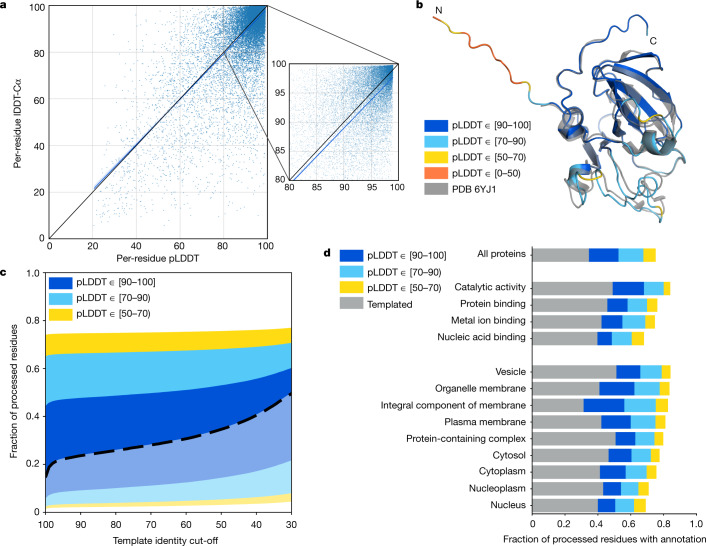
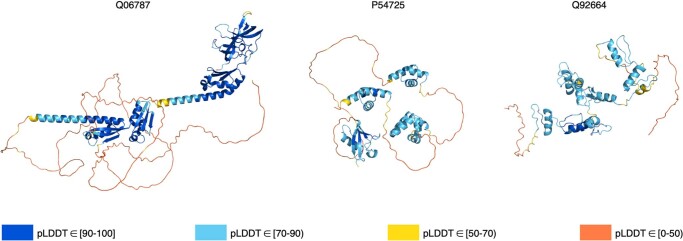
Protein structures can provide invaluable information, both for reasoning about biological processes and for enabling interventions such as structure-based drug development or targeted mutagenesis. After decades of effort, 17% of the total residues in human protein sequences are covered by an experimentally determined structure 1 . Here we markedly expand the structural coverage of the proteome by applying the state-of-the-art machine learning method, AlphaFold 2 , at a scale that covers almost the entire human proteome (98.5% of human proteins). The resulting dataset covers 58% of residues with a confident prediction, of which a subset (36% of all residues) have very high confidence. We introduce several metrics developed by building on the AlphaFold model and use them to interpret the dataset, identifying strong multi-domain predictions as well as regions that are likely to be disordered. Finally, we provide some case studies to illustrate how high-quality predictions could be used to generate biological hypotheses. We are making our predictions freely available to the community and anticipate that routine large-scale and high-accuracy structure prediction will become an important tool that will allow new questions to be addressed from a structural perspective.
Overview
CoChat Summary
TL;DR
AlphaFold2 was applied to 98.5% of human proteins, producing confident predictions for 58% of residues and very high confidence for 36% of all residues. The paper introduces pLDDT, pTM and an experimentally resolved head to interpret the dataset, presents case studies, and releases predictions freely.
Key findings
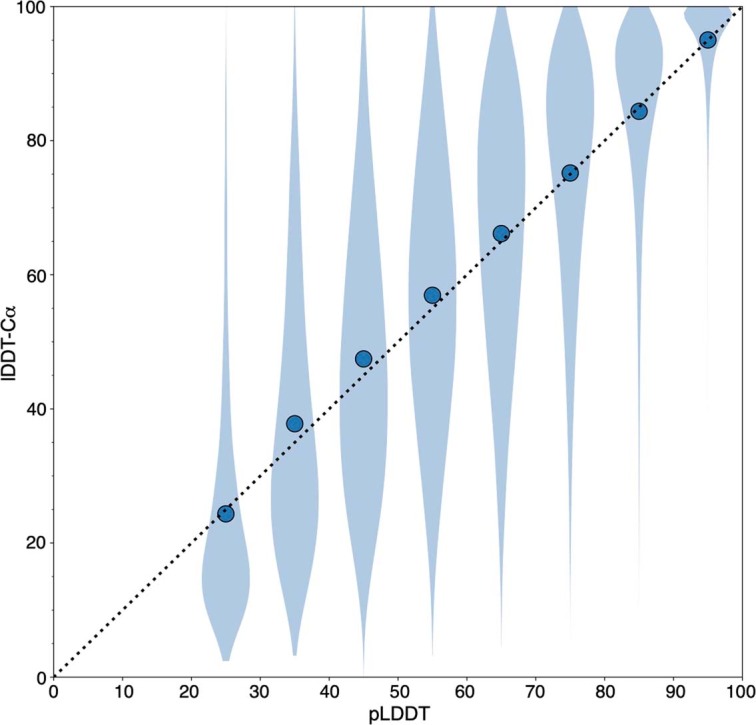
- The dataset covers 98.5% of human proteins with full-chain predictions, amounting to 10,537,122 residues (92.5% of residues); 58.0% of residues were predicted confidently (pLDDT > 70), and 35.7% of total residues fell in the highest accuracy band (pLDDT > 90), double the residues covered by experimental structures.
- At the per-protein level, 43.8% of proteins had a confident prediction on at least three quarters of their sequence, and 1,290 proteins contained a substantial region (>200 residues) with pLDDT ≥ 70 and no good template.
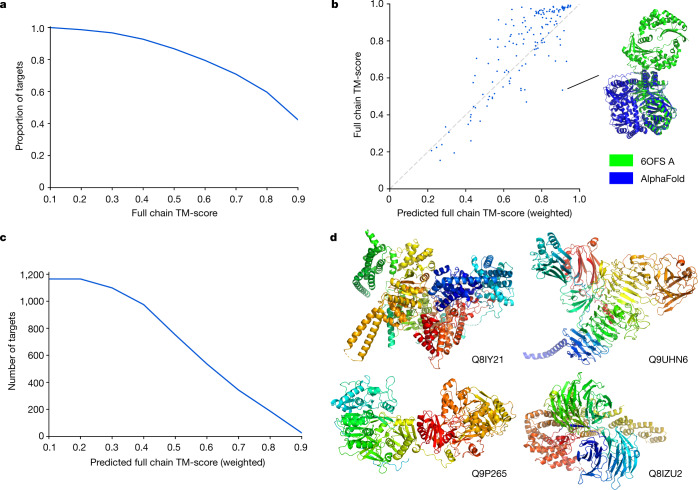
- On a held-out set of long PDB chains (n = 151), 70% of predictions had a TM-score > 0.7; pTM correlated with actual TM-score at Pearson’s r = 0.84, and among human proteins enriched for novel multidomain predictions, 187 had pTM > 0.8 and 343 had pTM > 0.7.
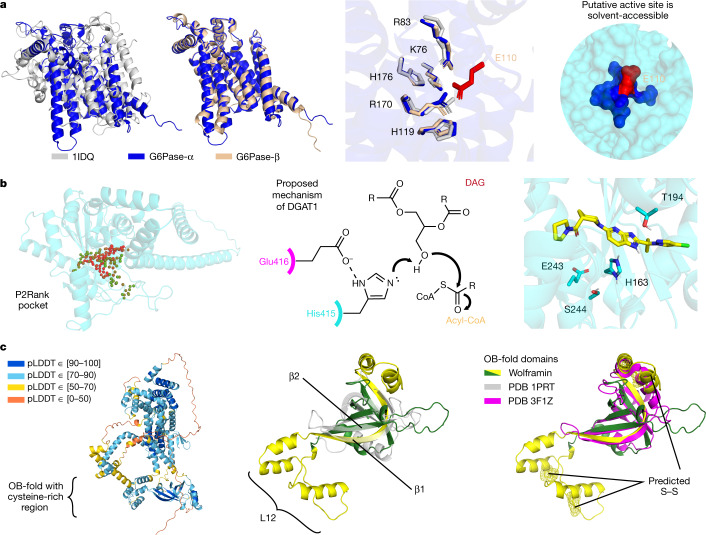
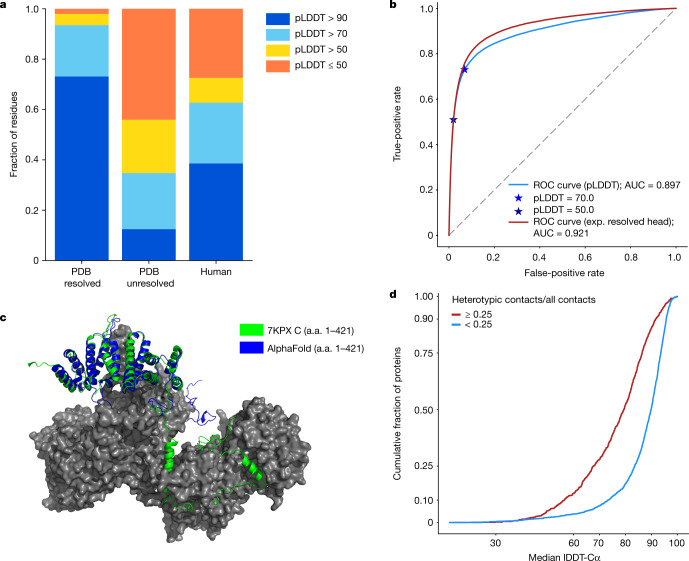
- pLDDT performed as a competitive disorder predictor on the CAID benchmark with AUC 0.897, while the experimentally resolved head achieved AUC 0.921; case studies proposed mechanistic hypotheses for G6Pase-α, DGAT2 and wolframin.
Methods
- AlphaFold2 was applied to the UniProt human reference proteome (release 2021_02), attempting all sequences of 16–2,700 amino acids and excluding residue codes B, J, O, U, Z or X; the pipeline used MSA construction, template search, inference with five models, model ranking by mean pLDDT, and constrained relaxation, with Reduced BFD and reduced ensembling.
- Evaluation used a recent PDB dataset of 12,494 chains, CAMEO targets from 21 March 2020 to 13 March 2021, and the CAID Disprot-PDB benchmark; metrics included pLDDT, pTM, the experimentally resolved head, TM-score, lDDT-Cα and AUC.
- Case-study analyses used PyMOL, P2Rank, AutoDockTools, AutoDock Vina and TM-align; inference for the human proteome used 930 GPU days, with an estimated 510 core days for other pipeline stages from scratch.
Limitations
- The paper states that low-confidence regions may reflect intrinsic disorder or regions structured only in complex, and that some proportion of proteins without confident predictions will be genuine failures where a fixed structure exists but AlphaFold does not predict it.
- The paper states that inter-domain accuracy is expected to be lower than within-domain accuracy, that some multidomain proteins may have mobile domains with no fixed packing, and that the case-study biological hypotheses require experimental confirmation.
- Evident from the text: predictions are single-chain and exclude sequences longer than 2,700 residues, so complex-dependent structure and larger proteins are not directly addressed.
Model-written summary. Check it against the paper before relying on it.
Integrity signals
Registry
Cites
Statistics
Figures
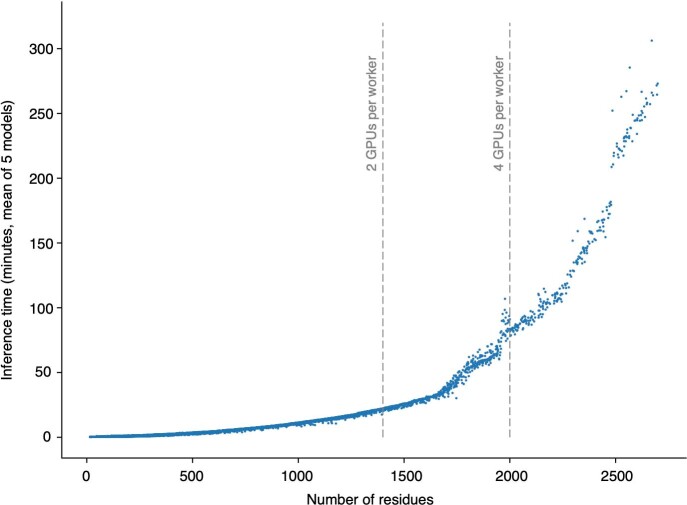
![Extended Data Fig. 7 Relationship between sequence length and run time for the non-inference stages of the pipeline. On the basis of 240 human protein sequences, chosen by stratified sampling from the length buckets: [16, 500), [500, 1,000), [1,000, 1,500), [1,500, 2,000), [2,000, 2,500) and [2,500, 2,700]. The relax plot shows five times more points, since five relaxed models are generated per protein. Coefficients for the quadratic lines of best fit were computed with Numpy polyfit.](https://figures.cochat.ai/paper-figures/c9bdcad64694429b95a292e248c7f05a/highly-accurate-protein-structure-prediction-for-the-human-proteome-figure-11.jpg)
Verification
Claims the paper makes
14 Valid · 1 Not valid · 5 Not checked · 44 Own results and interpretations
The cited sources support only part of this claim — read each source’s verdict below.
In the paper
“This system used a completely different model from our CASP13 entry31, and demonstrated a considerable improvement over previous methods in terms of providing routinely high accuracy29,30.”
§ Highly accurate protein structure prediction for the human proteome > Main
What the sources say
- Partly supportedcites [29] Kryshtafovych A Schwede T Topf M Fidelis K Moult J Critical assessment of methods of protein structure prediction (CASP)-round XIII Proteins 2019 87 1011 1020 10.1002/prot.25823 31589781 PMC6927249 sourceExperimental — accuracy not yet measured
The PROGRESS IN CASP13 section reports a dramatic improvement in model accuracy over earlier CASP rounds, and TEMPLATE FREE MODELING says DeepMind’s A7D group had the most accurate results overall. Those passages concern CASP13 methods, not the different system in the citing sentence; they do not establish that AlphaFold2 routinely achieved high accuracy. (LLM, conf=0.84)
- Supportedcites [30] Pereira, J. et al. High-accuracy protein structure prediction in CASP14. Proteins10.1002/prot.26171 (2021). 34218458 source
The Abstract reports a large leap in high accuracy due to AF2. The Conclusions say AF2 substantially outperformed its predecessor and produced the best models for 89 of 97 CASP14 targets, supporting both the improvement and its routine high accuracy. (LLM, conf=0.94)
boostedstates a cause- Asserted: passes — The authors put it forward as true.
- Checkable: passes — It can be checked against evidence.
- Load-bearing: passes — The paper’s conclusions depend on it.
- Based: passes — The paper gives a reason why it holds.
- Partly supported
Every source the paper cites for this claim was checked and supports it.
In the paper
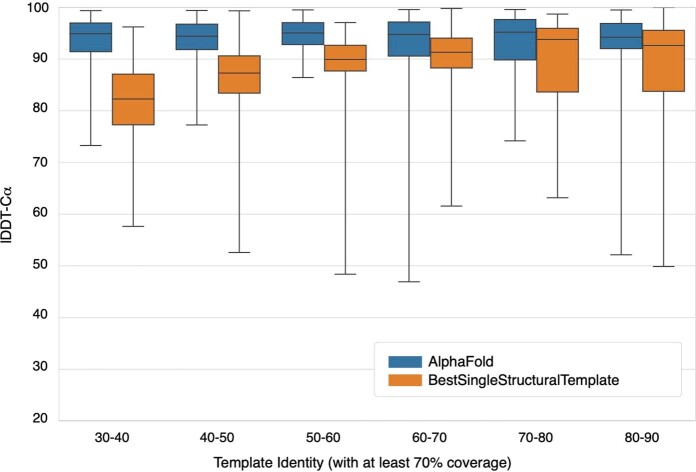
“We note that the accuracy of AlphaFold was validated in CASP142, which focuses on challenging proteins that are dissimilar to structures already available in the PDB.”
§ Highly accurate protein structure prediction for the human proteome > Model confidence and added coverage
What the sources say
- Supportedcites [2] Jumper, J. et al. Highly accurate protein structure prediction with AlphaFold. Nature10.1038/s41586-021-03819-2 (2021). PMC8371605 34265844 source
The paper’s CASP14 assessment passage (section and page not provided in our copy) says AlphaFold was entered into CASP14, describes it as a blind accuracy assessment, and reports that AlphaFold’s structures were substantially more accurate than competing methods. This supports the attributed claim that its accuracy was validated in CASP14. (LLM, conf=0.94)
plain- Asserted: passes — The authors put it forward as true.
- Checkable: passes — It can be checked against evidence.
- Load-bearing: unclear — It is unclear whether the paper’s conclusions depend on it.
- Based: passes — The paper gives a reason why it holds.
- Supported
The cited sources support only part of this claim — read each source’s verdict below.
In the paper
“Despite being the most similar chain, 3F1Z lacks the cysteines that are present in wolframin, which could form disulfide cross-links in the endoplasmic reticulum59.”
§ Highly accurate protein structure prediction for the human proteome > Highlighted predictions > Wolframin
What the sources say
- Partly supportedcites [59] Fass D Thorpe C Chemistry and enzymology of disulfide cross-linking in proteins Chem. Rev. 2018 118 1169 1198 10.1021/acs.chemrev.7b00123 28699750 PMC5808910 sourceExperimental — accuracy not yet measured
Section 2, “Which Proteins Contain Disulfides” (page unavailable), says that proteins in or passing through the ER can have cysteines positioned to form disulfide bonds. It does not address wolframin, 3F1Z, or whether their cysteine residues differ, so it supports only the general possibility of ER disulfide cross-linking. (LLM, conf=0.86)
hedged- Asserted: passes — The authors put it forward as true.
- Checkable: passes — It can be checked against evidence.
- Load-bearing: unclear — It is unclear whether the paper’s conclusions depend on it.
- Based: passes — The paper gives a reason why it holds.
- Partly supported
The sources with a verdict support this claim; the rest weren’t checked yet, have no full text we could read, or their verdicts aren’t rated yet.
In the paper
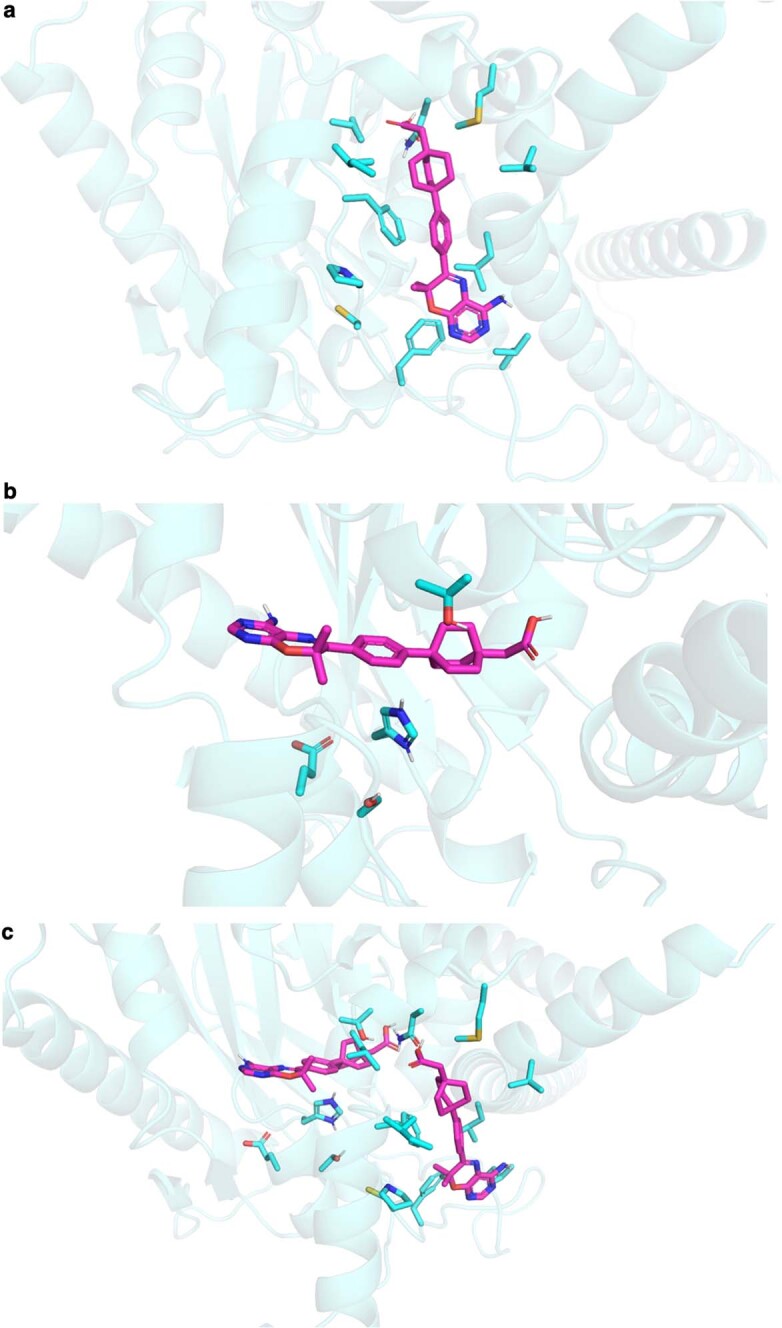
“Comparing our prediction for this region (median pLDDT of 86.0) to existing PDB chains using TM-align42,57 identified 3F1Z58 as the most similar known chain (TM-score of 0.472) (Fig. 3c, magenta).”
§ Highly accurate protein structure prediction for the human proteome > Highlighted predictions > Wolframin
What the sources say
- Not checked — no full text of the sourcecites [42] Zhang Y Skolnick J Scoring function for automated assessment of protein structure template quality Proteins 2004 57 702 710 10.1002/prot.20264 15476259 source
- Supportedcites [57] Zhang Y Skolnick J TM-align: a protein structure alignment algorithm based on the TM-score Nucleic Acids Res. 2005 33 2302 2309 10.1093/nar/gki524 15849316 PMC1084323 source
The citation is attached to “using TM-align,” identifying the method used by the citing authors, not attributing their 3F1Z match or TM-score to this source. The source’s Results (Benchmark test; page unavailable) describes TM-align as a tool for comparing protein structures and reporting TM-scores. (LLM, conf=0.93)
- Supportedcites [58] Das D The structure of KPN03535 (gi|152972051), a novel putative lipoprotein from Klebsiella pneumoniae, reveals an OB-fold Acta Crystallogr. F 2010 66 1254 1260 10.1107/S1744309109018168 PMC2954213 20944219 source
The citation is attached to 3F1Z, identifying the PDB chain used in the citing authors’ comparison. The source paper’s Materials and methods section states that its KPN03535 structure was deposited under accession code 3f1z; the pLDDT and TM-score describe the citing authors’ own analysis, not a result attributed to this source. (LLM, conf=0.93)
plainstates an association- Asserted: passes — The authors put it forward as true.
- Checkable: passes — It can be checked against evidence.
- Load-bearing: unclear — It is unclear whether the paper’s conclusions depend on it.
- Based: passes — The paper gives a reason why it holds.
Every source the paper cites for this claim was checked and supports it.
In the paper
“A recent evolutionary analysis suggested domains for wolframin, which our prediction largely supports55.”
§ Highly accurate protein structure prediction for the human proteome > Highlighted predictions > Wolframin
What the sources say
- Supportedcites [55] Schäffer DE Iyer LM Burroughs AM Aravind L Functional innovation in the evolution of the calcium-dependent system of the eukaryotic endoplasmic reticulum Front. Genet. 2020 11 34 10.3389/fgene.2020.00034 32117448 PMC7016017 source
The Results section, “Domain Architectural Anatomy and Functional Analysis of the Wolframin Protein,” reports the paper’s proposed domain assignments for wolframin, including Sel1-like repeats, an EF-hand region, and an OB-fold domain (Figure 4A). The citing authors’ statement that their own prediction largely supports those assignments is not a finding attributed to this source. (LLM, conf=0.93)
plainstates an association- Asserted: passes — The authors put it forward as true.
- Checkable: passes — It can be checked against evidence.
- Load-bearing: unclear — It is unclear whether the paper’s conclusions depend on it.
- Based: passes — The paper gives a reason why it holds.
- Supported
36 more claims · 4 with their cited sources checked
Create a free account to see all 64 claims and every source verdict.
- It may state two separate claims as one. 13
- Probably not a substantial claim. 12
Claims other papers make about this one
Each is checked against this paper’s own text: does it say what the citing paper says it does?
The source backs part of the claim, not all of it — or backs it for a different population, condition or comparison.
In the citing paper
“While AF2 performs exceptionally well on these types of folds on average”
From The power and pitfalls of AlphaFold2 for structure prediction beyond rigid globular proteins (2024) · cites this paper as [5]
Experimental — accuracy not yet measuredThe source backs part of the claim, not all of it — or backs it for a different population, condition or comparison.
In the citing paper
“For the majority of globular proteins, AF2 provides accurate, reliable models with high pLDDT (> 70) or low PAE values (< 5 Å) highlighting confidence in the prediction of the position of the atomic coordinates, which match experimentally determined native structures5,17,23,59”
From The power and pitfalls of AlphaFold2 for structure prediction beyond rigid globular proteins (2024) · cites this paper as [5]
Experimental — accuracy not yet measuredThe source backs part of the claim, not all of it — or backs it for a different population, condition or comparison.
In the citing paper
“The lower confidence bands appear to correlate well with backbone flexibility and intrinsic disorder (13) (Figure 2).”
From AlphaFold Protein Structure Database: massively expanding the structural coverage of protein-sequence space with high-accuracy models (2022) · cites this paper as [13]
Experimental — accuracy not yet measuredThe source backs part of the claim, not all of it — or backs it for a different population, condition or comparison.
In the citing paper
“One of the major insights leveraged by AlphaFold 1,2 comes from the use of evolutionary covariations that can be extracted from large-scale multiple sequence alignments.[49][50][51][52][53][54]”
From AlphaFold and Implications for Intrinsically Disordered Proteins (2021) · cites this paper as [2]
Experimental — accuracy not yet measuredThe source backs part of the claim, not all of it — or backs it for a different population, condition or comparison.
In the citing paper
“DeepMind’s AlphaFold2 success in sequence-based protein structure prediction,4 as well as the RoseTTAFold70 open-source counterpart, and the publicly available AlphaFold2 prediction of all human proteins203 are major steps that benefit the scientific community.”
From AlphaFold, Artificial Intelligence (AI), and Allostery (2022) · cites this paper as [203]
Experimental — accuracy not yet measured
16 more claims about this paper
Create a free account to see every claim other papers make about this one.
Citations
Cites
Highly accurate protein structure prediction with AlphaFold
Jumper, J., Evans, R., Pritzel, A., Green, T., Figurnov, M., Ronneberger, O., Tunyasuvunakool, K., Bates, R., Žídek, A., Potapenko, A., et al. (2021) · Nature · doi:10.1038/s41586-021-03819-2 · Cited by 43,764 · cited 1×
“[16, 500), [500, 1,000), [1,000, 1,500), [1,500, 2,000), [2,000, 2,500) and [2,500, 2,700].”
Self-citationGene Ontology: tool for the unification of biology
Ashburner, M., Ball, C. A., Blake, J. A., Botstein, D., Butler, H., Cherry, J. M., Davis, A. P., Dolinski, K., Dwight, S. S., Eppig, J. T., et al. (2000) · Nature Genetics · doi:10.1038/75556 · Cited by 43,206
Trott, O., & Olson, A. J. (2010) · Journal of Computational Chemistry · doi:10.1002/jcc.21334 · Cited by 38,412
AutoDock4 and AutoDockTools4: Automated docking with selective receptor flexibility
Morris, G. M., Huey, R., Lindstrom, W., Sanner, M. F., Belew, R. K., Goodsell, D. S., & Olson, A. J. (2009) · Journal of Computational Chemistry · doi:10.1002/jcc.21256 · Cited by 25,486
Initial sequencing and analysis of the human genome
International Human Genome Sequencing Consortium, Whitehead Institute for Biomedical Research, C. F. G. R., Lander, E. S., Linton, L. M., Birren, B., Nusbaum, C., Zody, M. C., Baldwin, J., Devon, K., Dewar, K., et al. (2001) · Nature · doi:10.1038/35057062 · Cited by 24,216
Self-citationThe sequence of the human genome
Venter, J. C., Adams, M. D., Myers, E. W., Li, P. W., Mural, R. J., Sutton, G. G., Smith, H. O., Yandell, M., Evans, C. A., Holt, R. A., et al. (2001) · Science · doi:10.1126/science.1058040 · Cited by 13,909
SWISS-MODEL: homology modelling of protein structures and complexes
Waterhouse, A., Bertoni, M., Bienert, S., Studer, G., Tauriello, G., Gumienny, R., Heer, F. T., de Beer, T. A. P., Rempfer, C., Bordoli, L., et al. (2018) · Nucleic Acids Research · doi:10.1093/nar/gky427 · Cited by 13,067
Pfam: The protein families database in 2021
Mistry, J., Chuguransky, S., Williams, L., Qureshi, M., Salazar, G. A., Sonnhammer, E. L. L., Tosatto, S. C. E., Paladin, L., Raj, S., Richardson, L. J., et al. (2021) · Nucleic Acids Research · doi:10.1093/nar/gkaa913 · Cited by 7,452
Self-citationUniProt: the universal protein knowledgebase in 2021
The UniProt Consortium, Bateman, A., Martin, M.-J., Orchard, S., Magrane, M., Agivetova, R., Ahmad, S., Alpi, E., Bowler-Barnett, E. H., Britto, R., et al. (2021) · Nucleic Acids Research · doi:10.1093/nar/gkaa1100 · Cited by 6,372
Self-citationThe Gene Ontology Resource: 20 years and still GOing strong
The Gene Ontology Consortium (2019) · Nucleic Acids Research · doi:10.1093/nar/gky1055 · Cited by 4,747
Cited by
Items 1,301–1,400 of 3,134
ProteinGLUE multi-task benchmark suite for self-supervised protein modeling
Capel, H., Weiler, R., Dijkstra, M., Vleugels, R., Bloem, P., & Feenstra, K. A. (2022) · Scientific Reports · doi:10.1038/s41598-022-19608-4 · Cited by 11
“Notwithstanding the enormous progress that AlphaFold2 represents, reliable structural information remains unavailable for many proteins 56,57 .”
BackgroundSeverance, Z. C., Nuñez, J. I., Le-McClain, A. T., Malinky, C. A., Bensen, R. C., Fogle, R. S., Manginelli, G. W., Sakers, S. H., Falcon, E. C., Bui, R. H., et al. (2023) · Journal of Medicinal Chemistry · doi:10.1021/acs.jmedchem.2c01025 · Cited by 11
Towards a General Intermolecular Binding Affinity CalculatorPreprint
Li, W. (2022) · Preprints.org · doi:10.20944/preprints202208.0213.v1 · Cited by 12
AlphaFold and the future of structural biology
Read, R. J., Baker, E. N., Bond, C. S., Garman, E. F., & van Raaij, M. J. (2023) · IUCrJ · doi:10.1107/s2052252523004943 · Cited by 17
“Pre-calculated structures of a large collection of proteins from important genomes were made available through the AlphaFold Database at the European Bioinformatics Institute (Tunyasuvunakool et al. , 2021), which has since been expanded to include about 200 million proteins representing most of the UniProt database (…”
MethodAlphaFold and the future of structural biology
Read, R. J., Baker, E. N., Bond, C. S., Garman, E. F., & van Raaij, M. J. (2023) · Acta Crystallographica Section D Structural Biology · doi:10.1107/s2059798323004928 · Cited by 15
Rosetta Energy Analysis of AlphaFold2 models: Point Mutations and Conformational EnsemblesPreprint
Stein, R. A., & Mchaourab, H. S. (2023) · bioRxiv (Cold Spring Harbor Laboratory) · doi:10.1101/2023.09.05.556364 · Cited by 13
“The resultant models from both methods were processed to exclude models with a pLDDT less than 70, where a pLDDT of 70 or greater corresponds to a generally correct backbone prediction.(3) This parsed set of models were further”
MethodCRISPR-Cas9 Engineered Extracellular Vesicles for the Treatment of Dominant Progressive Hearing LossPreprint
Pan, X., Huang, P., Ali, S. S., Renslo, B., Hutchinson, T. E., Erwin, N., Greenberg, Z., Ding, Z., Li, Y., Warnecke, A., et al. (2023) · bioRxiv (Cold Spring Harbor Laboratory) · doi:10.1101/2023.09.14.557853 · Cited by 11
Proteome-wide structural analysis quantifies structural conservation across distant species
Zhang, S., Zhang, T., & Fu, Y. (2023) · Genome Research · doi:10.1101/gr.277771.123 · Cited by 13
“The AlphaFold2 modeled structures enabled traversal of the “ twilight zone ” at the boundary of the limitation of sequence alignment The limit for confidently detecting evolutionary relationships among proteins in the sequence-alignment analysis is often referred to as the “ twilight zone, ” with a threshold of ∼ 20%…”
InfluentialSingh, A., Bedate, A. M., von Richthofen, H. J., Vijver, S. V., van der Vlist, M., Kuhn, R., Yermanos, A., Kuball, J., Keşmir, C., Ramos, M. I. P., et al. (2023) · doi:10.1101/2023.10.24.563834 · Cited by 11
“…out of 101 ITIM/ITSMs of the 51 known receptors had low confidence scores, i.e., less than 80 pLDDT, with an average confidence score of 49.3 pLDDT. 64 of the ITIMs even had pLDDT values below 50, which means they are particularly likely to be intrinsically disordered[18] (Supplementary Figure 1C).”
BackgroundMethodInfluentialEvaluation of Deep Neural Network ProSPr for Accurate Protein Distance Predictions on CASP14 Targets
(2021) · doi:10.1101/2021.10.14.464472 · Cited by 11
Epitopedia: identifying molecular mimicry between pathogens and known immune epitopes
(2023) · doi:10.1016/j.immuno.2023.100023 · Cited by 14
Klenam, D. E. P. (2025) · Next research. · doi:10.1016/j.nexres.2025.101157 · Cited by 8
Advances in Peptide-Based Chimeric Strategies for Targeted Protein Degradation
Wang, Y., Zhao, J., Yuan, H., & Li, S. (2025) · Journal of Medicinal Chemistry · doi:10.1021/acs.jmedchem.5c02379 · Cited by 14
Sestak, F., Schneckenreiter, L., Brandstetter, J., Hochreiter, S., Mayr, A., & Klambauer, G. (2025) · Journal of Cheminformatics · doi:10.1186/s13321-025-01127-9 · Cited by 44
“With the advent of AlphaFold [1, 2], millions of 3D structures of proteins have been unlocked for further investigation by the scientific community [3, 4].”
Wang, G., Zhai, Y.-J., Xue, Z.-Z., & Xu, Y. (2021) · Biomolecules · doi:10.3390/biom11111607 · Cited by 10
“The predictions of the entire human proteome by AlphaFold, which is a state-of-the-art machine learning model for protein structure prediction, have been made freely and openly available very recently [46], giving an abundant data source for the improvement of our network models.”
BackgroundTruncating and zinc‐finger variants in GLI2 are associated with hypopituitarism
Corder, M. L., Berland, S., Førsvoll, J. A., Banerjee, I., Murray, P. G., Bratland, E., Gokhale, D. A., Houge, G., & Douzgou, S. (2021) · American Journal of Medical Genetics Part A · doi:10.1002/ajmg.a.62611 · Cited by 10
“As most GLI2 missense variants have not been functionally studied, and as such studies are cumbersome and not readily available in most diagnostic genetic laboratories, we show that protein structure prediction (by AlphaFold) can be helpful when evaluating GLI2 variants.”
MethodInfluentialKovachka, S., Malloci, G., Simsir, M., Ruggerone, P., Azoulay, S., & Mus‐Veteau, I. (2022) · European Journal of Medicinal Chemistry · doi:10.1016/j.ejmech.2022.114306 · Cited by 11
Humanization of the Shark VNAR Single Domain Antibody Using CDR Grafting
Zhang, Y., Sun, Y., Hong, J., & Ho, M. (2023) · Current Protocols · doi:10.1002/cpz1.630 · Cited by 12
Novel Computational Methods for Cancer Drug Design
Talluri, S., Kamal, M. A., & Malla, R. R. (2023) · Current Medicinal Chemistry · doi:10.2174/0929867330666230403100008 · Cited by 11
Circuit Topology Approach for the Comparative Analysis of Intrinsically Disordered Proteins
Scalvini, B., Sheikhhassani, V., van de Brug, N., Heling, L. W. H. J., Schmit, J. D., & Mashaghi, A. (2023) · Journal of Chemical Information and Modeling · doi:10.1021/acs.jcim.3c00391 · Cited by 14
Bordin, J. R., Ilha, A. V., Côrtes, P. R. B., Silva-Oliveira, W., Pinheiro, L. A., de Moraes, E. E., Grison, T. G., & Köhler, M. H. (2023) · Theoretical and Experimental Plant Physiology · doi:10.1007/s40626-023-00284-2 · Cited by 13
Reactive Docking: A Computational Method for High-Throughput Virtual Screenings of Reactive Species
Bianco, G., Holcomb, M., Santos‐Martins, D., Tillack, A. F., Hansel-Harris, A., & Forli, S. (2023) · Journal of Chemical Information and Modeling · doi:10.1021/acs.jcim.3c00832 · Cited by 12
Birtel, J., Caswell, R. C., Silva, S. R. D., et al. (2023) · American Journal of Ophthalmology · doi:10.1016/j.ajo.2023.10.002 · Cited by 10
Unveiling Recent Trends in Biomedical Artificial Intelligence Research: Analysis of Top-Cited Papers
Glicksberg, B. S., & Klang, E. (2024) · Applied Sciences · doi:10.3390/app14020785 · Cited by 15
What Is life? Rethinking Biology in Light of Fundamental Parameters
Fantini, J., Matveeva, M., Lefebvre, M., & Chahinian, H. (2024) · Life · doi:10.3390/life14030280 · Cited by 19
“Yet we can consider that life, if it emerges, is the consequence of the quantum properties of atoms, which are identical everywhere in the universe and onto which fundamental parameters apply, themselves matching these quantum properties.”
BackgroundGalectin-8 modulates human osteoclast activity partly through isoform-specific interactions
Roy, M., Nguimbus, L. M., Badiane, P. Y., Goguen-Couture, V., Degrandmaison, J., Parent, J., Brunet, M. A., & Roux, S. (2024) · Life Science Alliance · doi:10.26508/lsa.202302348 · Cited by 10
Machine learning-enabled high-throughput industry screening of edible oils
Deng, P., Lin, X., Yu, Z., et al. (2024) · Food Chemistry · doi:10.1016/j.foodchem.2024.139017 · Cited by 10
Reis, P. B. P. S., Clevert, D.-A., & Machuqueiro, M. (2024) · Nucleic Acids Research · doi:10.1093/nar/gkae255 · Cited by 15
“Most notably, AlphaFold was applied to several proteomes and the predicted structures have been made available ( 17 ,20 ).”
BackgroundMethodYue, W., Li, X., Zhan, X., Wang, L., Ma, J., Bi, M., Wang, Q., Gu, X., Xie, B., Liu, T., et al. (2024) · EBioMedicine · doi:10.1016/j.ebiom.2024.105129 · Cited by 10
“Due to lack of the experimental structures for the candidate proteins, we performed protein structure predictions using AlphaFold2 , 41,42 a cutting-edge tool for accurate prediction.”
Feng, X., Ye, Y., Zhang, J., Zhang, Y., Zhao, S., Mak, J., Otomo, N., Zhao, Z., Niu, Y., Yonezawa, Y., et al. (2024) · Proceedings of the National Academy of Sciences · doi:10.1073/pnas.2310283121 · Cited by 11
“S9, https://alphafold.ebi.ac.uk) (84).”
Self-citationProgrammable in vitro and in vivo folding of single-stranded nucleic-acid wireframe origami
Zhang, T., Qian, X., Cui, H., Li, Q., Du, X., Fu, X., Gu, H., Zeng, W., & Wei, B. (2024) · Chem · doi:10.1016/j.chempr.2024.04.023 · Cited by 11
Flavivirus Zika NS4A protein forms large oligomers in liposomes and in mild detergent
Surya, W., Honey, S. S., & Torres, J. (2024) · Scientific Reports · doi:10.1038/s41598-024-63407-y · Cited by 10
“The pLDDT (predicted local distance difference test) is a per-residue confidence score (> 90 = high confidence, and > 50 = low confidence) 78,79 .”
BackgroundMolecular basis for the activation of PAF receptor by PAF
Fan, W., Xu, Y., He, X., Luo, P., Zhu, J., Li, J., Wang, R., Yuan, Q., Wu, K., Hu, W., et al. (2024) · Cell Reports · doi:10.1016/j.celrep.2024.114422 · Cited by 12
Williams, R. V., Guay, K. P., Lesk, O. A. H., Clérico, E. M., Hebert, D. N., & Gierasch, L. M. (2024) · Proceedings of the National Academy of Sciences · doi:10.1073/pnas.2315009121 · Cited by 12
“AlphaFold2 has an impressive track record for predicting the structure of isolated proteins, with accuracy often rivaling that of experimental methods (20, 26).”
BackgroundTulika, T., Ruso‐Julve, F., Ahmadi, S., Ljungars, A., Rivera‐de‐Torre, E., Wade, J., Fernández‐Quintero, M. L., Jenkins, T. P., Belfakir, S. B., Ross, G. M. S., et al. (2024) · Structure · doi:10.1016/j.str.2024.07.014 · Cited by 12
Patel, D. T., Stogios, P. J., Jaroszewski, L., Urbanus, M. L., Sedova, M., Semper, C., Le, C., Takkouche, A., Ichii, K., Innabi, J., et al. (2024) · Molecular Systems Biology · doi:10.1038/s44320-024-00076-z · Cited by 12
Tosh, D. K., Pavan, M., Clark, A. A., Lammers, J. C., Villano, S., Marri, S., Sgambellone, S., Choi, S., Lee, J., Ivancich, M. S., et al. (2024) · Journal of Medicinal Chemistry · doi:10.1021/acs.jmedchem.4c02174 · Cited by 11
Minshull, T. C., Byrd, E. J., Olejnik, M., & Calabrese, A. N. (2024) · Journal of the American Chemical Society · doi:10.1021/jacs.4c11229 · Cited by 12
Raisinghani, N., Parikh, V., Foley, B., & Verkhivker, G. M. (2024) · International Journal of Molecular Sciences · doi:10.3390/ijms252312968 · Cited by 14
Molecular basis of lipid and ligand regulation of prostaglandin receptor DP2
Xu, J., Xu, Y., Hou, L., He, X., Li, Y., Zhao, J., Meng, X. Z., Wang, J. J., Wu, Y., Zhang, H., et al. (2024) · Proceedings of the National Academy of Sciences · doi:10.1073/pnas.2403304121 · Cited by 10
Manfredi, M., Vazzana, G., Savojardo, C., Martelli, P. L., & Casadio, R. (2025) · Computational and Structural Biotechnology Journal · doi:10.1016/j.csbj.2025.01.008 · Cited by 13
“AlphaFold2 models are downloaded from the Alpha-FoldDB ([5,15] https://alphafold.com, accessed in January 2023), and their ESMFold counterpart is computed in-house [9].”
A DNA phosphorothioation pathway via adenylated intermediate modulates Tdp machinery
An, T., Tan, Q., Jiang, L., Liu, L., Jiang, X. Y., Liu, L., Chang, X., Tian, X., Deng, Z., Gao, S., et al. (2025) · Nature Chemical Biology · doi:10.1038/s41589-024-01832-w · Cited by 14
“40) and fitted into the map using Chimera as rigid bodies 41 .”
Liu, D., Abdiriyim, A., Zhang, L., & Ruzitohti, B. (2025) · Tuberculosis · doi:10.1016/j.tube.2025.102616 · Cited by 10
Wu, E. J., Kandalkar, A. T., Ehrmann, J. F., Tong, A., Zhang, J., Cong, Q., & Wu, H. (2025) · Proceedings of the National Academy of Sciences · doi:10.1073/pnas.2426986122 · Cited by 18
“Given the availability of AlphaFold predicted structures in several model organisms (91, 92), we asked whether we could obtain an integrated understanding on the prevalence of DDFs genome - wide in these model organisms by structure - based identification.”
Xie, B., Tian, L., Liu, C., Li, J., Tian, X., Zhang, R., Zhang, F., Liu, Z., & Cheng, Y. (2025) · Advanced Science · doi:10.1002/advs.202416158 · Cited by 19
Tawfeeq, C., Wang, J., Khaniya, U., Madej, T., Song, J., Abrol, R., & Youkharibache, P. (2025) · PLoS Computational Biology · doi:10.1371/journal.pcbi.1012813 · Cited by 12
Basso, M. F., Iovieno, P., Capuana, M., Contaldi, F., Ieri, F., Menicucci, F., Celso, F. L., Barone, G., & Martinelli, F. (2025) · Planta · doi:10.1007/s00425-025-04740-y · Cited by 11
hdANM: a new comprehensive dynamics model for protein hinges
Khade, P. M., Scaramozzino, D., Kumar, A., Lacidogna, G., Carpinteri, A., & Jernigan, R. L. (2021) · Biophysical Journal · doi:10.1016/j.bpj.2021.10.017 · Cited by 11
Artificial intelligence in structural biology is here to stay
(2021) · Nature · doi:10.1038/d41586-021-02037-0 · Cited by 11
Structural insight into protein–protein interactions between intestinal microbiome and host
Post, S. E., & Brito, I. (2022) · Current Opinion in Structural Biology · doi:10.1016/j.sbi.2022.102354 · Cited by 12
High precision reconstruction of silicon photonics chaos with stacked CNN-LSTM neural networks
Cheng, W. X., Feng, J., Wang, Y., Peng, Z., Cheng, H., Ren, X., Shuai, Y., Zang, S., Liu, H., Pu, X., et al. (2022) · Chaos An Interdisciplinary Journal of Nonlinear Science · doi:10.1063/5.0082993 · Cited by 11
Koniuszewski, F., Vogel, F. D., Bampali, K., Fabjan, J., Seidel, T., Scholze, P., Schmiedhofer, P. B., Langer, T., & Ernst, M. C. (2022) · Frontiers in Molecular Biosciences · doi:10.3389/fmolb.2022.860246 · Cited by 12
KONDO, H. X., Kanematsu, Y., & Takano, Y. (2022) · Chemistry Letters · doi:10.1246/cl.220172 · Cited by 9
Ishida, Y., Tasaki, K., Katoh, Y., & Nakayama, K. (2022) · Molecular Biology of the Cell · doi:10.1091/mbc.e22-05-0188 · Cited by 12
“(C) The predicted three-dimensional structure of human IFT52 in the AlphaFold Protein Structure Database (Tunyasuvunakool et al. , 2021).”
A Review of Computational Methods in Predicting hERG Channel Blockers
Shan, M., Jiang, C., Qin, L., & Cheng, G. (2022) · ChemistrySelect · doi:10.1002/slct.202201221 · Cited by 12
Linton, P., Morgan, M. J., Read, J. C. A., Vishwanath, D., Creem-Regehr, S. H., & Domini, F. (2022) · Philosophical Transactions of the Royal Society B Biological Sciences · doi:10.1098/rstb.2021.0443 · Cited by 15
“There’s been an explosion of interest in 3D image reconstruction (‘A New Trick Lets Artificial Intelligence See in 3D’, Wired Magazine [1]), considerable successes in using 3D vision to uncover new biological advances (with DeepMind’s AlphaFold [2,3] solving the protein-folding problem), and the suggestion that ground…”
BackgroundHe, Y., Fan, A., Meng, H., Li, H., Li, M., Fan, H., An, X., Song, L., Zhu, S., & Tong, Y. (2022) · Biochemistry · doi:10.1021/acs.biochem.2c00534 · Cited by 11
Roth, C., Kilpinen, H., Kurian, M. A., & Barral, S. (2023) · Frontiers in Cell and Developmental Biology · doi:10.3389/fcell.2023.1090046 · Cited by 11
“Artificial intelligence (AI) systems are now facilitating the analysis of variant pathogenicity; AlphaFold2 can predict the effect of different variants of the KMT1A-CXXC domain on the 3D conformation of methyltransferases (Tunyasuvunakool et al., 2021; Reynisdottir et al., 2022).”
BackgroundLi, L., Ding, L., Shao, Y., et al. (2023) · Foods · doi:10.3390/foods12061169 · Cited by 10
“The three-dimensional structures of the enzymes were predicted with AlphaFold, which is currently the top-ranked protein structure prediction approach with unprecedented accuracy [26,27].”
BackgroundLeveraging AI Advances and Online Tools for Structure‐Based Variant Analysis
Guzmán‐Vega, F. J., González‐Álvarez, A. C., Peña‐Guerra, K. A., Cardona‐Londoño, K. J., & Arold, S. T. (2023) · Current Protocols · doi:10.1002/cpz1.857 · Cited by 13
Unique Properties of Nutrient Channels on Plasmodium-Infected Erythrocytes
Desai, S. A. (2023) · Pathogens · doi:10.3390/pathogens12101211 · Cited by 10
“These algorithms have significantly advanced protein structure prediction and have even faithfully predicted challenging membrane protein structures [29,30].”
BackgroundSun, H., Sheng, G., Xu, Y., Chu, H., Cao, T., Dai, G., Tian, N., Duan, H., & Sun, Z. (2023) · Microbes and Infection · doi:10.1016/j.micinf.2023.105239 · Cited by 14
Embracing Heterogeneity: Challenging the Paradigm of Replisomes as Deterministic Machines
Lewis, J. S., van Oijen, A. M., & Spenkelink, L. M. (2023) · Chemical Reviews · doi:10.1021/acs.chemrev.3c00436 · Cited by 13
Intelligent Protein Design and Molecular Characterization Techniques: A Comprehensive Review
Wang, J., Chen, C., Yao, G., Ding, J., Wang, L., & Jiang, H. (2023) · Molecules · doi:10.3390/molecules28237865 · Cited by 11
“…on the “protein structure prediction” problem that has plagued the academic community for five decades, has predicted structures covering 98.5% of the human proteome [43]; similarly, these data will provide a transformative impact on the intelligent design of proteins with specified functions.”
BackgroundInfluentialEnsemble structure of the N-terminal domain (1–267) of FUS in a biomolecular condensate
Hofer, L. E., Emmanouilidis, L., Yulikov, M., Allain, F. H. ‐., & Jeschke, G. (2024) · Biophysical Journal · doi:10.1016/j.bpj.2024.01.023 · Cited by 12
How do I get the most out of my protein sequence using bioinformatics tools?
Pereira, J., & Alva, V. (2021) · Acta Crystallographica Section D Structural Biology · doi:10.1107/s2059798321007907 · Cited by 10
Artificial intelligence for microbial biotechnology: beyond the hype
Robinson, S. L. (2021) · Microbial Biotechnology · doi:10.1111/1751-7915.13943 · Cited by 11
Nagayasu, K. (2022) · Journal of Pharmacological Sciences · doi:10.1016/j.jphs.2022.01.004 · Cited by 10
Xu, X., Wang, C., Gui, B., Yuan, X., Li, C., Zhao, Y. H., Martyniuk, C. J., & Su, L. (2022) · Environmental Research · doi:10.1016/j.envres.2022.113175 · Cited by 10
Pang, C., Cen, L., Ng, T. K., & Chu, W. K. (2022) · Neural Regeneration Research · doi:10.4103/1673-5374.336135 · Cited by 10
“We have identified GHRHR as an Schrödinger docking simulation of growth hormone-releasing hormone binding to AlphaFold-predicted three-dimensional structure of human growth hormone-releasing hormone receptor protein (Tunyasuvunakool et al., 2021).”
Ferrario, E., Miggiano, R., Rizzi, M., & Ferraris, D. M. (2022) · Computational and Structural Biotechnology Journal · doi:10.1016/j.csbj.2022.07.027 · Cited by 11
“More recently, the advent of artificial intelligence and the use of neural networks allowed an unparalleled accuracy of the predicted structural model, which saw its culmination in CASP14 [2], where AlphaFold2, the latest version of the AlphaFold (AF) program [3], outperformed the competitors by accurately and regular…”
BackgroundRethinking the protein folding problem from a new perspective
Vila, J. A. (2023) · European Biophysics Journal · doi:10.1007/s00249-023-01657-w · Cited by 11
“Proof of this has been the smashing success of state-of-theart numerical methods (Tunyasuvunakool et al. 2021; Marx 2022).”
MethodIn-Frame Deletion of Dystrophin Exons 8–50 Results in DMD Phenotype
Egorova, T. V., Galkin, I. I., Velyaev, O. A., Vassilieva, S. G., Savchenko, I. M., Loginov, V. A., Dzhenkova, M. A., Korshunova, D. S., Kozlova, O., Ivankov, D. N., et al. (2023) · International Journal of Molecular Sciences · doi:10.3390/ijms24119117 · Cited by 10
“In order to comprehend the impact of exon skipping on the structure, we modeled the N-terminal region of DMDdel8-50 using AlphaFold.”
MethodInfluentialSun, B., Kim, H., Mello, C. C., & Priess, J. R. (2023) · PLoS Genetics · doi:10.1371/journal.pgen.1010804 · Cited by 10
How to select the best model from AlphaFold2 structures?Preprint
Takei, Y., & Ishida, T. (2022) · bioRxiv (Cold Spring Harbor Laboratory) · doi:10.1101/2022.04.05.487218 · Cited by 11
“The authors of AlphaFold2 showed that the scores for different proteins have a high correlation with actual prediction accuracy (structural similarity to the native structure)[13, 28].”
BackgroundPredicting Relative Populations of Protein Conformations without a Physics Engine Using AlphaFold2Preprint
da Silva, G. M., Cui, J. Y., Dalgarno, D. C., Lisi, G. P., & Rubenstein, B. M. (2023) · bioRxiv (Cold Spring Harbor Laboratory) · doi:10.1101/2023.07.25.550545 · Cited by 12
“One of the most remarkable achievements in this area is the AlphaFold 2 (AF2) engine developed by DeepMind, which uses a deep neural network to predict ground state protein structures from amino acid sequences [11, 12].”
AF-CALVADOS: AlphaFold-guided simulations of multi-domain proteins at the proteome levelPreprint
von Bülow, S., Johansson, K. E., & Lindorff‐Larsen, K. (2025) · bioRxiv (Cold Spring Harbor Laboratory) · doi:10.1101/2025.10.19.683306 · Cited by 10
AlphaFold3 for Structure-guided Ligand DiscoveryPreprint
Menon, K. M., Davasam, A., Chen, G., Bryant, C., Deng, Z., Lam, B., Yang, C., Barcelos, D., Liu, F., Alon, A., et al. (2025) · bioRxiv (Cold Spring Harbor Laboratory) · doi:10.64898/2025.12.04.692352 · Cited by 17
“Beyond individual cases, the impact of AF2 has been felt at scale: the AlphaFold database now provides structural models for the entire human proteome and for 47 additional organisms, encompassing more than 200 million proteins and nearly all therapeutically relevant targets 3,4 .”
Refining the domain architecture model of the replication origin firing factor Treslin/TICRR
Ferreira, P., Sanchez-Pulido, L., Marko, A., Ponting, C. P., & Boos, D. (2022) · Life Science Alliance · doi:10.26508/lsa.202101088 · Cited by 9
(2022) · doi:10.1099/jgv.0.001716 · Cited by 8
“Searches performed against a database of 23391 predicted structures for the human proteome [28] using DALI failed to identify significant structural homologues for the head and ring domains, frustrating attempts to infer E2 function by analogy to human proteins.”
The induced-fit and catalytic mechanisms of human G6PC1
Chen, Q., Wang, Y., Li, R., Bai, Q., & Zhao, Y. (2025) · Cell Discovery · doi:10.1038/s41421-025-00814-z · Cited by 13
“Additionally, PS forms a hydrogen bond with D38 and participates in the W 2 –”
Artificial intelligence-enhanced bioavailability studies: Advancing the quality of food
Cheng, H., Liu, L., Zhang, H., Yang, Y., Bai, Y., Wang, S., Yang, M., Lu, W., Cheng, J., & Jin, Y. (2025) · Trends in Food Science & Technology · doi:10.1016/j.tifs.2025.105203 · Cited by 12
Challenges and opportunities in technologies and methods for lncRNA structure determination
Degenhardt, M. F. D. S., & Wang, Y. (2025) · Cell & Bioscience · doi:10.1186/s13578-025-01470-2 · Cited by 11
Pan, X., Huang, P., Ali, S., Renslo, B., Hutchinson, T. E., Erwin, N., Greenberg, Z., Ding, Z., Li, Y., Warnecke, A., et al. (2025) · Science Translational Medicine · doi:10.1126/scitranslmed.adn3993 · Cited by 24
Visualizing liquid-liquid phase separation and protein aggregates
Xue, J., Cao, X.-W., Jia, X.-L., Chen, X., Guo, W., & Yin, D. (2025) · Communications Chemistry · doi:10.1038/s42004-025-01756-z · Cited by 16
“Inrecentyears,thedevelopmentofAlphaFoldserieshasbroughtsigni fi cant advancements in protein structure prediction 126 – 128 .”
Musila, J. M., & Rokita, S. E. (2022) · Biochemistry · doi:10.1021/acs.biochem.2c00037 · Cited by 10
Kaushik, R. K., & Zhang, K. Y. J. (2022) · Computational and Structural Biotechnology Journal · doi:10.1016/j.csbj.2022.11.032 · Cited by 10
psnGPCRdb: The Structure-network Database of G Protein Coupled Receptors
Felline, A., Gentile, S., & Fanelli, F. (2023) · Journal of Molecular Biology · doi:10.1016/j.jmb.2023.167950 · Cited by 12
Afshinpour, M., & Mahdiuni, H. (2023) · Journal of Biomolecular Structure and Dynamics · doi:10.1080/07391102.2023.2175374 · Cited by 10
“Recently, DeepMind and EMBL have released the most complete database of the predicted 3D structure of human proteins, including the atomic coordinates of CAT-1 (Jumper et al., 2021; Tunyasuvunakool et al., 2021).”
Backgroundde Rezende, S. B., de Lima, L. R., Macedo, M. L. R., Franco, O. L., & Cardoso, M. H. E. S. (2023) · Current Bioinformatics · doi:10.2174/1574893618666230412080702 · Cited by 10
Open resources for chemical probes and their implications for future drug discovery
Balıkçı, E., Marques, A.-S. M. C., Hansen, J. S., & Huber, K. (2023) · Expert Opinion on Drug Discovery · doi:10.1080/17460441.2023.2199979 · Cited by 11
“uk/ [26,27] BindingDB Binding affinities of proteins with drug-like ligands; https://www.”
BackgroundLi, X., Tae, H., Chen, S., Yousuf, A., Huang, L., Zhang, J., Jiang, T., Adams, D. J., & Yu, R. (2024) · Journal of Medicinal Chemistry · doi:10.1021/acs.jmedchem.3c00979 · Cited by 13
Tamilselvan, E., & Sotomayor, M. M. (2024) · Structure · doi:10.1016/j.str.2024.01.003 · Cited by 9
Zhou, J., Zou, X., Deng, Z., et al. (2024) · Plants · doi:10.3390/plants13040512 · Cited by 9
“The protein structure models of Ml AT6 were generated using the AlphaFold2 online server [34].”
MethodRaisinghani, N., Alshahrani, M., Gupta, G., Xiao, S., Tao, P., & Verkhivker, G. M. (2024) · Journal of Chemical Information and Modeling · doi:10.1021/acs.jcim.3c01857 · Cited by 8
A family of di-glutamate mucin-degrading enzymes that bridges glycan hydrolases and peptidases
Narimatsu, Y., Büll, C., Taleb, V., Liao, Q., Compañón, I., Sánchez‐Navarro, D., Durbesson, F., Vincentelli, R., Hansen, L. H., Corzana, F., et al. (2024) · Nature Catalysis · doi:10.1038/s41929-024-01116-5 · Cited by 12
Structure comparison of heme-binding sites in heme protein predicted by AlphaFold3 and AlphaFold2
KONDO, H. X., & Takano, Y. (2024) · Chemistry Letters · doi:10.1093/chemle/upae148 · Cited by 14
Ramazanova, R. D. H., Roumeliotis, T. I., Wright, J. C., & Choudhary, J. S. (2024) · Journal of Proteome Research · doi:10.1021/acs.jproteome.4c00567 · Cited by 10
Ali, N. F., Khan, S., & Zahid, S. (2025) · Computational Biology and Chemistry · doi:10.1016/j.compbiolchem.2025.108430 · Cited by 13
Artificial Intelligence: A New Tool for Structure-Based G Protein-Coupled Receptor Drug Discovery
Chung, J., Hahn, H., Flores-Espinoza, E., & Thomsen, A. R. B. (2025) · Biomolecules · doi:10.3390/biom15030423 · Cited by 11
Metadata
- Authors
- Tunyasuvunakool, K., Adler, J., Wu, Z., Green, T., Zielinski, M., Žídek, A., Bridgland, A., Cowie, A., Meyer, C., Laydon, A., Velankar, S., Kleywegt, G. J., Bateman, A., Evans, R., Pritzel, A., Figurnov, M., Ronneberger, O., Bates, R., Kohl, S. A. A., Potapenko, A., Ballard, A. J., Romera-Paredes, B., Nikolov, S., Jain, R., Clancy, E., Reiman, D., Petersen, S., Senior, A. W., Kavukcuoglu, K., Birney, E., Kohli, P., Jumper, J., & Hassabis, D.
- Affiliations
- Google DeepMind (United Kingdom) (GB)
- European Bioinformatics Institute (GB)
- Corresponding author
- Tunyasuvunakool, Kathryn
- Jumper, John
- Hassabis, Demis
- ORCID
- Tunyasuvunakool, Kathryn
- Adler, Jonas
- Wu, Zachary
- Green, Tim
- Žídek, Augustin
- Meyer, Clemens
- Laydon, Agata
- Velankar, Sameer
- Kleywegt, Gerard J.
- Bateman, Alex
- Evans, Richard
- Pritzel, Alexander
- Figurnov, Michael
- Ronneberger, Olaf
- Bates, Russ
- Kohl, Simon A. A.
- Potapenko, Anna
- Ballard, Andrew J.
- Nikolov, Stanislav
- Jain, Rishub
- Clancy, Ellen
- Reiman, David
- Petersen, Stig
- Senior, Andrew W.
- Birney, Ewan
- Kohli, Pushmeet
- Jumper, John
- Hassabis, Demis
- Venue
- Nature
- Published
- 2021-07-22
- Volume
- 596
- Issue
- 7873
- Pages
- 590-596
- ISSN
- 0028-0836 (ISSN-L)
- 1476-4687
- PMC
- PMC8387240
- OpenAlex
- W3183475563
- Semantic Scholar
- 1fb3ad9969245795f268636eff9a145337144718
- Cited by
- 3,025
- References
- 83
- Citations by year
- 2026: 346 · 2025: 517 · 2024: 580 · 2023: 701 · 2022: 692 · 2021: 181
- FWCI
- 169.53
- Type
- journal article
- Language
- en
- Open access
- hybrid
- doi.org
- Licence
- cc-by
- creativecommons.org/licenses/by/4.0 (tdm)
- creativecommons.org/licenses/by/4.0 (vor)
- Locations
- Nature (publishedVersion, cc-by)
- Europe PMC (PubMed Central) (publishedVersion, other-oa)
- PubMed Central (publishedVersion, cc-by)
- PubMed (publishedVersion)
- RePEc: Research Papers in Economics (submittedVersion)
- Funders
- European Bioinformatics Institute
- DeepMind
- Topics
- Life Sciences › Biochemistry, Genetics and Molecular Biology › Molecular Biology › Protein Structure and Dynamics
- Life Sciences › Biochemistry, Genetics and Molecular Biology › Molecular Biology › Machine Learning in Bioinformatics
- Life Sciences › Biochemistry, Genetics and Molecular Biology › Structural Biology › Enzyme Structure and Function
- Keywords
- protein structure prediction, human proteome, AlphaFold2, structural coverage, intrinsically disordered regions, multidomain proteins, protein structure database
- MeSH terms
- Deep Learning, Glucose-6-Phosphatase, Humans, Membrane Proteins, Models, Molecular, Protein Conformation, Reproducibility of Results, Protein Folding, Computational Biology, Proteome, Diacylglycerol O-Acyltransferase, Datasets as Topic
About these checks
Registry, retraction, Cites and statistics results are computed, not judged, with one exception: a printed reference that no index lists is read once by a model before it counts as a citation error. Claims are extracted by a model and kept only when their quote appears verbatim in the text; each cited source is then checked, with a model’s help, for whether it says what the claim relies on. Those verdicts can be wrong — read the claim’s quote and the cited source before relying on one.
The claim verdicts this report counts are experimental: their accuracy is not yet measured.
A language model drew the claims from the paper on 2026-10-10, under version 3 of the claim definition (model deepseek-v4.1-flash, prompt extract-v3).
A second model labelled each claim on 2026-10-10 (model jev-1.13-20260917, definition revision gold-guideline-v0.2).
Cited sources are checked with a language model’s help (gpt-6-sol).
Statistics and arithmetic are recomputed, not judged.
Confidence bands are shown only for fields calibrated on our annotated test set. None is calibrated yet, so no band is shown.
What counts as a claim ›How we measure confidence ›How we check this ›
Are you an author, or do you see a problem with this page? Request a review
Data sources
Bibliographic data: Semantic Scholar, OpenAlex, Crossref.
Contains information from the Semantic Scholar Academic Graph Datasets, made available under the ODC Attribution License (ODC-BY 1.0).
Semantic Scholar’s data is described in: Kinney, R., et al. (2023). The Semantic Scholar Open Data Platform. arXiv:2301.10140.
