

The DOI matches its Crossref record; 67 of the 67 references it cites were found in a registry or an index.
Omicron escapes the majority of existing SARS-CoV-2 neutralizing antibodies
Open accessPublished version of a preprint
Abstract
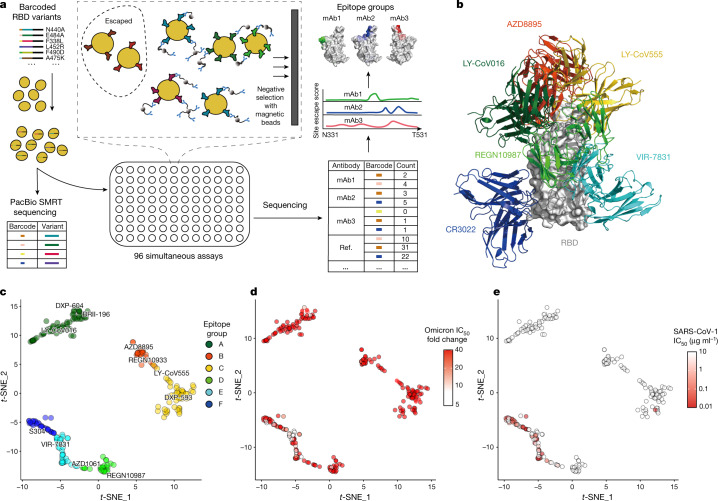
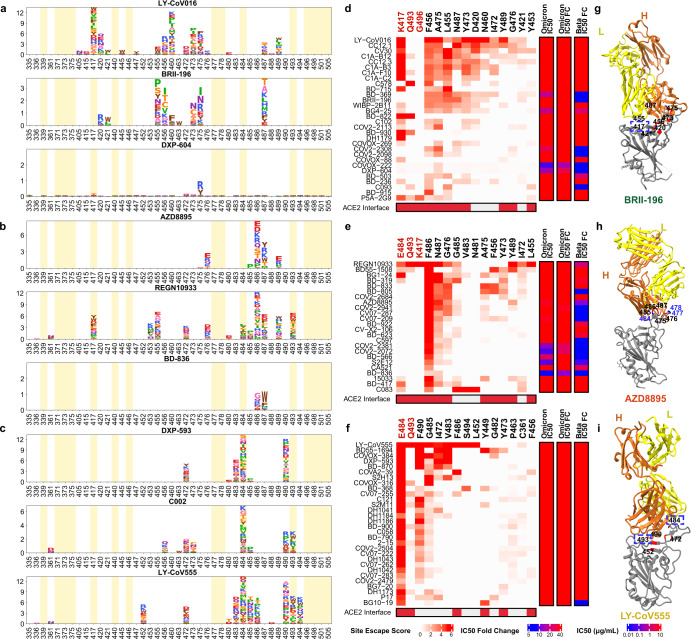
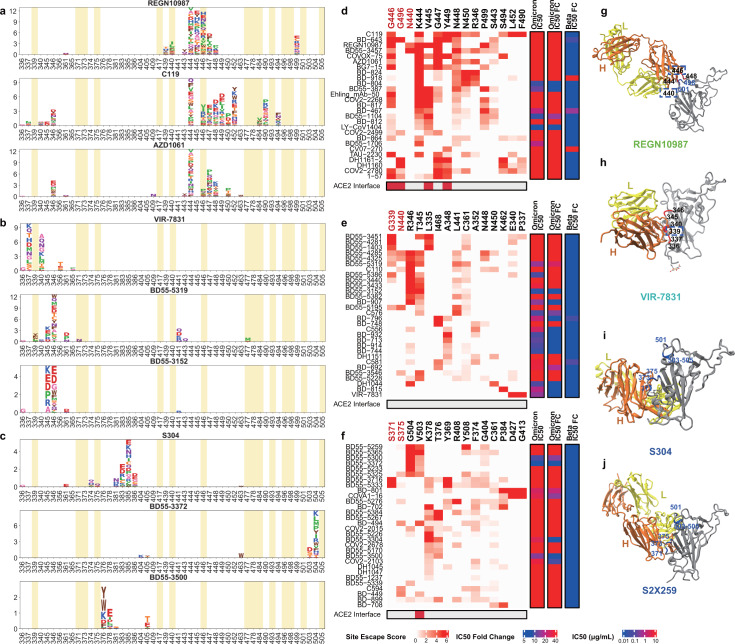
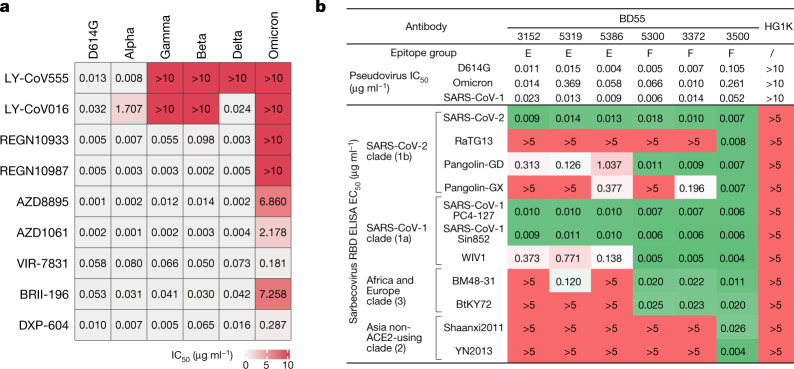
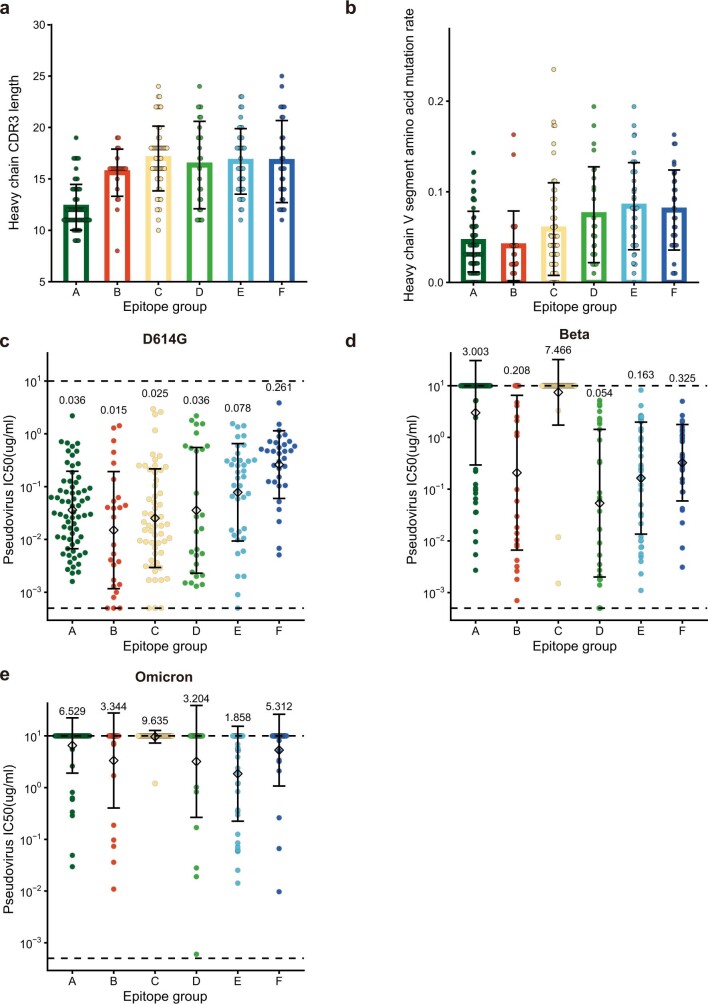
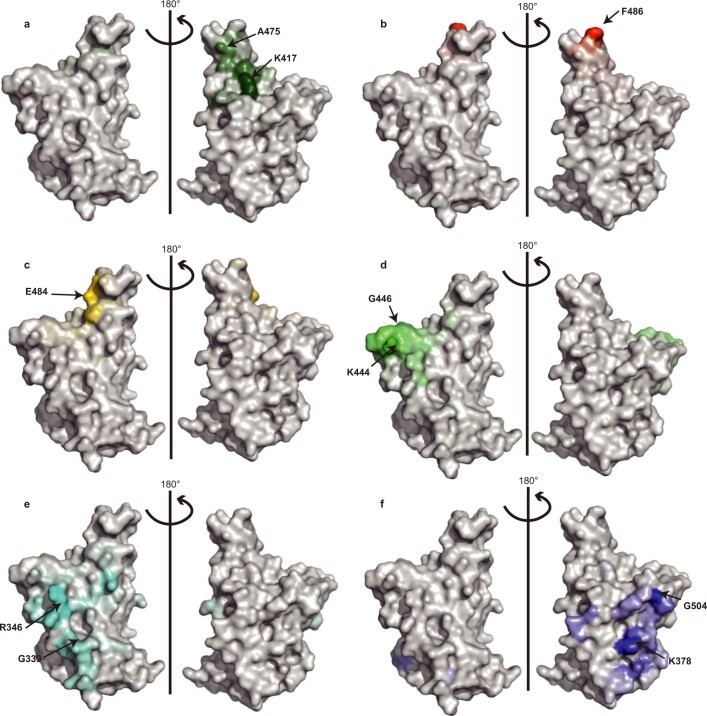
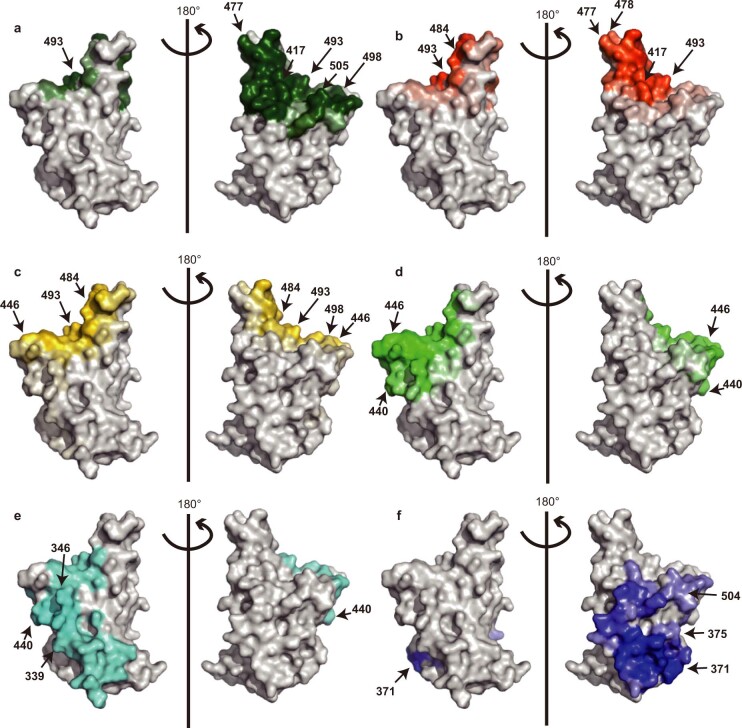
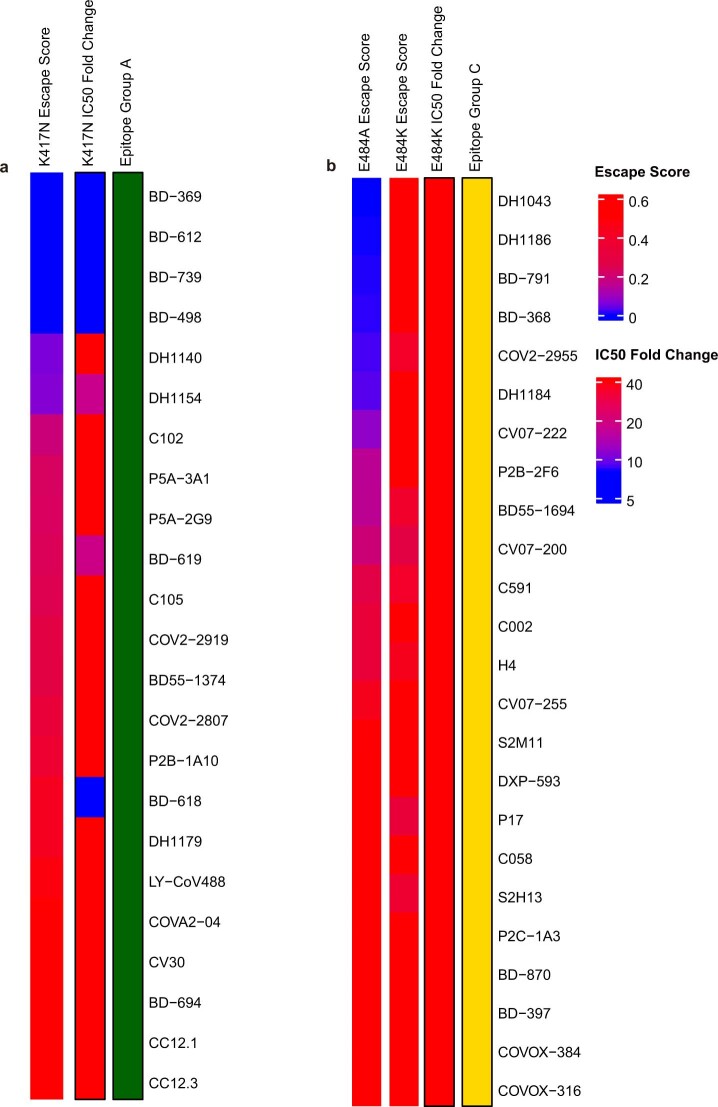
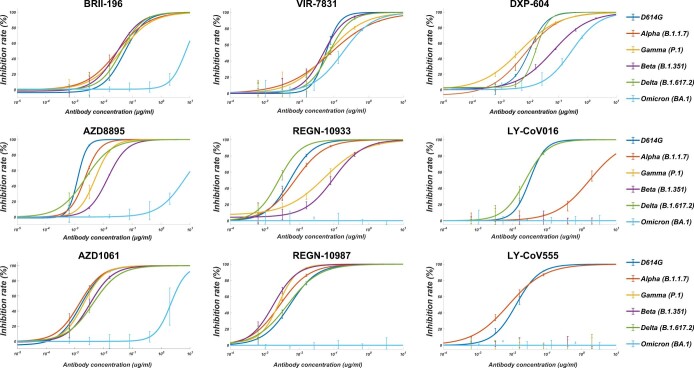
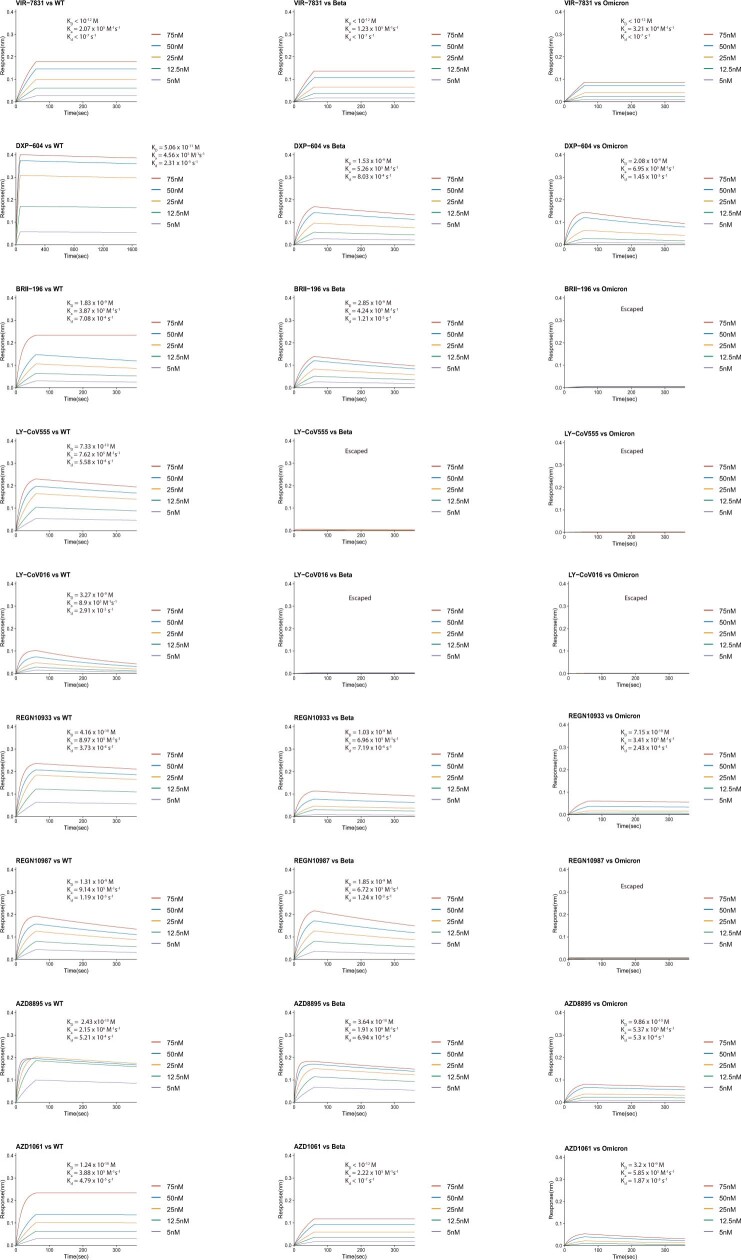
The SARS-CoV-2 B.1.1.529 (Omicron) variant contains 15 mutations of the receptor-binding domain (RBD). How Omicron evades RBD-targeted neutralizing antibodies requires immediate investigation. Here we use high-throughput yeast display screening 1,2 to determine the profiles of RBD escaping mutations for 247 human anti-RBD neutralizing antibodies and show that the neutralizing antibodies can be classified by unsupervised clustering into six epitope groups (A–F)—a grouping that is highly concordant with knowledge-based structural classifications 3–5 . Various single mutations of Omicron can impair neutralizing antibodies of different epitope groups. Specifically, neutralizing antibodies in groups A–D, the epitopes of which overlap with the ACE2-binding motif, are largely escaped by K417N, G446S, E484A and Q493R. Antibodies in group E (for example, S309) 6 and group F (for example, CR3022) 7 , which often exhibit broad sarbecovirus neutralizing activity, are less affected by Omicron, but a subset of neutralizing antibodies are still escaped by G339D, N440K and S371L. Furthermore, Omicron pseudovirus neutralization showed that neutralizing antibodies that sustained single mutations could also be escaped, owing to multiple synergetic mutations on their epitopes. In total, over 85% of the tested neutralizing antibodies were escaped by Omicron. With regard to neutralizing-antibody-based drugs, the neutralization potency of LY-CoV016, LY-CoV555, REGN10933, REGN10987, AZD1061, AZD8895 and BRII-196 was greatly undermined by Omicron, whereas VIR-7831 and DXP-604 still functioned at a reduced efficacy. Together, our data suggest that infection with Omicron would result in considerable humoral immune evasion, and that neutralizing antibodies targeting the sarbecovirus conserved region will remain most effective. Our results inform the development of antibody-based drugs and vaccines against Omicron and future variants.
Overview
The claims and statistics of this paper haven’t been checked yet.
Run the check — free, no account needed. It reads the open-access text and checks the sources it cites.
Integrity signals
Registry
Cites
Statistics
Figures
Verification
Claims the paper makes
The claims and statistics of this paper haven’t been checked yet.
Run the check — free, no account needed. It reads the open-access text and checks the sources it cites.
Claims other papers make about this one
Each is checked against this paper’s own text: does it say what the citing paper says it does?
In the citing paper
“Deep mutational scanning experiments of the SARS-CoV-2 receptor binding domain suggest that further mutations of Omicron BA.1/2 at sites 452 and 486 could lead to further immune evasion against antibodies isolated from individuals who had pre-Omicron and Omicron BA.1 breakthrough infections 21,28,29 .”
From Rapidly shifting immunologic landscape and severity of SARS-CoV-2 in the Omicron era in South Africa (2023) · cites this paper as [21]
In the citing paper
“Reinfections and vaccine breakthrough infections accounted for the majority of Omicron BA.1/2 infections, likely attributable to a minority of population remaining naïve prior to the Omicron BA.1/2 wave and to Omicron BA.1/2's immune-escape properties 16,21,22 .”
From Rapidly shifting immunologic landscape and severity of SARS-CoV-2 in the Omicron era in South Africa (2023) · cites this paper as [21]
In the citing paper
“Over reliance on immune memory may impact the breadth and strength of antibody and B-cell immunity as new antigenically drifted variants arise 15,21,32,33 .”
From Rapidly shifting immunologic landscape and severity of SARS-CoV-2 in the Omicron era in South Africa (2023) · cites this paper as [21]
Self-check
Percentages, sums and reported differences re-computed from the paper’s own numbers.
The self-check needs the paper’s full text.
Citations
Cites
SARS-CoV-2 variants, spike mutations and immune escape
Harvey, W. T., Carabelli, A. M., Jackson, B., Gupta, R. K., Thomson, E. C., Harrison, E. M., Ludden, C., Reeve, R., Rambaut, A., COVID-19 Genomics UK (COG-UK) Consortium, et al. (2021) · Nature Reviews Microbiology · doi:10.1038/s41579-021-00573-0 · Cited by 3,528
High-efficiency yeast transformation using the LiAc/SS carrier DNA/PEG method
Gietz, R. D., & Schiestl, R. H. (2007) · Nature Protocols · doi:10.1038/nprot.2007.13 · Cited by 2,785
Starr, T. N., Greaney, A. J., Hilton, S. K., Ellis, D., Crawford, K. H. D., Dingens, A. S., Navarro, M. J., Bowen, J. E., Tortorici, M. A., Walls, A. C., et al. (2020) · Cell · doi:10.1016/j.cell.2020.08.012 · Cited by 1,956
Cross-neutralization of SARS-CoV-2 by a human monoclonal SARS-CoV antibody
Pinto, D., Park, Y.-J., Beltramello, M., Walls, A. C., Tortorici, M. A., Bianchi, S., Jaconi, S., Culap, K., Zatta, F., De Marco, A., et al. (2020) · Nature · doi:10.1038/s41586-020-2349-y · Cited by 1,885
Convergent Antibody Responses to SARS-CoV-2 in Convalescent Individuals
Robbiani, D. F., Gaebler, C., Muecksch, F., Lorenzi, J. C. C., Wang, Z., Cho, A., Agudelo, M., Barnes, C. O., Gazumyan, A., Finkin, S., et al. (2020) · Nature · doi:10.1038/s41586-020-2456-9 · Cited by 1,853
Human neutralizing antibodies elicited by SARS-CoV-2 infection
Ju, B., Zhang, Q., Ge, J., Wang, R., Sun, J., Ge, X., Yu, J., Shan, S., Zhou, B., Song, S., et al. (2020) · Nature · doi:10.1038/s41586-020-2380-z · Cited by 1,667
Self-citationSARS-CoV-2 neutralizing antibody structures inform therapeutic strategies
Barnes, C. O., Jette, C. A., Abernathy, M. E., Dam, K.-M. A., Esswein, S. R., Gristick, H. B., Malyutin, A. G., Sharaf, N. G., Huey-Tubman, K. E., Lee, Y. E., et al. (2020) · Nature · doi:10.1038/s41586-020-2852-1 · Cited by 1,599
A highly conserved cryptic epitope in the receptor binding domains of SARS-CoV-2 and SARS-CoV
Yuan, M., Wu, N. C., Zhu, X., Lee, C.-C. D., So, R. T. Y., Lv, H., Mok, C. K. P., & Wilson, I. A. (2020) · Science · doi:10.1126/science.abb7269 · Cited by 1,429
Piccoli, L., Park, Y.-J., Tortorici, M. A., Czudnochowski, N., Walls, A. C., Beltramello, M., Silacci-Fregni, C., Pinto, D., Rosen, L. E., Bowen, J. E., et al. (2020) · Cell · doi:10.1016/j.cell.2020.09.037 · Cited by 1,395
Potent neutralizing antibodies against multiple epitopes on SARS-CoV-2 spike
Liu, L., Wang, P., Nair, M. S., Yu, J., Rapp, M., Wang, Q., Luo, Y., Chan, J. F.-W., Sahi, V., Figueroa, A., et al. (2020) · Nature · doi:10.1038/s41586-020-2571-7 · Cited by 1,349
Self-citation
Cited by
Sorted by citations
Items 401–500 of 1,000
Gao, P., Kang, L., Liu, J., & Liu, M. (2023) · World Journal of Pediatrics · doi:10.1007/s12519-022-00680-9 · Cited by 25
Kaempferol inhibits SARS-CoV-2 invasion by impairing heptad repeats-mediated viral fusion
Gao, J., Cao, C., Shi, M., Hong, S., Guo, S., Li, J., Liang, T., Song, P., Xu, R., & Li, N. (2023) · Phytomedicine · doi:10.1016/j.phymed.2023.154942 · Cited by 27
Targets of influenza human T-cell response are mostly conserved in H5N1
Sidney, J., Kim, A.-R., de Vries, R. D., Peters, B., Meade, P. S., Krammer, F., Grifoni, A., & Sette, A. (2024) · mBio · doi:10.1128/mbio.03479-24 · Cited by 23
Computationally designed proteins mimic antibody immune evasion in viral evolution
Youssef, N., Gurev, S. F., Ghantous, F., Brock, K. P., Jaimes, J. A., Thadani, N. N., Dauphin, A., Sherman, A. C., Yurkovetskiy, L., Soto, D., et al. (2025) · Immunity · doi:10.1016/j.immuni.2025.04.015 · Cited by 34
Saied, A. A., Metwally, A. A., Alobo, M., Shah, J., Sharun, K., & Dhama, K. (2022) · International Journal of Surgery · doi:10.1016/j.ijsu.2022.106233 · Cited by 25
Pavan, M., Bassani, D., Sturlese, M., & Moro, S. (2022) · Journal of Enzyme Inhibition and Medicinal Chemistry · doi:10.1080/14756366.2022.2081847 · Cited by 24
Human coronaviruses: The emergence of SARS-CoV-2 and management of COVID-19
Solomon, M., & Liang, C. (2022) · Virus Research · doi:10.1016/j.virusres.2022.198882 · Cited by 25
Xiong, H., Sun, H., Wang, S., Yuan, L., Liu, L., Zhu, Y., Zhang, J., Huang, Y., Qi, R., Jiang, Y., et al. (2022) · Proceedings of the National Academy of Sciences · doi:10.1073/pnas.2204256119 · Cited by 21
Self-citationResearch and development of Chinese anti-COVID-19 drugs
Ji, X., Meng, X., Zhu, X., He, Q., & Cui, Y. (2022) · Acta Pharmaceutica Sinica B · doi:10.1016/j.apsb.2022.09.002 · Cited by 26
Mazzaferri, F., Mirandola, M., Savoldi, A., Nardo, P. D., Morra, M., Tebon, M., Armellini, M., Luca, G. D., Calandrino, L., Sasset, L., et al. (2022) · eLife · doi:10.7554/elife.79639 · Cited by 24
SARS-CoV-2 before and after Omicron: two different viruses and two different diseases?
Gili, R., & Burioni, R. (2023) · Journal of Translational Medicine · doi:10.1186/s12967-023-04095-6 · Cited by 25
Protective effect of ursodeoxycholic acid on COVID-19 in patients with chronic liver disease
Li, Y., Zhu, N., Cui, X., Lin, Y., & Li, X. (2023) · Frontiers in Cellular and Infection Microbiology · doi:10.3389/fcimb.2023.1178590 · Cited by 25
Uses and Challenges of Antiviral Polyclonal and Monoclonal Antibody Therapies
Struble, E. B., Rawson, J. M. O., Stantchev, T. S., Scott, D., & Shapiro, M. A. (2023) · Pharmaceutics · doi:10.3390/pharmaceutics15051538 · Cited by 27
Repurposing CRISPR/Cas to Discover SARS‐CoV‐2 Detecting and Neutralizing Aptamers
Zhang, J., Zhu, A., Mei, M., Qu, J. T., Huang, Y., Shi, Y., Xue, M., Zhang, J., Zhang, R., Zhou, B., et al. (2023) · Advanced Science · doi:10.1002/advs.202300656 · Cited by 27
Self-citationJu, B., Fan, Q., Liu, C., Shen, S., Wang, M., Guo, H., Zhou, B., Ge, X., & Zhang, Z. (2023) · Cell Reports · doi:10.1016/j.celrep.2023.112532 · Cited by 23
Self-citationFang, L., Xu, J., Zhao, Y., Fan, J., Shen, J., Liu, W., & Cao, G. (2023) · Frontiers in Microbiology · doi:10.3389/fmicb.2023.1228128 · Cited by 26
Antibody and B Cell Responses to SARS-CoV-2 Infection and Vaccination: The End of the Beginning
Röltgen, K., & Boyd, S. D. (2023) · Annual Review of Pathology Mechanisms of Disease · doi:10.1146/annurev-pathmechdis-031521-042754 · Cited by 25
Polyvalent Nanobody Structure Designed for Boosting SARS-CoV-2 Inhibition
Song, T., Cooper, L. M., Achi, J. G., Wang, X., Dwivedy, A., Rong, L., & Wang, X. (2024) · Journal of the American Chemical Society · doi:10.1021/jacs.3c11760 · Cited by 25
Self-citationSokhansanj, B. A., Zhao, Z., & ROSEN, G. L. (2022) · Biology · doi:10.3390/biology11121786 · Cited by 27
Netzl, A., Türeli, S., LeGresley, E. B., Mühlemann, B., Wilks, S., & Smith, D. J. (2022) · bioRxiv (Cold Spring Harbor Laboratory) · doi:10.1101/2021.12.31.474032 · Cited by 25
Understanding Fc function for rational vaccine design against pathogens
Bowman, K. A., Kapłonek, P., & McNamara, R. P. (2023) · mBio · doi:10.1128/mbio.03036-23 · Cited by 26
Mosaic RBD nanoparticle elicits immunodominant antibody responses across sarbecoviruses
Liu, C., Xu, S., Zheng, Y., Xie, Y., Xu, K., Chai, Y., Luo, T., Dai, L., & Gao, G. F. (2024) · Cell Reports · doi:10.1016/j.celrep.2024.114235 · Cited by 24
The S2 subunit of spike encodes diverse targets for functional antibody responses to SARS-CoV-2
Guenthoer, J., Garrett, M. E., Lilly, M., Depierreux, D., Ruiz, F., Chi, M., Stoddard, C. I., Chohan, V., Yaffe, Z. A., Sung, K., et al. (2024) · PLoS Pathogens · doi:10.1371/journal.ppat.1012383 · Cited by 27
Werbel, W. A., & Segev, D. L. (2022) · American Journal of Transplantation · doi:10.1111/ajt.16993 · Cited by 23
Lu, J., Yin, Q., Pei, R., Zhang, Q., Qu, Y., Pan, Y., Sun, L., Gao, D., Liang, C., Yang, J., et al. (2022) · Virologica Sinica · doi:10.1016/j.virs.2022.02.005 · Cited by 24
Self-citationThe need for linked genomic surveillance of SARS-CoV-2
Dushoff, C., Earn, D. J. D., Dushoff, J. G., Ogden, N. H., Li, M., Knox, N., Domselaar, G. V., Franklin, K., Jolly, G., & Otto, S. P. (2022) · Canada Communicable Disease Report · doi:10.14745/ccdr.v48i04a03 · Cited by 23
Lavezzo, E., Pacenti, M., Manuto, L., Boldrin, C., Cattai, M., Grazioli, M., Bianca, F., Sartori, M., Caldart, F., Castelli, G., et al. (2022) · Genome Medicine · doi:10.1186/s13073-022-01066-2 · Cited by 25
Potential intervariant and intravariant recombination of Delta and Omicron variants
Wang, L., Zhou, H., Li, J., Cheng, Y., Zhang, S., Aliyari, S. R., Wu, A., & Cheng, G. (2022) · Journal of Medical Virology · doi:10.1002/jmv.27939 · Cited by 24
REVEALR-based Genotyping of SARS-CoV-2 Variants of Concern in Clinical Samples
Yang, K.-F., Schuder, D. N., Ngor, A. K., & Chaput, J. (2022) · Journal of the American Chemical Society · doi:10.1021/jacs.2c03420 · Cited by 21
Origins and Evolution of Seasonal Human Coronaviruses
Otieno, J. R., Cherry, J. L., Spiro, D., Nelson, M. I., & Trovão, N. S. (2022) · Viruses · doi:10.3390/v14071551 · Cited by 24
Li, D., Calderone, R., Nsouli, T. M., Reznikov, E. A., & Bellanti, J. A. (2022) · Allergy and Asthma Proceedings · doi:10.2500/aap.2022.43.220045 · Cited by 24
Potent monoclonal antibodies neutralize Omicron sublineages and other SARS-CoV-2 variants
Chen, Z., Zhang, P., Matsuoka, Y., Tsybovsky, Y., West, K. A., Santos, C. P., Boyd, L. F., Nguyen, H., Pomerenke, A., Stephens, T., et al. (2022) · Cell Reports · doi:10.1016/j.celrep.2022.111528 · Cited by 23
Lee, M., Kang, B., Lee, J., Lee, J., Jung, S. T., Son, C. Y., & Oh, S. S. (2022) · Science Advances · doi:10.1126/sciadv.abq6207 · Cited by 24
The humoral and cellular immune evasion of SARS-CoV-2 Omicron and sub-lineages
Xiang, T., Wang, J., & Zheng, X. (2022) · Virologica Sinica · doi:10.1016/j.virs.2022.11.007 · Cited by 23
Self-citationTargeting SARS-CoV-2 and host cell receptor interactions
Lim, S. P. (2022) · Antiviral Research · doi:10.1016/j.antiviral.2022.105514 · Cited by 25
Tut, G., Lancaster, T., Krutikov, M., Sylla, P., Bone, D., Spalkova, E., Bentley, C., Amin, U., Jadir, A., Hulme, S., et al. (2023) · Nature Aging · doi:10.1038/s43587-022-00328-3 · Cited by 28
Lessons Learnt from COVID-19: Computational Strategies for Facing Present and Future Pandemics
Pavan, M., & Moro, S. (2023) · International Journal of Molecular Sciences · doi:10.3390/ijms24054401 · Cited by 25
Plants as Biofactories for Therapeutic Proteins and Antiviral Compounds to Combat COVID-19
England, C., TrejoMartinez, J., PerezSanchez, P., Karki, U., & Xu, J. (2023) · Life · doi:10.3390/life13030617 · Cited by 25
Yu, H., Liu, B., Zhang, Y., Gao, X., Wang, Q., Xiang, H., Peng, X., Xie, C., Wang, Y., Hu, P., et al. (2023) · Nature Communications · doi:10.1038/s41467-023-36761-0 · Cited by 24
Self-citationRizvi, Z. A., Babele, P., Madan, U., Sadhu, S., Tripathy, M. R., Goswami, S., Mani, S., Dikshit, M., & Awasthi, A. (2023) · Frontiers in Immunology · doi:10.3389/fimmu.2023.1138215 · Cited by 24
Transmission and re-infection of Omicron variant XBB.1.5 in hamsters
Halfmann, P., Uraki, R., Kuroda, M., Iwatsuki‐Horimoto, K., Yamayoshi, S., Ito, M., & Kawaoka, Y. (2023) · EBioMedicine · doi:10.1016/j.ebiom.2023.104677 · Cited by 23
Novel siRNA therapeutics demonstrate multi-variant efficacy against SARS-CoV-2
Bowden-Reid, E., Ledger, S., Zhang, Y., Giallonardo, F. D., Aggarwal, A., Stella, A. O., Akerman, A., Milogiannakis, V., Walker, G. J., Rawlinson, W. D., et al. (2023) · Antiviral Research · doi:10.1016/j.antiviral.2023.105677 · Cited by 24
Alkyne as a Latent Warhead to Covalently Target SARS-CoV-2 Main Protease
Ngo, C., Fried, W., Aliyari, S. R., Feng, J. J., Qin, C., Zhang, S., Yang, H., Shanaa, J., Feng, P., Cheng, G., et al. (2023) · Journal of Medicinal Chemistry · doi:10.1021/acs.jmedchem.3c00810 · Cited by 23
de Campos‐Mata, L., Trinité, B., Modrego, A., Vaquero, S. T., Pradenas, E., Pons-Grífols, A., Melero, N. R., Carlero, D., Marfil, S., Santiago, C. A., et al. (2024) · Nature Communications · doi:10.1038/s41467-024-45171-9 · Cited by 24
Antibody Resistance of SARS-CoV-2 Omicron BA.1, BA.1.1, BA.2 and BA.3 Sub-LineagesPreprint
Ai, J., Wang, X., He, X., Zhao, X., Zhang, Y., Jiang, Y., Li, M., Cui, Y., Chen, Y., Qiao, R., et al. (2022) · bioRxiv (Cold Spring Harbor Laboratory) · doi:10.1101/2022.04.07.487489 · Cited by 24
Self-citationHuman infection with H3N8 avian influenza virus: A novel H9N2-original reassortment virus
Li, P., Niu, M., Li, Y., Xu, M., Zhao, T., Cao, X., Liang, C., Wang, Y., Li, Y., & Xiao, C. (2022) · Journal of Infection · doi:10.1016/j.jinf.2022.08.033 · Cited by 24
Self-citationA unified evolution-driven deep learning framework for virus variation driver prediction
Nie, Z., Liu, X., Chen, J., Wang, Z., Liu, Y., Si, H.-R., Dong, T., Xu, F., Song, G., Wang, Y., et al. (2025) · Nature Machine Intelligence · doi:10.1038/s42256-024-00966-9 · Cited by 25
Self-citationLi, Y., Wang, X., Jin, J., Ma, Z., Liu, Y., Zhang, X., & Su, B. (2022) · Journal of Medical Virology · doi:10.1002/jmv.27814 · Cited by 22
Self-citationBroadly neutralizing antibodies against Omicron-included SARS-CoV-2 variants induced by vaccination
Chi, X., Guo, Y., Zhang, G., Sun, H., Zhang, J., Li, M., Chen, Z., Han, J., Zhang, Y., Zhang, X., et al. (2022) · Signal Transduction and Targeted Therapy · doi:10.1038/s41392-022-00987-z · Cited by 20
Self-citationFeng, B., Chen, Z., Sun, J., Xu, T., Wang, Q., Yi, H., Niu, X., Zhu, J., Fan, M., Hou, R., et al. (2022) · Small Methods · doi:10.1002/smtd.202200387 · Cited by 22
Self-citationThe immune response as a double‐edged sword: The lesson learnt during the COVID ‐19 pandemic
Agrati, C., Carsetti, R., Bordoni, V., Sacchi, A., Quintarelli, C., Locatelli, F., Ippolito, G., & Capobianchi, M. R. (2022) · Immunology · doi:10.1111/imm.13564 · Cited by 22
Targeted escape of SARS-CoV-2 in vitro from monoclonal antibody S309, the precursor of sotrovimab
Magnus, C. L., Hiergeist, A., Schuster, P., Rohrhofer, A., Medenbach, J., Gessner, A., Peterhoff, D., & Schmidt, B. (2022) · Frontiers in Immunology · doi:10.3389/fimmu.2022.966236 · Cited by 23
Pitsillou, E., Liang, J. J., Beh, R. C., Hung, A., & Karagiannis, T. C. (2022) · Computers in Biology and Medicine · doi:10.1016/j.compbiomed.2022.106035 · Cited by 23
Fendler, A., Shepherd, S. T. C., Au, L., Wu, M., Harvey, R., Wilkinson, K. A., Schmitt, A. M., Tippu, Z., Shum, B., Farag, S., et al. (2022) · Cell Reports Medicine · doi:10.1016/j.xcrm.2022.100781 · Cited by 23
Laine, L., Skön, M., Väisänen, E., Julkunen, I., & Österlund, P. (2022) · Frontiers in Immunology · doi:10.3389/fimmu.2022.1016108 · Cited by 22
Jaago, M., Rähni, A., Pupina, N., Pihlak, A., Sadam, H., Tuvikene, J., Avarlaid, A., Planken, A., Planken, M., Haring, L., et al. (2022) · Scientific Reports · doi:10.1038/s41598-022-20849-6 · Cited by 23
Bjørlykke, K. H., Ørbo, H. S., Tveter, A. T., Jyssum, I., Sexton, J., Tran, T. T., Christensen, I. E., Kro, G. B., Kvien, T. K., Jahnsen, J., et al. (2022) · The Lancet Rheumatology · doi:10.1016/s2665-9913(22)00330-7 · Cited by 24
Kong, K., Chang, Y., Qiao, H., Zhao, C., Chen, X., Rong, K., Zhang, P., Jin, M., Zhang, J., Li, H., et al. (2022) · Journal of Translational Medicine · doi:10.1186/s12967-022-03770-4 · Cited by 24
Underwood, A. P., Sølund, C. S., Fernandez-Antunez, C., Villadsen, S. L., Mikkelsen, L. S., Fahnøe, U., Bollerup, S., Winckelmann, A. A., Schneider, U. V., Binderup, A., et al. (2023) · EBioMedicine · doi:10.1016/j.ebiom.2023.104475 · Cited by 21
Research progress in spike mutations of SARS‐CoV‐2 variants and vaccine development
He, X., He, C., Hong, W., Yang, H. J., & Wei, X. (2023) · Medicinal Research Reviews · doi:10.1002/med.21941 · Cited by 25
Tabynov, K., Solomadin, M., Turebekov, N. A., Babayeva, M., Fomin, G., Yadagiri, G., Renu, S., Yerubayev, T., Petrovsky, N., Renukaradhya, G. J., et al. (2023) · Scientific Reports · doi:10.1038/s41598-023-39402-0 · Cited by 23
Rizvi, Z. A., Dandotiya, J., Sadhu, S., Khatri, R., Singh, J., Singh, V., Adhikari, N., Sharma, K., Das, V., Pandey, A. K., et al. (2022) · Communications Biology · doi:10.1038/s42003-023-05263-6 · Cited by 23
Ye, G., Pan, R., Bu, F., Zheng, J. H., Mendoza, A., Wen, W., Du, L., Spiller, B. W., Wadzinski, B. E., Liu, B., et al. (2023) · Journal of Virology · doi:10.1128/jvi.01448-23 · Cited by 23
Transformation of peptides to small molecules in medicinal chemistry: Challenges and opportunities
Han, Z.-Y., Shen, Z., Pei, J., You, Q.-D., Zhang, Q.-Y., & Wang, L. (2024) · Acta Pharmaceutica Sinica B · doi:10.1016/j.apsb.2024.06.019 · Cited by 21
SARS-CoV-2 variants of concern and vaccine escape, from Alpha to Omicron and beyond
Ong, S. W. X., Chia, T. R. T., & Young, B. E. (2022) · Expert Review of Respiratory Medicine · doi:10.1080/17476348.2022.2057299 · Cited by 24
A broadly generalizable stabilization strategy for sarbecovirus fusion machinery vaccines
Lee, J., Stewart, C., Schäfer, A., Leaf, E. M., Park, Y.-J., Asarnow, D., Powers, J. M., Treichel, C., Sprouse, K. R., Corti, D., et al. (2024) · Nature Communications · doi:10.1038/s41467-024-49656-5 · Cited by 23
Exploring protein functions from structural flexibility using CABS ‐flex modeling
Nithin, C., Fornari, R. P., Pilla, S. P., Wróblewski, K., Zalewski, M., Madaj, R., Koliński, A., Macnar, J. M., & Kmiecik, S. (2024) · Protein Science · doi:10.1002/pro.5090 · Cited by 21
SARS-CoV-2 Evolution: Implications for Diagnosis, Treatment, Vaccine Effectiveness and Development
Angius, F., Puxeddu, S., Zaimi, S., Canton, S., Nematollahzadeh, S., Pibiri, A., Delogu, I., Alvisi, G., Moi, M. L., & Manzin, A. (2024) · Vaccines · doi:10.3390/vaccines13010017 · Cited by 22
Lim, H. X., Masomian, M., Khalid, K., Kumar, A. U., MacAry, P. A., & Poh, C. L. (2022) · International Journal of Molecular Sciences · doi:10.3390/ijms23084341 · Cited by 22
Seow, J., Graham, C., Hallett, S. R., Lechmere, T., Maguire, T. J. A., Huettner, I., Cox, D., Khan, H., Pickering, S., Roberts, R., et al. (2022) · Cell Reports · doi:10.1016/j.celrep.2022.110757 · Cited by 18
Visualizing omicron: COVID-19 deaths vs. cases over time
Arnaout, R., & Arnaout, R. (2022) · PLoS ONE · doi:10.1371/journal.pone.0265233 · Cited by 22
Developing Pseudovirus-Based Neutralization Assay against Omicron-Included SARS-CoV-2 Variants
Sun, H., Xu, J., Zhang, G., Han, J., Hao, M., Chen, Z., Fang, T., Chi, X., & Yu, C. (2022) · Viruses · doi:10.3390/v14061332 · Cited by 24
Self-citationXiong, D., Zhao, X., Luo, S., Cong, Y., Zhang, J. Z. H., & Duan, L. (2022) · The Journal of Physical Chemistry Letters · doi:10.1021/acs.jpclett.2c00912 · Cited by 23
Wilhelm, A., Schoth, J., Meinert‐Berning, C., Agrawal, S., Bastian, D., Orschler, L., Ciesek, S., Teichgräber, B., Wintgens, T., Lackner, S., et al. (2022) · The Science of The Total Environment · doi:10.1016/j.scitotenv.2022.157375 · Cited by 26
Focosi, D., & Tuccori, M. (2022) · Pathogens · doi:10.3390/pathogens11080823 · Cited by 22
Duty, J. A., Kraus, T., Zhou, H., Zhang, Y., Shaabani, N., Yildiz, S., Du, N., Singh, A., Miorin, L., Li, D., et al. (2022) · Med · doi:10.1016/j.medj.2022.08.002 · Cited by 21
Ji, Y., Zhang, Q., Cheng, L., Ge, J., Wang, R., Fang, M., Mucker, E. M., Chen, P., Ma, J., Zhang, R., et al. (2022) · Frontiers in Immunology · doi:10.3389/fimmu.2022.980435 · Cited by 23
Self-citationNeamțu, A., Mocci, F., Laaksonen, A., & da Silva, F. L. B. (2022) · Colloids and Surfaces B Biointerfaces · doi:10.1016/j.colsurfb.2022.112986 · Cited by 23
A potent and broad neutralization of SARS-CoV-2 variants of concern by DARPins
Chonira, V., Kwon, Y. D., Gorman, J., Case, J. B., Ku, Z., Simeon, R. L., Casner, R. G., Harris, D. R., Olia, A. S., Stephens, T., et al. (2022) · Nature Chemical Biology · doi:10.1038/s41589-022-01193-2 · Cited by 23
Dobrowolska, K., Brzdęk, M., Zarębska‐Michaluk, D., Rzymski, P., Rogalska, M., Moniuszko-Malinowska, A. M., Szymanek-Pasternak, A., Jaroszewicz, J., Dutkiewicz, E., Kowalska, J. D., et al. (2023) · Polskie Archiwum Medycyny Wewnętrznej · doi:10.20452/pamw.16403 · Cited by 22
SARS-CoV-2 Omicron variant shedding during respiratory activities
Tan, K. S., Ong, S. W. X., Koh, M. H., Tay, D. J. W., Aw, D. Z. H., Nah, Y. W., Abdullah, M. R. B., Coleman, K. K., Milton, D. K., Chu, J. J. H., et al. (2023) · International Journal of Infectious Diseases · doi:10.1016/j.ijid.2023.03.029 · Cited by 21
Multi-omics for COVID-19: driving development of therapeutics and vaccines
Guo, M., Xiong, M., Peng, J., Guan, T., Su, H., Huang, Y., Yang, C., Li, Y., Boraschi, D., Pillaiyar, T., et al. (2023) · National Science Review · doi:10.1093/nsr/nwad161 · Cited by 24
Broadly neutralizing antibodies against COVID-19
Zhou, D., Ren, J., Fry, E. E., & Stuart, D. I. (2023) · Current Opinion in Virology · doi:10.1016/j.coviro.2023.101332 · Cited by 21
Zhao, Q., Zheng, B., Han, B., Feng, P., Xia, Z., Jiang, H., Yin, Y., Zhu, J., Fei, C., Xiang, J., et al. (2023) · Infectious Diseases and Therapy · doi:10.1007/s40121-023-00845-7 · Cited by 22
Dang, F., Bai, L., Dong, J., Hu, X., Wang, J., Paulo, J. A., Xiong, Y., Liang, X., Sun, Y., Chen, Y., et al. (2023) · Science Translational Medicine · doi:10.1126/scitranslmed.adh7668 · Cited by 23
Self-citationLiu, Z., Zhou, J., Wang, W., Zhang, G., Xing, L., Zhang, K., Wang, Y., Xu, W., Wang, Q., Man, Q., et al. (2024) · Cell Reports Medicine · doi:10.1016/j.xcrm.2024.101445 · Cited by 22
Self-citationCOVID-19 clinical presentation, management, and epidemiology: a concise compendium
Maison, D. P., Tasissa, H., Deitchman, A. N., Peluso, M. J., Deng, Y., Miller, F. D., Henrich, T. J., & Gerschenson, M. (2025) · Frontiers in Public Health · doi:10.3389/fpubh.2025.1498445 · Cited by 26
Galliez, R. M., Bomfim, L., Mariani, D., Leitão, I. D. C., Castiñeiras, A. C., Gonçalves, C. C. A., da Silva, B. O., Cardoso, P. H., Arruda, M. B., Álvarez, P., et al. (2022) · Microbiology Spectrum · doi:10.1128/spectrum.01250-22 · Cited by 21
Wang, Y.-D., Zhan, W., Liu, J., Wang, Y., Zhang, X., Zhang, M., Han, L., Ma, Y., Lu, L., Wen, Y., et al. (2022) · Cell Research · doi:10.1038/s41422-022-00684-0 · Cited by 19
Self-citationWang, Y., Yan, A., Song, D., Dong, C., Rao, M., Gao, Y., Qi, R., Ma, X., Wang, Q., Xu, H., et al. (2023) · Cell Discovery · doi:10.1038/s41421-022-00509-9 · Cited by 21
Self-citationStructural insights into protection against a SARS-CoV-2 spike variant by T cell receptor diversity
Wu, D., Efimov, G. A., Васильевна, Б. А., Pierce, B. G., & Mariuzza, R. A. (2023) · Journal of Biological Chemistry · doi:10.1016/j.jbc.2023.103035 · Cited by 23
Takano, T., Sato, T., Kotaki, R., Moriyama, S., Fukushi, S., Shinoda, M., Kabasawa, K., Shimada, N., Kousaka, M., Adachi, Y., et al. (2023) · Nature Communications · doi:10.1038/s41467-023-37128-1 · Cited by 26
Real world effectiveness of tixagevimab/cilgavimab (Evusheld) in the Omicron era
Chen, B. C., Haste, N. M., BINKIN, N. J., Law, N., Horton, L. E., Yam, N., Chen, V., & Abeles, S. R. (2023) · PLoS ONE · doi:10.1371/journal.pone.0275356 · Cited by 21
Chen, Y., Mason, G. H., Scourfield, D. O., Greenshields‐Watson, A., Haigh, T. A., Sewell, A. K., Long, H. M., Gallimore, A., Rizkallah, P. J., MacLachlan, B. J., et al. (2023) · Cell Reports · doi:10.1016/j.celrep.2023.112827 · Cited by 23
Li, X., Pan, Y., Yin, Q., Wang, Z., Shan, S., Zhang, L., Yu, J., Qu, Y., Sun, L., Gui, F., et al. (2022) · Cell Discovery · doi:10.1038/s41421-022-00449-4 · Cited by 20
Self-citationEpitope mapping via in vitro deep mutational scanning methods and its applications
Keen, M. M., Keith, A. D., & Ortlund, E. A. (2024) · Journal of Biological Chemistry · doi:10.1016/j.jbc.2024.108072 · Cited by 20
Lan, Q., Chan, J. F., Xu, W., Wang, L., Jiao, F., Zhang, G., Pu, J., Zhou, J., Xia, S., Lu, L., et al. (2022) · Viruses · doi:10.3390/v14030549 · Cited by 21
Genetic differentiation and diversity of SARS-CoV-2 Omicron variant in its early outbreak
Weng, S., Shang, J., Cheng, Y., Zhou, H., Ji, C., Yang, R., & Wu, A. (2022) · Biosafety and Health · doi:10.1016/j.bsheal.2022.04.004 · Cited by 21
Emmenegger, M., Fiedler, S., Brugger, S. D., Devenish, S. R. A., Morgunov, A. S., Ilsley, A., Ricci, F., Malik, A. Y., Scheier, T., Batkitar, L., et al. (2022) · iScience · doi:10.1016/j.isci.2022.104766 · Cited by 20
Verkhivker, G. M., Agajanian, S., Kassab, R., & Krishnan, K. (2022) · International Journal of Molecular Sciences · doi:10.3390/ijms231911542 · Cited by 18
Metadata
- Authors
- Cao, Y., Wang, J., Jian, F., Xiao, T., Song, W., Yisimayi, A., Huang, W., Li, Q., Wang, P., An, R., Wang, J., Wang, Y., Niu, X., Yang, S., Liang, H., Sun, H., Li, T., Yu, Y., Cui, Q., Liu, S., Yang, X., Du, S., Zhang, Z., Hao, X., Shao, F., Jin, R., Wang, X., Xiao, J., Wang, Y., & Xie, X. S.
- Affiliations
- Peking University (CN)
- National Institutes for Food and Drug Control (CN)
- Capital Medical University (CN)
- Chinese Academy of Sciences (CN)
- Corresponding author
- Cao, Yunlong
- Wang, Yao
- Wang, Xiangxi
- Xiao, Junyu
- Wang, Youchun
- Xie, Xiaoliang Sunney
- ORCID
- Venue
- Nature
- Published
- 2021-12-23
- Volume
- 602
- Issue
- 7898
- Pages
- 657-663
- ISSN
- 0028-0836 (ISSN-L)
- 1476-4687
- PMC
- PMC8866119
- OpenAlex
- W4220807057
- Cited by
- 2,006
- References
- 56
- Citations by year
- 2026: 143 · 2025: 242 · 2024: 329 · 2023: 525 · 2022: 735 · 2021: 20
- FWCI
- 127.72
- Type
- journal article
- Language
- en
- Open access
- hybrid
- doi.org
- Locations
- Nature (publishedVersion, cc-by)
- bioRxiv (Cold Spring Harbor Laboratory) (acceptedVersion)
- Research Square (acceptedVersion, cc-by)
- PubMed Central (publishedVersion, cc-by)
- PubMed (publishedVersion)
- Funders
- Peking University
- Topics
- Health Sciences › Medicine › Infectious Diseases › SARS-CoV-2 and COVID-19 Research
- Life Sciences › Biochemistry, Genetics and Molecular Biology › Molecular Biology › vaccines and immunoinformatics approaches
- Life Sciences › Immunology and Microbiology › Immunology › Monoclonal and Polyclonal Antibodies Research
- Keywords
- Omicron variant, SARS-CoV-2, receptor binding domain, neutralizing antibodies, antibody escape, K417N, vaccine design
- MeSH terms
- Angiotensin-Converting Enzyme 2, COVID-19, SARS-CoV-2, COVID-19 Vaccines, Antibodies, Monoclonal, Antibodies, Viral, Cells, Cultured, Convalescence, Humans, Immune Sera, Models, Molecular, Mutation, Neutralization Tests, Epitopes, B-Lymphocyte, Immune Evasion, Antibodies, Neutralizing, Spike Glycoprotein, Coronavirus
About these checks
Registry, retraction, Cites and statistics results are computed, not judged, with one exception: a printed reference that no index lists is read once by a model before it counts as a citation error. Claims are extracted by a model and kept only when their quote appears verbatim in the text; each cited source is then checked, with a model’s help, for whether it says what the claim relies on. Those verdicts can be wrong — read the claim’s quote and the cited source before relying on one.
Statistics and arithmetic are recomputed, not judged.
Confidence bands are shown only for fields calibrated on our annotated test set. None is calibrated yet, so no band is shown.
What counts as a claim ›How we measure confidence ›How we check this ›
Are you an author, or do you see a problem with this page? Request a review
