

The DOI matches its Crossref record; 67 of the 67 references it cites were found in a registry or an index.
Omicron escapes the majority of existing SARS-CoV-2 neutralizing antibodies
Open accessPublished version of a preprint
Abstract
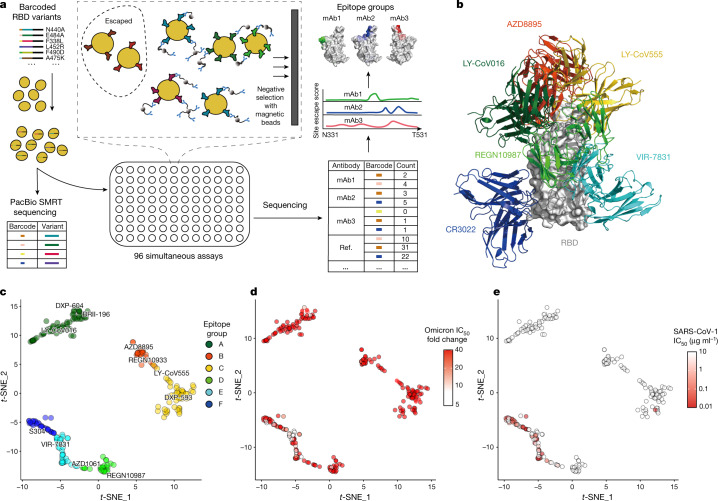
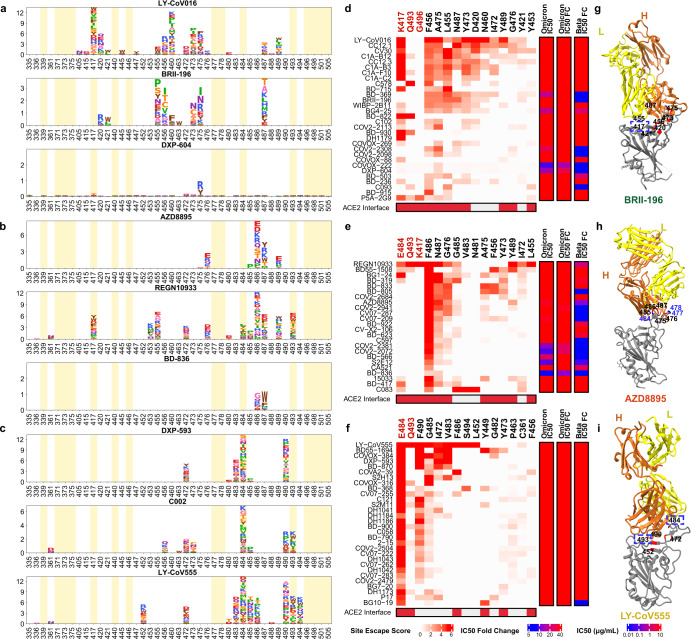
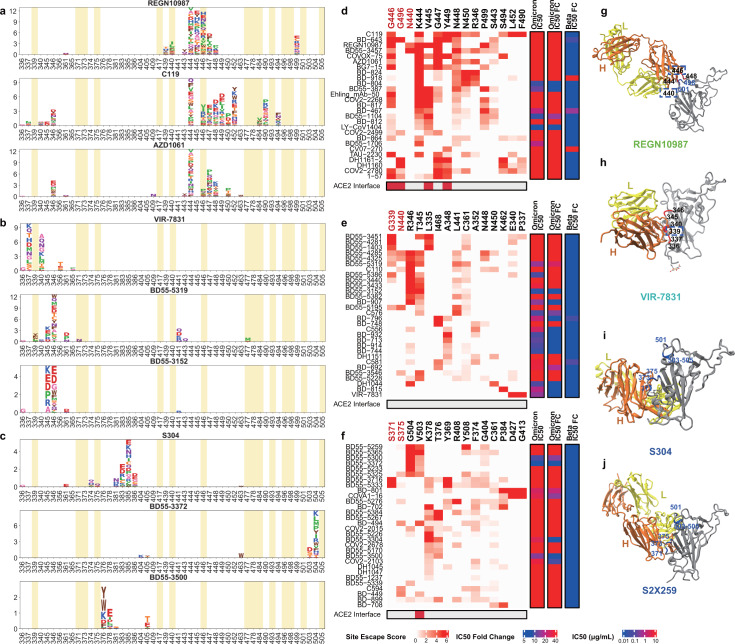
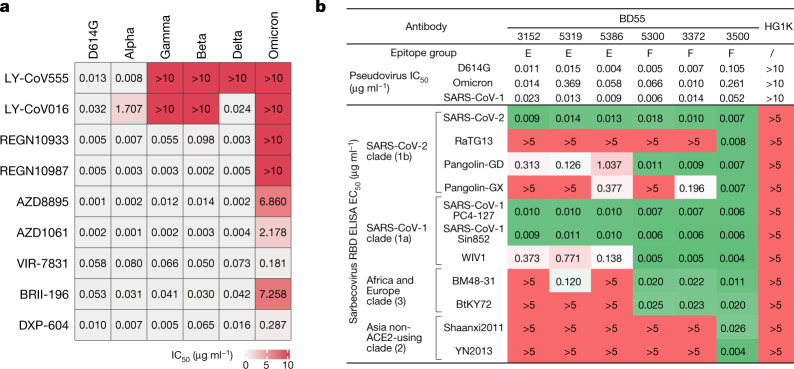
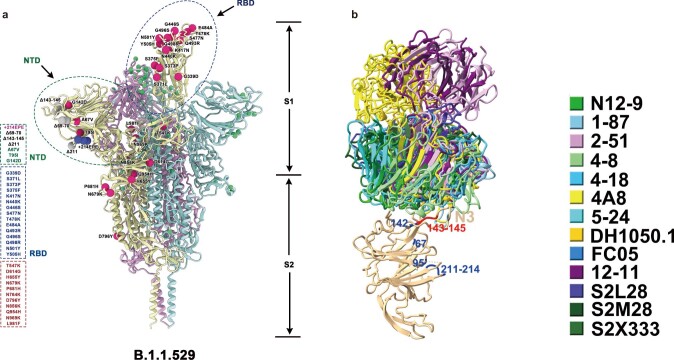
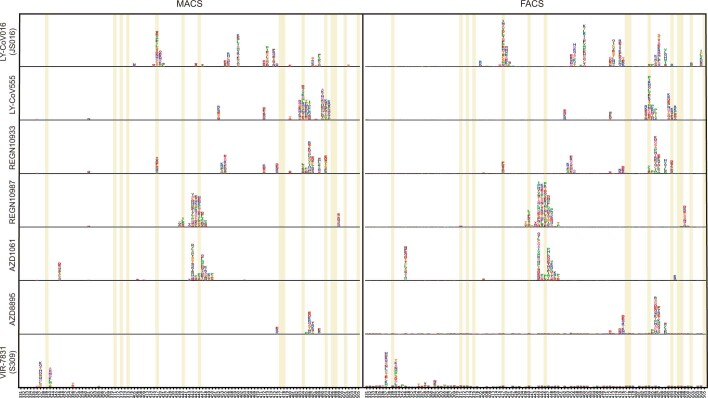
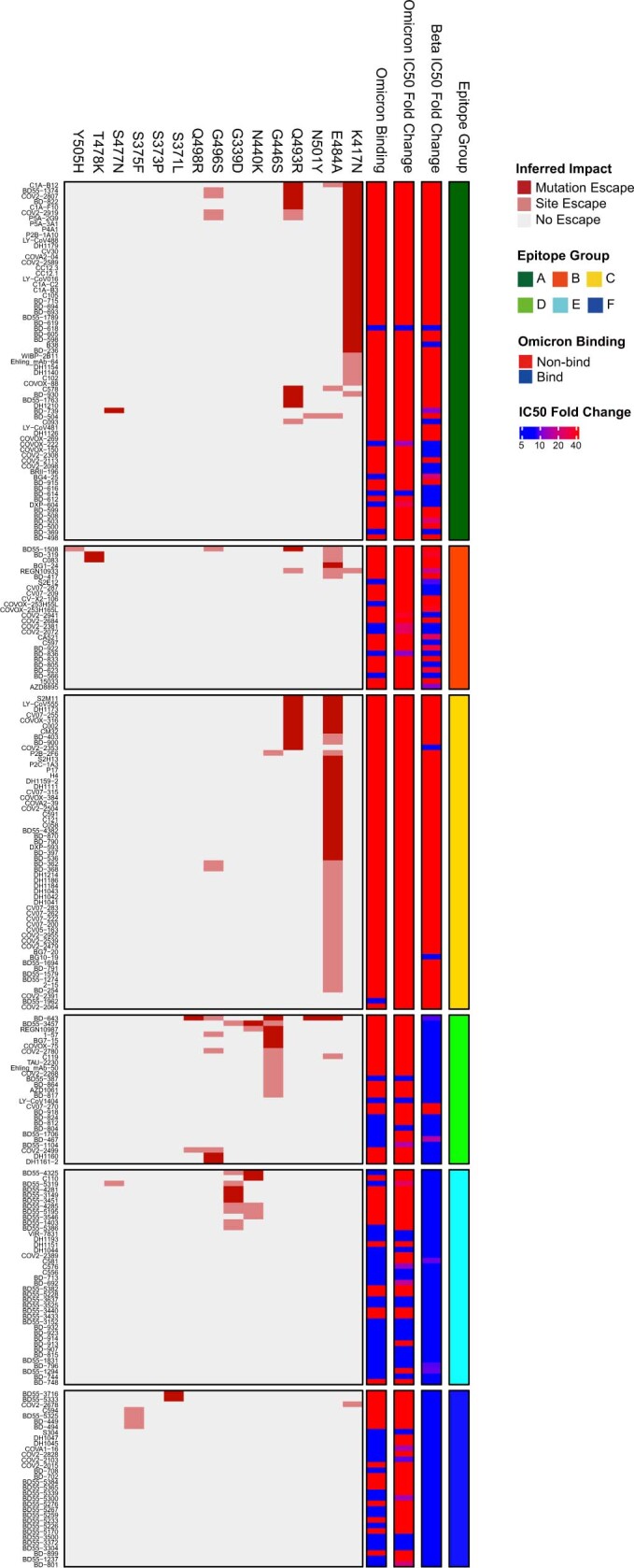
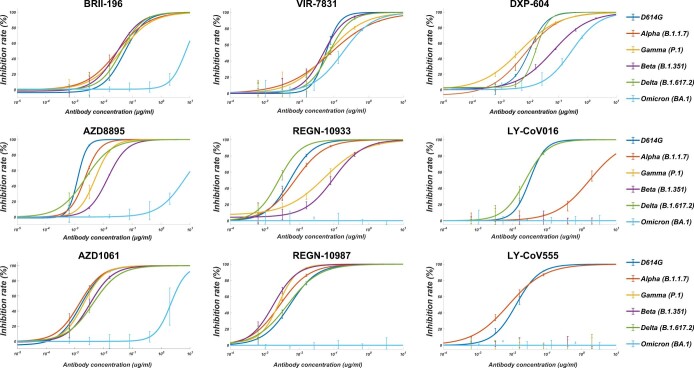
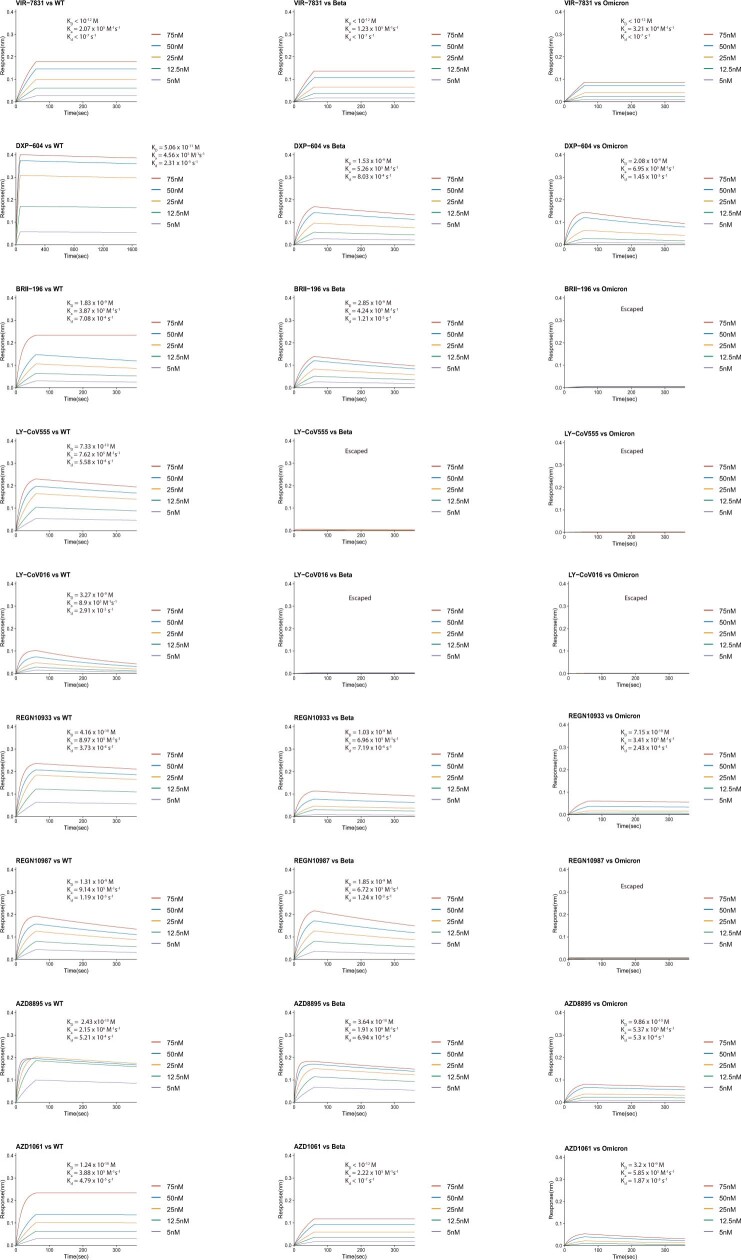
The SARS-CoV-2 B.1.1.529 (Omicron) variant contains 15 mutations of the receptor-binding domain (RBD). How Omicron evades RBD-targeted neutralizing antibodies requires immediate investigation. Here we use high-throughput yeast display screening 1,2 to determine the profiles of RBD escaping mutations for 247 human anti-RBD neutralizing antibodies and show that the neutralizing antibodies can be classified by unsupervised clustering into six epitope groups (A–F)—a grouping that is highly concordant with knowledge-based structural classifications 3–5 . Various single mutations of Omicron can impair neutralizing antibodies of different epitope groups. Specifically, neutralizing antibodies in groups A–D, the epitopes of which overlap with the ACE2-binding motif, are largely escaped by K417N, G446S, E484A and Q493R. Antibodies in group E (for example, S309) 6 and group F (for example, CR3022) 7 , which often exhibit broad sarbecovirus neutralizing activity, are less affected by Omicron, but a subset of neutralizing antibodies are still escaped by G339D, N440K and S371L. Furthermore, Omicron pseudovirus neutralization showed that neutralizing antibodies that sustained single mutations could also be escaped, owing to multiple synergetic mutations on their epitopes. In total, over 85% of the tested neutralizing antibodies were escaped by Omicron. With regard to neutralizing-antibody-based drugs, the neutralization potency of LY-CoV016, LY-CoV555, REGN10933, REGN10987, AZD1061, AZD8895 and BRII-196 was greatly undermined by Omicron, whereas VIR-7831 and DXP-604 still functioned at a reduced efficacy. Together, our data suggest that infection with Omicron would result in considerable humoral immune evasion, and that neutralizing antibodies targeting the sarbecovirus conserved region will remain most effective. Our results inform the development of antibody-based drugs and vaccines against Omicron and future variants.
Overview
The claims and statistics of this paper haven’t been checked yet.
Run the check — free, no account needed. It reads the open-access text and checks the sources it cites.
Integrity signals
Registry
Cites
Statistics
Figures
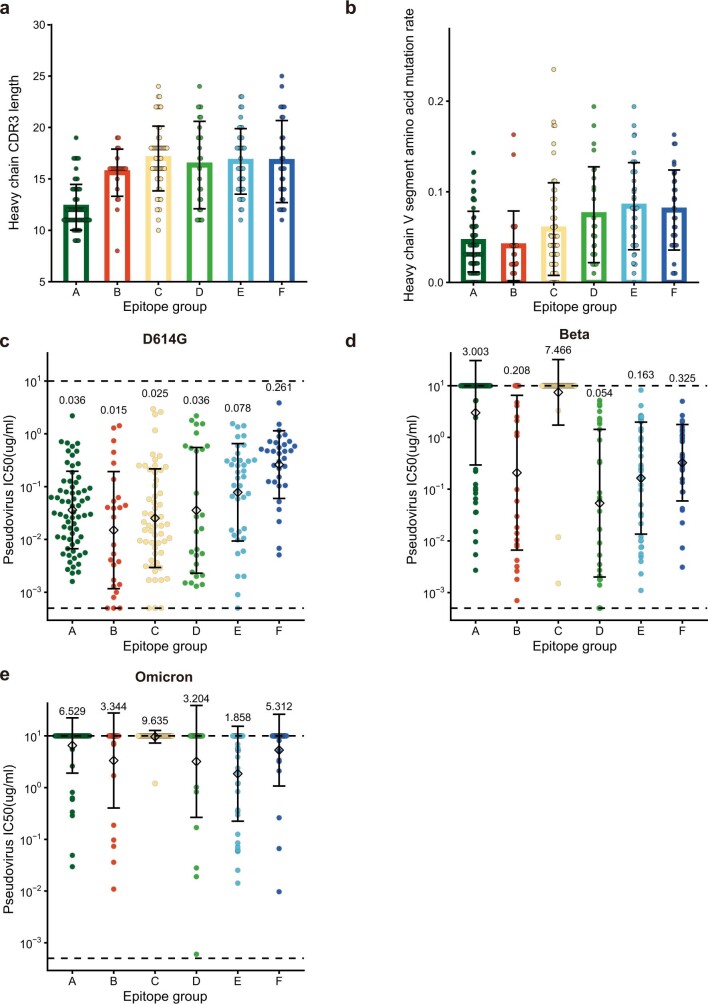
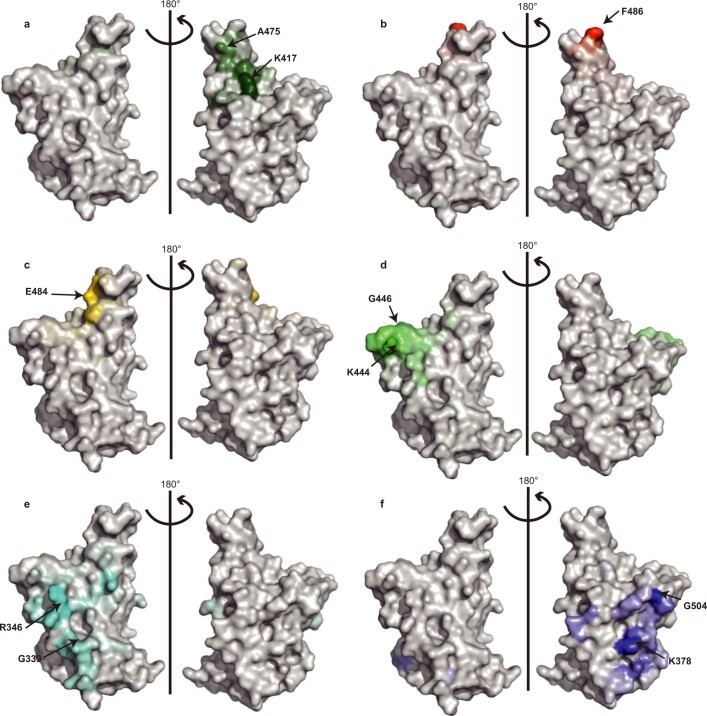
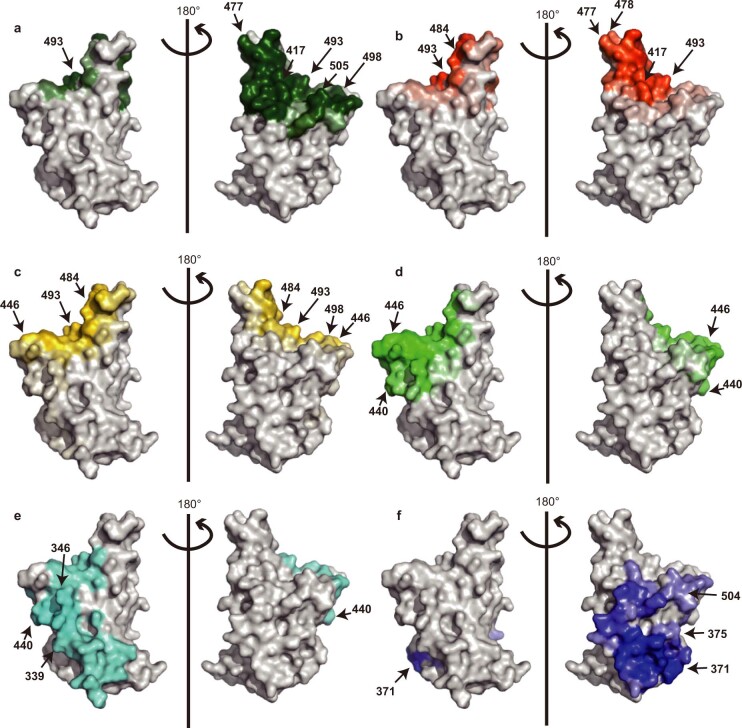
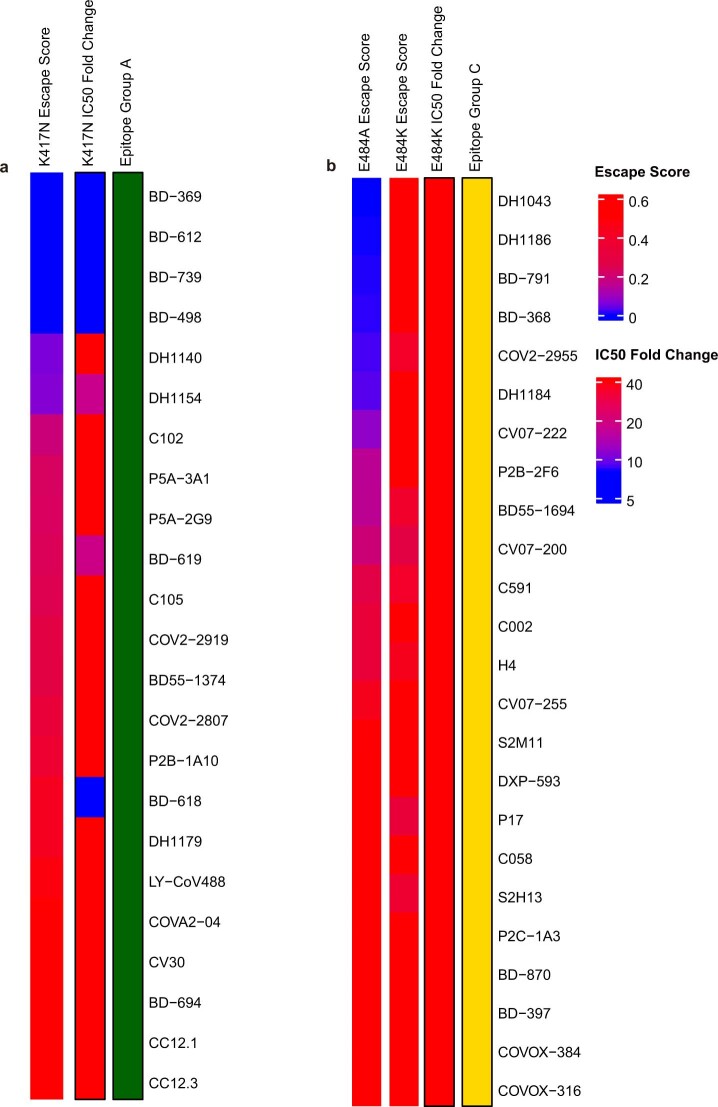
Verification
Claims the paper makes
The claims and statistics of this paper haven’t been checked yet.
Run the check — free, no account needed. It reads the open-access text and checks the sources it cites.
Claims other papers make about this one
Each is checked against this paper’s own text: does it say what the citing paper says it does?
In the citing paper
“Deep mutational scanning experiments of the SARS-CoV-2 receptor binding domain suggest that further mutations of Omicron BA.1/2 at sites 452 and 486 could lead to further immune evasion against antibodies isolated from individuals who had pre-Omicron and Omicron BA.1 breakthrough infections 21,28,29 .”
From Rapidly shifting immunologic landscape and severity of SARS-CoV-2 in the Omicron era in South Africa (2023) · cites this paper as [21]
In the citing paper
“Reinfections and vaccine breakthrough infections accounted for the majority of Omicron BA.1/2 infections, likely attributable to a minority of population remaining naïve prior to the Omicron BA.1/2 wave and to Omicron BA.1/2's immune-escape properties 16,21,22 .”
From Rapidly shifting immunologic landscape and severity of SARS-CoV-2 in the Omicron era in South Africa (2023) · cites this paper as [21]
In the citing paper
“Over reliance on immune memory may impact the breadth and strength of antibody and B-cell immunity as new antigenically drifted variants arise 15,21,32,33 .”
From Rapidly shifting immunologic landscape and severity of SARS-CoV-2 in the Omicron era in South Africa (2023) · cites this paper as [21]
Self-check
Percentages, sums and reported differences re-computed from the paper’s own numbers.
The self-check needs the paper’s full text.
Citations
Cites
SARS-CoV-2 variants, spike mutations and immune escape
Harvey, W. T., Carabelli, A. M., Jackson, B., Gupta, R. K., Thomson, E. C., Harrison, E. M., Ludden, C., Reeve, R., Rambaut, A., COVID-19 Genomics UK (COG-UK) Consortium, et al. (2021) · Nature Reviews Microbiology · doi:10.1038/s41579-021-00573-0 · Cited by 3,528
High-efficiency yeast transformation using the LiAc/SS carrier DNA/PEG method
Gietz, R. D., & Schiestl, R. H. (2007) · Nature Protocols · doi:10.1038/nprot.2007.13 · Cited by 2,785
Starr, T. N., Greaney, A. J., Hilton, S. K., Ellis, D., Crawford, K. H. D., Dingens, A. S., Navarro, M. J., Bowen, J. E., Tortorici, M. A., Walls, A. C., et al. (2020) · Cell · doi:10.1016/j.cell.2020.08.012 · Cited by 1,956
Cross-neutralization of SARS-CoV-2 by a human monoclonal SARS-CoV antibody
Pinto, D., Park, Y.-J., Beltramello, M., Walls, A. C., Tortorici, M. A., Bianchi, S., Jaconi, S., Culap, K., Zatta, F., De Marco, A., et al. (2020) · Nature · doi:10.1038/s41586-020-2349-y · Cited by 1,885
Convergent Antibody Responses to SARS-CoV-2 in Convalescent Individuals
Robbiani, D. F., Gaebler, C., Muecksch, F., Lorenzi, J. C. C., Wang, Z., Cho, A., Agudelo, M., Barnes, C. O., Gazumyan, A., Finkin, S., et al. (2020) · Nature · doi:10.1038/s41586-020-2456-9 · Cited by 1,853
Human neutralizing antibodies elicited by SARS-CoV-2 infection
Ju, B., Zhang, Q., Ge, J., Wang, R., Sun, J., Ge, X., Yu, J., Shan, S., Zhou, B., Song, S., et al. (2020) · Nature · doi:10.1038/s41586-020-2380-z · Cited by 1,667
Self-citationSARS-CoV-2 neutralizing antibody structures inform therapeutic strategies
Barnes, C. O., Jette, C. A., Abernathy, M. E., Dam, K.-M. A., Esswein, S. R., Gristick, H. B., Malyutin, A. G., Sharaf, N. G., Huey-Tubman, K. E., Lee, Y. E., et al. (2020) · Nature · doi:10.1038/s41586-020-2852-1 · Cited by 1,599
A highly conserved cryptic epitope in the receptor binding domains of SARS-CoV-2 and SARS-CoV
Yuan, M., Wu, N. C., Zhu, X., Lee, C.-C. D., So, R. T. Y., Lv, H., Mok, C. K. P., & Wilson, I. A. (2020) · Science · doi:10.1126/science.abb7269 · Cited by 1,429
Piccoli, L., Park, Y.-J., Tortorici, M. A., Czudnochowski, N., Walls, A. C., Beltramello, M., Silacci-Fregni, C., Pinto, D., Rosen, L. E., Bowen, J. E., et al. (2020) · Cell · doi:10.1016/j.cell.2020.09.037 · Cited by 1,395
Potent neutralizing antibodies against multiple epitopes on SARS-CoV-2 spike
Liu, L., Wang, P., Nair, M. S., Yu, J., Rapp, M., Wang, Q., Luo, Y., Chan, J. F.-W., Sahi, V., Figueroa, A., et al. (2020) · Nature · doi:10.1038/s41586-020-2571-7 · Cited by 1,349
Self-citation
Cited by
Sorted by citations
Items 601–700 of 1,000
Seenappa, L. M., Jakubowski, A., Steinbuck, M. P., Palmer, E., Haqq, C. M., Carter, C., Fontenot, J. A., Villinger, F. J., McNeil, L. K., & DeMuth, P. C. (2022) · npj Vaccines · doi:10.1038/s41541-022-00560-3 · Cited by 16
Ling, Z., Yi, C., Sun, X., Yang, Z., & Sun, B. (2022) · Science China Life Sciences · doi:10.1007/s11427-022-2215-6 · Cited by 16
Thümmler, L., Lindemann, M., Horn, P. A., Lenz, V., Konik, M., Gäckler, A., Boss, K., Theodoropoulos, F., Besa, V., Taube, C., et al. (2022) · Viruses · doi:10.3390/v15010119 · Cited by 15
Lai, F. T. T., Yan, V. K. C., Ye, X., Ma, T., Qin, X. S., Chui, C. S. L., Li, X., Wan, E. Y. F., Wong, C. K. H., Cheung, C. L., et al. (2023) · Canadian Medical Association Journal · doi:10.1503/cmaj.221068 · Cited by 15
Zhang, S., Ma, P., Orzechowski, M., Lemmer, A., Rzasa, K. M., Bagnall, J., Barkho, S., Chen, M., He, L. L., Neitupski, R., et al. (2023) · mBio · doi:10.1128/mbio.03523-22 · Cited by 16
Fan, F., Zhang, X., Zhang, Z., Ding, Y., Wang, L., Xu, X., Pan, Y., Gong, F., Jiang, L., Kang, L., et al. (2023) · Emerging Microbes & Infections · doi:10.1080/22221751.2023.2202269 · Cited by 15
Self-citationKugathasan, R., Sukhova, K., Moshe, M., Kellam, P., & Barclay, W. (2023) · PLoS Pathogens · doi:10.1371/journal.ppat.1011545 · Cited by 16
Llewellyn, G. N., Chen, H.-Y., Rogers, G. L., Huang, X., Sell, P., Henley, J. E., & Cannon, P. M. (2023) · Journal of Virology · doi:10.1128/jvi.00684-23 · Cited by 17
SARS-CoV-2 vaccine-induced antibodies protect against Omicron breakthrough infection
Baerends, E. A. M., Hvidt, A. K., Reekie, J., Søgaard, O. S., Stærke, N. B., Raben, D., Nielsen, H. I., Petersen, K. T., Juhl, M. R., Johansen, I. S., et al. (2023) · iScience · doi:10.1016/j.isci.2023.107621 · Cited by 16
Shimazu, H., Wada, D., Maruyama, S., Inoue, A., Kashihara, M., Yoshihara, T., Saito, F., Yoshiya, K., Nakamori, Y., & Kuwagata, Y. (2023) · BMC Infectious Diseases · doi:10.1186/s12879-023-08797-6 · Cited by 16
Hu, L., Zhang, H., Huang, C. H., Shen, T., Feng, Z., Mu, F., Xu, L., Lin, Y., Yue, C., Guo, K., et al. (2023) · QJM · doi:10.1093/qjmed/hcad254 · Cited by 16
Self-citationYang, J., Lin, S., Chen, Z., Yang, F., Guo, L., Wang, L., Duan, Y., Zhang, X., Dai, Y., Yin, K., et al. (2023) · PLoS Pathogens · doi:10.1371/journal.ppat.1011804 · Cited by 16
Self-citationSmall-molecule anti-COVID-19 drugs and a focus on China’s homegrown mindeudesivir (VV116)
Cao, Q., Ding, Y., Xu, Y., Li, M., Zheng, R., Cao, Z., Wang, W., Bi, Y., Ning, G., Xu, Y., et al. (2023) · Frontiers of Medicine · doi:10.1007/s11684-023-1037-3 · Cited by 16
Sankhala, R. S., Lal, K. G., Jensen, J. L., Dussupt, V., Mendez-Rivera, L., Bai, H., Wieczorek, L., Mayer, S. V., Zemil, M., Wagner, D. A., et al. (2024) · Nature Communications · doi:10.1038/s41467-023-44265-0 · Cited by 15
Horbach, I. S., Azevedo, A. D. S., Schwarcz, W. D., Alves, N. D. S., Dias, B. D. M., Setatino, B. P., Moura, L. D. C., de Souza, A. F., Denani, C. B., da Silva, S. A., et al. (2024) · Diseases · doi:10.3390/diseases12010029 · Cited by 17
Impact of SARS-CoV-2 spike stability and RBD exposure on antigenicity and immunogenicity
Rutten, L., Swart, M., Koornneef, A., Bouchier, P., Blokland, S., Sadi, A., Juraszek, J., Vijayan, A., Schmit-Tillemans, S. P. R., Verspuij, J. W. A., et al. (2024) · Scientific Reports · doi:10.1038/s41598-024-56293-x · Cited by 18
Antigenicity assessment of SARS-CoV-2 saltation variant BA.2.87.1
Yang, S., Yu, Y., Jian, F., Yisimayi, A., Song, W., Liu, J., Wang, P., Xu, Y., Wang, J., Niu, X., et al. (2024) · Emerging Microbes & Infections · doi:10.1080/22221751.2024.2343909 · Cited by 15
Self-citationOngoing evolution of SARS-CoV-2 drives escape from mRNA vaccine-induced humoral immunity
Roederer, A. L., Cao, Y., Denis, K. S., Sheehan, M. L., Li, C. J., Lam, E. C., Gregory, D. J., Poznansky, M. C., Iafrate, A. J., Canaday, D. H., et al. (2024) · Cell Reports Medicine · doi:10.1016/j.xcrm.2024.101850 · Cited by 18
Self-citationRubio, A. A., Baharani, V. A., Dadonaite, B., Parada, M., Abernathy, M. E., Wang, Z., Lee, Y. E., Eso, M. R., Phung, J. L., Ramos, I., et al. (2025) · Science Translational Medicine · doi:10.1126/scitranslmed.adq5720 · Cited by 21
Identification of cell type specific ACE2 modifiers by CRISPR screening
Sherman, E. J., Mirabelli, C., Tang, V. T., Khan, T. G., Leix, K., Kennedy, A. A., Graham, S. E., Willer, C. J., Tai, A. W., Sexton, J. Z., et al. (2022) · PLoS Pathogens · doi:10.1371/journal.ppat.1010377 · Cited by 18
Li, Y., Wang, X., Shen, X.-R., Geng, R., Xie, N., Han, J., Zhang, Q.-M., Shi, Z., & Zhou, P. (2022) · Emerging Microbes & Infections · doi:10.1080/22221751.2022.2049984 · Cited by 16
Self-citationEnhanced BNT162b2 vaccine-induced cellular immunity in anti-CD19 CAR T cell–treated patients
Oh, B. L. Z., Tan, N., de Alwis, R., Kunasegaran, K., Chen, Z., Poon, M., Chan, E., Low, J. G. H., Yeoh, A. E. J., Bertoletti, A., et al. (2022) · Blood · doi:10.1182/blood.2022016166 · Cited by 17
Kang, C. K., Shin, H. M., Choe, P. G., Park, J., Hong, J., Seo, J. S., Lee, Y. H., Chang, E., Kim, M., Kim, M., et al. (2022) · BMC Medicine · doi:10.1186/s12916-022-02383-4 · Cited by 16
Lin, X., Guo, L., Lin, S., Chen, Z., Yang, F., Yang, J., Wang, L., Wen, A., Duan, Y., Zhang, X., et al. (2022) · Emerging Microbes & Infections · doi:10.1080/22221751.2022.2095308 · Cited by 17
Self-citationSatta, S., Shahabipour, F., Gao, W. F., Lentz, S. R., Perlman, S. M., Ashammakhi, N. A., & Hsiai, T. K. (2022) · Theranostics · doi:10.7150/thno.72339 · Cited by 16
Chimeric mRNA-based COVID-19 vaccine induces protective immunity against Omicron and Delta variants
Hu, Q., Zhao, Y., Shaabani, N., Lyu, X., Powers, C., Sun, H., Cruz, V., Stegman, K., Xu, J., Fossier, A., et al. (2022) · Molecular Therapy — Nucleic Acids · doi:10.1016/j.omtn.2022.10.021 · Cited by 17
Self-citationModelling the viral dynamics of the SARS-CoV-2 Delta and Omicron variants in different cell types
McCormack, C. P., Yan, A. W. C., Brown, J. C., Sukhova, K., Peacock, T. P., Barclay, W., & Dorigatti, I. (2023) · Journal of The Royal Society Interface · doi:10.1098/rsif.2023.0187 · Cited by 15
Wang, J., Deng, C., Liu, M., Liu, Y., Li, L., Huang, Z., Shang, L., Jiang, J., Li, Y., Mo, R., et al. (2022) · medRxiv · doi:10.1101/2022.02.19.22271215 · Cited by 16
Self-citationAntigenicity and infectivity characterization of SARS-CoV-2 BA.2.86Preprint
Yang, S., Yu, Y., Jian, F., Song, W., Yisimayi, A., Chen, X., Xu, Y., Wang, P., Wang, J., Yu, L., et al. (2023) · bioRxiv (Cold Spring Harbor Laboratory) · doi:10.1101/2023.09.01.555815 · Cited by 16
Self-citationAtaya, F. S., Alamro, A. A., Alghamdi, A. A., & Fouad, D. (2025) · Scientific Reports · doi:10.1038/s41598-025-15979-6 · Cited by 15
Ozawa, T., Tani, H., Anraku, Y., Kita, S., Igarashi, E., Saga, Y., Inasaki, N., Kawasuji, H., Yamada, H., Sasaki, S., et al. (2022) · mAbs · doi:10.1080/19420862.2022.2072455 · Cited by 18
An updated RBD-Fc fusion vaccine booster increases neutralization of SARS-CoV-2 Omicron variants
Luo, D., Yang, X., Li, T., Ning, N., Jin, S., Shi, Z., Gu, H., Li, D., Gao, Y., & Wang, H. (2022) · Signal Transduction and Targeted Therapy · doi:10.1038/s41392-022-01185-7 · Cited by 15
Self-citationDruggable targets and therapeutic development for COVID-19
Duan, X., Lacko, L. A., & Chen, S. (2022) · Frontiers in Chemistry · doi:10.3389/fchem.2022.963701 · Cited by 15
Inhalation of Low Molecular Weight Heparins as Prophylaxis against SARS-CoV-2
Eder, J., Bermejo‐Jambrina, M., Vlaming, K. E., Kaptein, T. M., Zaderer, V., Kemper, E. M., Wilflingseder, D., Reitsma, S., de Bree, G. J., Cohn, D. M., et al. (2022) · mBio · doi:10.1128/mbio.02558-22 · Cited by 15
Granerud, B. K., Ueland, T., Lind, A., Søraas, A. V. L., Fevang, B., Steffensen, A. K., Al-Baldawi, H., Lund‐Johansen, F., Aukrust, P., Halvorsen, B. L., et al. (2022) · Viruses · doi:10.3390/v14112420 · Cited by 15
Tao, Y., Ma, M., Hu, F., Li, M., Geng, Y., Wan, Y., Mao, M., Chen, L., Shen, Y., Zhu, L., et al. (2022) · BMC Immunology · doi:10.1186/s12865-022-00532-1 · Cited by 15
Immune evasion of severe acute respiratory syndrome coronavirus-2 (SARS-CoV-2); molecular approaches
Ahmadi, S., Bazargan, M., Elahi, R., & Esmaeilzadeh, A. (2022) · Molecular Immunology · doi:10.1016/j.molimm.2022.11.020 · Cited by 14
Frequent use of IGHV3-30-3 in SARS-CoV-2 neutralizing antibody responses
Pushparaj, P., Nicoletto, A., Dopico, X. C., Sheward, D. J., Kim, S., Ekström, S., Murrell, B., Corcoran, M., & Hedestam, G. B. K. (2023) · Frontiers in Virology · doi:10.3389/fviro.2023.1128253 · Cited by 16
Deng, X., Zhao, Y., Wang, S., He, H., Chen, Z., Zhou, Y., Yan, R., Tang, X., Zhu, Y., & Xu, X. (2023) · Vaccines · doi:10.3390/vaccines11030706 · Cited by 17
Protection from Omicron Infection in Residents of Nursing and Retirement Homes in Ontario, Canada
Breznik, J. A., Rahim, A., Kajaks, T., Hagerman, M., Bilaver, L., Colwill, K., Dayam, R. M., Gingras, A., Verschoor, C. P., McElhaney, J. E., et al. (2023) · Journal of the American Medical Directors Association · doi:10.1016/j.jamda.2023.02.105 · Cited by 14
Zhu, X., Jiang, Q., Lu, J., Sun, Y., Zhao, X., Yang, S., Tang, F., Yu, W., Zhao, T., Liu, X., et al. (2023) · British Journal of Haematology · doi:10.1111/bjh.18823 · Cited by 15
Self-citationStructure-Guided Development of Bivalent Aptamers Blocking SARS-CoV-2 Infection
Rahman, M. S., Han, M. J., Kim, S. W., Kang, S. M., Kim, B. R., Kim, H., Lee, C. J., Noh, J. E., Kim, H., Lee, J., et al. (2023) · Molecules · doi:10.3390/molecules28124645 · Cited by 15
Verkhivker, G. M., Alshahrani, M., Gupta, G., Xiao, S., & Tao, P. (2023) · Physical Chemistry Chemical Physics · doi:10.1039/d3cp02042h · Cited by 13
Bhattacharya, M., Chatterjee, S., Lee, S., Dhama, K., & Chakraborty, C. (2023) · Drug Resistance Updates · doi:10.1016/j.drup.2023.101008 · Cited by 16
Kitamura, N., Otani, K., Kinoshita, R., Yan, F., Takizawa, Y., Fukushima, K., Yoneoka, D., Suzuki, M., & Kamigaki, T. (2023) · The Lancet Regional Health - Western Pacific · doi:10.1016/j.lanwpc.2023.100911 · Cited by 15
Lan, Z., Yan, J., Yang, Y., Tang, Z., Guo, X., Wu, Z., & Jin, Q. (2023) · European Journal of Pediatrics · doi:10.1007/s00431-023-05216-5 · Cited by 16
Omicron breakthrough infections in vaccinated or previously infected hamsters
Zhou, J., Sukhova, K., McKay, P. F., Kurshan, A., Yau, Y., Lechmere, T., Brown, J. C., Moshe, M., Kugathasan, R., Snell, L. B., et al. (2023) · Proceedings of the National Academy of Sciences · doi:10.1073/pnas.2308655120 · Cited by 15
Delineation of DNA and mRNA COVID-19 vaccine-induced immune responses in preclinical animal models
Andrade, V. M., Maricic, I., Kalia, R., Jachimowicz, L. A., Bedoya, O., Kulp, D. W., Humeau, L. M. P. F., & Smith, T. R. F. (2023) · Human Vaccines & Immunotherapeutics · doi:10.1080/21645515.2023.2281733 · Cited by 15
Therapeutic antibodies and alternative formats against SARS-CoV-2
Winiger, R. R., & Perez, L. H. (2024) · Antiviral Research · doi:10.1016/j.antiviral.2024.105820 · Cited by 16
Xu, T., Chen, Y., Zhan, W., Chung, K. F., Qiu, Z., Huang, K., Chen, R., Xie, J., Wang, G., Zhang, M., et al. (2024) · JMIR Public Health and Surveillance · doi:10.2196/47453 · Cited by 15
Zhang, R., Yan, H., Zhou, J., Yan, G., Liu, X., Shang, C., & Chen, Y. (2024) · Journal of Medical Virology · doi:10.1002/jmv.29498 · Cited by 15
Tong, Z., Tong, J., Lei, W., Xie, Y., Cui, Y., Jia, G., Li, S., Zhang, Z., Cheng, Z., Xing, X., et al. (2024) · Cell Reports · doi:10.1016/j.celrep.2024.114338 · Cited by 15
Self-citationBeyond COVID-19: the promise of next-generation coronavirus vaccines
Mukesh, R. K., Yinda, C. K., Munster, V. J., & van Doremalen, N. (2024) · npj Viruses · doi:10.1038/s44298-024-00043-3 · Cited by 15
Functional analysis of polymorphisms at the S1/S2 site of SARS-CoV-2 spike protein
Arora, P., Sidarovich, A., Graichen, L., Hörnich, B. F., Hahn, A. S., Hoffmann, M., & Pöhlmann, S. (2022) · PLoS ONE · doi:10.1371/journal.pone.0265453 · Cited by 14
Jugler, C., Sun, H., Grill, F. J., Kibler, K. V., Esqueda, A., Lai, H., Li, Y., Lake, D. F., & Chen, Q. (2022) · Vaccines · doi:10.3390/vaccines10050772 · Cited by 16
Self-citationZimmerman, O., Doss, A. M. A., Kapłonek, P., Liang, C.-Y., VanBlargan, L. A., Chen, R. E., Monroy, J. M., Wedner, H. J., Kulczycki, A., Mantia, T. L., et al. (2022) · Cell Reports Medicine · doi:10.1016/j.xcrm.2022.100653 · Cited by 15
COVID-19 vaccines: Update of the vaccines in use and under development
Marta, R. A., Nakamura, G. E. K., Aquino, B. D. M., & Bignardi, P. R. (2022) · Vacunas (English Edition) · doi:10.1016/j.vacun.2022.06.003 · Cited by 16
Giron, C. C., Laaksonen, A., & da Silva, F. L. B. (2022) · Journal of Biomolecular Structure and Dynamics · doi:10.1080/07391102.2022.2095305 · Cited by 18
COVID-19 and Adult Acute Leukemia: Our Knowledge in Progress
Modemann, F., Ghandili, S., Schmiedel, S., Weisel, K. C., Bokemeyer, C., & Fiedler, W. (2022) · Cancers · doi:10.3390/cancers14153711 · Cited by 16
Humoral immunity for durable control of SARS-CoV-2 and its variants
Kotaki, R., Moriyama, S., & Takahashi, Y. (2023) · Inflammation and Regeneration · doi:10.1186/s41232-023-00255-9 · Cited by 15
Kumar, N., Kaushik, R., Zhang, K. Y. J., Uversky, V. N., Sahu, U., Sood, R., & Bhatia, S. (2023) · Proteins: Structure, Function, and Bioinformatics · doi:10.1002/prot.26467 · Cited by 15
Antibody evasion and receptor binding of SARS-CoV-2 LP.8.1.1, NB.1.8.1, XFG, and related subvariants
Mellis, I. A., Wu, M., Hong, H., Tzang, C.-C., Bowen, A. D., Wang, Q., Gherasim, C., Pierce, V., Shah, J., Purpura, L. J., et al. (2025) · Cell Reports · doi:10.1016/j.celrep.2025.116715 · Cited by 14
Smith, L., Shin, J. I., & Koyanagi, A. (2022) · Life Cycle · doi:10.54724/lc.2022.e5 · Cited by 14
Angiotensin-Converting Enzyme 2-Based Biosensing Modalities and Devices for Coronavirus Detection
Gul, I., Zhai, S., Zhong, X., Chen, Q., Yuan, X., Du, Z., Chen, Z., Raheem, M. A., Deng, L., Leeansyah, E., et al. (2022) · Biosensors · doi:10.3390/bios12110984 · Cited by 14
Wang, M., Yan, H., Chen, L., Wang, Y., Li, L., Zhang, H., & Miao, L. (2023) · PLoS ONE · doi:10.1371/journal.pone.0285722 · Cited by 7
Self-citationThe PHH-1V HIPRA vaccine: a new tool in the vaccination strategy against COVID-19
Fumaña, C. B., Castrodeza, J., Arrazola, P., Hijón, C. C., Bouza, J. M. E., Fernández-Prada, M., de Miguel, Á. G., Masip, G. M., Llop, F. A. M., Ocaña, D., et al. (2023) · Revista Española de Quimioterapia · doi:10.37201/req/046.2023 · Cited by 14
Ye, C., Zhang, G., Zhang, A., Xin, H., Wu, K., Li, Z., Jia, Y., Hao, L., Xue, C., Wang, Y., et al. (2023) · Vaccines · doi:10.3390/vaccines11071146 · Cited by 14
Self-citationHan, L., & Yu, H. (2023) · Nurture · doi:10.55951/nurture.v17i3.356 · Cited by 12
Sharma, T. K., Gerstman, B. S., & Chapagain, P. P. (2023) · International Journal of Molecular Sciences · doi:10.3390/ijms241612586 · Cited by 14
Interaction of SARS-CoV-2 with host cells and antibodies: experiment and simulation
Nguyen, H. V., Nguyen, H. L., Lan, P. D., Thai, N. Q., Sikora, M., & Li, M. S. (2023) · Chemical Society Reviews · doi:10.1039/d1cs01170g · Cited by 15
Da, A., Wu‐Lu, M., Dragelj, J. L., Mroginski, M. A., & Ebrahimi, K. H. (2023) · Scientific Reports · doi:10.1038/s41598-023-42015-2 · Cited by 15
Dissecting the intricacies of human antibody responses to SARS-CoV-1 and SARS-CoV-2 infection
Wang, R., Han, Y., Zhang, R., Zhu, J., Nan, X., Liu, Y., Yang, Z., Zhou, B., Yu, J., Lin, Z., et al. (2023) · Immunity · doi:10.1016/j.immuni.2023.10.007 · Cited by 13
Self-citationWhat makes SARS‐CoV‐2 unique? Focusing on the spike protein
Qian, J., Zhang, S.-C., Wang, F., Li, J., & Zhang, J. (2024) · Cell Biology International · doi:10.1002/cbin.12130 · Cited by 16
Broad-spectrum Delta-BA.2 tandem-fused heterodimer mRNA vaccine delivered by lipopolyplex
Du, P., Huang, L., Fang, Y., Zhao, F., Li, Q., Ma, X., Li, R., Chen, Q., Shen, H., Wang, Q., et al. (2024) · PLoS Pathogens · doi:10.1371/journal.ppat.1012116 · Cited by 13
Self-citationSARS-CoV-2 Omicron: Viral Evolution, Immune Evasion, and Alternative Durable Therapeutic Strategies
Guo, H., Ha, S., Botten, J., Xu, K. Y., Zhang, N., An, Z., Strohl, W. R., Shiver, J. W., & Fu, T. (2024) · Viruses · doi:10.3390/v16050697 · Cited by 19
Compartment-specific antibody correlates of protection to SARS-CoV-2 Omicron in macaques
Tong, X., Wang, Q., Jung, W., Chicz, T. M., Blanc, R., Parker, L. J., Barouch, D. H., & McNamara, R. P. (2024) · iScience · doi:10.1016/j.isci.2024.110174 · Cited by 16
Kovalchik, K. A., Hamelin, D. J., Kubiniok, P., Bourdin, B., Mostefai, F., Poujol, R., Paré, B., Simpson, S. M., Sidney, J., Bonneil, É., et al. (2024) · Nature Communications · doi:10.1038/s41467-024-54734-9 · Cited by 13
Frei, L., Gao, B., Han, J., Taft, J. M., Irvine, E. B., Weber, C. R., Kumar, R. K., Eisinger, B., Ignatov, A., Yang, Z., et al. (2025) · Nature Biomedical Engineering · doi:10.1038/s41551-025-01353-4 · Cited by 16
SARITA: a large language model for generating the S1 subunit of the SARS-CoV-2 spike protein
Rancati, S., Nicora, G., Bergomi, L., Buonocore, T. M., Czyż, D. M., Parimbelli, E., Bellazzi, R., Salemi, M., Prosperi, M., & Marini, S. (2025) · Briefings in Bioinformatics · doi:10.1093/bib/bbaf384 · Cited by 17
Evolutionary dynamics of the severe acute respiratory syndrome coronavirus 2 genomes
Qian, Z., Li, P., Tang, X., & Lü, J. (2022) · Medical Review · doi:10.1515/mr-2021-0035 · Cited by 14
Computation of Antigenicity Predicts SARS-CoV-2 Vaccine Breakthrough Variants
Hu, Y., Hu, J., Gong, H., Danchin, A., Sun, R., Chu, H., Hung, I. F., Yuen, K., To, K. K., Zhang, B., et al. (2022) · Frontiers in Immunology · doi:10.3389/fimmu.2022.861050 · Cited by 15
Qiao, S., Zhang, S., Ge, J., & Wang, X. (2022) · FEBS Open Bio · doi:10.1002/2211-5463.13454 · Cited by 16
Self-citationZhou, L., Liu, T., Mo, M., Shi, Y., Wu, L., Li, Y., Qin, Q., Zhu, W., Wu, C., Gong, L., et al. (2022) · Journal of Chemical Information and Modeling · doi:10.1021/acs.jcim.2c00881 · Cited by 14
Yuan, L., Zhu, H., Chen, P., Zhou, M., Ma, J., Liu, X. E., Wu, K., Chen, R., Liu, Q., Yu, H., et al. (2022) · Cellular and Molecular Immunology · doi:10.1038/s41423-022-00923-9 · Cited by 14
Self-citationGinkgolic acids inhibit SARS-CoV-2 and its variants by blocking the spike protein/ACE2 interplay
Xiang, Y., Zhai, G., Li, Y., Wang, M., Chen, X., Wang, R., Xie, H., Zhang, W., Ge, G., Zhang, Q., et al. (2022) · International Journal of Biological Macromolecules · doi:10.1016/j.ijbiomac.2022.12.057 · Cited by 14
Applications of nanobodies in the prevention, detection, and treatment of the evolving SARS-CoV-2
Wang, W., Hu, Y., Li, B., Wang, H., & Shen, J. (2022) · Biochemical Pharmacology · doi:10.1016/j.bcp.2022.115401 · Cited by 14
Wang, Y.-Z., Zhou, J.-G., Lu, Y.-M., Hu, H.-Y., Xiao, F., Ge, T., Wang, X., Zheng, L., Yu, L.-H., Le, J., et al. (2023) · World Journal of Pediatrics · doi:10.1007/s12519-022-00659-6 · Cited by 13
Self-citationBudhadev, D., Hooper, J., Rocha, C., Nehlmeier, I., Kempf, A. M., Hoffmann, M., Krüger, N., Zhou, D., Pöhlmann, S., & Guo, Y. (2023) · JACS Au · doi:10.1021/jacsau.3c00163 · Cited by 15
A structural dynamic explanation for observed escape of SARS-CoV-2 BA.2 variant mutation S371L/FPreprint
Miller, N. L., Clark, T., Raman, R., & Sasisekharan, R. (2022) · bioRxiv (Cold Spring Harbor Laboratory) · doi:10.1101/2022.02.25.481957 · Cited by 13
Optimizing a human monoclonal antibody for better neutralization of SARS-CoV-2
Wang, Q., Guo, Y., Casner, R. G., Yu, J., Nair, M. S., Ho, J., Reddem, E. R., Mellis, I. A., Wu, M., Tzang, C.-C., et al. (2025) · Nature Communications · doi:10.1038/s41467-025-61472-z · Cited by 15
Germinal center–mediated broadening of B cell responses to SARS-CoV-2 booster immunization
Malladi, S. K., Jaiswal, D., Ying, B., Alsoussi, W. B., Darling, T. L., Dadonaite, B., Civljak, A., Horvath, S. C., Zhou, J. Q., Kim, W., et al. (2025) · Science Immunology · doi:10.1126/sciimmunol.adu4107 · Cited by 15
Immunologic and biophysical features of the BNT162b2 JN.1 and KP.2 adapted COVID-19 vaccines
Chen, W. J., Tompkins, K. R., Windsor, I. W., Martinez, L. T., Ramos, M., Li, W., Shrivastava, S., Rajput, S., Chang, J. S., Sahasrabudhe, P. V., et al. (2025) · Nature Communications · doi:10.1038/s41467-025-65896-5 · Cited by 14
Schulz, S. R., Hoffmann, M., Roth, E. A., Pracht, K., Burnett, D. L., Mazigi, O., Schuh, W., Manger, B., Mielenz, D., Goodnow, C. C., et al. (2022) · European Journal of Immunology · doi:10.1002/eji.202249841 · Cited by 14
Intravenous immunoglobulin contains high-titer neutralizing IgG antibodies to SARS-CoV-2
Jordan, S. C., Berg, A. H., Shin, B., Vo, A. A., Ammerman, N., & Zhang, R. (2022) · American Journal of Transplantation · doi:10.1111/ajt.17086 · Cited by 13
Setz, C., Große, M., Auth, J., Fröba, M., Rauch, P., Bausch, A., Wright, M. B., & Schubert, U. (2022) · International Journal of Molecular Sciences · doi:10.3390/ijms23126830 · Cited by 15
Barozi, V., Edkins, A. L., & Bishop, Ö. T. (2022) · Computational and Structural Biotechnology Journal · doi:10.1016/j.csbj.2022.08.015 · Cited by 13
Askani, E., Müller‐Peltzer, K., Madrid, J., Knoke, M., Hasic, D., Bamberg, F., Schlett, C. L., & Agarwal, P. (2022) · Tomography · doi:10.3390/tomography8050202 · Cited by 13
Barnes, J. E., Lund-Andersen, P. K., Patel, J. S., & Ytreberg, F. M. (2022) · Scientific Reports · doi:10.1038/s41598-022-23482-5 · Cited by 12
Mseka, U. L., Mandolo, J. J., Nyoni, K., Divala, O., Kambalame, D. M., Mapemba, D., Kamzati, M., Chibwe, I., Henrion, M., Manda, K., et al. (2022) · EClinicalMedicine · doi:10.1016/j.eclinm.2022.101800 · Cited by 14
McDyer, J. F., Azimpouran, M., Durkalski‐Mauldin, V. L., Clevenger, R. G., Yeatts, S. D., Deng, X., Barsan, W. G., Silbergleit, R., Kassar, N. E., Popescu, I., et al. (2023) · JCI Insight · doi:10.1172/jci.insight.167890 · Cited by 13
Metadata
- Authors
- Cao, Y., Wang, J., Jian, F., Xiao, T., Song, W., Yisimayi, A., Huang, W., Li, Q., Wang, P., An, R., Wang, J., Wang, Y., Niu, X., Yang, S., Liang, H., Sun, H., Li, T., Yu, Y., Cui, Q., Liu, S., Yang, X., Du, S., Zhang, Z., Hao, X., Shao, F., Jin, R., Wang, X., Xiao, J., Wang, Y., & Xie, X. S.
- Affiliations
- Peking University (CN)
- National Institutes for Food and Drug Control (CN)
- Capital Medical University (CN)
- Chinese Academy of Sciences (CN)
- Corresponding author
- Cao, Yunlong
- Wang, Yao
- Wang, Xiangxi
- Xiao, Junyu
- Wang, Youchun
- Xie, Xiaoliang Sunney
- ORCID
- Venue
- Nature
- Published
- 2021-12-23
- Volume
- 602
- Issue
- 7898
- Pages
- 657-663
- ISSN
- 0028-0836 (ISSN-L)
- 1476-4687
- PMC
- PMC8866119
- OpenAlex
- W4220807057
- Cited by
- 2,006
- References
- 56
- Citations by year
- 2026: 143 · 2025: 242 · 2024: 329 · 2023: 525 · 2022: 735 · 2021: 20
- FWCI
- 127.72
- Type
- journal article
- Language
- en
- Open access
- hybrid
- doi.org
- Locations
- Nature (publishedVersion, cc-by)
- bioRxiv (Cold Spring Harbor Laboratory) (acceptedVersion)
- Research Square (acceptedVersion, cc-by)
- PubMed Central (publishedVersion, cc-by)
- PubMed (publishedVersion)
- Funders
- Peking University
- Topics
- Health Sciences › Medicine › Infectious Diseases › SARS-CoV-2 and COVID-19 Research
- Life Sciences › Biochemistry, Genetics and Molecular Biology › Molecular Biology › vaccines and immunoinformatics approaches
- Life Sciences › Immunology and Microbiology › Immunology › Monoclonal and Polyclonal Antibodies Research
- Keywords
- Omicron variant, SARS-CoV-2, receptor binding domain, neutralizing antibodies, antibody escape, K417N, vaccine design
- MeSH terms
- Angiotensin-Converting Enzyme 2, COVID-19, SARS-CoV-2, COVID-19 Vaccines, Antibodies, Monoclonal, Antibodies, Viral, Cells, Cultured, Convalescence, Humans, Immune Sera, Models, Molecular, Mutation, Neutralization Tests, Epitopes, B-Lymphocyte, Immune Evasion, Antibodies, Neutralizing, Spike Glycoprotein, Coronavirus
About these checks
Registry, retraction, Cites and statistics results are computed, not judged, with one exception: a printed reference that no index lists is read once by a model before it counts as a citation error. Claims are extracted by a model and kept only when their quote appears verbatim in the text; each cited source is then checked, with a model’s help, for whether it says what the claim relies on. Those verdicts can be wrong — read the claim’s quote and the cited source before relying on one.
Statistics and arithmetic are recomputed, not judged.
Confidence bands are shown only for fields calibrated on our annotated test set. None is calibrated yet, so no band is shown.
What counts as a claim ›How we measure confidence ›How we check this ›
Are you an author, or do you see a problem with this page? Request a review
