

The DOI matches its Crossref record; 60 of the 61 references it cites were found in a registry or an index.
Matrix viscoelasticity promotes liver cancer progression in the pre-cirrhotic liver
Open accessPublished version of a preprint
Abstract
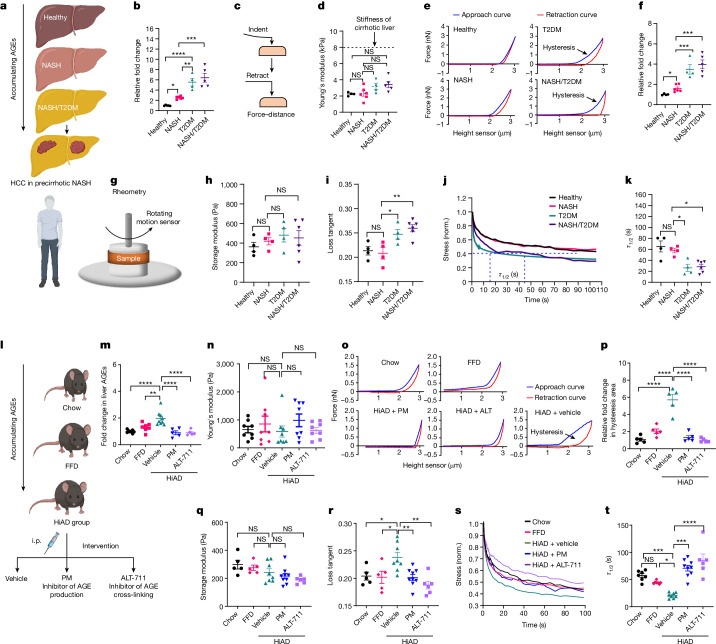
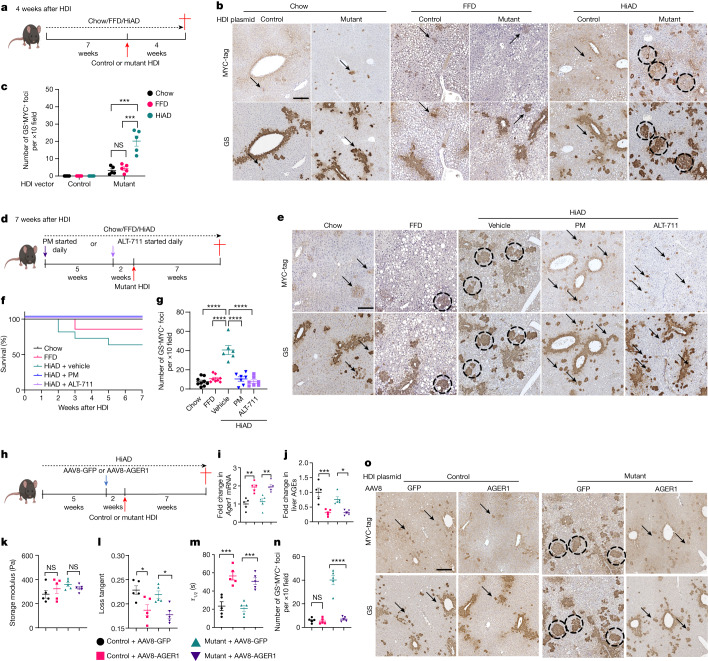
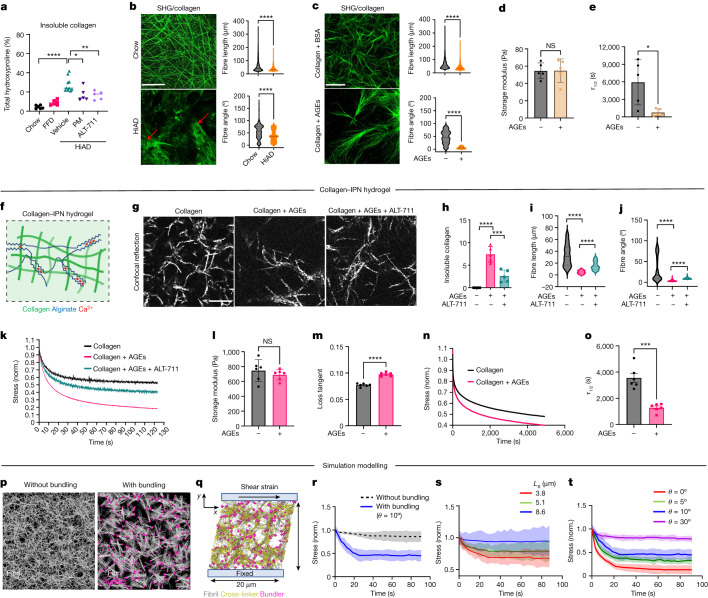
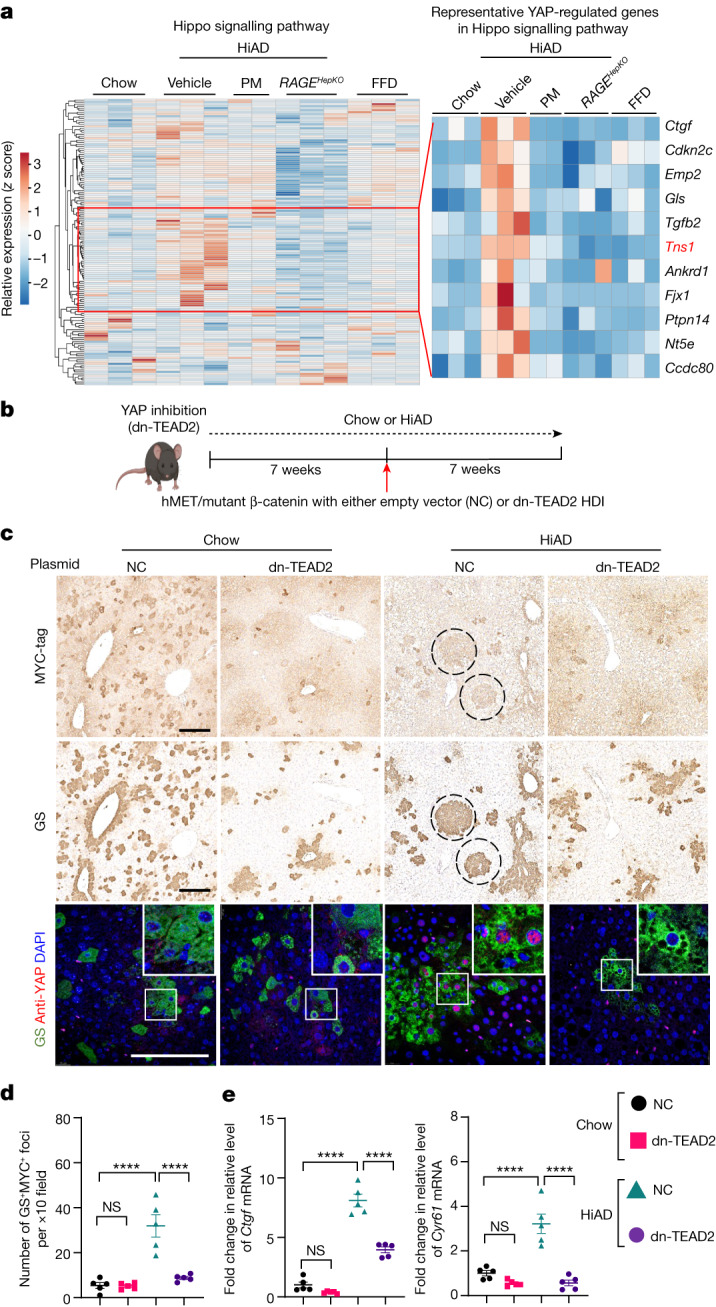
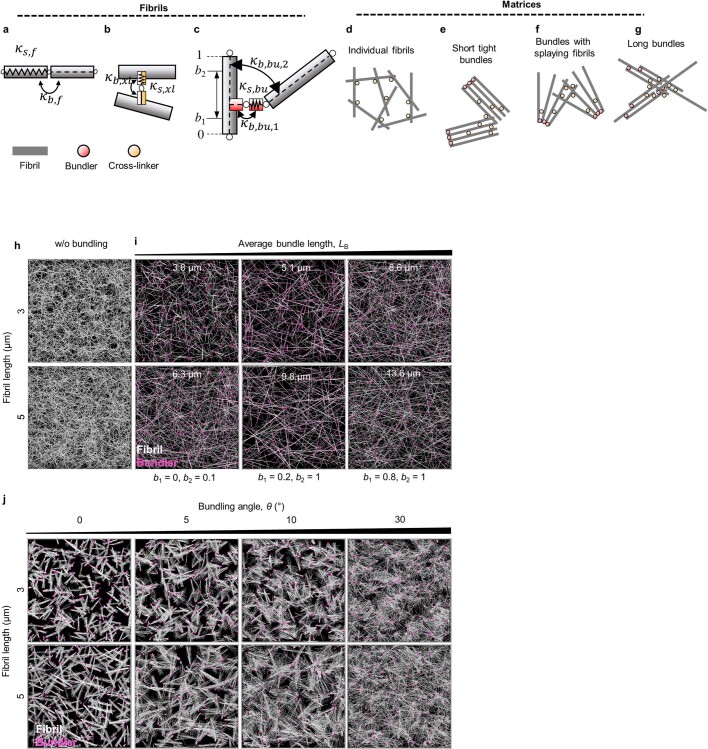
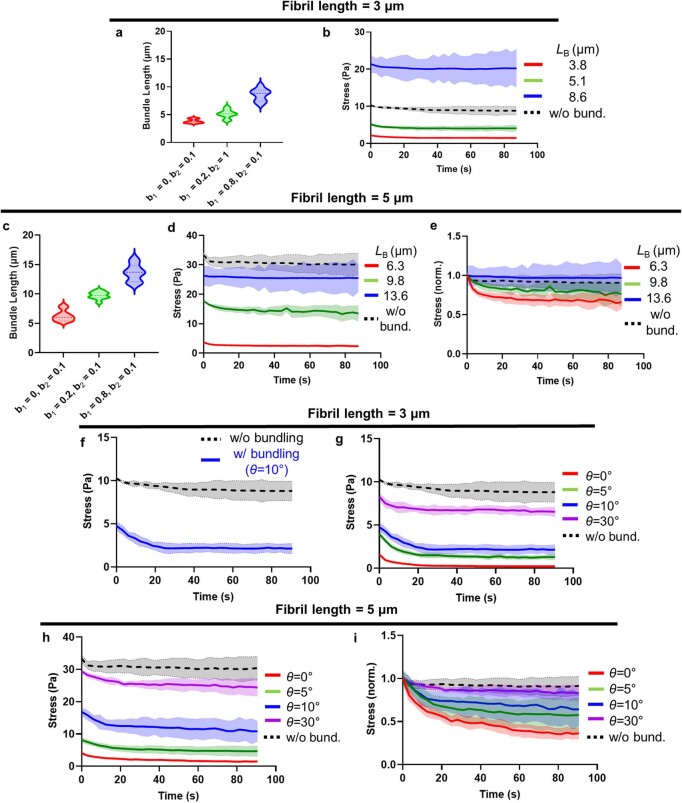
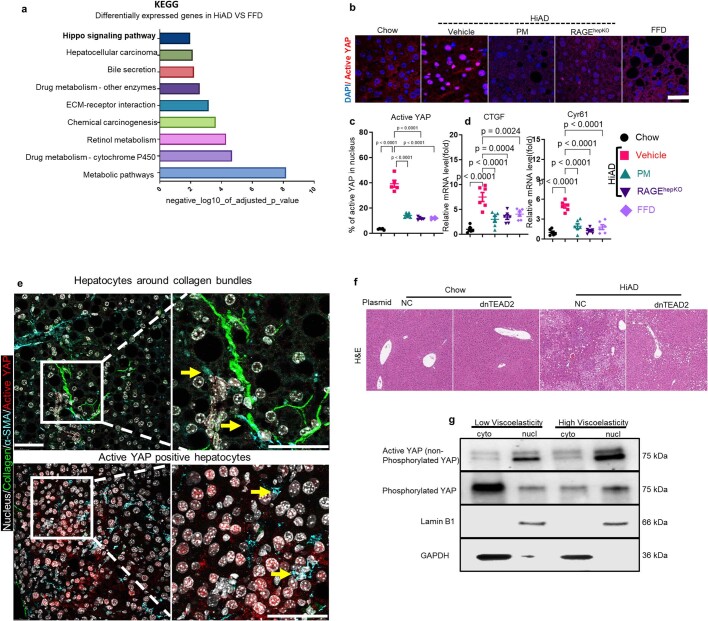
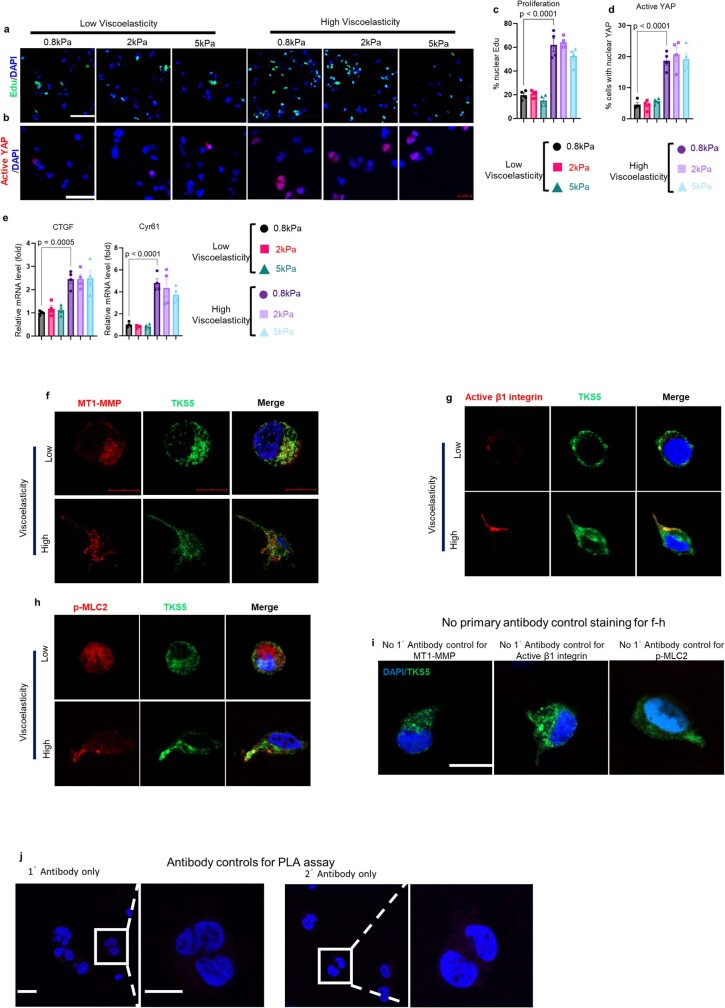
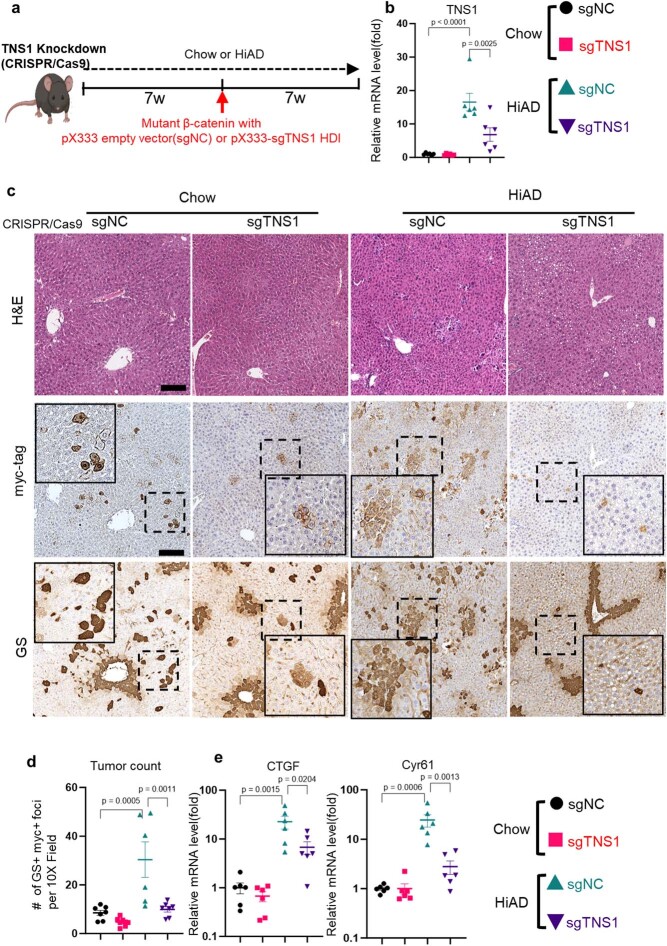
Type 2 diabetes mellitus is a major risk factor for hepatocellular carcinoma (HCC). Changes in extracellular matrix (ECM) mechanics contribute to cancer development 1,2 , and increased stiffness is known to promote HCC progression in cirrhotic conditions 3,4 . Type 2 diabetes mellitus is characterized by an accumulation of advanced glycation end-products (AGEs) in the ECM; however, how this affects HCC in non-cirrhotic conditions is unclear. Here we find that, in patients and animal models, AGEs promote changes in collagen architecture and enhance ECM viscoelasticity, with greater viscous dissipation and faster stress relaxation, but not changes in stiffness. High AGEs and viscoelasticity combined with oncogenic β-catenin signalling promote HCC induction, whereas inhibiting AGE production, reconstituting the AGE clearance receptor AGER1 or breaking AGE-mediated collagen cross-links reduces viscoelasticity and HCC growth. Matrix analysis and computational modelling demonstrate that lower interconnectivity of AGE-bundled collagen matrix, marked by shorter fibre length and greater heterogeneity, enhances viscoelasticity. Mechanistically, animal studies and 3D cell cultures show that enhanced viscoelasticity promotes HCC cell proliferation and invasion through an integrin-β1–tensin-1–YAP mechanotransductive pathway. These results reveal that AGE-mediated structural changes enhance ECM viscoelasticity, and that viscoelasticity can promote cancer progression in vivo, independent of stiffness.
Overview
The claims and statistics of this paper haven’t been checked yet.
Run the check — free, no account needed. It reads the open-access text and checks the sources it cites.
Integrity signals
Registry
Cites
Statistics
Figures
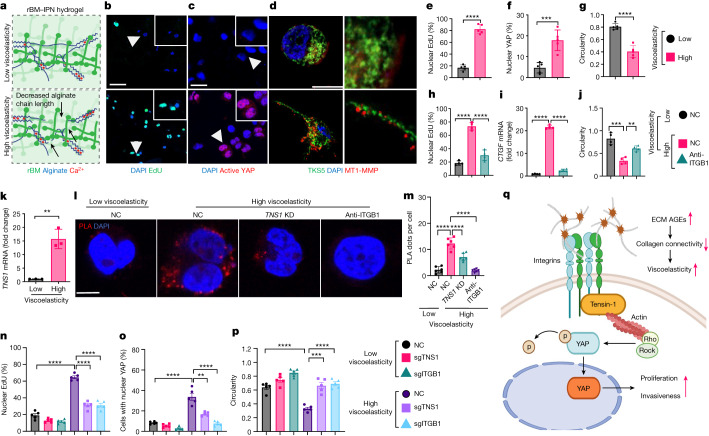
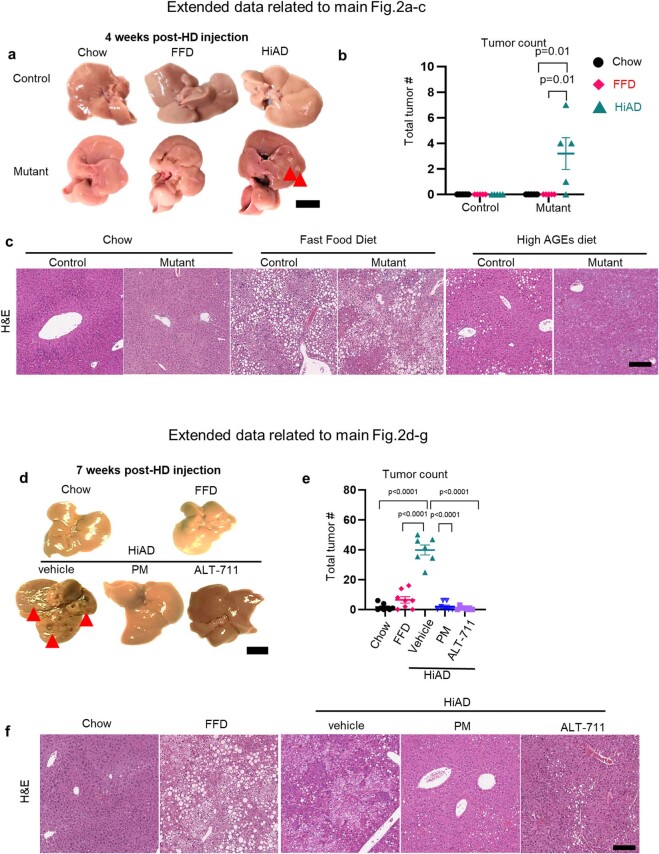
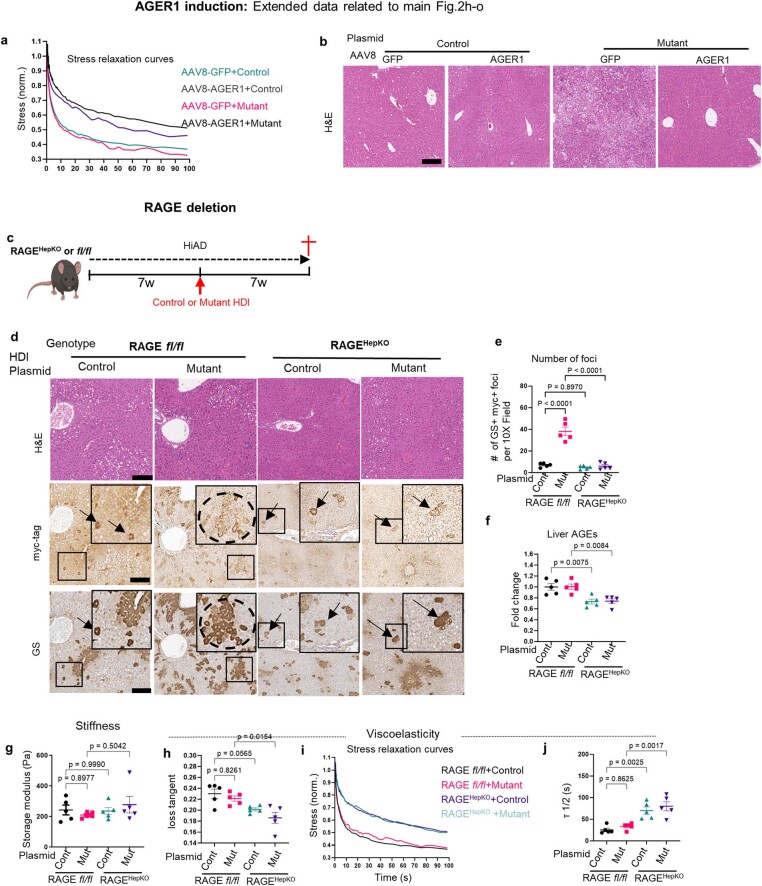
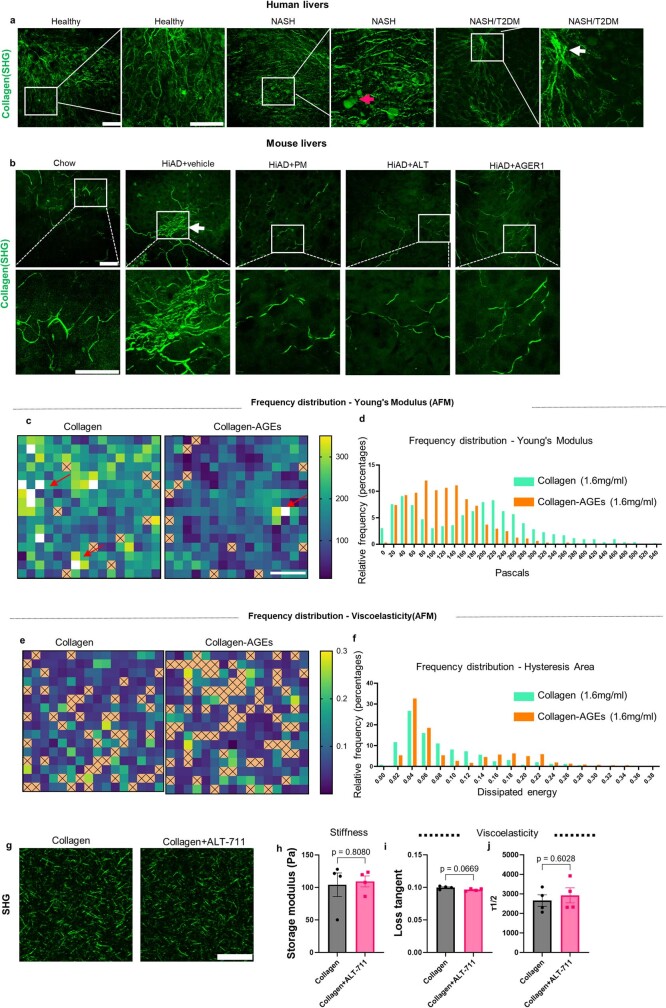
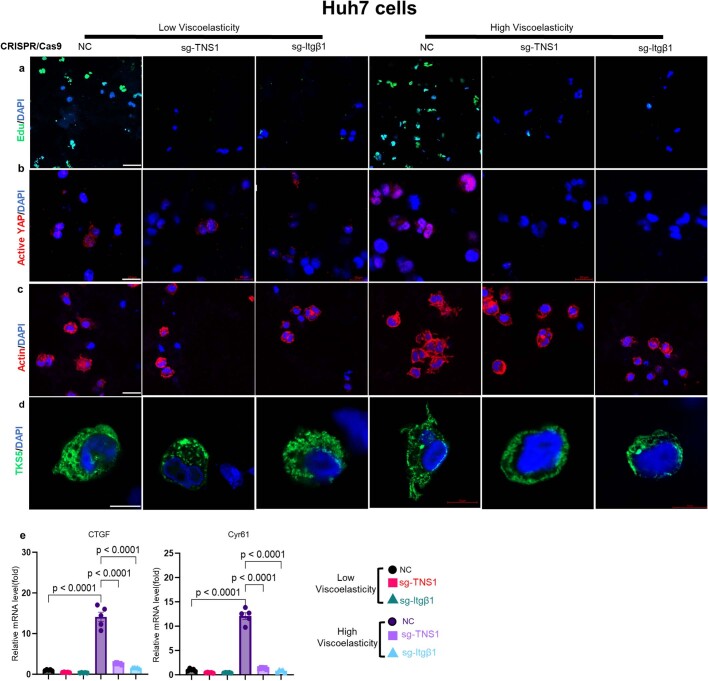
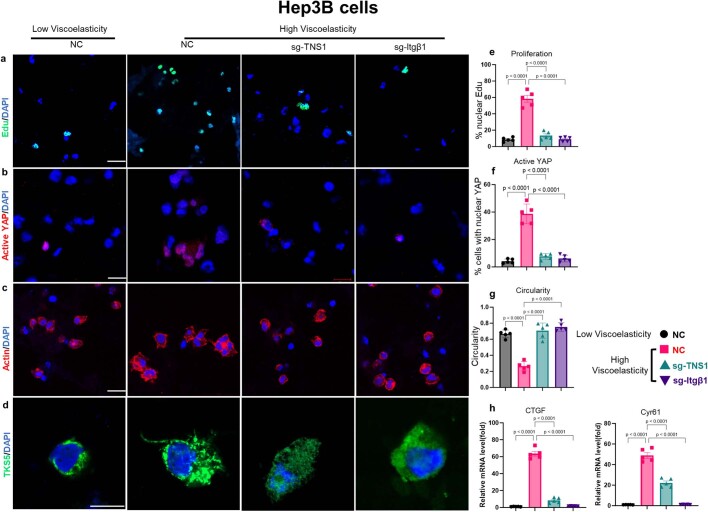
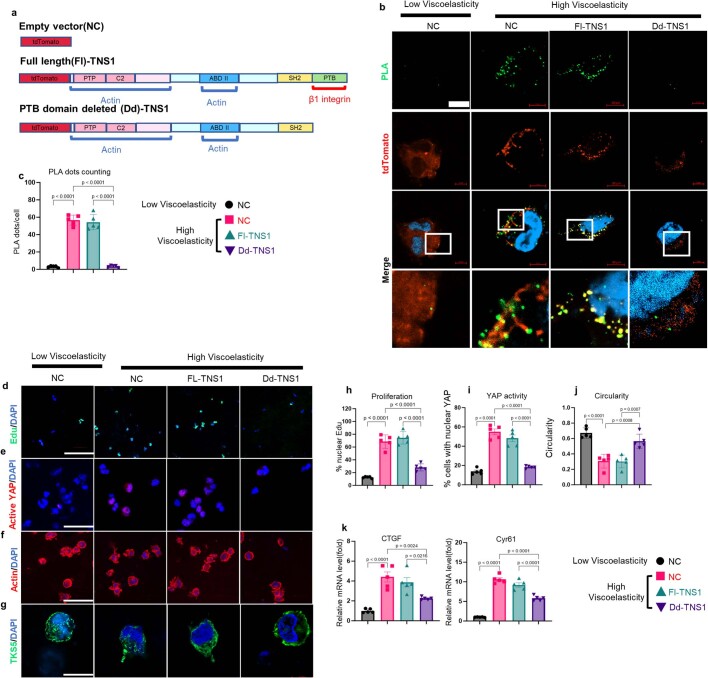
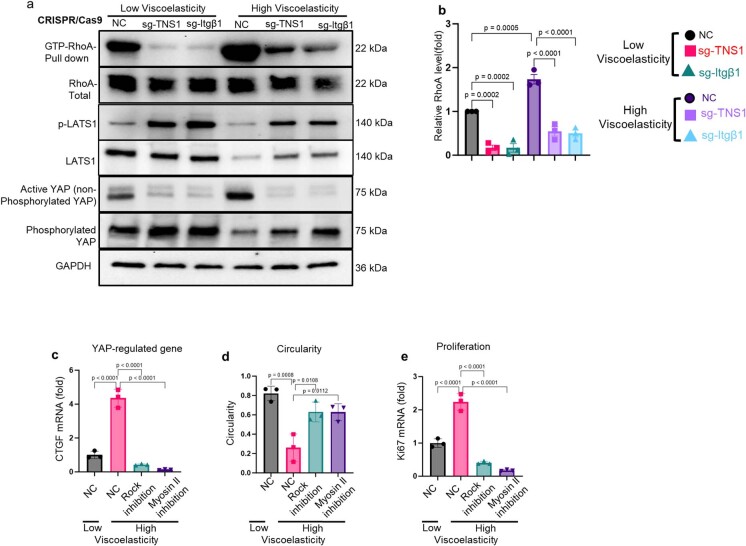
Verification
Claims the paper makes
The claims and statistics of this paper haven’t been checked yet.
Run the check — free, no account needed. It reads the open-access text and checks the sources it cites.
Claims other papers make about this one
Each is checked against this paper’s own text: does it say what the citing paper says it does?
The source backs part of the claim, not all of it — or backs it for a different population, condition or comparison.
In the citing paper
“accumulating evidence highlights extracellular matrix (ECM) remodeling and tissue mechanics as active determinants of hepatocyte behavior [12, 13, 14, 15, 16].”
From Liver Stiffness Rises Early in MASLD and Drives Inflammation, Lipid Dysmetabolism, and Fibrosis via Piezo1–YAP Mechanotransduction (2026) · cites this paper as [15]
Experimental — accuracy not yet measuredThe cited source says what the claim attributes to it.
In the citing paper
“This mechanical alteration promotes hepatocellular carcinoma through the integrin‐β1/tensin‐1/YAP signaling pathway.”
From Liver Stiffness Rises Early in MASLD and Drives Inflammation, Lipid Dysmetabolism, and Fibrosis via Piezo1–YAP Mechanotransduction (2026) · cites this paper as [15]
The cited source says what the claim attributes to it.
In the citing paper
“in pre‐cirrhotic NASH with type 2 diabetes, advanced glycation product (AGE)‐driven collagen remodeling increases ECM viscoelasticity without altering stiffness.”
From Liver Stiffness Rises Early in MASLD and Drives Inflammation, Lipid Dysmetabolism, and Fibrosis via Piezo1–YAP Mechanotransduction (2026) · cites this paper as [15]
The cited source says what the claim attributes to it.
In the citing paper
“Inhibition of AGE formation mitigates these effects [15].”
From Liver Stiffness Rises Early in MASLD and Drives Inflammation, Lipid Dysmetabolism, and Fibrosis via Piezo1–YAP Mechanotransduction (2026) · cites this paper as [15]
Self-check
Percentages, sums and reported differences re-computed from the paper’s own numbers.
The self-check needs the paper’s full text.
Citations
Cites
Molecular Mechanisms of Stress-Responsive Changes in Collagen and Elastin Networks in Skin
Aziz, J., Shezali, H., Radzi, Z., Yahya, N. A., Abu Kassim, N. H., Czernuszka, J., & Rahman, M. T. (2016) · Skin Pharmacology and Physiology · doi:10.1159/000447017 · Cited by 7,323
Matrix Crosslinking Forces Tumor Progression by Enhancing Integrin Signaling
Levental, K. R., Yu, H., Kass, L., Lakins, J. N., Egeblad, M., Erler, J. T., Fong, S. F. T., Csiszar, K., Giaccia, A., Weninger, W., et al. (2009) · Cell · doi:10.1016/j.cell.2009.10.027 · Cited by 4,101
Hydrogels with tunable stress relaxation regulate stem cell fate and activity
Chaudhuri, O., Gu, L., Klumpers, D., Darnell, M., Bencherif, S. A., Weaver, J. C., Huebsch, N., Lee, H.-P., Lippens, E., Duda, G. N., et al. (2016) · Nature Materials · doi:10.1038/nmat4489 · Cited by 2,443
Self-citationEffects of extracellular matrix viscoelasticity on cellular behaviour
Chaudhuri, O., Cooper-White, J., Janmey, P. A., Mooney, D. J., & Shenoy, V. B. (2020) · Nature · doi:10.1038/s41586-020-2612-2 · Cited by 2,224
Self-citationEpidemiology of Hepatocellular Carcinoma
McGlynn, K. A., Petrick, J. L., & El‐Serag, H. B. (2020) · Hepatology · doi:10.1002/hep.31288 · Cited by 2,200
Cox, T. R. (2021) · Nature reviews. Cancer · doi:10.1038/s41568-020-00329-7 · Cited by 1,015
Type 2 diabetes and cancer: umbrella review of meta-analyses of observational studies
Tsilidis, K. K., Kasimis, J. C., López, D. S., Ntzani, E., & Ioannidis, J. P. A. (2015) · BMJ · doi:10.1136/bmj.g7607 · Cited by 885
Elosegui-Artola, A., Oria, R., Chen, Y., Kosmalska, A., Pérez-González, C., Castro, N., Zhu, C., Trepat, X., & Roca-Cusachs, P. (2016) · Nature Cell Biology · doi:10.1038/ncb3336 · Cited by 858
Schrader, J., Gordon-Walker, T. T., Aucott, R. L., van Deemter, M., Quaas, A., Walsh, S., Benten, D., Forbes, S. J., Wells, R. G., & Iredale, J. P. (2011) · Hepatology · doi:10.1002/hep.24108 · Cited by 720
Self-citationFibrosis and cancer: A strained relationship
Piersma, B., Hayward, M.-K., & Weaver, V. M. (2020) · Biochimica et Biophysica Acta (BBA) - Reviews on Cancer · doi:10.1016/j.bbcan.2020.188356 · Cited by 715
Research works printed but not linked: 1
- Jones, M. G. et al. Nanoscale dysregulation of collagen structure-function disrupts mechano-homeostasis and mediates pulmonary fibrosis. eLife 7, e36354 (2018).
Cited by
Sorted by citations
Items 201–265 of 265
Guo, J., Xie, C., Ma, L., Guo, Z., & Zhang, C. (2025) · Research Square · doi:10.21203/rs.3.rs-6672525/v1
Xu, G. (2025) · Physics of Life Reviews · doi:10.1016/j.plrev.2025.07.021
Li, L., Qin, W., & Xie, J. (2025) · Journal of Materials Chemistry B · doi:10.1039/d5tb01526j · Cited by 1
Ha, B. H., Xie, P., Johns, B., Allan, C., Korah, M. M., Delitto, D., Bollyky, P. L., Torok, N. J., & Chaudhuri, O. (2025) · bioRxiv (Cold Spring Harbor Laboratory) · doi:10.1101/2025.10.03.680352
Self-citationIndependently Tunable Viscoelasticity in Hydrogels as a Mechanical Cue for Tissue Engineering
Qiao, Q., Sun, Y., Wang, J., Li, X., Zhang, L., Yang, H., Zhang, N., Zhang, K., Zhao, Z., & Bai, Y. (2025) · Tissue Engineering Part B Reviews · doi:10.1177/19373341251377696 · Cited by 1
Causal pathways of plasma metabolites: unveiling metabolic associations in liver diseases
He, X., Ma, Y., Wu, Q., Feng, J., Wang, W., Zhao, S., & Wang, X. (2025) · Nutrition & Metabolism · doi:10.1186/s12986-025-01017-9
Mechanotyping of Organoids for Assessing Drug‐Induced Injuries
Kaynak, M., Aşık, M. D., Inan, E. E., Prondzynski, M., Ghasemzadeh, H., Poorghani, A., Tharani, Y., Holtz, M., Mehta, D. D., Pu, W. T., et al. (2025) · Advanced Materials · doi:10.1002/adma.202509675
Tumor Development in Ulcerative Colitis: Perspectives From Biomechanical Characteristics
Tao, H. (2025) · Development Growth & Differentiation · doi:10.1111/dgd.70031
Ding, Y., Wang, Z., Xia, X., Wang, J., Li, Z., Gu, C., Hao, C., Xu, K., Gao, M., Yin, H., et al. (2025) · European Journal of Medicinal Chemistry · doi:10.1016/j.ejmech.2025.118471
Mechanical microenvironment and its role in hepatocellular carcinoma oncogenesis and progression
Guo, X., Xie, Y., Qian, R., Li, J., Shi, J., Huang, Q., & Shao, D. (2025) · Critical Reviews in Oncology/Hematology · doi:10.1016/j.critrevonc.2025.105099
Qin, S., Cheng, W., Peng, M.-Y., Cai, C., Lei, Q., Huang, R., Cheng, Y.-J., Liu, W.-L., Ma, Y., Zhang, A., et al. (2026) · Biomaterials · doi:10.1016/j.biomaterials.2026.124017
Matrix Viscoelasticity: The Overlooked Architect of Solid Tumour Evolution
Huang, R., & Guan, Y. (2026) · Organ medicine. · doi:10.1002/orm2.70028
Wu, Y., Bai, L., Tian, J., Liu, Q., Ai, Y., Li, X., Xu, F., Huang, G., & Yin, Z. (2026) · Biomaterials · doi:10.1016/j.biomaterials.2026.124612
Piezo1 signaling facilitates capillarization of LSECs and contributes to liver fibrosis progressionPreprint
Xiang, Y., Gao, L., Han, Y., Zhang, Y., Chang, X., Zhu, L., Meng, Y., Ju, Y., Zheng, Y., Yang, T., et al. (2026) · Research Square · doi:10.21203/rs.3.rs-8630916/v1
Self-citationTannic acid fortifies extracellular matrix against dicarbonyl stressPreprint
Inbasekar, C., Varghese, C. N., Ashokkumar, P., Uppaluri, S., Sekhar, A., & Bhat, R. (2026) · bioRxiv (Cold Spring Harbor Laboratory) · doi:10.64898/2026.02.12.705672
Development and characterization of an inducible Tensin1 deficient transgenic murine model
Bernau, K., Holbert, K., McDermott, I., Rahar, B., Coulter, K., Osterhaus, M., Harr, T. J., Gehl, C., Oler, A. T., Huffman, C., et al. (2026) · Scientific Reports · doi:10.1038/s41598-026-41319-3
Transient cytoskeletal anisotropy encodes short-term mechanical memoryPreprint
Gomez‐Cruz, C., Gélin, M., Pradeau-Phélut, L., Muñoz‐Barrutia, A., Etienne‐Manneville, S., & Garcia‐Gonzalez, D. (2026) · bioRxiv (Cold Spring Harbor Laboratory) · doi:10.64898/2026.03.09.710573
A comprehensive predictive model study: ultrasound viscosity imaging in thyroid nodules
Zou, X., Mo, S., Tang, S., Shao, M. N., Chen, J., Chen, F., Zhou, L., Huang, Z., & Dong, F. (2025) · Postgraduate Medical Journal · doi:10.1093/postmj/qgaf224
Li, W., Bai, R., Gao, X., Gu, C., Ma, H., Yang, A., Li, C., Guo, H., Mao, N., Wang, K., et al. (2026) · Journal of Magnetic Resonance Imaging · doi:10.1002/jmri.70299
Meng, Y., Jing, L., Chen, Y. K., Zhan, S., Xiong, F., & Chen, W. (2026) · Open Research (University of Surrey) · doi:10.1002/viw.20250078
Liu, Y., Zhu, C., Mao, C., Zhang, X., Wang, M., Xu, X., Guo, M., Zhang, R., Guan, C., Wang, C., et al. (2026) · Cell Reports · doi:10.1016/j.celrep.2026.117252
Study of cell-matrix interactions in complex geometries generated by two-photon photopolymerization
Ucla, P. (2024) · theses.fr (ABES) · doi:10.70675/507c9fe9z1aa2z425fzbee3zb1bc24f2bfe1
Cui, X.-L., Song, L.-J., Li, Q., Jia, Z.-H., Dai, X., Wang, M., Lv, Y., Chen, S.-J., Zhang, H.-D., Cheng, P.-P., et al. (2026) · Cellular & Molecular Biology Letters · doi:10.1186/s11658-026-00928-6
Yao, Q., Cao, T., Li, X., Yuan, G. A. O., Hu, Y., Cheng, D., & He, L. (2026) · Microchemical Journal · doi:10.1016/j.microc.2026.118173
Biasin, A., Palmisano, S., Abrami, M., Bonazza, D., Zanconati, F., Tierno, D., Tonon, F., Truong, N. H., Dang, T. M., Weiskirchen, R., et al. (2026) · International Journal of Molecular Sciences · doi:10.3390/ijms27094040
Hu, X., Jiang, X., luo, W., & Song, K. (2026) · International Journal of Applied Mechanics · doi:10.1142/s175882512650047x
Xue, T., Zhang, J., Wang, B., Li, F., Chen, G., Xu, Y., Luo, Y., Sun, J., Lao, Y., Wang, J., et al. (2026) · Bioactive Materials · doi:10.1016/j.bioactmat.2026.05.025
Feng, L., He, J., Mu, Y., (15128), J. L., & Yao, Y. (2026) · PLoS ONE · doi:10.1371/journal.pone.0350886
Nguyen, V. C., Cheng, K.-C., Phan, T.-T. T., Ho, T.-L., Lin, Y.-H., Kuo, L., Shen, Y., & Chen, C. (2026) · Cancer Cell International · doi:10.1186/s12935-026-04381-5
Biomaterial-based Platforms for Modeling the Pre-metastatic Niche
Halim, M. S. A., Nadernezhad, A., Kopecky, C., Hauser, S., Kilian, K. A., & Loessner, D. (2026) · Elsevier eBooks · doi:10.1016/b978-0-443-30151-3.00005-x
High-Fat-Diet-Induced Hyperglycemia Alters Liver Extracellular Matrix Composition in Mice Model
Izgilov, R., Kavin, N., Ofek, O., Kislev, N., & Benayahu, D. (2026) · Cells · doi:10.3390/cells15121105
Mo, S., Ding, Z., Huang, Z., Wang, M., Xu, J., Zhang, H., & Dong, F. (2026) · Advanced ultrasound in diagnosis and therapy · doi:10.26599/audt.2026.250108
Ye, J., Luo, C., Yang, Z., Fan, Y., Gu, L., Xu, G., You, X., Feng, Y., Wang, H., Jia, R., et al. (2026) · Biochimica et Biophysica Acta (BBA) - Molecular Basis of Disease · doi:10.1016/j.bbadis.2026.168339
Cancer Heterogeneity and Cancer Cell Plasticity: Molecular Mechanisms and Precision Therapy
Hu, H., Hao, Z. R., Li, L., Liu, H. B., Yang, C., & Wang, Z. (2026) · MedComm · doi:10.1002/mco2.70812
Vascular Mechanobiology: From Membrane to Nucleus
Yao, Q., Liu, Z.-Q., Li, M.-X., Wu, K., & Qi, Y. (2026) · Advances in experimental medicine and biology · doi:10.1007/978-3-032-22285-5_4
Matrix stress relaxation drives glioblastoma cell response in viscoelastic biomaterials
Ghorbani, S., Huang, M. S., Zhang, D. H., Liu, Y., Long, C. M., Zwetsloot, R., Mozipo, E. A. T., Rao, R. R., Enejder, A. M. K., & Heilshorn, S. C. (2026) · Science Advances · doi:10.1126/sciadv.aef7087
Stress‐Adaptive Biomaterials With Tunable Yielding Architectures Regulate Organoid Morphogenesis
Reeves, J. P. W., Rostami, S., Rammal, M., Bocan, A., Lépine, P., Harrington, M. J., Durcan, T. M., & Moraes, C. (2026) · Small · doi:10.1002/smll.74538
Mouse MFGE8 high Skeletal Stem Cells Drive Osteogenesis via Matrix Mechanics
Yang, T., Shan, Z., Gao, Z., & Fan, Z. (2026) · Journal of Dental Research · doi:10.1177/00220345261466239
Matrix degradation promotes fibronectin deposition and spatial remodeling in 3D
Lima, R. S., Morrill, C., Royce, H. A., Komar, C., Hu, Y., & Li, L. (2026) · Cell Reports Physical Science · doi:10.1016/j.xcrp.2026.103489
Transient Cytoskeletal Anisotropy Encodes Short‐Term Mechanical Memory in Glioblastoma Cells
Gomez‐Cruz, C., Gélin, M., Pradeau-Phélut, L., Muñoz‐Barrutia, A., Etienne‐Manneville, S., & Garcia‐Gonzalez, D. (2026) · Advanced Materials · doi:10.1002/adma.74523
Zhong, M.-Y., Yang, S.-Y., Xu, W.-H., Zhang, Y.-K., & Zhao, J. (2026) · Molecular Biomedicine · doi:10.1186/s43556-026-00544-y
Labrecque, C. L., Ko, A., Qiao, B., Pan, C., Nandakumar, R., Chowdhury, K., Venkatesan, N., Du, X., Cai, B., Pellegrini, M. A., et al. (2026) · Hepatology Communications · doi:10.1097/hc9.0000000000001015 · Cited by 1
Tang, Y., Wang, M., Ye, Y., Jiang, J., Huang, W., Zhao, Y., Xie, Q., Lin, J., Xiao, X., Ke, D., et al. (2026) · Research · doi:10.34133/research.1430
Designing the matrix: extracellular matrix-informed strategies for bioengineered cancer models
Bock, N., Koikalethu, A. T., Hipwood, L., Dekker, M., Lundon, B., Bhatia, S., & McGovern, J. (2026) · Frontiers in Bioengineering and Biotechnology · doi:10.3389/fbioe.2026.1894741
Non-equilibrium spatial encoding of nanoscale mechanical relaxation in growing plant epidermal cells
Kienast, J., & Contera, S. (2026) · Newton · doi:10.1016/j.newton.2026.100669
Spatiotemporal modeling of focal adhesion growth on viscoelastic substrate
Sun, Y., Yan, X., Zhu, S., Zhu, Z., Wang, X., Pu, Z., Xie, Q., & Gou, X. (2026) · Colloids and Surfaces B Biointerfaces · doi:10.1016/j.colsurfb.2026.116168
Cai, W., Dai, S., Chen, Y., Cheng, C., & Chen, L. (2026) · Biochimica et Biophysica Acta (BBA) - Reviews on Cancer · doi:10.1016/j.bbcan.2026.189712 · Cited by 1
Liu, Y., Deng, H., Zhang, H., Huang, C., Feng, H., Xu, X., Kang, H., Zhu, M., Bian, L., & Zhang, K. (2026) · BMEMat · doi:10.1002/bmm2.70134
SAW Accelerates Non-Destructive Cell Detachment from Thermoresponsive Surfaces
Zhang, Z., Wang, H., Bao, Z., Kakakhail, H., Ma, T., Li, M., Chen, H., Yin, P., Zhang, X., Jin, L., et al. (2026) · ACS Omega · doi:10.1021/acsomega.6c04926
Wang, J., Pan, S., Bai, L., Li, B., Liu, T., Cao, J., Yang, M., Zhang, H.-D., Guo, D., Wenxiang, Z., et al. (2026) · Advanced Science · doi:10.1002/advs.77879
Zhao, C., Zhang, Z., Zhou, K., Wang, D., Zhu, H., & Tsai, H.-I. (2026) · Critical Reviews in Oncology/Hematology · doi:10.1016/j.critrevonc.2026.105629
Testing cellular provenance in the cancer extracellular matrix
Ma, M., Huang, Y., Tang, E., Zhang, Y., Yang, X., Huang, L., & Ma, H. (2026) · Frontiers in Cell and Developmental Biology · doi:10.3389/fcell.2026.1984128
Ren, B., Liu, Y.-F., Sui, C.-X., & Zhao, M. (2026) · Materials Today Chemistry · doi:10.1016/j.mtchem.2026.104081
Zhao, Y., Chen, X., & Zhao, H. (2026) · Frontiers in Genetics · doi:10.3389/fgene.2026.1951687
Integrating Technologies for Synthetic, Systems, and Spatial Approaches in Cancer Research
Haynes, K. A., Adebowale, K., Akpa, B. S., Bader, J. S., Bansal, T., Breunig, J. J., Brosh, R., Bugaj, L. J., Burslem, G. M., Chadha, A., et al. (2026) · ACS Synthetic Biology · doi:10.1021/acssynbio.6c00339
Self-citationAdvanced Glycation End Products: From Pathogenesis to Treatment
Lo, T.-H., Zou, J., Zhang, J., Lin, K., Zhu, M., Lu, S., Liu, X., & Wu, M. (2026) · MedComm · doi:10.1002/mco2.71073
Liu, Y., Wang, M., Zhuang, J., Yu, H., Wu, W., & Ma, M. (2026) · Mediators of Inflammation · doi:10.1155/mi/2100796
Zuo, C., Wen, Y., & Li, P. (2026) · Measurement Science and Technology · doi:10.1088/1361-6501/aeb4dc
MAIT cells in gastrointestinal cancer: immunity to therapy
Li, Y.-R., Chen, Y., Yeh, S., Yuen, T., & Yang, L. (2026) · Trends in cancer · doi:10.1016/j.trecan.2026.09.009
Self-citationFluorescent Polymer Platforms in Tumour Mechanobiology and Therapy Monitoring
Chen, X., Li, Y., Chen, J., Liu, W., Zhao, S., Jiang, M., Yang, J., Fan, X., & Lin, H. (2026) · Polymers · doi:10.3390/polym18202578
Self-citationGao, Y., Sheng, J.-Y., Zhang, J., & Zhao, L. (2026) · Theoretical and Applied Mechanics Letters · doi:10.1016/j.taml.2026.100758
Zhu, J., Zhong, Y., Yan, S., & Zeng, X. (2026) · Bioactive Materials · doi:10.1016/j.bioactmat.2026.09.025
Tavakol, D. N., Mendonca, D., Baldassarri, I., Maletić‐Savatić, M., & Vunjak‐Novakovic, G. (2026) · Cell stem cell · doi:10.1016/j.stem.2026.10.003
Kasai, A., Ito, S., Ushioda, R., & Nagata, K. (2026) · Journal of Biological Chemistry · doi:10.1016/j.jbc.2026.113703
Xiao, Y., Xing, F., Guo, Z., Zhu, X., Sun, R., Zhao, X., Han, Q., & Chunhua, Z. R. (2026) · Chemical Engineering Journal · doi:10.1016/j.cej.2026.183660
Metadata
- Authors
- Fan, W., Adebowale, K., Váncza, L., Li, Y., Rabbi, M. F., Kunimoto, K., Chen, D., Mozes, G., Chiu, D. K.-C., Li, Y., Tao, J., Wei, Y., Adeniji, N., Brunsing, R. L., Dhanasekaran, R., Singhi, A., Geller, D., Lo, S. H., Hodgson, L., Engleman, E. G., Charville, G. W., Charu, V., Monga, S. P., Kim, T., Wells, R. G., Chaudhuri, O., & Török, N. J.
- Affiliations
- VA Palo Alto Health Care System (US)
- Stanford University (US)
- Purdue University West Lafayette (US)
- Stanford Medicine (US)
- University of Pittsburgh (US)
- University of California, Davis (US)
- Albert Einstein College of Medicine (US)
- Keio University (JP)
- University of Pennsylvania (US)
- ORCID
- Fan, Weiguo
- Adebowale, Kolade
- Váncza, Lóránd
- Li, Yuan
- Rabbi, Md Foysal
- Mozes, Gergely
- Chiu, David Kung-Chun
- Li, Yisi
- Tao, Junyan
- Wei, Yi
- Adeniji, Nia
- Brunsing, Ryan L.
- Dhanasekaran, Renumathy
- Singhi, Aatur
- Geller, David
- Lo, Su Hao
- Hodgson, Louis
- Engleman, Edgar G.
- Charville, Gregory W.
- Charu, Vivek
- Monga, Satdarshan P.
- Kim, Taeyoon
- Wells, Rebecca G.
- Chaudhuri, Ovijit
- Török, Natalie J.
- Venue
- Nature
- Published
- 2024-01-31
- Volume
- 626
- Issue
- 7999
- Pages
- 635-642
- ISSN
- 0028-0836 (ISSN-L)
- 1476-4687
- PMC
- PMC10866704
- OpenAlex
- W4391383681
- Cited by
- 263
- References
- 61
- Citations by year
- 2026: 96 · 2025: 117 · 2024: 49
- FWCI
- 58.91
- Type
- journal article
- Language
- en
- Update notices
- correction (2025-11-27)
- Open access
- hybrid
- doi.org
- Locations
- Nature (publishedVersion, cc-by)
- Research Square (acceptedVersion, cc-by)
- PubMed Central (publishedVersion, cc-by)
- PubMed (publishedVersion)
- RePEc: Research Papers in Economics (submittedVersion)
- Funders
- National Science Foundation (2026822)
- U.S. Department of Veterans Affairs (I01 BX002418)
- Stanford Diabetes Research Center (P30DK116074)
- Schweizerischer Nationalfonds zur Förderung der Wissenschaftlichen Forschung (26822)
- National Institutes of Health (/ NIDDK R01, ECCS-2026822, S10RR02557401, 1s10od032300-01, 1s10od010580-01a1, 1RO1AG060726)
- National Institute on Aging (R01AG060726)
- National Cancer Institute (R01CA204586, R01CA251155, R37CA214136, P30CA124435, R01CA277710, R01CA250227)
- National Institute of General Medical Sciences (R01GM126256, R35GM136226)
- National Institute of Diabetes and Digestive and Kidney Diseases (R01DK083283, P30DK120531, P30DK116074, R01DK062277)
- National Center for Research Resources (1S10OD010580-01A1, S10RR02557401, 1S10OD010580)
- Division of Electrical, Communications and Cyber Systems (ECCS-2026822, 2026822)
- Topics
- Life Sciences › Biochemistry, Genetics and Molecular Biology › Cell Biology › Cellular Mechanics and Interactions
- Health Sciences › Medicine › Hepatology › Liver physiology and pathology
- Physical Sciences › Engineering › Biomedical Engineering › Elasticity and Material Modeling
- Keywords
- hepatocellular carcinoma, advanced glycation end products, type 2 diabetes, collagen structure, extracellular matrix stiffness, β-catenin signaling, collagen cross-links, beta1 integrin, YAP, mechanotransduction, cancer cell proliferation and invasion
- MeSH terms
- Receptor for Advanced Glycation End Products, Tensins, YAP-Signaling Proteins, Animals, Collagen, Computer Simulation, Diabetes Mellitus, Type 2, Elasticity, Extracellular Matrix, Carcinoma, Hepatocellular, Humans, Liver Cirrhosis, Liver Neoplasms, Neoplasm Invasiveness, Viscosity, Glycation End Products, Advanced, Disease Progression, Integrin beta1, Cell Proliferation, beta Catenin
About these checks
Registry, retraction, Cites and statistics results are computed, not judged, with one exception: a printed reference that no index lists is read once by a model before it counts as a citation error. Claims are extracted by a model and kept only when their quote appears verbatim in the text; each cited source is then checked, with a model’s help, for whether it says what the claim relies on. Those verdicts can be wrong — read the claim’s quote and the cited source before relying on one.
Statistics and arithmetic are recomputed, not judged.
Confidence bands are shown only for fields calibrated on our annotated test set. None is calibrated yet, so no band is shown.
What counts as a claim ›How we measure confidence ›How we check this ›
Are you an author, or do you see a problem with this page? Request a review
