

The DOI matches its Crossref record; 60 of the 61 references it cites were found in a registry or an index.
Matrix viscoelasticity promotes liver cancer progression in the pre-cirrhotic liver
Open accessPublished version of a preprint
Abstract
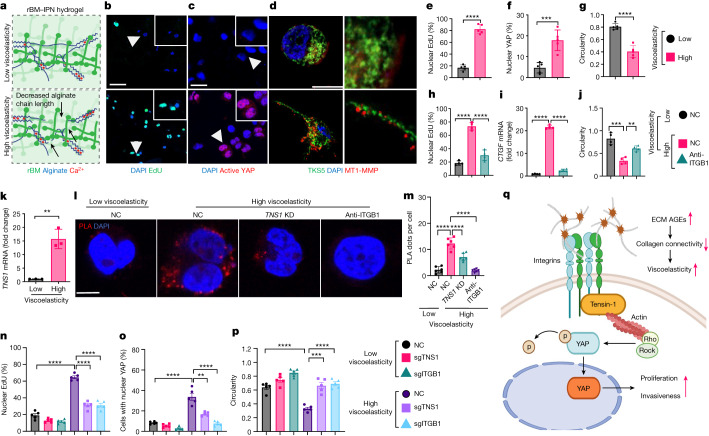
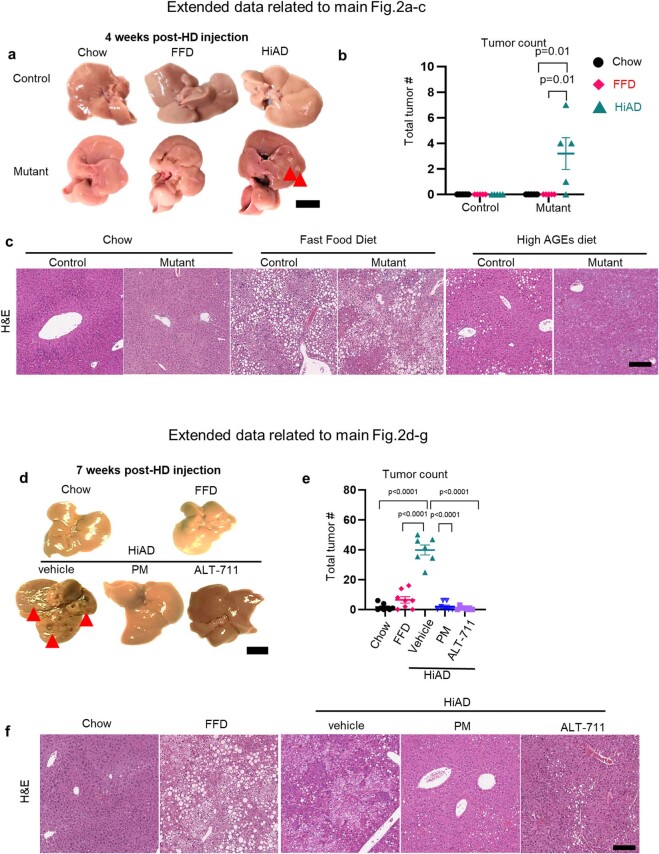
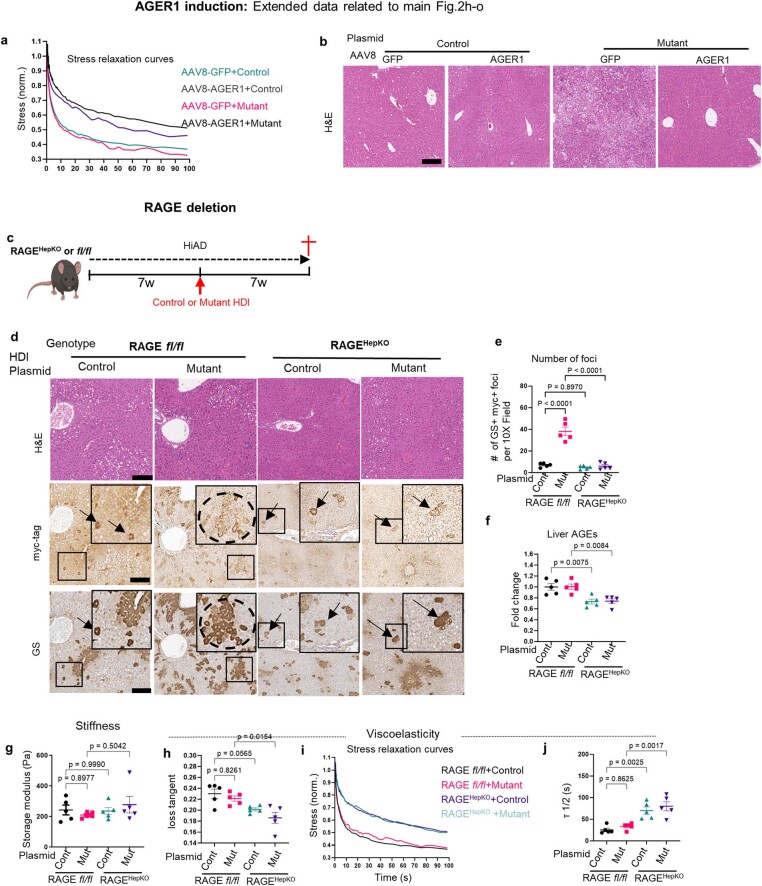
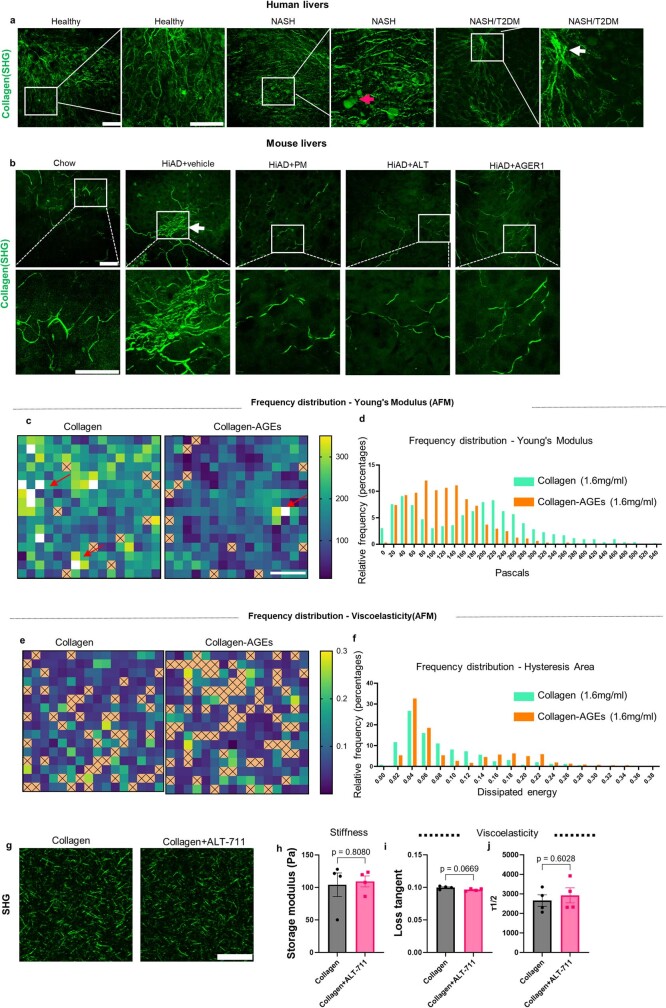
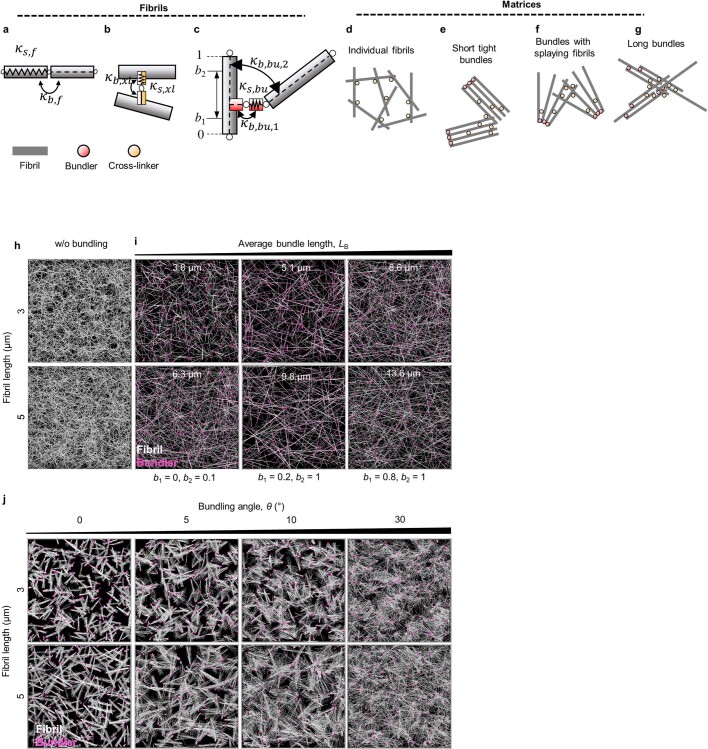
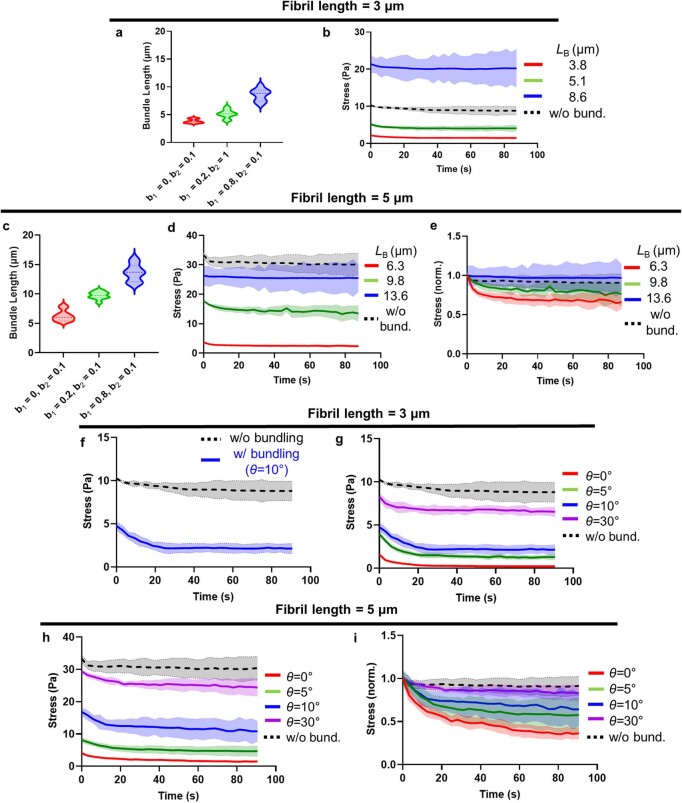
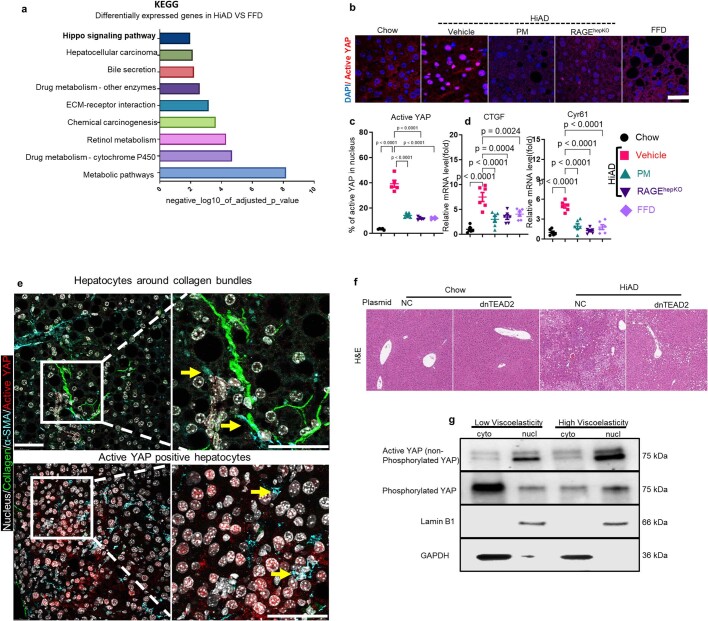
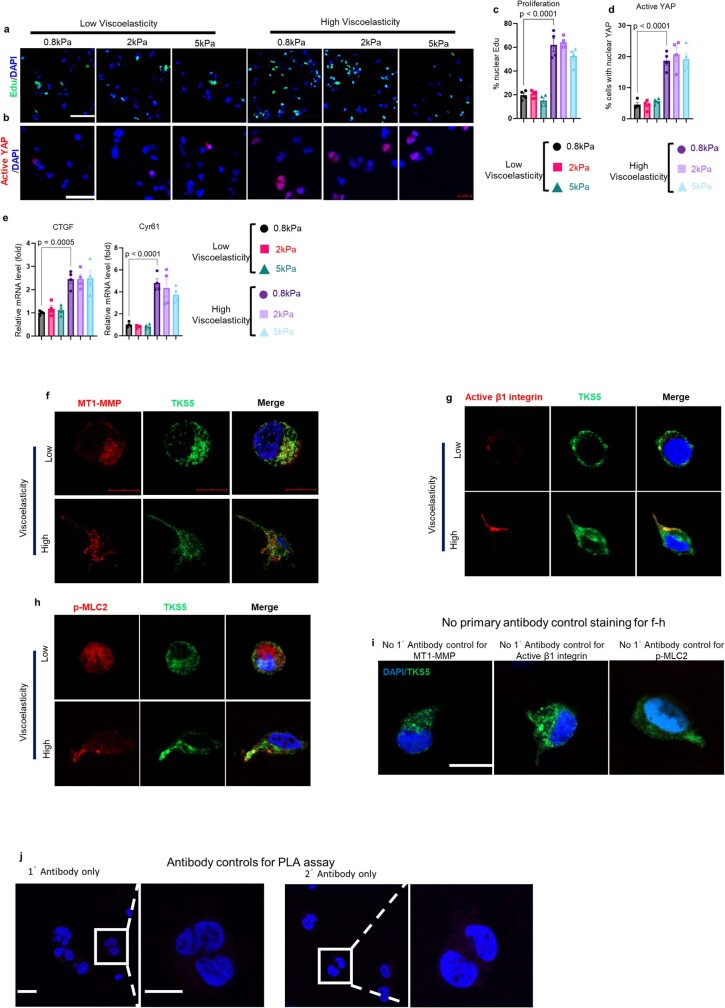
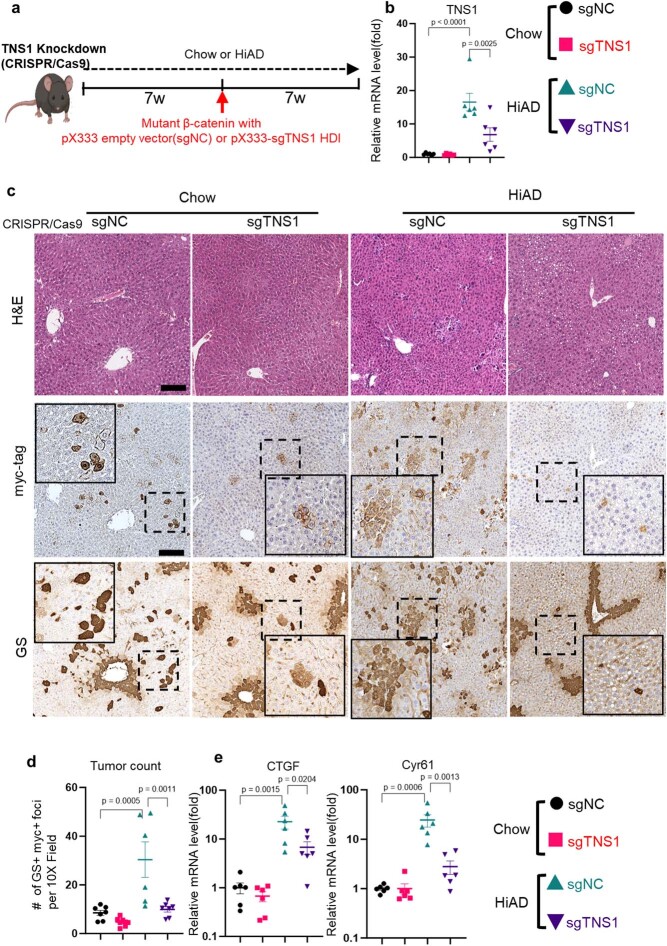
Type 2 diabetes mellitus is a major risk factor for hepatocellular carcinoma (HCC). Changes in extracellular matrix (ECM) mechanics contribute to cancer development 1,2 , and increased stiffness is known to promote HCC progression in cirrhotic conditions 3,4 . Type 2 diabetes mellitus is characterized by an accumulation of advanced glycation end-products (AGEs) in the ECM; however, how this affects HCC in non-cirrhotic conditions is unclear. Here we find that, in patients and animal models, AGEs promote changes in collagen architecture and enhance ECM viscoelasticity, with greater viscous dissipation and faster stress relaxation, but not changes in stiffness. High AGEs and viscoelasticity combined with oncogenic β-catenin signalling promote HCC induction, whereas inhibiting AGE production, reconstituting the AGE clearance receptor AGER1 or breaking AGE-mediated collagen cross-links reduces viscoelasticity and HCC growth. Matrix analysis and computational modelling demonstrate that lower interconnectivity of AGE-bundled collagen matrix, marked by shorter fibre length and greater heterogeneity, enhances viscoelasticity. Mechanistically, animal studies and 3D cell cultures show that enhanced viscoelasticity promotes HCC cell proliferation and invasion through an integrin-β1–tensin-1–YAP mechanotransductive pathway. These results reveal that AGE-mediated structural changes enhance ECM viscoelasticity, and that viscoelasticity can promote cancer progression in vivo, independent of stiffness.
Overview
The claims and statistics of this paper haven’t been checked yet.
Run the check — free, no account needed. It reads the open-access text and checks the sources it cites.
Integrity signals
Registry
Cites
Statistics
Figures
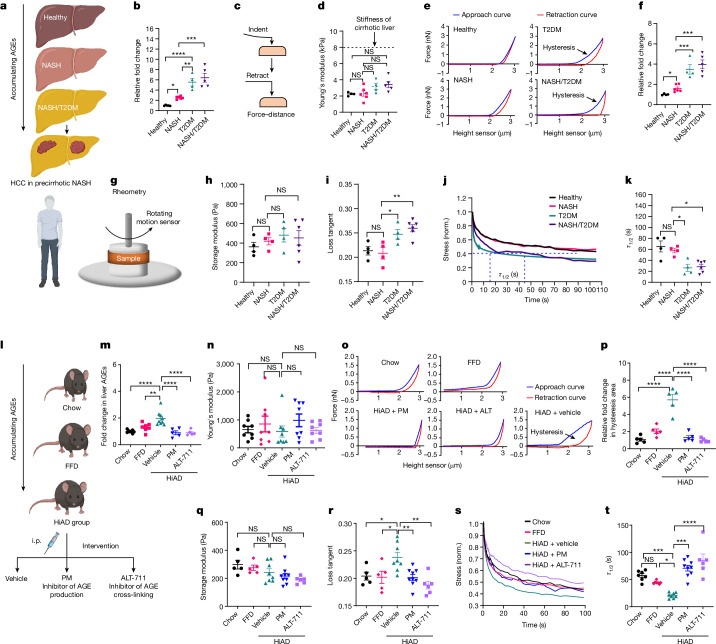
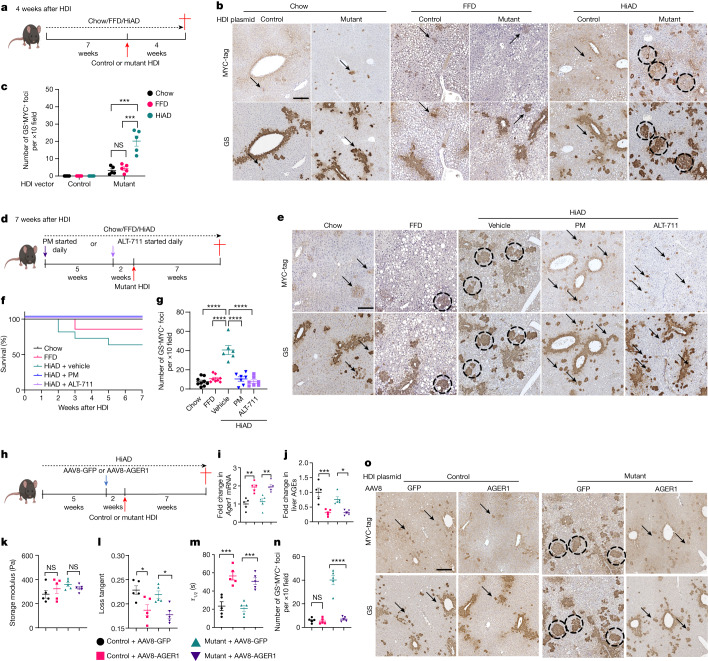
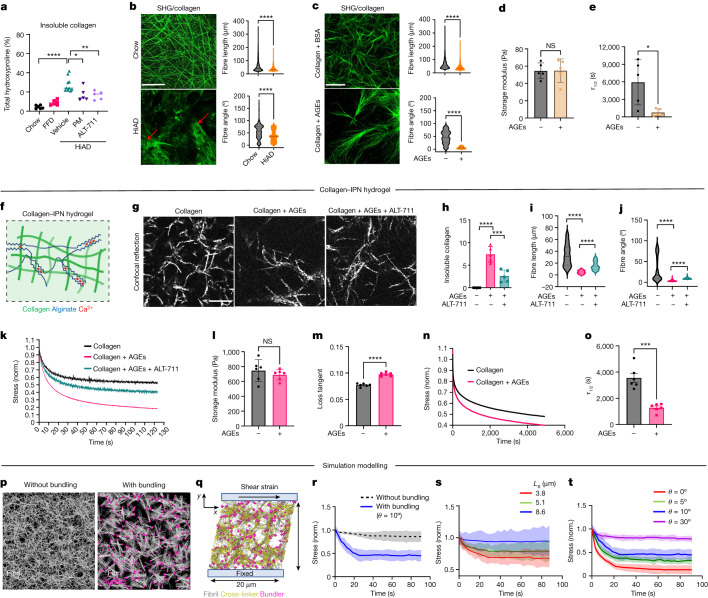
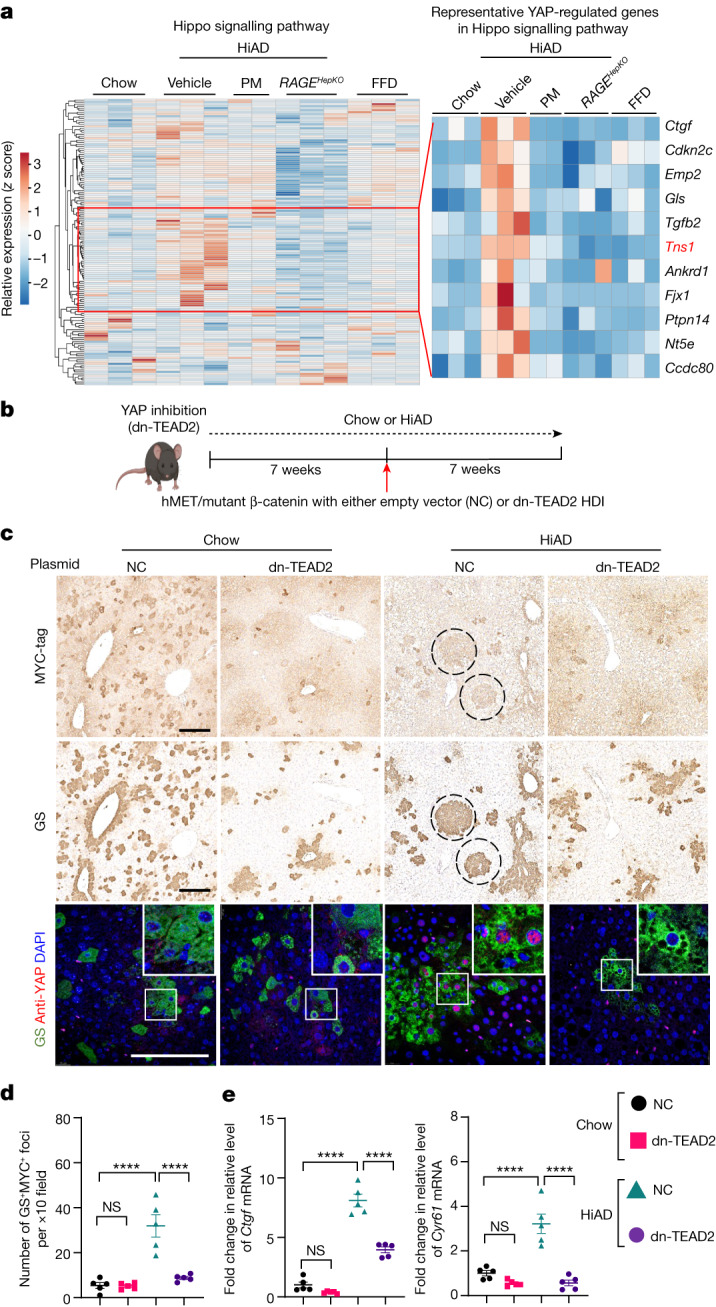
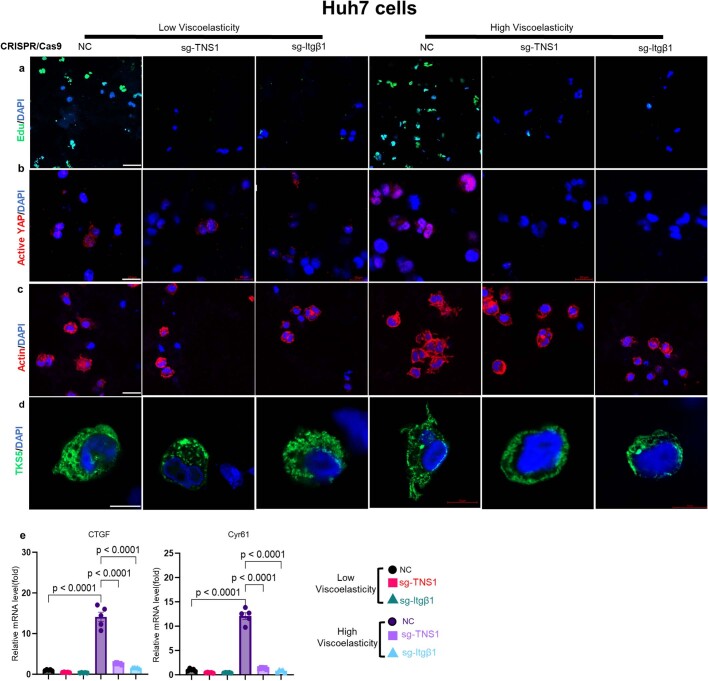
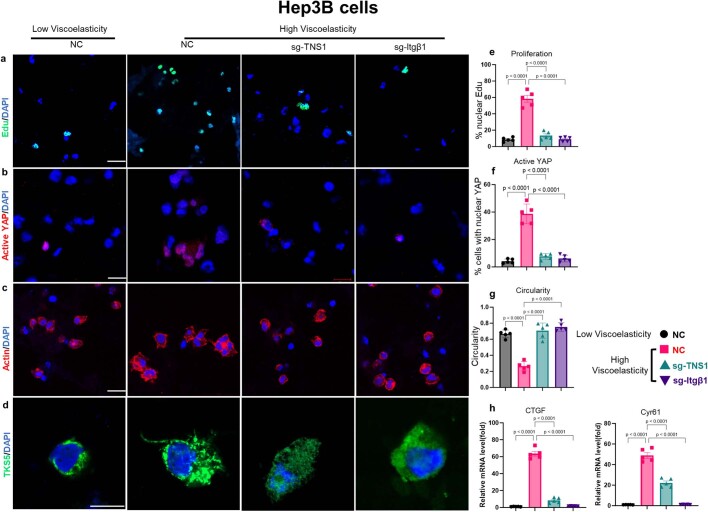
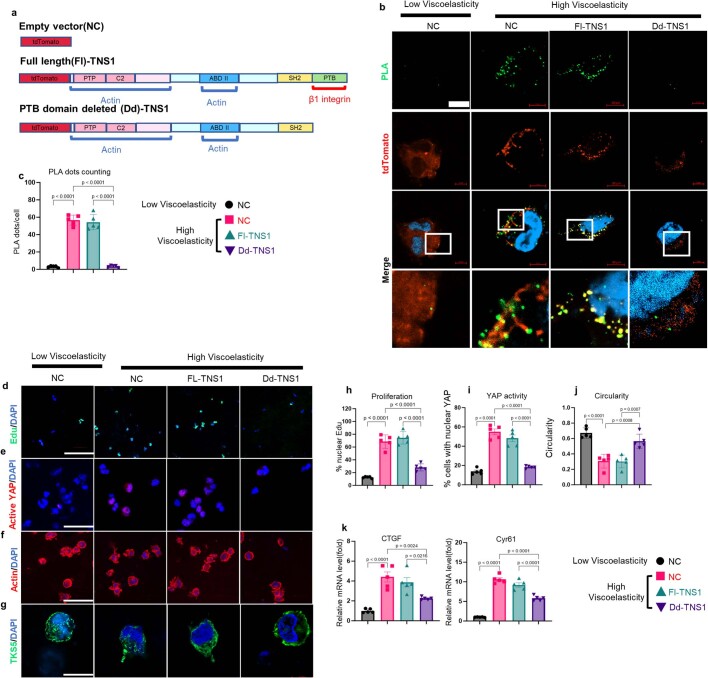
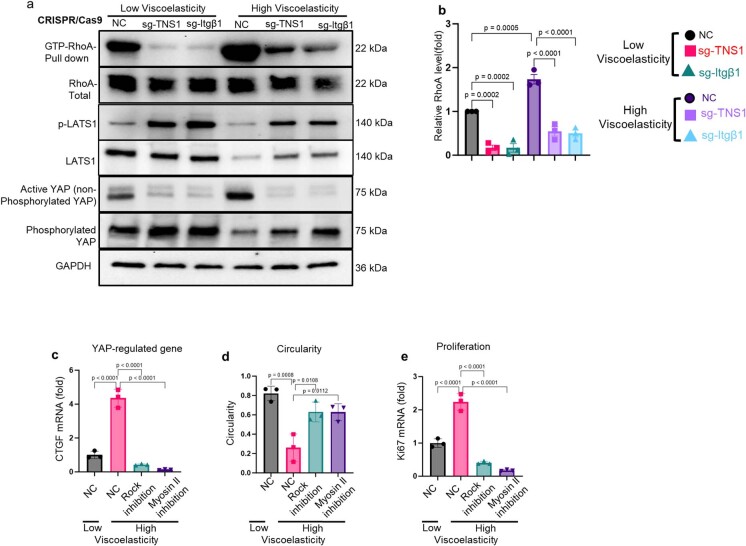
Verification
Claims the paper makes
The claims and statistics of this paper haven’t been checked yet.
Run the check — free, no account needed. It reads the open-access text and checks the sources it cites.
Claims other papers make about this one
Each is checked against this paper’s own text: does it say what the citing paper says it does?
The source backs part of the claim, not all of it — or backs it for a different population, condition or comparison.
In the citing paper
“accumulating evidence highlights extracellular matrix (ECM) remodeling and tissue mechanics as active determinants of hepatocyte behavior [12, 13, 14, 15, 16].”
From Liver Stiffness Rises Early in MASLD and Drives Inflammation, Lipid Dysmetabolism, and Fibrosis via Piezo1–YAP Mechanotransduction (2026) · cites this paper as [15]
Experimental — accuracy not yet measuredThe cited source says what the claim attributes to it.
In the citing paper
“This mechanical alteration promotes hepatocellular carcinoma through the integrin‐β1/tensin‐1/YAP signaling pathway.”
From Liver Stiffness Rises Early in MASLD and Drives Inflammation, Lipid Dysmetabolism, and Fibrosis via Piezo1–YAP Mechanotransduction (2026) · cites this paper as [15]
The cited source says what the claim attributes to it.
In the citing paper
“in pre‐cirrhotic NASH with type 2 diabetes, advanced glycation product (AGE)‐driven collagen remodeling increases ECM viscoelasticity without altering stiffness.”
From Liver Stiffness Rises Early in MASLD and Drives Inflammation, Lipid Dysmetabolism, and Fibrosis via Piezo1–YAP Mechanotransduction (2026) · cites this paper as [15]
The cited source says what the claim attributes to it.
In the citing paper
“Inhibition of AGE formation mitigates these effects [15].”
From Liver Stiffness Rises Early in MASLD and Drives Inflammation, Lipid Dysmetabolism, and Fibrosis via Piezo1–YAP Mechanotransduction (2026) · cites this paper as [15]
Self-check
Percentages, sums and reported differences re-computed from the paper’s own numbers.
The self-check needs the paper’s full text.
Citations
Cites
Molecular Mechanisms of Stress-Responsive Changes in Collagen and Elastin Networks in Skin
Aziz, J., Shezali, H., Radzi, Z., Yahya, N. A., Abu Kassim, N. H., Czernuszka, J., & Rahman, M. T. (2016) · Skin Pharmacology and Physiology · doi:10.1159/000447017 · Cited by 7,323
Matrix Crosslinking Forces Tumor Progression by Enhancing Integrin Signaling
Levental, K. R., Yu, H., Kass, L., Lakins, J. N., Egeblad, M., Erler, J. T., Fong, S. F. T., Csiszar, K., Giaccia, A., Weninger, W., et al. (2009) · Cell · doi:10.1016/j.cell.2009.10.027 · Cited by 4,101
Hydrogels with tunable stress relaxation regulate stem cell fate and activity
Chaudhuri, O., Gu, L., Klumpers, D., Darnell, M., Bencherif, S. A., Weaver, J. C., Huebsch, N., Lee, H.-P., Lippens, E., Duda, G. N., et al. (2016) · Nature Materials · doi:10.1038/nmat4489 · Cited by 2,443
Self-citationEffects of extracellular matrix viscoelasticity on cellular behaviour
Chaudhuri, O., Cooper-White, J., Janmey, P. A., Mooney, D. J., & Shenoy, V. B. (2020) · Nature · doi:10.1038/s41586-020-2612-2 · Cited by 2,224
Self-citationEpidemiology of Hepatocellular Carcinoma
McGlynn, K. A., Petrick, J. L., & El‐Serag, H. B. (2020) · Hepatology · doi:10.1002/hep.31288 · Cited by 2,200
Cox, T. R. (2021) · Nature reviews. Cancer · doi:10.1038/s41568-020-00329-7 · Cited by 1,015
Type 2 diabetes and cancer: umbrella review of meta-analyses of observational studies
Tsilidis, K. K., Kasimis, J. C., López, D. S., Ntzani, E., & Ioannidis, J. P. A. (2015) · BMJ · doi:10.1136/bmj.g7607 · Cited by 885
Elosegui-Artola, A., Oria, R., Chen, Y., Kosmalska, A., Pérez-González, C., Castro, N., Zhu, C., Trepat, X., & Roca-Cusachs, P. (2016) · Nature Cell Biology · doi:10.1038/ncb3336 · Cited by 858
Schrader, J., Gordon-Walker, T. T., Aucott, R. L., van Deemter, M., Quaas, A., Walsh, S., Benten, D., Forbes, S. J., Wells, R. G., & Iredale, J. P. (2011) · Hepatology · doi:10.1002/hep.24108 · Cited by 720
Self-citationFibrosis and cancer: A strained relationship
Piersma, B., Hayward, M.-K., & Weaver, V. M. (2020) · Biochimica et Biophysica Acta (BBA) - Reviews on Cancer · doi:10.1016/j.bbcan.2020.188356 · Cited by 715
Diabetes, pancreatogenic diabetes, and pancreatic cancer
Andersen, D. K., Korc, M., Petersen, G. M., Eibl, G., Li, D., Rickels, M. R., Chari, S. T., & Abbruzzese, J. L. (2017) · Diabetes · doi:10.2337/db16-1477 · Cited by 516
Viscoelastic shear properties of in vivo breast lesions measured by MR elastography
Sinkus, R., Tanter, M., Xydeas, T., Catheline, S., Bercoff, J., & Fink, M. (2005) · Magnetic Resonance Imaging · doi:10.1016/j.mri.2004.11.060 · Cited by 503
Matrix mechanical plasticity regulates cancer cell migration through confining microenvironments
Wisdom, K. M., Adebowale, K., Chang, J., Lee, J. Y., Nam, S., Desai, R. M., Rossen, N. S., Rafat, M., West, R. B., Hodgson, L., et al. (2018) · Nature Communications · doi:10.1038/s41467-018-06641-z · Cited by 426
Self-citationCharrier, E. E., Pogoda, K., Wells, R. G., & Janmey, P. A. (2018) · Nature Communications · doi:10.1038/s41467-018-02906-9 · Cited by 417
Self-citationStrain-enhanced stress relaxation impacts nonlinear elasticity in collagen gels
Nam, S., Hu, K. H., Butte, M. J., & Chaudhuri, O. (2016) · Proceedings of the National Academy of Sciences · doi:10.1073/pnas.1523906113 · Cited by 342
Self-citationFarrell, G., Schattenberg, J. M., Leclercq, I., Yeh, M. M., Goldin, R., Teoh, N., & Schuppan, D. (2019) · Hepatology · doi:10.1002/hep.30333 · Cited by 313
Matrix viscoelasticity controls spatiotemporal tissue organization
Elósegui-Artola, A., Gupta, A., Najibi, A. J., Seo, B. R., Garry, R., Tringides, C. M., de Lázaro, I., Darnell, M., Gu, W., Zhou, Q., et al. (2022) · Nature Materials · doi:10.1038/s41563-022-01400-4 · Cited by 297
Yamauchi, M., Barker, T. H., Gibbons, D. L., & Kurie, J. M. (2018) · Journal of Clinical Investigation · doi:10.1172/jci93554 · Cited by 282
Strain history dependence of the nonlinear stress response of fibrin and collagen networks
Münster, S., Jawerth, L. M., Leslie, B. A., Weitz, J. I., Fabry, B., & Weitz, D. A. (2013) · Proceedings of the National Academy of Sciences · doi:10.1073/pnas.1222787110 · Cited by 281
Advanced glycation end-products: Mechanics of aged collagen from molecule to tissue
Gautieri, A., Passini, F. S., Silván, U., Guizar‐Sicairos, M., Carimati, G., Volpi, P., Moretti, M., Schoenhuber, H., Redaelli, A. C. L., Berli, M., et al. (2016) · Matrix Biology · doi:10.1016/j.matbio.2016.09.001 · Cited by 277
The LATS1 and LATS2 tumor suppressors: beyond the Hippo pathway
Furth, N., & Aylon, Y. (2017) · Cell Death and Differentiation · doi:10.1038/cdd.2017.99 · Cited by 262
Current Insights into Collagen Type I
Naomi, R., Ridzuan, P. M., & Bahari, H. (2021) · Polymers · doi:10.3390/polym13162642 · Cited by 256
Enhanced substrate stress relaxation promotes filopodia-mediated cell migration
Adebowale, K., Gong, Z., Hou, J., Wisdom, K. M., Garbett, D., Lee, H.-P., Nam, S., Meyer, T., Odde, D. J., Shenoy, V. B., et al. (2021) · Nature Materials · doi:10.1038/s41563-021-00981-w · Cited by 251
Self-citationPreclinical Models for Studying NASH-Driven HCC: How Useful Are They?
Febbraio, M. A., Reibe, S., Shalapour, S., Ooi, G., Watt, M. J., & Karin, M. (2018) · Cell Metabolism · doi:10.1016/j.cmet.2018.10.012 · Cited by 250
Volume expansion and TRPV4 activation regulate stem cell fate in three-dimensional microenvironments
Lee, H.-P., Stowers, R. S., & Chaudhuri, O. (2019) · Nature Communications · doi:10.1038/s41467-019-08465-x · Cited by 240
Self-citationGuimarães, E. L. M., Empsen, C., Geerts, A. E., & van Grunsven, L. A. (2009) · Journal of Hepatology · doi:10.1016/j.jhep.2009.12.007 · Cited by 226
Diabetes and Cancer: a Review of Current Knowledge
Wojciechowska, J. K., Krajewski, W. R., Bolanowski, M., Kr̨ecicki, T., & Zatoński, T. (2016) · Experimental and Clinical Endocrinology & Diabetes · doi:10.1055/s-0042-100910 · Cited by 212
Zieman, S. J., Melenovský, V., Clattenburg, L., Corretti, M. C., Capriotti, A. R., Gerstenblith, G., & Kass, D. A. (2007) · Journal of Hypertension · doi:10.1097/hjh.0b013e328013e7dd · Cited by 210
Multiscale Modeling of Form and Function
Engler, A. J., Humbert, P. O., Wehrle‐Haller, B., & Weaver, V. M. (2009) · Science · doi:10.1126/science.1170107 · Cited by 190
Nam, S., Gupta, V. K., Lee, H.-P., Lee, J. Y., Wisdom, K. M., Varma, S., Flaum, E., Davis, C., West, R. B., & Chaudhuri, O. (2019) · Science Advances · doi:10.1126/sciadv.aaw6171 · Cited by 187
Self-citationBettaieb, A., Jiang, J. X., Sasaki, Y., Chao, T.-I., Kiss, Z., Chen, X., Tian, J., Katsuyama, M., Yabe-Nishimura, C., Xi, Y., et al. (2015) · Gastroenterology · doi:10.1053/j.gastro.2015.04.009 · Cited by 167
Colhoun, H. M., Betteridge, D. J., Durrington, P. N., Hitman, G. A., Neil, A., Livingstone, S. J., Charlton-Menys, V., Bao, W., DeMicco, D. A., Preston, G. M., et al. (2011) · Diabetes · doi:10.2337/db11-0291 · Cited by 162
Mechanisms of Plastic Deformation in Collagen Networks Induced by Cellular Forces
Ban, E., Franklin, J. M., Nam, S., Smith, L., Wang, H., Wells, R. G., Chaudhuri, O., Liphardt, J., & Shenoy, V. B. (2018) · Biophysical Journal · doi:10.1016/j.bpj.2017.11.3739 · Cited by 160
Self-citationRubiano, A. M., Delitto, D., Han, S., Gerber, M. H., Galitz, C., Trevino, J. G., Thomas, R. M., Hughes, S. J., & Simmons, C. S. (2017) · Acta Biomaterialia · doi:10.1016/j.actbio.2017.11.037 · Cited by 143
Tao, J., Xu, E., Zhao, Y., Singh, S., Li, X., Couchy, G., Chen, X., Zucman‐Rossi, J., Chikina, M. D., & Monga, S. P. (2016) · Hepatology · doi:10.1002/hep.28601 · Cited by 130
Self-citationPerepelyuk, M., Chin, L., Cao, X., van Oosten, A., Shenoy, V. B., Janmey, P. A., & Wells, R. G. (2016) · PLoS ONE · doi:10.1371/journal.pone.0146588 · Cited by 129
Self-citationKramer, J. R., Natarajan, Y., Dai, J., Yu, X., Li, L., El‐Serag, H. B., & Kanwal, F. (2021) · Hepatology · doi:10.1002/hep.32244 · Cited by 116
Obesity, diabetes and the risk of colorectal adenoma and cancer
Soltani, G., Poursheikhani, A., Yassi, M., Hayatbakhsh, A., Kerachian, M., & Kerachian, M. A. (2019) · BMC Endocrine Disorders · doi:10.1186/s12902-019-0444-6 · Cited by 109
Breast cancer risk factors and their effects on survival: a Mendelian randomisation study
Escala-Garcia, M., Morra, A., Canisius, S., Chang-Claude, J. C., Kar, S., Zheng, W., Bojesen, S. E., Easton, D. F., Pharoah, P. D. P., & Schmidt, M. K. (2020) · BMC Medicine · doi:10.1186/s12916-020-01797-2 · Cited by 109
Effect of Dietary Advanced Glycation End Products on Mouse Liver
Patel, R. A., Baker, S. S., Liu, W., Desai, S. S., Alkhouri, R. H., Kozielski, R., Mastrandrea, L. D., Sarfraz, A., Cai, W., Vlassara, H., et al. (2012) · PLoS ONE · doi:10.1371/journal.pone.0035143 · Cited by 105
Natural history of NASH and HCC
Negro, F. (2020) · Liver international (Print) · doi:10.1111/liv.14362 · Cited by 88
Yan, Z., Yan, H., & Ou, H. (2012) · Gene · doi:10.1016/j.gene.2012.07.009 · Cited by 87
McVicar, C., Ward, M. S., Colhoun, L. M., Guduric‐Fuchs, J., Bierhaus, A., Fleming, T. H., Schlotterer, A., Kolibabka, M., Hammes, H., Chen, M., et al. (2015) · Diabetologia · doi:10.1007/s00125-015-3523-x · Cited by 78
Lyu, C., Kong, W., Liu, Z., Wang, S., Zhao, P., Liang, K., Niu, Y., Yang, W., Xiang, C., Hu, X., et al. (2023) · Nature Biomedical Engineering · doi:10.1038/s41551-023-01019-z · Cited by 67
Hall, E. H., Daugherty, A. E., Choi, C. K., Horwitz, A. F., & Brautigan, D. L. (2009) · Journal of Biological Chemistry · doi:10.1074/jbc.m109.059592 · Cited by 62
Molecular Basis of Maillard Amide-Advanced Glycation End Product (AGE) Formation in Vivo
Henning, C., Smuda, M., Girndt, M., Ulrich, C., & Glomb, M. A. (2011) · Journal of Biological Chemistry · doi:10.1074/jbc.m111.282442 · Cited by 60
Hydration and nanomechanical changes in collagen fibrils bearing advanced glycation end-products
Andriotis, O. G., Elsayad, K., Smart, D. E., Nalbach, M., Davies, D. E., & Thurner, P. J. (2019) · Biomedical Optics Express · doi:10.1364/boe.10.001841 · Cited by 60
Muellenbach, E. A., Diehl, C. J., Teachey, M. K., Lindborg, K. A., Archuleta, T. L., Harrell, N. B., Andersen, G., Somoza, V., Hasselwander, O., Matuschek, M., et al. (2008) · Metabolism · doi:10.1016/j.metabol.2008.05.018 · Cited by 58
Hudson, D. M., Archer, M., King, K. B., & Eyre, D. R. (2018) · Journal of Biological Chemistry · doi:10.1074/jbc.ra118.004829 · Cited by 56
AGER1 downregulation associates with fibrosis in nonalcoholic steatohepatitis and type 2 diabetes
Dehnad, A., Fan, W., Jiang, J. X., Fish, S. R., Li, Y., Das, S., Mozes, G. D., Wong, K. A., Olson, K., Charville, G. W., et al. (2020) · Journal of Clinical Investigation · doi:10.1172/jci133051 · Cited by 52
Self-citationTensin1 positively regulates RhoA activity through its interaction with DLC1
Shih, Y.-P., Sun, P., Wang, A., & Lo, S. H. (2015) · Biochimica et Biophysica Acta (BBA) - Molecular Cell Research · doi:10.1016/j.bbamcr.2015.09.028 · Cited by 52
Self-citationTensins are versatile regulators of Rho GTPase signalling and cell adhesion
Blangy, A. (2016) · Biology of the Cell · doi:10.1111/boc.201600053 · Cited by 47
Glycated collagen – a 3D matrix system to study pathological cell behavior
Dandia, H., Makkad, K., & Tayalia, P. (2019) · Biomaterials Science · doi:10.1039/c9bm00184k · Cited by 39
Molecular physiology of the tensin brotherhood of integrin adaptor proteins
Haynie, D. T. (2014) · Proteins Structure Function and Bioinformatics · doi:10.1002/prot.24560 · Cited by 35
Pharmacological reversal of advanced glycation end-product-mediated protein crosslinking
Ulrich, P. C., & Zhang, X. (1997) · Diabetologia · doi:10.1007/s001250051437 · Cited by 31
Zhang, J., Pin, L., Tao, J., Wang, P., Zhang, Y., Song, X., Che, L., Sumazin, P., Ribback, S., Kiss, A., et al. (2019) · American Journal Of Pathology · doi:10.1016/j.ajpath.2019.01.016 · Cited by 28
Self-citationTEAD2 as a novel prognostic factor for hepatocellular carcinoma
Joo, J., Cho, S., Rou, W. S., Kim, J., Kang, S. H., Lee, E. S., Moon, H. S., Kim, S., Sung, J., Kwon, I. S., et al. (2020) · Oncology Reports · doi:10.3892/or.2020.7578 · Cited by 26
Unno, Y., Sakai, M., SAKAMOTO, Y., Kuniyasu, A., Nagai, R., Nakayama, H., & Horiuchi, S. (2005) · Annals of the New York Academy of Sciences · doi:10.1196/annals.1333.080 · Cited by 16
Effect of dietary advanced glycation end products on mouse liver
Patel, R. A., Baker, S. S., Liu, W., Desai, S. S., Alkhouri, R. H., Kozielski, R., Mastrandrea, L. D., Sarfraz, A., Cai, W., Vlassara, H., et al. (2012) · The FASEB Journal · doi:10.1096/fasebj.26.1_supplement.34.5 · Cited by 8
Colhoun, H. M., Betteridge, D. J., Durrington, P. N., Hitman, G., Neil, A., Livingstone, S. J., Charlton-Menys, V., Bao, W., DeMicco, D. A., Preston, G., et al. (2011) · Research Explorer (The University of Manchester) · Cited by 7
Research works printed but not linked: 1
- Jones, M. G. et al. Nanoscale dysregulation of collagen structure-function disrupts mechano-homeostasis and mediates pulmonary fibrosis. eLife 7, e36354 (2018).
Cited by
Sorted by citations
Tumor initiation and early tumorigenesis: molecular mechanisms and interventional targets
Zhang, S., Xiao, X., Yi, Y., Wang, X., Zhu, L., Shen, Y., Lin, D., & Wu, C. H. (2024) · Signal Transduction and Targeted Therapy · doi:10.1038/s41392-024-01848-7 · Cited by 463
ECM formation and degradation during fibrosis, repair, and regeneration
Mayorca-Guiliani, A. E., Leeming, D. J., Henriksen, K., Mortensen, J. H., Nielsen, S. H., Anstee, Q. M., Sanyal, A. J., Karsdal, M. A., & Schuppan, D. (2025) · npj Metabolic Health and Disease · doi:10.1038/s44324-025-00063-4 · Cited by 176
Linke, J. A., Munn, L. L., & Jain, R. K. (2024) · Nature reviews. Cancer · doi:10.1038/s41568-024-00745-z · Cited by 109
Advancing Synthetic Hydrogels through Nature‐Inspired Materials Chemistry
Soliman, B. G., Nguyen, A. K., Gooding, J. J., & Kilian, K. A. (2024) · Advanced Materials · doi:10.1002/adma.202404235 · Cited by 100
Activatable fluorescent probes for imaging and diagnosis of hepatocellular carcinoma
Men, X., Liu, F., Gong, M., Wang, X., Wang, L., Men, X., Chen, H., & Dong, Z. (2024) · Journal of Innovative Optical Health Sciences · doi:10.1142/s1793545825300046 · Cited by 95
Metadata
- Authors
- Fan, W., Adebowale, K., Váncza, L., Li, Y., Rabbi, M. F., Kunimoto, K., Chen, D., Mozes, G., Chiu, D. K.-C., Li, Y., Tao, J., Wei, Y., Adeniji, N., Brunsing, R. L., Dhanasekaran, R., Singhi, A., Geller, D., Lo, S. H., Hodgson, L., Engleman, E. G., Charville, G. W., Charu, V., Monga, S. P., Kim, T., Wells, R. G., Chaudhuri, O., & Török, N. J.
- Affiliations
- VA Palo Alto Health Care System (US)
- Stanford University (US)
- Purdue University West Lafayette (US)
- Stanford Medicine (US)
- University of Pittsburgh (US)
- University of California, Davis (US)
- Albert Einstein College of Medicine (US)
- Keio University (JP)
- University of Pennsylvania (US)
- ORCID
- Fan, Weiguo
- Adebowale, Kolade
- Váncza, Lóránd
- Li, Yuan
- Rabbi, Md Foysal
- Mozes, Gergely
- Chiu, David Kung-Chun
- Li, Yisi
- Tao, Junyan
- Wei, Yi
- Adeniji, Nia
- Brunsing, Ryan L.
- Dhanasekaran, Renumathy
- Singhi, Aatur
- Geller, David
- Lo, Su Hao
- Hodgson, Louis
- Engleman, Edgar G.
- Charville, Gregory W.
- Charu, Vivek
- Monga, Satdarshan P.
- Kim, Taeyoon
- Wells, Rebecca G.
- Chaudhuri, Ovijit
- Török, Natalie J.
- Venue
- Nature
- Published
- 2024-01-31
- Volume
- 626
- Issue
- 7999
- Pages
- 635-642
- ISSN
- 0028-0836 (ISSN-L)
- 1476-4687
- PMC
- PMC10866704
- OpenAlex
- W4391383681
- Cited by
- 263
- References
- 61
- Citations by year
- 2026: 96 · 2025: 117 · 2024: 49
- FWCI
- 58.91
- Type
- journal article
- Language
- en
- Update notices
- correction (2025-11-27)
- Open access
- hybrid
- doi.org
- Locations
- Nature (publishedVersion, cc-by)
- Research Square (acceptedVersion, cc-by)
- PubMed Central (publishedVersion, cc-by)
- PubMed (publishedVersion)
- RePEc: Research Papers in Economics (submittedVersion)
- Funders
- National Science Foundation (2026822)
- U.S. Department of Veterans Affairs (I01 BX002418)
- Stanford Diabetes Research Center (P30DK116074)
- Schweizerischer Nationalfonds zur Förderung der Wissenschaftlichen Forschung (26822)
- National Institutes of Health (/ NIDDK R01, ECCS-2026822, S10RR02557401, 1s10od032300-01, 1s10od010580-01a1, 1RO1AG060726)
- National Institute on Aging (R01AG060726)
- National Cancer Institute (R01CA204586, R01CA251155, R37CA214136, P30CA124435, R01CA277710, R01CA250227)
- National Institute of General Medical Sciences (R01GM126256, R35GM136226)
- National Institute of Diabetes and Digestive and Kidney Diseases (R01DK083283, P30DK120531, P30DK116074, R01DK062277)
- National Center for Research Resources (1S10OD010580-01A1, S10RR02557401, 1S10OD010580)
- Division of Electrical, Communications and Cyber Systems (ECCS-2026822, 2026822)
- Topics
- Life Sciences › Biochemistry, Genetics and Molecular Biology › Cell Biology › Cellular Mechanics and Interactions
- Health Sciences › Medicine › Hepatology › Liver physiology and pathology
- Physical Sciences › Engineering › Biomedical Engineering › Elasticity and Material Modeling
- Keywords
- hepatocellular carcinoma, advanced glycation end products, type 2 diabetes, collagen structure, extracellular matrix stiffness, β-catenin signaling, collagen cross-links, beta1 integrin, YAP, mechanotransduction, cancer cell proliferation and invasion
- MeSH terms
- Receptor for Advanced Glycation End Products, Tensins, YAP-Signaling Proteins, Animals, Collagen, Computer Simulation, Diabetes Mellitus, Type 2, Elasticity, Extracellular Matrix, Carcinoma, Hepatocellular, Humans, Liver Cirrhosis, Liver Neoplasms, Neoplasm Invasiveness, Viscosity, Glycation End Products, Advanced, Disease Progression, Integrin beta1, Cell Proliferation, beta Catenin
About these checks
Registry, retraction, Cites and statistics results are computed, not judged, with one exception: a printed reference that no index lists is read once by a model before it counts as a citation error. Claims are extracted by a model and kept only when their quote appears verbatim in the text; each cited source is then checked, with a model’s help, for whether it says what the claim relies on. Those verdicts can be wrong — read the claim’s quote and the cited source before relying on one.
Statistics and arithmetic are recomputed, not judged.
Confidence bands are shown only for fields calibrated on our annotated test set. None is calibrated yet, so no band is shown.
What counts as a claim ›How we measure confidence ›How we check this ›
Are you an author, or do you see a problem with this page? Request a review
