

A liver immune rheostat regulates CD8 T cell immunity in chronic HBV infection
Open accessThe DOI matches its Crossref record; 88 of the 91 references it cites were found in a registry or an index.
Abstract
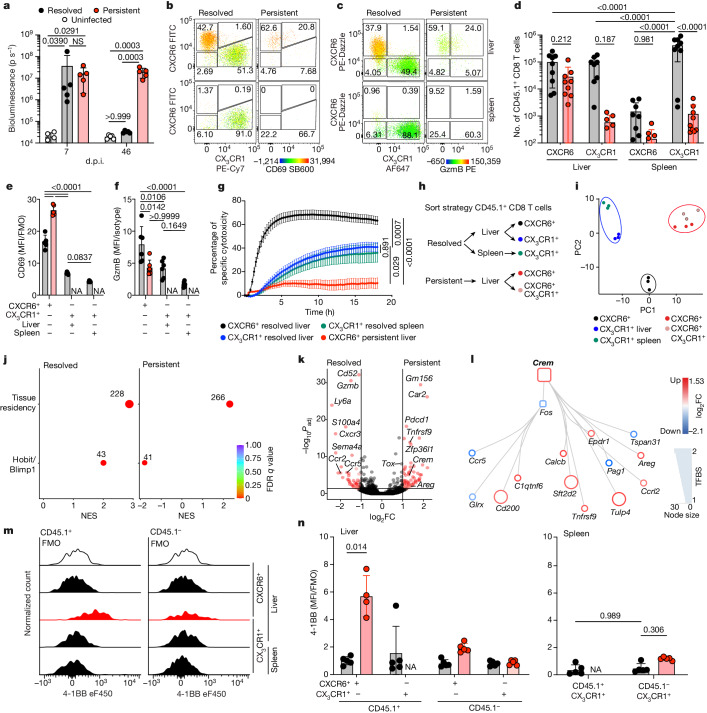
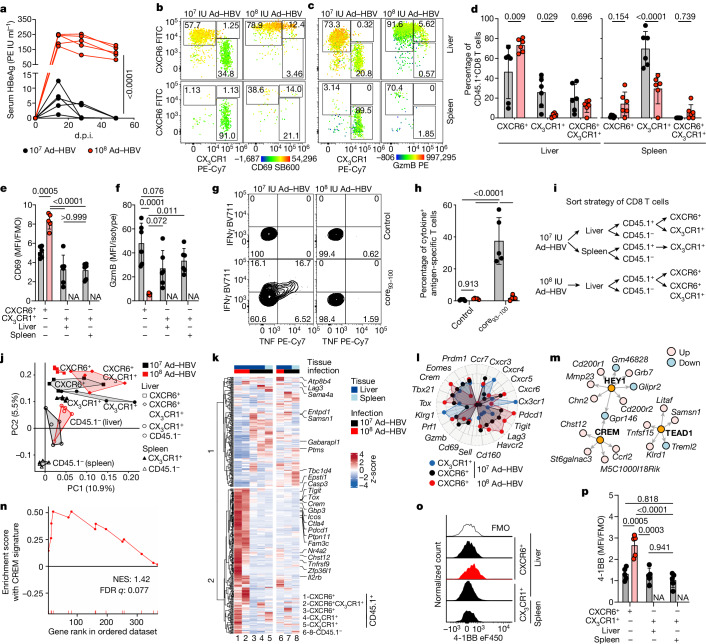
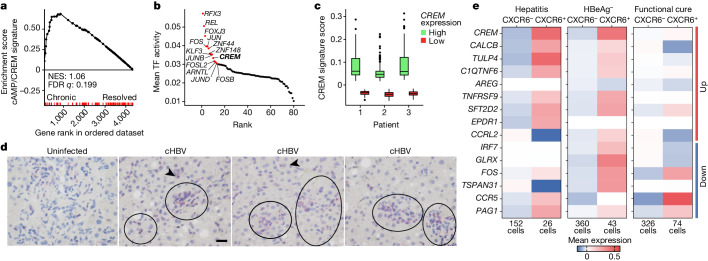
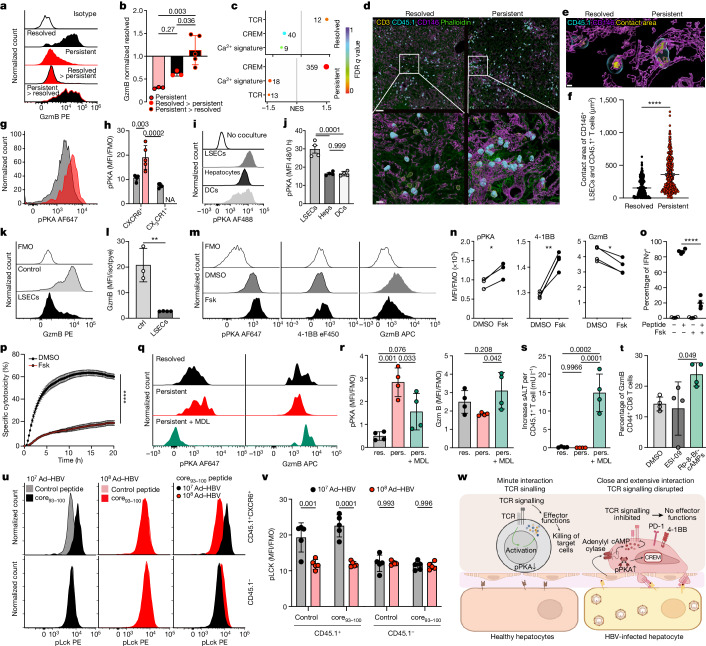
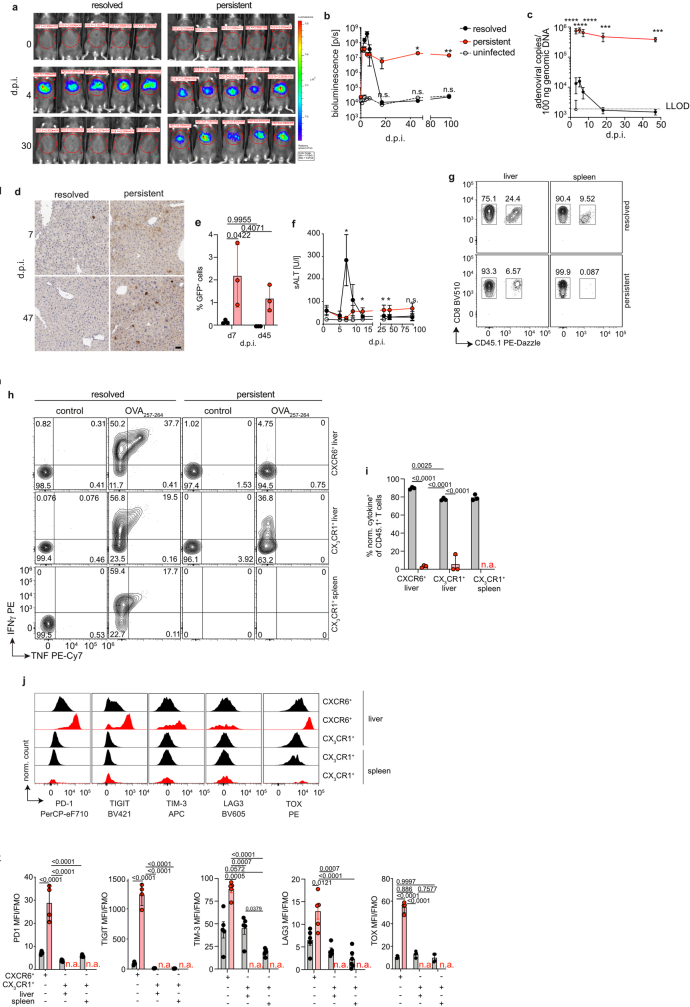
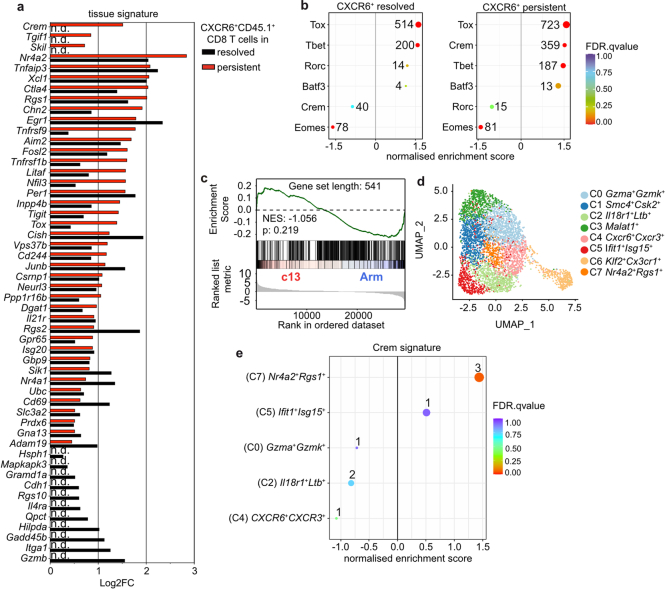
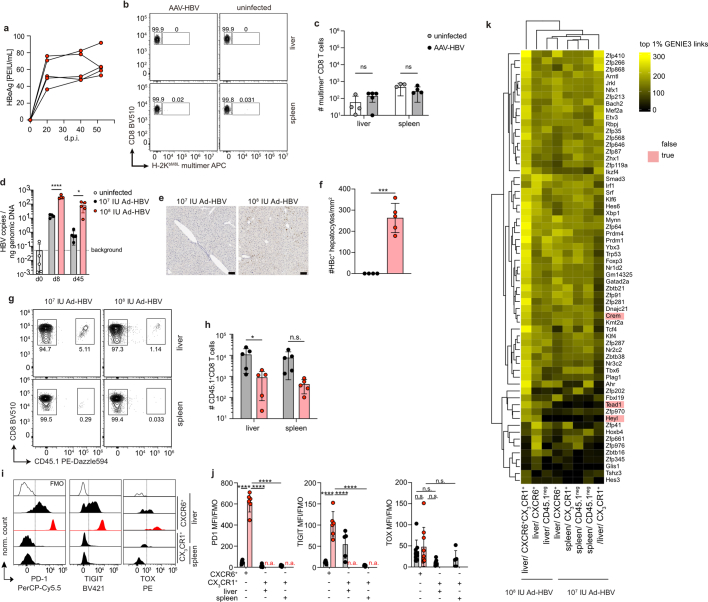
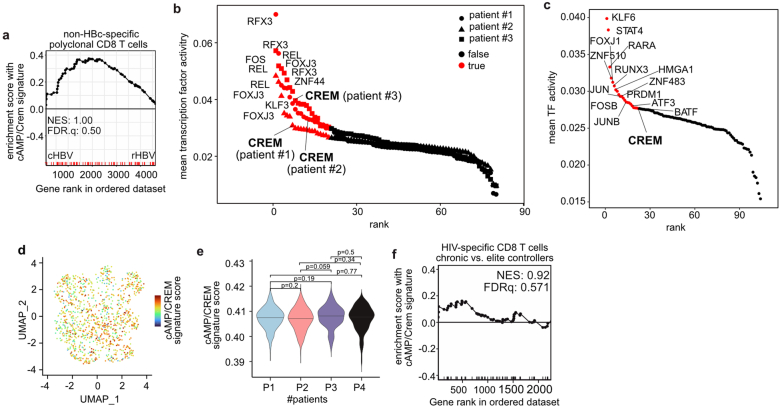
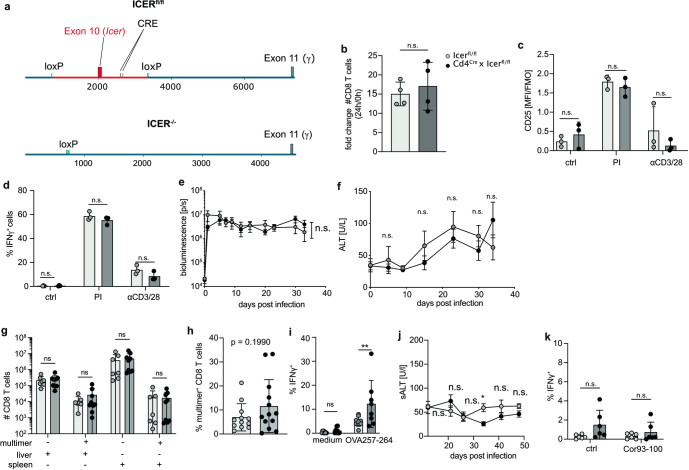
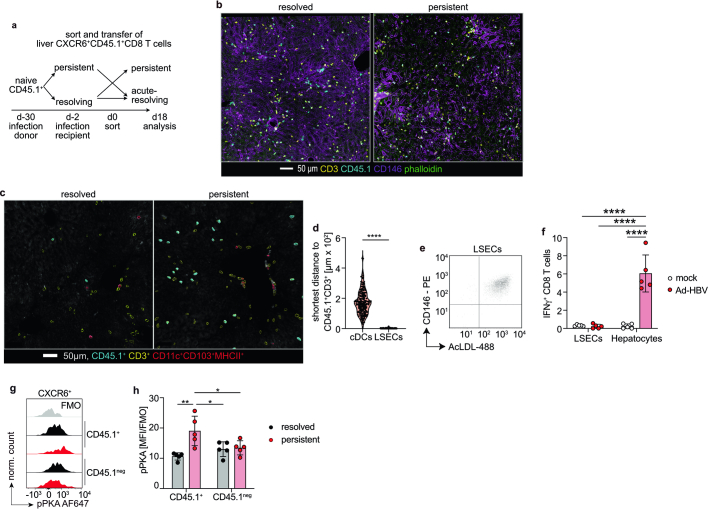
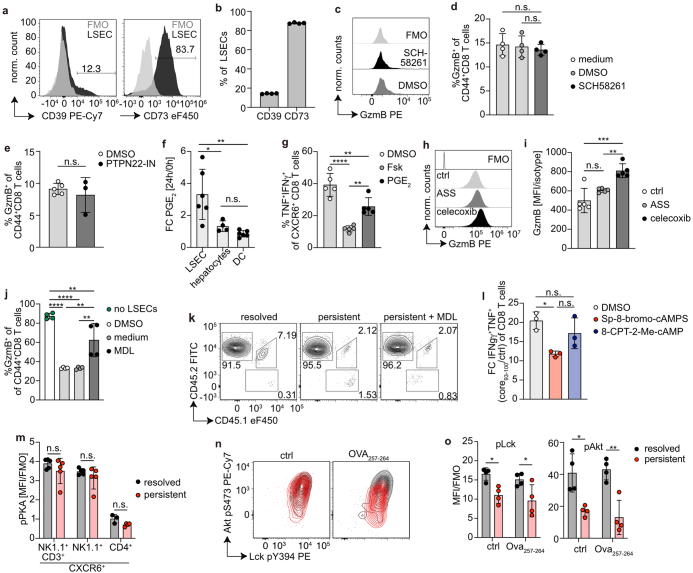
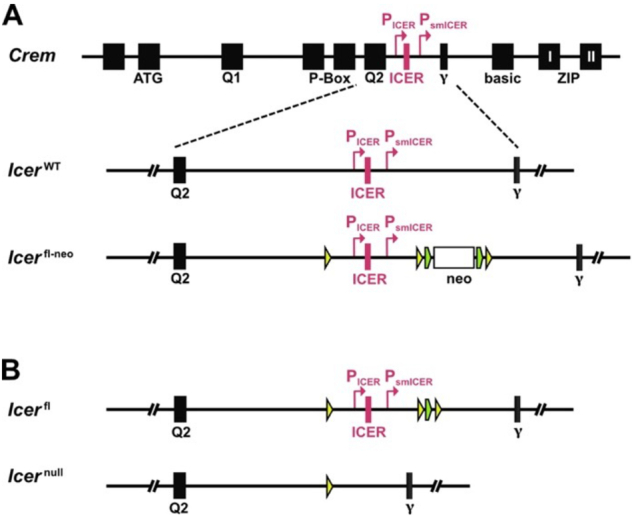
Chronic hepatitis B virus (HBV) infection affects 300 million patients worldwide 1,2 , in whom virus-specific CD8 T cells by still ill-defined mechanisms lose their function and cannot eliminate HBV-infected hepatocytes 3–7 . Here we demonstrate that a liver immune rheostat renders virus-specific CD8 T cells refractory to activation and leads to their loss of effector functions. In preclinical models of persistent infection with hepatotropic viruses such as HBV, dysfunctional virus-specific CXCR6 + CD8 T cells accumulated in the liver and, as a characteristic hallmark, showed enhanced transcriptional activity of cAMP-responsive element modulator (CREM) distinct from T cell exhaustion. In patients with chronic hepatitis B, circulating and intrahepatic HBV-specific CXCR6 + CD8 T cells with enhanced CREM expression and transcriptional activity were detected at a frequency of 12–22% of HBV-specific CD8 T cells. Knocking out the inhibitory CREM / ICER isoform in T cells, however, failed to rescue T cell immunity. This indicates that CREM activity was a consequence, rather than the cause, of loss in T cell function, further supported by the observation of enhanced phosphorylation of protein kinase A (PKA) which is upstream of CREM. Indeed, we found that enhanced cAMP–PKA-signalling from increased T cell adenylyl cyclase activity augmented CREM activity and curbed T cell activation and effector function in persistent hepatic infection. Mechanistically, CD8 T cells recognizing their antigen on hepatocytes established close and extensive contact with liver sinusoidal endothelial cells, thereby enhancing adenylyl cyclase–cAMP–PKA signalling in T cells. In these hepatic CD8 T cells, which recognize their antigen on hepatocytes, phosphorylation of key signalling kinases of the T cell receptor signalling pathway was impaired, which rendered them refractory to activation. Thus, close contact with liver sinusoidal endothelial cells curbs the activation and effector function of HBV-specific CD8 T cells that target hepatocytes expressing viral antigens by means of the adenylyl cyclase–cAMP–PKA axis in an immune rheostat-like fashion.
Overview
The claims and statistics of this paper haven’t been checked yet.
Free: it reads the open-access text and checks the first 5 claims that cite a source we can check. Create a free account to check every claim.
Integrity signals
Registry
Cites
Statistics
Figures
Verification
Claims the paper makes
The claims and statistics of this paper haven’t been checked yet.
Free: it reads the open-access text and checks the first 5 claims that cite a source we can check. Create a free account to check every claim.
Claims other papers make about this one
Each is checked against this paper’s own text: does it say what the citing paper says it does?
In the citing paper
“Another multidimensional analysis demonstrated that in a murine model of persistent hepatitis B virus infection, LSECs increased protein kinase A activation on CD8+ T cells, which abrogated their ability to perform cytotoxic functions toward infected hepatocytes and, ultimately, failure of virus-specific immunity.”
From Inflammation and immunity in liver homeostasis and disease: a nexus of hepatocytes, nonparenchymal cells and immune cells (2025) · doi:10.1038/s41423-025-01313-7 · cites this paper as [336]
Self-check
Percentages, sums and reported differences re-computed from the paper’s own numbers.
The self-check needs the paper’s full text.
Citations
Cites
Moderated estimation of fold change and dispersion for RNA-seq data with DESeq2
Love, M. I., Huber, W., & Anders, S. (2014) · Genome Biology · doi:10.1186/s13059-014-0550-8 · Cited by 95,106
Trimmomatic: a flexible trimmer for Illumina sequence data
Bolger, A. M., Lohse, M., & Usadel, B. (2014) · Bioinformatics · doi:10.1093/bioinformatics/btu170 · Cited by 65,548
Subramanian, A., Tamayo, P., Mootha, V. K., Mukherjee, S., Ebert, B. L., Gillette, M. A., Paulovich, A., Pomeroy, S. L., Golub, T. R., Lander, E. S., et al. (2005) · Proceedings of the National Academy of Sciences · doi:10.1073/pnas.0506580102 · Cited by 53,625
Cytoscape: A software Environment for integrated models of biomolecular interaction networks
Shannon, P., Markiel, A., Ozier, O., Baliga, N. S., Wang, J. T., Ramage, D., Amin, N., Schwikowski, B., & Ideker, T. (2003) · Genome Research · doi:10.1101/gr.1239303 · Cited by 51,888
STAR: ultrafast universal RNA-seq aligner
Dobin, A., Davis, C. A., Schlesinger, F., Drenkow, J., Zaleski, C., Jha, S., Batut, P., Chaisson, M., & Gingeras, T. R. (2013) · Bioinformatics · doi:10.1093/bioinformatics/bts635 · Cited by 51,709
HTSeq—a Python framework to work with high-throughput sequencing data
Anders, S., Pyl, P. T., & Huber, W. (2015) · Bioinformatics · doi:10.1093/bioinformatics/btu638 · Cited by 21,464
QuPath: Open source software for digital pathology image analysis
Bankhead, P., Loughrey, M. B., Fernández, J. A., Dombrowski, Y., McArt, D. G., Dunne, P. D., McQuaid, S., Gray, R. T., Murray, L. J., Coleman, H. G., et al. (2017) · Scientific Reports · doi:10.1038/s41598-017-17204-5 · Cited by 8,908
Highly parallel genome-wide expression profiling of individual cells using nanoliter droplets.
Macosko, E. Z., Basu, A., Satija, R., Nemesh, J., Shekhar, K., Goldman, M., Tirosh, I., Bialas, A. R., Kamitaki, N., Martersteck, E. M., et al. (2015) · Cell · doi:10.1016/j.cell.2015.05.002 · Cited by 7,110
EASL 2017 Clinical Practice Guidelines on the management of hepatitis B virus infection
Lampertico, P., Agarwal, K., Berg, T., Buti, M., Janssen, H. L. A., Papatheodoridis, G., Zoulim, F., & Tacke, F. (2017) · Journal of Hepatology · doi:10.1016/j.jhep.2017.03.021 · Cited by 5,391
Self-citationFull-length RNA-seq from single cells using Smart-seq2
Picelli, S., Faridani, O. R., Björklund, Å. K., Winberg, G., Sagasser, S., & Sandberg, R. (2014) · Nature Protocols · doi:10.1038/nprot.2014.006 · Cited by 4,137
Research works printed but not linked: 2
- Smyth, G. in Bioinformatics and Computational Biology Solutions using R and Bioconductor (eds Gentleman, R. et al.) 397–420 (Springer, 2005).
- A liver immune rheostat regulates CD8 T cell immunity in chronic HBV infection. Figshare https://figshare.com/s/0198184966164a2aabf4 (2024). PMC11269190 38987588
Cited by
(2025) · doi:10.1038/s41423-025-01313-7 · Cited by 97
“This mechanism was termed “ the liver immune rheostat ” by the authors and further illustrates the complex cellular interplay taking place in liver diseases [336].”
Viral oncogenesis in cancer: from mechanisms to therapeutics
Xiao, Q., Liu, Y., Li, T., Wang, C., He, S., Zhai, L., Yang, Z., Zhang, X., Wu, Y., & Liu, Y. (2025) · Signal Transduction and Targeted Therapy · doi:10.1038/s41392-025-02197-9 · Cited by 132
Yan, M., Cui, Y., & Xiang, Q. (2025) · Theranostics · doi:10.7150/thno.106597 · Cited by 95
Beyond exhaustion: the unique characteristics of CD8+ T cell dysfunction in chronic HBV infection
Thimme, R., Bertoletti, A., & Iannacone, M. (2024) · Nature reviews. Immunology · doi:10.1038/s41577-024-01097-3 · Cited by 39
Self-citationChimeric antigen receptor (CAR) T-cell therapy: Engineering immune cells to treat liver diseases
Jaeckel, E., Friedman, S. L., Hudecek, M., & Protzer, U. (2025) · Journal of Hepatology · doi:10.1016/j.jhep.2025.06.007 · Cited by 32
Self-citationFelli, É., Nulan, Y., Ortega‐Ribera, M., Fernández‐Iglesias, A., & Gracia‐Sancho, J. (2025) · Journal of Hepatology · doi:10.1016/j.jhep.2025.10.017 · Cited by 40
T cell adaptation in chronic infections and tumors
Luxenburger, H., Thimme, R., & Hofmann, M. (2026) · Cellular and Molecular Immunology · doi:10.1038/s41423-026-01405-y · Cited by 28
“…a trois, formed by hepatocytes, CD8 + T cells, and LSECs, enhances adenylyl cyclase-cAMP-PKA signaling, increases cAMP-responsive element modulator (CREM) activity, and impairs TCR signaling, thereby restraining T cell activation and effector function in an immune rheostat – like manner [105].”
Self-citationUrbanek‐Quaing, M., Chou, Y.-H., Gupta, M. K., Steppich, K., Bremer, B., Schmaus, H., Deterding, K., Maasoumy, B., Wedemeyer, H. H., Xu, C., et al. (2024) · Hepatology · doi:10.1097/hep.0000000000001202 · Cited by 19
Functional Cure for Hepatitis B Virus: Challenges and Achievements
Shechter, O., Sausen, D. G., Dahari, H., Vaillant, A., Cotler, S. J., & Borenstein, R. (2025) · International Journal of Molecular Sciences · doi:10.3390/ijms26083633 · Cited by 16
“Notably, Bosch et al. demonstrated that HBV infection is accompanied by a marked reprogramming of the hepatic immune microenvironment, influencing both innate and adaptive immune cells to promote viral persistence [65].”
Chronic hepatitis B virus persistence: Mechanisms, consequences and implications for achieving cure
Georgi, C., D’souza, S., Osiowy, C., Coffin, C. S., & Cooper, C. (2025) · Annals of Hepatology · doi:10.1016/j.aohep.2025.101938 · Cited by 17
Tissue-resident memory CD8+ T cells: master deciphers of the hepatic environment
Romero, D. B., Finney, G. E., Dudek, M., & Pallett, L. J. (2025) · Nature Reviews Gastroenterology & Hepatology · doi:10.1038/s41575-025-01118-z · Cited by 18
“A study published in 2024 demonstrated that prolonged interaction with endothelial cells impairs TCR functionality in liver-resident HBV-specific CXCR6 + CD8 + T cells during CHB, and this dysfunction is mediated through an adenylyl cyclase-dependent mechanism 95 .”
Self-citationJi, Z., Li, J., Zhang, S., Jia, Y., Zhang, J., & Guo, Z. (2024) · Frontiers in Immunology · doi:10.3389/fimmu.2024.1480520 · Cited by 13
Self-citationLi, X., Sun, W., Xu, X., Jiang, Q., Shi, Y., Zhang, H., Yu, W., Shi, B., Wan, S., Liu, J., et al. (2025) · Nature Communications · doi:10.1038/s41467-025-59985-8 · Cited by 14
Self-citationTNC‑targeted CAR‑macrophage therapy alleviates liver fibrosis in mice
Chen, K., Lin, Z., Chen, L., Zhou, Y., Zhang, W., Wan, H., Huo, Y., Fu, Q., Gao, Z., Cheng, H., et al. (2025) · Military Medical Research · doi:10.1186/s40779-025-00667-3 · Cited by 11
“Recent progress in studies of the adaptive immune system has clarified the role of CD8 + T cells in defending against viral infections and inflammatory diseases and in antitumor immunity [36– 38].”
Bert, N. L., Koffas, A., Kumar, R., Facchetti, F., Tan, A. T., Gill, U. S., Mak, L., Stretch, S., Miao, T., Hariharaputran, S., et al. (2025) · Journal of Hepatology · doi:10.1016/j.jhep.2025.06.012 · Cited by 13
Kosinska, A. D., Kächele, M., Kerth, H. A., Mück-Häusl, M., Öz, E. A., Gültan, M., Hansen-Palmus, L., Sacherl, J., Ko, C., Festag, J., et al. (2025) · Molecular Therapy — Nucleic Acids · doi:10.1016/j.omtn.2025.102641 · Cited by 12
“37 The failure to induce RT(pol)-specific T cells in the majority of HBV-carrier mice further confirms our previous reports, 17 which under-line the importance of the appropriate priming and boosting of immune responses by TherVacB for the immune control of persistent HBV infection.”
Self-citationFeedback Loops Shape Oxidative and Immune Interactions in Hepatic Ischemia–Reperfusion Injury
Dery, K. J., Chiu, R., Kasargod, A., & Kupiec‐Weglinski, J. W. (2025) · Antioxidants · doi:10.3390/antiox14080944 · Cited by 16
“In chronic inflammatory conditions such as Hepatitis B virus (HBV) infection, the liver functions as a rheostat, dampening CD8 + T cell effector activity to prevent excessive immune-mediated tissue damage [88].”
Rexhouse, C., Bailey, J. T., Moshkani, S., Cimino, J. L., & Robek, M. D. (2025) · Journal of Virology · doi:10.1128/jvi.00711-25 · Cited by 12
Abdellaoui-Soussi, F. E., Brusilovsky, M., Buck, E., Bacon, W. C., Dadgar, S., Fullerton, A. M., Durban, V. M., Barrile, R., Helmrath, M. A., Takebe, T., et al. (2025) · Advanced Science · doi:10.1002/advs.202508584 · Cited by 16
The liver’s dilemma: sensing real danger in a sea of PAMPs: the (arterial) sinusoidal segment theory
Henriques‐Pons, A., Vacani-Martins, N., dos Santos, C. D. L. P., & Meuser-Batista, M. (2025) · Frontiers in Immunology · doi:10.3389/fimmu.2024.1503063 · Cited by 10
Liu, S., Wang, J., Li, Y., Wang, M., Du, P., Zhang, Z., Li, W., Sun, R., Fan, M., Yang, M., et al. (2025) · Pharmaceutics · doi:10.3390/pharmaceutics17020211 · Cited by 11
“Bosch et al. reported that CD8 + T cells associated with hepatic sinusoidal endothelial cells by recognizing viral antigens expressed on hepatocytes, which enhanced T-cell cAMP–PKA signaling and led to T-cell dysfunction [54].”
Targeting the innate immune system in treating hepatitis B: prospects for functional cure
Ho, K. C.-Y., Hui, R. W., Seto, W., Yuen, M., & Mak, L. (2025) · Clinical and Molecular Hepatology · doi:10.3350/cmh.2025.0935 · Cited by 9
Decoding HBV-specific adaptive immunity: from natural clearance to cure
Thimme, R., Hofmann, M., Bertoletti, A., & Bert, N. L. (2025) · Gut · doi:10.1136/gutjnl-2025-337129 · Cited by 11
“62 In addition, liver fibrosis impacts the level of sinusoidal fenestration and capil-larisation, reducing the ability of HBV-specific CD8+ T cells to reach HBV-infected hepatocytes.”
Self-citationToward a better understanding of chronic hepatitis B virus infection
Rehermann, B. (2024) · Journal of Clinical Investigation · doi:10.1172/jci185568 · Cited by 8
“However, the transcriptional profile of HBV-specific T cells is distinct from that of exhausted T cells in other viral infections (24), opening avenues for immunotherapy and restoration of T cell function.”
Do the therapeutic vaccines hold hope for the treatment of hepatitis B?
Yan, Q., Fu, X., Wang, Y., & Wang, G. (2025) · Hepatology International · doi:10.1007/s12072-025-10907-2 · Cited by 8
Nanotherapy targeting liver sinusoidal endothelial cells in liver fibrosis
Zhang, L., Ru, J.-W., Liang, S.-Q., Zhang, M.-M., Zhang, C.-Y., Liu, J.-Q., Wang, Y., Zhou, T., Cheng, X. W., Xing, L., et al. (2026) · Journal of Controlled Release · doi:10.1016/j.jconrel.2026.114864 · Cited by 8
Role of Immune Cells in Hepatitis B Virus and Associated Sequelae
Lin, J., & Gehring, A. J. (2025) · Annual Review of Pathology Mechanisms of Disease · doi:10.1146/annurev-pathmechdis-042524-030646 · Cited by 8
Self-citationAdoptive cell therapy for HBV-associated liver diseases
Zhou, Y., Chen, K., Zhang, Y., Cheng, H., & Zhang, S. (2025) · Biomedical Technology · doi:10.1016/j.bmt.2025.100116 · Cited by 4
Understanding HBV immunopathogenesis to inform future immune-based therapies
Bossis, M., Le, P.-H., Asselah, T., Baumert, T. F., & Tonnerre, P. (2026) · Antiviral Research · doi:10.1016/j.antiviral.2026.106424 · Cited by 6
Han, J. W., & Shin, E. (2025) · Gut and Liver · doi:10.5009/gnl240366 · Cited by 5
“53 HBV-specific liver T RM cells exhibited reduced function, which was induced by the adenylyl cyclase – cAMP – PKA axis and related to close contact with LSECs, suggesting that LSECs play a direct role in T-cell tolerance.”
Zeuzem, A., Kumar, S., Oltmanns, C., Witte, M., Mischke, J., Drick, N., Fuge, J., Pink, I., Tauwaldt, J., Debarry, J., et al. (2024) · Scientific Reports · doi:10.1038/s41598-024-79909-8 · Cited by 5
Unlocking CD8+ T cell potential in chronic hepatitis B virus infection
Fumagalli, V., & Iannacone, M. (2024) · Nature Reviews Gastroenterology & Hepatology · doi:10.1038/s41575-024-01015-x · Cited by 4
HBV Suppression by Nucleos(t)ide Analogues Reduces PD ‐1 Expression on Liver‐Resident T Cells
García‐López, M., Lens, S., Pallett, L. J., Pocurull, A., Leonel, T., Belmonte, E., García‐Pras, E., Rodríguez‐Tajes, S., Mariñó, Z., Sàez‐Palma, M., et al. (2025) · Liver International · doi:10.1111/liv.70338 · Cited by 6
Self-citationEngineered virus-hunter vaccine overcomes HBV immune tolerance
Chen, X., Liu, X., Xu, T., Wang, Y., Wang, P., Liu, H., Jiang, Y., Qin, X., Zhang, L., Xiong, Y., et al. (2025) · Gut · doi:10.1136/gutjnl-2025-335806 · Cited by 9
Metabolically and epigenetically reprogrammed splenic TRNP1hiCD8+ T cells exacerbate liver fibrosis
Zhang, L., Wang, Y., Wei, K., Nie, W., Feng, Y., Shi, Z., Xiao, H., Xie, W., Lin, Y. X., Zeng, X., et al. (2026) · Nature Genetics · doi:10.1038/s41588-026-02660-5 · Cited by 6
Huang, S., & Kao, J. (2025) · Expert Review of Gastroenterology & Hepatology · doi:10.1080/17474124.2025.2477256 · Cited by 5
“Moreover, HBV-specific CD8 + T cells interacting with hepatocytes establish contact with liver sinusoidal endothelial cells (LSECs), triggering cAMP-PKA signaling, which renders them refractory to activation [15].”
Kareem, R. A., Sameer, H. N., Athab, Z. H., Adil, M., Yaseen, A., & Allela, O. Q. B. (2025) · Microbial Pathogenesis · doi:10.1016/j.micpath.2025.107748 · Cited by 4
Zhao, B. T., Ge, X., Du, P., Zhang, M., Jiang, M., Deng, M., Wang, P., Dong, L., Wang, W., Wang, D., et al. (2025) · Biochemical Pharmacology · doi:10.1016/j.bcp.2025.117172 · Cited by 3
Phosphoproteomic analysis of successive Jurkat CD19-CAR generations reveals TCRζ-driven signalling
Callahan, K. P., Puterbaugh, R. Z., Ro, T., Zhang, X., Su, X., & Salomon, A. R. (2025) · Cellular Signalling · doi:10.1016/j.cellsig.2025.112204 · Cited by 3
Hepatitis B virus induces T cell exhaustion by increasing mitochondrial ROS accumulation
Cheng, L., Qiang, R., Song, H., Zhou, Q., Lv, X., Wu, M., Xu, J., & Xu, P. (2026) · Microbial Pathogenesis · doi:10.1016/j.micpath.2026.108289 · Cited by 2
Schröter, P. E., Steppich, K., Carrera, L. F., Song, Z., Klein, S., Souleiman, R., Urbanek‐Quaing, M., Lietzau, A., Schnieders, A., Freyer, E., et al. (2026) · Gut · doi:10.1136/gutjnl-2025-337640 · Cited by 4
Zhang, P., Wang, W., Li, J., Lv, Q., Zhu, M., Wang, Y., Zhou, M., Chen, S., Jiao, Y., Fan, X., et al. (2025) · Alimentary Pharmacology & Therapeutics · doi:10.1111/apt.70214 · Cited by 5
Khan, S., Lum, J., Stephenson, H. T., Kohli, P. B., Mortenson, D. E., Ramakrishnan, D., Hung, M., Ding, S., Seto, E., Lu, S., et al. (2025) · mAbs · doi:10.1080/19420862.2025.2562998 · Cited by 2
“3 8–10 Recent clinical studies have explored the potential of restoring endogenous HBV-specific T cell function in CHB patients using multiple approaches.”
Interferon-α for Immune Modulation in Chronic Hepatitis B Toward Functional Cure
Ashuo, A., Liu, J., Yuan, Z., & Chen, J. (2025) · Viruses · doi:10.3390/v17101358 · Cited by 4
“Recent work by Knolle and colleagues stated that interactions between liver sinusoidal endothelial cells (LSECs) and intrahepatic T cells promote tolerance and limit immunopathology, resulting in impaired T cell receptor (TCR) kinase phosphorylation and a distinct hyporesponsive T cell state [17].”
Peptide hormones and bile acids shaping immune tolerance of the liver: implications and applications
van Niekerk, G., Kumpanenko, Y., Degryse, J., Fevery, J., & Dallmeier, K. (2025) · Protein & Cell · doi:10.1093/procel/pwaf096 · Cited by 1
Rossi, M., Vecchi, A. L., Tiezzi, C., Guerrieri, F., Plissonnier, M., Degasperi, E., Sambarino, D., Laccabue, D., Alfieri, A., Gabor, E. A., et al. (2025) · JHEP Reports · doi:10.1016/j.jhepr.2025.101705 · Cited by 1
“7 Moreover, functional attenuation of polymerase-specific CD8 T cells sustained by deregulated TGF-β signaling has been re-ported in chronic patients with persistently low viral loads and better control of infection.”
Jia, H., Xue, J., Jiang, S., Li, W., Wei, X., Wang, Y., Zhuang, J., Zhu, X., Li, H., Liu, X., et al. (2025) · Cell & Bioscience · doi:10.1186/s13578-025-01516-5 · Cited by 1
“…transcription factors ( TCF7 , MAF , EOMES and CREM ) which highly exert various effects on development, differentiation and function of T cells [40–43]; secreted protein genes: chemokine ligand ( CCL5 ) and cytotoxic GZMA and GZMK , while lowly expressed genes (LEGs) include transcription factors…”
Self-citationXu, M., Zheng, Y., Wu, M., Qian, Y., Lu, W., Zhang, P., Liu, J., Li, F., Song, S., Zhang, J., et al. (2026) · JHEP Reports · doi:10.1016/j.jhepr.2026.101810 · Cited by 1
Self-citationFeuerherd, M., Mischke, J., & Lauer, G. M. (2026) · Current HIV/AIDS Reports · doi:10.1007/s11904-026-00777-0 · Cited by 1
Self-citationChen, J., Wu, B., Chen, J., & Chu, Q. (2026) · BMC Nephrology · doi:10.1186/s12882-026-04967-1 · Cited by 1
“While this treatment suppresses the alloimmune response, it concurrently and inevitably further compromises the already limited virus-specific T-cell functions, particularly impairing the capacity of CD8 ⁺ T cells to eliminate infected hepatocytes [31, 32].”
Viral dynamical modeling incorporating latent reservoirs, cell apoptosis and specific immunity
Chen, H.-D., Si-yao, Z. H. U., Zhu, R., & Li, Y. (2026) · Discrete and Continuous Dynamical Systems - S · doi:10.3934/dcdss.2026126 · Cited by 1
Advancements in therapeutic HBV vaccines: navigating the path toward functional cure
Wang, X., & Wu, T. (2026) · Vaccine · doi:10.1016/j.vaccine.2026.128610 · Cited by 2
Gottwick, C., Averhoff, P., Casar, C., Liebig, L. A., Pilz, S. M., Haas, V., Krzikalla, D., Fleischer, S., Hübner, N., Adlung, L., et al. (2026) · Frontiers in Immunology · doi:10.3389/fimmu.2026.1834595 · Cited by 1
“The downside of LSEC-induced antigen-speci fi c tolerance is an increased risk for chronic infections and cancer, as LSEC-induced tolerance can also prevent effective elimination of infected (7) or malignant cells (8).”
Perspectives on TLR2 agonist use in the road map to HBV cure
Pieterman, R. F. A., Durantel, D., Janssen, H. L. A., Sprengers, D., & Buschow, S. I. (2026) · Antiviral Research · doi:10.1016/j.antiviral.2026.106447 · Cited by 1
Self-citationWang, Q., Deng, W., Wang, S., Cao, W., Li, X., Zhang, Z., Xie, Y. D., Xing, H., & Li, M. M. (2026) · Frontiers in Cellular and Infection Microbiology · doi:10.3389/fcimb.2026.1779323 · Cited by 1
“In CHB, persistent exposure to high viral antigen levels drives HBV-speci fi c T-cell exhaustion, characterized by sustained overexpression of inhibitory receptors such as PD-1, TIM-3, and LAG-3, together with impaired effector function (Wang et al., 2023; Bosch et al., 2024).”
Berti, C. C., Montali, I., Doselli, S., Farina, B., Schivazappa, S., Vecchi, A. L., Rossi, M., Reverberi, V., Montali, A., Sambarino, D., et al. (2026) · Journal of Hepatology · doi:10.1016/j.jhep.2026.05.020 · Cited by 1
Olguín-Contreras, L. F., Heep, J., Schiller, L., Loffredo‐Verde, E., Festag, M. M., Kai, M., Färber, S., Gültan, M., Tulessin, M., Wilde, S., et al. (2026) · Frontiers in Immunology · doi:10.3389/fimmu.2026.1821414 · Cited by 1
Self-citationYan, M., Cui, Y., & Xiang, Q. (2026) · Molecular Biomedicine · doi:10.1186/s43556-026-00527-z · Cited by 3
“Within this altered milieu, failure of host immunity to terminate acute infection can lead to chronic viral infection [131].”
Combined detection of hepatitis B virus surface antigen and hepatitis B virus DNA using a DNA sensor
Gong, H., Yao, S., Li, Y., Chen, C., Chen, F., & Cai, C. (2024) · Analytical Methods · doi:10.1039/d4ay01629g · Cited by 1
Bertoletti, A., & Tan, A. T. (2024) · Clinical and Molecular Hepatology · doi:10.3350/cmh.2024.0867
Maali, Y., Fabre, T., & Shoukry, N. H. (2024) · Elsevier eBooks · doi:10.1016/b978-0-128-24465-4.00088-0
Bert, N. L., Koffas, A., Kumar, R., Facchetti, F., Tan, A. T., Gill, U. S., Mak, L., Stretch, S., Miao, T., Hariharaputran, S., et al. (2025) · bioRxiv (Cold Spring Harbor Laboratory) · doi:10.1101/2025.02.11.637593
From Immunity to Oncology: Itaconic Acid as a Driver in HBV ‐Induced HCC
Mahmoudvand, S., Sheikhrobat, S. B., Shokri, S., & Baghi, H. B. (2025) · Journal of Cellular and Molecular Medicine · doi:10.1111/jcmm.70612
Ren, S., Zheng, S., & Chen, X. (2025) · Emerging Microbes & Infections · doi:10.1080/22221751.2025.2547723
“T/B/ NK dysfunction,myeloid shifts) [11–14]; antigen reduction is prerequisite for immune reconstitution.”
wang, H., Wang, C., & Dong, P. (2025) · SSRN Electronic Journal · doi:10.2139/ssrn.5387574
Deng, W., Chen, X., Zhang, Z., Li, X., Cao, W., Zhang, Y., Wang, S., Yao, L., Wei, X., Wang, S., et al. (2026) · BMC Infectious Diseases · doi:10.1186/s12879-026-13791-9
“During chronic infection, virus-specific CD8 + T cells often become dysfunctional and fail to clear infected hepatocytes [15– 17].”
Liu, C., Ma, Z., & Li, P. (2025) · Hepatology International · doi:10.1007/s12072-025-10961-w
“Restoration of functional intra-hepatic HBV-specific CD8 + T-cell activity is essential for viral clearance [2]—a dimension not addressed in this analysis.”
Yang, R., Lu, C., Jian, Q., Song, Y., Sun, B., He, W., Li, J., Yang, F., Wang, X., Tan, Z., et al. (2026) · The Innovation · doi:10.1016/j.xinn.2026.101274 · Cited by 7
“31,32 Using the spatial transcriptomics dataset published by Liu et al., 33 we observed that the enrichment of PD-1 + CXCR6 + CD8 + T cells was significantly higher in the HBV + HCC group compared to the non-HBV HCC group (Figures 5E–5G).”
Guerra‐Assunção, J. A., McErlean, R., Townsend, K., Cankat, S., Flaxl, L. M., Tian, S., Turner, T. R., Mayor, N. P., Breuer, J., Swadling, L., et al. (2026) · iScience · doi:10.1016/j.isci.2026.114917 · Cited by 2
“…have evolved to allow chronic infection in humans can alter the immune landscape during infection and drive exhaustion via multiple mechanisms 26,43–45 ; however, antigen exposure alone does not always drive exhaustion, as is observed in autoimmunity and latent infections such as EBV and CMV,…”
Self-citationIndependent control of oscillation frequency and amplitude in HIV–immune dynamics
Zhong, X., Yang, Z., Huang, T., & Wang, C. (2026) · Chaos Solitons & Fractals · doi:10.1016/j.chaos.2026.118146 · Cited by 1
Li, G., Ren, R., Liu, J., & Li, J. (2026) · Journal of Clinical Medicine · doi:10.3390/jcm15062164
“…cells may undergo functional impairment or deletion, thereby limiting immune-mediated hepatocyte injury; when antigen density falls below a certain threshold, residual T-cell effector activity may permit partial immune control, but at the cost of necroinflammation and fibrogenic signalling [19–21].”
Wei, G., Zhang, G., Jiang, S., & Li, C. (2026) · Genes and Immunity · doi:10.1038/s41435-026-00392-4
“Miriam et al. demonstrated that knocking out the inhibitory CREM/ICER isoforms in T cells fails to rescue T cell immunity, suggesting that the loss of T cell function may be a consequence rather than a cause of altered CREM activity [35].”
Chronic Hepatitis B: Current Understanding and Clinical Implications of Immune Exhaustion
Chen, Y., Huang, F., & Han, M. (2026) · Critical Reviews in Immunology · doi:10.1615/critrevimmunol.2026061090
Albarghash, R., Jacobsen, C., & Kefalakes, H. (2026) · Antiviral Research · doi:10.1016/j.antiviral.2026.106416
β-hydroxybutyrate potentiates anti-tumor immunity by modulating cytotoxic CD8+ T cell responses
Bai, Y., Xue, H., Bao, Y., Pan, Y., Tang, J., Wang, M., wang, Y., Xu, J., & Huang, J. (2026) · Cancer Immunology Immunotherapy · doi:10.1007/s00262-026-04420-0
Hui, X., He, Z., Feng, Y., Du, Y., Chen, T., Du, J., Huang, Y., Wang, F., & Cheng, X. (2026) · Biochemical Pharmacology · doi:10.1016/j.bcp.2026.118085
Shigeno, S., Kodama, T., Murai, K., Sometani, E., Yasuda, K., Tahata, Y., Nishio, A., Tanaka, S., Miyazaki, M., Ohkawa, K., et al. (2026) · Hepatology Communications · doi:10.1097/hc9.0000000000000957
“[14,15] Therapeutic interventions that disrupt these viral immune-evasion pathways hold promise for achieving true viral eradication and would constitute a paradigm shift beyond the capabilities of existing treatments.”
Luo, J., Shi, Y., Ji, D., Jiao, P., Wang, F., Zhang, J., Wang, X., Wang, Y., Chen, Z., Yu, M., et al. (2026) · Biomaterials · doi:10.1016/j.biomaterials.2026.124381 · Cited by 1
Self-citationYao, J., Zhang, S., Sun, F., Chen, M., & Liu, H. (2026) · Molecular Medicine · doi:10.1186/s10020-026-01526-0 · Cited by 1
“Enhanced cAMP-PKA signaling activates C-terminal Src kinase, which in turn inactivates lymphocyte-specific protein tyrosine kinase (Lck) (Bosch et al. 2024).”
Zhu, J., Zhang, H., Wang, Z., & Cheng, S. (2026) · Biochimica et Biophysica Acta (BBA) - Molecular Basis of Disease · doi:10.1016/j.bbadis.2026.168333
Feng, S., Wu, Y., Mei, X., Zhou, Y., Zhai, T., Li, J., & Shen, C. (2026) · Liver International · doi:10.1111/liv.70758 · Cited by 1
From exhaustion to functional cure: frontiers in reversing HBV-specific T-cell immunity
Liang, L., Xie, X., He, S., Zhou, L., & Yue, Y. (2026) · Frontiers in Immunology · doi:10.3389/fimmu.2026.1877059 · Cited by 1
Cao, Y., Zhao, C., Liang, Y., Li, X., Zhang, Z., Yang, Q., & Shao, L. (2026) · Frontiers in Immunology · doi:10.3389/fimmu.2026.1894437
“The liver is a tolerogenic organ in which immune restraint protects against severe tissue injury (60).”
桂, 华. (2026) · Advances in Clinical Medicine · doi:10.12677/acm.2026.1682834
Kadhim, M. K., Kanani, E. A. K., & Abdulqader, N. K. (2026) · Journal of Liver Transplantation · doi:10.1016/j.liver.2026.100380
Xu, Z., Liu, Y., Cheng, L., & Xu, J. (2026) · Frontiers in Immunology · doi:10.3389/fimmu.2026.1949176
“Paired blood and liver sampling is rarely feasible in withdrawal trials, yet emerging single-cell, T-cell receptor, cell-free RNA, extracellular-vesicle, and proteomic approaches may provide partial tissue surrogates (19, 34 – 36 ,”
Translational Challenges and Opportunities in mRNA Cancer Vaccines
Jeong, S. D., Schrank, B. R., Mancuso, J. J., Kim, B. Y. S., Jiang, W., & Sharma, P. (2026) · Cancer Discovery · doi:10.1158/2159-8290.cd-25-1456
Tao, Y., Zhou, J., Wang, Y., Mao, Y., Lei, X., & Chen, E. (2026) · Frontiers in Pharmacology · doi:10.3389/fphar.2026.1871275
“In chronic HBV infection, resident liver immune cells such as Kupffer cells and liver-resident memory T cells, often become exhausted or tolerogenic (Bosch et al., 2024; Faure-Dupuy et al., 2019; Han and Shin, 2020; Heim et al., 2024; Provine and Klenerman, 2020).”
Pan, K., & Ma, C. (2026) · Frontiers in Immunology · doi:10.3389/fimmu.2026.1930718
“…whereas metabolic stress in metabolic dysfunction-associated steatotic liver disease/ metabolic dysfunction-associated steatohepatitis (MASLD/MASH) is accompanied by HSC activation, enhanced pro fi brotic programs, and reprogramming of the functional states of intrahepatic immune cells (33 – 35).”
High HBV antigen levels drive loss of vaccine-induced CD8+ T-cell function in carrier mice over time
Öz, E. A., Su, J., Gültan, M., Tulessin, M., Müller, N., Kerth, H. A., Singh, S., Mogler, C., Steiger, K., Wettengel, J. M., et al. (2026) · JHEP Reports · doi:10.1016/j.jhepr.2026.102033
Self-citationLi, R., Xie, Z., Fan, Q., Jiang, M., Lin, H., Li, J., Dang, Z., Zeng, H., Su, K., Zhu, Y., et al. (2026) · Research Square · doi:10.21203/rs.3.rs-10958424/v1
Schmid, C. D., Tuo, Y., Kürschner, S. W., Greco, A., Schüler, J., Hoffmann, J., Hardt, M. R., Trogisch, F. A., Weyer, V., Sticht, C., et al. (2026) · Cellular and Molecular Gastroenterology and Hepatology · doi:10.1016/j.jcmgh.2026.101905
Wang, L. (2026) · Journal of Immunology Research · doi:10.1155/jimr/6923534
“This mechanism constitutes a liver-speci fi c immune regulation system that attenuates antiviral responses in an orderly manner [88].”
Krol, A. L., Silva, L., Nascimento, D. C., Oberwalder, S. M., Chawla, H., de Carvalho, G. A. B., Boukhallouk, F., Romero, M., Hausen, A., Gaida, M. M., et al. (2026) · European Journal of Immunology · doi:10.1002/eji.70297
“ICER flox animals, described previously [ 22 ], were imported from the Institute of Infection Immunology TWINCORE—Centre for Experimental and Clinical Infection Research, Hannover, and crossed to B6129S-Tg(Foxp3-EGFP/icre)1aJbs/J (Foxp3cre) mice imported from Core Facility Laboratory Animal…”
Yang, T., Tan, R., Wang, L., Azimaqin, N., & Liu, Z. (2026) · Mathematics and Computers in Simulation · doi:10.1016/j.matcom.2026.10.022
Metadata
- Authors
- Bosch, M., Kallin, N., Donakonda, S., Zhang, J. D., Wintersteller, H., Hegenbarth, S., Heim, K., Ramirez, C., Fürst, A., Lattouf, E. I., Feuerherd, M., Chattopadhyay, S., Kumpesa, N., Griesser, V., Hoflack, J.-C., Siebourg-Polster, J., Mogler, C., Swadling, L., Pallett, L. J., Meiser, P., Manske, K., de Almeida, G. P., Kosinska, A. D., Sandu, I., Schneider, A., Steinbacher, V., Teng, Y., Schnabel, J., Theis, F., Gehring, A. J., Boonstra, A., Janssen, H. L. A., Vandenbosch, M., Cuypers, E., Öllinger, R., Engleitner, T., Rad, R., Steiger, K., Oxenius, A., Lo, W.-L., Klepsch, V., Baier, G., Holzmann, B., Maini, M. K., Heeren, R., Murray, P. J., Thimme, R., Herrmann, C., Protzer, U., Böttcher, J. P., Zehn, D., Wohlleber, D., Lauer, G. M., Hofmann, M., Luangsay, S., & Knolle, P. A.
- Affiliations
- Technical University of Munich (DE)
- F. Hoffmann-La Roche AG (CH)
- University Medical Center Freiburg (DE)
- Harvard University (US)
- Pathologisches Institut (DE)
- University College London (GB)
- Helmholtz Munich (DE)
- ETH Zurich (CH)
- Institute of Computational Biology (DE)
- University of Toronto (CA)
- Maastricht University (NL)
- University of Utah (US)
- Innsbruck Medical University (AT)
- TUM Klinikum (DE)
- Max Planck Institute of Biochemistry (DE)
- Institut für Immunologie (DE)
- German Center for Infection Research (DE)
- Corresponding author
- Knolle, Percy A.
- ORCID
- Donakonda, Sainitin
- Zhang, Jitao David
- Wintersteller, Hannah
- Heim, Kathrin
- Lattouf, Elias Isaac
- Feuerherd, Martin
- Kumpesa, Nadine
- Siebourg-Polster, Juliane
- Mogler, Carolin
- Swadling, Leo
- Pallett, Laura J.
- Meiser, Philippa
- de Almeida, Gustavo P.
- Kosinska, Anna D.
- Sandu, Ioana
- Schneider, Annika
- Theis, Fabian
- Gehring, Adam J.
- Janssen, Harry L. A.
- Vandenbosch, Michiel
- Cuypers, Eva
- Öllinger, Rupert
- Engleitner, Thomas
- Rad, Roland
- Steiger, Katja
- Oxenius, Annette
- Lo, Wan-Lin
- Klepsch, Victoria
- Baier, Gottfried
- Holzmann, Bernhard
- Maini, Mala K.
- Heeren, Ron
- Murray, Peter J.
- Thimme, Robert
- Herrmann, Carl
- Protzer, Ulrike
- Böttcher, Jan P.
- Zehn, Dietmar
- Wohlleber, Dirk
- Lauer, Georg M.
- Hofmann, Maike
- Luangsay, Souphalone
- Knolle, Percy A.
- Venue
- Nature
- Published
- 2024-07-10
- Volume
- 631
- Issue
- 8022
- Pages
- 867-875
- ISSN
- 0028-0836 (ISSN-L)
- 1476-4687
- PMC
- PMC11269190
- OpenAlex
- W4400491919
- Cited by
- 97
- References
- 91
- Citations by year
- 2026: 46 · 2025: 40 · 2024: 11
- FWCI
- 29.42
- Type
- journal article
- Language
- en
- Open access
- hybrid
- doi.org
- Licence
- cc-by
- creativecommons.org/licenses/by/4.0 (tdm)
- creativecommons.org/licenses/by/4.0 (vor)
- Locations
- Nature (publishedVersion, cc-by)
- PubMed Central (publishedVersion, cc-by)
- PubMed (publishedVersion)
- Research Publications (Maastricht University) (publishedVersion, cc-by)
- RePEc: Research Papers in Economics (submittedVersion)
- mediaTUM – the media and publications repository of the Technical University Munich (Technical University Munich) (submittedVersion)
- EUR Research Repository (Erasmus University Rotterdam) (submittedVersion, cc-by)
- Repository for Publications and Research Data (ETH Zurich) (submittedVersion, cc-by)
- ETH Zürich Research Collection
- Funders
- Schweizerischer Nationalfonds zur Förderung der Wissenschaftlichen Forschung (146140, 310030)
- National Institute of Allergy and Infectious Diseases (R01AI175301)
- Topics
- Health Sciences › Medicine › Epidemiology › Hepatitis B Virus Studies
- Life Sciences › Immunology and Microbiology › Immunology › T-cell and B-cell Immunology
- Health Sciences › Medicine › Hepatology › Liver physiology and pathology
- Keywords
- chronic hepatitis B, CD8+ T cell exhaustion, cAMP/PKA signaling, adenylate cyclase, liver sinusoidal endothelial cells, T cell activation, T cell receptor signaling, viral persistence, hepatocytes
- MeSH terms
- Animals, Hepatitis B virus, Humans, Liver, Lymphocyte Activation, Male, Phosphorylation, Signal Transduction, Cyclic AMP-Dependent Protein Kinases, CD8-Positive T-Lymphocytes, Hepatitis B, Chronic, Hepatocytes, Mice, Cyclic AMP Response Element Modulator
About these checks
Registry, retraction, Cites and statistics results are computed, not judged, with one exception: a printed reference that no index lists is read once by a model before it counts as a citation error. Claims are extracted by a model and kept only when their quote appears verbatim in the text; each cited source is then checked, with a model’s help, for whether it says what the claim relies on. Those verdicts can be wrong — read the claim’s quote and the cited source before relying on one.
Statistics and arithmetic are recomputed, not judged.
Confidence bands are shown only for fields calibrated on our annotated test set. None is calibrated yet, so no band is shown.
What counts as a claim ›How we measure confidence ›How we check this ›
Are you an author, or do you see a problem with this page? Request a review
Data sources
Bibliographic data: Semantic Scholar, OpenAlex, Crossref.
Contains information from the Semantic Scholar Academic Graph Datasets, made available under the ODC Attribution License (ODC-BY 1.0).
Semantic Scholar’s data is described in: Kinney, R., et al. (2023). The Semantic Scholar Open Data Platform. arXiv:2301.10140.
