

A liver immune rheostat regulates CD8 T cell immunity in chronic HBV infection
Open accessThe DOI matches its Crossref record; 88 of the 91 references it cites were found in a registry or an index.
Abstract
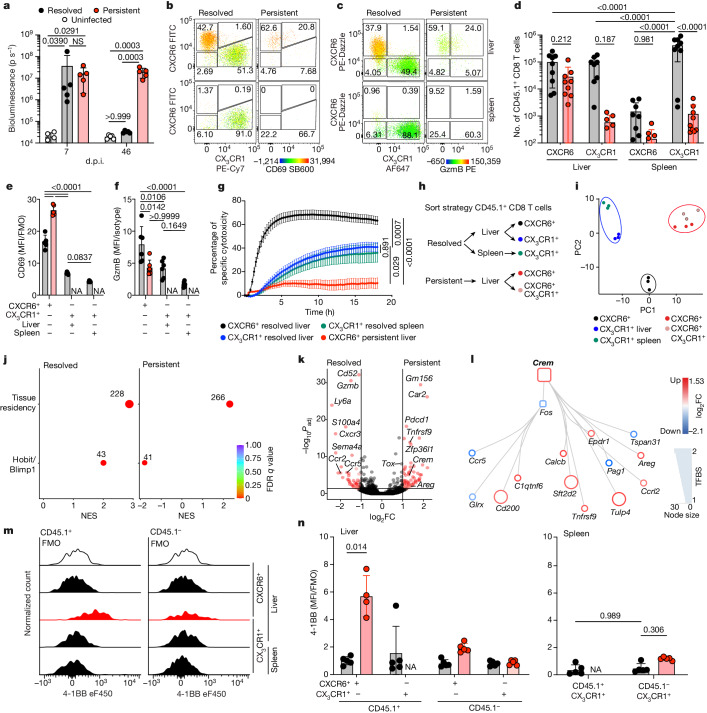
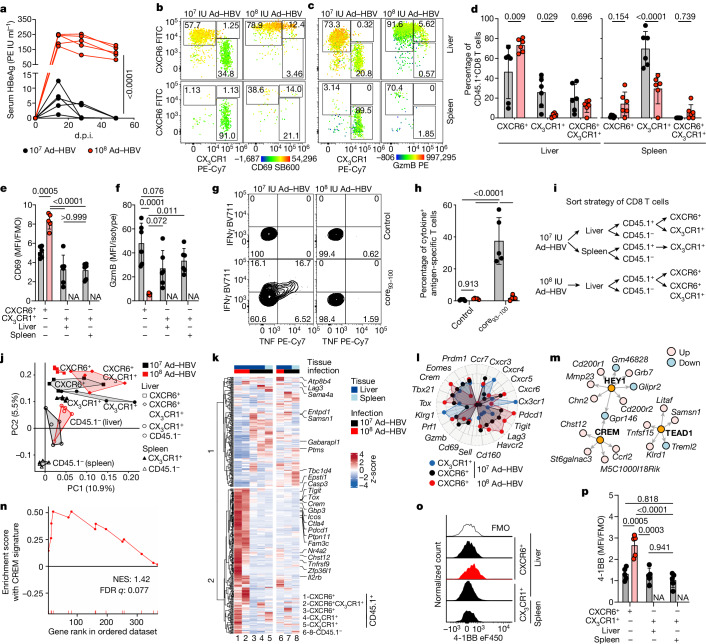
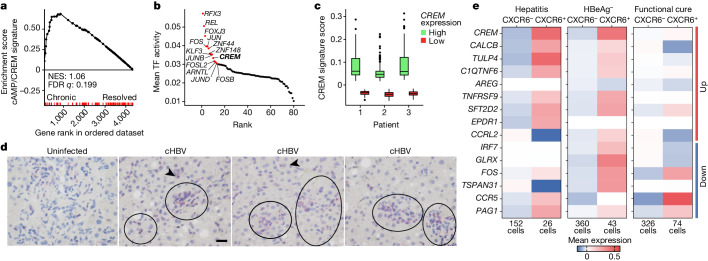
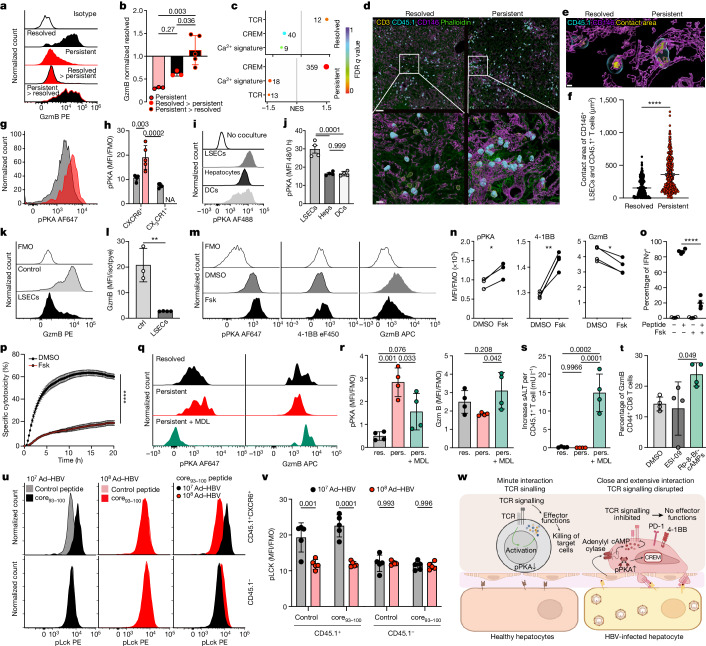
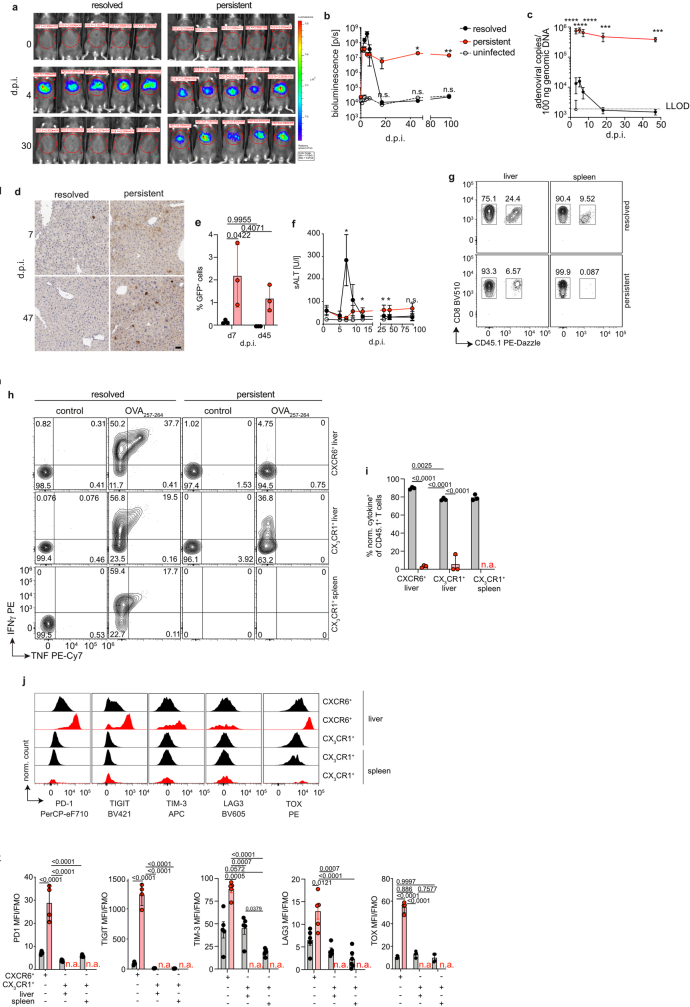
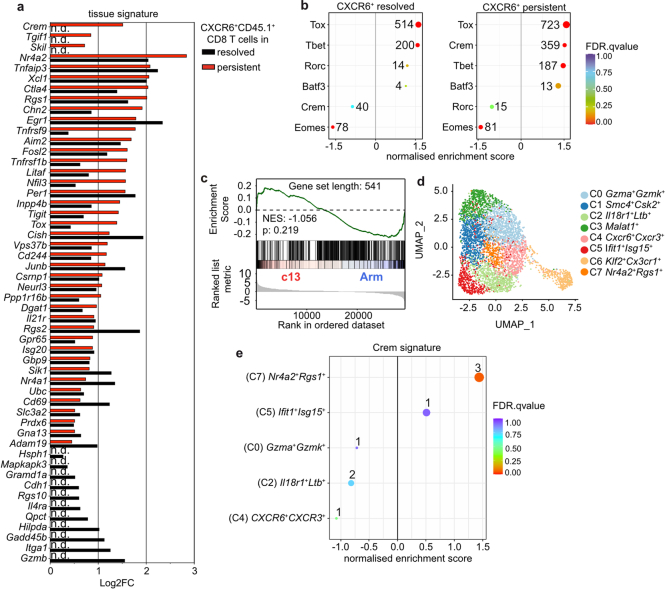
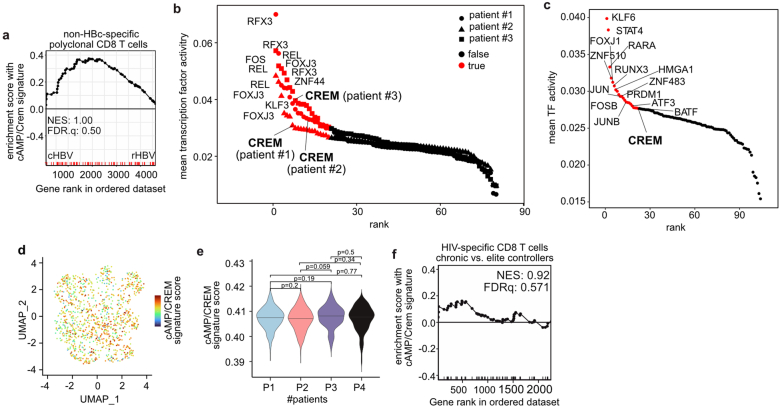
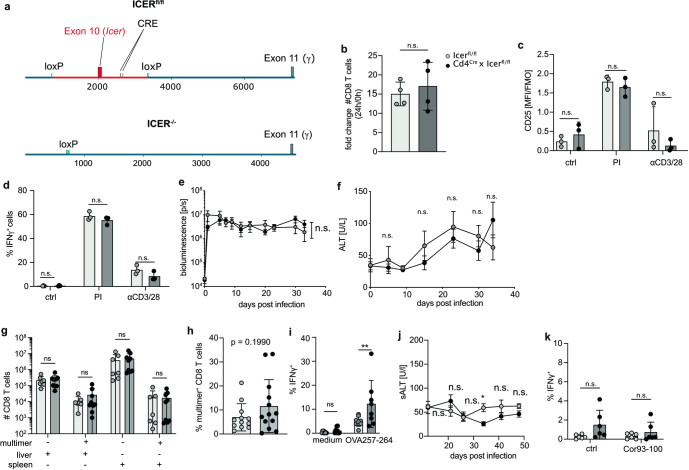
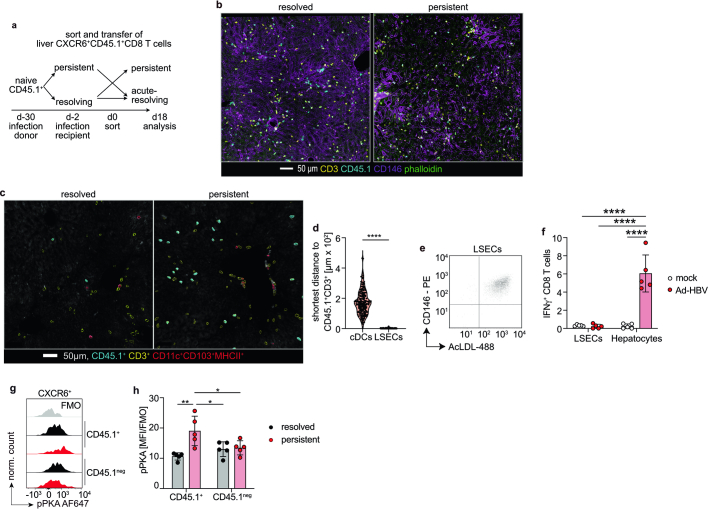
Chronic hepatitis B virus (HBV) infection affects 300 million patients worldwide 1,2 , in whom virus-specific CD8 T cells by still ill-defined mechanisms lose their function and cannot eliminate HBV-infected hepatocytes 3–7 . Here we demonstrate that a liver immune rheostat renders virus-specific CD8 T cells refractory to activation and leads to their loss of effector functions. In preclinical models of persistent infection with hepatotropic viruses such as HBV, dysfunctional virus-specific CXCR6 + CD8 T cells accumulated in the liver and, as a characteristic hallmark, showed enhanced transcriptional activity of cAMP-responsive element modulator (CREM) distinct from T cell exhaustion. In patients with chronic hepatitis B, circulating and intrahepatic HBV-specific CXCR6 + CD8 T cells with enhanced CREM expression and transcriptional activity were detected at a frequency of 12–22% of HBV-specific CD8 T cells. Knocking out the inhibitory CREM / ICER isoform in T cells, however, failed to rescue T cell immunity. This indicates that CREM activity was a consequence, rather than the cause, of loss in T cell function, further supported by the observation of enhanced phosphorylation of protein kinase A (PKA) which is upstream of CREM. Indeed, we found that enhanced cAMP–PKA-signalling from increased T cell adenylyl cyclase activity augmented CREM activity and curbed T cell activation and effector function in persistent hepatic infection. Mechanistically, CD8 T cells recognizing their antigen on hepatocytes established close and extensive contact with liver sinusoidal endothelial cells, thereby enhancing adenylyl cyclase–cAMP–PKA signalling in T cells. In these hepatic CD8 T cells, which recognize their antigen on hepatocytes, phosphorylation of key signalling kinases of the T cell receptor signalling pathway was impaired, which rendered them refractory to activation. Thus, close contact with liver sinusoidal endothelial cells curbs the activation and effector function of HBV-specific CD8 T cells that target hepatocytes expressing viral antigens by means of the adenylyl cyclase–cAMP–PKA axis in an immune rheostat-like fashion.
Overview
The claims and statistics of this paper haven’t been checked yet.
Free: it reads the open-access text and checks the first 5 claims that cite a source we can check. Create a free account to check every claim.
Integrity signals
Registry
Cites
Statistics
Figures
Verification
Claims the paper makes
The claims and statistics of this paper haven’t been checked yet.
Free: it reads the open-access text and checks the first 5 claims that cite a source we can check. Create a free account to check every claim.
Claims other papers make about this one
Each is checked against this paper’s own text: does it say what the citing paper says it does?
In the citing paper
“Another multidimensional analysis demonstrated that in a murine model of persistent hepatitis B virus infection, LSECs increased protein kinase A activation on CD8+ T cells, which abrogated their ability to perform cytotoxic functions toward infected hepatocytes and, ultimately, failure of virus-specific immunity.”
From Inflammation and immunity in liver homeostasis and disease: a nexus of hepatocytes, nonparenchymal cells and immune cells (2025) · doi:10.1038/s41423-025-01313-7 · cites this paper as [336]
Self-check
Percentages, sums and reported differences re-computed from the paper’s own numbers.
The self-check needs the paper’s full text.
Citations
Cites
Moderated estimation of fold change and dispersion for RNA-seq data with DESeq2
Love, M. I., Huber, W., & Anders, S. (2014) · Genome Biology · doi:10.1186/s13059-014-0550-8 · Cited by 95,106
Trimmomatic: a flexible trimmer for Illumina sequence data
Bolger, A. M., Lohse, M., & Usadel, B. (2014) · Bioinformatics · doi:10.1093/bioinformatics/btu170 · Cited by 65,548
Subramanian, A., Tamayo, P., Mootha, V. K., Mukherjee, S., Ebert, B. L., Gillette, M. A., Paulovich, A., Pomeroy, S. L., Golub, T. R., Lander, E. S., et al. (2005) · Proceedings of the National Academy of Sciences · doi:10.1073/pnas.0506580102 · Cited by 53,625
Cytoscape: A software Environment for integrated models of biomolecular interaction networks
Shannon, P., Markiel, A., Ozier, O., Baliga, N. S., Wang, J. T., Ramage, D., Amin, N., Schwikowski, B., & Ideker, T. (2003) · Genome Research · doi:10.1101/gr.1239303 · Cited by 51,888
STAR: ultrafast universal RNA-seq aligner
Dobin, A., Davis, C. A., Schlesinger, F., Drenkow, J., Zaleski, C., Jha, S., Batut, P., Chaisson, M., & Gingeras, T. R. (2013) · Bioinformatics · doi:10.1093/bioinformatics/bts635 · Cited by 51,709
HTSeq—a Python framework to work with high-throughput sequencing data
Anders, S., Pyl, P. T., & Huber, W. (2015) · Bioinformatics · doi:10.1093/bioinformatics/btu638 · Cited by 21,464
QuPath: Open source software for digital pathology image analysis
Bankhead, P., Loughrey, M. B., Fernández, J. A., Dombrowski, Y., McArt, D. G., Dunne, P. D., McQuaid, S., Gray, R. T., Murray, L. J., Coleman, H. G., et al. (2017) · Scientific Reports · doi:10.1038/s41598-017-17204-5 · Cited by 8,908
Highly parallel genome-wide expression profiling of individual cells using nanoliter droplets.
Macosko, E. Z., Basu, A., Satija, R., Nemesh, J., Shekhar, K., Goldman, M., Tirosh, I., Bialas, A. R., Kamitaki, N., Martersteck, E. M., et al. (2015) · Cell · doi:10.1016/j.cell.2015.05.002 · Cited by 7,110
EASL 2017 Clinical Practice Guidelines on the management of hepatitis B virus infection
Lampertico, P., Agarwal, K., Berg, T., Buti, M., Janssen, H. L. A., Papatheodoridis, G., Zoulim, F., & Tacke, F. (2017) · Journal of Hepatology · doi:10.1016/j.jhep.2017.03.021 · Cited by 5,391
Self-citationFull-length RNA-seq from single cells using Smart-seq2
Picelli, S., Faridani, O. R., Björklund, Å. K., Winberg, G., Sagasser, S., & Sandberg, R. (2014) · Nature Protocols · doi:10.1038/nprot.2014.006 · Cited by 4,137
Snakemake—a scalable bioinformatics workflow engine
Köster, J., & Rahmann, S. (2012) · Bioinformatics · doi:10.1093/bioinformatics/bts480 · Cited by 2,780
Inferring Regulatory Networks from Expression Data Using Tree-Based Methods
Huynh-Thu, V. A., Irrthum, A., Wehenkel, L., & Geurts, P. (2010) · PLoS ONE · doi:10.1371/journal.pone.0012776 · Cited by 2,131 · cited 1×
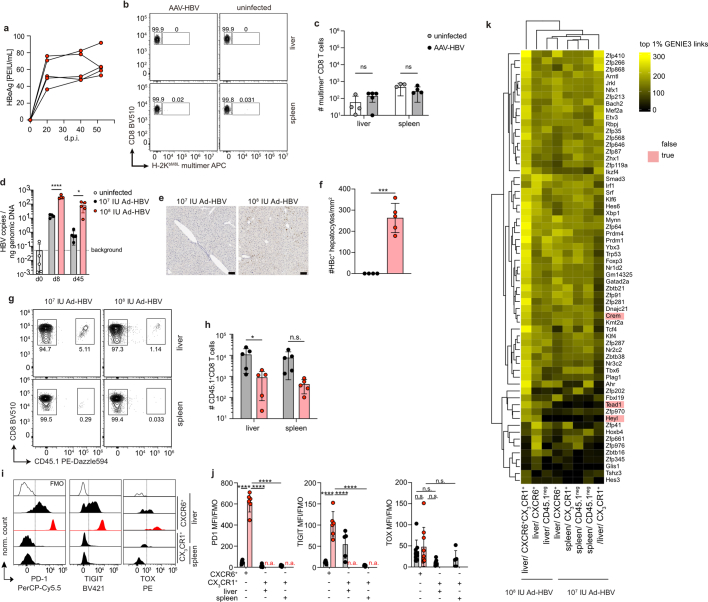
“Applying the GENIE3 algorithm to infer transcriptional regulatory networks 29 , we confirmed enhanced transcriptional activity of CREM, as well as enhanced activities of TEAD1 and HEYl, both TGFβ-regulated transcription factors 30 but not TOX (Fig.”
CD8 T Cell Exhaustion During Chronic Viral Infection and Cancer
McLane, L. M., Abdel-Hakeem, M. S., & Wherry, E. J. (2019) · Annual Review of Immunology · doi:10.1146/annurev-immunol-041015-055318 · Cited by 1,975 · cited 1×
“Conversely, virus-specific (gp33) CD8 T cells isolated from the liver during systemic infection with LCMV, which infects all cell populations but lymphocytes 10,23 and induces T cell exhaustion, did not show enhanced expression of CREM-dependent genes (Extended Data Fig.”
TOX transcriptionally and epigenetically programs CD8+ T cell exhaustion
Khan, O., Giles, J. R., McDonald, S., Manne, S., Ngiow, S. F., Patel, K. P., Werner, M. T., Huang, A. C., Alexander, K. A., Wu, J. E., et al. (2019) · Nature · doi:10.1038/s41586-019-1325-x · Cited by 1,646
Blank, C. U., Haining, W. N., Held, W., Hogan, P. G., Kallies, A., Lugli, E., Lynn, R. C., Philip, M., Rao, A., Restifo, N. P., et al. (2019) · Nature Reviews Immunology · doi:10.1038/s41577-019-0221-9 · Cited by 1,603
Self-citationRouillard, A. D., Gundersen, G. W., Fernandez, N. F., Wang, Z., Monteiro, C. D., McDermott, M. G., & Ma’ayan, A. (2016) · Database · doi:10.1093/database/baw100 · Cited by 1,515
Khan, A., Fornes, O., Stigliani, A., Gheorghe, M., Castro-Mondragon, J. A., van der Lee, R., Bessy, A., Chèneby, J., Kulkarni, S. R., Tan, G., et al. (2018) · Nucleic Acids Research · doi:10.1093/nar/gkx1126 · Cited by 1,471
Architecture of the human regulatory network derived from ENCODE data
Gerstein, M. B., Kundaje, A., Hariharan, M., Landt, S. G., Yan, K.-K., Cheng, C., Mu, X. J., Khurana, E., Rozowsky, J., Alexander, R., et al. (2012) · Nature · doi:10.1038/nature11245 · Cited by 1,442
The developmental pathway for CD103+CD8+ tissue-resident memory T cells of skin
Mackay, L. K., Rahimpour, A., Ma, J. Z., Collins, N., Stock, A. T., Hafon, M.-L., Vega-Ramos, J., Lauzurica, P., Mueller, S. N., Stefanovic, T., et al. (2013) · Nature Immunology · doi:10.1038/ni.2744 · Cited by 1,331
CEL-seq2: sensitive highly-multiplexed single-cell RNA-Seq
Hashimshony, T., Senderovich, N., Avital, G., Klochendler, A., de Leeuw, Y., Anavy, L., Gennert, D., Li, S., Livak, K. J., Rozenblatt-Rosen, O., et al. (2016) · Genome Biology · doi:10.1186/s13059-016-0938-8 · Cited by 1,125
UCell: robust and scalable single-cell gene signature scoring
Andreatta, M., & Carmona, S. J. (2021) · Computational and Structural Biotechnology Journal · doi:10.1016/j.csbj.2021.06.043 · Cited by 1,104
Beltra, J.-C., Manne, S., Abdel-Hakeem, M. S., Kurachi, M., Giles, J. R., Chen, Z., Casella, V., Ngiow, S. F., Khan, O., Huang, Y. J., et al. (2020) · Immunity · doi:10.1016/j.immuni.2020.04.014 · Cited by 1,082
Clustering trees: a visualization for evaluating clusterings at multiple resolutions
Zappia, L., & Oshlack, A. (2018) · GigaScience · doi:10.1093/gigascience/giy083 · Cited by 1,064
Hobit and Blimp1 instruct a universal transcriptional program of tissue residency in lymphocytes
Mackay, L. K., Minnich, M., Kragten, N. A. M., Liao, Y., Nota, B., Seillet, C., Zaid, A., Man, K., Preston, S., Freestone, D., et al. (2016) · Science · doi:10.1126/science.aad2035 · Cited by 1,010
Thimme, R., Wieland, S., Steiger, C., Ghrayeb, J., Reimann, K. A., Purcell, R. H., & Chisari, F. V. (2003) · Journal of Virology · doi:10.1128/jvi.77.1.68-76.2003 · Cited by 979
Self-citationThe ectonucleotidases CD 39 and CD 73: Novel checkpoint inhibitor targets
Allard, B., Longhi, M. S., Robson, S. C., & Stagg, J. (2017) · Immunological Reviews · doi:10.1111/imr.12528 · Cited by 927 · cited 1×
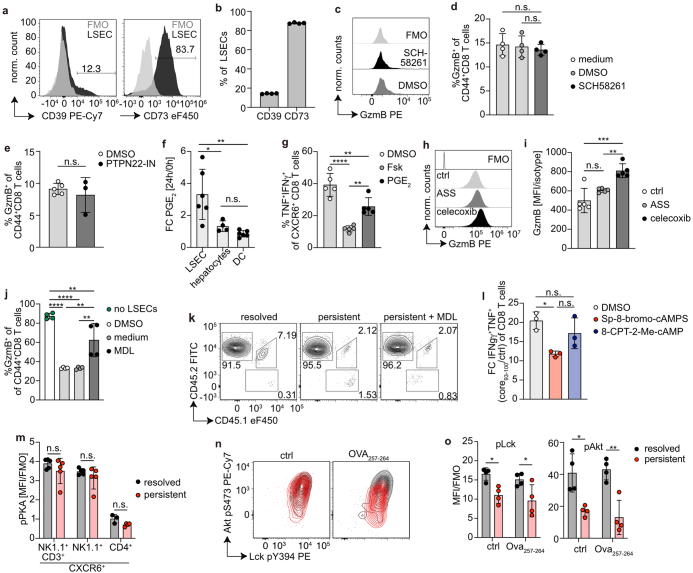
“7a,b), which is required for the breakdown of extracellular ATP into ADP to generate adenosine 46 .”
Kulakovskiy, I. V., Vorontsov, I. E., Yevshin, I. S., Sharipov, R. N., Fedorova, A. D., Rumynskiy, E. I., Medvedeva, Y. A., Magana-Mora, A., Bajic, V. B., Papatsenko, D. A., et al. (2018) · Nucleic Acids Research · doi:10.1093/nar/gkx1106 · Cited by 917
TOX reinforces the phenotype and longevity of exhausted T cells in chronic viral infection
Alfei, F., Kanev, K., Hofmann, M., Wu, M., Ghoneim, H. E., Roelli, P., Utzschneider, D. T., von Hoesslin, M., Cullen, J. G., Fan, Y., et al. (2019) · Nature · doi:10.1038/s41586-019-1326-9 · Cited by 899 · cited 4×
“Spontaneous regain of immune control of infection in a few patients with chronic hepatitis B indicates that loss of virus-specific T cell function in these patients is reversible 8,9 and is not necessarily epigenetically programmed as observed for exhausted virus-specific T cells 10 .”
InfluentialSelf-citationQuPath: Open source software for digital pathology image analysisPreprint
Bankhead, P., Loughrey, M. B., Fernández, J. A., et al. (2017) · bioRxiv (Cold Spring Harbor Laboratory) · doi:10.1101/099796 · Cited by 808
Maini, M. K., Boni, C., Lee, C. K., Larrubia, J. R., Reignat, S., Ogg, G. S., King, A. S., Herberg, J., Gilson, R., Alisa, A., et al. (2000) · The Journal of Experimental Medicine · doi:10.1084/jem.191.8.1269 · Cited by 800
Self-citationLimmer, A., Ohl, J., Kurts, C., Ljunggren, H.-G., Reiss, Y., Groettrup, M., Momburg, F., Arnold, B., & Knolle, P. A. (2000) · Nature Medicine · doi:10.1038/82161 · Cited by 758
Self-citationCyclic adenosine monophosphate is a key component of regulatory T cell–mediated suppression
Bopp, T., Becker, C., Klein, M., Klein-Heßling, S., Palmetshofer, A., Serfling, E., Heib, V., Becker, M., Kubach, J., Schmitt, S., et al. (2007) · The Journal of Experimental Medicine · doi:10.1084/jem.20062129 · Cited by 658 · cited 1×
“Regulatory CD4 T cells are known to inhibit CD8 T cells in a cAMP-dependent fashion 40,41 but their depletion does not affect the outcome of Ad–HBV-infection 42 , prompting us to search whether other cells in the liver engaged in close contact with virus-specific CD8 T cells to induce cAMP…”
Molina, C. A., Foulkes, N. S., Lalli, E., & Sassone-Corsi, P. (1993) · Cell · doi:10.1016/0092-8674(93)90532-u · Cited by 600 · cited 1×
“ICER is a unique CREM isoform which lacks a transcriptional activation domain, thereby acting as a repressor of CREB-induced target gene transcription 34–36 .”
Living in the liver: hepatic infections
Protzer, U., Maini, M. K., & Knolle, P. A. (2012) · Nature Reviews Immunology · doi:10.1038/nri3169 · Cited by 560 · cited 2×
“Chronic infection with HBV arises from the failure of virus-specific immunity to control viral replication and eliminate virus-infected hepatocytes 11,18 .”
Self-citationSingle-cell RNA-seq reveals TOX as a key regulator of CD8+ T cell persistence in chronic infection
Yao, C., Sun, H.-W., Lacey, N. E., Ji, Y., Moseman, E. A., Shih, H.-Y., Heuston, E. F., Kirby, M., Anderson, S., Cheng, J., et al. (2019) · Nature Immunology · doi:10.1038/s41590-019-0403-4 · Cited by 549
Immunobiology and pathogenesis of hepatitis B virus infection
Iannacone, M., & Guidotti, L. G. (2022) · Nature Reviews Immunology · doi:10.1038/s41577-021-00549-4 · Cited by 520 · cited 2×
“This suggested that distinct mechanisms mediate the loss of T cell effector functions during hepatotropic viral infection compared to the repetitive TCR stimulation leading to T cell exhaustion during persistent systemic LCMV clone 13 infection 10 .”
Sassone-Corsi, P. (2012) · Cold Spring Harbor Perspectives in Biology · doi:10.1101/cshperspect.a011148 · Cited by 517 · cited 1×
“7f), a known inducer of increased cAMP signalling 48 .”
Adaptive immunity in HBV infection
Bertoletti, A., & Ferrari, C. (2016) · Journal of Hepatology · doi:10.1016/j.jhep.2016.01.026 · Cited by 483
The UCSC Genome Browser database: 2018 update
Casper, J., Zweig, A. S., Villarreal, C., Tyner, C., Speir, M. L., Rosenbloom, K. R., Raney, B. J., Lee, C. M., Lee, B. T., Karolchik, D., et al. (2018) · Nucleic Acids Research · doi:10.1093/nar/gkx1020 · Cited by 475
Liver-Resident Memory CD8+ T Cells Form a Front-Line Defense against Malaria Liver-Stage Infection
Fernandez-Ruiz, D., Ng, W. Y., Holz, L. E., Ma, J. Z., Zaid, A., Wong, Y. C., Lau, L. S., Mollard, V., Cozijnsen, A., Collins, N., et al. (2016) · Immunity · doi:10.1016/j.immuni.2016.08.011 · Cited by 438
Boni, C., Laccabue, D., Lampertico, P., Giuberti, T., Viganò, M., Schivazappa, S., Alfieri, A., Pesci, M., Gaeta, G. B., Brancaccio, G., et al. (2012) · Gastroenterology · doi:10.1053/j.gastro.2012.07.014 · Cited by 377
Fisicaro, P., Barili, V., Montanini, B., Acerbi, G., Ferracin, M., Guerrieri, F., Salerno, D., Boni, C., Massari, M., Cavallo, M. C., et al. (2017) · Nature Medicine · doi:10.1038/nm.4275 · Cited by 341
Vang, T., Torgersen, K. M., Sundvold, V., Saxena, M., Levy, F. O., Skålhegg, B. S., Hansson, V., Mustelin, T., & Taskén, K. (2001) · The Journal of Experimental Medicine · doi:10.1084/jem.193.4.497 · Cited by 330 · cited 3×
“In virus-specific CXCR6 + CD8 T cells, which were isolated from livers of mice with persistent hepatic infection, we detected after ex vivo TCR stimulation reduced phosphorylation of Lck and Akt (Fig.”
Global Elimination of Chronic Hepatitis
Thomas, D. L. (2019) · New England Journal of Medicine · doi:10.1056/nejmra1810477 · Cited by 325
Immunosurveillance of the Liver by Intravascular Effector CD8 + T Cells
Guidotti, L. G., Inverso, D., Sironi, L., Di Lucia, P., Fioravanti, J., Ganzer, L., Fiocchi, A., Vacca, M., Aiolfi, R., Sammicheli, S., et al. (2015) · Cell · doi:10.1016/j.cell.2015.03.005 · Cited by 323 · cited 4×
“LSECs are known as tolerogenic antigen-(cross)presenting cells which induce dysfunction in naive CD8 T cells 43 but LSECs failed to cross-present HB core antigen to HB core CD8 T cells 7 (Extended Data Fig.”
InfluentialSelf-citationFunctional classification of memory CD8+ T cells by CX3CR1 expression
Böttcher, J. P., Beyer, M., Meissner, F., Abdullah, Z., Sander, J., Höchst, B., Eickhoff, S., Rieckmann, J. C., Russo, C., Bauer, T., et al. (2015) · Nature Communications · doi:10.1038/ncomms9306 · Cited by 302
Self-citationTwo subsets of stem-like CD8+ memory T cell progenitors with distinct fate commitments in humans
Galletti, G., De Simone, G., Mazza, E. M. C., Puccio, S., Mezzanotte, C., Bi, T. M., Davydov, A. N., Metsger, M., Scamardella, E., Alvisi, G., et al. (2020) · Nature Immunology · doi:10.1038/s41590-020-0791-5 · Cited by 299
Metabolic regulation of hepatitis B immunopathology by myeloid-derived suppressor cells
Pallett, L. J., Gill, U. S., Quaglia, A., Sinclair, L. V., Jover-Cobos, M., Schurich, A., Singh, K. P., Thomas, N., Das, A., Chen, A., et al. (2015) · Nature Medicine · doi:10.1038/nm.3856 · Cited by 279
Self-citationLiu, J., Yang, H., Lee, M., Lu, S., Jen, C., Wang, L., You, S., Iloeje, U. H., & Chen, C. (2010) · Gastroenterology · doi:10.1053/j.gastro.2010.04.048 · Cited by 265 · cited 2×
“Spontaneous regain of immune control of infection in a few patients with chronic hepatitis B indicates that loss of virus-specific T cell function in these patients is reversible 8,9 and is not necessarily epigenetically programmed as observed for exhausted virus-specific T cells 10 .”
Dynamics and genomic landscape of CD8+ T cells undergoing hepatic priming
Bénéchet, A. P., De Simone, G., Di Lucia, P., Cilenti, F., Barbiera, G., Le Bert, N., Fumagalli, V., Lusito, E., Moalli, F., Bianchessi, V., et al. (2019) · Nature · doi:10.1038/s41586-019-1620-6 · Cited by 222
Escaping High Viral Load Exhaustion
Reignat, S., Webster, G. J. M., Brown, D., Ogg, G. S., King, A., Seneviratne, S. L., Dusheiko, G., Williams, R., Maini, M. K., & Bertoletti, A. (2002) · The Journal of Experimental Medicine · doi:10.1084/jem.20011723 · Cited by 218
Self-citationHuang, L.-R., Wohlleber, D., Reisinger, F., Jenne, C. N., Cheng, R.-L., Abdullah, Z., Schildberg, F. A., Odenthal, M., Dienes, H.-P., van Rooijen, N., et al. (2013) · Nature Immunology · doi:10.1038/ni.2573 · Cited by 216
Self-citationMastelic-Gavillet, B., Navarro Rodrigo, B., Décombaz, L., Wang, H., Ercolano, G., Ahmed, R., Lozano, L. E., Ianaro, A., Derré, L., Valerio, M., et al. (2019) · Journal for ImmunoTherapy of Cancer · doi:10.1186/s40425-019-0719-5 · Cited by 216
Transmembrane adaptor proteins: organizers of immunoreceptor signalling
Hořejší, V., Zhang, W., & Schraven, B. (2004) · Nature Reviews Immunology · doi:10.1038/nri1414 · Cited by 212 · cited 2×
“7n,o), which are key signal-transducing molecules downstream of TCR signalling 51 .”
GREIN: An Interactive Web Platform for Re-analyzing GEO RNA-seq Data
Mahi, N. A., Najafabadi, M. F., Pilarczyk, M., Kouril, M., & Medvedovic, M. (2019) · Scientific Reports · doi:10.1038/s41598-019-43935-8 · Cited by 201
Wehbi, V. L., & Taskén, K. (2016) · Frontiers in Immunology · doi:10.3389/fimmu.2016.00222 · Cited by 181 · cited 6×
“Enhanced cAMP–PKA signalling activates the kinase Csk and activated Csk, in turn, inhibits Lck, which shuts down TCR signalling 49–51 .”
InfluentialRestoring, releasing or replacing adaptive immunity in chronic hepatitis B
Maini, M. K., & Burton, A. R. (2019) · Nature Reviews Gastroenterology & Hepatology · doi:10.1038/s41575-019-0196-9 · Cited by 171
Self-citationSprinzl, M. F., Oberwinkler, H., Schaller, H., & Protzer, U. (2001) · Journal of Virology · doi:10.1128/jvi.75.11.5108-5118.2001 · Cited by 150
Self-citationSeamon, K., Daly, J. W., Metzger, H., De Souza, N. J., & Reden, J. (1983) · Journal of Medicinal Chemistry · doi:10.1021/jm00357a021 · Cited by 144 · cited 1×
“To evaluate the effect of increased cAMP–PKA signalling on T cell function, we exposed functional liver CXCR6 + CD8 T cells isolated from mice with resolved infection to forskolin (Fsk) which increases cAMP generation by stimulating adenylyl cyclase 44 .”
Nguyen, S., Deléage, C., Darko, S. W., Ransier, A., Truong, D. P., Agarwal, D., Japp, A. S., Wu, V. H., Kuri-Cervantes, L., Abdel‐Mohsen, M., et al. (2019) · Science Translational Medicine · doi:10.1126/scitranslmed.aax4077 · Cited by 136
Dion, S., Bourgine, M., Godon, O., Levillayer, F., & Michel, M.-L. (2013) · Journal of Virology · doi:10.1128/jvi.03134-12 · Cited by 132 · cited 2×
“AAV–HBV transduction of hepatocytes leads to HBV-specific immune tolerance with very scarce HBV-specific CD8 T cells 15,24,27 , which are not sufficient for detailed analysis (Extended Data Fig.”
Michler, T., Kosinska, A. D., Festag, J., Bunse, T., Su, J., Ringelhan, M., Imhof, H., Grimm, D., Steiger, K., Mogler, C., et al. (2020) · Gastroenterology · doi:10.1053/j.gastro.2020.01.032 · Cited by 130 · cited 1×
“AAV–HBV transduction of hepatocytes leads to HBV-specific immune tolerance with very scarce HBV-specific CD8 T cells 15,24,27 , which are not sufficient for detailed analysis (Extended Data Fig.”
Self-citationStross, L., Günther, J., Gasteiger, G., Asen, T., Graf, S., Aichler, M., Esposito, I., Busch, D. H., Knolle, P., Sparwasser, T., et al. (2012) · Hepatology · doi:10.1002/hep.25765 · Cited by 126 · cited 2×
“…CD4 T cells are known to inhibit CD8 T cells in a cAMP-dependent fashion 40,41 but their depletion does not affect the outcome of Ad–HBV-infection 42 , prompting us to search whether other cells in the liver engaged in close contact with virus-specific CD8 T cells to induce cAMP signalling.”
Self-citationMaini, M. K., & Pallett, L. J. (2018) · The Lancet. Gastroenterology & hepatology · doi:10.1016/s2468-1253(18)30007-4 · Cited by 113 · cited 3×
“Chronic infection with HBV arises from the failure of virus-specific immunity to control viral replication and eliminate virus-infected hepatocytes 11,18 .”
InfluentialSelf-citationHolz, L. E., Prier, J. E., Freestone, D., Steiner, T. M., English, K., Johnson, D. N., Mollard, V., Cozijnsen, A., Davey, G. M., Godfrey, D. I., et al. (2018) · Cell Reports · doi:10.1016/j.celrep.2018.08.094 · Cited by 106
Huang, L., Gäbel, Y. A., Graf, S., Arzberger, S., Kurts, C., Heikenwälder, M. F., Knolle, P. A., & Protzer, U. (2012) · Gastroenterology · doi:10.1053/j.gastro.2012.03.006 · Cited by 102 · cited 1×
“Recombinant adeno-viruses for transduction of hepatocytes with replication-competent HBV were generated using a 1.3 overlength construct of HBV genome (genotype D) as previously reported 57 .”
InfluentialSelf-citationcAMP responsive element modulator: a critical regulator of cytokine production
Rauen, T., Hedrich, C. M., Tenbrock, K., & Tsokos, G. C. (2013) · Trends in Molecular Medicine · doi:10.1016/j.molmed.2013.02.001 · Cited by 100 · cited 1×
“1 and 2) and their increased CREM expression led us to investigate cAMP signalling, which is known to induce CREM expression through phosphorylation and activation of protein kinase A (PKA) and to block signalling processes 39 .”
TFcheckpoint: a curated compendium of specific DNA-binding RNA polymerase II transcription factors
Chawla, K., Tripathi, S., Thommesen, L., Lægreid, A., & Kuiper, M. (2013) · Bioinformatics · doi:10.1093/bioinformatics/btt432 · Cited by 98
The molecular signature of CD8+ T cells undergoing deletional tolerance
Parish, I. A., Rao, S., Smyth, G. K., Juelich, T., Denyer, G. S., Davey, G. M., Strasser, A., & Heath, W. R. (2009) · Blood · doi:10.1182/blood-2008-10-185223 · Cited by 91
Adenosine A2A Receptor Stimulation Inhibits TCR-Induced Notch1 Activation in CD8+T-Cells
Sorrentino, C., Hossain, F. M., Rodríguez, P. C., Sierra, R. A., Pannuti, A., Hatfield, S. M., Osborne, B. A., Minter, L. M., Miele, L., & Morello, S. (2019) · Frontiers in Immunology · doi:10.3389/fimmu.2019.00162 · Cited by 87
Landscape of Exhausted Virus-Specific CD8 T Cells in Chronic LCMV Infection
Sandu, I., Cerletti, D., Oetiker, N., Borsa, M., Wagen, F., Spadafora, I., Welten, S. P. M., Stolz, U., Oxenius, A., & Claassen, M. (2020) · Cell Reports · doi:10.1016/j.celrep.2020.108078 · Cited by 85
Self-citationInducible cAMP Early Repressor (ICER) and Brain Functions
Borlikova, G. G., & Endo, S. (2009) · Molecular Neurobiology · doi:10.1007/s12035-009-8072-1 · Cited by 83 · cited 1×
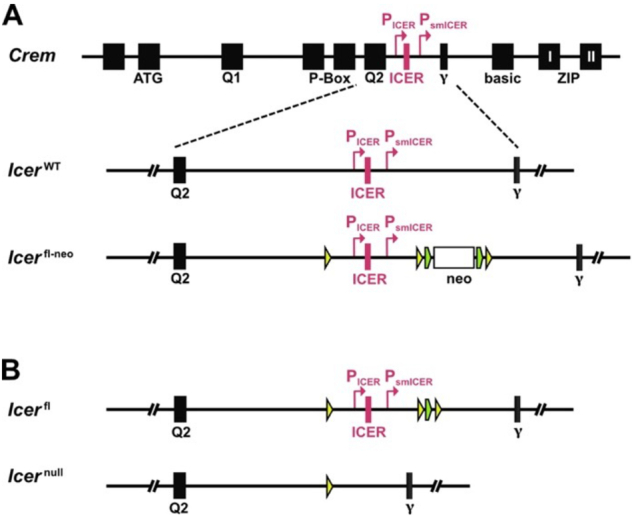
“The CREM gene is composed of several exons 32 and various CREM isoforms contribute to T cell activation 33 .”
The global burden of viral hepatitis: better estimates to guide hepatitis elimination efforts
Wiktor, S. Z., & Hutin, Y. J. (2016) · The Lancet · doi:10.1016/s0140-6736(16)31018-2 · Cited by 78
Schrage, A., Loddenkemper, C., Erben, U., Lauer, U., Hausdorf, G., Jungblut, P. R., Johnson, J., Knolle, P. A., Zeitz, M., Hamann, A., et al. (2008) · Histochemistry and Cell Biology · doi:10.1007/s00418-008-0379-x · Cited by 78 · cited 1×
“LSECs were then obtained by immunomagnetic separation using anti-CD146 coated microbeads (Miltenyi), reaching a purity of 95% or more, as previously described 59–61 .”
Self-citationBackes, S., Jäger, C., Dembek, C. J., Kosinska, A. D., Bauer, T., Stephan, A.-S., Dišlers, A., Mutwiri, G., Busch, D. H., Babiuk, L. A., et al. (2016) · Vaccine · doi:10.1016/j.vaccine.2015.12.060 · Cited by 72
Self-citationSuppression of T-cell responsiveness by inducible cAMP early repressor (ICER)
Bodor, J., Feigenbaum, L., Bodorova, J., Bare, C., Reitz, M. S., & Gress, R. E. (2001) · Journal of Leukocyte Biology · doi:10.1189/jlb.69.6.1053 · Cited by 70
Bodor, J., Fehervari, Z., Diamond, B., & Sakaguchi, S. (2007) · European Journal of Immunology · doi:10.1002/eji.200636510 · Cited by 68 · cited 2×
“ICER is a unique CREM isoform which lacks a transcriptional activation domain, thereby acting as a repressor of CREB-induced target gene transcription 34–36 .”
Conche, C., Boulla, G., Trautmann, A., & Randriamampita, C. (2009) · Immunity · doi:10.1016/j.immuni.2008.10.020 · Cited by 65 · cited 1×
“The CREM gene is composed of several exons 32 and various CREM isoforms contribute to T cell activation 33 .”
PTPN22 contributes to exhaustion of T lymphocytes during chronic viral infection
Maine, C. J., Teijaro, J. R., Marquardt, K., & Sherman, L. A. (2016) · Proceedings of the National Academy of Sciences · doi:10.1073/pnas.1603738113 · Cited by 50 · cited 2×
“Likewise, inhibition of PTPN22, a type I interferon-induced inhibitory tyrosine phosphatase detected during persistent LCMV infection 38 , did not rescue GzmB expression of T cells in coculture with LSECs (Extended Data Fig.”
Kosinska, A. D., Moeed, A., Kallin, N., Festag, J., Su, J., Steiger, K., Michel, M., Protzer, U., & Knolle, P. A. (2019) · Scientific Reports · doi:10.1038/s41598-019-47149-w · Cited by 49 · cited 2×
“AAV–HBV transduction of hepatocytes leads to HBV-specific immune tolerance with very scarce HBV-specific CD8 T cells 15,24,27 , which are not sufficient for detailed analysis (Extended Data Fig.”
Self-citationKlein, M., Vaeth, M., Scheel, T., Grabbe, S., Baumgrass, R., Berberich‐Siebelt, F., Bopp, T., Schmitt, E., & Becker, C. (2011) · The Journal of Immunology · doi:10.4049/jimmunol.1102045 · Cited by 41 · cited 1×
“Regulatory CD4 T cells are known to inhibit CD8 T cells in a cAMP-dependent fashion 40,41 but their depletion does not affect the outcome of Ad–HBV-infection 42 , prompting us to search whether other cells in the liver engaged in close contact with virus-specific CD8 T cells to induce cAMP…”
Nauerth, M., Stemberger, C., Mohr, F., Weißbrich, B., Schiemann, M., Germeroth, L., & Busch, D. H. (2016) · Cytometry Part A · doi:10.1002/cyto.a.22933 · Cited by 35
Liver sinusoidal endothelial cell cross-priming is supported by CD4 T cell-derived IL-2
Wittlich, M. M., Dudek, M., Böttcher, J. P., Schanz, O., Hegenbarth, S. I., Bopp, T., Schmitt, E., Kurts, C., Garbers, C., Rose‐John, S., et al. (2016) · Journal of Hepatology · doi:10.1016/j.jhep.2016.12.015 · Cited by 29
Self-citationDudek, M., Lohr, K., Donakonda, S., Baumann, T., Luedemann, M., Hegenbarth, S. I., Dübbel, L., Eberhagen, C., Michailidou, S., Yassin, A., et al. (2022) · Cell Reports · doi:10.1016/j.celrep.2022.110389 · Cited by 29
Self-citationHigh-Throughput Single-Cell RNA Sequencing and Data Analysis
Sagar, Herman, J. S., Pospisilik, J. A., & Grün, D. (2018) · Methods in molecular biology · doi:10.1007/978-1-4939-7768-0_15 · Cited by 23
Manske, K., Kallin, N., König, V., Schneider, A., Kurz, S., Bosch, M., Welz, M., Cheng, R., Bengsch, B., Steiger, K., et al. (2018) · Hepatology · doi:10.1002/hep.30080 · Cited by 16 · cited 9×
“…expressing the cassette GOL, that is, genes for GFP, ovalbumin and luciferase, either under a minimal CMV promoter (resulting in acute resolved infection of hepatocytes) or under an hepatocyte-specific transthyretin promoter (TTR) (resulting in persistent hepatocyte infection) as described 19 .”
InfluentialSelf-citationVisualizing lymphocytic choriomeningitis virus infection in cells and living mice
Wen, Y., Xu, H., Wan, W., Shang, W., Jin, R., Zhou, F., Mei, H., Wang, J., Xiao, G., Chen, H., et al. (2022) · iScience · doi:10.1016/j.isci.2022.105090 · Cited by 13
Hippo Signal Transduction Mechanisms in T Cell Immunity
Bouchard, A., Witalis, M., Chang, J., Panneton, V., Li, J., Bouklouch, Y. C., & Suh, W. (2020) · Immune Network · doi:10.4110/in.2020.20.e36 · Cited by 13 · cited 1×
“Applying the GENIE3 algorithm to infer transcriptional regulatory networks 29 , we confirmed enhanced transcriptional activity of CREM, as well as enhanced activities of TEAD1 and HEYl, both TGFβ-regulated transcription factors 30 but not TOX (Fig.”
Research works printed but not linked: 2
- Smyth, G. in Bioinformatics and Computational Biology Solutions using R and Bioconductor (eds Gentleman, R. et al.) 397–420 (Springer, 2005).
- A liver immune rheostat regulates CD8 T cell immunity in chronic HBV infection. Figshare https://figshare.com/s/0198184966164a2aabf4 (2024). PMC11269190 38987588
Cited by
(2025) · doi:10.1038/s41423-025-01313-7 · Cited by 97
“This mechanism was termed “ the liver immune rheostat ” by the authors and further illustrates the complex cellular interplay taking place in liver diseases [336].”
Viral oncogenesis in cancer: from mechanisms to therapeutics
Xiao, Q., Liu, Y., Li, T., Wang, C., He, S., Zhai, L., Yang, Z., Zhang, X., Wu, Y., & Liu, Y. (2025) · Signal Transduction and Targeted Therapy · doi:10.1038/s41392-025-02197-9 · Cited by 132
Yan, M., Cui, Y., & Xiang, Q. (2025) · Theranostics · doi:10.7150/thno.106597 · Cited by 95
Beyond exhaustion: the unique characteristics of CD8+ T cell dysfunction in chronic HBV infection
Thimme, R., Bertoletti, A., & Iannacone, M. (2024) · Nature reviews. Immunology · doi:10.1038/s41577-024-01097-3 · Cited by 39
Self-citationChimeric antigen receptor (CAR) T-cell therapy: Engineering immune cells to treat liver diseases
Jaeckel, E., Friedman, S. L., Hudecek, M., & Protzer, U. (2025) · Journal of Hepatology · doi:10.1016/j.jhep.2025.06.007 · Cited by 32
Self-citation
Metadata
- Authors
- Bosch, M., Kallin, N., Donakonda, S., Zhang, J. D., Wintersteller, H., Hegenbarth, S., Heim, K., Ramirez, C., Fürst, A., Lattouf, E. I., Feuerherd, M., Chattopadhyay, S., Kumpesa, N., Griesser, V., Hoflack, J.-C., Siebourg-Polster, J., Mogler, C., Swadling, L., Pallett, L. J., Meiser, P., Manske, K., de Almeida, G. P., Kosinska, A. D., Sandu, I., Schneider, A., Steinbacher, V., Teng, Y., Schnabel, J., Theis, F., Gehring, A. J., Boonstra, A., Janssen, H. L. A., Vandenbosch, M., Cuypers, E., Öllinger, R., Engleitner, T., Rad, R., Steiger, K., Oxenius, A., Lo, W.-L., Klepsch, V., Baier, G., Holzmann, B., Maini, M. K., Heeren, R., Murray, P. J., Thimme, R., Herrmann, C., Protzer, U., Böttcher, J. P., Zehn, D., Wohlleber, D., Lauer, G. M., Hofmann, M., Luangsay, S., & Knolle, P. A.
- Affiliations
- Technical University of Munich (DE)
- F. Hoffmann-La Roche AG (CH)
- University Medical Center Freiburg (DE)
- Harvard University (US)
- Pathologisches Institut (DE)
- University College London (GB)
- Helmholtz Munich (DE)
- ETH Zurich (CH)
- Institute of Computational Biology (DE)
- University of Toronto (CA)
- Maastricht University (NL)
- University of Utah (US)
- Innsbruck Medical University (AT)
- TUM Klinikum (DE)
- Max Planck Institute of Biochemistry (DE)
- Institut für Immunologie (DE)
- German Center for Infection Research (DE)
- Corresponding author
- Knolle, Percy A.
- ORCID
- Donakonda, Sainitin
- Zhang, Jitao David
- Wintersteller, Hannah
- Heim, Kathrin
- Lattouf, Elias Isaac
- Feuerherd, Martin
- Kumpesa, Nadine
- Siebourg-Polster, Juliane
- Mogler, Carolin
- Swadling, Leo
- Pallett, Laura J.
- Meiser, Philippa
- de Almeida, Gustavo P.
- Kosinska, Anna D.
- Sandu, Ioana
- Schneider, Annika
- Theis, Fabian
- Gehring, Adam J.
- Janssen, Harry L. A.
- Vandenbosch, Michiel
- Cuypers, Eva
- Öllinger, Rupert
- Engleitner, Thomas
- Rad, Roland
- Steiger, Katja
- Oxenius, Annette
- Lo, Wan-Lin
- Klepsch, Victoria
- Baier, Gottfried
- Holzmann, Bernhard
- Maini, Mala K.
- Heeren, Ron
- Murray, Peter J.
- Thimme, Robert
- Herrmann, Carl
- Protzer, Ulrike
- Böttcher, Jan P.
- Zehn, Dietmar
- Wohlleber, Dirk
- Lauer, Georg M.
- Hofmann, Maike
- Luangsay, Souphalone
- Knolle, Percy A.
- Venue
- Nature
- Published
- 2024-07-10
- Volume
- 631
- Issue
- 8022
- Pages
- 867-875
- ISSN
- 0028-0836 (ISSN-L)
- 1476-4687
- PMC
- PMC11269190
- OpenAlex
- W4400491919
- Cited by
- 97
- References
- 91
- Citations by year
- 2026: 46 · 2025: 40 · 2024: 11
- FWCI
- 29.42
- Type
- journal article
- Language
- en
- Open access
- hybrid
- doi.org
- Licence
- cc-by
- creativecommons.org/licenses/by/4.0 (tdm)
- creativecommons.org/licenses/by/4.0 (vor)
- Locations
- Nature (publishedVersion, cc-by)
- PubMed Central (publishedVersion, cc-by)
- PubMed (publishedVersion)
- Research Publications (Maastricht University) (publishedVersion, cc-by)
- RePEc: Research Papers in Economics (submittedVersion)
- mediaTUM – the media and publications repository of the Technical University Munich (Technical University Munich) (submittedVersion)
- EUR Research Repository (Erasmus University Rotterdam) (submittedVersion, cc-by)
- Repository for Publications and Research Data (ETH Zurich) (submittedVersion, cc-by)
- ETH Zürich Research Collection
- Funders
- Schweizerischer Nationalfonds zur Förderung der Wissenschaftlichen Forschung (146140, 310030)
- National Institute of Allergy and Infectious Diseases (R01AI175301)
- Topics
- Health Sciences › Medicine › Epidemiology › Hepatitis B Virus Studies
- Life Sciences › Immunology and Microbiology › Immunology › T-cell and B-cell Immunology
- Health Sciences › Medicine › Hepatology › Liver physiology and pathology
- Keywords
- chronic hepatitis B, CD8+ T cell exhaustion, cAMP/PKA signaling, adenylate cyclase, liver sinusoidal endothelial cells, T cell activation, T cell receptor signaling, viral persistence, hepatocytes
- MeSH terms
- Animals, Hepatitis B virus, Humans, Liver, Lymphocyte Activation, Male, Phosphorylation, Signal Transduction, Cyclic AMP-Dependent Protein Kinases, CD8-Positive T-Lymphocytes, Hepatitis B, Chronic, Hepatocytes, Mice, Cyclic AMP Response Element Modulator
About these checks
Registry, retraction, Cites and statistics results are computed, not judged, with one exception: a printed reference that no index lists is read once by a model before it counts as a citation error. Claims are extracted by a model and kept only when their quote appears verbatim in the text; each cited source is then checked, with a model’s help, for whether it says what the claim relies on. Those verdicts can be wrong — read the claim’s quote and the cited source before relying on one.
Statistics and arithmetic are recomputed, not judged.
Confidence bands are shown only for fields calibrated on our annotated test set. None is calibrated yet, so no band is shown.
What counts as a claim ›How we measure confidence ›How we check this ›
Are you an author, or do you see a problem with this page? Request a review
Data sources
Bibliographic data: Semantic Scholar, OpenAlex, Crossref.
Contains information from the Semantic Scholar Academic Graph Datasets, made available under the ODC Attribution License (ODC-BY 1.0).
Semantic Scholar’s data is described in: Kinney, R., et al. (2023). The Semantic Scholar Open Data Platform. arXiv:2301.10140.
