

UM171 glues asymmetric CRL3–HDAC1/2 assembly to degrade CoREST corepressors
Open accessPublished version of a preprint
The DOI matches its Crossref record; 84 of the 85 references it cites were found in a registry or an index.
Abstract
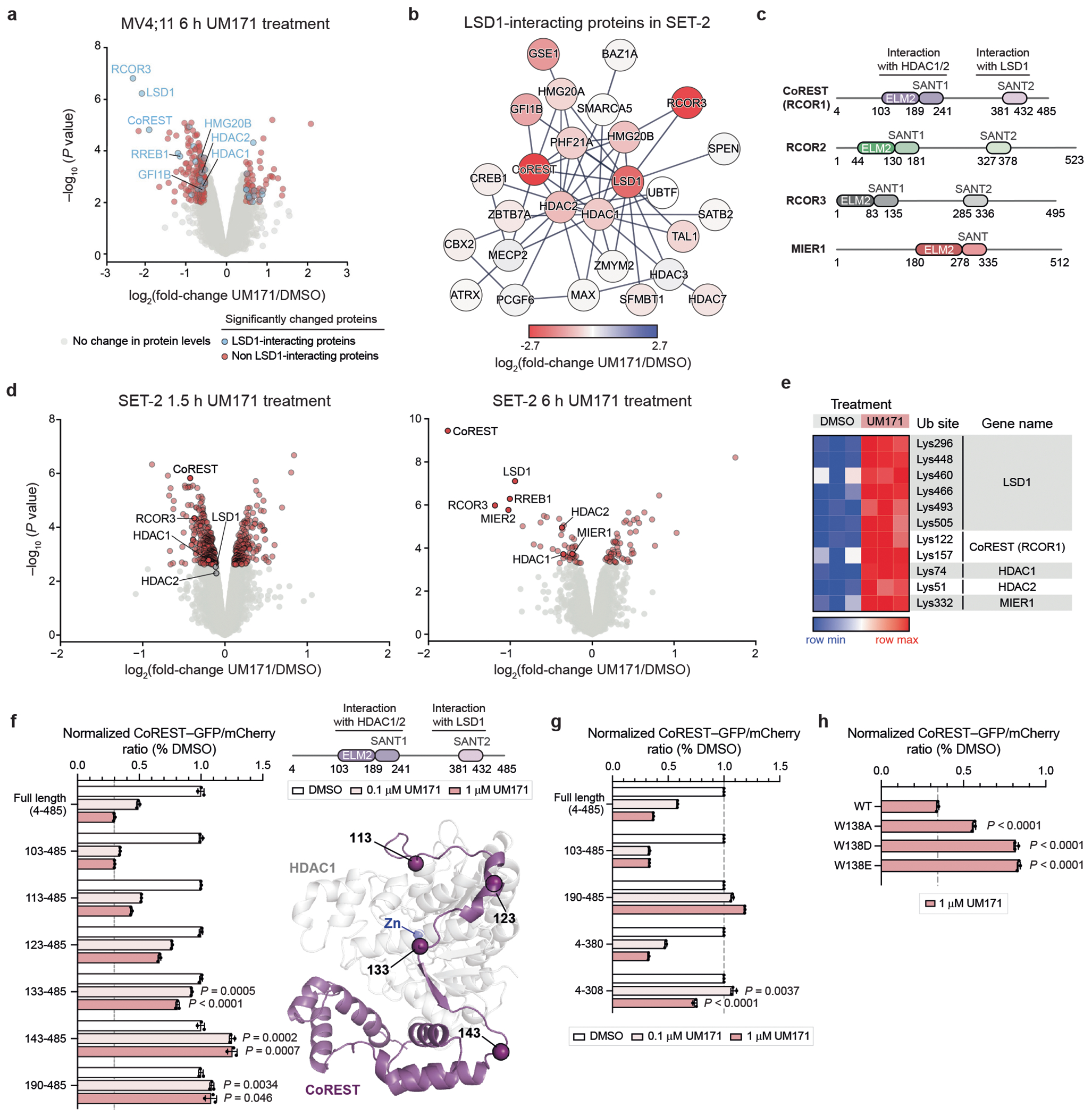
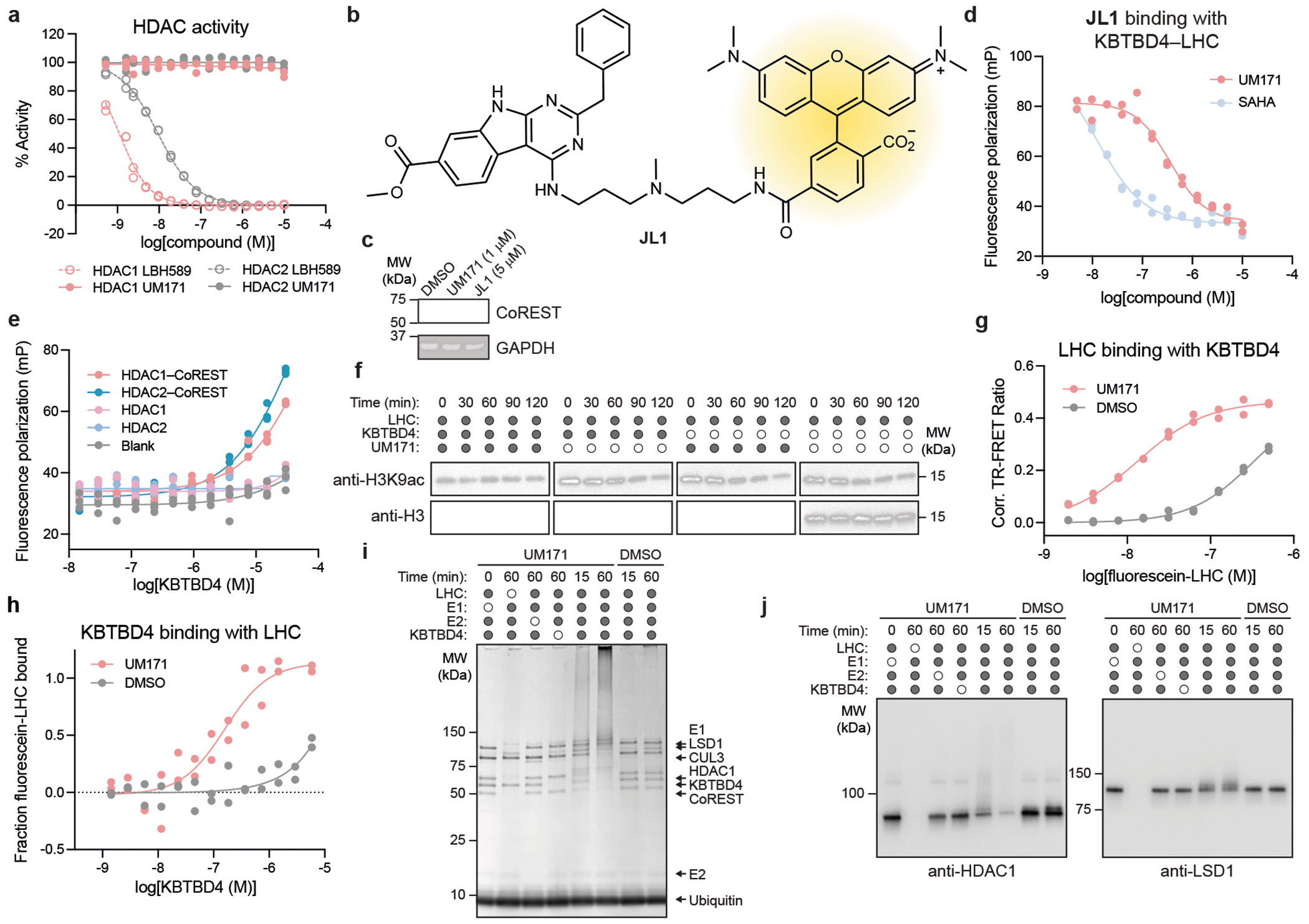
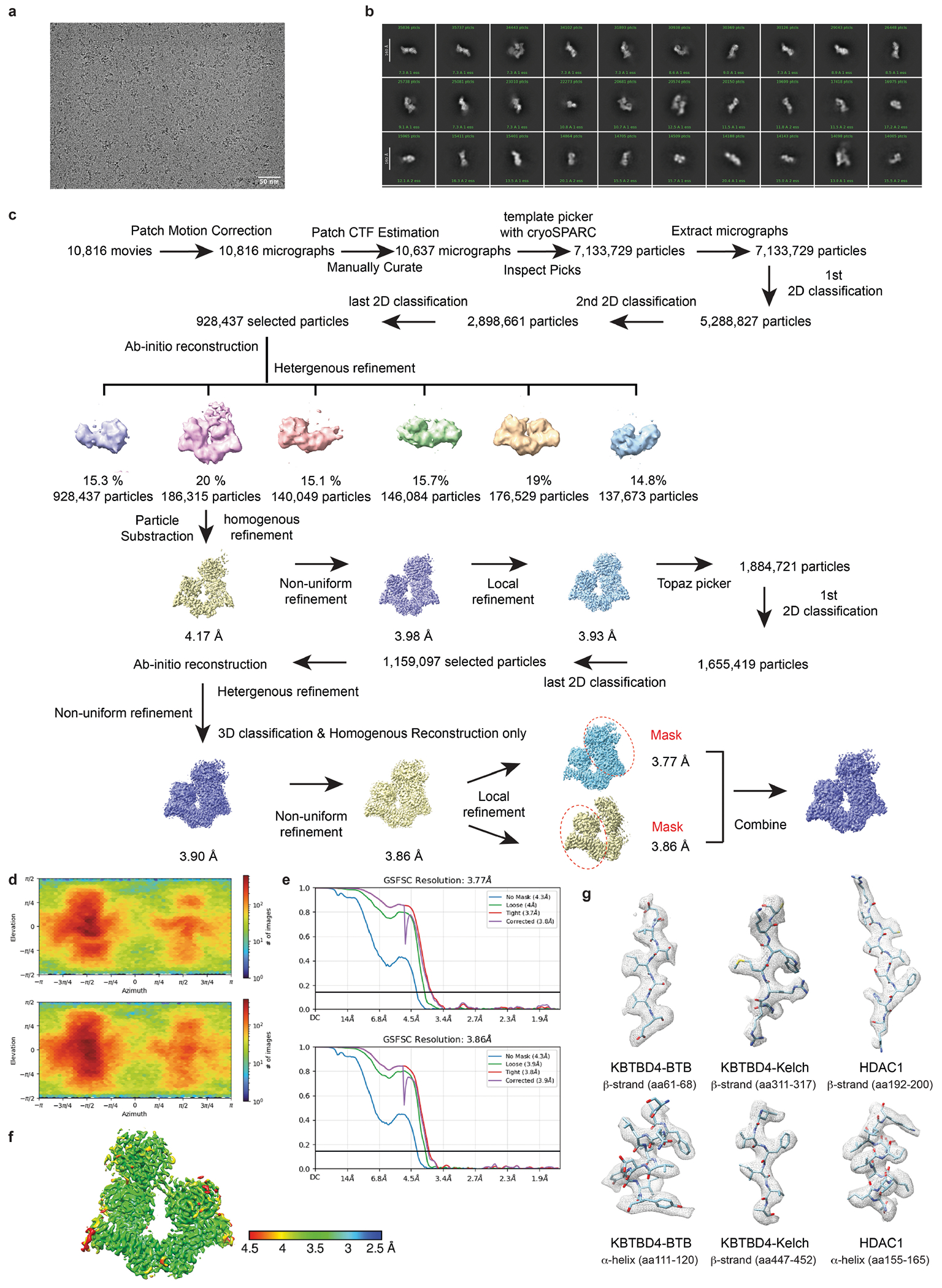
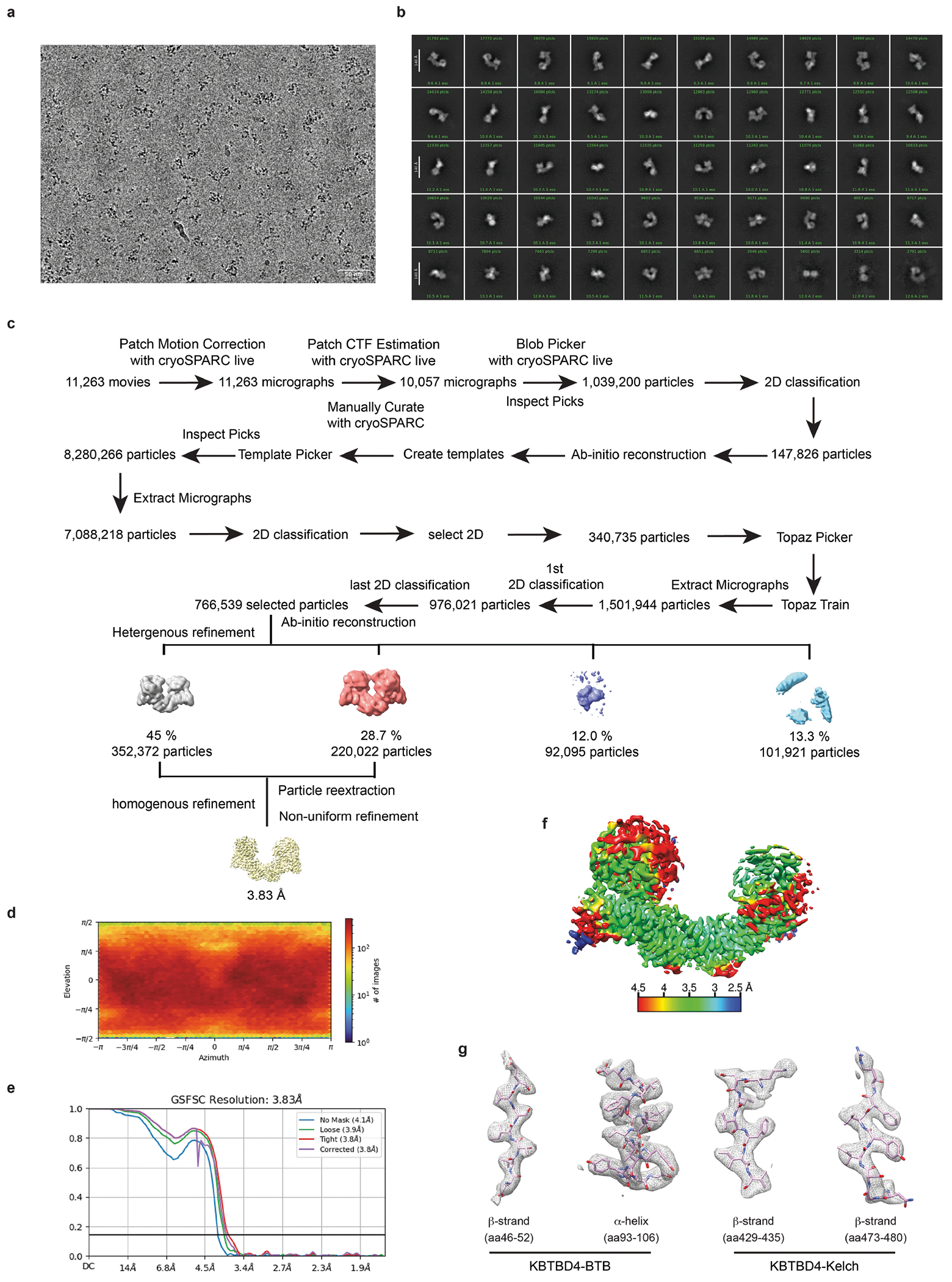
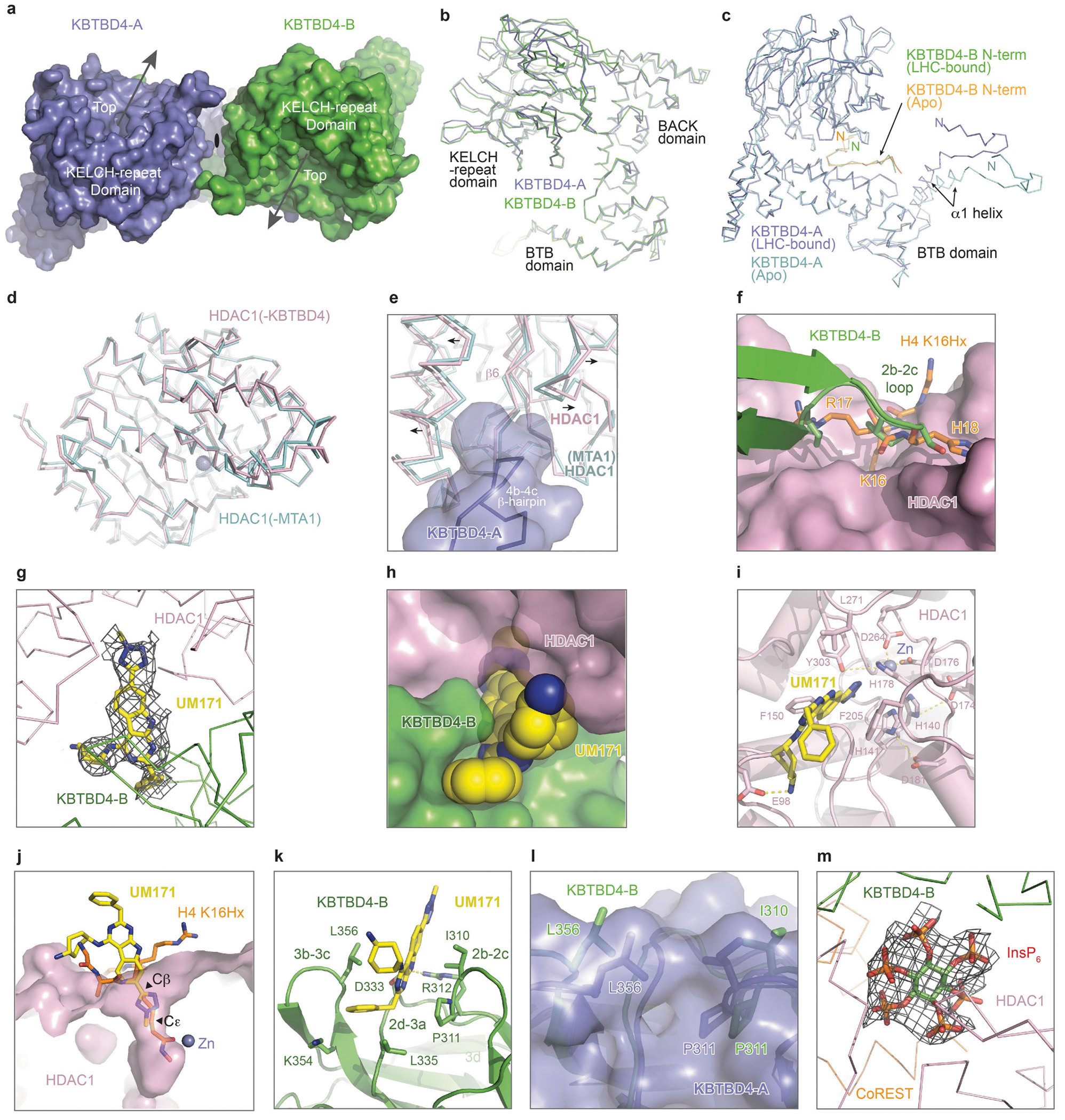
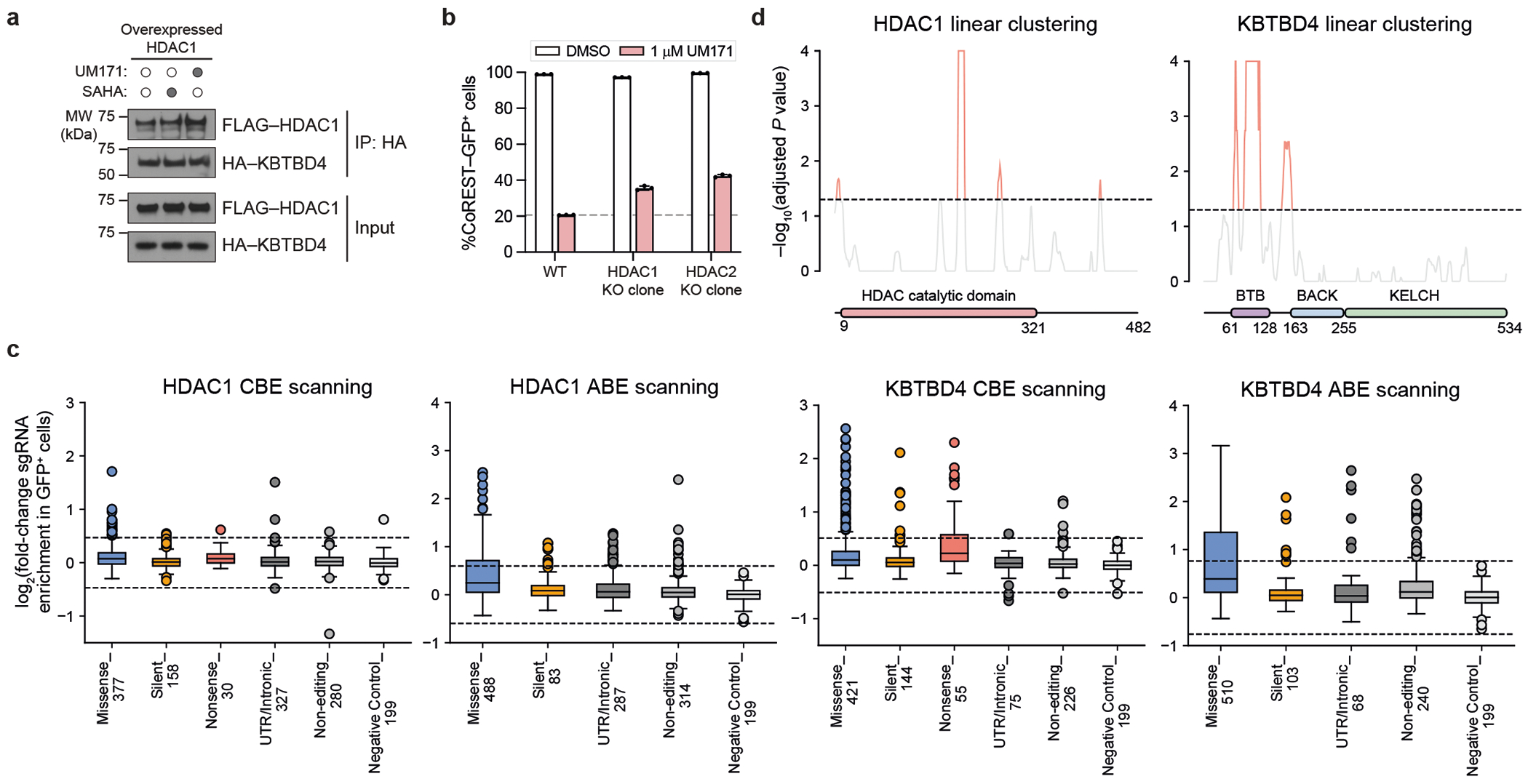
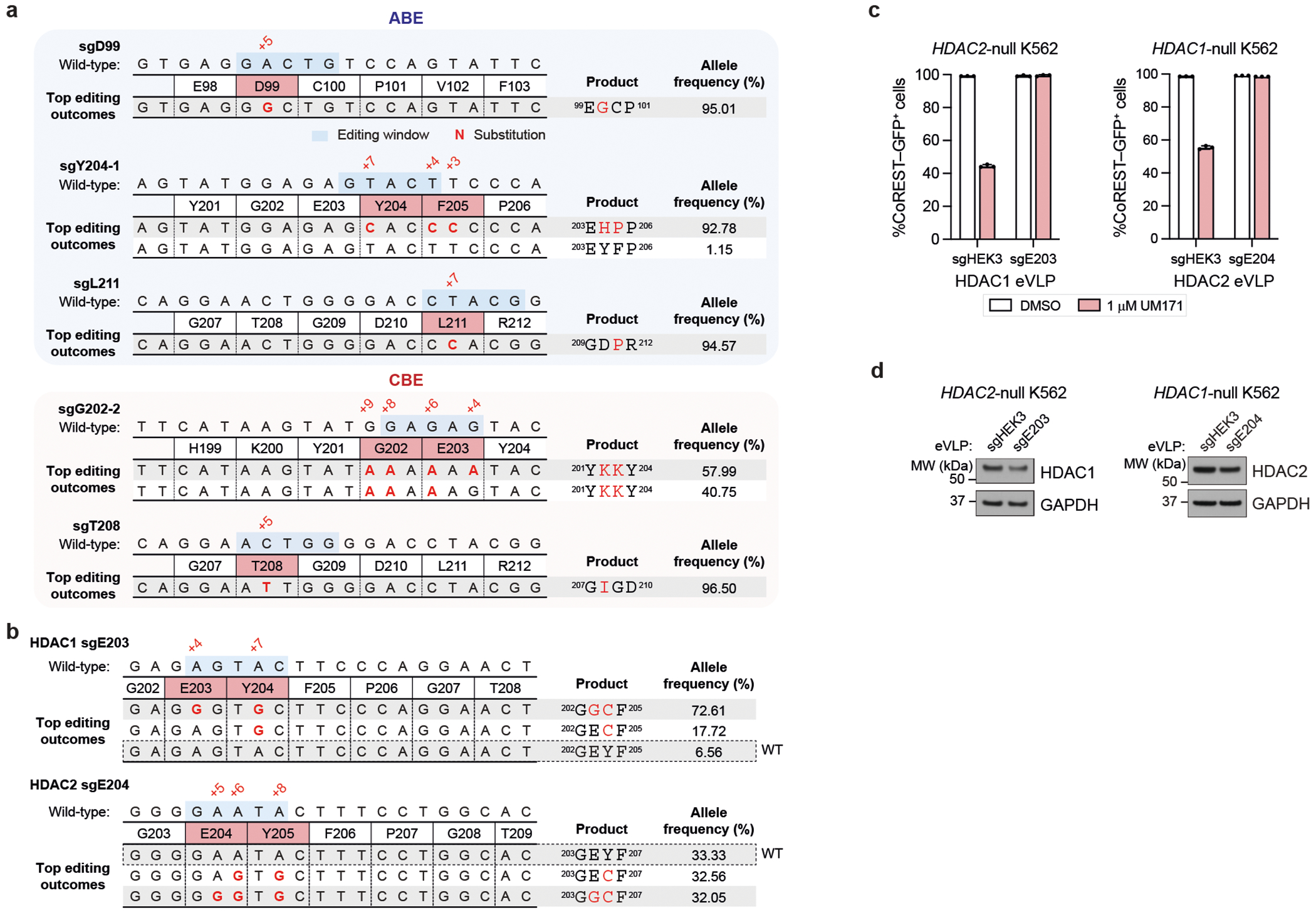
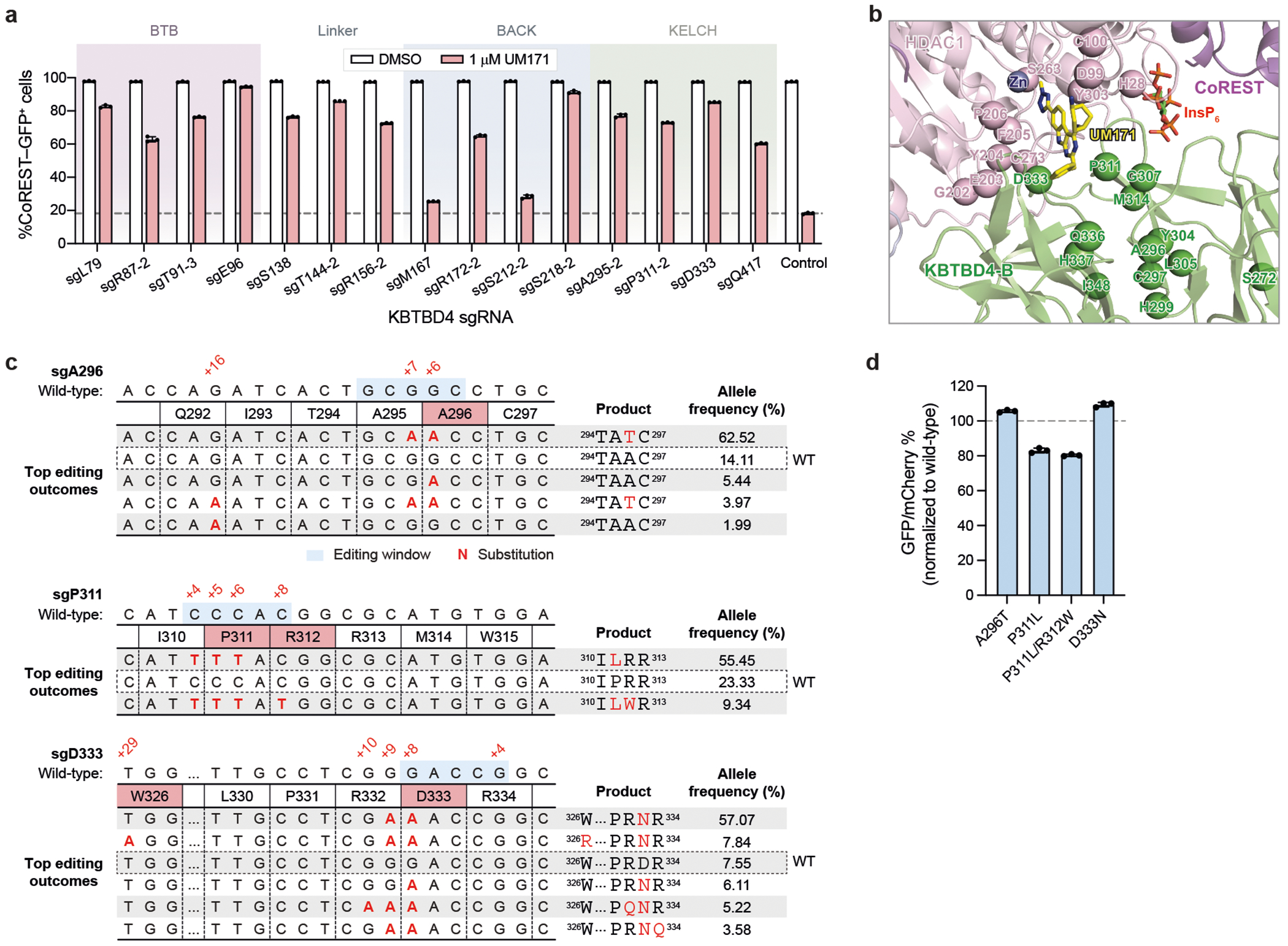
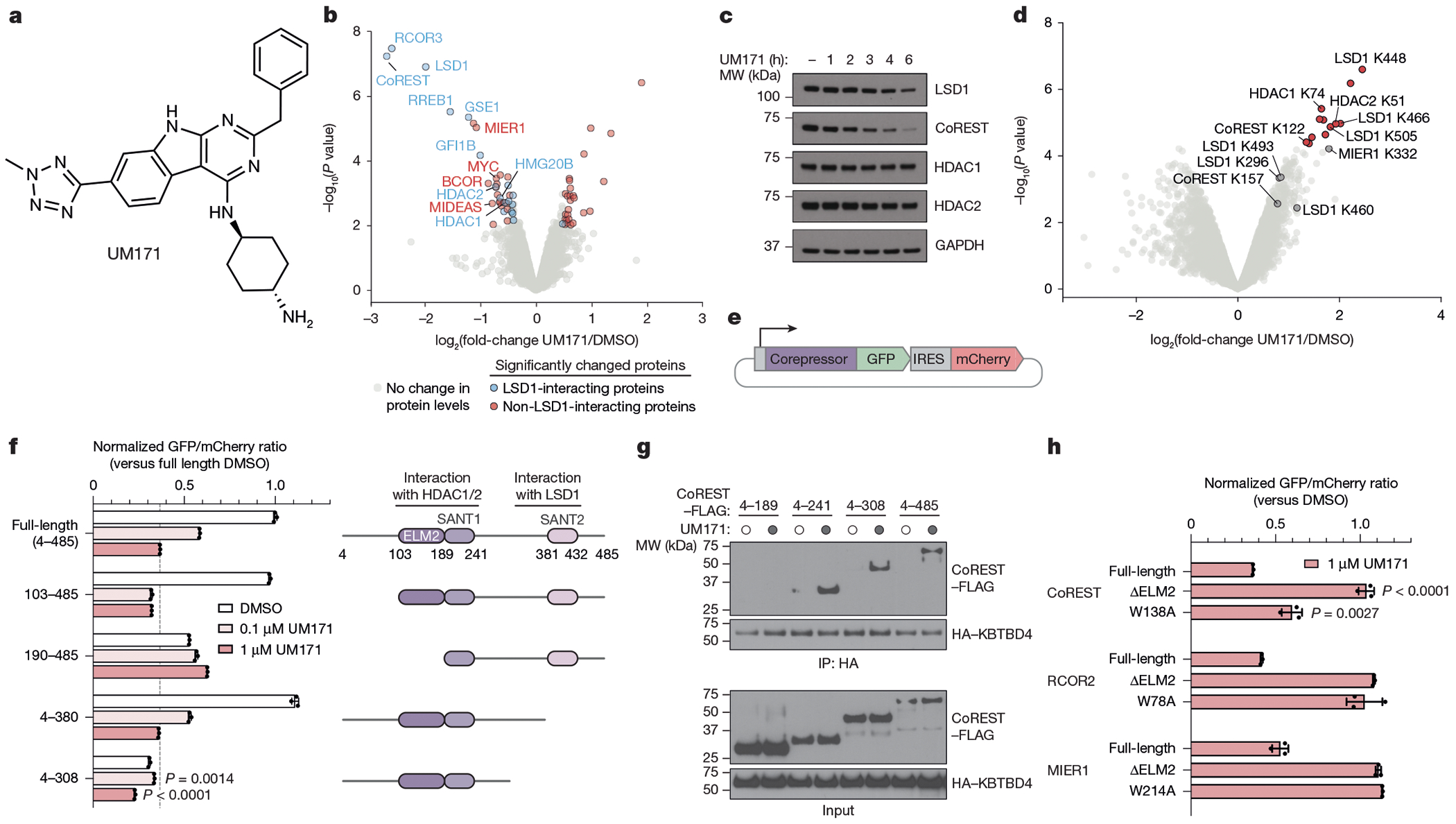
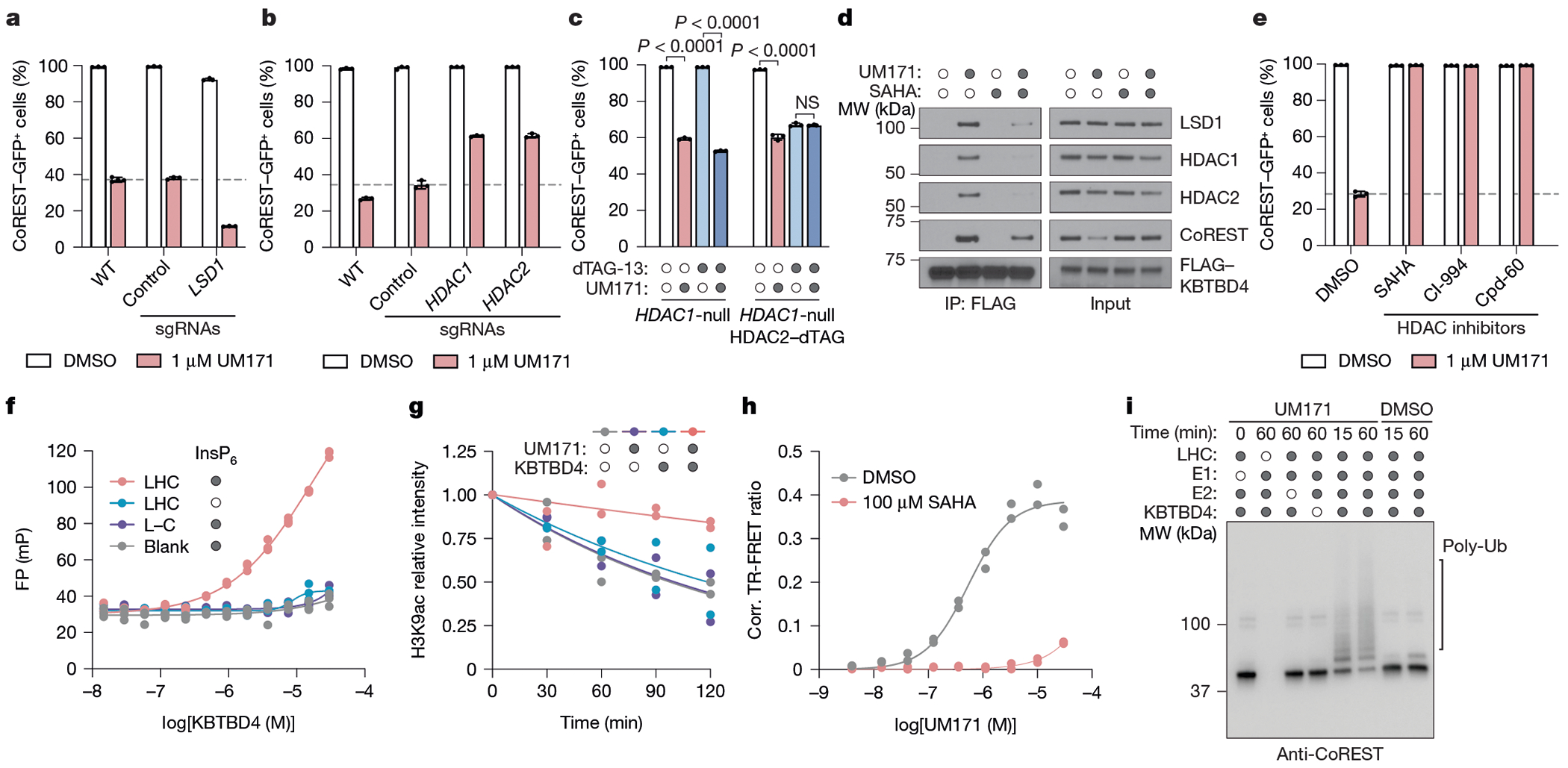
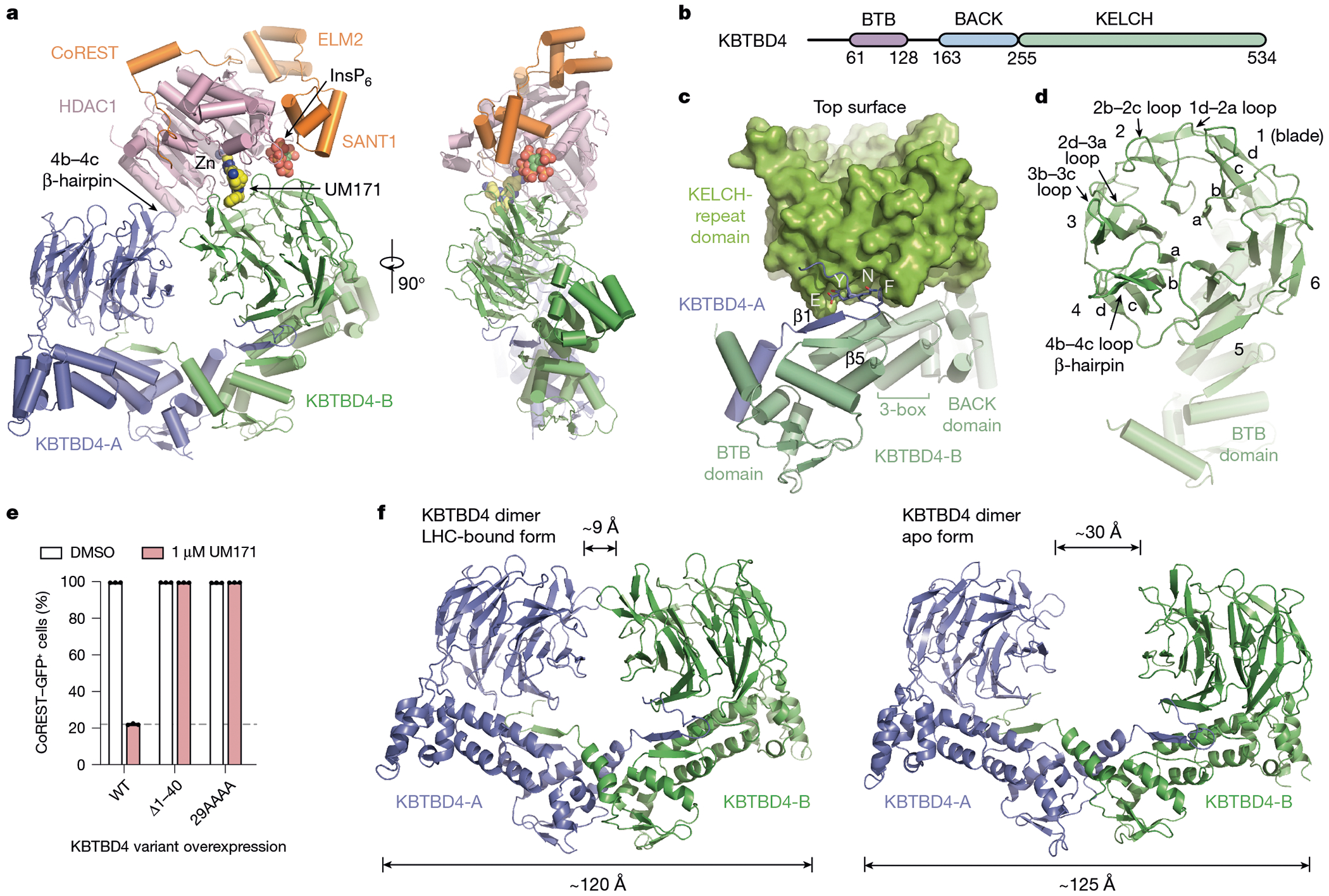
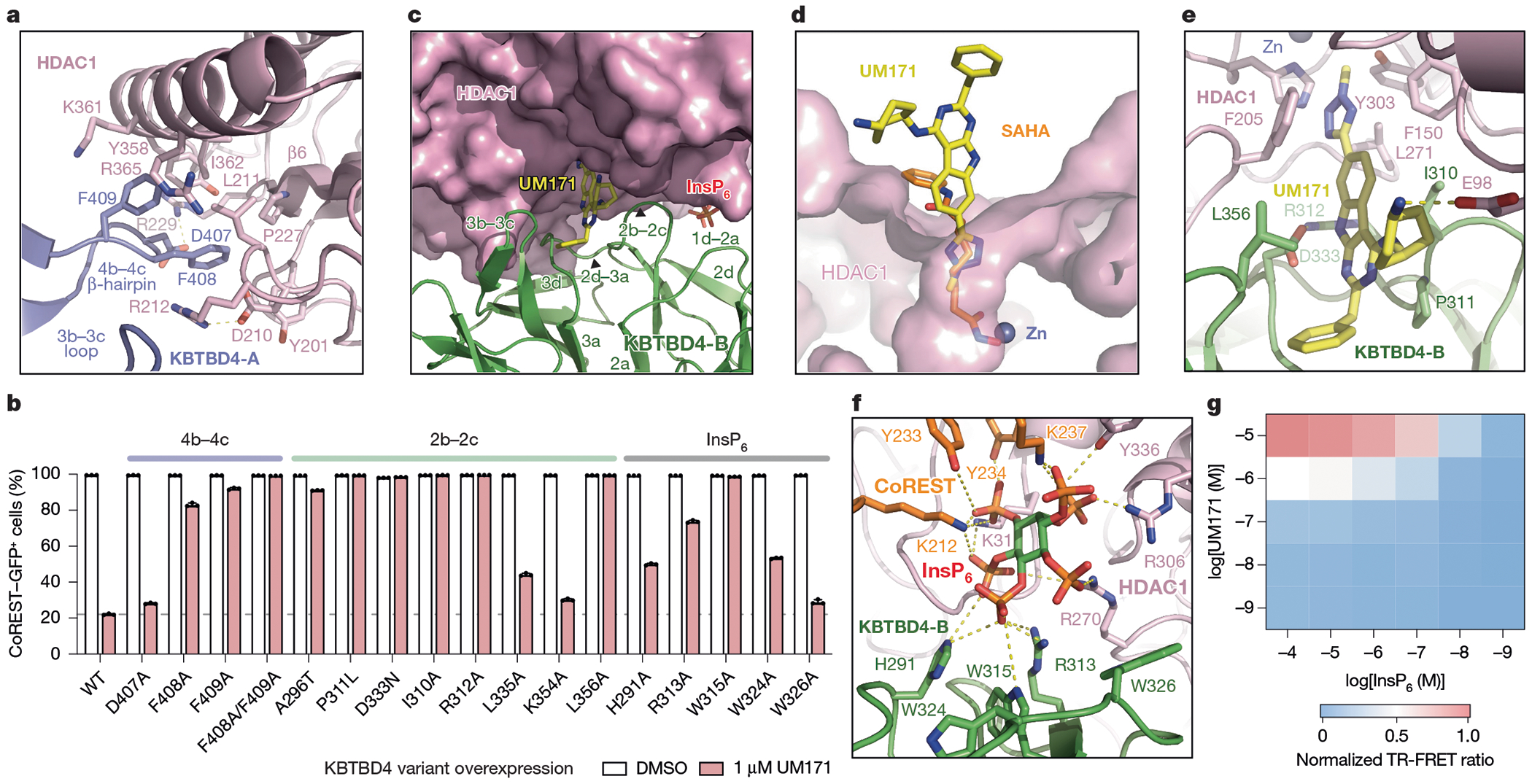
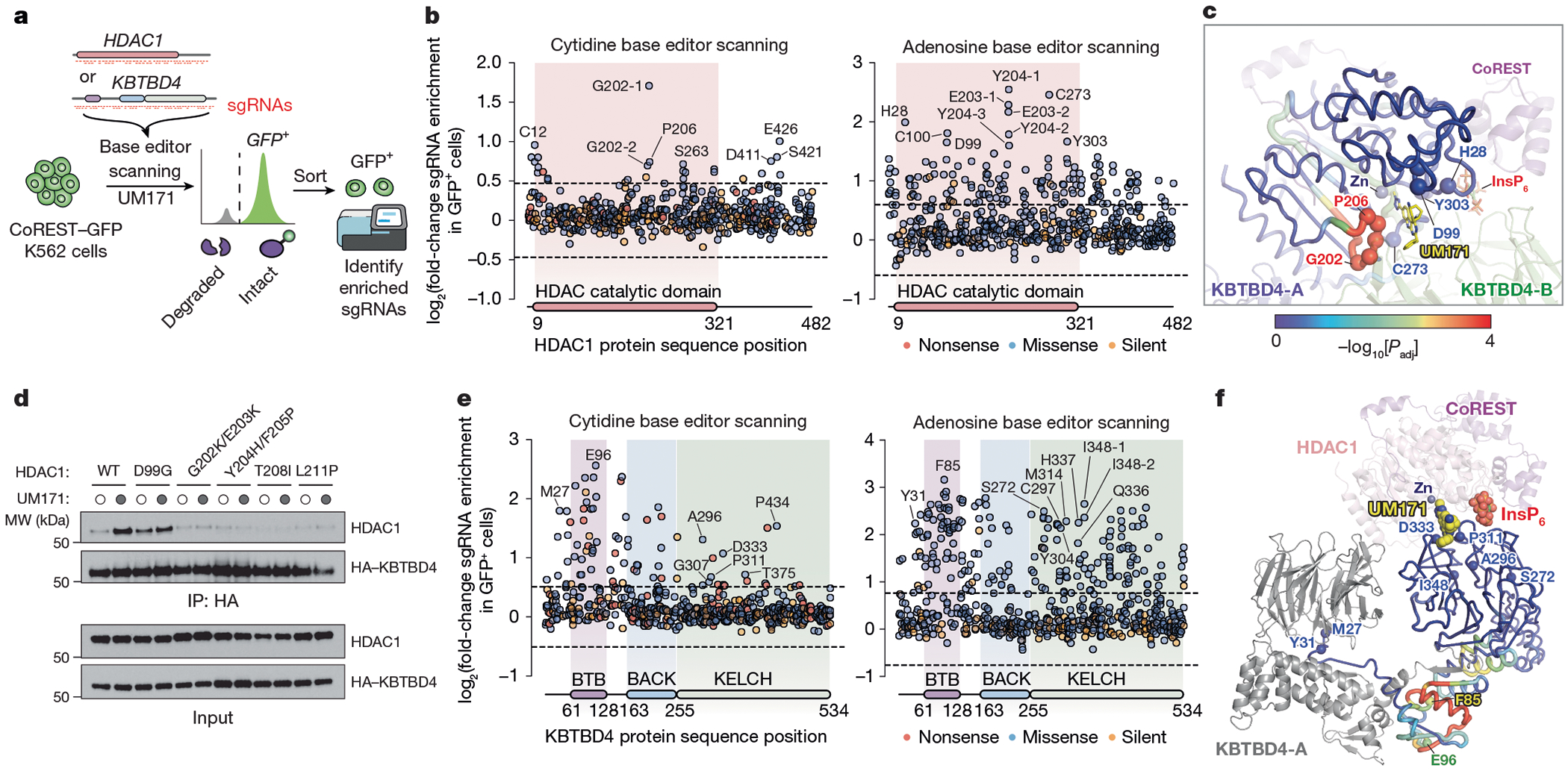
UM171 is a potent agonist of ex vivo human haematopoietic stem cell self-renewal 1 . By co-opting KBTBD4, a substrate receptor of the CUL3–RING E3 ubiquitin ligase (CRL3) complex, UM171 promotes the degradation of the LSD1–CoREST corepressor complex, thereby limiting haematopoietic stem cell attrition 2,3 . However, the direct target and mechanism of action of UM171 remain unclear. Here we show that UM171 acts as a molecular glue to induce high-affinity interactions between KBTBD4 and HDAC1/2 to promote corepressor degradation. Through proteomics and chemical inhibitor studies, we identify the principal target of UM171 as HDAC1/2. Cryo-electron microscopy analysis of dimeric KBTBD4 bound to UM171 and the LSD1–HDAC1–CoREST complex identifies an asymmetric assembly in which a single UM171 molecule enables a pair of KELCH-repeat propeller domains to recruit the HDAC1 catalytic domain. One KBTBD4 propeller partially masks the rim of the HDAC1 active site, which is exploited by UM171 to extend the E3–neosubstrate interface. The other propeller cooperatively strengthens HDAC1 binding through a distinct interface. The overall CoREST–HDAC1/2–KBTBD4 interaction is further buttressed by the endogenous cofactor inositol hexakisphosphate, which acts as a second molecular glue. The functional relevance of the quaternary complex interaction surfaces is demonstrated by base editor scanning of KBTBD4 and HDAC1 . By delineating the direct target of UM171 and its mechanism of action, we reveal how the cooperativity offered by a dimeric CRL3 E3 can be leveraged by a small molecule degrader.
Overview
The claims and statistics of this paper haven’t been checked yet.
Free: it reads the open-access text and checks the first 5 claims that cite a source we can check. Create a free account to check every claim.
Integrity signals
Registry
Cites
Statistics
Figures
Verification
Claims the paper makes
The claims and statistics of this paper haven’t been checked yet.
Free: it reads the open-access text and checks the first 5 claims that cite a source we can check. Create a free account to check every claim.
Claims other papers make about this one
Each is checked against this paper’s own text: does it say what the citing paper says it does?
The source backs part of the claim, not all of it — or backs it for a different population, condition or comparison.
In the citing paper
“Taken together, our findings provide another example that the underlying principles of molecular glue mechanisms might be rooted in the partial mimicry of naturally occurring PPIs at preexisting sites of high PPI propensity, interactions that are further enhanced by a matching molecular glue1,10,11,50–54.”
From Cereblon induces G3BP2 neosubstrate degradation using molecular surface mimicry (2026) · cites this paper as [54]
Experimental — accuracy not yet measuredThe source backs part of the claim, not all of it — or backs it for a different population, condition or comparison.
In the citing paper
“together, uM171 and insP 6 increase the affinity of HDAc1 for cRl3 KBtBD4 by 25-fold (yeo et al. 2025).”
From From serendipity to strategy: molecular glue degraders in cancer therapeutics (2025) · cites this paper as yeo et al. 2025
Experimental — accuracy not yet measuredThe cited source says what the claim attributes to it.
In the citing paper
“Moreover, uM171 operates through a unique dual-glue mechanism; inositol hexakisphosphate (insP 6 ), an abundant intracellular form of inositol, also engages the binding interface between HDAc1 and KBtBD4.”
From From serendipity to strategy: molecular glue degraders in cancer therapeutics (2025) · cites this paper as yeo et al. 2025
The cited source says what the claim attributes to it.
In the citing paper
“Structural analyses demonstrated that uM171 functions as a molecular glue degrader by strengthening the interaction between HDAc1, the third member of the lHc complex, and KBtBD4, a cRl3 substrate adaptor protein (yeo et al. 2025).”
From From serendipity to strategy: molecular glue degraders in cancer therapeutics (2025) · cites this paper as yeo et al. 2025
The cited source says what the claim attributes to it.
In the citing paper
“uM171, a well-established compound currently being evaluated in multiple Phase ii clinical trials (Nct04103879, Nct03913026, Nct03441958), has recently had its degrader mechanism-of-action retrospectively elucidated (Xie et al. 2025;yeo et al. 2025).”
From From serendipity to strategy: molecular glue degraders in cancer therapeutics (2025) · cites this paper as yeo et al. 2025
Self-check
Percentages, sums and reported differences re-computed from the paper’s own numbers.
The self-check needs the paper’s full text.
Citations
Cites
UCSF Chimera—A visualization system for exploratory research and analysis
Pettersen, E. F., Goddard, T. D., Huang, C. C., Couch, G. S., Greenblatt, D. M., Meng, E. C., & Ferrin, T. E. (2004) · Journal of Computational Chemistry · doi:10.1002/jcc.20084 · Cited by 45,828 · cited 1×
“12.12) 77 .”
Influentiallimma powers differential expression analyses for RNA-sequencing and microarray studies
Ritchie, M. E., Phipson, B., Wu, D., Hu, Y., Law, C. W., Shi, W., & Smyth, G. K. (2015) · Nucleic Acids Research · doi:10.1093/nar/gkv007 · Cited by 40,458 · cited 1×
“5 pairwise ratio-based algorithm and an empirical Bayes-moderated t -test was used to compare treat-ment groups using the limma R package (v.3.54.2) 55 .”
InfluentialFeatures and development of Coot
Emsley, P., Lohkamp, B., Scott, W. G., & Cowtan, K. (2010) · Acta Crystallographica Section D Biological Crystallography · doi:10.1107/s0907444910007493 · Cited by 29,915 · cited 1×
“The resulting model was subsequently rebuilt in Coot (v.0.9.8.91) 78 based on the protein sequences and the EM density and was further improved by real-space refinement in PHENIX (v.1.20.1-4487-000) 79,80 .”
InfluentialcryoSPARC: algorithms for rapid unsupervised cryo-EM structure determination
Punjani, A., Rubinstein, J. L., Fleet, D. J., & Brubaker, M. A. (2017) · Nature Methods · doi:10.1038/nmeth.4169 · Cited by 11,626
Genome engineering using the CRISPR-Cas9 system
Ran, F. A., Hsu, P. D., Wright, J., Agarwala, V., Scott, D. A., & Zhang, F. (2013) · Nature Protocols · doi:10.1038/nprot.2013.143 · Cited by 11,133
Szklarczyk, D., Kirsch, R., Koutrouli, M., Nastou, K., Mehryary, F., Hachilif, R., Gable, A. L., Fang, T., Doncheva, N. T., Pyysalo, S., et al. (2023) · Nucleic Acids Research · doi:10.1093/nar/gkac1000 · Cited by 9,726 · cited 1×
“Protein– protein interaction networks were constructed using STRINGdb (v.12) 56 , with a confidence threshold of >0.7, and the resulting networks were imported and visualized using Cytoscape (v.3.9.0).”
InfluentialColabFold - Making protein folding accessible to all
Mirdita, M., Schütze, K., Moriwaki, Y., Heo, L., Ovchinnikov, S., & Steinegger, M. (2021) · doi:10.1101/2021.08.15.456425 · Cited by 9,391 · cited 1×
“The initial structural models of the KBTBD4 dimer and the HDAC1– CoREST–ELM–SANT1 complex was predicted with AlphaFold-Multimer in Google ColabFold2 76 .”
Automated electron microscope tomography using robust prediction of specimen movements
Mastronarde, D. N. (2005) · Journal of Structural Biology · doi:10.1016/j.jsb.2005.07.007 · Cited by 5,336
PHENIX : building new software for automated crystallographic structure determination
Adams, P. D., Grosse-Kunstleve, R. W., Hung, L.-W., Ioerger, T. R., McCoy, A. J., Moriarty, N. W., Read, R. J., Sacchettini, J. C., Sauter, N. K., & Terwilliger, T. C. (2002) · Acta Crystallographica Section D Biological Crystallography · doi:10.1107/s0907444902016657 · Cited by 4,361
Real-space refinement in PHENIX for cryo-EM and crystallography
Afonine, P. V., Poon, B. K., Read, R. J., Sobolev, O. V., Terwilliger, T. C., Urzhumtsev, A., & Adams, P. D. (2018) · Acta Crystallographica Section D Structural Biology · doi:10.1107/s2059798318006551 · Cited by 3,281 · cited 1×
“The resulting model was subsequently rebuilt in Coot (v.0.9.8.91) 78 based on the protein sequences and the EM density and was further improved by real-space refinement in PHENIX (v.1.20.1-4487-000) 79,80 .”
Influential
Research works printed but not linked: 1
- DeLano WL PyMOL: an open-source molecular graphics tool. CCP4 Newsl. Protein Crystallog 40, 82– 92 (2002).
Cited by
Targeted protein degradation for cancer therapy
Hinterndorfer, M., Spiteri, V. A., Ciulli, A., & Winter, G. E. (2025) · Nature Reviews Cancer · doi:10.1038/s41568-025-00817-8 · Cited by 210
“This complex mechanism of action has, so far, prevented the rational design of new MGDs, and most available compounds have been identified serendipitously or via large-scale screens 62–67 .”
Converging mechanism of UM171 and KBTBD4 neomorphic cancer mutations
Xie, X., Zhang, O., Yeo, M. J. R., Lee, C., Tao, R., Harry, S. A., Payne, N. C., Nam, E., Paul, L., Li, Y., et al. (2025) · Nature · doi:10.1038/s41586-024-08533-3 · Cited by 50
“37).”
Self-citationInduced proximity-based therapeutic modalities
King, E. A., Meyers, M., & Nomura, D. K. (2025) · Nature Reviews Drug Discovery · doi:10.1038/s41573-025-01316-z · Cited by 74
“Structural studies revealed that UM171-mediated degradation of CoREST is facilitated by a unique asymmetric and cooperative binding of the CRL3 substrate receptor KBTBD4 with the histone deacetylase HDAC1, a component of the CoREST complex 83 .”
High-throughput ligand diversification to discover chemical inducers of proximity
Shaum, J. B., Ordoño, M. M. I., Steen, E. A., Wenge, D. V., Cheong, H., Janowski, J., Hunkeler, M., Bilotta, E. M., Rutter, Z. J., Barta, P. A., et al. (2026) · Nature Chemical Biology · doi:10.1038/s41589-025-02137-2 · Cited by 47
Benchmarking Cofolding Methods for Molecular Glue Ternary Structure Prediction
Liao, Y., Zhu, J., Xie, J., Lai, L., & Pei, J. (2025) · Journal of Chemical Information and Modeling · doi:10.1021/acs.jcim.5c01860 · Cited by 27
Primed for degradation: How weak protein interactions enable molecular glue degraders
Hanzl, A., Inghelram, C., Schmitt, S., & Thomä, N. H. (2025) · Current Opinion in Structural Biology · doi:10.1016/j.sbi.2025.103052 · Cited by 17
Ding, B., Hu, J., Shou, B., Li, J., Yang, B., Cao, J., & Zhu, C. (2025) · Journal of Medicinal Chemistry · doi:10.1021/acs.jmedchem.5c00949 · Cited by 14
Self-citationMolGlueDB: an online database of molecular glues
Wang, X., Zhuang, Z., Zhang, C., Zhang, B., Zhan, W., Wang, Y., Liu, Z., Yuan, S., Niu, W., He, Q., et al. (2025) · Nucleic Acids Research · doi:10.1093/nar/gkaf811 · Cited by 22
From serendipity to strategy: molecular glue degraders in cancer therapeutics
Darling, S., Bajrami, I., & West, S. C. (2025) · Critical Reviews in Biochemistry and Molecular Biology · doi:10.1080/10409238.2025.2564068 · Cited by 9
“Structural analyses demonstrated that uM171 functions as a molecular glue degrader by strengthening the interaction between HDAc1, the third member of the lHc complex, and KBtBD4, a cRl3 substrate adaptor protein (yeo et al. 2025).”
InfluentialChen, Z., Chi, G., Balo, T., Chen, X., Montes, B. R., Clifford, S. C., D’Angiolella, V., Szabo, T., Kiss, A., Novak, T., et al. (2025) · Nature Communications · doi:10.1038/s41467-025-58350-z · Cited by 10
Cereblon induces G3BP2 neosubstrate degradation using molecular surface mimicry
Annunziato, S., Quan, C., Donckele, E. J., Lamberto, I., Bunker, R. D., Zlotosch, M., Schwander, L., Murthy, A., Wiedmer, L., Staehly, C., et al. (2026) · Nature Structural & Molecular Biology · doi:10.1038/s41594-025-01738-8 · Cited by 9
CoREST in pieces: Dismantling the CoREST complex for cancer therapy and beyond
Ismail, H., Chagraoui, J., & Sauvageau, G. (2025) · Science Advances · doi:10.1126/sciadv.ads6556 · Cited by 9
“1C) ( 27 – 30 ).”
Jo, J., Moon, C. Y., Lee, J., & Kang, H. (2025) · Food Bioscience · doi:10.1016/j.fbio.2025.107264 · Cited by 10
Rational discovery of molecular glue degraders based on block chemistry
Wei, J., Feng, W., Chen, Q., Li, Q., & Chen, Z. (2025) · Drug Discovery Today · doi:10.1016/j.drudis.2025.104480 · Cited by 12
Cancer Biology of GSPT1: Mechanisms and Targeted Therapy Opportunities of Molecular Glue Degraders
Lin, Q., Liu, W., Lu, W., Zhao, M., Cao, L., Li, Z., Wang, J., Xu, X. J., & Wu, H. (2025) · Advanced Science · doi:10.1002/advs.202511789 · Cited by 15
Degrons and degradation signals beyond short linear motifs
Wang, B., & Zheng, N. (2025) · Nature Chemical Biology · doi:10.1038/s41589-025-02056-2 · Cited by 12
Self-citationChe, X., & The Statistical Mechanics Inference Team (2024) · bioRxiv (Cold Spring Harbor Laboratory) · doi:10.1101/2024.12.23.630090 · Cited by 10
Gray, J. L., Xiao, Z., Rogga, V. V., Zhang, X., & Tate, E. W. (2026) · Journal of the American Chemical Society · doi:10.1021/jacs.5c12299 · Cited by 6
Methods to Study the Molecular Mechanism and Drive the Design of Protein Degraders
Crowe, C., & Ciulli, A. (2026) · Chemical Reviews · doi:10.1021/acs.chemrev.5c00800 · Cited by 6
Target agnostic cellular screening in the era of chemically induced proximity
Jin, M. (2025) · RSC Medicinal Chemistry · doi:10.1039/d5md00529a · Cited by 4
Zhuo, J., Zhai, D., Liu, L., Yin, Y., Zhong, C., Chen, Q., You, X.-H., Chen, L., Yang, Y. P., Xiong, X., et al. (2025) · Journal of Medicinal Chemistry · doi:10.1021/acs.jmedchem.5c02246 · Cited by 6
Molecular Structure and Function of Zinc-Dependent Histone Deacetylases
Christianson, D. W. (2026) · Annual Review of Biochemistry · doi:10.1146/annurev-biochem-051424-053005 · Cited by 5
Comparative assessment of co-folding methods for molecular glue ternary structure predictionPreprint
Liao, Y., Zhu, J., Xie, J., Lai, L., & Pei, J. (2025) · bioRxiv (Cold Spring Harbor Laboratory) · doi:10.1101/2025.05.25.655997 · Cited by 4
“…high-affinity interactions between KBTBD4, a substrate receptor of the CUL3–RING E3 ubiquitin ligase complex, and histone deacetylase HDAC1/2, thereby promoting the degradation of the LSD1–CoREST corepressor complex and consequently enhancing ex vivo human hematopoietic stem cell self-renewal 49 .”
A Glutathione S-Transferase Pi Molecular Glue Tethers Splicing Factors and Remodels Cell Metabolism
Leace, D. M., Ware, M. L., Murtagh, O. L., Tsai, H.-K., Chang, C., & Hsu, K. (2025) · Journal of the American Chemical Society · doi:10.1021/jacs.5c06951 · Cited by 3
LD-110, a potent LSD1 PROTAC degrader, suppresses tumor growth by inducing ER stress and apoptosis
Zhai, D., Zhuo, J., Yin, Y., Li, L., Liang, M., Zhou, X., Liu, L., Chen, L., Xiong, X., Yang, Y. P., et al. (2025) · 中国科学通报:英文版 · doi:10.1016/j.scib.2025.10.024 · Cited by 4
Clues for glues: from serendipity to nature’s blueprints in degrader discovery
Kozicka, Z. (2025) · Essays in Biochemistry · doi:10.1042/ebc20253058 · Cited by 6
Versatile roles of inositol hexakisphosphate in the ubiquitin-proteasome system
Rusnac, D.-V., Zheng, N., & Xie, X. (2025) · Essays in Biochemistry · doi:10.1042/ebc20253032 · Cited by 4
“A parallel study by Yeo et al. reported a similar role for IP6 in the wildtype KBTBD4 bound to LSD1–HDAC1–CoREST, an assembly that is glued together by a small-molecule degrader known as UM171 [16].”
Self-citationMolecular glue unexpectedly mimics the effect of cancer mutations
Bushman, J. W., & Potts, P. R. (2025) · Nature · doi:10.1038/d41586-025-00090-7 · Cited by 3
Non-canonical activating roles of RCoR2 sustain transcription in adrenergic neuroblastoma
Aloisi, S., Santulli, M., Russo, M. V., Zadran, S. K., Rigamonti, A., Chin, D. H., Palombo, M., Cimadom, L., Scrofani, L., Bernardoni, R., et al. (2025) · Cell Reports · doi:10.1016/j.celrep.2025.115951 · Cited by 5
Synthetic and structure–activity studies of SP2577 and TCP towards LSD1 targeting PROTACs
Coulson, M. E., Norris, J. K. S., Smith, S. A., Smalley, J. P., Schwabe, J. W. R., Cowley, S. M., & Hodgkinson, J. T. (2025) · RSC Medicinal Chemistry · doi:10.1039/d5md00420a · Cited by 2
Chromatin Regulatory Targets for Anticancer Therapeutics
Barta, P. A., Carter, T. R., & Erb, M. A. (2025) · Chemical Reviews · doi:10.1021/acs.chemrev.5c00231 · Cited by 4
Targeted Protein Degradation and Delivery Strategies in the Context of Neurological Disorders
Lu, H., Yang, Z., Kayumov, M., Wang, Y., Tang, F., Wang, X., Xia, T., Lei, T., Tong, F., & Gao, H. (2026) · ACS Nano · doi:10.1021/acsnano.6c04420 · Cited by 3
Orthogonal resistance mechanisms of classical- and induced-proximity inhibitorsPreprint
Merz, M. L., Kailass, K., Pergu, R., Tran, K., Gupta, K., Severance, Z. C., Singh, S., Sreekanth, V., Law, B. K., Rosenblatt, G., et al. (2025) · bioRxiv (Cold Spring Harbor Laboratory) · doi:10.1101/2025.05.10.652755 · Cited by 3
“13 Finally, base editor tiling mutagenesis primarily introduces transition mutations, which are more likely to emerge as acquired resistance mutations.”
Mutations that stick: Unexpected discovery of molecular glue mimicry
Whelan, R., José‐Duran, F., & Mayor‐Ruiz, C. (2025) · Molecular Cell · doi:10.1016/j.molcel.2025.03.017 · Cited by 2
Chemical and genetic molecular glues to degrade CoREST corepressors
Song, Y., Li, Q., & Sheng, C. (2025) · Acta Pharmaceutica Sinica B · doi:10.1016/j.apsb.2025.07.006 · Cited by 2
Sugiyama-Finnis, A., & Yamazaki, S. (2025) · Regenerative Therapy · doi:10.1016/j.reth.2025.07.001 · Cited by 2
“…adaptor for the CUL3-RING E3 ubiquitin ligase, demonstrates UM171 stabilising the interaction between HDAC1 and KBTBD4 through binding into a complementary pocket formed at the interface of HDAC1 and a KBTBD4 protomer to facilitate poly-ubiquitination and subsequent proteasomal degradation [26].”
Won, H.-J., Baek, S. M., Lee, M. H., Park, J. H., Shin, J., Yang, Y., Jang, Y. H., Inn, K., & Kim, N. (2026) · European Journal of Organic Chemistry · doi:10.1002/ejoc.202501208 · Cited by 3
The synthetic landscape of cereblon (CRBN) binders: from thalidomide to emerging chemotypes
Rafael, S., Sánchez, C., Whelan, R., Harris, C., Verdaguer, X., Mayor‐Ruiz, C., & Riéra, A. (2026) · Chemical Society Reviews · doi:10.1039/d6cs00247a · Cited by 2
Targeted Protein Degradation: From Basic Science to Therapeutic Applications
Zhu, R., Tang, X., & Zhang, H. (2025) · ACS Chemical Biology · doi:10.1021/acschembio.5c00067 · Cited by 3
Genetics opens new route to degrader discovery
Eccleston, A. (2025) · Nature Reviews Drug Discovery · doi:10.1038/d41573-025-00040-y
Novel strategies to expand and engineer hematopoietic stem cells
Klein, B. R., Blake, A., Rashmil, R., & Desai, A. B. (2025) · Stem Cells · doi:10.1093/stmcls/sxaf065
Systematic molecular glue drug discovery with a high-throughput effector protein remodeling platformPreprint
Lu, J., Stuart, K., Teague, R., Tarry, C., Yan, R., Morgan, T., Nock, E., Mulhearn, D. S., Jones, M., Knaggs, M. H., et al. (2025) · bioRxiv (Cold Spring Harbor Laboratory) · doi:10.1101/2025.07.17.664724
“Moreover, the electrostatic interactions that conferred stability of the complex were exquisitely mimicked by the small molecule UM171, redefined as a bona fide MGD (Chen et al., 2022; Xie et al., 2024; Yeo et al., 2025).”
Progress on molecular glue degraders
Chen, J., Deng, Z., Li, H., & Liu, L. (2026) · Scientia Sinica Chimica · doi:10.1360/ssc-2025-0228
ZOMES: expanding roles of the PCI complexes from protein metabolism to drug discovery
Zhou, L., Rao, H., & Rao, F. (2026) · npj Metabolic Health and Disease · doi:10.1038/s44324-026-00100-w
“Beyond traditional PROTACs, Ning Zheng introduced the molecular glue UM171, which promotes the interaction between HDAC1/2 and KBTBD4, the substrate receptor of CRL3, thereby driving degradation of LSD1-HDAC1-CoREST transcriptional corepressors 53 .”
Medulloblastoma-Associated KBTBD4 Mutations Disrupt PP2A-A Orphan Quality ControlPreprint
Baur, R., Hehl, L. A., Sathe, G. J., Lunardi, T., Schneider, J., Krebs, A.-S., Silva, J. C., Haakonsen, D. L., Waszak, S. M., Lingner, J., et al. (2026) · bioRxiv (Cold Spring Harbor Laboratory) · doi:10.64898/2026.03.02.709011
“Both UM171 treatment and MB-associated mutations enhance KBTBD4 binding to HDAC1, thereby stimulating ubiquitylation and proteasomal degradation of CoREST subunits (Yeo et al. 2025; Xie et al. 2025; Chen et al. 2025).”
Molecular Glue Degraders Redefining Targeted Therapies From Discovery to Therapeutic Applications
Wen, J., Yu, J., Wen, W., & Jiang, B. (2026) · MedComm – Oncology · doi:10.1002/mog2.70058
Multicomplex Integrative Structural Modeling of a Human Histone Deacetylase InteractomePreprint
Nde, J., Majila, K., Zimmermann, R. C., Kempf, C. G., Zhang, Y., Cesare, J., Thornton, J. L., Workman, J. L., Florens, L. A., Viswanath, S., et al. (2026) · bioRxiv (Cold Spring Harbor Laboratory) · doi:10.64898/2026.03.16.712198
RLF/ZFP292 stabilize CoREST-linked LSD1 engagement at bivalent promoters to safeguard pluripotency
Ito, T., Yoshino, M., Isobe, S.-Y., & Obuse, C. (2026) · Cell Reports · doi:10.1016/j.celrep.2026.117293
Nam, E., Osorio‐Valeriano, M., Wang, Z. A., Whedon, S. D., Jiang, H., Zhang, M. X., DuBois-Coyne, S. E., Haque, I. A., Jiang, J., Ferreira, J., et al. (2026) · Nucleic Acids Research · doi:10.1093/nar/gkag600
“To generate fluorescein-labeled LHC, a Cys residue was inserted at the N-terminus of CoREST, and LHC was chemoselectively labeled with in situ prepared fluorescein-MESNA thioester [ 27 , 28 ] (Fig.”
Self-citationSivaprasad, R., Žemaitis, K., Linfeldt, D., Ghosh, S., de Snaijer, A., Magnusson, M., Ek, F., Hansson, J., & Subramaniam, A. (2026) · Cancer Gene Therapy · doi:10.1038/s41417-026-01068-x
Structural determinants for FAT10 activation and transfer from UBA6 to E2 enzymes
Ellison, C. J., Riechmann, C., Dalietou, E. V., Simmons, M. D. R., Dodd, E. C., & Elliott, P. R. (2026) · Nature Communications · doi:10.1038/s41467-026-76603-3
Structure‐Guided Optimization of a Molecular Glue Targeting the KBTBD4‐HDAC1/2 Complex
Baló, T., Chen, Z., Palluaud, L., Kiss, A., Novák, T., Herner, A., Bullock, A. N., Martiny, V. Y., & Kotschy, A. (2026) · ChemMedChem · doi:10.1002/cmdc.70451
“Analysis of the cryo‐EM structure of 1 in complex with KBTBD4 and HDAC1/2 (PDBs: 8VOJ and 9GGL, Figure 1A,B) [6, 7] revealed that 1 sits at the protein interface where its methyl tetrazole moiety fills up a smaller pocket of HDAC1/2 (Figure 1C) and its benzyl substituent interacts with KBTBD4…”
Multicomplex Integrative Structural Modeling of a Human Histone Deacetylase Interactome
Nde, J., Majila, K., Zimmermann, R. C., Kempf, C. G., Zhang, Y., Cesare, J., Thornton, J. L., Workman, J. L., Florens, L. A., Viswanath, S., et al. (2026) · Molecular & Cellular Proteomics · doi:10.1016/j.mcpro.2026.101651 · Cited by 1
Inter-domain distance analysis reveals conformational changes in the Keap1-Nrf2 stress sensor system
Saito, R., Kawabata, T., Yamashita, S., Oki, K., Fujii, T., Kawauchi, H., Doi, Y., Irie, M., Torizawa, T., Kinoshita, K., et al. (2026) · Redox Biology · doi:10.1016/j.redox.2026.104379
“Furthermore, cryo-EM analyses of KBTBD4 in both its apo form and its substrate-bound form (UM171 – H-DAC1 – CoREST complex) revealed that the distance between the two DC domains decreases upon substrate binding [43].”
Molecular Glue Degraders in Early Development for Cancer Therapy
Özdemir, E. S., Jang, H., Keskin, O., Gürsoy, A., & Nussinov, R. (2026) · Medicinal Research Reviews · doi:10.1002/med.70104 · Cited by 1
Single Amino Acid Disease Mutations Act as Genetic Glues to Drive Neo-substrate DegradationPreprint
Wang, B., Yeh, C.-W., Lin, H.-M., Shi, H., Mao, H., Chen, S.-C., Yeh, K., Yu, C.-H., Zheng, N., & Yen, H.-C. S. (2026) · bioRxiv (Cold Spring Harbor Laboratory) · doi:10.64898/2026.09.17.752235
Self-citationThe ternary complex structure as a foundation for structure-guided molecular glue design
Cowan, A. D. (2026) · Essays in Biochemistry · doi:10.1042/ebc20260026
Epigenetics in development, disease, and therapy: from mechanisms to clinical interventions
Ren, Y., Yang, L., Fei, B., Guo, R., Huang, J., Xu, Z., Wang, R., Zhang, P., Cao, D., Chen, P., et al. (2026) · Science China Life Sciences · doi:10.1007/s11427-025-3356-1
Covalent Chemical Rescue of a Transcription Factor–Corepressor Complex
Liu, C., Yost, K., Kwok, H. S., Caroli, J., Waterbury, A. L., Gankhuyag, N., Zhang, O., Harry, S. A., Hansen, T. N., Roh, H., et al. (2026) · ACS Central Science · doi:10.1021/acscentsci.6c01320
Self-citation
Metadata
- Authors
- Yeo, M. J. R., Zhang, O., Xie, X., Nam, E., Payne, N. C., Gosavi, P. M., Kwok, H. S., Iram, I., Lee, C., Li, J., Chen, N. J., Nguyen, K., Jiang, H., Wang, Z. A., Lee, K., Mao, H., Harry, S. A., Barakat, I. A., Takahashi, M., Waterbury, A. L., Barone, M., Mattevi, A., Carr, S. A., Udeshi, N. D., Bar-Peled, L., Cole, P. A., Mazitschek, R., Liau, B. B., & Zheng, N.
- Affiliations
- Broad Institute (US)
- Howard Hughes Medical Institute (US)
- Brigham and Women's Hospital (US)
- Harvard University (US)
- Massachusetts General Hospital (US)
- University of Pavia (IT)
- Corresponding author
- Liau, Brian B.
- Zheng, Ning
- ORCID
- Yeo, Megan J. R.
- Zhang, Olivia
- Xie, Xiaowen
- Nam, Eunju
- Payne, N. Connor
- Gosavi, Pallavi M.
- Kwok, Hui Si
- Iram, Irtiza
- Lee, Ceejay
- Li, Jiaming
- Chen, Nicholas J.
- Nguyen, Khanh
- Jiang, Hanjie
- Wang, Zhipeng A.
- Lee, Kwangwoon
- Mao, Haibin
- Harry, Stefan A.
- Takahashi, Mariko
- Waterbury, Amanda L.
- Barone, Marco
- Mattevi, Andrea
- Carr, Steven A.
- Udeshi, Namrata D.
- Bar-Peled, Liron
- Cole, Philip A.
- Mazitschek, Ralph
- Liau, Brian B.
- Zheng, Ning
- Venue
- Nature
- Published
- 2025-02-12
- Volume
- 639
- Issue
- 8053
- Pages
- 232-240
- ISSN
- 0028-0836 (ISSN-L)
- 1476-4687
- PMC
- PMC11882444
- OpenAlex
- W4407392239
- Semantic Scholar
- 735194be2efa61d633a5d3d72e917789531aaaa8
- Cited by
- 58
- References
- 85
- Citations by year
- 2026: 23 · 2025: 34
- FWCI
- 17.13
- Type
- journal article
- Language
- en
- Open access
- hybrid
- doi.org
- Licence
- cc-by
- creativecommons.org/licenses/by/4.0 (tdm)
- creativecommons.org/licenses/by/4.0 (vor)
- Locations
- Nature (publishedVersion, cc-by)
- bioRxiv (Cold Spring Harbor Laboratory) (acceptedVersion)
- PubMed Central (publishedVersion, cc-by)
- PubMed (publishedVersion)
- PubMed Central (submittedVersion)
- Digital Access to Scholarship at Harvard (DASH) (Harvard University) (submittedVersion, cc-by)
- RePEc: Research Papers in Economics (submittedVersion)
- Funders
- National Cancer Institute (P01CA206978, U01CA271402, U24CA270823, R01CA274437)
- National Institute of General Medical Sciences (DP2GM137494, R35GM149229, R35GM153476)
- Topics
- Life Sciences › Biochemistry, Genetics and Molecular Biology › Molecular Biology › Protein Degradation and Inhibitors
- Life Sciences › Biochemistry, Genetics and Molecular Biology › Molecular Biology › Ubiquitin and proteasome pathways
- Life Sciences › Biochemistry, Genetics and Molecular Biology › Molecular Biology › Epigenetics and DNA Methylation
- Keywords
- UM171, molecular glues, HDAC1/2, protein degradation, phytic acid, small-molecule degraders, quaternary complex
About these checks
Registry, retraction, Cites and statistics results are computed, not judged, with one exception: a printed reference that no index lists is read once by a model before it counts as a citation error. Claims are extracted by a model and kept only when their quote appears verbatim in the text; each cited source is then checked, with a model’s help, for whether it says what the claim relies on. Those verdicts can be wrong — read the claim’s quote and the cited source before relying on one.
Statistics and arithmetic are recomputed, not judged.
Confidence bands are shown only for fields calibrated on our annotated test set. None is calibrated yet, so no band is shown.
What counts as a claim ›How we measure confidence ›How we check this ›
Are you an author, or do you see a problem with this page? Request a review
Data sources
Bibliographic data: Semantic Scholar, OpenAlex, Crossref.
Contains information from the Semantic Scholar Academic Graph Datasets, made available under the ODC Attribution License (ODC-BY 1.0).
Semantic Scholar’s data is described in: Kinney, R., et al. (2023). The Semantic Scholar Open Data Platform. arXiv:2301.10140.
