

UM171 glues asymmetric CRL3–HDAC1/2 assembly to degrade CoREST corepressors
Open accessPublished version of a preprint
The DOI matches its Crossref record; 84 of the 85 references it cites were found in a registry or an index.
Abstract
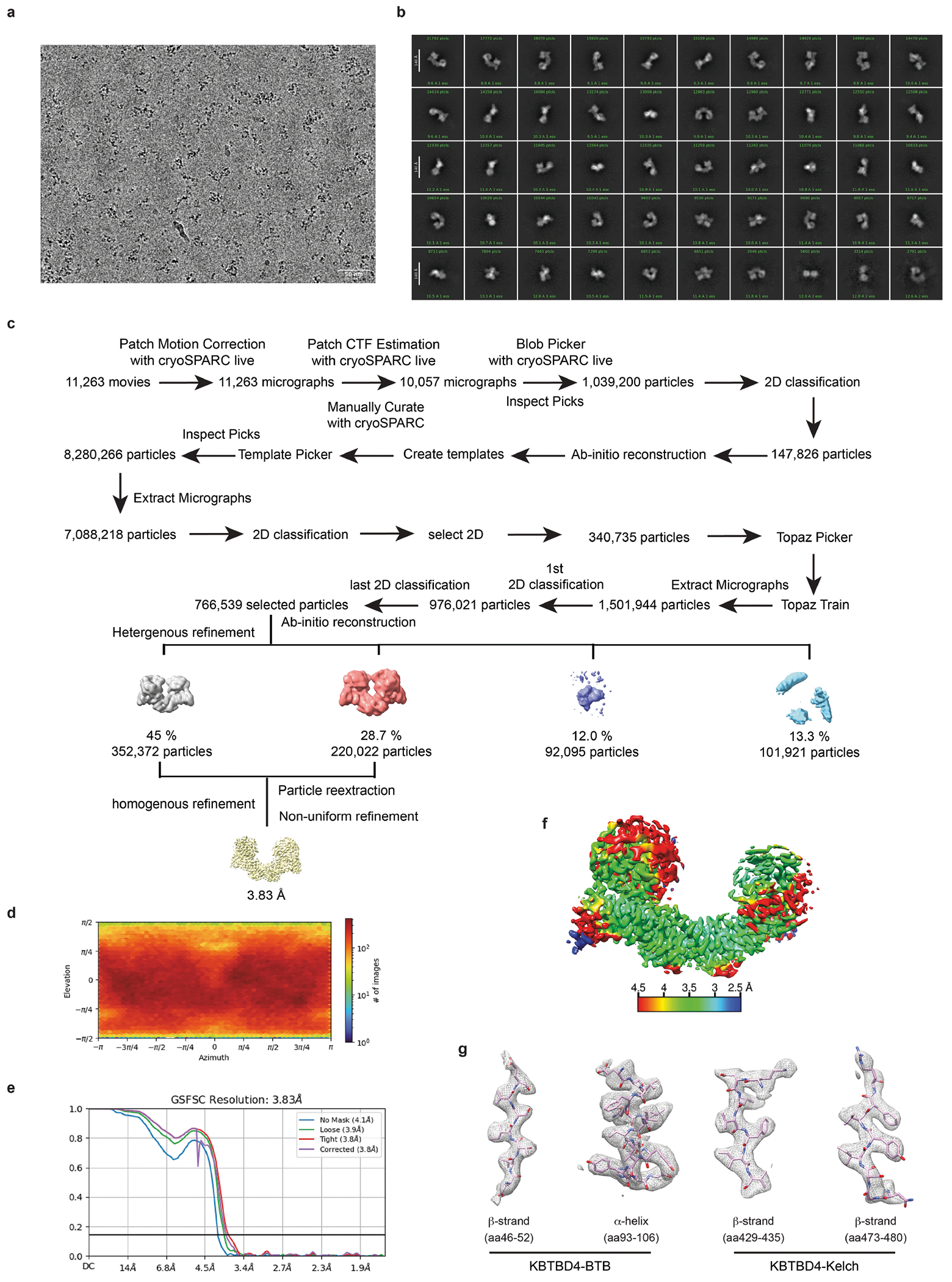
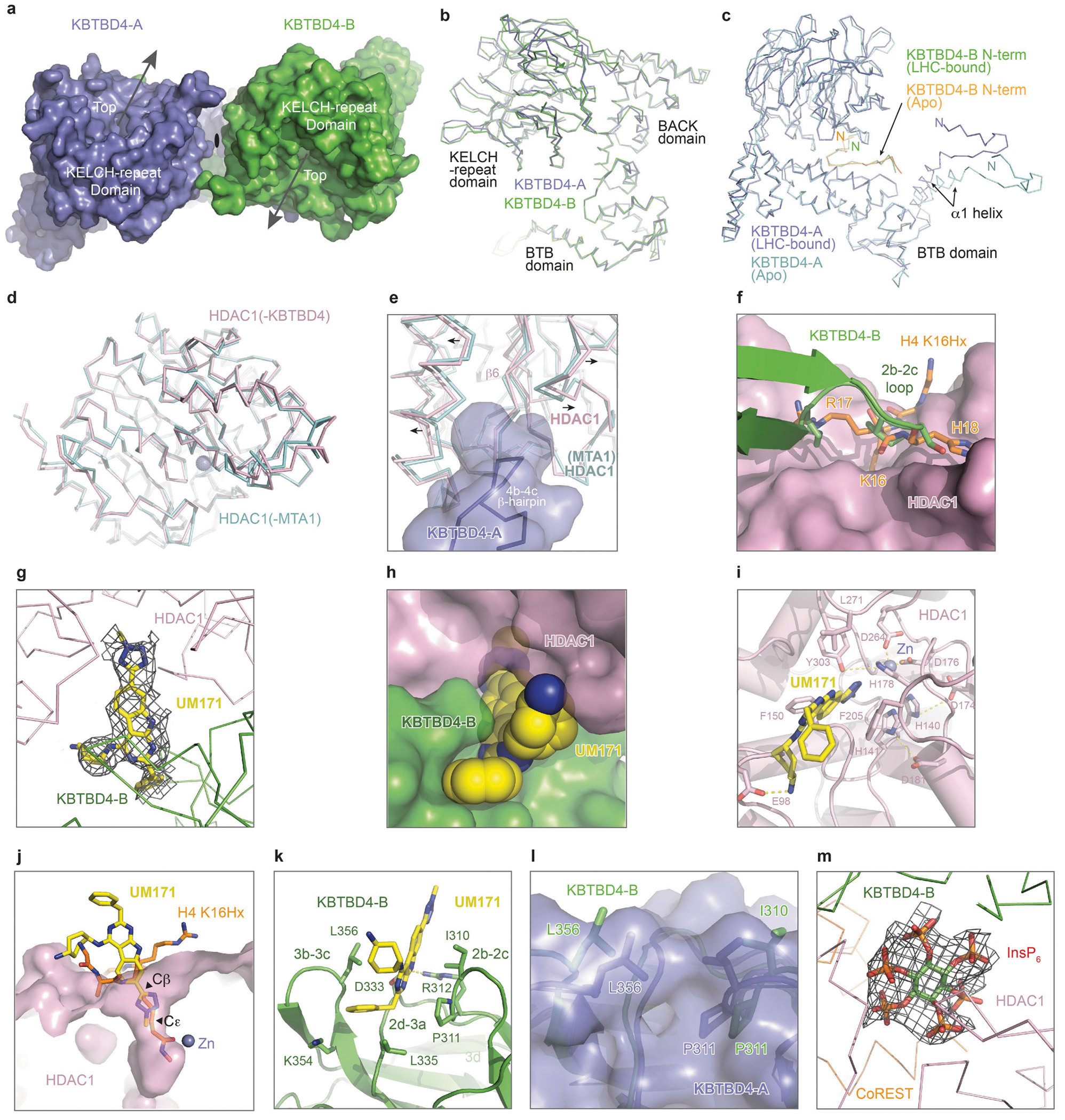
UM171 is a potent agonist of ex vivo human haematopoietic stem cell self-renewal 1 . By co-opting KBTBD4, a substrate receptor of the CUL3–RING E3 ubiquitin ligase (CRL3) complex, UM171 promotes the degradation of the LSD1–CoREST corepressor complex, thereby limiting haematopoietic stem cell attrition 2,3 . However, the direct target and mechanism of action of UM171 remain unclear. Here we show that UM171 acts as a molecular glue to induce high-affinity interactions between KBTBD4 and HDAC1/2 to promote corepressor degradation. Through proteomics and chemical inhibitor studies, we identify the principal target of UM171 as HDAC1/2. Cryo-electron microscopy analysis of dimeric KBTBD4 bound to UM171 and the LSD1–HDAC1–CoREST complex identifies an asymmetric assembly in which a single UM171 molecule enables a pair of KELCH-repeat propeller domains to recruit the HDAC1 catalytic domain. One KBTBD4 propeller partially masks the rim of the HDAC1 active site, which is exploited by UM171 to extend the E3–neosubstrate interface. The other propeller cooperatively strengthens HDAC1 binding through a distinct interface. The overall CoREST–HDAC1/2–KBTBD4 interaction is further buttressed by the endogenous cofactor inositol hexakisphosphate, which acts as a second molecular glue. The functional relevance of the quaternary complex interaction surfaces is demonstrated by base editor scanning of KBTBD4 and HDAC1 . By delineating the direct target of UM171 and its mechanism of action, we reveal how the cooperativity offered by a dimeric CRL3 E3 can be leveraged by a small molecule degrader.
Overview
The claims and statistics of this paper haven’t been checked yet.
Free: it reads the open-access text and checks the first 5 claims that cite a source we can check. Create a free account to check every claim.
Integrity signals
Registry
Cites
Statistics
Figures
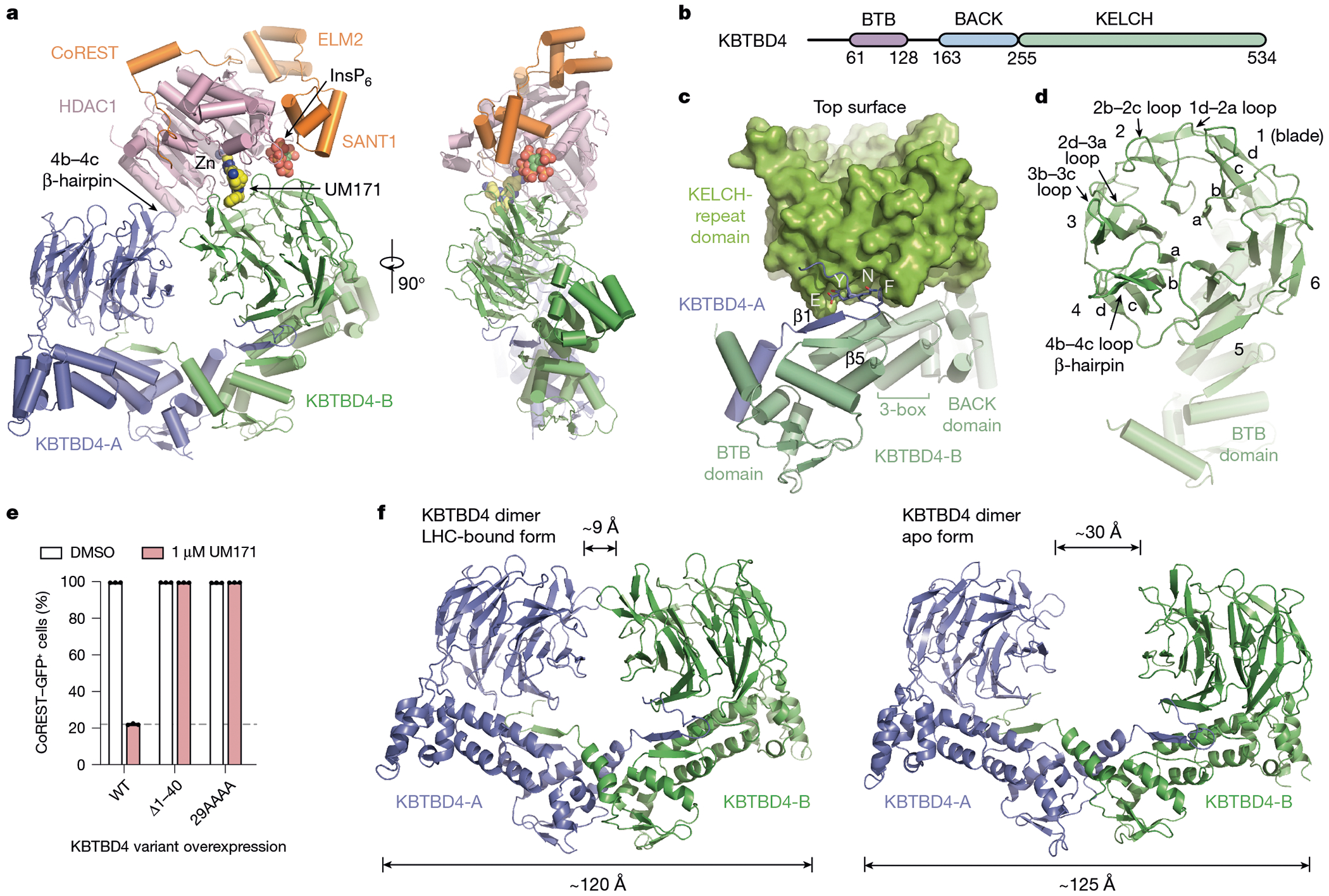
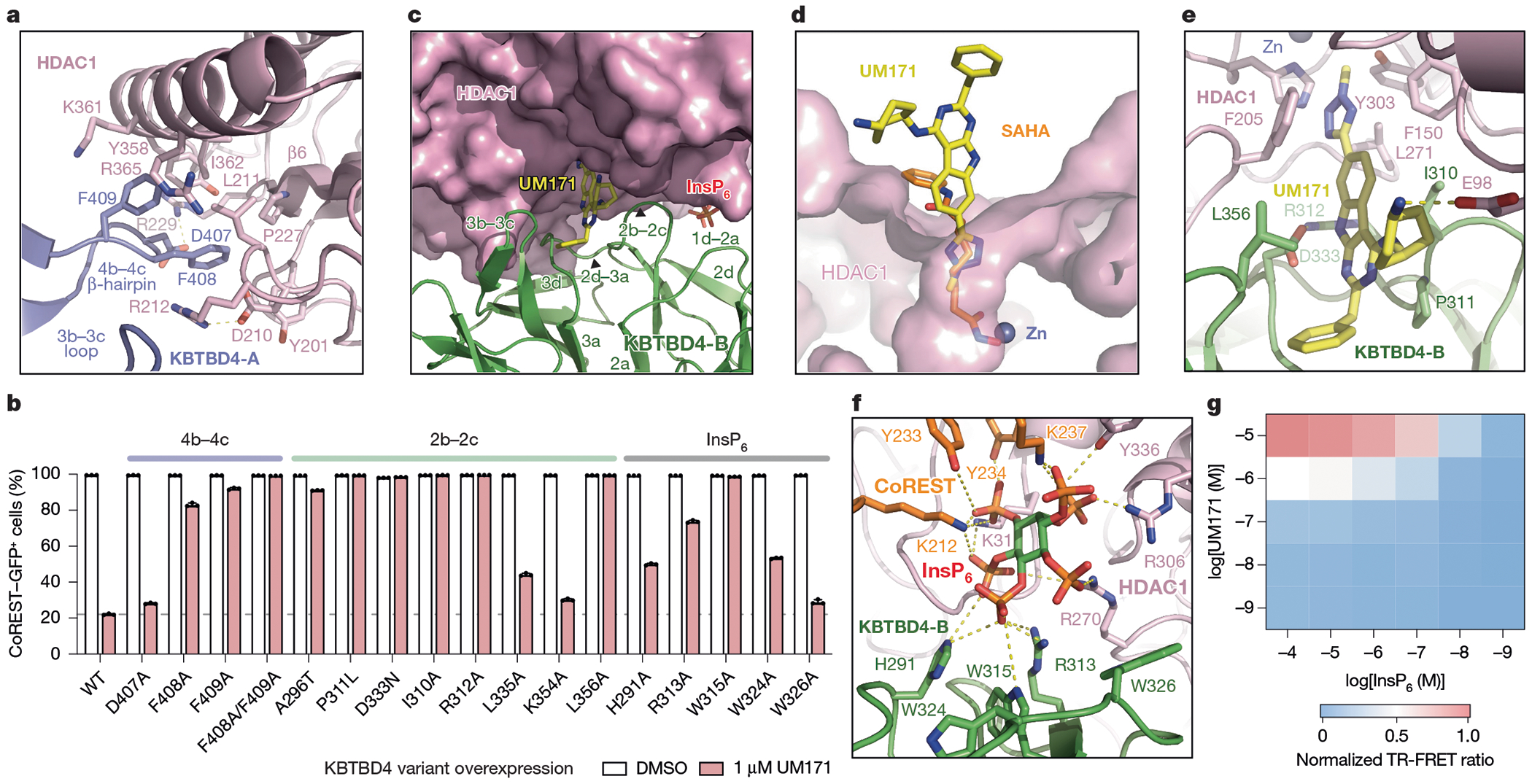
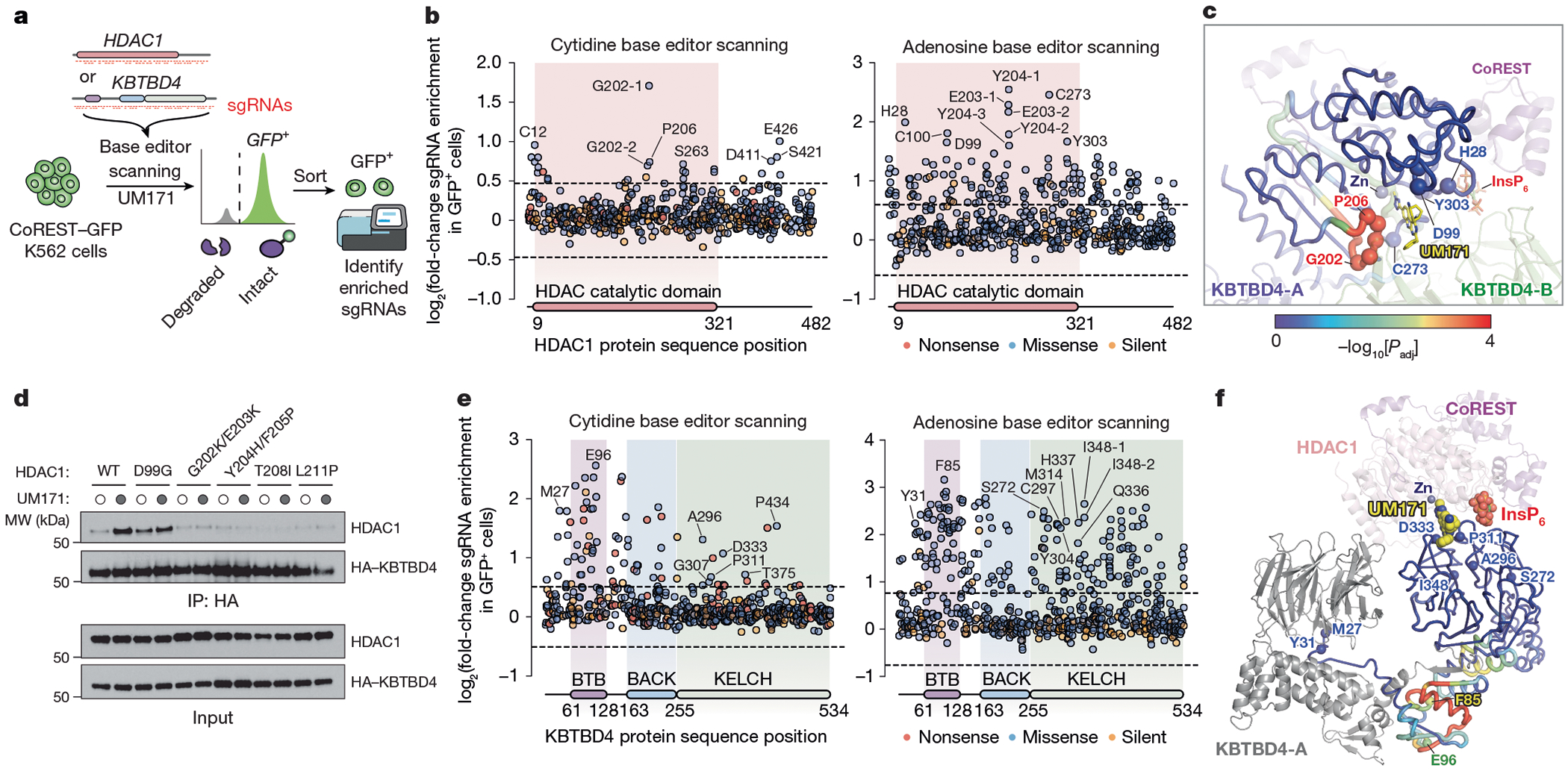
Verification
Claims the paper makes
The claims and statistics of this paper haven’t been checked yet.
Free: it reads the open-access text and checks the first 5 claims that cite a source we can check. Create a free account to check every claim.
Claims other papers make about this one
Each is checked against this paper’s own text: does it say what the citing paper says it does?
The source backs part of the claim, not all of it — or backs it for a different population, condition or comparison.
In the citing paper
“Taken together, our findings provide another example that the underlying principles of molecular glue mechanisms might be rooted in the partial mimicry of naturally occurring PPIs at preexisting sites of high PPI propensity, interactions that are further enhanced by a matching molecular glue1,10,11,50–54.”
From Cereblon induces G3BP2 neosubstrate degradation using molecular surface mimicry (2026) · cites this paper as [54]
Experimental — accuracy not yet measuredThe source backs part of the claim, not all of it — or backs it for a different population, condition or comparison.
In the citing paper
“together, uM171 and insP 6 increase the affinity of HDAc1 for cRl3 KBtBD4 by 25-fold (yeo et al. 2025).”
From From serendipity to strategy: molecular glue degraders in cancer therapeutics (2025) · cites this paper as yeo et al. 2025
Experimental — accuracy not yet measuredThe cited source says what the claim attributes to it.
In the citing paper
“Moreover, uM171 operates through a unique dual-glue mechanism; inositol hexakisphosphate (insP 6 ), an abundant intracellular form of inositol, also engages the binding interface between HDAc1 and KBtBD4.”
From From serendipity to strategy: molecular glue degraders in cancer therapeutics (2025) · cites this paper as yeo et al. 2025
The cited source says what the claim attributes to it.
In the citing paper
“Structural analyses demonstrated that uM171 functions as a molecular glue degrader by strengthening the interaction between HDAc1, the third member of the lHc complex, and KBtBD4, a cRl3 substrate adaptor protein (yeo et al. 2025).”
From From serendipity to strategy: molecular glue degraders in cancer therapeutics (2025) · cites this paper as yeo et al. 2025
The cited source says what the claim attributes to it.
In the citing paper
“uM171, a well-established compound currently being evaluated in multiple Phase ii clinical trials (Nct04103879, Nct03913026, Nct03441958), has recently had its degrader mechanism-of-action retrospectively elucidated (Xie et al. 2025;yeo et al. 2025).”
From From serendipity to strategy: molecular glue degraders in cancer therapeutics (2025) · cites this paper as yeo et al. 2025
Self-check
Percentages, sums and reported differences re-computed from the paper’s own numbers.
The self-check needs the paper’s full text.
Citations
Cites
UCSF Chimera—A visualization system for exploratory research and analysis
Pettersen, E. F., Goddard, T. D., Huang, C. C., Couch, G. S., Greenblatt, D. M., Meng, E. C., & Ferrin, T. E. (2004) · Journal of Computational Chemistry · doi:10.1002/jcc.20084 · Cited by 45,828 · cited 1×
“12.12) 77 .”
Influentiallimma powers differential expression analyses for RNA-sequencing and microarray studies
Ritchie, M. E., Phipson, B., Wu, D., Hu, Y., Law, C. W., Shi, W., & Smyth, G. K. (2015) · Nucleic Acids Research · doi:10.1093/nar/gkv007 · Cited by 40,458 · cited 1×
“5 pairwise ratio-based algorithm and an empirical Bayes-moderated t -test was used to compare treat-ment groups using the limma R package (v.3.54.2) 55 .”
InfluentialFeatures and development of Coot
Emsley, P., Lohkamp, B., Scott, W. G., & Cowtan, K. (2010) · Acta Crystallographica Section D Biological Crystallography · doi:10.1107/s0907444910007493 · Cited by 29,915 · cited 1×
“The resulting model was subsequently rebuilt in Coot (v.0.9.8.91) 78 based on the protein sequences and the EM density and was further improved by real-space refinement in PHENIX (v.1.20.1-4487-000) 79,80 .”
InfluentialcryoSPARC: algorithms for rapid unsupervised cryo-EM structure determination
Punjani, A., Rubinstein, J. L., Fleet, D. J., & Brubaker, M. A. (2017) · Nature Methods · doi:10.1038/nmeth.4169 · Cited by 11,626
Genome engineering using the CRISPR-Cas9 system
Ran, F. A., Hsu, P. D., Wright, J., Agarwala, V., Scott, D. A., & Zhang, F. (2013) · Nature Protocols · doi:10.1038/nprot.2013.143 · Cited by 11,133
Szklarczyk, D., Kirsch, R., Koutrouli, M., Nastou, K., Mehryary, F., Hachilif, R., Gable, A. L., Fang, T., Doncheva, N. T., Pyysalo, S., et al. (2023) · Nucleic Acids Research · doi:10.1093/nar/gkac1000 · Cited by 9,726 · cited 1×
“Protein– protein interaction networks were constructed using STRINGdb (v.12) 56 , with a confidence threshold of >0.7, and the resulting networks were imported and visualized using Cytoscape (v.3.9.0).”
InfluentialColabFold - Making protein folding accessible to all
Mirdita, M., Schütze, K., Moriwaki, Y., Heo, L., Ovchinnikov, S., & Steinegger, M. (2021) · doi:10.1101/2021.08.15.456425 · Cited by 9,391 · cited 1×
“The initial structural models of the KBTBD4 dimer and the HDAC1– CoREST–ELM–SANT1 complex was predicted with AlphaFold-Multimer in Google ColabFold2 76 .”
Automated electron microscope tomography using robust prediction of specimen movements
Mastronarde, D. N. (2005) · Journal of Structural Biology · doi:10.1016/j.jsb.2005.07.007 · Cited by 5,336
PHENIX : building new software for automated crystallographic structure determination
Adams, P. D., Grosse-Kunstleve, R. W., Hung, L.-W., Ioerger, T. R., McCoy, A. J., Moriarty, N. W., Read, R. J., Sacchettini, J. C., Sauter, N. K., & Terwilliger, T. C. (2002) · Acta Crystallographica Section D Biological Crystallography · doi:10.1107/s0907444902016657 · Cited by 4,361
Real-space refinement in PHENIX for cryo-EM and crystallography
Afonine, P. V., Poon, B. K., Read, R. J., Sobolev, O. V., Terwilliger, T. C., Urzhumtsev, A., & Adams, P. D. (2018) · Acta Crystallographica Section D Structural Biology · doi:10.1107/s2059798318006551 · Cited by 3,281 · cited 1×
“The resulting model was subsequently rebuilt in Coot (v.0.9.8.91) 78 based on the protein sequences and the EM density and was further improved by real-space refinement in PHENIX (v.1.20.1-4487-000) 79,80 .”
InfluentialStructures of a histone deacetylase homologue bound to the TSA and SAHA inhibitors
Finnin, M. S., Donigian, J. R., Cohen, A., Richon, V. M., Rifkind, R. A., Marks, P. A., Breslow, R., & Pavletich, N. P. (1999) · Nature · doi:10.1038/43710 · Cited by 1,714 · cited 1×
“Consistent with previous studies, HDAC1 adopts a single α/β fold with a central eight-stranded parallel β-sheet sandwiched by α-helices on its two faces and possesses the characteristic catalytic zinc ion deep in its active site 40 .”
Mechanism of auxin perception by the TIR1 ubiquitin ligase
Tan, X., Calderon-Villalobos, L. I. A., Sharon, M., Zheng, C., Robinson, C. V., Estelle, M., & Zheng, N. (2007) · Nature · doi:10.1038/nature05731 · Cited by 1,688 · cited 9×
“1a and Supplementary Data 1 and 2).”
InfluentialSelf-citationNon-uniform refinement: adaptive regularization improves single-particle cryo-EM reconstruction
Punjani, A., Zhang, H., & Fleet, D. J. (2020) · Nature Methods · doi:10.1038/s41592-020-00990-8 · Cited by 1,683
CRISPResso2 provides accurate and rapid genome editing sequence analysis
Clement, K., Rees, H., Canver, M. C., Gehrke, J. M., Farouni, R., Hsu, J. Y., Cole, M. A., Liu, D. R., Joung, J. K., Bauer, D. E., et al. (2019) · Nature Biotechnology · doi:10.1038/s41587-019-0032-3 · Cited by 1,660
Jasmonate perception by inositol-phosphate-potentiated COI1–JAZ co-receptor
Sheard, L. B., Tan, X., Mao, H., Withers, J., Ben-Nissan, G., Hinds, T. R., Kobayashi, Y., Hsu, F.-F., Sharon, M., Browse, J., et al. (2010) · Nature · doi:10.1038/nature09430 · Cited by 1,497
Self-citationThe dTAG system for immediate and target-specific protein degradation
Nabet, B., Roberts, J. M., Buckley, D. L., Paulk, J., Dastjerdi, S., Yang, A., Leggett, A. L., Erb, M. A., Lawlor, M. A., Souza, A., et al. (2018) · Nature Chemical Biology · doi:10.1038/s41589-018-0021-8 · Cited by 1,118 · cited 1×
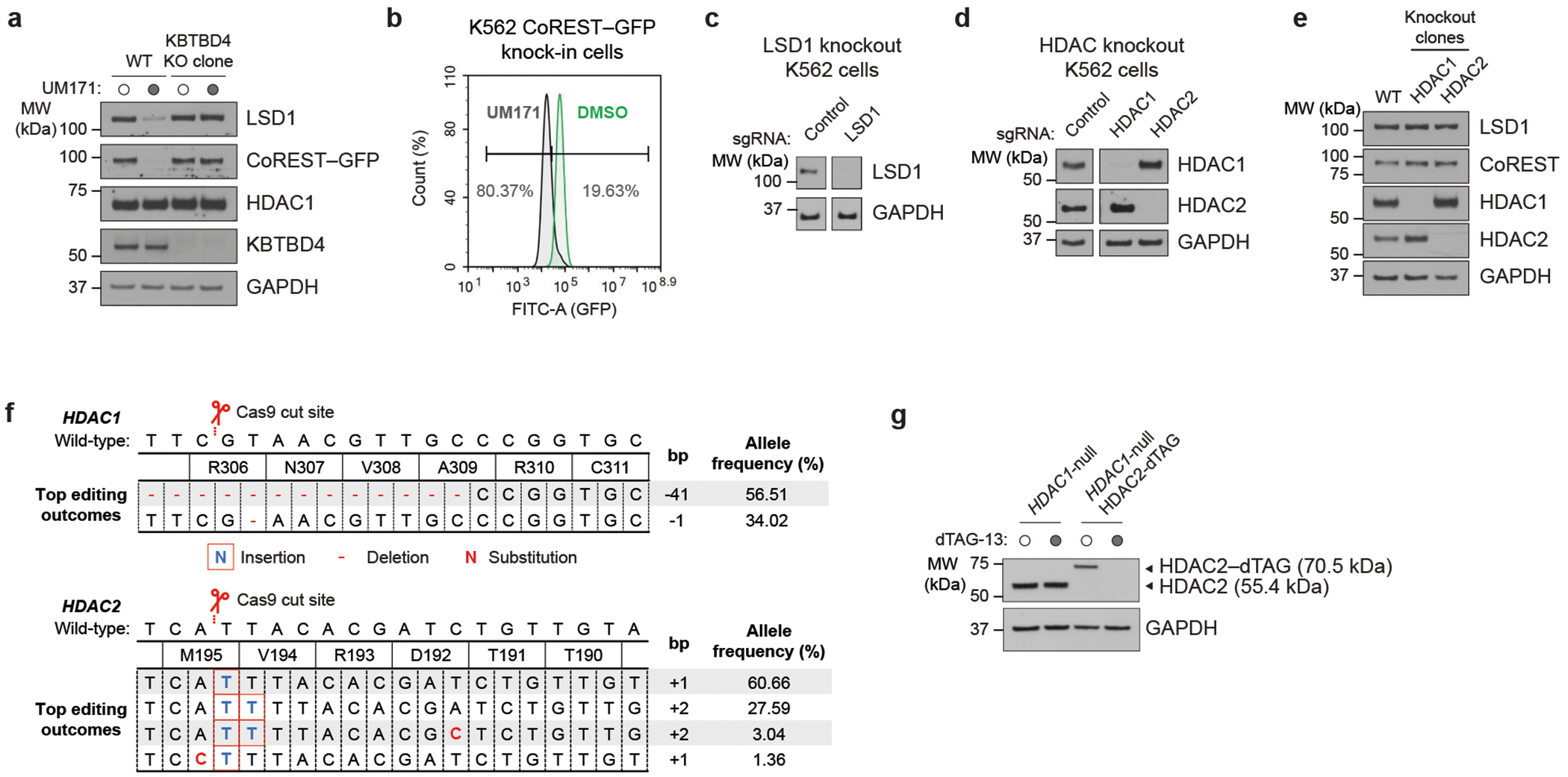
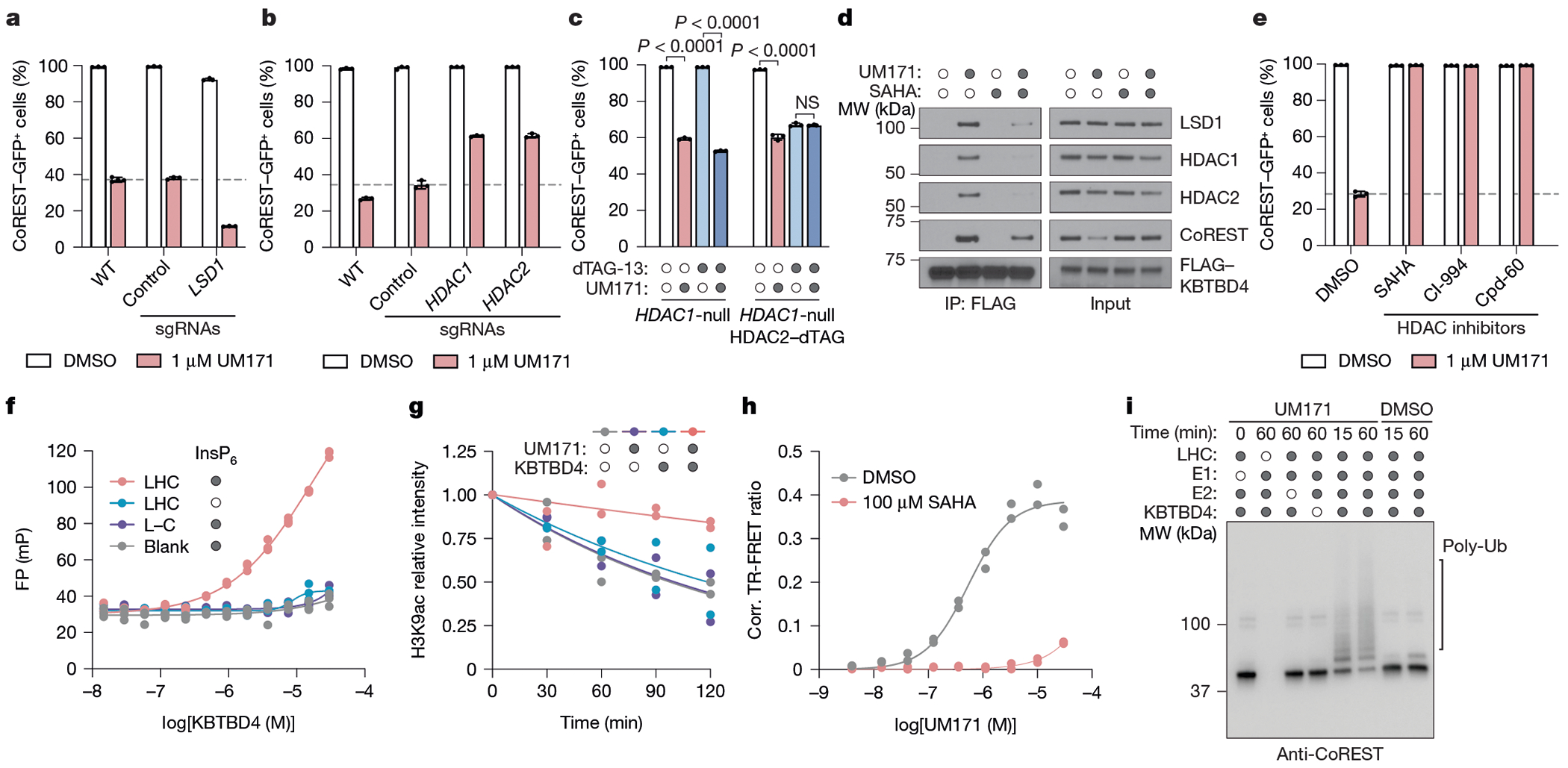
“As constitutive HDAC1 / HDAC2 double knockout is lethal 26 , we engineered an HDAC1 -null cell line with the dTAG degron tag 27 knocked in-frame with HDAC2 to induce conditional HDAC1 / HDAC2 double knockout after addition of an appropriate ligand (for example, dTAG-13) (Extended Data Fig.”
Regulation of LSD1 Histone Demethylase Activity by Its Associated Factors
Shi, Y.-J., Matson, C., Lan, F., Iwase, S., Baba, T., & Shi, Y. (2005) · Molecular Cell · doi:10.1016/j.molcel.2005.08.027 · Cited by 886 · cited 1×
“A larger C-terminal deletion construct, CoREST(4–308)–GFP, exhibited reduced baseline stability 23,24 .”
Reconstitution of Nucleosome Core Particles from Recombinant Histones and DNA
Dyer, P. N., Edayathumangalam, R. S., White, C. L., Bao, Y., Chakravarthy, S., Muthurajan, U. M., & Luger, K. (2003) · Methods in Enzymology · doi:10.1016/s0076-6879(03)75002-2 · Cited by 864
An essential role for CoREST in nucleosomal histone 3 lysine 4 demethylation
Lee, M. G., Wynder, C., Cooch, N., & Shiekhattar, R. (2005) · Nature · doi:10.1038/nature04021 · Cited by 802 · cited 1×
“A larger C-terminal deletion construct, CoREST(4–308)–GFP, exhibited reduced baseline stability 23,24 .”
Preparation of nucleosome core particle from recombinant histones
Luger, K., Rechsteiner, T. J., & Richmond, T. J. (1999) · Methods in Enzymology · doi:10.1016/s0076-6879(99)04003-3 · Cited by 772 · cited 1×
“Octamer refolding and nucleosome reconstitution 146 bp Widom 601 DNA was prepared according to previously reported methods used for the nucleosome reassembly 63 .”
Tong, K. I., Katoh, Y., Kusunoki, H., Itoh, K., Tanaka, T., & Yamamoto, M. (2006) · Molecular and Cellular Biology · doi:10.1128/mcb.26.8.2887-2900.2006 · Cited by 759 · cited 4×
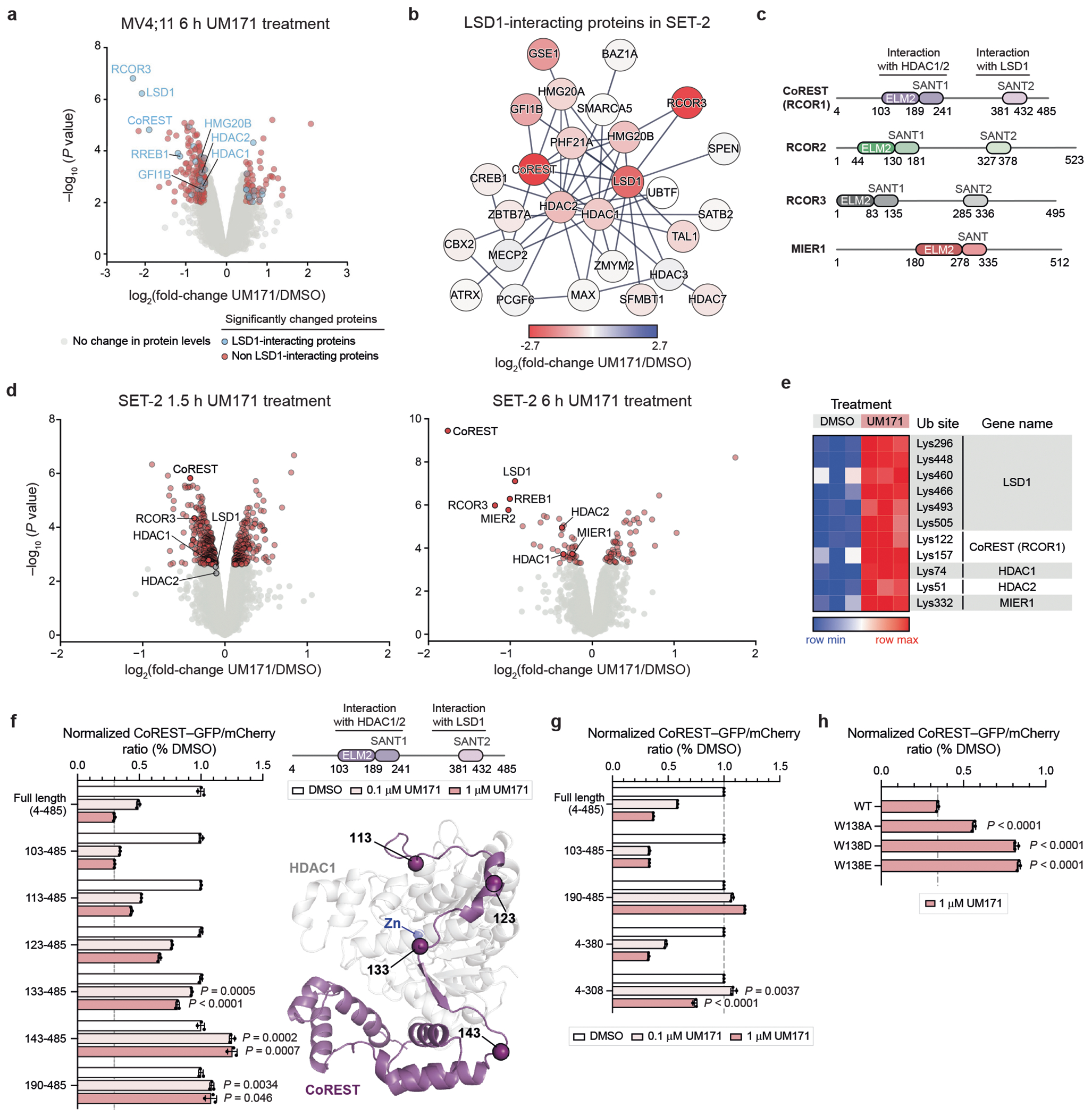
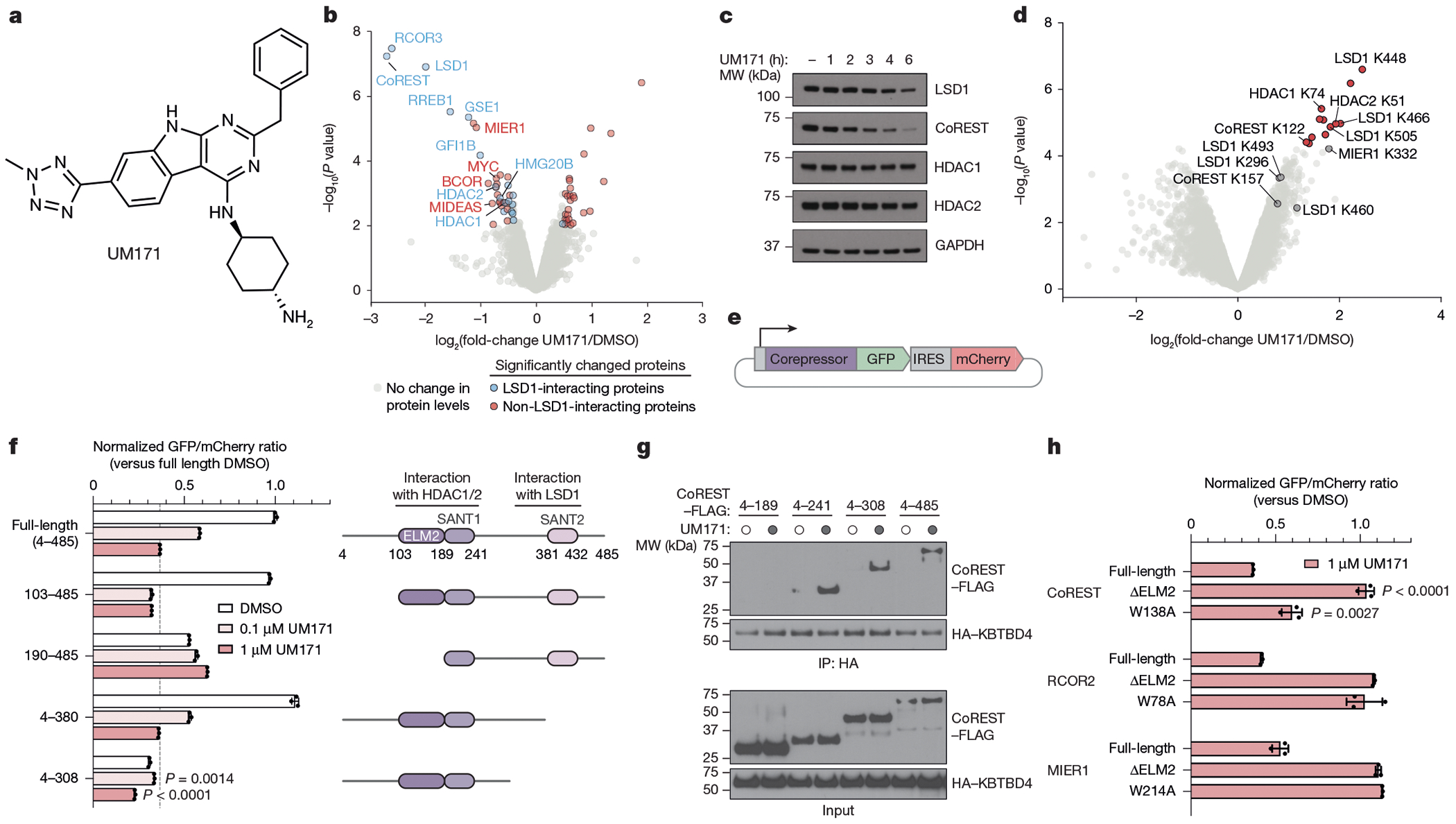
“We conducted a global proteomics analysis in two UM171-sensitive cell lines, SET-2 and MV4;11, after vehicle (DMSO) or UM171 treatment (6 h, 1 µM).”
InfluentialChemical phylogenetics of histone deacetylases
Bradner, J. E., West, N., Grachan, M. L., Greenberg, E. F., Haggarty, S. J., Warnow, T., & Mazitschek, R. (2010) · Nature Chemical Biology · doi:10.1038/nchembio.313 · Cited by 720 · cited 1×
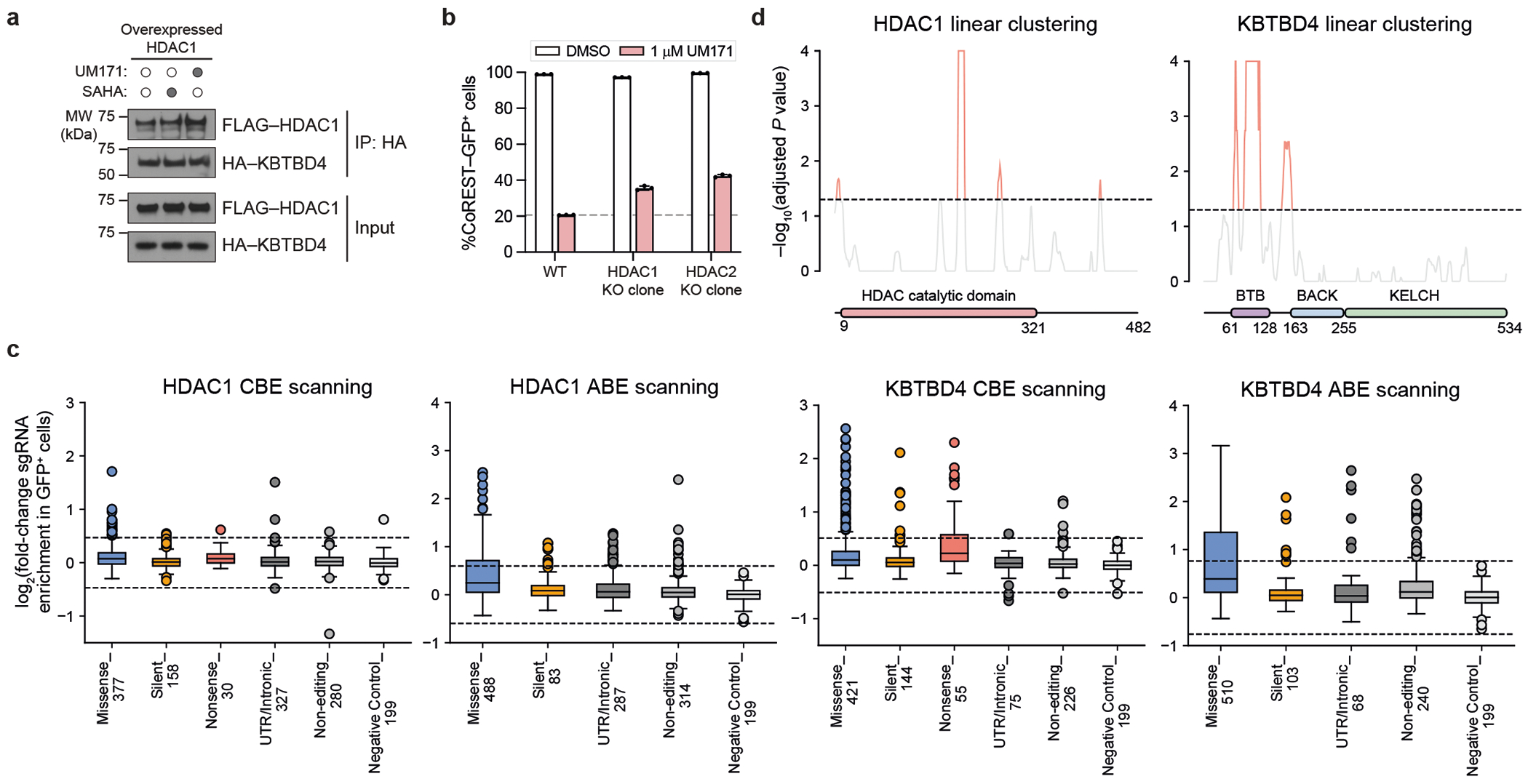
“Lastly, pretreatment with HDAC active-site inhibitors 28 —including suberoylanilide hydroxamic acid (SAHA), CI-994 and Cpd-60 29 —also blocked CoREST–GFP degradation as well as co-IP of FLAG–KBTBD4 with CoREST, HDAC1 and HDAC2 induced by UM171 (Fig.”
Self-citationSequence and structural analysis of BTB domain proteins
Stogios, P. J., Downs, G. S., Jauhal, J. J., Nandra, S. K., & Privé, G. G. (2005) · Genome Biology · doi:10.1186/gb-2005-6-10-r82 · Cited by 694 · cited 3×
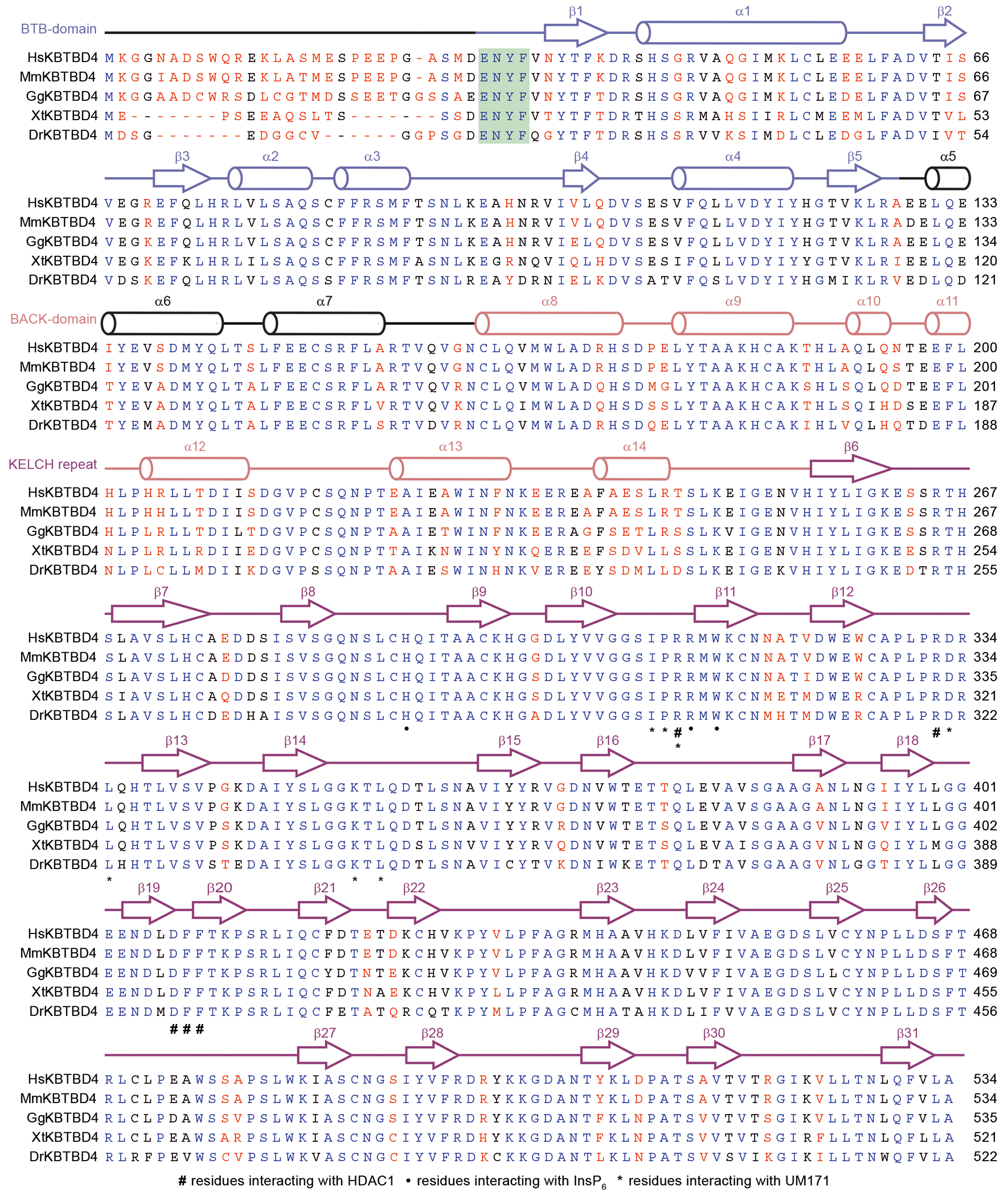
“As expected, KBTBD4 forms a homodimer through its BTB domain, which is characterized by a domain-swapped two-stranded β-sheet (β1 and β5) 34 (Fig.”
Engineered Virus-like Particles for Efficient in Vivo Delivery of Therapeutic Proteins
Banskota, S., Raguram, A., Suh, S., Du, S. W., Davis, J. R., Choi, E. H., Wang, X., Nielsen, S. C., Newby, G. A., Randolph, P. B., et al. (2022) · Cell · doi:10.1016/j.cell.2021.12.021 · Cited by 668 · cited 1×
“Engineered virus-like particles (eVLPs) were produced as previously described 71 .”
Schreiber, S. L. (2021) · Cell · doi:10.1016/j.cell.2020.12.020 · Cited by 598
Pyrimidoindole derivatives are agonists of human hematopoietic stem cell self-renewal
Fares, I., Chagraoui, J., Gareau, Y., Gingras, S., Ruel, R., Mayotte, N., Csaszar, E., Knapp, D. J. H. F., Miller, P., Ngom, M., et al. (2014) · Science · doi:10.1126/science.1256337 · Cited by 565
Defining the human C2H2 zinc finger degrome targeted by thalidomide analogs through CRBN
Sievers, Q. L., Petzold, G., Bunker, R. D., Renneville, A., Słabicki, M., Liddicoat, B. J., Abdulrahman, W., Mikkelsen, T., Ebert, B. L., & Thomä, N. H. (2018) · Science · doi:10.1126/science.aat0572 · Cited by 537
Structure of Hdac3 Bound to Co-Repressor and Inositol Tetraphosphate
Watson, P. J., Fairall, L., Santos, G. M., & Schwabe, J. W. R. (2012) · Nature · doi:10.1038/nature10728 · Cited by 505 · cited 2×
“InsP 6 has been previously shown to stabilize the interaction between HDAC1/2 and their cognate core-pressors 21,31,32 .”
Xu, L., Wei, Y., Reboul, J., Vaglio, P., Shin, T.-H., Vidal, M., Elledge, S. J., & Harper, J. W. (2003) · Nature · doi:10.1038/nature01985 · Cited by 495 · cited 1×
“Among the superfamily of CRL E3s, CRL3 possesses the most substrate receptors, the majority of which share the same BTB-KELCH domain composition as KBTBD4 46–50 .”
Zhuang, M., Calabrese, M. F., Liu, J., Waddell, M. B., Nourse, A., Hammel, M., Miller, D. J., Walden, H., Duda, D. M., Seyedin, S. N., et al. (2009) · Molecular Cell · doi:10.1016/j.molcel.2009.09.022 · Cited by 486 · cited 1×
“The predicted CUL3-binding 3-box helices of the KBTBD4 BTB domain are extended by five short helices in the BACK domain, which is connected to the KELCH-repeat domain through a linker sequence 12,35 .”
Targeting of protein ubiquitination by BTB–Cullin 3–Roc1 ubiquitin ligases
Furukawa, M., He, Y. J., Borchers, C., & Xiong, Y. (2003) · Nature Cell Biology · doi:10.1038/ncb1056 · Cited by 458
The CDK inhibitor CR8 acts as a molecular glue degrader that depletes cyclin K
Słabicki, M., Kozicka, Z., Petzold, G., Li, Y.-D., Manojkumar, M., Bunker, R. D., Donovan, K. A., Sievers, Q. L., Koeppel, J., Suchyta, D., et al. (2020) · Nature · doi:10.1038/s41586-020-2374-x · Cited by 433
Lauffer, B. E. L., Mintzer, R., Fong, R., Mukund, S., Tam, C., Zilberleyb, I., Flicke, B., Ritscher, A., Fedorowicz, G., Vallero, R., et al. (2013) · Journal of Biological Chemistry · doi:10.1074/jbc.m113.490706 · Cited by 429
The BTB protein MEL-26 is a substrate-specific adaptor of the CUL-3 ubiquitin-ligase
Pintard, L., Willis, J. H., Willems, A., Johnson, J.-L. F., Srayko, M., Kurz, T., Glaser, S., Mains, P. E., Tyers, M., Bowerman, B., et al. (2003) · Nature · doi:10.1038/nature01959 · Cited by 429
ColabFold - Making protein folding accessible to all
Ovchinnikov, S., Steinegger, M., Mirdita, M., konsti, Moriwaki, Y., Kim, R. S., Wang, P., Kosinski, J., Tadej Satler, P., Cha, S., et al. (2021) · bioRxiv (Cold Spring Harbor Laboratory) · doi:10.5281/zenodo.5123296 · Cited by 425
Class I HDACs Share a Common Mechanism of Regulation by Inositol Phosphates
Millard, C. J., Watson, P. J., Celardo, I., Gordiyenko, Y., Cowley, S. M., Robinson, C. V., Fairall, L., & Schwabe, J. W. R. (2013) · Molecular Cell · doi:10.1016/j.molcel.2013.05.020 · Cited by 396 · cited 4×
“InsP 6 has been previously shown to stabilize the interaction between HDAC1/2 and their cognate core-pressors 21,31,32 .”
InfluentialReal-space refinement in PHENIX for cryo-EM and crystallography
Afonine, P. V., Poon, B. K., Read, R. J., Sobolev, O. V., Terwilliger, T. C., Urzhumtsev, A., & Adams, P. D. (2018) · eScholarship (California Digital Library) · Cited by 374
BTB/POZ Domain Proteins Are Putative Substrate Adaptors for Cullin 3 Ubiquitin Ligases
Geyer, R., Wee, S., Anderson, S., Yates, J., & Wolf, D. A. (2003) · Molecular Cell · doi:10.1016/s1097-2765(03)00341-1 · Cited by 338
Massively parallel assessment of human variants with base editor screens
Hanna, R. E., Hegde, M., Fagre, C. R., DeWeirdt, P. C., Sangree, A. K., Szegletes, Z., Griffith, A., Feeley, M. N., Sanson, K. R., Baidi, Y., et al. (2021) · Cell · doi:10.1016/j.cell.2021.01.012 · Cited by 316
Massively parallel assessment of human variants with base editor screens
Hanna, R. E., Hegde, M., Fagre, C. R., DeWeirdt, P. C., Sangree, A. K., Szegletes, Z., Griffith, A., Feeley, M. N., Sanson, K. R., Baidi, Y., et al. (2020) · doi:10.1101/2020.05.17.100818 · Cited by 314
Structural basis for Cul3 protein assembly with the BTB-Kelch family of E3 ubiquitin ligases
Canning, P., Cooper, C. D. O., Krojer, T., Murray, J. W., Pike, A. C. W., Chaikuad, A., Keates, T., Thangaratnarajah, C., Hojzan, V., Marsden, B. D., et al. (2013) · Journal of Biological Chemistry · doi:10.1074/jbc.m112.437996 · Cited by 284 · cited 1×
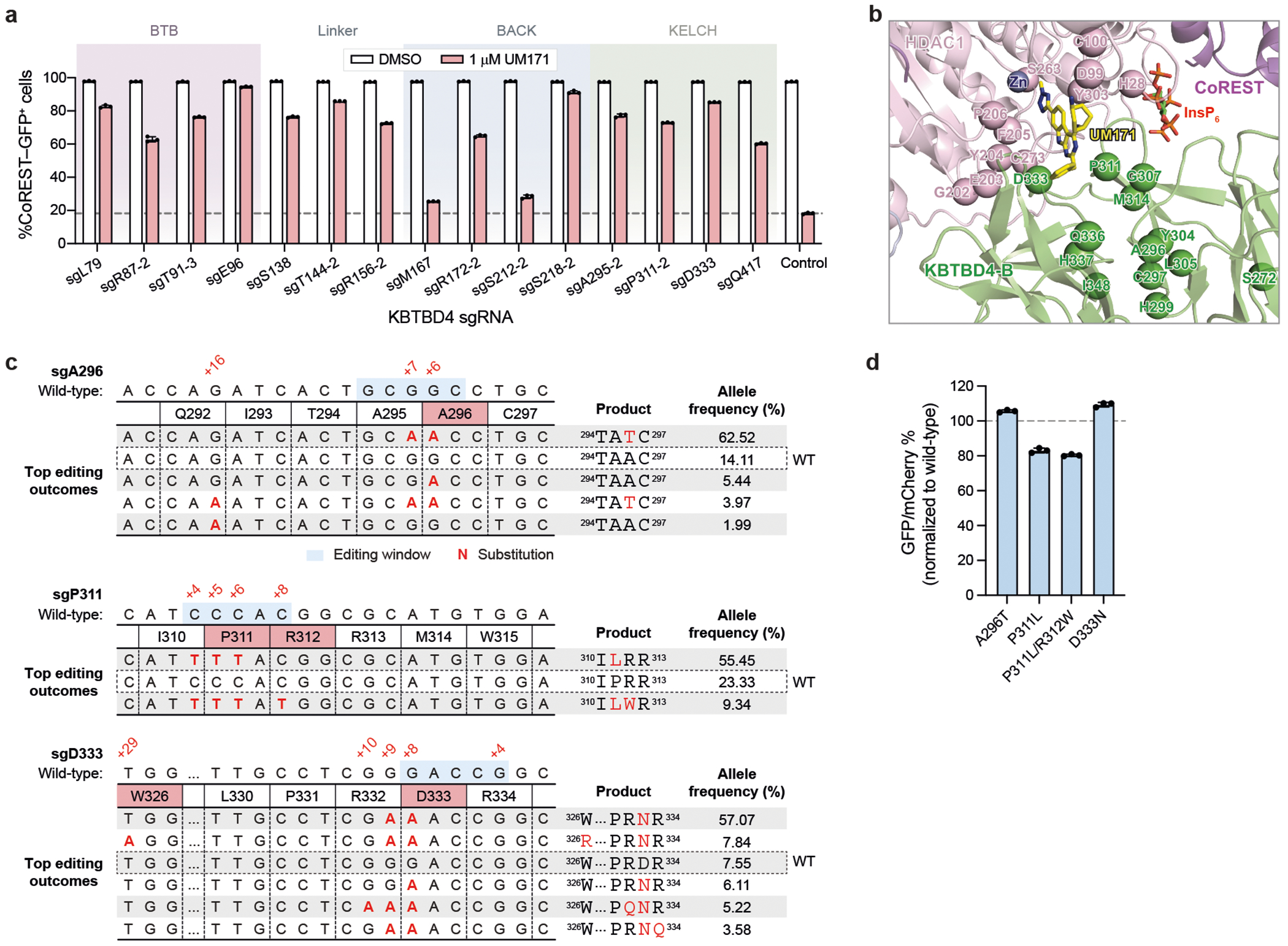
“Library sgRNA annotations and base editor scanning data are provided in Supplementary Data 7–14.”
Cullin-RING Ubiquitin Ligase Regulatory Circuits: A Quarter Century Beyond the F-Box Hypothesis
Harper, J. W., & Schulman, B. A. (2021) · Annual Review of Biochemistry · doi:10.1146/annurev-biochem-090120-013613 · Cited by 256
Insights into the activation mechanism of class I HDAC complexes by inositol phosphates
Watson, P. J., Millard, C. J., Riley, A. M., Robertson, N. S., Wright, L. C., Godage, H. Y., Cowley, S. M., Jamieson, A. G., Potter, B. V. L., & Schwabe, J. W. R. (2016) · Nature Communications · doi:10.1038/ncomms11262 · Cited by 244 · cited 2×
“…that the deacetylase does not undergo major conformational changes after E3-UM171 binding, although an α-helix and a loop region concealing the C-terminal edge of HDAC1’s central β-sheet are slightly spread apart by KBTBD4-A to promote KBTBD4– UM171–LHC complex formation 41 (Extended Data Fig.”
Targeting the CoREST complex with dual histone deacetylase and demethylase inhibitors
Kalin, J. H., Wu, M., Gomez, A. V., Song, Y., Das, J., Hayward, D., Adejola, N., Wu, M., Panova, I., Chung, H. J., et al. (2018) · Nature Communications · doi:10.1038/s41467-017-02242-4 · Cited by 229 · cited 1×
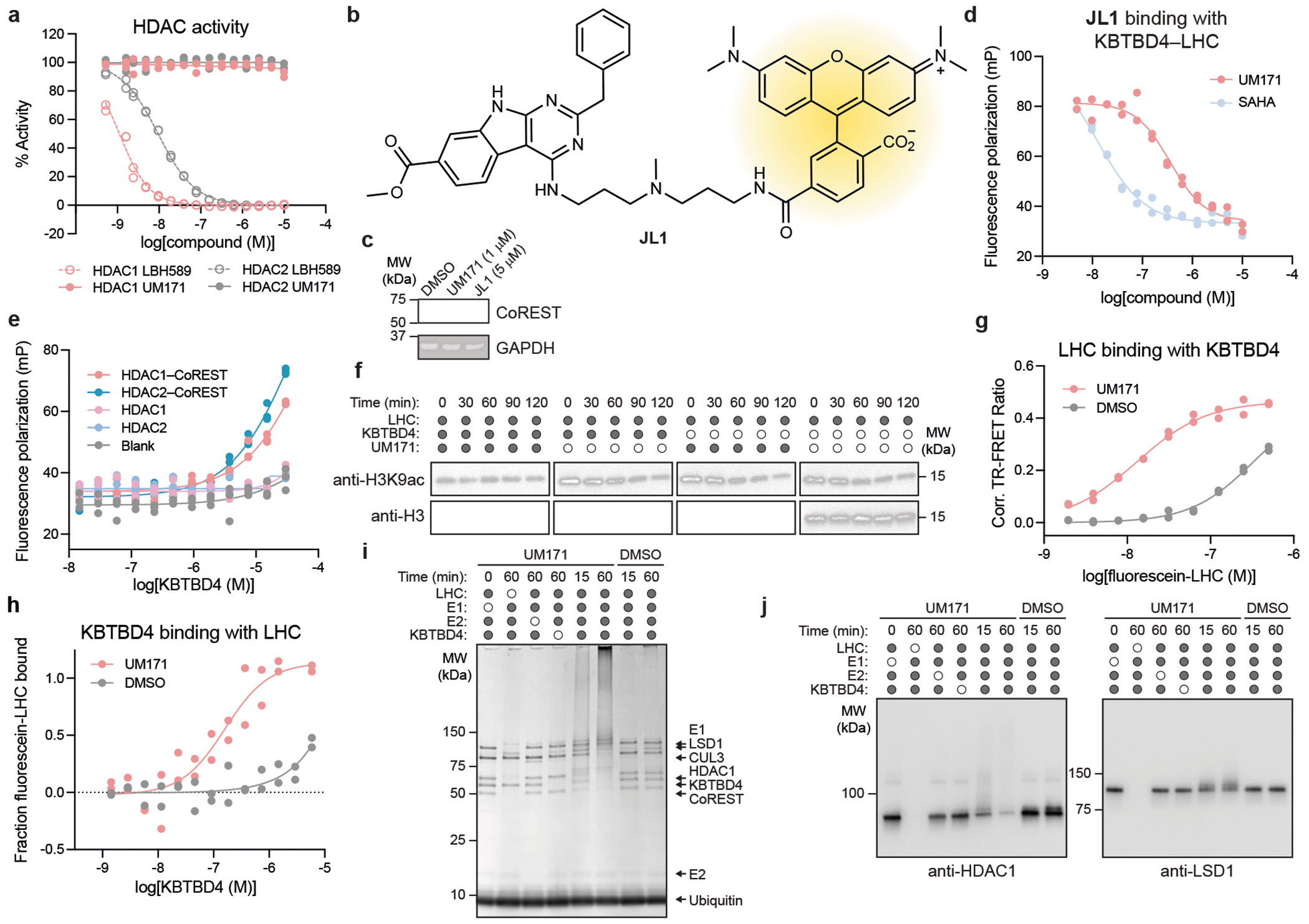
“We next sought to determine whether UM171 is sufficient to induce ternary complex formation between KBTBD4 and members of the LHC complex 17,30 .”
Self-citationMethot, J. L., Chakravarty, P. K., Chenard, M., Close, J., Cruz, J. C., Dahlberg, W. K., Fleming, J., Hamblett, C. L., Hamill, J. E., Harrington, P., et al. (2008) · Bioorganic & Medicinal Chemistry Letters · doi:10.1016/j.bmcl.2007.12.031 · Cited by 191 · cited 1×
“Lastly, pretreatment with HDAC active-site inhibitors 28 —including suberoylanilide hydroxamic acid (SAHA), CI-994 and Cpd-60 29 —also blocked CoREST–GFP degradation as well as co-IP of FLAG–KBTBD4 with CoREST, HDAC1 and HDAC2 induced by UM171 (Fig.”
The BACK domain in BTB-kelch proteins
STOGIOS, P., & PRIVE, G. (2004) · Trends in Biochemical Sciences · doi:10.1016/j.tibs.2004.10.003 · Cited by 178 · cited 1×
“The predicted CUL3-binding 3-box helices of the KBTBD4 BTB domain are extended by five short helices in the BACK domain, which is connected to the KELCH-repeat domain through a linker sequence 12,35 .”
NRF2 activation induces NADH-reductive stress, providing a metabolic vulnerability in lung cancer
Weiss‐Sadan, T., Ge, M., Hayashi, M., Gohar, M., Yao, C.-H., de Groot, A., Harry, S. A., Carlin, A. D., Fischer, H., Shi, L., et al. (2023) · Cell Metabolism · doi:10.1016/j.cmet.2023.01.012 · Cited by 174
Self-citationChemically defined cytokine-free expansion of human haematopoietic stem cells
Sakurai, M., Ishitsuka, K., Ito, R., Wilkinson, A. C., Kimura, T., Mizutani, E., Nishikii, H., Sudo, K., Becker, H. J., Takemoto, H., et al. (2023) · Nature · doi:10.1038/s41586-023-05739-9 · Cited by 159
Wu, C., Huang, X., Cheng, J., Zhu, D., & Zhang, X. (2019) · Journal of Structural Biology · doi:10.1016/j.jsb.2019.09.013 · Cited by 147 · cited 1×
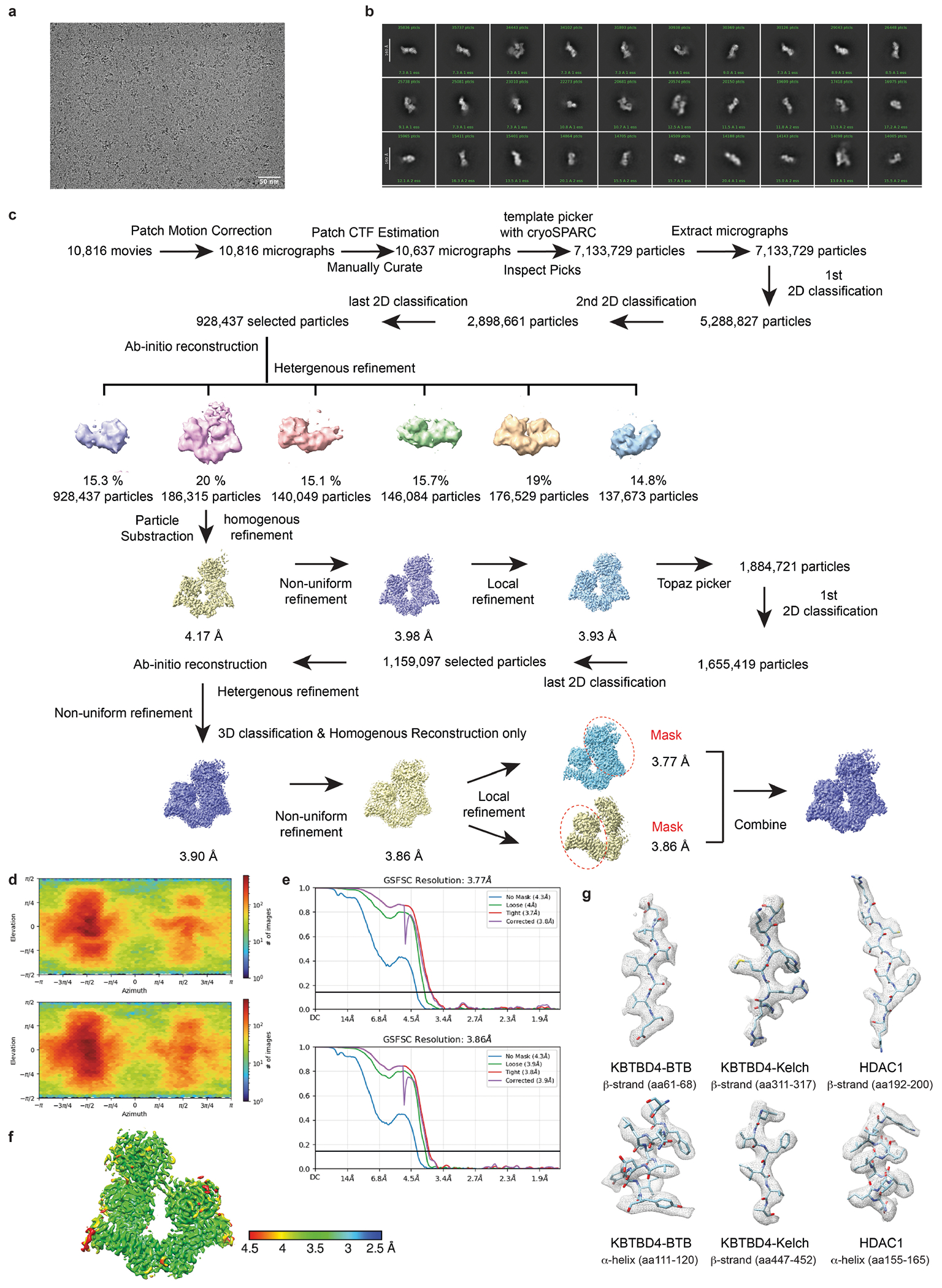
“Automation scheme was implemented using the SerialEM 72 software using beam-image shift 73 at a nominal magnification of ×105,000, resulting a physical pixel size of 0.885 Å.”
InfluentialMechanism of Crosstalk between the LSD1 Demethylase and HDAC1 Deacetylase in the CoREST Complex
Song, Y., Dagil, L., Fairall, L., Robertson, N., Wu, M., Ragan, T. J., Savva, C. G., Saleh, A., Morone, N., Kunze, M. B. A., et al. (2020) · Cell Reports · doi:10.1016/j.celrep.2020.01.091 · Cited by 137 · cited 4×
“The purity of the complex was verified by SDS–PAGE and fractions with 90–95% purity were pooled and stored at −80 °C. Recombinant LSD1–CoREST–HDAC complex comprised full-length LSD1 (UniProt: O60341) or LSD1(Δ77–86), full-length HDAC1 (UniProt: Q13547) and N-terminally truncated CoREST (amino acids 86–485) (UniProt: Q…”
InfluentialSelf-citationCowan, A. D., & Ciulli, A. (2022) · Annual Review of Biochemistry · doi:10.1146/annurev-biochem-032620-104421 · Cited by 130 · cited 9×
“1a and Supplementary Data 1 and 2).”
InfluentialStructure of the C‐terminal domain of Tup1, a corepressor of transcription in yeast
Sprague, E. R., Redd, M. J., Johnson, A. D., & Wolberger, C. (2000) · The EMBO Journal · doi:10.1093/emboj/19.12.3016 · Cited by 125 · cited 1×
“36) (Fig.”
Defining molecular glues with a dual-nanobody cannabidiol sensor
Cao, S., Kang, S., Mao, H., Yao, J., Gu, L., & Zheng, N. (2022) · Nature Communications · doi:10.1038/s41467-022-28507-1 · Cited by 125 · cited 2×
“1e and Supplementary Data 5 and 6).”
Self-citationRapid and deep-scale ubiquitylation profiling for biology and translational research
Udeshi, N. D., Mani, D. C., Satpathy, S., Fereshetian, S., Gasser, J. A., Svinkina, T., Olive, M. E., Ebert, B. L., Mertins, P., & Carr, S. A. (2020) · Nature Communications · doi:10.1038/s41467-019-14175-1 · Cited by 111 · cited 3×
“…fractions were reconstituted in 3% acetonitrile/0.1% formic acid, and 1 µg from each of the 24 fractions was injected for LC–MS/MS analysis onto an Orbitrap Exploris 480 mass spectrometer coupled to a Vanquish Neo UHPLC system (Thermo Fisher Scientific) essentially as previously described 58 .”
InfluentialSelf-citationRecognition of the Diglycine C-End Degron by CRL2KLHDC2 Ubiquitin Ligase
Rusnac, D.-V., Lin, H.-C., Canzani, D., Tien, K. X., Hinds, T. R., Tsue, A. F., Bush, M. F., Yen, H.-C. S., & Zheng, N. (2018) · Molecular Cell · doi:10.1016/j.molcel.2018.10.021 · Cited by 93
Self-citationChagraoui, J., Girard, S., Spinella, J.-F., Simon, L., Bonneil, E., Mayotte, N., MacRae, T., Coulombe-Huntington, J., Bertomeu, T., Moison, C., et al. (2021) · Cell Stem Cell · doi:10.1016/j.stem.2020.12.002 · Cited by 93
CRISPR-suppressor scanning reveals a nonenzymatic role of LSD1 in AML
Vinyard, M. E., Su, C., Siegenfeld, A. P., Waterbury, A. L., Freedy, A. M., Gosavi, P. M., Park, Y., Kwan, E. E., Senzer, B. D., Doench, J. G., et al. (2019) · Nature Chemical Biology · doi:10.1038/s41589-019-0263-0 · Cited by 92
Self-citationChemo-proteomics exploration of HDAC degradability by small molecule degraders
Xiong, Y., Donovan, K. A., Eleuteri, N. A., Kirmani, N., Yue, H., Razov, A., Krupnick, N. M., Nowak, R. P., & Fischer, E. S. (2021) · Cell Chemical Biology · doi:10.1016/j.chembiol.2021.07.002 · Cited by 86 · cited 1×
“Several other highly downregulated proteins are components of the broader LHC complex (for example, RREB1, GSE1, HMG20B), suggesting extensive collateral degradation 18 .”
Ding, Z., Gillespie, L. L., & Paterno, G. D. (2003) · Molecular and Cellular Biology · doi:10.1128/mcb.23.1.250-258.2003 · Cited by 77 · cited 1×
“Mutation of MIER1 Trp214 to alanine (W214A) has been previously shown to disrupt the MIER1–HDAC1 interface 25 .”
Schumacher, F.-R., Sorrell, F. J., Alessi, D. R., Bullock, A. N., & Kurz, T. (2014) · Biochemical Journal · doi:10.1042/bj20140153 · Cited by 76 · cited 1×
“Although the central pocket presented by the top surface of a propeller fold is frequently used by KELCH-repeat-domain-containing E3s to engage their substrates 37–39 , the two propellers in the KBTBD4 dimer orient their top surfaces in opposite directions (Extended Data Fig.”
Lysine-specific demethylase 1A restricts ex vivo propagation of human HSCs and is a target of UM171
Subramaniam, A., Žemaitis, K., Talkhoncheh, M. S., Yudovich, D., Bäckström, A., Debnath, S., Chen, J., Jain, M. V., Galeev, R., Gaetani, M., et al. (2020) · Blood · doi:10.1182/blood.2020005827 · Cited by 75 · cited 1×
“To assess which downregulated proteins are direct versus collateral targets of UM171–KBTBD4, we cross-compared to LSD1-interacting proteins identified by co-immunoprecipitation (co-IP)–mass spectrometry (MS) 19 (Supplementary Data 3).”
Diverse nucleosome Site-Selectivity among histone deacetylase complexes
Wang, Z. A., Millard, C. J., Lin, C.-L., Gurnett, J. E., Wu, M., Lee, K., Fairall, L., Schwabe, J. W., & Cole, P. A. (2020) · eLife · doi:10.7554/elife.57663 · Cited by 74 · cited 2×
“Imaging analysis with chemiluminescence on GeneSys was quantified using ImageJ software 62 .”
Self-citationCrystal Structure of KLHL3 in Complex with Cullin3
Ji, A. X., & Privé, G. G. (2013) · PLoS ONE · doi:10.1371/journal.pone.0060445 · Cited by 73
Bright and stable luminescent probes for target engagement profiling in live cells
Payne, N. C., Kalyakina, A. S., Singh, K., Tye, M. A., & Mazitschek, R. (2021) · Nature Chemical Biology · doi:10.1038/s41589-021-00877-5 · Cited by 73 · cited 1×
“An ectopic cysteine residue was introduced at the N terminus of CoREST (amino acids 86-485) and selectively labelled with fluorescein (Methods) while His–KBTBD4 was labelled in situ with an anti-His CoraFluor-1 antibody 32,33 .”
Self-citationWu, M., Hayward, D., Kalin, J. H., Song, Y., Schwabe, J. W. R., & Cole, P. A. (2018) · eLife · doi:10.7554/elife.37231 · Cited by 72 · cited 2×
“The depsipeptide as Fmoc-Thr(O t Bu)-glycolic acid was synthesized based on a reported two-step protocol 61 .”
Self-citationAbelin, J. G., Bergstrom, E. J., Rivera, K. D., Taylor, H. B., Klaeger, S., Xu, C., Verzani, E. K., White, C. J., Woldemichael, H. B., Virshup, M., et al. (2023) · Nature Communications · doi:10.1038/s41467-023-37547-0 · Cited by 71 · cited 1×
“Non-TMT-labelled K-ε-GG-enrichment flowthroughs were processed for proteome analysis as previously described 59 .”
Self-citationBenchmarking of SpCas9 variants enables deeper base editor screens of BRCA1 and BCL2
Sangree, A. K., Griffith, A. L., Szegletes, Z. M., Roy, P., DeWeirdt, P. C., Hegde, M., McGee, A. V., Hanna, R. E., & Doench, J. G. (2022) · Nature Communications · doi:10.1038/s41467-022-28884-7 · Cited by 70 · cited 1×
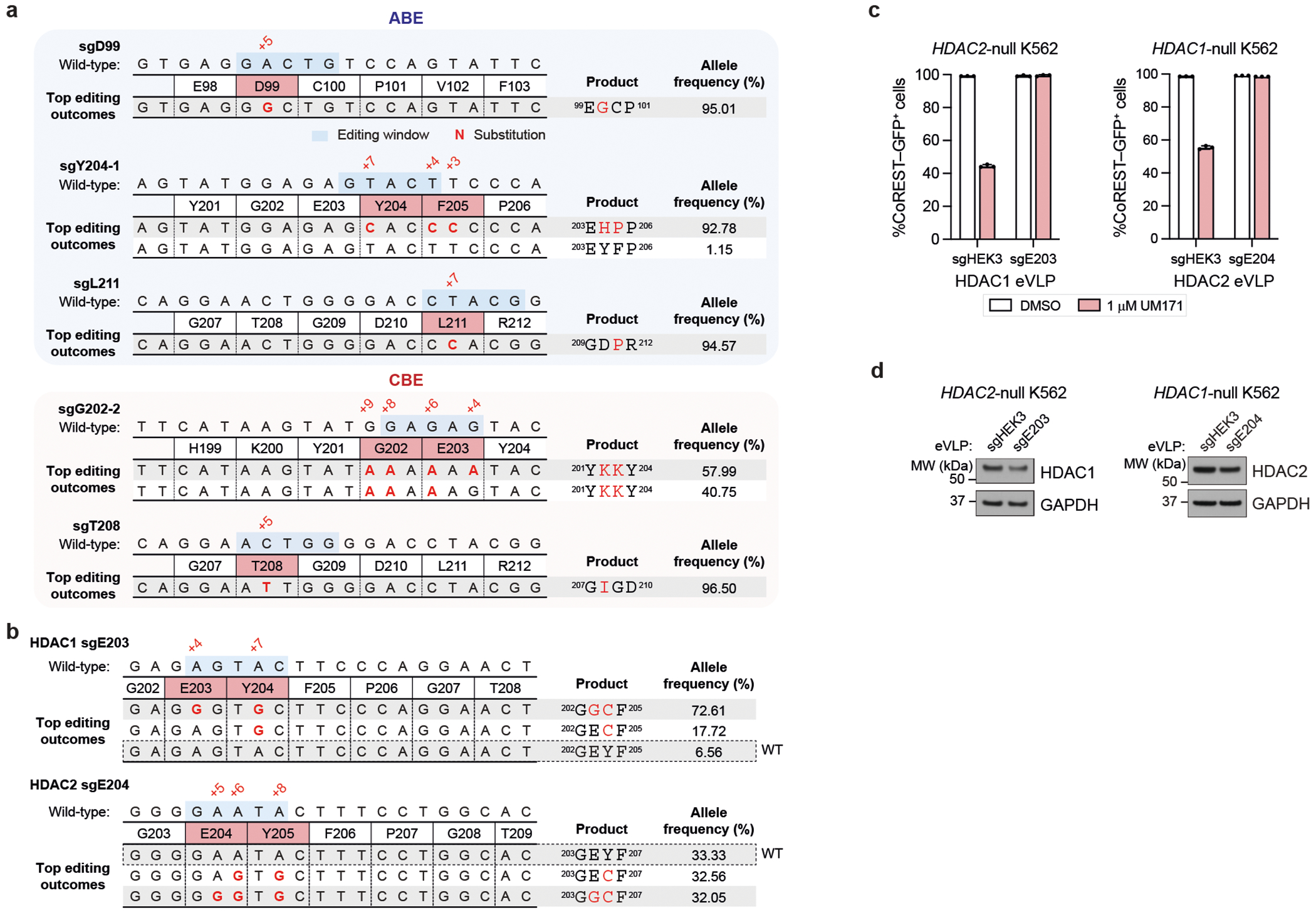
“Consequently, we used base editor scanning 43 to systematically mutate endogenous HDAC1, using the expanded PAM variant SpG Cas9 cytidine and adenosine base editors (CBE and ABE, respectively) to increase amino acid mutational coverage 44 (Fig.”
Histone H2B Deacylation Selectivity: Exploring Chromatin’s Dark Matter with an Engineered Sortase
Wang, Z. A., Whedon, S. D., Wu, M., Wang, S., Brown, E. A., Anmangandla, A., Regan, L., Lee, K., Du, J., Hong, J. Y., et al. (2022) · Journal of the American Chemical Society · doi:10.1021/jacs.1c13555 · Cited by 67 · cited 1×
“The general deacetylation assay was set up as reported previously 66 .”
Self-citationCRL3s: The BTB-CUL3-RING E3 Ubiquitin Ligases
Wang, P., Song, J., & Ye, D. (2020) · Advances in experimental medicine and biology · doi:10.1007/978-981-15-1025-0_13 · Cited by 63
Two diphosphorylated degrons control c-Myc degradation by the Fbw7 tumor suppressor
Welcker, M., Wang, B., Rusnac, D.-V., Hussaini, Y., Swanger, J., Zheng, N., & Clurman, B. E. (2022) · Science Advances · doi:10.1126/sciadv.abl7872 · Cited by 58
Self-citationStructural Basis of Sirtuin 6-Catalyzed Nucleosome Deacetylation
Wang, Z. A., Markert, J. W., Whedon, S. D., Abeywardana, M. Y., Lee, K., Jiang, H., Suarez, C., Lin, H., Farnung, L., & Cole, P. A. (2023) · Journal of the American Chemical Society · doi:10.1021/jacs.2c13512 · Cited by 56 · cited 2×
“The octamer was purified by size-exclusion chromatography using the Superdex 200 10/300 GL column (GE Healthcare) and was used for nucleosome assembly with 146 bp 601 Widom DNA as reported previously 65 .”
Self-citationProfiling the Landscape of Drug Resistance Mutations in Neosubstrates to Molecular Glue Degraders
Gosavi, P. M., Ngan, K. C., Yeo, M. J. R., Su, C., Li, J., Lue, N. Z., Hoenig, S. M., & Liau, B. B. (2022) · ACS Central Science · doi:10.1021/acscentsci.1c01603 · Cited by 56
Self-citationDempsey, D. R., Jiang, H., Kalin, J. H., Chen, Z., & Cole, P. A. (2018) · Journal of the American Chemical Society · doi:10.1021/jacs.8b05098 · Cited by 54
Self-citationResolving the deceptive isoform and complex selectivity of HDAC1/2 inhibitors
Payne, N. C., & Mazitschek, R. (2022) · Cell chemical biology · doi:10.1016/j.chembiol.2022.03.002 · Cited by 38 · cited 3×
“Up to 10 MS2 spectra per duty cycle were triggered at a resolution of 45,000, an AGC target of 50%, an isolation window of 0.7 m / z and a normalized collision energy of 32.”
InfluentialSelf-citationBase editor screens for in situ mutational scanning at scale
Lue, N. Z., & Liau, B. B. (2023) · Molecular Cell · doi:10.1016/j.molcel.2023.06.009 · Cited by 38 · cited 1×
“Consequently, we used base editor scanning 43 to systematically mutate endogenous HDAC1, using the expanded PAM variant SpG Cas9 cytidine and adenosine base editors (CBE and ABE, respectively) to increase amino acid mutational coverage 44 (Fig.”
Self-citationStructural Basis for Recruitment of DAPK1 to the KLHL20 E3 Ligase
Chen, Z., Picaud, S., Filippakopoulos, P., D'Angiolella, V., & Bullock, A. N. (2019) · Structure · doi:10.1016/j.str.2019.06.005 · Cited by 37
Cohen, S., Bambace, N. M., Ahmad, I., Roy, J., Tang, X., Zhang, M., Burns, L. J., Barabé, F., Bernard, L., Delisle, J., et al. (2023) · Blood Advances · doi:10.1182/bloodadvances.2023010599 · Cited by 36
Collateral lethality between HDAC1 and HDAC2 exploits cancer-specific NuRD complex vulnerabilities
Zhang, Y., Remillard, D., Onubogu, U., Karakyriakou, B., Asiaban, J. N., Ramos, A. R., Bowland, K., Bishop, T. R., Barta, P. A., Nance, S., et al. (2023) · Nature Structural & Molecular Biology · doi:10.1038/s41594-023-01041-4 · Cited by 36 · cited 9×
“Depletion of HDAC1 and HDAC2, the other interchangeable core members of LHC, was modest at the early timepoints tested, matching our global proteomics (Fig.”
InfluentialAutomating UbiFast for High-throughput and Multiplexed Ubiquitin Enrichment
Rivera, K. D., Olive, M. E., Bergstrom, E. J., Nelson, A. J., Lee, K. A., Satpathy, S., Carr, S. A., & Udeshi, N. D. (2021) · Molecular & Cellular Proteomics · doi:10.1016/j.mcpro.2021.100154 · Cited by 27 · cited 2×
“Enrichment of K-ε-GG peptides was performed using the UbiFast method as previously described 57,58 .”
Self-citationAn autoinhibitory switch of the LSD1 disordered region controls enhancer silencing
Waterbury, A. L., Kwok, H. S., Lee, C., Narducci, D. N., Freedy, A. M., Su, C., Raval, S., Reiter, A. H., Hawkins, W., Lee, K., et al. (2024) · Molecular Cell · doi:10.1016/j.molcel.2024.05.017 · Cited by 23
Self-citationActivity-based CRISPR scanning uncovers allostery in DNA methylation maintenance machinery
(2023) · doi:10.7554/elife.80640 · Cited by 16 · cited 1×
“This enables us to determine whether a given stretch of residues may be more enriched than expected by chance 45 (Methods and Extended Data Fig.”
Self-citationŽemaitis, K., Ghosh, S., Hansson, J., & Subramaniam, A. (2023) · Journal of Biological Chemistry · doi:10.1016/j.jbc.2023.104662 · Cited by 14 · cited 1×
“1b (red dots)), indicating that it might be a distinct neosubstrate of UM171–KBTBD4 independent of LSD1 association—as supported by a recent study 20 .”
Ubiquitin Ligase Activities of WWP1 Germline Variants K740N and N745S
Jiang, H., Dempsey, D. R., & Cole, P. A. (2021) · Biochemistry · doi:10.1021/acs.biochem.0c00869 · Cited by 12
Self-citationCohen, S., Bambace, N. M., Ahmad, I., Burns, L. J., Roy, J., Lachance, S., Bernard, L., Delisle, J., Roy, D., Kiss, T. L., et al. (2022) · Blood · doi:10.1182/blood-2022-160417 · Cited by 6
Research works printed but not linked: 1
- DeLano WL PyMOL: an open-source molecular graphics tool. CCP4 Newsl. Protein Crystallog 40, 82– 92 (2002).
Cited by
Targeted protein degradation for cancer therapy
Hinterndorfer, M., Spiteri, V. A., Ciulli, A., & Winter, G. E. (2025) · Nature Reviews Cancer · doi:10.1038/s41568-025-00817-8 · Cited by 210
“This complex mechanism of action has, so far, prevented the rational design of new MGDs, and most available compounds have been identified serendipitously or via large-scale screens 62–67 .”
Converging mechanism of UM171 and KBTBD4 neomorphic cancer mutations
Xie, X., Zhang, O., Yeo, M. J. R., Lee, C., Tao, R., Harry, S. A., Payne, N. C., Nam, E., Paul, L., Li, Y., et al. (2025) · Nature · doi:10.1038/s41586-024-08533-3 · Cited by 50
“37).”
Self-citationInduced proximity-based therapeutic modalities
King, E. A., Meyers, M., & Nomura, D. K. (2025) · Nature Reviews Drug Discovery · doi:10.1038/s41573-025-01316-z · Cited by 74
“Structural studies revealed that UM171-mediated degradation of CoREST is facilitated by a unique asymmetric and cooperative binding of the CRL3 substrate receptor KBTBD4 with the histone deacetylase HDAC1, a component of the CoREST complex 83 .”
High-throughput ligand diversification to discover chemical inducers of proximity
Shaum, J. B., Ordoño, M. M. I., Steen, E. A., Wenge, D. V., Cheong, H., Janowski, J., Hunkeler, M., Bilotta, E. M., Rutter, Z. J., Barta, P. A., et al. (2026) · Nature Chemical Biology · doi:10.1038/s41589-025-02137-2 · Cited by 47
Benchmarking Cofolding Methods for Molecular Glue Ternary Structure Prediction
Liao, Y., Zhu, J., Xie, J., Lai, L., & Pei, J. (2025) · Journal of Chemical Information and Modeling · doi:10.1021/acs.jcim.5c01860 · Cited by 27
Metadata
- Authors
- Yeo, M. J. R., Zhang, O., Xie, X., Nam, E., Payne, N. C., Gosavi, P. M., Kwok, H. S., Iram, I., Lee, C., Li, J., Chen, N. J., Nguyen, K., Jiang, H., Wang, Z. A., Lee, K., Mao, H., Harry, S. A., Barakat, I. A., Takahashi, M., Waterbury, A. L., Barone, M., Mattevi, A., Carr, S. A., Udeshi, N. D., Bar-Peled, L., Cole, P. A., Mazitschek, R., Liau, B. B., & Zheng, N.
- Affiliations
- Broad Institute (US)
- Howard Hughes Medical Institute (US)
- Brigham and Women's Hospital (US)
- Harvard University (US)
- Massachusetts General Hospital (US)
- University of Pavia (IT)
- Corresponding author
- Liau, Brian B.
- Zheng, Ning
- ORCID
- Yeo, Megan J. R.
- Zhang, Olivia
- Xie, Xiaowen
- Nam, Eunju
- Payne, N. Connor
- Gosavi, Pallavi M.
- Kwok, Hui Si
- Iram, Irtiza
- Lee, Ceejay
- Li, Jiaming
- Chen, Nicholas J.
- Nguyen, Khanh
- Jiang, Hanjie
- Wang, Zhipeng A.
- Lee, Kwangwoon
- Mao, Haibin
- Harry, Stefan A.
- Takahashi, Mariko
- Waterbury, Amanda L.
- Barone, Marco
- Mattevi, Andrea
- Carr, Steven A.
- Udeshi, Namrata D.
- Bar-Peled, Liron
- Cole, Philip A.
- Mazitschek, Ralph
- Liau, Brian B.
- Zheng, Ning
- Venue
- Nature
- Published
- 2025-02-12
- Volume
- 639
- Issue
- 8053
- Pages
- 232-240
- ISSN
- 0028-0836 (ISSN-L)
- 1476-4687
- PMC
- PMC11882444
- OpenAlex
- W4407392239
- Cited by
- 58
- References
- 85
- Citations by year
- 2026: 23 · 2025: 34
- FWCI
- 17.13
- Type
- journal article
- Language
- en
- Open access
- hybrid
- doi.org
- Licence
- cc-by
- creativecommons.org/licenses/by/4.0 (tdm)
- creativecommons.org/licenses/by/4.0 (vor)
- Locations
- Nature (publishedVersion, cc-by)
- bioRxiv (Cold Spring Harbor Laboratory) (acceptedVersion)
- PubMed Central (publishedVersion, cc-by)
- PubMed (publishedVersion)
- PubMed Central (submittedVersion)
- Digital Access to Scholarship at Harvard (DASH) (Harvard University) (submittedVersion, cc-by)
- RePEc: Research Papers in Economics (submittedVersion)
- Funders
- National Cancer Institute (P01CA206978, U01CA271402, U24CA270823, R01CA274437)
- National Institute of General Medical Sciences (DP2GM137494, R35GM149229, R35GM153476)
- Topics
- Life Sciences › Biochemistry, Genetics and Molecular Biology › Molecular Biology › Protein Degradation and Inhibitors
- Life Sciences › Biochemistry, Genetics and Molecular Biology › Molecular Biology › Ubiquitin and proteasome pathways
- Life Sciences › Biochemistry, Genetics and Molecular Biology › Molecular Biology › Epigenetics and DNA Methylation
- Keywords
- UM171, molecular glues, HDAC1/2, protein degradation, phytic acid, small-molecule degraders, quaternary complex
About these checks
Registry, retraction, Cites and statistics results are computed, not judged, with one exception: a printed reference that no index lists is read once by a model before it counts as a citation error. Claims are extracted by a model and kept only when their quote appears verbatim in the text; each cited source is then checked, with a model’s help, for whether it says what the claim relies on. Those verdicts can be wrong — read the claim’s quote and the cited source before relying on one.
Statistics and arithmetic are recomputed, not judged.
Confidence bands are shown only for fields calibrated on our annotated test set. None is calibrated yet, so no band is shown.
What counts as a claim ›How we measure confidence ›How we check this ›
Are you an author, or do you see a problem with this page? Request a review
Data sources
Bibliographic data: Semantic Scholar, OpenAlex, Crossref.
Contains information from the Semantic Scholar Academic Graph Datasets, made available under the ODC Attribution License (ODC-BY 1.0).
Semantic Scholar’s data is described in: Kinney, R., et al. (2023). The Semantic Scholar Open Data Platform. arXiv:2301.10140.
