

Design principles for cyclin K molecular glue degraders
Open accessThe DOI matches its Crossref record; 66 of the 66 references it cites were found in a registry or an index.
Abstract
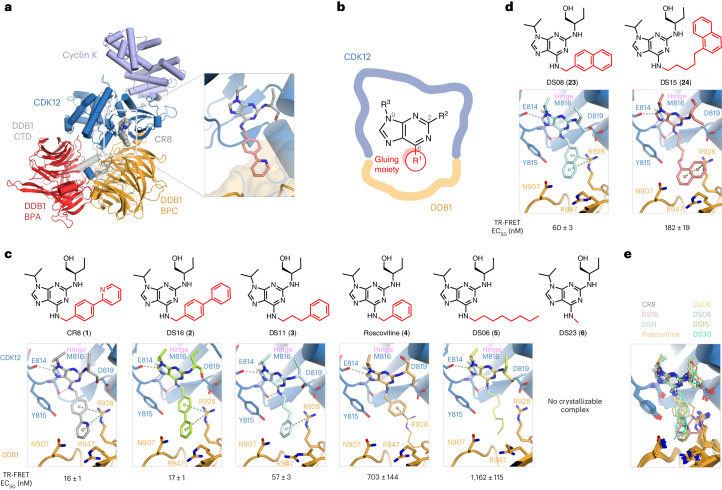
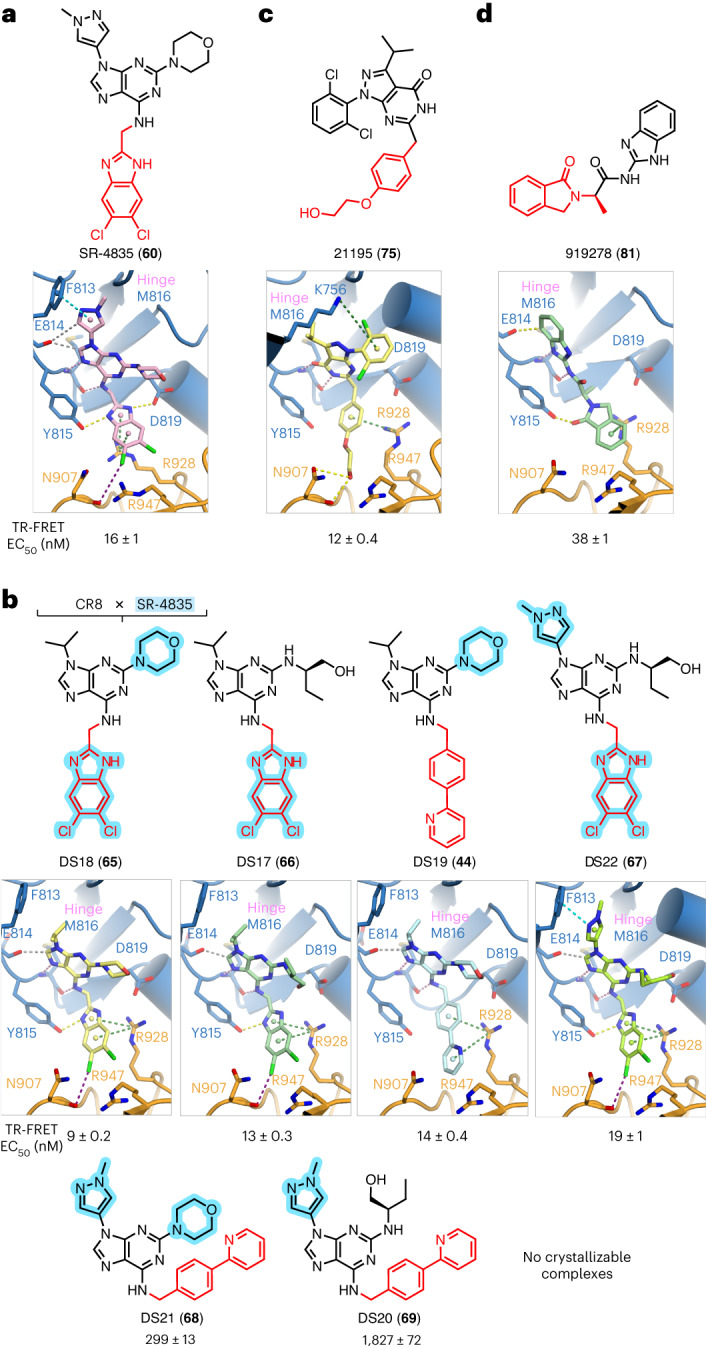
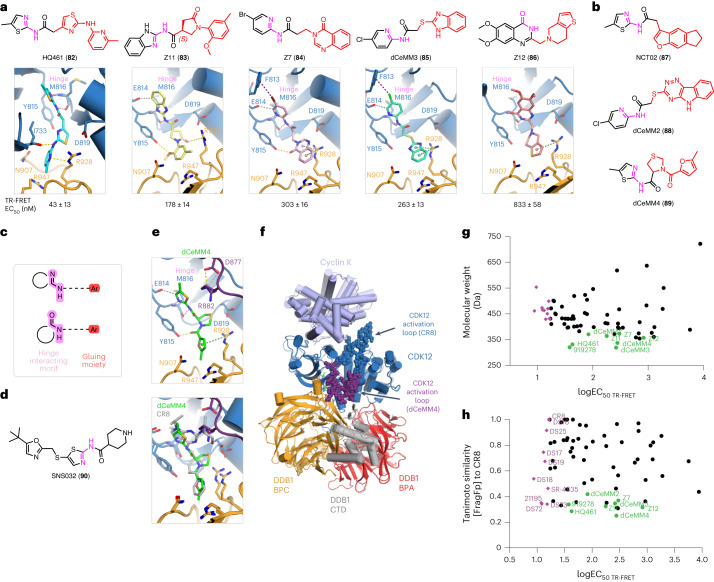
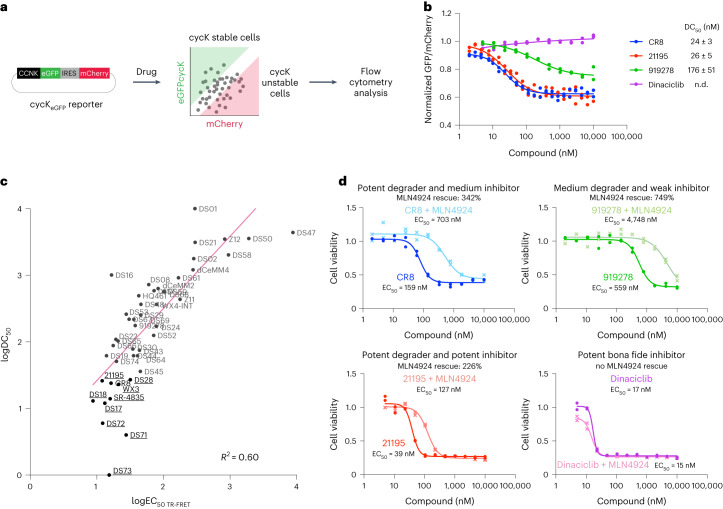
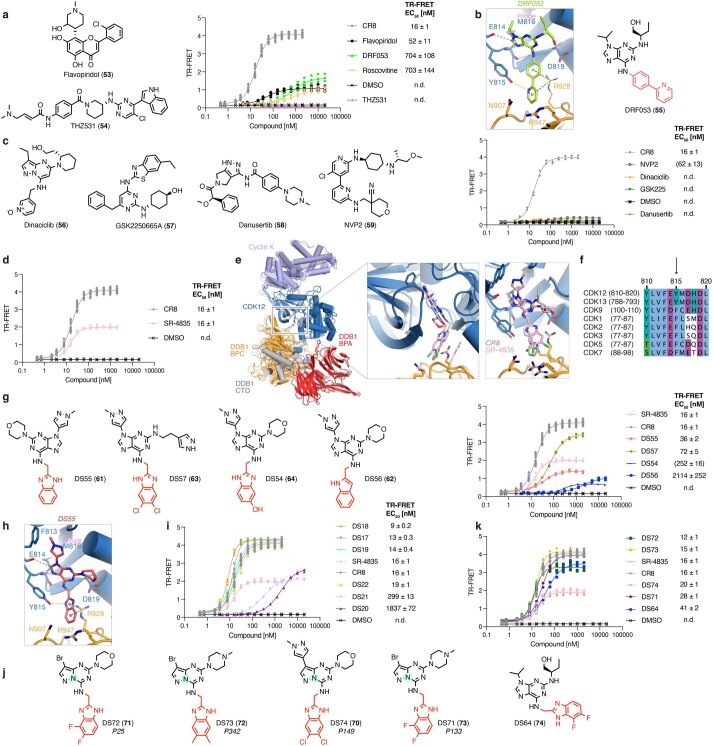
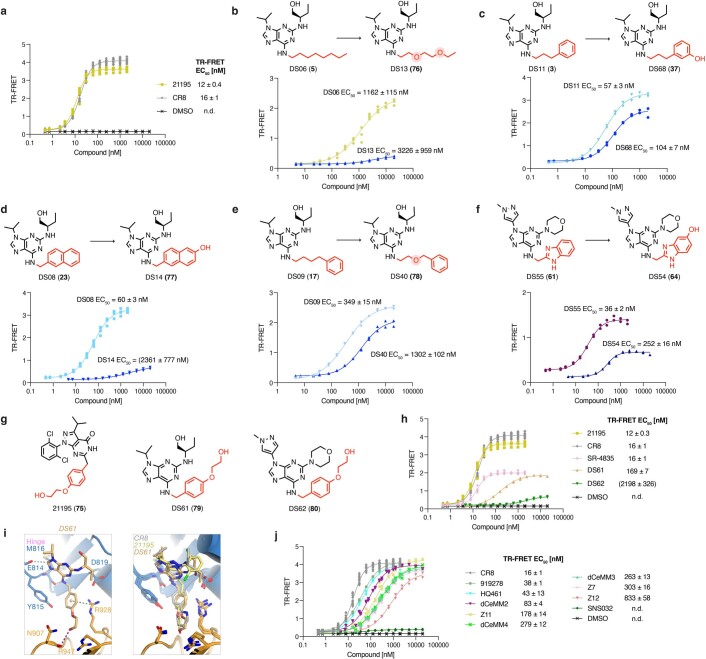
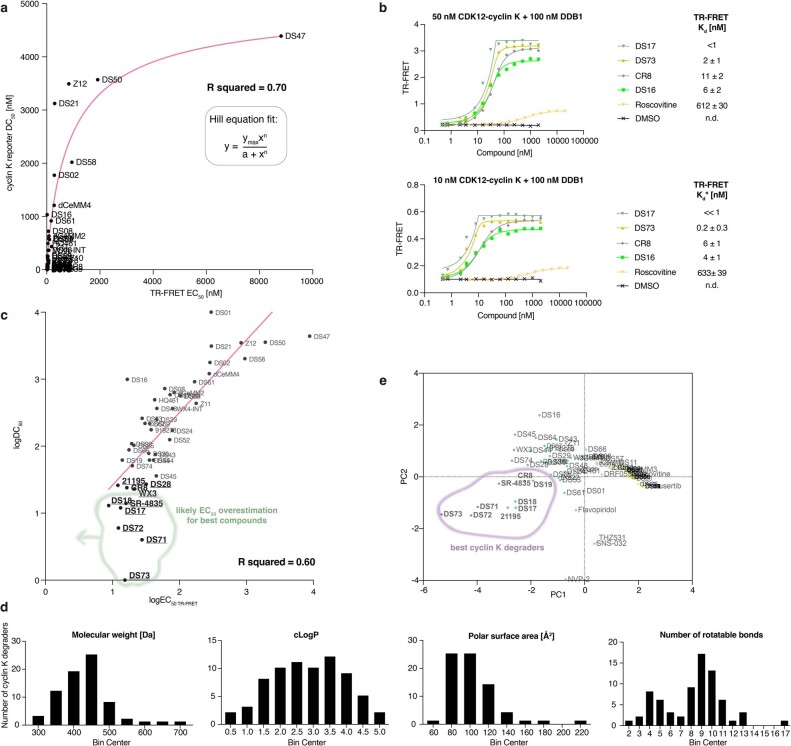
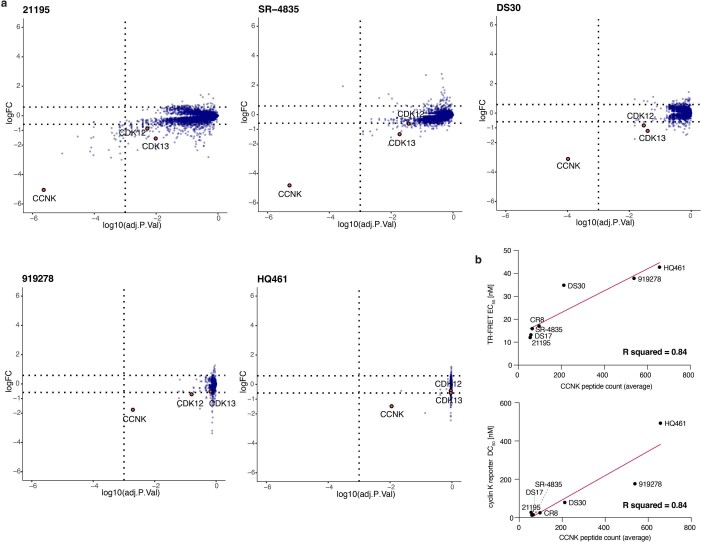
Molecular glue degraders are an effective therapeutic modality, but their design principles are not well understood. Recently, several unexpectedly diverse compounds were reported to deplete cyclin K by linking CDK12–cyclin K to the DDB1–CUL4–RBX1 E3 ligase. Here, to investigate how chemically dissimilar small molecules trigger cyclin K degradation, we evaluated 91 candidate degraders in structural, biophysical and cellular studies and reveal all compounds acquire glue activity via simultaneous CDK12 binding and engagement of DDB1 interfacial residues, in particular Arg928. While we identify multiple published kinase inhibitors as cryptic degraders, we also show that these glues do not require pronounced inhibitory properties for activity and that the relative degree of CDK12 inhibition versus cyclin K degradation is tuneable. We further demonstrate cyclin K degraders have transcriptional signatures distinct from CDK12 inhibitors, thereby offering unique therapeutic opportunities. The systematic structure–activity relationship analysis presented herein provides a conceptual framework for rational molecular glue design.
Overview
The claims and statistics of this paper haven’t been checked yet.
Free: it reads the open-access text and checks the first 5 claims that cite a source we can check. Create a free account to check every claim.
Integrity signals
Registry
Cites
Statistics
Figures
Verification
Claims the paper makes
The claims and statistics of this paper haven’t been checked yet.
Free: it reads the open-access text and checks the first 5 claims that cite a source we can check. Create a free account to check every claim.
Claims other papers make about this one
Each is checked against this paper’s own text: does it say what the citing paper says it does?
The source backs part of the claim, not all of it — or backs it for a different population, condition or comparison.
In the citing paper
“and since then numerous cycK degraders have been discovered in both serendipitous screens and through more targeted approaches (Dieter et al. 2021;Houles et al. 2023;Kozicka et al. 2024).”
From From serendipity to strategy: molecular glue degraders in cancer therapeutics (2025) · cites this paper as Kozicka et al. 2024
Experimental — accuracy not yet measured
Self-check
Percentages, sums and reported differences re-computed from the paper’s own numbers.
The self-check needs the paper’s full text.
Citations
Cites
Moderated estimation of fold change and dispersion for RNA-seq data with DESeq2
Love, M. I., Huber, W., & Anders, S. (2014) · Genome Biology · doi:10.1186/s13059-014-0550-8 · Cited by 95,106
limma powers differential expression analyses for RNA-sequencing and microarray studies
Ritchie, M. E., Phipson, B., Wu, D., Hu, Y., Law, C. W., Shi, W., & Smyth, G. K. (2015) · Nucleic Acids Research · doi:10.1093/nar/gkv007 · Cited by 40,458
Features and development of Coot
Emsley, P., Lohkamp, B., Scott, W. G., & Cowtan, K. (2010) · Acta Crystallographica Section D Biological Crystallography · doi:10.1107/s0907444910007493 · Cited by 29,915 · cited 1×
“Reciprocal space refinement was performed using phenix.refine 54 , followed by iterative real space refinement in COOT 55 .”
Phaser crystallographic software
McCoy, A. J., Grosse-Kunstleve, R. W., Adams, P. D., Winn, M. D., Storoni, L. C., & Read, R. J. (2007) · Journal of Applied Crystallography · doi:10.1107/s0021889807021206 · Cited by 20,612 · cited 2×
“The structures of the different DDB1ΔB–CDK12–cyclin K-compound complexes were solved by means of molecular replacement with PHASER 53 using a previously solved structure of the complex induced by CR8 (Protein Data Bank (PDB) 6TD3 (ref.”
Overview of the CCP 4 suite and current developments
Winn, M. D., Ballard, C. C., Cowtan, K. D., Dodson, E. J., Emsley, P., Evans, P. R., Keegan, R. M., Krissinel, E. B., Leslie, A. G. W., McCoy, A., et al. (2011) · Acta Crystallographica Section D Biological Crystallography · doi:10.1107/s0907444910045749 · Cited by 12,353 · cited 1×
“Space group determination was done with POINTLESS 51 , and datasets were merged and scaled with AIMLESS 51 .”
Friesner, R. A., Banks, J. L., Murphy, R. B., Halgren, T. A., Klicic, J. J., Mainz, D. T., Repasky, M. P., Knoll, E. H., Shelley, M., Perry, J. K., et al. (2004) · Journal of Medicinal Chemistry · doi:10.1021/jm0306430 · Cited by 10,057
Inference of Macromolecular Assemblies from Crystalline State
Krissinel, E., & Henrick, K. (2007) · Journal of Molecular Biology · doi:10.1016/j.jmb.2007.05.022 · Cited by 9,984 · cited 2×
“4a–c, 53 – 59 ), and first focused on the CDK12-selective inhibitor SR-4835 (refs.”
Friesner, R. A., Murphy, R. B., Repasky, M. P., Frye, L. L., Greenwood, J. R., Halgren, T. A., Sanschagrin, P. C., & Mainz, D. T. (2006) · Journal of Medicinal Chemistry · doi:10.1021/jm051256o · Cited by 6,851
Towards automated crystallographic structure refinement with phenix.refine
Afonine, P. V., Grosse-Kunstleve, R. W., Echols, N., Headd, J. J., Moriarty, N. W., Mustyakimov, M., Terwilliger, T. C., Urzhumtsev, A., Zwart, P. H., & Adams, P. D. (2012) · Acta Crystallographica Section D Biological Crystallography · doi:10.1107/s0907444912001308 · Cited by 5,511 · cited 1×
“Reciprocal space refinement was performed using phenix.refine 54 , followed by iterative real space refinement in COOT 55 .”
MolProbity: More and better reference data for improved all‐atom structure validation
Williams, C. J., Headd, J. J., Moriarty, N. W., Prisant, M. G., Videau, L. L., Deis, L. N., Verma, V., Keedy, D. A., Hintze, B. J., Chen, V. B., et al. (2018) · Protein Science · doi:10.1002/pro.3330 · Cited by 4,599 · cited 1×
“Structure validation was carried out with Molprobity 58 , and visualizations were generated with PyMol (Schrödinger).”
PROTAC targeted protein degraders: the past is prologue
Békés, M., Langley, D. R., & Crews, C. M. (2022) · Nature Reviews Drug Discovery · doi:10.1038/s41573-021-00371-6 · Cited by 3,395 · cited 1×
“Recent advances in targeted protein degradation illustrate that compound-induced proximity between a ubiquitin ligase and a target protein can lead to target ubiquitination and degradation 3–5 .”
ZINC 15 – Ligand Discovery for Everyone
Sterling, T., & Irwin, J. J. (2015) · Journal of Chemical Information and Modeling · doi:10.1021/acs.jcim.5b00559 · Cited by 3,224 · cited 1×
“To identify more diverse DDB1–CDK12 molecular glues, we performed virtual screening of the ZINC kinase inhibitor library against the DDB1–CDK12 interface 29 .”
Integration, scaling, space-group assignment and post-refinement
Kabsch, W. (2010) · Acta Crystallographica Section D Biological Crystallography · doi:10.1107/s0907444909047374 · Cited by 2,528 · cited 2×
“3g–j, 50 – 52 ).”
CASTp 3.0: computed atlas of surface topography of proteins
Tian, W., Chen, C., Lei, X., Zhao, J., & Liang, J. (2018) · Nucleic Acids Research · doi:10.1093/nar/gky473 · Cited by 2,389 · cited 1×
“60).”
Croll, T. I. (2018) · Acta Crystallographica Section D Structural Biology · doi:10.1107/s2059798318002425 · Cited by 2,038 · cited 2×
“…dCeMM3, dCeMM4, HQ461, DS15, DS30, roscovitine and DS59), additional restrained refinement (Molecular Dynamics Flexible Fitting) based on available density maps was performed with ISOLDE 57 to inform on the preferred ligand conformation, which was followed by a phenix refinement in each case.”
Cation-π interactions in structural biology
Gallivan, J. P., & Dougherty, D. A. (1999) · Proceedings of the National Academy of Sciences · doi:10.1073/pnas.96.17.9459 · Cited by 1,997 · cited 1×
“3a,b and Supplementary Note, 38 – 40 ).”
CASTp: Computed Atlas of Surface Topography of proteins
Binkowski, T. A. (2003) · Nucleic Acids Research · doi:10.1093/nar/gkg512 · Cited by 1,669
Peptide tag forming a rapid covalent bond to a protein, through engineering a bacterial adhesin
Zakeri, B., Fierer, J. O., Celik, E., Chittock, E. C., Schwarz-Linek, U., Moy, V. T., & Howarth, M. (2012) · Proceedings of the National Academy of Sciences · doi:10.1073/pnas.1115485109 · Cited by 1,662 · cited 1×
“For this, mutant (S50C) SpyCatcher protein was purified according to published procedures 48 and was reduced by incubation with dithiothreitol (DTT) (8 mM) at 4 °C for 1 h. DTT was subsequently removed during a gel filtration step in 50 mM HEPES pH 7.4, 200 mM NaCl.”
InfluentialStructure of the DDB1–CRBN E3 ubiquitin ligase in complex with thalidomide
Fischer, E. S., Böhm, K., Lydeard, J. R., Yang, H., Stadler, M. B., Cavadini, S., Nagel, J., Serluca, F., Acker, V., Lingaraju, G. M., et al. (2014) · Nature · doi:10.1038/nature13527 · Cited by 1,141
Self-citationSmall molecules, big targets: drug discovery faces the protein–protein interaction challenge
Scott, D. E., Bayly, A. R., Abell, C., & Skidmore, J. (2016) · Nature Reviews Drug Discovery · doi:10.1038/nrd.2016.29 · Cited by 1,137 · cited 1×
“The modulation of protein–protein interactions has become an important avenue of therapeutic intervention 1,2 .”
diaPASEF: parallel accumulation–serial fragmentation combined with data-independent acquisition
Meier, F., Brunner, A.-D., Frank, M., Ha, A., Bludau, I., Voytik, E., Kaspar-Schoenefeld, S., Lubeck, M., Raether, O., Bache, N., et al. (2020) · Nature Methods · doi:10.1038/s41592-020-00998-0 · Cited by 897 · cited 1×
“…in 0.1% formic acid) with a flow rate of 250 nl min −1 and column temperature maintained at 50 °C. Data-dependent acquisition (DDA) was performed in Parallel Accumulation-Serial Fragmentation (PASEF) mode to determine effective ion mobility windows for downstream diaPASEF data collection 64 .”
InfluentialAnticancer sulfonamides target splicing by inducing RBM39 degradation via recruitment to DCAF15
Han, T., Goralski, M., Gaskill, N., Capota, E., Kim, J., Ting, T. C., Xie, Y., Williams, N. S., & Nijhawan, D. (2017) · Science · doi:10.1126/science.aal3755 · Cited by 762
Structural basis of lenalidomide-induced CK1α degradation by the CRL4CRBN ubiquitin ligase
Petzold, G., Fischer, E. S., & Thomä, N. H. (2016) · Nature · doi:10.1038/nature16979 · Cited by 620
Self-citationDinaciclib (SCH 727965), a Novel and Potent Cyclin-Dependent Kinase Inhibitor
Parry, D., Guzi, T., Shanahan, F., Davis, N., Prabhavalkar, D., Wiswell, D., Seghezzi, W., Paruch, K., Dwyer, M. P., Doll, R., et al. (2010) · Molecular Cancer Therapeutics · doi:10.1158/1535-7163.mct-10-0324 · Cited by 558 · cited 1×
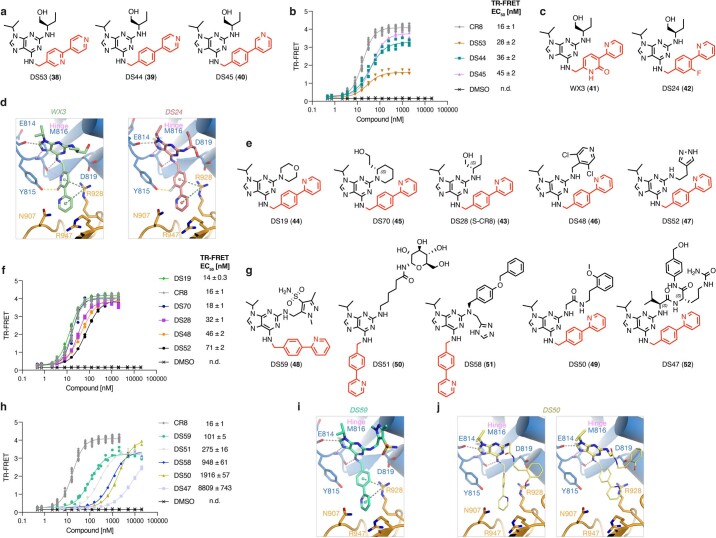
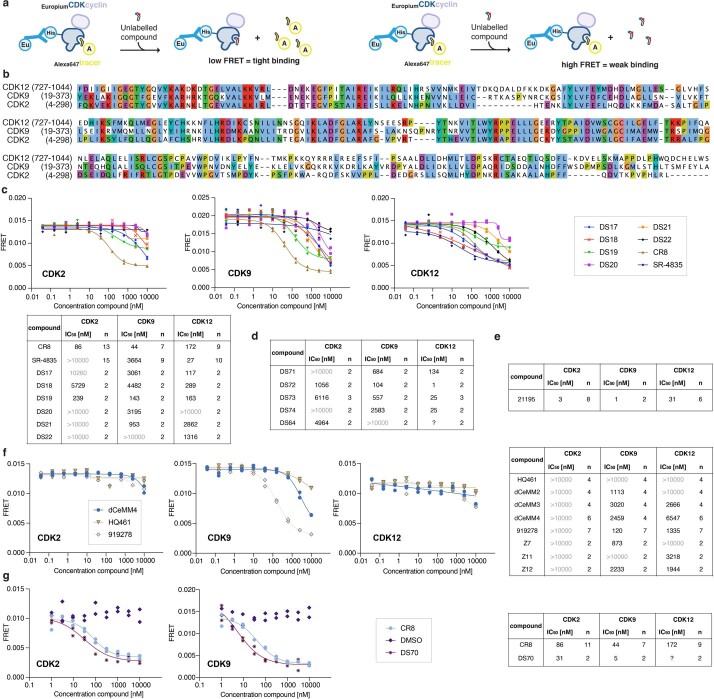
“Installation of a hydroxyethyl piperidine functionality, present in the potent CDK inhibitor dinaciclib 22 , (DS70, ( 45 )) also yielded a potent molecular glue (EC 50 = 18 ± 1 nM) (Extended Data Fig.”
Defining the human C2H2 zinc finger degrome targeted by thalidomide analogs through CRBN
Sievers, Q. L., Petzold, G., Bunker, R. D., Renneville, A., Słabicki, M., Liddicoat, B. J., Abdulrahman, W., Mikkelsen, T., Ebert, B. L., & Thomä, N. H. (2018) · Science · doi:10.1126/science.aat0572 · Cited by 537 · cited 5×
“6a–c) 15,33 .”
InfluentialSelf-citationDonovan, K. A., An, J., Nowak, R. P., Yuan, J. C., Fink, E. C., Berry, B. C., Ebert, B. L., & Fischer, E. S. (2018) · eLife · doi:10.7554/elife.38430 · Cited by 509 · cited 1×
“Then 50 µg of protein for each sample was reduced, alkylated and precipitated using methanol/chloroform as previously described 63 , and the resulting washed precipitated protein was allowed to air dry.”
Self-citationThe CDK inhibitor CR8 acts as a molecular glue degrader that depletes cyclin K
Słabicki, M., Kozicka, Z., Petzold, G., Li, Y.-D., Manojkumar, M., Bunker, R. D., Donovan, K. A., Sievers, Q. L., Koeppel, J., Suchyta, D., et al. (2020) · Nature · doi:10.1038/s41586-020-2374-x · Cited by 433 · cited 9×
“1f–h, 7 – 15 ).”
InfluentialSelf-citationJLigand: a graphical tool for the CCP 4 template-restraint library
Lebedev, A. A., Young, P., Isupov, M. N., Moroz, O. V., Vagin, A. A., & Murshudov, G. N. (2012) · Acta Crystallographica Section D Biological Crystallography · doi:10.1107/s090744491200251x · Cited by 429 · cited 1×
“Ligand restrains were generated with jligand 56 .”
Targeted protein degraders crowd into the clinic
Mullard, A. (2021) · Nature Reviews Drug Discovery · doi:10.1038/d41573-021-00052-4 · Cited by 409 · cited 1×
“Recent advances in targeted protein degradation illustrate that compound-induced proximity between a ubiquitin ligase and a target protein can lead to target ubiquitination and degradation 3–5 .”
Rational discovery of molecular glue degraders via scalable chemical profiling
Mayor-Ruiz, C., Bauer, S., Brand, M., Kozicka, Z., Siklos, M., Imrichova, H., Kaltheuner, I. H., Hahn, E., Seiler, K., Koren, A., et al. (2020) · Nature Chemical Biology · doi:10.1038/s41589-020-0594-x · Cited by 369 · cited 3×
“This complementarity is underscored by a ~50 µM DDB1–CDK12–cyclin K binding affinity in the absence of compound 15 , yet no functional relevance of this interaction for endogenous kinase signaling is known 8,10,11,15 .”
Self-citationTherapeutic Targeting of CDK12/CDK13 in Triple-Negative Breast Cancer
Quereda, V., Bayle, S., Vena, F., Frydman, S. M., Monastyrskyi, A., Roush, W. R., & Duckett, D. R. (2019) · Cancer Cell · doi:10.1016/j.ccell.2019.09.004 · Cited by 352 · cited 2×
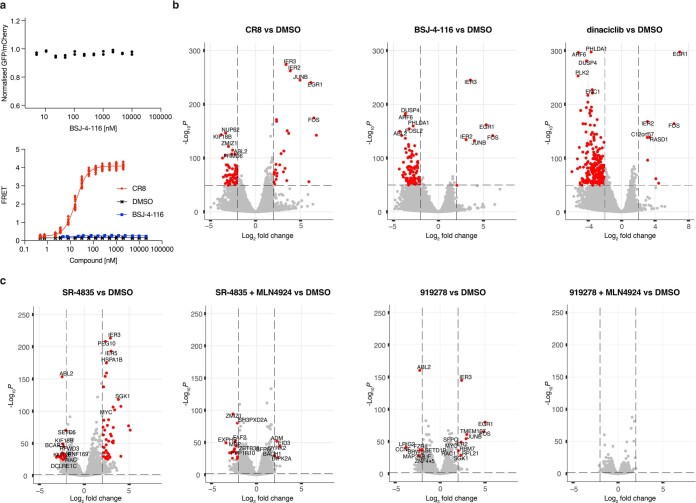
“https://doi.org/10.1038/s41589-023-01409-z For this, we performed RNA sequencing (RNA-seq) in MDA-MB-231 cells, choosing triple-negative breast cancer cells as the relevant therapeutic context for CDK12/13–cyclin K inactivation 16,18 .”
InfluentialPeptidomimetic toolbox for drug discovery
Lenci, E., & Trabocchi, A. (2020) · Chemical Society Reviews · doi:10.1039/d0cs00102c · Cited by 326 · cited 1×
“Arginine residues are principally able to engage in polyvalent, low-selectivity ligand interactions and arene–arginine contacts have been shown to involve a mix of electrostatic and dispersion attractions 36–39 .”
Kumar, K., Woo, S. M., Siu, T., Cortopassi, W. A., Duarte, F., & Paton, R. S. (2018) · Chemical Science · doi:10.1039/c7sc04905f · Cited by 262 · cited 2×
“Arginine residues are principally able to engage in polyvalent, low-selectivity ligand interactions and arene–arginine contacts have been shown to involve a mix of electrostatic and dispersion attractions 36–39 .”
Discovery of a molecular glue promoting CDK12-DDB1 interaction to trigger cyclin K degradation
Lv, L., Chen, P., Cao, L., Li, Y., Zeng, Z., Cui, Y., Wu, Q., Li, J., Wang, J.-H., Dong, M.-Q., et al. (2020) · eLife · doi:10.7554/elife.59994 · Cited by 215 · cited 3×
“This complementarity is underscored by a ~50 µM DDB1–CDK12–cyclin K binding affinity in the absence of compound 15 , yet no functional relevance of this interaction for endogenous kinase signaling is known 8,10,11,15 .”
Chasing molecular glue degraders: screening approaches
Domostegui, A., Nieto-Barrado, L., Perez-Lopez, C., & Mayor-Ruiz, C. (2022) · Chemical Society Reviews · doi:10.1039/d2cs00197g · Cited by 200 · cited 1×
“Despite the clinical success of thalidomide derivatives and several recent, largely serendipitous discoveries of other molecular glue degraders 7–13 , the rules that govern their discovery, design and rational optimization remain poorly defined 14 .”
Self-citationArmstrong, C. T., Mason, P. E., Anderson, J. L. R., & Dempsey, C. E. (2016) · Scientific Reports · doi:10.1038/srep21759 · Cited by 172 · cited 1×
“2g–i, 32 – 37 ).”
Haven't got a glue: Protein surface variation for the design of molecular glue degraders
Kozicka, Z., & Thomä, N. H. (2021) · Cell Chemical Biology · doi:10.1016/j.chembiol.2021.04.009 · Cited by 170 · cited 9×
“For thalidomide analogues and CRBN, the compound contributes ~ 40% of the small interface area and therefore drives both specificity and affinity with tightly defined SAR 14,40,41 .”
InfluentialSelf-citationDiscovery and resistance mechanism of a selective CDK12 degrader
Jiang, B., Gao, Y., Che, J., Lu, W., Kaltheuner, I. H., Dries, R., Kalocsay, M., Berberich, M. J., Jiang, J., You, I., et al. (2021) · Nature Chemical Biology · doi:10.1038/s41589-021-00765-y · Cited by 150
Cowan, A. D., & Ciulli, A. (2022) · Annual Review of Biochemistry · doi:10.1146/annurev-biochem-032620-104421 · Cited by 130
Targeting CDK12 for Cancer Therapy: Function, Mechanism, and Drug Discovery
Liu, H., Liu, K., & Dong, Z. (2021) · Cancer Research · doi:10.1158/0008-5472.can-20-2245 · Cited by 106 · cited 1×
“5c), the compounds discussed herein offer unique therapeutic opportunities for the therapeutic pursuit of CDK12/13–cyclin K as emerging targets in oncology 17,18 .”
Degradation of CCNK/CDK12 is a druggable vulnerability of colorectal cancer
Dieter, S. M., Siegl, C., Codó, P. L., Huerta, M., Ostermann-Parucha, A. L., Schulz, E., Zowada, M. K., Martin, S., Laaber, K., Nowrouzi, A., et al. (2021) · Cell Reports · doi:10.1016/j.celrep.2021.109394 · Cited by 95 · cited 4×
“This complementarity is underscored by a ~50 µM DDB1–CDK12–cyclin K binding affinity in the absence of compound 15 , yet no functional relevance of this interaction for endogenous kinase signaling is known 8,10,11,15 .”
InfluentialAbdulrahman, W., Uhring, M., Kolb‐Cheynel, I., Garnier, J., Moras, D., Rochel, N., Busso, D., & Poterszman, A. (2008) · Analytical Biochemistry · doi:10.1016/j.ab.2008.10.044 · Cited by 86 · cited 1×
“Human wild-type and mutant versions of DDB1 (Uniprot entry Q16531), CDK12 (Q9NYV4, K965R) and CCNK (O75909) were subcloned into pAC-derived vectors 45 and recombinant proteins were expressed as N-terminal His 6 , His 6 –Spy, StrepII or StrepII–Avi fusions in Trichoplusia ni High Five insect cells…”
Selective Degradation of GSPT1 by Cereblon Modulators Identified via a Focused Combinatorial Library
Powell, C. E., Du, G., Che, J., He, Z., Donovan, K. A., Yue, H., Wang, E. S., Nowak, R. P., Zhang, T., Fischer, E. S., et al. (2020) · ACS Chemical Biology · doi:10.1021/acschembio.0c00520 · Cited by 84 · cited 1×
“For thalidomide analogues and CRBN, the compound contributes ~ 40% of the small interface area and therefore drives both specificity and affinity with tightly defined SAR 14,40,41 .”
Self-citationPopowycz, F., Fournet, G., Schneider, C., Bettayeb, K., Ferandin, Y., Lamigeon, C., Tirado, Ò. M., Mateo‐Lozano, S., Notario, V., Colas, P., et al. (2009) · Journal of Medicinal Chemistry · doi:10.1021/jm801340z · Cited by 81 · cited 1×
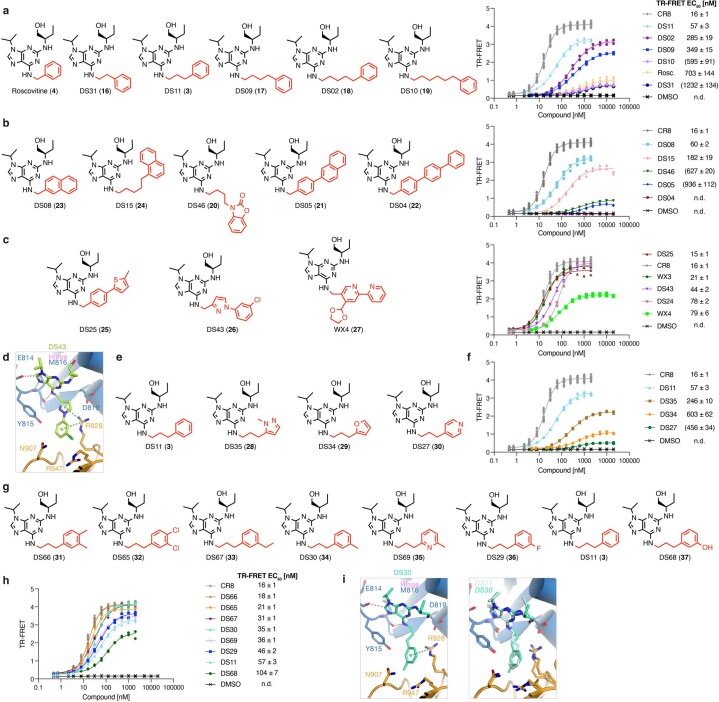
“Moreover, while exchanging the phenyl rings in the R 1 of CR8 for heterocycles or substituted arenes (for example, DS25 ( 25 ) and DS43 ( 26 )) only led to small changes in affinity, the phenyl group of DS11 was strongly preferred over both electron-rich and electron-poor heterocycles (Extended…”
CDK/CK1 inhibitors roscovitine and CR8 downregulate amplified MYCN in neuroblastoma cells
Delehouzé, C., Godl, K., Loaëc, N., Bruyère, C., Desban, N., Oumata, N., Galons, H., Roumeliotis, T. I., Giannopoulou, E. G., Grenet, J., et al. (2014) · Oncogene · doi:10.1038/onc.2013.513 · Cited by 69
Monomeric Targeted Protein Degraders
Hanan, E. J., Liang, J., Wang, X., Blake, R. A., Blaquiere, N., & Staben, S. T. (2020) · Journal of Medicinal Chemistry · doi:10.1021/acs.jmedchem.0c00093 · Cited by 69
Stabilization of protein–protein interactions by small molecules
Giordanetto, F., Schäfer, A., & Ottmann, C. (2014) · Drug Discovery Today · doi:10.1016/j.drudis.2014.08.005 · Cited by 63 · cited 1×
“The modulation of protein–protein interactions has become an important avenue of therapeutic intervention 1,2 .”
N-&-N, a new class of cell death-inducing kinase inhibitors derived from the purine roscovitine
Bettayeb, K., Sallam, H., Ferandin, Y., Popowycz, F., Fournet, G., Hassan, M., Echalier, A., Bernard, P., Endicott, J., Joseph, B., et al. (2008) · Molecular Cancer Therapeutics · doi:10.1158/1535-7163.mct-08-0080 · Cited by 63 · cited 2×
“Moreover, while exchanging the phenyl rings in the R 1 of CR8 for heterocycles or substituted arenes (for example, DS25 ( 25 ) and DS43 ( 26 )) only led to small changes in affinity, the phenyl group of DS11 was strongly preferred over both electron-rich and electron-poor heterocycles (Extended…”
Structure‐Based Design of Selective Noncovalent CDK12 Inhibitors
Johannes, J. W., Denz, C. R., Su, N., Wu, A. J., Impastato, A. C., Mlynarski, S. N., Varnes, J. G., Prince, D. B., Cidado, J. R., Gao, N., et al. (2018) · ChemMedChem · doi:10.1002/cmdc.201700695 · Cited by 63 · cited 1×
“As compounds DS71 and DS72 feature a dif-luorobenzimidazole gluing moiety previously reported to enhance CDK12 binding 28 , we evaluated substituting the CR8 phenylpyridine for this moiety (DS64, 74 ), but found it decreased activity (EC 50 = 41 ± 2 nM) (Extended Data Fig.”
Liu, Y., Hao, M., Leggett, A. L., Gao, Y., Ficarro, S. B., Che, J., He, Z., Olson, C. M., Marto, J. A., Kwiatkowski, N. P., et al. (2020) · Journal of Medicinal Chemistry · doi:10.1021/acs.jmedchem.9b01929 · Cited by 55
High‐Level Expression and Purification of Recombinant SCF Ubiquitin Ligases
Li, T., Pavletich, N. P., Schulman, B. A., & Zheng, N. (2005) · Methods in enzymology on CD-ROM/Methods in enzymology · doi:10.1016/s0076-6879(05)98012-9 · Cited by 54 · cited 1×
“…Q16531), CDK12 (Q9NYV4, K965R) and CCNK (O75909) were subcloned into pAC-derived vectors 45 and recombinant proteins were expressed as N-terminal His 6 , His 6 –Spy, StrepII or StrepII–Avi fusions in Trichoplusia ni High Five insect cells using the baculovirus expression system (Invitrogen) 46 .”
Geiger, T. M., Schäfer, S. C., Dreizler, J. K., Walz, M., & Hausch, F. (2022) · Current Research in Chemical Biology · doi:10.1016/j.crchbi.2021.100018 · Cited by 52 · cited 3×
“Of particular interest are molecular glue degraders, which are drug-like compounds that leverage complementary protein–protein interfaces to induce cooperative ligase–target interactions leading to target depletion 6 .”
Caligiuri, M., Becker, F., Murthi, K. K., Kaplan, F., Dédier, S., Kaufmann, C. M., Machl, A., Zybarth, G., Richard, J., Bockovich, N., et al. (2005) · Chemistry & Biology · doi:10.1016/j.chembiol.2005.08.008 · Cited by 51 · cited 1×
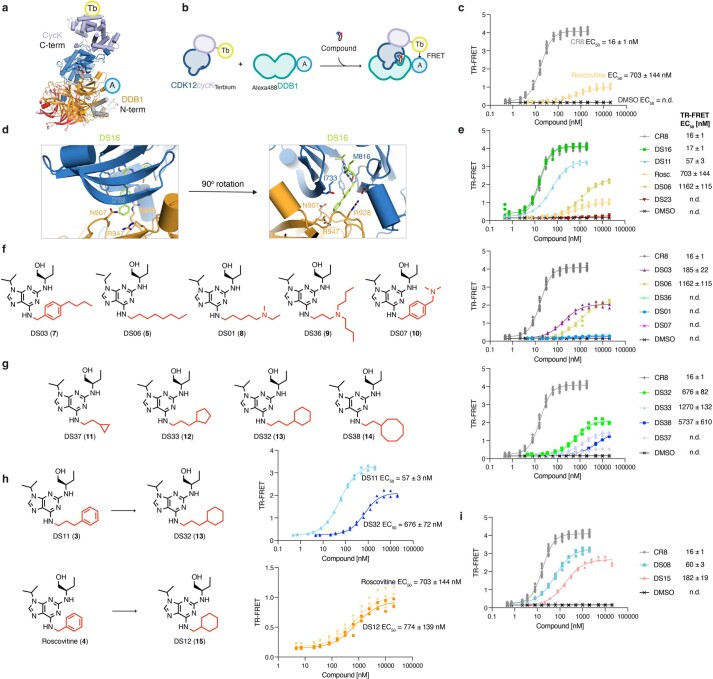
“2c–f; 27 – 30 ).”
Development of dual casein kinase 1δ/1ε (CK1δ/ε) inhibitors for treatment of breast cancer
Monastyrskyi, A., Nilchan, N., Quereda, V., Noguchi, Y., Ruiz, C. H., Grant, W. M., Cameron, M. D., Duckett, D. R., & Roush, W. R. (2017) · Bioorganic & Medicinal Chemistry · doi:10.1016/j.bmc.2017.12.020 · Cited by 38
Henry, K. L., Kellner, D., Bajrami, B., Anderson, J. E., Beyna, M., Bhisetti, G., Cameron, T., Capacci, A. G., Bertolotti-Ciarlet, A., Feng, J., et al. (2018) · Science Signaling · doi:10.1126/scisignal.aam8216 · Cited by 38
Practical Synthesis of Roscovitine and CR8
Oumata, N., Ferandin, Y., Meijer, L., & Galons, H. (2009) · Organic Process Research & Development · doi:10.1021/op800284k · Cited by 33 · cited 1×
“The majority of compound bearing the ‘DS’ prefix were synthesized in-house (for synthetic chemistry methods, see Supplementary Note: Synthetic Procedures) on the basis of published synthetic procedures for related small molecules 42–44 .”
Direct N 9 -arylation of purines with aryl halides
Larsen, A. F., & Ulven, T. (2014) · Chemical Communications · doi:10.1039/c3cc48642g · Cited by 33 · cited 1×
“The majority of compound bearing the ‘DS’ prefix were synthesized in-house (for synthetic chemistry methods, see Supplementary Note: Synthetic Procedures) on the basis of published synthetic procedures for related small molecules 42–44 .”
Ketley, A., Wojciechowska, M., Ghidelli, S., Bamborough, P., Ghosh, T. K., López-Morató, M., Sedehizadeh, S., Malik, N. A., Tang, Z., Powalowska, P. K., et al. (2020) · Science Translational Medicine · doi:10.1126/scitranslmed.aaz2415 · Cited by 28 · cited 1×
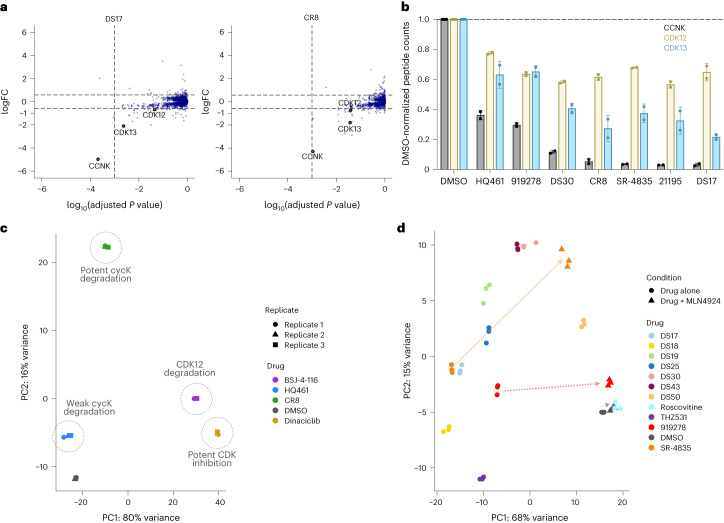
“CR8 therefore shows dual activity, promiscuous CDK inhibition and selective cyclin K degradation, which leads to robust inactivation of CDK12, an emerging therapeutic target in oncology and beyond 16–19 .”
Current progress and novel strategies that target CDK12 for drug discovery
Lei, P., Zhang, J., Liao, P., Ren, C., Wang, J., & Wang, D. (2022) · European Journal of Medicinal Chemistry · doi:10.1016/j.ejmech.2022.114603 · Cited by 27 · cited 2×
“https://doi.org/10.1038/s41589-023-01409-z For this, we performed RNA sequencing (RNA-seq) in MDA-MB-231 cells, choosing triple-negative breast cancer cells as the relevant therapeutic context for CDK12/13–cyclin K inactivation 16,18 .”
InfluentialStructure driven compound optimization in targeted protein degradation
Leissing, T. M., Luh, L. M., & Cromm, P. M. (2020) · Drug Discovery Today Technologies · doi:10.1016/j.ddtec.2020.11.005 · Cited by 24 · cited 1×
“For thalidomide analogues and CRBN, the compound contributes ~ 40% of the small interface area and therefore drives both specificity and affinity with tightly defined SAR 14,40,41 .”
Nekardová, M., Vymětalová, L., Khirsariya, P., Kováčová, S., Hylsová, M., Jorda, R., Kryštof, V., Fanfrlík, J., Hobza, P., & Paruch, K. (2017) · ChemPhysChem · doi:10.1002/cphc.201601319 · Cited by 16
Fluorescence Titrations to Determine the Binding Affinity of Cyclic Nucleotides to SthK Ion Channels
Schmidpeter, P. A. M., & Nimigean, C. M. (2018) · BIO-PROTOCOL · doi:10.21769/bioprotoc.3041 · Cited by 14
Kuchukulla, R. R., Hwang, I., Park, S. W., Moon, S., Kim, S. H., Kim, S., Chung, H. W., Ji, M.-J., Park, H.-M., Kong, G., et al. (2022) · Pharmaceuticals · doi:10.3390/ph15091041 · Cited by 13 · cited 1×
“8,10,11,20,21), but as several lack any obvious chemical similarity to CR8 (refs.”
BrowserGenome.org: web-based RNA-seq data analysis and visualization
Schmid-Burgk, J. L., & Hornung, V. (2015) · Nature Methods · doi:10.1038/nmeth.3615 · Cited by 13
Self-citationHage, K. E., Piquemal, J., Oumata, N., Meijer, L., Galons, H., & Gresh, N. (2017) · ACS Omega · doi:10.1021/acsomega.7b00471 · Cited by 12 · cited 2×
“20,24–26).”
Ma, X. (2021) · Acta Crystallographica Section A Foundations and Advances · doi:10.1107/s0108767321097543 · Cited by 2 · cited 2×
“1f–h, 7 – 15 ).”
Cited by
Targeted protein degradation: from mechanisms to clinic
Tsai, J. M., Nowak, R. P., Ebert, B. L., & Fischer, E. S. (2024) · Nature Reviews Molecular Cell Biology · doi:10.1038/s41580-024-00729-9 · Cited by 438
“This example, and the expansion of CR8 derivatives, highlights an underappreciated flexibility in recruiting CRLs by molecular glues and suggests that multiple interfaces — not necessarily involving the target itself — can be remodelled to induce TPD 101–103 .”
Self-citationTargeted protein degradation for cancer therapy
Hinterndorfer, M., Spiteri, V. A., Ciulli, A., & Winter, G. E. (2025) · Nature Reviews Cancer · doi:10.1038/s41568-025-00817-8 · Cited by 210
“60,61,95).”
Self-citationMolecular glues for protein-protein interactions: Progressing toward a new dream
Konstantinidou, M., & Arkin, M. R. (2024) · Cell Chemical Biology · doi:10.1016/j.chembiol.2024.04.002 · Cited by 187
Induced protein degradation for therapeutics: past, present, and future
Yoon, H., Rutter, J. C., Li, Y.-D., & Ebert, B. L. (2024) · Journal of Clinical Investigation · doi:10.1172/jci175265 · Cited by 67
“Structural studies revealed that the CDK inhibitor CR8 binds the active site of CDK12 and bridges the CDK12-DDB1 interface (68, 71).”
Self-citationMolecular glues and induced proximity: An evolution of tools and discovery
Robinson, S. A., Co, J., & Banik, S. M. (2024) · Cell chemical biology · doi:10.1016/j.chembiol.2024.04.001 · Cited by 63
Metadata
- Authors
- Kozicka, Z., Suchyta, D. J., Focht, V., Kempf, G., Petzold, G., Jentzsch, M., Zou, C., Di Genua, C., Donovan, K. A., Coomar, S., Cigler, M., Mayor-Ruiz, C., Schmid-Burgk, J. L., Häussinger, D., Winter, G. E., Fischer, E. S., Słabicki, M., Gillingham, D., Ebert, B. L., & Thomä, N. H.
- Affiliations
- University of Basel (CH)
- Friedrich Miescher Institute (CH)
- University of Bonn (DE)
- Broad Institute (US)
- Harvard University (US)
- Austrian Academy of Sciences (AT)
- Corresponding author
- Thomä, Nicolas H.
- ORCID
- Venue
- Nature Chemical Biology
- Published
- 2023-09-07
- Volume
- 20
- Issue
- 1
- Pages
- 93-102
- ISSN
- 1552-4450 (ISSN-L)
- 1552-4469
- PMC
- PMC10746543
- OpenAlex
- W4386498961
- Semantic Scholar
- 912980ae640f3301ac42767123794ece6dd660c4
- Cited by
- 113
- References
- 66
- Citations by year
- 2026: 42 · 2025: 45 · 2024: 24 · 2023: 2
- FWCI
- 10.16
- Type
- journal article
- Language
- en
- Open access
- hybrid
- doi.org
- Licence
- cc-by
- creativecommons.org/licenses/by/4.0 (tdm)
- creativecommons.org/licenses/by/4.0 (vor)
- Locations
- Nature Chemical Biology (publishedVersion, cc-by)
- PubMed Central (publishedVersion, cc-by)
- PubMed (publishedVersion)
- DORA PSI (Paul Scherrer Institute) (submittedVersion, other-oa)
- Funders
- Deutsche Forschungsgemeinschaft (KA 3071/6-1, CRC 1035, EXC 2124, X06SA, 1861/10-3, 3071/4-1, TRR261, FP7/2007–2013, 390838134, 201302640, KA 3071/4-1, 398967434, ZUK63)
- Schweizerischer Nationalfonds zur Förderung der Wissenschaftlichen Forschung (301206, 179541, 310030)
- Eberhard Karls Universität Tübingen (ZUK 63)
- Paul Scherrer Institut
- Studienstiftung des Deutschen Volkes
- National Heart, Lung, and Blood Institute (R01HL082945)
- National Cancer Institute (P01CA108631, P50CA206963, R01CA214608, R01CA218278)
- Topics
- Life Sciences › Biochemistry, Genetics and Molecular Biology › Molecular Biology › Protein Degradation and Inhibitors
- Life Sciences › Biochemistry, Genetics and Molecular Biology › Molecular Biology › Ubiquitin and proteasome pathways
- Physical Sciences › Chemistry › Organic Chemistry › Chemical Synthesis and Analysis
- Keywords
- molecular glues, cyclin K, CDK12, protein degradation, structure-activity relationship, kinase inhibitors, gene expression signatures
- MeSH terms
- Structure-Activity Relationship, Cyclins, Ubiquitin-Protein Ligases, Proteolysis
About these checks
Registry, retraction, Cites and statistics results are computed, not judged, with one exception: a printed reference that no index lists is read once by a model before it counts as a citation error. Claims are extracted by a model and kept only when their quote appears verbatim in the text; each cited source is then checked, with a model’s help, for whether it says what the claim relies on. Those verdicts can be wrong — read the claim’s quote and the cited source before relying on one.
Statistics and arithmetic are recomputed, not judged.
Confidence bands are shown only for fields calibrated on our annotated test set. None is calibrated yet, so no band is shown.
What counts as a claim ›How we measure confidence ›How we check this ›
Are you an author, or do you see a problem with this page? Request a review
Data sources
Bibliographic data: Semantic Scholar, OpenAlex, Crossref.
Contains information from the Semantic Scholar Academic Graph Datasets, made available under the ODC Attribution License (ODC-BY 1.0).
Semantic Scholar’s data is described in: Kinney, R., et al. (2023). The Semantic Scholar Open Data Platform. arXiv:2301.10140.
