

Gut microbiota signatures are associated with toxicity to combined CTLA-4 and PD-1 blockade
Open accessPublished version of a preprint
The DOI matches its Crossref record; 67 of the 67 references it cites were found in a registry or an index.
Abstract
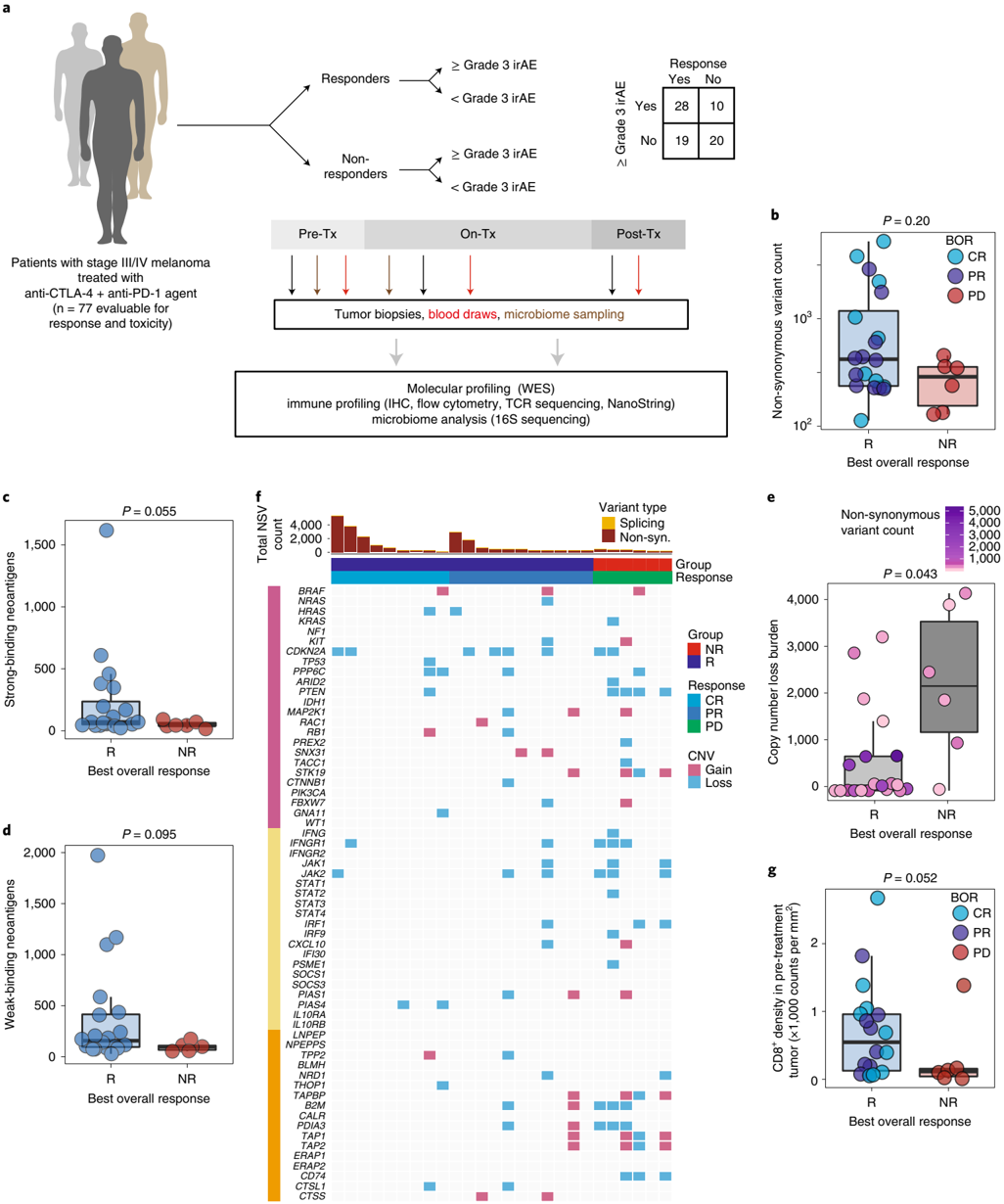
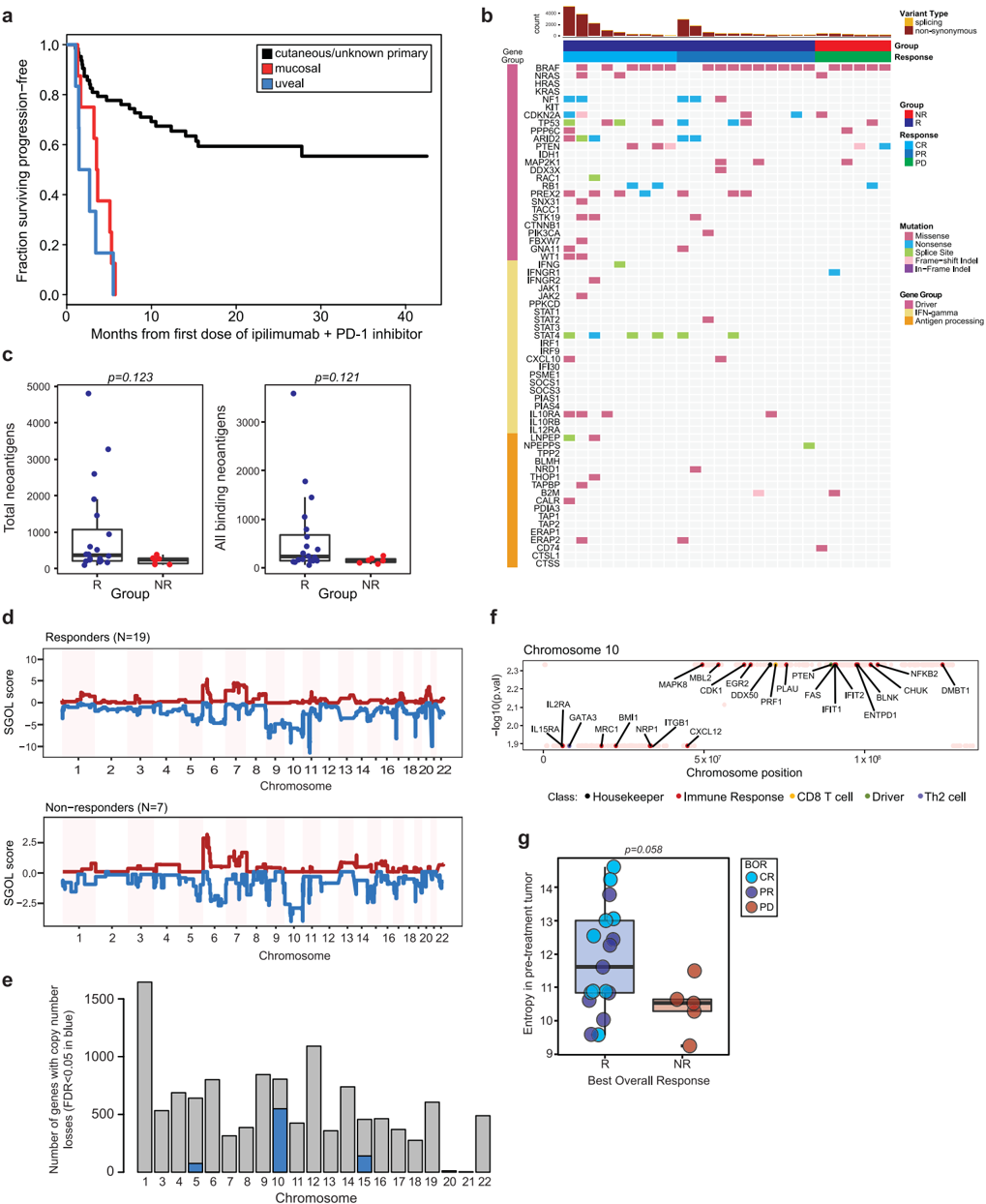
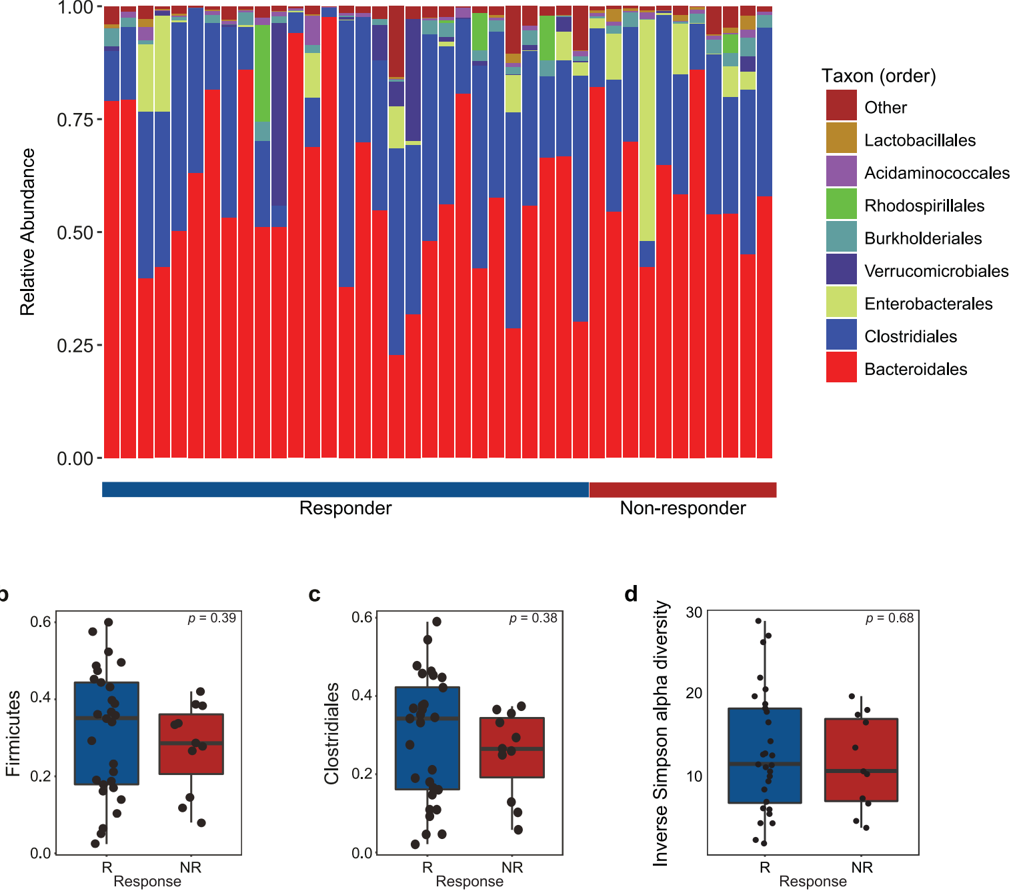
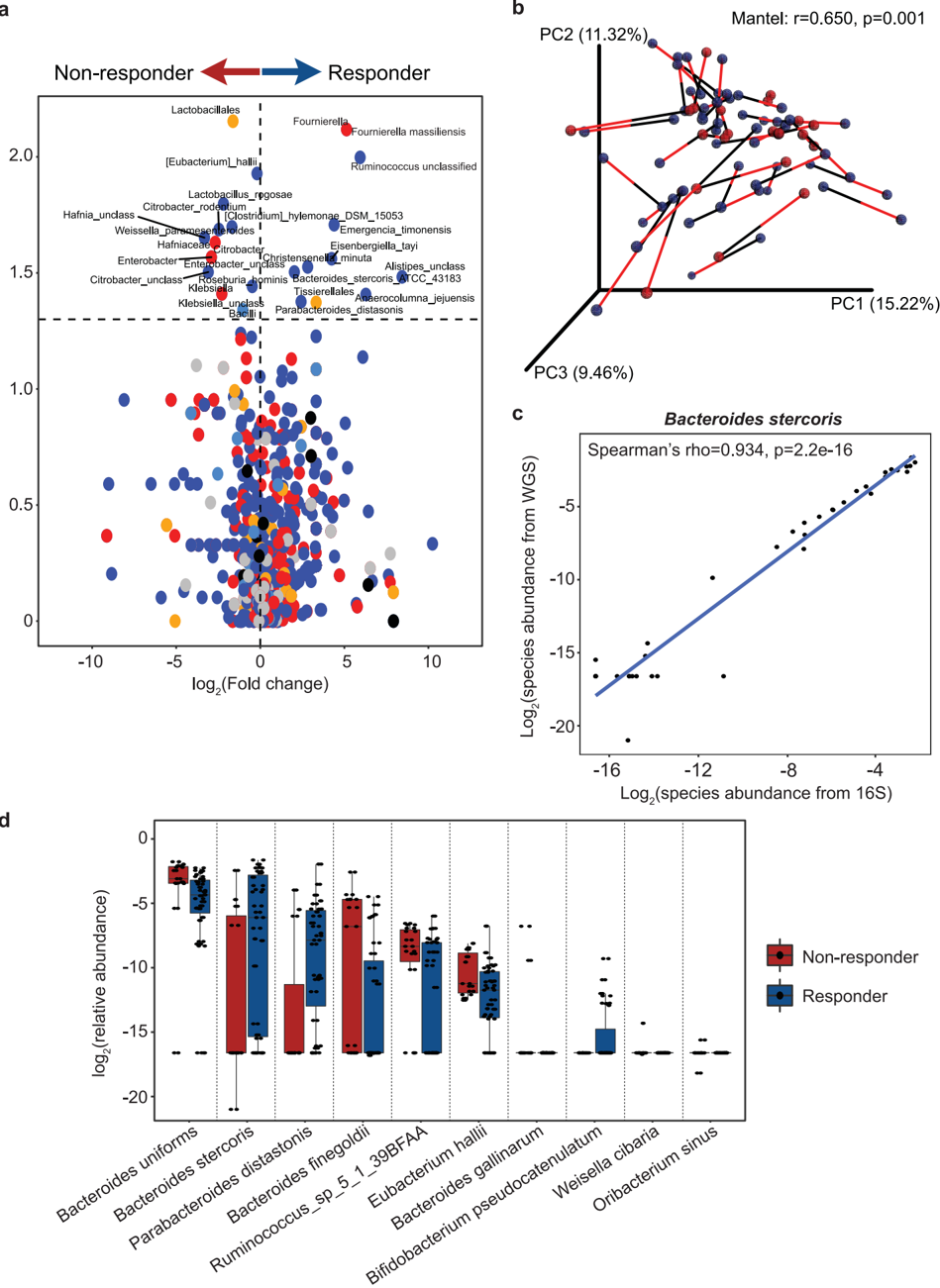
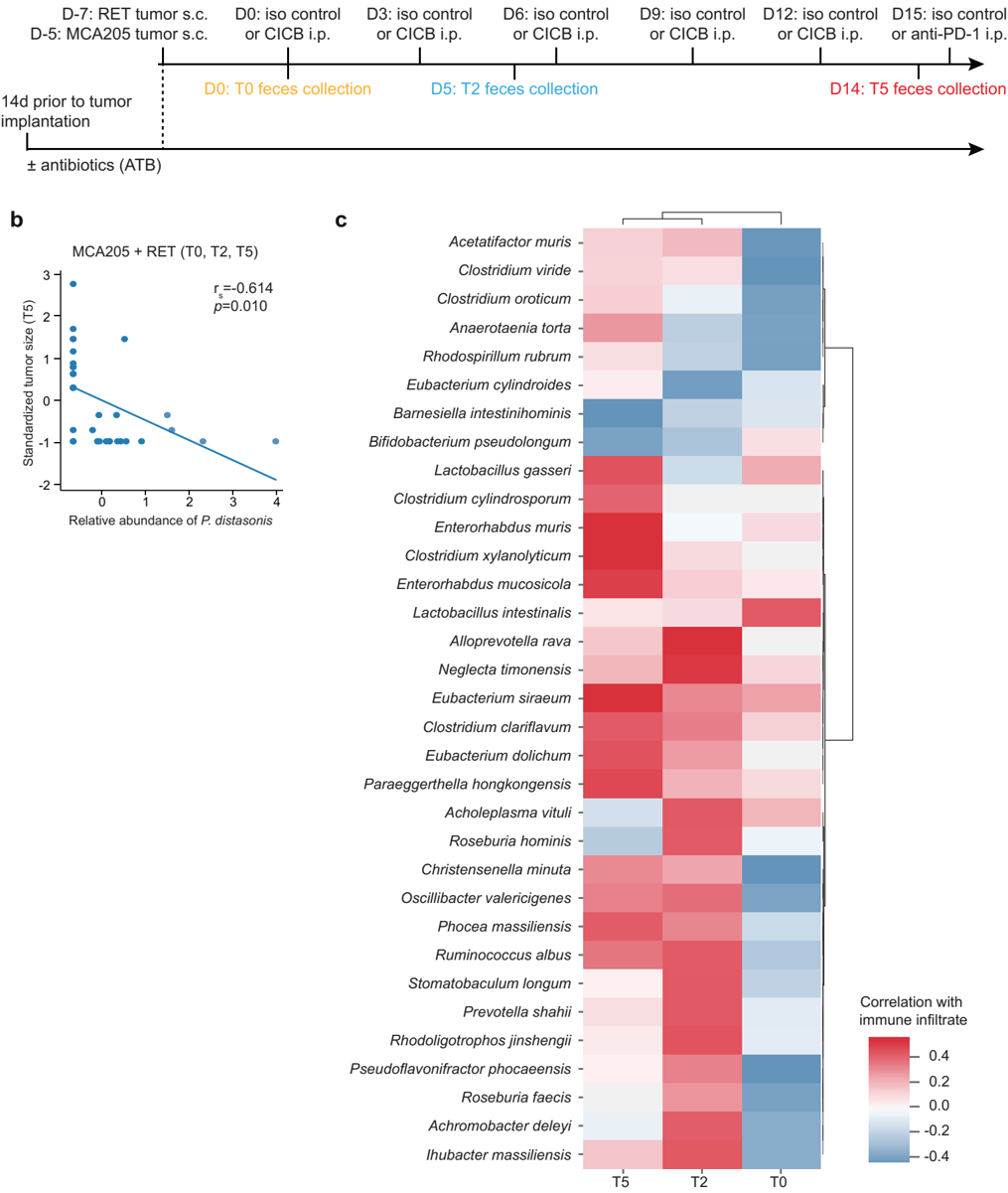
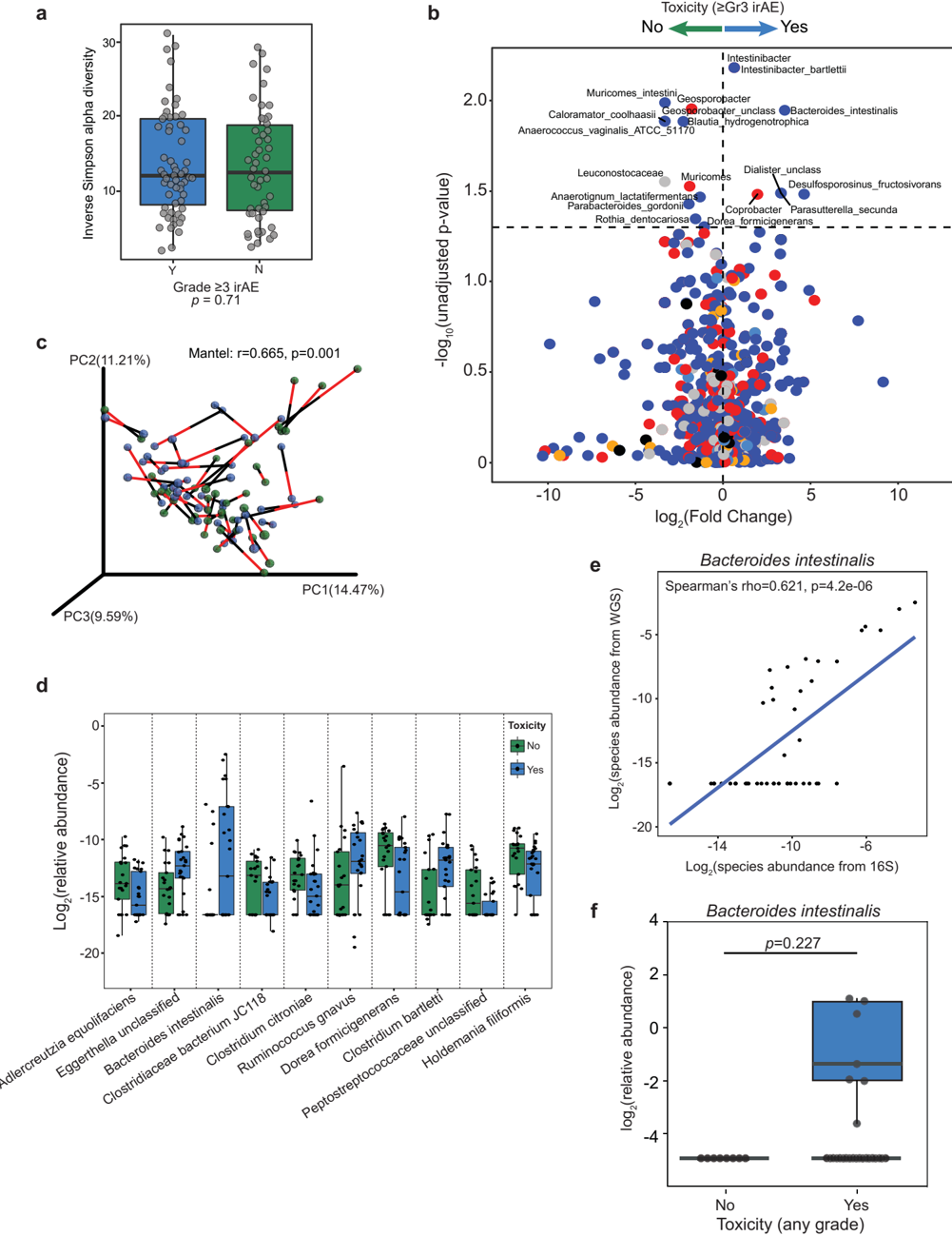
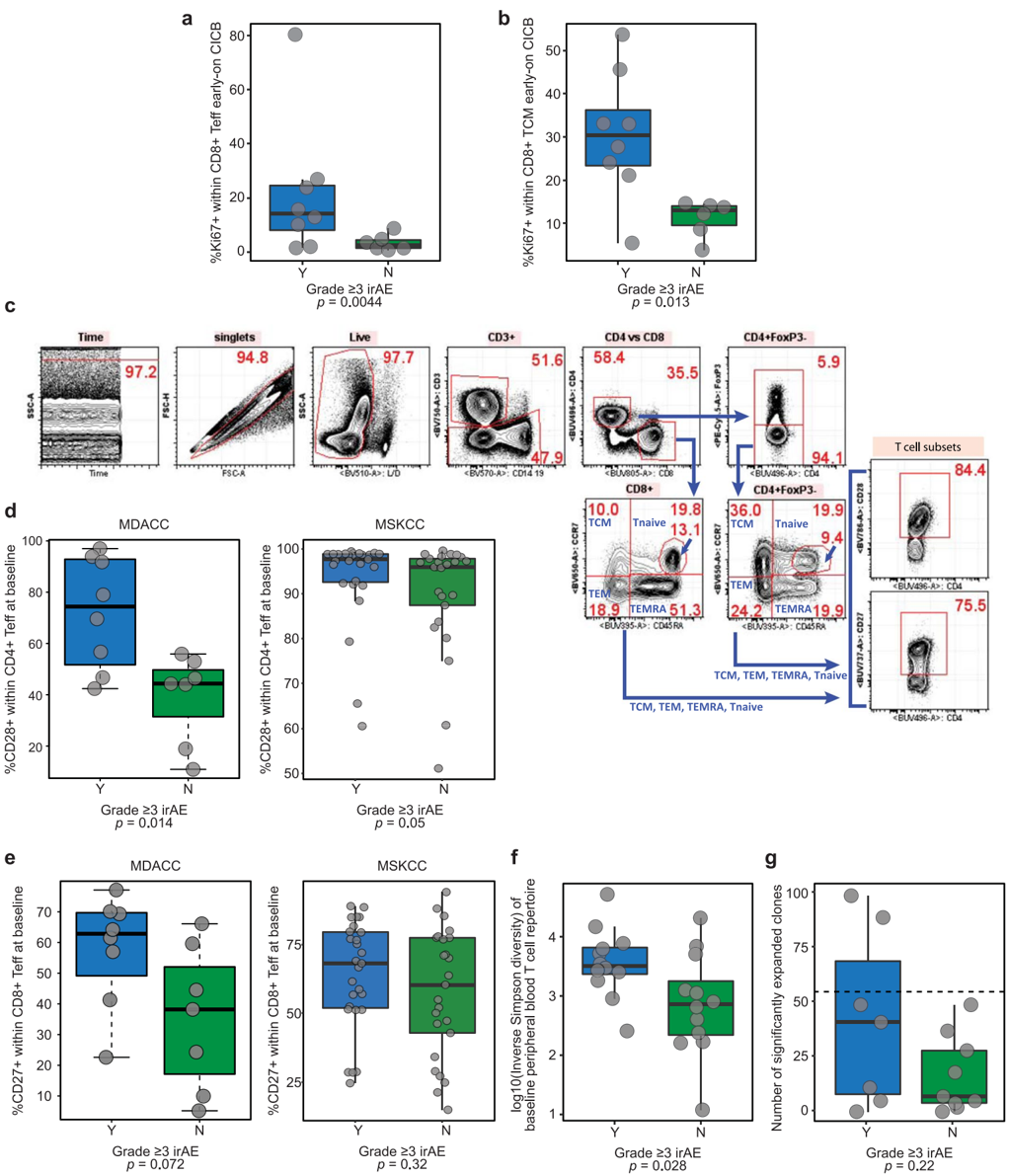
Treatment with combined immune checkpoint blockade (CICB) targeting CTLA-4 and PD-1 is associated with clinical benefit across tumor types, but also a high rate of immune-related adverse events. Insights into biomarkers and mechanisms of response and toxicity to CICB are needed. To address this, we profiled the blood, tumor and gut microbiome of 77 patients with advanced melanoma treated with CICB, with a high rate of any ≥grade 3 immune-related adverse events (49%) with parallel studies in pre-clinical models. Tumor-associated immune and genomic biomarkers of response to CICB were similar to those identified for ICB monotherapy, and toxicity from CICB was associated with a more diverse peripheral T-cell repertoire. Profiling of gut microbiota demonstrated a significantly higher abundance of Bacteroides intestinalis in patients with toxicity, with upregulation of mucosal IL-1β in patient samples of colitis and in pre-clinical models. Together, these data offer potential new therapeutic angles for targeting toxicity to CICB. Clinical benefit or intestinal toxicity resulting from combined immune checkpoint blockade in patients with melanoma associates with prevalent commensal bacteria and can be decoupled by IL-1R inhibition.
Overview
The claims and statistics of this paper haven’t been checked yet.
Free: it reads the open-access text and checks the first 5 claims that cite a source we can check. Create a free account to check every claim.
Integrity signals
Registry
Cites
Statistics
Figures

Verification
Claims the paper makes
The claims and statistics of this paper haven’t been checked yet.
Free: it reads the open-access text and checks the first 5 claims that cite a source we can check. Create a free account to check every claim.
Claims other papers make about this one
Each is checked against this paper’s own text: does it say what the citing paper says it does?
The source backs part of the claim, not all of it — or backs it for a different population, condition or comparison.
In the citing paper
“Gut bacteria modulate the response to immune checkpoint blockade (ICB) treatment in cancer”
From Dietary fiber and probiotics influence the gut microbiome and melanoma immunotherapy response (2021) · cites this paper as [7]
Experimental — accuracy not yet measuredThe cited source says what the claim attributes to it.
In the citing paper
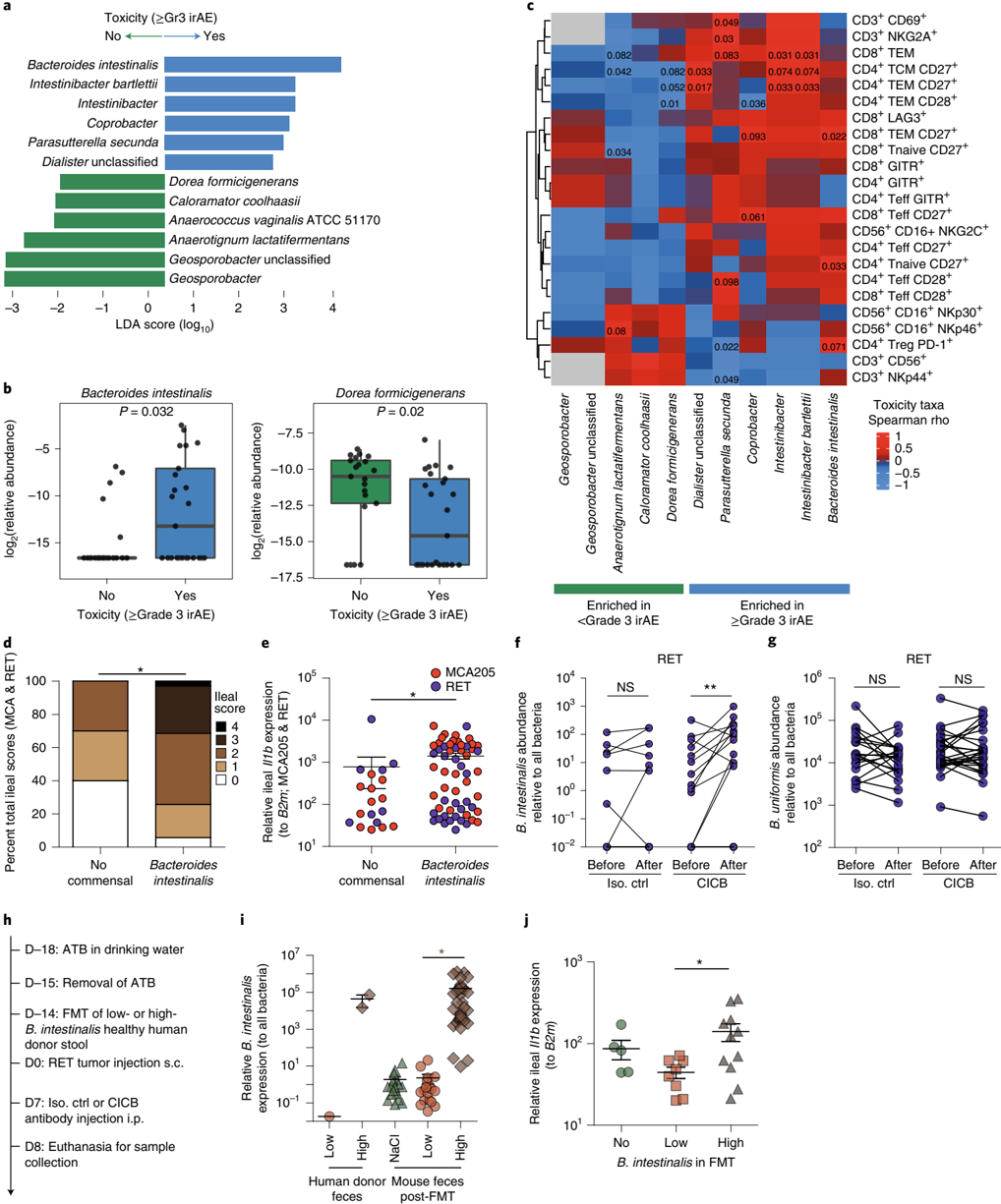
“Another study linked toxicity with dual CTLA-4 and PD-1 inhibition to an increased abundance of Bacteroides intestinalis in the stool of patients with melanoma.40”
From Faecalibacterium prausnitzii strain EXL01 boosts efficacy of immune checkpoint inhibitors (2024) · cites this paper as [40]
The cited source says what the claim attributes to it.
In the citing paper
“This phenomenon is particularly pronounced in dual ICI combination therapies, where it has been associated with an increased incidence of severe AEs30.”
From Microbiome meets immunotherapy: unlocking the hidden predictors of immune checkpoint inhibitors (2025) · cites this paper as [30]
The cited source says what the claim attributes to it.
In the citing paper
“Despite these findings, some studies have reported conflicting results regarding the direct association between microbiota diversity and ICI efficacy30,143.”
From Microbiome meets immunotherapy: unlocking the hidden predictors of immune checkpoint inhibitors (2025) · cites this paper as [30]
In the citing paper
“Gut microbes, such as Bacteroides, could also be a biomarker for predicting ICI therapeutic toxicity in advanced melanoma patients treated with combined CTLA-4 and PD-1 blockade [131].”
From Gut microbiota influence immunotherapy responses: mechanisms and therapeutic strategies (2022) · doi:10.1186/s13045-022-01273-9 · cites this paper as [131]
1 more claim about this paper
Create a free account to see every claim other papers make about this one.
Self-check
Percentages, sums and reported differences re-computed from the paper’s own numbers.
The self-check needs the paper’s full text.
Citations
Cites
2 retracted
Million, M., Tidjani Alou, M., Khelaifia, S., Bachar, D., Lagier, J.-C., Dione, N., Brah, S., Hugon, P., Lombard, V., Armougom, F., et al. (2016) · Scientific Reports · doi:10.1038/srep26051 · Cited by 204
Self-citationRetractedGlycans affect DNA extraction and induce substantial differences in gut metagenomic studies
Angelakis, E., Bachar, D., Henrissat, B., Armougom, F., Audoly, G., Lagier, J.-C., Robert, C., & Raoult, D. (2016) · Scientific Reports · doi:10.1038/srep26276 · Cited by 82
Self-citationRetractedQIIME allows analysis of high-throughput community sequencing data
Caporaso, J. G., Kuczynski, J., Stombaugh, J., Bittinger, K., Bushman, F. D., Costello, E. K., Fierer, N., Peña, A. G., Goodrich, J. K., Gordon, J. I., et al. (2010) · Nature Methods · doi:10.1038/nmeth.f.303 · Cited by 34,887
PD-1 and PD-L1 Immune Checkpoint Blockade to Treat Breast Cancer
Hartkopf, A. D., Taran, F.-A., Wallwiener, M., Walter, C. B., Krämer, B., Grischke, E.-M., & Brucker, S. Y. (2016) · Breast Care · doi:10.1159/000453569 · Cited by 30,845
New response evaluation criteria in solid tumours: revised RECIST guideline (version 1.1)
Eisenhauer, E. A., Therasse, P., Bogaerts, J., Schwartz, L. H., Sargent, D., Ford, R., Dancey, J., Arbuck, S., Gwyther, S., Mooney, M., et al. (2009) · European Journal of Cancer · doi:10.1016/j.ejca.2008.10.026 · Cited by 29,534
Search and clustering orders of magnitude faster than BLAST
Edgar, R. C. (2010) · Bioinformatics · doi:10.1093/bioinformatics/btq461 · Cited by 20,826
UPARSE: highly accurate OTU sequences from microbial amplicon reads
Edgar, R. C. (2013) · Nature Methods · doi:10.1038/nmeth.2604 · Cited by 16,707
Metagenomic biomarker discovery and explanation
Segata, N., Izard, J., Waldron, L., Gevers, D., Miropolsky, L., Garrett, W. S., & Huttenhower, C. (2011) · Genome Biology · doi:10.1186/gb-2011-12-6-r60 · Cited by 16,192
Adverse Renal Effects of Immune Checkpoint Inhibitors: A Narrative Review
Wanchoo, R., Karam, S., Uppal, N. N., Barta, V. S., Deray, G., Devoe, C., Launay-Vacher, V., Jhaveri, K. D., & on behalf of Cancer and Kidney International Network Workgroup on Immune Checkpoint Inhibitors (2017) · American Journal of Nephrology · doi:10.1159/000455014 · Cited by 15,256
Structure, function and diversity of the healthy human microbiome
The Human Microbiome Project Consortium (2012) · Nature · doi:10.1038/nature11234 · Cited by 11,726
Cited by
Items 201–300 of 440
Microbial vitamin biosynthesis links gut microbiota dynamics to chemotherapy toxicity
Hillege, L. E., Trepka, K. R., Guthrie, B. G. H., Fu, X., Aarnoutse, R., Paymar, M. R., Olson, C., Zhang, C., Ortega, E. F., Ramirez, L., et al. (2025) · mBio · doi:10.1128/mbio.00930-25 · Cited by 20
The microbiota in radiotherapy-induced cancer immunosurveillance
Chen, J., Deutsch, É., Kroemer, G., Galluzzi, L., & Zitvogel, L. (2025) · Nature Reviews Clinical Oncology · doi:10.1038/s41571-025-01052-8 · Cited by 19
“43) or anti-PD-(L)1 antibodies 43–49 , and chimeric antigen receptor (CAR) T cells 50,51 observed in germ-free mice and other experimental models exposed to antibiotics.”
Self-citationBouferraa, Y., Fares, C., Zerdan, M. B., & Kennedy, L. B. (2023) · International Journal of Molecular Sciences · doi:10.3390/ijms24119702 · Cited by 15
“However, non-responding patients were more likely to have a microbial composition rich in Klebsiella aerogenes and Lactobacillus rogosae [6].”
BackgroundResultInfluentialShen, S., Hong, T., Liu, Z., Liu, S., Ni, H., Jiang, Z., Yang, Y., & Zheng, M. (2023) · Food & Function · doi:10.1039/d3fo04421a · Cited by 14
Issa, M., Tang, J., Guo, Y., Coss, C. C., Mace, T. A., Bischof, J. J., Phelps, M. A., Presley, C. J., & Owen, D. H. (2022) · Expert Review of Anticancer Therapy · doi:10.1080/14737140.2022.2094772 · Cited by 15
“A recent study of 77 patients with melanoma receiving PD-1 and CTLA-4 combination therapy found higher abundance of Bacteroides intestinalis in patients who developed colitis which was accompanied by upregulation of mucosal IL-1β in both patient samples and pre-clinical models [154].”
Liu, L., Zhang, T., Sui, Y., Li, G., Liu, L., Lu, T., Tan, H., Sun, B., Li, X., & Li, L. (2023) · Microbial Pathogenesis · doi:10.1016/j.micpath.2023.106035 · Cited by 16
Wardill, H. R., Chan, R. J., Chan, A., Keefe, D. M. K., Costello, S. P., & Hart, N. H. (2022) · Supportive Care in Cancer · doi:10.1007/s00520-022-06948-0 · Cited by 16
“This was clearly demonstrated in a recent meta-analysis which included data from 30 studies (n = 4971)—the majority of which did not include microbiome data—where patients with IrAEs had increased overall (OS) and progression-free survival (PFS) compared to those who did not develop IrAEs (OS: hazard ratio (HR), 0.54,…”
BackgroundInfluentialPreißner, S., Heiland, M., Preißner, R., Wirth, M., & Wollenberg, B. (2023) · Cancers · doi:10.3390/cancers15082342 · Cited by 15
Strategies for treating the cold tumors of cholangiocarcinoma: core concepts and future directions
Zhang, G., Li, J., Li, G., Zhang, J., Yang, Z. P., Yang, L., Jiang, S., & Wang, J. (2024) · Clinical and Experimental Medicine · doi:10.1007/s10238-024-01460-7 · Cited by 14
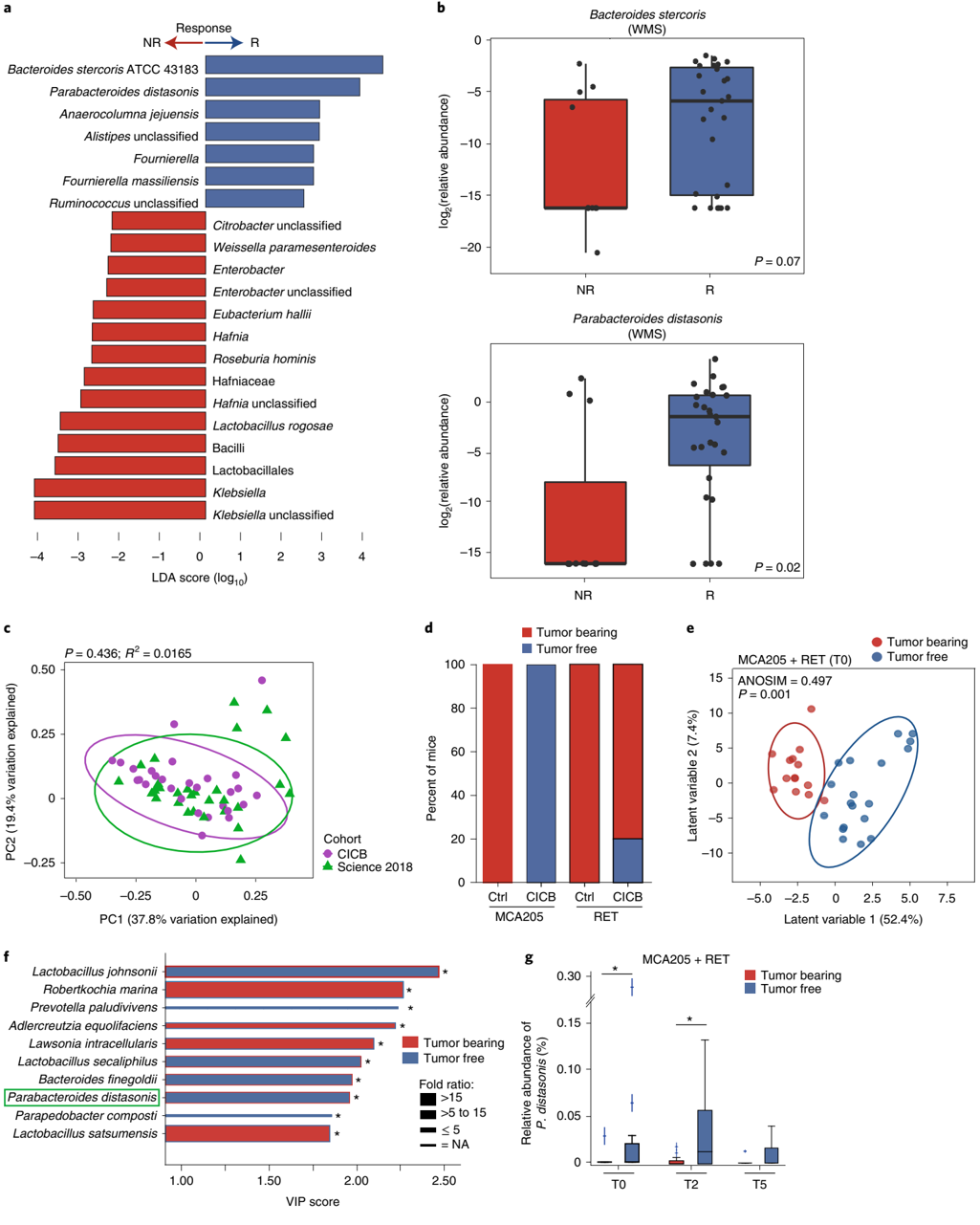
“…focused on melanoma patients who exhibited positive responses to a combination of cytotoxic T-lymphocyte-associated antigen-4 (CTLA-4) and PD-1 blockade revealed an enrichment of specific bacterial taxa such as Bacteroides stercoris, Parabacteroides dista-sonis, and Fournierella massiliensis [122].”
BackgroundSelf-citationJiang, F., Zhang, Z., Chong, X., Shen, L., Fan, M., Liu, X., An, J., Peng, Z., & Zhang, C. (2022) · Cancers · doi:10.3390/cancers14174167 · Cited by 14
The Gut Microbiome and Metastatic Renal Cell Carcinoma
Meza, L., Feng, M., Lee, K., Sperandio, R., & Pal, S. K. (2023) · Journal of Clinical Medicine · doi:10.3390/jcm12041502 · Cited by 12
“Whereas it is certainly challenging to ascertain which of these factors has the biggest influence in the context of cancer, there is an increasing body of evidence suggesting that microbial metabolites and secondary metabolites not only play a key role in the onset and development of numerous malignancies, but could a…”
BackgroundStone, S., McPherson, J. P., Kulkarni, R. P., & Young, A. (2025) · Nature reviews. Cancer · doi:10.1038/s41568-025-00890-z · Cited by 15
“Microbial diversity has been gaining strength as a prognostic indicator of both ICI response and toxicity 111–114 .”
Gut microbes as biomarkers of ICI response — sharpening the focus
Bhutiani, N., & Wargo, J. A. (2022) · Nature Reviews Clinical Oncology · doi:10.1038/s41571-022-00634-0 · Cited by 12
Self-citationVogrig, A., Dentoni, M., Florean, I., Cellante, G., Domenis, R., Iacono, D., Pelizzari, G., Rossi, S., Damato, V., Fabris, M., et al. (2025) · Frontiers in Immunology · doi:10.3389/fimmu.2025.1548897 · Cited by 23
“Enrichment in Bacteroides intestinalis and Intestinibacter bartlettii in baseline gut microbiome samples of patients exposed to combined ICI blockade correlated with development of ≥ grade 3 irAEs (64).”
Talele, N. P., Kumra, H., Gomes-Santos, I. L., Ho, W. W., Andersson, P., Siwicki, M. R., Huang, P., Duda, D. G., Pittet, M. J., Fukumura, D., et al. (2025) · Journal for ImmunoTherapy of Cancer · doi:10.1136/jitc-2024-011404 · Cited by 13
Bacterial immunotherapy: is it a weapon in our arsenal in the fight against cancer?
Sharma, S., Sharma, H., & Gogoi, H. (2023) · Frontiers in Immunology · doi:10.3389/fimmu.2023.1277677 · Cited by 15
“…an anti-cancer therapy still under studies in conjugation with immune checkpoint blockade inhibitors like anti-PD1/PD-L1 or anti-CTLA4 antibodies (142 – 145) and are in different phases of clinical trials (NCT03353402, NCT03341143, NCT03772899, NCT03819296, NCT04577729, NCT04116775, NCT04758507,…”
BackgroundMechanisms, advances, and challenges of immunotherapy in gastric cancer
Wang, Z., & Wang, T. (2025) · Frontiers in Immunology · doi:10.3389/fimmu.2025.1639487 · Cited by 11
Monteiro, J., Fernandes, A., Tato, D. G., Moreira, E., Ribeiro, R. J. T., Reguengo, H., Gonçalves, J., & Fresco, P. (2025) · Cancers · doi:10.3390/cancers17193262 · Cited by 16
Han, X., Zang, D., Liu, D., & Chen, J. (2022) · Frontiers in Immunology · doi:10.3389/fimmu.2022.988849 · Cited by 12
“But there are still many patients who are insensitive to corticosteroid and biological Abbreviations: ICIs, Immune Checkpoint Inhibitors; irAEs, Immune- Related Adverse Events; IMC, Immune Checkpoint Inhibitor-Mediated Colitis; CTLA-4, Cytotoxic T Lymphocyte Antigen-4; PD-1/PD-L1, Programmed Death-1/Programmed Death L…”
BackgroundInfluentialThe role of intestinal flora on tumor immunotherapy: recent progress and treatment implications
Zhou, Y., Liu, X., Gao, W., Luo, X., Lv, J., Wang, Y., & Liu, D. (2023) · Heliyon · doi:10.1016/j.heliyon.2023.e23919 · Cited by 13
Metastasis and the Microbiome: The Impact of Bacteria in Disseminated Colorectal Cancer
Ayabe, R. I., & White, M. G. (2024) · Frontiers in Bioscience-Landmark · doi:10.31083/j.fbl2904152 · Cited by 14
Self-citationMicrobes in the tumor microenvironment: New additions to break the tumor immunotherapy dilemma
Zhou, L., Fan, S., Zhang, W., Wang, D., & Tang, D. (2024) · Microbiological Research · doi:10.1016/j.micres.2024.127777 · Cited by 13
Modulating the gut microbiome in non-small cell lung cancer: Challenges and opportunities
Lee, J. B., Huang, Y., Oya, Y., Nützinger, J., Ang, Y. L. E., Sooi, K. W. X., Cho, B. C., & Soo, R. A. (2024) · Lung Cancer · doi:10.1016/j.lungcan.2024.107862 · Cited by 13
Can gut microbes predict efficacy and toxicity of combined immune checkpoint blockade?
Lam, K. C., & Goldszmid, R. S. (2021) · Cancer Cell · doi:10.1016/j.ccell.2021.09.013 · Cited by 13
Revisiting Secondary Information Related to Pharmacogenetic Testing
Haga, S. B. (2021) · Frontiers in Genetics · doi:10.3389/fgene.2021.741395 · Cited by 11
Harnessing the Gut Microbiota to Improve Cancer Immunotherapy: Focus on Lung Cancer
Park, U., Heo, J.-Y., Chun, S.-M., Lee, J.-C., Lee, S.-H., & Lee, S.-W. (2026) · Immune Network · doi:10.4110/in.2026.26.e7 · Cited by 11
“In a subset of patients, these shifts coincide with immune-related adverse events (irAEs), notably colitis, indicating that therapeutic immune activation imposes selective pressure on gut communities (10,59).”
Current landscape and tailored management of immune-related adverse events
Liu, W., Luo, Z., Liu, Y., & Sun, B. (2023) · Frontiers in Pharmacology · doi:10.3389/fphar.2023.1078338 · Cited by 10
“profiled the gut microbiota signatures using 16s RNA sequencing in patients treated with PD-1 and CTLA-4 inhibitors, and demonstrated a significantly higher abundance of Bacteroides compared with those without irAEs (Andrews et al., 2021).”
MethodRogiers, A., Dimitriou, F., Lobón, I., Harvey, C., Vergara, I. A., da Silva, I. P., Lo, S., Scolyer, R. A., Carlino, M. S., Menzies, A. M., et al. (2023) · European Journal of Cancer · doi:10.1016/j.ejca.2023.113506 · Cited by 12
Inukai, Y., Yamamoto, K., Honda, T., Yokoyama, S., Ito, T., Imai, N., Ishizu, Y., Nakamura, M., Ishigami, M., & Kawashima, H. (2024) · Cancers · doi:10.3390/cancers16091675 · Cited by 10
“bevacizumab, we focused on Bacteroides stercoris and Parabacteroides merdae , which were enriched in the responder group and have been reported to be associated with a better effect of ICIs [30,31].”
BackgroundGermline prediction of immune checkpoint inhibitor discontinuation for immune-related adverse events
Middha, P., Thummalapalli, R., Quandt, Z., Balaratnam, K., Cardenas, E. R., Falcon, C. J., Princess Margaret Lung Group, Gubens, M. A., Huntsman, S., Khan, K., et al. (2025) · Journal for ImmunoTherapy of Cancer · doi:10.1136/jitc-2024-011273 · Cited by 15
Robinson, I., Hochmair, M. J., Schmidinger, M., Absenger, G., Pichler, M., Nguyen, V. A., Richtig, E., Rainer, B. M., Ay, L., Jansen, C., et al. (2023) · Cancers · doi:10.3390/cancers15133268 · Cited by 12
“Previous research investigating the impact of the intestinal microbiome on irAEs did not find a difference in the bacterial diversity of patients who experienced irAE ≥ grade 2 [6] or ≥grade 3 [2] and those with non-severe irAE.”
BackgroundSleiman, J., Brand, R. M., Pai, R. K., Brand, R. E., Rhee, J. C., Schwartz, M. B., & Davar, D. (2023) · Clinical Journal of Gastroenterology · doi:10.1007/s12328-023-01826-6 · Cited by 12
“Separately, others have linked the composition of host gut flora to the development of IL-1β-mediated inflammatory program, and imDC [15].”
BackgroundZheng, H., Chen, X., Li, Q., Liu, Y., & Cai, J. (2023) · Frontiers in Immunology · doi:10.3389/fimmu.2023.1084926 · Cited by 10
Limeta, A., Gatto, F., Herrgård, M. J., Ji, B., & Nielsen, J. (2023) · Computational and Structural Biotechnology Journal · doi:10.1016/j.csbj.2023.07.032 · Cited by 9
“In order to obtain species/strains level associations, as well as functional and genetic ones, MGS based studies of the microbiome related to irAEs have now been performed [61,95].”
BackgroundYan, S., Yu, L., Tian, F., Zhao, J., Chen, W., & Zhai, Q. (2023) · Food Science and Human Wellness · doi:10.26599/fshw.2022.9250205 · Cited by 12
Self-citationThe Skin Microbiome: A New Key Player in Melanoma, From Onset to Metastatic Stage
L'Orphelin, J. ‐., Dompmartin, A., & Dréno, B. (2025) · Pigment Cell & Melanoma Research · doi:10.1111/pcmr.13224 · Cited by 14
“A transplant of the human gut microbiome into mice to yield patient-specific avatar mice (Andrews et al. 2021) showed that, in nonresponders to ICI, oral supplementation with A. mu-ciniphila restores efficacy of PD-1 blockade in an interleukin- 12-dependent manner, suggesting that some modification…”
Guardamagna, M., Berciano‐Guerrero, M., Lavado-Valenzuela, R., Auclin, É., Onieva-Zafra, J. L., Plaza-Andrades, I. J., Oliver, J., Garrido-Aranda, A., Pérez-Ruiz, E., Álvarez, M., et al. (2025) · Scientific Reports · doi:10.1038/s41598-025-11054-2 · Cited by 10
Goswami, S., Siddiqui, B. A., Subudhi, S. K., Basu, S., Yadav, S. S., Diab, A. K., & Sharma, P. (2022) · Cancer Cell · doi:10.1016/j.ccell.2022.02.015 · Cited by 10
Self-citationThe Influence of the Microbiome on Metastatic Colorectal Cancer
Cass, S. H., & White, M. G. (2023) · Clinics in Colon and Rectal Surgery · doi:10.1055/s-0043-1760864 · Cited by 9
Self-citationDietary fungi in cancer immunotherapy: From the perspective of gut microbiota
Wei, Y., Song, D., Wang, R., Li, T., Wang, H., & Li, X. (2023) · Frontiers in Oncology · doi:10.3389/fonc.2023.1038710 · Cited by 9
“In a more comprehensive study led by Dr. Jennifer Wargo, blood, tumor, and gut microbiome of 77 patients with advanced melanoma treated with combined immune checkpoint blockade (CICB) targeting PD-1 and CTLA-4 were profiled, and a significantly higher abundance of Bacteroides intestinalis was found in patients with to…”
BackgroundResultInfluentialCina, M. L., Venegas, J., & Young, A. (2023) · Immunological Reviews · doi:10.1111/imr.13250 · Cited by 12
Park, B. J., Stone, C. A., Dewan, A. K., & Johnson, D. B. (2022) · Immunology and Allergy Clinics of North America · doi:10.1016/j.iac.2021.12.006 · Cited by 12
Harnessing Microbiota to Improve Immunotherapy for Gastrointestinal Cancers
Goc, J., & Sonnenberg, G. F. (2022) · Cancer Immunology Research · doi:10.1158/2326-6066.cir-22-0164 · Cited by 8
A Review of Practice-Changing Therapies in Oncology in the Era of Personalized Medicine
Capella, M. P., & Esfahani, K. (2024) · Current Oncology · doi:10.3390/curroncol31040143 · Cited by 10
“Interestingly, reduced gut microbiome diversity has also been associated with significant immune toxicities, more specifically immune-related colitis, on checkpoint inhibitors [39].”
BackgroundYe, R., Zheng, H., Yang, D., Lin, J., Li, L., Li, Y., Pan, H., Dai, H., Zhao, L., Zhou, Y., et al. (2024) · Biomedicine & Pharmacotherapy · doi:10.1016/j.biopha.2024.116999 · Cited by 8
Self-citationUnraveling the Role of the Microbiota in Cancer Immunotherapy: A New Frontier
Wang, S., Li, S., Zhang, M., Liu, R., Ye, X., Mao, S., Yu, J., Xie, X., & Tan, W. (2025) · Research · doi:10.34133/research.0744 · Cited by 13
Roznovan, C. N., Marutescu, L. G., & Pîrcălăbioru, G. G. (2025) · International Journal of Molecular Sciences · doi:10.3390/ijms26136177 · Cited by 14
Immunodiagnosis — the promise of personalized immunotherapy
Wang, R., Xiong, K., Wang, Z., Wu, D., Hu, B., Ruan, J., Sun, C., Ma, D., Li, L., & Liao, S. (2023) · Frontiers in Immunology · doi:10.3389/fimmu.2023.1216901 · Cited by 9
Immunotherapy efficacy and toxicity: Reviewing the evidence behind patient implementable strategies
Verhaert, M., & Aspeslagh, S. (2024) · European Journal of Cancer · doi:10.1016/j.ejca.2024.114235 · Cited by 11
Ma, H., Song, D., Zhang, H., Li, T., & Jin, X. Y. (2024) · Cancer Immunology Immunotherapy · doi:10.1007/s00262-024-03854-8 · Cited by 8
“Notably, previous research into the role of the gut microbiota suggested a possible impact on irAE outcomes [36–39].”
ResultJensen, A., Chatzidionysiou, K., Torp, C. K., Sørensen, A. S., Tenstad, H. B., Schäfer, V. S., Kostine, M., Jacobsen, S., Leipe, J., & Kragstrup, T. W. (2022) · Biomedicine & Pharmacotherapy · doi:10.1016/j.biopha.2022.112687 · Cited by 9
MB-SupCon: Microbiome-based Predictive Models via Supervised Contrastive Learning
Yang, S., Wang, S., Wang, Y., Rong, R., Kim, J., Li, B., Koh, A. Y., Xiao, G., Li, Q., Liu, D. J., et al. (2022) · Journal of Molecular Biology · doi:10.1016/j.jmb.2022.167693 · Cited by 9
Holistic immunomodulation for small cell lung cancer
Leung, E. L., Fan, X., Huang, J., Huang, C., Lin, H., & Cao, Y. (2022) · Seminars in Cancer Biology · doi:10.1016/j.semcancer.2022.11.012 · Cited by 8
T cell dynamism and immune-related adverse events
Johnson, D. B., & Balko, J. M. (2023) · Cancer Cell · doi:10.1016/j.ccell.2023.02.006 · Cited by 8
Jiang, Q., & Xue, R. (2024) · World Journal of Gastrointestinal Oncology · doi:10.4251/wjgo.v16.i3.577 · Cited by 7
Shatila, M., Devalaraju, S. S., Takigawa, K., Catinis, C., Lee, I. J.-A., Baerman, E. A., Ngo, S., Mittal, N., Glombicki, S. E., Machado, A. P., et al. (2025) · Journal of the National Comprehensive Cancer Network · doi:10.6004/jnccn.2025.7023 · Cited by 10
Wang, J., Feng, Y.-F., & Liu, J.-H. (2025) · Frontiers in Immunology · doi:10.3389/fimmu.2025.1629879 · Cited by 10
Yang, J., Dai, Y., & Li, J. (2026) · Oncology Reviews · doi:10.3389/or.2025.1687901 · Cited by 10
“However, broad-spectrum antibiotics impair microbial diversity and reduce ICI efficacy (166, 167).”
Zhou, H., Sun, R., Nie, X., Xia, L., Dong, H., Liu, Y., Hou, S., Dong, W., Zhu, X., Yao, Y., et al. (2026) · Nature Microbiology · doi:10.1038/s41564-026-02279-6 · Cited by 14
“Dorea formicigenerans , Alistipes finegoldii and Alistipes inops were also included in the simulations because they were found to be associated with reduced risk of developing severe irAEs 33 .”
Potential role of gut microbes in the efficacy and toxicity of immune checkpoints inhibitors
Ma, J., Wei, Q., Cheng, X. M., Zhang, J., Zhang, Z., & Su, J. (2023) · Frontiers in Pharmacology · doi:10.3389/fphar.2023.1170591 · Cited by 9
“Additionally, the diversity of Bacteroidetes was notably higher among those who did not respond (Frankel et al., 2017; Gopalakrishnan et al., 2018a; Matson et al., 2018; Jin et al., 2019; Martin et al., 2019; Peters et al., 2019; Derosa et al., 2020; Peng et al., 2020; Song et al., 2020; Andrews et al., 2021; Mao et a…”
BackgroundSelf-citationGut microbiome ecological topology as next-generation biomarkers for cancer immunotherapy
Ning, L., & Hong, J. (2024) · Cell · doi:10.1016/j.cell.2024.04.044 · Cited by 8
Impact of gut microbiota and its metabolites on immunometabolism in colorectal cancer
Flory, M., Bravo, P., & Alam, A. M. (2024) · Immunometabolism · doi:10.1097/in9.0000000000000050 · Cited by 11
Sensitivity to immune checkpoint inhibitors in BRAF/MEK inhibitor refractory melanoma
Patel, R. P., Lim, L. R. J., Saleh, R., Schenk, D., Lee, M. K., Lelliott, E. J., Rao, A. D., Arabi, S., Smith, L. K., Trigos, A., et al. (2025) · Journal for ImmunoTherapy of Cancer · doi:10.1136/jitc-2025-011551 · Cited by 11
Factors of faecal microbiota transplantation applied to cancer management
Liu, Y.-H., Chen, J., Chen, X., & Liu, H. (2024) · Journal of drug targeting · doi:10.1080/1061186x.2023.2299724 · Cited by 6
“Patients may experience irAes while receiving ici therapy [39], and the most common toxicity is ici-associated colitis.”
BackgroundRheumatic adverse events of immune checkpoint inhibitors in cancer immunotherapy
Abdel‐Wahab, N., & Suarez-Almazor, M. E. (2024) · Expert Review of Clinical Immunology · doi:10.1080/1744666x.2024.2323966 · Cited by 9
“…[16,17], genetic predisposition, with different variants of single nucleotide polymorphisms having been associated with irAEs [18–20], gut microbiota composition (primarily Bacteroides intestinalis ) [21], and various environmental factors have all been associated with the emergence of irAEs [22].”
Hadjigeorgiou, A. G., Harkos, C., Mishra, A. K., Morad, G., Johnson, S. B., Ajami, N. J., Wargo, J. A., Munn, L. L., Stylianopoulos, T., & Jain, R. K. (2025) · Cancer Research · doi:10.1158/0008-5472.can-24-2232 · Cited by 17
Self-citationMicrobiota and immune-related adverse events in cancer immunotherapy
Schneider, S. M., Fan, C., Wang, Y., Jenq, R. R., & Watowich, S. S. (2026) · Nature reviews. Cancer · doi:10.1038/s41568-026-00921-3 · Cited by 8
“They next colonized non-tumour-bearing SPF-housed mice with a combination of three B. intestinalis strains cultured from patients with grade III–IV irAEs, which led to increases in lesions and Il1b transcript levels in the ileum, suggesting that B. intestinalis promotes ICI colitis 14 .”
InfluentialSelf-citationPerspectives in Melanoma: meeting report from the Melanoma Bridge (December 2nd – 4th, 2021, Italy)
Ascierto, P. A., Agarwala, S. S., Blank, C. U., Caracò, C., Carvajal, R. D., Ernstoff, M. S., Ferrone, S., Fox, B. A., Gajewski, T. F., Garbe, C., et al. (2022) · Journal of Translational Medicine · doi:10.1186/s12967-022-03592-4 · Cited by 6
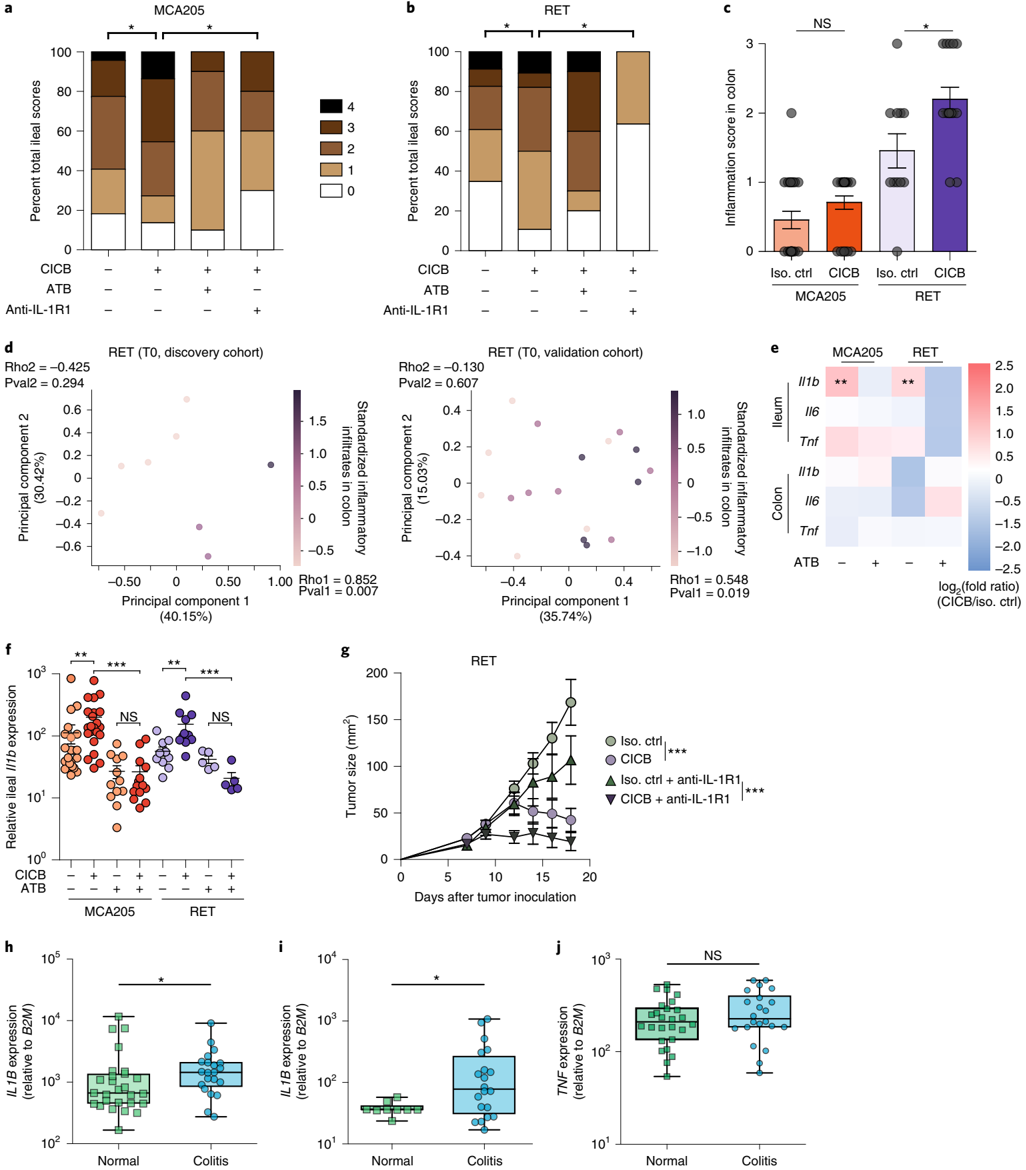
“grade ≥ 3 irAE, with upregulation of mucosal IL-1β in patient samples of colitis and in pre-clinical models [49].”
BackgroundSelf-citationPeng, X., Lee, J., Adamow, M. J., Maher, C. A., Postow, M. A., Callahan, M. K., Panageas, K. S., & Shen, R. (2023) · Cell Reports Methods · doi:10.1016/j.crmeth.2023.100546 · Cited by 6
Self-citationEndale, H. T., Tesfaye, W., Hasen, F. S., Asrat, W. B., Temesgen, E. Y., Shibabaw, Y. Y., & Asefa, T. (2024) · SAGE Open Medicine · doi:10.1177/20503121241274724 · Cited by 6
“…CTLA-4 and PD-L1 inhibitors, with bacterial species such as Bacteroides , Akker-mansia , Faecalibacterium , Clostridiales , and Bifidobacterium spp. 141–145 The modulation of ICIs extends to direct interactions between host immune cells and specific bacteria, such as Akkermansia muciniphila and…”
BackgroundNanotherapeutics: Restoring Gut-Dysbiosis and Inducing Cancer Apoptosis
Kumar, A., Dhiman, C., Narayan, K. P., Kumar, M., & Sharma, M. (2024) · Advances in medical diagnosis, treatment, and care (AMDTC) book series · doi:10.4018/979-8-3693-7728-4.ch007 · Cited by 9
Leveraging gut microbiota for enhanced immune checkpoint blockade in solid tumor therapy
Hu, J., Feng, T., Zhang, L., Zhou, Q., & Zhu, L. (2025) · Chinese Medical Journal · doi:10.1097/cm9.0000000000003687 · Cited by 8
“[141] Toxicity stemming from treatment with a combined ICB regimen targeting PD-1 and CTLA-4 is linked to peripheral T-cell diversity in patients with melanoma.”
Dynamic toxicity landscape of immunotherapy for solid tumors across treatment lines
Liu, L., Li, S., Wang, G., Qu, Y., Wang, Z., Duan, J., Wang, C., Xue, P., Zhang, X., Ma, Z., et al. (2023) · Journal of the National Cancer Center · doi:10.1016/j.jncc.2023.07.002 · Cited by 10
“Microbiota profiling has revealed an increased abundance of Bacteroides intestinalis in patients with irAEs, with upregulated IL-1 𝛽 expression in patients with colitis and pre-clinical models.”
Microbiota links to immunotherapy toxicity
Seton-Rogers, S. E. (2021) · Nature reviews. Cancer · doi:10.1038/s41568-021-00390-w · Cited by 6
Silva, C. A. C., Almonte, A. A., & Zitvogel, L. (2025) · Biomolecules · doi:10.3390/biom15040504 · Cited by 6
“Additionally, gut microbiota composition has been correlated with toxicity to both CAR-T cell therapies [6] and ICI [89,90], specifically the incidence and severity of IrAEs.”
Self-citationAssessment of probiotic and prebiotic use in gynecologic cancer patients: a systematic review
Chalif, J., Morton, M. A., Haight, P. J., Mehra, Y., O’Malley, D. M., Spakowicz, D. J., & Chambers, L. (2025) · American Journal of Obstetrics and Gynecology · doi:10.1016/j.ajog.2025.09.042 · Cited by 12
Edwards, J. M., Senthi, S., Smith, R., Burridge, H., Owens, C., Shackleton, M. J., Andrews, M. C., & van Zelm, M. C. (2025) · Journal for ImmunoTherapy of Cancer · doi:10.1136/jitc-2025-012317 · Cited by 7
Self-citationLobel, L., Fonseca‐Pereira, D., Nakatsu, G., Michaud, M., Cao, Y. G., Bae, S., Krabak, C., Oren, Y., Clay, S. L., Tekle, G. E., et al. (2026) · Immunity · doi:10.1016/j.immuni.2026.05.001 · Cited by 6
Self-citationUllern, A., Garborg, K. K., Chauhan, S. K., Holm, K., Bang, C., Dunn, C., Johnsen, P. H., Hov, J. E. R., & Kyte, J. A. (2026) · Journal for ImmunoTherapy of Cancer · doi:10.1136/jitc-2026-015122 · Cited by 5
“5 The gut microbiota is considered a tumor-extrinsic factor influencing both ICI efficacy 6–10 and toxicity, 11 and is investigated as a potential biomarker in cancer immunotherapy.”
MAdCAM-1: a newly identified microbial 'gut check' for T cells
Chelvanambi, M., & Wargo, J. A. (2023) · Trends in Immunology · doi:10.1016/j.it.2023.06.007 · Cited by 5
Self-citationThe Intestinal Microbiota and Therapeutic Responses to Immunotherapy
Herrera, P. S., & van den Brink, M. R. M. (2024) · Annual Review of Cancer Biology · doi:10.1146/annurev-cancerbio-062722-035210 · Cited by 6
Su, Z., Zhang, L., Lian, X., & Wang, Y. (2025) · Asia-Pacific Journal of Oncology Nursing · doi:10.1016/j.apjon.2025.100661 · Cited by 5
“42,48 The serum antibody pro fi le and ANA leading to ir-SAEs are thought to be related to the fact that these antibodies in the blood may cause autoimmune diseases and in fl ammation.”
InfluentialShahbazi, R., Yasavoli‐Sharahi, H., Alsadi, N., Sharifzad, F., Fang, S., Cuenin, C., Cahais, V., Chung, F. F., Herceg, Z., & Matar, C. (2023) · International Journal of Molecular Sciences · doi:10.3390/ijms241914610 · Cited by 7
“A recent study revealed the critical role of B. intestinalis and IL-1 β signaling in immune checkpoint blockade (ICB) therapy-induced ileitis [75].”
BackgroundCausal associations between gut microbiota and cutaneous melanoma: a Mendelian randomization study
Bao, Y.-Q., Zhang, Y., & Li, Z.-N. (2024) · Frontiers in Microbiology · doi:10.3389/fmicb.2024.1339621 · Cited by 6
The Role of the Microbiome in Cancer Therapies
Chalif, J., Goldstein, N. E. S., Mehra, Y., Spakowicz, D. J., & Chambers, L. (2025) · Hematology/Oncology Clinics of North America · doi:10.1016/j.hoc.2024.12.005 · Cited by 7
Pharmacogenomics in cancer supportive care: key issues and future directions
Patel, J. N., Olver, I., & Ashbury, F. (2021) · Supportive Care in Cancer · doi:10.1007/s00520-021-06451-y · Cited by 5
Biomaterial nanocarrier-driven mechanisms to modulate anti-tumor immunity
Liu, L., Wannemuehler, M. J., & Narasimhan, B. (2021) · Current Opinion in Biomedical Engineering · doi:10.1016/j.cobme.2021.100322 · Cited by 5
The Microbiome: the Link to Colorectal Cancer and Research Opportunities
Cass, S. H., Ajami, N. J., & White, M. G. (2022) · Current Treatment Options in Oncology · doi:10.1007/s11864-022-00960-6 · Cited by 5
Self-citationImmune checkpoint inhibitors: maximizing benefit whilst minimizing toxicity
Fahey, C. C., Gracie, T. J., & Johnson, D. B. (2023) · Expert Review of Anticancer Therapy · doi:10.1080/14737140.2023.2215435 · Cited by 7
“In a study of 77 patients with advanced melanoma treated with combined CTLA-4 and PD-1 targeted therapy, microbiome profiling with 16S rRNA in fecal samples demonstrated a correlation between irAE and enrichment with several bacterial taxa at baseline [113].”
BackgroundRegulation of Sleep and Circadian Rhythms by S-Adenosylmethionine-Producing Probiotics
Tian, P., Lan, Y., Jin, Z., Hang, F., Mao, X., Jin, X., Wang, G., & Chen, W. (2024) · Engineering · doi:10.1016/j.eng.2024.12.025 · Cited by 4
Self-citationChen, Y., Wang, Z., Chang, C., & Shen, W. (2025) · Industrial & Engineering Chemistry Research · doi:10.1021/acs.iecr.5c02839 · Cited by 4
Robert, M., Saha, S., Dizman, N., Rohlfs, M. L., Sirmans, E., Simon, J. M., Amaria, R., Oliva, I. C. G., Tawbi, H. A., Davies, M. A., et al. (2025) · Nutrients · doi:10.3390/nu18010040 · Cited by 3
Self-citationMicrobiome-modulated immunotherapy in oncology: Current applications and future prospects
Liu, Y., Miao, K., & Yang, X. (2026) · Seminars in Cancer Biology · doi:10.1016/j.semcancer.2026.01.001 · Cited by 4
Reddy, N., Lau, K., Naman, J., Lu, K. L., McGillivary, E., Salmasi, A., Liss, M. A., & Stewart, T. F. (2026) · OncoImmunology · doi:10.1080/2162402x.2025.2611458 · Cited by 4
Lin, Z., Mu, S., Zhang, W., Guo, Y., Dong, C., Song, L., Zhang, H., Wu, R., Luo, P., & Liang, L. (2026) · Genes & Diseases · doi:10.1016/j.gendis.2026.102428 · Cited by 4
Cancer Therapy-induced Dermatotoxicity as a Window to Understanding Skin Immunity
Jiménez-Andrade, Y., Flesher, J. L., & Park, J. M. (2024) · Hematology/Oncology Clinics of North America · doi:10.1016/j.hoc.2024.05.002 · Cited by 4
Microbiome and Immunotherapy for Melanoma
Haddad, A., & Holder, A. M. (2024) · Hematology/Oncology Clinics of North America · doi:10.1016/j.hoc.2024.05.010 · Cited by 5
Capelletti, M. M., Montini, O., Ruini, E., Tettamanti, S., Savino, A. M., & Sarno, J. (2024) · International Journal of Molecular Sciences · doi:10.3390/ijms26010045 · Cited by 5
“Notably, the microbiome plays a role in regulating the immune system’s antitumour responses to different types of therapeutic strategies, such as chemotherapy [224], radiotherapy [225,226], immune checkpoint inhibition [227], adoptive cell therapy [228] and CAR T cell therapy [229,230].”
Long-term immune related adverse events
Plaçais, L., & Lambotte, O. (2024) · Current Opinion in Oncology · doi:10.1097/cco.0000000000001113 · Cited by 4
Mattavelli, E., PRAT, V. D., Corallo, S., Tartara, A., Figini, S., Simeis, F. D., Marino, S., Uggè, A., Caccialanza, R., Pedrazzoli, P., et al. (2026) · Immunotherapy · doi:10.1080/1750743x.2026.2648431 · Cited by 8
Metadata
- Authors
- Andrews, M. C., Duong, C. P. M., Gopalakrishnan, V., Iebba, V., Chen, W.-S., Derosa, L., Khan, M. A. W., Cogdill, A. P., White, M. G., Wong, M. C., Ferrere, G., Fluckiger, A., Roberti, M. P., Opolon, P., Alou, M. T., Yonekura, S., Roh, W., Spencer, C. N., Curbelo, I. F., Vence, L., Reuben, A., Johnson, S., Arora, R., Morad, G., Lastrapes, M., Baruch, E. N., Little, L., Gumbs, C., Cooper, Z. A., Prieto, P. A., Wani, K., Lazar, A. J., Tetzlaff, M. T., Hudgens, C. W., Callahan, M. K., Adamow, M., Postow, M. A., Ariyan, C. E., Gaudreau, P.-O., Nezi, L., Raoult, D., Mihalcioiu, C., Elkrief, A., Pezo, R. C., Haydu, L. E., Simon, J. M., Tawbi, H. A., McQuade, J., Hwu, P., Hwu, W.-J., Amaria, R. N., Burton, E. M., Woodman, S. E., Watowich, S., Diab, A., Patel, S. P., Glitza, I. C., Wong, M. K., Zhao, L., Zhang, J., Ajami, N. J., Petrosino, J., Jenq, R. R., Davies, M. A., Gershenwald, J. E., Futreal, P. A., Sharma, P., Allison, J. P., Routy, B., Zitvogel, L., & Wargo, J. A.
- Affiliations
- The University of Texas MD Anderson Cancer Center (US)
- Inserm (FR)
- Institut Gustave Roussy (FR)
- Parker Institute for Cancer Immunotherapy (US)
- AstraZeneca (United States) (US)
- University of Rochester Medicine (US)
- Memorial Sloan Kettering Cancer Center (US)
- European Institute of Oncology (IT)
- Aix-Marseille Université (FR)
- McGill University Health Centre (CA)
- Sunnybrook Health Science Centre (CA)
- Baylor College of Medicine (US)
- Corresponding author
- Zitvogel, Laurence
- Wargo, Jennifer A.
- ORCID
- Andrews, Miles C.
- Duong, Connie P. M.
- Gopalakrishnan, Vancheswaran
- Iebba, Valerio
- Chen, Wei-Shen
- Derosa, Lisa
- Khan, Md Abdul Wadud
- Cogdill, Alexandria P.
- White, Michael G.
- Wong, Matthew C.
- Ferrere, Gladys
- Fluckiger, Aurélie
- Roberti, Maria P.
- Opolon, Paule
- Alou, Maryam Tidjani
- Yonekura, Satoru
- Roh, Whijae
- Spencer, Christine N.
- Vence, Luis
- Reuben, Alexandre
- Johnson, Sarah
- Arora, Reetakshi
- Morad, Golnaz
- Lastrapes, Matthew
- Baruch, Erez N.
- Little, Latasha
- Gumbs, Curtis
- Cooper, Zachary A.
- Prieto, Peter A.
- Wani, Khalida
- Lazar, Alexander J.
- Hudgens, Courtney W.
- Callahan, Margaret K.
- Adamow, Matthew
- Postow, Michael A.
- Ariyan, Charlotte E.
- Gaudreau, Pierre-Olivier
- Nezi, Luigi
- Raoult, Didier
- Mihalcioiu, Catalin
- Elkrief, Arielle
- Pezo, Rossanna C.
- Haydu, Lauren E.
- Simon, Julie M.
- Tawbi, Hussein A.
- McQuade, Jennifer
- Hwu, Patrick
- Hwu, Wen-Jen
- Amaria, Rodabe N.
- Burton, Elizabeth M.
- Woodman, Scott E.
- Watowich, Stephanie
- Diab, Adi
- Patel, Sapna P.
- Wong, Michael K.
- Zhao, Li
- Zhang, Jianhua
- Ajami, Nadim J.
- Petrosino, Joseph
- Jenq, Robert R.
- Davies, Michael A.
- Gershenwald, Jeffrey E.
- Futreal, P. Andrew
- Sharma, Padmanee
- Allison, James P.
- Routy, Bertrand
- Zitvogel, Laurence
- Wargo, Jennifer A.
- Venue
- Nature Medicine
- Published
- 2021-07-08
- Volume
- 27
- Issue
- 8
- Pages
- 1432-1441
- ISSN
- 1078-8956 (ISSN-L)
- 1546-170X
- PMC
- PMC11107795
- OpenAlex
- W3112934313
- Semantic Scholar
- 1e128a098aaec7c7f4085a6e065071c0b46a6710
- Cited by
- 437
- References
- 67
- Citations by year
- 2026: 71 · 2025: 74 · 2024: 77 · 2023: 101 · 2022: 94 · 2021: 19
- FWCI
- 26.77
- Type
- journal article
- Language
- en
- Open access
- green
- doi.org
- Licence
- cc-by
- www.springernature.com/gp/researchers/text-and-data-mining (tdm)
- www.springernature.com/gp/researchers/text-and-data-mining (vor)
- Locations
- Nature Medicine (publishedVersion)
- Research Square (acceptedVersion, cc-by)
- PubMed (publishedVersion)
- PubMed Central (acceptedVersion)
- HAL (submittedVersion, cc-by)
- ArTS Archivio della ricerca di Trieste (University of Trieste https://www.units.it/) (submittedVersion, other-oa)
- HAL (submittedVersion)
- Funders
- U.S. Department of Health & Human Services | NIH | National Cancer Institute (1R01CA219896-01A1)
- American Association for Cancer Research (SU2C-AACR-IRG-19-17)
- UT | University of Texas MD Anderson Cancer Center Moonshots Program
- Department of Health | National Health and Medical Research Council (1148680)
- U.S. Department of Health & Human Services | National Institutes of Health (T32CA163185, 1 P50 CA221703-02, 1U54CA224070-03, T32 CA 009599)
- Parcours d’excellence en cancérologie - Fondation Philanthropia
- University of Texas MD Anderson Odyssey Fellowship Program - Kimberley Clark Foundation Award for Scientific Achievement
- Fonds de Recherche du Québec - Santé (32667)
- American Cancer SocietyMelanoma Research AllianceCancer Fighters of Houston
- Ligue Contre le Cancer
- Fondation pour la Recherche Médicale
- Institut National Du Cancer
- Agence Nationale de la Recherche (10-IAHU-03)
- Association pour la recherche sur le cancerFondation Carrefour
- Fulbright France Commission Franco-AmericainéThe John J Kopchick Foundation
- UT | University of Texas MD Anderson Cancer Center (P30 CA016672)
- Topics
- Health Sciences › Medicine › Oncology › Cancer Immunotherapy and Biomarkers
- Life Sciences › Biochemistry, Genetics and Molecular Biology › Molecular Biology › Gut microbiota and health
- Life Sciences › Immunology and Microbiology › Immunology › T-cell and B-cell Immunology
- Keywords
- gut microbiota, immune checkpoint blockade, CTLA-4, PD-1, immune-related adverse events, melanoma, Bacteroides intestinalis, colitis, IL-1β, T cell receptor repertoire, immune-related toxicity
- MeSH terms
- Gastrointestinal Microbiome, Animals, Female, Humans, Melanoma, Mice, Inbred C57BL, Cell Line, Tumor, Mice, Interleukin-1beta, CTLA-4 Antigen, Programmed Cell Death 1 Receptor
About these checks
Registry, retraction, Cites and statistics results are computed, not judged, with one exception: a printed reference that no index lists is read once by a model before it counts as a citation error. Claims are extracted by a model and kept only when their quote appears verbatim in the text; each cited source is then checked, with a model’s help, for whether it says what the claim relies on. Those verdicts can be wrong — read the claim’s quote and the cited source before relying on one.
Statistics and arithmetic are recomputed, not judged.
Confidence bands are shown only for fields calibrated on our annotated test set. None is calibrated yet, so no band is shown.
What counts as a claim ›How we measure confidence ›How we check this ›
Are you an author, or do you see a problem with this page? Request a review
Data sources
Bibliographic data: Semantic Scholar, OpenAlex, Crossref.
Contains information from the Semantic Scholar Academic Graph Datasets, made available under the ODC Attribution License (ODC-BY 1.0).
Semantic Scholar’s data is described in: Kinney, R., et al. (2023). The Semantic Scholar Open Data Platform. arXiv:2301.10140.
