

Altered gut microbiota and short chain fatty acids in Chinese children with autism spectrum disorder
Open accessThe DOI matches its Crossref record; 43 of the 43 references it cites were found in a registry or an index.
Abstract
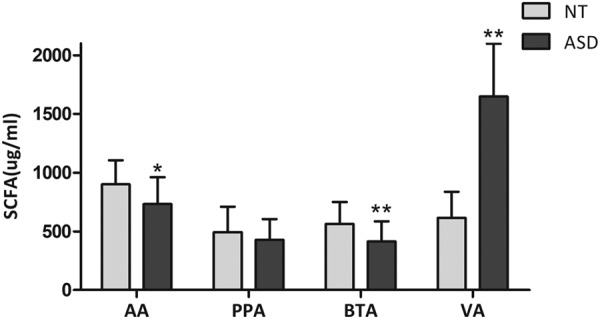
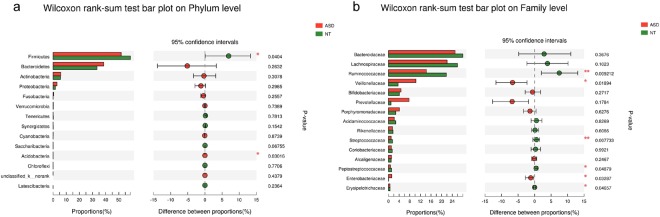
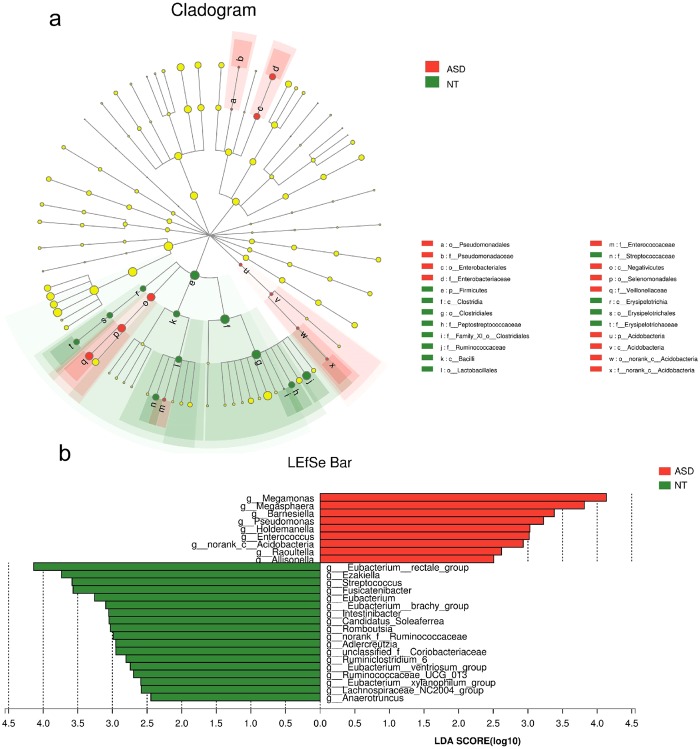
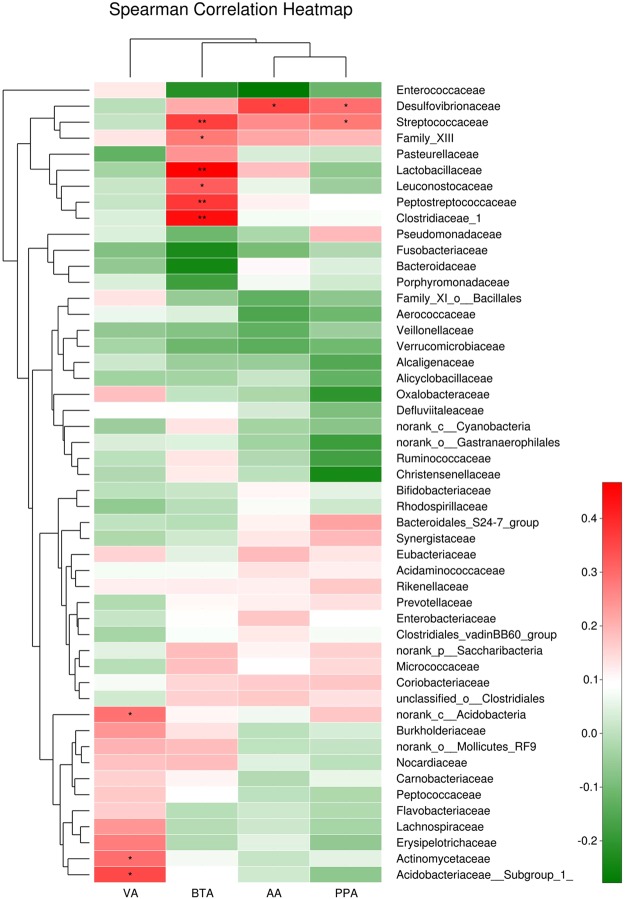
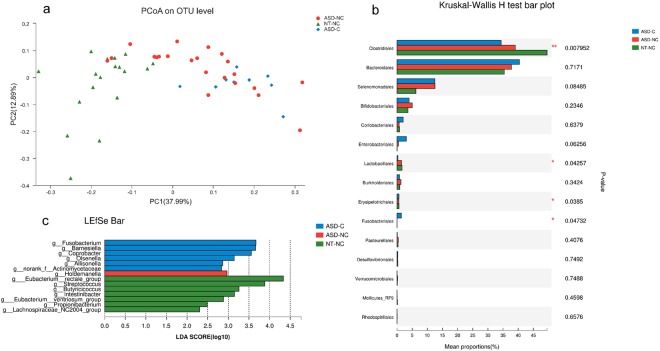
Autism spectrum disorder (ASD) is a neurodevelopmental disorder that is characterized by impairments in social interactions and communication, restricted interests and repetitive behaviors. Several studies report a high prevalence of gastrointestinal (GI) symptoms in autistic individuals. Cumulative evidence reveals that the gut microbiota and its metabolites (especially short-chain fatty acids, SCFAs) play an important role in GI disorders and the pathogenesis of ASD. However, the composition of the gut microbiota and its association with fecal SCFAs and GI symptoms of autistic children remain largely unknown. In the present study, we sequenced the bacterial 16S rRNA gene, detected fecal SCFAs, assessed GI symptoms and analyzed the relationship between the gut microbiome and fecal SCFAs in autistic and neurotypical individuals. The results showed that the compositions of the gut microbiota and SCFAs were altered in ASD individuals. We found lower levels of fecal acetic acid and butyrate and a higher level of fecal valeric acid in ASD subjects. We identified decreased abundances of key butyrate-producing taxa (Ruminococcaceae, Eubacterium, Lachnospiraceae and Erysipelotrichaceae) and an increased abundance of valeric acid associated bacteria (Acidobacteria) among autistic individuals. Constipation was the only GI disorder in ASD children in the present study. We also found enriched Fusobacterium, Barnesiella, Coprobacter and valeric acid-associated bacteria (Actinomycetaceae) and reduced butyrate-producing taxa in constipated autistic subjects. It is suggested that the gut microbiota contributes to fecal SCFAs and constipation in autism. Modulating the gut microbiota, especially butyrate-producing bacteria, could be a promising strategy in the search for alternatives for the treatment of autism spectrum disorder.
Overview
The claims and statistics of this paper haven’t been checked yet.
Free: it reads the open-access text and checks the first 5 claims that cite a source we can check. Create a free account to check every claim.
Integrity signals
Registry
Cites
Statistics
Figures
Verification
Claims the paper makes
The claims and statistics of this paper haven’t been checked yet.
Free: it reads the open-access text and checks the first 5 claims that cite a source we can check. Create a free account to check every claim.
Claims other papers make about this one
Each is checked against this paper’s own text: does it say what the citing paper says it does?
The source backs part of the claim, not all of it — or backs it for a different population, condition or comparison.
In the citing paper
“The reduced ratio of Firmicutes/Bacteroidetes in the gastrointestinal tract may lead to decreased circulating SCFAs (54,55)”
From The Role of Gut Microbiota in Lung Cancer: From Carcinogenesis to Immunotherapy (2021) · doi:10.3389/fonc.2021.720842 · cites this paper as [54]
Experimental — accuracy not yet measuredThe cited source says what the claim attributes to it.
In the citing paper
“butyrate-producing taxa belonging to the Erysipelotrichaceae were significantly decreased in the feces of individuals with ASD”
The cited source says what the claim attributes to it.
In the citing paper
“Although, a more recent report demonstrated decreased fecal acetate and butyrate levels in children with ASD (Liu et al., 2019).”
From The Microbiota-Gut-Brain Axis (2019) · cites this paper as Liu et al., 2019
In the citing paper
“Elevated isobutyric and isovaleric acid have been associated with hypercholesterolemia (Granado-Serrano et al., 2019) and elevated valeric acid in autism spectrum disorder (Liu et al., 2019).”
From Gut-microbiota-targeted diets modulate human immune status (2021) · cites this paper as Liu et al., 2019
Self-check
Percentages, sums and reported differences re-computed from the paper’s own numbers.
The self-check needs the paper’s full text.
Citations
Cites
Diagnostic and Statistical Manual of Mental Disorders
American Psychiatric Association (2013) · doi:10.1176/appi.books.9780890425596 · Cited by 116,369
Metagenomic biomarker discovery and explanation
Segata, N., Izard, J., Waldron, L., Gevers, D., Miropolsky, L., Garrett, W. S., & Huttenhower, C. (2011) · Genome Biology · doi:10.1186/gb-2011-12-6-r60 · Cited by 16,192
Molecular Mechanisms of Depression: Perspectives on New Treatment Strategies
Lang, U. E., & Borgwardt, S. (2013) · Cellular Physiology and Biochemistry · doi:10.1159/000350094 · Cited by 8,475
From Dietary Fiber to Host Physiology: Short-Chain Fatty Acids as Key Bacterial Metabolites
Koh, A., De Vadder, F., Kovatcheva-Datchary, P., & Bäckhed, F. (2016) · Cell · doi:10.1016/j.cell.2016.05.041 · Cited by 7,070
Baio, J., Wiggins, L., Christensen, D. L., Maenner, M. J., Daniels, J., Warren, Z., Kurzius-Spencer, M., Zahorodny, W., Robinson, C., Rosenberg, et al. (2018) · MMWR. Surveillance Summaries · doi:10.15585/mmwr.ss6706a1 · Cited by 6,078
The gut microbiota influences blood-brain barrier permeability in mice
Braniste, V., Al-Asmakh, M., Kowal, C., Anuar, F., Abbaspour, A., Tóth, M., Korecka, A., Bakocevic, N., Ng, L. G., Kundu, P., et al. (2014) · Science Translational Medicine · doi:10.1126/scitranslmed.3009759 · Cited by 2,530
Chang, P. V., Hao, L., Offermanns, S., & Medzhitov, R. (2014) · Proceedings of the National Academy of Sciences · doi:10.1073/pnas.1322269111 · Cited by 2,175
Peng, L., Li, Z.-R., Green, R. S., Holzmanr, I. R., & Lin, J. (2009) · The Journal of Nutrition · doi:10.3945/jn.109.104638 · Cited by 2,130
Genetic Heritability and Shared Environmental Factors Among Twin Pairs With Autism
Hallmayer, J. (2011) · Archives of General Psychiatry · doi:10.1001/archgenpsychiatry.2011.76 · Cited by 1,970
Microbes in Gastrointestinal Health and Disease
Neish, A. S. (2009) · Gastroenterology · doi:10.1053/j.gastro.2008.10.080 · Cited by 1,386
Cited by
Items 401–482 of 482
Yagi, A., & Yu, B. P. (2019) · Journal of Gastroenterology and Hepatology Research · doi:10.17554/j.issn.2224-3992.2019.08.836
“Liu et al[38] found lower levels of fecal acetic acid and butyric acid and a higher level of fecal valeric acid in ASD subjects.”
BackgroundGut Dysbiosis and Neurological Disorders—An Eclectic Perspective
Bostancıklıoğlu, M., & Demir, T. (2021) · Elsevier eBooks · doi:10.1016/b978-0-12-819265-8.00041-3 · Cited by 1
Shared microbial community changes in female rats and humans with Rett syndromePreprint
Gallucci, A., Patterson, K. C., Weit, A. R., Pol, W. V. D., Dubois, L. G., Percy, A. K., Morrow, C. D., Campbell, S. L., & Olsen, M. L. (2019) · Research Square · doi:10.21203/rs.2.19018/v1
“20 Indeed, humans with ASD have decreased fecal levels of acetic acid (56).”
BackgroundMaternal Microbiota as a Therapeutic Target
Saraçoğlu, F. (2022) · Wiley eBooks · doi:10.1002/9783527825462.ch9
Molecular mechanisms of neurodegeneration in neuropsychiatric diseases
Farooqui, A. A. (2020) · Elsevier eBooks · doi:10.1016/b978-0-12-821711-5.00005-x
Humanização em terapia intensiva - Aspectos iniciais
Ferreira, F. H. (2021) · Editora Conhecimento Livre eBooks · doi:10.37423/210403979
Intestinal Flora Composition and Exploration of New Therapeutic Methods in Children with Autism
Zhang, Y., Li, R., & Chang, X. (2022) · Journal of Medicine and Surgery Research · doi:10.55375/jmsr.2022.2.1
Šoltýsová, M., Tomova, A., & Ostatníková, D. (2022) · Research Square · doi:10.21203/rs.3.rs-1576931/v1
Human microbiome and neurological disorders
Saini, V., & Maurya, P. K. (2022) · Elsevier eBooks · doi:10.1016/b978-0-323-91313-3.00016-7
Human Diets, Gut Microbiome, and Neuroinflammation
Singh, J., Khan, Z., & Rajavashisth, T. B. (2022) · Nutritional neurosciences · doi:10.1007/978-981-19-4530-4_7
Šoltýsová, M., Tomova, A., & Ostatníková, D. (2022) · Research Square · doi:10.21203/rs.3.rs-1576931/v2
Bundgaard‐Nielsen, C. (2021) · VBN Forskningsportal (Aalborg Universitet) · doi:10.54337/aau466210133
CORRELAÇÃO DO MICROBIOMA INTESTINAL E DISBIOSE EM PACIENTES COM TRANSTORNO DO ESPECTRO AUTISTA
Maia, B. F., dos Anjos, O. P., de Oliveira, M. D. S. F., Eduardo, A. M. D. L. E. N., de Oliveira, G. O. B., Lima, A. D. L., & de Andrade, I. A. (2023) · Revista Ibero-Americana de Humanidades, Ciências e Educação · doi:10.51891/rease.v9i9.11559 · Cited by 1
Exploring the Microbiome through Probiotics and Psychobiotics: Deciphering the Gut-Brain Link
Pathak, R., Tirumalai, P. S., & Kashyap, S. (2023) · ACTA SCIENTIFIC MICROBIOLOGY · doi:10.31080/asmi.2023.06.1315 · Cited by 1
Bilirubin Nanomedicines for the Treatment of Reactive Oxygen Species (ROS)-Mediated Diseases
Gupta, Y., Shikha, R., Rai, V., Bano, N., Khan, S., & Yadav, R. (2024) · Journal for Research in Applied Sciences and Biotechnology · doi:10.55544/jrasb.3.1.25
“Additionally, BRNPs function as ROS-responsive nanocarriers, further optimizing targeted drug delivery to ROS-rich tissues and augmenting their therapeutic potential(30)”
BackgroundHassib, L. (2023) · Digital Library of Theses and Dissertations (Universidade de São Paulo) · doi:10.11606/d.17.2023.tde-05022024-160439
Nutrition’s Route to Behaviour and Vice Versa: Longitudinal Links from Early Life to Adolescence
Willemsen, Y. (2024) · Radboud University Press eBooks · doi:10.54195/9789493296374
Zhang, Z., Zhao, H., Chen, X., Tian, G., Liu, G., Cai, J., & Jia, G. (2024) · Animal Science Journal · doi:10.1111/asj.13953
ICHAK MIKROBIOTASINING АUTISTIK SPEKTR KASALLIKLARI RIVOJLANISHIDAGI AHAMIYATI
Elova, N. A., & MIRALIMOVA, S. (2024) · UzMU xabarlari · doi:10.69617/uzmu.v1i1.3.1761
Kupriyanova, O. V., & Grigoryeva, T. V. (2024) · Personalized Psychiatry and Neurology · doi:10.52667/2712-9179-2024-4-2-3-12
Physical and Medical Conditions Associated with Autism
(2024) · Frontiers research topics · doi:10.3389/978-2-8325-5106-6
Role of Diet in Improving Gut Microbiota in Autism
Sneha, G., Krishnamoorthy, N. K., Hediyal, T. A., Kendaganna, P. H., & Chidambaram, S. B. (2024) · Springer eBooks · doi:10.1007/978-981-19-3949-5_41-1
Andueza, N., Riezu‐Boj, J. I., Clemente‐Larramendi, I., Cuervo, M., & Navas‐Carretero, S. (2024) · International Journal of Food Science & Technology · doi:10.1111/ijfs.17454
The Effect of Probiotics and Microbiota on Nervous System and Mental Illnesses
Hossainpour, H., Khazaei, S., & Mahmoudi, H. (2024) · Central Nervous System Agents in Medicinal Chemistry · doi:10.2174/0118715249315760240905043415
A bibliometric analysis of global research on short chain fatty acids in neurological diseases
Jiuhong, Z., Lei, Y., Zhang, X., & Li, Z. (2024) · Medicine · doi:10.1097/md.0000000000040102
“…In contrast, lower levels of acetic acid and butyrate but a higher level of fecal valeric acid were reported to exist in 30 ASD subjects in China, [28] implying that there must be some other factors (like subclassification of autism and other risk factors) which might also contribute to the…”
BackgroundRole of Diet in Improving Gut Microbiota in Autism
Sneha, G., Krishnamoorthy, N. K., Hediyal, T. A., Kendaganna, P. H., & Chidambaram, S. B. (2024) · Springer eBooks · doi:10.1007/978-981-99-7557-0_41
Human microbiome and neuro-developmental disorders
Capirig, C. J., Moncayo, J. A., Paramashivaiah, S. H., Khor, S. B., Ong, B. A., & Garcia, C. A. (2024) · Elsevier eBooks · doi:10.1016/b978-0-443-15435-5.00010-4
Grębska, P., Szeląg, M., Dancewicz, A., Kofla-Dłubacz, A., Choroszy−Król, I., Stawarski, A., & Pytrus, T. (2024) · Pediatria i Medycyna Rodzinna · doi:10.15557/pimr.2024.0022 · Cited by 1
Microbiome and Brain-Gut Microbiota's Influence on Autism Pathogenesis
Upaganlawar, A. B., Wankhede, N. L., Kale, M. B., Rahangdale, S. R., Aglawe, M. M., Taksande, B. G., & Umekar, M. J. (2025) · IGI Global eBooks · doi:10.4018/979-8-3693-8176-2.ch004
The Role of Microbiome in Nervous and Immune System Development
Wang, H., Lim, J. J., & Tang, Q. (2025) · Elsevier eBooks · doi:10.1016/b978-0-323-95488-4.00244-8
Silva, R. A., Nahas, M. J. B., Bremer, S. D. C., de Oliveira, L. W., de Souza, A. M., Rufino, M. N., Caetano, H. R. D. S., Keller, R., & Bremer‐Neto, H. (2025) · Journal of the Science of Food and Agriculture · doi:10.1002/jsfa.14325
Han, K., & Jung, T. (2025) · Journal of the Korean Society of Food Science and Nutrition · doi:10.3746/jkfn.2025.54.5.472
Li, W., Liu, Y., Zhai, Z., Zhang, Z., Hang, F., Zhao, J., Wang, G., & Zhang, H. (2026) · Food Science and Human Wellness · doi:10.26599/fshw.2025.9250646 · Cited by 1
Systems biology approach in the detection of neuronal disorders
Rao, D., Yadav, S., Chandra, N., Muthamma, T., Sivamani, Y., Pokkuluri, K. S., & Elayaperumal, S. (2025) · Elsevier eBooks · doi:10.1016/b978-0-443-33351-4.00016-7
New Evidence of Altered Gut Microbiota in Autism Spectrum Disorders through Metagenomic AnalysisPreprint
Xing, P., Li, Z., Xiong, Z., Ma, Y., Sun, M., & Bào, Y. (2025) · bioRxiv (Cold Spring Harbor Laboratory) · doi:10.1101/2025.09.11.675541
Gut microbiota and mental issues in humans
Singh, J., Mistry, C. R., Sharma, A., Baiju, A., Kumar, B., Maji, A., Sharma, M., Singh, A., Prasad, V., Lalbiaktluangi, C., et al. (2025) · Elsevier eBooks · doi:10.1016/b978-0-443-29932-2.00013-x
The Gut-Brain Connection: How Diet Influences Mental Health
Yener, S. M. (2025) · Nutritional neurosciences · doi:10.1007/978-981-95-1414-4_5
Ramos, I. M. (2022) · Portuguese National Funding Agency for Science, Research and Technology (RCAAP Project by FCT) · doi:10.34626/35fg-0q18
Li, J., Gao, X., Sun, X., Li, H., Wei, J., Lv, L., & Zhu, L. (2024) · Figshare · doi:10.6084/m9.figshare.25547132
Liu, S., Xi, H., Xue, X., Sun, X., Huang, H., Fu, D., Mi, Y., He, Y., Yang, P., Tang, Y., et al. (2024) · Figshare · doi:10.6084/m9.figshare.26752282
Self-citationLi, J., Gao, X., Sun, X., Li, H., Wei, J., Lv, L., & Zhu, L. (2024) · Figshare · doi:10.6084/m9.figshare.26702260
Zhuang, Z., Yang, R., Wang, W., Qi, L., & Huang, T. (2020) · Figshare · doi:10.6084/m9.figshare.13047173
Li, J., Gao, X., Sun, X., Li, H., Wei, J., Lv, L., & Zhu, L. (2024) · Figshare · doi:10.6084/m9.figshare.25547046
Liu, S., Xi, H., Xue, X., Sun, X., Huang, H., Fu, D., Mi, Y., He, Y., Yang, P., Tang, Y., et al. (2024) · Figshare · doi:10.6084/m9.figshare.26752279
Self-citationLiu, S., Xi, H., Xue, X., Sun, X., Huang, H., Fu, D., Mi, Y., He, Y., Yang, P., Tang, Y., et al. (2024) · Figshare · doi:10.6084/m9.figshare.26752276
Self-citationLi, J., Gao, X., Sun, X., Li, H., Wei, J., Lv, L., & Zhu, L. (2024) · Figshare · doi:10.6084/m9.figshare.26702263
Liu, S., Xi, H., Xue, X., Sun, X., Huang, H., Fu, D., Mi, Y., He, Y., Yang, P., Tang, Y., et al. (2024) · Figshare · doi:10.6084/m9.figshare.26752285
Self-citationLiu, S., Xi, H., Xue, X., Sun, X., Huang, H., Fu, D., Mi, Y., He, Y., Yang, P., Tang, Y., et al. (2024) · Figshare · doi:10.6084/m9.figshare.26752288
Self-citationAhdab, N. E. (2021) · eScholarship@McGill (McGill) · doi:10.82308/52253
Kemppi, M. (2023) · UTUPub (University of Turku)
Insights on gut microbiota in autism spectrum disorder: a review
Adhikary, S., Rajak, P., Ganguly, A., & Bhattacharya, S. (2025) · Elsevier eBooks · doi:10.1016/b978-0-443-27622-4.00023-7
Protic, D. D., Nikolić, V., & Stojković, M. (2025) · Medicinski podmladak · doi:10.5937/mp76-60614
The Role of the Microbiome in Autism Spectrum Disorders
Clark, T. A., & Wilson, D. R. (2025) · Journal of Pediatric Surgical Nursing · doi:10.1177/23320249251407544
“Children with ASD often have lower levels of kynurenate, a protective tryptophan metabolite, and higher levels of SCFAs, which can alter neurotransmitter balance (Aziz-Zadeh et al., 2025; Liu et al., 2019).”
Rewiring the brain: Ketogenic diet and gut microbiota in nervous system development
Jędrusik, J., & Setkowicz, Z. (2026) · Nutrition · doi:10.1016/j.nut.2026.113106
Gut Microbiota and Mitochondrial Dysfunction in Autism: Clinical Correlations and Future Directions
Bhalla, S., & Srivastava, R. (2026) · Molecular Neurobiology · doi:10.1007/s12035-026-05702-5 · Cited by 1
“One of the mechanisms involves microbial SCFAs, particularly propionic acid, which is elevated in most ASD cohorts [118, 119].”
Gut Microbial Alteration in Pediatric Autism Spectrum Disorder Based on 16S rRNA Sequence Analysis
Zou, Y., Zou, Q., & Huang, G. (2026) · Current Bioinformatics · doi:10.2174/0115748936421910251128193659
Environmental exposures, gut microbiota and neurodevelopment
Davias, A. (2024) · theses.fr (ABES) · doi:10.70675/e64e9375za075z4758za6f4z68615868b895
Loza-López, E. C., Cano-Herrera, G., Gonzalez, M. F. B., Vionet, A. M., van Tienhoven, X. A., Aldaba, E. S., Argüelles, E. D. J. G., Pérez, R. M., Pérez, P. C. M., Vela, D. D. L., et al. (2026) · Exploration of Neuroprotective Therapy · doi:10.37349/ent.2026.1004146
Smolko, N. A., Fayzullina, R. A., Mukhamedshina, Y. O., Synbulatova, G. E., & Markelova, M. (2026) · Rossiyskiy Vestnik Perinatologii i Pediatrii (Russian Bulletin of Perinatology and Pediatrics) · doi:10.21508/1027-4065-2026-71-2-57-65
Oral and Gut Microbiota in Individuals With Autism Spectrum Disorder: A Pilot Case–Control Study
Iida, A., Toyota, Y., Itagaki, T., Yawaka, Y., & Hasebe, A. (2026) · International Journal of Paediatric Dentistry · doi:10.1111/ipd.70095
Diet-derived microbial metabolites modulate stress-responsive gene expression in germ-free zebrafish
Capistrano, J. D. R., Ketheeswaranathan, B., Horn, M., Tran, P. N. G., Ball, T., Chirmade, S., Vancuren, S. J., Ma, D. W. L., Walton, K., Allen‐Vercoe, E., et al. (2026) · Gut Microbiome · doi:10.64898/2026.05.04.722778
The Microbiome-Body Connection: Unraveling the Gut-Brain Axis
Islam, M. M., Mahbub, N. U., & Islam, M. A. (2026) · Springer eBooks · doi:10.1007/978-981-95-7494-0_1 · Cited by 1
Carta, A., Riccio, M. P., Miola, A., Cavassa, V., Puci, M. V., Abbracciavento, G., Carucci, S., Sambataro, F., Bravaccio, C., & Sotgiu, S. (2026) · Frontiers in Child and Adolescent Psychiatry · doi:10.3389/frcha.2026.1835043
“…we can resume that in ASD, the accumulated evidence — largely derived from observational studies — consistently indicates associations between gastrointestinal symptom burden, dietary patterns, gut microbiota composition, and greater severity of core behavioral symptoms (4, 12, 67, 74, 90).”
Huang, W. Q., Wang, S., Zhang, Y., Gao, M., Zhong, N., Hao, C., Pathak, J. L., Lijing, W., Meng, S., Zhao, W., et al. (2026) · Journal of Oral Microbiology · doi:10.1080/20002297.2026.2681259
“These bacteria play crucial roles in maintaining intestinal barrier integrity [41,42], producing short-chain fatty acids (SCFAs) [43–46], and regulating neurotransmitters [47–50].”
Chen, B., Wang, Q., Xue, X., Jiang, X., Zhang, M., Zhao, C., Jin, C., Yue, K., Zhao, G., Liu, Y., et al. (2026) · npj Biofilms and Microbiomes · doi:10.1038/s41522-026-01041-4
“Correlationanalysisrevealedthat14DMSssharedbetweenparentsand offspringweresigni fi cantly linked to 17 gut microbiota ASVs, including Barnesiella , Bacteroides , and Adlercreutzia , all previously implicated in ASD 27 – 29 (Fig.”
Fan, L., Wei, S., Yang, X., Ma, Y., Zhu, C., Su, T., Shi, D., & Song, K. (2026) · Nutrients · doi:10.3390/nu18132039
“In children with ASD accompanied by symptoms of constipation, studies have also confirmed alterations in gut microbiota composition, including decreased concentrations of acetate and butyrate in the stool, alongside elevated valerate levels [45].”
Pîrșcoveanu, D. F. V., Pluta, I. D., Dîrnu, R., Vlădulescu, C., Trașcă, D.-M., Văruț, R. M., Kamal, A. M., Stoica, M., Pura, G., Popa, R., et al. (2026) · Molecules · doi:10.3390/molecules31142415
Gastrointestinal Dysfunction in Children with Autism Spectrum Disorder: A Gut-Brain Axis Perspective
王, 丽. (2026) · Advances in Clinical Medicine · doi:10.12677/acm.2026.1672721
Fallahpour, B., Golshan-Tafti, M., Bahrami, R., Aarafi, H., Shahbazi, A., Shiri, A., Masoudi, A., Bahrami, M., Golshan-Tafti, A., Nematzadeh, F., et al. (2026) · Middle East Current Psychiatry · doi:10.1186/s43045-026-00663-w
Kabrah, A. M., Alghamdi, S. A., Khan, A. A., & Kabrah, S. M. (2026) · Journal of Disability Research · doi:10.57197/jdr-2026-0956
Pereira, R. O., Almeida-Souza, T. H., de Santana, A. L. S., dos Santos, J. R., & Silva, A. M. D. O. E. (2026) · Brain Research · doi:10.1016/j.brainres.2026.150523 · Cited by 1
Kong, W., Qiu, H., Jiang, Y., Ge, H., Wu, W., Huang, L., Chu, L., & Ge, L. (2026) · Biomolecules · doi:10.3390/biom16091321
“This alteration is closely correlated with the enrichment of PPA-producing bacteria such as Clostridium and Bacteroides , implying that PPA-producing taxa may serve as potential microbial biomarkers for ASD [52].”
Metabólitos bacterianos e mecanismos neurobiológicos no autismo
Evangelho, V. G. O., Amorim, M. R., Castro, H. C., Bello, M. L., & Neto, J. R. P. (2026) · Revista Neurociências · doi:10.34024/rnc.2026.v34.21893
Nanoparticles and the gut-microbiome: a dual strategy for oral brain delivery
Negahdari, R., Pouyanfar, N., Masoudifar, R., Aftabi, P., Fendereski, F., Anvari, Z., Masoumi, N., Faizi, M., & Ghorbani‐Bidkorbeh, F. (2026) · International Journal of Pharmaceutics · doi:10.1016/j.ijpharm.2026.127477
Importancia de la microbiota intestinal en la población pediátrica
López, K., Villarroel, G., Albornoz, K. B., Marcano, A., Rojas, G., Alonso, L., Pineda, C. M. N., Moya, E., Navarro, D., & López, K. R. (2024) · Revista de la Sociedad Venezolana de Microbiología · Cited by 2
Fecal microbiota transplantation: an update on the advances in the treatment of complex diseases
Letizia, C. (2023) · Nutrimentum et Curae
Gut microbiota and epigenetic mechanisms in brain physiology and disorders
Moloney, G. M., CLARKE, G., & Cryan, J. F. (2026) · Handbook of clinical neurology · doi:10.1016/b978-0-443-19043-8.00019-0
Shi, S., Baranova, A., Cao, H., & Zhang, F. (2026) · Frontiers in Genetics · doi:10.3389/fgene.2026.1972696
“Conversely, in children diagnosed with ASD, butyrate concentrations are reduced (Liu et al., 2019).”
Hamzeh, O., Halaji, M., Rostami, A., & Ashraf, G. M. (2026) · Journal of Alzheimer s Disease · doi:10.1177/13872877261496277
Innovative Personalized Medicine Strategies for Managing Multi-Morbidity
(2026) · Frontiers research topics · doi:10.3389/978-2-8325-8004-2
Decoding the Gut-Brain Axis: Implications for Neurodegenerative Disease Therapies
Holsinger, R. M. D. (2026) · Frontiers research topics · doi:10.3389/978-2-8325-8753-9
Metadata
- Authors
- Liu, S., Li, E., Sun, Z., Fu, D., Duan, G., Jiang, M., Yu, Y., Mei, L., Yang, P., Tang, Y., & Zheng, P.
- Affiliations
- Fifth Affiliated Hospital of Zhengzhou University (CN)
- Third Affiliated Hospital of Zhengzhou University (CN)
- Corresponding author
- Tang, Youcai
- Zheng, Pengyuan
- Venue
- Scientific Reports
- Published
- 2019-01-22
- Volume
- 9
- Issue
- 1
- Pages
- 287-287
- ISSN
- 2045-2322 (ISSN-L)
- PMC
- PMC6342986
- OpenAlex
- W2924578805
- Semantic Scholar
- 37f659576572cd9176893208bfe593187dc946fd
- Cited by
- 457
- References
- 43
- Citations by year
- 2026: 36 · 2025: 58 · 2024: 86 · 2023: 61 · 2022: 83 · 2021: 67 · 2020: 43 · 2019: 21
- FWCI
- 17.70
- Type
- journal article
- Language
- en
- Open access
- gold
- doi.org
- Licence
- cc-by
- creativecommons.org/licenses/by/4.0 (tdm)
- creativecommons.org/licenses/by/4.0 (vor)
- Locations
- Scientific Reports (publishedVersion, cc-by)
- Europe PMC (PubMed Central) (publishedVersion, cc-by)
- PubMed Central (publishedVersion, cc-by)
- PubMed (publishedVersion)
- DOAJ (DOAJ: Directory of Open Access Journals) (submittedVersion, cc-by-sa)
- Funders
- National Natural Science Foundation of China (31471330, 81370494)
- Topics
- Life Sciences › Biochemistry, Genetics and Molecular Biology › Molecular Biology › Gut microbiota and health
- Life Sciences › Neuroscience › Cognitive Neuroscience › Autism Spectrum Disorder Research
- Health Sciences › Medicine › Gastroenterology › Gastrointestinal motility and disorders
- Keywords
- autism spectrum disorder, gut microbiota, short-chain fatty acids, gastrointestinal symptoms, constipation, butyrate-producing bacteria, valeric acid, acetic acid, fecal microbiota, children, 16S rRNA gene sequencing, gut-brain axis
- MeSH terms
- Autism Spectrum Disorder, Gastrointestinal Microbiome, Bacteria, Child, Fatty Acids, Volatile, Feces, Humans, Male, RNA, Ribosomal, 16S, Asian People
About these checks
Registry, retraction, Cites and statistics results are computed, not judged, with one exception: a printed reference that no index lists is read once by a model before it counts as a citation error. Claims are extracted by a model and kept only when their quote appears verbatim in the text; each cited source is then checked, with a model’s help, for whether it says what the claim relies on. Those verdicts can be wrong — read the claim’s quote and the cited source before relying on one.
Statistics and arithmetic are recomputed, not judged.
Confidence bands are shown only for fields calibrated on our annotated test set. None is calibrated yet, so no band is shown.
What counts as a claim ›How we measure confidence ›How we check this ›
Are you an author, or do you see a problem with this page? Request a review
Data sources
Bibliographic data: Semantic Scholar, OpenAlex, Crossref.
Contains information from the Semantic Scholar Academic Graph Datasets, made available under the ODC Attribution License (ODC-BY 1.0).
Semantic Scholar’s data is described in: Kinney, R., et al. (2023). The Semantic Scholar Open Data Platform. arXiv:2301.10140.
