

Altered gut microbiota and short chain fatty acids in Chinese children with autism spectrum disorder
Open accessThe DOI matches its Crossref record; 43 of the 43 references it cites were found in a registry or an index.
Abstract
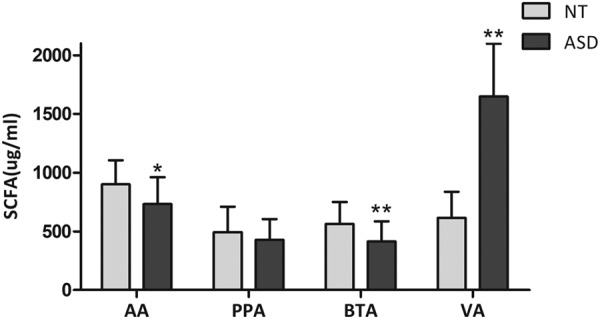
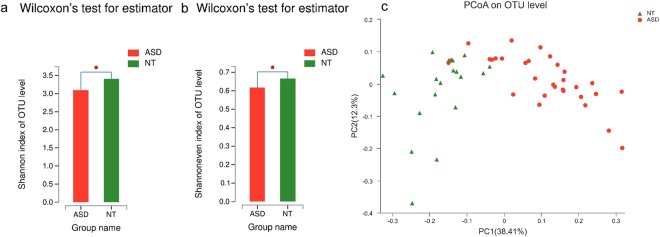
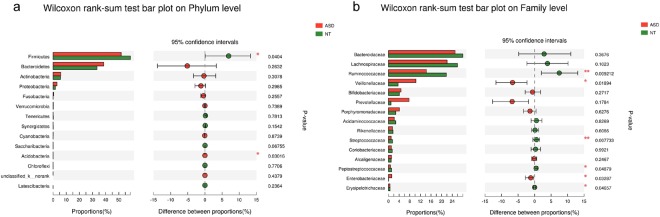
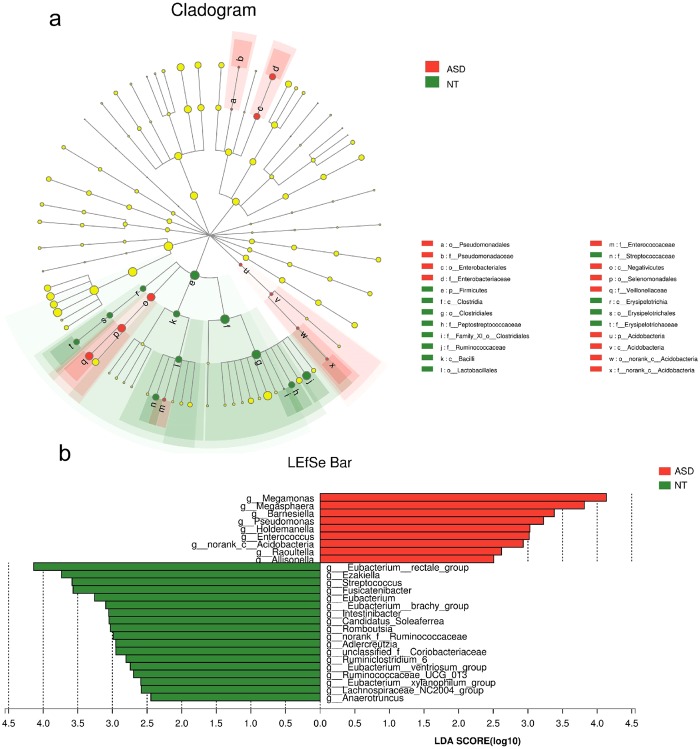
Autism spectrum disorder (ASD) is a neurodevelopmental disorder that is characterized by impairments in social interactions and communication, restricted interests and repetitive behaviors. Several studies report a high prevalence of gastrointestinal (GI) symptoms in autistic individuals. Cumulative evidence reveals that the gut microbiota and its metabolites (especially short-chain fatty acids, SCFAs) play an important role in GI disorders and the pathogenesis of ASD. However, the composition of the gut microbiota and its association with fecal SCFAs and GI symptoms of autistic children remain largely unknown. In the present study, we sequenced the bacterial 16S rRNA gene, detected fecal SCFAs, assessed GI symptoms and analyzed the relationship between the gut microbiome and fecal SCFAs in autistic and neurotypical individuals. The results showed that the compositions of the gut microbiota and SCFAs were altered in ASD individuals. We found lower levels of fecal acetic acid and butyrate and a higher level of fecal valeric acid in ASD subjects. We identified decreased abundances of key butyrate-producing taxa (Ruminococcaceae, Eubacterium, Lachnospiraceae and Erysipelotrichaceae) and an increased abundance of valeric acid associated bacteria (Acidobacteria) among autistic individuals. Constipation was the only GI disorder in ASD children in the present study. We also found enriched Fusobacterium, Barnesiella, Coprobacter and valeric acid-associated bacteria (Actinomycetaceae) and reduced butyrate-producing taxa in constipated autistic subjects. It is suggested that the gut microbiota contributes to fecal SCFAs and constipation in autism. Modulating the gut microbiota, especially butyrate-producing bacteria, could be a promising strategy in the search for alternatives for the treatment of autism spectrum disorder.
Overview
The claims and statistics of this paper haven’t been checked yet.
Free: it reads the open-access text and checks the first 5 claims that cite a source we can check. Create a free account to check every claim.
Integrity signals
Registry
Cites
Statistics
Figures
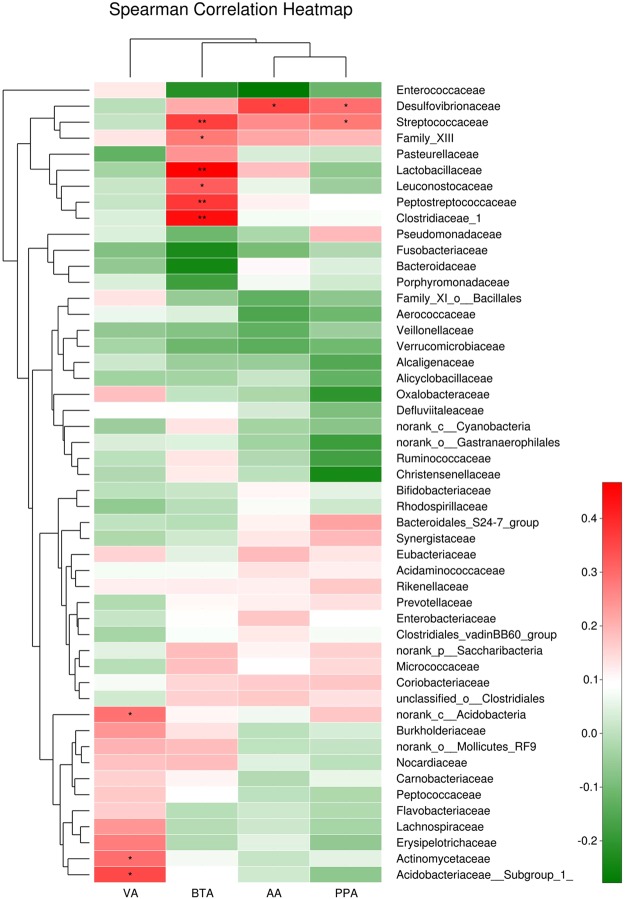
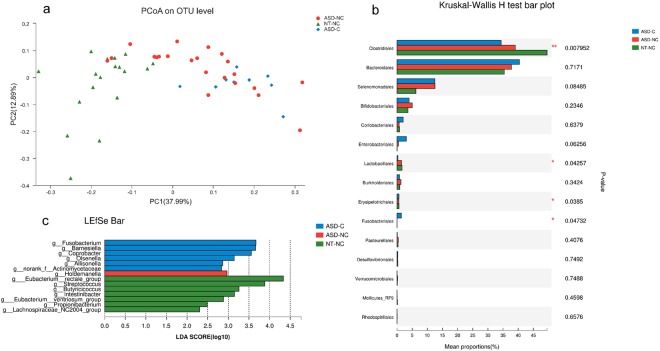
Verification
Claims the paper makes
The claims and statistics of this paper haven’t been checked yet.
Free: it reads the open-access text and checks the first 5 claims that cite a source we can check. Create a free account to check every claim.
Claims other papers make about this one
Each is checked against this paper’s own text: does it say what the citing paper says it does?
The source backs part of the claim, not all of it — or backs it for a different population, condition or comparison.
In the citing paper
“The reduced ratio of Firmicutes/Bacteroidetes in the gastrointestinal tract may lead to decreased circulating SCFAs (54,55)”
From The Role of Gut Microbiota in Lung Cancer: From Carcinogenesis to Immunotherapy (2021) · doi:10.3389/fonc.2021.720842 · cites this paper as [54]
Experimental — accuracy not yet measuredThe cited source says what the claim attributes to it.
In the citing paper
“butyrate-producing taxa belonging to the Erysipelotrichaceae were significantly decreased in the feces of individuals with ASD”
The cited source says what the claim attributes to it.
In the citing paper
“Although, a more recent report demonstrated decreased fecal acetate and butyrate levels in children with ASD (Liu et al., 2019).”
From The Microbiota-Gut-Brain Axis (2019) · cites this paper as Liu et al., 2019
In the citing paper
“Elevated isobutyric and isovaleric acid have been associated with hypercholesterolemia (Granado-Serrano et al., 2019) and elevated valeric acid in autism spectrum disorder (Liu et al., 2019).”
From Gut-microbiota-targeted diets modulate human immune status (2021) · cites this paper as Liu et al., 2019
Self-check
Percentages, sums and reported differences re-computed from the paper’s own numbers.
The self-check needs the paper’s full text.
Citations
Cites
Diagnostic and Statistical Manual of Mental Disorders
American Psychiatric Association (2013) · doi:10.1176/appi.books.9780890425596 · Cited by 116,369
Metagenomic biomarker discovery and explanation
Segata, N., Izard, J., Waldron, L., Gevers, D., Miropolsky, L., Garrett, W. S., & Huttenhower, C. (2011) · Genome Biology · doi:10.1186/gb-2011-12-6-r60 · Cited by 16,192
Molecular Mechanisms of Depression: Perspectives on New Treatment Strategies
Lang, U. E., & Borgwardt, S. (2013) · Cellular Physiology and Biochemistry · doi:10.1159/000350094 · Cited by 8,475
From Dietary Fiber to Host Physiology: Short-Chain Fatty Acids as Key Bacterial Metabolites
Koh, A., De Vadder, F., Kovatcheva-Datchary, P., & Bäckhed, F. (2016) · Cell · doi:10.1016/j.cell.2016.05.041 · Cited by 7,070
Baio, J., Wiggins, L., Christensen, D. L., Maenner, M. J., Daniels, J., Warren, Z., Kurzius-Spencer, M., Zahorodny, W., Robinson, C., Rosenberg, et al. (2018) · MMWR. Surveillance Summaries · doi:10.15585/mmwr.ss6706a1 · Cited by 6,078
The gut microbiota influences blood-brain barrier permeability in mice
Braniste, V., Al-Asmakh, M., Kowal, C., Anuar, F., Abbaspour, A., Tóth, M., Korecka, A., Bakocevic, N., Ng, L. G., Kundu, P., et al. (2014) · Science Translational Medicine · doi:10.1126/scitranslmed.3009759 · Cited by 2,530
Chang, P. V., Hao, L., Offermanns, S., & Medzhitov, R. (2014) · Proceedings of the National Academy of Sciences · doi:10.1073/pnas.1322269111 · Cited by 2,175
Peng, L., Li, Z.-R., Green, R. S., Holzmanr, I. R., & Lin, J. (2009) · The Journal of Nutrition · doi:10.3945/jn.109.104638 · Cited by 2,130
Genetic Heritability and Shared Environmental Factors Among Twin Pairs With Autism
Hallmayer, J. (2011) · Archives of General Psychiatry · doi:10.1001/archgenpsychiatry.2011.76 · Cited by 1,970
Microbes in Gastrointestinal Health and Disease
Neish, A. S. (2009) · Gastroenterology · doi:10.1053/j.gastro.2008.10.080 · Cited by 1,386
Cited by
Items 101–200 of 482
Wang, X., Sun, Z., Yang, T., Lin, F. H., Ye, S., Yan, J., Li, T., & Chen, J. (2023) · mSystems · doi:10.1128/msystems.00415-23 · Cited by 60
“Short-chain fatty acids (SCFAs), the gut microbial fermentation of dietary fiber, are found altered in ASD children (8).”
BackgroundSelf-citationSex-specific relationships of the infant microbiome and early-childhood behavioral outcomes
Laue, H. E., Karagas, M. R., Coker, M. O., Bellinger, D. C., Baker, E., Korrick, S., & Madan, J. C. (2021) · Pediatric Research · doi:10.1038/s41390-021-01785-z · Cited by 50
Gut Microbiota and Autism Spectrum Disorder: A Neuroinflammatory Mediated Mechanism of Pathogenesis?
Zarimeidani, F., Rahmati, R., Mostafavi, M., Darvishi, M., Khodadadi, S., Mohammadi, M., Shamlou, F., Bakhtiyari, S., & Alipourfard, I. (2024) · Inflammation · doi:10.1007/s10753-024-02061-y · Cited by 47
“Unlike some studies [28, 29, 126], others reported higher levels of AA, PPA, and BTA in autistic patients compared to control groups [27, 30, 31, 130, 131].”
Larroya, A., Pantoja, J., Codoñer‐Franch, P., & Cénit, M. C. (2021) · Frontiers in Pediatrics · doi:10.3389/fped.2021.705859 · Cited by 51
“recently observed a decreased abundance of key butyrate-producing taxa (Ruminococcaceae, Eubacterium, Lachnospiraceae, and Erysipelotrichaceae) in autistic children, together with low levels of SCFAs detected in patients’ fecal samples (120), suggesting that butyrate-producing bacteria could be a promising strategy fo…”
BackgroundGut Microbiota Ecology and Inferred Functions in Children With ASD Compared to Neurotypical Subjects
Vernocchi, P., Ristori, M. V., Guerrera, S., Guarrasi, V., Conte, F., Russo, A., Lupi, E., Albitar-Nehme, S., Gardini, S., Paci, P., et al. (2022) · Frontiers in Microbiology · doi:10.3389/fmicb.2022.871086 · Cited by 44
Gut microbiota affects brain development and behavior
Kim, G.-H., & Shim, J. O. (2022) · Korean Journal of Pediatrics · doi:10.3345/cep.2021.01550 · Cited by 54
“Behavioral outcomes of clinical trials that engineered the gut microbiota in patients with autism spectrum disorder Intervention group Study Population (age, yr) Intervention Study design Behavioral outcome Probiotics alone or in combination Sandler et al. (2000)47) 11 Regressive-on set ASD with antecedent antimicrobi…”
BackgroundInfluentialImpact of gut microbiota on neurogenesis and neurological diseases during infancy
Cerdó, T., Diéguez, E., & Campoy, C. (2019) · Current Opinion in Pharmacology · doi:10.1016/j.coph.2019.11.006 · Cited by 53
Gesù, C. M. D., Matz, L. M., & Buffington, S. A. (2021) · Neuroscience Research · doi:10.1016/j.neures.2021.05.003 · Cited by 53
Gut microbiome and serum amino acid metabolome alterations in autism spectrum disorder
Chang, X., Zhang, Y., Chen, X., Li, S., Mei, H., Xiao, H., Ma, X., Liu, Z., & Li, R. (2024) · Scientific Reports · doi:10.1038/s41598-024-54717-2 · Cited by 53
“This result was in agreement with previous studies 38,40 .”
ResultLan, J., Chen, G., Cao, G., Tang, J., Li, Q., Zhang, B., & Yang, C. (2020) · Poultry Science · doi:10.1016/j.psj.2020.11.052 · Cited by 51
“acid producer (Liu et al., 2019), and Blautia, also considered to be a producer of some short-chain fatty acids (Liu et al.”
BackgroundDeng, W., Wang, S., Li, F., Wang, F., Xing, Y. P., Li, Y., Lv, Y., Ke, H., Li, Z., Lv, P. J., et al. (2022) · Frontiers in Microbiology · doi:10.3389/fmicb.2022.1000419 · Cited by 43
Jiang, H., Zeng, W. G., Zhang, X., Li, Y., Wang, Y., Peng, A., & Cao, D. (2024) · Frontiers in Cellular and Infection Microbiology · doi:10.3389/fcimb.2023.1211855 · Cited by 52
The Role of Lipidomics in Autism Spectrum Disorder
El-Ansary, A. K., Chirumbolo, S., Bhat, R. S., Dadar, M., Ibrahim, E. M., & Bjørklund, G. (2019) · Molecular Diagnosis & Therapy · doi:10.1007/s40291-019-00430-0 · Cited by 48
Li, Y., Long, S., Liu, Q., Ma, H., Li, J., Xiaoqing, W., Yuan, J., Li, M., & Hou, B. (2020) · Food Science & Nutrition · doi:10.1002/fsn3.1736 · Cited by 49
Gut instincts: vitamin D/vitamin D receptor and microbiome in neurodevelopment disorders
Ogbu, D., Xia, E., & Sun, J. (2020) · Open Biology · doi:10.1098/rsob.200063 · Cited by 52
Abujamel, T. S., Al-Otaibi, N. M., Abuaish, S., Alharbi, R. H., Assas, M. B., Alzahrani, S. A., Alotaibi, S. M., El-Ansary, A. K., & Aabed, K. (2022) · Nutrients · doi:10.3390/nu14030608 · Cited by 48
“Indeed, Clostridium cluster IV and XIVa was significantly reduced in autistic patients [84,85], and recently we found a reduced level of Clostridium cluster XIVa in a PPA rat model of autism that was corrected with BF and FT treatments [34].”
BackgroundInfluentialQuan, L., Yi, J., Zhao, Y., Zhang, F., Shi, X.-T., Feng, Z., & Miller, H. L. (2020) · NeuroToxicology · doi:10.1016/j.neuro.2019.10.012 · Cited by 44
“Intestinal disturbances are reported clinically in ASD, and compositional changes in gut microbiota are described in the literature (Li et al., 2017a; Chaidez et al., 2014; Liu et al., 2019; Adams et al., 2011).”
BackgroundDe Sales-Millán, A., Aguirre-Garrido, J. F., González-Cervantes, R. M., & Velázquez-Aragón, J. A. (2023) · doi:10.20944/preprints202305.1223.v1 · Cited by 44
“Gastrointestinal problems in children with ASD are mainly due to the increase in Bacteroidetes, Clostridium and Suterella [18,62,63].”
BackgroundZhu, J., Hua, X., Yang, T., Guo, M., Li, Q., Xiao, L., Li, L., Chen, J., & Li, T. (2021) · Journal of Autism and Developmental Disorders · doi:10.1007/s10803-021-05066-w · Cited by 49
“Studies have shown that short-chain fatty acids (SCFAs) altered in the gut of ASD children (Liu et al., 2019; Thomas et al., 2012), and SCFAs could regulate gut immunity and genes expression of the host (Chang et al.”
BackgroundGut Microbiota Profiles in Children and Adolescents with Psychiatric Disorders
Šoltýsová, M., Tomova, A., & Ostatníková, D. (2022) · Microorganisms · doi:10.3390/microorganisms10102009 · Cited by 47
“…96.7/3.3 HC: 50/50 Median age ASD: 3 HC: 10 N/A DSM-5 ADOS-2 GMDS N/A −80 ◦C No ATB, probiotic or prebiotic 2 weeks prior sample collection N/A GIH [27] Liu et al. 2019 China ASD: 30HC: 20 ASD: 83/17 HC: 80/20 ASD: 4.4 HC: 4.3 N/A DSM-5 ICD-10 N/A −80 ◦C No ATB, probiotic, prebiotic or…”
BackgroundInfluentialChen, H., Li, Y., Wang, J., Zheng, T., Wu, C., Cui, M., Feng, Y., Ye, H., Dong, Z., & Dang, Y. (2023) · International Journal of Molecular Sciences · doi:10.3390/ijms241310828 · Cited by 52
“Meanwhile, SCFAs can activate the Nrf2 pathway [60]; Bifidobacteriaceae is an SCFA-producing bacteria (Figure 11A).”
BackgroundInfluentialYang, L. L., Stiernborg, M., Skott, E., Xu, J., Wu, Y., Landberg, R., Arefin, S., Kublickiene, K., Millischer, V., Nilsson, I. A. K., et al. (2023) · Nutrients · doi:10.3390/nu15051293 · Cited by 42
“children with autism showed poorly consistent findings between studies [99].”
ResultZhou, J., Fu, Y., Qi, G., Dai, J., Zhang, H., Wang, J., & Wu, S. (2022) · International Journal of Biological Macromolecules · doi:10.1016/j.ijbiomac.2022.10.133 · Cited by 44
“Desulfovibrio was one of the main propionic acid producers that implicated in the alleviation of gut inflammation [73].”
BackgroundBonham, K. S., Bottino, G. F., McCann, S., Beauchemin, J., Weisse, E., Barry, F., Cano-Lorente, R., Huttenhower, C., Bruchhage, M. M. K., D’Sa, V. A., et al. (2023) · Science Advances · doi:10.1126/sciadv.adi0497 · Cited by 46
“As several previous studies have demonstrated associations between specific gut taxa and atypical neurocognition and neurological disorders ( 7 , 8 , 25 – 27 ), we sought to determine whether specific taxa or gene functions were associated with normal cognitive development in children.”
ResultChen, Z., Shi, K., Liu, X., Dai, Y., Liu, Y., Zhang, L., Du, X., Zhu, T., Yu, J., Fang, S., et al. (2021) · Frontiers in Psychiatry · doi:10.3389/fpsyt.2021.789864 · Cited by 49
Caputi, V., Hill, L., Figueiredo, M., Popov, J., Hartung, E., Margolis, K. G., Baskaran, K., Joharapurkar, P., Moshkovich, M., & Pai, N. (2024) · Frontiers in Neuroscience · doi:10.3389/fnins.2024.1341656 · Cited by 41
“Our systematic review shows lower levels of butyrate and acetate, and increased levels of valeric acid and propionate in fecal samples from ASD individuals (De Angelis et al., 2013; Liu et al., 2019).”
BackgroundMethodResultInfluentialNeurodevelopmental Disorders Associated with Gut Microbiome Dysbiosis in Children
Borrego-Ruiz, A., & Borrego, J. J. (2024) · Children · doi:10.3390/children11070796 · Cited by 48
Duan, M., Liu, F., Fu, H., Lu, S., & Wang, T. (2021) · Frontiers in Cellular and Infection Microbiology · doi:10.3389/fcimb.2021.592842 · Cited by 44
Effects of valerate on intestinal barrier function in cultured Caco-2 epithelial cell monolayers
Gao, G., Zhou, J., Wang, H., Ding, Y., Zhou, J., Chong, P. H., Zhu, L., Ke, L., Wang, X., Rao, P., et al. (2022) · Molecular Biology Reports · doi:10.1007/s11033-021-06991-w · Cited by 40
“1 3 gut are associated with depression and autism spectrum disorder [11, 12].”
BackgroundLan, Z., Tang, X., Lu, M., Hu, Z., & Tang, Z. (2024) · Heliyon · doi:10.1016/j.heliyon.2024.e26377 · Cited by 45
“Some studies have shown that children with ASD have significantly lower levels of SCFAs than healthy controls [100,101].”
BackgroundQureshi, F. A., Adams, J. B., Hanagan, K., Kang, D., Krajmalnik‐Brown, R., & Hahn, J. (2020) · Journal of Personalized Medicine · doi:10.3390/jpm10040152 · Cited by 41
Gut microbiota metabolites in autistic children: An epigenetic perspective
Sabit, H., Tombuloğlu, H., Rehman, S., Almandil, N. B., Çevik, E., Abdel-Ghany, S. E., Rashwan, S., Abasiyanik, M. F., & Waye, M. M. Y. (2021) · Heliyon · doi:10.1016/j.heliyon.2021.e06105 · Cited by 43
Qu, Z., Zhang, L., Hou, R., Ma, X., Yu, J., Zhang, W., & Zhuang, C. (2021) · Chemico-Biological Interactions · doi:10.1016/j.cbi.2021.109496 · Cited by 42
Chen, Y., Fang, H., Li, C., Wu, G., Xu, T., Yang, X., Zhao, L., Ke, X., & Zhang, C. (2020) · mSphere · doi:10.1128/msphere.01044-20 · Cited by 37
“(33–37), which is reported to be decreased in ASD children (24).”
BackgroundThe gut microbiota and microbial metabolites are associated with tail biting in pigs
Verbeek, E., Keeling, L. J., Landberg, R., Lindberg, J. E., & Dicksved, J. (2021) · Scientific Reports · doi:10.1038/s41598-021-99741-8 · Cited by 43
Mintál, K., Tóth, A., Hormay, E., Kovács, A., László, K., Bufa, A., Marosvölgyi, T., Kocsis, B., Varga, A., Vizvári, Z., et al. (2022) · Scientific Reports · doi:10.1038/s41598-022-09350-2 · Cited by 41
Alteration of the fecal microbiota in Chinese children with autism spectrum disorder
Xie, X., Li, L., Wu, X., Hou, F., Chen, Y., Shi, L., Liu, Q., Zhu, K., Jiang, Q., Feng, Y., et al. (2022) · Autism Research · doi:10.1002/aur.2718 · Cited by 43
Gene × environment interactions in autism spectrum disorders
Keil, K. P., & Lein, P. J. (2022) · Current topics in developmental biology/Current Topics in Developmental Biology · doi:10.1016/bs.ctdb.2022.11.001 · Cited by 44
Phan, J. L., Calvo, D. C., Nair, D., Jain, S., Montagne, T., Corbitt, J., Blanchard, K., Treadwell, S. M., Adams, J. B., & Krajmalnik‐Brown, R. (2024) · mSystems · doi:10.1128/msystems.00503-24 · Cited by 45
“The finding of lower microbiome diversity in the ASD population compared to controls was consistent with some studies (20, 45, 46), but it was also contrary to others (21, 23, 47).”
BackgroundResultSeo, M., & Anderson, G. (2019) · Current Pharmaceutical Design · doi:10.2174/1381612825666191105102545 · Cited by 41
Osama, A., Anwar, A. M., Ezzeldin, S., Ahmed, E., Mahgoub, S., Ibrahim, O., Ibrahim, S., Abdelhamid, I. A., Bakry, U., Diab, A. A., et al. (2025) · Journal of Advanced Research · doi:10.1016/j.jare.2025.01.036 · Cited by 42
“SCFAs, particularly acetic acid (AA), propionic acid (PPA), and buty-rate, are believed to affect ASD behavior via the gut-brain axis [79,80].”
Hebert, J. C., Radford‐Smith, D. E., Probert, F., Ilott, N. E., Chan, K. W., Anthony, D. C., & Burnet, P. W. J. (2020) · Brain Behavior and Immunity · doi:10.1016/j.bbi.2020.09.034 · Cited by 38
Short-chain fatty acids in patients with schizophrenia and ultra-high risk population
Peng, H., Ouyang, L., Li, D., Li, Z., Liu, Y., Fan, L., Liao, A., Li, J., Wei, Y., Yang, Z., et al. (2022) · Frontiers in Psychiatry · doi:10.3389/fpsyt.2022.977538 · Cited by 36
“Previous studies have furthermore reported that the SCFAs in feces from ASD children are abnormally higher or lower than those of healthy children (43, 44) while in depressed patients, all concentrations of SCFAs are diminished except for the elevated levels of isocaproic acid (45–47).”
ResultRiva, A., Şahin, E., Volpedo, G., Petretto, A., Lavarello, C., Sapia, R. D., Barbarossa, D., Zaniani, N. R., Craparotta, I., Barbera, M. C., et al. (2024) · Neurobiology of Disease · doi:10.1016/j.nbd.2024.106469 · Cited by 35
“Differently, Epi rats showed a reduction vs shams in 5 additional SCFAs-producing bacteria, belonging to Peptostreptococcaceae and Lachnospiraceae families (Fusco et al., 2023; Liu et al., 2019).”
BackgroundPaciolla, C., Manganelli, M., Chiano, M. D., Montenegro, F., Gallone, A., Sallustio, F., & Guida, G. (2025) · Cells · doi:10.3390/cells14221823 · Cited by 42
“Beyond its local effects, VA also encompasses systemic and neurological implications within the GBA [116,121–123].”
Li, M., Zhu, R., Song, X., Wang, Z., Weng, H., & Liang, J. (2020) · The Analyst · doi:10.1039/d0an00005a · Cited by 37
Yan, Z., Wu, H., Zhou, H., Chen, S., He, Y., Zhang, W., Chen, T., Yao, H., & Su, W. (2020) · Scientific Reports · doi:10.1038/s41598-020-67362-2 · Cited by 40
Zahedi, E., Sadr, S. S., Sanaeierad, A., & Roghani, M. (2023) · Biomedicine & Pharmacotherapy · doi:10.1016/j.biopha.2023.114848 · Cited by 35
Gut microbiota: A new target for traditional Chinese medicine in the treatment of depression
Li, B., Xu, M., Wang, Y., Feng, L., Xing, H., & Zhang, K. (2022) · Journal of Ethnopharmacology · doi:10.1016/j.jep.2022.116038 · Cited by 36
Cracking Brain Diseases from Gut Microbes-Mediated Metabolites for Precise Treatment
Gong, Y., Chen, A., Zhang, G., Shen, Q., Zou, L., Li, J., Miao, Y., & Liu, W. (2023) · International Journal of Biological Sciences · doi:10.7150/ijbs.85259 · Cited by 35
The Role of Butyric Acid in Treatment Response in Drug-Naïve First Episode Schizophrenia
Li, X., Fan, X., Yuan, X., Pang, L., Hu, S., Wang, Y., Huang, X., & Song, X. (2021) · Frontiers in Psychiatry · doi:10.3389/fpsyt.2021.724664 · Cited by 41
“There is growing evidence that links decreased synaptic consolidation and pruning in early childhood with both ASD and schizophrenia (33, 34).”
BackgroundInfluentialInteraction of Heavy Metal Lead with Gut Microbiota: Implications for Autism Spectrum Disorder
Tizabi, Y., Bennani, S., Kouhen, N. E., Getachew, B., & Aschner, M. (2023) · Biomolecules · doi:10.3390/biom13101549 · Cited by 40
“Indeed, decreased levels of SCFAs have been associated with degenerative diseases such as PD [91], anorexia nervosa [92], and ASD [93].”
BackgroundCrosstalk Between the Gut and Brain: Importance of the Fecal Microbiota in Patient With Brain Tumors
Li, Y., Jiang, H., Wang, X., Liu, X., Huang, Y., Wang, Z., Ma, Q., Dong, L., Qi, Y., Zhang, H., et al. (2022) · Frontiers in Cellular and Infection Microbiology · doi:10.3389/fcimb.2022.881071 · Cited by 39
Maes, M. H. J., Anderson, G., Medina, S. R. B., Seo, M., & Ojala, J. O. (2019) · Current Pharmaceutical Design · doi:10.2174/1381612825666191102165459 · Cited by 36
Bonnechère, B., Amin, N., & van Duijn, C. M. (2022) · Frontiers in Cellular and Infection Microbiology · doi:10.3389/fcimb.2022.831666 · Cited by 39
“…Strati et al., 2017; Iovene et al., 2017; Kushak et al., 2017; Kang et al., 2018; Pulikkan et al., 2018; Zhang et al., 2018; Rose et al., 2018; Liu et al., 2019; Zhai et al., 2019; Ma et al., 2019; Plaza-Dıáz et al., 2019; Sun et al., 2019; Chen et al., 2020; Ding et al., 2020; Zou et al.,…”
InfluentialAdvances in the Treatment of Autism Spectrum Disorder: Current and Promising Strategies
Yenkoyan, K. B., Ounanian, Z., Mirumyan, M., Hayrapetyan, L., Zakaryan, N., Sahakyan, R., & Bjørklund, G. (2023) · Current Medicinal Chemistry · doi:10.2174/0109298673252910230920151332 · Cited by 33
Gut microbiota and autism spectrum disorders: a bidirectional Mendelian randomization study
Li, Z., Liu, S., Liu, F., Dai, N., Liang, R., Lv, S., & Bao, L. (2023) · Frontiers in Cellular and Infection Microbiology · doi:10.3389/fcimb.2023.1267721 · Cited by 34
“Literature indicates a reduced concentration of butyrate in children diagnosed with ASD (Liu et al., 2019b).”
BackgroundSelf-citationJiang, P., Yu, F., Zhou, X., Shi, H., He, Q., & Song, X. (2024) · Blood Advances · doi:10.1182/bloodadvances.2023012246 · Cited by 33
Wang, J., Pan, J., Chen, H., Li, Y., Amakye, W. K., Liang, J., Ma, B., Chu, X., Mao, L., & Zhang, Z. (2019) · Frontiers in Neuroscience · doi:10.3389/fnins.2019.01216 · Cited by 30
“This studied 30 ASD children and 20 neurotypical controls in China, and only focused on propionic, butyric, acetic, and valeric acids (Liu et al., 2019).”
BackgroundResultAgarwala, S., Naik, B., & Ramachandra, N. B. (2021) · Brain Behavior & Immunity - Health · doi:10.1016/j.bbih.2021.100269 · Cited by 36
Chiappori, F., Cupaioli, F. A., Consiglio, A., Nanni, N. D., Mosca, E., Licciulli, F., & Mezzelani, A. (2022) · Nutrients · doi:10.3390/nu14071340 · Cited by 36
“In particular, butyrate, the levels of which are known to decreased in ASD [92], has multiple effects on the gut–brain axis, anti-inflammatory, blood-brain barrier, and gut-permeability regulators [93] and on healthy gut physiology, preventing pathogen invasion, modulating the immune system, and reducing cancer progre…”
BackgroundYan, J., Xiao, L., Feng, D., Chen, B., Yang, T., Tong, B., Luo, R., Wang, Y., & Chen, J. (2023) · Genes & Diseases · doi:10.1016/j.gendis.2023.03.032 · Cited by 38
Fu, S.-C., Lee, C., & Wang, H. (2021) · International Journal of Environmental Research and Public Health · doi:10.3390/ijerph18020667 · Cited by 36
Alteration of the gut microbiota profile in children with autism spectrum disorder in China
Li, H., Guo, W., Li, S., Sun, B., Li, N., Xie, D., Dong, Z., Luo, D., Chen, W., Fu, W., et al. (2024) · Frontiers in Microbiology · doi:10.3389/fmicb.2023.1326870 · Cited by 39
Mu, S., Zhang, J., Du, S., Zhu, M., Wei, W., Xiang, J. Y., Wang, J., Han, Y., Zhao, Y., Zheng, H., et al. (2020) · Journal of Ethnopharmacology · doi:10.1016/j.jep.2020.113534 · Cited by 32
Kort, R., Schlösser, J., Vazquez, A. R., Atukunda, P., Muhoozi, G. K. M., Wacoo, A. P., Sybesma, W., Westerberg, A. C., Iversen, P. O., & Schoen, E. D. (2021) · Frontiers in Microbiology · doi:10.3389/fmicb.2021.681485 · Cited by 32
Dysbiosis of the Gut Microbiome Is Associated With Histopathology of Lung Cancer
Xiong, Q., Bi, L., Yang, W., He, Y., Gu, Y., Yang, Y. H., Gong, Y., Wang, Y., Yan, X., Xu, L., et al. (2022) · Frontiers in Microbiology · doi:10.3389/fmicb.2022.918823 · Cited by 32
Epigenetic Aberrations in Major Psychiatric Diseases Related to Diet and Gut Microbiome Alterations
Nohesara, S., Abdolmaleky, H. M., & Thiagalingam, S. (2023) · Genes · doi:10.3390/genes14071506 · Cited by 35
Lee, M., Lai, H., Kuo, Y., & Chen, V. C. (2022) · Journal of Personalized Medicine · doi:10.3390/jpm12101634 · Cited by 33
“Short-chain fatty acids (SCFAs), which are metabolites of Ruminococcus, are known to be key molecules that affect brain function and human behavior and potentially play a role in ADHD [56,57].”
BackgroundYu, R., Hafeez, R., Ibrahim, M. K., Alonazi, W. B., & Li, B. (2024) · Behavioural Brain Research · doi:10.1016/j.bbr.2024.115177 · Cited by 33
The effect of probiotic, prebiotic and gut microbiota on ASD: A review and future perspectives
Şanlıer, N., & Kocabaş, Ş. (2021) · Critical Reviews in Food Science and Nutrition · doi:10.1080/10408398.2021.1973957 · Cited by 33
Li, Q., Herreweghen, F. V., Onyango, S. O., Mey, M. D., & de Wiele, T. V. (2022) · Journal of Agricultural and Food Chemistry · doi:10.1021/acs.jafc.2c00551 · Cited by 35
A bibliometrics analysis and visualization of autism spectrum disorder
Rong, P., Fu, Q., Zhang, X., Liu, H., Zhao, S., Song, X., Gao, P., & Ma, R. (2022) · Frontiers in Psychiatry · doi:10.3389/fpsyt.2022.884600 · Cited by 32
Cristiano, C., Hoxha, E., Lippiello, P., Balbo, I., Russo, R., Tempia, F., & Miniaci, M. C. (2022) · Biomedicine & Pharmacotherapy · doi:10.1016/j.biopha.2022.113870 · Cited by 34
Yang, Y., Zhou, S., Xing, Y., Yang, G., & You, M. (2023) · Ecotoxicology and Environmental Safety · doi:10.1016/j.ecoenv.2023.115079 · Cited by 34
Abuaish, S., Al-Otaibi, N. M., Aabed, K., Abujamel, T. S., Alzahrani, S. A., Alotaibi, S. M., Bhat, R. S., Arzoo, S., Algahtani, N. M., Moubayed, N., et al. (2022) · Journal of Molecular Neuroscience · doi:10.1007/s12031-021-01959-8 · Cited by 32
“Additionally, these clusters are butyrate-producing bacteria, a short-chain fatty acid that is recorded to be much lower in individuals with autism (Liu et al. 2019).”
BackgroundLu, X., Xue, Z.-Y., Yu, Q., Wei, S., Qiao, Y., Zhang, W., & Lü, H. (2022) · Frontiers in Cellular and Infection Microbiology · doi:10.3389/fcimb.2022.945851 · Cited by 31
“found that the concentration of butyrate in feces of autistic children is low (Liu et al., 2019).”
BackgroundWong, O. W. H., Lam, A. M. W., Or, B. P. N., Mo, F. Y. M., Shea, C. K., Lai, K. Y. C., Ma, S. L., Hung, S. F., Chan, S. S. M., Kwong, T. N. Y., et al. (2022) · Scientific Reports · doi:10.1038/s41598-022-14785-8 · Cited by 34
Kiełbik, P., & Witkowska‐Piłaszewicz, O. (2024) · Animals · doi:10.3390/ani14142048 · Cited by 33
“Studies have shown that changed gut microbiota with altered SCFAs production is related to mental and neurologic pathologies, including Parkinson’s disease [128], Alzheimer’s disease [129], and autism spectrum disorder [130].”
BackgroundButyrate modulates mucin secretion and bacterial adherence in LoVo cells via MAPK signaling
Jung, T., Han, K., Park, J. H., & Hwang, H. (2022) · PLoS ONE · doi:10.1371/journal.pone.0269872 · Cited by 30
“Butyrate contributes to the prevention and improvement of intestinal disease, and promotes the growth of beneficial bacteria, including Lactobacillus and Bifidobacterium strains in the gut [8].”
BackgroundKong, Q., Tian, P., Zhao, J., Zhang, H., Wang, G., & Chen, W. (2021) · PeerJ · doi:10.7717/peerj.11103 · Cited by 26
“Further, the differences in the abundances of Ruminococcaceae, Lachnospiraceae, and Muribaculaceae between the autism and healthy groups in our study were also not consistent with some results observed in autistic children (Zhang et al., 2018; Liu et al., 2019a; Liu et al., 2019b; Shindler et al., 2019).”
ResultAbdul, F., Sreenivas, N., Kommu, J. V. S., Banerjee, M., Berk, M., Maes, M. H. J., Leboyer, M., & Debnath, M. (2021) · Reviews in the Neurosciences · doi:10.1515/revneuro-2021-0022 · Cited by 27
Lipták, R., Gromová, B., & Gardlík, R. (2021) · Frontiers in Medicine · doi:10.3389/fmed.2021.665520 · Cited by 30
Potential Therapeutic Effects of Short-Chain Fatty Acids on Chronic Pain
Tang, Y., Du, J., Wu, H., Wang, M., Liu, S., & Tao, F. (2022) · Current Neuropharmacology · doi:10.2174/1570159x20666220927092016 · Cited by 28
Self-citationChamtouri, M., Gaddour, N., Merghni, A., Mastouri, M., Arboleya, S., & Reyes‐Gavilán, C. G. D. L. (2023) · Scientific Reports · doi:10.1038/s41598-023-45534-0 · Cited by 30
Kumari, B., Kumari, U., Singh, D. K., Husain, G. M., Patel, D. K., Shakya, A., Singh, R. B., Modi, G. P., & Singh, G. K. (2024) · Endocrine Metabolic & Immune Disorders - Drug Targets · doi:10.2174/0118715303262653231120043819 · Cited by 30
Shao, H., Zhang, C., Wang, C., & Tan, Z. (2020) · 3 Biotech · doi:10.1007/s13205-020-02383-2 · Cited by 27
Gu, Y., Han, Y., Ren, S., Zhang, B., Zhao, Y., Wang, X., Zhang, S., & Qin, J. (2021) · Behavioural Brain Research · doi:10.1016/j.bbr.2021.113580 · Cited by 27
A metaproteomic-based gut microbiota profiling in children affected by autism spectrum disorders
Mortera, S. L., Vernocchi, P., Basadonne, I., Zandonà, A., Chierici, M., Durighello, M., Marzano, V., Gardini, S., Gasbarrini, A., Urbani, A., et al. (2021) · Journal of Proteomics · doi:10.1016/j.jprot.2021.104407 · Cited by 28
The Use of Probiotic Therapy in Metabolic and Neurological Diseases
Lee, S. H. F., Ahmad, S. R., Lim, Y. C., & Zulkipli, I. N. (2022) · Frontiers in Nutrition · doi:10.3389/fnut.2022.887019 · Cited by 28
Salomon, J., Qiu, H., Feng, D., Owens, J., Khailova, L. S., Lujan, S. M. O., Iguidbashian, J., Chhonker, Y. S., Murry, D. J., Riethoven, J.-J. M., et al. (2023) · Disease Models & Mechanisms · doi:10.1242/dmm.049742 · Cited by 28
Ma, X., Ding, J., Ren, H., Qi, X., Li, Z., Han, L., Liu, D., Zhuo, Z., Liu, C., & Ren, Z. (2023) · Microbial Ecology · doi:10.1007/s00248-023-02188-9 · Cited by 26
Uchida, M., Fujie, S. J., Yano, H., & Iemitsu, M. (2023) · The Journal of Physiology · doi:10.1113/jp283995 · Cited by 28
“Erysipelotrichaceae is the major bacterium that produces SCFAs such as butyrate (Estaki et al., 2016; Liu et al., 2019.).”
BackgroundTamang, M. K., Ali, A. A., Pértile, R. A. N., Cui, X., Alexander, S., Nitert, M. D., Palmieri, C., & Eyles, D. W. (2023) · Translational Psychiatry · doi:10.1038/s41398-023-02513-3 · Cited by 25
Fang, Z., Zhou, Y., Chen, K. G., Wang, J., Liu, X., & Jia, P. (2025) · Frontiers in Neuroscience · doi:10.3389/fnins.2025.1587818 · Cited by 29
A Healthy Gut for a Healthy Brain: Preclinical, Clinical and Regulatory Aspects
Petrella, C., Vecchioli, S. F., Cisale, G. Y., Strimpakos, G., Borg, J.-J., Ceccanti, M., Fiore, M., Monteleone, G., & Nisticò, R. (2020) · Current Neuropharmacology · doi:10.2174/1570159x18666200730111528 · Cited by 27
Zhou, M., Niu, B., Ma, J., Ge, Y., Han, Y., Wu, W., & Yue, C. (2025) · Frontiers in Microbiology · doi:10.3389/fmicb.2025.1535455 · Cited by 36
Wang, C., Deng, H., Wang, D., Wang, J., Huang, H., Qiu, J., Li, Y., Zou, T., & Guo, L. (2021) · Ecotoxicology and Environmental Safety · doi:10.1016/j.ecoenv.2021.112935 · Cited by 25
Tonkaz, G. Y., ESİN, İ. S., Turan, B., Uslu, H., & Dursun, O. B. (2022) · Journal of Autism and Developmental Disorders · doi:10.1007/s10803-022-05540-z · Cited by 27
“…showing that Firmicutes is high (Gondalia et al., 2012; Plaza-Díaz et al., 2019; Strati et al., 2017) in ASD group, as well as studies reporting that it is low (Liu et al., 2019; Ma et al., 2019) and no statistical difference between groups (Coretti et al., 2018; Iglesias-Vázquez et al., 2020).”
BackgroundResultSteckler, R., Magzal, F., Kokot, M., Walkowiak, J., & Tamir, S. (2024) · Brain Behavior & Immunity - Health · doi:10.1016/j.bbih.2024.100829 · Cited by 30
“A similar pattern was observed in a study contrasting neurotypical children (n = 20, aged 2.5 – 18 years) with autistic subjects (n = 30, age and sex-matched), revealing a distinct association with Ruminococcaceae (Hill-Burns et al., 2017; Liu et al., 2019).”
ResultInfluential
Metadata
- Authors
- Liu, S., Li, E., Sun, Z., Fu, D., Duan, G., Jiang, M., Yu, Y., Mei, L., Yang, P., Tang, Y., & Zheng, P.
- Affiliations
- Fifth Affiliated Hospital of Zhengzhou University (CN)
- Third Affiliated Hospital of Zhengzhou University (CN)
- Corresponding author
- Tang, Youcai
- Zheng, Pengyuan
- Venue
- Scientific Reports
- Published
- 2019-01-22
- Volume
- 9
- Issue
- 1
- Pages
- 287-287
- ISSN
- 2045-2322 (ISSN-L)
- PMC
- PMC6342986
- OpenAlex
- W2924578805
- Semantic Scholar
- 37f659576572cd9176893208bfe593187dc946fd
- Cited by
- 457
- References
- 43
- Citations by year
- 2026: 36 · 2025: 58 · 2024: 86 · 2023: 61 · 2022: 83 · 2021: 67 · 2020: 43 · 2019: 21
- FWCI
- 17.70
- Type
- journal article
- Language
- en
- Open access
- gold
- doi.org
- Licence
- cc-by
- creativecommons.org/licenses/by/4.0 (tdm)
- creativecommons.org/licenses/by/4.0 (vor)
- Locations
- Scientific Reports (publishedVersion, cc-by)
- Europe PMC (PubMed Central) (publishedVersion, cc-by)
- PubMed Central (publishedVersion, cc-by)
- PubMed (publishedVersion)
- DOAJ (DOAJ: Directory of Open Access Journals) (submittedVersion, cc-by-sa)
- Funders
- National Natural Science Foundation of China (31471330, 81370494)
- Topics
- Life Sciences › Biochemistry, Genetics and Molecular Biology › Molecular Biology › Gut microbiota and health
- Life Sciences › Neuroscience › Cognitive Neuroscience › Autism Spectrum Disorder Research
- Health Sciences › Medicine › Gastroenterology › Gastrointestinal motility and disorders
- Keywords
- autism spectrum disorder, gut microbiota, short-chain fatty acids, gastrointestinal symptoms, constipation, butyrate-producing bacteria, valeric acid, acetic acid, fecal microbiota, children, 16S rRNA gene sequencing, gut-brain axis
- MeSH terms
- Autism Spectrum Disorder, Gastrointestinal Microbiome, Bacteria, Child, Fatty Acids, Volatile, Feces, Humans, Male, RNA, Ribosomal, 16S, Asian People
About these checks
Registry, retraction, Cites and statistics results are computed, not judged, with one exception: a printed reference that no index lists is read once by a model before it counts as a citation error. Claims are extracted by a model and kept only when their quote appears verbatim in the text; each cited source is then checked, with a model’s help, for whether it says what the claim relies on. Those verdicts can be wrong — read the claim’s quote and the cited source before relying on one.
Statistics and arithmetic are recomputed, not judged.
Confidence bands are shown only for fields calibrated on our annotated test set. None is calibrated yet, so no band is shown.
What counts as a claim ›How we measure confidence ›How we check this ›
Are you an author, or do you see a problem with this page? Request a review
Data sources
Bibliographic data: Semantic Scholar, OpenAlex, Crossref.
Contains information from the Semantic Scholar Academic Graph Datasets, made available under the ODC Attribution License (ODC-BY 1.0).
Semantic Scholar’s data is described in: Kinney, R., et al. (2023). The Semantic Scholar Open Data Platform. arXiv:2301.10140.
