

Altered gut microbiota and short chain fatty acids in Chinese children with autism spectrum disorder
Open accessThe DOI matches its Crossref record; 43 of the 43 references it cites were found in a registry or an index.
Abstract
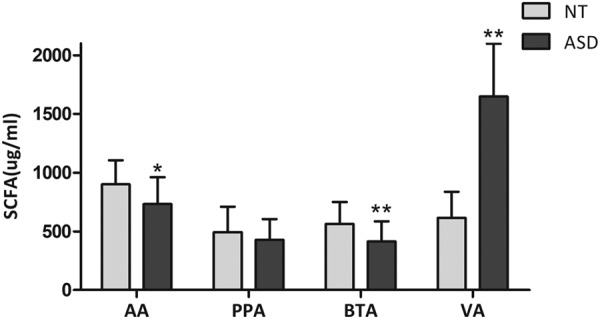
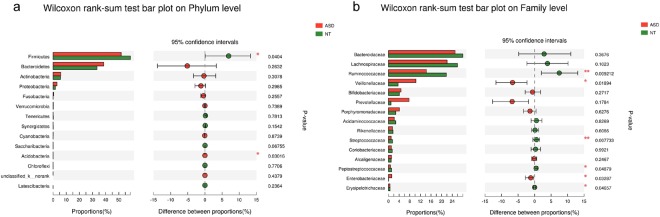
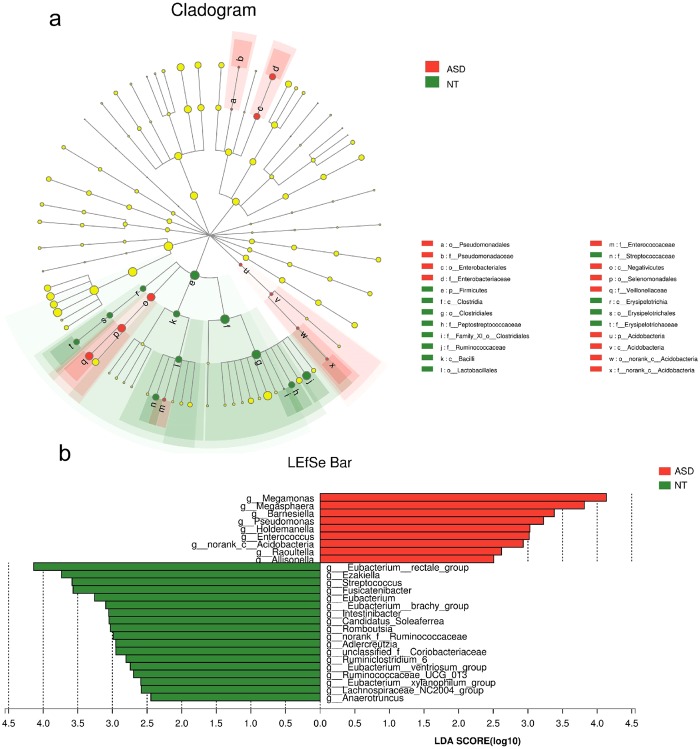
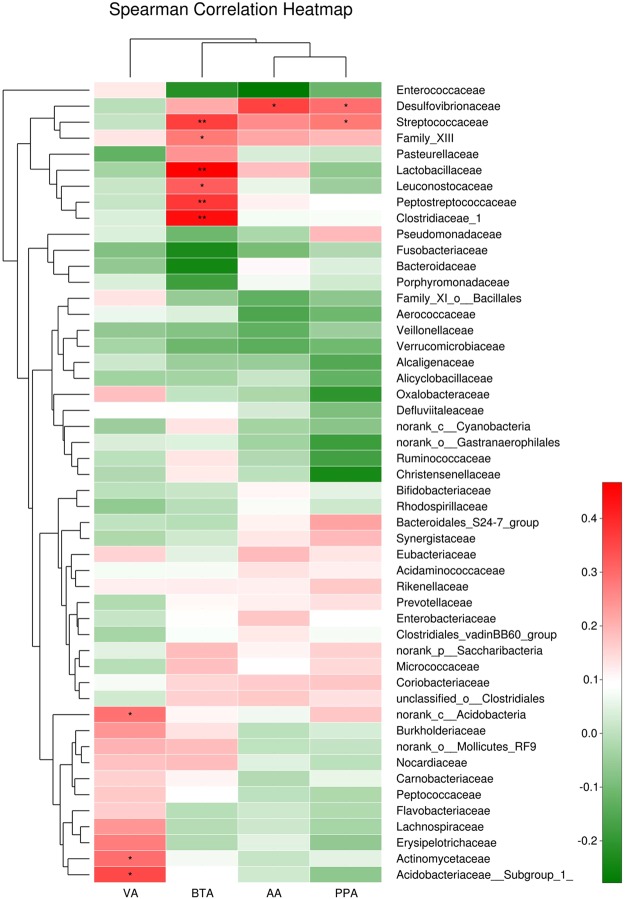
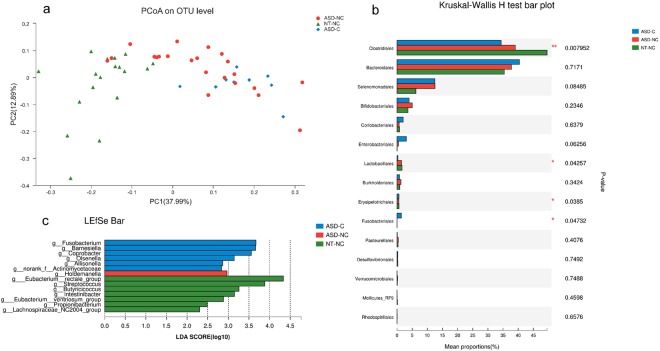
Autism spectrum disorder (ASD) is a neurodevelopmental disorder that is characterized by impairments in social interactions and communication, restricted interests and repetitive behaviors. Several studies report a high prevalence of gastrointestinal (GI) symptoms in autistic individuals. Cumulative evidence reveals that the gut microbiota and its metabolites (especially short-chain fatty acids, SCFAs) play an important role in GI disorders and the pathogenesis of ASD. However, the composition of the gut microbiota and its association with fecal SCFAs and GI symptoms of autistic children remain largely unknown. In the present study, we sequenced the bacterial 16S rRNA gene, detected fecal SCFAs, assessed GI symptoms and analyzed the relationship between the gut microbiome and fecal SCFAs in autistic and neurotypical individuals. The results showed that the compositions of the gut microbiota and SCFAs were altered in ASD individuals. We found lower levels of fecal acetic acid and butyrate and a higher level of fecal valeric acid in ASD subjects. We identified decreased abundances of key butyrate-producing taxa (Ruminococcaceae, Eubacterium, Lachnospiraceae and Erysipelotrichaceae) and an increased abundance of valeric acid associated bacteria (Acidobacteria) among autistic individuals. Constipation was the only GI disorder in ASD children in the present study. We also found enriched Fusobacterium, Barnesiella, Coprobacter and valeric acid-associated bacteria (Actinomycetaceae) and reduced butyrate-producing taxa in constipated autistic subjects. It is suggested that the gut microbiota contributes to fecal SCFAs and constipation in autism. Modulating the gut microbiota, especially butyrate-producing bacteria, could be a promising strategy in the search for alternatives for the treatment of autism spectrum disorder.
Overview
The claims and statistics of this paper haven’t been checked yet.
Free: it reads the open-access text and checks the first 5 claims that cite a source we can check. Create a free account to check every claim.
Integrity signals
Registry
Cites
Statistics
Figures
Verification
Claims the paper makes
The claims and statistics of this paper haven’t been checked yet.
Free: it reads the open-access text and checks the first 5 claims that cite a source we can check. Create a free account to check every claim.
Claims other papers make about this one
Each is checked against this paper’s own text: does it say what the citing paper says it does?
The source backs part of the claim, not all of it — or backs it for a different population, condition or comparison.
In the citing paper
“The reduced ratio of Firmicutes/Bacteroidetes in the gastrointestinal tract may lead to decreased circulating SCFAs (54,55)”
From The Role of Gut Microbiota in Lung Cancer: From Carcinogenesis to Immunotherapy (2021) · doi:10.3389/fonc.2021.720842 · cites this paper as [54]
Experimental — accuracy not yet measuredThe cited source says what the claim attributes to it.
In the citing paper
“butyrate-producing taxa belonging to the Erysipelotrichaceae were significantly decreased in the feces of individuals with ASD”
The cited source says what the claim attributes to it.
In the citing paper
“Although, a more recent report demonstrated decreased fecal acetate and butyrate levels in children with ASD (Liu et al., 2019).”
From The Microbiota-Gut-Brain Axis (2019) · cites this paper as Liu et al., 2019
In the citing paper
“Elevated isobutyric and isovaleric acid have been associated with hypercholesterolemia (Granado-Serrano et al., 2019) and elevated valeric acid in autism spectrum disorder (Liu et al., 2019).”
From Gut-microbiota-targeted diets modulate human immune status (2021) · cites this paper as Liu et al., 2019
Self-check
Percentages, sums and reported differences re-computed from the paper’s own numbers.
The self-check needs the paper’s full text.
Citations
Cites
Diagnostic and Statistical Manual of Mental Disorders
American Psychiatric Association (2013) · doi:10.1176/appi.books.9780890425596 · Cited by 116,369
Metagenomic biomarker discovery and explanation
Segata, N., Izard, J., Waldron, L., Gevers, D., Miropolsky, L., Garrett, W. S., & Huttenhower, C. (2011) · Genome Biology · doi:10.1186/gb-2011-12-6-r60 · Cited by 16,192
Molecular Mechanisms of Depression: Perspectives on New Treatment Strategies
Lang, U. E., & Borgwardt, S. (2013) · Cellular Physiology and Biochemistry · doi:10.1159/000350094 · Cited by 8,475
From Dietary Fiber to Host Physiology: Short-Chain Fatty Acids as Key Bacterial Metabolites
Koh, A., De Vadder, F., Kovatcheva-Datchary, P., & Bäckhed, F. (2016) · Cell · doi:10.1016/j.cell.2016.05.041 · Cited by 7,070
Baio, J., Wiggins, L., Christensen, D. L., Maenner, M. J., Daniels, J., Warren, Z., Kurzius-Spencer, M., Zahorodny, W., Robinson, C., Rosenberg, et al. (2018) · MMWR. Surveillance Summaries · doi:10.15585/mmwr.ss6706a1 · Cited by 6,078
The gut microbiota influences blood-brain barrier permeability in mice
Braniste, V., Al-Asmakh, M., Kowal, C., Anuar, F., Abbaspour, A., Tóth, M., Korecka, A., Bakocevic, N., Ng, L. G., Kundu, P., et al. (2014) · Science Translational Medicine · doi:10.1126/scitranslmed.3009759 · Cited by 2,530
Chang, P. V., Hao, L., Offermanns, S., & Medzhitov, R. (2014) · Proceedings of the National Academy of Sciences · doi:10.1073/pnas.1322269111 · Cited by 2,175
Peng, L., Li, Z.-R., Green, R. S., Holzmanr, I. R., & Lin, J. (2009) · The Journal of Nutrition · doi:10.3945/jn.109.104638 · Cited by 2,130
Genetic Heritability and Shared Environmental Factors Among Twin Pairs With Autism
Hallmayer, J. (2011) · Archives of General Psychiatry · doi:10.1001/archgenpsychiatry.2011.76 · Cited by 1,970
Microbes in Gastrointestinal Health and Disease
Neish, A. S. (2009) · Gastroenterology · doi:10.1053/j.gastro.2008.10.080 · Cited by 1,386
Cited by
Items 201–300 of 482
An anxious relationship between Autism Spectrum Disorder and Gut Microbiota: A tangled chemistry?
Vellingiri, B., Aishwarya, S. Y., Jancy, S. B., Abhishek, G. S., Babu, H. W. S., Vijayakumar, P., Narayanasamy, A., Mariappan, S., Sangeetha, R., Gopalakrishnan, A. V., et al. (2022) · Journal of Clinical Neuroscience · doi:10.1016/j.jocn.2022.03.003 · Cited by 34
Laghi, L., Mastromarino, P., Prosperi, M., Morales, M. A., Calderoni, S., Santocchi, E., Muratori, F., & Guiducci, L. (2021) · Metabolites · doi:10.3390/metabo11100654 · Cited by 24
Ephraim, E., Brockman, J. A., & Jewell, D. E. (2022) · Biology · doi:10.3390/biology11070976 · Cited by 28
“Indeed, SCFAs are decreased in patients with major depressive disorder [86], have been shown to ameliorate stress-induced alterations in the brain-gut axis in a mouse model [88], and along with butyrate-producing bacteria, are at lower levels in feces of children with ASD [89].”
BackgroundZhou, X., Mao, B., Tang, X., Zhang, Q., Zhao, J., Zhang, H., & Cui, S. (2023) · International Journal of Molecular Sciences · doi:10.3390/ijms24076585 · Cited by 23
The Brain, the Eating Plate, and the Gut Microbiome: Partners in Migraine Pathogenesis
Gazerani, P., Papetti, L., Dalkara, T., Cook, C. L., Webster, C., & Bai, J. (2024) · Nutrients · doi:10.3390/nu16142222 · Cited by 24
A Gut Feeling: The Importance of the Intestinal Microbiota in Psychiatric Disorders
Ochoa‐Repáraz, J., Ramelow, C. C., & Kasper, L. H. (2020) · Frontiers in Immunology · doi:10.3389/fimmu.2020.510113 · Cited by 24
Chuang, H., Hsu, J., Chuang, L., Chiu, C., Huang, Y., Li, H., Chen, N., Huang, Y., Chuang, C.-W., Huang, C., et al. (2021) · Journal of Personalized Medicine · doi:10.3390/jpm11060486 · Cited by 23
“In addition, both Acidobacteria and obesity are associated with an increase in the fecal levels of valeric acid [56,57].”
BackgroundKurokawa, S., 野村, 健., Sanada, K., Miyaho, K., Ishii, C., Fukuda, S., Iwamoto, C., Naraoka, M., Yoneda, S., Imafuku, M., et al. (2024) · Journal of Child Psychology and Psychiatry · doi:10.1111/jcpp.13962 · Cited by 23
Cui, J., Wang, W., Tang, Y., Feng, S., Liu, H., & Hao, Z. (2025) · Interdisciplinary medicine · doi:10.1002/inmd.20240041 · Cited by 27
Self-citationKittana, M., Ahmadani, A., Al-Marzooq, F. I., & Attlee, A. (2021) · Nutrients · doi:10.3390/nu13113818 · Cited by 25
Bibliometric study of neuroinflammation in autism spectrum disorder
Shen, Y.-Y., Zhong, J., Lan, W.-T., Li, Y., Gong, J.-H., Zhao, B., & Hou, X. (2023) · Frontiers in Psychiatry · doi:10.3389/fpsyt.2023.1086068 · Cited by 24
“(60) ASD subjects have lower levels of fecal acetic acid and butyrate and a higher level of fecal valeric acid, and decreased abundances of key butyrate-producing taxa and an increased abundance of valeric acid associated bacteria among autistic individuals.”
BackgroundQian, Q., Qiu, D., Wu, Z., Yang, H., Xie, Y., Li, S., Yin, Y., & Li, X. (2023) · Food Bioscience · doi:10.1016/j.fbio.2023.102720 · Cited by 22
Microbiota and Autism: A Review on Oral and Gut Microbiome Analysis Through 16S rRNA Sequencing
Anaclerio, F., Minelli, M., Antonucci, I., Gatta, V., & Stuppia, L. (2024) · Biomedicines · doi:10.3390/biomedicines12122686 · Cited by 24
“Emerging studies have shown that microbial dysbiosis in the gut may influence the CNS through mechanisms such as the production of neuroactive metabolites, immune modulation, and alterations in gut permeability [28].”
Jung, T., Hwang, H., & Han, K. (2022) · PLoS ONE · doi:10.1371/journal.pone.0275520 · Cited by 23
“Moreover, Faecalibacterium strains can induce the production of SCFAs [44], which contribute to the modulation of the intestinal environment to facilitate the growth of beneficial bacteria, such as the Bifidobacterium strains [22].”
BackgroundSong, C., Zhang, T., Xu, D., Zhu, M., Mei, S., BiJun, Z., KaiGong, W., Chen, C., Zhu, E., & Cheng, Z. (2023) · Frontiers in Microbiology · doi:10.3389/fmicb.2023.1171563 · Cited by 21
“Erysipelotrichaceae and [Eubacterium]_ventriosum_group are the key bacteria for butyrate production to regulate intestinal immunity (Wei et al., 2018; Liu et al., 2019), and Dielma and Solobacterium may be involved in the synthesis of short-chain fatty acids and biohydrogenation of fatty acids (Salami et al.”
BackgroundJyonouchi, H. (2024) · Frontiers in Psychiatry · doi:10.3389/fpsyt.2024.1333717 · Cited by 22
Liu, S., Xi, H., Xue, X., Sun, X., Huang, H., Fu, D., Yang, M., He, Y., Yang, P., Tang, Y., et al. (2024) · Cell & Bioscience · doi:10.1186/s13578-024-01278-6 · Cited by 24
“Short-chain fatty acids (SCFA) were extracted as described previously [32].”
BackgroundMethodSelf-citationLiu, J., Zhang, Y., Ye, T., Yu, Q., Yu, J., Yuan, S., Gao, X., Wan, X., Zhang, R., Han, W., et al. (2022) · Journal of Agricultural and Food Chemistry · doi:10.1021/acs.jafc.1c06998 · Cited by 21
Mixture Effects of Polystyrene Microplastics on the Gut Microbiota in C57BL/6 Mice
Gao, B., Shi, X., Zhao, M., Ren, F., Xu, W., Gao, N., Shan, J., & Shen, W. (2025) · ACS Omega · doi:10.1021/acsomega.4c00645 · Cited by 20
Dai, H., Jiang, Y., Liu, S., Li, D., & Zhang, X. (2024) · Food Research International · doi:10.1016/j.foodres.2024.114404 · Cited by 22
Self-citationDuan, W., Liu, F., Ren, Y., Zhang, X., Shi, J., Xue, Y., Xu, Z., & Geng, Y. (2024) · Journal of Agricultural and Food Chemistry · doi:10.1021/acs.jafc.4c01353 · Cited by 20
Fecal microbial marker panel for aiding diagnosis of autism spectrum disorders
Wan, Y., Wong, O. W. H., Tun, H. M., Su, Q., Xu, Z., Tang, W., Ma, S. L., Chan, S. S. M., Chan, F. K. L., & Ng, S. C. (2024) · Gut Microbes · doi:10.1080/19490976.2024.2418984 · Cited by 22
Gu, Y., Han, Y., Liang, J., Cui, Y., Zhang, B., Zhang, Y., Zhang, S.-B., & Qin, J. (2021) · Frontiers in Bioscience-Landmark · doi:10.52586/5051 · Cited by 21
Food Allergy-Induced Autism-Like Behavior is Associated with Gut Microbiota and Brain mTOR Signaling
Cao, L., He, H.-J., Zhao, Y., Wang, Z., Jia, X.-Y., Srivastava, K. D., Miao, M., & Li, X.-M. (2022) · Journal of Asthma and Allergy · doi:10.2147/jaa.s348609 · Cited by 20
“In ASD patients, the abundance of harmful bacteria such as Clostridium and Barnesiella is higher, compared with the control group.(53,79) However, the results of beneficial bacteria such as Bifidobacterium and Lactobacillus in different studies are not consistent.”
ResultMarano, G., Sfratta, G., Marzo, E. M., Cozzo, G., Abate, F., Traversi, G., Mazza, O., Capristo, E., Gaetani, E., & Mazza, M. (2025) · Children · doi:10.3390/children12111561 · Cited by 21
“…also have constipation have been found to have a higher relative abundance of certain bacterial groups, including Escherichia/Shigella and members of Clostridium cluster XVIII along with Fusobacteriales, Actinomycetaceae, Fusobacterium, Barnesiella, Coprobacter, Olsenella, and Allisonella [54,55].”
Ortí, J. E. D. L. R., Moneti, C., Serrano-Ballesteros, P., Castellano, G., Bayona-Babiloni, R., Carriquí-Suárez, A. B., Motos-Muñoz, M., Proaño, B., & Benlloch, M. (2023) · Nutrients · doi:10.3390/nu15143265 · Cited by 20
Qu, K., Li, M., Gan, L., Cui, Z.-T., Li, J., Yang, R., & Dong, M. (2024) · Frontiers in Microbiology · doi:10.3389/fmicb.2024.1325047 · Cited by 21
Xie, T., Wang, Y., Zou, Z., Wu, Y., Fan, X., Dai, J., Liu, Y., & Bai, J. (2022) · Journal of Psychiatric Research · doi:10.1016/j.jpsychires.2022.01.041 · Cited by 18
Yang, X., Li, J., Zhou, Y., Zhang, N., & Liu, J. (2022) · Frontiers in Microbiology · doi:10.3389/fmicb.2022.1009502 · Cited by 19
Potential Benefits of Anthocyanins in Chronic Disorders of the Central Nervous System
Panchal, S. K., & Brown, L. (2022) · Molecules · doi:10.3390/molecules28010080 · Cited by 19
“autistic children with constipation, gut microbiota changes have been identified leading to decreased faecal acetate and butyrate but increased valerate concentrations [44].”
BackgroundEffects of Gabexate Mesylate on the Gut Microbiota and Metabolomics in Rats with Sepsis
Sun, W., Cui, Y., Zhang, X., Wang, Y., Zhang, Z., Ding, X., Liang, H., Wang, D., Sun, Y., Liu, S., et al. (2022) · Journal of Inflammation Research · doi:10.2147/jir.s392060 · Cited by 17
“51,52 And SCFAs are potent anti-inflammatory substances involved in mediating immune responses and inducing the formation of regulatory T cells in sepsis.”
BackgroundSelf-citationVernocchi, P., Marangelo, C., Guerrera, S., CHIERICO, F. D., Guarrasi, V., Gardini, S., Conte, F., Paci, P., Ianiro, G., Gasbarrini, A., et al. (2023) · Frontiers in Microbiology · doi:10.3389/fmicb.2023.1287350 · Cited by 20
“…acid has been shown to induce hyperactivity, monotonous behaviors, impaired social behavior, increased repetitive locomotor activity, caudate spiking, and an innate neuroinflammatory response in ASD patients (Zwaigenbaum et al., 2005; MacFabe, 2012, 2015; Liu et al., 2019; Mirzaei et al., 2021).”
BackgroundYang, J., He, L., Dai, S. Y., Zheng, H., Cui, X., Ou, J., & Zhang, X. (2024) · Frontiers in Nutrition · doi:10.3389/fnut.2023.1294057 · Cited by 17
Wang, W., Zhang, J., Li, Y., Su, S., Wei, L., Li, L., & Hu, R. (2024) · Molecular Medicine Reports · doi:10.3892/mmr.2024.13262 · Cited by 19
“Acidobacteriota and Alistipes were elevated in abundance in Group Z2 compared with Group M. Acidobacteriota are bacteria enriched in the gut of healthy individuals (48).”
BackgroundThe Potential Role of Boron in the Modulation of Gut Microbiota Composition: An In Vivo Pilot Study
Sentürk, N. B., Kasapoğlu, B., Şahin, E., Özcan, O., Ozansoy, M., Ozansoy, M. B., Siyah, P., Sezerman, O. U., & Şahin, F. (2024) · Pharmaceuticals · doi:10.3390/ph17101334 · Cited by 18
“In another study, higher levels of Barnesiella bacteria but lower butyrate concentrations were reported in children diagnosed with autism spectrum disorders accompanied by constipation [92].”
BackgroundGut bacteria: an etiological agent in human pathological conditions
Islam, M. M., Mahbub, N. U., Hong, S., & Chung, H. (2024) · Frontiers in Cellular and Infection Microbiology · doi:10.3389/fcimb.2024.1291148 · Cited by 18
The microbiome modulating potential of superheated steam (SHS) treatment of dietary fibres
Koç, F., Sugrue, I., Murphy, K., Renzetti, S., Noort, M. W. J., Ross, R. P., & Stanton, C. (2022) · Innovative Food Science & Emerging Technologies · doi:10.1016/j.ifset.2022.103082 · Cited by 18
The endocannabinoid system: a bridge between alzheimer’s disease and gut microbiota
Bisogno, T., Lauritano, A., & Piscitelli, F. (2021) · Life · doi:10.3390/life11090934 · Cited by 16
Metabolomic analysis of plasma biomarkers in children with autism spectrum disorders
Liu, J., Tan, Y., Zhang, F., Wang, Y., Chen, S., Zhang, N., Dai, W., Zhou, L., & Li, J. (2024) · MedComm · doi:10.1002/mco2.488 · Cited by 18
“16,26,27 31 Polymorphisms in genes involved in mevalonate/cholesterol metabolism have also been associated with an increased risk of developing ASD.”
BackgroundThe early life exposome and autism risk: a role for the maternal microbiome?
Gesù, C. M. D., & Buffington, S. A. (2024) · Gut Microbes · doi:10.1080/19490976.2024.2385117 · Cited by 21
“176 Several recent studies investigated the association between altered SCFAs and neurodevelopmental disorders in children, including ASD; 177,178 however, whether SCFAs contribute to or relieve ASD pathology and symptom severity is controversial.”
BackgroundPalanivelu, L., Chen, Y., Chang, C., Liang, Y., Tseng, H.-Y., Li, S., Chang, C., & Lo, Y. (2024) · NeuroImage · doi:10.1016/j.neuroimage.2024.120899 · Cited by 16
The role of the gut microbiota in the pathophysiology of mental and neurological disorders
Pusceddu, M. M., & Bas-Prior, J. M. D. (2020) · Psychiatric Genetics · doi:10.1097/ypg.0000000000000255 · Cited by 15
DiCarlo, G. E., Mabry, S. J., Cao, X., McMillan, C., Woynaroski, T. G., Harrison, F. E., Reddy, I. A., Matthies, H. J. G., Flynn, C. R., Wallace, M. T., et al. (2021) · Frontiers in Psychiatry · doi:10.3389/fpsyt.2021.655451 · Cited by 16
“nucleatum is known to produce butyrate and this is a short chain fatty acid that has been shown to be present at decreased levels in individuals with ASD (56).”
BackgroundFeng, P., Zhang, Y., Zhao, Y., Zhao, P., & Li, E. (2024) · Frontiers in Immunology · doi:10.3389/fimmu.2024.1341404 · Cited by 16
Self-citationMamun, A. A., Geng, P., Wang, S., Shao, C., & Xiao, J. (2024) · Pharmacological Research · doi:10.1016/j.phrs.2024.107559 · Cited by 16
The functional landscape of the appendix microbiome under conditions of health and disease
Sagor, M. S., Islam, T., Tamanna, N. T., Bappy, M. K. I., Danishuddin, M., Haque, M. A., & Lackner, M. K. (2025) · Gut Pathogens · doi:10.1186/s13099-025-00696-2 · Cited by 18
“According to earlier research, patients with autism may benefit from butyrate-producing bacteria like Eubacterium , Ruminococcaceae , Erysipel-otrichaceae , and Lachnospiraceae [178].”
Wang, H., Hu, J., Wu, J., Ji, P., Shang, A., & Li, D. (2022) · Cancers · doi:10.3390/cancers14215394 · Cited by 17
“discovered considerably higher Actinobacteria at the phylum level as a potential lung cancer biomarker [121].”
BackgroundGenus-Level Analysis of Gut Microbiota in Children with Autism Spectrum Disorder: A Mini Review
Levkova, M., Chervenkov, T., & Pancheva, R. (2023) · Children · doi:10.3390/children10071103 · Cited by 21
“Ruminococcus is a genus of Gram-positive cocci that synthesize butyrate and are normally found in the GIT [27,51].”
BackgroundThe Microbiome–Neurodegeneration Interface: Mechanisms, Evidence, and Future Directions
Böckels, L., Alexa, D., Antal, D. C., Gațcan, C., Alecu, C., Kacani, K., Cretu, R. A., Piseru, E.-A., Bîlcu, R. V., & Cuciureanu, D. I. (2026) · Cells · doi:10.3390/cells15020135 · Cited by 13
Saxami, G., Mitsou, E. K., Kerezoudi, E. N., Mavrouli, I., Vlassopoulou, M., Koutrotsios, G., Mountzouris, K. C., Zervakis, G. I., & Kyriacou, A. (2023) · Microorganisms · doi:10.3390/microorganisms11020414 · Cited by 15
“Recent studies have focused on the impact of pre/probiotics on the gut–brain axis [42,43].”
Chen, H., Li, L., Yu, F., & Ma, Z. S. (2024) · FEMS Microbiology Letters · doi:10.1093/femsle/fnae014 · Cited by 14
Yang, M., Xie, Q., Xiao, Y., Xia, M., Chen, J., Tan, B., & Yin, Y. (2024) · International Journal of Molecular Sciences · doi:10.3390/ijms25073657 · Cited by 13
“Seven-week-old male Sprague–Dawley rats were purchased from Tianqin Biotechnology (Changsha, China) and were individually housed in a conventional animal facility that was maintained at 22 ± 2 ◦ C and 55 ± 10% relative humidity with a 12-h light/dark photoperiod.”
MethodBhusri, B., Sutheeworapong, S., Kittichotirat, W., Kusonmano, K., Thammarongtham, C., Lertampaiporn, S., Prommeenate, P., Praphanphoj, V., Kittitharaphan, W., Dulsawat, S., et al. (2025) · Scientific Reports · doi:10.1038/s41598-025-86740-2 · Cited by 16
“They also tend to show elevated levels of Fusobacterium , a bacterium that may induce gut inflammation 39 .”
Zeng, Q., Hu, Y., Xie, L., Zhang, X., Huang, Y., Ye, J., Wang, S., & Xu, J. X. (2025) · PeerJ · doi:10.7717/peerj.19528 · Cited by 18
“Typically diagnosed during early childhood years, ASD can exert a profound and enduring influence on an individual’s capacity to lead an independent life and form meaningful social connections ( Liu et al., 2019 ).”
Campanale, A., Siniscalco, D., & Marzo, V. D. (2025) · Journal of Biomedical Science · doi:10.1186/s12929-025-01145-7 · Cited by 16
“Sex differences further modulate these findings, influencing microbiota composition and ASD-related behaviors in genetic [158, 159], environmental [160–163], and idiopathic [150] models.”
Li, J., Gao, X., Sun, X., Li, H., Wei, J., Lv, L. L., & Zhu, L. (2024) · BMC Cancer · doi:10.1186/s12885-024-12205-w · Cited by 16
“Conversely, Coprobac-ter is a bacterial genus known to suppress butyrate production [41].”
BackgroundEstrada, K. B., Conde-Martínez, N., Acosta‐González, A., Díaz, L. E., Rodríguez-Castaño, G. P., & Quintanilla‐Carvajal, M. X. (2025) · Food Research International · doi:10.1016/j.foodres.2025.116227 · Cited by 14
Chen, W., Wang, X., Zhu, R., Gao, W., Tao, L., Yang, R., Wei, Q., Zhang, Y., Gong, Y., Zhong, H., et al. (2025) · Cell Reports Medicine · doi:10.1016/j.xcrm.2025.102516 · Cited by 16
Negative binomial factor regression with application to microbiome data analysis
Mishra, A. K., & Müller, C. L. (2022) · Statistics in Medicine · doi:10.1002/sim.9384 · Cited by 12
Gut Microbiota Alternation in Disease Progression of Neurosyphilis
Wang, G., Zou, D., Lu, X., Gu, X., Cheng, Y., Qi, T., Cheng, Y., Yu, J., Ye, M., & Zhou, P. (2022) · Infection and Drug Resistance · doi:10.2147/idr.s389155 · Cited by 18
“For example, the Coprobacter genus and Actinomycetaceae genus have been reported enriched in the gut microbiota of autism patients with gastrointestinal disorder.(41) The increases in the abundances of Erysipelotrichales genus and Erysipelotrichaceae genus were observed in animal models of Parkinson’s disease or neuro…”
BackgroundMethod for estimating disease risk from microbiome data using structural equation modeling
Tokuno, H., Itoga, T., Kasuga, J., Okuma, K., Hasuko, K., Masuyama, H., & Benno, Y. (2023) · Frontiers in Microbiology · doi:10.3389/fmicb.2023.1035002 · Cited by 12
“Coprobacter is also reported to be increased in patients with autism spectrum disorder and constipation, with a concomitant decrease in butyrate-producing bacteria (Liu et al., 2019).”
BackgroundChen, Y., Xue, Y., Jia, L., Yang, M., Huang, G., & Xie, J. (2024) · Medicine · doi:10.1097/md.0000000000037284 · Cited by 14
“[38] Liu S et al have observed the abundance of key butyrate-producing taxa ( Ruminococcaceae ) decreased among autistic individuals, [39] indicating that Ruminococcaceae is inversely associated with ASD, which is similar to the conclusion of this study.”
Coccurello, R., Marrone, M. C., & Maccarrone, M. (2022) · Frontiers in Pharmacology · doi:10.3389/fphar.2022.869606 · Cited by 14
“Although with important exceptions (Coretti et al., 2018), in ASD has been reported not only a reduction of SCFA- and butyrate-producing bacteria, but in particular a reduction of the genera Anaerostipes and Eubacterium, (Liu et al., 2019; Cao et al., 2021), which are both essential for lactate-to-SCFAs conversion and…”
BackgroundPlaza‐Díaz, J., Radar, A. M., Baig, A. T., Leyba, M. F., Costabel, M. M., Zavala-Crichton, J. P., Sanchez‐Martinez, J., MacKenzie, A., & Solis‐Urra, P. (2022) · Children · doi:10.3390/children9121834 · Cited by 15
Zarezadeh, M., Mahmoudinezhad, M., Hosseini, B., Khorraminezhad, L., Razaghi, M., Alvandi, E., & Saedisomeolia, A. (2023) · Clinical Nutrition · doi:10.1016/j.clnu.2023.06.014 · Cited by 17
Zou, M., Zhang, Y., Li, D., Li, S., Hu, J., Gao, Y., Cheng, Z., Liu, S., Wu, L., & Sun, C. (2024) · Nutrients · doi:10.3390/nu16172960 · Cited by 12
“Finally, since this was a cross-sectional study with a limited sample size, causality could not be determined.”
BackgroundSelf-citationLee, J., Jo, S., Lee, J., Choi, M., Kim, K., Lee, S.-J., Kim, H. S., Bae, J., & Chung, S. J. (2025) · Microbiome · doi:10.1186/s40168-025-02095-w · Cited by 13
“Coprobacter and Erysipelatoclostridium have been reported to increase in patients with Alzheimer’s disease [79], neurosyphilis [80], and autism [81] as well as PD [82], but not in idiopathic RBD or PD-RBD( + ) in the previous studies [62].”
Takeda, M., Sashide, Y., & Utugi, S. (2025) · International Journal of Molecular Sciences · doi:10.3390/ijms26168082 · Cited by 12
“Consequently, substantial preclinical and clinical findings indicate a potential role for SCFAs across a range of neurological conditions: anorexia nervosa, Parkinson’s disease, Alzheimer’s disease [7], autism spectrum disorder [7–11], and chronic pain [4,12].”
Zhang, D., Zhou, M., Qiu, Y., Xu, H., Liu, H., Liu, Y., & Xie, L. (2025) · Frontiers in Aging Neuroscience · doi:10.3389/fnagi.2025.1642240 · Cited by 14
“Epidemiological studies indicated that the maternal genetic background might interact with the gut microbiota, collectively influencing offspring risk for ASD (Rees et al., 2002; Li et al., 2019).”
InfluentialAijaz, M., Ahmad, M., Ahmad, S., Afzal, M., & Kothiyal, P. (2025) · Naunyn-Schmiedeberg s Archives of Pharmacology · doi:10.1007/s00210-025-04776-7 · Cited by 17
Liu, J., Liu, C., Gao, Z., Zhou, L., Gao, J., Luo, Y., Liu, T., & Fan, X. (2022) · Frontiers in Cellular and Infection Microbiology · doi:10.3389/fcimb.2022.911259 · Cited by 14
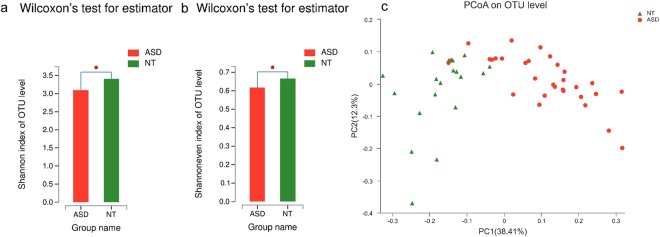
“Analysis of the fecal microbiota revealed a lower alpha diversity of gut microbiota in the BTBR mice, consistent with the decreased diversity in gut microbiota in autistic patients (Liu et al., 2019; Dan et al., 2020).”
BackgroundWidjaja, F., & Rietjens, I. M. C. M. (2023) · Biomedicines · doi:10.3390/biomedicines11102658 · Cited by 13
Therapeutic potential of CBD in Autism Spectrum Disorder
Pedrazzi, J. F. C., Hassib, L., Ferreira, F. R., Hallak, J. E. C., Del-Bel, E., & Crippa, J. A. S. (2024) · International review of neurobiology · doi:10.1016/bs.irn.2024.05.002 · Cited by 14
Lombardi, M., & Troisi, J. (2021) · Nutrients · doi:10.3390/nu13103492 · Cited by 13
“Firmicutes were found to be increased [28,29] or decreased [30,31] in autistic subjects, according to different studies.”
BackgroundResultPanisi, C., & Marini, M. (2022) · Brain Sciences · doi:10.3390/brainsci12020250 · Cited by 12
Microbial regulation of offspring diseases mediated by maternal-associated microbial metabolites
Jiang, Q., Li, T., Chen, W., Huo, Y., Mou, X., & Zhao, W. (2022) · Frontiers in Microbiology · doi:10.3389/fmicb.2022.955297 · Cited by 12
“Also, low levels of fecal butyrate and accumulated propionic acid have been reported to be associated with ASD children (Liu et al., 2019; Cotrina et al., 2020).”
BackgroundChen, K., Wang, L., Liu, J., Zheng, H., Wu, X., & Liao, X. (2025) · Critical Reviews in Food Science and Nutrition · doi:10.1080/10408398.2025.2453632 · Cited by 12
“The obviously increased abundances of Tenericutes and Acidobacteria indicated serious fish disease and inflammation (S. Liu et al. 2019).”
Xiao, Y., Ai, M., Miao, J., Yan, S., Du, Y., Zhang, J., Tang, C., & Zhang, K. (2025) · Poultry Science · doi:10.1016/j.psj.2025.105001 · Cited by 10
“Studies have confirmed that chili pepper, specifically its active component, capsaicin, can alleviate lipid metabolism disorders in mice subjected to high-fat diets and reduce lipid accumulation in mesenteric and epididymal adipose tissues (Azlan et al., 2022; Li et al., 2019).”
Gut Microbiota and Autism: Unlocking Connections
Biagioli, V., Matera, M., Cavecchia, I., Pierro, F. D., Zerbinati, N., & Striano, P. (2025) · Nutrients · doi:10.3390/nu17233706 · Cited by 14
“…beneficial taxa such as Bifidobacterium , Prevotella , and butyrate-producing families ( Faecalibacteriaceae , Lachnospiraceae , Ruminococcaceae ) [69]; • Increased abundance of potentially pro-inflammatory and neuroactive species, including Clostridium spp., Desulfovibrio , and Veillonella [70].”
Gut microbiota and its metabolism in autism spectrum disorder: from pathogenesis to therapy
Bu, W., Chen, Z., Liu, B., & Jia, X. (2026) · Frontiers in Cellular and Infection Microbiology · doi:10.3389/fcimb.2025.1687691 · Cited by 12
Cheng, Y., Zhang, L., Li, Y., Zheng, C., Ma, T., & Sun, Z. (2026) · Microorganisms · doi:10.3390/microorganisms14020312 · Cited by 12
“…fatty acids (SCFAs) in the feces of children with ASD found that their valerate levels were twice as high as in healthy children, suggesting that SCFAs present in the diet and those produced by gut microbiota after carbohydrate fermentation may act as environmental triggers for ASD [22].”
Self-citationHiseni, P., Snipen, L. G., Wilson, R. C., Furu, K., Hegge, F. T., & Rudi, K. (2023) · BioTechniques · doi:10.2144/btn-2022-0045 · Cited by 11
Çolak, H., Sarıyer, E. T., & Noğay, N. H. (2023) · International Journal of Developmental Neuroscience · doi:10.1002/jdn.10254 · Cited by 10
“In contrast, some studies have reported lower abundance of Bacteriotedes (Strati et al., 2017) and Firmicutes in children with ASD (Liu et al., 2019).”
ResultCharacteristics of the Gut Microbiota in Young Adults with Autism Spectrum Disorder
Pang, X., Zhang, Q., Wang, Y., Zhan, Y., Guo, M., Chen, B., Quan, L., & Zheng, H. (2023) · Journal of Integrative Neuroscience · doi:10.31083/j.jin2206141 · Cited by 12
Jin, Y., Fan, H., Shi, R., Song, G., Wu, X., Wang, D., Xia, B., Zhao, Z., Zhao, B., Liu, X., et al. (2024) · Food & Function · doi:10.1039/d3fo05078e · Cited by 10
O'Hare, M. A., Swart, P., Malan‐Müller, S., van den Heuvel, L. L., Bröcker, E., Seedat, S., & Hemmings, S. M. J. (2024) · NeuroImmunoModulation · doi:10.1159/000542696 · Cited by 13
“As such, this genus was manually prepended with the family name. as well as children and adults with autism spectrum disorders [79, 80].”
Specialized Diet Therapies: Exploration for Improving Behavior in Autism Spectrum Disorder (ASD)
Bjørklund, G., Meguid, N. A., Dadar, M., Pivina, L. M., Kałużna‐Czaplińska, J., Jóźwik-Pruska, J., Aaseth, J., Chartrand, M. S., Waly, M. I., Al-Farsi, Y. M., et al. (2020) · Current Medicinal Chemistry · doi:10.2174/0929867327666200217101908 · Cited by 11
Sharma, P., & Agrawal, A. (2021) · Neurosurgical Review · doi:10.1007/s10143-021-01516-2 · Cited by 11
“A study from China published in early 2019, evaluated the levels of butyrate (a metabolite of gut microbiome) in stool samples of children with Autistic spectrum disorder, and found a statistically significant correlation between autism and alterations in the gut microbiota [54].”
BackgroundImmunology and microbiology: how do they affect social cognition and emotion recognition?
Barcik, W., Chiacchierini, G., Bimpisidis, Z., & Papaleo, F. (2021) · Current Opinion in Immunology · doi:10.1016/j.coi.2021.05.001 · Cited by 10
Alterations in Microbial-Associated Fecal Metabolites in Relation to Arsenic Exposure Among Infants
Karagas, M. R., McRitchie, S., Hoen, A. G., Takigawa, C. A., Jackson, B. P., Baker, E., Madan, J. C., Sumner, S., & Pathmasiri, W. (2022) · Exposure and Health · doi:10.1007/s12403-022-00468-2 · Cited by 10
“Microbial metabolites, including butyrate, also are hypothesized to play an important role in the gut-brain axis by modulating the functional and signaling activity of brains cells and the blood–brain barrier and influence risk of neurodevelopmental outcomes such as autism (Smith 2015; Liu et al. 2019; Silva et al. 20…”
BackgroundYang, W., Xia, Z., Yi, Z., Tang, H. T., Xu, H., Hu, X., Lin, C., Jiang, T., He, P., & Shen, J. (2023) · Diabetes Metabolic Syndrome and Obesity · doi:10.2147/dmso.s404352 · Cited by 9
“According to the LEfSe results, we found that the dominant bacteria in the FMT group were Odoribacteraceae and Ruminococcus, while the dominant bacteria in the MET group were Ruminococcus, Oscillospira, and Clostridialesc, all of which were butyrate-producing bacteria.(17,19) Gastrointestinal microbes ferment dietary…”
ResultLi, W., Kong, Q., Tian, P., Wang, L., Jin, X. Y., Zhao, J., Zhang, H., Chen, W., & Wang, G. (2024) · Food Frontiers · doi:10.1002/fft2.380 · Cited by 9
Fan, X., Zang, T., Ni, W., Liu, J., Sun, Y., Slack, J., Bai, J., & Liu, Y. (2024) · Journal of Affective Disorders · doi:10.1016/j.jad.2024.07.045 · Cited by 9
Xu, H., Wang, J., Liu, Y., Wang, Y., Zhong, X., Li, C., Wang, K., Guo, X., & Xie, C. (2023) · Analytica Chimica Acta · doi:10.1016/j.aca.2023.341039 · Cited by 12
The role of mast cells in Autism Spectrum Disorder
Priego-González, L., Perez‐Pardo, P., & Redegeld, F. A. (2025) · Neuroscience & Biobehavioral Reviews · doi:10.1016/j.neubiorev.2025.106263 · Cited by 9
“Conversely, reductions in beneficial bacteria like butyrate-producing species and carbohydrate-fermenting microorganisms is also observed (Fattorusso et al., 2019; Liu et al., 2019).”
Nita, I.-B., Văcărean-Trandafir, I.-C., Amărandi, R.-M., Ilie, O., Dobrin, R., Bejenariu, A. C., Ivanov, I.-C., & Doroftei, B. (2025) · BMC Psychiatry · doi:10.1186/s12888-025-07461-4 · Cited by 8
“…have been observed in obese individuals with uncontrolled eating behavior [108], diabetic patients [102], with autism spectrum disorder (ASD) [109], particularly those without constipation [110], and in Alzheimer’s disease (AD) [111], especially among those with cognitive impairment [102, 112].”
Hu, L., Huang, L., Fang, Z., Wang, C., Luo, J., Deng, Q., Xu, D., Sun, L., & Gooneratne, R. (2024) · Microorganisms · doi:10.3390/microorganisms12061210 · Cited by 9
“In summary, this study provides a theoretical basis for evaluating the effects of short-term intake of fried oil on human health and to identify a compound that can mitigate the upsurge in inflammation in the body caused by the consumption of fried oil in the diet.”
BackgroundBašić-Čičak, D., Telalović, J. H., & Pašić, L. (2024) · Diagnostics · doi:10.3390/diagnostics14222536 · Cited by 8
Zhou, C., Zhou, X., Wen, Z., Zai-bo, Y., Mu, R., Song, Y., Mei, X., & Rothenberg, D. O. (2021) · Evidence-based Complementary and Alternative Medicine · doi:10.1155/2021/8832554 · Cited by 8
Tartaglione, A. M., Pazienza, V., Calamandrei, G., & Ricceri, L. (2023) · Neuroscience & Biobehavioral Reviews · doi:10.1016/j.neubiorev.2023.105105 · Cited by 8
Metadata
- Authors
- Liu, S., Li, E., Sun, Z., Fu, D., Duan, G., Jiang, M., Yu, Y., Mei, L., Yang, P., Tang, Y., & Zheng, P.
- Affiliations
- Fifth Affiliated Hospital of Zhengzhou University (CN)
- Third Affiliated Hospital of Zhengzhou University (CN)
- Corresponding author
- Tang, Youcai
- Zheng, Pengyuan
- Venue
- Scientific Reports
- Published
- 2019-01-22
- Volume
- 9
- Issue
- 1
- Pages
- 287-287
- ISSN
- 2045-2322 (ISSN-L)
- PMC
- PMC6342986
- OpenAlex
- W2924578805
- Semantic Scholar
- 37f659576572cd9176893208bfe593187dc946fd
- Cited by
- 457
- References
- 43
- Citations by year
- 2026: 36 · 2025: 58 · 2024: 86 · 2023: 61 · 2022: 83 · 2021: 67 · 2020: 43 · 2019: 21
- FWCI
- 17.70
- Type
- journal article
- Language
- en
- Open access
- gold
- doi.org
- Licence
- cc-by
- creativecommons.org/licenses/by/4.0 (tdm)
- creativecommons.org/licenses/by/4.0 (vor)
- Locations
- Scientific Reports (publishedVersion, cc-by)
- Europe PMC (PubMed Central) (publishedVersion, cc-by)
- PubMed Central (publishedVersion, cc-by)
- PubMed (publishedVersion)
- DOAJ (DOAJ: Directory of Open Access Journals) (submittedVersion, cc-by-sa)
- Funders
- National Natural Science Foundation of China (31471330, 81370494)
- Topics
- Life Sciences › Biochemistry, Genetics and Molecular Biology › Molecular Biology › Gut microbiota and health
- Life Sciences › Neuroscience › Cognitive Neuroscience › Autism Spectrum Disorder Research
- Health Sciences › Medicine › Gastroenterology › Gastrointestinal motility and disorders
- Keywords
- autism spectrum disorder, gut microbiota, short-chain fatty acids, gastrointestinal symptoms, constipation, butyrate-producing bacteria, valeric acid, acetic acid, fecal microbiota, children, 16S rRNA gene sequencing, gut-brain axis
- MeSH terms
- Autism Spectrum Disorder, Gastrointestinal Microbiome, Bacteria, Child, Fatty Acids, Volatile, Feces, Humans, Male, RNA, Ribosomal, 16S, Asian People
About these checks
Registry, retraction, Cites and statistics results are computed, not judged, with one exception: a printed reference that no index lists is read once by a model before it counts as a citation error. Claims are extracted by a model and kept only when their quote appears verbatim in the text; each cited source is then checked, with a model’s help, for whether it says what the claim relies on. Those verdicts can be wrong — read the claim’s quote and the cited source before relying on one.
Statistics and arithmetic are recomputed, not judged.
Confidence bands are shown only for fields calibrated on our annotated test set. None is calibrated yet, so no band is shown.
What counts as a claim ›How we measure confidence ›How we check this ›
Are you an author, or do you see a problem with this page? Request a review
Data sources
Bibliographic data: Semantic Scholar, OpenAlex, Crossref.
Contains information from the Semantic Scholar Academic Graph Datasets, made available under the ODC Attribution License (ODC-BY 1.0).
Semantic Scholar’s data is described in: Kinney, R., et al. (2023). The Semantic Scholar Open Data Platform. arXiv:2301.10140.
