

Altered gut microbiota and short chain fatty acids in Chinese children with autism spectrum disorder
Open accessThe DOI matches its Crossref record; 43 of the 43 references it cites were found in a registry or an index.
Abstract
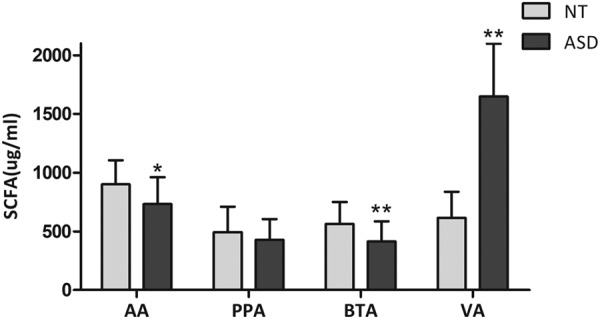
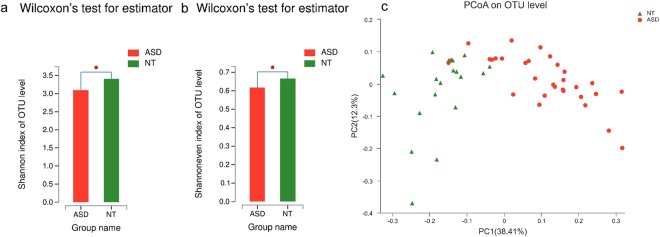
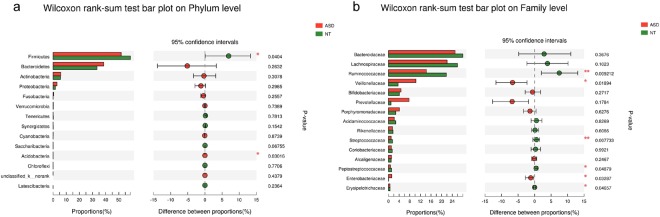
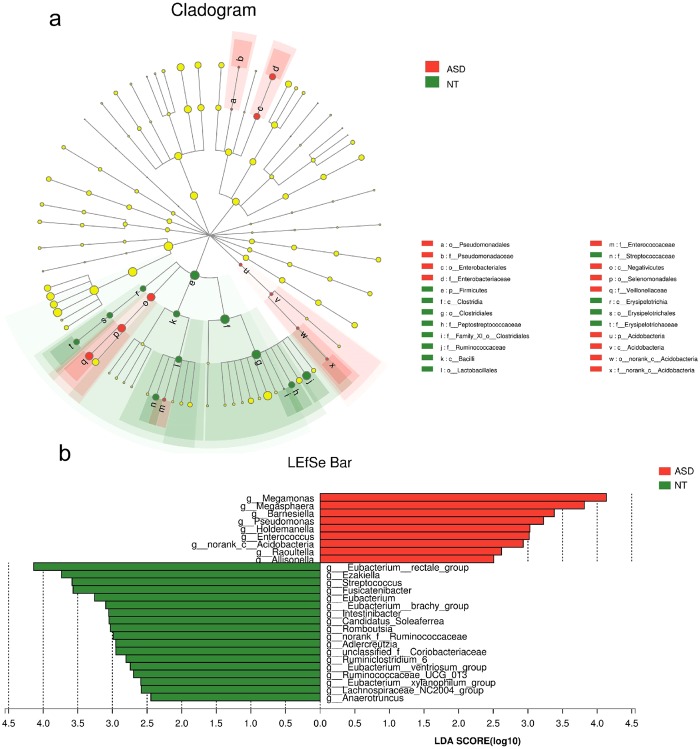
Autism spectrum disorder (ASD) is a neurodevelopmental disorder that is characterized by impairments in social interactions and communication, restricted interests and repetitive behaviors. Several studies report a high prevalence of gastrointestinal (GI) symptoms in autistic individuals. Cumulative evidence reveals that the gut microbiota and its metabolites (especially short-chain fatty acids, SCFAs) play an important role in GI disorders and the pathogenesis of ASD. However, the composition of the gut microbiota and its association with fecal SCFAs and GI symptoms of autistic children remain largely unknown. In the present study, we sequenced the bacterial 16S rRNA gene, detected fecal SCFAs, assessed GI symptoms and analyzed the relationship between the gut microbiome and fecal SCFAs in autistic and neurotypical individuals. The results showed that the compositions of the gut microbiota and SCFAs were altered in ASD individuals. We found lower levels of fecal acetic acid and butyrate and a higher level of fecal valeric acid in ASD subjects. We identified decreased abundances of key butyrate-producing taxa (Ruminococcaceae, Eubacterium, Lachnospiraceae and Erysipelotrichaceae) and an increased abundance of valeric acid associated bacteria (Acidobacteria) among autistic individuals. Constipation was the only GI disorder in ASD children in the present study. We also found enriched Fusobacterium, Barnesiella, Coprobacter and valeric acid-associated bacteria (Actinomycetaceae) and reduced butyrate-producing taxa in constipated autistic subjects. It is suggested that the gut microbiota contributes to fecal SCFAs and constipation in autism. Modulating the gut microbiota, especially butyrate-producing bacteria, could be a promising strategy in the search for alternatives for the treatment of autism spectrum disorder.
Overview
The claims and statistics of this paper haven’t been checked yet.
Free: it reads the open-access text and checks the first 5 claims that cite a source we can check. Create a free account to check every claim.
Integrity signals
Registry
Cites
Statistics
Figures
Verification
Claims the paper makes
The claims and statistics of this paper haven’t been checked yet.
Free: it reads the open-access text and checks the first 5 claims that cite a source we can check. Create a free account to check every claim.
Claims other papers make about this one
Each is checked against this paper’s own text: does it say what the citing paper says it does?
The source backs part of the claim, not all of it — or backs it for a different population, condition or comparison.
In the citing paper
“The reduced ratio of Firmicutes/Bacteroidetes in the gastrointestinal tract may lead to decreased circulating SCFAs (54,55)”
From The Role of Gut Microbiota in Lung Cancer: From Carcinogenesis to Immunotherapy (2021) · doi:10.3389/fonc.2021.720842 · cites this paper as [54]
Experimental — accuracy not yet measuredThe cited source says what the claim attributes to it.
In the citing paper
“butyrate-producing taxa belonging to the Erysipelotrichaceae were significantly decreased in the feces of individuals with ASD”
The cited source says what the claim attributes to it.
In the citing paper
“Although, a more recent report demonstrated decreased fecal acetate and butyrate levels in children with ASD (Liu et al., 2019).”
From The Microbiota-Gut-Brain Axis (2019) · cites this paper as Liu et al., 2019
In the citing paper
“Elevated isobutyric and isovaleric acid have been associated with hypercholesterolemia (Granado-Serrano et al., 2019) and elevated valeric acid in autism spectrum disorder (Liu et al., 2019).”
From Gut-microbiota-targeted diets modulate human immune status (2021) · cites this paper as Liu et al., 2019
Self-check
Percentages, sums and reported differences re-computed from the paper’s own numbers.
The self-check needs the paper’s full text.
Citations
Cites
Diagnostic and Statistical Manual of Mental Disorders
American Psychiatric Association (2013) · doi:10.1176/appi.books.9780890425596 · Cited by 116,369
Metagenomic biomarker discovery and explanation
Segata, N., Izard, J., Waldron, L., Gevers, D., Miropolsky, L., Garrett, W. S., & Huttenhower, C. (2011) · Genome Biology · doi:10.1186/gb-2011-12-6-r60 · Cited by 16,192
Molecular Mechanisms of Depression: Perspectives on New Treatment Strategies
Lang, U. E., & Borgwardt, S. (2013) · Cellular Physiology and Biochemistry · doi:10.1159/000350094 · Cited by 8,475
From Dietary Fiber to Host Physiology: Short-Chain Fatty Acids as Key Bacterial Metabolites
Koh, A., De Vadder, F., Kovatcheva-Datchary, P., & Bäckhed, F. (2016) · Cell · doi:10.1016/j.cell.2016.05.041 · Cited by 7,070
Baio, J., Wiggins, L., Christensen, D. L., Maenner, M. J., Daniels, J., Warren, Z., Kurzius-Spencer, M., Zahorodny, W., Robinson, C., Rosenberg, et al. (2018) · MMWR. Surveillance Summaries · doi:10.15585/mmwr.ss6706a1 · Cited by 6,078
The gut microbiota influences blood-brain barrier permeability in mice
Braniste, V., Al-Asmakh, M., Kowal, C., Anuar, F., Abbaspour, A., Tóth, M., Korecka, A., Bakocevic, N., Ng, L. G., Kundu, P., et al. (2014) · Science Translational Medicine · doi:10.1126/scitranslmed.3009759 · Cited by 2,530
Chang, P. V., Hao, L., Offermanns, S., & Medzhitov, R. (2014) · Proceedings of the National Academy of Sciences · doi:10.1073/pnas.1322269111 · Cited by 2,175
Peng, L., Li, Z.-R., Green, R. S., Holzmanr, I. R., & Lin, J. (2009) · The Journal of Nutrition · doi:10.3945/jn.109.104638 · Cited by 2,130
Genetic Heritability and Shared Environmental Factors Among Twin Pairs With Autism
Hallmayer, J. (2011) · Archives of General Psychiatry · doi:10.1001/archgenpsychiatry.2011.76 · Cited by 1,970
Microbes in Gastrointestinal Health and Disease
Neish, A. S. (2009) · Gastroenterology · doi:10.1053/j.gastro.2008.10.080 · Cited by 1,386
Cited by
Cryan, J. F., O'Riordan, K. J., Cowan, C. S. M., Sandhu, K. V., Bastiaanssen, T. F. S., Boehme, M., Codagnone, M. G., Cussotto, S., Fulling, C., Golubeva, A. V., et al. (2019) · Physiological Reviews · doi:10.1152/physrev.00018.2018 · Cited by 5,286
Gut-microbiota-targeted diets modulate human immune status
Wastyk, H. C., Fragiadakis, G. K., Perelman, D., Dahan, D., Merrill, B. D., Yu, F. B., Topf, M., Gonzalez, C. G., Van Treuren, W., Han, S., et al. (2021) · Cell · doi:10.1016/j.cell.2021.06.019 · Cited by 1,385
The gut microbiome in neurological disorders
Cryan, J. F., O'Riordan, K. J., Sandhu, K., Peterson, V., & Dinan, T. G. (2020) · The Lancet Neurology · doi:10.1016/s1474-4422(19)30356-4 · Cited by 1,336
The Role of Microbiota-Gut-Brain Axis in Neuropsychiatric and Neurological Disorders
Socała, K., Doboszewska, U., Szopa, A., Serefko, A., Włodarczyk, M., Zielińska, A., Poleszak, E., Fichna, J., & Wlaź, P. (2021) · Pharmacological Research · doi:10.1016/j.phrs.2021.105840 · Cited by 857
Short chain fatty acids: Microbial metabolites for gut-brain axis signalling
O'Riordan, K. J., Collins, M. K., Moloney, G. M., Knox, E. G., Aburto, M. R., Fülling, C., Morley, S. J., Clarke, G., Schellekens, H., & Cryan, J. F. (2022) · Molecular and Cellular Endocrinology · doi:10.1016/j.mce.2022.111572 · Cited by 713
Microbiota-derived metabolites as drivers of gut–brain communication
Ahmed, H., Leyrolle, Q., Koistinen, V., Kärkkäinen, O., Layé, S., Delzenne, N., & Hanhineva, K. (2022) · Gut Microbes · doi:10.1080/19490976.2022.2102878 · Cited by 462
Diet and the Microbiota–Gut–Brain Axis: Sowing the Seeds of Good Mental Health
Berding, K., Vlckova, K., Marx, W., Schellekens, H., Stanton, C., Clarke, G., Jacka, F., Dinan, T. G., & Cryan, J. F. (2021) · Advances in Nutrition · doi:10.1093/advances/nmaa181 · Cited by 451
Gut microbiota-derived short chain fatty acids are potential mediators in gut inflammation
Akhtar, M., Chen, Y., Ma, Z., Zhang, X., Shi, D., Khan, J. A., & Liu, H. (2022) · Animal Nutrition · doi:10.1016/j.aninu.2021.11.005 · Cited by 363
Suganya, K., & Koo, B.-S. (2020) · International Journal of Molecular Sciences · doi:10.3390/ijms21207551 · Cited by 368
Iglesias-Vázquez, L., Van Ginkel Riba, G., Arija, V., & Canals, J. (2020) · Nutrients · doi:10.3390/nu12030792 · Cited by 352
“The same occurred for Firmicutes, with some studies reporting higher percentages in ASD [20,37,41], others in controls [16,31,39], and others suggesting even no differences between the groups [17,21,32].”
BackgroundResultDan, Z., Mao, X., Liu, Q., Guo, M., Zhuang, Y., Liu, Z., Chen, K., Chen, J., Xu, R., Tang, J., et al. (2020) · Gut Microbes · doi:10.1080/19490976.2020.1747329 · Cited by 350
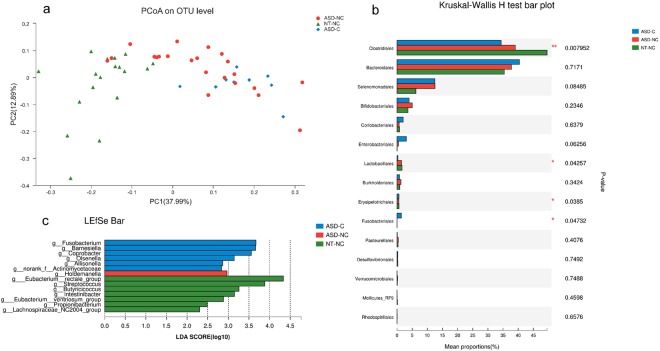
“Red bars indicate taxa were enrichment in ASD, and green bars indicate taxa were enrichment in TD. (g) Cladograms generated by LEfSe indicating differences in the bacterial taxa between TD and ASD.”
BackgroundResultInfluentialWang, Y., Li, N., Yang, J.-J., Zhao, D.-M., Chen, B., Zhang, G.-Q., Chen, S., Cao, R.-F., Yu, H., Zhao, C.-Y., et al. (2020) · Pharmacological Research · doi:10.1016/j.phrs.2020.104784 · Cited by 324
Chen, Z., Radjabzadeh, D., Chen, L., Kurilshikov, A., Kavousi, M., Ahmadizar, F., Ikram, M. A., Uitterlinden, A. G., Zhernakova, A., Fu, J., et al. (2021) · JAMA Network Open · doi:10.1001/jamanetworkopen.2021.18811 · Cited by 305
Specific Gut Microbiome Signature Predicts the Early-Stage Lung Cancer
Zheng, Y., Fang, Z., Xue, Y., Zhang, J., Zhu, J., Gao, R., Yao, S., Ye, Y., Wang, S., Lin, C., et al. (2020) · Gut Microbes · doi:10.1080/19490976.2020.1737487 · Cited by 301
“Moreover, reduced ratio of Firmicutes/ Bacteroidetes in the lung cancer group may result in decreased circulating SCFA and thus influence host systemic immunity and inflammation.(32) These data indicate that lung cancer might be associated with the increase of pathogens and the decrease of certain probiotic microbes.”
BackgroundImportance of Bacteroidetes in host–microbe interactions and ecosystem functioning
Pan, X., Raaijmakers, J. M., & Carrión, V. J. (2023) · Trends in Microbiology · doi:10.1016/j.tim.2023.03.018 · Cited by 242
Chen, Y.-H., Bai, J., Wu, D., Yu, S.-F., Qiang, X.-L., Bai, H., Wang, H.-N., & Peng, Z.-W. (2019) · Journal of Affective Disorders · doi:10.1016/j.jad.2019.08.014 · Cited by 218
Zhuang, Z., Yang, R., Wang, W., Qi, L., & Huang, T. (2020) · Journal of Neuroinflammation · doi:10.1186/s12974-020-01961-8 · Cited by 220
“Importantly, epidemiological study indicated that elevated Enterobacteriales was also associated with a higher risk of ASD, suggesting that the same changes in intestinal microbiota composition might lead to different outcomes due to gene-gene interactions and gene-environment interactions [44].”
BackgroundThe Role of Gut Bacterial Metabolites in Brain Development, Aging and Disease
Tran, S. M.-S., & Mohajeri, M. H. (2021) · Nutrients · doi:10.3390/nu13030732 · Cited by 210
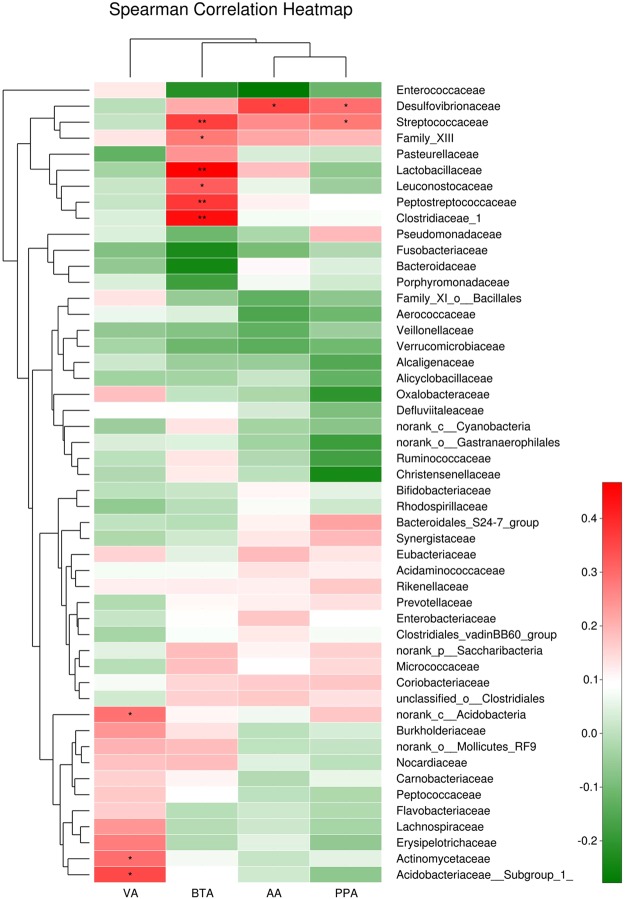
“BA Streptococcaceae, Peptostreptococcaceae, Lactobacillaceae, Clostridiaceae, Family_XIII, Leuconostocaceae [44]”
BackgroundInfluentialAltered Gut Microbiota in Chinese Children With Autism Spectrum Disorders
Ma, B., Liang, J., Dai, M., Wang, J., Luo, J., Zhang, Z., & Jing, J. (2019) · Frontiers in Cellular and Infection Microbiology · doi:10.3389/fcimb.2019.00040 · Cited by 193
“, 2017), this was incongruent with other findings (De Angelis et al., 2015; Liu et al., 2019).”
BackgroundMethodResultInfluentialWhen Rhythms Meet the Blues: Circadian Interactions with the Microbiota-Gut-Brain Axis
Teichman, E. M., O’Riordan, K. J., Gahan, C. G. M., Dinan, T. G., & Cryan, J. F. (2020) · Cell Metabolism · doi:10.1016/j.cmet.2020.02.008 · Cited by 196
Dysbiosis of the Gut Microbiome Is Associated With Tumor Biomarkers in Lung Cancer
Liu, F., Li, J., Guan, Y., Lou, Y., Chen, H., Xu, M., Deng, D., Chen, J., Ni, B., Zhao, L., et al. (2019) · International Journal of Biological Sciences · doi:10.7150/ijbs.35980 · Cited by 197
“Reduced Firmicutes/ Bacteroidetes ratio has been repeatedly reported associated with the dysbiosis of gastrointestinal tract metabolism, which resulted in a low concentration of circulating short-chain fatty acids, and then influenced elements for host systemic immunity and systemic inflammation [22].”
BackgroundGut microbiota changes in patients with autism spectrum disorders
Ding, X., Xu, Y., Zhang, X., Zhang, L., Duan, G., Song, C., Li, Z., Yang, Y., Wang, Y., Wang, X., et al. (2020) · Journal of Psychiatric Research · doi:10.1016/j.jpsychires.2020.06.032 · Cited by 166
Self-citationDuan, Z., Cheng, H., Duan, X., Zhang, H., Wang, Y., Gong, Z., Zhang, H., Sun, H., & Wang, L. (2022) · Journal of Hazardous Materials · doi:10.1016/j.jhazmat.2022.128332 · Cited by 160
Short-chain fatty acid: An updated review on signaling, metabolism, and therapeutic effects
Rekha, K., Venkidasamy, B., Samynathan, R., Nagella, P., Rebezov, M., Khayrullin, M., Ponomarev, E., Bouyahya, A., Sarkar, T., Shariati, M. A., et al. (2024) · Critical Reviews in Food Science and Nutrition · doi:10.1080/10408398.2022.2124231 · Cited by 162
“Additionally, they found that the gut microbiome to constipation in autistic subjects and suggested that the gut microbiome could be an alternative treatment strategy for autism disorder (Liu et al. 2019).”
BackgroundGut microbiota from persons with attention-deficit/hyperactivity disorder affects the brain in mice
Tengeler, A. C., Dam, S. A., Wiesmann, M., Naaijen, J., van Bodegom, M., Belzer, C., Dederen, P. J., Verweij, V., Franke, B., Kozicz, T., et al. (2020) · Microbiome · doi:10.1186/s40168-020-00816-x · Cited by 146
“Although this behavior is not specific to ADHD, many psychiatric disorders, including ADHD, MDD, and ASD, are highly comorbid with anxiety [60–62].”
BackgroundInfluentialEicher, T. P., & Mohajeri, M. H. (2022) · Nutrients · doi:10.3390/nu14132661 · Cited by 142
Xiao, L., Yan, J., Yang, T., Zhu, J., Li, T., Wei, H., & Chen, J. (2021) · mSystems · doi:10.1128/msystems.01343-20 · Cited by 141
The Role of Gut Microbiota in Lung Cancer: From Carcinogenesis to Immunotherapy
(2021) · doi:10.3389/fonc.2021.720842 · Cited by 136
Specific Gut Microbiome and Serum Metabolome Changes in Lung Cancer Patients
Zhao, F., An, R., Wang, L., Shan, J., & Wang, X. (2021) · Frontiers in Cellular and Infection Microbiology · doi:10.3389/fcimb.2021.725284 · Cited by 140
Spichak, S., Bastiaanssen, T. F. S., Berding, K., Vlckova, K., Clarke, G., Dinan, T. G., & Cryan, J. F. (2021) · Neuroscience & Biobehavioral Reviews · doi:10.1016/j.neubiorev.2021.02.044 · Cited by 127
Bundgaard-Nielsen, C., Knudsen, J., Leutscher, P. D. C., Lauritsen, M. B., Nyegaard, M., Hagstrøm, S., & Sørensen, S. (2020) · Gut Microbes · doi:10.1080/19490976.2020.1748258 · Cited by 117
“However, we still lack more in-depth analyzes in the functions affected by the gut microbiota in ASD.”
BackgroundMethodResultInfluentialGut microbiota-derived metabolites and their importance in neurological disorders
Swer, N. M., Venkidesh, B. S., Murali, T. S., & Mumbrekar, K. D. (2022) · Molecular Biology Reports · doi:10.1007/s11033-022-08038-0 · Cited by 132
“A study on GI disorders and pathogenesis of ASD reported decreased levels of faecal acetic acid, butyrate, and propionic acid comparatively increased levels of valeric acids in ASD subjects [43].”
BackgroundThe Implication of Short-Chain Fatty Acids in Obesity and Diabetes
Anachad, O., Taouil, A., Taha, W., Bennis, F., & Chegdani, F. (2023) · Microbiology Insights · doi:10.1177/11786361231162720 · Cited by 130
“3,23,37,41,54-60 Acetogenic bacteria such as Blautia hydrogenotrophica , are expected to contribute little to acetate production but play an essential role in gas clearance in the digestive tract, which improves intestinal health.”
BackgroundThe Role of Microbiome in Brain Development and Neurodegenerative Diseases
Nandwana, V., Nandwana, N. K., Das, Y., Saito, M., Panda, T., Das, S., Almaguel, F. A., Hosmane, N. S., & Das, B. C. (2022) · Molecules · doi:10.3390/molecules27113402 · Cited by 140
“As a result, BT-producing bacterial taxa are found in lower numbers in autistic people [79].”
BackgroundBorrego-Ruiz, A., & Borrego, J. J. (2023) · Progress in Neuro-Psychopharmacology and Biological Psychiatry · doi:10.1016/j.pnpbp.2023.110861 · Cited by 122
“Finegold et al. (2010) reported a higher gut microbial diversity in ASD children, with an increase in the Bacteroidetes phylum and a decrease in the Firmicutes phylum.”
InfluentialA novel MXene-coated biocathode for enhanced microbial electrosynthesis performance
Tahir, K., Miran, W., Jang, J., Shahzad, A., Moztahida, M., Kim, B., & Lee, D. S. (2019) · Chemical Engineering Journal · doi:10.1016/j.cej.2019.122687 · Cited by 110
Hua, X., Zhu, J., Yang, T., Guo, M., Li, Q., Chen, J., & Li, T. (2020) · Frontiers in Psychiatry · doi:10.3389/fpsyt.2020.00855 · Cited by 108
“Levels of butyrate are decreased in ASD patients (18).”
BackgroundThe Developing Microbiome From Birth to 3 Years: The Gut-Brain Axis and Neurodevelopmental Outcomes
Laue, H. E., Coker, M. O., & Madan, J. C. (2022) · Frontiers in Pediatrics · doi:10.3389/fped.2022.815885 · Cited by 120
Averina, O. V., Kovtun, A. S., Polyakova, S. I., Savilova, A. M., Rebrikov, D. V., & Danilenko, V. N. (2020) · Journal of Medical Microbiology · doi:10.1099/jmm.0.001178 · Cited by 100
Cao, X., Liu, K., Liu, J., Liu, Y.-W., Li, X., Wang, H., Zhu, Y., Wang, P., Li, Z., Wen, J., et al. (2021) · Frontiers in Neuroscience · doi:10.3389/fnins.2021.635925 · Cited by 119
Gut-brain axis: Focus on gut metabolites short-chain fatty acids
Guo, C., Huo, Y., Li, Y., Han, Y., & Zhou, D. (2022) · World Journal of Clinical Cases · doi:10.12998/wjcc.v10.i6.1754 · Cited by 105
Liu, Y., Kong, C., Gong, L., Zhang, X., Zhu, Y., Wang, H., Qu, X., Gao, R., Yin, F., Liu, X., et al. (2020) · Journal of Alzheimer s Disease · doi:10.3233/jad-191066 · Cited by 103
“Remarkably, emerging evidence demonstrated that Fusobacterium was enriched in some neural diseases, including autism spectrum disorder [31], mild cognitive impairment [32], and myasthenia gravis [33], hinting that Fusobacterium and its metabolites might be able to injure the neural system via…”
Autism Spectrum Disorder and the Gut Microbiota in Children: A Systematic Review
Bezawada, N., Phang, T. H., Hold, G. L., & Hansen, R. (2020) · Annals of Nutrition and Metabolism · doi:10.1159/000505363 · Cited by 95
Dargenio, V. N., Dargenio, C., Castellaneta, S., De Giacomo, A., Laguardia, M., Schettini, F., Francavilla, R., & Cristofori, F. (2023) · Nutrients · doi:10.3390/nu15071620 · Cited by 98
“For Bacteroidetes, most studies identified a higher abundance in autistic children [21,122,179,190–192], whereas others reported opposite results [180,193,194]; for Firmicutes, some studies have shown greater percentages in children with ASD [180,193,194], whereas others have shown greater percentages in healthy contr…”
BackgroundResultGastrointestinal involvement of autism spectrum disorder: focus on gut microbiota
Settanni, C. R., Bibbò, S., Ianiro, G., Rinninella, E., Cintoni, M., Mele, M. C., Cammarota, G., & Gasbarrini, A. (2021) · Expert Review of Gastroenterology & Hepatology · doi:10.1080/17474124.2021.1869938 · Cited by 98
“Increased Fusobacterium, Barnesiella, Coprobacter, and Actinomycetaceae levels, together with reduced abundance of butyrate-producing taxa were detected in ASD individuals with constipation[114].”
BackgroundTartaglione, A. M., Villani, A., Ajmone-Cat, M. A., Minghetti, L., Ricceri, L., Pazienza, V., De Simone, R., & Calamandrei, G. (2022) · Translational Psychiatry · doi:10.1038/s41398-022-02149-9 · Cited by 91
The Gut–Brain Axis in Schizophrenia: The Implications of the Gut Microbiome and SCFA Production
Ju, S., Shin, Y., Han, S., Kwon, J., Choi, T. G., Kang, I., & Kim, S. S. (2023) · Nutrients · doi:10.3390/nu15204391 · Cited by 108
“Transplanting the gut microbiota from autistic mice into healthy mice not only leads to autism-like behavior but also results in lower levels of acetate and butyrate and higher levels of valeric acid in the recipient mice [185].”
BackgroundWang, W., Jia, H.-J., Zhang, H., Wang, J., Lv, H., Wu, S., & Qi, G. (2019) · Frontiers in Microbiology · doi:10.3389/fmicb.2019.01681 · Cited by 97
The microbiota-gut-brain axis: Focus on the fundamental communication pathways
(2020) · Progress in Molecular Biology and Translational Science · doi:10.1016/bs.pmbts.2020.08.012 · Cited by 88
Intestinal Microbiota Regulate Certain Meat Quality Parameters in Chicken
Lei, J., Dong, Y., Hou, Q., He, Y., Lai, Y., Liao, C., Kawamura, Y., Li, J., & Zhang, B. (2022) · Frontiers in Nutrition · doi:10.3389/fnut.2022.747705 · Cited by 92
“Ruminococcaeae and Lachnospiraceae were negatively correlated to drip loss and these genera play key roles in producing butyric acid and acetic acid (54, 55).”
BackgroundZhou, J., Wu, S., Qi, G., Fu, Y., Wang, W., Zhang, H., & Wang, J. (2021) · Animal nutrition · doi:10.1016/j.aninu.2020.05.010 · Cited by 94
“Faecalicoccus and Faecalitalea were 2 of the 5 novel genera of family Erysipelotrichaceae which was proposed as a key butyrate-producer and considered more important in the chicken cecum than those in the human colon (Eeckhaut et al., 2011; Liu et al., 2019).”
BackgroundMicrobiome epidemiology and association studies in human health
VanEvery, H., Franzosa, E. A., Nguyen, L. H., & Huttenhower, C. (2022) · Nature Reviews Genetics · doi:10.1038/s41576-022-00529-x · Cited by 94
Review of microbiota gut brain axis and innate immunity in inflammatory and infective diseases
Yuan, C., He, Y., Xie, K., Feng, L., Gao, S., & Cai, L. (2023) · Frontiers in Cellular and Infection Microbiology · doi:10.3389/fcimb.2023.1282431 · Cited by 96
Zuffa, S., Schimmel, P., Gonzalez-Santana, A., Belzer, C., Knol, J., Bölte, S., Falck‐Ytter, T., Forssberg, H., Swann, J. R., & Heijtz, R. D. (2023) · Translational Psychiatry · doi:10.1038/s41398-023-02556-6 · Cited by 93
Gut microbiota signature in treatment-naïve attention-deficit/hyperactivity disorder
Richarte, V., Sánchez-Mora, C., Corrales, M., Fadeuilhe, C., Vilar-Ribó, L., Arribas, L., Garcia, E., Rosales-Ortiz, S. K., Arias-Vasquez, A., Soler-Artigas, M., et al. (2021) · Translational Psychiatry · doi:10.1038/s41398-021-01504-6 · Cited by 75
Regulation of endocrine systems by the microbiome: Perspectives from comparative animal models
Williams, C. L., García‐Reyero, N., Martyniuk, C. J., Tubbs, C. W., & Bisesi, J. H. (2020) · General and Comparative Endocrinology · doi:10.1016/j.ygcen.2020.113437 · Cited by 80
He, J., Gong, X., Hu, B., Lin, L., Lin, X., Gong, W., Zhang, B., Cao, M., Xu, Y., Xia, R., et al. (2023) · Scientific Reports · doi:10.1038/s41598-023-46566-2 · Cited by 88
“Previous studies have mainly focused on altered metabolites and gut microbiota of ASD patients 22,23 or on altered gut microbiota of C-ASD 24 .”
Autism Spectrum Disorder from the Womb to Adulthood: Suggestions for a Paradigm Shift
Panisi, C., Guerini, F. R., Abruzzo, P. M., Balzola, F. A., Biava, P. M., Bolotta, A., Brunero, M., Burgio, E., Chiara, A., Clerici, M., et al. (2021) · Journal of Personalized Medicine · doi:10.3390/jpm11020070 · Cited by 80
“Its concentration has been shown to be reduced in fecal samples from ASD children [168], and its supplementation had a positive effect in lymphoblastoid cell lines derived from children with ASD under physiological stress, and, in particular, in cell lines with underlying mitochondrial dysfunction [169], providing int…”
BackgroundChen, Y.-C., Lin, H.-Y., Chien, Y., Tung, Y.-H., Ni, Y.-H., & Gau, S. S.-F. (2022) · Brain, Behavior, and Immunity · doi:10.1016/j.bbi.2022.08.015 · Cited by 67
Advances in the study of IL-17 in neurological diseases and mental disorders
Lu, Y., Zhang, P., Xu, F., Zheng, Y., & Zhao, H. (2023) · Frontiers in Neurology · doi:10.3389/fneur.2023.1284304 · Cited by 82
Gastrointestinal alterations in autism spectrum disorder: What do we know?
Bjørklund, G., Pivina, L. M., Dadar, M., Meguid, N. A., Semenova, Y. M., Anwar, M., & Chirumbolo, S. (2020) · Neuroscience & Biobehavioral Reviews · doi:10.1016/j.neubiorev.2020.06.033 · Cited by 77
Ratajczak, W., Mizerski, A., Rył, A., Słojewski, M., Sipak‐Szmigiel, O., Piasecka, M., & Laszczyńska, M. (2021) · Aging · doi:10.18632/aging.202968 · Cited by 71
“Currently conducted studies concern not only intestinal diseases, such as irritable bowel syndrome (IBS) [37], inflammatory bowel disease (IBD) [38], and diarrhea [39], but also mental health problems like depression [40], autism [41], neurodegenerative diseases (Parkinson’s disease) [14], multiple sclerosis [42], and…”
BackgroundLayunta, E., Buey, B., Mesonero, J. E., & Latorre, E. (2021) · Frontiers in Endocrinology · doi:10.3389/fendo.2021.748254 · Cited by 72
Microbial metabolomics: From novel technologies to diversified applications
Ye, D., Li, X., Shen, J., & Xia, X. (2022) · TrAC Trends in Analytical Chemistry · doi:10.1016/j.trac.2022.116540 · Cited by 82
Bundgaard‐Nielsen, C., Lauritsen, M. B., Knudsen, J. K., Rold, L. S., Larsen, M. H., Hindersson, P., Villadsen, A. B., Leutscher, P. D. C., Hagstrøm, S., Nyegaard, M., et al. (2023) · Gut Microbes · doi:10.1080/19490976.2023.2211923 · Cited by 77
Ligezka, A. N., Sonmez, A. I., Corral-Frias, M. P., Golebiowski, R., Lynch, B., Croarkin, P. E., & Romanowicz, M. (2021) · Progress in Neuro-Psychopharmacology and Biological Psychiatry · doi:10.1016/j.pnpbp.2020.110187 · Cited by 56
Liu, J., Jin, Y., Ye, Y., Tang, Y., Dai, S., Li, M., Zhao, G., Hong, G., & Lu, Z.-Q. (2021) · Frontiers in Immunology · doi:10.3389/fimmu.2021.626894 · Cited by 66
“SCFAs could affect inflammation, emotional state, and cognition through the gutbrain axis (26, 27).”
BackgroundSelf-citationWest, K., Yin, X., Rutherford, E. M., Wee, B., Choi, J., Chrisman, B., Dunlap, K., Hannibal, R. L., Hartono, W., Lin, M., et al. (2022) · Scientific Reports · doi:10.1038/s41598-022-21327-9 · Cited by 73
Lasheras, I., Seral, P., Latorre, E., Barroso, E., Gracia‐García, P., & Santabárbara, J. (2019) · Asian Journal of Psychiatry · doi:10.1016/j.ajp.2019.101874 · Cited by 72
Roussin, L., Prince, N., Perez‐Pardo, P., Kraneveld, A. D., Rabot, S., & Naudon, L. (2020) · Microorganisms · doi:10.3390/microorganisms8091369 · Cited by 71
“(2019) [36] acetate and butyrate levels were decreased in stools of ASD patients while valerate levels were increased.”
BackgroundMethodLin, J., Comi, M., Perricone, V., Agazzi, A., Qiu, K., Wang, J., Wu, S., Qi, G., & Zhang, H. (2022) · Poultry Science · doi:10.1016/j.psj.2022.102237 · Cited by 78
“It can quickly adhere to the intestinal mucosa, inhibit pathogenic bacteria from adhering to the intestinal tract through the exclusion effect, and form the intestinal barrier, so as to protect the intestinal health (Eeckhaut et al., 2011; Liu et al., 2019).”
BackgroundMa, T., Yang, N., Xie, Y., Li, Y., Xiao, Q., Li, Q., Jin, H., Zheng, L., Sun, Z., Zuo, K., et al. (2023) · Pharmacological Research · doi:10.1016/j.phrs.2023.106755 · Cited by 67
Self-citationMicrobiota-gut-brain axis in autism spectrum disorder
Yu, Y., & Zhao, F. (2021) · Journal of genetics and genomics/Journal of Genetics and Genomics · doi:10.1016/j.jgg.2021.07.001 · Cited by 74
Self-citationWang, M., Ma, H., Guan, S., Luo, T., Zhao, C., Cai, G., Zheng, Y., Jia, X., Di, J., Li, R., et al. (2021) · Food & Function · doi:10.1039/d1fo01495a · Cited by 65
Gut microbiome: An intermediary to neurotoxicity
Dempsey, J. L., Little, M., & Cui, J. Y. (2019) · NeuroToxicology · doi:10.1016/j.neuro.2019.08.005 · Cited by 66
“, 2011), including the gut microbiome and ASD in children (Coretti et al., 2018; De Angelis et al., 2013; Finegold et al., 2010; Hicks et al., 2018; Kang et al., 2013; Liu et al., 2019; Pulikkan et al., 2018; Qiao et al., 2018; Rose et al., 2018; Son et al., 2015; Wang, M. et al., 2019).”
BackgroundThe diet-microbiome tango: how nutrients lead the gut brain axis
Ezra-Nevo, G., Henriques, S. F., & Ribeiro, C. (2020) · Current Opinion in Neurobiology · doi:10.1016/j.conb.2020.02.005 · Cited by 66
“Although a stringent test for causality is still missing [99,100].”
BackgroundFeng, P., Zhao, S., Zhang, Y., & Li, E. (2023) · Frontiers in Microbiology · doi:10.3389/fmicb.2023.1123462 · Cited by 62
“, 2017), the order Fusobacteriales, the family Actinomycetaceae, and the genera Fusobacterium, Barnesiella, Coprobacter, Olsenella, and Allisonella (Liu et al., 2019), as well as lower Faecalibacterium prausnitzii, Bacteroides eggerthii, Bacteroides uniformis, Oscillospira plautii, and Clostridium (C.”
BackgroundSelf-citationGut microbiota and neuropsychiatric disorders: Implications for neuroendocrine-immune regulation
Ge, T., Yao, X., Zhao, H., Yang, W., Zou, X., Peng, F., Li, B., & Cui, R. (2021) · Pharmacological Research · doi:10.1016/j.phrs.2021.105909 · Cited by 65
Al-Khafaji, A. H., Jepsen, S. D., Christensen, K. R., & Vigsnæs, L. K. (2020) · Journal of Functional Foods · doi:10.1016/j.jff.2020.104176 · Cited by 67
Lee, G. A., Lin, Y., Lai, J.-H., Lo, Y., Yang, Y. S. H., Ye, S.-Y., Lee, C., Wang, C., Chiang, Y. H., & Tseng, S. (2021) · Brain Sciences · doi:10.3390/brainsci11081085 · Cited by 65
“Another study showed that ASD patients with constipation (25 male and 5 female subjects) had increased Fusobacterium compared with healthy subjects [26].”
ResultGlioma and the gut–brain axis: opportunities and future perspectives
Dono, A., Nickles, J., Rodriguez-Armendariz, A. G., McFarland, B. C., Ajami, N. J., Ballester, L. Y., Wargo, J. A., & Esquenazi, Y. (2022) · Neuro-Oncology Advances · doi:10.1093/noajnl/vdac054 · Cited by 68
Terefe, Y., Deblais, L., Ghanem, M., Helmy, Y. A., Mummed, B., Chen, D., Singh, N., Ahyong, V., Kalantar, K., Yimer, G., et al. (2020) · Frontiers in Public Health · doi:10.3389/fpubh.2020.00099 · Cited by 68
Abuaish, S., Al-Otaibi, N. M., Abujamel, T. S., Alzahrani, S. A., Alotaibi, S. M., Alshawakir, Y. A., Aabed, K., & El-Ansary, A. K. (2021) · Brain Sciences · doi:10.3390/brainsci11081038 · Cited by 63
“In addition, these clusters are butyrate-producing bacteria, a short-chain fatty acid that is reportedly reduced in autistic individuals [73].”
BackgroundPorru, S., Esplugues, A., Llop, S., & Delgado-Saborit, J. M. (2024) · Environmental Pollution · doi:10.1016/j.envpol.2024.123732 · Cited by 65
Comparing the Gut Microbiome in Autism and Preclinical Models: A Systematic Review
Alamoudi, M. U. A., Hosie, S., Shindler, A. E., Wood, J. L., Franks, A. E., & Hill‐Yardin, E. L. (2022) · Frontiers in Cellular and Infection Microbiology · doi:10.3389/fcimb.2022.905841 · Cited by 62
“…phylum and genus level, however, some family level analyses showed increased abundance of Vei l lone l laceae , Pseudomonadaceae , Enterobacteriaceae , Bacteroidaceae , Ruminucoccaceae , Lachnospiraceae, Prevotellaceae in individuals with ASD (Rose et al., 2018; Liu et al., 2019; Zou et al., 2020).”
BackgroundInfluentialLaue, H. E., Korrick, S., Baker, E., Karagas, M. R., & Madan, J. C. (2020) · Scientific Reports · doi:10.1038/s41598-020-72386-9 · Cited by 67
Double-side role of short chain fatty acids on host health via the gut-organ axes
Gao, Y., Yao, Q., Meng, L., Wang, J., & Zheng, N. (2024) · Animal nutrition · doi:10.1016/j.aninu.2024.05.001 · Cited by 61
Gut Microbiota in Psychiatric Disorders: A Systematic Review
Chen, L. L., Abbaspour, A., Mkoma, G. F., Bulik, C. M., Rück, C., & Djurfeldt, D. R. (2021) · Psychosomatic Medicine · doi:10.1097/psy.0000000000000959 · Cited by 65
Pietrucci, D., Teofani, A., Milanesi, M., Fosso, B., Putignani, L., Messina, F., Pesole, G., Desideri, A., & Chillemi, G. (2022) · Biomedicines · doi:10.3390/biomedicines10082028 · Cited by 63
Qin, W., Xu, B., Chen, Y., Yang, W., Xu, Y., Huang, J., Duo, T., Mao, Y., Zhou, G., Yan, X., et al. (2022) · Animal nutrition · doi:10.1016/j.aninu.2022.08.004 · Cited by 53
“In addition, activation of G-protein-coupled receptor 43 by SCFA is indispensable for the normal resolution of intestinal inflammatory responses (Maslowski et al., 2009).”
BackgroundInfluentialMudaliar, S. B., Poojary, S. S., Prasad, A. S. B., & Mazumder, N. (2024) · Probiotics and Antimicrobial Proteins · doi:10.1007/s12602-024-10214-6 · Cited by 59
“A decrease in levels of SCFAs like butyrate has been noted in the fecal samples obtained from ASD patients [115].”
BackgroundThe gut microbiome: implications for neurogenesis and neurological diseases
Zhou, F., Liu, C., Yang, S., & Wang, L. (2021) · Neural Regeneration Research · doi:10.4103/1673-5374.315227 · Cited by 56
“Future work could investigate the impact of gut microbiota in immune-mediated CNS diseases, such as MS, neuromyelitis optica, and Guillain-Barré syndrome, as well as non-immune-mediated CNS diseases, such as ASD, depression, and anxiety.”
InfluentialNutritional metabolism and cerebral bioenergetics in Alzheimer's disease and related dementias
Yassine, H. N., Self, W. K., Kerman, B. E., Santoni, G., Shanmugam, N. K. N., Abdullah, L. I., Golden, L. R., Fonteh, A. N., Harrington, M. G., Gräff, J., et al. (2022) · Alzheimer s & Dementia · doi:10.1002/alz.12845 · Cited by 54
A Systematic Review of the Microbiome in Children With Neurodevelopmental Disorders
Lacorte, E., Gervasi, G., Bacigalupo, I., Vanacore, N., Raucci, U., & Parisi, P. (2019) · Frontiers in Neurology · doi:10.3389/fneur.2019.00727 · Cited by 57
“The second study (38) analyzed the microbiome of Chinese children with ASD compared to neuro-typical (NT) controls.”
BackgroundWang, C., Chen, W., Jiang, Y., Xiao, X., Zou, Q., Liang, J., Zhao, Y., Wang, Q., Yuan, T., Guo, R., et al. (2024) · Food & Function · doi:10.1039/d3fo02663a · Cited by 53
Lagod, P. P., & Naser, S. A. (2023) · International Journal of Molecular Sciences · doi:10.3390/ijms242417432 · Cited by 60
“However, ASD children exhibited unique bacterial composition with an increase in Alcaligenaceae , Enterobacteriaceae , and Clostridium [72].”
BackgroundZhong, J., Lan, W.-T., Feng, Y., Li, Y., Shen, Y.-Y., Gong, J.-H., Zou, Z., & Hou, X. (2023) · Frontiers in Physiology · doi:10.3389/fphys.2023.1077821 · Cited by 57
Zhang, L., Xu, Y., Li, H., Li, B., Duan, G., & Zhu, C. (2022) · PLoS ONE · doi:10.1371/journal.pone.0263109 · Cited by 59
Self-citationChanges in the stool and oropharyngeal microbiome in obsessive-compulsive disorder
Domènech, L., Willis, J. R., Alemany-Navarro, M., Morell, M., Real, E., Escaramís, G., Bertolín, S., Chinchilla, D. S., Balcells, S., Segalàs, C., et al. (2022) · Scientific Reports · doi:10.1038/s41598-022-05480-9 · Cited by 52
Wang, X., Sun, Z., Yang, T., Lin, F. H., Ye, S., Yan, J., Li, T., & Chen, J. (2023) · mSystems · doi:10.1128/msystems.00415-23 · Cited by 60
“Short-chain fatty acids (SCFAs), the gut microbial fermentation of dietary fiber, are found altered in ASD children (8).”
BackgroundSelf-citation
Metadata
- Authors
- Liu, S., Li, E., Sun, Z., Fu, D., Duan, G., Jiang, M., Yu, Y., Mei, L., Yang, P., Tang, Y., & Zheng, P.
- Affiliations
- Fifth Affiliated Hospital of Zhengzhou University (CN)
- Third Affiliated Hospital of Zhengzhou University (CN)
- Corresponding author
- Tang, Youcai
- Zheng, Pengyuan
- Venue
- Scientific Reports
- Published
- 2019-01-22
- Volume
- 9
- Issue
- 1
- Pages
- 287-287
- ISSN
- 2045-2322 (ISSN-L)
- PMC
- PMC6342986
- OpenAlex
- W2924578805
- Cited by
- 457
- References
- 43
- Citations by year
- 2026: 36 · 2025: 58 · 2024: 86 · 2023: 61 · 2022: 83 · 2021: 67 · 2020: 43 · 2019: 21
- FWCI
- 17.70
- Type
- journal article
- Language
- en
- Open access
- gold
- doi.org
- Licence
- cc-by
- creativecommons.org/licenses/by/4.0 (tdm)
- creativecommons.org/licenses/by/4.0 (vor)
- Locations
- Scientific Reports (publishedVersion, cc-by)
- Europe PMC (PubMed Central) (publishedVersion, cc-by)
- PubMed Central (publishedVersion, cc-by)
- PubMed (publishedVersion)
- DOAJ (DOAJ: Directory of Open Access Journals) (submittedVersion, cc-by-sa)
- Funders
- National Natural Science Foundation of China (31471330, 81370494)
- Topics
- Life Sciences › Biochemistry, Genetics and Molecular Biology › Molecular Biology › Gut microbiota and health
- Life Sciences › Neuroscience › Cognitive Neuroscience › Autism Spectrum Disorder Research
- Health Sciences › Medicine › Gastroenterology › Gastrointestinal motility and disorders
- Keywords
- autism spectrum disorder, gut microbiota, short-chain fatty acids, gastrointestinal symptoms, constipation, butyrate-producing bacteria, valeric acid, acetic acid, fecal microbiota, children, 16S rRNA gene sequencing, gut-brain axis
- MeSH terms
- Autism Spectrum Disorder, Gastrointestinal Microbiome, Bacteria, Child, Fatty Acids, Volatile, Feces, Humans, Male, RNA, Ribosomal, 16S, Asian People
About these checks
Registry, retraction, Cites and statistics results are computed, not judged, with one exception: a printed reference that no index lists is read once by a model before it counts as a citation error. Claims are extracted by a model and kept only when their quote appears verbatim in the text; each cited source is then checked, with a model’s help, for whether it says what the claim relies on. Those verdicts can be wrong — read the claim’s quote and the cited source before relying on one.
Statistics and arithmetic are recomputed, not judged.
Confidence bands are shown only for fields calibrated on our annotated test set. None is calibrated yet, so no band is shown.
What counts as a claim ›How we measure confidence ›How we check this ›
Are you an author, or do you see a problem with this page? Request a review
Data sources
Bibliographic data: Semantic Scholar, OpenAlex, Crossref.
Contains information from the Semantic Scholar Academic Graph Datasets, made available under the ODC Attribution License (ODC-BY 1.0).
Semantic Scholar’s data is described in: Kinney, R., et al. (2023). The Semantic Scholar Open Data Platform. arXiv:2301.10140.
