

Cancer associated fibroblasts sculpt tumour microenvironment by recruiting monocytes and inducing immunosuppressive PD-1+ TAMs
Open accessThe DOI matches its Crossref record; 56 of the 56 references it cites were found in a registry or an index.
Abstract
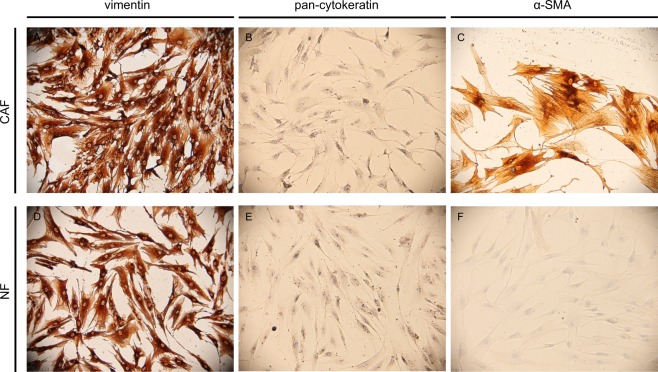
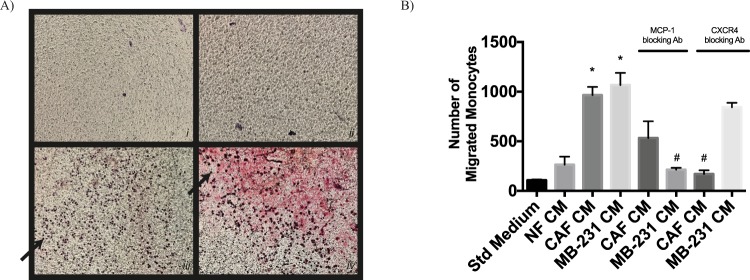
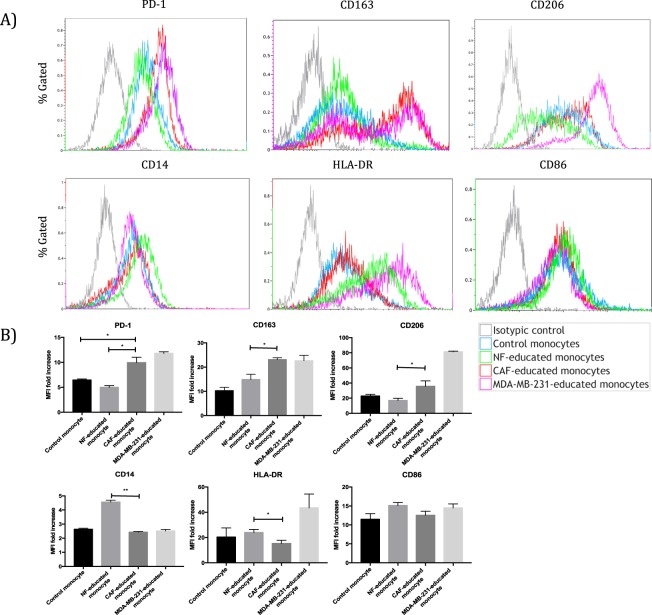
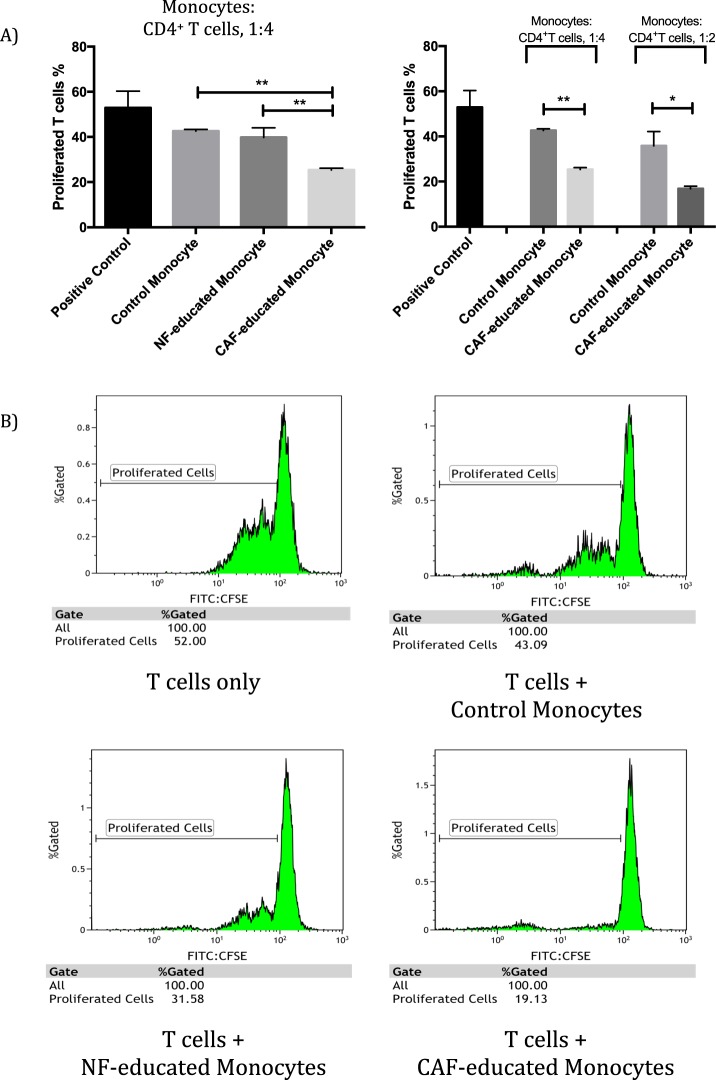
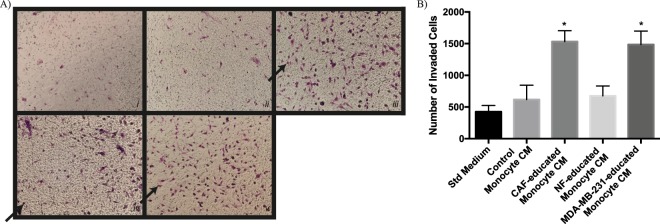
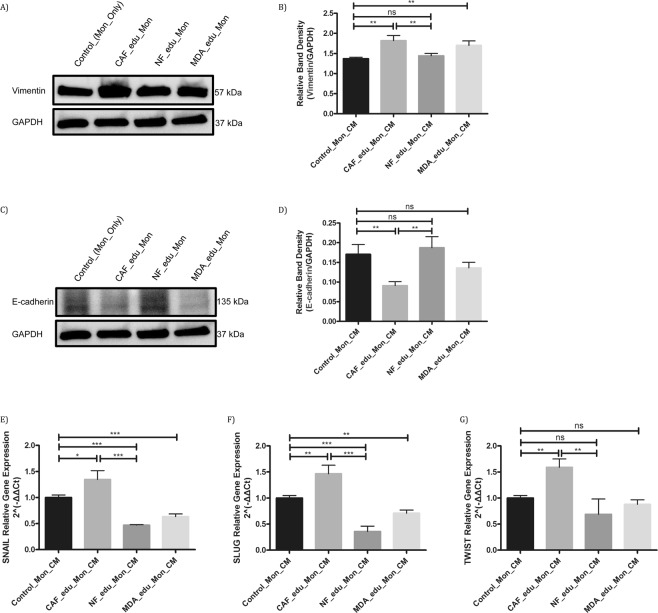
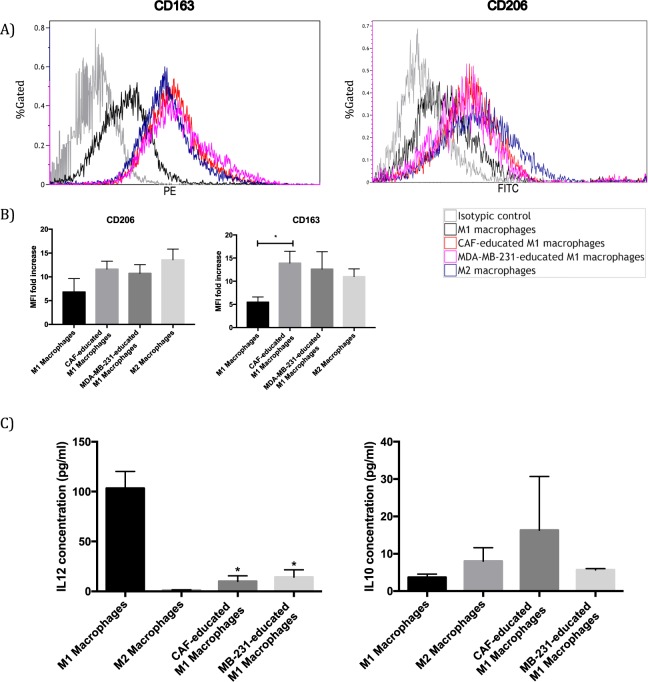
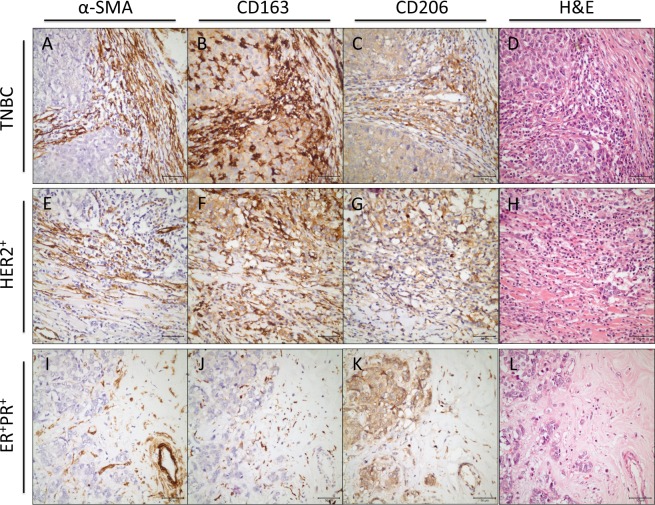
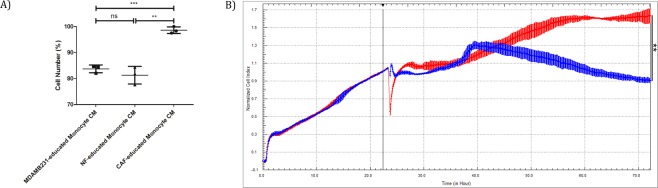
Fibroblasts turn into cancer associated fibroblasts (CAFs) in the tumour microenvironment. CAFs have recently attracted attention for their function as a regulator of immune cell recruitment and function in addition to their tumour-promoting roles. In this study, we aimed to determine the role of CAFs on monocyte recruitment and macrophage polarization in breast cancer. CAFs, which were α-SMA expressing fibroblasts in contrast to normal fibroblasts (NFs), effectively recruited monocytes. Recruitment of monocytes by CAFs might be mediated by monocyte chemotactic protein-1 (MCP-1) as well as stromal cell-derived factor-1 (SDF-1) cytokines. CAFs differentiated the recruited monocytes into M2-like macrophages which are capable of exerting their immunosuppressive roles via the PD-1 axis. CAF-educated monocytes exhibited strong immune suppression unlike NF-educated monocytes and enhanced the motility/invasion of breast cancer cells in addition to increasing the expressions of epithelial–mesenchymal transition (EMT)-related genes and vimentin protein in cancer cells. CAF-educated M1 macrophages displayed increased expression of M2 markers and production of anti-inflammatory cytokine IL-10 in contrast to decreased production of pro-inflammatory cytokine IL-12 compared with control M1 macrophages; suggesting that CAFs were also able to induce the trans-differentiation of M1 macrophages to M2 macrophages. We then investigated the relationship between the infiltration of CAFs and tumour associated macrophages (TAMs) using tissue samples obtained from breast cancer patients. High grade of CAFs significantly correlated with the number of TAMs in human breast cancer tissue samples. It was also associated with higher Ki-67 proliferation index, and higher tumour volume. This result is in line with our finding of increased breast cancer cell proliferation due to the effects of CAF-educated monocytes in vitro. Our results concluded that CAFs play pivotal roles in sculpturing the tumour microenvironment in breast cancer, and therapeutic strategies to reverse the CAF-mediated immunosuppressive microenvironment should be taken into consideration.
Overview
The claims and statistics of this paper haven’t been checked yet.
Free: it reads the open-access text and checks the first 5 claims that cite a source we can check. Create a free account to check every claim.
Integrity signals
Registry
Cites
Statistics
Figures
Verification
Claims the paper makes
The claims and statistics of this paper haven’t been checked yet.
Free: it reads the open-access text and checks the first 5 claims that cite a source we can check. Create a free account to check every claim.
Claims other papers make about this one
Each is checked against this paper’s own text: does it say what the citing paper says it does?
The cited source says what the claim attributes to it.
In the citing paper
“CAFs produce ECM proteins, which prompts immunosuppression of tumor cells by recruiting immunosuppressive cells [64, 65] such as monocytes and inducing immunosuppressive PD-1+ TAMs, as recently shown in breast cancer cells in vitro [66].”
From Tumor microenvironment complexity and therapeutic implications at a glance (2020) · cites this paper as [66]
The check wasn’t confident either way, so it gives no verdict — never disputed.
In the citing paper
“Multiple circulating cytokines and chemokines decreased after FMT in Rs, including CCL2 (MCP1), CXCL8 (IL-8), and IL-18 that have been associated with negative outcomes to anti–PD-1 (32, 33), and IL-12p70 and IFN-γ (Fig. 4A, heatmap).”
From Fecal microbiota transplant overcomes resistance to anti–PD-1 therapy in melanoma patients (2021) · cites this paper as [32]
Experimental — accuracy not yet measured
Self-check
Percentages, sums and reported differences re-computed from the paper’s own numbers.
The self-check needs the paper’s full text.
Citations
Cites
PD-1 and PD-L1 Immune Checkpoint Blockade to Treat Breast Cancer
Hartkopf, A. D., Taran, F.-A., Wallwiener, M., Walter, C. B., Krämer, B., Grischke, E.-M., & Brucker, S. Y. (2016) · Breast Care · doi:10.1159/000453569 · Cited by 30,845
Adverse Renal Effects of Immune Checkpoint Inhibitors: A Narrative Review
Wanchoo, R., Karam, S., Uppal, N. N., Barta, V. S., Deray, G., Devoe, C., Launay-Vacher, V., Jhaveri, K. D., & on behalf of Cancer and Kidney International Network Workgroup on Immune Checkpoint Inhibitors (2017) · American Journal of Nephrology · doi:10.1159/000455014 · Cited by 15,256
Safety, activity, and immune correlates of anti–PD-1 antibody in cancer
Topalian, S. L., Hodi, F. S., Brahmer, J. R., Gettinger, S. N., Smith, D. C., McDermott, D. F., Powderly, J. D., Carvajal, R. D., Sosman, J. A., Atkins, M. B., et al. (2012) · New England Journal of Medicine · doi:10.1056/nejmoa1200690 · Cited by 12,628
Exploring the full spectrum of macrophage activation
Mosser, D. M., & Edwards, J. P. (2008) · Nature Reviews Immunology · doi:10.1038/nri2448 · Cited by 9,144
Inflammation and cancer: back to Virchow?
Balkwill, F., & Mantovani, A. (2001) · The Lancet · doi:10.1016/s0140-6736(00)04046-0 · Cited by 7,746
The chemokine system in diverse forms of macrophage activation and polarization
MANTOVANI, A., SICA, A., SOZZANI, S., ALLAVENA, P., VECCHI, A., & LOCATI, M. (2004) · Trends in Immunology · doi:10.1016/j.it.2004.09.015 · Cited by 6,534
Macrophage activation and polarization: nomenclature and experimental guidelines
Murray, P. J., Allen, J. E., Biswas, S. K., Fisher, E. A., Gilroy, D. W., Goerdt, S., Gordon, S., Hamilton, J. A., Ivashkiv, L. B., Lawrence, T., et al. (2014) · Immunity · doi:10.1016/j.immuni.2014.06.008 · Cited by 6,337
Macrophage plasticity and polarization: in vivo veritas
Sica, A., & Mantovani, A. (2012) · Journal of Clinical Investigation · doi:10.1172/jci59643 · Cited by 6,335
Freeman, G. J., Long, A. J., Iwai, Y., Bourque, K., Chernova, T., Nishimura, H., Fitz, L. J., Malenkovich, N., Okazaki, T., Byrne, M. C., et al. (2000) · The Journal of Experimental Medicine · doi:10.1084/jem.192.7.1027 · Cited by 5,294
Macrophage biology in development, homeostasis and disease
Wynn, T. A., Chawla, A., & Pollard, J. W. (2013) · Nature · doi:10.1038/nature12034 · Cited by 4,684
Cited by
Mao, X., Xu, J., Wang, W., Liang, C., Hua, J., Liu, J., Zhang, B., Meng, Q., Yu, X., & Shi, S. (2021) · Molecular Cancer · doi:10.1186/s12943-021-01428-1 · Cited by 2,290
“A high level of PD-1 expression in TAMs was proven to be involved in both innate and adaptive antitumor immune response suppression by subsequent studies, including decreasing their own phagocytic potency against tumor cells and inhibiting T-cell infiltration and proliferation [140].”
BackgroundTumor microenvironment complexity and therapeutic implications at a glance
Baghban, R., Roshangar, L., Jahanban-Esfahlan, R., Seidi, K., Ebrahimi-Kalan, A., Jaymand, M., Kolahian, S., Javaheri, T., & Zare, P. (2020) · Cell Communication and Signaling · doi:10.1186/s12964-020-0530-4 · Cited by 1,784
“CAFs produce ECM proteins, which prompts immunosuppression of tumor cells by recruiting immunosuppressive cells [64, 65] such as monocytes and inducing immunosuppressive PD-1+ TAMs, as recently shown in breast cancer cells in vitro [66].”
BackgroundFecal microbiota transplant overcomes resistance to anti–PD-1 therapy in melanoma patients
Davar, D., Dzutsev, A. K., McCulloch, J. A., Rodrigues, R. R., Chauvin, J.-M., Morrison, R. M., Deblasio, R. N., Menna, C., Ding, Q., Pagliano, O., et al. (2021) · Science · doi:10.1126/science.abf3363 · Cited by 1,781
Cold and hot tumors: from molecular mechanisms to targeted therapy
Wu, B., Zhang, B., Li, B., Wu, H., & Jiang, M. (2024) · Signal Transduction and Targeted Therapy · doi:10.1038/s41392-024-01979-x · Cited by 682
Activated fibroblasts in cancer: Perspectives and challenges
Caligiuri, G., & Tuveson, D. A. (2023) · Cancer Cell · doi:10.1016/j.ccell.2023.02.015 · Cited by 424
Gunaydin, G., Gedik, M. E., & Ayan, S. (2021) · Frontiers in Chemistry · doi:10.3389/fchem.2021.686303 · Cited by 402
“It is widely known that the tumor milieu contains various types of cells in addition to tumor cells (e.g., immune cells and fibroblasts) (Gunaydin et al., 2015; Gok Yavuz et al., 2019; Jin and Jin, 2020; Gunaydin, 2021).”
BackgroundSelf-citationTumor-associated macrophages: an effective player of the tumor microenvironment
Basak, U., Sarkar, T., Mukherjee, S., Chakraborty, S., Dutta, A., Dutta, S., Nayak, D., Kaushik, S., Das, T., & Sa, G. (2023) · Frontiers in Immunology · doi:10.3389/fimmu.2023.1295257 · Cited by 333
Cancer-associated fibroblasts and their influence on tumor immunity and immunotherapy
Barrett, R. L., & Puré, E. (2020) · eLife · doi:10.7554/elife.57243 · Cited by 346
Targeting the tumor stroma for cancer therapy
Xu, M., Zhang, T., Xia, R., Wei, Y., & Wei, X. (2022) · Molecular Cancer · doi:10.1186/s12943-022-01670-1 · Cited by 319
Cancer‐associated fibroblasts in breast cancer: Challenges and opportunities
Hu, D., Li, Z., Zheng, B., Lin, X., Pan, Y., Gong, P., Zhuo, W., Hu, Y., Chen, C., Chen, L., et al. (2022) · Cancer Communications · doi:10.1002/cac2.12291 · Cited by 286
“The differentiation of monocytes toward M2-like macrophages was induced, and these cells could exert immunosuppressive effects via the programmed cell death protein 1 (PD-1) axis [304].”
BackgroundThe p53 network: cellular and systemic DNA damage responses in cancer and aging
Vaddavalli, P. L., & Schumacher, B. (2022) · Trends in Genetics · doi:10.1016/j.tig.2022.02.010 · Cited by 279
Xiang, H., Ramil, C. P., Hai, J., Zhang, C., Wang, H., Watkins, A. A., Afshar, R., Georgiev, P., Sze, M. A., Song, X. S., et al. (2020) · Cancer Immunology Research · doi:10.1158/2326-6066.cir-19-0507 · Cited by 256
“Previous studies in breast cancer demonstrate that CXCL12 plays a significant role in CAF-induced monocyte chemotaxis (6).”
BackgroundResultFibroblast heterogeneity in tumor micro-environment: Role in immunosuppression and new therapies
Mhaidly, R., & Mechta-Grigoriou, F. (2020) · Seminars in Immunology · doi:10.1016/j.smim.2020.101417 · Cited by 259
“CAFs abundancy is correlated with a higher number of TAMs in human breast cancer, correlation associated with a high Ki-67 proliferation index and a high tumor volume [193].”
Yang, Y., Li, S., To, K. K. W., Zhu, S., Wang, F., & Fu, L. (2025) · Journal of Experimental & Clinical Cancer Research · doi:10.1186/s13046-025-03377-9 · Cited by 184
“Recently, Gordon et al. reported the CAF-induced upregulation of programmed cell death protein 1 (PD-1) on M2-type TAMs, which was linked to the suppression of both innate and adaptive antitumor immune response [242, 243].”
Tumor microenvironment in ovarian cancer: function and therapeutic strategy
Yang, Y., Yang, Y., Yang, J., Zhao, X., & Wei, X. (2020) · Frontiers in Cell and Developmental Biology · doi:10.3389/fcell.2020.00758 · Cited by 218
CAFs Interacting With TAMs in Tumor Microenvironment to Enhance Tumorigenesis and Immune Evasion
Gunaydin, G. (2021) · Frontiers in Oncology · doi:10.3389/fonc.2021.668349 · Cited by 202
Cancer-associated fibroblasts: Origin, function, imaging, and therapeutic targeting
Rimal, R., Desai, P., Daware, R., Hosseinnejad, A., Prakash, J., Lammers, T., & Singh, S. (2022) · Advanced Drug Delivery Reviews · doi:10.1016/j.addr.2022.114504 · Cited by 195
Bulle, A., & Lim, K.-H. (2020) · Signal Transduction and Targeted Therapy · doi:10.1038/s41392-020-00341-1 · Cited by 201
Cancer-Associated Fibroblasts: Master Tumor Microenvironment Modifiers
Wright, K., Ly, T., Kriet, M., Czirok, A., & Thomas, S. M. (2023) · Cancers · doi:10.3390/cancers15061899 · Cited by 187
Zhang, F., Ma, Y., Li, D., Wei, J., Chen, K., Zhang, E., Liu, G., Chu, X., Liu, X., Liu, W., et al. (2024) · Journal of Hematology & Oncology · doi:10.1186/s13045-024-01600-2 · Cited by 213
“CAFs support the release of IL-6, IL-10, GM-CSF from MDSCs and TAMs to promote tumor immunosuppression and chronic inflammation [79, 131, 160].”
BackgroundCXCL12/CXCR4 axis in the microenvironment of solid tumors: A critical mediator of metastasis
Mortezaee, K. (2020) · Life Sciences · doi:10.1016/j.lfs.2020.117534 · Cited by 178
Glaviano, A., Lau, H., Carter, L. M., Lee, E. H. C., Lam, H. Y., Okina, E., Tan, D. J. J., Tan, W., Ang, H. L., Carbone, D., et al. (2025) · Journal of Hematology & Oncology · doi:10.1186/s13045-024-01634-6 · Cited by 184
CAF-induced physical constraints controlling T cell state and localization in solid tumours
Arpinati, L., Carradori, G., & Scherz‐Shouval, R. (2024) · Nature reviews. Cancer · doi:10.1038/s41568-024-00740-4 · Cited by 183
“support cancer aggressiveness by releasing glycoproteins and non-coding RNAs via extracellular vesicles, and induce immune exclusion and immunotherapy resistance through ECM remodelling as well as the secretion of chemokines and cytokines 14,15,43–50 .”
Cancer-Associated Fibroblasts: Understanding Their Heterogeneity
Louault, K., Li, R.-R., & DeClerck, Y. A. (2020) · Cancers · doi:10.3390/cancers12113108 · Cited by 148
Cancer-associated fibroblasts: The chief architect in the tumor microenvironment
Sarkar, M., Nguyen, T., Gundre, E., Ogunlusi, O., El-Sobky, M. H., Giri, B., & Sarkar, T. R. (2023) · Frontiers in Cell and Developmental Biology · doi:10.3389/fcell.2023.1089068 · Cited by 166
CAFs orchestrates tumor immune microenvironment—A new target in cancer therapy?
Zhang, C., Fei, Y., Wang, H., Hu, S., Liu, C., Hu, R., & Du, Q. (2023) · Frontiers in Pharmacology · doi:10.3389/fphar.2023.1113378 · Cited by 127
Li, C., Song, L., & Yin, J. (2021) · Journal of Magnetic Resonance Imaging · doi:10.1002/jmri.27651 · Cited by 133
From gatekeepers to providers: regulation of immune functions by cancer-associated fibroblasts
Arpinati, L., & Scherz‐Shouval, R. (2023) · Trends in cancer · doi:10.1016/j.trecan.2023.01.007 · Cited by 140
Mori, Y., Novruzov, E., Schmitt, D. R., Cardinale, J., Watabe, T., Choyke, P. L., Alavi, A. A., Haberkorn, U., & Giesel, F. L. (2024) · npj Imaging · doi:10.1038/s44303-024-00053-z · Cited by 141
“…tumor ‐ associated macrophages (TAMs), regulatory T cells (Tregs), and myeloid ‐ derived suppressor cells (MDSCs) by releasing growth factors and proin fl ammatory cytokines, such as transforming growth factor β (TGF-β ), vascular endothelial growth factor (VEGF),andinterleukin-6(IL-6) 50,59 – 65 .”
The biomarkers of hyperprogressive disease in PD-1/PD-L1 blockage therapy
Wang, X., Wang, F., Zhong, M., Yarden, Y., & Fu, L. (2020) · Molecular Cancer · doi:10.1186/s12943-020-01200-x · Cited by 139
“[70] reported that CAFs are related to immunosuppression through recruitment of monocytes and transdifferentiating M2 TAMs in breast cancer cells and thus could be used as an immune therapeutic target in the future.”
Cancer-associated fibroblasts: key determinants of tumor immunity and immunotherapy
Barrett, R., & Puré, E. (2020) · Current Opinion in Immunology · doi:10.1016/j.coi.2020.03.004 · Cited by 117
Cancer‐associated adipocytes promote pancreatic cancer progression through SAA1 expression
Takehara, M., Sato, Y., Kimura, T., Noda, K., Miyamoto, H., Fujino, Y., Miyoshi, J., Nakamura, F., Wada, H., Bando, Y., et al. (2020) · Cancer Science · doi:10.1111/cas.14527 · Cited by 125
Convergent inducers and effectors of T cell paralysis in the tumour microenvironment
Hanahan, D., Michielin, O. A., & Pittet, M. J. (2024) · Nature reviews. Cancer · doi:10.1038/s41568-024-00761-z · Cited by 121
“122).”
Dual Relationship Between Stromal Cells and Immune Cells in the Tumor Microenvironment
Mun, J.-Y., Leem, S.-H., Lee, J. H., & Kim, H. S. (2022) · Frontiers in Immunology · doi:10.3389/fimmu.2022.864739 · Cited by 103
“CAF-educated monocytes can increase the motility and invasiveness of breast cancer cells and the expression of epithelial-mesenchymal transition (EMT)-related genes and vimentin proteins, eventually exerting their immuno suppressive role in breast cancer (45).”
BackgroundInfluentialAnsems, M., & Span, P. N. (2020) · Clinical and Translational Radiation Oncology · doi:10.1016/j.ctro.2020.04.001 · Cited by 116
“Granulocyte Macrophage Colony-Stimulating Factor (GM-CSF) and IL-6, CAFs can actively polarize resident macrophages towards the more protumorigenic M2-phenotype [67,69,70].”
Mechanisms, combination therapy, and biomarkers in cancer immunotherapy resistance
Yang, M., Cui, M., Sun, Y., Liu, S., & Jiang, W. (2024) · Cell Communication and Signaling · doi:10.1186/s12964-024-01711-w · Cited by 110
“In breast cancer, CAFs attract monocytes and induce them to differentiate into immunosuppressive PD-1 + M2-like TAMs [39].”
BackgroundCrosstalk between cancer‐associated fibroblasts and immune cells in cancer
An, Y., Liu, F., Chen, Y., & Yang, Q. (2020) · Journal of Cellular and Molecular Medicine · doi:10.1111/jcmm.14745 · Cited by 98
Lipid-based nanosystems: the next generation of cancer immune therapy
Cheng, Z., Fobian, S., Gurrieri, E., Amin, M., D’Agostino, V., Falahati, M., Zalba, S., Debets, R., Garrido, M. J., Saeed, M., et al. (2024) · Journal of Hematology & Oncology · doi:10.1186/s13045-024-01574-1 · Cited by 106
“Lastly, CAFs promote tumor progression by remodeling the ECM and producing cytokines and growth factors, e.g., IL-6 and stromal cell-derived factor-1 (SDF-1) [247–251], making them potential NP targets to improve immunotherapy efficacy [252].”
BackgroundThe Role of Cancer-Associated Fibroblasts and Extracellular Vesicles in Tumorigenesis
Shoucair, I., Mello, F. W., Jabalee, J., Maleki, S., & Garnis, C. (2020) · International Journal of Molecular Sciences · doi:10.3390/ijms21186837 · Cited by 97
MYC and KRAS cooperation: from historical challenges to therapeutic opportunities in cancer
Casacuberta‐Serra, S., González-Larreategui, Í., Capitán-Leo, D., & Soucek, L. (2024) · Signal Transduction and Targeted Therapy · doi:10.1038/s41392-024-01907-z · Cited by 100
Chen, P., Wei, W.-F., Wu, H.-Z., Fan, L., & Wang, W. (2021) · Frontiers in Immunology · doi:10.3389/fimmu.2021.671595 · Cited by 89
“Additionally, CAFs are also able to induce the macrophages to play the function of immunosuppression by producing anti-inflammatory cytokines IL10 and IL-33 and decreasing the production of the pro-inflammatory cytokine IL-12 (87, 88).”
BackgroundEmerging Role of Cancer-Associated Fibroblasts-Derived Exosomes in Tumorigenesis
Peng, L., Wang, D., Han, Y., Huang, T., He, X., Wang, J., & Ou, C. (2022) · Frontiers in Immunology · doi:10.3389/fimmu.2021.795372 · Cited by 83
“Besides, CAFs can induce the transdifferentiation of M1 macrophages into the M2 phenotype by secreting monocyte chemotactic protein 1 and stromal cell-derived factor 1, leading to immunosuppression and increased cancer cell proliferation (57).”
BackgroundJiang, Y., Wang, K., Lu, X., Wang, Y., & Chen, J. (2021) · Molecular Immunology · doi:10.1016/j.molimm.2021.10.002 · Cited by 80
Tumor-Associated Macrophages in Hepatocellular Carcinoma: Friend or Foe?
Zhou, D., Luan, J., Huang, C., & Li, J. (2020) · Gut and Liver · doi:10.5009/gnl20223 · Cited by 78
“Several studies have recently confirmed that the expression of PD-1 on TAMs and PD-1 TAMs was negatively correlated with the prognosis of cancers due to decreased macrophage phagocytosis(134) and increased cancer cell invasion,(136) which occurred concomitantly with a predominantly M2 phenotype, which was different fr…”
ResultStromal reprogramming: A target for tumor therapy
Najafi, M., Mortezaee, K., & Majidpoor, J. (2019) · Life Sciences · doi:10.1016/j.lfs.2019.117049 · Cited by 77
Osl, T., Schmidt, A., Schwaiger, M., Schottelius, M., & Wester, H. (2020) · Theranostics · doi:10.7150/thno.45537 · Cited by 77
Piwócka, O., Piotrowski, I., Suchorska, W. M., & Kulcenty, K. I. (2024) · Frontiers in Molecular Biosciences · doi:10.3389/fmolb.2024.1343523 · Cited by 81
Potential mechanisms of cancer-associated fibroblasts in therapeutic resistance
Zhao, Z., Li, T., Sun, L. L., Yuan, Y., & Zhu, Y. (2023) · Biomedicine & Pharmacotherapy · doi:10.1016/j.biopha.2023.115425 · Cited by 76
Targeting the CSF1/CSF1R axis is a potential treatment strategy for malignant meningiomas
Yeung, J. T., Yaghoobi, V., Miyagishima, D. F., Vesely, M. D., Zhang, T., Badri, T., Nassar, A. F., Han, X. N., Sanmamed, M. F., Youngblood, M. W., et al. (2021) · Neuro-Oncology · doi:10.1093/neuonc/noab075 · Cited by 82
Cancer associated fibroblasts: role in breast cancer and potential as therapeutic targets
Lappano, R., Rigiracciolo, D. C., Belfiore, A., Maggiolini, M., & Francesco, E. M. D. (2020) · Expert Opinion on Therapeutic Targets · doi:10.1080/14728222.2020.1751819 · Cited by 71
“accompanied by an increased differentiation of M1 to M2 macrophages [86].”
Backgroundvan Maldegem, F., Valand, K., Cole, M., Patel, H., Angelova, M., Rana, S., Colliver, E., Enfield, K., Bah, N., Kelly, G., et al. (2021) · Nature Communications · doi:10.1038/s41467-021-26214-x · Cited by 69
The fibroinflammatory response in cancer
Xiao, Z., & Puré, E. (2025) · Nature reviews. Cancer · doi:10.1038/s41568-025-00798-8 · Cited by 74
Jin, Y., Meng, Q., Zhang, B., Xie, C., Chen, X., Tian, B., Wang, J., Shih, T., Zhang, Y., Cao, J., et al. (2021) · International Journal of Biological Sciences · doi:10.7150/ijbs.62571 · Cited by 72
Mechanisms of Cisplatin Resistance in HPV Negative Head and Neck Squamous Cell Carcinomas
Griso-Acevedo, A. B., Acero-Riaguas, L., Castelo, B., Carretero, J. L. C., & Sastre-Perona, A. (2022) · Cells · doi:10.3390/cells11030561 · Cited by 73
Du, Y., Jiang, X. W., Wang, B., Cao, J., Wang, Y., Yu, J., Wang, X., & Liu, H. (2021) · Cancer Cell International · doi:10.1186/s12935-021-01896-x · Cited by 65
“CAFs could recruit and differentiate monocytes into M2 macrophages and exert their immunosuppressive role through the PD-1 axis [29].”
BackgroundThe role of the tumor microenvironment in colorectal cancer and the potential therapeutic approaches
Zafari, N., Khosravi, F., Rezaee, Z., Esfandyari, S., Bahiraei, M., Bahramy, A., Ferns, G. A., & Avan, A. (2022) · Journal of Clinical Laboratory Analysis · doi:10.1002/jcla.24585 · Cited by 69
Blise, K. E., Sivagnanam, S., Banik, G. L., Coussens, L. M., & Goecks, J. (2022) · npj Precision Oncology · doi:10.1038/s41698-022-00253-z · Cited by 67
Kim, J., Hong, J., Lee, J., Lahiji, S. F., & Kim, Y. (2021) · Journal of Controlled Release · doi:10.1016/j.jconrel.2021.02.002 · Cited by 66
Luo, S., Yang, G., Ye, P., Cao, N., Chi, X., Yang, W., & Yan, X. (2022) · Biomolecules · doi:10.3390/biom12060850 · Cited by 62
Targeting HIC1/TGF-β axis-shaped prostate cancer microenvironment restrains its progression
Wu, T., Wang, W., Shi, G., Hao, M., Wang, Y., Yao, M., Huang, Y., Du, L., Zhang, X., Ye, D., et al. (2022) · Cell Death and Disease · doi:10.1038/s41419-022-05086-z · Cited by 63
Emami, F., Pathak, S., Nguyen, T. T., Shrestha, P. S., Maharjan, S., Kim, J. O., Jeong, J., & Yook, S. (2020) · Journal of Controlled Release · doi:10.1016/j.jconrel.2020.10.001 · Cited by 62
Recent advances in microfluidic devices for single-cell cultivation: methods and applications
Anggraini, D. P., Ota, N., Shen, Y., Tang, T., Tanaka, Y., Hosokawa, Y., Li, M., & Yalikun, Y. (2022) · Lab on a Chip · doi:10.1039/d1lc01030a · Cited by 63
Dzobo, K. (2020) · OMICS A Journal of Integrative Biology · doi:10.1089/omi.2020.0019 · Cited by 63
“Mirroring real-life global diplomacy, the re-educating of cancer cells, CAFs, CAMs, and CANs have been proposed as a way to treat cancer (Gok Yavuz et al., 2019; Shen et al., 2016).”
Cancer-Associated Fibroblasts: Implications for Cancer Therapy
Maia, A. R. R., & Wiemann, S. (2021) · Cancers · doi:10.3390/cancers13143526 · Cited by 64
Role of the Extracellular Matrix in Cancer: Insights into Tumor Progression and Therapy
Desai, N., Sahel, D. K., Sawant, B. K. S., Postwala, H. I., Shah, Y. B., Chavda, V. P., Fernandes, C., Khatri, D. K., & Vora, L. K. (2025) · Advanced Therapeutics · doi:10.1002/adtp.202400370 · Cited by 67
Cancer-Associated Fibroblasts in the Breast Tumor Microenvironment
Giorello, M. B., Borzone, F. R., Labovsky, V., Piccioni, F., & Chasseing, N. A. (2021) · Journal of Mammary Gland Biology and Neoplasia · doi:10.1007/s10911-020-09475-y · Cited by 60
Fight the Cancer, Hit the CAF!
Papait, A., Romoli, J., Stefani, F. R., Chiodelli, P., Montresor, M. C., Agoni, L., Silini, A. R., & Parolini, O. (2022) · Cancers · doi:10.3390/cancers14153570 · Cited by 61
Gao, D., Fang, L., Liu, C., Yang, M., Yu, X., Wang, L., Zhang, W., Sun, C., & Zhuang, J. (2023) · Biomedicine & Pharmacotherapy · doi:10.1016/j.biopha.2023.115622 · Cited by 62
Decoding Roles of Exosomal lncRNAs in Tumor-Immune Regulation and Therapeutic Potential
Zhang, W.-Q., Yan, Y., Peng, J., Thakur, A., Bai, N., Yang, K., & Xu, Z. (2022) · Cancers · doi:10.3390/cancers15010286 · Cited by 56
Li, M., Jiang, P., Wei, S., Wang, J., & Li, C. (2023) · Frontiers in Immunology · doi:10.3389/fimmu.2023.1113312 · Cited by 60
“Meanwhile, CAFs not only promote TAMs infiltration and polarization but also enhance TAMs expression of PD-1, which leads to decreased phagocytosis and enhanced immunosuppressive functions (113, 114).”
BackgroundExosomal long non-coding RNAs in cancer: Interplay, modulation, and therapeutic avenues
Marima, R. M., Basera, A., Miya, T. V., Damane, B. P., Kandhavelu, J., Mirza, S., Penny, C. B., & Dlamini, Z. (2024) · Non-coding RNA Research · doi:10.1016/j.ncrna.2024.03.014 · Cited by 58
“CAFs can secrete inflammatory factors in the TME or inhibit the immune cells ’ functioning, thus promoting immune suppression [149].”
BackgroundSu, T., Zhang, P., Zhao, F., & Zhang, S. (2021) · Frontiers in Oncology · doi:10.3389/fonc.2021.631703 · Cited by 59
Manresa, M. C., Chiang, A. W. T., Kurten, R. C., Dohil, R., Brickner, H., Dohil, L., Herro, R., Akuthota, P., Lewis, N. E., Croft, M., et al. (2020) · Gastroenterology · doi:10.1053/j.gastro.2020.07.035 · Cited by 57
Xu, Y., Li, W., Lin, S., Liu, B., Wu, P., & Li, L. (2023) · Cell Communication and Signaling · doi:10.1186/s12964-023-01204-2 · Cited by 55
“Finally, it is viable to target CAFs-derived extracellular matrix proteins and related signaling to deplete the stroma and boost immunological T cell infiltration pathways [17, 49, 118, 158, 173, 178].”
BackgroundRoy, S. M., Garg, V., Barman, S., Ghosh, C., Maity, A. R., & Ghosh, S. K. (2021) · Frontiers in Bioengineering and Biotechnology · doi:10.3389/fbioe.2021.785937 · Cited by 54
“2 Tumor Stromal Cells Stromal cells exhibit constant synthesis and release of growth factors, connective tissue components, and cytokines, cooperate with malignant cells to proliferate, invade, and metastasize, which seek major attention in tumor-targeted drug delivery using nanomedicine (Choi et al., 2013; Raghu et a…”
BackgroundImmunometabolism – The Role of Branched-Chain Amino Acids
Yahsi, B., & Günaydın, G. (2022) · Frontiers in Immunology · doi:10.3389/fimmu.2022.886822 · Cited by 53
Zheng, J., & Hao, H. (2024) · Frontiers in Oncology · doi:10.3389/fonc.2023.1333839 · Cited by 54
Martori, C., Sánchez-Moral, L., Paul, T., Pardo, J. C., Pous, A. F., de Porras, V. R., & Sarrias, M. (2022) · Cancers · doi:10.3390/cancers14020440 · Cited by 53
Timperi, E., Croizer, H., Khantakova, D., Rana, M., Molgora, M., Guerriero, J. L., Mechta-Grigoriou, F., & Romano, E. (2024) · Clinical Cancer Research · doi:10.1158/1078-0432.ccr-24-1690 · Cited by 49
Kim, M. J., & Ha, S. (2021) · Frontiers in Cell and Developmental Biology · doi:10.3389/fcell.2021.767466 · Cited by 54
“PD-1 is also involved in the differentiation of TAMs (Gok Yavuz et al., 2019).”
BackgroundInfluentialPakravan, K., Mohammadi, M. M., Ghazimoradi, M. H., Cho, W. C. S., Sadeghizadeh, M., & Babashah, S. (2022) · Journal of Translational Medicine · doi:10.1186/s12967-022-03780-2 · Cited by 51
“Previous studies demonstrated that monocyte chemotactic protein-1 (MCP-1) and stromal cell-derived factor-1 (SDF-1) take part in monocyte recruitment into breast tumors as chemotactic cytokines secreted by stromal cells [42, 43].”
BackgroundResultInfluentialTumor-associated fibrosis impairs the response to immunotherapy
Naik, A., & Leask, A. (2023) · Matrix Biology · doi:10.1016/j.matbio.2023.04.002 · Cited by 49
Yang, M., Wang, B., Hou, W., Zeng, H., He, W., Zhang, X., Yan, D., Yu, H., Huang, L., Pei, L., et al. (2024) · Journal for ImmunoTherapy of Cancer · doi:10.1136/jitc-2024-009281 · Cited by 52
Group Young Researchers in Inflammatory Carcinogenesis, Wandmacher, A. M., Mehdorn, A., & Sebens, S. (2021) · Cancers · doi:10.3390/cancers13194932 · Cited by 58
Cancer-associated fibroblast-derived exosome microRNA-21 promotes angiogenesis in multiple myeloma
Sun, M., Xiao-qian, W., Shou, Y., Chao, C., Yang, C., Liang, Y., Hong, Y., Jiao, S., & Kuisheng, C. (2023) · Scientific Reports · doi:10.1038/s41598-023-36092-6 · Cited by 48
Milosevic, V., & Östman, A. (2024) · Upsala Journal of Medical Sciences · doi:10.48101/ujms.v129.10710 · Cited by 49
“In the study by Yavuz, et al., the authors have demonstrated that the presence of CAFs can recruit monocytes and affect polarization of macrophages into pro-cancerogenic M2 phenotype (17).”
BackgroundWilson, R. B., Archid, R., & Reymond, M. A. (2020) · International Journal of Molecular Sciences · doi:10.3390/ijms21114158 · Cited by 53
Zhang, W., Wang, J., Liu, C., Li, Y., Sun, C., Wu, J., & Wu, Q. (2023) · Journal of Translational Medicine · doi:10.1186/s12967-023-04714-2 · Cited by 49
Hydrogels to engineer tumor microenvironments in vitro
Fernando, K., Kwang, L. G., Lim, J. T. C., & Fong, E. L. S. (2021) · Biomaterials Science · doi:10.1039/d0bm01943g · Cited by 48
Medical Biology of Cancer-Associated Fibroblasts in Pancreatic Cancer
Morgan, A. G., Griffin, M., Kameni, L. E., Wan, D. C., Longaker, M. T., & Norton, J. A. (2023) · Biology · doi:10.3390/biology12081044 · Cited by 44
Developing a 3D B Cell Lymphoma Culture System to Model Antibody Therapy
Foxall, R. B., Narang, P., Glaysher, B. R., Hub, E., Teal, E. L., Coles, M. C., Ashton‐Key, M., Beers, S. A., & Cragg, M. S. (2021) · Frontiers in Immunology · doi:10.3389/fimmu.2020.605231 · Cited by 48
CAA-derived IL-6 induced M2 macrophage polarization by activating STAT3
Zhao, C., Zeng, N., Zhou, X., Tan, Y., Wang, Y., Zhang, J., Wu, Y., & Zhang, Q. (2023) · BMC Cancer · doi:10.1186/s12885-023-10826-1 · Cited by 44
Wu, Y., Chen, W., Deng, J., Zhou, X., Chen, J., Yang, Z., Cao, X., Liu, J., Tan, Q., Zhou, E., et al. (2025) · Journal of Controlled Release · doi:10.1016/j.jconrel.2025.113998 · Cited by 43
Soongsathitanon, J., Jamjuntra, P., Sumransub, N., Yangngam, S., la Fuente, M. D., Landskron, G., Thuwajit, P., Hermoso, M. A., & Thuwajit, C. (2021) · Journal of Immunology Research · doi:10.1155/2021/8840066 · Cited by 45
Exploiting the STAT3 Nexus in Cancer-Associated Fibroblasts to Improve Cancer Therapy
Allam, A. H., Yakou, M. H., Pang, L., Ernst, M., & Huynh, J. (2021) · Frontiers in Immunology · doi:10.3389/fimmu.2021.767939 · Cited by 42
“A phase II clinical trial is testing the efficacy of Plerixafor, a CXCR4 receptor antagonist which blocks the action of CXCL12, in combination with an anti-PD-1 antibody, Cemiplimab, for the treatment of patients with metastatic pancreatic cancer (NCT04177810).”
BackgroundInfluentialQin, S., Xie, B., Wang, Q., Yang, R., Sun, J., Hu, C., Liu, S., Tao, Y., & Xiao, D. (2024) · MedComm · doi:10.1002/mco2.551 · Cited by 43
“For instance, cancer-associated fibroblasts modulates the tumor immune response by secreting cytokines, chemokines, and so on, which regulate macrophage polarization 179,180 and influence the interaction between immune cells such as DC cells and T cells.”
BackgroundKabiljo, J., Theophil, A., Homola, J., Renner, A. F., Stürzenbecher, N., Ammon, D., Zirnbauer, R., Stang, S., Tran, L., Laengle, J., et al. (2024) · Journal for ImmunoTherapy of Cancer · doi:10.1136/jitc-2024-009494 · Cited by 41
Cancer-associated fibroblasts: heterogeneity, tumorigenicity and therapeutic targets
Lv, K., & He, T. (2024) · Molecular Biomedicine · doi:10.1186/s43556-024-00233-8 · Cited by 42
Huang, C., Wang, X., Qi, F.-F., & Zuo-liang, P. (2019) · Journal of Cell Communication and Signaling · doi:10.1007/s12079-019-00525-7 · Cited by 42
Shen, S., Zhang, Z., Huang, H., Yang, J., Tao, X., Meng, Z., Ren, H., & Li, X. (2023) · Biomaterials Research · doi:10.1186/s40824-023-00389-4 · Cited by 41
“suppresses innate and adaptive anti-tumor immune responses, including reducing their own phagocytic ability against tumor cells and inhibiting the infiltration and proliferation of T cells [62].”
Background
Metadata
- Authors
- Gok Yavuz, B., Gunaydin, G., Gedik, M. E., Kosemehmetoglu, K., Karakoc, D., Ozgur, F., & Guc, D.
- Affiliations
- Hacettepe University (TR)
- Venue
- Scientific Reports
- Published
- 2019-02-28
- Volume
- 9
- Issue
- 1
- Pages
- 3172-3172
- ISSN
- 2045-2322 (ISSN-L)
- PMC
- PMC6395633
- OpenAlex
- W2916860038
- Cited by
- 292
- References
- 56
- Citations by year
- 2026: 31 · 2025: 28 · 2024: 46 · 2023: 49 · 2022: 52 · 2021: 50 · 2020: 31 · 2019: 5
- FWCI
- 13.79
- Type
- journal article
- Language
- en
- Open access
- gold
- doi.org
- Licence
- cc-by
- creativecommons.org/licenses/by/4.0 (tdm)
- creativecommons.org/licenses/by/4.0 (vor)
- Locations
- Scientific Reports (publishedVersion, cc-by)
- Europe PMC (PubMed Central) (publishedVersion, other-oa)
- PubMed Central (publishedVersion, cc-by)
- PubMed (publishedVersion)
- DOAJ (DOAJ: Directory of Open Access Journals) (submittedVersion)
- Funders
- Hacettepe University Scientific Research Projects Coordination Unit
- Topics
- Life Sciences › Immunology and Microbiology › Immunology › Immune cells in cancer
- Health Sciences › Medicine › Oncology › Cancer Cells and Metastasis
- Life Sciences › Biochemistry, Genetics and Molecular Biology › Molecular Biology › TGF-β signaling in diseases
- Keywords
- cancer-associated fibroblasts, tumor microenvironment, monocyte recruitment, macrophage polarization, tumour-associated macrophages, PD-1, immunosuppression, breast cancer, M2 macrophages, MCP-1, CXCL12, epithelial-mesenchymal transition, tumor invasion, IL-10, IL-12, Ki-67 proliferation index
- MeSH terms
- Cancer-Associated Fibroblasts, Breast Neoplasms, Cell Differentiation, Cell Movement, Female, Humans, Macrophage Activation, Macrophages, Monocytes, Gene Expression Regulation, Neoplastic, Interleukin-10, Interleukin-12, Chemokine CCL2, Ki-67 Antigen, Cell Proliferation, Chemokine CXCL12, Epithelial-Mesenchymal Transition, Tumor Microenvironment, Programmed Cell Death 1 Receptor
About these checks
Registry, retraction, Cites and statistics results are computed, not judged, with one exception: a printed reference that no index lists is read once by a model before it counts as a citation error. Claims are extracted by a model and kept only when their quote appears verbatim in the text; each cited source is then checked, with a model’s help, for whether it says what the claim relies on. Those verdicts can be wrong — read the claim’s quote and the cited source before relying on one.
Statistics and arithmetic are recomputed, not judged.
Confidence bands are shown only for fields calibrated on our annotated test set. None is calibrated yet, so no band is shown.
What counts as a claim ›How we measure confidence ›How we check this ›
Are you an author, or do you see a problem with this page? Request a review
Data sources
Bibliographic data: Semantic Scholar, OpenAlex, Crossref.
Contains information from the Semantic Scholar Academic Graph Datasets, made available under the ODC Attribution License (ODC-BY 1.0).
Semantic Scholar’s data is described in: Kinney, R., et al. (2023). The Semantic Scholar Open Data Platform. arXiv:2301.10140.
