

PHTNet: Characterization and Deep Mining of Involuntary Pathological Hand Tremor using Recurrent Neural Network Models
Open accessThe DOI matches its Crossref record; 72 of the 74 references it cites were found in a registry or an index; 11 of the 28 sources its claims cite were checked for support.
Abstract
The global aging phenomenon has increased the number of individuals with age-related neurological movement disorders including Parkinson's Disease (PD) and Essential Tremor (ET). Pathological Hand Tremor (PHT), which is considered among the most common motor symptoms of such disorders, can severely affect patients' independence and quality of life. To develop advanced rehabilitation and assistive technologies, accurate estimation/prediction of nonstationary PHT is critical, however, the required level of accuracy has not yet been achieved. The lack of sizable datasets and generalizable modeling techniques that can fully represent the spectrotemporal characteristics of PHT have been a critical bottleneck in attaining this goal. This paper addresses this unmet need through establishing a deep recurrent model to predict and eliminate the PHT component of hand motion. More specifically, we propose a machine learning-based, assumption-free, and real-time PHT elimination framework, the PHTNet, by incorporating deep bidirectional recurrent neural networks. The PHTNet is developed over a hand motion dataset of 81 ET and PD patients collected systematically in a movement disorders clinic over 3 years. The PHTNet is the first intelligent systems model developed on this scale for PHT elimination that maximizes the resolution of estimation and allows for prediction of future and upcoming sub-movements.
Overview
CoChat Summary
TL;DR
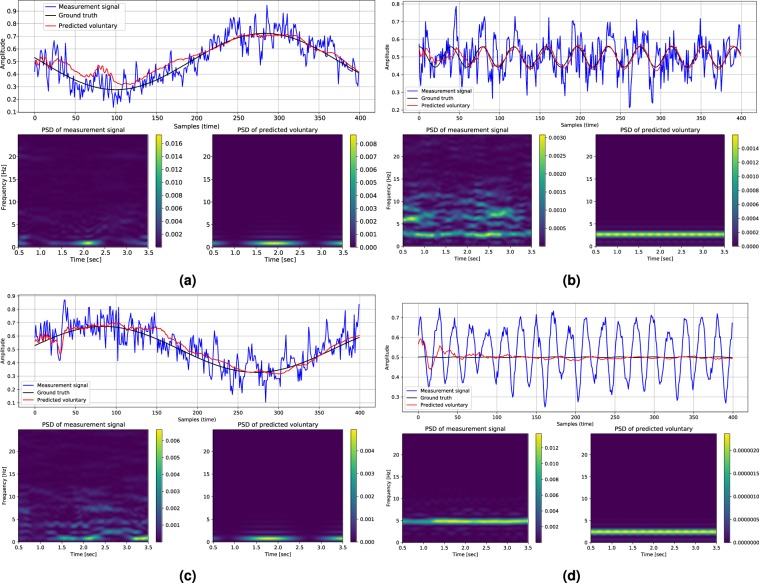
PHTNet is a deep bidirectional recurrent neural network for estimating and predicting the voluntary component of pathological hand tremor, trained on a large single-centre dataset of 81 PD/ET patients. The paper reports that PHTNet outperforms BMFLC, EBMFLC, and WAKE on pseudo-synthesized validation/test data and shows generalization on real action tremor and healthy-control recordings.
Key findings
- The dataset used to develop PHTNet included 81 PD and ET individuals from a single-centre movement disorders clinic; the paper also reports 87.5 hours of data from 81 patients and 250 tremor assessments in total.
- For model development, recordings were split by subject into 49 training, 16 validation, and 16 test subjects; data were downsampled to 100 Hz.
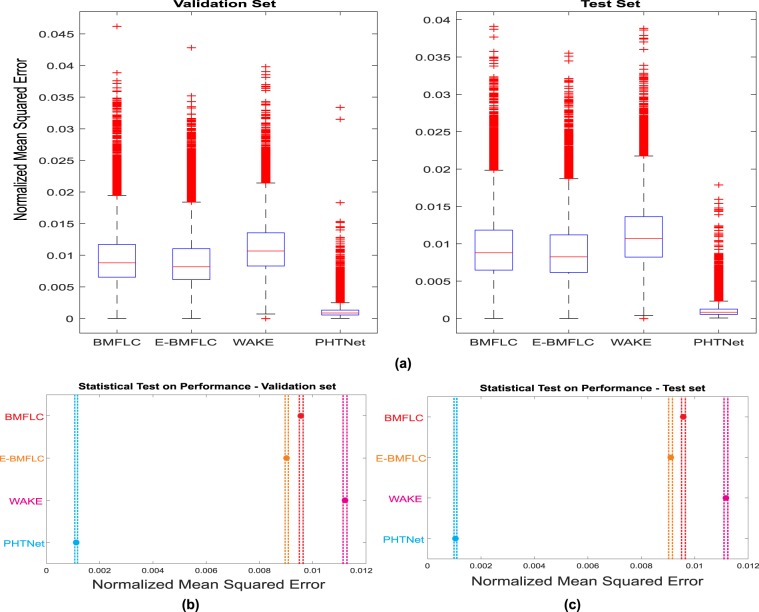
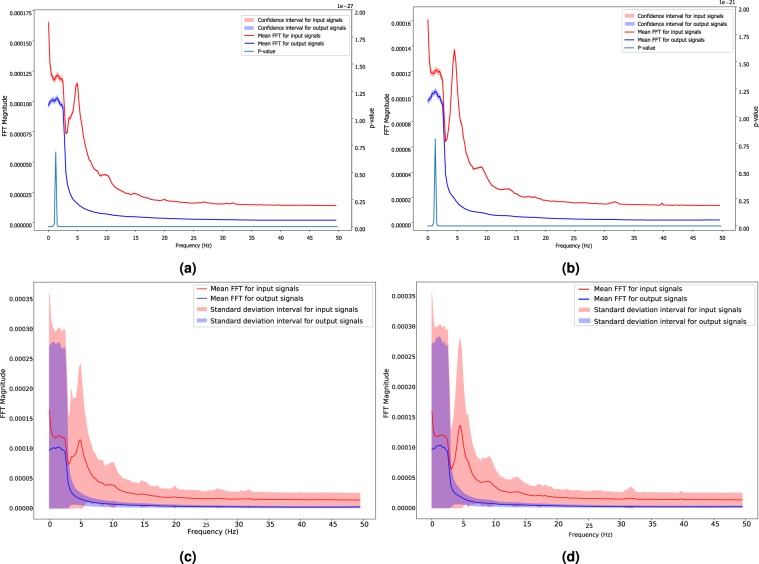
- On pseudo-synthesized validation and test sets, PHTNet was evaluated over 24,300 samples per set and 48,600 input-output pairs in total for predictive-behavior analysis; the paper states that PHTNet showed significantly better performance than BMFLC, EBMFLC, and WAKE using ANOVA and pairwise Z-tests.
- The authors report a 4-layer GRU/BiRNN architecture, 400 features as best for hidden representation, and 4-second input sequences as the best accuracy/computation tradeoff; the model uses MSE training with Adam at 0.0001 learning rate.
- In the healthy-control experiment, the paper reports recordings from 2 healthy male volunteers aged 28 and 37, and says PHTNet’s estimated signals “perfectly match” the inputs.
Methods
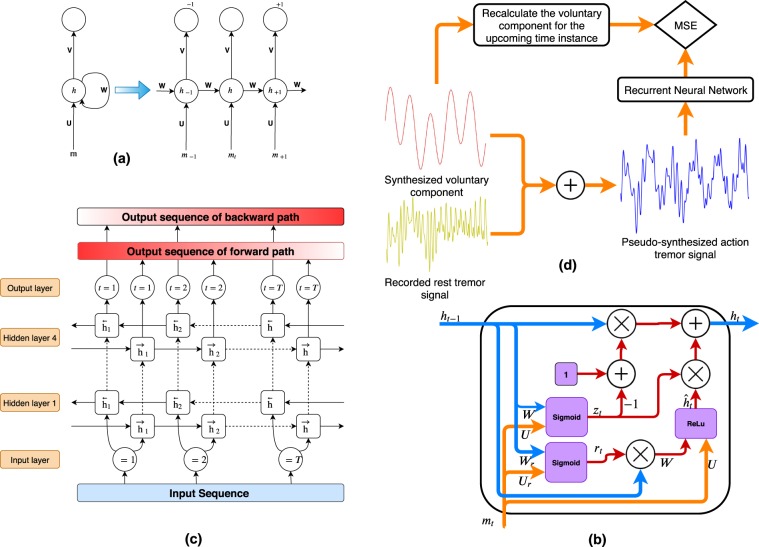
- The paper proposes PHTNet, a deep bidirectional recurrent neural network built from GRU cells in a sequence-to-sequence setup, with separate forward (online/predictive) and backward (offline) processing pipelines and no mixing matrix.
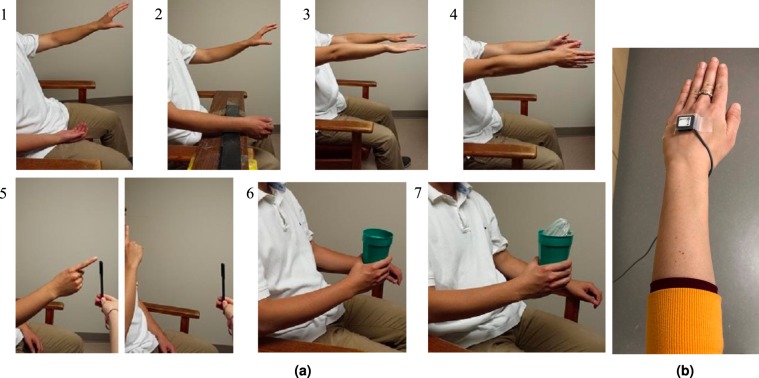
- Training and evaluation used a subject-level split of clinical hand-motion recordings from 81 PD/ET patients collected at the London Movement Disorders Centre; tasks included 7 scripted 20-second tasks over three trials, with static tremor from 6 tasks and action tremor from a finger-to-nose task.
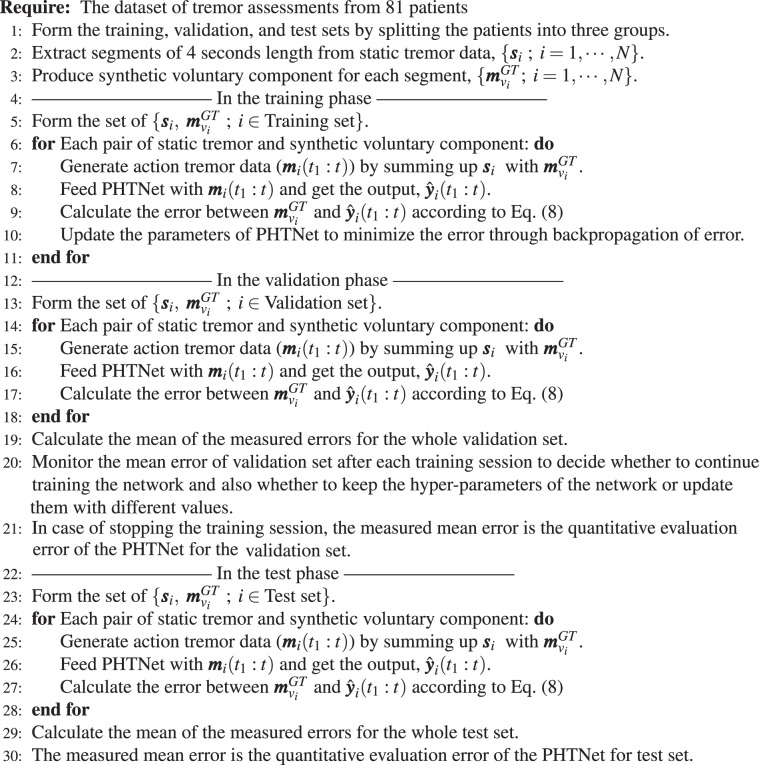
- To obtain ground truth for action tremor, the authors used an inverse evaluation method: they created pseudo-synthesized action tremor by mixing synthesized voluntary sinusoidal components with real static tremor recordings; performance was quantified with MSE, and statistical comparisons used ANOVA, pairwise Z-tests, and D’Agostino–Pearson normality tests.
Limitations
- The paper states that the achieved horizon of prediction was limited and that it is working on improving prediction by augmenting input space and expanding the dataset.
- The authors note that the deep model requires relatively stronger computational support, which may limit deployment when computational resources are constrained.
- Evident from the text: the clinical dataset is from a single centre and the healthy-control validation used only 2 volunteers; these factors may limit external generalizability (evident from the text).
Model-written summary. Check it against the paper before relying on it.
Integrity signals
Registry
Cites
Statistics
Figures
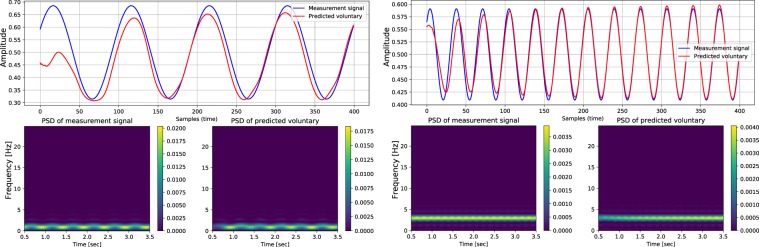
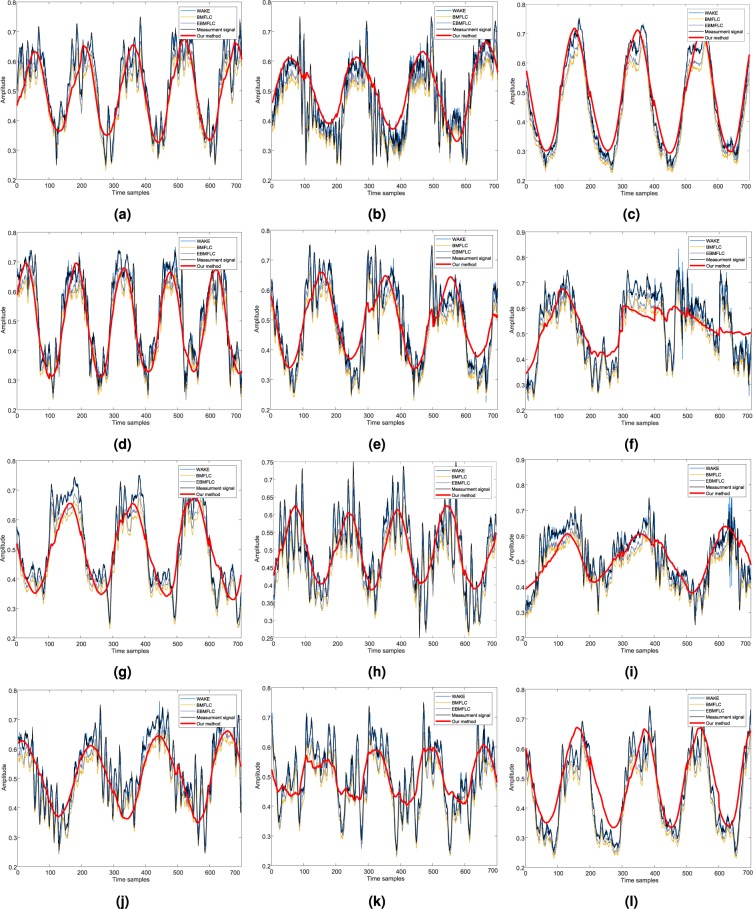
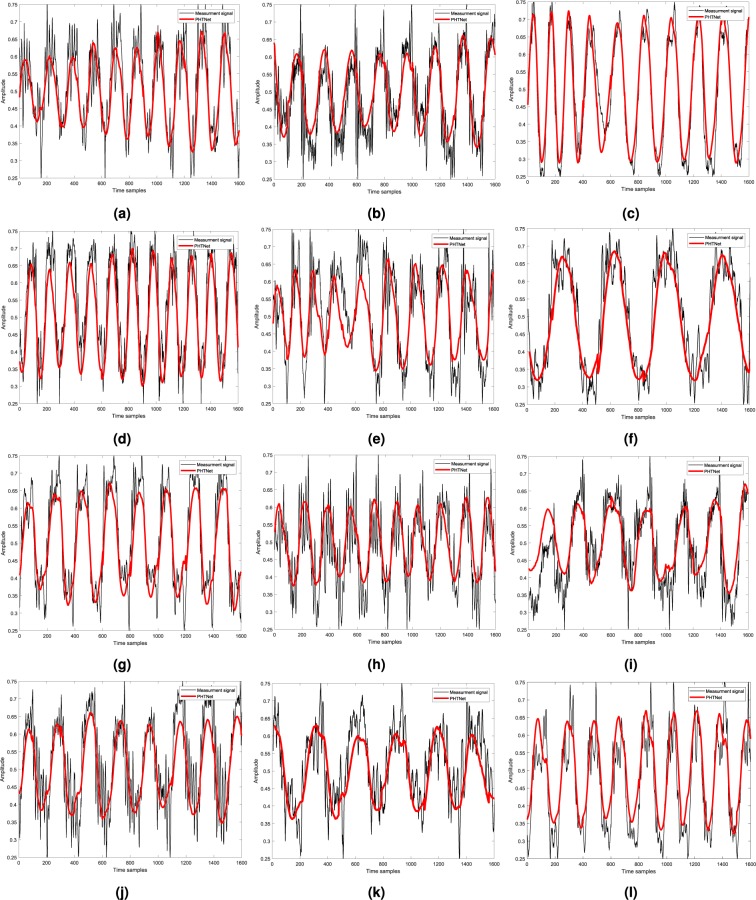
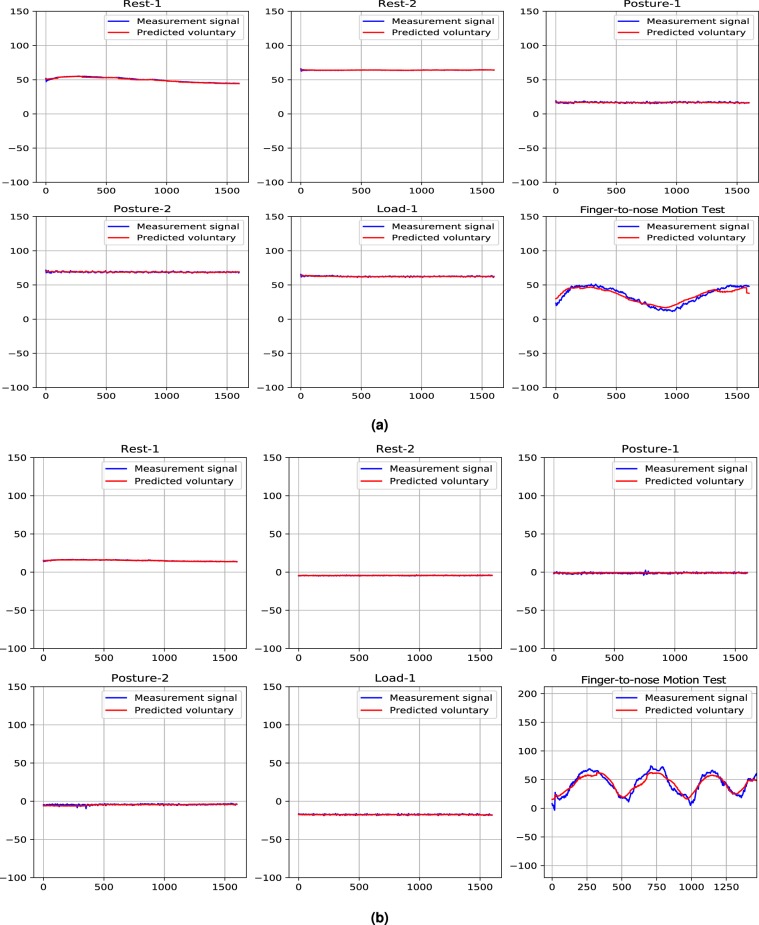
Verification
Claims the paper makes
5 Valid · 5 Not valid · 3 Not checked · 56 Own results and interpretations
Some cited sources support this claim and some don’t — read each source’s verdict below.
In the paper
“The participants recruited met the inclusion/exclusion criteria35,39.”
§ PHTNet: Characterization and Deep Mining of Involuntary Pathological Hand Tremor using Recurrent Neural Network Models > Methods > Dataset
What the sources say
- Supportedcites [35] Rahimi, F., Samotus, O., Lee, J. & Jog, M. Effective management of upper limb parkinsonian tremor by incobotulinumtoxina injections using sensor-based biomechanical patterns. Tremor Other Hyperkinetic Movements5 (2015). PMC4636031 26566459 source
The Methods section reports recruiting 28 participants with Parkinson’s disease and specifies the study’s inclusion and exclusion criteria. The Results section notes that some participants later failed to maintain those criteria; that does not contradict the claim about recruitment. (LLM, conf=0.88)
- Disputedcites [39] Samotus O Rahimi F Lee J Jog M Functional ability improved in essential tremor by incobotulinumtoxina injections using kinematically determined biomechanical patterns–a new future PloS one 2016 11 e0153739 10.1371/journal.pone.0153739 27101283 PMC4839603 sourceExperimental — accuracy not yet measured
Methods (Study Criteria; page unavailable) limits eligibility to participants aged 18–80. Results (Participant Demographics; page unavailable) lists recruited participants aged 82, 84, and 85, so the paper’s own data contradict the claim that all recruited participants met the stated criteria. (LLM, conf=0.88)
Checked by a reasoning model — may be wrong.
plain- Asserted: passes — The authors put it forward as true.
- Checkable: passes — It can be checked against evidence.
- Load-bearing: passes — The paper’s conclusions depend on it.
- Based: passes — The paper gives a reason why it holds.
- Supported
The cited sources support only part of this claim — read each source’s verdict below.
In the paper
“Despite the crucial need for PHT elimination techniques and the numerous research advancements on this topic51–55, including our previous work13,14, there is an unmet need for a reliable, adaptable, and generalizable processing framework that can be directly translated to clinical settings for estimation, extraction, and prediction of action tremor with high spectrotemporal resolution.”
§ PHTNet: Characterization and Deep Mining of Involuntary Pathological Hand Tremor using Recurrent Neural Network Models > Introduction
What the sources say
- Not checked — no full text of the sourcecites [51] Veluvolu K Ang W Estimation and filtering of physiological tremor for real-time compensation in surgical robotics applications The Int. J. Med. Robotics Comput. Assist. Surg. 2010 6 334 342 10.1002/rcs.340 20623480 source
- Partly supportedcites [52] Hossen A Muthuraman M Raethjen J Deuschl G Heute U Discrimination of parkinsonian tremor from essential tremor by implementation of a wavelet-based soft-decision technique on emg and accelerometer signals Biomed. Signal Process. Control. 2010 5 181 188 10.1016/j.bspc.2010.02.005 sourceExperimental — accuracy not yet measured
The Discussion and conclusions describes a wavelet-based method for distinguishing essential from Parkinsonian tremor and says larger patient studies are needed before routine clinical use. That supports a limited clinical-translation need, but the paper does not establish an unmet need for a generalizable framework to estimate, extract, and predict action tremor at high spectrotemporal resolution. (LLM, conf=0.82)
- Not checked — no full text of the sourcecites [53] Ai L Wang J Yao R Classification of parkinsonian and essential tremor using empirical mode decomposition and support vector machine Digit. Signal Process. 2011 21 543 550 10.1016/j.dsp.2011.01.010 source
- Not checked — no full text of the sourcecites [54] Sushkova O Time–frequency analysis of simultaneous measurements of electroencephalograms, electromyograms, 41 and mechanical tremor under parkinson disease J. Commun. Technol. Electron. 2015 60 1109 1116 10.1134/S1064226915100113 source
- Could not verifycites [55] Elble RJ Hellriegel H Raethjen J Deuschl G Assessment of head tremor with accelerometers versus gyroscopic transducers Mov. Disord. Clin. Pract. 2017 4 205 211 10.1002/mdc3.12379 30363428 PMC6174406 sourceExperimental — accuracy not yet measured
The citation is attached to the statement about advances in PHT elimination, not directly to the citing authors’ conclusion that a generalizable framework is needed. The cited paper’s Methods and Discussion describe measuring head tremor with accelerometers and gyroscopes; the passages found for elimination techniques and action-tremor processing do not address PHT elimination or the stated framework need. (LLM, conf=0.74)
- Not checked — no full text of the sourcecites [13] Atashzar SF Characterization of upper-limb pathological tremors: Application to design of an augmented haptic rehabilitation system IEEE J. Sel. Top. Signal Process. 2016 10 888 903 10.1109/JSTSP.2016.2530632 source
- Partly supportedcites [14] Shahtalebi S Atashzar SF Patel RV Mohammadi A Wake: Wavelet decomposition coupled with adaptive kalman filtering for pathological tremor extraction Biomed. Signal Process. Control. 2019 48 179 188 10.1016/j.bspc.2018.10.007 sourceExperimental — accuracy not yet measured
The Introduction (page unavailable) says variable tremor challenges accurate real-time extraction and motivates methods combining temporal and spectral features. WAKE is itself an adaptive extraction and prediction framework, so the citation supports identifying it as prior work. The paper does not establish the broader claim that a generalizable, directly clinically translatable framework remains unavailable. (LLM, conf=0.82)
plain- Asserted: passes — The authors put it forward as true.
- Checkable: unclear — It is unclear whether it could be checked against evidence.
- Load-bearing: passes — The paper’s conclusions depend on it.
- Based: passes — The paper gives a reason why it holds.
A result the paper reports from its own data — it cites no other source for it, so there is none to check. The quote shows it is in the paper.
In the paper
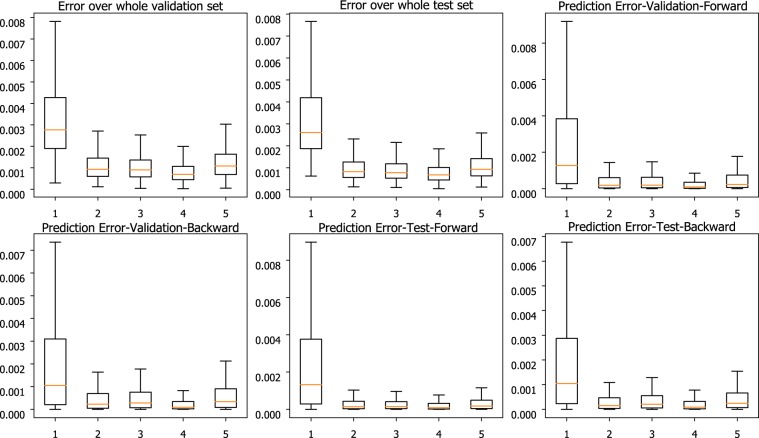
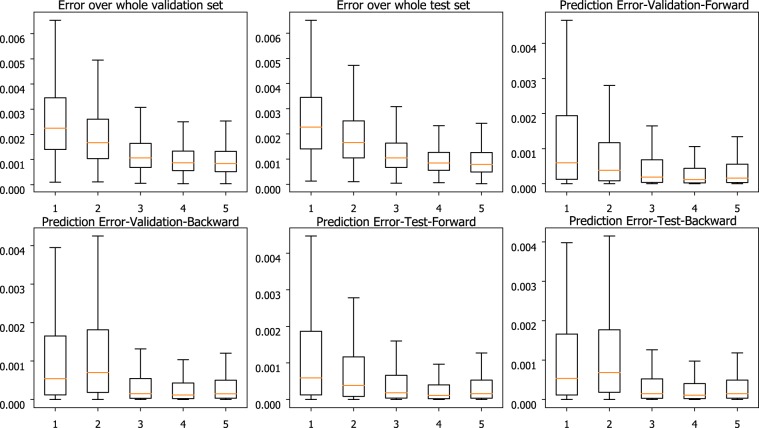
“As it can be observed, performance of the PHTNet improves as the length of the input signal increases to a certain point and then either degrades or remains, more or less, unchanged.”
§ PHTNet: Characterization and Deep Mining of Involuntary Pathological Hand Tremor using Recurrent Neural Network Models > Methods > Proposed geometry of the PHTNet
plainstates a cause- Asserted: passes — The authors put it forward as true.
- Checkable: passes — It can be checked against evidence.
- Load-bearing: passes — The paper’s conclusions depend on it.
- Based: passes — The paper gives a reason why it holds.
A result the paper states — it cites no source for it, so there is none to check. The quote shows it is in the paper.
In the paper
“The PHTNet, therefore, yields the best performance when input sequences of 4 seconds are fed into the network considering jointly accuracy and computational cost in perspective.”
§ PHTNet: Characterization and Deep Mining of Involuntary Pathological Hand Tremor using Recurrent Neural Network Models > Methods > Proposed geometry of the PHTNet
plainstates a cause- Asserted: passes — The authors put it forward as true.
- Checkable: passes — It can be checked against evidence.
- Load-bearing: passes — The paper’s conclusions depend on it.
- Based: passes — The paper gives a reason why it holds.
A result the paper reports from its own data — it cites no other source for it, so there is none to check. The quote shows it is in the paper.
In the paper
“As shown in Fig. 3, the best performance of the PHTNet is achieved when 4 hidden layers are stacked to each other.”
§ PHTNet: Characterization and Deep Mining of Involuntary Pathological Hand Tremor using Recurrent Neural Network Models > Methods > Proposed geometry of the PHTNet
plainstates a cause- Asserted: passes — The authors put it forward as true.
- Checkable: passes — It can be checked against evidence.
- Load-bearing: unclear — It is unclear whether the paper’s conclusions depend on it.
- Based: passes — The paper gives a reason why it holds.
18 more claims
Create a free account to see all 69 claims and every source verdict.
- It may state two separate claims as one. 31
- Probably not a substantial claim. 25
- The quote only partly states this claim. 1
Claims other papers make about this one
Each is checked against this paper’s own text: does it say what the citing paper says it does?
The source backs part of the claim, not all of it — or backs it for a different population, condition or comparison.
In the citing paper
“Shahtalebi et al.7 developed an AI algorithm that achieved 95.6% accuracy and further developed an explainable AI, Gradient-weighted class Activation Mapping, to understand the AI model.”
From Explainable artificial intelligence for searching frequency characteristics in Parkinson's disease tremor (2023) · cites this paper as Shahtalebi et al.7
Experimental — accuracy not yet measuredThe source backs part of the claim, not all of it — or backs it for a different population, condition or comparison.
In the citing paper
“they reported that the PD is characterised by the low-frequency vibration on hand, and ET is mainly characterised by the high spectral activity.”
From Explainable artificial intelligence for searching frequency characteristics in Parkinson's disease tremor (2023) · cites this paper as Shahtalebi et al.7
Experimental — accuracy not yet measured
Citations
Cites
Adam: A Method for Stochastic Optimization
Kingma, D. P., & Ba, J. (2014) · arXiv · doi:10.48550/arxiv.1412.6980 · Cited by 98,946
LeCun, Y., Bengio, Y., & Hinton, G. (2015) · Nature · doi:10.1038/nature14539 · Cited by 84,126
Learning Phrase Representations using RNN Encoder–Decoder for Statistical Machine Translation
Cho, K., van Merrienboer, B., Gulcehre, C., Bahdanau, D., Bougares, F., Schwenk, H., & Bengio, Y. (2014) · Proceedings of the 2014 Conference on Empirical Methods in Natural Language Processing (EMNLP) · doi:10.3115/v1/d14-1179 · Cited by 25,545
(2010) · International Conference on Machine Learning · Cited by 13,995
Discrete-Time Signal Processing
Oppenheim, A. V., & Schafer, R. W. (1989) · Cited by 12,728
Empirical Evaluation of Gated Recurrent Neural Networks on Sequence Modeling
Chung, J., Gulcehre, C., Cho, K., & Bengio, Y. (2014) · arXiv · doi:10.48550/arxiv.1412.3555 · Cited by 11,008 · cited 1×
“The update gate, on the other hand, defines the degree of updating a hidden state based on the newly arrived data 67 .”
BackgroundBidirectional recurrent neural networks
Schuster, M., & Paliwal, K. K. (1997) · IEEE Transactions on Signal Processing · doi:10.1109/78.650093 · Cited by 10,172 · cited 5×
“However, in this work, through an architectural modification of the model, the BRNN kernel is applied without the mixing matrix.”
MethodInfluentialProceedings of the 25th international conference on Machine learning - ICML '08
(2008) · doi:10.1145/1390156 · Cited by 6,680
Frequency Dependence of Signal Power and Spatial Reach of the Local Field Potential
Leski, S., Lindén, H., Tetzlaff, T., Pettersen, K. H., & Einevoll, G. T. (2013) · PubMed · doi:10.18154/rwth-conv-084442 · Cited by 3,639
Consensus Statement of the Movement Disorder Society on Tremor
Deuschl, G., Bain, P., & Brin, M. (2008) · Movement Disorders · doi:10.1002/mds.870131303 · Cited by 1,981 · cited 1×
“Postural and kinetic tremors are commonly observed in ET patients 15 .”
Background
Research works printed but not linked: 1
- Goodfellow, I., Courville, A. & Bengio, Y. Deep learning, vol. 1 (MIT press Cambridge, 2016).
Cited by
Parkinson’s disease diagnosis using neural networks: Survey and comprehensive evaluation
Tanveer, M., Rashid, A. H., Kumar, R., & Raman, B. (2022) · Information Processing & Management · doi:10.1016/j.ipm.2022.102909 · Cited by 55
Machine Learning in Tremor Analysis: Critique and Directions
De, A., Bhatia, K. P., Volkmann, J., Peach, R. L., & Schreglmann, S. R. (2023) · Movement Disorders · doi:10.1002/mds.29376 · Cited by 47
“RNN 82 and its modi fi ed versions, long short-term memory (LSTM) 96 and gated recurrent unit, proved very useful in sequential tremor time-series analysis.”
BackgroundMethodInfluentialA deep explainable artificial intelligent framework for neurological disorders discrimination
Shahtalebi, S., Atashzar, S. F., Patel, R. V., Jog, M., & Mohammadi, A. (2021) · Scientific Reports · doi:10.1038/s41598-021-88919-9 · Cited by 39
Self-citationRana, A., Dumka, A., Singh, R., Panda, M. K., & Priyadarshi, N. (2022) · Diagnostics · doi:10.3390/diagnostics12112708 · Cited by 39
“, 2020 [173] Tremor 3D Convolutional Neural Network Develop a deep recurrent model to predict and eliminate the PHT component of hand motion Not mentioned Collected from the participants 81 PD Not mentioned”
BackgroundReal-Time Voluntary Motion Prediction and Parkinson’s Tremor Reduction Using Deep Neural Networks
Ibrahim, A. H., Zhou, Y., Jenkins, M. E., Trejos, A. L., & Naish, M. D. (2021) · IEEE Transactions on Neural Systems and Rehabilitation Engineering · doi:10.1109/tnsre.2021.3097007 · Cited by 34
Menguc, E. C., cnar, S., Xiang, M., & P. Mandic, D. (2021) · IEEE Signal Processing Letters · doi:10.1109/lsp.2021.3097279 · Cited by 25
Diagnosing malaria from some symptoms: a machine learning approach and public health implications
Okagbue, H. I., Oguntunde, P. E., Obasi, E. C. M., Adamu, P. I., & Opanuga, A. A. (2020) · Health and Technology · doi:10.1007/s12553-020-00488-5 · Cited by 25
“…[44], clinical score in Alzheimer’s disease [45], individuals at high risk of developing type 2 diabetes comorbidities [46], prognosis of acute exacerbations Chronic Obstructive Lung Disease [47], anticancer drug resistance [48], Involuntary Pathological Hand Tremor [49] and heart attack [50, 51].”
BackgroundPrediction of Pathological Tremor Signals Using Long Short-Term Memory Neural Networks
Valdunciel, A. P., Lopo-Martínez, V., Sendra-Arranz, R., González-Sánchez, M., Sánchez, J. R. P., Grandas, F., Torricelli, D., Moreno, J. C., Barroso, F. O., Pons, J. L., et al. (2022) · IEEE Journal of Biomedical and Health Informatics · doi:10.1109/jbhi.2022.3209316 · Cited by 23
“procedures as the loss function; the root mean square error (RMSE) [28], frequently used to assess forecasting accuracy in other studies [32]; and the Pearson’s correlation coefficient (ρy,ŷ), which provides information about the linear relationship between the predictions and the expected values.”
MethodInfluentialUsing Deep Learning for Task and Tremor Type Classification in People with Parkinson’s Disease
Farhani, G., Zhou, Y., Jenkins, M. E., Naish, M. D., & Trejos, A. L. (2022) · Sensors · doi:10.3390/s22197322 · Cited by 24
“Moreover, most of the current approaches are focused on predicting the tremor [13,14].”
BackgroundDeep learning for digital pathology: A critical overview of methodological framework
Rad, M. S., Huang, J., Hosseini, M. M., Choudhary, R., Siezen, H., Akabari, R. R., Jamaspishvili, T., El-Zammar, O. A., Patel, P. G., Carello, S. J., et al. (2025) · Journal of Pathology Informatics · doi:10.1016/j.jpi.2025.100514 · Cited by 31
“42 Nevertheless, for cases like small tumor regions, Dice loss alone is insuf fi cient.”
Lee, R. E., & Chan, P. Y. (2023) · Scientific Reports · doi:10.1038/s41598-023-45802-z · Cited by 13
“Shahtalebi et al. 7 developed an AI algorithm that achieved 95.6% accuracy and further developed an explainable AI, Gradient-weighted class Activation Mapping, to understand the AI model.”
MethodInfluentialEnergetic Passivity Decoding of Human Hip Joint for Physical Human-Robot Interaction
Atashzar, S. F., Huang, H.-Y., Duca, F. D., Burdet, E., & Farina, D. (2020) · IEEE Robotics and Automation Letters · doi:10.1109/lra.2020.3010459 · Cited by 15
“To achieve this goal, robotic systems should respond promptly to the patient’s voluntary motions [10], [11] while inhibiting involuntary actions [12], [13], [14], [15], [16].”
BackgroundSelf-citationPrediction of Voluntary Motion Using Decomposition-and-Ensemble Framework With Deep Neural Networks
Yoon, D., Kim, E., Choi, I., Han, S. W., & Yang, S. (2020) · IEEE Access · doi:10.1109/access.2020.3035498 · Cited by 12
Characteristics of Post-Exercise Lower Limb Muscle Tremor Among Speed Skaters
Kuliś, S., Pietraszewski, P., & Callegari, B. (2025) · Sensors · doi:10.3390/s25144301 · Cited by 10
“These factors collectively contribute to the appearance of post-exercise muscle tremor, and its potential impacts on recovery and stability [17].”
Towards ultrasound imaging-based closed-loop peripheral nerve stimulation for tremor suppression
Sharma, N., Xue, X., Iyer, A., Jiang, X., & Roque, D. (2023) · Current Opinion in Biomedical Engineering · doi:10.1016/j.cobme.2023.100484 · Cited by 8
Wang, W., Jia, B., Ma, J., Wang, X., & Song, H. (2024) · International Journal of Medical Robotics and Computer Assisted Surgery · doi:10.1002/rcs.2666 · Cited by 5
“To address this limitation, a generalisable model using a deep recursive model, which was trained with a sizeable dataset, was also proposed [22].”
Tan, G. Y., Bakibillah, A. S. M., Chan, P. Y., Tan, C. P., & Nurzaman, S. G. (2025) · Computers in Biology and Medicine · doi:10.1016/j.compbiomed.2025.109814 · Cited by 8
Human Upper Limb Motion Recognition Using IMU sensors and Artificial Neural Networks
Rodríguez, L. A. C., Cardiel, E., Llanas, A., Madrigal, J. A. B., & Hernández-Rodríguez, P. R. (2022) · International Conference on Electrical Engineering, Computing Science and Automatic Control (CCE) · doi:10.1109/cce56709.2022.9975957 · Cited by 3
“Upper limb activities are usually limited to hand gesture recognition or trajectory prediction to compensate for limb tremors for orthoses [12, 13].”
BackgroundMultiple Order Fourier Linear Combiner: Estimating Phase Shift for Real-Time Vibration Compensation
He, Y., Fan, Y., & Tan, U.-X. (2022) · IEEE Sensors Journal · doi:10.1109/jsen.2022.3179703 · Cited by 3
Bremm, R. P., Werle, A., Auer, C., Hertel, F., Gonçalves, J. M., & Koch, K. P. (2021) · arXiv (Cornell University) · doi:10.48550/arxiv.2108.01736 · Cited by 9
“Several authors have contributed to signal processing, analysis and classification methods of accelerometer data in a manner suitable for the extraction of clinical parameters such as for tremor in PD [32], [33], [34].”
BackgroundPhenotypical Differentiation of Tremor Using Time Series Feature Extraction and Machine Learning
Häring, V., Selzam, V., Martin‐Rodríguez, J. F., Schwingenschuh, P., Tamás, G., Köhler, L., Raethjen, J., Paschen, S., Goltz, F., Mulroy, E., et al. (2025) · Movement Disorders · doi:10.1002/mds.70032 · Cited by 6
“28,39,41 Our fi ndings contribute signi fi cantly to understanding cross-center variability in tremor characteristics, revealing notable 2635 differences between patient cohorts from different centers.”
Tremor suppression for master-slave teleoperated robot based on machine learning: A review
Liang, K., Su, Y., Du, G., Ma, C., Li, M., & Pan, M. (2025) · Neurocomputing · doi:10.1016/j.neucom.2025.129421 · Cited by 7
Phenotypical differentiation of tremor using time series feature extraction and machine learningPreprint
Häring, V., Selzam, V., Martin‐Rodríguez, J. F., et al. (2024) · medRxiv · doi:10.1101/2024.03.14.24303988 · Cited by 2
Xue, X., Iyer, A., & Sharma, N. (2023) · Proceedings of the ... American Control Conference/Proceedings of the American Control Conference · doi:10.23919/acc55779.2023.10156240 · Cited by 6
“A data-driven, model-free approach using the recurrent neural network model was used to predict voluntary motions associated with tremors [9].”
MethodXiao, F., Zhong, B., Wu, Y., & Wang, Y. (2022) · IEEE Journal of Biomedical and Health Informatics · doi:10.1109/jbhi.2022.3222299 · Cited by 2
“This has been commonly used in the research of pathological tremor [10], [39].”
MethodTremor estimation and filtering in robotic-assisted surgery
Jia, B., Wang, W., Tian, X., & Wang, X. (2025) · Cognitive Neurodynamics · doi:10.1007/s11571-025-10387-y · Cited by 1
“…models [e.g., RNN (Gal-lego et al. 2020), LSTM (Zhou and Li 2021)], hybrid approaches that combine signal processing with learning [e.g., PHTNet (Shahtalebi et al. 2020), E-MW-RSSA-ELM (Adhikari et al. 2022)], advanced deep architectures [e.g., TCN (Lea et al. 2016)], and improved specialized…”
Ultrasound-Enhanced Data-Driven Modeling for Characterizing Natural Wrist Tremor Dynamics
Xue, X., Ganesh, V., Iyer, A., Roque, D., Jiang, X., & Sharma, N. (2025) · IEEE Journal of Biomedical and Health Informatics · doi:10.1109/jbhi.2025.3622539 · Cited by 2
“Such approaches were explored for tremor prediction [25], and though effective, similar implementations would require extensive neuron tuning and substantial computational power.”
Xue, X., Iyer, A., Roque, D., & Sharma, N. (2023) · International IEEE/EMBS Conference on Neural Engineering · doi:10.1109/ner52421.2023.10123909 · Cited by 3
“The model-free methods in datadriven models, such as recurrent neural network models, are capable to predict the tremor voluntary motion [13].”
MethodMechatronic Devices for Upper Limb Tremor
Zhou, Y., Daemi, P., Edmonds, B. P. R., Habibollahi, Z., Jenkins, M. E., Naish, M. D., & Trejos, A. L. (2023) · Contemporary clinical neuroscience · doi:10.1007/978-3-031-26128-2_22 · Cited by 1
Machine Learning for Differentiating Essential Tremor: A Scoping Review
Fletcher, D. R., Heintzelman, K. E., Ramasamy, S. B., Marks, A., Melott, J. C., Amara, A. W., & Memon, A. A. (2026) · Tremor and Other Hyperkinetic Movements · doi:10.5334/tohm.1182
Liu, K., Zhu, Y., Wang, R., Liu, Z., Zhu, G., Wang, Z., Ge, M., Shen, B., Sun, Y., Liu, F., et al. (2026) · BME Frontiers · doi:10.34133/bmef.0276 · Cited by 1
Zhu, Y., Wang, R., Wang, Y., Ge, M., Shen, B., Sun, Y., Liu, F., Zhao, J., Wang, J., Chen, S., et al. (2025) · Research Square · doi:10.21203/rs.3.rs-7526425/v1
A Remedy For Distributional Shifts Through Expected Domain Translation
Gagnon-Audet, J.-C., Shahtalebi, S., Rudzicz, F., & Rish, I. (2022) · IEEE International Conference on Acoustics Speech and Signal Processing · doi:10.1109/icassp43922.2022.9746434 · Cited by 1
Self-citation
Metadata
- Authors
- Shahtalebi, S., Atashzar, S. F., Samotus, O., Patel, R. V., Jog, M. S., & Mohammadi, A.
- Affiliations
- Concordia University (CA)
- New York University (US)
- London Health Sciences Centre (CA)
- Western University (CA)
- Corresponding author
- Mohammadi, Arash
- ORCID
- Venue
- Scientific Reports
- Published
- 2020-02-10
- Volume
- 10
- Issue
- 1
- Pages
- 2195-2195
- ISSN
- 2045-2322 (ISSN-L)
- PMC
- PMC7010677
- OpenAlex
- W3004983582
- Semantic Scholar
- ad95fe1d459bb41851910ee70b40d5d193617712
- Cited by
- 32
- References
- 74
- Citations by year
- 2026: 2 · 2025: 8 · 2024: 1 · 2023: 6 · 2022: 8 · 2021: 4 · 2020: 3
- FWCI
- 2.82
- Type
- journal article
- Language
- en
- Open access
- gold
- doi.org
- Licence
- cc-by
- creativecommons.org/licenses/by/4.0 (tdm)
- creativecommons.org/licenses/by/4.0 (vor)
- Locations
- Scientific Reports (publishedVersion, cc-by)
- PubMed Central (publishedVersion, cc-by)
- PubMed (publishedVersion)
- Funders
- Gouvernement du Canada | Natural Sciences and Engineering Research Council of Canada (RGPIN-2016-049988)
- Topics
- Life Sciences › Neuroscience › Cognitive Neuroscience › Motor Control and Adaptation
- Health Sciences › Medicine › Clinical Neurology › Deep Brain Stimulation and Movement Disorders
- Health Sciences › Health Professions › Speech and Hearing › Voice and Speech Disorders
- Keywords
- Parkinson's disease, essential tremor, bidirectional recurrent neural network, hand movement, movement disorders, rehabilitation technology, assistive technology
- MeSH terms
- Machine Learning, Aged, Aged, 80 and over, Female, Hand, Humans, Male, Middle Aged, Motion, Movement, Parkinson Disease, Prognosis, Quality of Life, Tremor, Neural Networks, Computer, Essential Tremor
About these checks
Registry, retraction, Cites and statistics results are computed, not judged, with one exception: a printed reference that no index lists is read once by a model before it counts as a citation error. Claims are extracted by a model and kept only when their quote appears verbatim in the text; each cited source is then checked, with a model’s help, for whether it says what the claim relies on. Those verdicts can be wrong — read the claim’s quote and the cited source before relying on one.
The claim verdicts this report counts are experimental: their accuracy is not yet measured.
A language model drew the claims from the paper on 2026-09-29, under version 3 of the claim definition (model deepseek-v4.1-flash, prompt extract-v3).
A second model labelled each claim on 2026-09-29 (model jev-1.13-20260917, definition revision gold-guideline-v0.2).
Cited sources are checked with a language model’s help (gpt-6-sol).
Statistics and arithmetic are recomputed, not judged.
Confidence bands are shown only for fields calibrated on our annotated test set. None is calibrated yet, so no band is shown.
What counts as a claim ›How we measure confidence ›How we check this ›
Are you an author, or do you see a problem with this page? Request a review
Data sources
Bibliographic data: Semantic Scholar, OpenAlex, Crossref.
Contains information from the Semantic Scholar Academic Graph Datasets, made available under the ODC Attribution License (ODC-BY 1.0).
Semantic Scholar’s data is described in: Kinney, R., et al. (2023). The Semantic Scholar Open Data Platform. arXiv:2301.10140.
