

Of Mice and Monkeys: Neuroprotective Efficacy of the p38 Inhibitor BIRB 796 Depends on Model Duration in Experimental Glaucoma
Open accessThe DOI matches its Crossref record; 88 of the 89 references it cites were found in a registry or an index.
Abstract
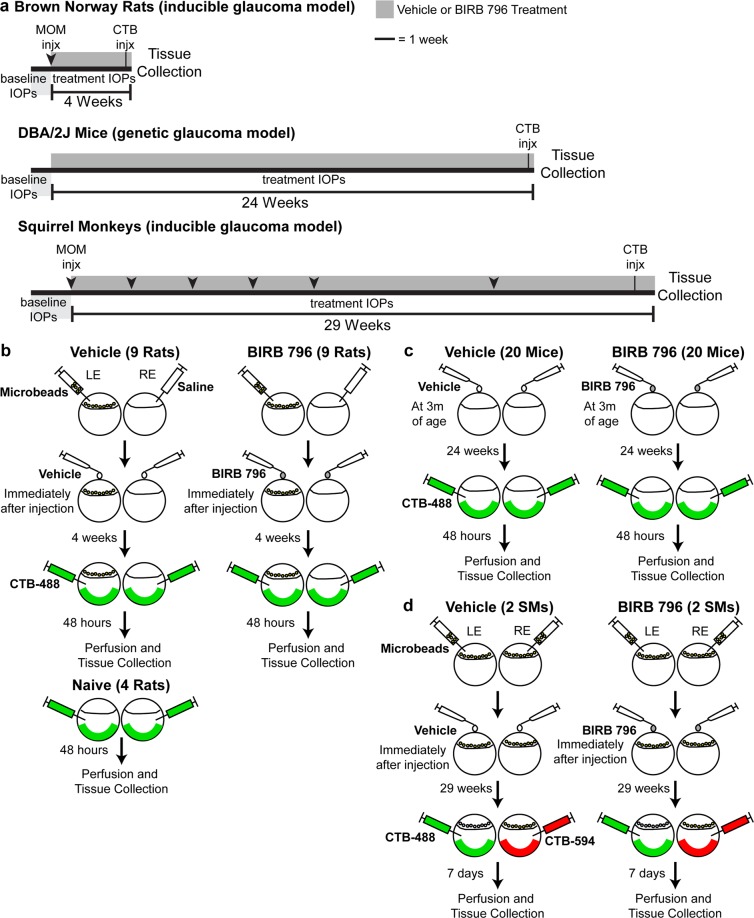
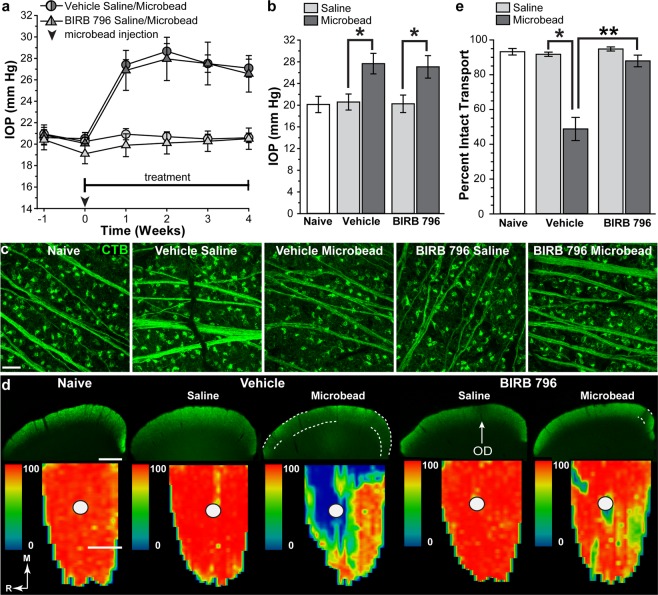
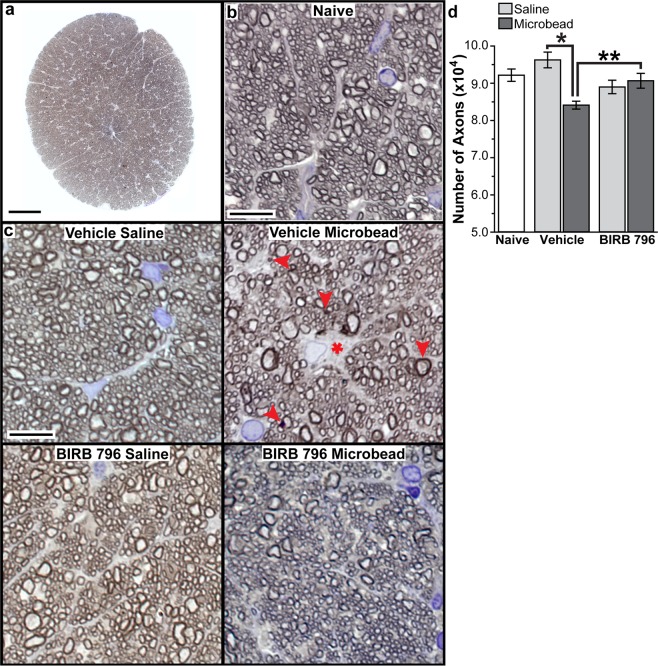
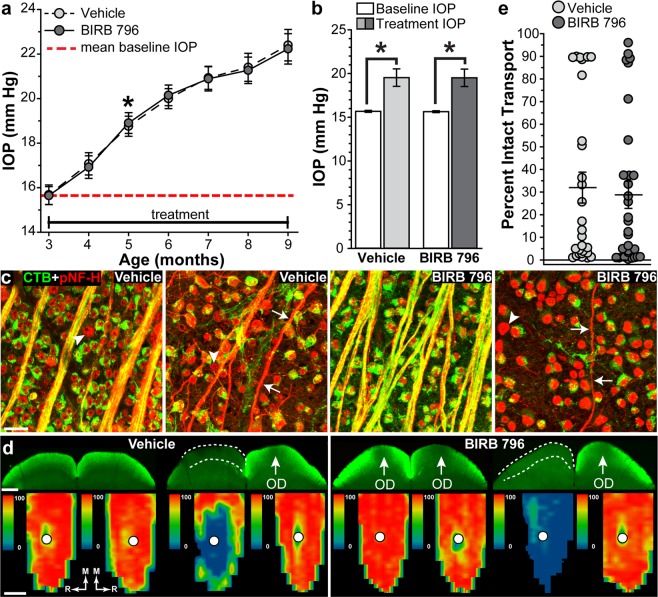
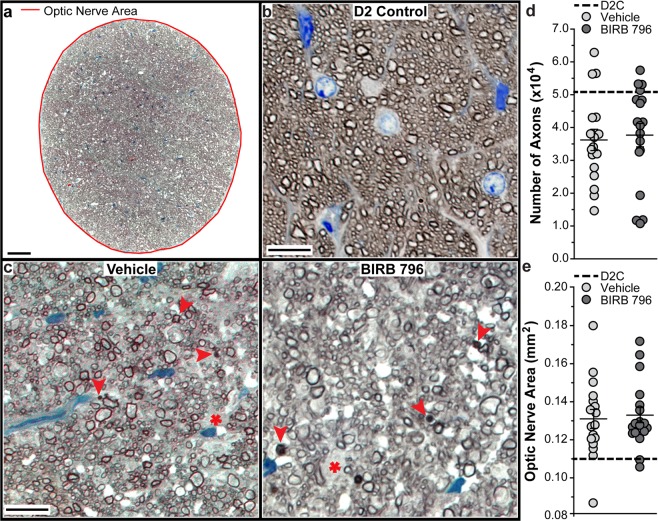
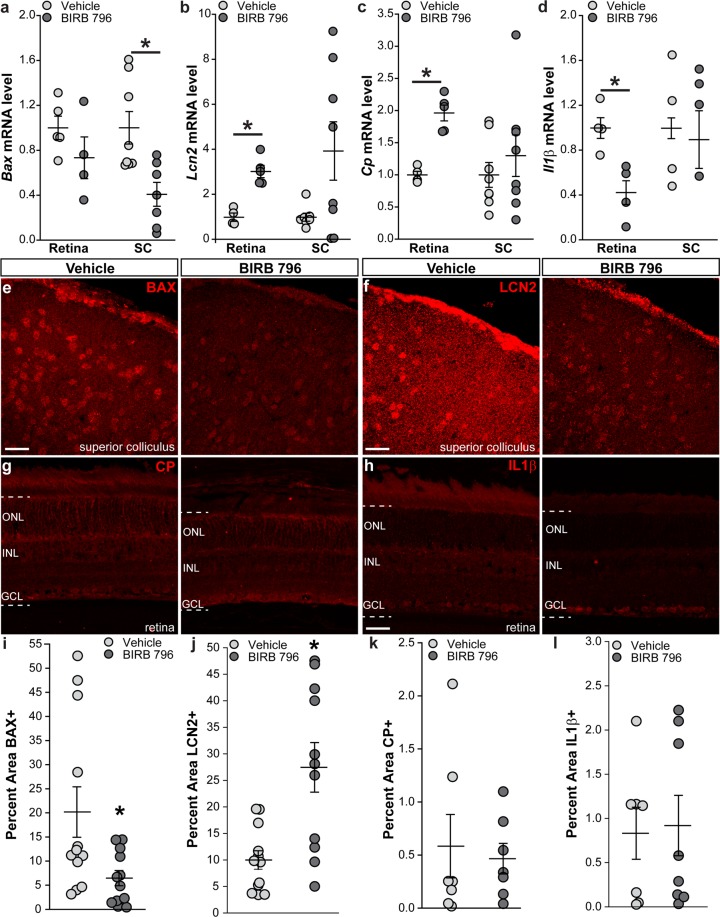
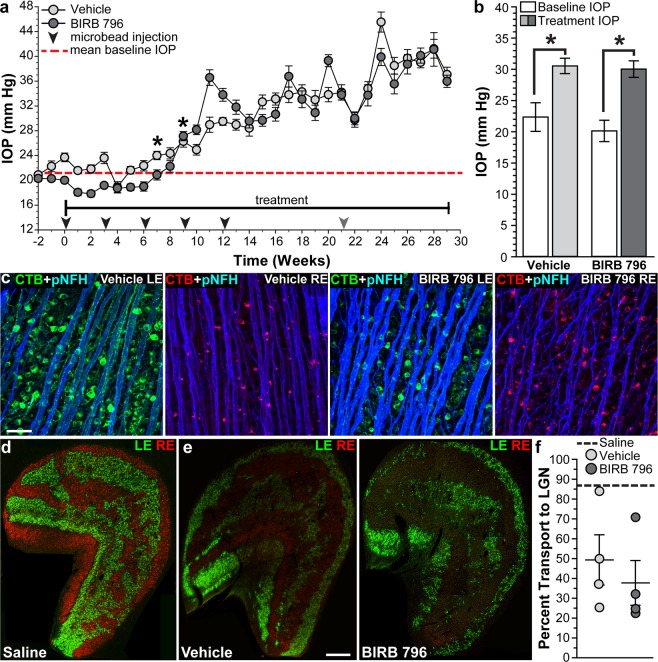
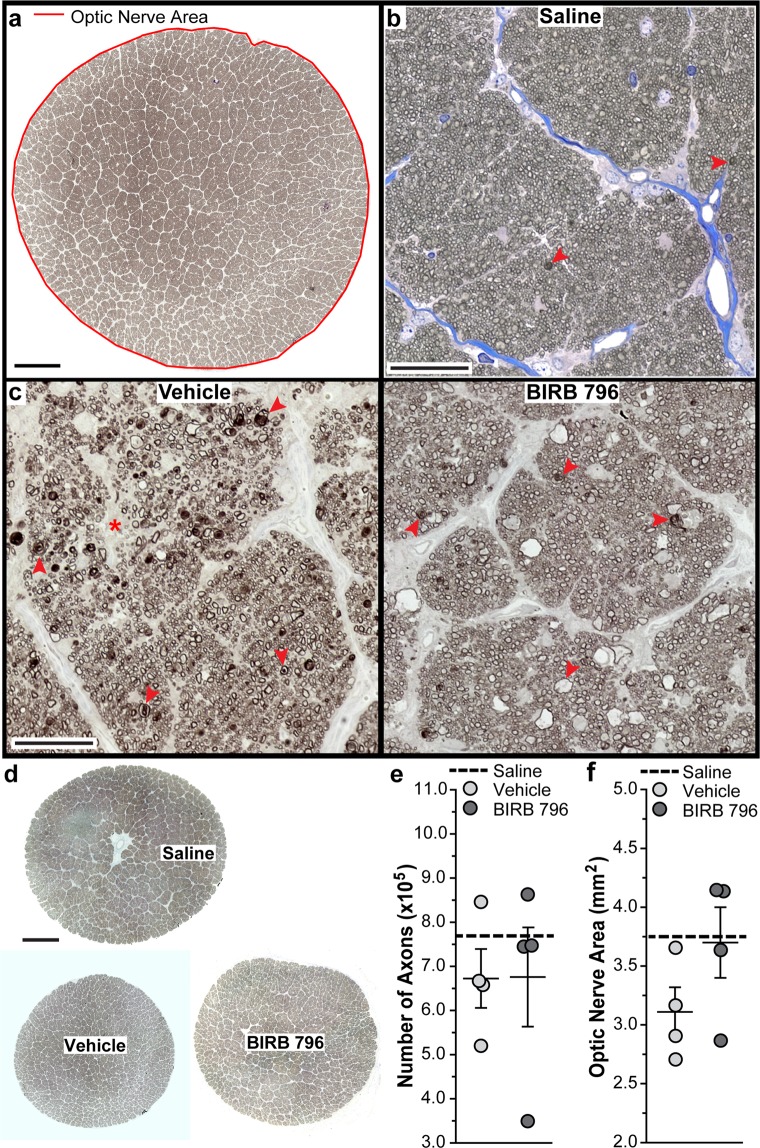
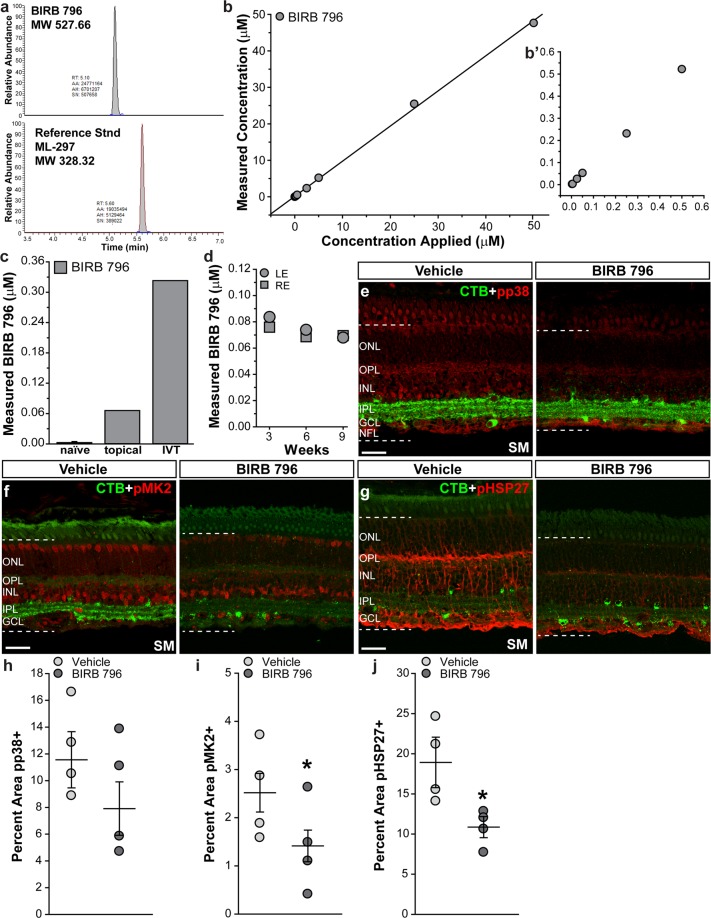
Glaucoma is a group of optic neuropathies associated with aging and sensitivity to intraocular pressure (IOP). Early progression involves retinal ganglion cell (RGC) axon dysfunction that precedes frank degeneration. Previously we demonstrated that p38 MAPK inhibition abates axonal dysfunction and slows degeneration in the inducible microbead occlusion model of glaucoma in rat. Here, we assessed the neuroprotective effect of topical eye delivery of the p38 MAPK inhibitor BIRB 796 in three models of glaucoma (microbead occlusion in rat and squirrel monkey and the genetic DBA/2 J mouse model) with distinct durations of IOP elevation. While BIRB 796 did not influence IOP, treatment over four weeks in rats prevented degradation of anterograde axonal transport to the superior colliculus and degeneration in the optic nerve. Treatment over months in the chronic DBA/2 J model and in the squirrel monkey model reduced expression and activation of p38 downstream targets in the retina and brain but did not rescue RGC axon transport or degeneration, suggesting the efficacy of BIRB 796 in preventing associated degeneration of the RGC projection depends on the duration of the experimental model. These results emphasize the importance of evaluating potential therapeutic compounds for neuroprotection in multiple models using elongated treatment paradigms for an accurate assessment of efficacy.
Overview
The claims and statistics of this paper haven’t been checked yet.
Free: it reads the open-access text and checks the first 5 claims that cite a source we can check. Create a free account to check every claim.
Integrity signals
Registry
Cites
Statistics
Figures
Verification
Claims the paper makes
The claims and statistics of this paper haven’t been checked yet.
Free: it reads the open-access text and checks the first 5 claims that cite a source we can check. Create a free account to check every claim.
Claims other papers make about this one
Each is checked against this paper’s own text: does it say what the citing paper says it does?
The source backs part of the claim, not all of it — or backs it for a different population, condition or comparison.
In the citing paper
“topical ocular delivery of the p38 inhibitor BIRB 796 showed a neuroprotective effect in animal models of glaucoma, although the intraocular pressure was not affected [ 129 ]”
From MAPK Pathways in Ocular Pathophysiology: Potential Therapeutic Drugs and Challenges (2023) · cites this paper as [129]
Experimental — accuracy not yet measured
Self-check
Percentages, sums and reported differences re-computed from the paper’s own numbers.
The self-check needs the paper’s full text.
Citations
Cites
Fiji: an open-source platform for biological-image analysis
Schindelin, J., Arganda-Carreras, I., Frise, E., Kaynig, V., Longair, M., Pietzsch, T., Preibisch, S., Rueden, C., Saalfeld, S., Schmid, B., et al. (2012) · Nature Methods · doi:10.1038/nmeth.2019 · Cited by 66,890
Analyzing real-time PCR data by the comparative CT method
Schmittgen, T. D., & Livak, K. J. (2008) · Nature Protocols · doi:10.1038/nprot.2008.73 · Cited by 26,190
The number of people with glaucoma worldwide in 2010 and 2020
Quigley, H. A. (2006) · British Journal of Ophthalmology · doi:10.1136/bjo.2005.081224 · Cited by 7,394
Heijl, A. (2002) · Archives of Ophthalmology · doi:10.1001/archopht.120.10.1268 · Cited by 3,320
(2000) · American Journal of Ophthalmology · doi:10.1016/s0002-9394(00)00538-9 · Cited by 2,780
Factors for Glaucoma Progression and the Effect of Treatment: The Early Manifest Glaucoma Trial
Leske, M. C. (2003) · Archives of Ophthalmology · doi:10.1001/archopht.121.1.48 · Cited by 2,030
Activation and signaling of the p38 MAP kinase pathway
ZARUBIN, T., & HAN, J. (2005) · Cell Research · doi:10.1038/sj.cr.7290257 · Cited by 1,707
Mechanisms and functions of p38 MAPK signalling
Cuadrado, A., & Nebreda, A. R. (2010) · Biochemical Journal · doi:10.1042/bj20100323 · Cited by 1,676
p38 MAP-Kinases pathway regulation, function and role in human diseases
Cuenda, A., & Rousseau, S. (2007) · Biochimica et Biophysica Acta (BBA) - Molecular Cell Research · doi:10.1016/j.bbamcr.2007.03.010 · Cited by 1,400
Inhibition of p38 MAP kinase by utilizing a novel allosteric binding site
Pargellis, C., Tong, L., Churchill, L., Cirillo, P. F., Gilmore, T., Graham, A. G., Grob, P. M., Hickey, E. R., Moss, N., Pav, S., et al. (2002) · Nature Structural Biology · doi:10.1038/nsb770 · Cited by 833
Vitamin B 3 modulates mitochondrial vulnerability and prevents glaucoma in aged mice
Williams, P. A., Harder, J. M., Foxworth, N. E., Cochran, K. E., Philip, V. M., Porciatti, V., Smithies, O., & John, S. W. M. (2017) · Science · doi:10.1126/science.aal0092 · Cited by 617
Essential iris atrophy, pigment dispersion, and glaucoma in DBA/2J mice.
John, S. W. M., Smith, R. S., Savinova, O. V., Hawes, N. L., Chang, B., Turnbull, D., Davisson, M. T., Roderick, T. H., & Heckenlively, J. R. (1998) · PubMed · Cited by 603
Howell, G. R., Macalinao, D. G., Sousa, G. L., Walden, M., Soto, I., Kneeland, S. C., Barbay, J. M., King, B. L., Marchant, J. K., Hibbs, M., et al. (2011) · Journal of Clinical Investigation · doi:10.1172/jci44646 · Cited by 473
Mutations in genes encoding melanosomal proteins cause pigmentary glaucoma in DBA/2J mice
Anderson, M. G., Smith, R. S., Hawes, N. L., Zabaleta, A., Chang, B., Wiggs, J. L., & John, S. W. M. (2002) · Nature Genetics · doi:10.1038/ng794 · Cited by 452
Glaucoma as a neurodegenerative disease
Gupta, N., & Yücel, Y. H. (2007) · Current Opinion in Ophthalmology · doi:10.1097/icu.0b013e3280895aea · Cited by 422
The p38 MAPK inhibitors for the treatment of inflammatory diseases and cancer
Yong, H.-Y., Koh, M.-S., & Moon, A. (2009) · Expert Opinion on Investigational Drugs · doi:10.1517/13543780903321490 · Cited by 422
Inherited glaucoma in DBA/2J mice: Pertinent disease features for studying the neurodegeneration
LIBBY, R. T., ANDERSON, M. G., PANG, I.-H., ROBINSON, Z. H., SAVINOVA, O. V., COSMA, I. M., SNOW, A., WILSON, L. A., SMITH, R. S., CLARK, A. F., et al. (2005) · Visual Neuroscience · doi:10.1017/s0952523805225130 · Cited by 409
Quigley, H. A., & Addicks, E. M. (1980) · PubMed · Cited by 358
Distal axonopathy with structural persistence in glaucomatous neurodegeneration
Crish, S. D., Sappington, R. M., Inman, D. M., Horner, P. J., & Calkins, D. J. (2010) · Proceedings of the National Academy of Sciences · doi:10.1073/pnas.0913141107 · Cited by 350
Self-citationMassive retinotectal projection in rats
Linden, R., & Perry, V. H. (1983) · Brain Research · doi:10.1016/0006-8993(83)90371-2 · Cited by 343
Nickells, R. W., Howell, G. R., Soto, I., & John, S. W. M. (2012) · Annual Review of Neuroscience · doi:10.1146/annurev.neuro.051508.135728 · Cited by 336
The kinases MSK1 and MSK2 act as negative regulators of Toll-like receptor signaling
Ananieva, O., Darragh, J., Johansen, C., Carr, J. M., McIlrath, J., Park, J. M., Wingate, A., Monk, C. E., Toth, R., Santos, S. G., et al. (2008) · Nature Immunology · doi:10.1038/ni.1644 · Cited by 326
Lee, J. K., & Kim, N.-J. (2017) · Molecules · doi:10.3390/molecules22081287 · Cited by 320
Critical pathogenic events underlying progression of neurodegeneration in glaucoma
Calkins, D. J. (2012) · Progress in Retinal and Eye Research · doi:10.1016/j.preteyeres.2012.07.001 · Cited by 309
Self-citationInteracting loci cause severe iris atrophy and glaucoma in DBA/2J mice
Chang, B., Smith, R. S., Hawes, N. L., Anderson, M. G., Zabaleta, A., Savinova, O., Roderick, T. H., Heckenlively, J. R., Davisson, M. T., & John, S. W. M. (1999) · Nature Genetics · doi:10.1038/7741 · Cited by 294
Damjanov, N., Kauffman, R. S., & Spencer‐Green, G. T. (2009) · Arthritis & Rheumatism · doi:10.1002/art.24485 · Cited by 242
Cohen, S. B., Cheng, T., Chindalore, V., Damjanov, N., Burgos‐Vargas, R., DeLora, P., Zimany, K., Travers, H., & Caulfield, J. P. (2009) · Arthritis & Rheumatism · doi:10.1002/art.24266 · Cited by 231
Immunohistochemical Assessment of the Glial Mitogen-Activated Protein Kinase Activation in Glaucoma
Tezel, G., Chauhan, B. C., LeBlanc, R. P., & Wax, M. B. (2003) · Investigative Opthalmology & Visual Science · doi:10.1167/iovs.02-1136 · Cited by 219
Connecting the Retina to the Brain
Erskine, L., & Herrera, E. (2014) · ASN Neuro · doi:10.1177/1759091414562107 · Cited by 199
Microarray analysis of retinal gene expression in the DBA/2J model of glaucoma
Steele, M. R., Inman, D. M., Calkins, D. J., Horner, P. J., & Vetter, M. L. (2006) · Investigative Opthalmology & Visual Science · doi:10.1167/iovs.05-0865 · Cited by 196
Self-citationInhibition of p38: Has the fat lady sung?
Genovese, M. C. (2009) · Arthritis & Rheumatism · doi:10.1002/art.24264 · Cited by 192
Schreiber, S., Feagan, B., D’Haens, G., Colombel, J., Geboes, K., Yurcov, M., Isakov, V., Golovenko, O., Bernstein, C. N., Ludwig, D., et al. (2006) · Clinical Gastroenterology and Hepatology · doi:10.1016/j.cgh.2005.11.013 · Cited by 186
Selective p38α Inhibitors Clinically Evaluated for the Treatment of Chronic Inflammatory Disorders
Goldstein, D. M., Kuglstatter, A., Lou, Y., & Soth, M. J. (2010) · Journal of Medicinal Chemistry · doi:10.1021/jm9012906 · Cited by 180
Effect of SB 203580 on the activity of c-Raf in vitro and in vivo
Hall-Jackson, C. A., Goedert, M., Hedge, P., & Cohen, P. (1999) · Oncogene · doi:10.1038/sj.onc.1202603 · Cited by 163
Baculoviral IAP Repeat-Containing-4 Protects Optic Nerve Axons in a Rat Glaucoma Model
McKinnon, S. J., Lehman, D. M., Tahzib, N. G., Ransom, N. L., Reitsamer, H. A., Liston, P., LaCasse, E., Li, Q., Korneluk, R. G., & Hauswirth, W. W. (2002) · Molecular Therapy · doi:10.1006/mthe.2002.0608 · Cited by 163
Targeting excitotoxic/free radical signaling pathways for therapeutic intervention in glaucoma
Seki, M., & Lipton, S. A. (2008) · Progress in brain research · doi:10.1016/s0079-6123(08)01134-5 · Cited by 156
Compliance and persistency in glaucoma follow-up treatment
Schwartz, G. F. (2005) · Current Opinion in Ophthalmology · doi:10.1097/01.icu.0000156139.05323.26 · Cited by 154
Determinants of Medication Adherence to Topical Glaucoma Therapy
Dreer, L. E., Girkin, C. A., & Mansberger, S. L. (2011) · Journal of Glaucoma · doi:10.1097/ijg.0b013e31821dac86 · Cited by 153
Depth segregation of retinal ganglion cells projecting to mouse superior colliculus
Hofbauer, A., & Dräger, U. C. (1985) · Journal of Comparative Neurology · doi:10.1002/cne.902340405 · Cited by 148
Neurodegeneration in glaucoma: progression and calcium-dependent intracellular mechanisms
Crish, S. D., & Calkins, D. J. (2011) · Neuroscience · doi:10.1016/j.neuroscience.2010.12.036 · Cited by 141
Self-citationNeuroprotection in Glaucoma: Drug‐Based Approaches
Cheung, W., Guo, L., & Cordeiro, M. F. (2008) · Optometry and Vision Science · doi:10.1097/opx.0b013e31817841e5 · Cited by 132
GENOVESE, M. C., COHEN, S. B., WOFSY, D., WEINBLATT, M. E., FIRESTEIN, G. S., BRAHN, E., STRAND, V., BAKER, D. G., & TONG, S. E. (2011) · The Journal of Rheumatology · doi:10.3899/jrheum.100602 · Cited by 130
Inman, D. M., Sappington, R. M., Horner, P. J., & Calkins, D. J. (2006) · Investigative Opthalmology & Visual Science · doi:10.1167/iovs.05-0925 · Cited by 126
Self-citationBrimonidine prevents axonal and somatic degeneration of retinal ganglion cell neurons
Lambert, W. S., Ruiz, L., Crish, S. D., Wheeler, L. A., & Calkins, D. J. (2011) · Molecular Neurodegeneration · doi:10.1186/1750-1326-6-4 · Cited by 108
Self-citationAlzheimer’s Disease and Glaucoma: Mechanistic Similarities and Differences
Ghiso, J. A. (2013) · Journal of Glaucoma · doi:10.1097/ijg.0b013e3182934af6 · Cited by 107
Hennessy, A., Katz, J., COVERT, D. W., Protzko, C., & Robin, A. L. (2010) · Ophthalmology · doi:10.1016/j.ophtha.2010.03.040 · Cited by 107
Structural and Functional Rescue of Chronic Metabolically Stressed Optic Nerves through Respiration
Harun-Or-Rashid, M., Pappenhagen, N., Palmer, P. G., Smith, M. A., Gevorgyan, V., Wilson, G. N., Crish, S. D., & Inman, D. M. (2018) · The Journal of Neuroscience · doi:10.1523/jneurosci.3652-17.2018 · Cited by 105
Wu, C., Fujihara, H., Yao, J. Q., Qi, S., Li, H., Shimoji, K., & Baba, H. (2003) · Stroke · doi:10.1161/01.str.0000077255.15597.69 · Cited by 104
Ward, N. J., Ho, K. W., Lambert, W. S., Weitlauf, C., & Calkins, D. J. (2014) · The Journal of Neuroscience · doi:10.1523/jneurosci.4089-13.2014 · Cited by 98
Self-citationAlmasieh, M., Zhou, Y., Kelly, M. E., Casanova, C., & Di Polo, A. (2010) · Cell Death & Disease · doi:10.1038/cddis.2009.23 · Cited by 92
Therapeutic Potential of p38 MAP Kinase Inhibition in the Management of Cardiovascular Disease
Fisk, M., Gajendragadkar, P. R., Maki-Petaja, K. M., Wilkinson, I. B., & Cheriyan, J. (2014) · American Journal of Cardiovascular Drugs · doi:10.1007/s40256-014-0063-6 · Cited by 86
Dengler-Crish, C. M., Smith, M. A., Inman, D. M., Wilson, G. N., Young, J. W., & Crish, S. D. (2014) · Frontiers in Neuroscience · doi:10.3389/fnins.2014.00290 · Cited by 82
Emami, H., Vucic, E., Subramanian, S. S., Abdelbaky, A., Fayad, Z. A., Du, S., Roth, E. M., Ballantyne, C. M., Mohler, E. R., Farkouh, M. E., et al. (2015) · Atherosclerosis · doi:10.1016/j.atherosclerosis.2015.03.039 · Cited by 78
Proximal inhibition of p38 MAPK stress signaling prevents distal axonopathy
Dapper, J. D., Crish, S. D., Pang, I.-H., & Calkins, D. J. (2013) · Neurobiology of Disease · doi:10.1016/j.nbd.2013.07.001 · Cited by 76
Self-citationGlaucoma as a Neurodegenerative Disease
Danesh-Meyer, H. V., & Levin, L. A. (2015) · Journal of Neuro-Ophthalmology · doi:10.1097/wno.0000000000000293 · Cited by 76
Crish, S. D., Dapper, J. D., MacNamee, S. E., Balaram, P., Sidorova, T. N., Lambert, W. S., & Calkins, D. J. (2013) · Neuroscience · doi:10.1016/j.neuroscience.2012.10.069 · Cited by 69
Self-citationRegulation of cell death and survival pathways in experimental glaucoma
Levkovitch-Verbin, H., Harizman, N., Dardik, R., Nisgav, Y., Vander, S., & Melamed, S. T. (2007) · Experimental Eye Research · doi:10.1016/j.exer.2007.04.011 · Cited by 66
Neuroprotection for glaucoma: Requirements for clinical translation
Levin, L. A., Crowe, M. E., Quigley, H. A., Cordeiro, M. F., Donoso, L. A., Liao, Y. J., Libby, R. T., Masland, R. H., Nickells, R. W., Sieving, P. A., et al. (2017) · Experimental Eye Research · doi:10.1016/j.exer.2016.12.005 · Cited by 66
McKinnon, S. J. (2012) · Investigative Ophthalmology & Visual Science · doi:10.1167/iovs.12-9483j · Cited by 58
Plasminogen Activator Inhibitor-1 Is Involved in Streptozotocin-Induced Bone Loss in Female Mice
Tamura, Y., Kawao, N., Okada, K., Yano, M., Okumoto, K., Matsuo, O., & Kaji, H. (2013) · Diabetes · doi:10.2337/db12-1552 · Cited by 58
Barnebey, H. S., & Robin, A. L. (2016) · American Journal of Ophthalmology · doi:10.1016/j.ajo.2016.12.002 · Cited by 54
Protecting retinal ganglion cells
Khatib, T. Z., & Martin, K. R. G. (2017) · Eye · doi:10.1038/eye.2016.299 · Cited by 54
The development of AZD7624 for prevention of exacerbations in COPD: a randomized controlled trial
Patel, N. R., Cunoosamy, D. M., Fagerås, M., Taib, Z., Asimus, S., Hegelund-Myrbäck, T., Lundin, S., Pardali, K., Kurian, N., Ersdal, E., et al. (2018) · International Journal of COPD · doi:10.2147/copd.s150576 · Cited by 54
The Microbead Occlusion Model of Ocular Hypertension in Mice
Calkins, D. J., Lambert, W. S., Formichella, C. R., McLaughlin, W. M., & Sappington, R. M. (2017) · Methods in molecular biology · doi:10.1007/978-1-4939-7407-8_3 · Cited by 52
Self-citationAutomated Axon Counting in Rodent Optic Nerve Sections with AxonJ
Zarei, K., Scheetz, T. E., Christopher, M. A., Miller, K., Hedberg‐Buenz, A., Tandon, A., Anderson, M. G., Fingert, J. H., & Abràmoff, M. D. (2016) · Scientific Reports · doi:10.1038/srep26559 · Cited by 50
Ray, A., Sehgal, N., Karunakaran, S., Govindan Rangarajan, C., & Ravindranath, V. (2015) · Free Radical Biology and Medicine · doi:10.1016/j.freeradbiomed.2015.06.041 · Cited by 50
Senile dementia and glaucoma: Evidence for a common link
Aref, A. A., & Jain, S. K. (2015) · Journal of Ophthalmic and Vision Research · doi:10.4103/2008-322x.163766 · Cited by 49
Ostenfeld, T., Krishen, A., Lai, R. Y. K., Bullman, J., Green, J., Anand, P., Scholz, J., & Kelly, M. (2014) · Clinical Journal of Pain · doi:10.1097/ajp.0000000000000122 · Cited by 47
Glaucoma: An Extension of Various Chronic Neurodegenerative Disorders
Jindal, V. (2013) · Molecular Neurobiology · doi:10.1007/s12035-013-8416-8 · Cited by 45
Solving the lost in translation problem: Improving the effectiveness of translational research
Ergorul, C., & Levin, L. A. (2013) · Current Opinion in Pharmacology · doi:10.1016/j.coph.2012.08.005 · Cited by 44
Bioenergetic‐based neuroprotection and glaucoma
Schober, M. S., Chidlow, G., Wood, J. P. M., & Casson, R. J. (2008) · Clinical and Experimental Ophthalmology · doi:10.1111/j.1442-9071.2008.01740.x · Cited by 42
Use of p38 MAPK Inhibitors for the Treatment of Werner Syndrome
Bagley, M. C., Davis, T., Murziani, P. G. S., Widdowson, C. S., & Kipling, D. (2010) · Pharmaceuticals · doi:10.3390/ph3061842 · Cited by 35
Secondary neuroprotective effects of hypotensive drugs and potential mechanisms of action
Shih, G. C., & Calkins, D. J. (2012) · Expert Review of Ophthalmology · doi:10.1586/eop.12.13 · Cited by 34
Self-citationTowards A Microbead Occlusion Model of Glaucoma for a Non-Human Primate
Lambert, W. S., Carlson, B. J., Ghose, P., Vest, V. D., Yao, V., & Calkins, D. J. (2019) · Scientific Reports · doi:10.1038/s41598-019-48054-y · Cited by 33
Self-citationAdherence with brimonidine in patients with glaucoma aware and not aware of electronic monitoring
Hermann, M. M., Papaconstantinou, D., Muether, P. S., Georgopoulos, G., & Diestelhorst, M. (2010) · Acta Ophthalmologica · doi:10.1111/j.1755-3768.2010.02050.x · Cited by 31
Jones, D. S., Jenney, A., Joughin, B. A., Sorger, P. K., & Lauffenburger, D. A. (2018) · Science Signaling · doi:10.1126/scisignal.aal1601 · Cited by 30
Topical Ripasudil Suppresses Retinal Ganglion Cell Death in a Mouse Model of Normal Tension Glaucoma
Akaiwa, K., Namekata, K., Azuchi, Y., Sano, H., Guo, X., Kimura, A. K., Harada, C., Mitamura, Y., & Harada, T. (2018) · Investigative Ophthalmology & Visual Science · doi:10.1167/iovs.17-23276 · Cited by 29
Fisk, M., Cheriyan, J., Mohan, D., Forman, J., Maki-Petaja, K. M., McEniery, C. M., Fuld, J. P., Rudd, J. H. F., Hopkinson, N. S., Lomas, D. A., et al. (2018) · PLoS ONE · doi:10.1371/journal.pone.0194197 · Cited by 29
Central Visual Pathways in Glaucoma: Evidence for Distal Mechanisms of Neuronal Self-Repair
Crish, S. D., & Calkins, D. J. (2015) · Journal of Neuro-Ophthalmology · doi:10.1097/wno.0000000000000291 · Cited by 27
Self-citationTIMP3 controls cell fate to confer hepatocellular carcinoma resistance
Defamie, V., Sanchez, O., Murthy, A., & Khokha, R. (2014) · Oncogene · doi:10.1038/onc.2014.339 · Cited by 27
Evaluating the Role of p38 MAPK in the Accelerated Cell Senescence of Werner Syndrome Fibroblasts
Davis, T., Brook, A. C., Rokicki, M., Bagley, M. C., & Kipling, D. (2016) · Pharmaceuticals · doi:10.3390/ph9020023 · Cited by 24
Mammone, T., Chidlow, G., Casson, R. J., & Wood, J. P. M. (2018) · Molecular and Cellular Neuroscience · doi:10.1016/j.mcn.2018.01.002 · Cited by 18
Goldman, J. W., Rosen, L. S., Tolcher, A. W., Papadopoulos, K. P., Beeram, M., Shi, P., Pitou, C., Bell, R., Kulanthaivel, P., Zhang, X., et al. (2017) · Investigational New Drugs · doi:10.1007/s10637-017-0532-2 · Cited by 18
Arai, T., Ohno, M., Inoue, H., Hayashi, S., Aoki, T., Hirokawa, H., Meguro, H., Koga, Y., Oshida, K., Kainoh, M., et al. (2012) · Bioorganic & Medicinal Chemistry Letters · doi:10.1016/j.bmcl.2012.05.095 · Cited by 14
Iwamoto, H., Calcutt, M. W., & Blakely, R. (2016) · Neurochemistry International · doi:10.1016/j.neuint.2016.03.012 · Cited by 13
Jenney, A., Sorger, P. K., Jones, D. S., Joughin, B. A., & Lauffenburger, D. A. (2018) · DSpace@MIT (Massachusetts Institute of Technology) · Cited by 10
Anterograde Tract Tracing for Assaying Axonopathy and Transport Deficits in Glaucoma
Crish, S. D., & Schofield, B. R. (2017) · Methods in molecular biology · doi:10.1007/978-1-4939-7407-8_15 · Cited by 7
Schildberg, F. W., Löhe, F., & Berger, H. (1997) · Der Chirurg · doi:10.1007/s001040050198 · Cited by 5
Cited by
Mettu, P. S., Allingham, M. J., & Cousins, S. W. (2021) · Progress in Retinal and Eye Research · doi:10.1016/j.preteyeres.2020.100906 · Cited by 370
Sterling, J. K., Adetunji, M. O., Guttha, S., Bargoud, A. R., Uyhazi, K. E., Ross, A. G., Dunaief, J. L., & Cui, Q. N. (2020) · Cell Reports · doi:10.1016/j.celrep.2020.108271 · Cited by 148
Adaptive responses to neurodegenerative stress in glaucoma
Calkins, D. J. (2021) · Progress in Retinal and Eye Research · doi:10.1016/j.preteyeres.2021.100953 · Cited by 126
Self-citationMAPK Pathways in Ocular Pathophysiology: Potential Therapeutic Drugs and Challenges
Moustardas, P., Aberdam, D., & Lagali, N. (2023) · Cells · doi:10.3390/cells12040617 · Cited by 63
“Of potential therapeutic interest, topical ocular delivery of the p38 inhibitor BIRB 796 showed a neuroprotective effect in animal models of glaucoma, although the intraocular pressure was not affected [129].”
BackgroundYe, M.-J., & Meng, N. (2021) · Bioengineered · doi:10.1080/21655979.2021.1954742 · Cited by 43
“A p38 MAPK inhibitor has been also reported to improve outcome after glaucoma filtration surgery in clinic or in animals [34,35], suggesting that the activation of MAPKs cascade contributes to the occurrence and development of glaucoma.”
Background
Metadata
- Authors
- Lambert, W. S., Pasini, S., Collyer, J. W., Formichella, C. R., Ghose, P., Carlson, B. J., & Calkins, D. J.
- Affiliations
- Vanderbilt University Medical Center (US)
- Corresponding author
- Calkins, David J.
- Venue
- Scientific Reports
- Published
- 2020-05-22
- Volume
- 10
- Issue
- 1
- Pages
- 8535-8535
- ISSN
- 2045-2322 (ISSN-L)
- PMC
- PMC7244559
- OpenAlex
- W3027976236
- Cited by
- 21
- References
- 89
- Citations by year
- 2026: 1 · 2025: 5 · 2024: 1 · 2023: 6 · 2022: 2 · 2021: 4 · 2020: 2
- FWCI
- 2.78
- Type
- journal article
- Language
- en
- Open access
- gold
- doi.org
- Licence
- cc-by
- creativecommons.org/licenses/by/4.0 (tdm)
- creativecommons.org/licenses/by/4.0 (vor)
- Locations
- Scientific Reports (publishedVersion, cc-by)
- PubMed Central (publishedVersion, cc-by)
- PubMed (publishedVersion)
- Funders
- Glaucoma Research Foundation
- Research to Prevent Blindness
- Vanderbilt University (DK59637, DK20593, DK58404, CA68485, EY08126)
- National Institutes of Health (DK-59637, EY08126, CA68485, DK 20593, DK-58404, CA68485, DK20593, DK58404, DK59637 and EY08126)
- Vanderbilt Vision Research Center, Vanderbilt University (P30 EY-08126)
- National Eye Institute (R01EY017427, R01EY024997, P30EY008126)
- National Cancer Institute (P30CA068485)
- National Institute of Diabetes and Digestive and Kidney Diseases (U24DK059637, P30DK058404, P30DK020593)
- Topics
- Health Sciences › Medicine › Ophthalmology › Glaucoma and retinal disorders
- Life Sciences › Neuroscience › Neurology › Neuroprotection in Cerebral Ischemia
- Life Sciences › Neuroscience › Cellular and Molecular Neuroscience › Nerve injury and regeneration
- Keywords
- glaucoma, p38 MAPK inhibition, BIRB-796, neuroprotection, retinal ganglion cell death, axonal transport, superior colliculus, optic nerve degeneration, intraocular pressure elevation, treatment duration, optic neuropathy
- MeSH terms
- Animals, Axonal Transport, Disease Models, Animal, Glaucoma, Intraocular Pressure, Male, Mice, Inbred DBA, Naphthalenes, Optic Nerve, Phenylurea Compounds, Pyrazoles, Retinal Ganglion Cells, Saimiri, Neuroprotective Agents, Protein Kinase Inhibitors, p38 Mitogen-Activated Protein Kinases, Mice, Rats
About these checks
Registry, retraction, Cites and statistics results are computed, not judged, with one exception: a printed reference that no index lists is read once by a model before it counts as a citation error. Claims are extracted by a model and kept only when their quote appears verbatim in the text; each cited source is then checked, with a model’s help, for whether it says what the claim relies on. Those verdicts can be wrong — read the claim’s quote and the cited source before relying on one.
Statistics and arithmetic are recomputed, not judged.
Confidence bands are shown only for fields calibrated on our annotated test set. None is calibrated yet, so no band is shown.
What counts as a claim ›How we measure confidence ›How we check this ›
Are you an author, or do you see a problem with this page? Request a review
Data sources
Bibliographic data: Semantic Scholar, OpenAlex, Crossref.
Contains information from the Semantic Scholar Academic Graph Datasets, made available under the ODC Attribution License (ODC-BY 1.0).
Semantic Scholar’s data is described in: Kinney, R., et al. (2023). The Semantic Scholar Open Data Platform. arXiv:2301.10140.
