

A model of hepatic steatosis with declined viability and function in a liver-organ-on-a-chip
Open accessThe DOI matches its Crossref record; 56 of the 56 references it cites were found in a registry or an index.
Abstract
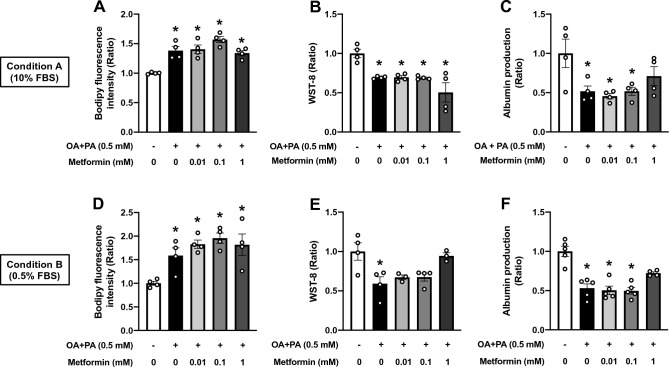
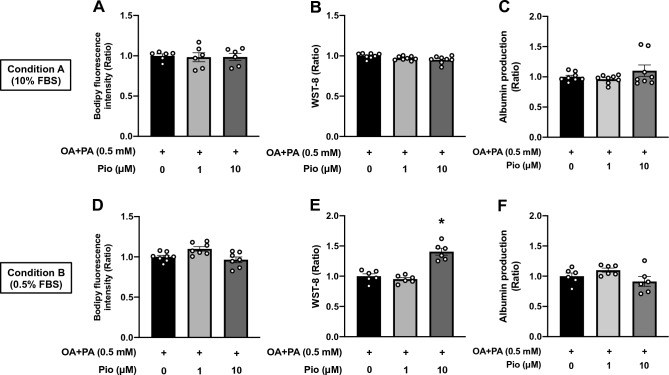
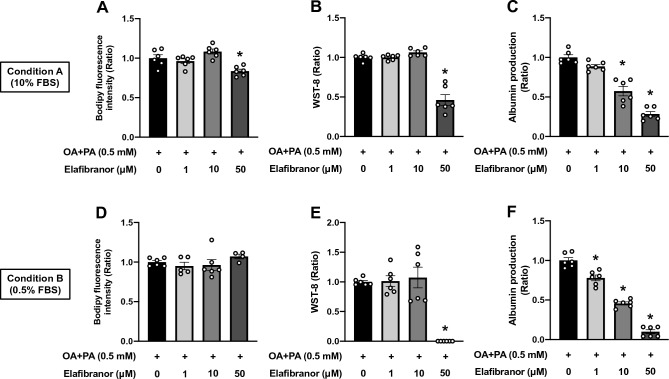
Nonalcoholic fatty liver disease (NAFLD) begins with benign steatosis caused by ectopic storage of triacylglycerols in the liver. Persistent steatosis, in combination with other genetic and environmental factors, leads to nonalcoholic steatohepatitis (NASH) characterized by functional impairment, inflammation, and fibrosis. However, it remains unclear how persistent steatosis directly contributes to the progression of NAFLD, which may represent a therapeutic target. The organ-on-a-chip (OOC) has emerged as a new culture platform to recapitulate human pathological conditions under which drug candidates can be screened. Here, we developed a simple OOC steatosis model using the Mimetas OrganoPlate with a human liver cell line, HepG2. Treating the HepG2 OOCs with fatty acid overload induced steatosis within 24 h. Moreover, persistent steatosis for 6 days impaired OOC viability and hepatic function, as measured by a WST-8 assay and albumin production, respectively. Lastly, the HepG2 OOCs were exposed to drugs being tested in clinical trials for NAFLD/NASH during the 6-day period. Pioglitazone improved the OOC viability while elafibranor reduced the steatosis in association with reduced viability and albumin production. In conclusion, we show that the HepG2 steatosis OOC model is a useful tool on which the efficacy and toxicity of various therapeutic candidates can be tested.
Overview
The claims and statistics of this paper haven’t been checked yet.
Free: it reads the open-access text and checks the first 5 claims that cite a source we can check. Create a free account to check every claim.
Integrity signals
Registry
Cites
Statistics
Figures
Verification
Claims the paper makes
The claims and statistics of this paper haven’t been checked yet.
Free: it reads the open-access text and checks the first 5 claims that cite a source we can check. Create a free account to check every claim.
Claims other papers make about this one
Each is checked against this paper’s own text: does it say what the citing paper says it does?
The source backs part of the claim, not all of it — or backs it for a different population, condition or comparison.
In the citing paper
“The study showed that pioglitazone and elafibranor exhibited fundamentally different effect–safety profiles. Pioglitazone improved viability, while elafibranor reduced steatosis but was accompanied by a decrease in functional parameters.”
From The HepG2 Cell Line as a Model for Studying Metabolic Dysfunction-Associated Steatotic Liver Disease (2026) · cites this paper as [131]
Experimental — accuracy not yet measuredThe source backs part of the claim, not all of it — or backs it for a different population, condition or comparison.
In the citing paper
“In more complex systems (3D cultures, co-cultures), lower FFA concentrations (10–500 μM) are required [131,132,133,134], which brings conditions closer to physiological ones and reduces the risk of non-specific cytotoxicity.”
From The HepG2 Cell Line as a Model for Studying Metabolic Dysfunction-Associated Steatotic Liver Disease (2026) · cites this paper as [131]
Experimental — accuracy not yet measuredThe source backs part of the claim, not all of it — or backs it for a different population, condition or comparison.
In the citing paper
“For pharmacological “effect–safety” evaluation, 3D organ-on-a-chip platforms [131] provide a unique opportunity to simultaneously assess the therapeutic efficacy and toxicity of candidates, which is unattainable in 2D.”
From The HepG2 Cell Line as a Model for Studying Metabolic Dysfunction-Associated Steatotic Liver Disease (2026) · cites this paper as [131]
Experimental — accuracy not yet measured
Self-check
Percentages, sums and reported differences re-computed from the paper’s own numbers.
The self-check needs the paper’s full text.
Citations
Cites
Younossi, Z. M., Golabi, P., Paik, J. M., Henry, A., Van Dongen, C., & Henry, L. (2023) · Hepatology · doi:10.1097/hep.0000000000000004 · Cited by 3,383
Modeling physiological events in 2D vs. 3D cell culture
Duval, K., Grover, H., Han, L.-H., Mou, Y., Pegoraro, A. F., Fredberg, J., & Chen, Z. (2017) · Physiology · doi:10.1152/physiol.00036.2016 · Cited by 1,849
Three-dimensional in vitro cell culture models in drug discovery and drug repositioning
Langhans, S. A. (2018) · Frontiers in Pharmacology · doi:10.3389/fphar.2018.00006 · Cited by 1,522
Ratziu, V., Harrison, S. A., Francque, S., Bedossa, P., Lehert, P., Serfaty, L., Romero-Gomez, M., Boursier, J., Abdelmalek, M., Caldwell, S., et al. (2016) · Gastroenterology · doi:10.1053/j.gastro.2016.01.038 · Cited by 1,035
Genetics and epigenetics of NAFLD and NASH: Clinical impact
Eslam, M., Valenti, L., & Romeo, S. (2018) · Journal of Hepatology · doi:10.1016/j.jhep.2017.09.003 · Cited by 971 · cited 1×
“Moreover, HepG2 cells have a PNPLA3 I148M mutation that was identified as a factor of genetic susceptibility in NAFLD patients 48,49 .”
Pouwels, S., Sakran, N., Graham, Y., Leal, A., Pintar, T., Yang, W., Kassir, R., Singhal, R., Mahawar, K., & Ramnarain, D. (2022) · BMC Endocrine Disorders · doi:10.1186/s12902-022-00980-1 · Cited by 897
Organ-on-a-chip: recent breakthroughs and future prospects
Wu, Q., Liu, J., Wang, X., Feng, L., Wu, J., Zhu, X., Wen, W., & Gong, X. (2020) · BioMedical Engineering OnLine · doi:10.1186/s12938-020-0752-0 · Cited by 701
Ricchi, M., Odoardi, M. R., Carulli, L., Anzivino, C., Ballestri, S., Pinetti, A., Fantoni, L. I., Marra, F., Bertolotti, M., Banni, S., et al. (2009) · Journal of Gastroenterology and Hepatology · doi:10.1111/j.1440-1746.2008.05733.x · Cited by 645 · cited 1×
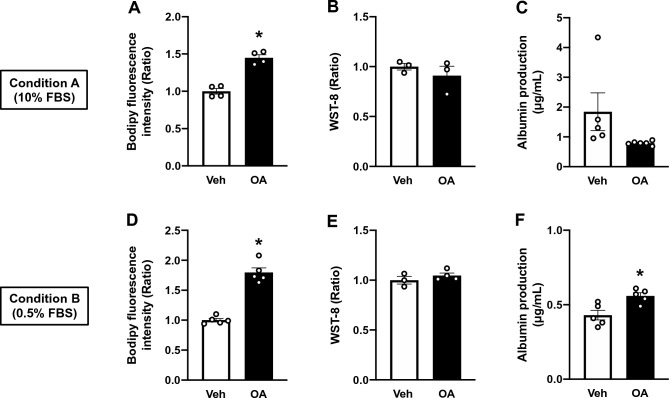
“OA has been reported to be more steatosis-inducing than PA, while PA is more cytotoxic than OA in hepatocyte 2D cultures 38 .”
Palmitic acid induces production of proinflammatory cytokine interleukin-8 from hepatocytes
Joshi-Barve, S., Barve, S. S., Amancherla, K., Gobejishvili, L., Hill, D., Cave, M., Hote, P., & McClain, C. J. (2007) · Hepatology · doi:10.1002/hep.21752 · Cited by 406 · cited 2×
“HepG2 OOCs are likely less sensitive to PA exposure for inducing TAG synthesis than 2D HepG2 cultures in which PA increases TAG accumulation 33–35 .”
Animal Models of Nonalcoholic Fatty Liver Disease—A Starter’s Guide
Van Herck, M., Vonghia, L., & Francque, S. (2017) · Nutrients · doi:10.3390/nu9101072 · Cited by 392
Ectopic fat and insulin resistance: pathophysiology and effect of diet and lifestyle interventions.
Snel, M., Jonker, J. T., Schoones, J., Lamb, H., de Roos, A., Pijl, H., Smit, J. W. A., Meinders, A. E., & Jazet, I. M. (2012) · International Journal of Endocrinology · doi:10.1155/2012/983814 · Cited by 368
Musso, G., Cassader, M., Paschetta, E., & Gambino, R. (2018) · Gastroenterology · doi:10.1053/j.gastro.2018.06.031 · Cited by 332 · cited 1×
“This is consistent with the report that unsaturated FAs such as OA inhibit oxidative stress and inflammatory responses in patients with NASH 53 .”
Feeding Rhythms and the Circadian Regulation of Metabolism
Pickel, L., & Sung, H.-K. (2020) · Frontiers in Nutrition · doi:10.3389/fnut.2020.00039 · Cited by 255 · cited 1×
“Blood concentrations of nutrients and growth factors greatly fluctuate depending on the circadian rhythm and the timing of energy consumption in animals 50 .”
Nonalcoholic Fatty Liver Disease and Type 2 Diabetes Mellitus
Dharmalingam, M., & Yamasandhi, P. (2018) · Indian Journal of Endocrinology and Metabolism · doi:10.4103/ijem.ijem_585_17 · Cited by 239
Deng, J., Wei, W., Chen, Z., Lin, B., Zhao, W., Luo, Y., & Zhang, X. (2019) · Micromachines · doi:10.3390/mi10100676 · Cited by 229
Non-Alcoholic Steatohepatitis: A Review of Its Mechanism, Models and Medical Treatments
Peng, C., Stewart, A. G., Woodman, O. L., Ritchie, R. H., & Qin, C. X. (2020) · Frontiers in Pharmacology · doi:10.3389/fphar.2020.603926 · Cited by 225 · cited 3×
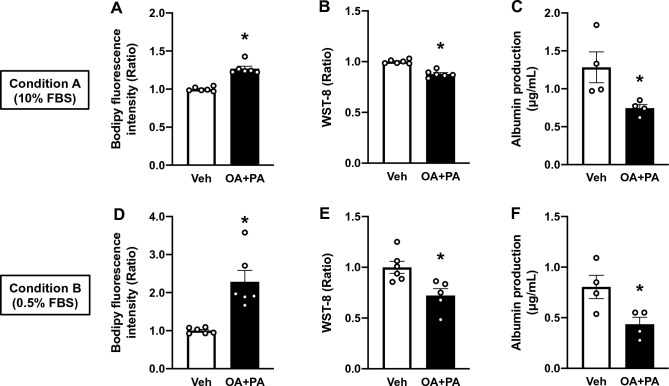
“The reduced viability indicated a possible pathogenic role of hepatocytes in NAFLD progression in response to persistent steatosis without receiving inflammatory inputs from nonparenchymal cells 3 .”
InfluentialA 3D microfluidic liver model for high throughput compound toxicity screening in the OrganoPlate®
Bircsak, K. M., DeBiasio, R., Miedel, M., Alsebahi, A., Reddinger, R., Saleh, A., Shun, T., Vernetti, L. A., & Gough, A. (2021) · Toxicology · doi:10.1016/j.tox.2020.152667 · Cited by 192
Fernando, D. H., Forbes, J. M., Angus, P. W., & Herath, C. B. (2019) · International Journal of Molecular Sciences · doi:10.3390/ijms20205037 · Cited by 184
Zeng, X., Zhu, M., Liu, X., Chen, X., Yuan, Y., Li, L., Liu, J., Lu, Y., Cheng, J., & Chen, Y. (2020) · Nutrition & Metabolism · doi:10.1186/s12986-020-0434-8 · Cited by 184 · cited 9×
“This is probably because in previous human studies, pioglitazone reduced FAs influx into the liver by enhancing lipid anabolism in adipose tissues 42,43 .”
InfluentialQuantification and mechanisms of oleic acid-induced steatosis in HepG2 cells.
(2010) · PubMed Central · Cited by 181
Microfluidic Organ-on-A-chip: A Guide to Biomaterial Choice and Fabrication
Cao, U. M. N., Zhang, Y., Chen, J., Sayson, D., Pillai, S., & Tran, S. D. (2023) · International Journal of Molecular Sciences · doi:10.3390/ijms24043232 · Cited by 178 · cited 1×
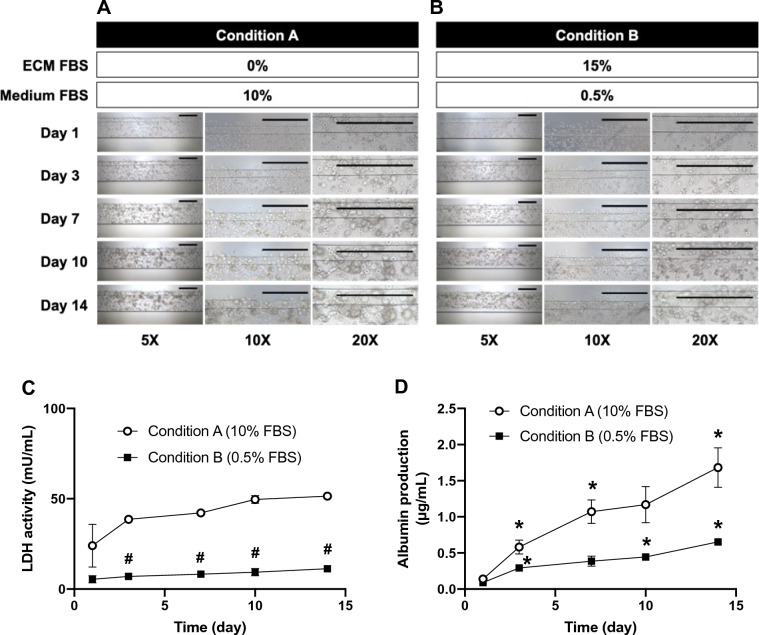
“Given that collagen-based ECM has been utilized to create 3D scaffolds for a number of various OOC models 27,28 , we selected collagen-I for the following OOC studies.”
Investigating Nonalcoholic Fatty Liver Disease in a Liver-on-a-Chip Microfluidic Device
Gori, M., Simonelli, M. C., Giannitelli, S. M., Businaro, L., Trombetta, M., & Rainer, A. (2016) · PLOS ONE · doi:10.1371/journal.pone.0159729 · Cited by 176 · cited 1×
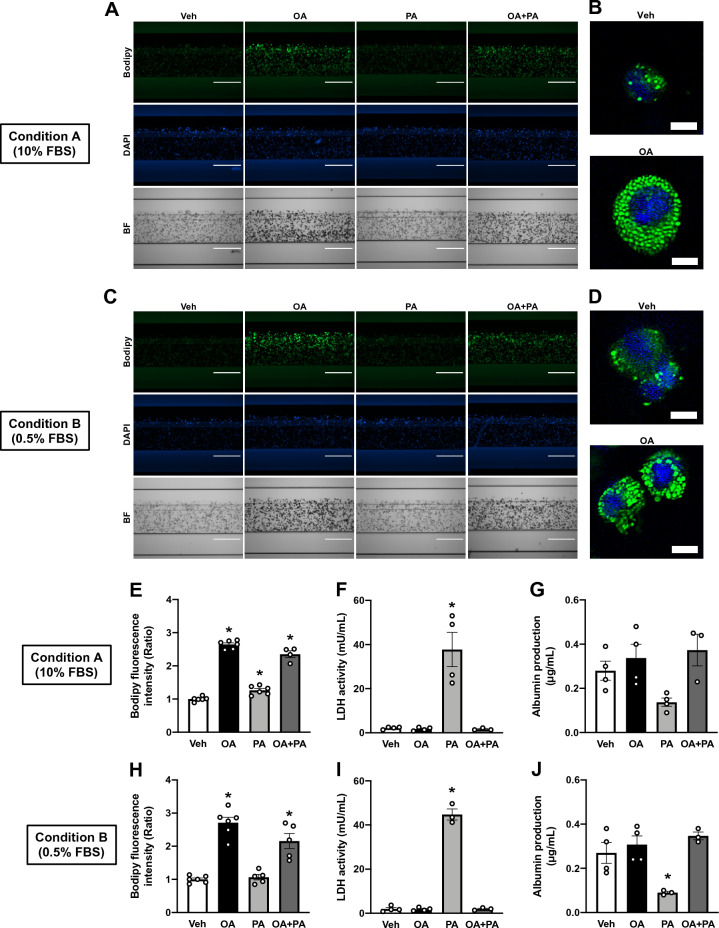
“In most 2D models of steatosis, either of OA, PA, or OA + PA at concentrations ranging from 100 μM to 1 mM are able to induce steatosis within 24 h. Similarly, the OA + PA approach is sufficient for steatosis induction in OOC models 19,20,23,51 .”
Lan, S.-F., Safiejko‐Mroczka, B., & Starly, B. (2010) · Toxicology in Vitro · doi:10.1016/j.tiv.2010.02.015 · Cited by 138
Liver-on-a-Chip models of fatty liver disease
Hassan, S., Sebastian, S., Maharjan, S., Lesha, A., Carpenter, A., Liu, X., Xie, X., Livermore, C., Zhang, Y. S., & Zarrinpar, A. (2020) · Hepatology · doi:10.1002/hep.31106 · Cited by 127 · cited 1×
“Various OOC models of NAFLD/NASH have been developed by both academic labs and pharmaceutical/ biotech companies using custom or commercially available OOCs 13,19–21 .”
In Vitro Models for Non-Alcoholic Fatty Liver Disease: Emerging Platforms and Their Applications
Ramos, M. J., Bandiera, L., Menolascina, F., & Fallowfield, J. A. (2022) · iScience · doi:10.1016/j.isci.2021.103549 · Cited by 127 · cited 6×
“The mixture of OA and PA has been typically used to mimic the lipid profile in the bloodstream of patients with NAFLD or obesity 13 .”
InfluentialMagee, N., Zou, A., & Zhang, Y. (2016) · BioMed Research International · doi:10.1155/2016/5170402 · Cited by 107 · cited 1×
“…model of steatosis with a hepatic cell line might be sufficient to replicate some of the biological features of the liver, the pathology of NAFLD, and the drug responses found in humans, but with some limitations such as inflammatory responses generally mediated by the non-parenchymal cells 44 .”
Hegde, M., Jindal, R., Bhushan, A., Bale, S. S., McCarty, W. J., Golberg, I., Usta, O. B., & Yarmush, M. L. (2014) · Lab Chip · doi:10.1039/c4lc00071d · Cited by 104 · cited 1×
“Given that collagen-based ECM has been utilized to create 3D scaffolds for a number of various OOC models 27,28 , we selected collagen-I for the following OOC studies.”
Human Nonalcoholic Steatohepatitis on a Chip
Freag, M. S., Namgung, B., Reyna Fernandez, M. E., Gherardi, E., Sengupta, S., & Jang, H. L. (2021) · Hepatology Communications · doi:10.1002/hep4.1647 · Cited by 102 · cited 4×
“Various OOC models of NAFLD/NASH have been developed by both academic labs and pharmaceutical/ biotech companies using custom or commercially available OOCs 13,19–21 .”
InfluentialMa, B., Zhang, G., Qin, J., & Lin, B. (2009) · Lab Chip · doi:10.1039/b809117j · Cited by 100 · cited 1×
“Conversely, hepatocytes in 3D OOC culture systems with a flow of cell culture medium have been reported to maintain physiological characteristics and sustenance with a steady supply of nutrients and oxygen and removal of cellular wastes 46,47 .”
On-chip three-dimensional cell culture in phaseguides improves hepatocyte functions in vitro
Jang, M., Neuzil, P., Volk, T., Manz, A., & Kleber, A. (2015) · Biomicrofluidics · doi:10.1063/1.4922863 · Cited by 95 · cited 4×
“Even though HepG2 cells originated from human hepatocellular carcinoma, the sizes of HepG2 cluster areas in OOCs were unchanged over 2 weeks of experimental periods 24 , suggesting suppression of HepG2 proliferation in OOC platforms.”
InfluentialPioglitazone Enhances Cytosolic Lipolysis, β-oxidation and Autophagy to Ameliorate Hepatic Steatosis
Hsiao, P., Chiou, H.-Y. C., Jiang, H., Lee, M., Hsieh, T., & Kuo, K. (2017) · Scientific Reports · doi:10.1038/s41598-017-09702-3 · Cited by 86 · cited 1×
“The effectiveness of these drug candidates has been supported by previous in vitro and in vivo animal studies 15,39,41 .”
Hetherington, A. M., Sawyez, C. G., Zilberman, E., Stoianov, A. M., Robson, D. L., & Borradaile, N. M. (2016) · Cellular Physiology and Biochemistry · doi:10.1159/000447866 · Cited by 80 · cited 2×
“As ectopic deposition of TAGs in the liver has been suggested as a buffering mechanism that sequesters toxic accumulation of non-esterified FAs 36,37 , hepatic steatosis is mostly asymptomatic, especially at the onset of NAFLD 2 .”
Diabetes drugs for nonalcoholic fatty liver disease: a systematic review
Blazina, I., & Selph, S. (2019) · Systematic Reviews · doi:10.1186/s13643-019-1200-8 · Cited by 74 · cited 19×
“In addition, an experimental compound, elafibranor (a PPARα/δ dual agonist) specifically designed for cardiometabolic diseases, has been tested in clinical trials in patients with NAFLD/NASH.”
InfluentialGunn, P. J., Green, C. J., Pramfalk, C., & Hodson, L. (2017) · Physiological Reports · doi:10.14814/phy2.13532 · Cited by 73 · cited 1×
“Particularly, HepG2 2D cultures have been intensively studied 13 and shown to mostly express key regulators of hepatic lipid metabolism 31 .”
Zhu, X., Yan, H., Xia, M., Chang, X., Xu, X., Wang, L., Sun, X., Lü, Y., Bian, H., Li, X., et al. (2018) · Lipids in Health and Disease · doi:10.1186/s12944-018-0762-0 · Cited by 73 · cited 4×
“We concluded that unlike previous 2D in vitro and animal models of NAFLD 15,39 , 6-day metformin treatment was unable to reverse persistent steatosis-associated hepatic deteriorations in HepG2 OOCs.”
InfluentialŠtampar, M., Breznik, B., Filipič, M., & Žegura, B. (2020) · Cells · doi:10.3390/cells9122557 · Cited by 70 · cited 1×
“However, as the gene expression profile of HepG2 OOCs may differ from that of the 2D cultures 32 , we compared the mRNA expression levels of 9 regulators involved in various lipid metabolic processes between 2D and OOC cultures of HepG2: Fatty acid binding protein 1 (FABP1) for fatty acid uptake;…”
PPAR agonists reduce steatosis in oleic acid-overloaded HepaRG cells
Rogue, A., Anthérieu, S., Vluggens, A., Umbdenstock, T., Claude, N., de la Moureyre-Spire, C., Weaver, R. J., & Guillouzo, A. (2014) · Toxicology and Applied Pharmacology · doi:10.1016/j.taap.2014.02.001 · Cited by 65 · cited 1×
“However, these preclinical studies were largely designed to expose to the drug during the processes of steatosis induction (in vitro) except for a few studies 14,23 or NAFLD/NASH development (in vivo).”
Slaughter, V. L., Rumsey, J. W., Boone, R., Malik, D., Cai, Y., Sriram, N. N., Long, C. J., McAleer, C. W., Lambert, S., Shuler, M. L., et al. (2021) · Scientific Reports · doi:10.1038/s41598-021-92264-2 · Cited by 65 · cited 3×
“In most 2D models of steatosis, either of OA, PA, or OA + PA at concentrations ranging from 100 μM to 1 mM are able to induce steatosis within 24 h. Similarly, the OA + PA approach is sufficient for steatosis induction in OOC models 19,20,23,51 .”
Metabolic Characterization of Primary Rat Hepatocytes Cultivated in Parallel Microfluidic Biochips
Legendre, A., Baudoin, R., Alberto, G., Paullier, P., Naudot, M., Bricks, T., Brocheton, J., Jacques, S., Cotton, J., & Leclerc, É. (2013) · Journal of Pharmaceutical Sciences · doi:10.1002/jps.23466 · Cited by 64 · cited 1×
“Conversely, hepatocytes in 3D OOC culture systems with a flow of cell culture medium have been reported to maintain physiological characteristics and sustenance with a steady supply of nutrients and oxygen and removal of cellular wastes 46,47 .”
Kawaguchi, K., Sakai, Y., Terashima, T., Shimode, T., Seki, A., Orita, N., Takeshita, Y., Shimakami, T., Takatori, H., Arai, K., et al. (2021) · Medicine · doi:10.1097/md.0000000000026835 · Cited by 63 · cited 3×
“Moreover, the albumin production decreased by persistent steatosis may correlate with the fact that NAFLD patients with severer clinical outcomes have reduced serum concentrations of albumin 11 .”
InfluentialXiao, Q., Zhang, S., Yang, C. N., Du, R., Zhao, J., Li, J., Xu, Y., Qin, Y., Gao, Y., & Huang, W. (2019) · International Journal of Endocrinology · doi:10.1155/2019/7514802 · Cited by 62
Teng, Y., Zhao, Z., Tasnim, F., Huang, X., & Yu, H. (2021) · Biomaterials · doi:10.1016/j.biomaterials.2021.120904 · Cited by 62 · cited 2×
“However, these preclinical studies were largely designed to expose to the drug during the processes of steatosis induction (in vitro) except for a few studies 14,23 or NAFLD/NASH development (in vivo).”
Non-alcoholic fatty liver – Perhaps not so benign
Adams, L. A., & Ratziu, V. (2015) · Journal of Hepatology · doi:10.1016/j.jhep.2015.02.005 · Cited by 53 · cited 1×
“However, several lines of evidence support the idea that NAFLD progression to NASH may be partly attributed to damaged hepatocytes independent of inflammatory circumstances 10 .”
PNPLA3 I148M mediates the regulatory effect of NF‐kB on inflammation in PA‐treated HepG2 cells
Yuan, S., Liu, H., Yuan, D., Xu, J., Chen, Y., Xu, X. L., Xu, F. L., & Liang, H. (2019) · Journal of Cellular and Molecular Medicine · doi:10.1111/jcmm.14839 · Cited by 51 · cited 1×
“Moreover, HepG2 cells have a PNPLA3 I148M mutation that was identified as a factor of genetic susceptibility in NAFLD patients 48,49 .”
Role of hepatic peroxisome proliferator-activated receptor γ in non-alcoholic fatty liver disease
Lee, S. M., Muratalla, J. T., Sierra‐Cruz, M., & Córdoba‐Chacón, J. (2023) · Journal of Endocrinology · doi:10.1530/joe-22-0155 · Cited by 49
Saxton, S. H., & Stevens, K. R. (2022) · Journal of Hepatology · doi:10.1016/j.jhep.2022.06.022 · Cited by 40 · cited 1×
“Morphological characteristics and cellular functions of hepatocytes are altered by static 2D culture platforms 45 .”
Exendin-4 Inhibits Hepatic Lipogenesis by Increasing β-Catenin Signaling
Seo, M. H., Lee, J., Hong, S.-W., Rhee, E.-J., Park, S. E., Park, C. Y., Oh, K. W., Park, S. W., & Lee, W.-Y. (2016) · PLOS ONE · doi:10.1371/journal.pone.0166913 · Cited by 37 · cited 2×
“HepG2 OOCs are likely less sensitive to PA exposure for inducing TAG synthesis than 2D HepG2 cultures in which PA increases TAG accumulation 33–35 .”
Liver Fibrosis—From Mechanisms of Injury to Modulation of Disease
Liedtke, C., Nevzorova, Y. A., Luedde, T., Zimmermann, H., Kroy, D., Strnad, P., Berres, M.-L., Bernhagen, J., Tacke, F., Nattermann, J., et al. (2022) · Frontiers in Medicine · doi:10.3389/fmed.2021.814496 · Cited by 37 · cited 1×
“Moreover, liver levels of OA are reciprocally correlated with the occurrence of fibrosis partly resulting from chronic liver damage 54 .”
Pennisi, G., Celsa, C., Spatola, F., Dallio, M., Federico, A., & Petta, S. (2019) · International Journal of Environmental Research and Public Health · doi:10.3390/ijerph16224334 · Cited by 34
Effects and Potential Mechanisms of Pioglitazone on Lipid Metabolism in Obese Diabetic KKAy Mice
Peng, J., Huan, Y., Jiang, Q., Sun, S., Jia, C., & Shen, Z. (2014) · PPAR Research · doi:10.1155/2014/538183 · Cited by 32 · cited 1×
“This is probably because in previous human studies, pioglitazone reduced FAs influx into the liver by enhancing lipid anabolism in adipose tissues 42,43 .”
What Are the Current Pharmacological Therapies for Nonalcoholic Fatty Liver Disease?
David, D., & Eapen, C. E. (2020) · Journal of Clinical and Experimental Hepatology · doi:10.1016/j.jceh.2020.09.001 · Cited by 26
Metformin Alleviates Steatohepatitis in Diet-Induced Obese Mice in a SIRT1-Dependent Way
Guo, W., Liu, J., Cheng, L., Liu, Z., Zheng, X., Liang, H., & Xu, F. L. (2021) · Frontiers in Pharmacology · doi:10.3389/fphar.2021.704112 · Cited by 25 · cited 4×
“We concluded that unlike previous 2D in vitro and animal models of NAFLD 15,39 , 6-day metformin treatment was unable to reverse persistent steatosis-associated hepatic deteriorations in HepG2 OOCs.”
InfluentialRoles of Spheroid Formation of Hepatocytes in Liver Tissue Engineering
Jiang, H.-L., Kim, Y.-K., Cho, K.-H., Jang, Y.-C., Choi, Y.-J., Chung, J.-H., & Cho, C.-S. (2010) · International Journal of Stem Cells · doi:10.15283/ijsc.2010.3.2.69 · Cited by 22
Malik, A., Nadeem, M., & Malik, M. I. (2021) · Clinical Journal of Gastroenterology · doi:10.1007/s12328-021-01491-7 · Cited by 22 · cited 3×
“Elafibranor exhibited hepatoprotective properties by reducing hepatic fat storage and enzyme activity 40 .”
InfluentialJang, M., Manz, A., Volk, T. J., & Kleber, A. (2018) · Biomedical Microdevices · doi:10.1007/s10544-018-0300-x · Cited by 13 · cited 1×
“B, Mimetas, Netherlands), we followed an OOC protocol for hepatocytes that had been established elsewhere 24,25 .”
Gestational exposure to cannabidiol leads to glucose intolerance in 3-month-old male offspring
Vanin, S., Lee, K., Nashed, M. G., Tse, B., Sarikahya, M. H., Brar, S. K., Tomy, G. T., Lucas, A.-M., Tomy, T., Laviolette, S. R., et al. (2023) · Journal of Endocrinology · doi:10.1530/joe-23-0173 · Cited by 13
Cited by
Application of Artificial Intelligence at All Stages of Bone Tissue Engineering
Kolomenskaya, E. R., Butova, V. V., Poltavskiy, A. V., Soldatov, A. V., & Butakova, M. A. (2023) · Biomedicines · doi:10.3390/biomedicines12010076 · Cited by 75
“This While this concept was widely applied to such organs as lungs, intestines, liver, kidneys, and others [143–145], applying it to bone tissues is still challenging. bone-on-a-chip platform was further applied to test anti-SOST antibody drugs using an AI-based image analysis system. β -catenin,…”
Qi, L., Gröger, M., Sharma, A., Goswami, I., Chen, E., Zhong, F., Ram, A., Healy, K. E., Hsiao, E. C., Willenbring, H., et al. (2024) · Nature Communications · doi:10.1038/s41467-024-52258-w · Cited by 54
Modeling cancer–microbiome interactions in vitro: A guide to co‐culture platforms
Moskal, K., Khurana, N., Siegert, L., Lee, Y., Clevers, H. C., Elinav, E., & Puschhof, J. (2024) · International Journal of Cancer · doi:10.1002/ijc.35298 · Cited by 25
“Such OOC plates are commercially available in both 2-channel and 3-channel formats 73,74 and recently another architecture with two vascular channel surrounding a third compartment where spheroids or organoids can be seeded in the ECM-like gel was proposed.”
Leslie, J., Krishnamurthy, K. A., Gopalsamy, I. K., Inácio, P., Huch, M., Gallage, S., Oakley, F., & Vacca, M. (2026) · Nature Reviews Gastroenterology & Hepatology · doi:10.1038/s41575-025-01162-9 · Cited by 30
Rho, H. K., Kim, S., Kim, S. U., Kim, J. W., Lee, S. H., Park, S., Escorcia, F. E., Chung, J., & Song, J. (2024) · Nature Communications · doi:10.1038/s41467-024-53002-0 · Cited by 21
“Increased lipid droplet levels may lead to lipo-toxicity, resulting in increased in fl ammation-and fi brosis-related gene expressions 39,40 .”
Metadata
- Authors
- Wiriyakulsit, N., Keawsomnuk, P., Thongin, S., Ketsawatsomkron, P., & Muta, K.
- Affiliations
- Mahidol University (TH)
- Corresponding author
- Muta, Kenjiro
- Venue
- Scientific Reports
- Published
- 2023-10-09
- Volume
- 13
- Issue
- 1
- Pages
- 17019-17019
- ISSN
- 2045-2322 (ISSN-L)
- PMC
- PMC10562420
- OpenAlex
- W4387451531
- Semantic Scholar
- 0bc0cb8f981e366d80b99379925d381ffe678572
- Cited by
- 29
- References
- 56
- Citations by year
- 2026: 15 · 2025: 6 · 2024: 7 · 2023: 1
- FWCI
- 5.79
- Type
- journal article
- Language
- en
- Open access
- gold
- doi.org
- Licence
- cc-by
- creativecommons.org/licenses/by/4.0 (tdm)
- creativecommons.org/licenses/by/4.0 (vor)
- Locations
- Scientific Reports (publishedVersion, cc-by)
- PubMed Central (publishedVersion, cc-by)
- PubMed (publishedVersion)
- DOAJ (DOAJ: Directory of Open Access Journals) (submittedVersion, cc-by-sa)
- Greater South Information System
- Funders
- The Program Management Unit for Competitiveness (C10F640323)
- The National Research Council of Thailand (NRCT383/2563)
- Topics
- Health Sciences › Medicine › Hepatology › Liver Disease Diagnosis and Treatment
- Physical Sciences › Engineering › Biomedical Engineering › 3D Printing in Biomedical Research
- Life Sciences › Pharmacology, Toxicology and Pharmaceutics › Pharmacology › Drug-Induced Hepatotoxicity and Protection
- Keywords
- hepatic steatosis, non-alcoholic fatty liver disease, nonalcoholic steatohepatitis, HepG2 cells, fatty acid overload, cell viability, albumin synthesis, pioglitazone, elafibranor, drug screening
- MeSH terms
- Microphysiological Systems, Albumins, Humans, Inflammation, Liver, Non-alcoholic Fatty Liver Disease
About these checks
Registry, retraction, Cites and statistics results are computed, not judged, with one exception: a printed reference that no index lists is read once by a model before it counts as a citation error. Claims are extracted by a model and kept only when their quote appears verbatim in the text; each cited source is then checked, with a model’s help, for whether it says what the claim relies on. Those verdicts can be wrong — read the claim’s quote and the cited source before relying on one.
Statistics and arithmetic are recomputed, not judged.
Confidence bands are shown only for fields calibrated on our annotated test set. None is calibrated yet, so no band is shown.
What counts as a claim ›How we measure confidence ›How we check this ›
Are you an author, or do you see a problem with this page? Request a review
Data sources
Bibliographic data: Semantic Scholar, OpenAlex, Crossref.
Contains information from the Semantic Scholar Academic Graph Datasets, made available under the ODC Attribution License (ODC-BY 1.0).
Semantic Scholar’s data is described in: Kinney, R., et al. (2023). The Semantic Scholar Open Data Platform. arXiv:2301.10140.
