

Cold plasma technology as a pre-treatment for seed priming enhances germination and reduces salinity stress in Prosopis Koelziana
Open accessThe DOI matches its Crossref record; 55 of the 58 references it cites were found in a registry or an index; 24 of the 39 sources its claims cite were checked for support.
Abstract
The Prosopis koelziana genus, part of the Fabaceae family, plays a crucial role in the ecology and economy of arid regions. It is commonly used for restoring deserts, forests, and degraded soils that have low fertility and high salt concentrations. However, recent research has shown that the seedlings of P. koelziana are highly susceptible to salinity stress, despite their overall high tolerance. This study aimed to explore the use of cold plasma technology as a seed pretreatment to enhance germination rates and seedling tolerance to salt stress. In the study, the germination rates of Prosopis koelziana seeds improved significantly: from 44% to 21% at 100 mM and 200 mM salinity, respectively, to 100% and 68% after an 8-minute plasma treatment. This improvement is attributed to various physical and biochemical changes occurring within the seeds, such as increased permeability to water and gases. Furthermore, after the 8-minute plasma treatment, membrane lipid peroxidation-an indicator of oxidative stress-was reduced by 35% and 50% in plants subjected to 100 mM and 200 mM salt stress, respectively. Under both moderate and severe salt stress, the activities of the enzymes catalase (CAT), ascorbate peroxidase (APX), and guaiacol peroxidase (GPX) significantly increased in plasma-treated plants compared to those not treated with cold plasma. In contrast, the activity of polyphenol oxidase (PPO) decreased. These findings suggest that cold plasma priming is a promising method for combating salinity stress and highlight its potential in enhancing the survival and conservation of Prosopis koelziana in arid ecosystems.
Overview
CoChat Summary
TL;DR
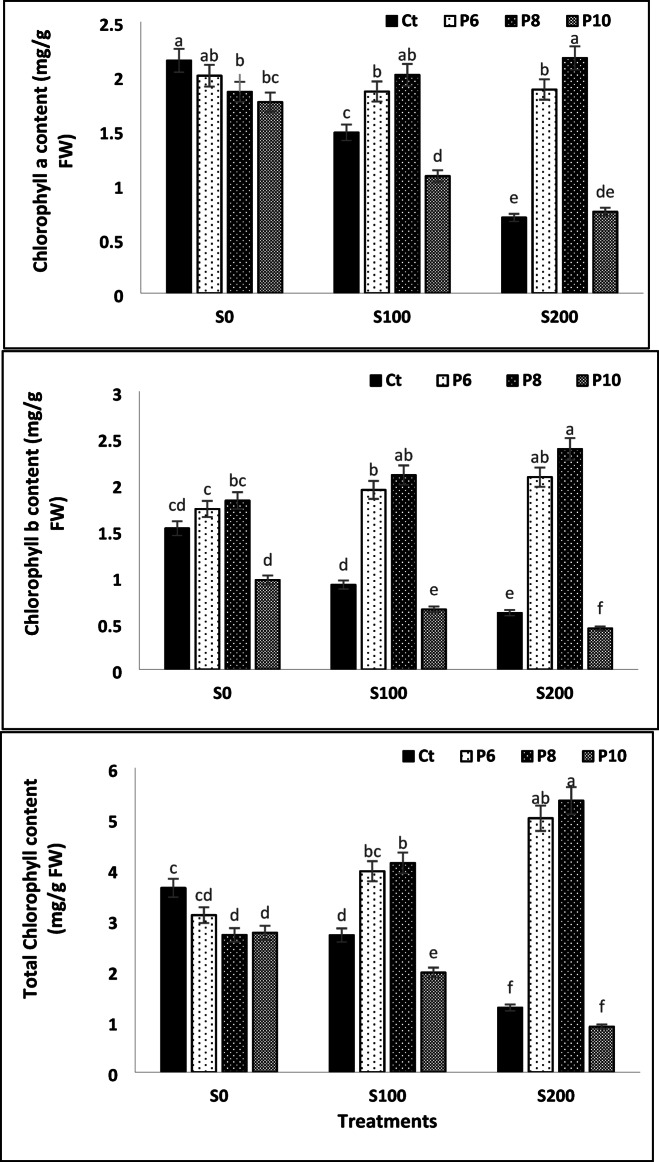
Cold plasma seed pretreatment, especially for 8 min, improved germination and salinity tolerance in *Prosopis koelziana* under NaCl stress. The benefits were linked to reduced lipid peroxidation, higher antioxidant enzyme activity, preserved photosynthetic pigments, increased soluble sugars, and lower root Na⁺ accumulation.
Key findings
- Germination under salinity improved from 44% and 21% at 100 and 200 mM NaCl, respectively, to 100% and 68% after 8-min plasma treatment; under normal conditions, 6-, 8-, and 10-min treatments increased germination by approximately 25%, 56%, and 45%, respectively.
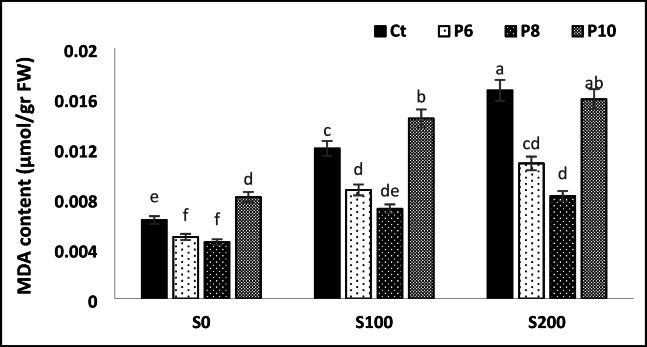
- Lipid peroxidation increased about 2-fold and 3-fold under 100 and 200 mM salinity; 6- and 8-min plasma reduced it by 22% and 37% at 100 mM, and by 38% and 50% at 200 mM, while 10-min treatment increased peroxidation.
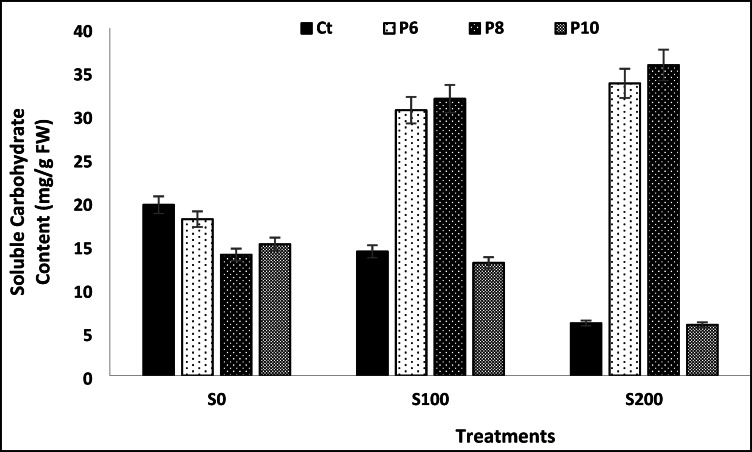
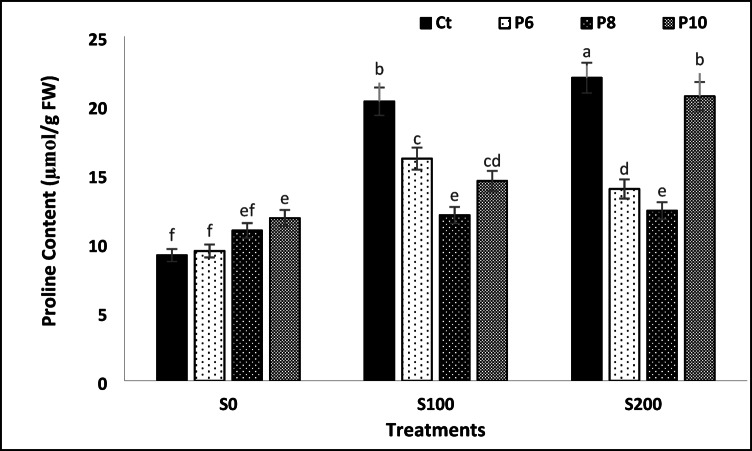
- Soluble sugars decreased 30% at 100 mM and about 70% at 200 mM salinity; 6- and 8-min plasma increased sugar content by about 2 and 5 times compared with untreated seeds. Proline rose 2-fold at moderate and 2.5-fold at severe salinity, but 6- and 8-min plasma reduced proline by about 20% and 40% at 100 mM, and 35% and 50% at 200 mM.
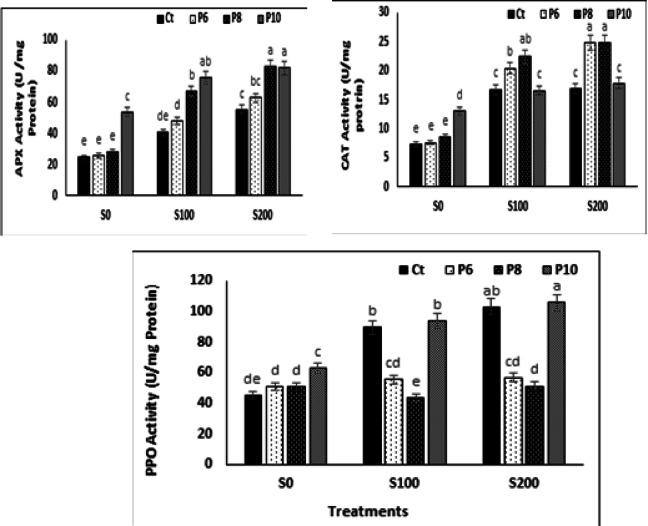
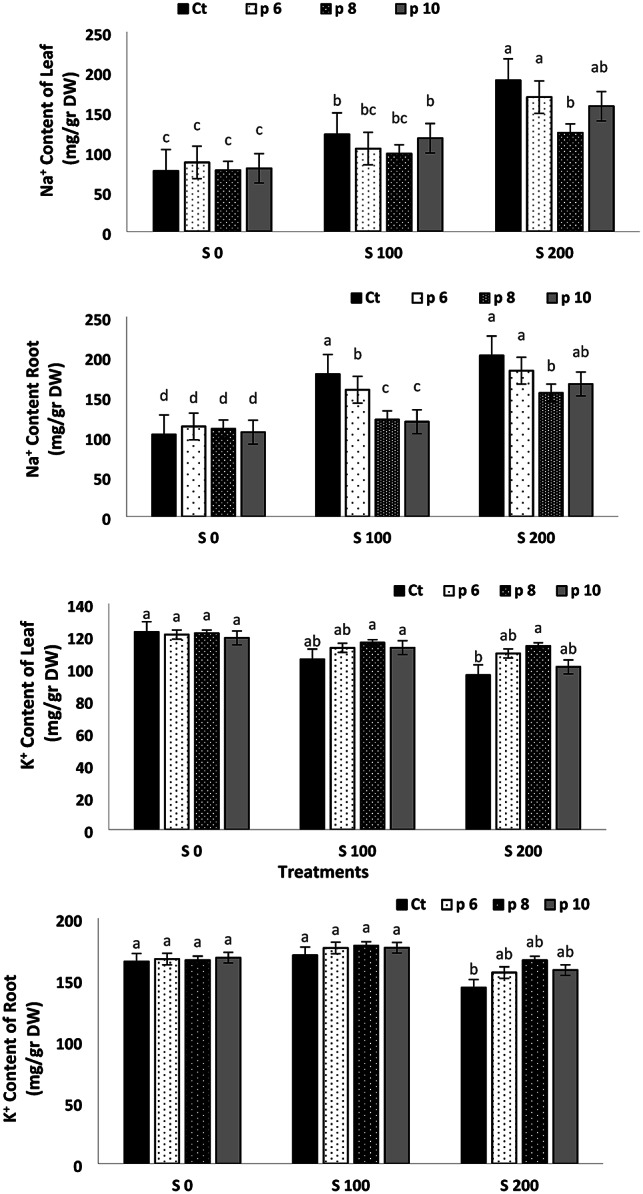
- Salinity increased CAT, GPX, APX, and PPO activities; 6- and 8-min plasma enhanced CAT/GPX and reduced PPO, while 8- and 10-min enhanced APX. Plasma did not affect leaf Na⁺ but reduced root Na⁺, with 8 min most effective; K⁺ decreased only at 200 mM salinity and was little affected by plasma.
Methods
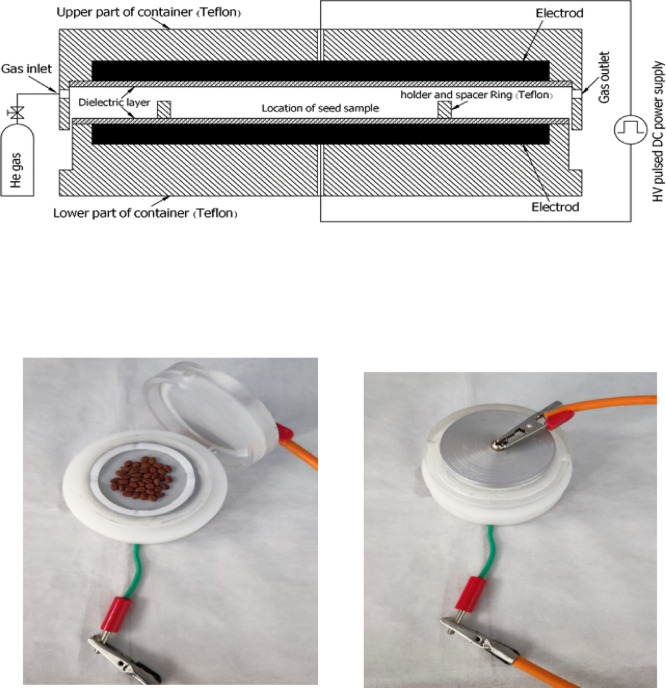
- Seeds of native *Prosopis koelziana* from Shahdad, Kerman, Iran (herbarium MIR-4752) were treated with dielectric barrier discharge cold plasma for 6, 8, or 10 min at 10 V using air as input gas.
- Germination tests used petri dishes with 15 seeds on filter paper soaked with distilled water or 100/200 mM NaCl, kept at 25 °C with 16/8 light/dark for 7 days. Pot experiments used washed sand, half-strength Hoagland solution weekly, and after 30 days applied 100 or 200 mM NaCl for 14 days.
- A completely randomized factorial design with three replications was used. Assays included MDA, soluble sugars, proline, photosynthetic pigments, CAT, GPX, APX, PPO, and K⁺/Na⁺ by atomic absorption; data were analyzed by ANOVA at 95% confidence with Duncan’s multiple range test.
Limitations
- Not stated in the paper.
- Evident from the text: the study uses one species and one seed source, with short-term petri-dish and pot/sand experiments rather than field validation, and only three replications.
- The paper states that the precise mechanism by which plasma priming affects H⁺-ATPase activity is not fully understood, and that 10-min plasma treatment caused damage, indicating the optimal duration must be tailored to each seed type.
Model-written summary. Check it against the paper before relying on it.
Integrity signals
Registry
Cites
Statistics
Figures
Verification
Claims the paper makes
13 Valid · 2 Not valid · 5 Not checked · 44 Own results and interpretations
The cited sources that could be checked couldn’t confirm or dispute this claim.
In the paper
“Interestingly, this study has shown that pretreating of Prosopis seeds with cold plasma can positively affect carbohydrate metabolism in plants experiencing salt stress, as reported in earlier research on other plants44,55.”
§ Cold plasma technology as a pre-treatment for seed priming enhances germination and reduces salinity stress in Prosopis Koelziana > Discussion
What the sources say
- Could not verifycites [44] Recek, N. et al. Germination and growth of plasma–treated maize seeds planted in fields and exposed to realistic environmental conditions. Int. J. Mol. Sci. 24, 6868. 10.3390/ijms24076868 (2023). 37047840 PMC10094815 sourceExperimental — accuracy not yet measured
The Results (section 2.2; page unavailable) discuss yield after plasma treatment of maize seeds, not carbohydrate metabolism under salt stress. Searches for carbohydrate metabolism and salinity found no passage in our copy addressing that claim. (LLM, conf=0.76)
- Not checked — no full text of the sourcecites [55] Ghasempour, S., Ghanbari Jahromi, M., Mousavi, A. & Iranbakhsh, A. Seed priming with cold plasma, iron and manganese nanoparticles modulates salinity stress in hemp (Cannabis sativa L.) by improving germination, growth and biochemical attributes. Environ. Sci Pollut Res. Int. 31, 65315–65327. 10.1007/s11356-024-35590-y (2024). 39579191 source
plainstates a cause- Asserted: passes — The authors put it forward as true.
- Checkable: passes — It can be checked against evidence.
- Load-bearing: passes — The paper’s conclusions depend on it.
- Based: passes — The paper gives a reason why it holds.
- Could not verify
A result the paper reports from its own data — it cites no other source for it, so there is none to check. The quote shows it is in the paper.
In the paper
“However, the 10-minute plasma treatment reduced chlorophyll levels in both control and saline conditions.”
§ Cold plasma technology as a pre-treatment for seed priming enhances germination and reduces salinity stress in Prosopis Koelziana > Results > Quantification of photosynthetic pigments
plainstates a cause- Asserted: passes — The authors put it forward as true.
- Checkable: passes — It can be checked against evidence.
- Load-bearing: unclear — It is unclear whether the paper’s conclusions depend on it.
- Based: passes — The paper gives a reason why it holds.
A result the paper reports from its own data — it cites no other source for it, so there is none to check. The quote shows it is in the paper.
In the paper
“Conversely, the 10-minute plasma treatment increased peroxidation in both conditions, indicating it may not be the best option for this plant species (Fig. 2).”
§ Cold plasma technology as a pre-treatment for seed priming enhances germination and reduces salinity stress in Prosopis Koelziana > Results > Peroxidation of membrane lipids
hedgedstates a cause- Asserted: passes — The authors put it forward as true.
- Checkable: passes — It can be checked against evidence.
- Load-bearing: unclear — It is unclear whether the paper’s conclusions depend on it.
- Based: passes — The paper gives a reason why it holds.
A result the paper reports from its own data — it cites no other source for it, so there is none to check. The quote shows it is in the paper.
In the paper
“Figure 7 shows that salinity stress significantly increased sodium levels in both leaves and roots.”
§ Cold plasma technology as a pre-treatment for seed priming enhances germination and reduces salinity stress in Prosopis Koelziana > Results > Sodium and potassium ion concentrations in root and leaf tissues of Prosopis koelziana
plainstates a cause- Asserted: passes — The authors put it forward as true.
- Checkable: passes — It can be checked against evidence.
- Load-bearing: passes — The paper’s conclusions depend on it.
- Based: passes — The paper gives a reason why it holds.
A result the paper reports from its own data — it cites no other source for it, so there is none to check. The quote shows it is in the paper.
In the paper
“However, a 10-minute plasma exposure did not significantly influence sugar content, indicating that it had no effect under saline conditions (Fig. 3).”
§ Cold plasma technology as a pre-treatment for seed priming enhances germination and reduces salinity stress in Prosopis Koelziana > Results > Soluble sugars content
hedged- Asserted: passes — The authors put it forward as true.
- Checkable: passes — It can be checked against evidence.
- Load-bearing: unclear — It is unclear whether the paper’s conclusions depend on it.
- Based: passes — The paper gives a reason why it holds.
12 more claims
Create a free account to see all 64 claims and every source verdict.
- Probably not a substantial claim. 17
- It may state two separate claims as one. 42
Self-check
Percentages, sums and reported differences re-computed from the paper’s own numbers.
Rated major: it would touch a result — a value a result rests on, reported and recomputed p-values on opposite sides of the significance level, two passages that conflict with no sign which is right, or a cited work retracted before this paper was published.
In the paper
“Chl a (µg/mL) = 12.25 A663.2–2.79 A646.8. Chl b (µg/mL) = 21.21 A646.8–5.1 A663.2. Chl t (Chl a + Chl b) = 7.15 A663.2 + 18.71 A646.8.”
§ Cold plasma technology as a pre-treatment for seed priming enhances germination and reduces salinity stress in Prosopis Koelziana > Materials and methods > Quantification of photosynthetic pigments in leaves tissue
Reported 18.71 · recomputed 18.42
Citations
Cites
Bradford, M. M. (1976) · Analytical Biochemistry · doi:10.1016/0003-2697(76)90527-3 · Cited by 255,302
Rapid determination of free proline for water-stress studies
Bates, L. S., Waldren, R. P., & Teare, I. D. (1973) · Plant and Soil · doi:10.1007/bf00018060 · Cited by 20,967 · cited 1×
“The proline content was determined using the protocol developed by Bates 27 .”
Mechanisms of Salinity Tolerance
Munns, R., & Tester, M. (2008) · Annual Review of Plant Biology · doi:10.1146/annurev.arplant.59.032607.092911 · Cited by 13,792
[34] Chlorophylls and carotenoids: Pigments of photosynthetic biomembranes
Lichtenthaler, H. K. (1987) · Methods in Enzymology · doi:10.1016/0076-6879(87)48036-1 · Cited by 13,616
Photoperoxidation in isolated chloroplasts
Heath, R. L., & Packer, L. (1968) · Archives of Biochemistry and Biophysics · doi:10.1016/0003-9861(68)90654-1 · Cited by 11,413 · cited 1×
“Malondialdehyde (MDA) content of leaf tissue was estimated by using Heath and Packer methods 25 .”
Hydrogen Peroxide is Scavenged by Ascorbate-specific Peroxidase in Spinach Chloroplasts
Nakano, Y., & Asada, K. (1981) · Plant and Cell Physiology · doi:10.1093/oxfordjournals.pcp.a076232 · Cited by 10,809 · cited 1×
“APX activity was measured according to Nakano and Asada 31 .”
DHINDSA, R. S., PLUMB-DHINDSA, P., & THORPE, T. A. (1981) · Journal of Experimental Botany · doi:10.1093/jxb/32.1.93 · Cited by 4,421
Salt tolerance and salinity effects on plants: a review
Parida, A. K., & Das, A. B. (2005) · Ecotoxicology and Environmental Safety · doi:10.1016/j.ecoenv.2004.06.010 · Cited by 4,160
Reactive oxygen species homeostasis and signalling during drought and salinity stresses
MILLER, G., SUZUKI, N., CIFTCI‐YILMAZ, S., & MITTLER, R. (2010) · Plant, Cell & Environment · doi:10.1111/j.1365-3040.2009.02041.x · Cited by 3,945 · cited 1×
“Elevated lipid peroxidation is a well-established indicator of increased oxidative stress under saline conditions 49,50 .”
Crop Salt Tolerance—Current Assessment
Maas, E. V., & Hoffman, G. J. (1977) · Journal of the Irrigation and Drainage Division · doi:10.1061/jrcea4.0001137 · Cited by 3,565
Salinity tolerance in halophytes*
Flowers, T. J., & Colmer, T. D. (2008) · New Phytologist · doi:10.1111/j.1469-8137.2008.02531.x · Cited by 2,789
Gupta, B., & Huang, B. (2014) · International Journal of Genomics · doi:10.1155/2014/701596 · Cited by 2,105
Impact of Climate Change on Crops Adaptation and Strategies to Tackle Its Outcome: A Review
Raza, A., Razzaq, A., Mehmood, S. S., Zou, X., Zhang, X., Lv, Y., & Xu, J. (2019) · Plants · doi:10.3390/plants8020034 · Cited by 1,762 · cited 1×
“This occurs because salinity interferes with essential metabolic processes needed for energy production and development 47 .”
World salinization with emphasis on Australia
Rengasamy, P. (2006) · Journal of Experimental Botany · doi:10.1093/jxb/erj108 · Cited by 1,686
Plant salt tolerance: adaptations in halophytes
Flowers, T. J., & Colmer, T. D. (2015) · Annals of Botany · doi:10.1093/aob/mcu267 · Cited by 835
Plants’ Response Mechanisms to Salinity Stress
Balasubramaniam, T., Shen, G., Esmaeili, N., & Zhang, H. (2023) · Plants · doi:10.3390/plants12122253 · Cited by 740
New Insights on Plant Salt Tolerance Mechanisms and Their Potential Use for Breeding
Hanin, M., Ebel, C., Ngom, M., Laplaze, L., & Masmoudi, K. (2016) · Frontiers in Plant Science · doi:10.3389/fpls.2016.01787 · Cited by 724
KAVI KISHOR, P. B., & SREENIVASULU, N. (2014) · Plant, Cell & Environment · doi:10.1111/pce.12157 · Cited by 702
THE ASSIMILATION AND DEGRADATION OF CARBOHYDRATES BY YEAST CELLS
Fales, F. (1951) · Journal of Biological Chemistry · doi:10.1016/s0021-9258(19)52433-4 · Cited by 627
Atta, K., Mondal, S., Gorai, S., Singh, A. P., Kumari, A., Ghosh, T., Roy, A., Hembram, S., Gaikwad, D. J., Mondal, S., et al. (2023) · Frontiers in Plant Science · doi:10.3389/fpls.2023.1241736 · Cited by 523 · cited 1×
“High salt levels disrupt the ionic balance within plant tissues, particularly by competing with essential ions such as potassium (K ⁺ ), which are necessary for the optimal functioning of many enzymes 53,60 .”
Sivachandiran, L., & Khacef, A. (2017) · RSC Advances · doi:10.1039/c6ra24762h · Cited by 460
Effects of cold plasma treatment on seed germination and seedling growth of soybean
Ling, L., Jiafeng, J., Jiangang, L., Minchong, S., Xin, H., Hanliang, S., & Yuanhua, D. (2014) · Scientific Reports · doi:10.1038/srep05859 · Cited by 456 · cited 1×
“In agriculture, plasma treatment has been found to enhance seed germination, reduce plant diseases, promote plant growth, and increase tolerance to abiotic stresses 21–24 .”
Kesawat, M. S., Satheesh, N., Kherawat, B. S., Kumar, A., Kim, H.-U., Chung, S.-M., & Kumar, M. (2023) · Plants · doi:10.3390/plants12040864 · Cited by 407 · cited 1×
“Furthermore, increased salinity levels promote the formation of reactive oxygen species (ROS), which can degrade chlorophyll and damage the photosynthetic machinery 46 .”
Cold Radiofrequency Plasma Treatment Modifies Wettability and Germination Speed of Plant Seeds
Bormashenko, E., Grynyov, R., Bormashenko, Y., & Drori, E. (2012) · Scientific Reports · doi:10.1038/srep00741 · Cited by 355 · cited 1×
“For example, exposure to plasma has been shown to enhance gibberellin synthesis in wheat, resulting in more vigorous seedling growth even under stressful conditions 43 .”
Effect of Cold Plasma Treatment on Seed Germination and Growth of Wheat
Jiang, J., He, X., Li, L., Li, J., Shao, H., Xu, Q., Ye, R., & Dong, Y. (2014) · Plasma Science and Technology · doi:10.1088/1009-0630/16/1/12 · Cited by 303
Plant salt response: Perception, signaling, and tolerance
Xiao, F., & Zhou, H. (2023) · Frontiers in Plant Science · doi:10.3389/fpls.2022.1053699 · Cited by 286
Proline and ROS: A Unified Mechanism in Plant Development and Stress Response?
Renzetti, M., Funck, D., & Trovato, M. (2024) · Plants · doi:10.3390/plants14010002 · Cited by 203
Oxidative Stress and Antioxidant Defense Mechanisms in Plants Under Salt Stress
Ahmad, R., Hussain, S., Anjum, M. A., Khalid, M. F., Saqib, M., Zakir, I., Hassan, A., Fahad, S., & Ahmad, S. (2019) · Plant Abiotic Stress Tolerance · doi:10.1007/978-3-030-06118-0_8 · Cited by 174
Guo, Q., Wang, Y., Zhang, H., Qu, G., Wang, T., Sun, Q., & Liang, D. (2017) · Scientific Reports · doi:10.1038/s41598-017-16944-8 · Cited by 173
H + -ATPases in Plant Growth and Stress Responses
Li, Y., Zeng, H., Xu, F., Yan, F., & Xu, W. (2022) · Annual Review of Plant Biology · doi:10.1146/annurev-arplant-102820-114551 · Cited by 161
Acharya, B. R., Gill, S. P., Kaundal, A., & Sandhu, D. (2024) · Frontiers in Plant Science · doi:10.3389/fpls.2024.1406913 · Cited by 143
Soil dynamics in an age sequence of Prosopis juliflora planted for sodic soil restoration in India
Bhojvaid, P. P., & Timmer, V. R. (1998) · Forest Ecology and Management · doi:10.1016/s0378-1127(97)00310-1 · Cited by 121
Los, A., Ziuzina, D., Boehm, D., Cullen, P. J., & Bourke, P. (2019) · Plasma Processes and Polymers · doi:10.1002/ppap.201800148 · Cited by 113
Genomics Approaches For Improving Salinity Stress Tolerance in Crop Plants
Nongpiur, R. C., Singla-Pareek, S. L., & Pareek, A. (2016) · Current Genomics · doi:10.2174/1389202917666160331202517 · Cited by 104
Advancements in Plasma Agriculture: A Review of Recent Studies
Konchekov, E. M., Gusein-zade, N., Burmistrov, D. E., Kolik, L. V., Dorokhov, A. S., Izmailov, A. Y., Shokri, B., & Gudkov, S. V. (2023) · International Journal of Molecular Sciences · doi:10.3390/ijms242015093 · Cited by 103
Šerá, B., Scholtz, V., Jirešová, J., Khun, J., Julák, J., & Šerý, M. (2021) · Plants · doi:10.3390/plants10081616 · Cited by 98
The molecular mechanism of plasma membrane H+-ATPases in plant responses to abiotic stress
Li, J., Guo, Y., & Yang, Y. (2022) · Journal of Genetics and Genomics · doi:10.1016/j.jgg.2022.05.007 · Cited by 75
Ahmad, F., Kamal, A., Singh, A., Ashfaque, F., Alamri, S., Siddiqui, M. H., & Khan, M. I. R. (2021) · Plant Biology · doi:10.1111/plb.13187 · Cited by 63
Hussain, S. M., Ahmed, S., Akram, W., et al. (2023) · Frontiers in Plant Science · doi:10.3389/fpls.2022.1050359 · Cited by 62
Karimi, M. R., Sabokdast, M., Beheshti, H. K., Abbasi, A., & Bihamta, M. R. (2025) · BMC Plant Biology · doi:10.1186/s12870-025-06376-2 · Cited by 54
Stimulating effects of cold plasma seed priming on germination and seedling growth of cumin plant
Rasooli, Z., Barzin, G., Mahabadi, T. D., & Entezari, M. (2021) · South African Journal of Botany · doi:10.1016/j.sajb.2021.06.025 · Cited by 52 · cited 3×
“Plasma is widely used in various commercial sectors including microelectronic technology , medicine , power fusion , and food processing 18–20 .”
Sghayar, S., Debez, A., Lucchini, G., Abruzzese, A., Zorrig, W., Negrini, N., Morgutti, S., Abdelly, C., Sacchi, G. A., Pecchioni, N., et al. (2023) · Plant Direct · doi:10.1002/pld3.497 · Cited by 49 · cited 1×
“Studies have shown that seed priming is an effective method for reducing salinity damage and improving plant resistance to stress 10–12 .”
Benabderrahim, M. A., Bettaieb, I., Hannachi, H., Rejili, M., & Dufour, T. (2024) · Journal of Cereal Science · doi:10.1016/j.jcs.2024.103852 · Cited by 48
Zare, S., Tavili, A., & Darini, M. J. (2011) · Journal of Forestry Research · doi:10.1007/s11676-011-0121-8 · Cited by 45
Ghasemzadeh, N., Iranbakhsh, A., Oraghi-Ardebili, Z., Saadatmand, S., & Jahanbakhsh-Godehkahriz, S. (2022) · Environmental Science and Pollution Research · doi:10.1007/s11356-022-18630-3 · Cited by 44 · cited 2×
“…to arise from changes to the surface properties of the seeds which causes more water absorption and the activation of specific metabolic pathways 17,23,38,39 However, excessive exposure to plasma can negatively affect germination by damaging the seed embryo or disrupting the seed’s…”
Ďurčányová, S., Slováková, Ľ., Klas, M., Tomeková, J., Ďurina, P., Stupavská, M., Kováčik, D., & Zahoranová, A. (2023) · Plasma Chemistry and Plasma Processing · doi:10.1007/s11090-023-10387-y · Cited by 41 · cited 1×
“…from changes to the surface properties of the seeds which causes more water absorption and the activation of specific metabolic pathways 17,23,38,39 However, excessive exposure to plasma can negatively affect germination by damaging the seed embryo or disrupting the seed’s physiological…”
Guragain, R. P., Baniya, H. B., Pradhan, S. P., Dhungana, S., Chhetri, G. K., Sedhai, B., Basnet, N., Panta, G. P., Joshi, U. M., Pandey, B. P., et al. (2021) · Journal of Physics Communications · doi:10.1088/2399-6528/ac4081 · Cited by 31
Helium Atmospheric Pressure Plasma Jet Effects on Two Cultivars of Triticum aestivum L.
Burducea, I., Burducea, C., Mereuta, P.-E., Sirbu, S.-R., Iancu, D.-A., Istrati, M.-B., Straticiuc, M., Lungoci, C., Stoleru, V., Teliban, G.-C., et al. (2023) · Foods · doi:10.3390/foods12010208 · Cited by 31 · cited 4×
“This treatment may mitigate the effects of reactive oxygen species (ROS) and improve metabolic efficiency, presenting a promising strategy for maintaining photosynthetic performance under challenging conditions 18,44 .”
InfluentialCold atmospheric plasma enhances morphological and biochemical attributes of tomato seedlings
Sultan, S. M. E., Yousef, A. F., Ali, W. M., Mohamed, A. A. A., Ahmed, A.-R. M., Shalaby, M. E., Teiba, I. I., Hassan, A. M., Younes, N. A., & Kotb, E. A. (2024) · BMC Plant Biology · doi:10.1186/s12870-024-04961-5 · Cited by 28
Umair Hassan, M., Chattha, M. U., Khan, I., Khan, T. A., Nawaz, M., Tang, H., Noor, M. A., Asseri, T. A. Y., Hashem, M., & Guoqin, H. (2024) · Agronomy · doi:10.3390/agronomy14081815 · Cited by 16 · cited 1×
“Studies have shown that seed priming is an effective method for reducing salinity damage and improving plant resistance to stress 10–12 .”
Ghaemi, M., Majd, A., & Iranbakhsh, A. (2020) · Journal of Theoretical and Applied Physics · doi:10.1007/s40094-020-00387-0 · Cited by 16
Recek, N., Zaplotnik, R., Vesel, A., Primc, G., Gselman, P., Mozetič, M., & Holc, M. (2023) · International Journal of Molecular Sciences · doi:10.3390/ijms24076868 · Cited by 15 · cited 6×
“Studies on other crops, such as rice and maize, indicate that plasma treatments can enhance hormonal balance and improve antioxidant responses, helping plants become more resilient to environmental stressors 44,45 .”
InfluentialOngrak, P., Poolyarat, N., Suksaengpanomrung, S., Saidarasamoot, K., Jirakiattikul, Y., & Rithichai, P. (2023) · Horticulturae · doi:10.3390/horticulturae9121269 · Cited by 13
Ghasempour, S., Ghanbari Jahromi, M., Mousavi, A., & Iranbakhsh, A. (2024) · Environmental Science and Pollution Research · doi:10.1007/s11356-024-35590-y · Cited by 9 · cited 3×
“Interestingly, this study has shown that pretreating of Prosopis seeds with cold plasma can positively affect carbohydrate metabolism in plants experiencing salt stress, as reported in earlier research on other plants 44,55 .”
Matějovič, M., Jozová, E., Rost, M., Čurn, V., Hnilička, F., Kotíková, Z., & Hlásná Čepková, P. (2024) · Agronomy · doi:10.3390/agronomy14091918 · Cited by 9
Yan, B., Cui, Y., Fan, M., Li, Z., Sun, L., & Chang, X. (2024) · Forests · doi:10.3390/f15081413 · Cited by 9
Shilpa, B., Priya, P. B., Pallavi, M., & Rao, P. J. M. (2024) · Journal of Experimental Agriculture International · doi:10.9734/jeai/2024/v46i82781 · Cited by 5
Research works printed but not linked: 4
- Emtahani, M. & Elmi, M. The ecological studies of Prosopis Koelziana in South of Iran. J. Desert. 1, 1–11 (2006).
- Plewa, M. J., Hart, L. M. & Golden, D. E. A method for determining Guaiacol peroxidase activity in plant tissues. Plant. Physiol. 97 (2), 645–649. 10.1104/pp.97.2.645 (1991). · doi:10.1104/pp.97.2.645
- Campbell, A. R. & Plank, C. S. Measurement of ion concentrations using atomic absorption spectrometry. Anal. Chem. J. 12 (3), 215–219 (1998).
- Štěpánová, V., Henselová, M., Martinka, M. & Zahoranová, A. Effect of plasma activated water on seed germination and early growth of plants. Plasma Chem. Plasma Process. 38 (5), 969–988. 10.1007/s11090-018-9892-0 (2018). · doi:10.1007/s11090-018-9892-0
Cited by
Luchian, C. E., Lungoci, C., Ciolan, M. A., Rîmbu, C., Miron, L. D., & Motrescu, I. (2025) · Applied Sciences · doi:10.3390/app151910366 · Cited by 16
Boosting Seed Performance with Cold Plasma
Benabderrahim, M. A., Bettaieb, I., & Rejili, M. S. (2025) · Applied Sciences · doi:10.3390/app152010996 · Cited by 15
(2025) · doi:10.1186/s12870-025-07742-w · Cited by 7
Self-citationMohamed, N. G., Ahmed, M., Mohammed, E., Emad, B., Mohamed, M., Mostafa, A., Nasser, A., & Emad, M. (2026) · Discover Plants. · doi:10.1007/s44372-026-00580-6 · Cited by 5
Pansuksan, K., Chanchula, N., Chutimayanaphat, C., Bootchanont, A., Wattanawikkam, C., Boonyawan, D., & Porjai, P. (2025) · Scientia Horticulturae · doi:10.1016/j.scienta.2025.114496 · Cited by 2
Metadata
- Authors
- Shahabi, Z. M., Nasibi, F., & Noori, H.
- Affiliations
- Shahid Bahonar University of Kerman (IR)
- Corresponding author
- Nasibi, Fatemeh
- Venue
- Scientific Reports
- Published
- 2025-07-19
- Volume
- 15
- Issue
- 1
- Pages
- 26250-26250
- ISSN
- 2045-2322 (ISSN-L)
- PMC
- PMC12276322
- OpenAlex
- W4412522876
- Semantic Scholar
- fb7a840cdaf7e92f6275856de0e7e6fd683c7973
- Cited by
- 19
- References
- 58
- Citations by year
- 2026: 15 · 2025: 4
- FWCI
- 10.18
- Type
- journal article
- Language
- en
- Open access
- gold
- doi.org
- Licence
- cc-by-nc-nd
- creativecommons.org/licenses/by-nc-nd/4.0 (tdm)
- creativecommons.org/licenses/by-nc-nd/4.0 (vor)
- Locations
- Scientific Reports (publishedVersion, cc-by-nc-nd)
- PubMed Central (publishedVersion, cc-by-nc-nd)
- PubMed (publishedVersion)
- DOAJ (DOAJ: Directory of Open Access Journals) (submittedVersion, cc-by-sa)
- Topics
- Life Sciences › Agricultural and Biological Sciences › Plant Science › Plant Stress Responses and Tolerance
- Physical Sciences › Physics and Astronomy › Atomic and Molecular Physics, and Optics › Atmospheric-Pressure Plasma Applications
- Life Sciences › Agricultural and Biological Sciences › Plant Science › Seed Germination and Physiology
- Keywords
- non-thermal plasma, seed priming, salt stress, seed germination, seed pretreatment, membrane lipid peroxidation, oxidative stress, antioxidant enzymes, catalase, ascorbate peroxidase, guaiacol peroxidase, polyphenol oxidase, arid ecosystems
- MeSH terms
- Salt Stress, Catalase, Peroxidase, Seeds, Lipid Peroxidation, Oxidative Stress, Germination, Prosopis, Seedlings, Salinity, Plasma Gases, Ascorbate Peroxidases
About these checks
Registry, retraction, Cites and statistics results are computed, not judged, with one exception: a printed reference that no index lists is read once by a model before it counts as a citation error. Claims are extracted by a model and kept only when their quote appears verbatim in the text; each cited source is then checked, with a model’s help, for whether it says what the claim relies on. Those verdicts can be wrong — read the claim’s quote and the cited source before relying on one.
The claim verdicts this report counts are experimental: their accuracy is not yet measured.
A language model drew the claims from the paper on 2026-10-10, under version 3 of the claim definition (model deepseek-v4.1-flash, prompt extract-v3).
A second model labelled each claim on 2026-10-10 (model jev-1.13-20260917, definition revision gold-guideline-v0.2).
Cited sources are checked with a language model’s help (gpt-6-sol).
Statistics and arithmetic are recomputed, not judged.
Confidence bands are shown only for fields calibrated on our annotated test set. None is calibrated yet, so no band is shown.
What counts as a claim ›How we measure confidence ›How we check this ›
Are you an author, or do you see a problem with this page? Request a review
Data sources
Bibliographic data: Semantic Scholar, OpenAlex, Crossref.
Contains information from the Semantic Scholar Academic Graph Datasets, made available under the ODC Attribution License (ODC-BY 1.0).
Semantic Scholar’s data is described in: Kinney, R., et al. (2023). The Semantic Scholar Open Data Platform. arXiv:2301.10140.
