

A scoping review of reporting gaps in FDA-approved AI medical devices
Open accessThe DOI matches its Crossref record; 55 of the 55 references it cites were found in a registry or an index.
Abstract
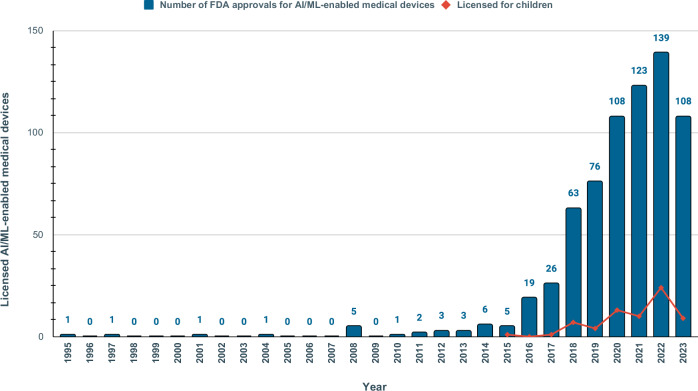
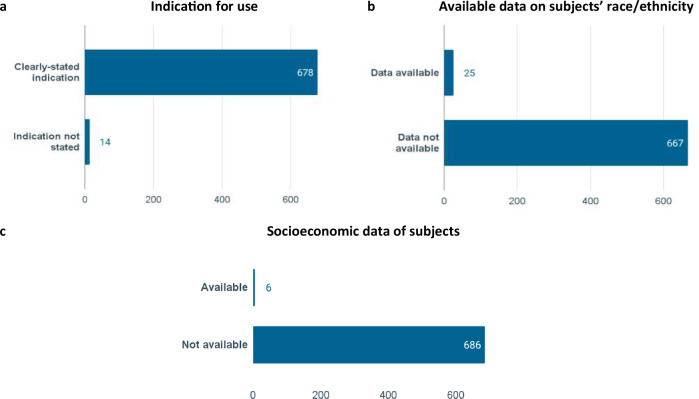
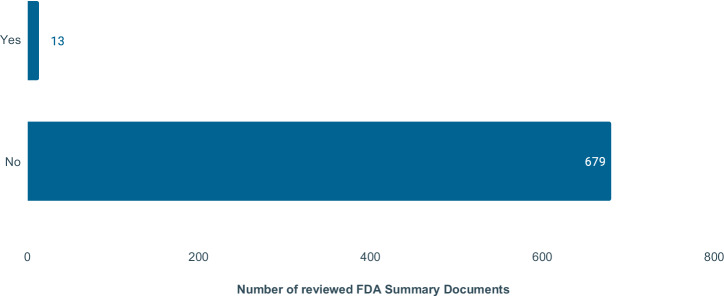
Machine learning and artificial intelligence (AI/ML) models in healthcare may exacerbate health biases. Regulatory oversight is critical in evaluating the safety and effectiveness of AI/ML devices in clinical settings. We conducted a scoping review on the 692 FDA-approved AI/ML-enabled medical devices approved from 1995-2023 to examine transparency, safety reporting, and sociodemographic representation. Only 3.6% of approvals reported race/ethnicity, 99.1% provided no socioeconomic data. 81.6% did not report the age of study subjects. Only 46.1% provided comprehensive detailed results of performance studies; only 1.9% included a link to a scientific publication with safety and efficacy data. Only 9.0% contained a prospective study for post-market surveillance. Despite the growing number of market-approved medical devices, our data shows that FDA reporting data remains inconsistent. Demographic and socioeconomic characteristics are underreported, exacerbating the risk of algorithmic bias and health disparity.
Overview
The claims and statistics of this paper haven’t been checked yet.
Free: it reads the open-access text and checks the first 5 claims that cite a source we can check. Create a free account to check every claim.
Integrity signals
Registry
Cites
Statistics
Figures
Verification
Claims the paper makes
The claims and statistics of this paper haven’t been checked yet.
Free: it reads the open-access text and checks the first 5 claims that cite a source we can check. Create a free account to check every claim.
Claims other papers make about this one
Each is checked against this paper’s own text: does it say what the citing paper says it does?
The source backs part of the claim, not all of it — or backs it for a different population, condition or comparison.
In the citing paper
“Regulatory bodies such as the U.S. Food and Drug Administration (FDA) and the European Medicines Agency (EMA) are increasingly emphasizing the need for transparency and accountability in AI-based medical devices [17,18].”
From Explainable AI in Clinical Decision Support Systems: A Meta-Analysis of Methods, Applications, and Usability Challenges (2025) · cites this paper as [18]
Experimental — accuracy not yet measuredThe source backs part of the claim, not all of it — or backs it for a different population, condition or comparison.
In the citing paper
“Most AI models therefore had not yet undergone the clinical scrutiny necessary for safe translation into practice13.”
From A quantitative analysis of global AI medical studies: gaps in randomized controlled trials (2026) · cites this paper as [13]
Experimental — accuracy not yet measuredThe check wasn’t confident either way, so it gives no verdict — never disputed.
In the citing paper
“A diagnostic pipeline that mimics the clinical process/reasoning of a physician, including chain of thought reasoning with LLM prompts, has shown performance boosts.22”
From Review of Artificial Intelligence for Clinical Use in Alzheimer's Disease and Related Dementias (2026) · cites this paper as [22]
Experimental — accuracy not yet measured
Self-check
Percentages, sums and reported differences re-computed from the paper’s own numbers.
The self-check needs the paper’s full text.
Citations
Cites
PRISMA Extension for Scoping Reviews (PRISMA-ScR): Checklist and Explanation
Tricco, A. C., Lillie, E., Zarin, W., O'Brien, K. K., Colquhoun, H., Levac, D., Moher, D., Peters, M. D. J., Horsley, T., Weeks, L., et al. (2018) · Annals of Internal Medicine · doi:10.7326/m18-0850 · Cited by 43,565 · cited 1×
“Thisscopingreviewwasconductedin accordancewiththePreferredReportingItemsforSystematicReviewsand Meta-AnalysesExtensionforScopingReviews(PRISMA-ScR)guidelines 71 .”
Zhang, Q., Wang, C., Zheng, M., Li, Y., Li, J., Zhang, L., Shang, X., & Yan, C. (2015) · Cerebrovascular Diseases · doi:10.1159/000369778 · Cited by 11,533
Projections of Global Mortality and Burden of Disease from 2002 to 2030
Mathers, C. D., & Loncar, D. (2006) · PLoS Medicine · doi:10.1371/journal.pmed.0030442 · Cited by 11,386
Dissecting racial bias in an algorithm used to manage the health of populations
Obermeyer, Z., Powers, B., Vogeli, C., & Mullainathan, S. (2019) · Science · doi:10.1126/science.aax2342 · Cited by 7,137 · cited 1×
“Initiatives promoting diversity in data collection and consideration of model performance across socioeconomic groups are paramount and must be incorporated in the assessment of market approval for emerging technologies 32 .”
BackgroundKey challenges for delivering clinical impact with artificial intelligence
Kelly, C. J., Karthikesalingam, A., Suleyman, M., Corrado, G., & King, D. (2019) · BMC Medicine · doi:10.1186/s12916-019-1426-2 · Cited by 3,136
Implementing Machine Learning in Health Care — Addressing Ethical Challenges
Char, D. S., Shah, N. H., & Magnus, D. (2018) · New England Journal of Medicine · doi:10.1056/nejmp1714229 · Cited by 1,857 · cited 1×
“Including ethics methods in both study protocols and future regulatory documents may minimize privacy concerns arising from the potential misuse, and increase end-user con fi dence 62,63 .”
MethodThe World Health Organization (WHO) approach to healthy ageing
Rudnicka, E., Napierała, P., Podfigurna, A., Męczekalski, B., Smolarczyk, R., & Grymowicz, M. (2020) · Maturitas · doi:10.1016/j.maturitas.2020.05.018 · Cited by 1,750 · cited 1×
“…National Institutes of Health (NIH) Inclusion Across the Lifespan policy aim to promote the participation of older adults in research studies, which may help equitize the potential impacts of algorithmic development for this population, considering unique ethical and clinical considerations 44,45 .”
BackgroundLiu, X., Cruz Rivera, S., Moher, D., Calvert, M. J., Denniston, A. K., The SPIRIT-AI and CONSORT-AI Working Group, SPIRIT-AI and CONSORT-AI Steering Group, Chan, A.-W., Darzi, A., Holmes, C., et al. (2020) · Nature Medicine · doi:10.1038/s41591-020-1034-x · Cited by 1,421
Do no harm: a roadmap for responsible machine learning for health care
Wiens, J., Saria, S., Sendak, M., Ghassemi, M., Liu, V. X., Doshi-Velez, F., Jung, K., Heller, K., Kale, D., Saeed, M., et al. (2019) · Nature Medicine · doi:10.1038/s41591-019-0548-6 · Cited by 1,266 · cited 1×
“Recentliterature strongly emphasizes the risks of increasing racial health disparity through the propagation of algorithmic bias 14 – 16 .”
BackgroundAddressing bias in big data and AI for health care: A call for open science
Norori, N., Hu, Q., Aellen, F. M., Faraci, F. D., & Tzovara, A. (2021) · Patterns · doi:10.1016/j.patter.2021.100347 · Cited by 903
Research works printed but not linked: 1
- Jiang, H. & Nachum, O. Identifying and correcting label bias in machine learning. Proc. Mach. Learn. Res. 108, 4621–4630 (2020).
Cited by
Abbas, Q., Jeong, W., & Lee, S. W. (2025) · Healthcare · doi:10.3390/healthcare13172154 · Cited by 236
“Regulatory bodies such as the U.S. Food and Drug Administration (FDA) and the European Medicines Agency (EMA) are increasingly emphasizing the need for transparency and accountability in AI-based medical devices [17,18].”
AI, Health, and Health Care Today and Tomorrow: The JAMA Summit Report on Artificial Intelligence
Angus, D. C., Khera, R., Lieu, T., Liu, V., Ahmad, F. S., Anderson, B., Bhavani, S. V., Bindman, A., Brennan, T., Celi, L. A., et al. (2025) · JAMA · doi:10.1001/jama.2025.18490 · Cited by 195
Poon, E. G., Lemak, C. H., Rojas, J. C., Guptill, J., & Classen, D. (2025) · Journal of the American Medical Informatics Association · doi:10.1093/jamia/ocaf065 · Cited by 143
Jacob, C., Brasier, N., Laurenzi, E., Heuss, S., Mougiakakou, S. G., Çöltekin, A., & Peter, M. K. (2025) · Journal of Medical Internet Research · doi:10.2196/67485 · Cited by 147
“In addition, only 46.1% of devices provided detailed performance results and only 1.9% were linked to scientific publications on safety and efficacy [90].”
InfluentialBerkhout, W. E. M., van Wijngaarden, J. J., Workum, J. D., van de Sande, D., Hilling, D. E., Jung, C., Meyfroidt, G., Gommers, D., Buijsman, S. N. R., & van Genderen, M. E. (2025) · JAMA Network Open · doi:10.1001/jamanetworkopen.2025.22866 · Cited by 75
A general framework for governing marketed AI/ML medical devices
Babic, B., Cohen, I. G., Stern, A. D., Li, Y., & Ouellet, M. (2025) · npj Digital Medicine · doi:10.1038/s41746-025-01717-9 · Cited by 78
“Currently,mostlegallymarketeddevicesdonotdisclose suchcharacteristics 1 .”
InfluentialSingh, V., Cheng, S. C., Kwan, A. C., & Ebinger, J. E. (2025) · Mayo Clinic Proceedings Digital Health · doi:10.1016/j.mcpdig.2025.100231 · Cited by 105
“27 There have also been studies that report discrepancies between FDA-approved indications for use and device marketing, with companies claiming AI/ML use in their technology despite not seeking such clearance.”
InfluentialHow AI is used in FDA-authorized medical devices: a taxonomy across 1,016 authorizations
Singh, R., Bapna, M., Diab, A. R., Ruiz, E. S., & Lotter, W. (2025) · npj Digital Medicine · doi:10.1038/s41746-025-01800-1 · Cited by 61
“Tothisend,recentanalyseshavecalledforimprovedreporting of the clinical validation performed for FDA authorization 9,14,16,18 and a greateruseofprospectivestudiesoverall 15,17 .”
Ma, C., Zhang, H., Rao, Y., Jiang, X., Liu, B., Sun, Z., Song, Z., Gao, Y., Cui, Y., Liu, X., et al. (2025) · npj Digital Medicine · doi:10.1038/s41746-025-02198-6 · Cited by 76
Will your next surgeon be a robot? Autonomy and AI in robotic surgery
Schmidgall, S., Opfermann, J. D., Kim, J. W., & Krieger, A. (2025) · Science Robotics · doi:10.1126/scirobotics.adt0187 · Cited by 77
The illusion of safety: A report to the FDA on AI healthcare product approvals
Abulibdeh, R., Celi, L. A., & Sejdić, E. (2025) · PLOS Digital Health · doi:10.1371/journal.pdig.0000866 · Cited by 58
“[7–9] The problems with the FDA’s approval process for AI in healthcare can be traced back to its early stages.”
Transforming sepsis management: AI-driven innovations in early detection and tailored therapies
Papareddy, P., Lobo, T. J., Holub, M., Bouma, H., Maca, J., Strodthoff, N., & Herwald, H. (2025) · Critical Care · doi:10.1186/s13054-025-05588-0 · Cited by 49
“These frameworks advocate for adaptive, risk-based regulatory approaches but emphasize the need for prospective evidence of clinical utility prior to deployment [64–66].”
Zhang, S., Li, Y., Liu, W., Qi, C., Wang, S., Li, J., & Chen, Y. (2025) · Frontiers in Medicine · doi:10.3389/fmed.2025.1630408 · Cited by 65
Evaluating transparency in AI/ML model characteristics for FDA-reviewed medical devices
Mehta, V., Komanduri, A., Bhadouriya, R. S., Mehta, V., Johnson, M. D., Shrestha, P., Nikolov, M. C., Jain, B., Shah, N. H., & Schulman, K. A. (2025) · npj Digital Medicine · doi:10.1038/s41746-025-02052-9 · Cited by 61
“1%providedresultsof performancestudies 19 .”
Concerns regarding deployment of AI-based applications in dentistry – a review
Lal, A., Nooruddin, A., & Umer, F. (2025) · BDJ Open · doi:10.1038/s41405-025-00319-7 · Cited by 44
Assudani, P. J., Bhurgy, A. S., Kollem, S., Bhurgy, B. S., Ahmad, M. O., Kulkarni, M. B., & Bhaiyya, M. L. (2025) · Microchemical Journal · doi:10.1016/j.microc.2025.115802 · Cited by 43
Almarie, B., González-González, L. F., Barbosa, L. A. D. S., Lutz, A. M., Grosse, U., & Fregni, F. (2025) · Biomedicines · doi:10.3390/biomedicines13123005 · Cited by 48
“Demographic reporting rose from 3.6% to 16%, yet fewer than one in five summaries provided race or ethnicity data [1].”
InfluentialÇubukçu, H. C., Boursier, G., Linko, S., Andreu, F. A. B., Brguljan, P. M., Trajkovska, K. T., Brugnoni, D., Milinković, N., Padoan, A., & Thelen, M. (2025) · Clinical Chemistry and Laboratory Medicine (CCLM) · doi:10.1515/cclm-2025-0482 · Cited by 40
“This includes reducing the risk of algorithmic bias, poor generalization, and other issues that may a ff ect the safety and e ff ectiveness of the device [15].”
Ethical concerns of generative AI and mitigation strategies: A systematic mapping study
Huang, Y., Arora, C., Huong, W. C., Kanij, T., Madugalla, A. K., & Grundy, J. (2026) · Applied Soft Computing · doi:10.1016/j.asoc.2026.114789 · Cited by 50
Underrepresentation of children in public medical imaging datasets
Hua, S. B. Z., Heller, N., He, P., Towbin, A. J., Chen, I. Y., Lu, A. X., & Erdman, L. (2026) · Nature Health · doi:10.1038/s44360-026-00111-3 · Cited by 39
“The first study analysed approvals from 1995 to 2023 (692 devices total) and found that 81.6% fail to specify age ranges for their intended user population 10 .”
InfluentialPepito, J. A., Acaso, N. J., Merioles, R., & Ismael, J. D. (2025) · JMIR Nursing · doi:10.2196/72674 · Cited by 33
“Although regulatory bodies such as the US Food and Drug Administration (FDA) have begun classifying and approving AI-driven clinical tools [56,57], these often focus on static algorithms and offer limited guidance for dynamic, learning systems that evolve postdeployment.”
Anisha, S. A., Sen, A., Ahmad, B., & Bain, C. (2025) · Journal of Medical Systems · doi:10.1007/s10916-025-02166-3 · Cited by 45
“…along with the limited availability of Food and Drug Administration (FDA)-approved AI-assisted medical devices tailored to geriatric health needs [76], can further restrict their acceptability among aged populations in LMICs with scarce technological resources and widespread financial…”
Zhu, H., Bai, J., Li, N., Li, X., Liu, D., Buckeridge, D. L., & Li, Y. (2025) · npj Digital Medicine · doi:10.1038/s41746-025-01661-8 · Cited by 43
Karnehed, S., Larsson, I., Petersson, L., Erlandsson, L., & Tyskbo, D. (2025) · BMC Nursing · doi:10.1186/s12912-025-03348-7 · Cited by 29
“However, AI can fuse data from imaging, laboratory tests, and patient histories to provide more comprehensive analysis and decision-making [81], but it still remains a problem that healthcare data are often incomplete and inconsistent [82].”
Vatsal, S., Dubey, H., & Singh, A. (2026) · IEEE Access · doi:10.1109/access.2026.3651218 · Cited by 31
“In the U.S., reviews of device oversight highlight gaps in transparency and representation for AI tools [122].”
Multianalyte nano-biosensor diagnostics: advances through microfluidic and AI integration
Pathak, S., Bazazordeh, S., Çamlıca, B., Delcorte, A., & Tzouvadaki, I. (2026) · Frontiers in Bioengineering and Biotechnology · doi:10.3389/fbioe.2025.1715719 · Cited by 31
Otokiti, A. U., Shih, H.-J., & Williams, K. S. (2025) · Oxford Open Digital Health · doi:10.1093/oodh/oqaf027 · Cited by 18
Jain, S. S., Goto, S., Hall, J. L., Khan, S. S., MacRae, C. A., Ofori, C., Pegus, C., Pencina, M., Peterson, E. D., Schwamm, L. H., et al. (2025) · Circulation · doi:10.1161/cir.0000000000001400 · Cited by 23
Molecular Diagnostics in Heart Failure: From Biomarkers to Personalized Medicine
Ţică, O., & Țica, O. (2025) · Diagnostics · doi:10.3390/diagnostics15141807 · Cited by 28
“Finally, although model-agnostic explainability tools (e.g., SHAP, LIME) are increasingly applied, scoping reviews highlight inconsistent transparency, safety reporting, and regulatory guidance for AI/ML-enabled medical devices [91,95].”
Farahani, S., Hejazi, M., Tabassum, M., Ieva, A. D., Mahdavifar, N., & Liu, S. (2025) · European Radiology · doi:10.1007/s00330-025-11898-2 · Cited by 28
“This need is underscored by the fact that fewer than 4% of FDA-approved AI devices report race or ethnicity data [124].”
Pannonhalmi, Á., Sipos, B., Kurucz, R. I., Katona, G., Kemény, L. V., & Csóka, I. (2025) · Pharmaceuticals · doi:10.3390/ph18060876 · Cited by 25
“The FDA provides formal pre-submission interactions through Q-Sub which occur more frequently than in the EU [86].”
Talianu, A., Fraser-Krauss, O., Bolton, W., Ming, D. K. Y., Zhu, N., Hernandez, B., Gilchrist, M. J., Holmes, A. H., Georgiou, P., & Rawson, T. M. (2025) · Journal of Antimicrobial Chemotherapy · doi:10.1093/jac/dkaf470 · Cited by 24
“103,104 The implementation of AI tools in these fields likely relates to the availability of standardized, high-quality imaging data (e.g. MRI, CT and histology), clearly defined outcomes and strong evidence of clinical benefit.”
Topşir, A., Güler, F., Çetin, E., Burak, M. F., & Ağraz, M. (2025) · BMC Medical Informatics and Decision Making · doi:10.1186/s12911-025-03014-7 · Cited by 21
“Furthermore, the absence of standardized reporting of demographic and socioeconomic factors is a cause for concern regarding algorithmic bias and generalizability [51].”
Bartusik‐Aebisher, D., Raj, D. R. J., & Aebisher, D. (2026) · Applied Sciences · doi:10.3390/app16020728 · Cited by 25
Changes in public perception of artificial intelligence in healthcare after exposure to ChatGPT
Isaksen, A. A., Schaarup, J. R., Bjerg, L., & Hulmán, Á. (2025) · npj Digital Medicine · doi:10.1038/s41746-025-02169-x · Cited by 26
“The practical implementation of this technology is growing at a rapid pace, as evidenced by the number of annual Food and Drug Administration approvalsforAI-enabledmedicaldevices,whichincreasedfromaround fi ve to a thousand in the last decade 3,4 .”
Chu, B., Modi, N. D., Menz, B. D., Bacchi, S., Kichenadasse, G., Paterson, C. C., Kovoor, J. G., Ramsey, I., Logan, J. M., Wiese, M. D., et al. (2025) · Frontiers in Public Health · doi:10.3389/fpubh.2025.1584348 · Cited by 17
Lee, B., Patel, S., Favorito, C., Sandri, S., Jennings, M. R., & Dai, T. (2025) · NEJM AI · doi:10.1056/aira2500061 · Cited by 20
Analysis of FDA-Approved Artificial Intelligence and Machine Learning-Enabled Cardiovascular Devices
Sardar, P., Dudorova, E., Chatterjee, S., Parikh, S. A., Brilakis, E. S., & Singh, J. P. (2025) · JACC Advances · doi:10.1016/j.jacadv.2025.102174 · Cited by 15
Mehrtabar, S., Marey, A., Desai, A., Saad, A. M., Desai, V. S., Goñi, J., Pal, B., & Umair, M. (2025) · Journal of Imaging Informatics in Medicine · doi:10.1007/s10278-025-01656-7 · Cited by 19
“Independent registries for AI outcomes stratified by use-case, population, and vendor would help build transparency and accelerate continuous improvement [145].”
Ethical considerations for clinical adoption of ambient digital scribe technology
Anderson, T. N., Mohan, V., & Gold, J. A. (2025) · Journal of the American Medical Informatics Association · doi:10.1093/jamia/ocaf227 · Cited by 15
Rosen, K. L., & Mandl, K. D. (2025) · medRxiv · doi:10.1101/2025.08.26.25334477 · Cited by 16
Farahani, S., Hejazi, M., Moradizeyveh, S., Ieva, A. D., Fatemizadeh, E., & Liu, S. (2025) · Diagnostics · doi:10.3390/diagnostics15070797 · Cited by 13
“This is particularly important given that fewer than 4% of FDA-approved AI devices report race or ethnicity data [91].”
Ophthalmic Image Synthesis and Analysis with Generative Adversarial Network Artificial Intelligence
Masalkhi, M., Sporn, K., Kumar, R., Ong, J., Nguyen, T. A., Waisberg, E., Zaman, N., Lee, A. G., & Tavakkoli, A. (2025) · Journal of Imaging Informatics in Medicine · doi:10.1007/s10278-025-01519-1 · Cited by 14
“The FDA’s Ophthal-mology Program underscores the need for standard methods to evaluate system performance and aid clinical translation of innovative devices, including those using AI and GANs [92, 96–98].”
D'Amiano, A. J., Cheunkarndee, T., Azoba, C. C., Chen, K. Y., Mak, R. H., & Perni, S. (2025) · Cancer Medicine · doi:10.1002/cam4.70728 · Cited by 13
“…Consolidated Standards of Reporting Trials (CONSORT-AI) and regulatory bodies such as the US Food and Drug Administration (FDA), which control entry of all medical devices into the US market, have developed frameworks and workgroups for the safe and effective development of AI in medicine [13–15].”
Agarwal, A., Ranard, L. S., Vahl, T. P., & Khalique, O. K. (2025) · Journal of Clinical Medicine · doi:10.3390/jcm14196885 · Cited by 11
“Data quality limitations affect generalizability, with only 3.6% of FDA-approved AI devices reporting race/ethnicity data and 99.1% lacking socioeconomic information [81].”
InfluentialDeuster, E., & Khalil, A. A. (2025) · Clinical Obstetrics & Gynecology · doi:10.1097/grf.0000000000000980 · Cited by 12
Stanley, E. A. M., Tsang, R. Y., Gillett, H., Souza, R., Vigneshwaran, V., Kang, C., McCradden, M. D., Wilms, M., & Forkert, N. D. (2025) · Nature Communications · doi:10.1038/s41467-025-67470-5 · Cited by 9
“…progress has gone toward the development of recommendations for standards that ensure safe and ethical deployment of medical AI systems 33 – 35 , the current regulatory landscape makes it challenging to know if and how algorithmic bias could manifest during clinical deployment of these systems 36 .”
Bertin, F., Lawrence, J., Niessen, S., Pinard, C. J., Reagan, K. L., & Rentko, V. T. (2026) · Journal of Veterinary Internal Medicine · doi:10.1093/jvimsj/aalaf045 · Cited by 13
“14,26,27 The term “black box” refers to the opaque nature of how deep learning and other AI approaches arrive at their conclusions through complex algorithms.”
Rowan, N. J. (2025) · The Science of The Total Environment · doi:10.1016/j.scitotenv.2025.179018 · Cited by 9
Diab, A. R., & Lotter, W. E. (2025) · Radiology Artificial Intelligence · doi:10.1148/ryai.250369 · Cited by 9
Artificial intelligence (AI) in health systems: introducing a ‘Do Good’ approach
Papadopoulou, E., Exarchos, T. P., Jenko, S., Krepelkova, K., & Namorado, J. (2025) · AI and Ethics · doi:10.1007/s43681-025-00757-x · Cited by 8
“Demographic and socioeconomic characteris - tics are underreported, exacerbating the risk of algorithmic bias and health disparity [ 68].”
Chang, L., Lee, K.-H., Mukundan, A., Karmakar, R., Bauravindah, A., Chen, T., Huang, C., & Wang, H. (2025) · Frontiers in Oncology · doi:10.3389/fonc.2025.1707854 · Cited by 8
“This highlights the need for the regulation of AI systems, where only 3.6% of approvals report ethnicity/demographic (29).”
InfluentialSelf-citationChatterjee, R. S., Klieštik, T., Singh, D. K., Sivarajah, U., & Chatterjee, S. (2025) · Information Systems Frontiers · doi:10.1007/s10796-025-10663-6 · Cited by 9
Ong, A. Y., Kale, A. U., Antoun, J., Hogg, H. D. J., Hammond, B., Keane, P. A., Pearson, R. V., Harvey, H., & Denniston, A. K. (2026) · npj Digital Medicine · doi:10.1038/s41746-026-02407-w · Cited by 8
“In addition, development of AI-speci fi c nomenclature (building on existing nomenclature systems such as the GMDN) should be prioritised to enable appropriate identi fi cation and categorisation 13,33 .”
Olajide, T. N., Arokoyo, K., Adesola, A. A., Okeke, S., Abdullateef, R. O., Anele, F., Oyedokun, A. O., Ogunniyi, A. O., & Akinyemi, R. (2024) · BMC Medical Education · doi:10.1186/s12909-024-06518-4 · Cited by 8
Self-citationCommercialization of medical artificial intelligence technologies: challenges and opportunities
Li, B., Powell, D., & Lee, R. (2025) · npj Digital Medicine · doi:10.1038/s41746-025-01867-w · Cited by 8
Hussain, A., Guni, A., Gandhewar, R., Warner-Levy, J. J., Davidson, A., Shah, K., Darzi, A. W., & Ashrafian, H. (2025) · Heart · doi:10.1136/heartjnl-2025-326307 · Cited by 11
“20 In our analysis, the quality of information in clearance summaries was generally poor with minimal details on study design, participants, analysis and outcomes.”
Lee, Y., Hong, S., & Yon, D. K. (2025) · Korean Journal of Pediatrics · doi:10.3345/cep.2025.01844 · Cited by 7
Review of Artificial Intelligence for Clinical Use in Alzheimer's Disease and Related Dementias
Breithaupt, A. G., Tang, A., Paolillo, E. W., Bibars, M., Johnson, E. C. B., Saloner, R., Possin, K. L., Windon, C. C., Hill-Jarrett, T. G., Giorgio, J., et al. (2026) · Seminars in Neurology · doi:10.1055/a-2744-9871 · Cited by 6
Wu, D., Yu, Q., Wu, Q., Wang, X., Wei, H., Li, F., Li, G., Wang, X., & Wang, X. (2026) · Frontiers in Immunology · doi:10.3389/fimmu.2026.1854718 · Cited by 8
“Recent analyses of FDA-authorized AI devices have identi fi ed gaps in public reporting of demographic characteristics, performance-study details, safety data and post-market surveillance, supporting the need for transparent lifecycle monitoring (198).”
Luo, P., Fan, C., Li, A., Jiang, T., Jiang, A., Chang, Q., Gan, W., Zhu, L., Mou, W., Zeng, D., et al. (2025) · International Journal of Surgery · doi:10.1097/js9.0000000000002582 · Cited by 5
Chen, Z., Li, W., & Lin, Z. (2026) · PLOS Digital Health · doi:10.1371/journal.pdig.0001283 · Cited by 7
A quantitative analysis of global AI medical studies: gaps in randomized controlled trials
Wang, Q., Yang, Y., Qiu, L., Xu, Y., Sun, R., Xue, P., & Qiao, Y. (2026) · npj Digital Medicine · doi:10.1038/s41746-026-02698-z · Cited by 4
“MostAImodelsthereforehad notyetundergonetheclinicalscrutinynecessaryforsafetranslationinto practice 13 .”
El Arab, R. A., Mustafa, M. H., Almagharbeh, W. T., Saleem, N. H., Al Abdulmohsen, S., Boathab, R., & Bu Washl, M. (2026) · Healthcare · doi:10.3390/healthcare14111459 · Cited by 8
“…of the present synthesis is to characterise recurrent patterns, tensions, and maturity gaps within the published review literature rather than to provide pooled estimates or definitive field-wide estimates of the prevalence, magnitude, or certainty of post-deployment harms [18,20,33,41].”
InfluentialAmaya-Santos, S., Vargas, C., & Bermúdez-Tamayo, C. (2026) · Public Health in Practice · doi:10.1016/j.puhip.2025.100713 · Cited by 4
Framework for AI integration into the undergraduate medical curricula: a scoping review
Cheng, D., Chan, E. Y. S., Song, Y., Cui, A., Chang, A., & Wang, W. (2026) · BMC Medical Education · doi:10.1186/s12909-026-08620-1 · Cited by 4
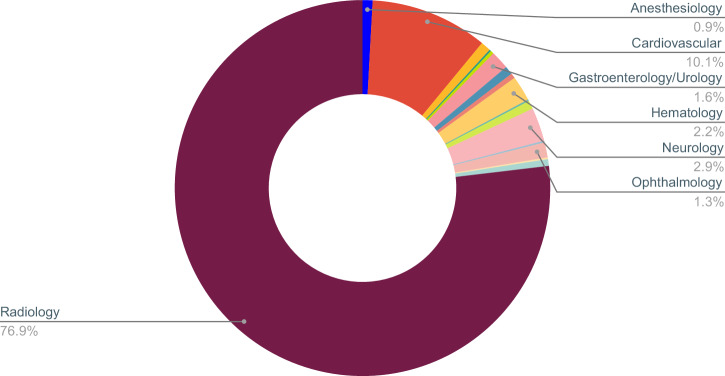
“Beyond chatbots, AI’s growing role in healthcare is also evident in medical device innovation: as of 2023, the U.S. FDA had approved 692 AI/ML-enabled devices, with the focused on radiology, cardiovascular, neurological, and ophthalmologic specialties [5].”
Eidlisz, J., Ajmal, E., & Awan, B.-E. (2025) · Surgery · doi:10.1016/j.surg.2025.109846 · Cited by 4
AI in Healthcare: Identity Threat or Opportunity? Insights From Medical Specialists
Terlinden, L., Verachtert, A., & Bollens, J. (2025) · Qualitative Health Research · doi:10.1177/10497323251387568 · Cited by 5
“Over 75% of these approvals apply to radiology, while fi elds like cardiology and neurology account for a smaller portion (Muralidharan et al., 2024).”
Deep learning in renal ultrasound: applications, challenges, and future outlook
Zhang, Y., Hou, Y., Qiu, T., Zhuang, Y., Kl, C., Ling, W., Luo, Y., & Lin, J. (2026) · Frontiers in Oncology · doi:10.3389/fonc.2025.1730628 · Cited by 4
Zheng, W., Tong, Y., Huang, J., Zhu, L., & Chai, J. (2026) · Chinese Medicine · doi:10.1186/s13020-026-01455-4 · Cited by 6
“This gap reflects a broader challenge in healthcare AI, where recent analyses of reporting standards reveal continued substantial variation in transparency, reporting completeness, and evaluation design across studies [88, 89].”
Li, J., Xia, Y., Zhou, T., Dong, Q., Lin, X., Gu, L., Jiang, S., Xu, M., Wan, X., Duan, G., et al. (2024) · Academic Radiology · doi:10.1016/j.acra.2024.11.004 · Cited by 4
From European Standards to Responsible Use of AI in Clinical Practice
Jessen, R., Bak, M., Muller, C. C. J., Verkooijen, H. M., Yeung, K. K., & Ploem, M. C. (2025) · European Journal of Health Law · doi:10.1163/15718093-bja10143 · Cited by 4
Deep Learning to Enhance Diagnosis and Management of Intrahepatic Cholangiocarcinoma
Theocharopoulos, C., Theocharopoulos, A., Papadakos, S. P., Machairas, N., & Pawlik, T. M. (2025) · Cancers · doi:10.3390/cancers17101604 · Cited by 4
“The use of artificial intelligence (AI) models in healthcare has expanded dramatically over the past decade, evolving from research settings to the regulatory approval of numerous AI-enabled medical devices for routine clinical practice [1].”
Bridging clinic to home: domestic devices in dermatological diagnostics and treatments
Haykal, D., & Flament, F. (2025) · Frontiers in Digital Health · doi:10.3389/fdgth.2025.1595484 · Cited by 4
Thomsen, H. B., Li, L. Y., Isaksen, A. A., Lebiecka-Johansen, B., Bour, C., Fagherazzi, G., van Doorn, W. P. T. M., Varga, T. V., & Hulmán, Á. (2025) · PLOS Digital Health · doi:10.1371/journal.pdig.0000918 · Cited by 4
“Moreover, Muralidharan et al. found that less than 4% of the FDA summary documents provide any information about race/ethnicity [11].”
Development trend of Artificial Intelligence (AI) in dentistry: exploring FDA-cleared dental devices
Naved, N., Adnan, S., & Umer, F. (2025) · BMC Oral Health · doi:10.1186/s12903-025-07302-6 · Cited by 7
“While PMA devices often represent high-risk innovations, the majority of AI/ML applications in dentistry are currently classified as Class II (510 (k)) due to their moderate risk profile [5].”
Medical Device Safety: An Analytical International Survey of AI/ML-Enabled Medical Devices
Finn, O. O. (2025) · IEEE Conference on Artificial Intelligence (CAI) · doi:10.1109/cai64502.2025.00108 · Cited by 3
“Few manufacturers publish postmarket studies, so FDA reporting data may be inconsistent [21].”
Garcia, E., Adam, M. K., Dow, E. R., Minaker, S. A., Scarboro, S. D., Storey, P. P., Wood, E. H., Abousy, M., Wykoff, C. C., & Al-khersan, H. (2025) · Journal of VitreoRetinal Diseases · doi:10.1177/24741264251381990 · Cited by 3
“27 Familiarity with AI and technology showed significant correlations with the belief that AI in medicine would benefit patients.”
Clinical reasoning from real-world oncology reports using large language models
Park, J. H., Kim, S., & Heo, J. (2025) · Digital Health · doi:10.1177/20552076251394622 · Cited by 5
Saini, M., Grishma, K. C., Williams, A. J., COPLAN, P. M., & Gressler, L. E. (2025) · Therapeutic Innovation & Regulatory Science · doi:10.1007/s43441-025-00896-7 · Cited by 6
Nour, A. S., Raymond, C., Zewdneh, D., & Anazodo, U. (2026) · Pediatric Radiology · doi:10.1007/s00247-025-06504-y · Cited by 3
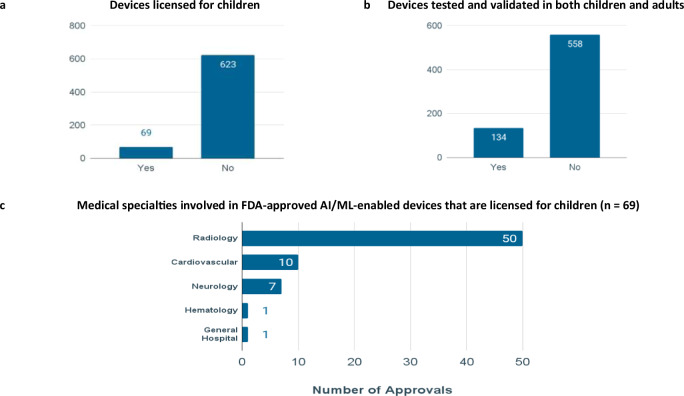
“Of these, 1% (between 1995 and 2023) have been specifically designed and validated for pediatric applications [7].”
van Twist, E., van Winden, B., de Jonge, R., Taal, H. R., de Hoog, M., Schouten, A. C., Tax, D. M. J., & Kuiper, J. W. (2026) · BMJ Health & Care Informatics · doi:10.1136/bmjhci-2025-101608 · Cited by 3
Adapa, K., & Jayakumar, N. (2026) · Asia-Pacific Journal of Oncology Nursing · doi:10.1016/j.apjon.2026.100964 · Cited by 3
“22 For nursing, the framework's most direct relevance lies in its post-market surveillance architecture: nurses who document adverse outcomes, flag model drift, or identify discrepancies between AI outputs and clinical reality are performing precisely the real-world evidence generation that TPLC…”
Clinical Evidence and FDA Recalls of Artificial Intelligence–Enabled Medical Devices
Ren, Y., Zheng, Y., Windecker, D., Fraser, A. G., Siontis, G. C. M., & Caiani, E. G. (2026) · JAMA Network Open · doi:10.1001/jamanetworkopen.2026.17920 · Cited by 4
Regulating Adaptive Medical Artificial Intelligence: Can Less Oversight Lead to Greater Compliance?Preprint
Lai, J., Xu, L., Fang, X., & Dai, T. (2024) · SSRN Electronic Journal · doi:10.2139/ssrn.5009572 · Cited by 8
Artificial Intelligence and Deep Learning for Skin Image Analysis
Ohaya, C., Ogbaudu, E., Choi, R., & Ko, J. (2025) · Dermatologic Clinics · doi:10.1016/j.det.2025.05.004 · Cited by 3
Mikulewicz, M., & Chojnacka, K. (2025) · Applied Sciences · doi:10.3390/app152413138 · Cited by 2
FDA-Cleared Artificial Intelligence Medical Devices in Orthopaedic Surgery
Lee, B., Jay, M., Fox, H., Padley, J. H., Dai, T., & Levin, A. S. (2026) · JAAOS Global Research and Reviews · doi:10.5435/jaaosglobal-d-25-00170 · Cited by 2
“This is a considerable improvement on rates reported for all AIMDs, with only 70.4% reporting any preperformance studies 7 and 3.2% reporting a clinical trial.”
InfluentialFew FDA Approved AI/ML Orthopaedic Devices Have EU MDR Equivalents or Peer-Reviewed Validation
Bracken, A., Whelehan, S. P., Merghani, K., Sheehan, E. C., & Feeley, I. H. (2025) · Clinical Orthopaedics and Related Research · doi:10.1097/corr.0000000000003788 · Cited by 2
Understanding AI risks from its characteristics and NMPA regulation perspectives
Liu, Y., & Yu, W. (2026) · Insights into Imaging · doi:10.1186/s13244-026-02283-8 · Cited by 3
Isber, J., Liu, W., Qu, B., Dufresne, S., Stone, A., Powell, M. E., Braun, S. A., Galdyn, I. A., Golinko, M. S., Yin, Z., et al. (2026) · The Cleft Palate-Craniofacial Journal · doi:10.1177/10556656261445320 · Cited by 2
Mukhopadhyay, A., Zhao, Y., Chunara, R., Kronish, I. M., Lawrence, S., Blecker, S., & Adhikari, S. (2026) · Journal of the American Medical Informatics Association · doi:10.1093/jamia/ocag097 · Cited by 2
Sadozai, S. K., & Soylak, M. (2026) · TrAC Trends in Analytical Chemistry · doi:10.1016/j.trac.2026.119029 · Cited by 2
Dayma, K., Patel, P., Hildreth, K., & Jamaspishvili, T. (2026) · Radiology Artificial Intelligence · doi:10.1148/ryai.260385 · Cited by 4
1,357 AI medical devices cleared, 3 actually tested on patient outcomes
Abulibdeh, R., Cajas, S. A., Celi, L. A., Gorijavolu, R., Izath, N., & Lunde, T. M. (2026) · PLOS Digital Health · doi:10.1371/journal.pdig.0001597 · Cited by 3
“Subgroup analyses by demographic and socioeconomic data are rarely conducted [9], leaving it unknown how these systems perform across diverse populations.”
Mastrodicasa, D., & van Assen, M. (2025) · BJR|Open · doi:10.1093/bjro/tzaf015 · Cited by 3
Integrating machine learning with OMICs data for early detection in breast cancer
Mu, J., Nazar, A., Ali, M. A. M., & Hussain, A. (2025) · Gene Reports · doi:10.1016/j.genrep.2025.102325 · Cited by 2
Data Curation to Develop Machine Learning Models for Assessing the Toxicity of Nanoparticles
Savarkar, S., Gibson, J., Balasubramanian, V., Moudgil, B., & Hennig, R. G. (2025) · KONA Powder and Particle Journal · doi:10.14356/kona.2026019 · Cited by 2
Case Studies and Clinical Applications of AI in Imaging
Beohar, R., Purandare, D., Bhoite, S., Polshettiwar, D., & Polshettiwar, S. A. (2025) · Advances in computational intelligence and robotics book series · doi:10.4018/979-8-3373-5801-7.ch009 · Cited by 1
Metadata
- Authors
- Muralidharan, V., Adewale, B. A., Huang, C. J., Nta, M. T., Ademiju, P. O., Pathmarajah, P., Hang, M. K., Adesanya, O., Abdullateef, R. O., Babatunde, A. O., Ajibade, A., Onyeka, S., Cai, Z. R., Daneshjou, R., & Olatunji, T.
- Affiliations
- Stanford Medicine (US)
- University of Ibadan (NG)
- Afe Babalola University (NG)
- University College London (GB)
- University of Illinois Urbana-Champaign (US)
- Corresponding author
- Muralidharan, Vijaytha
- ORCID
- Venue
- npj Digital Medicine
- Published
- 2024-10-03
- Volume
- 7
- Issue
- 1
- Pages
- 273-273
- ISSN
- 2398-6352 (ISSN-L)
- PMC
- PMC11450195
- OpenAlex
- W4403107901
- Semantic Scholar
- bf51921bf8338d93e3006f7d46300b3f3b475470
- Cited by
- 201
- References
- 54
- Citations by year
- 2026: 108 · 2025: 87 · 2024: 6
- FWCI
- 4.53
- Type
- journal article
- Language
- en
- Open access
- gold
- doi.org
- Licence
- cc-by-nc-nd
- creativecommons.org/licenses/by-nc-nd/4.0 (tdm)
- creativecommons.org/licenses/by-nc-nd/4.0 (vor)
- Locations
- npj Digital Medicine (publishedVersion, cc-by-nc-nd)
- PubMed Central (publishedVersion, cc-by-nc-nd)
- PubMed (publishedVersion)
- DOAJ (DOAJ: Directory of Open Access Journals) (submittedVersion, cc-by-sa)
- Topics
- Health Sciences › Medicine › Health Informatics › Artificial Intelligence in Healthcare and Education
- Physical Sciences › Computer Science › Artificial Intelligence › Ethics and Social Impacts of AI
- Health Sciences › Medicine › Public Health, Environmental and Occupational Health › Healthcare Regulation
- Keywords
- AI medical devices, FDA device approval, reporting gaps, algorithmic bias, health disparities, race and ethnicity, socioeconomic status, post-marketing surveillance, performance studies, transparency, machine learning in healthcare, regulatory oversight
About these checks
Registry, retraction, Cites and statistics results are computed, not judged, with one exception: a printed reference that no index lists is read once by a model before it counts as a citation error. Claims are extracted by a model and kept only when their quote appears verbatim in the text; each cited source is then checked, with a model’s help, for whether it says what the claim relies on. Those verdicts can be wrong — read the claim’s quote and the cited source before relying on one.
Statistics and arithmetic are recomputed, not judged.
Confidence bands are shown only for fields calibrated on our annotated test set. None is calibrated yet, so no band is shown.
What counts as a claim ›How we measure confidence ›How we check this ›
Are you an author, or do you see a problem with this page? Request a review
Data sources
Bibliographic data: Semantic Scholar, OpenAlex, Crossref.
Contains information from the Semantic Scholar Academic Graph Datasets, made available under the ODC Attribution License (ODC-BY 1.0).
Semantic Scholar’s data is described in: Kinney, R., et al. (2023). The Semantic Scholar Open Data Platform. arXiv:2301.10140.
