

High levels of untreated distress and fatigue in cancer patients
Open accessThe DOI matches its Crossref record; 37 of the 39 references it cites were found in a registry or an index.
Abstract
The purpose of the study was to assess a large representative sample of cancer patients on distress levels, common psychosocial problems, and awareness and use of psychosocial support services. A total of 3095 patients were assessed over a 4-week period with the Brief Symptom Inventory-18 (BSI-18), a common problems checklist, and on awareness and use of psychosocial resources. Full data was available on 2776 patients. On average, patients were 60 years old, Caucasian (78.3%), and middle class. Approximately, half were attending for follow-up care. Types of cancer varied, with the largest groups being breast (23.5%), prostate (16.9%), colorectal (7.5%), and lung (5.8%) cancer patients. Overall, 37.8% of all patients met criteria for general distress in the clinical range. A higher proportion of men met case criteria for somatisation, and more women for depression. There were no gender differences in anxiety or overall distress severity. Minority patients were more likely to be distressed, as were those with lower income, cancers other than prostate, and those currently on active treatment. Lung, pancreatic, head and neck, Hodgkin's disease, and brain cancer patients were the most distressed. Almost half of all patients who met distress criteria had not sought professional psychosocial support nor did they intend to in the future. In conclusion, distress is very common in cancer patients across diagnoses and across the disease trajectory. Many patients who report high levels of distress are not taking advantage of available supportive resources. Barriers to such use, and factors predicting distress and use of psychosocial care, require further exploration.
Overview
The claims and statistics of this paper haven’t been checked yet.
Free: it reads the open-access text and checks the first 5 claims that cite a source we can check. Create a free account to check every claim.
Integrity signals
Registry
Cites
Statistics
Figures
Verification
Claims the paper makes
The claims and statistics of this paper haven’t been checked yet.
Free: it reads the open-access text and checks the first 5 claims that cite a source we can check. Create a free account to check every claim.
Claims other papers make about this one
Each is checked against this paper’s own text: does it say what the citing paper says it does?
The source backs part of the claim, not all of it — or backs it for a different population, condition or comparison.
In the citing paper
“There are significant barriers to accessing traditional therapist-based interventions, including limited availability [3], prohibitive travel distances [4], reluctance to disclose distress [3], and concerns about mental health stigma [3].”
From Uptake and adherence to an online intervention for cancer-related distress: older age is not a barrier to adherence but may be a barrier to uptake (2017) · cites this paper as [4]
Experimental — accuracy not yet measuredThe source backs part of the claim, not all of it — or backs it for a different population, condition or comparison.
In the citing paper
“A cancer diagnosis is associated with high levels of distress, leading to frequent anxiety, depression, fear of recurrence/progression, sleep disturbance, and fatigue in both patients and caregivers [1–8].”
From Being present: A single-arm feasibility study of audio-based mindfulness meditation for colorectal cancer patients and caregivers (2018) · cites this paper as [1]
Experimental — accuracy not yet measuredThe source backs part of the claim, not all of it — or backs it for a different population, condition or comparison.
In the citing paper
“A metastatic cancer diagnosis is associated with high levels of distress in patients and caregivers.”
From Being present: A single-arm feasibility study of audio-based mindfulness meditation for colorectal cancer patients and caregivers (2018) · cites this paper as [1]
Experimental — accuracy not yet measuredThe cited source says what the claim attributes to it.
In the citing paper
“While an estimated 35–45% of cancer patients report psychological distress [1, 12], distress is most common during active treatment [13, 14].”
From Being present: A single-arm feasibility study of audio-based mindfulness meditation for colorectal cancer patients and caregivers (2018) · cites this paper as [1]
In the citing paper
“more than one in three cancer patients and survivors experience significant levels of psychological distress.4”
1 more claim about this paper
Create a free account to see every claim other papers make about this one.
Self-check
Percentages, sums and reported differences re-computed from the paper’s own numbers.
The self-check needs the paper’s full text.
Citations
Cites
The prevalence of psychiatric disorders among cancer patients
Derogatis, L. R. (1983) · JAMA: The Journal of the American Medical Association · doi:10.1001/jama.1983.03330300035030 · Cited by 1,575 · cited 2×
“Previous studies have documented that approximately one-third of all oncology patients will experience significant levels of distress associated with diagnosis and treatment of cancer, which warrants psychosocial treatment (Derogatis et al., 1983; Stefanek et al., 1987; Zabora et al., 1997; Sellick and Crooks, 1999; Z…”
BackgroundDistress Management, Version 3.2019, NCCN Clinical Practice Guidelines in Oncology
Riba, M. B., Donovan, K. A., Andersen, B., Braun, I., Breitbart, W. S., Brewer, B. W., Buchmann, L. O., Clark, M. M., Collins, M., Corbett, C., et al. (2019) · Journal of the National Comprehensive Cancer Network · doi:10.6004/jnccn.2019.0048 · Cited by 871
Meyer, T. J., & Mark, M. M. (1995) · Health Psychology · doi:10.1037/0278-6133.14.2.101 · Cited by 689 · cited 2×
“This is of concern given that many empirically supported treatments for distress in cancer patients are widely available (for reviews, see Fawzy et al., 1995; Meyer and Mark, 1995; Bottomley, 1997; Iacovino and Reesor, 1997; Fawzy, 1999; Carlson and Bultz, 2003a).”
BackgroundCritical Review of Psychosocial Interventions in Cancer Care
Fawzy, F. I. (1995) · Archives of General Psychiatry · doi:10.1001/archpsyc.1995.03950140018003 · Cited by 560 · cited 1×
“This is of concern given that many empirically supported treatments for distress in cancer patients are widely available (for reviews, see Fawzy et al., 1995; Meyer and Mark, 1995; Bottomley, 1997; Iacovino and Reesor, 1997; Fawzy, 1999; Carlson and Bultz, 2003a).”
BackgroundA New Psychosocial Screening Instrument for Use With Cancer Patients
Zabora, J., Brintzenhofeszoc, K., Jacobsen, P., Curbow, B., Piantadosi, S., Hooker, C., Owens, A., & Derogatis, L. (2001) · Psychosomatics · doi:10.1176/appi.psy.42.3.241 · Cited by 440 · cited 7×
“The BSI-18 is the version that the Johns Hopkins group has been recently using in their screening programme, and on which they have published norms from a large sample of patients (Zabora et al., 2001b).”
BackgroundMethodResultInfluentialCarlson, L. E., & Bultz, B. D. (2003) · Journal of Psychosomatic Research · doi:10.1016/s0022-3999(03)00514-2 · Cited by 351 · cited 5×
“Several agencies, both American and International, have developed guidelines for psychosocial care, which include screening guidelines (see Carlson and Bultz (2003b) for an overview of distress screening issues).”
BackgroundMethodInfluentialSelf-citationVelikova, G., Wright, E. P., Smith, A. B., Cull, A., Gould, A., Forman, D., Perren, T., Stead, M., Brown, J., & Selby, P. J. (1999) · Journal of Clinical Oncology · doi:10.1200/jco.1999.17.3.998 · Cited by 339 · cited 2×
“…computer-based technology is convincing, in terms of its reliability, acceptability to patients, and utility in improving clinical care around psychosocial issues (Taenzer et al., 1997; Velikova et al., 1999; Taenzer et al., 2000; McLachlan et al., 2001; Carlson et al., 2001; Bezjak et al., 2001).”
BackgroundAge-related differences in the quality of life of breast carcinoma patients after treatment
Wenzel, L. B., Fairclough, D. L., Brady, M. J., Cella, D., Garrett, K. M., Kluhsman, B. C., Crane, L. A., & Marcus, A. C. (1999) · Cancer · doi:10.1002/(sici)1097-0142(19991101)86:9<1768::aid-cncr19>3.0.co;2-o · Cited by 329 · cited 1×
“Previous reports indicate that younger patients may suffer higher levels of distress (Wenzel et al., 1999; Carlson and Bultz, 2002), theorised to be due to a larger disruption of social and familial roles at earlier developmental stages, such as raising small children and establishing careers.”
BackgroundMcLachlan, S.-A., Allenby, A., Matthews, J., Wirth, A., Kissane, D., Bishop, M., Beresford, J., & Zalcberg, J. (2001) · Journal of Clinical Oncology · doi:10.1200/jco.2001.19.21.4117 · Cited by 295 · cited 2×
“…computer-based technology is convincing, in terms of its reliability, acceptability to patients, and utility in improving clinical care around psychosocial issues (Taenzer et al., 1997; Velikova et al., 1999; Taenzer et al., 2000; McLachlan et al., 2001; Carlson et al., 2001; Bezjak et al., 2001).”
BackgroundBenefits of psychosocial oncology care: improved quality of life and medical cost offset.
Carlson, L. E., & Bultz, B. D. (2003) · Health and Quality of Life Outcomes · doi:10.1186/1477-7525-1-8 · Cited by 269
Self-citation
Research works printed but not linked: 5
- Carlson LE, Bultz BD (2002) Efficacy vs. cost of psychosocial interventions: an evidence-based call for action. Oncol Exchange 1: 34–51
- Derogatis LR (1983) SCL-90-R: Administration, Scoring and Procedures Manual-II, 2nd edn. Baltimore, MD: Clinical Psychometric Research
- Derogatis LR (1993) Brief Symptom Inventory: Administration, scoring, and procedures manual. Minneapolis, MN: National Computer Systems, Inc
- Derogatis LR (2001) Brief Symptom Inventory 18: Administration, Scoring and Procedures Manual. Minneapolis, MN: NCS Pearson Inc
- Taenzer P, Bultz BD, Carlson LE, Speca M, DeGagne T, Olson K, Doll R, Rosberger Z (2000) Impact of computerized quality of life screening on physician behaviour and patient satisfaction in lung cancer outpatients. Psychooncology 9: 203–213 10871716 · doi:10.1002/1099-1611(200005/06)9:3<203::aid-pon453>3.0.co;2-y
Cited by
Items 401–500 of 935
van Scheppingen, C., Schroevers, M. J., Pool, G., Smink, A., Mul, V. E., Coyne, J. C., & Sanderman, R. (2014) · Psycho-Oncology · doi:10.1002/pon.3447 · Cited by 24
“Although percentages of patients with elevated distress (30–40%) were comparable with what has been observed by others [29,39,40], only half of the distressed patients indicated a need for services.”
ResultPredictors of Health Care Use of Women with Breast Cancer: A Systematic Review
Lo‐Fo‐Wong, D. N. N., Sitnikova, K., Sprangers, M. A. G., & de Haes, J. C. J. M. (2015) · The Breast Journal · doi:10.1111/tbj.12447 · Cited by 25
A Little Help from My Friends: Social Support in Palliative Rehabilitation
Rutkowski, N. A., Lebel, S., Richardson, K., Mutsaers, B., Chasen, M. R., & Feldstain, A. (2018) · Current Oncology · doi:10.3747/co.25.4050 · Cited by 30
Paul, C. L., Sanson‐Fisher, R., Douglas, H., Clinton‐McHarg, T., Williamson, A. B., & Barker, D. (2010) · European Journal of Cancer Care · doi:10.1111/j.1365-2354.2010.01188.x · Cited by 26
Watts, K., Good, L. H., McKiernan, S., Miller, L., O’Connor, M., Kane, R. T., Kruger, D. J., Adams, B. R., & Musiello, T. (2015) · Supportive Care in Cancer · doi:10.1007/s00520-015-2982-4 · Cited by 26
Steffens, R. F., Wright, H. R., Hester, M., & Andrykowski, M. A. (2011) · Journal of Psychosocial Oncology · doi:10.1080/07347332.2011.534024 · Cited by 31
“The inverse relationship between age and distress in the BBB setting is consistent with research in the cancer setting suggesting older women are less likely to experience and report distress (Carlson et al., 2004; Mosher & Danoff-Burg, 2006; Politi, Enright, & Weihs, 2007).”
ResultHong, J., & Tian, J. (2013) · Current Oncology · doi:10.3747/co.20.1617 · Cited by 25
Ferrandis, E. D., Andreu, Y., Garrido, M. J. G., Ibáñez, E., Pérez, S., Ferrando, M., Murgui, S., & Martínez, P. (2010) · The Spanish Journal of Psychology · doi:10.1017/s1138741600003966 · Cited by 35
“In fact, only one-third of oncology patients experience clinically significant distress associated with diagnosis and treatment (Carlson et al., 2004; Sellick & Crooks, 1999; Stefanek, Shaw, DeGeorge & Tsottles, 1989).”
Atanasova, K., Lotter, T., Reindl, W., & Lis, S. (2021) · Frontiers in Psychiatry · doi:10.3389/fpsyt.2021.680878 · Cited by 29
“BSI18 is a reliable instrument for measuring psychological distress and comorbidities in patients with mental and somatic disorders (54, 55).”
MethodØvlisen, A. K., Jakobsen, L. H., Kragholm, K. H., Nielsen, R. E., Brown, P. D. N., Dahl‐Sørensen, R. B., Frederiksen, H., Mannering, N., Josefsson, P. L., Al‐Mashhadi, A. L., et al. (2022) · American Journal of Hematology · doi:10.1002/ajh.26538 · Cited by 27
From Distress Guidelines to Developing Models of Psychosocial Care: Current Best Practices
Clark, P. G., Bolte, S., Buzaglo, J. S., Golant, M., Daratsos, L., & Loscalzo, M. J. (2012) · Journal of Psychosocial Oncology · doi:10.1080/07347332.2012.721488 · Cited by 24
“…can be found in nearly one third of cancer survivors at any given point in the cancer trajectory, and that rate is nearly double among inpatients (Carlson et al., 2004; Carlson & Bultz, 2003; Clark, 2010; Clark, Rochon, Brethwaite, & Edmiston, 2011; Ford, Lewis, & Fallowfield, 1995; Zabora,…”
BackgroundPhysical and psychological health in rare cancer survivors
Horick, N., Manful, A., Lowery, J. T., Domchek, S. M., Moorman, P. G., Griffin, C. A., Visvanathan, K., Isaacs, C. J., Kinney, A. Y., & Finkelstein, D. M. (2016) · Journal of Cancer Survivorship · doi:10.1007/s11764-016-0573-0 · Cited by 24
“confirmed the prevalence of clinical levels of distress, including anxiety and depression, in 38 % of all patients they assessed and found that the most common symptoms endorsed by patients were fatigue and pain [6].”
Impact of distress screening algorithm for psycho-oncological needs in neurosurgical patients
Rapp, M., Schipmann, S., Hoffmann, K., Wiewrodt, R. G., Steiger, H., Kamp, M. A., Stummer, W., Wiewrodt, D., & Sabel, M. (2018) · Oncotarget · doi:10.18632/oncotarget.25833 · Cited by 24
“Brain cancer patients are heavily burdened, more than most other tumor patients [8, 9].”
BackgroundCancer Patients' Satisfaction With Care in Traditional and Innovative Ambulatory Oncology Clinics
Groff, S. L., Carlson, L. E., Tsang, K., & Potter, B. J. (2008) · Journal of Nursing Care Quality · doi:10.1097/01.ncq.0000324590.99460.f6 · Cited by 25
Self-citationGodoy, P. B. G., Simionato, N. M., de Mello, C. B., & Suchecki, D. (2020) · Neuropsychology Review · doi:10.1007/s11065-020-09446-4 · Cited by 24
Zhang, T., Wakefield, C. E., Ren, Z., Chen, W., Du, X., Shi, C., Lai, L., Zhao, C., Gao, Y., Chen, Z., et al. (2023) · General Hospital Psychiatry · doi:10.1016/j.genhosppsych.2023.05.016 · Cited by 25
Mindfulness-Based Interventions in Oncology
Carlson, L. E., Labelle, L. E., Garland, S. N., Hutchins, M. L., & Birnie, K. (2009) · Clinical Handbook of Mindfulness · doi:10.1007/978-0-387-09593-6_21 · Cited by 22
Self-citationReimer, J., Fleiss, A., Karow, A., Bornfeld, N., Esser, J., & Franke, G. H. (2006) · Psycho-Oncology · doi:10.1002/pon.1046 · Cited by 24
“Clinically relevant mental distress associated with diagnosis and treatment is present in every third cancer patient (Carlson et al., 2004; Derogatis et al., 1983; Franke 1994).”
BackgroundResultGrilo, A. M., Vieira, L., Carolino, E., Oliveira, C., Pacheco, C., Castro, M., & Alonso, J. (2017) · Nursing Research and Practice · doi:10.1155/2017/3057495 · Cited by 22
“In fact, cancer patients often experience emotional distress, including anxiety [24] and, particularly, medical imaging can be pointed out by cancer patients as a threat [20].”
BackgroundDanhauer, S. C., Tooze, J. A., Holder, P., Miller, C. V., & Jesse, M. T. (2008) · PubMed · Cited by 22
Akechi, T. (2006) · Japanese Journal of Clinical Oncology · doi:10.1093/jjco/hyl029 · Cited by 22
Dragomanovich, H. M., Dhruva, A., Ekman, E., Schoenbeck, K. L., Kubo, A., Van Blarigan, E. L., Borno, H. T., Esquivel, M., Chee, B., Campanella, M., et al. (2021) · Global Advances in Health and Medicine · doi:10.1177/21649561211044693 · Cited by 20
“0) Time to death, months (median, range) 6 (1-13) Distance from home to UCSF, miles (median, range) 25 (1-2340) Lives outside San Francisco (N, %) 36 (78.”
BackgroundSchuurhuizen, C. S. E. W., Braamse, A. M. J., Beekman, A. T. F., Bomhof‐Roordink, H., Bosmans, J. E., Cuijpers, P. J., Hoogendoorn, A. W., Konings, I. R. H. M., van der Linden, M. H. M., Neefjes, E. C. W., et al. (2015) · BMC Cancer · doi:10.1186/s12885-015-1313-y · Cited by 27
“The main reason for non-use seemed to be patients’ belief that they do not need any help, followed by lack of knowledge about the services provided and personal attitudes towards psychosocial treatment [66].”
Backgroundvan Egmond, M. P., Duijts, S. F. A., van der Burg-Vermeulen, S. J., van der Beek, A. J., & Anema, J. R. (2015) · BMC Cancer · doi:10.1186/s12885-015-1051-1 · Cited by 25
“pairments long after treatment has been completed [4-6].”
BackgroundHendriksen, E., Rivera, A. M., Williams, E., Lee, E., Sporn, N. J., Cases, M. G., & Palesh, O. G. (2019) · Psychology and Health · doi:10.1080/08870446.2019.1579909 · Cited by 26
“%) as compared with 14 different types of cancer (Carlson et al., 2004; Steinberg et al., 2009; Zabora, Brintzenhofeszoc, Curbow, Hooker, & Piantadosi, 2001).”
ResultComplementary Medicine in Cancer Care: Adding a Therapy Dog to the Team
Marcus, D. A. (2012) · Current Pain and Headache Reports · doi:10.1007/s11916-012-0264-0 · Cited by 36
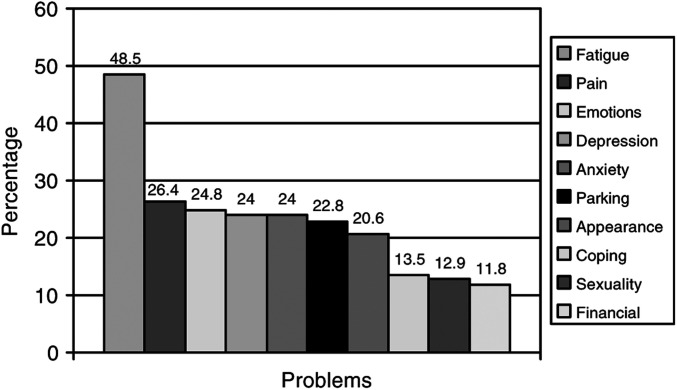
“Cancer patients experience a wide range of problematic and disabling symptoms, including fatigue (49 %), pain (26 %), depression (24 %), and anxiety (24 %) [15].”
BackgroundPsychological distress in elderly cancer patients
Hong, J.-F., Zhang, W., Song, Y.-X., Xie, L.-F., & Wang, W.-L. (2015) · International Journal of Nursing Sciences · doi:10.1016/j.ijnss.2015.02.006 · Cited by 28
“[17] Carlson LE, Angen M, Cullum J, Goodey E, Koopmans J, Lamont L, et al.”
BackgroundResultHuang, J., & Shi, L. (2016) · Trials · doi:10.1186/s13063-016-1335-z · Cited by 23
“These impairments are associated with increased tumor initiation, primary tumor growth, and tumor metastasis, which is the primary cause of death from BC [30–32].”
BackgroundShreders, A. J., Niazi, S. K., Hodge, D. O., Chimato, N. T., Kureti, M., Kirla, N., Agrawal, A., Swaika, A., Gustetic, E., Foster, R., et al. (2017) · Annals of Hematology · doi:10.1007/s00277-017-3198-0 · Cited by 25
“These numbers are comparable to prior studies, although the patient populations in those reports were more heterogeneous, including patients with benign and malignant hematologic and solid organ oncologic conditions [25, 29].”
BackgroundResultPsychooncological distress in low-grade glioma patients—a monocentric study
Ley, A., Kamp, M. A., von Saß, C., Hänggi, D., Sabel, M., & Rapp, M. (2021) · Acta Neurochirurgica · doi:10.1007/s00701-021-04863-7 · Cited by 22
Fehrenbach, M. K., Brock, H., Mehnert-Theuerkauf, A., & Meixensberger, J. (2021) · Frontiers in Psychology · doi:10.3389/fpsyg.2021.664235 · Cited by 27
Psychological distress and resilience in patients with gastroenteropancreatic neuroendocrine tumor
Lili, S., Cao, Y., Li, J., Lu, M., & Tang, L. (2022) · Frontiers in Endocrinology · doi:10.3389/fendo.2022.947998 · Cited by 20
“Previous studies showed that female cancer patients were more likely to be distressed, which was also observed in our study (32).”
ResultUnmet supportive needs of cancer patients in an acute care hospital in Japan—a census study
Fujisawa, D., Park, S., Kimura, R., 須山郁子, Koyama, Y., Takeuchi, M., Yoshikawa, H., Hashiguchi, S., Shirahase, J., Kato, M., et al. (2009) · Supportive Care in Cancer · doi:10.1007/s00520-009-0761-9 · Cited by 22
Aubin, M., Vézina, L., Verreault, R., Fillion, L., Hudon, É., Lehmann, F., Leduc, Y., Bergeron, R., Reinharz, D., & Morin, D. (2010) · Supportive Care in Cancer · doi:10.1007/s00520-010-1010-y · Cited by 19
“Authors have reported high levels of distress in patients with lung cancer [1, 3, 8], even higher than with other types of cancer [9–11].”
ResultWhat models of peer support do people with colorectal cancer prefer?
Ieropoli, S., WHITE, V. M., Jefford, M., & Akkerman, D. (2010) · European Journal of Cancer Care · doi:10.1111/j.1365-2354.2010.01218.x · Cited by 20
Bryant, J., Sanson‐Fisher, R., Stevenson, W. S., Smits, R., Henskens, F. A., Wei, A. H., Tzelepis, F., D’Este, C. A., Paul, C. L., & Carey, M. L. (2015) · BMC Cancer · doi:10.1186/s12885-015-1314-x · Cited by 22
“Barriers to the use of psychological support services reported by patients include a lack of patient awareness of services, lack of provider referral/endorsement, inconvenient location of services, lack of willingness to talk to a stranger or therapist about personal issues, and difficulty scheduling appointments arou…”
BackgroundSpitzer, C., Löwe, B., Grabe, H. J., Barnow, S., Wingenfeld, K., Freyberger, H., & Franke, G. H. (2011) · Cited by 20
Live music intervention for cancer inpatients: The Music Givers format
Toccafondi, A., Bonacchi, A., Mambrini, A., Miccinesi, G., Prosseda, R., & Cantore, M. (2017) · Palliative & Supportive Care · doi:10.1017/s1478951517000165 · Cited by 20
“It has been estimated that between 30 and 50% of patients show a moderate to high level of distress during the course of their illness (Zabora et al., 2001; Carlson et al., 2004).”
BackgroundShim, E., Hahm, B., Yu, E., Kim, H. K., Cho, S. J., Chang, S. M., Yang, J.-C., & Kim, J. (2017) · Palliative & Supportive Care · doi:10.1017/s1478951517000736 · Cited by 24
“…a psychiatric disorder and use of psychiatric services as stigmatizing (Patrick et al., 2003), they might lack insight regarding the cause and negative impact of their distress (Ryan et al., 2012), or perhaps they believe that they do not need help with mental health issues (Carlson et al., 2004).”
BackgroundBergerot, C. D., Razavi, M., Clark, K. L., Philip, E. J., Pal, S. K., Loscalzo, M. J., & Dale, W. (2021) · Psycho-Oncology · doi:10.1002/pon.5685 · Cited by 21
de Haan-Du, J., Plas, M., Absalom, A. R., van Leeuwen, B. L., & de Bock, G. H. (2020) · Journal of Surgical Oncology · doi:10.1002/jso.25971 · Cited by 19
“familial roles by diagnosis and treatment.(34) Besides, younger patients have more limited life experience to help them cope with such traumatic situations.”
BackgroundUnderstanding the needs of lung cancer patients during the pre-diagnosis phase
Wiljer, D., Walton, T., Gilbert, J. E., Boucher, A., Ellis, P. M., Schiff, S., Sellick, S., Simunovic, M. R. I., Bezjak, A., & Urowitz, S. (2012) · Journal of Cancer Education · doi:10.1007/s13187-012-0345-0 · Cited by 19
“Research has also suggested that compared to other cancer populations, these patients experience greater symptom burden and psychological distress [3–7].”
ResultCharacterizing Distress, the 6th Vital Sign, in an Oncology Pain Clinic
Waller, A. E., Groff, S. L., Hagen, N. A., Bultz, B. D., & Carlson, L. E. (2012) · Current Oncology · doi:10.3747/co.19.882 · Cited by 20
Self-citationDistress and Psychosocial Needs of a Heterogeneous High Risk Familial Cancer Population
Power, T. E., Robinson, J. W., Bridge, P. J., Bernier, F. P., & Gilchrist, D. M. (2011) · Journal of Genetic Counseling · doi:10.1007/s10897-010-9344-7 · Cited by 21
“While these numbers are slightly lower than those found in the general cancer population, (i.e., 38%; Carlson et al. 2004) they are nonetheless telling of the degree of need for support within the high risk population.”
Self-citationLambert, S., Pallant, J., Clover, K. A., Britton, B., King, M. T., & Carter, G. L. (2014) · Quality of Life Research · doi:10.1007/s11136-014-0673-0 · Cited by 22
Corboy, D., McDonald, J. W., & McLaren, S. (2011) · International Journal of Men s Health · doi:10.3149/jmh.1002.163 · Cited by 27
“Despite these benefits the majority of people with cancer (75–98%) never utilise formal psychosocial support services (Carlson et al., 2004; Eakin & Stryker, 2001; Plass & Koch, 2001).”
BackgroundNoto, Y., Kitajima, M., Kudo, M., Okudera, K., & Hirota, K. (2010) · Journal of Anesthesia · doi:10.1007/s00540-010-1028-9 · Cited by 21
“Despite this, *30% of patients are unaware of the possibilities for psychosocial support, and 44% of patients refusing psychosocial support do not feel they require any help [20].”
BackgroundGedney, J. J., & Logan, H. L. (2006) · Clinical Journal of Pain · doi:10.1097/01.ajp.0000210940.04182.a3 · Cited by 22
Effects of Dyadic Interventions on Quality of Life among Cancer Patients: An Integrative Review
Sharma, A., Saneha, C., & Phligbua, W. (2021) · Asia-Pacific Journal of Oncology Nursing · doi:10.4103/apjon.apjon_63_20 · Cited by 26
“The disease process of cancer, its treatment,([11]) and side effects of treatment([12,13]) results in remarkable distress among cancer patients and their family caregiver in physical,([14,15]) psychological, social, and spiritual domains.([16-18]) These are the domains collectively referred as “QOL.”
BackgroundRossi, A. A., Marconi, M., Taccini, F., Verusio, C., & Mannarini, S. (2022) · Frontiers in Psychology · doi:10.3389/fpsyg.2022.859478 · Cited by 18
“Further, Bultz and Carlson (2006) considered psychological distress a fundamental marker of wellbeing and—due to its reciprocal influence with the physical status of the sufferers (Zabora et al., 1997, 2001; Carlson et al., 2004; Louison et al., 2019; Panzeri et al., 2021b; Rossi Ferrario et al., 2021)—a key indicator…”
BackgroundLui, F., Lewicka, M., Bao, G. C., Moyer, A. E., Boyce, L. M., & Leng, J. C. F. (2023) · Psycho-Oncology · doi:10.1002/pon.6110 · Cited by 24
Krebber, A.-M. H., van Uden‐Kraan, C. F., Melissant, H. C., Cuijpers, P. J., van Straten, A., Becker‐Commissaris, A., Leemans, C. R., & Leeuw, I. M. V. (2016) · Supportive Care in Cancer · doi:10.1007/s00520-016-3393-x · Cited by 22
“However, many HNC and LC patients do not use psychosocial interventions [8, 9] due to barriers such as a lack of knowledge about the availability of psychosocial facilities and high costs [6, 9, 10].”
BackgroundDevelopment and validation of the National Cancer Center Psychological Symptom Inventory
Shim, E., Hahm, B., Yu, E., Kim, H. K., Cho, S. J., Chang, S. M., Yang, J.-C., & Kim, J. (2016) · Psycho-Oncology · doi:10.1002/pon.4277 · Cited by 20
Koehler, M., Hornemann, B., Holzner, B., Schäffeler, N., Zimmermann, T., Nest, A., Wifling, K., & Herschbach, P. (2017) · Der Onkologe · doi:10.1007/s00761-017-0209-7 · Cited by 20
LeBlanc, T. W., & Kamal, A. H. (2017) · The AMA Journal of Ethic · doi:10.1001/journalofethics.2017.19.5.stas1-1705 · Cited by 18
Calderón, C., Carmona‐Bayonas, A., Beato, C., Ghanem, I., Hernández, R., Majem, M., Diaz, A. R., Higuera, O., Lloret, M. M., & Jiménez‐Fonseca, P. (2018) · Clinical & Translational Oncology · doi:10.1007/s12094-018-1954-9 · Cited by 20
Acquati, C., & Kayser, K. (2019) · Journal of Psychosocial Oncology · doi:10.1080/07347332.2018.1523822 · Cited by 20
Diffusion of a Distress Management Guideline into practice
Tavernier, S. S., Beck, S. L., & Dudley, W. N. (2013) · Psycho-Oncology · doi:10.1002/pon.3295 · Cited by 19
Patterns of Symptoms in Women After Gynecologic Surgery
Liu, S., Ercolano, E. A., Siefert, M. L., & McCorkle, R. C. (2010) · Oncology nursing forum · doi:10.1188/10.onf.e133-e140 · Cited by 24
“Distress is very common in patients with cancer across diagnoses and across the disease trajectory (Carlson et al., 2004).”
Dreismann, L., Goretzki, A., Ginger, V., & Zimmermann, T. (2022) · Frontiers in Psychiatry · doi:10.3389/fpsyt.2021.786691 · Cited by 18
“Unfortunately, few agreements are found between the treatment team’s external assessment of psychological distress and the patients’ self-assessment (6, 17).”
BackgroundTian, X., Tang, L. L., Yi, L.-J., Qin, X.-P., Chen, G., & Herrera, M. (2022) · Frontiers in Psychology · doi:10.3389/fpsyg.2022.857659 · Cited by 21
González, C. R., Vega, B. R., Zarcero, M. T., Mediavilla, R., Bouzó-Molina, N., Fernández, R. P., Pascual, I., & Palao, Á. (2022) · Cirugía Española (English Edition) · doi:10.1016/j.cireng.2022.08.008 · Cited by 22
Tian, X., Liao, Z., Yi, L.-J., Tang, L. L., Chen, G., & Herrera, M. (2022) · Asia-Pacific Journal of Oncology Nursing · doi:10.1016/j.apjon.2022.100151 · Cited by 21
Isaksson, J., Salander, P., Granström, B., & Laurell, G. F. E. (2014) · Journal of Psychosocial Oncology · doi:10.1080/07347332.2014.897289 · Cited by 18
“Even if patients with HNC as a group do not seem to depart from other cancer diseases as to quality of life (Carlson et al., 2004; Zabora, Brintzenhofezoc, Curbow, Hooker, & Piantadosi, 2001), there are studies that suggest that subgroups of patients with HNC are more negatively affected than most other patients with…”
BackgroundScreening for distress: a role for oncology nursing
Fitch, M. I. (2011) · Current Opinion in Oncology · doi:10.1097/cco.0b013e32834791a1 · Cited by 23
Communication skill frameworks: applications in radiation oncology
Martin, E. J., Rich, S. E., Jones, J., & Dharmarajan, K. V. (2019) · Annals of Palliative Medicine · doi:10.21037/apm.2019.03.03 · Cited by 22
Association between metformin medication, genetic variation and prostate cancer risk
Lee, M. J., Jayalath, V. H., Xu, W., Lu, L., Freedland, S. J., Fleshner, N. E., Kulkarni, G. S., Finelli, A., van der Kwast, T., & Hamilton, R. J. (2020) · Prostate Cancer and Prostatic Diseases · doi:10.1038/s41391-020-0238-y · Cited by 18
Physical and psychosocial support requirements of 1,500 patients starting radiotherapy
Kirchheiner, K., Czajka, A., Ponocny‐Seliger, E., Lütgendorf‐Caucig, C., Schmid, M. P., Komarek, E., Pötter, R., & Dörr, W. (2013) · Strahlentherapie und Onkologie · doi:10.1007/s00066-013-0329-y · Cited by 26
Distress in Patients With Acute Leukemia
Albrecht, T., & Rosenzweig, M. Q. (2013) · Cancer Nursing · doi:10.1097/ncc.0b013e31829193ad · Cited by 17
“Specifically, distress has been found to occur in more than 45% of patients with leukemia.(7,9) However, the physical and psychosocial issues faced by patients with AL are relatively understudied especially when compared with patients with many other solid tumors.”
BackgroundThe role of trait emotional intelligence in the diagnostic cancer pathway
Smith, S. G., Petrides, K. V., Green, J. S. A., & Sevdalis, N. (2012) · Supportive Care in Cancer · doi:10.1007/s00520-012-1423-x · Cited by 25
“Given that psychological interventions are severely underutilised in cancer treatment programmes [34] and psychological impairment is often left untreated [2], it seems likely that substantial strides may be taken by the development and implementation of interventions focusing specifically on patients’ emotional self-…”
BackgroundLehmann‐Laue, A., Danker, H., Schröter, K., Friedrich, M., Mehnert-Theuerkauf, A., & Ernst, J. (2018) · PPmP - Psychotherapie · Psychosomatik · Medizinische Psychologie · doi:10.1055/s-0043-124442 · Cited by 18
“[7] Carlson LE, Angen M, Cullum J et al.”
BackgroundSymptom Clusters in Patients With Pancreatic Cancer Undergoing Surgical Resection: Part II
Burrell, S. A., Yeo, T. P., Smeltzer, S. C., Leiby, B. E., Lavu, H., Kennedy, E. P., & Yeo, C. J. (2018) · Oncology nursing forum · doi:10.1188/18.onf.e53-e66 · Cited by 17
“Patients with PC were found to experience some of the highest levels of psychological distress, fatigue, and pain when compared to patients with other cancer types (Carlson et al., 2004; Noquez, 2008; Zabora, BrintzenhofeSzoc, Curbow, Hooker, & Piantadosi, 2001).”
Consultation-liaison psychiatry: How far have we come?
Ali, O., Ernst, C. L., Pacheco, M. A., & Fricchione, G. L. (2006) · Current Psychiatry Reports · doi:10.1007/s11920-006-0026-y · Cited by 17
on behalf of the Finding My Way study investigators, Beatty, L., Kemp, E., Wade, T., & Koczwara, B. (2015) · BMC Cancer · doi:10.1186/s12885-015-1322-x · Cited by 16
“Research has consistently found that 30 to 40 per cent of recently diagnosed patients experience clinically significant depressive or anxiety disorders [2,3].”
BackgroundWeiss, T., Weinberger, M. I., Holland, J., Nelson, C., & Moadel, A. (2012) · Journal of Geriatric Oncology · doi:10.1016/j.jgo.2011.12.001 · Cited by 16
Verri, V., Pepe, I., Abbatantuono, C., Bottalico, M., Semeraro, C., Moschetta, M., Caro, M. F. D., Taurisano, P., Antonucci, L. A., & Taurino, A. (2024) · Frontiers in Psychology · doi:10.3389/fpsyg.2024.1409538 · Cited by 21
“It was hypnotized by Carlson et al. (2004) that somatization was more frequent in cancer patients due to the high prevalence of psychological distress.”
BackgroundMatko, Š., Knauseder, C., Riedl, D., Grote, V., Fischer, M. J., Vorbach, S. M., Pfaller-Frank, K., Frank, W., & Licht, T. (2025) · Current Oncology · doi:10.3390/curroncol32040220 · Cited by 23
“In addition, rehabilitation should aim to alleviate psychological distress or depression that may arise from the disease trajectory and the persistent fear of progression or relapse [17,18].”
Is rumination associated with psychological distress after a cancer diagnosis? A systematic review
Beck, S., Whitaker, K. L., & Cropley, M. (2023) · Journal of Psychosocial Oncology · doi:10.1080/07347332.2022.2145925 · Cited by 20
Rottmann, N., Helmes, A. W., & Vogel, B. A. (2010) · Journal of Psychosocial Oncology · doi:10.1080/07347330903570529 · Cited by 20
Nekolaichuk, C., Turner, J., Collie, K., Cumming, C. E., & Stevenson, A. (2012) · Qualitative Health Research · doi:10.1177/1049732312470567 · Cited by 20
“At least one in three people with cancer will experience significant emotional and psychological distress during their illness trajectory (Carlson et al., 2004; Zabora, Brintzenhofeszoc, Curbow, Hooker, & Piantodosi, 2001).”
BackgroundOncology Social Work for Survivorship
Fobair, P. (2007) · Springer eBooks · doi:10.1007/978-0-387-68265-5_3 · Cited by 18
Clover, K. A., Lambert, S., Oldmeadow, C. J., Britton, B., King, M. T., Mitchell, A. J., & Carter, G. L. (2020) · Current Psychology · doi:10.1007/s12144-020-00906-x · Cited by 23
Langegård, U., Fransson, P., Björk‐Eriksson, T., Johansson, B., Ohlsson‐Nevo, E., Sjövall, K., & Ahlberg, K. (2021) · Technical Innovations & Patient Support in Radiation Oncology · doi:10.1016/j.tipsro.2021.01.004 · Cited by 20
“Further, depression is a common complication in patients with primary brain tumors, and often remains [40].”
BackgroundDecision Making and Distress Among Individuals Diagnosed with Follicular Lymphoma
Kilkus, J. L., Hayslip, J. W., & Studts, J. L. (2012) · Journal of Psychosocial Oncology · doi:10.1080/07347332.2012.684853 · Cited by 18
“Distress is relatively common in cancer patients, with estimates of severe distress in one third of patients (Carlson et al., 2004; Derogatis et al., 1983; Stefanek, Derogatis, & Shaw, 1987; Zabora, BrintzenhofeSzoc, Curbow, Hooker, & Piantadosi, 2001).”
BackgroundResultO'Sullivan, C., Bowles, K., Jeon, S., Ercolano, E., & McCorkle, R. (2011) · Nursing Research and Practice · doi:10.1155/2011/351642 · Cited by 19
“One-fourth of the women with high distress refused PCLN care; however, this ratio was better than has been reported by previous studies among cancer patients [42].”
ResultThalén-Lindström, A., Glimelius, B. L. G., & Johansson, B. (2017) · Acta Oncologica · doi:10.1080/0284186x.2017.1305124 · Cited by 21
“support from regular health care staff, family and friends [9].”
BackgroundHisamura, K., Matsushima, E., Tsukayama, S., Murakami, S., & Motoo, Y. (2018) · Psycho-Oncology · doi:10.1002/pon.4703 · Cited by 17
“Previously published studies reported that a relatively low need for help (despite reporting problems) was associated with a preference for self‐managing psychosocial problems and relying on family members and friends.(5,21-26) A systematic review of the barriers to the delivery of psychosocial care to cancer patients…”
BackgroundPublic policy, human consequences: the gap between biomedicine and psychosocial reality
McMurtry, R. Y., & Bultz, B. D. (2005) · Psycho-Oncology · doi:10.1002/pon.938 · Cited by 18
“…the evidence-based research demonstrating: * The prevalence of oncology related emotional distress in North America is high (ranging from 35–45% depending on cultural, staging and prognosis of cancer) (Zabora et al., 2001; Carlson et al., 2004; Carlson and Bultz, 2003; Potash and Breitbart, 2002.)”
BackgroundSelf-citationIncidence and nature of anxiety–depression comorbidity in prostate cancer patients
Sharpley, C. F., Bitsika, V., & Christie, D. (2010) · Journal of Men s Health · doi:10.1016/j.jomh.2010.03.003 · Cited by 20
Patient Care and Outcomes: Why Cancer Care Should Screen for Distress, the 6th Vital Sign
Bultz, B. D. (2016) · Asia-Pacific Journal of Oncology Nursing · doi:10.4103/2347-5625.178163 · Cited by 16
“Studies in Canada and the United States report that high levels of distress (broadly defined) affects 35-45% of cancer patients from time of diagnosis, through treatment, recurrent disease, palliative care, and survivorship.([2,3]) When describing distress, we are no longer talking only about anxiety or depression.”
BackgroundSelf-citationLin, L., Lin, H., Zhou, R., Liu, B., Liu, K., & Jiang, R. (2024) · Asian Journal of Surgery · doi:10.1016/j.asjsur.2024.11.048 · Cited by 28
A community‐based approach to cancer counselling for patients and carers: a preliminary study
Hutchison, S. D., Sargeant, H., Morris, B. A., Hawkes, A. L., Clutton, S., & Chambers, S. K. (2011) · Psycho-Oncology · doi:10.1002/pon.1786 · Cited by 15
“However, despite the fact that many patients and carers report high levels of distress, few are referred for or receive support, indicating that improved access to psychosocial support remains a critical issue in cancer care [1,9].”
BackgroundUnderstanding the interplay of cancer patients’ instrumental concerns and emotions
Brandes, K., van der Goot, M. J., Smit, E. G., van Weert, J. C. M., & Linn, A. J. (2017) · Patient Education and Counseling · doi:10.1016/j.pec.2017.02.002 · Cited by 14
“Half of the cancer patients experience clinical levels of psychological distress within one month after their diagnosis, and almost a third of the patients still experience such high levels of distress twelve months later [1].”
Altered stress hormone response following acute exercise during prostate cancer treatment
Hanson, E. D., Sakkal, S., Evans, W. S., Violet, J. A., Battaglini, C. L., McConell, G. K., & Hayes, A. (2018) · Scandinavian Journal of Medicine and Science in Sports · doi:10.1111/sms.13199 · Cited by 19
A Multidisciplinary Lung Cancer Program: Does It Reduce Delay Between Diagnosis and Treatment?
Albano, D., Bilfinger, T. V., Feraca, M., Kuperberg, S. J., & Nemesure, B. B. (2020) · Lung · doi:10.1007/s00408-020-00404-8 · Cited by 15
Flanagan, M. W., Goltz, H. H., Henson, J. W., & Smith, M. L. (2021) · Journal of Psychosocial Oncology · doi:10.1080/07347332.2021.1899353 · Cited by 16
“Older adults may be more used to cognitive or physical challenges and may have more practice in life-adjustment and adaptation.(19,20) Additionally, older adults may have access to more practical supports in the form of public insurance and age-related community programs and services that may reduce psychological or f…”
BackgroundResultSiebenhüner, A. R., Mikolasek, M., Witt, C. M., & Barth, J. (2021) · The Journal of Alternative and Complementary Medicine · doi:10.1089/acm.2020.0111 · Cited by 17
Zou, Z., Bidu, C., Bellenger, S., Narce, M., & Bellenger, J. (2013) · Biochimie · doi:10.1016/j.biochi.2013.08.021 · Cited by 17
Psychological aspect of cancer: From stressor to cancer progression
YUAN, A., Wang, S., Li, Z., & Huang, C. (2009) · Experimental and Therapeutic Medicine · doi:10.3892/etm_00000003 · Cited by 17
van Nuenen, F. M., Donofrio, S. M., Tuinman, M. A., van de Wiel, H. B. M., & Hoekstra‐Weebers, J. E. H. M. (2016) · Supportive Care in Cancer · doi:10.1007/s00520-016-3387-8 · Cited by 16
“This suggests that a significant number of distressed patients do not seek professional care for their problems [4, 5], and/or that healthcare providers insufficiently recognize a possible need [6, 7].”
Background
Metadata
- Authors
- Carlson, L. E., Angen, M., Cullum, J., Goodey, E., Koopmans, J., Lamont, L., MacRae, J. H., Martin, M., Pelletier, G., Robinson, J., Simpson, J. S. A., Speca, M., Tillotson, L., & Bultz, B. D.
- Affiliations
- University of Calgary (CA)
- Corresponding author
- Carlson, L E
- Venue
- British Journal of Cancer
- Published
- 2004-05-25
- Volume
- 90
- Issue
- 12
- Pages
- 2297-2304
- ISSN
- 0007-0920 (ISSN-L)
- 1532-1827
- PMC
- PMC2410292
- OpenAlex
- W2143584015
- Cited by
- 939
- References
- 39
- Citations by year
- 2026: 19 · 2025: 15 · 2024: 29 · 2023: 29 · 2022: 61 · 2021: 59 · 2020: 50 · 2019: 35 · 2018: 62 · 2017: 52 · 2016: 59 · 2015: 58 · 2014: 54 · 2013: 54 · 2012: 67
- FWCI
- 8.66
- Type
- journal article
- Language
- en
- Open access
- hybrid
- doi.org
- Licence
- cc-by-nc-sa
- www.springer.com/tdm (unspecified)
- Locations
- British Journal of Cancer (publishedVersion, cc-by-nc-sa)
- PubMed Central (publishedVersion, cc-by)
- PubMed (publishedVersion)
- Libraries and Cultural Resources (University of Calgary) (submittedVersion, cc-by-nc-sa)
- Funders
- Canadian Institutes of Health Research
- Topics
- Health Sciences › Medicine › Oncology › Cancer survivorship and care
- Health Sciences › Medicine › Public Health, Environmental and Occupational Health › Palliative and Oncologic Care
- Social Sciences › Psychology › Clinical Psychology › Family Support in Illness
- Keywords
- cancer patients, psychological distress, fatigue, psychosocial support, help-seeking, somatization, depression, anxiety, Brief Symptom Inventory-18, psychosocial problems, barriers to care, gender differences, socioeconomic factors, minority patients
- MeSH terms
- Adult, Aged, Counseling, Cross-Sectional Studies, Fatigue, Female, Humans, Income, Male, Mass Screening, Mental Health Services, Middle Aged, Minority Groups, Neoplasms, Social Support, Stress, Psychological
About these checks
Registry, retraction, Cites and statistics results are computed, not judged, with one exception: a printed reference that no index lists is read once by a model before it counts as a citation error. Claims are extracted by a model and kept only when their quote appears verbatim in the text; each cited source is then checked, with a model’s help, for whether it says what the claim relies on. Those verdicts can be wrong — read the claim’s quote and the cited source before relying on one.
Statistics and arithmetic are recomputed, not judged.
Confidence bands are shown only for fields calibrated on our annotated test set. None is calibrated yet, so no band is shown.
What counts as a claim ›How we measure confidence ›How we check this ›
Are you an author, or do you see a problem with this page? Request a review
Data sources
Bibliographic data: Semantic Scholar, OpenAlex, Crossref.
Contains information from the Semantic Scholar Academic Graph Datasets, made available under the ODC Attribution License (ODC-BY 1.0).
Semantic Scholar’s data is described in: Kinney, R., et al. (2023). The Semantic Scholar Open Data Platform. arXiv:2301.10140.
