

High levels of untreated distress and fatigue in cancer patients
Open accessThe DOI matches its Crossref record; 37 of the 39 references it cites were found in a registry or an index.
Abstract
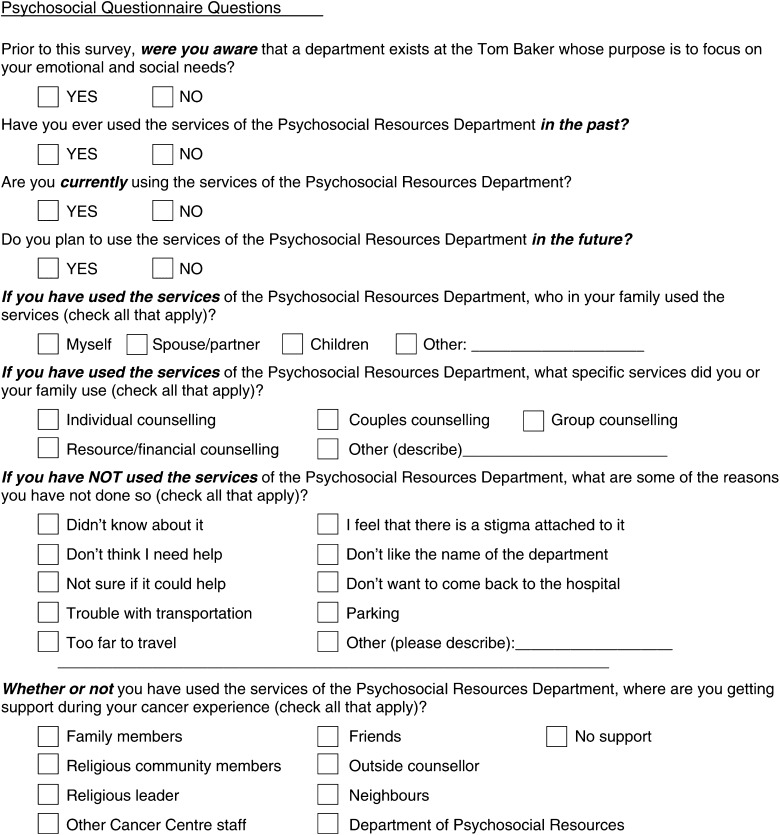
The purpose of the study was to assess a large representative sample of cancer patients on distress levels, common psychosocial problems, and awareness and use of psychosocial support services. A total of 3095 patients were assessed over a 4-week period with the Brief Symptom Inventory-18 (BSI-18), a common problems checklist, and on awareness and use of psychosocial resources. Full data was available on 2776 patients. On average, patients were 60 years old, Caucasian (78.3%), and middle class. Approximately, half were attending for follow-up care. Types of cancer varied, with the largest groups being breast (23.5%), prostate (16.9%), colorectal (7.5%), and lung (5.8%) cancer patients. Overall, 37.8% of all patients met criteria for general distress in the clinical range. A higher proportion of men met case criteria for somatisation, and more women for depression. There were no gender differences in anxiety or overall distress severity. Minority patients were more likely to be distressed, as were those with lower income, cancers other than prostate, and those currently on active treatment. Lung, pancreatic, head and neck, Hodgkin's disease, and brain cancer patients were the most distressed. Almost half of all patients who met distress criteria had not sought professional psychosocial support nor did they intend to in the future. In conclusion, distress is very common in cancer patients across diagnoses and across the disease trajectory. Many patients who report high levels of distress are not taking advantage of available supportive resources. Barriers to such use, and factors predicting distress and use of psychosocial care, require further exploration.
Overview
The claims and statistics of this paper haven’t been checked yet.
Free: it reads the open-access text and checks the first 5 claims that cite a source we can check. Create a free account to check every claim.
Integrity signals
Registry
Cites
Statistics
Figures
Verification
Claims the paper makes
The claims and statistics of this paper haven’t been checked yet.
Free: it reads the open-access text and checks the first 5 claims that cite a source we can check. Create a free account to check every claim.
Claims other papers make about this one
Each is checked against this paper’s own text: does it say what the citing paper says it does?
The source backs part of the claim, not all of it — or backs it for a different population, condition or comparison.
In the citing paper
“There are significant barriers to accessing traditional therapist-based interventions, including limited availability [3], prohibitive travel distances [4], reluctance to disclose distress [3], and concerns about mental health stigma [3].”
From Uptake and adherence to an online intervention for cancer-related distress: older age is not a barrier to adherence but may be a barrier to uptake (2017) · cites this paper as [4]
Experimental — accuracy not yet measuredThe source backs part of the claim, not all of it — or backs it for a different population, condition or comparison.
In the citing paper
“A cancer diagnosis is associated with high levels of distress, leading to frequent anxiety, depression, fear of recurrence/progression, sleep disturbance, and fatigue in both patients and caregivers [1–8].”
From Being present: A single-arm feasibility study of audio-based mindfulness meditation for colorectal cancer patients and caregivers (2018) · cites this paper as [1]
Experimental — accuracy not yet measuredThe source backs part of the claim, not all of it — or backs it for a different population, condition or comparison.
In the citing paper
“A metastatic cancer diagnosis is associated with high levels of distress in patients and caregivers.”
From Being present: A single-arm feasibility study of audio-based mindfulness meditation for colorectal cancer patients and caregivers (2018) · cites this paper as [1]
Experimental — accuracy not yet measuredThe cited source says what the claim attributes to it.
In the citing paper
“While an estimated 35–45% of cancer patients report psychological distress [1, 12], distress is most common during active treatment [13, 14].”
From Being present: A single-arm feasibility study of audio-based mindfulness meditation for colorectal cancer patients and caregivers (2018) · cites this paper as [1]
In the citing paper
“more than one in three cancer patients and survivors experience significant levels of psychological distress.4”
1 more claim about this paper
Create a free account to see every claim other papers make about this one.
Self-check
Percentages, sums and reported differences re-computed from the paper’s own numbers.
The self-check needs the paper’s full text.
Citations
Cites
The prevalence of psychiatric disorders among cancer patients
Derogatis, L. R. (1983) · JAMA: The Journal of the American Medical Association · doi:10.1001/jama.1983.03330300035030 · Cited by 1,575 · cited 2×
“Previous studies have documented that approximately one-third of all oncology patients will experience significant levels of distress associated with diagnosis and treatment of cancer, which warrants psychosocial treatment (Derogatis et al., 1983; Stefanek et al., 1987; Zabora et al., 1997; Sellick and Crooks, 1999; Z…”
BackgroundDistress Management, Version 3.2019, NCCN Clinical Practice Guidelines in Oncology
Riba, M. B., Donovan, K. A., Andersen, B., Braun, I., Breitbart, W. S., Brewer, B. W., Buchmann, L. O., Clark, M. M., Collins, M., Corbett, C., et al. (2019) · Journal of the National Comprehensive Cancer Network · doi:10.6004/jnccn.2019.0048 · Cited by 871
Meyer, T. J., & Mark, M. M. (1995) · Health Psychology · doi:10.1037/0278-6133.14.2.101 · Cited by 689 · cited 2×
“This is of concern given that many empirically supported treatments for distress in cancer patients are widely available (for reviews, see Fawzy et al., 1995; Meyer and Mark, 1995; Bottomley, 1997; Iacovino and Reesor, 1997; Fawzy, 1999; Carlson and Bultz, 2003a).”
BackgroundCritical Review of Psychosocial Interventions in Cancer Care
Fawzy, F. I. (1995) · Archives of General Psychiatry · doi:10.1001/archpsyc.1995.03950140018003 · Cited by 560 · cited 1×
“This is of concern given that many empirically supported treatments for distress in cancer patients are widely available (for reviews, see Fawzy et al., 1995; Meyer and Mark, 1995; Bottomley, 1997; Iacovino and Reesor, 1997; Fawzy, 1999; Carlson and Bultz, 2003a).”
BackgroundA New Psychosocial Screening Instrument for Use With Cancer Patients
Zabora, J., Brintzenhofeszoc, K., Jacobsen, P., Curbow, B., Piantadosi, S., Hooker, C., Owens, A., & Derogatis, L. (2001) · Psychosomatics · doi:10.1176/appi.psy.42.3.241 · Cited by 440 · cited 7×
“The BSI-18 is the version that the Johns Hopkins group has been recently using in their screening programme, and on which they have published norms from a large sample of patients (Zabora et al., 2001b).”
BackgroundMethodResultInfluentialCarlson, L. E., & Bultz, B. D. (2003) · Journal of Psychosomatic Research · doi:10.1016/s0022-3999(03)00514-2 · Cited by 351 · cited 5×
“Several agencies, both American and International, have developed guidelines for psychosocial care, which include screening guidelines (see Carlson and Bultz (2003b) for an overview of distress screening issues).”
BackgroundMethodInfluentialSelf-citationVelikova, G., Wright, E. P., Smith, A. B., Cull, A., Gould, A., Forman, D., Perren, T., Stead, M., Brown, J., & Selby, P. J. (1999) · Journal of Clinical Oncology · doi:10.1200/jco.1999.17.3.998 · Cited by 339 · cited 2×
“…computer-based technology is convincing, in terms of its reliability, acceptability to patients, and utility in improving clinical care around psychosocial issues (Taenzer et al., 1997; Velikova et al., 1999; Taenzer et al., 2000; McLachlan et al., 2001; Carlson et al., 2001; Bezjak et al., 2001).”
BackgroundAge-related differences in the quality of life of breast carcinoma patients after treatment
Wenzel, L. B., Fairclough, D. L., Brady, M. J., Cella, D., Garrett, K. M., Kluhsman, B. C., Crane, L. A., & Marcus, A. C. (1999) · Cancer · doi:10.1002/(sici)1097-0142(19991101)86:9<1768::aid-cncr19>3.0.co;2-o · Cited by 329 · cited 1×
“Previous reports indicate that younger patients may suffer higher levels of distress (Wenzel et al., 1999; Carlson and Bultz, 2002), theorised to be due to a larger disruption of social and familial roles at earlier developmental stages, such as raising small children and establishing careers.”
BackgroundMcLachlan, S.-A., Allenby, A., Matthews, J., Wirth, A., Kissane, D., Bishop, M., Beresford, J., & Zalcberg, J. (2001) · Journal of Clinical Oncology · doi:10.1200/jco.2001.19.21.4117 · Cited by 295 · cited 2×
“…computer-based technology is convincing, in terms of its reliability, acceptability to patients, and utility in improving clinical care around psychosocial issues (Taenzer et al., 1997; Velikova et al., 1999; Taenzer et al., 2000; McLachlan et al., 2001; Carlson et al., 2001; Bezjak et al., 2001).”
BackgroundBenefits of psychosocial oncology care: improved quality of life and medical cost offset.
Carlson, L. E., & Bultz, B. D. (2003) · Health and Quality of Life Outcomes · doi:10.1186/1477-7525-1-8 · Cited by 269
Self-citation
Research works printed but not linked: 5
- Carlson LE, Bultz BD (2002) Efficacy vs. cost of psychosocial interventions: an evidence-based call for action. Oncol Exchange 1: 34–51
- Derogatis LR (1983) SCL-90-R: Administration, Scoring and Procedures Manual-II, 2nd edn. Baltimore, MD: Clinical Psychometric Research
- Derogatis LR (1993) Brief Symptom Inventory: Administration, scoring, and procedures manual. Minneapolis, MN: National Computer Systems, Inc
- Derogatis LR (2001) Brief Symptom Inventory 18: Administration, Scoring and Procedures Manual. Minneapolis, MN: NCS Pearson Inc
- Taenzer P, Bultz BD, Carlson LE, Speca M, DeGagne T, Olson K, Doll R, Rosberger Z (2000) Impact of computerized quality of life screening on physician behaviour and patient satisfaction in lung cancer outpatients. Psychooncology 9: 203–213 10871716 · doi:10.1002/1099-1611(200005/06)9:3<203::aid-pon453>3.0.co;2-y
Cited by
Items 101–200 of 935
Absolom, K., Holch, P., Pini, S., Hill, K., Liu, A., Sharpe, M., Richardson, A., Velikova, G., & Collaborative, O. B. O. T. N. C. S. A. P. C. R. (2011) · Psycho-Oncology · doi:10.1002/pon.1916 · Cited by 101
“Psychological distress following a cancer diagnosis is well documented [1–3].”
BackgroundEmotional distress in patients with cancer: the sixth vital sign
Bultz, B. D., & Holland, J. C. (2006) · Community Oncology · doi:10.1016/s1548-5315(11)70702-1 · Cited by 125
Self-citationDeterminants of quality of life in patients with advanced cancer
Zimmermann, C., Burman, D., Swami, N., Krzyzanowska, M. K., Leighl, N. B., Moore, M. J., Rodin, G., & Tannock, I. F. (2010) · Supportive Care in Cancer · doi:10.1007/s00520-010-0866-1 · Cited by 122
“Population studies using the EORTC QLQ-C30 have also found better emotional functioning in men than in women [9–11], and investigations in oncology regarding specific symptoms have noted increased severity in women of depression [40–44], anxiety [43–45], fatigue [13, 46–49], and nausea [50].”
MethodHong, J. S., Tian, J., & Wu, L. H. (2014) · Current Oncology · doi:10.3747/co.21.1984 · Cited by 100
Urech, C., Grossert, A., Alder, J., Scherer, S., Handschin, B., Kasenda, B., Borislavova, B., Degen, S., Erb, J., Faessler, A., et al. (2018) · Journal of Clinical Oncology · doi:10.1200/jco.2017.74.8491 · Cited by 98
“However, a majority of newly diagnosed patients with cancer lack psychosocial support because of constraints on the part of both providers and patients.(6,7) Use of the Internet, which Author affiliations and support information (if applicable) appear at the end of this article.”
BackgroundScreening for cancer-related distress: Summary of evidence from tools to programmes
Bidstrup, P. E., Johansen, C., & Mitchell, A. J. (2011) · Acta Oncologica · doi:10.3109/0284186x.2010.533192 · Cited by 93
“Distress can be simply defi ned as the experience of signifi cant emotional upset and arises from various psychological and psychiatric conditions [1,2].”
BackgroundLinden, W., & Girgis, A. (2012) · Psycho-Oncology · doi:10.1002/pon.2035 · Cited by 96
“Depending on tool choice, inclusion criteria and chosen population, the available evidence on distress prevalence [38,39] suggested that somewhere between 20% and 40% of individuals with cancer showed at least subclinical symptoms of anxiety or depression.”
Methodvan den Hurk, D. G. M., Schellekens, M. P. J., Molema, J., Speckens, A. E. M., & van der Drift, M. A. (2015) · Palliative Medicine · doi:10.1177/0269216315572720 · Cited by 95
“Patients and partners were excluded when they (1) were <18 years of age, (2) were not able to understand or use the Dutch language, (3) had already participated in a mindfulness-based intervention, (4) had current and regular treatment by a psychologist or psychiatrist or (5) had participated in another psychosocial p…”
BackgroundPsychometric properties of the Brief Symptom Inventory-18 in a Spanish breast cancer sample
Garrido, M. J. G., Ferrandis, E. D., Andreu, Y., Ferrando, M., Murgui, S., Pérez, S., & Ibañez, E. (2008) · Journal of Psychosomatic Research · doi:10.1016/j.jpsychores.2008.05.009 · Cited by 105
“The BSI-18 has gained popularity as a screening instrument in cancer samples [4,8,12,13].”
BackgroundSansom-Daly, U. M., Wakefield, C. E., Bryant, R. A., Butow, P., Sawyer, S., Patterson, P., Anazodo, A., Thompson, K., & Cohn, R. J. (2012) · BMC Cancer · doi:10.1186/1471-2407-12-339 · Cited by 94
“Although most AYAs will adapt well into long-term cancer survivorship [8], as a group they experience more complex, more severe, and longer-lasting distress than do children or adults with similar diagnoses [9-11].”
BackgroundGiese-Davis, J., Waller, A., Carlson, L. E., Groff, S., Zhong, L., Neri, E., Bachor, S. M., Adamyk-Simpson, J., Rancourt, K. M., Dunlop, B., et al. (2012) · BMC Cancer · doi:10.1186/1471-2407-12-441 · Cited by 94
“Despite prevalence rates that can range from 35-60% in the cancer population [2-5], distress often goes unrecognized [6-10] and can have negative implications for patients including reduced health-related quality of life [11], greater long-term distress [12], poor satisfaction with medical care [13], and possibly redu…”
BackgroundSelf-citationLabelle, L. E., Campbell, T. S., Faris, P., & Carlson, L. E. (2015) · Journal of Clinical Psychology · doi:10.1002/jclp.22117 · Cited by 90
“Many cancer patients continue to have high levels of anxiety, depression, fatigue, pain, and sleep difficulties after completion of primary treatments (Carlson et al., 2004).”
BackgroundSelf-citationUrbanski, B. L., & Lazenby, M. (2012) · Journal of Pediatric Oncology Nursing · doi:10.1177/1043454212455697 · Cited by 113
“Physicians are trained to readily acknowledge physical symptoms related to cancer and its treatment but may lack in responding to psychological distress (Carlson et al., 2004).”
BackgroundGarland, S. N., Tamagawa, R., Todd, S. C., Speca, M., & Carlson, L. E. (2013) · Integrative Cancer Therapies · doi:10.1177/1534735412442370 · Cited by 91
“Of all chronic illnesses, cancer may produce the most significant levels of distress, and the need for psychosocial interventions to improve patients’ psychological adjustment and quality of life has been well documented.(7,8) The use of 442370 ICTXXX10.”
BackgroundSelf-citationDolbeault, S., Bredart, A., Mignot, V., Hardy, P., Gauvain-Piquard, A., Mandereau, L., Asselain, B., & Medioni, J. (2008) · Palliative and Supportive Care · doi:10.1017/s1478951508000187 · Cited by 91
“…have identified that female gender, younger age, active or advanced disease, pain, and financial or material challenges were predictive of greater emotional distress (Aass et al., 1997; Brédart et al., 1999; Skarstein et al., 2000; Zabora et al., 2001; Carlson et al., 2004; Strong et al., 2007).”
BackgroundLeeuw, I. M. V., de Bree, R., Keizer, A. L., Houffelaar, T., Cuijpers, P. J., van der Linden, M. H., & Leemans, C. R. (2009) · Oral Oncology · doi:10.1016/j.oraloncology.2009.01.012 · Cited by 101
“As a result there are high levels of untreated distress in cancer patients.(18) Implementation of efficient screening techniques becomes essential in clinical practice to enable adequate referral to psychosocial care.”
Lethborg, C., Aranda, S., Cox, S., & Kissane, D. (2007) · Palliative and Supportive Care · doi:10.1017/s1478951507000570 · Cited by 89
“It has been utilized in several prevalence studies related to psychological distress in cancer (Zabora et al., 2001; Carlson et al., 2004) and found to have impressive validation scores in relation to psychological distress in a group of ambulatory cancer populations (alpha, 0.”
MethodResultInfluentialLynch, J., Goodhart, F., Saunders, Y., & O’Connor, S. J. (2011) · Supportive Care in Cancer · doi:10.1007/s00520-009-0799-8 · Cited by 90
Sadja, J., & Mills, P. J. (2013) · EXPLORE · doi:10.1016/j.explore.2013.04.005 · Cited by 88
Screening for distress in patients with brain cancer using the NCCN's rapid screening measure
Keir, S. T., Calhoun‐Eagan, R. D., Swartz, J. J., Saleh, O. A., & Friedman, H. S. (2008) · Psycho-Oncology · doi:10.1002/pon.1271 · Cited by 87
“Despite the advances in cancer prognosis and treatment, patients who are diagnosed with cancer have been shown to experience elevated levels of distress [1].”
BackgroundCarlson, L. E., Waller, A., Groff, S. L., Zhong, L., & Bultz, B. D. (2012) · British Journal of Cancer · doi:10.1038/bjc.2012.309 · Cited by 86
“Clinically, this is an important finding as pain and fatigue are two commonly reported symptoms both in our previous work and that of others, often disturbing quality of life and the ability to function on a daily basis (Carlson et al , 2004; Morrow et al , 2005; Holland et al , 2007).”
BackgroundSelf-citationSchellekens, M. P. J., Karremans, J. C., van der Drift, M. A., Molema, J., van den Hurk, D. G. M., Prins, J. B., & Speckens, A. E. M. (2017) · Mindfulness · doi:10.1007/s12671-016-0602-0 · Cited by 85
“%) than are patients with other types of cancer (Carlson et al. 2004; Gao et al. 2010; Linden et al. 2012).”
BackgroundZimmermann, C., Burman, D., Bandukwala, S., Seccareccia, D., Kaya, E., Bryson, J., Rodin, G., & Lo, C. (2009) · Supportive Care in Cancer · doi:10.1007/s00520-009-0700-9 · Cited by 103
The effects of response bias on self-reported quality of life among childhood cancer survivors
O’Leary, T. E., Diller, L., & Recklitis, C. J. (2007) · Quality of Life Research · doi:10.1007/s11136-007-9231-3 · Cited by 94
“Similarly, screening programs to identify psychological distress in cancer patients and survivors are increasingly recommended [74-78] but these programs may need to be mindful of the possibility that survivors as a”
BackgroundUsing intervention mapping to develop a work-related guidance tool for those affected by cancer
Munir, F., Kalawsky, K., Wallis, D. J., & Donaldson-Feilder, E. (2013) · BMC Public Health · doi:10.1186/1471-2458-13-6 · Cited by 83
Mikolasek, M., Witt, C. M., & Barth, J. (2018) · JMIR mHealth and uHealth · doi:10.2196/11271 · Cited by 83
“However, psychological support of patients is often not implemented in standard medical care [6-8]; also, many patients neglect their distress and do not seek psychosocial support [9].”
BackgroundMaass, S. W. M. C., Boerman, L. M., Verhaak, P. F. M., Du, J., de Bock, G. H., & Berendsen, A. J. (2019) · Maturitas · doi:10.1016/j.maturitas.2019.09.003 · Cited by 82
Hodges, K., & Winstanley, S. (2012) · Stress and Health · doi:10.1002/smi.2471 · Cited by 103
“Both diagnosis and therapy impact upon psychosocial wellbeing (Al-Azri, Al-Awisi, & Al-Moundhri, 2009; Carlson et al., 2004), and for some, the post-treatment period may be particularly stressful (Macmillan Cancer Support, 2007), a time of hardship, uncertainty and isolation (Allen, Savadatti & Levy, 2009).”
BackgroundMatis, J., Svetlak, M., Slezackova, A., Svoboda, M., & Šumec, R. (2020) · doi:10.2196/preprints.20709 · Cited by 81
“Psychotherapy, counseling, and other nonpharmacological methods such as mindfulness-based programs (MBPs) are often not implemented, despite their efficacy in standard oncological and palliative care [7,8].”
Recklitis, C. J., & Rodriguez, P. (2007) · Psycho-Oncology · doi:10.1002/pon.1069 · Cited by 81
Pancreatic cancer and depression: myth and truth
Mayr, M., & Schmid, R. M. (2010) · BMC Cancer · doi:10.1186/1471-2407-10-569 · Cited by 81
“In particular patients with pancreatic, lung, oropharyngeal and breast cancer are seriously affected by emotional burden and major depression [10,11,13,14].”
BackgroundDeveloping a Model of the Benefits and Burdens of Research Participation in Cancer Clinical Trials
Ulrich, C. M., Knafl, K. A., Ratcliffe, S. J., Richmond, T. S., Grady, C., Miller‐Davis, C., & Wallen, G. R. (2012) · AJOB Primary Research · doi:10.1080/21507716.2011.653472 · Cited by 90
“Emotional distress is common in patients diagnosed with cancer (Carlson et al. 2004; Zabora et al. 2001).”
BackgroundMonti, D. A., Kash, K. M., Kunkel, E. J., Moss, A., Mathews, M., Brainard, G., Anne, R., Leiby, B. E., Pequinot, E., & Newberg, A. B. (2013) · Psycho-Oncology · doi:10.1002/pon.3320 · Cited by 79
“, traumatic stress symptoms) [7,8], and/or physical symptoms, such as fatigue [4,9], increased pain [10], and impaired sleep [11,12].”
BackgroundPsychological Interventions Prior to Cancer Surgery: a Review of Reviews
Grimmett, C., Heneka, N., & Chambers, S. (2022) · Current Anesthesiology Reports · doi:10.1007/s40140-021-00505-x · Cited by 78
Screening for psychological distress in cancer: renewing the research agenda
Salmon, P., Clark, L., McGrath, E., & Fisher, P. (2015) · Psycho-Oncology · doi:10.1002/pon.3640 · Cited by 79
“positive for distress had sought—or intended to seek— professional psychosocial help [34] or indicated that they were interested in it [33,35,36].”
BackgroundSelf-compassion and adherence in five medical samples: the role of stress.
Sirois, F. M., & Hirsch, J. K. (2019) · Mindfulness · doi:10.1007/s12671-018-0945-9 · Cited by 79
“For example, cancer, fibromyalgia, and chronic fatigue have fatigue as a common and prominent symptom (Carlson et al. 2004; Clayton 2015; Wolfe et al. 2010).”
BackgroundHow feasible is implementation of distress screening by cancer clinicians in routine clinical care?
Mitchell, A. J., Lord, K., Slattery, J., Grainger, L., & Symonds, P. R. (2012) · Cancer · doi:10.1002/cncr.27648 · Cited by 93
“INTRODUCTION Distress is a common complication of cancer, occurring in approximately 4 in 10 cancer patients who undergo cross-sectional assessment.(1-3) Depression with or without adjustment disorder occurs in approximately 3 of 10 patients.”
BackgroundArash: A social robot buddy to support children with cancer in a hospital environment
Meghdari, A. F., Shariati, A., Alemi, M., Vossoughi, G., Eydi, A., Ahmadi, E., Mozafari, B., Nobaveh, A. A., & Tahami, R. (2018) · Proceedings of the Institution of Mechanical Engineers Part H Journal of Engineering in Medicine · doi:10.1177/0954411918777520 · Cited by 85
Comprehensive needs assessment tool in cancer (CNAT): the development and validation
Shim, E., Lee, K., Park, J. H., & Park, J. (2010) · Supportive Care in Cancer · doi:10.1007/s00520-010-1037-0 · Cited by 88
“As cancer imposes considerable burden on patients at multiple levels, such as physical and psychological health [2, 3], family [4], work [5], and economic status [6], the need for comprehensive care can arise.”
BackgroundLabelle, L. E., Lawlor-Savage, L., Campbell, T. S., Faris, P., & Carlson, L. E. (2015) · The Journal of Positive Psychology · doi:10.1080/17439760.2014.927902 · Cited by 77
“Many patients report high levels of anxiety, depression, fatigue, pain, and sleep difficulties following completion of primary cancer treatments (Carlson et al., 2004).”
BackgroundInfluentialSelf-citationStafford, L., Judd, F., Gibson, P., Komiti, A., Mann, G. B., & Quinn, M. (2013) · Psycho-Oncology · doi:10.1002/pon.3253 · Cited by 76
“having sufficient symptoms or severity of symptoms to warrant clinical diagnosis) [6,7,9].”
BackgroundRole of stress in the pathogenesis of cancer (Review)
Lempesis, I. G., Georgakopoulou, V., Papalexis, P., Chrousos, G. P., & Spandidos, D. A. (2023) · International Journal of Oncology · doi:10.3892/ijo.2023.5572 · Cited by 87
“…experience some levels of distress, which may influence cancer progres‑ sion regardless of baseline stress levels; this may mask the association between stress levels and cancer progression, but could allow for the observation of the beneficial effects of stress‑reducing interventions (11,30).”
BackgroundReuter, K., Classen, C. C., Roscoe, J. A., Morrow, G. R., Kirshner, J. J., Rosenbluth, R., Flynn, P. J., Shedlock, K., & Spiegel, D. (2006) · Psycho-Oncology · doi:10.1002/pon.1012 · Cited by 76
“Fatigue is one of the most frequent symptoms in cancer patients (Carlson et al., 2004; Cella et al., 2001) and has therefore become the focus of considerable interest.”
BackgroundRandazzo, D. M., & Peters, K. B. (2016) · CNS Oncology · doi:10.2217/cns-2016-0010 · Cited by 78
Lizán, L., Pérez–Carbonell, L., & Comellas, M. (2021) · Cancers · doi:10.3390/cancers13184615 · Cited by 88
“might have overlooked cancer-related symptoms such as pain, nausea, or headaches [2–4], or other consequences of cancer such as distress and fatigue [5].”
BackgroundHawkes, A. L., Hughes, K. L., Hutchison, S. D., & Chambers, S. K. (2010) · BMC Cancer · doi:10.1186/1471-2407-10-14 · Cited by 74
“An extension of the screening process is to match the level and nature of client distress to appropriate sources of care [36,37], a process that rarely occurs in routine clinical practice [36].”
Mayer, J., RUSSELL, R. E., Bates, M. W., & Dickie, M. M. (1953) · PubMed · Cited by 97
A Pilot Mobile-Based Mindfulness Intervention for Cancer Patients and Their Informal Caregivers
Kubo, A., Altschuler, A., Kurtovich, E., Hendlish, S., Laurent, C. A., Kolevska, T., Li, Y., & Avins, A. (2018) · Mindfulness · doi:10.1007/s12671-018-0931-2 · Cited by 73
“Although an estimated 35–55% of cancer patients report such psychological distress (Carlson et al. 2004; Carlson et al. 2010; Sellick and Edwardson 2007; Zabora et al. 2001), clinicians often have few resources to help improve the quality of life (QoL) of cancer patients and their families.”
BackgroundEffects of Distant Reiki On Pain, Anxiety and Fatigue in Oncology Patients in Turkey: A Pilot Study
Demir, M., Can, G., Kelam, A., & Aydiner, A. (2015) · Asian Pacific Journal of Cancer Prevention · doi:10.7314/apjcp.2015.16.12.4859 · Cited by 91
“(Carlson et al., 2004).”
BackgroundInfluentialCancer survivors' responses to daily stressors: Implications for quality of life.
Costanzo, E. S., Stawski, R. S., Ryff, C. D., Coe, C. L., & Almeida, D. M. (2012) · Health Psychology · doi:10.1037/a0027018 · Cited by 73
Mejareh, Z. N., Abdollahi, B., Hoseinipalangi, Z., Jeze, M. S., Hosseinifard, H., Rafiei, S., Aghajani, F., Dehnad, A., Ardakani, M. F., Ahmadi, S., et al. (2021) · Indian Journal of Psychiatry · doi:10.4103/indianjpsychiatry.indianjpsychiatry_77_21 · Cited by 94
Howell, D., Fitch, M. I., Bakker, D. A., Green, E., SUSSMAN, J. S., Mayo, S. J., Mohammed, S., Lee, C., & Doran, D. M. (2013) · Value in Health · doi:10.1016/j.jval.2012.10.017 · Cited by 84
“Underrecognition and undertreatment of these consequences is a costly burden for patients, their families, and the health system [9–13] and leads to significant physical and psychological morbidity [14,15].”
BackgroundCillessen, L., Schellekens, M. P. J., Van de Ven, M. O. M., Donders, A. R. T., Compen, F. R., Bisseling, E. M., Van der Lee, M. L., & Speckens, A. E. M. (2018) · Acta Oncologica · doi:10.1080/0284186x.2018.1479071 · Cited by 66
“Not surprisingly, one in three patients experiences significant psychological distress [2,3].”
BackgroundGonzález-Ling, A., Vazquez, O., Bello, M. E., Robles, R., Rascón-Gasca, M. L., Lara‐Mejía, L., Heredia, D., & Arrieta, O. G. (2022) · Palliative & Supportive Care · doi:10.1017/s147895152200116x · Cited by 83
The New Normal? Patient Satisfaction and Usability of Telemedicine in Breast Cancer Care
Johnson, B. A., Lindgren, B. R., Blaes, A. H., Parsons, H. M., LaRocca, C. J., Farah, R. S., & Hui, J. Y. C. (2021) · Annals of Surgical Oncology · doi:10.1245/s10434-021-10448-6 · Cited by 79
Cancer-related trauma, stigma and growth: the ‘lived’ experience of head and neck cancer
Threader, J., & McCormack, L. (2015) · European Journal of Cancer Care · doi:10.1111/ecc.12320 · Cited by 89
Course of psychological distress and its predictors in advanced non‐small cell lung cancer patients
Akechi, T., Okuyama, T., Akizuki, N., Azuma, H., Sagawa, R., Furukawa, T. A., & Uchitomi, Y. (2006) · Psycho-Oncology · doi:10.1002/pon.975 · Cited by 69
“In addition, Zabora et al. (2001) and Carlson et al. (2004) have demonstrated that the highest prevalence of psychological distress was observed among patients with lung cancer, although another did not necessarily support this finding (Herschbach et al., 2004).”
BackgroundNekolaichuk, C., Cumming, C. E., Turner, J., Yushchyshyn, A., & Sela, R. A. (2010) · Psycho-Oncology · doi:10.1002/pon.1765 · Cited by 82
“9%) was substantially higher than in the general cancer population [1,2].”
BackgroundSharpley, C. F., Bitsika, V., & Christie, D. R. H. (2009) · Psycho-Oncology · doi:10.1002/pon.1382 · Cited by 68
“6% of those with prostate cancer to be psychologically distressed at diagnosis [10], replicating a previous study that found 30.”
ResultEffects of Laughter Therapy on Anxiety, Stress, Depression and Quality of Life in Cancer Patients
Demir, M. (2015) · Journal of Cancer Science & Therapy · doi:10.4172/1948-5956.1000362 · Cited by 67
“0% in patients receiving cancer treatment [2,3].”
Tamagawa, R., Garland, S., Vaska, M., & Carlson, L. (2012) · Journal of behavioral medicine · doi:10.1007/s10865-012-9398-0 · Cited by 67
Self-citationTondorf, T., Grossert, A., Rothschild, S. I., Koller, M. T., Rochlitz, C., Kiss, A., Schaefert, R., Meinlschmidt, G., Hunziker, S., & Zwahlen, D. (2018) · Psycho-Oncology · doi:10.1002/pon.4735 · Cited by 66
Cameron, L. D., Booth, R. J., Schlatter, M. C., Ziginskas, D., Harman, J. E., & Benson, S. (2005) · Psychosomatic Medicine · doi:10.1097/01.psy.0000170834.54970.f5 · Cited by 78
Wood, R. P., & Taylor‐Stokes, G. (2019) · BMC Cancer · doi:10.1186/s12885-019-5428-4 · Cited by 68
Høybye, M. T., Dalton, S. O., Christensen, J., Larsen, L. R., Kuhn, K. G., Jensen, J. N., Carlsen, K., & Johansen, C. (2007) · Acta Oncologica · doi:10.1080/02841860701418846 · Cited by 67
“A survey of 3 095 survivors of cancers at various sites likewise found high levels of fatigue, mainly related to distress [9].”
BackgroundResultOskam, I. M., Leeuw, I. M. V., Aaronson, N. K., Kuik, D. J., de Bree, R., Doornaert, P., Langendijk, J. A., & Leemans, C. R. (2010) · Radiotherapy and Oncology · doi:10.1016/j.radonc.2010.02.005 · Cited by 79
“Results from other studies involving multivariate survival analyses are contradictive: while in some studies no relation between age and survival was noted [22–23], other studies reported age as a significant predictor of survival [28,9–36].”
BackgroundResultLesiuk, T. L. (2015) · Oncology nursing forum · doi:10.1188/15.onf.276-282 · Cited by 79
Waller, A., Williams, A., Groff, S. L., Bultz, B. D., & Carlson, L. E. (2013) · Psycho-Oncology · doi:10.1002/pon.2102 · Cited by 63
Self-citationCook, S. A., Salmon, P., Dunn, G., Holcombe, C., Cornford, P., & Fisher, P. (2015) · Cognitive Therapy and Research · doi:10.1007/s10608-014-9640-x · Cited by 63
“…treatment or long-term follow-up reporting clinically significant levels of distress, including anxiety and depression, that warrants intervention (Carlson et al. 2004), while life-time prevalence of cancer-related PTSD is 10–12 % for breast cancer and 20 % for other cancers (Andrykowski and…”
Krebber, A.-M. H., Jansen, F., Cuijpers, P. J., Leemans, C. R., & Leeuw, I. M. V. (2015) · Supportive Care in Cancer · doi:10.1007/s00520-015-3053-6 · Cited by 66
“fatigue, sexuality issues and life stress [9–11].”
Ryan, D. A., Gallagher, P., Wright, S., & Cassidy, E. M. (2012) · Psycho-Oncology · doi:10.1002/pon.2042 · Cited by 62
The link between value motives, value success, and well‐being among people diagnosed with cancer
Ciarrochi, J., Fisher, D., & Lane, L. (2011) · Psycho-Oncology · doi:10.1002/pon.1832 · Cited by 62
“Adjustment problems, anxiety disorders, increased levels of suicidal ideation, pain, and fatigue are highly prevalent [5,9].”
BackgroundA Longitudinal Analysis of Symptom Clusters in Cancer Patients and Their Sociodemographic Predictors
Thomas, B. C., Waller, A., Malhi, R. L., Fung, T., Carlson, L. E., Groff, S. L., & Bultz, B. D. (2014) · Journal of Pain and Symptom Management · doi:10.1016/j.jpainsymman.2013.04.007 · Cited by 62
Self-citationBulli, F., Miccinesi, G., Maruelli, A., Katz, M., & Paci, E. (2008) · Supportive Care in Cancer · doi:10.1007/s00520-008-0543-9 · Cited by 72
Do cancer and treatment type affect distress?
Admiraal, J. M., Reyners, A. K. L., & Hoekstra‐Weebers, J. E. H. M. (2012) · Psycho-Oncology · doi:10.1002/pon.3211 · Cited by 77
“Previous research showed high distress levels in young and female patients [41,48] and low distress in prostate cancer patients [4,48,49] in the W&S condition [50].”
BackgroundResultInfluentialBerhili, S., Kadiri, S. E., Bouziane, A., Aissa, A., Marnouche, E., Ogandaga, E., Echchikhi, Y., Touil, A., Loughlimi, H., Lahdiri, I., et al. (2016) · The Breast · doi:10.1016/j.breast.2016.10.015 · Cited by 72
Jiménez‐Fonseca, P., Calderón, C., Hernández, R., y Cajal, T. R., Mut, M., Ramchandani, A., Donnay, O., & Carmona‐Bayonas, A. (2018) · Clinical & Translational Oncology · doi:10.1007/s12094-018-1873-9 · Cited by 75
“However, it is also possible that these groups may simply be more accustomed to expressing their discomfort [23].”
BackgroundMoreira‐Pais, A., Ferreira, R. M., & da Costa, R. M. G. (2018) · Life Sciences · doi:10.1016/j.lfs.2018.07.010 · Cited by 74
Baziliansky, S., & Cohen, M. W. (2020) · Stress and Health · doi:10.1002/smi.2972 · Cited by 81
Gunn, K. M., Turnbull, D. A., McWha, J. L., Davies, M., & Olver, I. (2013) · Supportive Care in Cancer · doi:10.1007/s00520-013-1812-9 · Cited by 72
Depression, anxiety and disease-related distress in couples affected by advanced lung cancer
Haun, M. W., Sklenarova, H., Villalobos, M., Thomas, M., Brechtel, A., Löwe, B., Herzog, W., & Hartmann, M. (2014) · Lung Cancer · doi:10.1016/j.lungcan.2014.09.009 · Cited by 64
“These figures imply not only fast physical deterioration but also a heavy impact on the mental well-being of patients [4–6].”
BackgroundPsychological Counseling of Female Fertility Preservation Patients
Lawson, A. K., Klock, S. C., Pavone, M. E., Hirshfeld‐Cytron, J., Smith, K. N., & Kazer, R. R. (2015) · Journal of Psychosocial Oncology · doi:10.1080/07347332.2015.1045677 · Cited by 68
Potential role of mind-body therapies in cancer survivorship
Monti, D. A., Sufian, M., & Peterson, C. (2008) · Cancer · doi:10.1002/cncr.23443 · Cited by 59
“Given the numerous stressful challenges involved with having a cancer diagnosis,(32) it is not surprising that as many as one-third of cancer survivors report high stress levels.(33,34) Stress can manifest in a variety of psychological symptoms, such as anxiety and depression, intrusive cancerrelated thoughts (ie, tra…”
BackgroundSpiritual Distress in Cancer Patients: A Synthesis of Qualitative Studies
Martins, H. T., & Caldeira, S. (2018) · Religions · doi:10.3390/rel9100285 · Cited by 78
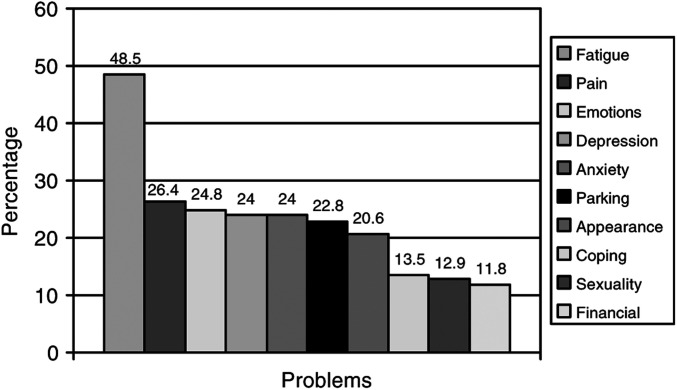
“Additionally, Carlson et al. (2004) conducted a study with 3095 cancer patients over a four-week period, and the results displayed that patients reported having fatigue (48.5”
BackgroundInfluentialCoping-Related Variables Associated with Individual Differences in Adjustment to Cancer
Shapiro, J. P., McCue, K., Heyman, E. N., Dey, T., & Haller, H. S. (2010) · Journal of Psychosocial Oncology · doi:10.1080/07347330903438883 · Cited by 58
“A number of studies have found rates of clinically significant distress in the 30% to 40% range (Carlson et al., 2004; Schag, Ganz, Wing, Sim, & Lee, 1994; Zabora et al., 2001).”
BackgroundSupportive care of rural women with breast cancer in Tasmania, Australia: changing needs over time
Minstrell, M., Winzenberg, T., Rankin, N., Hughes, C., & Walker, J. (2008) · Psycho-Oncology · doi:10.1002/pon.1174 · Cited by 58
“These women are high utilisers of healthcare services [3].”
BackgroundResultAnxiety and depression in patients with advanced ovarian cancer: a prospective study
Mielcarek, P., Nowicka‐Sauer, K., & Kozaka, J. (2016) · Journal of Psychosomatic Obstetrics & Gynecology · doi:10.3109/0167482x.2016.1141891 · Cited by 62
Lombardi, L., Bramanti, S. M., Babore, A., Stuppia, L., Trumello, C., Antonucci, I., & Cavallo, A. (2019) · Supportive Care in Cancer · doi:10.1007/s00520-019-04918-7 · Cited by 56
Eijzenga, W., Bleiker, E. M. A., Hahn, D. E. E., Kluijt, I., Sidharta, G. N., Gundy, C. M., & Aaronson, N. K. (2014) · Psycho-Oncology · doi:10.1002/pon.3485 · Cited by 66
“This also suggests that the counselor should pay extra attention to those who do not express interest in being referred to specialized psychosocial services, but do report serious problems on the PAHC questionnaire as it has frequently been observed that highly distressed patients often do not make use of specialized…”
BackgroundCarlson, L. E., Waller, A. E., Groff, S. L., & Bultz, B. D. (2012) · Psycho-Oncology · doi:10.1002/pon.3223 · Cited by 64
“Distress was also more prevalent in new and follow-up lung patients compared to patients with other diagnoses [4,5].”
ResultSelf-citationHealth care provider communication: An empirical model of therapeutic effectiveness
Chochinov, H. M., McClement, S., Hack, T. F., McKeen, N. A., Rach, A. M., Gagnon, P. R., Sinclair, S., & Taylor‐Brown, J. (2013) · Cancer · doi:10.1002/cncr.27949 · Cited by 67
“Other health care 4 (5) 3 (5) Years in profession: Mean SD 17.”
BackgroundHead, B. A., Schapmire, T. J., Keeney, C. E., Deck, S. M., Studts, J. L., Hermann, C. P., Scharfenberger, J. A., & Pfeifer, M. (2011) · Quality of Life Research · doi:10.1007/s11136-011-9934-3 · Cited by 59
Sources of distress among patients undergoing surgery for colorectal cancer: a qualitative study
Abelson, J. S., Chait, A., Shen, M. J., Charlson, M. E., Dickerman, A. L., & Yeo, H. (2018) · Journal of Surgical Research · doi:10.1016/j.jss.2018.01.017 · Cited by 66
Feasibility and Validity of a One-Item Fatigue Screen in a Thoracic Oncology Clinic
Temel, J. S., Pirl, W. F., Recklitis, C. J., Cashavelly, B. J., & Lynch, T. J. (2006) · Journal of Thoracic Oncology · doi:10.1016/s1556-0864(15)31611-7 · Cited by 63
Zhu, C., Wang, B., Gao, Y., & Ma, X. (2018) · BMC Cancer · doi:10.1186/s12885-018-5176-x · Cited by 68
Zernicke, K. A., Campbell, T. S., Speca, M., McCabe-Ruff, K., Flowers, S., Dirkse, D. A., & Carlson, L. E. (2013) · BMC Complementary and Alternative Medicine · doi:10.1186/1472-6882-13-34 · Cited by 55
“The original SOSI instrument has been used to measure change in symptoms of stress associated with MBSR participation in cancer populations [3,26,43].”
BackgroundMethodCan yoga improve fatigue in breast cancer patients? A systematic review
Cramer, H., Lange, S., Klose, P., Paul, A., & Dobos, G. (2012) · Acta Oncologica · doi:10.3109/0284186x.2011.637960 · Cited by 55
“637960 Yoga for fatigue in breast cancer 559 References Tatematsu A, Shimizu J, Murakami Y, Horio Y, Nakamura S, [1] Hida T, et al.”
BackgroundA transdiagnostic investigation of emotional distress after traumatic brain injury
Shields, C., Ownsworth, T., O'Donovan, A., & Fleming, J. (2016) · Neuropsychological Rehabilitation · doi:10.1080/09602011.2015.1037772 · Cited by 55
“Consistent with previous TBI research (Meachen, Hanks, Millis, & Rapport, 2008), continuous raw scores were used within the analyses, and T-scores were used to identify the proportion of participants in the clinical range (Carlson et al., 2004).”
MethodMa, L., Poulin, P. A., Feldstain, A., & Chasen, M. R. (2013) · Current Oncology · doi:10.3747/co.20.1651 · Cited by 60
Bauwens, S., Baillon, C., Distelmans, W., & Theuns, P. (2009) · Psycho-Oncology · doi:10.1002/pon.1425 · Cited by 54
“It is a common finding that clinically elevated levels of distress occur in about 35% of unselected cancer patients, with estimated prevalence rates of psychiatric morbidity between 10 and 50% [1–5].”
Background
Metadata
- Authors
- Carlson, L. E., Angen, M., Cullum, J., Goodey, E., Koopmans, J., Lamont, L., MacRae, J. H., Martin, M., Pelletier, G., Robinson, J., Simpson, J. S. A., Speca, M., Tillotson, L., & Bultz, B. D.
- Affiliations
- University of Calgary (CA)
- Corresponding author
- Carlson, L E
- Venue
- British Journal of Cancer
- Published
- 2004-05-25
- Volume
- 90
- Issue
- 12
- Pages
- 2297-2304
- ISSN
- 0007-0920 (ISSN-L)
- 1532-1827
- PMC
- PMC2410292
- OpenAlex
- W2143584015
- Cited by
- 939
- References
- 39
- Citations by year
- 2026: 19 · 2025: 15 · 2024: 29 · 2023: 29 · 2022: 61 · 2021: 59 · 2020: 50 · 2019: 35 · 2018: 62 · 2017: 52 · 2016: 59 · 2015: 58 · 2014: 54 · 2013: 54 · 2012: 67
- FWCI
- 8.66
- Type
- journal article
- Language
- en
- Open access
- hybrid
- doi.org
- Licence
- cc-by-nc-sa
- www.springer.com/tdm (unspecified)
- Locations
- British Journal of Cancer (publishedVersion, cc-by-nc-sa)
- PubMed Central (publishedVersion, cc-by)
- PubMed (publishedVersion)
- Libraries and Cultural Resources (University of Calgary) (submittedVersion, cc-by-nc-sa)
- Funders
- Canadian Institutes of Health Research
- Topics
- Health Sciences › Medicine › Oncology › Cancer survivorship and care
- Health Sciences › Medicine › Public Health, Environmental and Occupational Health › Palliative and Oncologic Care
- Social Sciences › Psychology › Clinical Psychology › Family Support in Illness
- Keywords
- cancer patients, psychological distress, fatigue, psychosocial support, help-seeking, somatization, depression, anxiety, Brief Symptom Inventory-18, psychosocial problems, barriers to care, gender differences, socioeconomic factors, minority patients
- MeSH terms
- Adult, Aged, Counseling, Cross-Sectional Studies, Fatigue, Female, Humans, Income, Male, Mass Screening, Mental Health Services, Middle Aged, Minority Groups, Neoplasms, Social Support, Stress, Psychological
About these checks
Registry, retraction, Cites and statistics results are computed, not judged, with one exception: a printed reference that no index lists is read once by a model before it counts as a citation error. Claims are extracted by a model and kept only when their quote appears verbatim in the text; each cited source is then checked, with a model’s help, for whether it says what the claim relies on. Those verdicts can be wrong — read the claim’s quote and the cited source before relying on one.
Statistics and arithmetic are recomputed, not judged.
Confidence bands are shown only for fields calibrated on our annotated test set. None is calibrated yet, so no band is shown.
What counts as a claim ›How we measure confidence ›How we check this ›
Are you an author, or do you see a problem with this page? Request a review
Data sources
Bibliographic data: Semantic Scholar, OpenAlex, Crossref.
Contains information from the Semantic Scholar Academic Graph Datasets, made available under the ODC Attribution License (ODC-BY 1.0).
Semantic Scholar’s data is described in: Kinney, R., et al. (2023). The Semantic Scholar Open Data Platform. arXiv:2301.10140.
