

High levels of untreated distress and fatigue in cancer patients
Open accessThe DOI matches its Crossref record; 37 of the 39 references it cites were found in a registry or an index.
Abstract
The purpose of the study was to assess a large representative sample of cancer patients on distress levels, common psychosocial problems, and awareness and use of psychosocial support services. A total of 3095 patients were assessed over a 4-week period with the Brief Symptom Inventory-18 (BSI-18), a common problems checklist, and on awareness and use of psychosocial resources. Full data was available on 2776 patients. On average, patients were 60 years old, Caucasian (78.3%), and middle class. Approximately, half were attending for follow-up care. Types of cancer varied, with the largest groups being breast (23.5%), prostate (16.9%), colorectal (7.5%), and lung (5.8%) cancer patients. Overall, 37.8% of all patients met criteria for general distress in the clinical range. A higher proportion of men met case criteria for somatisation, and more women for depression. There were no gender differences in anxiety or overall distress severity. Minority patients were more likely to be distressed, as were those with lower income, cancers other than prostate, and those currently on active treatment. Lung, pancreatic, head and neck, Hodgkin's disease, and brain cancer patients were the most distressed. Almost half of all patients who met distress criteria had not sought professional psychosocial support nor did they intend to in the future. In conclusion, distress is very common in cancer patients across diagnoses and across the disease trajectory. Many patients who report high levels of distress are not taking advantage of available supportive resources. Barriers to such use, and factors predicting distress and use of psychosocial care, require further exploration.
Overview
The claims and statistics of this paper haven’t been checked yet.
Free: it reads the open-access text and checks the first 5 claims that cite a source we can check. Create a free account to check every claim.
Integrity signals
Registry
Cites
Statistics
Figures
Verification
Claims the paper makes
The claims and statistics of this paper haven’t been checked yet.
Free: it reads the open-access text and checks the first 5 claims that cite a source we can check. Create a free account to check every claim.
Claims other papers make about this one
Each is checked against this paper’s own text: does it say what the citing paper says it does?
The source backs part of the claim, not all of it — or backs it for a different population, condition or comparison.
In the citing paper
“There are significant barriers to accessing traditional therapist-based interventions, including limited availability [3], prohibitive travel distances [4], reluctance to disclose distress [3], and concerns about mental health stigma [3].”
From Uptake and adherence to an online intervention for cancer-related distress: older age is not a barrier to adherence but may be a barrier to uptake (2017) · cites this paper as [4]
Experimental — accuracy not yet measuredThe source backs part of the claim, not all of it — or backs it for a different population, condition or comparison.
In the citing paper
“A cancer diagnosis is associated with high levels of distress, leading to frequent anxiety, depression, fear of recurrence/progression, sleep disturbance, and fatigue in both patients and caregivers [1–8].”
From Being present: A single-arm feasibility study of audio-based mindfulness meditation for colorectal cancer patients and caregivers (2018) · cites this paper as [1]
Experimental — accuracy not yet measuredThe source backs part of the claim, not all of it — or backs it for a different population, condition or comparison.
In the citing paper
“A metastatic cancer diagnosis is associated with high levels of distress in patients and caregivers.”
From Being present: A single-arm feasibility study of audio-based mindfulness meditation for colorectal cancer patients and caregivers (2018) · cites this paper as [1]
Experimental — accuracy not yet measuredThe cited source says what the claim attributes to it.
In the citing paper
“While an estimated 35–45% of cancer patients report psychological distress [1, 12], distress is most common during active treatment [13, 14].”
From Being present: A single-arm feasibility study of audio-based mindfulness meditation for colorectal cancer patients and caregivers (2018) · cites this paper as [1]
In the citing paper
“more than one in three cancer patients and survivors experience significant levels of psychological distress.4”
1 more claim about this paper
Create a free account to see every claim other papers make about this one.
Self-check
Percentages, sums and reported differences re-computed from the paper’s own numbers.
The self-check needs the paper’s full text.
Citations
Cites
The prevalence of psychiatric disorders among cancer patients
Derogatis, L. R. (1983) · JAMA: The Journal of the American Medical Association · doi:10.1001/jama.1983.03330300035030 · Cited by 1,575 · cited 2×
“Previous studies have documented that approximately one-third of all oncology patients will experience significant levels of distress associated with diagnosis and treatment of cancer, which warrants psychosocial treatment (Derogatis et al., 1983; Stefanek et al., 1987; Zabora et al., 1997; Sellick and Crooks, 1999; Z…”
BackgroundDistress Management, Version 3.2019, NCCN Clinical Practice Guidelines in Oncology
Riba, M. B., Donovan, K. A., Andersen, B., Braun, I., Breitbart, W. S., Brewer, B. W., Buchmann, L. O., Clark, M. M., Collins, M., Corbett, C., et al. (2019) · Journal of the National Comprehensive Cancer Network · doi:10.6004/jnccn.2019.0048 · Cited by 871
Meyer, T. J., & Mark, M. M. (1995) · Health Psychology · doi:10.1037/0278-6133.14.2.101 · Cited by 689 · cited 2×
“This is of concern given that many empirically supported treatments for distress in cancer patients are widely available (for reviews, see Fawzy et al., 1995; Meyer and Mark, 1995; Bottomley, 1997; Iacovino and Reesor, 1997; Fawzy, 1999; Carlson and Bultz, 2003a).”
BackgroundCritical Review of Psychosocial Interventions in Cancer Care
Fawzy, F. I. (1995) · Archives of General Psychiatry · doi:10.1001/archpsyc.1995.03950140018003 · Cited by 560 · cited 1×
“This is of concern given that many empirically supported treatments for distress in cancer patients are widely available (for reviews, see Fawzy et al., 1995; Meyer and Mark, 1995; Bottomley, 1997; Iacovino and Reesor, 1997; Fawzy, 1999; Carlson and Bultz, 2003a).”
BackgroundA New Psychosocial Screening Instrument for Use With Cancer Patients
Zabora, J., Brintzenhofeszoc, K., Jacobsen, P., Curbow, B., Piantadosi, S., Hooker, C., Owens, A., & Derogatis, L. (2001) · Psychosomatics · doi:10.1176/appi.psy.42.3.241 · Cited by 440 · cited 7×
“The BSI-18 is the version that the Johns Hopkins group has been recently using in their screening programme, and on which they have published norms from a large sample of patients (Zabora et al., 2001b).”
BackgroundMethodResultInfluentialCarlson, L. E., & Bultz, B. D. (2003) · Journal of Psychosomatic Research · doi:10.1016/s0022-3999(03)00514-2 · Cited by 351 · cited 5×
“Several agencies, both American and International, have developed guidelines for psychosocial care, which include screening guidelines (see Carlson and Bultz (2003b) for an overview of distress screening issues).”
BackgroundMethodInfluentialSelf-citationVelikova, G., Wright, E. P., Smith, A. B., Cull, A., Gould, A., Forman, D., Perren, T., Stead, M., Brown, J., & Selby, P. J. (1999) · Journal of Clinical Oncology · doi:10.1200/jco.1999.17.3.998 · Cited by 339 · cited 2×
“…computer-based technology is convincing, in terms of its reliability, acceptability to patients, and utility in improving clinical care around psychosocial issues (Taenzer et al., 1997; Velikova et al., 1999; Taenzer et al., 2000; McLachlan et al., 2001; Carlson et al., 2001; Bezjak et al., 2001).”
BackgroundAge-related differences in the quality of life of breast carcinoma patients after treatment
Wenzel, L. B., Fairclough, D. L., Brady, M. J., Cella, D., Garrett, K. M., Kluhsman, B. C., Crane, L. A., & Marcus, A. C. (1999) · Cancer · doi:10.1002/(sici)1097-0142(19991101)86:9<1768::aid-cncr19>3.0.co;2-o · Cited by 329 · cited 1×
“Previous reports indicate that younger patients may suffer higher levels of distress (Wenzel et al., 1999; Carlson and Bultz, 2002), theorised to be due to a larger disruption of social and familial roles at earlier developmental stages, such as raising small children and establishing careers.”
BackgroundMcLachlan, S.-A., Allenby, A., Matthews, J., Wirth, A., Kissane, D., Bishop, M., Beresford, J., & Zalcberg, J. (2001) · Journal of Clinical Oncology · doi:10.1200/jco.2001.19.21.4117 · Cited by 295 · cited 2×
“…computer-based technology is convincing, in terms of its reliability, acceptability to patients, and utility in improving clinical care around psychosocial issues (Taenzer et al., 1997; Velikova et al., 1999; Taenzer et al., 2000; McLachlan et al., 2001; Carlson et al., 2001; Bezjak et al., 2001).”
BackgroundBenefits of psychosocial oncology care: improved quality of life and medical cost offset.
Carlson, L. E., & Bultz, B. D. (2003) · Health and Quality of Life Outcomes · doi:10.1186/1477-7525-1-8 · Cited by 269
Self-citation
Research works printed but not linked: 5
- Carlson LE, Bultz BD (2002) Efficacy vs. cost of psychosocial interventions: an evidence-based call for action. Oncol Exchange 1: 34–51
- Derogatis LR (1983) SCL-90-R: Administration, Scoring and Procedures Manual-II, 2nd edn. Baltimore, MD: Clinical Psychometric Research
- Derogatis LR (1993) Brief Symptom Inventory: Administration, scoring, and procedures manual. Minneapolis, MN: National Computer Systems, Inc
- Derogatis LR (2001) Brief Symptom Inventory 18: Administration, Scoring and Procedures Manual. Minneapolis, MN: NCS Pearson Inc
- Taenzer P, Bultz BD, Carlson LE, Speca M, DeGagne T, Olson K, Doll R, Rosberger Z (2000) Impact of computerized quality of life screening on physician behaviour and patient satisfaction in lung cancer outpatients. Psychooncology 9: 203–213 10871716 · doi:10.1002/1099-1611(200005/06)9:3<203::aid-pon453>3.0.co;2-y
Cited by
Items 301–400 of 935
Evaluation of CancerChatCanada: A Program of Online Support for Canadians Affected by Cancer
Stephen, J., Rojubally, A., MacGregor, K., McLeod, D., Speca, M., Taylor–Brown, J., Fergus, K., Collie, K., Turner, J., Sellick, S., et al. (2013) · Current Oncology · doi:10.3747/co.20.1210 · Cited by 36
Self-citationKowalski, C., Ferencz, J., Singer, S., Weis, I., & Wesselmann, S. (2016) · Cancer · doi:10.1002/cncr.30202 · Cited by 38
Riedl, D., Gastl, R., Gamper, E., Arnold, C. R., Dejaco, D., Schoellmann, F., & Rumpold, G. (2018) · Strahlentherapie und Onkologie · doi:10.1007/s00066-018-1288-0 · Cited by 39
Hallet, J. I., Davis, L., Isenberg‐Grzeda, E., Mahar, A. L., Zhao, H., Zuk, V., Moody, L., & Coburn, N. G. (2020) · The Oncologist · doi:10.1634/theoncologist.2019-0709 · Cited by 42
Look Good Feel Better Workshops: A “Big Lift” for Women with Cancer
Taggart, L., Ozolins, L., Hardie, H., & Nyhof-Young, J. M. (2009) · Journal of Cancer Education · doi:10.1080/08858190802664594 · Cited by 36
Paredes, T. F., Pereira, M., Simões, M. R., & Canavarro, M. C. (2011) · European Journal of Cancer Care · doi:10.1111/j.1365-2354.2011.01269.x · Cited by 49
Admiraal, J. M., van Nuenen, F. M., Burgerhof, J. G. M., Reyners, A. K. L., & Hoekstra‐Weebers, J. E. H. M. (2016) · Psycho-Oncology · doi:10.1002/pon.4067 · Cited by 43
“A common reason for not desiring a referral is a preference to rely on informal social support such as family and friends [29,30].”
BackgroundSwash, B., Bramwell, R., & Hulbert-Williams, N. J. (2017) · Journal of Contextual Behavioral Science · doi:10.1016/j.jcbs.2017.02.005 · Cited by 35
Kaur, N., Gupta, A., Sharma, A. K., & Jain, A. (2018) · The Breast · doi:10.1016/j.breast.2018.07.003 · Cited by 40
Lounsberry, J. J., MacRae, H., Angen, M., Hoeber, M., & Carlson, L. E. (2010) · Psycho-Oncology · doi:10.1002/pon.1617 · Cited by 35
“The profound assault of AHSCT as a cancer treatment is also associated with significant decreases in selfreported quality of life [8] and a high prevalence of fatigue (50%) [9].”
BackgroundSelf-citationSaboonchi, F., Wennman‐Larsen, A., Alexanderson, K. A. E., & Petersson, L. (2013) · Quality of Life Research · doi:10.1007/s11136-013-0407-8 · Cited by 38
“Psychological distress has been identified as an important adversity in oncological populations in general [6, 7]”
Ninu, M. B., Miccinesi, G., Bulli, F., Massimi, A. D., Muraca, M. G., Franchi, G., & Saraceno, M. S. (2015) · Tumori Journal · doi:10.5301/tj.5000448 · Cited by 35
“All the functional impairments have been associated with moderate to severe distress (5), a negative self-image, and uneasy interpersonal relationships.”
BackgroundOncological Patient Anxiety in Imaging Studies: the PET/CT Example
Abreu, C., Grilo, A. M., Lucena, A. F., & Carolino, E. (2016) · Journal of Cancer Education · doi:10.1007/s13187-016-1069-3 · Cited by 34
“Cancer patients commonly experience emotional distress, including anxiety, as a response to the initial diagnosis and also throughout the course of the disease [3, 4], usually linked to fears related to the illness, such as pain, * Carla Abreu carla.”
BackgroundWang, G., Cheng, C., Feng, A., Hsu, S., Hou, Y., & Chiu, C. (2016) · Palliative & Supportive Care · doi:10.1017/s1478951516000717 · Cited by 39
“…prevalence of distress has been estimated to be between 25 and 47% in Western countries (Derogatis et al., 1983; Farber et al., 1984; Stefanek et al., 1987; Zabora et al., 2001; Carlson et al., 2004; Kendall et al., 2011; Dolbeault et al., 2011; Gunnarsdottir et al., 2012; Chambers et al., 2014).”
InfluentialRandazzo, D. M., McSherry, F., Herndon, J. E., Affronti, M. L., Lipp, E., Flahiff, C. M., Miller, E., Woodring, S., Freeman, M., Healy, P. N., et al. (2017) · Journal of Neuro-Oncology · doi:10.1007/s11060-017-2535-4 · Cited by 34
Stoerkel, E., Bellanti, D. M., Paat, C. F., Peacock, K. S., Aden, J. K., Setlik, R. F., Walter, J. A. G., & Inman, A. W. (2018) · The Journal of Alternative and Complementary Medicine · doi:10.1089/acm.2018.0069 · Cited by 46
“106 E5–E6 1 (2) 0 (0) E7–E9 1 (2) 2 (4) W1–W5 2 (4) 0 (0) 01–03 0 (0) 0 (0) 04–06 5 (11) 1 (2) Other 37 (79) 42 (93)”
BackgroundInfluentialSociocognitive Functioning and Psychosocial Burden in Patients with Brain Tumors
Pertz, M., Schlegel, U. S., & Thoma, P. (2022) · Cancers · doi:10.3390/cancers14030767 · Cited by 43
“Due to the functional, cognitive and/or emotional disturbances of the disease as well as due to the social stigma of suffering from a brain tumor, brain tumor patients experience psychosocial burden and distress [49,50].”
BackgroundGrossman, P., Deuring, G., Garland, S. N., Campbell, T. S., & Carlson, L. E. (2008) · Psychosomatic Medicine · doi:10.1097/psy.0b013e31818106f1 · Cited by 37
Self-citationMohamed, N. E., Bovbjerg, D. H., Montgomery, G. H., Hall, S. J., & Diefenbach, M. A. (2012) · Urologic Oncology: Seminars and Original Investigations · doi:10.1016/j.urolonc.2011.02.002 · Cited by 33
“[2] Carlson L, Angen M, Cullum J, et al.”
Suchocka, A., Brédart, A., Dolbeault, S., Rouïc, L. L.-L., Lévy‐Gabriel, C., Desjardins, L., Flahault, C., & Bungener, C. (2011) · Bulletin du Cancer · doi:10.1684/bdc.2011.1300 · Cited by 33
McLeod, D. L., Curran, J., Dumont, S., White, M., & Charles, G. (2013) · Journal of Interprofessional Care · doi:10.3109/13561820.2013.863181 · Cited by 34
“However, this distress is not well addressed by our current health care systems (Adler & Page, 2008; Carlson et al., 2004; Sandoval, Brown, Sullivan, & Green, 2006).”
BackgroundSklenarova, H., Haun, M. W., Krümpelmann, A., Friederich, H., Huber, J. C., Thomas, M., Winkler, E. C., Girgis, A., Dinkel, A., Herzog, W., et al. (2015) · European Journal of Cancer Care · doi:10.1111/ecc.12325 · Cited by 43
What to do with screening for distress scores? Integrating descriptive data into clinical practice
Blais, M.-C., St-Hilaire, A., Fillion, L., de Serres, M., & Tremblay, A. (2013) · Palliative & Supportive Care · doi:10.1017/s1478951513000059 · Cited by 33
“…the prevalence of distress and the type of concerns of patients across various tumor sites and stages of the disease (Zabora et al., 2001; Carlson & Bultz, 2004; Carlson et al., 2004; Graves et al., 2007; Carlson et al., 2010; Senf et al., 2010; Dolbeault et al., 2011; van Scheppingen et…”
BackgroundKienle, G. S., Mussler, M., Fuchs, D., & Kiene, H. (2016) · Integrative Cancer Therapies · doi:10.1177/1534735416640091 · Cited by 35
“Doctors 35 Men 30 Women 5 Age (years) 55 (40-84) Specialty of doctor Oncology, hematology 8 Internal medicine, pulmonology, or gastroenterology 17”
BackgroundSystematic Review: Depression and Anxiety Prevalence in Bladder Cancer Patients
Vartolomei, L., Ferro, M., Mirone, V., Shariat, S. F., & Vartolomei, M. D. (2018) · Bladder Cancer · doi:10.3233/blc-180181 · Cited by 33
“Distress affects approximately one third of patients undergoing active cancer treatment [33].”
Arora, A., Saini, S., Nautiyal, V., Verma, S., Gupta, M., Kalra, B., & Ahmad, M. (2019) · Indian Journal of Palliative Care · doi:10.4103/ijpc.ijpc_4_19 · Cited by 43
Palacio, C., & Limonero, J. T. (2019) · Supportive Care in Cancer · doi:10.1007/s00520-019-05139-8 · Cited by 35
Screening for distress: Responding is a critical function for oncology nurses
Fitch, M. I., Howell, D., McLeod, D. L., & Green, E. (2011) · Canadian Oncology Nursing Journal · doi:10.5737/1181912x2211220 · Cited by 35
“It also accounts for additional visits to physician offices, hospital and emergency rooms, leading, ultimately, to increased costs for cancer care (Carlson & Bultz, 2004; Carlson et al., 2004).”
BackgroundThomas, B. C., Carlson, L. E., & Bultz, B. D. (2008) · Journal of Immigrant and Minority Health · doi:10.1007/s10903-008-9180-0 · Cited by 37
Self-citationThe Distress Thermometer in Spanish cancer patients: convergent validity and diagnostic accuracy
Martínez, P., Garrido, M. J. G., Andreu, Y., & Ibáñez, E. (2013) · Supportive Care in Cancer · doi:10.1007/s00520-013-1883-7 · Cited by 40
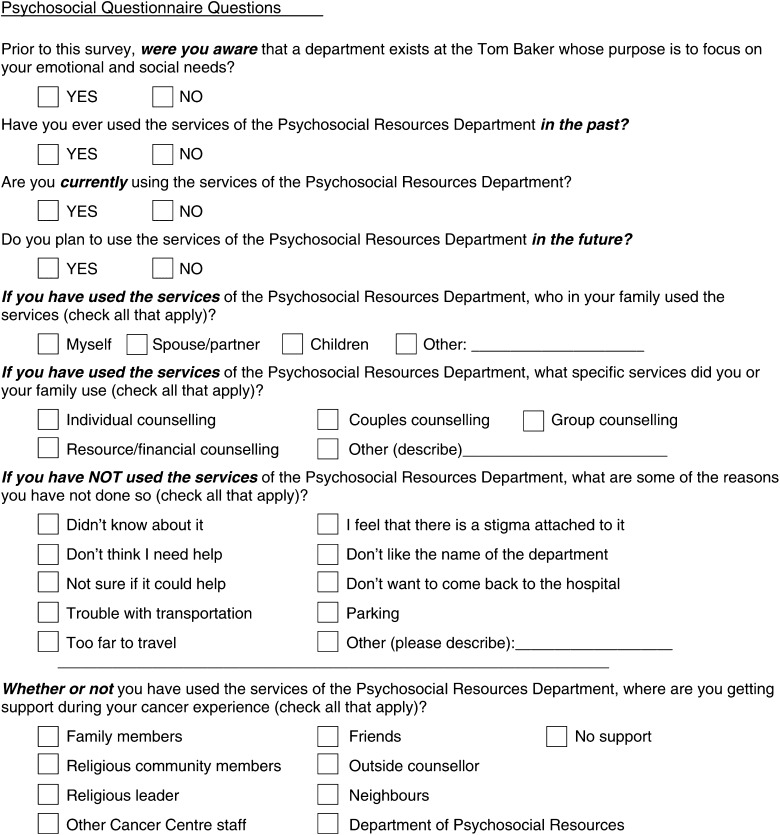
“A shorter version of the psychosocial questionnaire [3] that included only six questions concerning the patient’s awareness and use of the psycho-oncology department was translated and adapted by this paper’s authors.”
BackgroundMethodResultInfluentialNiemelä, M., Repo, J., Wahlberg, K.-E., Hakko, H. H., & Räsänen, S. (2012) · Journal of Psychosocial Oncology · doi:10.1080/07347332.2012.664258 · Cited by 46
“(Carlson et al., 2004).”
Depression and anxiety in supportive oncology
Li, M., Boquiren, V., Lo, C., & Rodin, G. (2011) · Supportive Oncology · doi:10.1016/b978-1-4377-1015-1.00052-7 · Cited by 32
Risk Factors for Continuous Distress Over a 12-Month Period in Newly Diagnosed Cancer Outpatients
Enns, A., Waller, A. E., Groff, S. L., Bultz, B. D., Fung, T. S., & Carlson, L. E. (2013) · Journal of Psychosocial Oncology · doi:10.1080/07347332.2013.822052 · Cited by 39
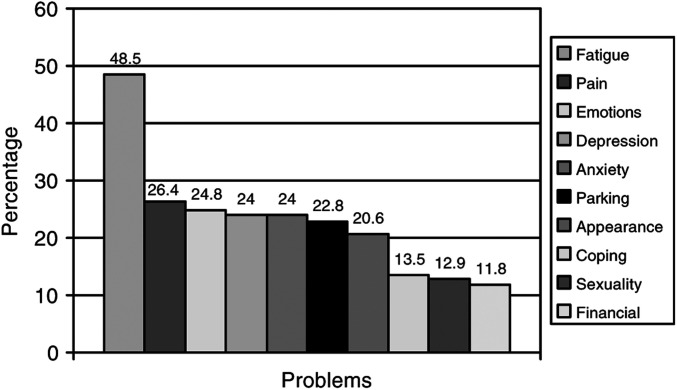
“It is not surprising that fatigue was the most commonly reported continuous symptom, as fatigue is one of the most common problems reported by oncology patients in general (Carlson et al., 2004).”
BackgroundInfluentialSelf-citationImplementation of screening for distress with professional cancer navigators
Fillion, L., Cook, S., Blais, M. C., Veillette, A., Aubin, M., de Serres, M., Rainville, F., Fitch, M. I., Doll, R., Simard, S., et al. (2011) · ONCOLOGIE · doi:10.1007/s10269-011-2026-8 · Cited by 32
“Previous studies have shown that only about 10% of cancer patients presenting with distress were accurately identified and received the appropriate services [6, 7, 9].”
BackgroundPain, Depression, and Anxiety in Cancer
Donovan, K. A., Thompson, L. M. A., & Jacobsen, P. B. (2011) · Springer eBooks · doi:10.1007/978-1-4419-1651-8_33 · Cited by 39
Shaw, J., Sethi, S., Vaccaro, L., Beatty, L., Kirsten, L. T., Kissane, D. W., Kelly, B. J., Mitchell, G. K., Sherman, K. A., & Turner, J. (2019) · BMC Health Services Research · doi:10.1186/s12913-019-3946-z · Cited by 37
“[20, 21] Normalisation of distress and attribution of somatic depression symptoms to cancer by clinicians also means depression goes untreated and patients’ attitudes to mental illness are also likely to play a role.”
BackgroundLan, B., Jiang, S., Li, T., Sun, X., & Ma, F. (2020) · Current Problems in Cancer · doi:10.1016/j.currproblcancer.2020.100558 · Cited by 37
Addressing fear of death and dying: traditional and innovative interventions
Blomstrom, M., Burns, A., Larriviere, D. G., & Penberthy, J. K. (2020) · Mortality · doi:10.1080/13576275.2020.1810649 · Cited by 42
“Stress and anxiety are reported in as many as 45% of cancer patients and mindfulness has been demonstrated to successfully ameliorate these symptoms in this population (Carlson et al., 2004; Piet et al., 2012; Zabora et al., 2001).”
BackgroundThe psychometric properties of the Icelandic version of the Distress Thermometer and Problem List
Gunnarsdóttir, S., Þorvaldsdóttir, G. H., Fridriksdóttir, N., Bjarnason, B., Sigurðsson, F., Skulason, B., & Smári, J. (2011) · Psycho-Oncology · doi:10.1002/pon.1950 · Cited by 38
“Only a minority of distressed patients are appropriately identified and treated [1] and health-care professionals, have been found to underestimate the distress experienced by their patients [10].”
BackgroundRandomized Trial of a Social Networking Intervention for Cancer-Related Distress
Owen, J. E., O’Carroll Bantum, E., Pagano, I. S., & Stanton, A. (2017) · Annals of Behavioral Medicine · doi:10.1007/s12160-017-9890-4 · Cited by 32
Amitani, M. S., Amitani, H., Sloan, R. A., Suzuki, H., Sameshima, N., Asakawa, A., Nerome, Y., Owaki, T., Inui, A., & Hoshino, E. (2015) · Frontiers in Pharmacology · doi:10.3389/fphar.2015.00150 · Cited by 32
“Although many patients with cancer are suffering, they may not be fully aware of less conventional and potentially alleviating resources (Carlson et al., 2004).”
BackgroundClark, P. G., Rochon, E., Brethwaite, D., & Edmiston, K. K. (2011) · Psycho-Oncology · doi:10.1002/pon.1908 · Cited by 34
“While several large-scale screenings for distress have taken place in outpatient treatment settings [1,2], there is an absence of focused research on the incidence of psychological or physical symptom distress in inpatient cancer treatment settings.”
BackgroundMattsson, S., Alfonsson, S., Carlsson, M., Nygren, P., Olsson, E., & Johansson, B. (2013) · BMC Cancer · doi:10.1186/1471-2407-13-414 · Cited by 31
“A large proportion of cancer patients with psychological problems do not use available supportive psychosocial resources [19].”
BackgroundMcDonnell, K. K., Gallerani, D. G., Newsome, B. R., Owens, O. L., Beer, J. M., Myhren-Bennett, A. R., Regan, E. W., Hardin, J. W., & Webb, L. A. (2020) · Integrative Cancer Therapies · doi:10.1177/1534735420969829 · Cited by 36
Evaluation of emotional distress in breast cancer patients.
Saeedi-Saedi, H., Shahidsales, S., Pour, M. K., Sabahi, E., & Moridi, I. (2015) · PubMed Central · Cited by 39
Mackenzie, L., Carey, M. L., Sanson‐Fisher, R., D’Este, C. A., Paul, C. L., & Yoong, S. L. (2014) · Annals of Oncology · doi:10.1093/annonc/mdu023 · Cited by 31
“Psychosocial issues are under-recognised and under-treated in cancer patients [1, 2].”
BackgroundKang, D.-H., Park, N.-J., & McArdle, T. (2012) · ISRN Nursing · doi:10.5402/2012/608039 · Cited by 38
“A significant additional concern is that nearly half of these stressed patients had neither sought nor intended to seek any professional psychosocial support [51], raising the possibility of prolonging stress, which can compromise their long-term health outcomes.”
BackgroundModest, A. M., & Recklitis, C. J. (2012) · Journal of Pediatric Psychology · doi:10.1093/jpepsy/jss050 · Cited by 34
“To overcome these barriers, routine use of psychological distress screening measures has been widely advocated for both cancer patients and survivors across the age spectrum (Carlson et al., 2004; Carlson & Bultz, 2003; Deimling, Kahana, Bowman, & Schaefer, 2002; Dugan et al., 1998; Hoffman, Zevon, D’Arrigo, & Cecchin…”
BackgroundDorfman, C. S., Kelleher, S. A., Winger, J. G., Shelby, R. A., Thorn, B. E., Sutton, L., Keefe, F. J., Gandhi, V., Manohar, P., & Somers, T. J. (2018) · Journal of Psychosocial Oncology · doi:10.1080/07347332.2018.1479327 · Cited by 32
Bisseling, E., Cillessen, L., Spinhoven, P., Schellekens, M., Compen, F., van der Lee, M., & Speckens, A. (2019) · Journal of Medical Internet Research · doi:10.2196/14065 · Cited by 31
“Approximately one-third of all cancer patients suffer from psychological distress [2], resulting in long-lasting reduced quality of life, decreased compliance with medical care, and prolonged duration of hospital stay [3,4].”
BackgroundSchofield, P., Gough, K., Lotfi-Jam, K., Bergin, R., Ugalde, A., Dudgeon, P., Crellin, W., Schubach, K., Foroudi, F., Tai, K. H., et al. (2016) · BMC Cancer · doi:10.1186/s12885-016-2687-1 · Cited by 30
“Enduring side effects can result in unmet needs [2], poorer health-related quality of life (HRQOL) [3] and ongoing psychological maladjustment [4–6].”
BackgroundSchrempf, M. C., Zanker, J., Arndt, T. T., Vlasenko, D., Anthuber, M., Müller, G., Sommer, F., & Wolf, S. (2023) · Games for Health Journal · doi:10.1089/g4h.2023.0004 · Cited by 32
Lambert, S. D., Girgis, A., Turner, J., McElduff, P., Kayser, K., & Vallentine, P. (2012) · Health and Quality of Life Outcomes · doi:10.1186/1477-7525-10-119 · Cited by 30
“It is anticipated that 370 patients will be approached to recruit the target sample size, assuming that 35% of patients or partners score four or more on the DT [64]; of those, 25% of couples will be ineligible, 30% will refuse participation, and 7% will be lost to follow-up [65].”
BackgroundMeasuring social relational quality in colorectal cancer: the Social Relational Quality Scale (SRQS)
Hou, W. K., Lam, W., Law, C. C., Fu, Y. T., & Fielding, R. (2008) · Psycho-Oncology · doi:10.1002/pon.1500 · Cited by 35
Role of Biopsychosocial Screening in Cancer Care
Loscalzo, M. J., Clark, K. L., Pal, S. K., & Pirl, W. F. (2013) · The Cancer Journal · doi:10.1097/ppo.0b013e3182a5bce2 · Cited by 33
Garland, S. N., Carlson, L. E., Antle, M. C., Samuels, C. H., & Campbell, T. S. (2011) · Contemporary Clinical Trials · doi:10.1016/j.cct.2011.05.014 · Cited by 37
“Close to 40% of individuals with cancer report high levels of distress [8,9] defined as “an unpleasant emotional experience of a psychological, social and/or spiritual nature.”
BackgroundSelf-citationMeraner, V., Giesinger, J., Kemmler, G., Taucher, S., Hubalek, M., Weber, B., Rumpold, G., Sperner‐Unterweger, B., & Holzner, B. (2009) · Psycho-Oncology · doi:10.1002/pon.1480 · Cited by 29
“the HADS [19], the Hornheide Questionnaire [20,21], the Stress Index RadioOncology (SIRO, [22]), the Distress Thermometer [23,24], the Psychooncological— Basic Documentation (PO-Bado, [25]), the Brief Symptom Inventory (BSI, [26,27]), the SymptomChecklist-90-R (SCL-90-R, [28,29]) and the GHQ-12.”
Thalén-Lindström, A., Larsson, G., Hellbom, M., Glimelius, B., & Johansson, B. (2013) · European Journal of Oncology Nursing · doi:10.1016/j.ejon.2012.12.005 · Cited by 29
Fitch, M. I., Ashbury, F., & Nicoll, I. (2018) · Supportive Care in Cancer · doi:10.1007/s00520-018-4278-y · Cited by 31
Beer, J. M., Smith, K. N., Kennedy, T., Mois, G., Acena, D., Gallerani, D. G., McDonnell, K. K., & Owens, O. L. (2020) · American Journal of Health Promotion · doi:10.1177/0890117120924176 · Cited by 30
Clover, K. A., Lambert, S., Oldmeadow, C. J., Britton, B., Mitchell, A. J., Carter, G. L., & King, M. T. (2022) · Journal of Patient-Reported Outcomes · doi:10.1186/s41687-022-00477-4 · Cited by 33
Sharpley, C. F., Bitsika, V., & Christie, D. (2010) · Psycho-Oncology · doi:10.1002/pon.1623 · Cited by 30
“Anxiety and depression among men suffering from prostate cancer (PCa) is elevated compared to agerelevant peers [1–9], with between 65 and 89% of PCa patients expressing a desire for psychosocial assistance [10,11].”
BackgroundCancer care and the role of psychosocial oncology: Where are we and where are we going?
Bultz, B. D. (2016) · Asia-Pacific Journal of Oncology Nursing · doi:10.4103/2347-5625.182929 · Cited by 29
“These studies have qualitatively and quantitatively demonstrated that cancer is complex and multifactorial (physical, practical, emotional, and spiritual) affecting the quality of life of patients and their families([8-10]) and that standardized screening for distress may be the most effective and efficient way of und…”
BackgroundSelf-citationPredictors of desire for help in oncology outpatients reporting pain or distress
Clover, K., Kelly, P., Rogers, K., Britton, B., & Carter, G. L. (2013) · Psycho-Oncology · doi:10.1002/pon.3188 · Cited by 28
“Similarly, a Canadian study found that 44% of patients reported that they didn’t access services because they “Don’t need help” [8].”
BackgroundInfluentialSymptom distress of Jordanian patients with cancer receiving chemotherapy
Omran, S., Saeed, A. M. A., & Simpson, J. S. (2012) · International Journal of Nursing Practice · doi:10.1111/j.1440-172x.2012.02012.x · Cited by 31
Self-citationValdés‐Stauber, J., Vietz, E., & Kilian, R. (2013) · BMC Psychiatry · doi:10.1186/1471-244x-13-226 · Cited by 29
“8% of a large sample (n = 2,776) assessed by means of Brief Symptom Inventory (BSI)-18 over a 4-week period met the criteria for general distress in the clinical range [21].”
MethodLim, S. H., Chan, S. W., Lai, J. H., & He, H. G. (2018) · Journal of Advanced Nursing · doi:10.1111/jan.13821 · Cited by 36
Leung, Y. W., Wouterloot, E., Adikari, A., Hirst, G., Silva, D. D., Wong, J., Bender, J. L., Gancarz, M., Gratzer, D., Alahakoon, D., et al. (2021) · JMIR Research Protocols · doi:10.2196/21453 · Cited by 33
“Many patients and caregivers experience a range of distressing symptoms including worry, fear, irritability, sleeplessness, and guilt, while others develop more severe symptoms such as loss of interest in life [1-3].”
Psychosocial factors and survival after diagnosis of inoperable non‐small cell lung cancer
Akechi, T., Okamura, H., Okuyama, T., Furukawa, T. A., Nishiwaki, Y., & Uchitomi, Y. (2009) · Psycho-Oncology · doi:10.1002/pon.1364 · Cited by 28
“In addition, several previous studies have demonstrated that the highest prevalence of psychological distress was observed among patients with lung cancer [10,11].”
BackgroundHenoch, I., & Lövgren, M. (2014) · European Journal of Oncology Nursing · doi:10.1016/j.ejon.2013.12.001 · Cited by 28
“Patients with lung cancer (LC) are known to suffer from a number of severe physical, psychosocial and psychological problems compared to other groups of cancer patients (Barbera et al., 2010; Carlson et al., 2004; Cataldo and Brodsky, 2013).”
BackgroundA mixed methods examination of distress and person-centred experience of head and neck lymphoedema
Nixon, J. L., Pigott, A. E., Cartmill, B., Turner, J., Fleming, J., & Porceddu, S. V. (2018) · Oral Oncology · doi:10.1016/j.oraloncology.2018.05.025 · Cited by 29
de Haan-Du, J., Plas, M., Absalom, A. R., van Leeuwen, B. L., & de Bock, G. H. (2020) · Journal of Surgical Oncology · doi:10.1002/jso.25836 · Cited by 32
“familial roles by diagnosis and treatment.(34) Besides, younger patients have more limited life experience to help them cope with such traumatic situations.”
BackgroundTao, W., Jiang, P., Liu, Y., Aungsuroch, Y., & Tao, X. (2015) · Psycho-Oncology · doi:10.1002/pon.3634 · Cited by 27
“Being diagnosed with cancer and the prescribed consequent treatment imposes significant emotional distress on a substantial proportion of patients (35–38%) [1,2].”
BackgroundClinical Trial Enrollment Among Adolescents With Cancer: Supplement Overview
Tai, E. W., Beaupin, L. K., & Bleyer, A. (2014) · PEDIATRICS · doi:10.1542/peds.2014-0122b · Cited by 27
Value of the Hospital Anxiety and Depression Scale in the follow up of head and neck cancer patients
Joseph, L. A., Routledge, J., Burns, M. P., Swindell, R., Sykes, A. J., Slevin, N. J., & Davidson, S. E. (2013) · The Journal of Laryngology & Otology · doi:10.1017/s0022215113000078 · Cited by 33
Integrative Approaches to Stress Management
Carlson, L. E., Toivonen, K., & Subnis, U. B. (2019) · The Cancer Journal · doi:10.1097/ppo.0000000000000395 · Cited by 36
Self-citationPsychosocial distress among oncology patients in the safety net
Cimino, T., Said, K., Safier, L., Harris, H. A., & Kinderman, A. L. (2020) · Psycho-Oncology · doi:10.1002/pon.5525 · Cited by 29
Linares-Moya, M., Rodríguez‐Torres, J., Ciuró, A. H., Santiago, M. G., López‐López, L., Quero‐Valenzuela, F., & Valenza, M. C. (2021) · Supportive Care in Cancer · doi:10.1007/s00520-021-06537-7 · Cited by 34
Fear of cancer recurrence and its predictive factors among Iranian cancer patients
Rahmani, A., Sanaat, Z., Aghdam, A. M., Nejad, Z. K., Ferguson, C., & Mohammadpoorasl, A. (2014) · Indian Journal of Palliative Care · doi:10.4103/0973-1075.132632 · Cited by 31
“[1-3] However, the diagnosis and the treatment of cancer still initiate a lot of stress in cancer patients and their families.[4-6] Therefore, in many culture, the diagnosis of cancer can be considered equivalent to death and severe disability.”
Cancer distress screening data: Translating knowledge into clinical action for a quality response
Howell, D., Hack, T. F., Green, E., & Fitch, M. I. (2013) · Palliative & Supportive Care · doi:10.1017/s1478951513000382 · Cited by 32
“…essential since problems contributing to cancer distress are multifactorial, such as unrelieved symptoms or treatment side effects (i.e., fatigue, pain, sleep disturbances) and emotional reactions such as fear, worry and uncertainty about the future (Giese-Davis et al., 2012; Carlson et al., 2004).”
BackgroundChen, Y., Xiao, H., Yang, Y., & Lan, X. (2016) · Journal of Advanced Nursing · doi:10.1111/jan.13208 · Cited by 33
Loss of Dignity in Severe Chronic Obstructive Pulmonary Disease
Solomon, B. K., Wilson, K. G., Henderson, P. R., Poulin, P. A., Kowal, J., & Mckim, D. A. (2015) · Journal of Pain and Symptom Management · doi:10.1016/j.jpainsymman.2015.11.007 · Cited by 30
Kienle, G. S., Mussler, M., Fuchs, D., & Kiene, H. (2016) · Evidence-based Complementary and Alternative Medicine · doi:10.1155/2016/4628287 · Cited by 28
Licht, T., Nickels, A., Rumpold, G., Holzner, B., & Riedl, D. (2021) · Supportive Care in Cancer · doi:10.1007/s00520-021-06123-x · Cited by 32
Hjörleifsdóttir, E., Hallberg, I. R., & Gunnarsdóttir, E. D. (2010) · Journal of Clinical Nursing · doi:10.1111/j.1365-2702.2009.03095.x · Cited by 28
Age-related patterns in negative affect and appraisals about colorectal cancer over time.
Hart, S. L., & Charles, S. T. (2012) · Health Psychology · doi:10.1037/a0028523 · Cited by 34
Distress levels in patients undergoing chemotherapy in Brazil
Bergerot, C. D., de Araújo, T. C. C. F., & Stiles, J. (2010) · Psycho-Oncology · doi:10.1002/pon.1833 · Cited by 31
Patient ethnicity: a key predictor of cancer care satisfaction
Thomas, B. C., Groff, S. L., Tsang, K., & Carlson, L. E. (2009) · Ethnicity and Health · doi:10.1080/13557850802638203 · Cited by 28
Self-citationMiller, S., Lo, C., Gagliese, L., Hales, S., Rydall, A. C., Zimmermann, C., Li, M., & Rodin, G. (2010) · Social Psychiatry and Psychiatric Epidemiology · doi:10.1007/s00127-010-0246-7 · Cited by 27
Distress and PTSD in Patients with Cancer: Cohort Study Case
Pranjić, N., Bajraktarević, A., & Ramić, E. (2016) · Materia Socio Medica · doi:10.5455/msm.2016.28.12-16 · Cited by 26
“The degree of economic and cultural development of the country reduces the frequency of perception distress of cancer patients (7).”
BackgroundDoss, J. G., Ghani, W. M. N., Razak, I. A., Yang, Y., Rogers, S. N., & Zain, R. B. (2017) · International Journal of Oral and Maxillofacial Surgery · doi:10.1016/j.ijom.2017.02.1269 · Cited by 26
Individual and dyadic development of personal growth in couples coping with cancer
Künzler, A., Nußbeck, F. W., Moser, M. T., Bodenmann, G., & Kayser, K. (2013) · Supportive Care in Cancer · doi:10.1007/s00520-013-1949-6 · Cited by 29
“Cancer patients often report distress, with prevalence rates varying from 30 to 90 % depending on time of assessment, tumor location, treatment, and sample characteristics [2–7].”
BackgroundPaul, C. L., Carey, M. L., Hall, A. E., Lynagh, M., Sanson‐Fisher, R., & Henskens, F. A. (2011) · Journal of Medical Internet Research · doi:10.2196/jmir.1894 · Cited by 27
“Canadian data indicate that rates of clinical distress among those with hematologic cancers can range from 32% to 48% given the debilitating nature of the disease and its treatment [7].”
BackgroundLeal, I. M., Engebretson, J. C., Cohen, L. G., Fernández-Esquer, M. E., Lopez, G., Wangyal, T., & Chaoul, A. (2016) · Journal of Mixed Methods Research · doi:10.1177/1558689816645005 · Cited by 34
“Only those measures pertinent to the present mixed methods study are described below; see Cohen et al. (2004) for the complete list.”
BackgroundMethodResultInfluentialThe long-lasting relationship of distress on radiation oncology-specific clinical outcomes
Anderson, J. D., Slade, A. N., McDonagh, P. R., Burton, W., & Fields, E. C. (2018) · Advances in Radiation Oncology · doi:10.1016/j.adro.2018.11.001 · Cited by 28
“These and other symptoms may undermine patients’ ability to fight their own diseases.(8) Some efforts have been made to correlate distress with specific cancer outcomes.”
BackgroundLópez, P. M., Ferrandis, E. D., Vaíllo, Y. A., Garrido, M. J. G., Murgui, S., & Guerra, E. I. (2012) · DOAJ (DOAJ: Directory of Open Access Journals) · Cited by 26
Lee, J.-Y., Park, H. Y., Jung, D., Moon, M., Keam, B., & Hahm, B.-J. (2014) · Psycho-Oncology · doi:10.1002/pon.3503 · Cited by 25
“Over a third of cancer patients experience significant levels of distress across both diagnoses and the disease trajectory [1].”
BackgroundNeural Regulation of Pancreatic Cancer: A Novel Target for Intervention
Chang, A., Kim-Fuchs, C., Le, C. P., Hollande, F., & Sloan, E. K. (2015) · Cancers · doi:10.3390/cancers7030838 · Cited by 31
“and pancreatic cancer progression is possible, suggested by evidence that that shows relative levels of distress, depression and anxiety to be highest amongst patients with pancreatic cancer [37–39].”
BackgroundSymptom Clusters in Patients With Pancreatic Cancer Undergoing Surgical Resection: Part I
Burrell, S. A., Yeo, T. P., Smeltzer, S. C., Leiby, B. E., Lavu, H., Kennedy, E. P., & Yeo, C. J. (2018) · Oncology nursing forum · doi:10.1188/18.onf.e36-e52 · Cited by 28
The Future in Psychosocial Oncology: Screening for Emotional Distress – The Sixth Vital Sign
Thomas, B. C., & Bultz, B. D. (2008) · Future Oncology · doi:10.2217/14796694.4.6.779 · Cited by 27
Self-citation
Metadata
- Authors
- Carlson, L. E., Angen, M., Cullum, J., Goodey, E., Koopmans, J., Lamont, L., MacRae, J. H., Martin, M., Pelletier, G., Robinson, J., Simpson, J. S. A., Speca, M., Tillotson, L., & Bultz, B. D.
- Affiliations
- University of Calgary (CA)
- Corresponding author
- Carlson, L E
- Venue
- British Journal of Cancer
- Published
- 2004-05-25
- Volume
- 90
- Issue
- 12
- Pages
- 2297-2304
- ISSN
- 0007-0920 (ISSN-L)
- 1532-1827
- PMC
- PMC2410292
- OpenAlex
- W2143584015
- Cited by
- 939
- References
- 39
- Citations by year
- 2026: 19 · 2025: 15 · 2024: 29 · 2023: 29 · 2022: 61 · 2021: 59 · 2020: 50 · 2019: 35 · 2018: 62 · 2017: 52 · 2016: 59 · 2015: 58 · 2014: 54 · 2013: 54 · 2012: 67
- FWCI
- 8.66
- Type
- journal article
- Language
- en
- Open access
- hybrid
- doi.org
- Licence
- cc-by-nc-sa
- www.springer.com/tdm (unspecified)
- Locations
- British Journal of Cancer (publishedVersion, cc-by-nc-sa)
- PubMed Central (publishedVersion, cc-by)
- PubMed (publishedVersion)
- Libraries and Cultural Resources (University of Calgary) (submittedVersion, cc-by-nc-sa)
- Funders
- Canadian Institutes of Health Research
- Topics
- Health Sciences › Medicine › Oncology › Cancer survivorship and care
- Health Sciences › Medicine › Public Health, Environmental and Occupational Health › Palliative and Oncologic Care
- Social Sciences › Psychology › Clinical Psychology › Family Support in Illness
- Keywords
- cancer patients, psychological distress, fatigue, psychosocial support, help-seeking, somatization, depression, anxiety, Brief Symptom Inventory-18, psychosocial problems, barriers to care, gender differences, socioeconomic factors, minority patients
- MeSH terms
- Adult, Aged, Counseling, Cross-Sectional Studies, Fatigue, Female, Humans, Income, Male, Mass Screening, Mental Health Services, Middle Aged, Minority Groups, Neoplasms, Social Support, Stress, Psychological
About these checks
Registry, retraction, Cites and statistics results are computed, not judged, with one exception: a printed reference that no index lists is read once by a model before it counts as a citation error. Claims are extracted by a model and kept only when their quote appears verbatim in the text; each cited source is then checked, with a model’s help, for whether it says what the claim relies on. Those verdicts can be wrong — read the claim’s quote and the cited source before relying on one.
Statistics and arithmetic are recomputed, not judged.
Confidence bands are shown only for fields calibrated on our annotated test set. None is calibrated yet, so no band is shown.
What counts as a claim ›How we measure confidence ›How we check this ›
Are you an author, or do you see a problem with this page? Request a review
Data sources
Bibliographic data: Semantic Scholar, OpenAlex, Crossref.
Contains information from the Semantic Scholar Academic Graph Datasets, made available under the ODC Attribution License (ODC-BY 1.0).
Semantic Scholar’s data is described in: Kinney, R., et al. (2023). The Semantic Scholar Open Data Platform. arXiv:2301.10140.
