

High levels of untreated distress and fatigue in cancer patients
Open accessThe DOI matches its Crossref record; 37 of the 39 references it cites were found in a registry or an index.
Abstract
The purpose of the study was to assess a large representative sample of cancer patients on distress levels, common psychosocial problems, and awareness and use of psychosocial support services. A total of 3095 patients were assessed over a 4-week period with the Brief Symptom Inventory-18 (BSI-18), a common problems checklist, and on awareness and use of psychosocial resources. Full data was available on 2776 patients. On average, patients were 60 years old, Caucasian (78.3%), and middle class. Approximately, half were attending for follow-up care. Types of cancer varied, with the largest groups being breast (23.5%), prostate (16.9%), colorectal (7.5%), and lung (5.8%) cancer patients. Overall, 37.8% of all patients met criteria for general distress in the clinical range. A higher proportion of men met case criteria for somatisation, and more women for depression. There were no gender differences in anxiety or overall distress severity. Minority patients were more likely to be distressed, as were those with lower income, cancers other than prostate, and those currently on active treatment. Lung, pancreatic, head and neck, Hodgkin's disease, and brain cancer patients were the most distressed. Almost half of all patients who met distress criteria had not sought professional psychosocial support nor did they intend to in the future. In conclusion, distress is very common in cancer patients across diagnoses and across the disease trajectory. Many patients who report high levels of distress are not taking advantage of available supportive resources. Barriers to such use, and factors predicting distress and use of psychosocial care, require further exploration.
Overview
The claims and statistics of this paper haven’t been checked yet.
Free: it reads the open-access text and checks the first 5 claims that cite a source we can check. Create a free account to check every claim.
Integrity signals
Registry
Cites
Statistics
Figures
Verification
Claims the paper makes
The claims and statistics of this paper haven’t been checked yet.
Free: it reads the open-access text and checks the first 5 claims that cite a source we can check. Create a free account to check every claim.
Claims other papers make about this one
Each is checked against this paper’s own text: does it say what the citing paper says it does?
The source backs part of the claim, not all of it — or backs it for a different population, condition or comparison.
In the citing paper
“There are significant barriers to accessing traditional therapist-based interventions, including limited availability [3], prohibitive travel distances [4], reluctance to disclose distress [3], and concerns about mental health stigma [3].”
From Uptake and adherence to an online intervention for cancer-related distress: older age is not a barrier to adherence but may be a barrier to uptake (2017) · cites this paper as [4]
Experimental — accuracy not yet measuredThe source backs part of the claim, not all of it — or backs it for a different population, condition or comparison.
In the citing paper
“A cancer diagnosis is associated with high levels of distress, leading to frequent anxiety, depression, fear of recurrence/progression, sleep disturbance, and fatigue in both patients and caregivers [1–8].”
From Being present: A single-arm feasibility study of audio-based mindfulness meditation for colorectal cancer patients and caregivers (2018) · cites this paper as [1]
Experimental — accuracy not yet measuredThe source backs part of the claim, not all of it — or backs it for a different population, condition or comparison.
In the citing paper
“A metastatic cancer diagnosis is associated with high levels of distress in patients and caregivers.”
From Being present: A single-arm feasibility study of audio-based mindfulness meditation for colorectal cancer patients and caregivers (2018) · cites this paper as [1]
Experimental — accuracy not yet measuredThe cited source says what the claim attributes to it.
In the citing paper
“While an estimated 35–45% of cancer patients report psychological distress [1, 12], distress is most common during active treatment [13, 14].”
From Being present: A single-arm feasibility study of audio-based mindfulness meditation for colorectal cancer patients and caregivers (2018) · cites this paper as [1]
In the citing paper
“more than one in three cancer patients and survivors experience significant levels of psychological distress.4”
1 more claim about this paper
Create a free account to see every claim other papers make about this one.
Self-check
Percentages, sums and reported differences re-computed from the paper’s own numbers.
The self-check needs the paper’s full text.
Citations
Cites
The prevalence of psychiatric disorders among cancer patients
Derogatis, L. R. (1983) · JAMA: The Journal of the American Medical Association · doi:10.1001/jama.1983.03330300035030 · Cited by 1,575 · cited 2×
“Previous studies have documented that approximately one-third of all oncology patients will experience significant levels of distress associated with diagnosis and treatment of cancer, which warrants psychosocial treatment (Derogatis et al., 1983; Stefanek et al., 1987; Zabora et al., 1997; Sellick and Crooks, 1999; Z…”
BackgroundDistress Management, Version 3.2019, NCCN Clinical Practice Guidelines in Oncology
Riba, M. B., Donovan, K. A., Andersen, B., Braun, I., Breitbart, W. S., Brewer, B. W., Buchmann, L. O., Clark, M. M., Collins, M., Corbett, C., et al. (2019) · Journal of the National Comprehensive Cancer Network · doi:10.6004/jnccn.2019.0048 · Cited by 871
Meyer, T. J., & Mark, M. M. (1995) · Health Psychology · doi:10.1037/0278-6133.14.2.101 · Cited by 689 · cited 2×
“This is of concern given that many empirically supported treatments for distress in cancer patients are widely available (for reviews, see Fawzy et al., 1995; Meyer and Mark, 1995; Bottomley, 1997; Iacovino and Reesor, 1997; Fawzy, 1999; Carlson and Bultz, 2003a).”
BackgroundCritical Review of Psychosocial Interventions in Cancer Care
Fawzy, F. I. (1995) · Archives of General Psychiatry · doi:10.1001/archpsyc.1995.03950140018003 · Cited by 560 · cited 1×
“This is of concern given that many empirically supported treatments for distress in cancer patients are widely available (for reviews, see Fawzy et al., 1995; Meyer and Mark, 1995; Bottomley, 1997; Iacovino and Reesor, 1997; Fawzy, 1999; Carlson and Bultz, 2003a).”
BackgroundA New Psychosocial Screening Instrument for Use With Cancer Patients
Zabora, J., Brintzenhofeszoc, K., Jacobsen, P., Curbow, B., Piantadosi, S., Hooker, C., Owens, A., & Derogatis, L. (2001) · Psychosomatics · doi:10.1176/appi.psy.42.3.241 · Cited by 440 · cited 7×
“The BSI-18 is the version that the Johns Hopkins group has been recently using in their screening programme, and on which they have published norms from a large sample of patients (Zabora et al., 2001b).”
BackgroundMethodResultInfluentialCarlson, L. E., & Bultz, B. D. (2003) · Journal of Psychosomatic Research · doi:10.1016/s0022-3999(03)00514-2 · Cited by 351 · cited 5×
“Several agencies, both American and International, have developed guidelines for psychosocial care, which include screening guidelines (see Carlson and Bultz (2003b) for an overview of distress screening issues).”
BackgroundMethodInfluentialSelf-citationVelikova, G., Wright, E. P., Smith, A. B., Cull, A., Gould, A., Forman, D., Perren, T., Stead, M., Brown, J., & Selby, P. J. (1999) · Journal of Clinical Oncology · doi:10.1200/jco.1999.17.3.998 · Cited by 339 · cited 2×
“…computer-based technology is convincing, in terms of its reliability, acceptability to patients, and utility in improving clinical care around psychosocial issues (Taenzer et al., 1997; Velikova et al., 1999; Taenzer et al., 2000; McLachlan et al., 2001; Carlson et al., 2001; Bezjak et al., 2001).”
BackgroundAge-related differences in the quality of life of breast carcinoma patients after treatment
Wenzel, L. B., Fairclough, D. L., Brady, M. J., Cella, D., Garrett, K. M., Kluhsman, B. C., Crane, L. A., & Marcus, A. C. (1999) · Cancer · doi:10.1002/(sici)1097-0142(19991101)86:9<1768::aid-cncr19>3.0.co;2-o · Cited by 329 · cited 1×
“Previous reports indicate that younger patients may suffer higher levels of distress (Wenzel et al., 1999; Carlson and Bultz, 2002), theorised to be due to a larger disruption of social and familial roles at earlier developmental stages, such as raising small children and establishing careers.”
BackgroundMcLachlan, S.-A., Allenby, A., Matthews, J., Wirth, A., Kissane, D., Bishop, M., Beresford, J., & Zalcberg, J. (2001) · Journal of Clinical Oncology · doi:10.1200/jco.2001.19.21.4117 · Cited by 295 · cited 2×
“…computer-based technology is convincing, in terms of its reliability, acceptability to patients, and utility in improving clinical care around psychosocial issues (Taenzer et al., 1997; Velikova et al., 1999; Taenzer et al., 2000; McLachlan et al., 2001; Carlson et al., 2001; Bezjak et al., 2001).”
BackgroundBenefits of psychosocial oncology care: improved quality of life and medical cost offset.
Carlson, L. E., & Bultz, B. D. (2003) · Health and Quality of Life Outcomes · doi:10.1186/1477-7525-1-8 · Cited by 269
Self-citation
Research works printed but not linked: 5
- Carlson LE, Bultz BD (2002) Efficacy vs. cost of psychosocial interventions: an evidence-based call for action. Oncol Exchange 1: 34–51
- Derogatis LR (1983) SCL-90-R: Administration, Scoring and Procedures Manual-II, 2nd edn. Baltimore, MD: Clinical Psychometric Research
- Derogatis LR (1993) Brief Symptom Inventory: Administration, scoring, and procedures manual. Minneapolis, MN: National Computer Systems, Inc
- Derogatis LR (2001) Brief Symptom Inventory 18: Administration, Scoring and Procedures Manual. Minneapolis, MN: NCS Pearson Inc
- Taenzer P, Bultz BD, Carlson LE, Speca M, DeGagne T, Olson K, Doll R, Rosberger Z (2000) Impact of computerized quality of life screening on physician behaviour and patient satisfaction in lung cancer outpatients. Psychooncology 9: 203–213 10871716 · doi:10.1002/1099-1611(200005/06)9:3<203::aid-pon453>3.0.co;2-y
Cited by
Anxiety and depression after cancer diagnosis: Prevalence rates by cancer type, gender, and age
Linden, W., Vodermaier, A., MacKenzie, R., & Greig, D. (2012) · Journal of Affective Disorders · doi:10.1016/j.jad.2012.03.025 · Cited by 1,245
“On the other hand, the prevalence rates reported here do fit well into the range of prevalence rates reported elsewhere (Brintzenhofe-Szoc et al., 2009; Caminiti et al., 2004; Carlson et al., 2004; Hinz et al., 2010; Hopwood et al., 2009; Mitchell et al., 2011; Ng et al., 2010; Zabora et al., 2001) indicating that rou…”
BackgroundFaller, H., Schuler, M., Richard, M., Heckl, U., Weis, J., & Küffner, R. (2013) · Journal of Clinical Oncology · doi:10.1200/jco.2011.40.8922 · Cited by 912
“INTRODUCTION Being diagnosed with cancer imposes significant emotional distress on a substantial proportion of patients (35% to 38%).(1,2) At this point, however, the benefit of psycho-oncologic interventions for patients remains unclear.”
BackgroundHagedoorn, M., Sanderman, R., Bolks, H. N., Tuinstra, J., & Coyne, J. C. (2008) · Psychological Bulletin · doi:10.1037/0033-2909.134.1.1 · Cited by 777
“The largest studies of distress among persons with cancer with varying site and stage, involving about 4,500 (Zabora, Brintzenhofeszoc, Curbow, Hooker, & Piantadosi, 2001) and nearly 2,800 patients (Carlson et al., 2004), respectively, found that about 35% of the patients had elevated distress, a figure quite comparab…”
BackgroundResultInfluentialFour-Week Prevalence of Mental Disorders in Patients With Cancer Across Major Tumor Entities
Mehnert, A., Brähler, E., Faller, H., Härter, M., Keller, M., Schulz, H., Wegscheider, K., Weis, J., Boehncke, A., Hund, B., et al. (2014) · Journal of Clinical Oncology · doi:10.1200/jco.2014.56.0086 · Cited by 649
One in two cancer patients is significantly distressed: Prevalence and indicators of distress
Mehnert, A., Hartung, T. J., Friedrich, M., Vehling, S., Brähler, E., Härter, M., Keller, M., Schulz, H., Wegscheider, K., Weis, J., et al. (2018) · Psycho-Oncology · doi:10.1002/pon.4464 · Cited by 615
Carlson, L. E., & Garland, S. N. (2005) · International Journal of Behavioral Medicine · doi:10.1207/s15327558ijbm1204_9 · Cited by 556
“Fatigue is a common complaint of cancer patients and it has also been rated the longest lasting and the most disruptive symptom that results from treatment (Ancoli-Israel, Moore, & Jones, 2001; Barnes & Bruera, 2002; Carlson et al., 2004) In addition, fatigue is often the first symptom that patients experience and it…”
BackgroundInfluentialSelf-citationScreening for Distress and Unmet Needs in Patients With Cancer: Review and Recommendations
Carlson, L. E., Waller, A., & Mitchell, A. J. (2012) · Journal of Clinical Oncology · doi:10.1200/jco.2011.39.5509 · Cited by 550
Self-citationHowell, D., Molloy, S., Wilkinson, K., Green, E., Orchard, K., Wang, K., & Liberty, J. (2015) · Annals of Oncology · doi:10.1093/annonc/mdv181 · Cited by 536
“These consequences may be under-recognized and under-treated in oncology practice, resulting in greater morbidity that is costly to patients and the health system [6–9].”
BackgroundThe NCCN Guideline for Distress Management: A Case for Making Distress the Sixth Vital Sign
Holland, J. C., & Bultz, B. D. (2007) · Journal of the National Comprehensive Cancer Network · doi:10.6004/jnccn.2007.0003 · Cited by 502
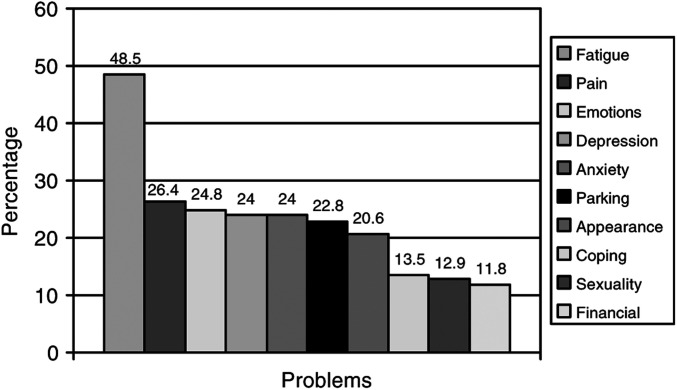
“of fatigue were found in 49% of all patients, pain in 26%, anxiety in 24%, and depression in 24%, along with significant financial hardship.(16) In a Jordanian sample of hospitalized cancer patients, the prevalence of distress was 70%.”
BackgroundSelf-citationPiet, J., Würtzen, H., & Zachariae, R. (2012) · Journal of Consulting and Clinical Psychology · doi:10.1037/a0028329 · Cited by 436
American Cancer Society prostate cancer survivorship care guidelines
Skolarus, T. A., Wolf, A. M. D., Erb, N. L., Brooks, D. D., Rivers, B. M., Underwood, W., Salner, A. L., Zelefsky, M. J., Aragon‐Ching, J. B., Slovin, S. F., et al. (2014) · CA: A Cancer Journal for Clinicians · doi:10.3322/caac.21234 · Cited by 398
“Most studies have focused on the year after primary treatment, with limited evidence suggesting that distress diminishes within the first 5 years after treatment for some patients.(115) Depression is not only a psychological burden for prostate cancer survivors it also has other associated health consequences such as…”
BackgroundMitchell, A. J., Meader, N., & Symonds, P. (2010) · Journal of Affective Disorders · doi:10.1016/j.jad.2010.01.067 · Cited by 394
Henry, D. H., Viswanathan, H. N., Elkin, E. P., Traina, S., Wade, S., & Cella, D. (2008) · Supportive Care in Cancer · doi:10.1007/s00520-007-0380-2 · Cited by 384
“Normed BSI scores have been used extensively in oncology [2, 10, 13, 43].”
MethodStress and cancer: mechanisms, significance and future directions
Eckerling, A., Ricon-Becker, I., Sorski, L., Sandbank, E., & Ben-Eliyahu, S. (2021) · Nature Reviews Cancer · doi:10.1038/s41568-021-00395-5 · Cited by 348
Emotional distress: the sixth vital sign—future directions in cancer care
Bultz, B. D., & Carlson, L. E. (2006) · Psycho-Oncology · doi:10.1002/pon.1022 · Cited by 341
“Large studies at Johns Hopkins Kimmel Cancer Center in Baltimore (Zabora et al., 2001) and the Tom Baker Cancer Centre in Alberta, Canada (Carlson et al., 2004) found high levels of fatigue (in 49% of all patients), pain (26%), anxiety (24%), and depression (24”
BackgroundInfluentialSelf-citationGraves, K. D., Arnold, S. M., Love, C. L., Kirsh, K. L., Moore, P. G., & Passik, S. D. (2007) · Lung Cancer · doi:10.1016/j.lungcan.2006.10.001 · Cited by 338
“Younger patients and women report higher levels of distress [7,11,14,15], and individuals with lung cancer, compared to individuals with other cancer diagnoses, also report higher levels of distress [15,17].”
BackgroundCillessen, L., Johannsen, M., Speckens, A. E. M., & Zachariae, R. (2019) · Psycho-Oncology · doi:10.1002/pon.5214 · Cited by 326
Screening for Distress in Lung and Breast Cancer Outpatients: A Randomized Controlled Trial
Carlson, L. E., Groff, S. L., Maciejewski, O., & Bultz, B. D. (2010) · Journal of Clinical Oncology · doi:10.1200/jco.2009.27.3698 · Cited by 304
Self-citationPsychometric analysis of the brief symptom inventory 18 (BSI-18) in a representative German sample
Franke, G. H., Jaeger, S., Glaesmer, H., Barkmann, C., Petrowski, K., & Braehler, E. (2017) · BMC Medical Research Methodology · doi:10.1186/s12874-016-0283-3 · Cited by 294
Long-Term and Latent Side Effects of Specific Cancer Types
Gegechkori, N., Haines, L., & Lin, J. J. (2017) · Medical Clinics of North America · doi:10.1016/j.mcna.2017.06.003 · Cited by 286
Emotional Distress: The Sixth Vital Sign in Cancer Care
Bultz, B. D., & Carlson, L. E. (2005) · Journal of Clinical Oncology · doi:10.1200/jco.2005.02.3259 · Cited by 287
Self-citationKim-Fuchs, C., Le, C. P., Pimentel, M. A., Shackleford, D., Ferrari, D., Angst, E., Hollande, F., & Sloan, E. K. (2014) · Brain, Behavior, and Immunity · doi:10.1016/j.bbi.2014.02.019 · Cited by 287
“Diagnosis of pancreatic cancer is associated with high levels of distress [60, 61], and beta-blocker treatment may be one strategy to reduce distress [62].”
Dilworth, S., Higgins, I., Parker, V., Kelly, B., & Turner, J. (2014) · Psycho-Oncology · doi:10.1002/pon.3474 · Cited by 286
“[44] reported that almost half of those reporting significant distress had not and did not intend to use psychosocial services.”
BackgroundCarlson, L. E., & Bultz, B. D. (2004) · Psycho-Oncology · doi:10.1002/pon.832 · Cited by 276
“A recent study targeting all patients visiting a large Canadian tertiary cancer centre over a period of four weeks assessed over 3000 cancer patients, and found that 37% met criteria for significant distress on the Brief Symptom Inventory (Carlson et al., 2004).”
BackgroundSelf-citationFoley, E., Baillie, A., Huxter, M., Price, M., & Sinclair, E. (2010) · Journal of Consulting and Clinical Psychology · doi:10.1037/a0017566 · Cited by 268
Mindfulness-Based Stress Reduction for Breast Cancer—A Systematic Review and Meta-Analysis
Cramer, H., Lauche, R., Paul, A., & Dobos, G. (2012) · Current Oncology · doi:10.3747/co.19.1016 · Cited by 256
Garland, S. N., Carlson, L. E., Cook, S., Lansdell, L., & Speca, M. (2007) · Supportive Care in Cancer · doi:10.1007/s00520-007-0280-5 · Cited by 266
“Pain, physical dysfunction, fatigue, nausea, and hair loss are prevalent and associated with concomitant psychological and emotional reactions such as anxiety [26], distress [10], and depression [44] documented in a quarter to half of all cancer patients [10, 51].”
BackgroundSelf-citationRelieving Symptoms in Cancer: Innovative Use of Art Therapy
Nainis, N., Paice, J. A., Ratner, J., Wirth, J. H., Lai, J., & Shott, S. (2006) · Journal of Pain and Symptom Management · doi:10.1016/j.jpainsymman.2005.07.006 · Cited by 261
Short Screening Tools for Cancer-Related Distress: A Review and Diagnostic Validity Meta-Analysis
Mitchell, A. J. (2010) · Journal of the National Comprehensive Cancer Network · doi:10.6004/jnccn.2010.0035 · Cited by 259
Richardson, E. M., Schüz, N., Sanderson, K., Scott, J. L., & Schüz, B. (2017) · Psycho-Oncology · doi:10.1002/pon.4213 · Cited by 260
Zebrack, B. J., Corbett, V., Embry, L., Aguilar, C., Meeske, K. A., Hayes‐Lattin, B., Block, R., Zeman, D. T., & Cole, S. (2014) · Psycho-Oncology · doi:10.1002/pon.3533 · Cited by 255
“30–40% reported for older adult patients throughout a continuum of care [9,10] and with studies suggesting that the prevalence of distress is significantly higher in AYAs when compared with older adult cancer patients [34–38].”
BackgroundThe increasing value of eHealth in the delivery of patient-centred cancer care
Penedo, F. J., Oswald, L. B., Kronenfeld, J. P., Garcia, S. F., Cella, D., & Yanez, B. (2020) · The Lancet Oncology · doi:10.1016/s1470-2045(20)30021-8 · Cited by 252
Is there a cost to poor communication in cancer care?: a critical review of the literature
Thorne, S. E., Bultz, B. D., & Baile, W. F. (2005) · Psycho-Oncology · doi:10.1002/pon.947 · Cited by 250
“The cost of unnecessary psychosocial distress Three large cancer screening studies have demonstrated the prevalence of psychosocial distress to be consistently in the range of 35–45% of all cancer patients (Carlson et al., 2004; Cella, 1998; Zabora et al., 2001).”
BackgroundSelf-citationCompen, F., Bisseling, E., Schellekens, M., Donders, R., Carlson, L., van der Lee, M., & Speckens, A. (2018) · Journal of Clinical Oncology · doi:10.1200/jco.2017.76.5669 · Cited by 248
Self-citationPrevalence of psychosocial distress in cancer patients across 55 North American cancer centers
Carlson, L. E., Zelinski, E. L., Toivonen, K. I., Sundstrom, L., Jobin, C. T., Damaskos, P., & Zebrack, B. (2019) · Journal of Psychosocial Oncology · doi:10.1080/07347332.2018.1521490 · Cited by 237
“Data were grouped by cancer site/type to be consistent with categories from National Cancer Agencies and previous research.(6,7) Race/ethnicity was categorized according to the United States Census.”
BackgroundMethodResultInfluentialSelf-citationPirl, W. F., Fann, J. R., Greer, J. A., Braun, I., Deshields, T., Fulcher, C., Harvey, E., Holland, J., Kennedy, V., Lazenby, M., et al. (2014) · Cancer · doi:10.1002/cncr.28750 · Cited by 238
“Unfortunately, distress often goes unrecognized in oncology care, necessitating systematic methods for its identification and treatment.(15,16) Furthermore, psychosocial interventions can effectively reduce distress created or exacerbated by cancer.”
MethodAltered Cortisol Response to Psychologic Stress in Breast Cancer Survivors With Persistent Fatigue
Bower, J. E., Ganz, P. A., & Aziz, N. (2005) · Psychosomatic Medicine · doi:10.1097/01.psy.0000155666.55034.c6 · Cited by 235
Psychological Distress in Long-term Survivors of Adult-Onset Cancer: Results From a National Survey
Hoffman, K. E., McCarthy, E. P., Recklitis, C. J., & Ng, A. K. (2009) · Archives of Internal Medicine · doi:10.1001/archinternmed.2009.179 · Cited by 229
“Previous studies addressing psychological distress among long-term survivors largely focused on childhood cancer survivors,(44-50) and many of the studies that did evaluate psychological distress in survivors of adult-onset cancer included patients who were within the immediate postdiagnosis or posttreatment period.(5…”
BackgroundNipp, R. D., El‐Jawahri, A., Moran, S. M., D'Arpino, S. M., Johnson, P. C., Lage, D. E., Wong, R. L., Pirl, W. F., Traeger, L., Lennes, I. T., et al. (2017) · Cancer · doi:10.1002/cncr.30912 · Cited by 230
Satisfaction with information and unmet information needs in men and women with cancer
Faller, H., Koch, U., Brähler, E., Härter, M., Keller, M., Schulz, H., Wegscheider, K., Weis, J., Boehncke, A., Hund, B., et al. (2016) · Journal of Cancer Survivorship · doi:10.1007/s11764-015-0451-1 · Cited by 226
“It may mirror higher prevalence rates of emotional distress and mental disorders in women repeatedly documented in both the general population and cancer patients [39–42].”
BackgroundBenefits of psychosocial oncology care: improved quality of life and medical cost offset.
Carlson, L. E., & Bultz, B. D. (2003) · Health and Quality of Life Outcomes · doi:10.1186/1477-7525-1-8 · Cited by 269
Self-citationWatanabe, S. M., Nekolaichuk, C. L., & Beaumont, C. (2012) · Psycho-Oncology · doi:10.1002/pon.1996 · Cited by 220
“Prevalence rates of distress at all phases of cancer have been reported at 35% to 45% in North America [1,2].”
BackgroundFang, C.-K., Chang, M.-C., Chen, P.-J., Lin, C.-C., Chen, G.-S., Lin, J., Hsieh, R.-K., Chang, Y.-F., Chen, H.-W., Wu, C.-L., et al. (2014) · Supportive Care in Cancer · doi:10.1007/s00520-014-2290-4 · Cited by 211
Li, Q., Lin, Y., Hu, C., Xu, Y., Zhou, H., Yang, L., & Xu, Y. (2016) · European Journal of Oncology Nursing · doi:10.1016/j.ejon.2016.09.004 · Cited by 207
Use of the Distress Thermometer in Clinical Practice
K. Ownby, P. (2019) · Journal of the Advanced Practitioner in Oncology · doi:10.6004/jadpro.2019.10.2.7 · Cited by 205
“Married patients are less likely to experience distress than single patients, and patients diagnosed with specific cancers of the breast, head and neck, colon, lung, brain, or pancreas experience greater distress (Carlson et al., 2004; Hurria et al., 2009; Zabora et al., 2001).”
The Distress Thermometer: Cutoff Points and Clinical Use
Cutillo, A., O’Hea, E., Person, S., Lessard, D., Harralson, T., & Boudreaux, E. (2017) · Oncology Nursing Forum · doi:10.1188/17.onf.329-336 · Cited by 207
“…cancer exhibit symptoms of distress, and can experi-ence the aforementioned effects, psychological symptoms are not consistently addressed by all care teams (Carlson et al., 2004; Holland & Bultz, 2007; Jacobson & Ransom, 2007; Mitchell, Vahabzadeh, & Magruder, 2011; van Scheppingen et al., 2011).”
BackgroundBanasik, J., Williams, H., Haberman, M., Blank, S. E., & Bendel, R. (2011) · Journal of the American Academy of Nurse Practitioners · doi:10.1111/j.1745-7599.2010.00573.x · Cited by 201
“Breast cancer survivors reportedly experience a high level of psychosocial stress that persists across the disease trajectory (Carlson et al., 2004).”
BackgroundLuckett, T., Goldstein, D., Butow, P. N., Gebski, V., Aldridge, L. J., McGrane, J., Ng, W., & King, M. T. (2011) · The Lancet Oncology · doi:10.1016/s1470-2045(11)70212-1 · Cited by 199
Mitchell, A. J. (2013) · Acta Oncologica · doi:10.3109/0284186x.2012.745949 · Cited by 197
“Distress is the experience of signifi cant emotional upset arising from various physical and psychiatric conditions [1].”
BackgroundImplementing screening for distress, the 6th vital sign: a Canadian strategy for changing practice
Bultz, B. D., Groff, S. L., Fitch, M., Blais, M. C., Howes, J., Levy, K., & Mayer, C. (2011) · Psycho-Oncology · doi:10.1002/pon.1932 · Cited by 194
“Working with this definition, research on the prevalence of distress in cancer patients has consistently demonstrated that between 35 and 45% of patients experience significant levels of distress [2,3].”
BackgroundSelf-citationZernicke, K. A., Campbell, T. S., Speca, M., McCabe-Ruff, K., Flowers, S., & Carlson, L. E. (2014) · Psychosomatic Medicine · doi:10.1097/psy.0000000000000053 · Cited by 187
Self-citationDo Couple-Based Interventions Make a Difference for Couples Affected by Cancer?: A Systematic Review
Regan, T. W., Lambert, S. D., Girgis, A., Kelly, B., Kayser, K., & Turner, J. (2012) · BMC Cancer · doi:10.1186/1471-2407-12-279 · Cited by 185
Shim, E., Shin, Y., Jeon, H. J., & Hahm, B. (2008) · Psycho-Oncology · doi:10.1002/pon.1275 · Cited by 177
“4%), and confirms a high prevalence of distress in cancer patients [2,22].”
BackgroundAspects of taste and compliance in patients with cancer
Ravasco, P. (2005) · European Journal of Oncology Nursing · doi:10.1016/j.ejon.2005.09.003 · Cited by 181
Why do oncology outpatients who report emotional distress decline help?
Clover, K. A., Mitchell, A. J., Britton, B., & Carter, G. (2015) · Psycho-Oncology · doi:10.1002/pon.3729 · Cited by 180
“Previous studies investigating patient-related barriers to psychosocial support have usually surveyed the whole patient population [10,29–31] although some have limited these questions to those who have not used, or who have declined services [8,22].”
BackgroundMitchell, A. J., Baker‐Glenn, E. A., Granger, L., & Symonds, P. (2010) · Psycho-Oncology · doi:10.1002/pon.1523 · Cited by 176
Anxiety and depression after prostate cancer diagnosis and treatment: 5-year follow-up
Korfage, I. J., Essink-Bot, M.-L., Janssens, A. C. J. W., Schröder, F. H., & de Koning, H. J. (2006) · British Journal of Cancer · doi:10.1038/sj.bjc.6603057 · Cited by 176
“In a recent study, some 30% of the participating prostate cancer patients met criteria for general distress in the clinical range (Carlson et al, 2004).”
BackgroundMackenzie, M. J., Carlson, L. E., Munoz, M., & Speca, M. (2007) · Stress and Health · doi:10.1002/smi.1120 · Cited by 175
Self-citationCampbell, T. S., Labelle, L. E., Bacon, S. L., Faris, P., & Carlson, L. E. (2012) · Journal of Behavioral Medicine · doi:10.1007/s10865-011-9357-1 · Cited by 173
Self-citationBarriers Related to Mammography Use for Breast Cancer Screening Among Minority Women
Alexandraki, I., & Mooradian, A. D. (2010) · Journal of the National Medical Association · doi:10.1016/s0027-9684(15)30527-7 · Cited by 169
Trajectories of psychological distress after colorectal cancer
Dunn, J., Ng, S. K., Holland, J., Aitken, J., Youl, P., Baade, P. D., & Chambers, S. K. (2013) · Psycho-Oncology · doi:10.1002/pon.3210 · Cited by 167
Carlson, L. E., Waller, A., Groff, S. L., Giese‐Davis, J., & Bultz, B. D. (2013) · Psycho-Oncology · doi:10.1002/pon.2068 · Cited by 161
“Consistent with previously reported rates of distress [1,2,23,24,34], half of the patients were experiencing clinically elevated levels of distress at baseline, and 29% of people were still experiencing clinically elevated levels of distress 12 months later.”
BackgroundResultInfluentialSelf-citationBojungikki-Tang for Cancer-Related Fatigue: A Pilot Randomized Clinical Trial
Jeong, J. S., Ryu, B. H., Kim, J. S., Park, J. W., Choi, W. C., & Yoon, S. W. (2010) · Integrative Cancer Therapies · doi:10.1177/1534735410383170 · Cited by 159
“0%).(4) Despite the frequency of cancer-related fatigue in cancer patients and various pharmacologic and nonpharmacological approaches that have been studied, it still remains underrecognized and undertreated, partly because of limited understanding of its pathophysiology and lack of effective treatments.”
BackgroundTwelve-Month and Lifetime Prevalence of Mental Disorders in Cancer Patients
Kuhnt, S., Brähler, E., Faller, H., Härter, M., Keller, M., Schulz, H., Wegscheider, K., Weis, J., Boehncke, A., Hund, B., et al. (2016) · Psychotherapy and Psychosomatics · doi:10.1159/000446991 · Cited by 157
Cheung, W. Y., Le, L. W., Gagliese, L., & Zimmermann, C. (2010) · Supportive Care in Cancer · doi:10.1007/s00520-010-0865-2 · Cited by 185
“Specifically, studies of cancer patients have described either no gender differences for anxiety [36] or a higher prevalence in women [8, 37–39].”
BackgroundAnderson, K. E., Gruber‐Baldini, A. L., Vaughan, C. G., Reich, S. G., Fishman, P. S., Weiner, W. J., & Shulman, L. M. (2007) · Movement Disorders · doi:10.1002/mds.21687 · Cited by 151
Carey, M., Lambert, S., Smits, R., Paul, C., Sanson-Fisher, R., & Clinton-McHarg, T. (2012) · Supportive Care in Cancer · doi:10.1007/s00520-011-1327-1 · Cited by 152
“Rates of clinically significant distress have been reported to be between 25% and 45% among people with cancer [1, 2].”
BackgroundDudgeon, D., King, S., Howell, D., Green, E., Gilbert, J., Hughes, E., Lalonde, B., Angus, H., & Sawka, C. (2012) · Psycho-Oncology · doi:10.1002/pon.1918 · Cited by 151
“contributor to psychological distress [13,14].”
Pilot Crossover Trial of Reiki Versus Rest for Treating Cancer-Related Fatigue
Tsang, K., Carlson, L. E., & Olson, K. L. (2007) · Integrative Cancer Therapies · doi:10.1177/1534735406298986 · Cited by 187
Self-citationFaller, H., Weis, J., Koch, U., Brähler, E., Härter, M. C., Keller, M., Schulz, H., Wegscheider, K., Boehncke, A., Hund, B., et al. (2015) · Journal of Psychosomatic Research · doi:10.1016/j.jpsychores.2015.12.004 · Cited by 180
Self-efficacy, adjustment style and well-being in breast cancer patients: a longitudinal study
Rottmann, N., Dalton, S. O., Christensen, J., Frederiksen, K., & Johansen, C. (2010) · Quality of Life Research · doi:10.1007/s11136-010-9653-1 · Cited by 170
“Reactions to a diagnosis, treatment and late effects of breast cancer vary widely and result in a range of physical, psychological and social effects [1–5].”
BackgroundSupportive care needs: are patients with lung cancer a neglected population?
Li, J., & Girgis, A. (2006) · Psycho-Oncology · doi:10.1002/pon.983 · Cited by 147
“Furthermore, Carlson et al. (2004) found that lung, pancreatic, head and neck and brain cancer patients were the most distressed sub-groups.”
BackgroundScreening for Distress, the 6th Vital Sign: where are we, and where are we going?
Bultz, B. D., & Johansen, C. (2011) · Psycho-Oncology · doi:10.1002/pon.1986 · Cited by 144
“research on prevalence of distress [1–3] has”
Self-citationBrocken, P., Prins, J. B., Dekhuijzen, P. N. R., & van der Heijden, H. F. M. (2012) · Psycho-Oncology · doi:10.1002/pon.1929 · Cited by 143
Brebach, R., Sharpe, L., Costa, D. S. J., Rhodes, P., & Butow, P. (2016) · Psycho-Oncology · doi:10.1002/pon.4099 · Cited by 139
“Given the large amount of research effort expended around the goal of meeting the psychosocial needs of cancer patients and survivors, a better understanding of barriers to uptake of intervention is needed [1,21,49,50]”
BackgroundSchellekens, M. P. J., van den Hurk, D. G. M., Prins, J. B., Donders, A. R. T., Molema, J., Dekhuijzen, R., van der Drift, M. A., & Speckens, A. E. M. (2017) · Psycho-Oncology · doi:10.1002/pon.4430 · Cited by 138
“All analyses were conducted using (1) intention‐to‐treat (ITT; ie, all cases withT0 and either T1 and/or T2 scores) and (2) per‐protocol (PP) samples (ie, cases with ≥4 MBSR sessions in CAU + MBSR and no MBSR participation in CAU).”
MethodBaker‐Glenn, E. A., Park, B., Granger, L., Symonds, P., & Mitchell, A. J. (2011) · Psycho-Oncology · doi:10.1002/pon.1759 · Cited by 130
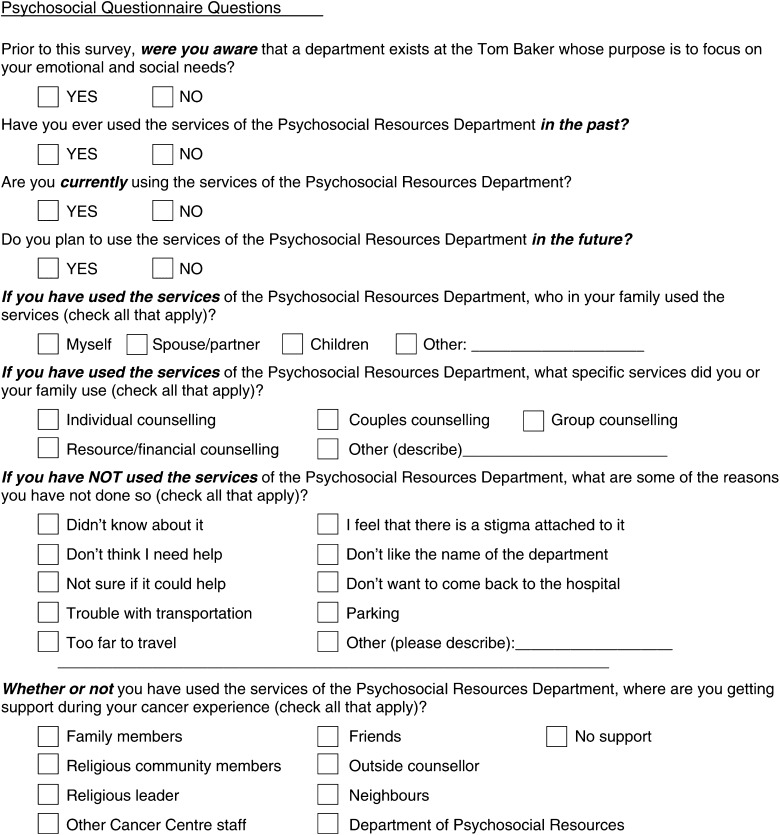
“In a large Canadian sample of 2776 patients, almost 50% of those who met criteria for distress had neither sought professional psychosocial support and nor intended to do so in the future [5].”
BackgroundCook, S. A., Salmon, P., Hayes, G., Byrne, A., & Fisher, P. L. (2018) · Psycho-Oncology · doi:10.1002/pon.4601 · Cited by 133
“Around a third of patients in treatment or long‐term follow‐up report levels of distress, including anxiety and/or depression, that warrant intervention.(6) Annual prevalence of major depression or generalised anxiety disorder remains 22% in the”
BackgroundPsychological distress in patients with pancreatic cancer—an understudied group
Clark, K. L., Loscalzo, M., Trask, P. C., Zabora, J., & Philip, E. J. (2010) · Psycho-Oncology · doi:10.1002/pon.1697 · Cited by 131
“[4] who reported that pancreatic cancer patients reported the second highest rates of distress compared with all other cancer groups, including lung, brain, Hodgkin’s disease, lymphoma, liver, head and neck, unknown primary, breast, leukemia, melanoma, colon, prostate, and gynecological.”
ResultDoes screening for distress efficiently uncover meetable unmet needs in cancer patients?
van Scheppingen, C., Schroevers, M. J., Smink, A., van der Linden, Y. M., Mul, V. E., Langendijk, J. A., Coyne, J. C., & Sanderman, R. (2011) · Psycho-Oncology · doi:10.1002/pon.1939 · Cited by 132
“However, about half of the distressed patients reported no need and about 10–20% of non-distressed patients nonetheless reported a need for services, consistent with past research [2,18,19,22].”
ResultChambers, S. K., Baade, P., Youl, P., Aitken, J., Occhipinti, S., Vinod, S., Valery, P. C., Garvey, G., Fong, K. M., Ball, D., et al. (2015) · Psycho-Oncology · doi:10.1002/pon.3829 · Cited by 130
“As in previous research [30–33], patients reported high levels of psychological distress, again demonstrating that lung cancer patients are highly vulnerable to psychosocial morbidity after diagnosis.”
ResultHou, W. K., Law, C. C., Yin, J., & Fu, Y. T. (2010) · Health Psychology · doi:10.1037/a0020809 · Cited by 130
A longitudinal study of psychosocial distress in breast cancer: Prevalence and risk factors
Andreu, Y., Galdón, M. J., Durá, E., Martínez, P., Pérez, S., & Murgui, S. (2012) · Psychology & Health · doi:10.1080/08870446.2010.542814 · Cited by 129
“These percentages somewhat lower than values around 30% from other studies with BSI-18 (Carlson et al., 2004; Zabora et al., 2001) may be due to several reasons.”
BackgroundResultEllis, J., Lin, J., Walsh, A., Lo, C., Shepherd, F. A., Moore, M., Li, M., Gagliese, L., Zimmermann, C., & Rodin, G. (2009) · Journal of Clinical Oncology · doi:10.1200/jco.2007.15.4864 · Cited by 128
Yeo, T. P., Burrell, S. A., Sauter, P. K., Kennedy, E. P., Lavu, H., Leiby, B. E., & Yeo, C. J. (2012) · Journal of the American College of Surgeons · doi:10.1016/j.jamcollsurg.2011.12.017 · Cited by 126
“This 10 symptom profile survey was based on a literature review of the most commonly reported symptoms in patients with PPC (6, 11, 12-15, 24-27), and was administered to the IG during monthly follow-up phone calls and upon final follow-up.”
Distress in patients with newly diagnosed brain tumours
Goebel, S., Stark, A. M., Kaup, L., von Harscher, M., & Mehdorn, H. M. (2011) · Psycho-Oncology · doi:10.1002/pon.1958 · Cited by 143
Stress and cancer: The mechanisms of immune dysregulation and management
Liu, Y., Tian, S., Ning, B., Huang, T., Li, Y., & Wei, Y. (2022) · Frontiers in Immunology · doi:10.3389/fimmu.2022.1032294 · Cited by 181
“Psychological stress level reaches the first peak at the time of cancer diagnosis and psychosomatic symptoms containing anxiety, fatigue, insomnia even depression subsequently develop over the next year (21, 22).”
BackgroundScreening for psychosocial distress: a national survey of oncologists.
Pirl, W. F., Muriel, A. C., Hwang, V., Kornblith, A. B., Greer, J. A., Donelan, K., Greenberg, D. B., Temel, J. S., & Schapira, L. (2007) · PubMed · Cited by 159
Mitchell, A. J. (2008) · British Journal of Cancer · doi:10.1038/sj.bjc.6604396 · Cited by 125
“Four large-scale studies using severity scales suggest that the overall prevalence of distress in unselected cancer patients is above 30% (Pascoe et al, 2000; Fallowfield et al, 2001; Zabora et al, 2001; Carlson et al, 2004).”
BackgroundSocio‐demographic, psychosocial and attitudinal predictors of help seeking after cancer diagnosis
Steginga, S. K., Campbell, A., Ferguson, M., Beeden, A., Walls, M., Cairns, W., & Dunn, J. (2008) · Psycho-Oncology · doi:10.1002/pon.1317 · Cited by 124
“Finally, lack of knowledge about support services may influence utilization patterns [30,32].”
Mindfulness-Based Stress Reduction Among Breast Cancer Survivors: A Literature Review and Discussion
Matchim, Y., Armer, J. M., & Stewart, B. R. (2011) · Oncology Nursing Forum · doi:10.1188/11.onf.e61-e71 · Cited by 118
Charalambous, A., & Kouta, C. (2016) · BioMed Research International · doi:10.1155/2016/3989286 · Cited by 112
Meyers, F. J., Carducci, M., Loscalzo, M. J., Linder, J., Greasby, T., & Beckett, L. A. (2011) · Journal of Palliative Medicine · doi:10.1089/jpm.2010.0416 · Cited by 111
Gudenkauf, L. M., Antoni, M. H., Stagl, J. M., Lechner, S. C., Jutagir, D. R., Bouchard, L. C., Blomberg, B. B., Glück, S., Derhagopian, R. P., Giron, G. L., et al. (2015) · Journal of Consulting and Clinical Psychology · doi:10.1037/ccp0000020 · Cited by 108
“A breast cancer (BCa) diagnosis is a major life stressor compounded by surgery, chemotherapy, radiation, and hormonal treatments that impose significant physical and psychological challenges (Carlson et al., 2004).”
BackgroundLubberding, S., van Uden‐Kraan, C. F., Te Velde, E. A., Cuijpers, P., Leemans, C. R., & Verdonck‐de Leeuw, I. M. (2015) · Journal of Clinical Nursing · doi:10.1111/jocn.12753 · Cited by 109
“However, many survivors are not taking advantage of supportive care provided, despite proven benefits (Carlson et al. 2004, Steginga et al. 2008, Verdonck-de Leeuw et al. 2009, Hack et al. 2011).”
BackgroundPeters, L., Brederecke, J., Franzke, A., de Zwaan, M., & Zimmermann, T. (2020) · Frontiers in Psychology · doi:10.3389/fpsyg.2020.591771 · Cited by 120
The benefits of psychosocial interventions for cancer patients undergoing radiotherapy
Guo, Z., Tang, H.-Y., Li, H., Tan, S.-K., Feng, K.-H., Huang, Y.-C., Bu, Q., & Jiang, W. (2013) · Health and Quality of Life Outcomes · doi:10.1186/1477-7525-11-121 · Cited by 107
“Studies have shown that about 41% of tumor patients need professional psycho-oncological support [13], but less than 10% of patients are referred for psychosocial intervention in clinical practice daily [14].”
BackgroundFaller, H., Brähler, E., Härter, M. C., Keller, M., Schulz, H., Wegscheider, K., Weis, J., Boehncke, A., Reuter, K., Richard, M., et al. (2017) · Patient Education and Counseling · doi:10.1016/j.pec.2017.05.031 · Cited by 130
Urech, C., Grossert, A., Alder, J., Scherer, S., Handschin, B., Kasenda, B., Borislavova, B., Degen, S., Erb, J., Faessler, A., et al. (2018) · Journal of Clinical Oncology · doi:10.1200/jco.2017.74.8491 · Cited by 98
“However, a majority of newly diagnosed patients with cancer lack psychosocial support because of constraints on the part of both providers and patients.(6,7) Use of the Internet, which Author affiliations and support information (if applicable) appear at the end of this article.”
BackgroundUtilization of professional psychological care in a large German sample of cancer patients
Faller, H., Weis, J., Koch, U., Brähler, E., Härter, M., Keller, M., Schulz, H., Wegscheider, K., Boehncke, A., Hund, B., et al. (2017) · Psycho-Oncology · doi:10.1002/pon.4197 · Cited by 103
“These results mirror those from research into predictors of felt needs for and uptake of psychosocial support, which reflect findings of elevated distress levels in both younger cancer patients and women.(4,6,35) While the impact of cancer on emotional well‐being may be greater in younger patients as receiving such a…”
Result
Metadata
- Authors
- Carlson, L. E., Angen, M., Cullum, J., Goodey, E., Koopmans, J., Lamont, L., MacRae, J. H., Martin, M., Pelletier, G., Robinson, J., Simpson, J. S. A., Speca, M., Tillotson, L., & Bultz, B. D.
- Affiliations
- University of Calgary (CA)
- Corresponding author
- Carlson, L E
- Venue
- British Journal of Cancer
- Published
- 2004-05-25
- Volume
- 90
- Issue
- 12
- Pages
- 2297-2304
- ISSN
- 0007-0920 (ISSN-L)
- 1532-1827
- PMC
- PMC2410292
- OpenAlex
- W2143584015
- Cited by
- 939
- References
- 39
- Citations by year
- 2026: 19 · 2025: 15 · 2024: 29 · 2023: 29 · 2022: 61 · 2021: 59 · 2020: 50 · 2019: 35 · 2018: 62 · 2017: 52 · 2016: 59 · 2015: 58 · 2014: 54 · 2013: 54 · 2012: 67
- FWCI
- 8.66
- Type
- journal article
- Language
- en
- Open access
- hybrid
- doi.org
- Licence
- cc-by-nc-sa
- www.springer.com/tdm (unspecified)
- Locations
- British Journal of Cancer (publishedVersion, cc-by-nc-sa)
- PubMed Central (publishedVersion, cc-by)
- PubMed (publishedVersion)
- Libraries and Cultural Resources (University of Calgary) (submittedVersion, cc-by-nc-sa)
- Funders
- Canadian Institutes of Health Research
- Topics
- Health Sciences › Medicine › Oncology › Cancer survivorship and care
- Health Sciences › Medicine › Public Health, Environmental and Occupational Health › Palliative and Oncologic Care
- Social Sciences › Psychology › Clinical Psychology › Family Support in Illness
- Keywords
- cancer patients, psychological distress, fatigue, psychosocial support, help-seeking, somatization, depression, anxiety, Brief Symptom Inventory-18, psychosocial problems, barriers to care, gender differences, socioeconomic factors, minority patients
- MeSH terms
- Adult, Aged, Counseling, Cross-Sectional Studies, Fatigue, Female, Humans, Income, Male, Mass Screening, Mental Health Services, Middle Aged, Minority Groups, Neoplasms, Social Support, Stress, Psychological
About these checks
Registry, retraction, Cites and statistics results are computed, not judged, with one exception: a printed reference that no index lists is read once by a model before it counts as a citation error. Claims are extracted by a model and kept only when their quote appears verbatim in the text; each cited source is then checked, with a model’s help, for whether it says what the claim relies on. Those verdicts can be wrong — read the claim’s quote and the cited source before relying on one.
Statistics and arithmetic are recomputed, not judged.
Confidence bands are shown only for fields calibrated on our annotated test set. None is calibrated yet, so no band is shown.
What counts as a claim ›How we measure confidence ›How we check this ›
Are you an author, or do you see a problem with this page? Request a review
Data sources
Bibliographic data: Semantic Scholar, OpenAlex, Crossref.
Contains information from the Semantic Scholar Academic Graph Datasets, made available under the ODC Attribution License (ODC-BY 1.0).
Semantic Scholar’s data is described in: Kinney, R., et al. (2023). The Semantic Scholar Open Data Platform. arXiv:2301.10140.
