

MoleculeNet: a benchmark for molecular machine learning
Open accessThe DOI matches its Crossref record; 82 of the 82 references it cites were found in a registry or an index.
Abstract
A large scale benchmark for molecular machine learning consisting of multiple public datasets, metrics, featurizations and learning algorithms.
Overview
The claims and statistics of this paper haven’t been checked yet.
Free: it reads the open-access text and checks the first 5 claims that cite a source we can check. Create a free account to check every claim.
Integrity signals
Registry
Cites
Statistics
Figures






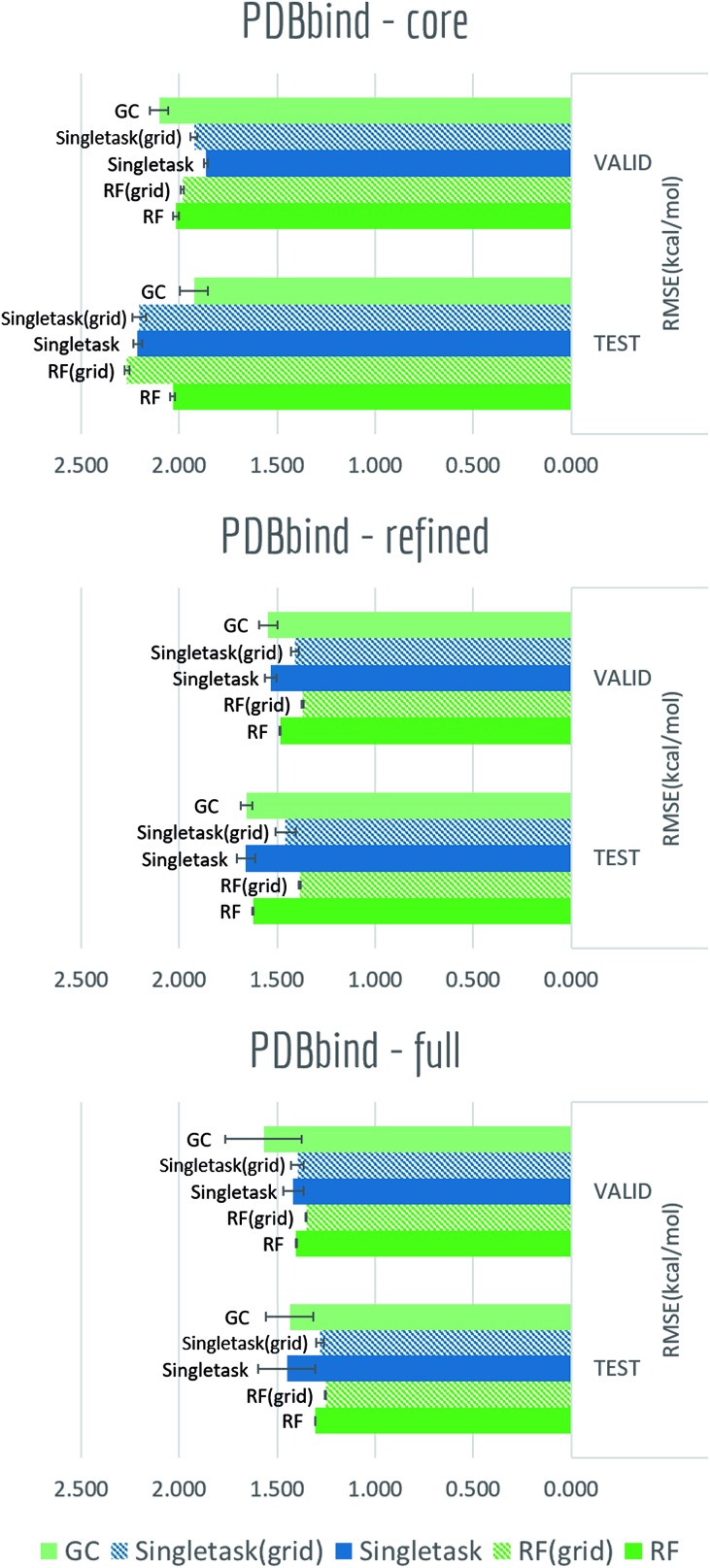

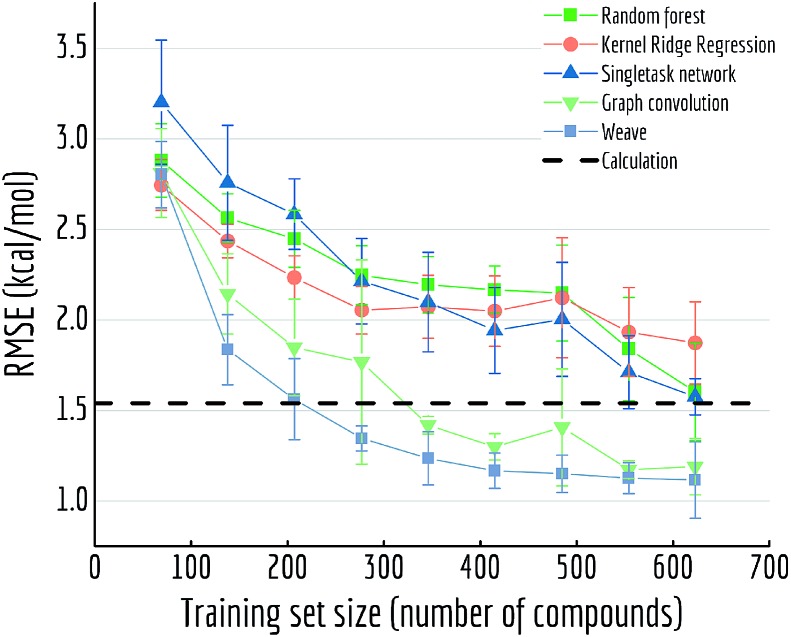
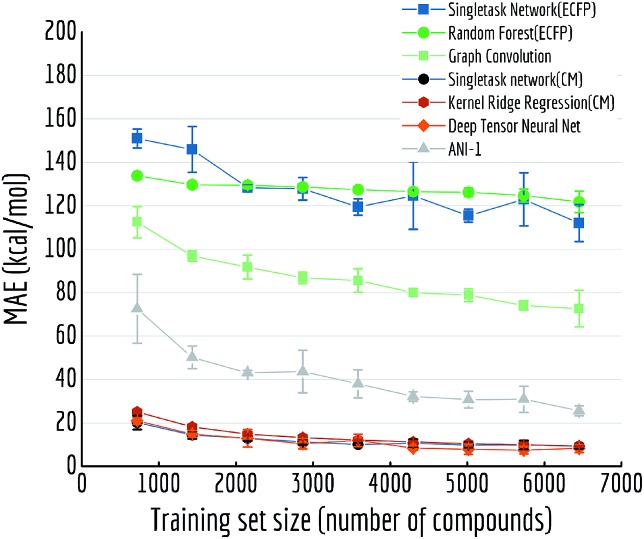
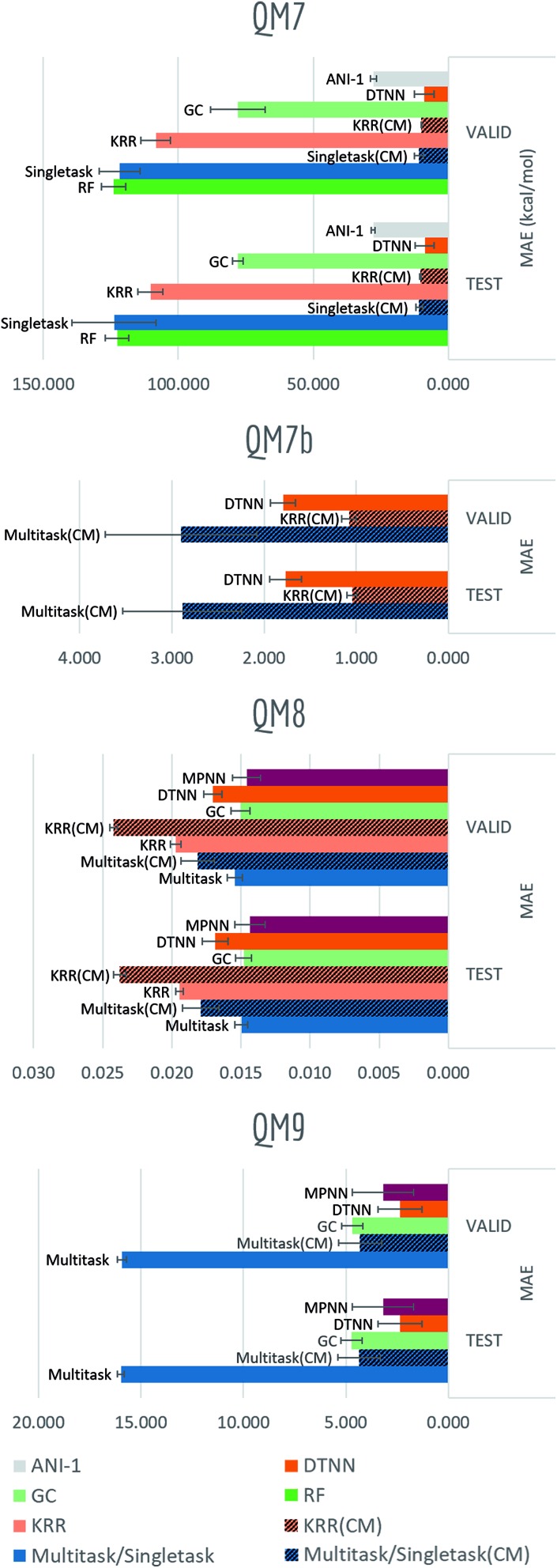
Verification
Claims the paper makes
The claims and statistics of this paper haven’t been checked yet.
Free: it reads the open-access text and checks the first 5 claims that cite a source we can check. Create a free account to check every claim.
Claims other papers make about this one
Each is checked against this paper’s own text: does it say what the citing paper says it does?
The source backs part of the claim, not all of it — or backs it for a different population, condition or comparison.
In the citing paper
“the availability of larger data sets (9) and easy-to-use tools (10,11) has particularly transformed this landscape.”
From Machine Learning for the Discovery, Design, and Engineering of Materials. (2022) · cites this paper as [10]
Experimental — accuracy not yet measuredThe cited source says what the claim attributes to it.
In the citing paper
“Another platform called MoleculeNet is also used to translate two-dimensional molecular structures into novel features/descriptors, which can then be used in predicting toxicity of the given molecule. The MoleculeNet platform is built on data from various public databases and more than 700,000 compounds have already been tested for toxicity or other properties [20].”
From The rise of artificial intelligence in healthcare applications (2020) · cites this paper as [20]
The cited source says what the claim attributes to it.
In the citing paper
“Initiatives like the DREAM Challenges,284 MoleculeNet,110 and Therapeutic Data Commons285 offer benchmark data sets across a wide spectrum of prediction tasks for pharmacology.”
From Advancing Targeted Protein Degradation via Multiomics Profiling and Artificial Intelligence (2023) · cites this paper as [110]
The check wasn’t confident either way, so it gives no verdict — never disputed.
In the citing paper
“However, ChemBERTa was found to perform better than Chemprop on a number of other MoleculeNet benchmark tasks51”
From OnSIDES database: Extracting adverse drug events from drug labels using natural language processing models (2025) · cites this paper as [51]
Experimental — accuracy not yet measured
Self-check
Percentages, sums and reported differences re-computed from the paper’s own numbers.
The self-check needs the paper’s full text.
Citations
Cites
Breiman, L. (2001) · Machine Learning · doi:10.1023/a:1010933404324 · Cited by 133,538
LeCun, Y., Bengio, Y., & Hinton, G. (2015) · Nature · doi:10.1038/nature14539 · Cited by 84,126
Scikit-learn: Machine Learning in Python
Pedregosa, F., Varoquaux, G., Gramfort, A., Michel, V., Thirion, B., Grisel, O., Blondel, M., Müller, A., Nothman, J., Louppe, G., et al. (2012) · arXiv · doi:10.48550/arxiv.1201.0490 · Cited by 71,016
ImageNet: A large-scale hierarchical image database
Deng, J., Dong, W., Socher, R., Li, L.-J., Li, K., & Fei-Fei, L. (2009) · 2009 IEEE Conference on Computer Vision and Pattern Recognition · doi:10.1109/cvpr.2009.5206848 · Cited by 65,333
Cortes, C., & Vapnik, V. (1995) · Machine Learning · doi:10.1007/bf00994018 · Cited by 59,421
Cortes, C., & Vapnik, V. (1995) · Machine-mediated learning · doi:10.1023/a:1022627411411 · Cited by 48,445
ImageNet Large Scale Visual Recognition Challenge
Russakovsky, O., Deng, J., Su, H., Krause, J., Satheesh, S., Ma, S., Huang, Z., Karpathy, A., Khosla, A., Bernstein, M., et al. (2015) · International Journal of Computer Vision · doi:10.1007/s11263-015-0816-y · Cited by 39,380
Greedy function approximation: A gradient boosting machine
Friedman, J. H. (2001) · The Annals of Statistics · doi:10.1214/aos/1013203451 · Cited by 30,731
The Elements of Statistical Learning
Hastie, T., Tibshirani, R., & Friedman, J. (2009) · Springer Series in Statistics · doi:10.1007/978-0-387-84858-7 · Cited by 25,970
Deep learning in neural networks: an overview
Schmidhuber, J. (2015) · Neural Networks · doi:10.1016/j.neunet.2014.09.003 · Cited by 18,570
Research works printed but not linked: 11
- Mitchell, 2014, Wiley Interdiscip. Rev.: Comput. Mol. Sci., 4, 468
- T. Unterthiner , A.Mayr , G.Klambauer , M.Steijaert , J.Wenger , H.Ceulemans and S.Hochreiter , Deep Learning and Representation Learning Workshop (NIPS 2014) , 2014
- Delaney, 2004, J. Chem. Inf. Model., 44, 1000
- J. Deng , W.Dong , R.Socher , L.-J.Li , K.Li and L.Fei-Fei , CVPR09 , 2009
- A. Krizhevsky , I.Sutskever and G. E.Hinton , NIPS Proceedings , 2012
- Pedregosa, 2011, J. Mach. Learn. Res., 12, 2825
- Quantum Machine , http://quantum-machine.org/datasets/ , accessed 2017-09-27
- Medical Dictionary for Regulatory Activities , http://www.meddra.org/ , accessed 2017-09-27
- Artemov, 2016, bioRxiv, Biochem., 095653
- Aggregate Analysis of ClincalTrials.gov (AACT) Database , http://www.ctti-clinicaltrials.org/aact-database , accessed 2017-09-27
- Cortes, 1995, Mach. Learn., 20, 273
Cited by
Items 401–500 of 1,019
Chemical diversity in molecular orbital energy predictions with kernel ridge regression
Stuke, A., Todorović, M., Rupp, M., Kunkel, C., & Ghosh, K. (2019) · MPG.PuRe (Max Planck Society) · Cited by 75
Changing the HTS Paradigm: AI-Driven Iterative Screening for Hit Finding
Dreiman, G. H. S., Bictash, M., Fish, P. V., Griffin, L. D., & Svensson, F. (2020) · SLAS DISCOVERY · doi:10.1177/2472555220949495 · Cited by 87
Kim, H., Lee, J., Ahn, S., & Lee, J. R. (2021) · Scientific Reports · doi:10.1038/s41598-021-90259-7 · Cited by 88
Tripathi, N., Goshisht, M. K., Sahu, S. K., & Arora, C. (2021) · Molecular Diversity · doi:10.1007/s11030-021-10237-z · Cited by 80
Zhang, X., Wu, C., Yi, J., Zeng, X., Yang, C., Lü, A., Hou, T., & Cao, D. (2022) · Research · doi:10.34133/research.0004 · Cited by 79
“Sixty data-sets (16 for regression and 44 for classification) covering critical ADMET endpoints and various common molecular properties were collected from ADMETlab [41] and MoleculeNet [42] to train and evaluate MTL-BERT.”
MethodFew-shot Molecular Property Prediction via Hierarchically Structured Learning on Relation Graphs
Ju, W., Liu, Z., Qin, Y., Feng, B., Wang, C., Guo, Z., Luo, X., & Zhang, M. (2023) · Neural Networks · doi:10.1016/j.neunet.2023.03.034 · Cited by 72
Shimakawa, H., Kumada, A., & Sato, M. (2024) · npj Computational Materials · doi:10.1038/s41524-023-01194-2 · Cited by 91
Going Beyond XAI: A Systematic Survey for Explanation-Guided Learning
Gao, Y., Gu, S., Jiang, J., Hong, S.-S., Yu, D., & Zhao, L. (2024) · ACM Computing Surveys · doi:10.1145/3644073 · Cited by 121
“…of barrier permeability, (2) the BACE dataset provides quantitative and qualitative (binary label) binding results for a set of inhibitors of human b-secretase 1 [145], and the “Toxicology in the 21st Century” (TOX21) initiative created a public database measuring the toxicity of compounds [162].”
BackgroundA survey of geometric graph neural networks: data structures, models and applications
Han, J., Cen, J., Wu, L., Li, Z., Kong, X., Jiao, R., Yu, Z., Xu, T., Wu, F., Wang, Z., et al. (2025) · Frontiers of Computer Science · doi:10.1007/s11704-025-41426-w · Cited by 125
“In the domain of AI-Driven Drug Design (AIDD), they are usually referred to as 2D graphs [275].”
Symmetry-adapted generation of 3d point sets for the targeted discovery of moleculesPreprint
Gebauer, N. W. A., Gastegger, M., & Schütt, K. T. (2019) · arXiv (Cornell University) · doi:10.48550/arxiv.1906.00957 · Cited by 299
“On the other hand, bond-based methods that predict chemical properties using only the molecular graph [17–20] do not reach the accuracy of geometry-based methods [11, 21].”
BackgroundMachine Learning for the Discovery, Design, and Engineering of Materials.
Duan, C., Nandy, A., & Kulik, H. J. (2022) · Annual Review of Chemical and Biomolecular Engineering · doi:10.1146/annurev-chembioeng-092320-120230 · Cited by 69
Machine learning‐based prediction of enzyme substrate scope: Application to bacterial nitrilases
Mou, Z., Eakes, J., Cooper, C. J., Foster, C. M., Standaert, R. F., Podar, M., Doktycz, M. J., & Parks, J. M. (2021) · Proteins: Structure, Function, and Bioinformatics · doi:10.1002/prot.26019 · Cited by 68
Wu, Z., Jiang, D., Hsieh, C., Chen, G., Liao, B., Cao, D., & Hou, T. (2021) · Briefings in Bioinformatics · doi:10.1093/bib/bbab112 · Cited by 80
Self-citationConnecting chemistry and biology through molecular descriptors
Fernández-Torras, A., Comajuncosa-Creus, A., Duran-Frigola, M., & Aloy, P. (2022) · Current Opinion in Chemical Biology · doi:10.1016/j.cbpa.2021.09.001 · Cited by 68
Closed-Loop Electrolyte Design for Lithium-Mediated Ammonia Synthesis
Krishnamurthy, D., Lazouski, N., Gala, M. L., Manthiram, K., & Viswanathan, V. (2021) · ACS Central Science · doi:10.1021/acscentsci.1c01151 · Cited by 76
ChemPlot, a Python Library for Chemical Space Visualization**
Sorkun, M. C., Mullaj, D., Koelman, J. M. V. A., & Er, S. (2022) · Chemistry - Methods · doi:10.1002/cmtd.202200005 · Cited by 71
Real-World Molecular Out-Of-Distribution: Specification and Investigation
Tossou, P., Wognum, C., Craig, M. J., Mary, H., & Noutahi, E. (2024) · Journal of Chemical Information and Modeling · doi:10.1021/acs.jcim.3c01774 · Cited by 99
Application of artificial intelligence in drug design: A review
Singh, S., Kaur, N., & Gehlot, A. (2024) · Computers in Biology and Medicine · doi:10.1016/j.compbiomed.2024.108810 · Cited by 89
DeltaDelta neural networks for lead optimization of small molecule potency
Jiménez-Luna, J., Pérez-Benito, L., Martínez-Rosell, G., Sciabola, S., Torella, R., Tresadern, G., & De Fabritiis, G. (2019) · Chemical Science · doi:10.1039/c9sc04606b · Cited by 69
Assigning confidence to molecular property prediction
Nigam, A., Pollice, R., Hurley, M. F. D., Hickman, R. J., Aldeghi, M., Yoshikawa, N., Chithrananda, S., Voelz, V. A., & Aspuru‐Guzik, A. (2021) · Expert Opinion on Drug Discovery · doi:10.1080/17460441.2021.1925247 · Cited by 78
On Representation Knowledge Distillation for Graph Neural Networks
Joshi, C. K., Liu, F., Xun, X., Lin, J., & Foo, C.-S. (2022) · IEEE Transactions on Neural Networks and Learning Systems · doi:10.1109/tnnls.2022.3223018 · Cited by 119
“Reducing the inference latency of GNNs for molecules speeds up high-throughput virtual screening [63].”
BackgroundArtificial neural networks in contemporary toxicology research
Pantic, I. V., Paunović-Pantić, J., Cumic, J., Valjarević, S., Petroianu, G. A., & Corridon, P. R. (2022) · Chemico-Biological Interactions · doi:10.1016/j.cbi.2022.110269 · Cited by 80
Molformer: Motif-Based Transformer on 3D Heterogeneous Molecular Graphs
Wu, F., Radev, D., & Li, S. Z. (2023) · Proceedings of the AAAI Conference on Artificial Intelligence · doi:10.1609/aaai.v37i4.25662 · Cited by 139
“[101] claim, appropriate featurizations which hold pertinent information is significant for PDBbind.”
BackgroundDrugMetric: quantitative drug-likeness scoring based on chemical space distance
Li, B., Wang, Z., Liu, Z., Tao, Y., Sha, C., He, M., & Li, X. (2024) · Briefings in Bioinformatics · doi:10.1093/bib/bbae321 · Cited by 84
“To assess the generalizability of DrugMetric and QED, we evaluated their performance across nine MoleculeNet datasets [42], encompassing a range of molecular properties indicative of drug-likeness, such as biological activity, toxicity, solubility and pharmacokinetics.”
MethodSelf-supervised Graph-level Representation Learning with Adversarial Contrastive Learning
Luo, X., Ju, W., Gu, Y., Mao, Z., Liu, L., Yuan, Y., & Zhang, M. (2023) · ACM Transactions on Knowledge Discovery from Data · doi:10.1145/3624018 · Cited by 68
“Moleculenet [74] serving as downstream tasks are used to evaluate model performance, where the scaffold split scheme [6] is used for dataset split.”
MethodNeural Message Passing for NMR Chemical Shift Prediction
Kwon, Y., Lee, D., Choi, Y.-S., Kang, M., & Kang, S. (2020) · Journal of Chemical Information and Modeling · doi:10.1021/acs.jcim.0c00195 · Cited by 79
Revealing cytotoxic substructures in molecules using deep learning
Webel, H. E., Kimber, T. B., Radetzki, S., Neuenschwander, M., Nazaré, M., & Volkamer, A. (2020) · Journal of Computer-Aided Molecular Design · doi:10.1007/s10822-020-00310-4 · Cited by 66
Artificial intelligence in the early stages of drug discovery
Cavasotto, C. N., & Di Filippo, J. I. (2021) · Archives of Biochemistry and Biophysics · doi:10.1016/j.abb.2020.108730 · Cited by 65
Predicting Critical Micelle Concentrations for Surfactants Using Graph Convolutional Neural Networks
Qin, S., Jin, T., Lehn, R. C. V., & Zavala, V. M. (2021) · The Journal of Physical Chemistry B · doi:10.1021/acs.jpcb.1c05264 · Cited by 72
Deep Learning-Based Conformal Prediction of Toxicity
Zhang, J., Norinder, U., & Svensson, F. (2021) · Journal of Chemical Information and Modeling · doi:10.1021/acs.jcim.1c00208 · Cited by 65
“42,43 To help put the performance of the models in perspective, we also provide the results 46 Our best models are comparable to some of the top leaderboard submissions, although not the best performing.”
X-MOL: large-scale pre-training for molecular understanding and diverse molecular analysis
Xue, D., Zhang, H., Chen, X., Xiao, D., Gong, Y., Chuai, G., Sun, Y., Tian, H., Wu, H. R., Li, Y., et al. (2022) · 中国科学通报:英文版 · doi:10.1016/j.scib.2022.01.029 · Cited by 79
Goswami, L., Deka, M. K., & Roy, M. (2023) · Advanced Engineering Materials · doi:10.1002/adem.202300104 · Cited by 81
“Moleculenet [59] Quantum mechanical, physical chemistry, biophysical affinity , physiological Properties on QM7 dataset MAE (on best model) DTNN: 8.”
BackgroundMethodInfluentialNeural multi-task learning in drug design
Allenspach, S., Hiss, J. A., & Schneider, G. (2024) · Nature Machine Intelligence · doi:10.1038/s42256-023-00785-4 · Cited by 85
“For instance, a binary relation can indicate whether a molecule (instance) possesses a specific adverse drug reaction (ADR; task) or not 49,53,55 .”
InfluentialJARVIS-Leaderboard: a large scale benchmark of materials design methods
Choudhary, K. K., Wines, D., Li, K., Garrity, K. F., Gupta, V., Romero, A. H., Krogel, J. T., Saritas, K., Fuhr, A., Ganesh, P., et al. (2024) · npj Computational Materials · doi:10.1038/s41524-024-01259-w · Cited by 105
“…providing a compre-hensiveframeworkthatcanaccommodatemultiplemodalities,3)offeronly alimitedsetoftasksorproperties,4)areprimarilyfocusedoncomputa-tionalmethods,overlookingtheimportanceofexperimentalbenchmark-ing,and5)makeaddingcontributionstoexistingplatformsrathercomplex, creatingabarriertoentry.”
Coverage bias in small molecule machine learning
Kretschmer, F., Seipp, J., Ludwig, M., Klau, G. W., & Böcker, S. (2025) · Nature Communications · doi:10.1038/s41467-024-55462-w · Cited by 108
“Also,allof thesedatasetshaverepeatedlybeenusedtotrain and evaluate machine learning models 8,54,55 .”
Jha, D., Singh, S., Al-Bahrani, R., Liao, W., Choudhary, A., Graef, M. D., & Agrawal, A. (2018) · Microscopy and Microanalysis · doi:10.1017/s1431927618015131 · Cited by 68
Statistical and machine learning approaches to predicting protein–ligand interactions
Colwell, L. J. (2018) · Current Opinion in Structural Biology · doi:10.1016/j.sbi.2018.01.006 · Cited by 75
Applications of machine learning in GPCR bioactive ligand discovery
Jabeen, A., & Ranganathan, S. (2019) · Current Opinion in Structural Biology · doi:10.1016/j.sbi.2019.03.022 · Cited by 68
Cheng, L., Kovachki, N., Welborn, M., & Miller, T. F. (2019) · Journal of Chemical Theory and Computation · doi:10.1021/acs.jctc.9b00884 · Cited by 72
Borgwardt, K. M., Ghisu, E., Llinares-López, F., O’Bray, L., & Rieck, B. (2020) · Foundations and Trends® in Machine Learning · doi:10.1561/2200000076 · Cited by 103
Machine learning for molecular thermodynamics
Ding, J., Xu, N., Nguyen, M. T., Qiao, Q., Shi, Y., He, Y., & Shao, Q. (2021) · Chinese Journal of Chemical Engineering · doi:10.1016/j.cjche.2020.10.044 · Cited by 68
Exploiting Edge-Oriented Reasoning for 3D Point-based Scene Graph Analysis
Zhang, C., Yu, J., Song, Y., & Cai, W. (2021) · IEEE Computer Society Conference on Computer Vision and Pattern Recognition/Proceedings - IEEE Computer Society Conference on Computer Vision and Pattern Recognition/Proceedings · doi:10.1109/cvpr46437.2021.00958 · Cited by 102
CLEAR: Cluster-Enhanced Contrast for Self-Supervised Graph Representation Learning
Luo, X., Ju, W., Qu, M., Gu, Y., Chen, C., Deng, M., Hua, X., & Zhang, M. (2022) · IEEE Transactions on Neural Networks and Learning Systems · doi:10.1109/tnnls.2022.3177775 · Cited by 78
“graph classification datasets in Moleculenet [74] to evaluate the transferability, with the same scaffold dataset split”
Nakata, M., & Maeda, T. (2023) · Journal of Chemical Information and Modeling · doi:10.1021/acs.jcim.3c00899 · Cited by 95
Enhanced Deep‐Learning Prediction of Molecular Properties via Augmentation of Bond Topology
Cho, H., & Choi, I. S. (2019) · ChemMedChem · doi:10.1002/cmdc.201900458 · Cited by 71
Deep Learning with Neuroimaging and Genomics in Alzheimer’s Disease
Lin, E., Lin, C., & Lane, H. (2021) · International Journal of Molecular Sciences · doi:10.3390/ijms22157911 · Cited by 77
“It is also critical for the aforementioned research studies to generalize the findings with independent samples using standardized benchmark databases, which again allow for easy comparison [75,76].”
BackgroundDeepCarc: Deep Learning-Powered Carcinogenicity Prediction Using Model-Level Representation
Li, T., Tong, W., Roberts, R. A., Liu, Z., & Thakkar, S. (2021) · Frontiers in Artificial Intelligence · doi:10.3389/frai.2021.757780 · Cited by 67
Qin, S., Jiang, S., Li, J., Balaprakash, P., Lehn, R. C. V., & Zavala, V. M. (2022) · Digital Discovery · doi:10.1039/d2dd00045h · Cited by 79
Bidirectional generation of structure and properties through a single molecular foundation model
Chang, J., & Ye, J. C. (2024) · Nature Communications · doi:10.1038/s41467-024-46440-3 · Cited by 110
“The dataset for the MoleculeNet downstream tasks is provided by the DeepChem 68 python library.”
MethodInfluentialTransformers for Molecular Property Prediction: Lessons Learned from the Past Five Years
Sultan, A., Sieg, J., Mathea, M., & Volkamer, A. (2024) · Journal of Chemical Information and Modeling · doi:10.1021/acs.jcim.4c00747 · Cited by 90
The message passing neural networks for chemical property prediction on SMILES
Jo, J., Kwak, B., Choi, H.-S., & Yoon, S. (2020) · Methods · doi:10.1016/j.ymeth.2020.05.009 · Cited by 68
Deep learning of dynamically responsive chemical Hamiltonians with semiempirical quantum mechanics
Zhou, G., Lubbers, N., Barros, K. M., Tretiak, S., & Nebgen, B. T. (2022) · Proceedings of the National Academy of Sciences · doi:10.1073/pnas.2120333119 · Cited by 66
“Z. Wu et al., MoleculeNet: A benchmark for molecular machine learning.”
BackgroundSpreadGNN: Decentralized Multi-Task Federated Learning for Graph Neural Networks on Molecular Data
He, C., Ceyani, E., Balasubramanian, K., Annavaram, M., & Avestimehr, S. (2022) · Proceedings of the AAAI Conference on Artificial Intelligence · doi:10.1609/aaai.v36i6.20643 · Cited by 136
“I.D. and partially labeled datasets by using curated data from the MoleculeNet (Wu et al. 2018) machine learning benchmark.”
MethodUnsupervised graph-level representation learning with hierarchical contrasts
Ju, W., Gu, Y., Luo, X., Wang, Y., Yuan, H., Zhong, H., & Zhang, M. (2022) · Neural Networks · doi:10.1016/j.neunet.2022.11.019 · Cited by 73
Carrete, J., Montes‐Campos, H., Wanzenböck, R., Heid, E., & Madsen, G. K. H. (2023) · The Journal of Chemical Physics · doi:10.1063/5.0146905 · Cited by 88
Graph-based Molecular Representation Learning
Guo, Z., Guo, K., Nan, B., Tian, Y., Iyer, R. G., Ma, Y., Wiest, O., Zhang, X., Wang, W. W., Zhang, C., et al. (2023) · International Joint Conference on Artificial Intelligence · doi:10.24963/ijcai.2023/744 · Cited by 158
Kant, S., Deepika, & Roy, S. (2025) · Discover Pharmaceutical Sciences · doi:10.1007/s44395-025-00007-3 · Cited by 104
“Tools like DiffDock [94] using diffusion models, MoleculeGen [95], and ESM-2 are advancing protein–ligand docking, molecule generation, and protein structure prediction, respectively [96–98].”
PharmaBench: Enhancing ADMET benchmarks with large language models
Niu, Z., Xiao, X., Wu, W., Cai, Q., Jiang, Y., Jin, W., Wang, M., Yang, G., Kong, L., Jin, X., et al. (2024) · Scientific Data · doi:10.1038/s41597-024-03793-0 · Cited by 93
“For example, the mean molecular weight of compounds in the ESOL dataset is only 203.9 Dalton, whereas compounds typically within the drug discovery projects have molecular weights ranging from 300 to 800 Dalton 14 .”
BackgroundInfluentialMachine learning in materials design: Algorithm and application*
Song, Z., Chen, X., Meng, F., Cheng, G., Wang, C., Sun, Z., & Yin, W.-J. (2020) · Chinese Physics B · doi:10.1088/1674-1056/abc0e3 · Cited by 63
The effect of descriptor choice in machine learning models for ionic liquid melting point prediction
Low, K., Kobayashi, R., & Izgorodina, E. I. (2020) · The Journal of Chemical Physics · doi:10.1063/5.0016289 · Cited by 61
Guerrero, J. P., Nguewa, P., & García‐Sosa, A. T. (2021) · Wiley Interdisciplinary Reviews Computational Molecular Science · doi:10.1002/wcms.1513 · Cited by 73
Ye, X.-B., Guan, Q., Luo, W., Fang, L., Lai, Z., & Wang, J. (2022) · Pattern Recognition · doi:10.1016/j.patcog.2022.108659 · Cited by 73
An adaptive graph learning method for automated molecular interactions and properties predictions
Li, Y., Hsieh, C., Lu, R., Gong, X., Wang, X., Li, P., Liu, S., Tian, Y., Jiang, D., Yan, J., et al. (2022) · Nature Machine Intelligence · doi:10.1038/s42256-022-00501-8 · Cited by 72
Equivariant Graph Neural Networks for Toxicity Prediction
Cremer, J., Medrano Sandonas, L., Tkatchenko, A., Clevert, D.-A., & De Fabritiis, G. (2023) · Chemical Research in Toxicology · doi:10.1021/acs.chemrestox.3c00032 · Cited by 62
MiDi: Mixed Graph and 3D Denoising Diffusion for Molecule Generation
Vignac, C., Osman, N., Toni, L., & Frossard, P. (2023) · Lecture notes in computer science · doi:10.1007/978-3-031-43415-0_33 · Cited by 166
Machine Learning for Sequence and Structure-Based Protein–Ligand Interaction Prediction
Zhang, Y., Li, S., Meng, K., & Sun, S. (2024) · Journal of Chemical Information and Modeling · doi:10.1021/acs.jcim.3c01841 · Cited by 67
A Perspective on Foundation Models in Chemistry
Choi, J., Nam, G., Choi, J., & Jung, Y. (2025) · JACS Au · doi:10.1021/jacsau.4c01160 · Cited by 106
Learning Graph-Level Representation for Drug Discovery
Li, J., Cai, D., & He, X. (2017) · arXiv (Cornell University) · doi:10.48550/arxiv.1709.03741 · Cited by 59
“For most macroscopic molecular properties predication tasks, like efficacy and toxicity, we could neglect the detailed edge information and take a molecule as an undirected graph(Wu et al. 2017).”
BackgroundMethodResultInfluentialEdge Attention-based Multi-Relational Graph Convolutional Networks
Shang, C., Liu, Q., Chen, K., Sun, J., Lü, J., Yi, J., & Bi, J. (2018) · arXiv (Cornell University) · doi:10.48550/arxiv.1802.04944 · Cited by 62
“In Lipophilicity dataset, the best baseline model in [38] is GCN.”
BackgroundMethodResultInfluentialEnhanced Graph Isomorphism Network for Molecular ADMET Properties Prediction
Peng, Y., Lin, Y., Jing, X., Zhang, H., Yi-ran, H., & Luo, G. S. (2020) · IEEE Access · doi:10.1109/access.2020.3022850 · Cited by 72
“Twelves different cellular assays correspond to 12 classification tasks, although there are some missing values in each cellular assay [10], [19].”
BackgroundMethodInfluentialA Systematic Survey of Chemical Pre-trained Models
Xia, J., Zhu, Y., Du, Y., & Li, S. Z. (2023) · International Joint Conference on Artificial Intelligence · doi:10.24963/ijcai.2023/760 · Cited by 112
“For instance, on MoleculeNet [Wu et al. , 2018] that contains several expensive datasets for molecular property prediction, the performance of the same model can vary significantly with different random seeds, possibly due to the relatively small scale of these molecular datasets.”
A review of deep learning methods for ligand based drug virtual screening
Wu, H., Liu, J., Zhang, R., Lu, Y., Cui, G., Cui, Z., & Ding, Y. (2024) · Fundamental Research · doi:10.1016/j.fmre.2024.02.011 · Cited by 75
“In the cheminformatics software RDKit [68] , ECFPs are also called Morgan fingerprints because the core idea of ECFP comes from Morgan’s algorithm.”
MethodNiazi, S. K. (2025) · Pharmaceuticals · doi:10.3390/ph18091271 · Cited by 61
“Standardization and benchmarking represent critical needs for the field, as the lack of consistent evaluation protocols has hindered progress and adoption [88].”
Deep Learning Model for Efficient Protein–Ligand Docking with Implicit Side-Chain Flexibility
Masters, M. R., Mahmoud, A. H., Yao, W., & Lill, M. A. (2023) · Journal of Chemical Information and Modeling · doi:10.1021/acs.jcim.2c01436 · Cited by 61
Inverse design and AI/Deep generative networks in food design: A comprehensive review
Al-Sarayreh, M., Reis, M. G., Carr, A. J., & dos Reis, M. M. (2023) · Trends in Food Science & Technology · doi:10.1016/j.tifs.2023.06.005 · Cited by 65
Lu, Z. (2021) · Materials Reports Energy · doi:10.1016/j.matre.2021.100047 · Cited by 76
Ranking the information content of distance measures
Glielmo, A., Zeni, C., Cheng, B., Cśanyi, G., & Laio, A. (2022) · PNAS Nexus · doi:10.1093/pnasnexus/pgac039 · Cited by 95
“[36] Zhenqin Wu, Bharath Ramsundar, Evan N Feinberg,”
BackgroundEvolutionary design of molecules based on deep learning and a genetic algorithm
Kwon, Y., Kang, S., Choi, Y.-S., & Kim, I. (2021) · Scientific Reports · doi:10.1038/s41598-021-96812-8 · Cited by 69
Studying Noncovalent Interactions in Molecular Systems with Machine Learning
Tretiakov, S., Nigam, A., & Pollice, R. (2025) · Chemical Reviews · doi:10.1021/acs.chemrev.4c00893 · Cited by 84
Can AI reproduce observed chemical diversity?Preprint
Benhenda, M. (2018) · bioRxiv (Cold Spring Harbor Laboratory) · doi:10.1101/292177 · Cited by 63
“There is some work in this direction [21].”
BackgroundDIG: A Turnkey Library for Diving into Graph Deep Learning ResearchPreprint
Liu, M., Luo, Y., Wang, L., Xie, Y., Yuan, H., Gui, S., Yu, H., Zhao, X., Zhang, J., Liu, Y., et al. (2021) · arXiv (Cornell University) · doi:10.48550/arxiv.2103.12608 · Cited by 133
“For data interfaces, we consider the widely used synthetic datasets ( i.e. , BA-shapes, BA-Community, etc. ) (Ying et al., 2019; Luo et al., 2020) and molecule datasets ( i.e. , BBBP, Tox21, etc. ) (Wu et al., 2018).”
BackgroundMethodMachine learning predicts electrospray particle size
Wang, F., Elbadawi, M., Tsilova, S. L., Gaisford, S., Basit, A. W., & Parhizkar, M. (2022) · Materials & Design · doi:10.1016/j.matdes.2022.110735 · Cited by 66
Accelerating drug target inhibitor discovery with a deep generative foundation model
Chenthamarakshan, V., Hoffman, S. C., Owen, C. D., Lukacik, P., Strain-Damerell, C. M., Fearon, D., Malla, T. R., Tumber, A., Schofield, C. J., Duyvesteyn, H. M. E., et al. (2023) · Science Advances · doi:10.1126/sciadv.adg7865 · Cited by 78
“The molecules were also evaluated for predicted toxicity (61) across a total of 12 in vitro (62) and 1 clinical end-points (63).”
BackgroundShen, H., Fu, H., Wu, Y., Zhao, G., Song, Z., Huang, F. F., Zhang, Z. M., Liu, S., & Zhang, W. (2023) · Briefings in Bioinformatics · doi:10.1093/bib/bbad305 · Cited by 70
Integration of pre-trained protein language models into geometric deep learning networks
Wu, F., Wu, L., Radev, D., Xu, J., & Li, S. Z. (2023) · Communications Biology · doi:10.1038/s42003-023-05133-1 · Cited by 57
“Consequently, tremendous efforts in structural biology have been devoted to deriving insights from their conformations 3 – 5 .”
MolPROP: Molecular Property prediction with multimodal language and graph fusion
Rollins, Z. A., Cheng, A. C., & Metwally, E. (2024) · Journal of Cheminformatics · doi:10.1186/s13321-024-00846-9 · Cited by 95
“MolPROP models were benchmarked on seven MoleculeNet data-sets [26] that are 80/10/10 split into training, validation, and test sets based on the Bemis-Murko scaffold split implementation from DeepChem [27].”
MethodKoirala, M., Yan, L., Mohamed, Z., & DiPaola, M. (2025) · International Journal of Molecular Sciences · doi:10.3390/ijms26199384 · Cited by 92
“Open-Source Python ML/AI library for molecular modeling [2].”
David, L., Arús-Pous, J., Karlsson, J., Engkvist, O., Bjerrum, E. J., Kogej, T., Kriegl, J. M., Beck, B., & Chen, H. (2019) · Frontiers in Pharmacology · doi:10.3389/fphar.2019.01303 · Cited by 57
Deep Learning for Optoelectronic Properties of Organic Semiconductors
Lu, C., Liu, Q., Sun, Q., Hsieh, C., Zhang, S., Shi, L., & Lee, C. (2020) · The Journal of Physical Chemistry C · doi:10.1021/acs.jpcc.0c00329 · Cited by 63
Minimal-uncertainty prediction of general drug-likeness based on Bayesian neural networks
Beker, W., Wołos, A., Szymkuć, S., & Grzybowski, B. A. (2020) · Nature Machine Intelligence · doi:10.1038/s42256-020-0209-y · Cited by 58
Spherical Message Passing for 3D Graph NetworksPreprint
Liu, Y., Wang, L., Liu, M., Zhang, X., Oztekin, B., & Ji, S. (2021) · arXiv (Cornell University) · doi:10.48550/arxiv.2102.05013 · Cited by 181
“In many real-world studies, structured objects such as molecules and proteins are naturally modeled as graphs (Gori et al., 2005; Wu et al., 2018; Shervashidze et al., 2011; Fout et al., 2017; Liu et al., 2020; Wang et al., 2020).”
BackgroundGraSeq: Graph and Sequence Fusion Learning for Molecular Property Prediction
Guo, Z., Yu, W., Zhang, C., Jiang, M., & Chawla, N. V. (2020) · ACM International Conference on Information and Knowledge Management (CIKM) · doi:10.1145/3340531.3411981 · Cited by 76
Sin, G., & Al, R. (2021) · npj Clean Water · doi:10.1038/s41545-021-00106-5 · Cited by 74
Predicting Antimicrobial Activity of Conjugated Oligoelectrolyte Molecules via Machine Learning
Tiihonen, A., Cox‐Vázquez, S. J., Liang, Q., Ragab, M., Ren, Z., Hartono, N. T. P., Liu, Z., Sun, S., Zhou, C. Y., Incandela, N. C., et al. (2021) · Journal of the American Chemical Society · doi:10.1021/jacs.1c05055 · Cited by 56
Self-Evolving Machine: A Continuously Improving Model for Molecular Thermochemistry
Li, Y., Han, K., Grambow, C. A., & Green, W. H. (2019) · The Journal of Physical Chemistry A · doi:10.1021/acs.jpca.8b10789 · Cited by 58
“32 Therefore, unlike the additivity scheme that requires human input to define chemical groups, the model presented in this work simply uses the “2-”
MethodDeep Transferable Compound Representation across Domains and Tasks for Low Data Drug Discovery
Abbasi, K., Poso, A., Ghasemi, J. B., Amanlou, M., & Masoudi‐Nejad, A. (2019) · Journal of Chemical Information and Modeling · doi:10.1021/acs.jcim.9b00626 · Cited by 61
Tight Certificates of Adversarial Robustness for Randomly Smoothed ClassifiersPreprint
Lee, G.-H., Yang, Y., Chang, S., & Jaakkola, T. (2019) · arXiv (Cornell University) · doi:10.48550/arxiv.1906.04948 · Cited by 69
“We use the Morgan fingerprints [32] to represent molecules, which are commonly used binary features [41] indicating the presence of various chemical substructures.”
MethodInfluentialSeal, S., Yang, H., Vollmers, L., & Bender, A. (2021) · Chemical Research in Toxicology · doi:10.1021/acs.chemrestox.0c00303 · Cited by 61
Representation of molecules for drug response prediction
An, X., Chen, X., Yi, D., Li, H., & Guan, Y. (2021) · Briefings in Bioinformatics · doi:10.1093/bib/bbab393 · Cited by 63
Deep clustering of small molecules at large-scale via variational autoencoder embedding and K-means
Hadipour, H., Liu, C., Davis, R. L., Cardona, S. T., & Hu, P. (2022) · BMC Bioinformatics · doi:10.1186/s12859-022-04667-1 · Cited by 75
“Finally, clustering analysis can broaden the selection of compounds facilitating the challenging and costly process of establishing datasets for chemical-based ML tasks [4].”
Background
Metadata
- Authors
- Wu, Z., Ramsundar, B., Feinberg, E. N., Gomes, J., Geniesse, C., Pappu, A. S., Leswing, K., & Pande, V.
- Affiliations
- Stanford University (US)
- Stanford Medicine (US)
- Schrodinger (United States) (US)
- Corresponding author
- Pande, Vijay
- Venue
- Chemical Science
- Publisher
- Royal Society of Chemistry (RSC)
- Published
- 2018
- Volume
- 9
- Issue
- 2
- Pages
- 513-530
- ISSN
- 2041-6520 (ISSN-L)
- 2041-6539
- PMC
- PMC5868307
- OpenAlex
- W2594183968
- Cited by
- 3,107
- References
- 62
- Citations by year
- 2026: 553 · 2025: 561 · 2024: 485 · 2023: 387 · 2022: 328 · 2021: 309 · 2020: 251 · 2019: 144 · 2018: 73
- FWCI
- 98.85
- Type
- journal article
- Language
- en
- Open access
- diamond
- doi.org
- Licence
- Locations
- Chemical Science (publishedVersion, cc-by-nc)
- Europe PMC (PubMed Central) (publishedVersion, cc-by-nc)
- PubMed Central (publishedVersion, cc-by-nc)
- PubMed (publishedVersion)
- arXiv (Cornell University) (submittedVersion)
- The HKU Scholars Hub (University of Hong Kong) (submittedVersion)
- arXiv (Cornell University)
- Funders
- Hertz Foundation
- NIH (R01 GM062868, U19 AI109662)
- Topics
- Life Sciences › Pharmacology, Toxicology and Pharmaceutics › Drug Discovery › Computational Drug Discovery Methods
- Physical Sciences › Materials Science › Materials Chemistry › Machine Learning in Materials Science
- Physical Sciences › Physics and Astronomy › Atomic and Molecular Physics, and Optics › Advanced Chemical Physics Studies
- Keywords
- molecular machine learning, benchmark, MoleculeNet, molecular property prediction, DeepChem, open source software, data scarcity, imbalanced classification, quantum mechanical properties, biophysical properties
About these checks
Registry, retraction, Cites and statistics results are computed, not judged, with one exception: a printed reference that no index lists is read once by a model before it counts as a citation error. Claims are extracted by a model and kept only when their quote appears verbatim in the text; each cited source is then checked, with a model’s help, for whether it says what the claim relies on. Those verdicts can be wrong — read the claim’s quote and the cited source before relying on one.
Statistics and arithmetic are recomputed, not judged.
Confidence bands are shown only for fields calibrated on our annotated test set. None is calibrated yet, so no band is shown.
What counts as a claim ›How we measure confidence ›How we check this ›
Are you an author, or do you see a problem with this page? Request a review
Data sources
Bibliographic data: Semantic Scholar, OpenAlex, Crossref.
Contains information from the Semantic Scholar Academic Graph Datasets, made available under the ODC Attribution License (ODC-BY 1.0).
Semantic Scholar’s data is described in: Kinney, R., et al. (2023). The Semantic Scholar Open Data Platform. arXiv:2301.10140.
